【TED演讲】如何改掉坏习惯
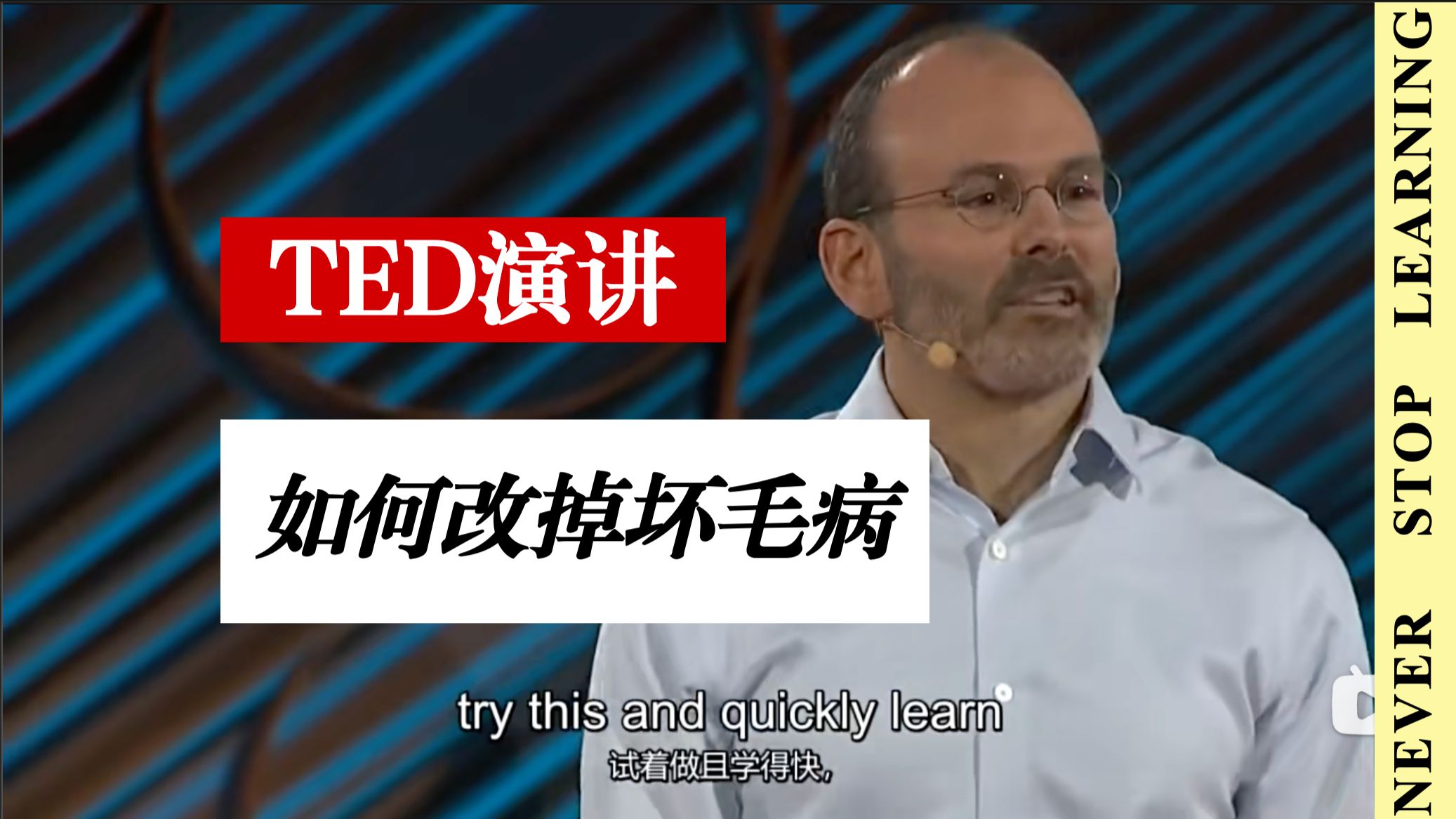
字幕摘录
| 时间 | 英文 | 中文 |
|---|---|---|
| 0:12 | When I was first learning to meditate, | 当我第一次学会冥想时 |
| 0:14 | {\fn黑体\fs22\bord1\shad0\3aHBE\4aH00\fscx67\fscy66\2cHFFFFFF\3cH808080}我的指导就是只注意呼吸 | |
| 0:17 | and when my mind wandered, to bring it back. | 当我的心灵徘徊时, |
| 0:20 | It sounded simple enough, | 听起来很简单 |
| 0:22 | yet I'd sit on these silent retreats, | 但我会坐在这些静静的撤退, |
| 0:26 | sweating through T-shirts in the middle of winter. | 冬至时汗过T恤. |
| 0:29 | I'd take naps every chance I got because it was really hard work. | 我每一次都睡个午觉 因为工作很辛苦 |
| 0:32 | Actually, it was exhausting. | 其实很累 |
| 0:35 | The instruction was simple enough, | 指令很简单 |
| 0:37 | but I was missing something really important. | 但我错过了一件很重要的事 |
展开字幕全文(191 条)
| 序号 | 英文 | 中文 |
|---|---|---|
| 1 | When I was first learning to meditate, | 当我第一次学会冥想时 |
| 2 | {\fn黑体\fs22\bord1\shad0\3aHBE\4aH00\fscx67\fscy66\2cHFFFFFF\3cH808080}我的指导就是只注意呼吸 | |
| 3 | and when my mind wandered, to bring it back. | 当我的心灵徘徊时, |
| 4 | It sounded simple enough, | 听起来很简单 |
| 5 | yet I'd sit on these silent retreats, | 但我会坐在这些静静的撤退, |
| 6 | sweating through T-shirts in the middle of winter. | 冬至时汗过T恤. |
| 7 | I'd take naps every chance I got because it was really hard work. | 我每一次都睡个午觉 因为工作很辛苦 |
| 8 | Actually, it was exhausting. | 其实很累 |
| 9 | The instruction was simple enough, | 指令很简单 |
| 10 | but I was missing something really important. | 但我错过了一件很重要的事 |
| 11 | So why is it so hard to pay attention? | 那么,为什么很难注意呢? |
| 12 | Well, studies show that even when we're really trying to pay attention | 研究表明,即使我们真的 努力关注 |
| 13 | to something, like maybe this talk, | 对某事, 像这个谈话, |
| 14 | at some point, about half of us will drift off into a daydream | 在某个时候,大约一半的我们 会漂流到白日梦中 |
| 15 | or have this urge to check our Twitter feed. | 或有这种冲动 检查我们的Twitter消息。 |
| 16 | So what's going on here? | 发生什么事了? |
| 17 | It turns out that we're fighting | 原来我们是在吵架 |
| 18 | one of the most evolutionarily conserved learning processes | 最进化的保存学习过程之一 |
| 19 | currently known in science, | 科学界目前所知, |
| 20 | one that's conserved back to the most basic nervous systems known to man. | 保存到人类所知的最基本神经系统 |
| 21 | This reward-based learning process is called positive and negative reinforcement | 这种以奖励为基础的学习过程被称为积极和消极的加强 |
| 22 | and basically goes like this. | 基本上是这样的 |
| 23 | We see some food that looks good. | 我们看到一些看起来不错的食物。 |
| 24 | Our brain says, calories, survival. | 我们的大脑说,卡路里,生存。 |
| 25 | We eat the food, we taste it, it tastes good. | 我们吃食物,我们尝它,它的味道很好。 |
| 26 | And especially with sugar, | 特别是用糖 |
| 27 | our body sends a signal to our brain that says, | 我们的身体向我们的大脑发出一个信号说, |
| 28 | remember what you're eating and where you found it. | 记住你在吃什么 在哪里找到的 |
| 29 | We lay down this context-dependent memory | 我们放下了这种依背景而定的记忆 |
| 30 | and learn to repeat the process next time. | 并学会下次重复这个过程。 |
| 31 | See food, eat food, feel good, repeat. | 见食,食食,觉气,反复. |
| 32 | Trigger, behavior, reward. | 触发,行为,奖励。 |
| 33 | Simple, right? | 很简单吧? |
| 34 | Well, after a while, our creative brains say, | 过了一段时间,我们的创意大脑说, |
| 35 | you know what, you can use this for more than just remembering where food is. | 你知道,你可以用这个 不止是记得食物在哪里。 |
| 36 | You know, next time you feel bad, | 你知道,下一次你觉得不好, |
| 37 | why don't you try eating something good so you'll feel better? | 你为什么不吃点好东西 好让你感觉好点? |
| 38 | We thank our brains for the great idea, | 我们感谢我们的大脑 伟大的想法, |
| 39 | try this and quickly learn that if we eat chocolate or ice cream | 试试这个 尽快学会 如果我们吃巧克力或冰淇淋 |
| 40 | when we're mad or sad, we feel better. | 当我们生气或悲伤, 我们感觉更好。 |
| 41 | Same process, just a different trigger. | 同样的过程,只是一个不同的触发器。 |
| 42 | Instead of this hunger signal coming from our stomach, | 而不是我们肚子里的饥饿信号 |
| 43 | this emotional signal, feeling sad, triggers that urge to eat. | 这种情感信号,感到悲伤, 触发了渴望吃饭。 |
| 44 | Maybe in our teenage years, we were a nerd at school, | 也许在我们青少年时代 我们在学校是个书呆子 |
| 45 | and we see those rebel kids outside smoking, | 我们看见那些叛逆的孩子在外面抽烟, |
| 46 | and we think, hey, I want to be cool, so we start smoking. | 我们想,嘿,我想冷静, 所以我们开始吸烟。 |
| 47 | The Marlboro man wasn't a dork, and that was no accident. | 万宝路人不是呆子,这不是意外 |
| 48 | See cool, smoke to be cool, feel good, | 看见凉爽,烟熏凉爽,感觉很好 |
| 49 | repeat, trigger, behavior, reward. | 重复 触发 行为 奖励 |
| 50 | And each time we do this, we learn to repeat the process, | 每次我们这样做, 我们学会重复这个过程, |
| 51 | and it becomes a habit. | 变成一种习惯。 |
| 52 | So later, feeling stressed out triggers that urge to smoke a cigarette | 所以后来,感觉压力很大,引发了 吸烟的冲动 |
| 53 | or to eat something sweet. | 或者吃点甜食 |
| 54 | Now with these same brain processes, | 有了同样的大脑过程, |
| 55 | we've gone from learning to survive | 我们从学习到生存 |
| 56 | to literally killing ourselves with these habits. | 用这些习惯自杀 |
| 57 | Obesity and smoking are among the leading preventable causes | 肥胖和吸烟是主要的可预防原因之一 |
| 58 | of morbidity and mortality in the world. | 世界发病率和死亡率。 |
| 59 | So back to my breath. | 所以,回到我的呼吸。 |
| 60 | What if instead of fighting our brains | 如果不是和我们的大脑搏斗 |
| 61 | or trying to force ourselves to pay attention, | 或者试图强迫自己 注意, |
| 62 | we instead tapped into this natural reward-based learning process | 我们却利用这个自然的 奖励学习过程 |
| 63 | but added a twist? | 却又增加了一个曲折? |
| 64 | What if instead we just got really curious | 要是我们只是好奇 |
| 65 | about what was happening in our momentary experience? | 关于我们短暂经历中发生了什么? |
| 66 | I'll give you an example. | 举个例子 |
| 67 | In my lab, we studied whether mindfulness training | 在我的实验室里,我们研究了心智训练 |
| 68 | could help people quit smoking. | 可以帮助人们戒烟。 |
| 69 | Now, just like trying to force myself to pay attention to my breath, | 就像试图强迫自己注意呼吸一样 |
| 70 | they could try to force themselves to quit smoking. | 他们可以强迫自己戒烟 |
| 71 | And the majority of them had tried this before and failed, | 他们中的大多数人以前尝试过这个,但都失败了, |
| 72 | on average, six times. | 平均六次。 |
| 73 | Now with mindfulness training, we dropped a bit about forcing | 现在,在勤奋训练下,我们放弃了一点强迫 |
| 74 | and instead focused on being curious. | 反而专注于好奇 |
| 75 | In fact, we even told them to smoke. | 事实上,我们甚至叫他们抽烟。 |
| 76 | What? | 你说什么? |
| 77 | Yeah, we said, go ahead and smoke, | 是的,我们说,继续抽烟, |
| 78 | just be really curious about what it's like when you do. | 只是好奇 当你做它是什么样子。 |
| 79 | And what did they notice? | 他们注意到什么了? |
| 80 | Well, here's an example from one of our smokers. | 嗯,这里有一个例子 从我们的吸烟者。 |
| 81 | She said, mindful smoking smells like stinky cheese | 她说,注意吸烟 闻起来像臭奶酪 |
| 82 | and tastes like chemicals. | 和味道像化学品。 |
| 83 | Yuck. | 恶心。 |
| 84 | Now, she knew cognitively that smoking was bad for her. | 她从认知上知道吸烟对她不好 |
| 85 | That's why she joined our program. | 这就是为什么她加入了我们的节目。 |
| 86 | What she discovered just by being curiously aware when she smoked | 她抽烟时发现的 |
| 87 | was that smoking tastes like shit. | 抽烟的味道像狗屎。 |
| 88 | Now, she moved from knowledge to wisdom. | 现在,她从知识转向智慧。 |
| 89 | She moved from knowing in her head that smoking was bad for her | 她从头到尾都意识到抽烟对她不好 |
| 90 | to knowing it in her bones. | 在她的骨头里知道 |
| 91 | And this spell of smoking was broken. | 这个吸烟的咒语被打破了. |
| 92 | She started to become disenchanted with her behavior. | 她开始对自己的行为产生幻觉. |
| 93 | Now, the prefrontal cortex, | 现在,前额皮层, |
| 94 | that youngest part of our brain from an evolutionary perspective, | 从进化的角度看 我们大脑中最年轻的部分 |
| 95 | it understands on an intellectual level that we shouldn't smoke. | 它从知识层面理解我们不应该吸烟。 |
| 96 | And it tries its hardest to help us change our behavior, | 它尽力帮助我们改变行为 |
| 97 | to help us stop smoking, | 帮助我们戒烟, |
| 98 | to help us stop eating that second, that third, that fourth cookie. | 帮助我们停止吃第二,第三,第四饼干。 |
| 99 | We call this cognitive control. | 我们称之为认知控制。 |
| 100 | We're using cognition to control our behavior. | 我们用认知来控制我们的行为。 |
| 101 | Unfortunately, this is also the first part of our brain | 不幸的是,这也是我们大脑的第一部分 |
| 102 | that goes offline when we get stressed out, | 当我们压力大的时候 就会断线 |
| 103 | which isn't that helpful. | 这没什么用 |
| 104 | Now, we can all relate to this in our own experience. | 现在,我们可以用我们自己的经验来讨论这个问题。 |
| 105 | We're much more likely to do things like yell at our spouse or kids | 我们更可能做 像骂我们的配偶或孩子 |
| 106 | when we're stressed out or tired, | 当我们紧张或疲惫, |
| 107 | even though we know it's not going to be helpful. | 虽然我们知道这没什么用 |
| 108 | We just can't help ourselves. | 我们无法自拔 |
| 109 | Now, when the prefrontal cortex goes offline, | 当前额皮质脱线时 |
| 110 | we fall back into our old habits, | 我们回到我们的旧习惯, |
| 111 | which is why this disenchantment is so important. | 这也是为何这种失望如此重要的原因。 |
| 112 | Seeing what we get from our habits | 看我们从习惯中得到什么 |
| 113 | helps us understand them in a deeper level. | 帮助我们更深入地理解它们。 |
| 114 | To know when our bones, | 要知道我们的骨头, |
| 115 | so we don't have to force ourselves to hold back | 所以,我们不必强迫自己 阻挡 |
| 116 | or restrain ourselves from behavior. | 或克制自己的行为。 |
| 117 | We're just less interested in doing it in the first place. | 我们只是不太有兴趣 这样做在一开始。 |
| 118 | And this is what mindfulness is all about. | 这就是心意所在 |
| 119 | Seeing really clearly what we get when we get caught up in our behaviors, | 看到真正清楚 当我们被卷入我们的行为, |
| 120 | becoming disenchanted on a visceral level, | 渐渐丧失理智, |
| 121 | and from this disenchanted stance, naturally letting go. | 从这种迷茫的姿态,自然地放手。 |
| 122 | This isn't to say that, poof, magically we quit smoking, | 这不是说,Poof,神奇的我们戒烟, |
| 123 | but over time, as we learn to see more and more clearly | 但随着时间的流逝,我们学会了 越来越清楚地看到 |
| 124 | the results of our actions, | 我们行动的结果, |
| 125 | we let go of old habits and form new ones. | 我们放弃旧习惯,形成新的习惯。 |
| 126 | The paradox here is that mindfulness is just about being really interested | 这里的矛盾之处在于, 注意只是真正感兴趣 |
| 127 | in getting close and personal with what's actually happening | 亲近和亲近 与实际发生 |
| 128 | in our bodies and minds from moment to moment. | 我们的身体和思想 瞬间。 |
| 129 | This willingness to turn toward our experience | 这种转向我们经验的意愿 |
| 130 | rather than trying to make unpleasant cravings go away | 而不是试图让不愉快的渴望消失 |
| 131 | as quickly as possible. | 尽快 |
| 132 | And this willingness to turn toward our experience | 愿意转向我们的经验 |
| 133 | is supported by curiosity, | 有好奇心的支持, |
| 134 | which is naturally rewarding. | 这自然是报酬的。 |
| 135 | What does curiosity feel like? | 好奇心是什么感觉? |
| 136 | It feels good. | 感觉不错。 |
| 137 | And what happens when we get curious? | 我们好奇时会怎样? |
| 138 | We start to notice that cravings are simply made up of body sensations. | 我们开始注意到 渴望只是由身体的感觉组成 |
| 139 | Oh, there's tightness, there's tension, there's restlessness, | 紧张 紧张 不安 |
| 140 | and that these body sensations come and go. | 和这些身体的感觉 来去去。 |
| 141 | These are bite-sized pieces of experiences | 这些是咬伤大小的经验 |
| 142 | that we can manage from moment to moment | 我们可以不时应付 |
| 143 | rather than getting clobbered by this huge, scary craving that we choke on. | 而不是被这个巨大的, 可怕的渴望所痛击 我们窒息。 |
| 144 | In other words, when we get curious, | 换句话说,当我们感到好奇时, |
| 145 | we step out of our old fear-based reactive habit patterns, | 我们走出了基于恐惧的习惯模式 |
| 146 | and we step into being. | 我们步入正轨 |
| 147 | We become this inner scientist | 我们成了这个内科学家 |
| 148 | where we're eagerly awaiting that next data point. | 我们正热切等待下一个数据点 |
| 149 | Now, this might sound too simplistic to affect behavior, | 现在,这听起来可能过于简单 影响行为, |
| 150 | but in one study we found that mindfulness training was twice as good | 但是在一项研究中,我们发现 思维训练是两倍好 |
| 151 | as gold standard therapy at helping people quit smoking. | 作为帮助人们戒烟的金本位疗法. |
| 152 | So it actually works. | 所以它实际上起作用了。 |
| 153 | And when we studied the brains of experienced meditators, | 当我们研究有经验的冥想者的大脑时 |
| 154 | we found that parts of a neural network of self-referential processing | 我们发现,神经网络的部分 自优处理 |
| 155 | called the default-mode network were at play. | 名为默认模式网络在运行。 |
| 156 | Now, one current hypothesis is that a region of this network | 目前的一个假设是 这个网络的一个区域 |
| 157 | called the posterior cingulate cortex | 叫做后环状皮层 |
| 158 | is activated not necessarily by craving itself, | 不一定因为渴望自己而激活, |
| 159 | but when we get caught up in it, | 但当我们陷入其中, |
| 160 | when we get sucked in and it takes us for a ride. | 当我们被吸进去, 它需要我们一程。 |
| 161 | In contrast, when we let go, step out of the process, | 反之,当我们放手,走出过程, |
| 162 | just by being curiously aware of what's happening, | 只是好奇地知道发生了什么 |
| 163 | this same brain region quiets down. | 同一个大脑区域安静下来。 |
| 164 | Now we're testing app and online-based mindfulness training programs | 现在我们在测试应用软件 和在线意识训练 |
| 165 | that target these core mechanisms | 以这些核心机制为目标 |
| 166 | and, ironically, use the same technology that's driving us to distraction | 讽刺的是,用同样的技术 驱使我们分心 |
| 167 | to help us step out of our unhealthy habit patterns of smoking, | 帮助我们摆脱不健康的吸烟习惯模式, |
| 168 | of stress-eating and other addictive behaviors. | 吃压力和其他成瘾行为 |
| 169 | Now, remember that bit about context-dependent memory? | 现在,还记得那一点 依赖上下文的记忆? |
| 170 | We can deliver these tools to people's fingertips | 我们可以把这些工具送到人们的指尖上 |
| 171 | in the contexts that matter most, | 在最重要的情况下, |
| 172 | so we can help them tap into their inherent capacity | 这样我们就能帮助他们发挥内在的能力 |
| 173 | to be curiously aware right when that urge to smoke or stress-eat | 当他们想抽烟或吃压力时 就会好奇地意识到 |
| 174 | or whatever arises. | 或随缘而生. |
| 175 | So if you don't smoke or stress-eat, | 所以如果你不抽烟,不吃压力, |
| 176 | maybe the next time you feel this urge to check your email when you're bored | 也许下次你觉得无聊的时候 急着检查你的邮件 |
| 177 | or you're trying to distract yourself from work, | 或者你想转移你的工作注意力 |
| 178 | or maybe to compulsively respond to that text message when you're driving, | 或者在你开车时 强制回复短信 |
| 179 | see if you can tap into this natural capacity, | 看看你能不能利用这个自然能力 |
| 180 | just be curiously aware of what's happening in your body and mind | 只是好奇地 了解你的身体和心灵正在发生的一切 |
| 181 | in that moment. | 在那一刻。 |
| 182 | It will just be another chance to perpetuate | 这将是另一个机会 延续 |
| 183 | one of our endless and exhaustive habit loops, | 我们无穷无尽的习惯循环 |
| 184 | or step out of it. | 或离开它。 |
| 185 | Instead of see text message, compulsively text back, | 而不是看到短信, 强制回短信, |
| 186 | feel a little bit better, | 感觉好一点, |
| 187 | notice the urge, | 你应当觉悟, |
| 188 | get curious, | 变得好奇, |
| 189 | feel the joy of letting go | 感受放手的快乐 |
| 190 | and repeat. | 再说一遍 |
| 191 | Thank you. | 谢谢 |
该视频共有字幕 191 条。解锁更多字幕为会员功能,请移动到 价格