用英语谈论昨天 | 100个过去时句子 | A1–A2级别跟
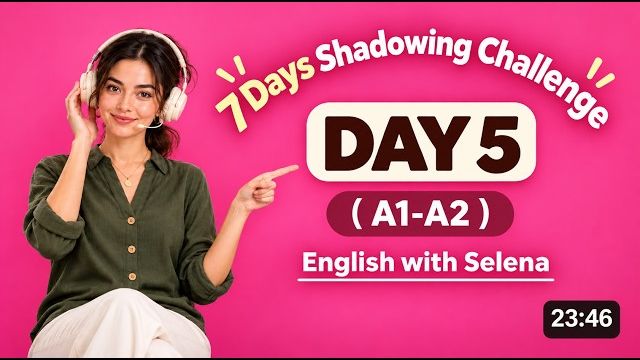
字幕摘录
| 时间 | 英文 | 中文 |
|---|---|---|
| 0:00 | Someone asks you a simple question. | 有人问你一个简单的问题 |
| 0:03 | What did you do yesterday? | 你昨天做了什麽? |
| 0:05 | You know the answer. | 你知道答案吗? |
| 0:07 | You remember your breakfast, your work, your messages, | 你记得你的早餐,你的工作,你的消息, |
| 0:10 | and that little thing that made you laugh. | 和那个小东西让你笑。 |
| 0:13 | But when you try to explain it in English, | 但当你试图用英语解释时, |
| 0:16 | everything comes out in the present. | 一切如来现前. |
| 0:18 | I wake up. | 我醒来。 |
| 0:19 | I go outside. | 我到外面来 |
| 0:21 | I meet my friend. | 我遇见我的朋友。 |
展开字幕全文(491 条)
| 序号 | 英文 | 中文 |
|---|---|---|
| 1 | Someone asks you a simple question. | 有人问你一个简单的问题 |
| 2 | What did you do yesterday? | 你昨天做了什麽? |
| 3 | You know the answer. | 你知道答案吗? |
| 4 | You remember your breakfast, your work, your messages, | 你记得你的早餐,你的工作,你的消息, |
| 5 | and that little thing that made you laugh. | 和那个小东西让你笑。 |
| 6 | But when you try to explain it in English, | 但当你试图用英语解释时, |
| 7 | everything comes out in the present. | 一切如来现前. |
| 8 | I wake up. | 我醒来。 |
| 9 | I go outside. | 我到外面来 |
| 10 | I meet my friend. | 我遇见我的朋友。 |
| 11 | And then you stop. | 然后你停下来。 |
| 12 | Was it go, went, or something else? | 是去,去,还是别的? |
| 13 | Meanwhile, the other person is still waiting. | 与此同时,另一个人仍在等待。 |
| 14 | If that feels familiar, today's practice is for you. | 如果觉得熟悉的话,今天的练习是给你的. |
| 15 | Hi, I'm Selena, and welcome back to English with Selena. | 嗨,我是塞琳娜,欢迎回到英语 与塞琳娜。 |
| 16 | This is Day 5 of our 7-day English Shadowing Challenge | 这是我们7天的英国影子挑战赛的第5天 |
| 17 | for A1 and A2 learners. | A1和A2学习者。 |
| 18 | Today, we're learning how to talk about yesterday. | 今天,我们学习如何谈论昨天。 |
| 19 | You'll practice 100 useful sentences for sharing what you did, | 你会练习100句有用的句子 分享你的行为, |
| 20 | how you felt, and what happened. | 感觉如何,发生了什么。 |
| 21 | And we're going to follow a little story. | 我们要跟随一个小故事 |
| 22 | It starts with a late alarm, | 从迟到警报开始 |
| 23 | includes a missing wallet, | 包括一个丢失的钱包, |
| 24 | and ends with something much nicer. | 以更好的东西结束 |
| 25 | Stay with me, because later you'll use these sentences to tell your own story. | 留在我身边,因为以后你会用这些句子来讲述你自己的故事. |
| 26 | First, listen carefully. | 先仔细听好 |
| 27 | When I say repeat, say the sentence aloud. | 当我说重复,大声说句。 |
| 28 | Take your time during the pauses. | 暂停时慢慢来 |
| 29 | If you need longer, pause the video and finish your sentence comfortably. | 如果你需要更长的时间,请暂停视频 并舒适地完成你的句子。 |
| 30 | On your second round, try speaking just behind my voice | 在你的第二轮比赛中 试着在我的声音后面说话 |
| 31 | and following my rhythm. | 跟着我的节奏 |
| 32 | You don't have to remember every past tense verb today. | 你不必记得今天每一个过去紧张的动词. |
| 33 | Start by getting comfortable saying complete sentences. | 从说完整的句子开始 |
| 34 | Imagine you're telling a friendly person about your day. | 想象一下你告诉一个友好的人 关于你的一天。 |
| 35 | Let's begin with yesterday morning. | 从昨天早上开始吧 |
| 36 | Repeat. | 复说. |
| 37 | Well, that was an energetic beginning. | 嗯,这是一个充满活力的开始。 |
| 38 | Unfortunately, it wasn't the kind of energy I had planned. | 不幸的是 这不是我计划的那种能量 |
| 39 | You know that moment when you check the time twice because you don't believe it? | 你知道那个时刻 你检查了两次时间 因为你不相信吗? |
| 40 | Yes, that moment. | 是的,那个时刻。 |
| 41 | Notice the sentence, I woke up. | 注意判决,我醒来。 |
| 42 | When we talk about a usual routine, we say, I wake up. | 当我们谈论一个常规的,我们说,我醒来。 |
| 43 | When we talk about yesterday, we say, I woke up. | 当我们谈论昨天,我们说, 我醒来。 |
| 44 | For now, listen to the whole sentence | 现在,听整个句子 |
| 45 | and let the situation help you remember it. | 让情况帮助你记住 |
| 46 | Let's find out what happened next. | 让我们看看接下来发生了什么。 |
| 47 | I went straight to the bathroom. | 我直接上厕所 |
| 48 | Repeat. | 复说. |
| 49 | I brushed my teeth. | 我刷过牙 |
| 50 | Repeat. | 复说. |
| 51 | I washed my face. | 我洗了脸 |
| 52 | Repeat. | 复说. |
| 53 | I took a quick shower. | 我洗了个澡 |
| 54 | Repeat. | 复说. |
| 55 | I got dressed in a hurry. | 我穿得这么急 |
| 56 | Repeat. | 复说. |
| 57 | Getting dressed in a hurry can lead to interesting decisions. | 着装着急可以导致有趣的决定. |
| 58 | You might choose two socks that have never met before | 你可以选两只从未见过的袜子 |
| 59 | or put something on inside out and only notice much later. | 或者把东西放进去 以后才会发现 |
| 60 | Fortunately, yesterday's outfit was already waiting on a chair. | 幸运的是,昨天的服装 已经等待在椅子上。 |
| 61 | Actually, yesterday evening, I also chose the dress I'm wearing for today's lesson. | 其实,昨天晚上,我也选择了穿的衣服 今天的课。 |
| 62 | I liked how it looked, so I decided to wear it for our practice. | 我喜欢它的样子, 所以我决定穿它给我们练习。 |
| 63 | If you'd like to buy this dress, the link is in the description. | 如果你想买这件裙子,请在描述中提供链接. |
| 64 | You can have a look after the lesson. | 你可以看一看课。 |
| 65 | And there's a useful little past tense story right there. | 有一个有用的过去紧张的故事就在这里。 |
| 66 | I chose the dress. | 我选的裙子。 |
| 67 | I liked it. | 我喜欢 |
| 68 | I decided to wear it. | 我决定穿它。 |
| 69 | Now, back to our rushed morning. | 现在,回到我们匆忙的早晨。 |
| 70 | I made a cup of tea. | 我泡了杯茶 来 |
| 71 | Repeat. | 复说. |
| 72 | I had toast for breakfast. | 我早餐吃过烤面包了 |
| 73 | Repeat. | 复说. |
| 74 | I ate more quickly than usual. | 我吃得比平常还快 |
| 75 | Repeat. | 复说. |
| 76 | I didn't check my phone. | 我没有检查我的手机。 |
| 77 | Repeat. | 复说. |
| 78 | I put my lunch in my bag. | 我把午餐放进包里了 |
| 79 | Repeat. | 复说. |
| 80 | Listen to didn't check. | 听没有检查。 |
| 81 | After didn't, we use the basic form of the action word. | 之后,我们使用动作词的基本形式. |
| 82 | We say I didn't check, not I didn't checked. | 我们说我没有检查, 我没有检查。 |
| 83 | You'll hear this pattern several times today. | 今天你会听到这个模式几次。 |
| 84 | There's no need to hold a big grammar rule in your mind while speaking. | 说话时不必在思想中坚持大语法规则. |
| 85 | Practice useful combinations until they become familiar. | 练习有用的组合,直到熟悉为止。 |
| 86 | Think about something you didn't do yesterday. | 想想你昨天没有做的事 |
| 87 | Keep that idea ready for later. | 晚点再考虑 |
| 88 | We still need to get out of the house. | 我们还需要走出家门 |
| 89 | I couldn't find my keys. | 我找不到我的钥匙。 |
| 90 | Repeat. | 复说. |
| 91 | I looked under the table. | 我看着桌子下面。 |
| 92 | Repeat. | 复说. |
| 93 | They were in my jacket pocket. | 他们在我的夹克口袋里。 |
| 94 | Repeat. | 复说. |
| 95 | I felt relieved. | 我觉得很轻松 |
| 96 | Repeat. | 复说. |
| 97 | I left home at half past eight. | 我八点半离开家 |
| 98 | Repeat. | 复说. |
| 99 | The keys were safe. | 钥匙很安全 |
| 100 | That was one problem solved. | 这个问题已经解决了。 |
| 101 | But leaving home late meant the journey might be a little different. | 但迟回家意味着旅程可能有些不同 |
| 102 | Before we continue, notice how the story moves. | 在我们继续之前 注意故事的动向 |
| 103 | Each sentence gives one clear piece of information. | 每句给出一个清晰的信息. |
| 104 | You don't need one long sentence with every detail inside it. | 你不需要一个长句 里面每个细节。 |
| 105 | A few short sentences can tell someone exactly what happened. | 短短的几句话可以告诉某人到底发生了什么。 |
| 106 | Now let's step outside. | 现在让我们出去。 |
| 107 | It was colder than I expected. | 比我想象的还要冷 |
| 108 | Repeat. | 复说. |
| 109 | The street was busy. | 街上忙着呢 |
| 110 | Repeat. | 复说. |
| 111 | I walked quickly to the bus stop. | 我走得很快 到巴士站。 |
| 112 | Repeat. | 复说. |
| 113 | I arrived just after the bus left. | 公交车刚走我就到了 |
| 114 | Repeat. | 复说. |
| 115 | My morning didn't go as planned. | 我的早晨没有按计划进行 |
| 116 | Repeat. | 复说. |
| 117 | That's your first 25 sentences. | 初二十五句说. |
| 118 | Imagine watching the bus disappear around the corner. | 想象一下看公交车在拐角处消失 |
| 119 | There's nothing to do except breathe and decide what comes next. | 除了呼吸和决定接下来的结局之外,没有其他事情可做. |
| 120 | Before we follow the story, think about your own morning yesterday. | 在我们跟踪这个故事之前 想想昨天的早晨 |
| 121 | What time did you wake up? | 你什么时候醒的? |
| 122 | What did you eat? | 你吃过什么? |
| 123 | Say two sentences using the examples you just practiced. | 用你刚学过的例子说两句 |
| 124 | Change the details so they're true for you. | 改变细节,这样它们才是真的 |
| 125 | Now let's see whether the rest of our day gets any easier. | 现在让我们看看我们剩下的时间是否变得更加容易。 |
| 126 | So the bus has gone. | 所以公交车已经走了 |
| 127 | I'm standing at the stop with my bag, my lunch, and a very strong wish to restart the morning. | 我拿着我的包,我的午餐,站在车站上, 并且非常强烈地希望早上重新开始。 |
| 128 | But a late start doesn't have to decide the whole day. | 但迟到的开始不必决定一整天。 |
| 129 | There's another bus coming. | 还有另一辆巴士来了 |
| 130 | And while I wait, I can let someone know I'm running late. | 在我等待的时候 我可以让别人知道我迟到了 |
| 131 | This part of the story takes us through the journey and into the afternoon. | 这部分故事带我们度过旅程,进入下午. |
| 132 | You'll practice common actions such as sending a message, arriving somewhere, | 你会练习一些常见的动作 比如发送信息,到达某个地方, |
| 133 | finishing a task, and meeting a friend. | 完成一个任务, 和朋友见面。 |
| 134 | These sentences can fit work, college, or other everyday activities. | 这些判决可以适合工作、大学或其他日常活动。 |
| 135 | Use the examples first. | 先举例. |
| 136 | Later, change the places and people to match your life. | 以后,换个地方和人来配合你的生活 |
| 137 | I waited for the next bus. | 我等下一班车 |
| 138 | Repeat. | 复说. |
| 139 | I sent my coworker a message. | 我给同事发了条信息 |
| 140 | Repeat. | 复说. |
| 141 | I explained that I was running late. | 我解释我迟到了 |
| 142 | Repeat. | 复说. |
| 143 | The next bus arrived 10 minutes later. | 下一班巴士10分钟后抵达. |
| 144 | Repeat. | 复说. |
| 145 | I found a seat near the window. | 我在窗户附近找到一个座位 |
| 146 | Repeat. | 复说. |
| 147 | At last, a chance to sit down. | 终于有机会坐下了 |
| 148 | Notice sent and found. | 通知发出并找到。 |
| 149 | We say, I send a message when describing a regular action. | 我们说,我在描述常规行动时发出一个信息。 |
| 150 | For yesterday, we say, I sent a message. | 昨天,我们说,我发出了一个信息。 |
| 151 | We say, I find a seat. | 我们说,我找到一个座位。 |
| 152 | And I found a seat. | 我找到一个座位。 |
| 153 | Some past forms look different from the basic verb. | 一些过去的形式看起来与基本动词不同. |
| 154 | You'll meet them often in ordinary conversations. | 你会经常在普通的谈话中见到他们 |
| 155 | For now, connect each word with a clear picture. | 现在,用清晰的图片连接每个单词. |
| 156 | Imagine sending the message. | 想象一下发送信息。 |
| 157 | Imagine finding the seat. | 想象一下找到座位 |
| 158 | Then let the whole sentence tell you what happened. | 那就让整个句子告诉你发生了什么 |
| 159 | I listened to an English lesson. | 我听了一个英语课。 |
| 160 | Repeat. | 复说. |
| 161 | I watched the streets through the window. | 我透过窗户看着街道 |
| 162 | Repeat. | 复说. |
| 163 | I got off near my office. | 我在办公室附近下车了 |
| 164 | Repeat. | 复说. |
| 165 | I arrived 15 minutes late. | 我迟到15分钟 |
| 166 | Repeat. | 复说. |
| 167 | My coworker saved me a seat. | 我的同事给我留了个座位 |
| 168 | Repeat. | 复说. |
| 169 | That was kind. | 刚才真好 |
| 170 | Sometimes a small, helpful action makes a difficult morning feel much better. | 有时,一个小小的、有益的行动使一个艰难的早晨感觉好多了。 |
| 171 | Think about someone who helped you recently. | 想想最近帮你的人 |
| 172 | Maybe they answered a question. | 也许他们回答了一个问题。 |
| 173 | Maybe they carried something. | 也许他们携带的东西。 |
| 174 | Maybe they simply waited for you. | 也许他们只是等着你 |
| 175 | You can describe that moment in a short English sentence. | 你可以用英语短句来形容这一刻. |
| 176 | And notice the difference between got off and arrived. | 注意下车和到达的区别 |
| 177 | I got off the bus. | 我下车了 |
| 178 | Then I arrived at the office. | 然后我来到了办公室 |
| 179 | The details help the listener follow the journey. | 细节帮助听众跟踪旅程. |
| 180 | Now let's get through the morning's work. | 现在让我们通过早上的工作。 |
| 181 | I checked my messages. | 我检查了我的留言。 |
| 182 | Repeat. | 复说. |
| 183 | I finished an important task. | 我完成了一项重要的任务。 |
| 184 | Repeat. | 复说. |
| 185 | I asked a question during the meeting. | 我在会议期间问了一个问题。 |
| 186 | Repeat. | 复说. |
| 187 | I made a small mistake. | 我犯了一个小错误。 |
| 188 | Repeat. | 复说. |
| 189 | I corrected it and tried again. | 我纠正了它,并再次尝试。 |
| 190 | Repeat. | 复说. |
| 191 | I like that last sentence. | 我喜欢最后一句话 |
| 192 | It's useful for talking about work, studying, cooking, and learning English. | 可用于谈论工作,学习,烹饪,学习英语. |
| 193 | A mistake happened. | 发生了一个错误。 |
| 194 | Then you did something about it. | 然后你做了点什么 |
| 195 | That gives your story a beginning and a next step. | 这让你的故事有了开始和下一步。 |
| 196 | If you're a student, you can change the meeting to a class. | 若是学生,可以改会为班. |
| 197 | If you're at home, you can talk about a task around the house. | 如果你在家,你可以 谈论一个任务周围的房子。 |
| 198 | The pattern still helps. | 模式还是有用的。 |
| 199 | Now the busy morning is over. | 现在忙碌的早晨结束了。 |
| 200 | It's time to open the lunch bag we remembered to pack. | 是时候打开我们记得打包的午餐包了 |
| 201 | I had lunch with a co-worker. | 我和同事吃过午饭 |
| 202 | Repeat. | 复说. |
| 203 | We talked about our weekend. | 我们谈过周末的事 |
| 204 | Repeat. | 复说. |
| 205 | I drank a glass of water. | 我喝过一杯水 |
| 206 | Repeat. | 复说. |
| 207 | After lunch, I went for a short walk. | 午饭后,我去散步 |
| 208 | Repeat. | 复说. |
| 209 | The fresh air helped me feel better. | 新鲜空气让我感觉好多了 |
| 210 | Repeat. | 复说. |
| 211 | You've now moved through a whole morning and into the afternoon. | 你整个早上都搬到下午了 |
| 212 | After lunch is a useful way to show when something happened. | 午饭后是显示事情发生时的有用方法. |
| 213 | You can also say after work, after class, or after dinner. | 也可以在下班后,课后,或晚饭后说. |
| 214 | These little phrases help organize your story. | 这些小短语有助于整理你的故事。 |
| 215 | The listener doesn't have to guess which event happened first. | 收听者不必猜测哪个事件先发生. |
| 216 | Now, remember the friend we planned to see? | 现在,还记得我们打算见的朋友吗? |
| 217 | She sends a message asking whether we can meet after work. | 她发出一个信息,问我们是否可以在下班后见面。 |
| 218 | A quiet cup of tea sounds like a good idea. | 安静的茶 听起来是个好主意 |
| 219 | I finished work at five. | 我五点下班了 |
| 220 | Repeat. | 复说. |
| 221 | I met a friend at a cafe. | 我在咖啡馆遇到一个朋友 |
| 222 | Repeat. | 复说. |
| 223 | We ordered tea and sandwiches. | 我们订了茶和三明治 |
| 224 | Repeat. | 复说. |
| 225 | I reached into my bag for my wallet. | 我伸进我的包里拿钱包 |
| 226 | Repeat. | 复说. |
| 227 | My wallet wasn't there. | 我的钱包不在那里。 |
| 228 | Repeat. | 复说. |
| 229 | Oh no. | 哦,没有。 |
| 230 | The morning had keys in the wrong place. | 早上有钥匙在错误的地方。 |
| 231 | Now the afternoon has a missing wallet. | 现在下午的钱包不见了 |
| 232 | Before we panic, let's pause our story. | 在惊慌之前,让我们暂停我们的故事。 |
| 233 | You've completed 50 practice sentences. | 你完成了50个练习课 |
| 234 | Take a breath and relax your shoulders. | 深呼吸,放松你的肩膀。 |
| 235 | Think about the actions you've just practiced. | 想想你刚刚练习过的动作 |
| 236 | You waited, sent a message, arrived, worked, ate, walked, and met a friend. | 你等了一会儿,发了信息,到了,工作,吃,走,遇到了一个朋友. |
| 237 | That is already a lot of useful English. | 这已经是很多有用的英语。 |
| 238 | Try remembering three events from yesterday in order. | 试着记住昨天发生的三件事 |
| 239 | Save a first event. | 省下第一个事件. |
| 240 | Add then before the second. | 在第二节之前添加。 |
| 241 | Add after that before the third. | 后加三释前. |
| 242 | Keep the sentences short. | 令诸句句. |
| 243 | The goal is to help someone follow your day. | 目标是帮助别人追随你的一天。 |
| 244 | Now, let's get back to the cafe. | 现在,让我们回到咖啡馆。 |
| 245 | My friend is watching me search the same little pocket for the third time. | 我的朋友在看我 搜索同样的小口袋 第三次。 |
| 246 | I think we need a better plan. | 我认为我们需要更好的计划。 |
| 247 | You know what happens when you can't find something important? | 你知道找不到重要的东西会怎样吗? |
| 248 | You look in a pocket. | 你看着一个口袋。 |
| 249 | Then you look in the same pocket again. | 然后你又在同一个口袋里看 |
| 250 | As if the wallet might appear because you asked more seriously the second time. | 好像钱包可能会出现 因为你第二次问得更认真 |
| 251 | My friend gently suggests checking somewhere else. | 我的朋友轻轻地建议去别的地方检查 |
| 252 | A very reasonable suggestion. | 一个非常合理的建议。 |
| 253 | This part of our story includes a small problem, | 我们故事的这一部分包括一个小问题 |
| 254 | a helpful friend, and a much calmer evening. | 一个有帮助的朋友, 一个更平静的夜晚。 |
| 255 | You'll practice describing feelings as well as actions. | 你会练习描述感情以及行动 |
| 256 | Because when people ask about your day, they often want to know both. | 因为当人们问起你的一天, 他们常常想知道两者。 |
| 257 | What happened and how did you feel about it? | 发生了什么事,你感觉如何? |
| 258 | Let's start with the missing wallet. | 让我们从丢失的钱包开始。 |
| 259 | I checked every pocket in my bag. | 我检查了包里所有的口袋 |
| 260 | Repeat. | 复说. |
| 261 | I couldn't remember where I put it. | 我不记得我把它放在哪了 |
| 262 | Repeat. | 复说. |
| 263 | I felt worried. | 我感到担心。 |
| 264 | Repeat. | 复说. |
| 265 | My friend helped me look. | 我朋友帮我找了 |
| 266 | Repeat. | 复说. |
| 267 | Then I checked my jacket. | 然后我检查了我的外套。 |
| 268 | Repeat. | 复说. |
| 269 | Remember the jacket from this morning? | 记得今天早上的外套吗? |
| 270 | The keys were in one pocket. | 钥匙在一个口袋里 |
| 271 | Can you guess what was in the other one? | 你能猜到另一个里面是什么吗? |
| 272 | Yes, my wallet. | 是的,我的钱包 |
| 273 | Apparently my jacket was better organized than I was. | 显然我的夹克比我更有条理 |
| 274 | Notice how then moves the story forward. | 注意如何推进故事 |
| 275 | First I check the bag. | 我先检查一下包 |
| 276 | Then I check the jacket. | 然后我检查了外套。 |
| 277 | You can use the same simple structure whenever you describe solving a problem. | 当描述解决问题时,可以使用相同的简单结构. |
| 278 | What did you try first? | 你先试了什么? |
| 279 | What did you do next? | 你接下来做了什么? |
| 280 | Let's finish this little mystery. | 让我们来完成这个小谜团 |
| 281 | My wallet was in the inside pocket. | 我的钱包在里面口袋里 |
| 282 | Repeat. | 复说. |
| 283 | I laughed at myself. | 我笑着自己。 |
| 284 | Repeat. | 复说. |
| 285 | My friend looked relieved too. | 我朋友看起来也很轻松 |
| 286 | Repeat. | 复说. |
| 287 | We enjoyed our food. | 我们享受我们的食物。 |
| 288 | Repeat. | 复说. |
| 289 | I paid before we left. | 我们离开前我付了钱 |
| 290 | Repeat. | 复说. |
| 291 | A difficult moment became something we could laugh about, and now we have a little story to tell. | 一个艰难的时刻变成了我们可以笑的东西, 现在我们有一个小故事要说。 |
| 292 | You don't need a holiday, an adventure, or an amazing event to practice past tense English. | 你不需要节日 冒险 或一个惊人的事件来练习过紧张的英语 |
| 293 | Losing something for two minutes can give you a story. | 失去东西两分钟可以给你一个故事。 |
| 294 | So can burning your toast, missing a bus, or receiving a kind message. | 烧了你的烤面包 错过公交车 或者收到好消息 |
| 295 | Ordinary experiences give you plenty to talk about. | 普通的经验让你有很多话要说 |
| 296 | Now let's leave the cafe and head home. | 现在,让我们离开咖啡馆 回家。 |
| 297 | The day has already been busy enough. | 今天已经够忙了 |
| 298 | I stopped at a grocery store. | 我去了一家杂货店 |
| 299 | Repeat. | 复说. |
| 300 | I bought some vegetables. | 我买了一些蔬菜。 |
| 301 | Repeat. | 复说. |
| 302 | I forgot to buy bread. | 我忘了买面包 |
| 303 | Repeat. | 复说. |
| 304 | I remembered it on the way home. | 我在回家的路上记得 |
| 305 | Repeat. | 复说. |
| 306 | I decided not to go back. | 我决定不回去了 |
| 307 | Repeat. | 复说. |
| 308 | Sometimes dinner simply has to continue without bread. | 有时晚餐只能继续 没有面包。 |
| 309 | Notice the pair forgot and remembered. | 注意那对夫妇忘记和记住。 |
| 310 | They're useful when you're telling someone why something happened. | 你告诉别人事情发生的原因 他们很有用 |
| 311 | You forgot an item. | 你忘了一件东西。 |
| 312 | You remembered it later. | 你后来记得的 |
| 313 | Then you made a decision. | 然后你做了一个决定。 |
| 314 | That's another clear little sequence. | 这是另一个清晰的小序列。 |
| 315 | Think of something you forgot recently. | 想想最近你忘了的东西 |
| 316 | Maybe you forgot to charge your phone or reply to a message. | 也许你忘了给手机充电或回信 |
| 317 | You can practice describing it without turning the mistake into a big event. | 你可以在不把错误变成大事的情况下 练习描述它 |
| 318 | Now we finally reached home. | 现在我们终于到了家 |
| 319 | I got home around seven. | 我七点左右回家 |
| 320 | Repeat. | 复说. |
| 321 | I changed into comfortable clothes. | 我换了件舒适的衣服 |
| 322 | Repeat. | 复说. |
| 323 | I helped my family make dinner. | 我帮家人做了晚餐 |
| 324 | Repeat. | 复说. |
| 325 | We ate together in the kitchen. | 我们一起在厨房吃饭 |
| 326 | Repeat. | 复说. |
| 327 | I told them about my missing wallet. | 我告诉他们我的钱包不见了 |
| 328 | Repeat. | 复说. |
| 329 | Of course, everyone wanted to know where I found it. | 当然,每个人都想知道 我在哪里找到它。 |
| 330 | And when I said it was in my jacket, someone asked why I hadn't checked there first. | 当我说它在我的外套, 有人问我为什么不先检查那里。 |
| 331 | A fair question. | 一个合理的问题。 |
| 332 | But sometimes the obvious place becomes obvious only after we find the thing. | 但有时我们发现它后 显眼的地方才变得明显 |
| 333 | Notice told. | 通知说。 |
| 334 | We use told when we mention who received the information. | 当我们提到谁收到情报时,我们用到消息。 |
| 335 | I told my family. | 我告诉我的家人。 |
| 336 | I told my friend. | 我告诉了我的朋友。 |
| 337 | You can use it to describe sharing news or explaining something that happened. | 你可以用它来描述分享新闻或解释所发生的事情. |
| 338 | Now let's slow down for the evening. | 现在,让我们慢下来的晚上。 |
| 339 | After dinner, I washed the dishes. | 饭后洗盘子. |
| 340 | Repeat. | 复说. |
| 341 | I watched a short video. | 我看过一段短视频 |
| 342 | Repeat. | 复说. |
| 343 | I practiced English for 15 minutes. | 我练习英语15分钟。 |
| 344 | Repeat. | 复说. |
| 345 | I put my keys and wallet beside my bag. | 我把钥匙和钱包放在包边 |
| 346 | Repeat. | 复说. |
| 347 | I went to bed feeling calmer. | 我睡得比较平静 |
| 348 | Repeat. | 复说. |
| 349 | That's 75 sentences completed. | 这是75句完成。 |
| 350 | And our missing wallet mystery is solved. | 我们失踪的钱包谜团解开了 |
| 351 | Before moving on, notice the final change in the story. | 在继续前,注意故事的最后变化. |
| 352 | The morning felt rushed. | 早上感觉很匆忙 |
| 353 | The afternoon included a worry. | 下午包括一个担心。 |
| 354 | The evening felt calmer. | 晚上感觉更平静 |
| 355 | When you describe feelings, your listener understands more than a list of activities. | 当你描述感情时,你的听众理解的不仅仅是活动清单. |
| 356 | They understand what the day was like for you. | 他们知道你今天的心情 |
| 357 | Now, think of one moment from yesterday. | 现在,想想从昨天开始的一刻。 |
| 358 | How did you feel? | 你感觉怎么样? |
| 359 | Happy? | 开心吗? |
| 360 | Tired? | 累吗? |
| 361 | Worried? | 担心? |
| 362 | Relaxed? | 放松点? |
| 363 | Choose one feeling and connect it to an event. | 选择一种感觉并将其连接到一个事件 。 |
| 364 | You might say, I felt happy because my friend called. | 你可能会说,我很高兴 因为我的朋友打电话。 |
| 365 | Or, I was tired after work. | 或者,我下班后累了。 |
| 366 | Pause here and try your own sentence. | 暂停这里,试试你自己的句子 |
| 367 | There's no need to make it impressive. | 没必要让它给人留下深刻印象 |
| 368 | Make it true. | 令其真实. |
| 369 | In our final part, we'll practice asking someone else about yesterday. | 最后部分,我们练习 问别人昨天的事。 |
| 370 | Then, you'll have a chance to tell your own short story from beginning to end. | 然后,你会有机会 讲述你自己的短篇故事 从开始到结束。 |
| 371 | Now, imagine it's the next morning. | 现在,想象这是第二天早上。 |
| 372 | A friend sees you and asks how yesterday went. | 一个朋友看到你 问昨天怎么样 |
| 373 | You have plenty to say. | 你有很多话要说 |
| 374 | But a good conversation gives both people a chance to speak. | 但是好好的交谈让两人都有机会发言. |
| 375 | After sharing something about your day, you can ask about theirs. | 在分享你的日子后,你可以问起他们 |
| 376 | You don't need to ask every question from today's practice. | 你不必问今天的每个问题 |
| 377 | Choose one. | 选一个 |
| 378 | Listen to the answer. | 谛听答言. |
| 379 | Then, ask something that connects to what they said. | 然后,问一些与他们说的话有关的东西。 |
| 380 | If they mention a meal, ask what they ate. | 如果他们提到一顿饭 问他们吃了什么 |
| 381 | If they mention meeting a friend, ask where they went. | 如果他们提到见朋友 问他们去哪了 |
| 382 | Let's start with a few useful questions. | 先问几个有用的问题. |
| 383 | What did you do yesterday? | 你昨天做了什麽? |
| 384 | Repeat. | 复说. |
| 385 | What time did you wake up? | 你什么时候醒的? |
| 386 | Repeat. | 复说. |
| 387 | Did you go to work? | 你上班了吗? |
| 388 | Repeat. | 复说. |
| 389 | Did you have a busy morning? | 你早上很忙吗? |
| 390 | Repeat. | 复说. |
| 391 | What did you have for breakfast? | 你们早餐吃什么了? |
| 392 | Repeat. | 复说. |
| 393 | Listen to the action words after did. | 听到之后的动作词。 |
| 394 | We say, did you go? | 我们说,你走了吗? |
| 395 | We don't say, did you went? | 我们没有说,你去了吗? |
| 396 | The word did already helps show that we're talking about the past. | 这个词已经证明我们在谈论过去。 |
| 397 | The main action uses its basic form. | 主要行动采用其基本形式. |
| 398 | You don't need to stop and explain that rule during a real conversation. | 在真正的谈话中 你不需要停下来解释这个规则 |
| 399 | Practicing the whole question helps you become familiar with the pattern. | 练习整个问题有助于你熟悉模式。 |
| 400 | Imagine asking these questions with a friendly voice. | 想象一下用友好的声音问这些问题. |
| 401 | You're interested in the person's day. | 你对这个人的日子感兴趣 |
| 402 | You're giving them space to answer. | 你给他们空间回答 |
| 403 | Where did you have lunch? | 你在哪里吃午饭? |
| 404 | Repeat. | 复说. |
| 405 | Who did you spend time with? | 你和谁在一起? |
| 406 | Repeat. | 复说. |
| 407 | Did anything funny happen? | 有什么好笑的事吗? |
| 408 | Repeat. | 复说. |
| 409 | How did you feel after work? | 下班后感觉怎么样? |
| 410 | Repeat. | 复说. |
| 411 | What was the best part of your day? | 今天最精彩的部分是什么? |
| 412 | Repeat. | 复说. |
| 413 | That last question can lead to a lovely conversation. | 最后一个问题会导致一个可爱的对话。 |
| 414 | The answer might be something small. | 答案可能有点小 |
| 415 | A quiet lunch? | 安静的午餐? |
| 416 | A message from a friend? | 有朋友的消息吗? |
| 417 | A few minutes outside? | 外面几分钟? |
| 418 | You don't have to ask someone for the most exciting thing they've ever done. | 你不必问别人 他们做过的最激动人心的事 |
| 419 | You can simply invite them to notice a good moment. | 你可以邀请他们注意一个好时机。 |
| 420 | Now, let's change roles. | 现在,让我们改变角色。 |
| 421 | This time, someone asks you about your day. | 这次有人问你今天的事 |
| 422 | Here are a few short answers you can use or adapt. | 以下是您可以使用或适应的几个简短答案. |
| 423 | Yes, I had a busy day. | 是的,我有一个忙碌的一天。 |
| 424 | Repeat. | 复说. |
| 425 | No, I stayed at home. | 不,我待在家里,我一直呆在家里,我待在家里,我待在家里 |
| 426 | Repeat. | 复说. |
| 427 | I didn't do anything unusual. | 我什么也没做 |
| 428 | Repeat. | 复说. |
| 429 | I spent some time with my family. | 我和家人一起度过了一段时间 |
| 430 | Repeat. | 复说. |
| 431 | The best part was seeing my friend. | 最好的部分是见我的朋友。 |
| 432 | Repeat. | 复说. |
| 433 | These answers describe different possible days. | 这些答案描述了不同的可能日子。 |
| 434 | Choose the ones that match your experience. | 选择符合你经验的 |
| 435 | A quiet day is still worth talking about. | 安静的一天仍然值得谈论。 |
| 436 | If nothing unusual happened, you can explain what you did at home. | 如果没发生什么不寻常的事 你可以解释你在家里做了什么 |
| 437 | If you were busy, share one or two important moments. | 如果你很忙, 分享一两个重要的时刻。 |
| 438 | You don't need to report every hour. | 你不需要每个小时都报告 |
| 439 | Now, imagine the other person shares something unexpected. | 现在,想象另一个人 分享一些出乎意料的东西。 |
| 440 | Maybe their bus broke down. | 也许他们的巴士坏了 |
| 441 | Maybe they found something they thought they had lost. | 也许他们发现了他们以为已经失去的东西. |
| 442 | Let's practice responding with interest. | 我们用兴趣练习 |
| 443 | What happened next? | 接下来发生了什么? |
| 444 | Repeat. | 复说. |
| 445 | That sounds like a busy day. | 这听起来像一个忙碌的一天。 |
| 446 | Repeat. | 复说. |
| 447 | I'm glad you found it. | 我很高兴你找到它。 |
| 448 | Repeat. | 复说. |
| 449 | That happened to me last week. | 上周我就是这样 |
| 450 | Repeat. | 复说. |
| 451 | We had a lot to talk about. | 我们有很多事要谈 |
| 452 | You're almost there. | 你马上就到了 |
| 453 | Only five practice sentences remain. | 仅剩5个实践判决。 |
| 454 | Let's use them to bring our story together. | 让我们用它们来把故事集中起来 |
| 455 | Listen for how each sentence adds a clear step. | 听如何每一句都加了一个明确的步骤。 |
| 456 | There's a beginning, a problem, a better moment, and an ending. | 有始有终,有问题,有好时机,有结局. |
| 457 | You can use this same shape for your own story. | 你可以用同样的形状来做你自己的故事. |
| 458 | Start with the kind of day you had. | 从今天开始 |
| 459 | Choose two or three things that happened. | 选二三事. |
| 460 | Then explain how the day ended. | 那就解释一下那天是怎么结束的 |
| 461 | Yesterday started with a small problem. | 昨天开始有一个小问题。 |
| 462 | Repeat. | 复说. |
| 463 | I missed the bus, but I found another way. | 我错过了公交车,但我找到了另一条路。 |
| 464 | Repeat. | 复说. |
| 465 | Later, I enjoyed spending time with a friend. | 后来,我喜欢和一个朋友在一起 |
| 466 | Repeat. | 复说. |
| 467 | In the evening, I relaxed with my family. | 晚上,我和家人一起放松下来了 |
| 468 | Repeat. | 复说. |
| 469 | It wasn't a perfect day, but it ended well. | 今天不是完美的一天,但结局很好。 |
| 470 | Repeat. | 复说. |
| 471 | You did it. | 你办到了 |
| 472 | You've completed 100 practice sentences for day five. | 你完成了第5天的100个练习课 |
| 473 | Now, let's tell your story. | 现在,让我们来告诉你的故事。 |
| 474 | Think about yesterday morning. | 想想昨天早上的事吧 说吧 |
| 475 | Choose one thing you did. | 选择一件事你做了。 |
| 476 | Then, choose something from the afternoon. | 那么,从下午开始选择一些东西。 |
| 477 | Finally, remember one moment from the evening. | 最后,记住从晚上开始的一刻。 |
| 478 | Add a feeling to one of those moments. | 在其中的某个时刻增加一种感觉. |
| 479 | You now have the pieces for a short personal story. | 你现在有个人短篇小说了 |
| 480 | Pause the video and say it aloud. | 暂停录像,大声说出来。 |
| 481 | If you get stuck, use a shorter sentence. | 如果你被卡住了,用更短的句子。 |
| 482 | If you forget a past tense word, look back at the examples and try again. | 如果你忘记一个过去紧张的词,回顾一下例子,再试一次. |
| 483 | You can also record yourself once, listen, and choose one sentence to improve. | 也可以记录自己一次,听,选择一句话来改进. |
| 484 | You don't have to correct everything at the same time. | 你不必同时纠正一切 |
| 485 | Before you go, write three sentences about yesterday in the comments. | 在你走之前 在评论里写三句 |
| 486 | Tell us what you did and how you felt. | 告诉我们你做了什么 和你的感受。 |
| 487 | Tomorrow, we'll look ahead and practice making plans. | 明天,我们向前看,练习计划 |
| 488 | You'll learn to talk about what you're going to do and invite someone to join you. | 你会学会谈论你将要做的事情,邀请一些人加入你. |
| 489 | Subscribe to English with Selena and continue the challenge with me. | 和塞琳娜订英语 和我继续挑战 |
| 490 | I'm Selena, and I'll see you in day six. | 我是塞琳娜,六日见 |
| 491 | Keep speaking, one sentence at a time. | 继续说,一句话一次。 |
该视频共有字幕 491 条。解锁更多字幕为会员功能,请移动到 价格