芦笋这种冷门洋菜,为何让江苏灌云县农民赚到了钱|附文稿
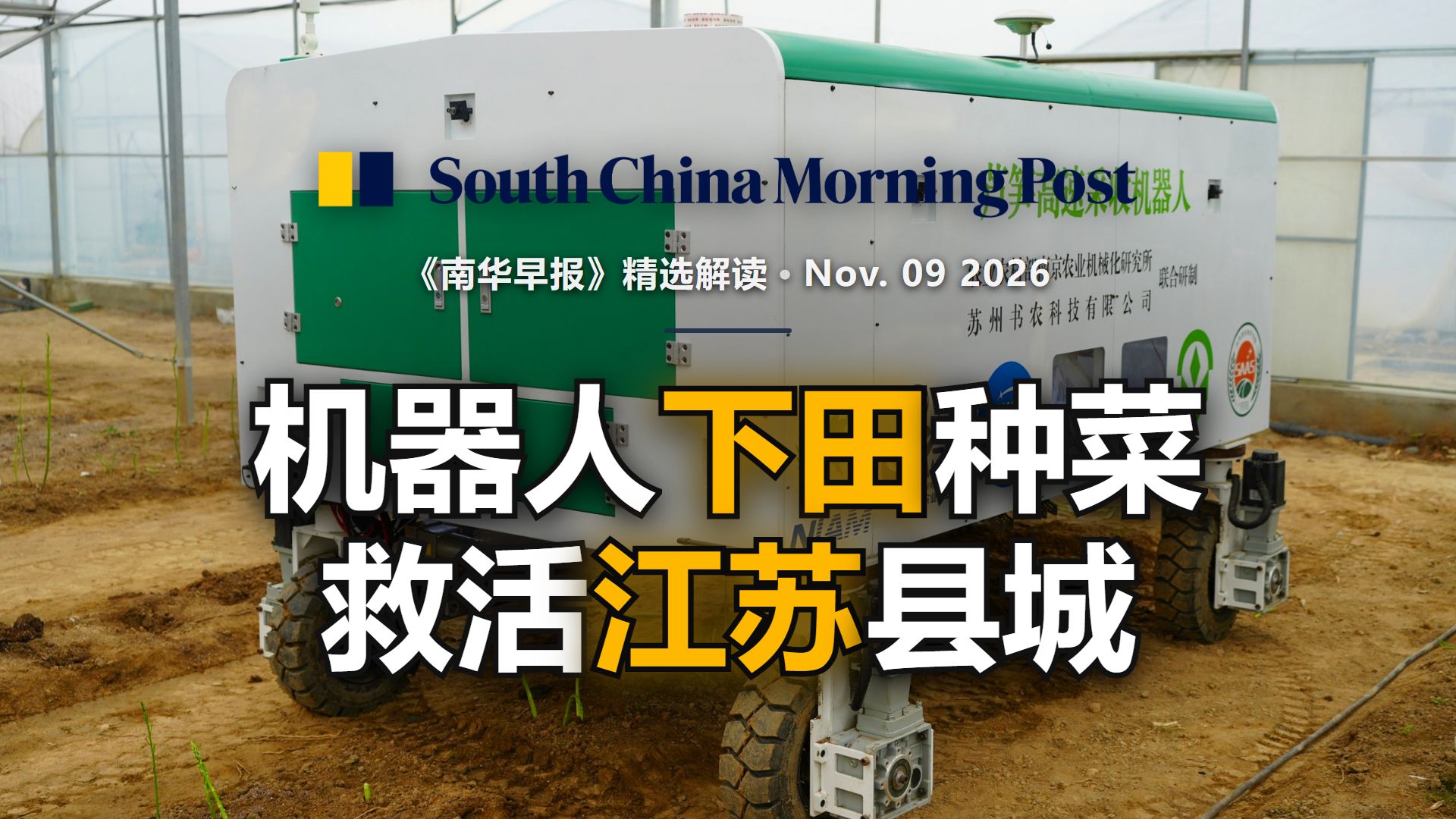
字幕摘录
| 时间 | 英文 | 中文 |
|---|---|---|
| 0:00 | Welcome to the Deep Dive. | 欢迎来到深潜 |
| 0:02 | Today, we are looking at something really unexpected. | 今天,我们正在寻找一些非常出乎意料的东西。 |
| 0:05 | Yeah, we are looking at an article | 是啊,我们正在看一篇文章 |
| 0:07 | about a huge farming success in China | 说中国的农业取得了巨大的成功 |
| 0:09 | and how robots are changing the future of food. | 机器人如何改变食物的未来 |
| 0:12 | Right, because when you think about advanced robots, | 没错 因为当你想到先进的机器人时 |
| 0:15 | you probably imagine a big factory. | 你可能想象一个大的工厂。 |
| 0:17 | Oh, exactly, like a clean, bright tech lab. | 哦,正是,像一个干净,明亮的技术实验室。 |
| 0:20 | Yeah, but today, the robots are going to the farm, | 是的,但今天,机器人要去农场, |
| 0:24 | and it's all because of one very surprising vegetable. | 这一切都是因为一个非常令人惊讶的蔬菜。 |
展开字幕全文(249 条)
| 序号 | 英文 | 中文 |
|---|---|---|
| 1 | Welcome to the Deep Dive. | 欢迎来到深潜 |
| 2 | Today, we are looking at something really unexpected. | 今天,我们正在寻找一些非常出乎意料的东西。 |
| 3 | Yeah, we are looking at an article | 是啊,我们正在看一篇文章 |
| 4 | about a huge farming success in China | 说中国的农业取得了巨大的成功 |
| 5 | and how robots are changing the future of food. | 机器人如何改变食物的未来 |
| 6 | Right, because when you think about advanced robots, | 没错 因为当你想到先进的机器人时 |
| 7 | you probably imagine a big factory. | 你可能想象一个大的工厂。 |
| 8 | Oh, exactly, like a clean, bright tech lab. | 哦,正是,像一个干净,明亮的技术实验室。 |
| 9 | Yeah, but today, the robots are going to the farm, | 是的,但今天,机器人要去农场, |
| 10 | and it's all because of one very surprising vegetable. | 这一切都是因为一个非常令人惊讶的蔬菜。 |
| 11 | That is our mission today. | 这就是我们今天的使命。 |
| 12 | We are going to explore how a rare foreign vegetable became | 我们要探索一个稀有的外国蔬菜是如何变成的 |
| 13 | a huge moneymaker for local farmers, | 给当地农民一个巨大的赚钱者, |
| 14 | and we will see why this specific plant is driving | 我们会明白为什么这个植物在驱动 |
| 15 | completely new robot technology. | 全新的机器人技术。 |
| 16 | So we need to talk about the plant first. | 所以我们需要先谈谈植物 |
| 17 | We are talking about asparagus. | 我们谈论的是para。 |
| 18 | It is actually a rare foreign vegetable in China, right? | 它实际上是中国罕见的外国蔬菜,对吧? |
| 19 | Yes, exactly. | 没错 |
| 20 | It is still not common in Chinese meals. | 在中餐中仍不常见. |
| 21 | I mean, you do not see it on the dinner table very often, | 我的意思是,你没有看到 它经常在餐桌上, |
| 22 | but in one specific place, it is a huge economic engine. | 但是在一个具体的地方,它是一个巨大的经济引擎。 |
| 23 | Like, it drives their whole local economy. | 像,它驱动 他们的整个当地经济。 |
| 24 | And this place is Lianshui County. | 而此地为连辉县. |
| 25 | That is located in Xiangsu Province. | 位于X苏省. |
| 26 | Yes, Lianshui County. | 是的,连辉县。 |
| 27 | And the numbers here are just wild. | 这里的数字太疯狂了 |
| 28 | They produce 50,000 tons of asparagus every single year. | 它们每年生产5万吨的para. |
| 29 | Wow, 50,000 tons. | 哇,5万吨。 |
| 30 | That is a massive amount of food. | 这是大量的粮食。 |
| 31 | It really is. | 没错 |
| 32 | And that whole crop is worth over one billion yuan. | 整个作物价值超过10亿元 |
| 33 | Which is about 150 million US dollars, right? | 大约1.5亿美元,对吧? |
| 34 | Exactly. | 没错 |
| 35 | So it has made about 2,300 local farmers very wealthy. | 因此它使大约2300名当地农民非常富有. |
| 36 | That is amazing. | 这是惊人的。 |
| 37 | But you know, they do not just throw seeds | 但你知道,他们不只是扔种子 |
| 38 | into the open dirt, do they? | 进入开放的泥土,是吗? |
| 39 | No, they cannot. | 不,他们不能。 |
| 40 | They rely heavily on greenhouses. | 他们严重依赖温室。 |
| 41 | Which we should probably explain for you. | 我们也许该给你解释一下 |
| 42 | If you do not farm, a greenhouse is a large plastic or glass | 不耕作,温室就是大塑料或玻璃 |
| 43 | building. | 大楼。 |
| 44 | It basically protects plants from the weather. | 它基本上保护植物免受天气的影响. |
| 45 | Right, exactly. | 没错 |
| 46 | They need these protected spaces because the area | 他们需要这些保护空间 因为这个区域 |
| 47 | gets a lot of rain, and typhoons, too. | 暴风雨和台风也一样 |
| 48 | Typhoons are just terrible for farms. | 台风对农场来说太可怕了 |
| 49 | Yeah, the wind and rain will destroy everything. | 是啊 风雨会毁了一切 |
| 50 | But inside the greenhouse, the plants are completely safe. | 但是在温室内部,植物是完全安全的. |
| 51 | So this gives them good quality plants from spring | 所以从春天开始,这些植物质量都很好 |
| 52 | all the way to autumn. | 一直到秋天为止 |
| 53 | OK, let's unpack this. | 好吧,让我们打包这个。 |
| 54 | It sounds like they built a VIP hotel for vegetables | 听起来他们为蔬菜建了贵宾酒店 |
| 55 | just to keep the storms away. | 只是为了让风暴远离 |
| 56 | And it paid off. | 和它的回报。 |
| 57 | A VIP hotel, yes. | 贵宾酒店,是的。 |
| 58 | But I mean. | 但我说 |
| 59 | That is a brilliant way to describe it. | 这是一种很好的描述方式。 |
| 60 | But I mean, building these VIP hotels for vegetables | 但是,我的意思是,建造这些贵宾酒店 蔬菜 |
| 61 | must cost a huge amount of money. | 肯定要花很多钱 |
| 62 | Glass and steel are not cheap. | 玻璃和钢不便宜。 |
| 63 | They are very expensive. | 它们非常昂贵。 |
| 64 | So why do they spend so much effort on asparagus? | 那么,为什么他们花这么多精力 在para? |
| 65 | Why not just grow like normal vegetables? | 为什么不像普通蔬菜一样生长呢? |
| 66 | Well, it comes down to the money. | 嗯,它下来的钱。 |
| 67 | Asparagus makes a lot of money. | 阿斯帕罗格斯赚了很多钱 |
| 68 | And more importantly, the price stays high. | 更重要的是,价格仍然很高。 |
| 69 | The price does not drop. | 价格不会下降。 |
| 70 | No, it stays very stable. | 不,它保持稳定。 |
| 71 | It also has a huge export market. | 它还拥有巨大的出口市场. |
| 72 | The article actually features a farmer named Zheng Biao. | 文章实际上以一个叫郑彪的农民为特色. |
| 73 | Oh, right. | 对 |
| 74 | He's a local farmer there. | 他是当地的农民 |
| 75 | Yes. | 对 |
| 76 | And he explains a really key rule about the farming business. | 他解释了一个关于农耕业的关键规则。 |
| 77 | He says when farmers grow too many ordinary vegetables, | 他说当农民种植太多普通蔬菜时 |
| 78 | the price totally crashes. | 价格完全崩溃。 |
| 79 | Because there is suddenly too much food in the market. | 因为市场里突然有太多的食物 |
| 80 | Exactly. | 没错 |
| 81 | Nobody wants to buy it all, so the price drops. | 没有人想全买,所以价格下跌。 |
| 82 | But the price of asparagus does not crash. | 但para的价钱不会坠落. |
| 83 | It stays high and stable. | 它保持高,稳定。 |
| 84 | That is a great deal for the farmers. | 这对农民来说很重要。 |
| 85 | But who is buying all this asparagus? | 但是,谁买的这些para? |
| 86 | Well, most of the white asparagus goes overseas. | 大部分的白gu鱼都去海外了 |
| 87 | It goes to Japan, South Korea, and Europe. | 分布于日本,韩国和欧洲. |
| 88 | Oh, really? | 是吗? |
| 89 | Why do they buy it from China? | 他们为什么要从中国买? |
| 90 | They have their own farms. | 他们有自己的农场。 |
| 91 | Because land and worker costs are just too high in those places. | 因为那些地方的土地和工人成本太高 |
| 92 | Oh, I see. | 原来如此 |
| 93 | It's too expensive to grow it there. | 在那里种植太贵了 |
| 94 | Right. | 对 |
| 95 | China sells it for about 10 yuan a kilogram. | 中国每公斤卖10元左右. |
| 96 | That is roughly $1.49 US dollars. | 这大约是1.49美元。 |
| 97 | Wow, that is really cheap. | 哇,这真的很便宜。 |
| 98 | Yeah. | 对 |
| 99 | A farmer Zheng says other countries cannot even | 一个农民郑说 其他国家甚至不能 |
| 100 | make a profit if they sell it at 15 yuan. | 以15元人民币的价钱出售的,可以盈利. |
| 101 | So they basically have to buy it from China. | 所以他们基本上必须从中国购买。 |
| 102 | But they do not just sell fresh plants, right? | 但他们不只是卖新鲜的植物,对不对? |
| 103 | No. | 没有 |
| 104 | China is actually the world's top supplier | 中国其实是世界上最大的供应商 |
| 105 | of processed asparagus. | 加工的gu。 |
| 106 | Like preserved in cans or jars? | 像是在罐子里还是罐子里保存的? |
| 107 | Exactly. | 没错 |
| 108 | The export numbers are huge. | 出口数量巨大。 |
| 109 | In 2024, China shipped 34,773 tons. | 2024年,中国发运34,773吨. |
| 110 | That is a lot of cans. | 这是很多罐子。 |
| 111 | It is. | 没错 |
| 112 | That is 47% of all world exports by volume. | 这占世界出口总量的47%。 |
| 113 | OK. | 摆 |
| 114 | So what does this all mean? | 这是什么意思? |
| 115 | Does China control the whole fresh vegetable market too? | 中国是否也控制着整个新鲜蔬菜市场? |
| 116 | Actually, no. | 事实上,没有。 |
| 117 | China's share of the fresh asparagus market | 中国在新鲜gu鱼市场的份额 |
| 118 | is very tiny. | 实在太小了 |
| 119 | Wait, really? | 等等,真的吗? |
| 120 | After all that? | 毕竟如此? |
| 121 | Yeah. | 对 |
| 122 | Peru and Mexico lead the fresh market. | 秘鲁和墨西哥是新市场的主导国。 |
| 123 | China wins with the preserved kind. | 中国以保存的品种夺冠. |
| 124 | And the high value white asparagus. | 和高价值的白gu. |
| 125 | I see. | 原来如此 |
| 126 | The farmers are making great money. | 农民赚大钱. |
| 127 | But what is stopping them from growing even more? | 但是什么阻止他们成长? |
| 128 | Well, labor. | 嗯,劳动。 |
| 129 | They just need more help. | 他们只是需要更多的帮助。 |
| 130 | Like they literally cannot find enough human hands | 就像他们根本找不到足够的人类手一样 |
| 131 | to do the work? | 工作吗? |
| 132 | Yes. | 对 |
| 133 | Human workers cannot pick and sort | 人类不能挑剔和整理 |
| 134 | the vegetables fast enough. | 蔬菜够快了 |
| 135 | The plants just grow too fast. | 植物生长太快了 |
| 136 | So scientists are building smart robots to do the heavy work? | 所以科学家们正在造智能机器人 来完成繁重的工作? |
| 137 | Exactly. | 没错 |
| 138 | The article quotes a researcher named Zhao Jianfei. | 文章引用了一位名叫赵建非的研究员的话. |
| 139 | He says the mechanization rate is under 20% right now. | 他说机械化率现在不到20% |
| 140 | Let me just quickly explain that. | 让我解释一下 |
| 141 | Mechanization means using machines | 机械化是指使用机器 |
| 142 | to do the work instead of human hands. | 而不是人类的手 |
| 143 | So under 20% is very low. | 20%以下是很低的。 |
| 144 | It is very low. | 这是非常低的。 |
| 145 | Over 80% of the work is still done by human hands. | 超过80%的作品仍然由人类手完成. |
| 146 | But they do use some machines, though, right? | 但他们确实使用一些机器,虽然,对不对? |
| 147 | Yeah, machines already help put down fertilizer. | 是啊,机器已经帮助 放下肥料。 |
| 148 | And they kill bad weeds. | 而杀恶草. |
| 149 | OK, that is the simpler stuff. | 好吧,这是更简单的东西。 |
| 150 | Right. | 对 |
| 151 | But picking the vegetables, the actual harvesting | 但选菜,实际收获 |
| 152 | is a big bottleneck. | 是个很大的瓶颈 |
| 153 | And sorting them by size must take forever, too. | 按大小来分类也得花很久 |
| 154 | Oh, it does. | 没错 |
| 155 | They take way too much time. | 他们花太多时间了 |
| 156 | So those are huge bottlenecks for the farmers. | 这些是农民的巨大瓶颈。 |
| 157 | So what are the scientists doing about it? | 科学家们在干嘛? |
| 158 | Well, a new group of smart robots just made their debut. | 一群聪明的机器人刚刚举行了首秀 |
| 159 | They showed them off at the Sichuan Academy | 在四川学堂见了面 |
| 160 | of Agricultural Sciences. | 农业科学 |
| 161 | Oh, wow. | 哦,哇呜。 |
| 162 | What can these robots do? | 这些机器人能做什么? |
| 163 | They can harvest the plants. | 他们可以收获植物。 |
| 164 | They can transport the heavy loads. | 他们可以运送重物 |
| 165 | And they can even sort them. | 他们甚至可以整理它们。 |
| 166 | That is amazing. | 这是惊人的。 |
| 167 | But why build a custom robot just for asparagus? | 但为什么只为para造个定制机器人? |
| 168 | Because the whole crop in China is worth about 100 billion yuan | 因为整个中国的农作物价值约1000亿元人民币 |
| 169 | a year. | 一年时间。 |
| 170 | That is a massive pool of money. | 那是一大笔钱 |
| 171 | Here's where it gets really interesting. | 这是真正有趣的。 |
| 172 | Usually, rich tech companies are the ones buying smart robots. | 通常,富裕的技术公司是那些购买智能机器人的公司. |
| 173 | Yeah, that is very true. | 是的,这是非常正确的。 |
| 174 | But here, the vegetable is so profitable | 但在这里,蔬菜很赚钱 |
| 175 | that the local farmers actually have the money | 当地农民真的有钱 |
| 176 | to buy smart robots themselves. | 来自己买智能机器人 |
| 177 | Exactly. | 没错 |
| 178 | They are funding the future. | 他们正在资助未来。 |
| 179 | But if the farmers have the money and the robots exist, | 但如果农民有钱 机器人也存在 |
| 180 | why aren't these machines everywhere yet? | 为什么这些机器还没有到处出现? |
| 181 | Because moving a robot from a perfectly clean science lab | 因为把机器人从完全干净的科学实验室搬走 |
| 182 | to a real muddy farm is very hard. | 到一个真正的泥巴农场是很难的。 |
| 183 | Right. | 对 |
| 184 | A lab is flat and clean. | 实验室是平整干净的。 |
| 185 | Exactly. | 没错 |
| 186 | Researcher Zhao explains two big barriers holding things back, | 赵研究员解释两个大障碍 挡住东西 |
| 187 | cost and adaptability. | 成本和适应性。 |
| 188 | OK, let's look at cost first. | 好吧,让我们先看看成本。 |
| 189 | Farming does not make fast money like a factory does. | 农场不会像工厂那样快速赚钱。 |
| 190 | Yeah, factories build something and sell it the same day. | 是的,工厂制造的东西 并在同一天出售。 |
| 191 | Right. | 对 |
| 192 | So agricultural robots cannot be too expensive. | 所以农业机器人不能太贵. |
| 193 | Farmers cannot afford a million dollar machine. | 农民买不起一百万美元的机器。 |
| 194 | That makes sense. | 这有道理。 |
| 195 | What about adaptability? | 适应能力呢? |
| 196 | Adaptability means the robot must work well | 适应性意味着机器人必须运转良好 |
| 197 | in different places. | 在不同的地点。 |
| 198 | Like completely different weather? | 像完全不同的天气吗? |
| 199 | Yes. | 对 |
| 200 | A robot that works perfectly in Sichuan | 在四川完美工作的机器人 |
| 201 | might act very differently in Xinjiang. | 可能会在新疆的行动非常不同. |
| 202 | Every environment is totally unique. | 每个环境都是独一无二的。 |
| 203 | Oh, so the computer brain gets confused | 哦,所以计算机大脑变得困惑 |
| 204 | by the different dirt and weather? | 由不同的泥土和天气? |
| 205 | Totally confused. | 完全混乱。 |
| 206 | Farmer Zheng Biao actually wants to put robots | 郑彪农夫其实想装机器人 |
| 207 | in his greenhouses right now. | 现在在他的温室里 |
| 208 | He has the money ready today. | 他今天有钱了 |
| 209 | He does, but he still cannot find one robot | 是的,但他还是找不到机器人 |
| 210 | that is suitable for his specific farm. | 适合他的农场。 |
| 211 | It is like buying a self-driving car. | 就像买辆自驾车一样 |
| 212 | It might drive perfectly on a clean, flat city street. | 它可能在干净的平坦的城市街道上完美地行驶. |
| 213 | Oh, that is a great comparison. | 哦,这是一个伟大的比较。 |
| 214 | Right. | 对 |
| 215 | But if you put it on a muddy, rainy farm road, | 但如果你把它放在泥巴般的农场路上 |
| 216 | the computer gets totally confused. | 电脑变得很困惑 |
| 217 | Yes. | 对 |
| 218 | What's fascinating here is this is the final hurdle. | 有趣的是,这是最后的障碍。 |
| 219 | The last big problem for the robots. | 机器人最后一个大问题 |
| 220 | Exactly. | 没错 |
| 221 | Replacing human work with machines | 用机器取代人类工作 |
| 222 | is an overwhelming trend. | 这是一种压倒性的趋势。 |
| 223 | It is happening everywhere. | 它正在各地发生。 |
| 224 | But before they can take over the farm, | 但是在他们接管农场之前 |
| 225 | they have to figure out the mud. | 他们必须找出泥土。 |
| 226 | Right. | 对 |
| 227 | The technology must learn | 技术必须学习 |
| 228 | to handle the messiness of nature. | 处理大自然的混乱。 |
| 229 | Wow. | 珃 |
| 230 | So today we learned how a rare foreign vegetable | 所以今天我们学会了 如何罕见的外国蔬菜 |
| 231 | brought prosperity to Chinese farmers. | 给中国农民带来了繁荣 |
| 232 | We really did. | 我们真的做到了。 |
| 233 | It changed their whole way of living. | 这改变了他们的全部生活方式。 |
| 234 | And we also saw how the high profits | 我们也看到了高利润 |
| 235 | from this little plant | 从这个小植物 |
| 236 | are pushing agricultural robot technology forward. | 正在推进农业机器人技术。 |
| 237 | It is such a surprising connection. | 这真是令人吃惊的联系。 |
| 238 | I have a final thought for you to explore later. | 我有一个最后的想法 让你以后探索。 |
| 239 | Oh, what is that? | 这是什么? |
| 240 | Well, think about the gentle touch | 想想温柔的触摸 |
| 241 | you need to pick a plant. | 你得选个植物 |
| 242 | If these new robots can finally learn | 如果这些新机器人终于能学会 |
| 243 | to do the delicate, gentle job | 做微妙,温柔的工作 |
| 244 | of picking asparagus in any weather, | 在任何天气中采摘para, |
| 245 | what other delicate human jobs might they take over next? | 接下来还有哪些微妙的人类工作? |
| 246 | Oh, wow. | 哦,哇呜。 |
| 247 | That is a perfect question to leave with. | 这是一个值得考虑的完美问题。 |
| 248 | Thank you so much for joining the Deep Dive today. | 非常感谢你今天加入深潜号 |
| 249 | We will see you next time. | 下次见 |
该视频共有字幕 253 条。解锁更多字幕为会员功能,请移动到 价格