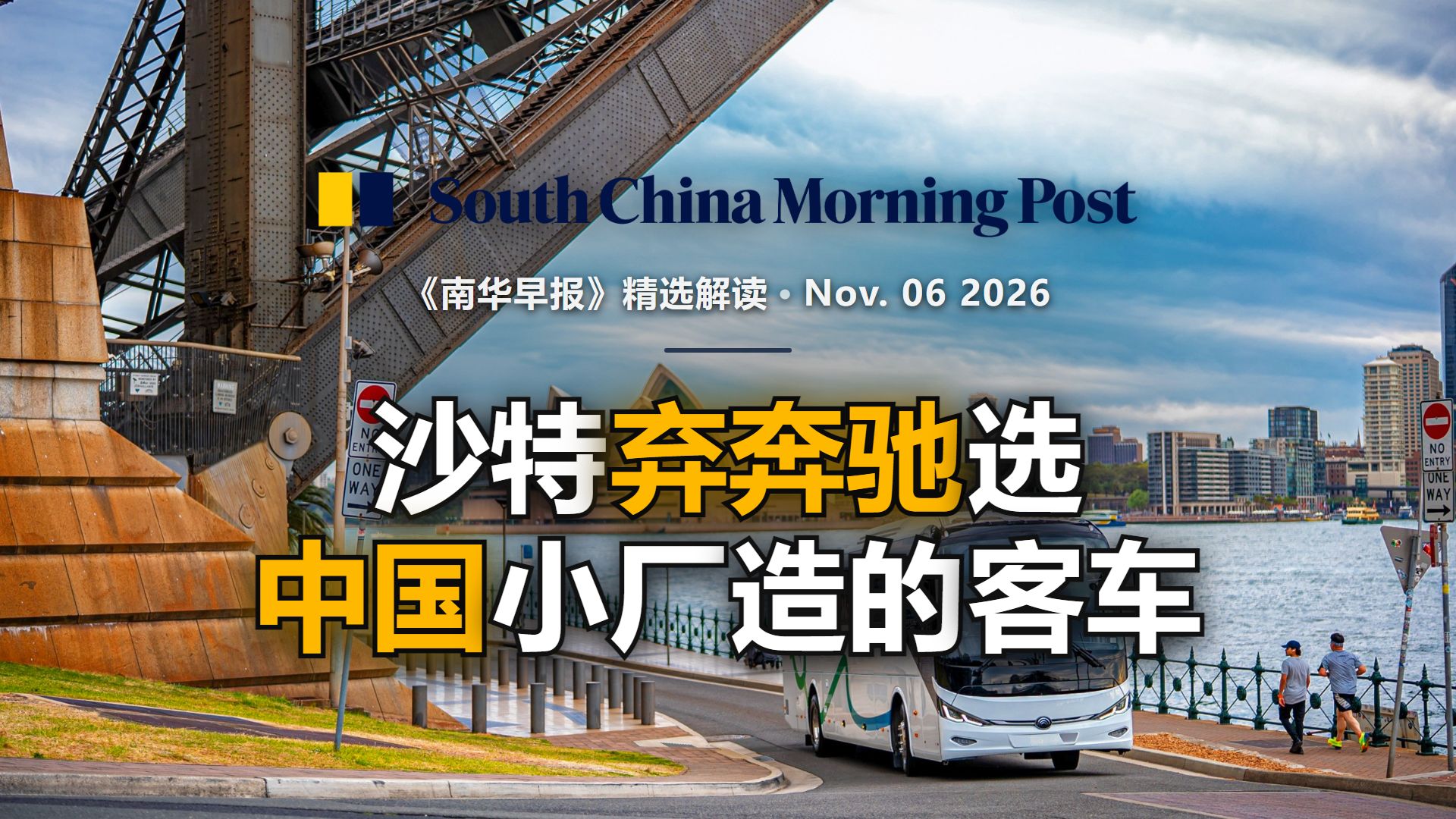
沙特弃奔驰沃尔沃,选中河南宇通:新能源客车如何拿下全球订单|
字幕摘录
| 时间 | 英文 | 中文 |
|---|---|---|
| 0:00 | So, imagine this. | 所以,想象一下这个。 |
| 0:02 | It is just after the 2022 World Cup in Saudi Arabia. | 就在沙特阿拉伯举行的2022年世界杯之后。 |
| 0:05 | Okay, I am picturing it. | 好吧,我想象着它。 |
| 0:07 | Transport officials there wanted new buses for their cities | 那里的交通官员想为他们的城市提供新的公共汽车 |
| 0:10 | and they wanted the absolute best. | 他们想要绝对最好的。 |
| 0:12 | Right, they wanted premium luxury. | 他们想要奢侈品 |
| 0:14 | Exactly, they wanted luxury and they wanted clean energy. | 没错,他们想要奢侈,他们想要清洁能源 |
| 0:17 | But here's the crazy part. | 但这是疯狂的部分。 |
| 0:18 | They did not choose Mercedes. | 他们没有选择奔驰。 |
| 0:19 | Really? | 真的吗? |
展开字幕全文(406 条)
| 序号 | 英文 | 中文 |
|---|---|---|
| 1 | So, imagine this. | 所以,想象一下这个。 |
| 2 | It is just after the 2022 World Cup in Saudi Arabia. | 就在沙特阿拉伯举行的2022年世界杯之后。 |
| 3 | Okay, I am picturing it. | 好吧,我想象着它。 |
| 4 | Transport officials there wanted new buses for their cities | 那里的交通官员想为他们的城市提供新的公共汽车 |
| 5 | and they wanted the absolute best. | 他们想要绝对最好的。 |
| 6 | Right, they wanted premium luxury. | 他们想要奢侈品 |
| 7 | Exactly, they wanted luxury and they wanted clean energy. | 没错,他们想要奢侈,他们想要清洁能源 |
| 8 | But here's the crazy part. | 但这是疯狂的部分。 |
| 9 | They did not choose Mercedes. | 他们没有选择奔驰。 |
| 10 | Really? | 真的吗? |
| 11 | No, and they did not choose Volvo either. | 不,他们也没有选择沃尔沃。 |
| 12 | Instead, they picked a company from central China. | 相反,他们从中国中部挑选了一家公司。 |
| 13 | Oh wow. | 哦,哇呜。 |
| 14 | Yeah, and this company actually started | 是啊,这家公司实际上开始 |
| 15 | as a tiny local repair shop. | 作为当地的一家小修理店 |
| 16 | Well, that decision definitely shocked a lot of people | 那决定肯定令很多人震惊 |
| 17 | in the industry. | 在行业。 |
| 18 | Welcome to our deep dive, everyone. | 欢迎来到我们的深潜,大家。 |
| 19 | Yes, welcome. | 是的,欢迎。 |
| 20 | Today, we are looking at a very interesting article. | 今天,我们看到一篇非常有趣的文章。 |
| 21 | It is from the South China Morning Post. | 摘自"南华早报". |
| 22 | The article outlines a massive shift in global transport. | 文章概述了全球运输的巨大转变。 |
| 23 | Our mission today is simple. | 我们今天的任务很简单。 |
| 24 | We want to explore this shift with you. | 我们想跟你探讨这个转变 |
| 25 | Have you ever wondered where your city bus comes from? | 你有没有想过你的城市公交车是从哪里来的? |
| 26 | That is a great question. | 问得好 |
| 27 | Because the answer is changing very fast. | 因为答案变化很快 |
| 28 | We are going to show you how one Chinese company | 我们要告诉你一个中国公司 |
| 29 | is changing city travel all over the world. | 正在改变 城市旅行在世界各地。 |
| 30 | And that company is called Yutong Bus. | 那家公司叫裕东巴士 |
| 31 | Yutong Bus. | 裕通巴士. |
| 32 | Yeah, they are now the largest maker of electric buses | 是啊,他们现在是最大的 电动巴士制造商 |
| 33 | in the entire world. | 在整个世界。 |
| 34 | And their growth outside of China is just incredibly fast. | 而它们在中国境外的成长非常迅速。 |
| 35 | It really is hard to believe. | 这真的很难相信。 |
| 36 | But we cannot just look at where their buses are going today. | 但我们不能只看他们的公交车今天开往哪里。 |
| 37 | No, we have to look back. | 不,我们必须回头看。 |
| 38 | Exactly, we need to understand where they started. | 确切地说,我们需要了解他们从哪里开始的。 |
| 39 | The origin story explains a lot. | 起源故事解释了很多. |
| 40 | It does. | 没错 |
| 41 | So the story begins back in 1963. | 因此故事开始于1963年. |
| 42 | Okay, 1963. | 好吧,1963年。 1963年。 1963年吗? |
| 43 | Yes, they were in central China in a city called Zhengzhou. | 是的,他们在中国中部的一个叫郑州的城市。 |
| 44 | And they were totally unknown back then, right? | 当时他们完全不知道,对吧? |
| 45 | Completely unknown. | 完全不详。 |
| 46 | They were literally just a small bus repair factory. | 他们实际上只是一个小汽车修理厂。 |
| 47 | So they did not even build new things? | 所以他们甚至没有建造新的东西? |
| 48 | No, they just fixed old broken buses. | 不,他们刚修好了老破旧的公交车 |
| 49 | Well, just the local service center. | 就当地服务中心 |
| 50 | Exactly. | 没错 |
| 51 | But today, well, their business is completely different. | 但今天,他们的生意完全不同。 |
| 52 | Today, more than half of the money they make | 今天,他们赚的钱有一半以上 |
| 53 | comes from overseas sales. | 来自于海外销售。 |
| 54 | That is a massive jump. | 这是一个巨大的跳跃。 |
| 55 | It really is. | 没错 |
| 56 | They are a global export power now. | 它们现在是全球出口大国。 |
| 57 | I mean, that is like a small neighborhood car mechanic | 我的意思是,这就像一个小 邻居汽车机械师 |
| 58 | growing up to build spaceships for the whole world. | 成长于为全世界建造飞船. |
| 59 | That is a great way to put it. | 说来话长 |
| 60 | It is a huge leap in just a few decades. | 短短几十年内,这是一个巨大的飞跃。 |
| 61 | They totally transformed their business. | 他们完全改变了他们的生意。 |
| 62 | They did. | 没错 |
| 63 | And a major part of that change | 改变的很大一部分 |
| 64 | is their focus on new energy buses. | 他们专注于新能源巴士。 |
| 65 | Oh, right. | 对 |
| 66 | We should explain that term for you listening. | 我们应该给你解释一下这个词 |
| 67 | Good idea. | 不错 |
| 68 | So new energy simply means vehicles | 所以新能源只是汽车 |
| 69 | that do not use traditional gas engines. | 不使用传统燃气发动机。 |
| 70 | We are talking about buses powered purely | 我们说的是公交车的电源 |
| 71 | by big electric batteries or hybrid buses. | 由大电动电池或混合动力客车。 |
| 72 | And hybrids just use a mix of electric power | 混合动力只是使用混合电源 |
| 73 | and normal gas power. | 和正常的气体动力。 |
| 74 | Exactly. | 没错 |
| 75 | So they are moving away from old engines | 所以他们要远离旧引擎 |
| 76 | and the numbers really show this trend. | 数字确实显示了这一趋势。 |
| 77 | They do. | 没错 |
| 78 | Let us look at the year 2018. | 让我们看看2018年。 |
| 79 | Okay. | 摆 |
| 80 | In 2018, only 3% of the buses they exported | 2018年,仅出口3%的公交车. |
| 81 | were new energy models. | 是新能源模型。 |
| 82 | Wait, only 3%? | 等等,只有3%吗? |
| 83 | Just 3%. | 仅3%。 |
| 84 | So almost all of their international sales | 所以,几乎所有的国际销售 |
| 85 | were still just regular old-fashioned buses back then. | 当时仍然只是普通的老式巴士 |
| 86 | Yeah, pretty much. | 对,差不多 |
| 87 | Right. | 对 |
| 88 | But look at the numbers today. | 但是看看今天的数字。 |
| 89 | That figure has jumped to 25%. | 这一数字已跃升到25%。 |
| 90 | Wow. | 珃 |
| 91 | One quarter. | 四分之一时间。 |
| 92 | Of all the buses they send overseas, | 在他们送去海外的所有巴士中 |
| 93 | now use electric or hybrid power. | 现在使用电力或混合动力。 |
| 94 | That is such a fast change for a heavy factory. | 对于一个重工厂来说,这是如此迅速的变化。 |
| 95 | I mean, think about what that takes. | 我的意思是,想想这需要什么。 |
| 96 | It takes a lot. | 这需要很多时间。 |
| 97 | You have to train all your workers differently. | 你必须以不同方式训练所有工人. |
| 98 | You have to buy totally new parts. | 你必须买全新的零件。 |
| 99 | You are building huge batteries | 你在制造巨大的电池 |
| 100 | instead of metal engines. | 而不是金属发动机。 |
| 101 | It takes a ton of money and vision. | 它需要一吨钱和远见。 |
| 102 | It really shows how fast the global demand | 这真的表明全球需求有多快 |
| 103 | for clean transport is growing. | 清洁运输正在增长。 |
| 104 | Right. | 对 |
| 105 | So they are a huge company now. | 所以他们现在是一个巨大的公司。 |
| 106 | Yes. | 对 |
| 107 | But this brings up a very practical question. | 但这提出了一个非常实际的问题。 |
| 108 | What is it? | 这是什么? |
| 109 | Well, how does a former repair shop | 以前的修理店怎么样? |
| 110 | actually win contracts in other countries? | 居然在其他国家赢得合同? |
| 111 | How do they beat those famous legacy brands? | 他们如何战胜这些著名的遗产品牌? |
| 112 | Ah. | 摆 |
| 113 | To understand that, we need to look at the global map. | 为了理解这一点,我们需要看看全球地图。 |
| 114 | Utah currently holds more than 10% | 犹他州目前持有10%以上 |
| 115 | of the entire global market for large and medium buses. | 大型和中型公共汽车整个全球市场。 |
| 116 | Okay. | 摆 |
| 117 | But does that 10% include all their sales inside China? | 但是这10%是否包括他们在中国境内的所有销售? |
| 118 | Yes. | 对 |
| 119 | It includes China. | 它包括中国. |
| 120 | Right. | 对 |
| 121 | And the Chinese market is huge. | 而中国的市场是巨大的. |
| 122 | Right. | 对 |
| 123 | But their expansion into foreign countries | 但他们向外国扩张 |
| 124 | is the real story. | 是真实的故事。 |
| 125 | They're moving into places you might not expect. | 他们要搬进你想不到的地方 |
| 126 | Like Australia, right? | 像澳大利亚,对不对? |
| 127 | Yes. | 对 |
| 128 | I saw those numbers. | 我看到那些数字。 |
| 129 | Yes. | 对 |
| 130 | Australia is a massive country. | 澳大利亚是一个庞大的国家。 |
| 131 | They have very long transport routes. | 它们有很长的运输路线。 |
| 132 | And Utah now holds an 18.7% market share there. | 犹他州现在拥有18.7%的市场份额。 |
| 133 | That is almost a fifth of the market. | 这几乎是市场五分之一。 |
| 134 | It makes them the second largest | 这让他们成为第二大 |
| 135 | seller in the whole country. | 卖遍全国. |
| 136 | Wait, who is in first place? | 等等,谁是第一位? |
| 137 | Volvo is still in first place there. | 沃尔沃仍然在第一位置。 |
| 138 | Okay. | 摆 |
| 139 | Volvo is a famous, trusted brand. | 沃尔沃是一个著名的,值得信赖的品牌. |
| 140 | Being right behind them is a big deal. | 站在他们身后是件大事 |
| 141 | It is a very big deal. | 这是一个非常大的问题。 |
| 142 | And they are pushing into other regions too. | 他们也在向其他地区推进。 |
| 143 | The article mentions Malaysia and Morocco. | 该条提到马来西亚和摩洛哥。 |
| 144 | Wow. | 珃 |
| 145 | A very diverse map. | 一张非常多样的地图。 |
| 146 | Yeah. | 对 |
| 147 | They are even selling double-decker buses | 他们甚至卖双层巴士 |
| 148 | in the United Kingdom. | 在联合王国。 |
| 149 | No way. | 不会吧 |
| 150 | The UK double-decker is iconic. | 英国的双戴克是标志性的. |
| 151 | Right. | 对 |
| 152 | It is a huge cultural symbol. | 这是一个巨大的文化象征。 |
| 153 | And a company from Xinzhou is building them now. | 现在有一家新州公司在建 |
| 154 | It shows that buyers really trust them. | 这表明买家真的相信他们 |
| 155 | But the most interesting example is the Middle East. | 但最有趣的例子是中东。 |
| 156 | Let us go back to that World Cup story. | 让我们回到世界杯的故事。 |
| 157 | Yes, the 2022 Qatar World Cup. | 是的,2022年卡塔尔世界杯. |
| 158 | They had to move millions of fans around the desert. | 他们不得不在沙漠周围移动数百万粉丝. |
| 159 | It was a massive challenge. | 这是一个巨大的挑战。 |
| 160 | Way back. | 回头见 |
| 161 | And after that, Saudi Arabia wanted | 之后,沙特阿拉伯想要 |
| 162 | to upgrade their transit. | 提升他们的中转能力 |
| 163 | They wanted premium buses. | 他们想要昂贵的巴士。 |
| 164 | And Yutong won that market. | 而裕通赢得了那个市场. |
| 165 | Yes, they beat out famous European rivals. | 是的,他们打败了著名的欧洲对手。 |
| 166 | Hang on, I have a pushback question here. | 等等,我有个后退问题 |
| 167 | Sure, go ahead. | 当然,去吧。 |
| 168 | People usually think Chinese products win | 人们通常认为中国产品赢了 |
| 169 | because they are cheaper. | 因为它们比较便宜。 |
| 170 | Right. | 对 |
| 171 | But our source says Yutong's prices | 但是我们的消息来源说裕通的价格 |
| 172 | are actually higher than many rivals. | 实际上比许多对手都高 |
| 173 | That is completely true. | 这是完全正确的。 |
| 174 | So why? | 为什么? |
| 175 | Their premium electric buses often cost more upfront. | 他们昂贵的电动巴士往往更昂贵。 |
| 176 | So if a city in Saudi Arabia or the UK wants a bus, | 所以如果沙特阿拉伯或英国的某个城市想要一辆公共汽车 |
| 177 | why pay extra for Yutong? | 为甚么多付玉东. |
| 178 | Why not just buy a Mercedes for less money? | 为什么不买辆奔驰来少点钱? |
| 179 | Because of the technology. | 因为技术。 |
| 180 | And more importantly, the availability. | 更重要的是,可用性。 |
| 181 | What do you mean? | 你说什么? |
| 182 | Buyers want premium electric buses right now. | 买家现在需要高价电动巴士 |
| 183 | They want quiet streets, they want zero pollution. | 他们想要安静的街道, 他们想要零污染。 |
| 184 | Right. | 对 |
| 185 | But those famous global brands, | 但那些著名的全球品牌, |
| 186 | they simply do not have electric options | 他们根本就没有电路选择 |
| 187 | ready to sell in large numbers. | 准备大量出售。 |
| 188 | Oh, I see. | 原来如此 |
| 189 | So Mercedes might have a cheaper gas bus. | 所以梅赛德斯可能有一辆更便宜的煤气巴士 |
| 190 | Exactly. | 没错 |
| 191 | But they do not have the electric bus | 但他们没有电动巴士 |
| 192 | the city actually wants. | 城市实际上想要。 |
| 193 | Precisely. | 没错 |
| 194 | If you want top tier electric buses right now, | 如果你现在想要顶级电动巴士 |
| 195 | your options are limited. | 您的选择有限。 |
| 196 | The demand is so high | 需求实在太高了 |
| 197 | that Yutong might even build factories | 裕东甚至会建工厂 |
| 198 | in other countries soon. | 在其他国家很快。 |
| 199 | That makes total sense. | 这是完全合理的。 |
| 200 | If you build them in Europe or the Middle East, | 如果你在欧洲或中东建造它们 |
| 201 | you save on shipping. | 你节省的航运。 |
| 202 | Exactly. | 没错 |
| 203 | But this brings up another big question. | 但这又提出了另一个大问题。 |
| 204 | Why are other countries so far behind? | 为什么其他国家远远落在后面? |
| 205 | Well, this is the secret advantage for Chinese companies. | 这是中国公司的秘密优势 |
| 206 | China produces almost all of the world's electric buses. | 中国生产了世界上几乎所有的电动客车. |
| 207 | The gap is huge. | 差距很大。 |
| 208 | But why did Europe and North America | 但为什么欧洲和北美 |
| 209 | fail to build their own electric bus industry? | 未能建立自己的电动公共汽车行业? |
| 210 | They have plenty of car factories. | 他们有很多汽车工厂 |
| 211 | It comes down to culture and infrastructure. | 它指的是文化和基础设施。 |
| 212 | In places like North America, | 在北美这样的地方, |
| 213 | most people just drive their own private cars to work. | 大多数人只是驾驶自己的私人汽车工作。 |
| 214 | That is very true. | 这是非常正确的。 |
| 215 | We build cities for personal cars. | 我们为私人汽车建造城市。 |
| 216 | Right. | 对 |
| 217 | Because of this, | 因为这个 |
| 218 | their public transport systems are not as advanced. | 它们的公共交通系统没有那么先进。 |
| 219 | They just do not have a massive daily demand for city buses. | 他们每天对城市公共汽车的需求并不大。 |
| 220 | But in China, cities are incredibly crowded. | 但在中国,城市非常拥挤。 |
| 221 | Millions of people use public transit every day. | 每天有数百万人使用公共交通工具。 |
| 222 | Exactly. | 没错 |
| 223 | So China had a huge local need | 所以中国有巨大的本地需求 |
| 224 | and that need drove their technology forward. | 而这需要驱动他们的技术前进。 |
| 225 | That makes sense. | 这有道理。 |
| 226 | Foreign bus makers face a different reality. | 外国巴士制造商面临不同的现实. |
| 227 | They focus on what their local buyers want | 他们专注于当地买家想要什么 |
| 228 | and most of them still build buses that use fossil fuels. | 并且他们大多仍然建造使用化石燃料的巴士. |
| 229 | Let us define fossil fuels simply. | 让我们简单地界定化石燃料。 |
| 230 | For you listening, it just means regular gas or diesel. | 对于你听,它只是意味着普通的煤气或柴油。 |
| 231 | The fuel you buy at a pump. | 你买的油泵。 |
| 232 | Western factories are still largely focused on diesel | 西方工厂仍然主要专注于柴油 |
| 233 | and there is another major difference. | 还有另一个重大区别。 |
| 234 | What is that? | 这是什么? |
| 235 | Foreign companies use a build to order system. | 外国公司使用建筑来订购系统. |
| 236 | Build to order? | 建筑到秩序? |
| 237 | Let us break that down. | 让我们打破这一点。 |
| 238 | How does that work? | 怎么会这样? |
| 239 | It means a factory waits for a real contract | 意思是工厂在等待真正的合同 |
| 240 | before they do anything. | 在他们做任何事情之前 |
| 241 | A city government says, we want 50 buses. | 一个市政府说 我们要50辆公交车 |
| 242 | The factory signs the deal. | 工厂签署协议。 |
| 243 | Only then do they order the parts | 只有这样,他们才会订购零件 |
| 244 | and only then do they start building. | 然后他们才开始建造。 |
| 245 | Wow, that sounds really slow. | 哇,这听起来真的很慢。 |
| 246 | It is very slow. | 这是非常缓慢的。 |
| 247 | They build very few buses at a time. | 他们一次建造的巴士很少. |
| 248 | They treat a city bus like a custom luxury car. | 他们把城市公交车当成定制豪华轿车. |
| 249 | Exactly. | 没错 |
| 250 | Yutong works differently. | 于东行不同. |
| 251 | They build at a massive scale. | 他们大规模建设. |
| 252 | Their huge factories run all the time. | 他们的庞大工厂经常运作. |
| 253 | So if a city suddenly wants a hundred electric buses fast, | 所以如果一个城市突然想要一百辆电动巴士 |
| 254 | the Western factory cannot do it. | 西方工厂不能这么做 |
| 255 | Right, they do not have the parts ready. | 对,他们还没准备好零件 |
| 256 | But Yutong does. | 但犹东有. |
| 257 | Yes, but let us talk about the timeline of this demand. | 是的,但让我们谈谈这一要求的时间表。 |
| 258 | Actually, yes. | 实际上,是的。 |
| 259 | Wait, didn't the COVID-19 pandemic ruin the bus industry? | 等等 COVID-19大流行不是毁了公共汽车业吗? |
| 260 | Well, it was a rough time. | 嗯,这是一个艰难的时间。 |
| 261 | Because nobody was traveling, cities were totally empty. | 因为没有人出行 城市完全空虚 |
| 262 | Yes, the pandemic caused a lot of problems. | 是的,这种流行病造成了许多问题。 |
| 263 | Let me clarify the timeline based on our source. | 让我根据我们的消息来源澄清时间表。 |
| 264 | Okay, lay it out for us. | 好吧,给我们说说 |
| 265 | The market actually hit a high point in 2019. | 2019年市场实际达到高点. |
| 266 | Right before the pandemic. | 就在疫情爆发前 |
| 267 | Exactly, then the pandemic hit and new orders dropped a lot. | 没错,然后大流行 和新订单下降了很多。 |
| 268 | Makes sense, no riders, no new buses. | 有道理,没有骑手,没有新的巴士。 |
| 269 | But overseas markets recovered very fast. | 但海外市场恢复很快. |
| 270 | Oh really? | 是吗? |
| 271 | Yes, people went back to work. | 是的,人们回去工作了。 |
| 272 | And cities realized their old diesel buses | 城市意识到了旧的柴油巴士 |
| 273 | were falling apart. | 正在崩溃。 |
| 274 | They needed new ones and they wanted clean ones. | 他们需要新的,他们想要干净的。 |
| 275 | So that caused a huge rush of new orders. | 因此,这引起了大量的新订单。 |
| 276 | Exactly, a huge rush. | 没错,很急 |
| 277 | And those legacy companies | 和那些遗产公司 |
| 278 | with their slow build to order systems, | 以他们的缓慢建造来订购系统, |
| 279 | they could not handle it. | 他们无法应付 |
| 280 | They were caught off guard. | 他们被挡住了 |
| 281 | Yes, but Yutong survived the drop | 是的,但玉东幸免于难 |
| 282 | and kept their factories ready. | 并让他们的工厂做好准备。 |
| 283 | Now they are grabbing all those delayed orders. | 现在他们抓住了所有拖延的命令。 |
| 284 | Wow, it's like a perfect storm for them. | 哇,这就像一个完美的风暴 他们。 |
| 285 | It really is. | 没错 |
| 286 | But building all these electric buses takes intense tech | 但建造这些电动巴士需要强大的技术 |
| 287 | and massive supply chains. | 和大量的供应链。 |
| 288 | Let us look inside the business. | 让我们看看企业内部。 |
| 289 | Okay. | 摆 |
| 290 | Let us start with the technology. | 让我们从技术开始。 |
| 291 | Yutong spends 4.4% of its money on R&D. | 裕通将其4.4%的资金用于研发. |
| 292 | Okay, let us explain R&D. | 好吧,让我们解释一下研发。 |
| 293 | Sure, it stands for research and development. | 当然,它代表了研发。 |
| 294 | It just means spending money to invent new things. | 它只是意味着花钱 发明新的东西。 |
| 295 | Exactly. | 没错 |
| 296 | They pay engineers to test new batteries, | 他们支付工程师测试新的电池, |
| 297 | make the buses lighter, things like that. | 让公交车更轻些 像这样 |
| 298 | Right. | 对 |
| 299 | And 4.4% is a lot of money to spend on inventing things. | 而4.4%是用于发明事物的大量资金. |
| 300 | It is like a chef at a restaurant. | 就像餐馆的厨师 |
| 301 | How so? | 为什么? |
| 302 | Well, a chef takes a lot of their profit | 厨师能赚大钱 |
| 303 | to buy expensive new ingredients. | 购买昂贵的新原料。 |
| 304 | They want to create a famous new recipe. | 他们想创造出一种著名的新食谱. |
| 305 | I like that. | 我喜欢 |
| 306 | They might make a little less profit that month, | 那月他们可能赚不到多少钱 |
| 307 | but the new recipe keeps them | 但新食谱保留了它们 |
| 308 | at the top of the food chain later. | 在食物链的顶端 |
| 309 | Exactly. | 没错 |
| 310 | They are buying the best ingredients. | 他们正在购买最好的原料。 |
| 311 | And in this industry, | 在这个行业, |
| 312 | the biggest ingredient is the battery. | 最大的成分是电池。 |
| 313 | The battery is definitely the heart of the bus. | 电池绝对是公交车的核心. |
| 314 | So where do they get these batteries? | 他们从哪里得到这些电池的? |
| 315 | Do they build them? | 他们造的吗? |
| 316 | Their strategy here is very smart. | 他们的策略非常聪明 |
| 317 | For all the buses they send overseas, | 他们派去海外的所有巴士 |
| 318 | they buy batteries from CATL. | 他们从CATL买电池 |
| 319 | CATL. | (原始内容存档于2018-07-29). CATL. |
| 320 | They are a giant battery maker, right? | 他们是一个巨大的电池制造者,对不对? |
| 321 | The biggest in the world. | 世间最大者. |
| 322 | Using CATL batteries makes foreign buyers feel safe. | 使用CATL电池让外国买家感到安全. |
| 323 | It is a famous, trusted brand. | 这是一个著名的,值得信赖的品牌。 |
| 324 | Okay, but what about the buses they keep inside China? | 好吧,但他们留在中国的巴士呢? |
| 325 | For those, they use some CATL parts, | 对于这些,它们使用一些CATL部件, |
| 326 | but they mostly buy from a smaller company named Slanpower. | 但他们主要从一家叫斯兰威的 较小的公司买东西 |
| 327 | Slanpower. | 斯兰力. |
| 328 | Wait, doesn't Yutong own them? | 等等,不是汤东的吗? |
| 329 | Yes, they do. | 是的,他们这样做。 |
| 330 | Slanpower是他们自己的小公司. | |
| 331 | That is brilliant. | 这是辉煌的。 |
| 332 | They use the famous brand to win trust abroad, | 他们利用著名的品牌赢得国外的信任, |
| 333 | but at home, they use their own company to keep costs low. | 但在家里,他们利用自己的公司来维持低成本。 |
| 334 | It is a great balance. | 这是一个伟大的平衡。 |
| 335 | But we should look at a financial reality check too. | 但我们也应该检查一下金融现实 |
| 336 | Oh, is there bad news? | 哦,有坏消息吗? |
| 337 | The business is not totally perfect right now. | 现在生意并不完美 |
| 338 | Let us look at the first nine months of this year. | 让我们看看今年头九个月。 |
| 339 | Okay, what are the numbers? | 好吧,什么是数字? |
| 340 | They sold 30,929 buses. | 他们售出了30,929辆公交车. |
| 341 | Almost 31,000 buses. | 近31000辆公交车. |
| 342 | Yeah, and about 7,895 of those were electric. | 是的,大约7,895个是电动的。 |
| 343 | So roughly a quarter. | 所以大约四分之一。 |
| 344 | Exactly. | 没错 |
| 345 | That matches the 25% export stat from earlier. | 这和之前的25%出口量相符 |
| 346 | Exactly, but in the third quarter of this year, | 没错 但今年第三季度 |
| 347 | they hit a bump. | 他们撞了个头 |
| 348 | What happened? | 发生了什么事? |
| 349 | Their sales dropped by 11%. | 他们的销售额下降了11%. |
| 350 | Oh. | 瓳 |
| 351 | That is a noticeable drop. | 这是一个明显的下降。 |
| 352 | Revenue fell to 9.1 billion yuan, | 收入下降到91亿元 |
| 353 | and their profit dropped by 3%. | 利润下降了3%。 |
| 354 | Well, back to our chef analogy, | 回到我们的厨师类比, |
| 355 | sometimes the restaurant is a little less busy | 有时候餐厅也不太忙 |
| 356 | for a few months. | 几个月。 |
| 357 | Right, sales go up and down. | 对,销售量不断上升 |
| 358 | But because they spend on R&D | 因为他们花在研发上 |
| 359 | and they control their own batteries, they are fine. | 他们控制自己的电池,他们很好。 |
| 360 | The new recipe keeps them safe long-term. | 新的食谱让他们长期安全。 |
| 361 | Exactly, they are not panicking. | 没错,他们并没有慌张。 |
| 362 | They are playing the long game. | 他们正在玩这个游戏 |
| 363 | This whole story is just fascinating. | 这整个故事只是迷人。 |
| 364 | It really is, but it is just one small part | 是真的,但这只是一小部分 |
| 365 | of a massive change. | 一个巨大的变化。 |
| 366 | Right, it is changing how the whole world buys vehicles. | 是的,它正在改变 整个世界购买车辆的方式。 |
| 367 | Yes, we need to zoom out and look at the big picture here. | 是的,我们需要放大 看这里的大局。 |
| 368 | What does the big picture show? | 大局显示什么? |
| 369 | Well, in June of this year, China broke a huge record. | 今年6月,中国打破了巨大的纪录. |
| 370 | What was the record? | 记录是什么? |
| 371 | They exported more than 1 million cars in a single month. | 他们在一个月内出口超过100万辆汽车. |
| 372 | Wait, 1 million cars in one month? | 等等,一个月一百万辆车? |
| 373 | Yes, for the first time ever. | 是的,这是第一次。 |
| 374 | That is shocking. | 这是令人震惊的。 |
| 375 | It is huge, but the types of cars are the real story. | 车型是真实的 |
| 376 | Let me guess, it is about electric vehicles. | 让我猜猜,这是关于电动车辆。 |
| 377 | You got it. | 没问题 |
| 378 | In those shipments, electric and hybrid cars | 在这些货物中,电动和混合动力汽车 |
| 379 | finally beat fossil fuel cars. | 终于打败了化石燃料汽车 |
| 380 | Wow, so the world is finally buying more clean energy cars | 哇,世界终于要买更干净的能源车了 |
| 381 | than old gas cars. | 比旧的汽油车。 |
| 382 | Exactly, the shift has happened | 没错,已经换班了 |
| 383 | and Utah is just riding this giant wave. | 犹他正骑着这巨浪 |
| 384 | They started in a tiny repair shop, | 他们开始在一个小修理店, |
| 385 | now they are leading a global wave. | 现在他们正在领导一场全球浪潮。 |
| 386 | It is an amazing journey. | 这是一个惊人的旅程。 |
| 387 | It really shows how fast things change. | 它真的显示了事情的变化有多快。 |
| 388 | So we wanna leave you, the listener, | 所以我们想离开你,听者, |
| 389 | with a final thought today. | 今天有一个最后的想法。 |
| 390 | Something to think about on your own. | 独立思考的事情 |
| 391 | Yes, next time you step onto a city bus? | 是的,下一次你踩到城市公交车? |
| 392 | Exactly, next time you step onto a quiet, | 没错 下次你走进安静的地方 |
| 393 | clean electric city bus, think about who built it. | 清洁的电动城市公交车,想想是谁建造的. |
| 394 | Look around the cabin. | 看看小屋周围 |
| 395 | Yeah, if cities demand more and more | 是啊,如果城市的需求越来越多 |
| 396 | of these premium electric buses, | 这些昂贵的电动客车, |
| 397 | will local factories ever catch up? | 当地工厂会赶上吗? |
| 398 | It is a tough question. | 这是一个棘手的问题。 |
| 399 | Can they fix their slow systems? | 他们能修复他们的慢系统吗? |
| 400 | Or will the future of global public transport | 或者全球公共交通的未来 |
| 401 | be built entirely by one country? | 完全由一个国家建造? |
| 402 | It is definitely something to chew on. | 肯定有东西要嚼 |
| 403 | It really is. | 没错 |
| 404 | Thank you for joining us for this deep dive. | 谢谢你加入我们的深潜行动 |
| 405 | Yes, thanks for listening. | 是的,谢谢你的聆听。 |
| 406 | We will catch you next time. | 下次我们会抓住你的 |
该视频共有字幕 407 条。解锁更多字幕为会员功能,请移动到 价格