每次开口都冷场?看国外沟通专家如何用“三步法”瞬间打破尴尬,
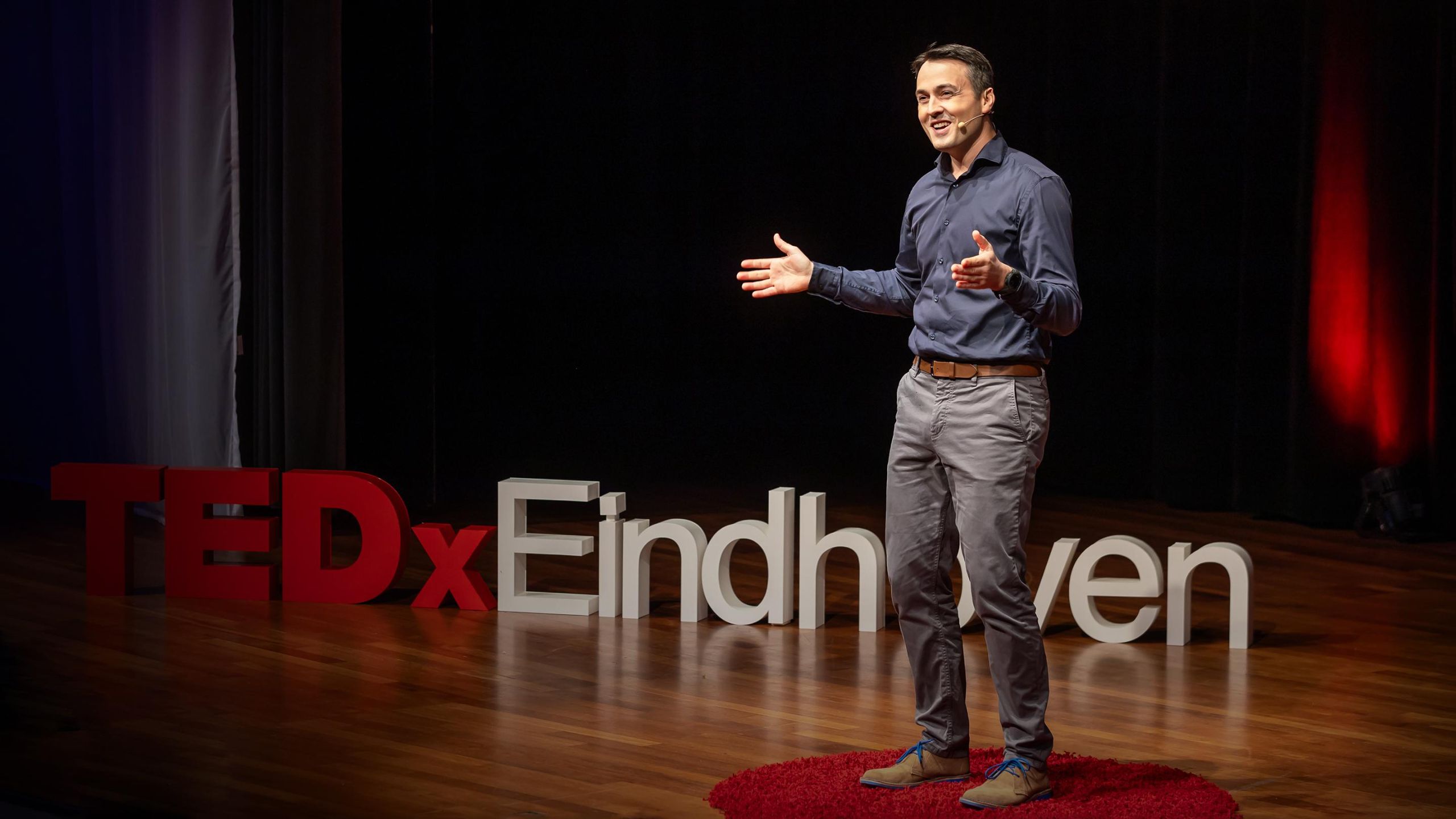
字幕摘录
| 时间 | 英文 | 中文 |
|---|---|---|
| 0:04 | I want to be long-winded and unclear. | 我想长风和不明确。 |
| 0:11 | It's not a common opening line. | 非俗开行. |
| 0:13 | Most people won't tell us when they're going to be long-winded. | 多数人不会告诉我们何时会长风. |
| 0:17 | But we know. | 但我们知道。 |
| 0:18 | We can tell pretty quickly if someone's going to get to the point | 我们很快就能分辨出 会不会有人说重点 |
| 0:23 | or if we are in for a long and painful conversation. | 或者如果我们在 长时间和痛苦的对话。 |
| 0:28 | And this is especially true at work. | 这在工作上尤其如此。 |
| 0:32 | Every year, poor communication costs businesses hundreds of billions of dollars in lost productivity. | 每年,由于通信不良,企业损失了数千亿美元的生产力。 |
| 0:39 | And I have to confess, the early part of my career, I was responsible for at least some of that. | 我必须承认,我职业生涯的早期, 我至少对其中一些负有责任。 |
| 0:47 | But I'm not alone. | 但我不孤单。 |
展开字幕全文(196 条)
| 序号 | 英文 | 中文 |
|---|---|---|
| 1 | I want to be long-winded and unclear. | 我想长风和不明确。 |
| 2 | It's not a common opening line. | 非俗开行. |
| 3 | Most people won't tell us when they're going to be long-winded. | 多数人不会告诉我们何时会长风. |
| 4 | But we know. | 但我们知道。 |
| 5 | We can tell pretty quickly if someone's going to get to the point | 我们很快就能分辨出 会不会有人说重点 |
| 6 | or if we are in for a long and painful conversation. | 或者如果我们在 长时间和痛苦的对话。 |
| 7 | And this is especially true at work. | 这在工作上尤其如此。 |
| 8 | Every year, poor communication costs businesses hundreds of billions of dollars in lost productivity. | 每年,由于通信不良,企业损失了数千亿美元的生产力。 |
| 9 | And I have to confess, the early part of my career, I was responsible for at least some of that. | 我必须承认,我职业生涯的早期, 我至少对其中一些负有责任。 |
| 10 | But I'm not alone. | 但我不孤单。 |
| 11 | Hands up if you work with someone who is long-winded or unclear. | 如果你和某个 长风或不明确的人合作的话 举起手来 |
| 12 | That's a lot of hands. | 手少阳. |
| 13 | Now I'm sure we are all thinking about people outside this room, right? | 现在,我敢肯定,我们都在想 外面的人,对不对? |
| 14 | Except for those of you pointing at each other. | 惟诸人相指. |
| 15 | But what would happen if we asked the people outside this room? | 但如果我们问外面的人怎么办? |
| 16 | They might be thinking about us. | 他们可能在想我们 |
| 17 | And while our goal is to be clear and concise, do we really know how? | 虽然我们的目标是明确和简明,但我们是否真的知道如何做到? |
| 18 | Every time we communicate, we have an opportunity to create clarity or confusion. | 每当我们交流时,我们都会有机会制造清晰或混乱. |
| 19 | And clarity begins from the very first minute. | 从第一分钟开始就清楚了 |
| 20 | If you get the first minute right, you set your conversation up for success. | 如果你得到的第一分钟正确, 你设置你的谈话成功。 |
| 21 | Get it wrong, your conversations will be longer, less effective, and more frustrating. | 搞错了,你的谈话会更长,效率更低,更令人沮丧. |
| 22 | Now, on the off chance, we could all use a little more clarity. | 现在,在偶然的情况下,我们都需要更清楚一点。 |
| 23 | I'm going to share a tip with you today. | 我今与汝等共作小费. |
| 24 | A tip that will help each of you improve the success of your communication at work. | 帮助你们每个人改善工作沟通的成功 |
| 25 | A tip that has been tested by more than 75,000 people around the world. | 这个小费已经受到了全世界超过75,000人的考验. |
| 26 | And a tip that will help each of you get the first minute right. | 和帮助你们每个人 得到第一分钟正确。 |
| 27 | And here it is. | 在这里 |
| 28 | There are three things we must include at the start of our work messages. | 在工作开始时,我们必须包括三件事。 |
| 29 | And those three things begin with T, I, and P. | 这三件事始于T,I,和P。 |
| 30 | It's a tip. | 师便打. |
| 31 | Now, the first part of the tip is the T. | 现在,提示的第一部分是T. |
| 32 | And T stands for topic. | T代表话题 |
| 33 | Every conversation at work needs a clear topic. | 每一次工作谈话都需要一个明确的话题. |
| 34 | When the topic is clear, everyone knows what we're talking about. | 当话题明确时,人人都知道我们在说什么. |
| 35 | Everyone's in sync. | 每个人都在同步。 |
| 36 | Everybody understands. | 每个人都明白。 |
| 37 | Unfortunately, reality isn't always like this, is it? | 不幸的是,现实不是 总是这样,是吗? |
| 38 | How often are you in a conversation and you find yourself thinking, | 你经常在谈话 发现自己在想 |
| 39 | what are you talking about? | 你在说什么? |
| 40 | That happens when the topic is not clear. | 这发生在议题不明确时。 |
| 41 | Now, usually the consequences are pretty minor. | 现在,通常后果相当轻微。 |
| 42 | A little bit of wasted time, some minor frustration. | 有点浪费时间 有点失望 |
| 43 | But sometimes the consequences are more significant. | 但有时后果更为显著. |
| 44 | In 2006, I was part of an engineering team writing a bid, | 2006年,我加入了一个工程团队 写了标书, |
| 45 | a proposal that was worth a lot of money to our company. | 这个提议对我们公司来说是值得的 |
| 46 | And a couple of days before the big meeting, my boss came up to me and said, | 在大型会议前几天 我老板来找我说 |
| 47 | Hey, Chris, I need you to change the meeting from Tuesday to Thursday. | 嘿,克里斯,我需要你改变会议 从星期二到星期四。 |
| 48 | So off I went and I changed the meeting. | 所以,我走了,我改变了会议。 |
| 49 | I typed an email, sent it to the client saying, | 我打过邮件,发给客户说 |
| 50 | something's come up, we've got to change. | 有事发生,我们必须改变。 |
| 51 | And about a minute after I hit send, my phone rings. | 一分钟后,我的电话响了 |
| 52 | It's my boss. | 这是我的老板。 |
| 53 | He had one question. | 他有一个问题 |
| 54 | Why did you change the meeting? | 你为什么改变会议? |
| 55 | You see, he was talking about our one-to-one, | 你看,他在谈论我们的一对一, |
| 56 | and I was thinking about the client meeting. | 我在想客户的会面 |
| 57 | The lack of a clear topic meant he and I were thinking about | 缺乏一个明确的话题 意味着他和我在想 |
| 58 | two very different things. | 两个非常不同的东西。 |
| 59 | Now, that might be the single biggest contribution I've made | 这也许是我最大的贡献 |
| 60 | to the cost of bad communication, | 造成通讯不便, |
| 61 | but it also marks the moment at which I began to be interested | 但也标志着我开始感兴趣的时刻 |
| 62 | in improving how we communicate at work. | 改进我们在工作中的沟通方式。 |
| 63 | So all our messages have to begin with a clear topic. | 因此,我们的所有信息都必须从一个明确的主题开始。 |
| 64 | But how? | 怎么会呢? |
| 65 | How do we do this? | 怎么办? |
| 66 | It's really easy. | 这真的很简单。 |
| 67 | Start your message with one sentence | 用一句话开始留言 |
| 68 | that names the topic you want to talk about. | 上面写着你想讨论的主题 |
| 69 | And the more specific, the better. | 越具体越好 |
| 70 | You could say, I'd like to talk about July sales figures. | 我想谈谈7月的销售数字 |
| 71 | I want to talk about Project Everest's timeline. | 我想谈谈珠穆朗玛峰计划的时间表 |
| 72 | Or, can I talk about our one-to-one this week? | 或者,我可以谈谈我们的一对一 这周? |
| 73 | One message, one sentence, | 一个信息,一句话, |
| 74 | that lets your audience know what the topic is. | 让观众知道话题是什么 |
| 75 | They won't be thinking, what are you talking about? | 他们不会在想 你在说什么? |
| 76 | Now, having a clear topic is a great start, | 现在,有一个明确的话题是一个伟大的开始, |
| 77 | but it's not enough. | 但这还不够 |
| 78 | We need the second part of the tip, which is the I. | 我们需要第二部分的小费,这就是我。 |
| 79 | And I stands for intent. | 我代表着意图 |
| 80 | Intent is what we want the other person to do with our message. | 意图是我们希望其他人 对我们的信息。 |
| 81 | Have you ever been in a conversation | 你有没有谈过 |
| 82 | and a few minutes in thought, | 和几分钟的思考, |
| 83 | why are you telling me this? | 你为什么要告诉我这些? |
| 84 | That happens when the topic, when the intent isn't clear, | 当主题, 当意图不明时, |
| 85 | when the speaker hasn't told you what to do | 当演讲者没有告诉你该怎么做 |
| 86 | with the information that they are giving you. | 他们给你的信息。 |
| 87 | Now, there's a process in our brains called selective attention. | 现在,我们大脑中有一个过程 需要有选择的注意。 |
| 88 | And this filters incoming information | 过滤到的信息 |
| 89 | and tells you what is important and what is not. | 并告诉你什么是重要的,什么不是。 |
| 90 | And if you don't know what to do with a message, | 如果你不知道该怎么处理信息 |
| 91 | your brain says, not important, and we stop listening. | 你的大脑说,不重要, 我们停止听。 |
| 92 | At the beginning of this talk, I told you I would give you a tip | 一开始我跟你说过 我会给你小费 |
| 93 | that would help improve the success of your communication at work. | 这将有助于改善你在工作中的沟通。 |
| 94 | That told your brains what to do with this information. | 这告诉你的大脑如何处理这个信息。 |
| 95 | If I hadn't done that, I could be faced with a room full of people | 如果我没有这样做,我可能会面对一个满是人的房间 |
| 96 | smiling politely while all thinking, why are you telling us this? | 笑得这么有礼貌,你为什么告诉我们? |
| 97 | Now, that is something we want to avoid at work. | 现在,这是我们想要避免的工作。 |
| 98 | But there is another and perhaps more important reason | 但还有另一个更重要的原因 |
| 99 | to make your intent clear. | 以表明你的意图。 |
| 100 | You want to avoid frustrating the people you're talking to. | 你想避免令你在和的人失望 |
| 101 | I'd had a particularly bad day, | 我今天过得特别糟糕 |
| 102 | and I walked into my colleague Tina's office, | 我走进我的同事蒂娜的办公室 |
| 103 | and I sat down with my head in my hands, | 我坐在我头上, |
| 104 | and I told her how I'd messed up on an important call with a senior leader. | 我告诉她我是如何在与一位高级领导人的重要通话中 搞砸了。 |
| 105 | And when I finished talking, Tina very, very helpfully said, | 当我说完,蒂娜非常,非常有帮助地说, |
| 106 | oh, why don't you try this, and maybe we can avoid this next time. | 哦,你为什么不试试这个, 也许我们可以避免这一次。 |
| 107 | And she was giving me all sorts of advice. | 她给我各种建议 |
| 108 | The more she spoke, the more frustrated I became. | 她说话越多 我就越感到沮丧 |
| 109 | I didn't want her help. | 我不想让她帮忙 |
| 110 | And that must have been quite obvious | 这一定很明显 |
| 111 | because she just put up her hands and said, | 因为她只是举起手说, |
| 112 | you clearly don't want my help, so why are you here? | 显然你不需要我的帮助, 你为什么在这里? |
| 113 | I said, Tina, I'm really sorry. | 我说,蒂娜,我真的很抱歉。 |
| 114 | I just want to get this off my chest. | 我只是想把这个从我的胸口。 |
| 115 | Can I just talk for a minute? | 我能谈谈吗? |
| 116 | And like a mother talking to a small child, she rolled her eyes. | 就像妈妈跟小孩说话一样 她转过眼睛 |
| 117 | She said, well, why didn't you start with that? | 她说,你为什么不开始? |
| 118 | We need to tell our audience what to do with the information we're giving them. | 我们需要告诉我们的观众 如何处理我们给他们的信息。 |
| 119 | Tina was working hard from the moment I started talking, | 从我说话的那一刻起 蒂娜就一直在努力工作 |
| 120 | and all the way through she was working hard to help me, | 她一直努力帮我 |
| 121 | and I didn't want or need that. | 我也不想 也不需要那样 |
| 122 | She was annoyed, and rightly so. | 她很生气,没错 |
| 123 | So when you start your message after you've given a clear topic, | 所以,当你开始你的信息 当你给出一个明确的话题, |
| 124 | tell your audience what to do with it. | 告诉你的观众怎么办 |
| 125 | And again, you can do this with one line. | 再说一次,你可以用一条线来做 |
| 126 | Make your intent clear. | 说清楚了 |
| 127 | If you have a question, say, can I ask you a question? | 如果你有问题,我可以问你一个问题吗? |
| 128 | If you want someone to make a decision, | 如果你想找人做决定 |
| 129 | say, I'd like your help with this decision. | 我希望你能帮我做这个决定 |
| 130 | If you want to get something off your chest, | 如果你想从胸口拿点东西 |
| 131 | just say, is it okay if I vent for a minute? | 只是说,可以吗,如果我通风一分钟? |
| 132 | If you tell your audience what to do with your message, | 如果你告诉你的观众 如何处理你的信息, |
| 133 | not only will their brains pay more attention, | 他们的大脑不仅会更加专注 |
| 134 | you will avoid frustrating them. | 你会避免让他们失望 |
| 135 | That's kind of useful. | 有点有用 |
| 136 | So we've made our topic clear. | 所以我们把话题讲清楚了 |
| 137 | We've told our audience what we intend for them to do. | 我们告诉观众我们打算怎么做 |
| 138 | It's time to get down into the detail, right? | 是时候开始详谈了吧? |
| 139 | Get into the message. | 进入消息。 |
| 140 | Wrong. | 错. |
| 141 | This is where we need the third part of the tip, the P. | 这是我们需要小费的第三部分,P。 |
| 142 | And P stands for point. | P代表点。 |
| 143 | Point is the most important part of our message. | 要点是我们信息中最重要的部分。 |
| 144 | If you only had five seconds to speak, it's what you would say. | 如果你只有5秒钟时间说话, 你会这么说。 |
| 145 | And usually, it's what your audience cares about the most. | 通常,这是你的观众最关心的。 |
| 146 | When I was a kid, my dad played a game with me. | 当我还是个孩子的时候,我爸和我玩了个游戏 |
| 147 | If we were going on a journey, I'd go, Dad, where are we going? | 如果我们要去旅行,我会去,爸爸,我们要去哪里? |
| 148 | And he'd say, oh, well, first we're going to the car, | 他会说,哦,好吧, 首先我们要去车, |
| 149 | and then we'll get in the car, and then we'll leave the driveway, | 然后我们上车 然后离开车道 |
| 150 | and we'll turn left onto the main street until we get to the post office, | 然后我们左转到主街 直到我们到达邮局 |
| 151 | and then we'll turn right until we go to a big yellow building. | 然后我们右转,直到我们去一个大的黄色建筑。 |
| 152 | I just wanted to scream, where are we going? | 我只是想尖叫,我们要去哪里? |
| 153 | I wanted the short version. | 我想要简短的版本。 |
| 154 | I think he just wanted to wind me up a little bit. | 我想他只是想让我开心一下 |
| 155 | But fast forward a few years, I was doing the same thing at work. | 但是几年前,我的工作也一样。 |
| 156 | Someone would ask me a question, or I'd start a conversation, | 有人问我一个问题, 或者我开始谈话, |
| 157 | and I would give all the details, step-by-step information. | 并会提供所有的细节, 逐步的信息。 |
| 158 | And every so often, okay, quite often, people would say, | 人们会说, |
| 159 | Chris, just get to the point. | 克里斯,说重点 |
| 160 | And that's what we need. | 这就是我们需要的。 |
| 161 | We need a point, we need a headline, | 我们需要一点,我们需要一个头条, |
| 162 | something that tells us where this conversation is going. | 告诉我们这次谈话要往哪里走 |
| 163 | Now, of course, there's a lot more information we could include, | 现在,当然,还有更多的信息 我们可以包括, |
| 164 | but that comes later. | 但后来才出现 |
| 165 | That comes after we've set up the audience | 等我们安排好观众再说 |
| 166 | to understand what the conversation is about. | 来了解谈话的内容 |
| 167 | And we can do this quite simply. | 很简单。 |
| 168 | As the military likes to say, put the bottom line up front. | 正如军方喜欢说的 把底线放在前面 |
| 169 | In one sentence, deliver the most important piece of information. | 一句话,提供最重要的信息。 |
| 170 | I want to give a refund for a late delivery. | 我想给退款 延迟交货。 |
| 171 | Our project launch is going to be delayed by a month. | 我们的项目启动将推迟一个月。 |
| 172 | Say the most important thing, | 说最重要的事情, |
| 173 | and your audience will know where that conversation is going, | 你们的观众会知道谈话的去向 |
| 174 | and they won't be thinking, what is your point? | 他们不会在想,你什么意思? |
| 175 | Now, if you start your conversation with topic, intent, and point, | 现在,如果你开始 你的对话的主题,意图,和指点, |
| 176 | you are starting with a clear and concise introduction, | 您首先要作一个简明扼要的介绍, |
| 177 | an introduction that answers the three questions we all have. | 一个能回答我们三个问题的导言。 |
| 178 | What are you talking about? | 你在说什么? |
| 179 | Why are you telling me this? | 你为什么要告诉我这些? |
| 180 | And what is your point? | 你想说什么? |
| 181 | Because here's the truth. | 因为这里的真相。 |
| 182 | Every time we communicate, | 每次我们交流 |
| 183 | it is an opportunity to create clarity or confusion. | 这是造成澄清或混淆的机会。 |
| 184 | And topic, intent, and point is clarity. | 主题、意图和要点是明确的。 |
| 185 | So I have a challenge for you. | 所以我有一个挑战给你。 |
| 186 | The next time you start a conversation at work, | 下次你上班时开始谈话时 |
| 187 | the next time you write a message, | 下次你写信的时候 |
| 188 | take a moment and think to yourself, what is my topic? | 慢慢想想,我的话题是什么? |
| 189 | What do I intend for the other person to do with this message, | 我打算如何让其他人 与这个消息, |
| 190 | and what point do I want to deliver? | 我想说点什么? |
| 191 | Imagine working somewhere where everybody did this. | 想象一下在别人都这样做的地方工作 |
| 192 | Imagine if everyone always knew what to do with the message you gave them, | 想象一下,如果每个人都知道该怎么做 你给他们的信息, |
| 193 | or understood what it was about. | 或明白这是什么。 |
| 194 | How much smoother, how much easier would our jobs be? | 我们的工作要多平稳,多轻松? |
| 195 | That, ladies and gentlemen, is the power of the first minute. | 女士们先生们 这是第一分钟的力量 |
| 196 | Thank you. | 谢谢 |
该视频共有字幕 197 条。解锁更多字幕为会员功能,请移动到 价格