学英语太痛苦?维多利亚硬核拆解:真正的语言高手都在用这种“无
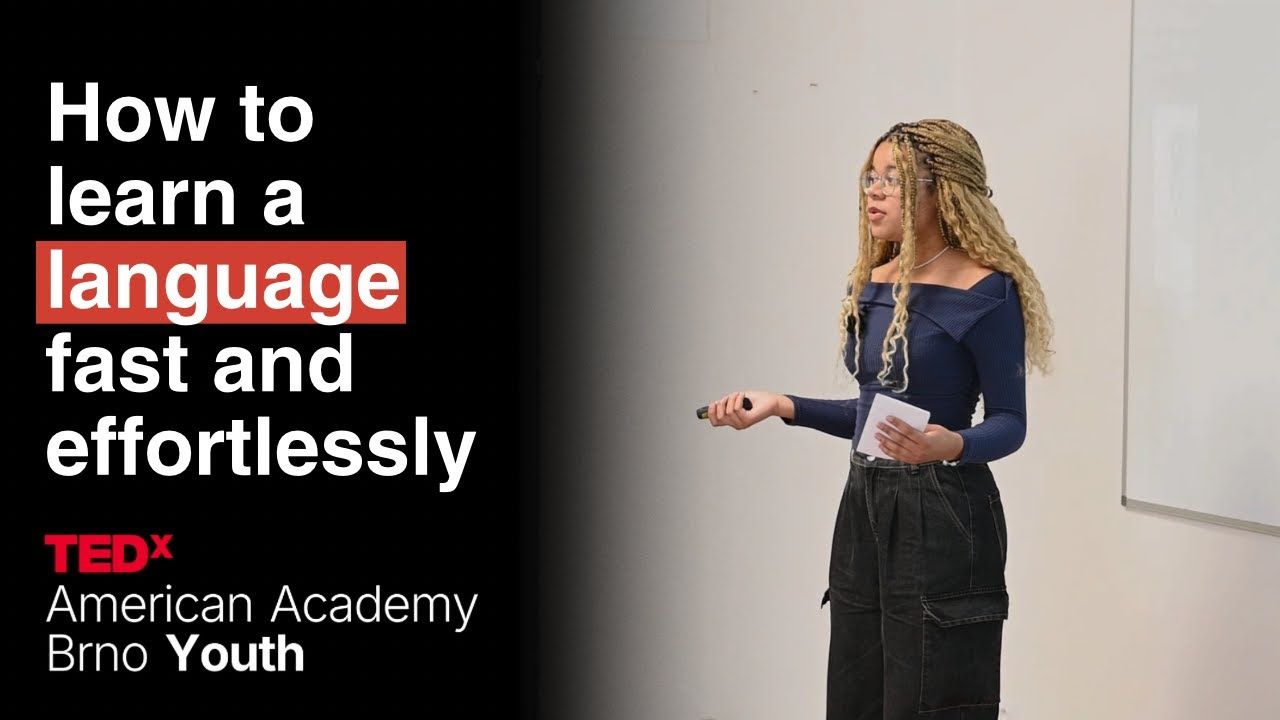
字幕摘录
| 时间 | 英文 | 中文 |
|---|---|---|
| 0:08 | Have you ever struggled to learn 80 new words for a Spanish test? | 你曾为西班牙测试学过80个新词吗? |
| 0:12 | Have you ever been bored trying to memorize complex grammar for a German test? | 你是否厌倦了为德国测试 背诵复杂的语法? |
| 0:17 | Have you ever had trouble connecting sounds to meanings in Chinese class? | 你连声音和中文课的意义都有问题吗? |
| 0:21 | Have you ever found language learning a long, tiring, and difficult process? | 你有没有发现语言学习 漫长,疲惫,艰难的过程? |
| 0:27 | If so, you're not alone, but today I am here to tell you how to change that. | 如果是的话,你不是一个人,但今天我在这里告诉你如何改变这一点。 |
| 0:32 | When I was in fourth grade, my mom suggested that I should learn French. | 四年级的时候,妈妈建议我学法语. |
| 0:36 | I didn't really have anything against the idea, so | 我真的没有什么反对的想法,所以 |
| 0:38 | I started having private French lessons every week. | 我开始每周有私人法语课。 |
| 0:42 | I studied from a textbook and memorized lots of vocabulary and grammar, but | 我从一本教科书中学习, 并记住了很多词汇和语法,但是, |
| 0:45 | I wasn't making much progress. | 我没有取得多大进展。 |
展开字幕全文(156 条)
| 序号 | 英文 | 中文 |
|---|---|---|
| 1 | Have you ever struggled to learn 80 new words for a Spanish test? | 你曾为西班牙测试学过80个新词吗? |
| 2 | Have you ever been bored trying to memorize complex grammar for a German test? | 你是否厌倦了为德国测试 背诵复杂的语法? |
| 3 | Have you ever had trouble connecting sounds to meanings in Chinese class? | 你连声音和中文课的意义都有问题吗? |
| 4 | Have you ever found language learning a long, tiring, and difficult process? | 你有没有发现语言学习 漫长,疲惫,艰难的过程? |
| 5 | If so, you're not alone, but today I am here to tell you how to change that. | 如果是的话,你不是一个人,但今天我在这里告诉你如何改变这一点。 |
| 6 | When I was in fourth grade, my mom suggested that I should learn French. | 四年级的时候,妈妈建议我学法语. |
| 7 | I didn't really have anything against the idea, so | 我真的没有什么反对的想法,所以 |
| 8 | I started having private French lessons every week. | 我开始每周有私人法语课。 |
| 9 | I studied from a textbook and memorized lots of vocabulary and grammar, but | 我从一本教科书中学习, 并记住了很多词汇和语法,但是, |
| 10 | I wasn't making much progress. | 我没有取得多大进展。 |
| 11 | After three years of studying, I couldn't even hold a simple conversation in French | 经过三年的学习,我甚至无法用法语进行简单的交谈 |
| 12 | or understand real spoken language. | 或者理解真正的口语。 |
| 13 | The same happened when I had to study German at school. | 我在学校学习德语时也是这样 |
| 14 | Despite having taken the subject for two years, | 尽管这个话题已经问了两年了 |
| 15 | my knowledge of German is very close to zero. | 我对德语的了解非常接近零 |
| 16 | I didn't have any real motivation to learn French or German, and | 我没有真正学习法语和德语的动机 |
| 17 | nor did I enjoy studying a language the same way I studied math, | 我也不喜欢学习和数学一样的语言, |
| 18 | by memorization and completing tons of repetitive textbook exercises. | 通过记忆和完成大量重复的教科书练习。 |
| 19 | Back then, I could have told myself that language learning is a long, exhausting, | 当时我本可以告诉自己 语言学习很长很累 |
| 20 | and boring process, and that I should never try it again. | 和无聊的过程, 我不应该再尝试它。 |
| 21 | But instead, I decided to do it differently. | 但相反,我决定 做不同的。 |
| 22 | When I was 12 years old, I decided to start learning Korean all on my own. | 12岁时,我决定独自开始学习朝鲜语. |
| 23 | I had started only because I enjoyed listening to Korean music. | 我开始是因为我喜欢听韩国音乐 |
| 24 | At the time, I had no idea just how much it would change my life. | 当时我还不知道这能改变多少生活 |
| 25 | Two and a half years later, I was studying in South Korea, | 两年半后,我在韩国学习 |
| 26 | speaking Korean all day to my host families and classmates, and I became fluent. | 整天对我的家庭和同学说韩语, |
| 27 | Then, I decided to take up another challenge and | 然后,我决定接受另一个挑战 |
| 28 | start learning Mandarin Chinese all by myself. | 开始学习普通话 全部由我自己。 |
| 29 | A year and a half later, I can now hold full conversations in Chinese, | 一年半后,我可以用中文进行全面的谈话 |
| 30 | as well as read and write. | 还有读写 |
| 31 | The reason why I saw lots of improvement in my Korean and | 为什么我看到很多改善 我的韩语和 |
| 32 | Chinese skills compared to when I was learning French and | 与我学习法语时相比 |
| 33 | German was because I learned differently. | 德语是因为我学到不同 |
| 34 | And unlike when learning French and German, I didn't need a teacher, | 和学习法语和德语不同 我不需要老师 |
| 35 | I didn't need a textbook, and I didn't need to memorize vocabulary and grammar. | 我不需要教科书,也不需要记住词汇和语法. |
| 36 | Using the experience that I've gathered, I want to share with you how you can learn | 利用我积累的经验,我想与你分享你如何学习 |
| 37 | any foreign language effortlessly, for free, and completely on your own. | 任何外国语都是免费的 完全靠自己 |
| 38 | So, let's say you want to learn a new language. | 因此,让我们假设你想学习一种新的语言。 |
| 39 | How do you actually start? | 你怎么开始的? |
| 40 | There are many ways to do this, but from my experience, | 有很多方法可以做到 但根据我的经验 |
| 41 | the best way to do this is to use a platform like YouTube and | 最好的办法就是使用YouTube等平台, |
| 42 | watch a few videos teaching basic words and phrases of the language you want to learn. | 观看一些视频,教授你想要学习的语言的基本词和短语. |
| 43 | You should also try to figure out how to pronounce new sounds by repeating what | 你也应该试着想出如何通过重复什么来发声 |
| 44 | you hear out loud. | 你听到大声。 |
| 45 | This is the only stage where you need to sit down and study for a bit. | 这是你唯一需要坐下来学习的舞台 |
| 46 | It can take you two months, or it can take you a week. | 可能要花两个月,或者一周 |
| 47 | This part can be as quick as you make it. | 这部分可以像你做的那么快。 |
| 48 | Once you already know some basic greetings, nouns, verbs, and | 一旦你知道一些基本的问候,名词,动词,和 |
| 49 | are familiar with the sentence structure, you don't need to worry about studying anymore. | 对句子结构很熟悉, 你不必再担心学习了. |
| 50 | Most language learners make the mistake of sticking to traditional study methods | 大多数语言学习者犯了坚持传统学习方法的错误 |
| 51 | throughout the whole language learning process. | 在整个语言学习过程中。 |
| 52 | Besides it being boring and exhausting, another reason why you should not rely on | 除了无聊和累人之外 你不应该依赖另一个原因 |
| 53 | such methods is because you can often learn things that are incorrect or | 这种方法是因为你常常可以学习不正确或 |
| 54 | sound unnatural and carry those mistakes for a long time. | 听起来很不自然,而且这些错误长期存在。 |
| 55 | Because once you learn something wrong, it is very difficult to erase. | 因为一旦你学到了错误的东西,就很难抹去。 |
| 56 | How should you improve after you've learned all the basics? | 学完基本知识后,如何改进?. |
| 57 | Well, if I asked those of you who do not speak English as your native language, | 如果我问你们那些不说英语的人... ...作为你们的母语, |
| 58 | how you learned it, you probably wouldn't say, | 你是如何学会的,你可能不会说, |
| 59 | I memorized all the grammar rules and studied every day for years. | 我记住了所有的语法规则 并且每天学习多年。 |
| 60 | You'd probably say something more like, I talk to people, watch movies and | 你可能会说一些更喜欢, 我说话的人,看电影和 |
| 61 | YouTube videos, and look to social media in English. | YouTube视频,并浏览英文社交媒体. |
| 62 | You might even say that you don't even remember how you learned it or | 你甚至会说 你甚至不记得你是如何学到的 |
| 63 | that it feels like English just spawned in your head. | 感觉就像英国人刚刚在你的脑海中诞生 |
| 64 | If you relate to any of what I just said, that means you didn't learn English. | 如果你跟我刚才说的有关系 那表示你没学英语 |
| 65 | You acquired it. | 你得到了这个。 |
| 66 | Acquiring a language is a mostly unconscious process by which humans | 获得一种语言是人类 大多是无意识的过程 |
| 67 | gain the capacity to perceive and comprehend language without studying it. | 获得理解和理解语言的能力而不研究语言。 |
| 68 | It is similar to how we learned our first language as toddlers. | 这与我们如何学习关于幼儿的第一种语言相似。 |
| 69 | The key to acquiring a language is comprehensible input, | 获取语言的关键是可理解的输入, |
| 70 | which is language that is a little above your current level of proficiency, so | 这语言略高于你目前的熟练程度,所以 |
| 71 | that you can understand most of it, but you're still challenged by new words and | 你可以理解大部分 但你仍然受到新词的挑战 |
| 72 | patterns. | 规律。 |
| 73 | Once you've become familiar with the basics of the language, | 一旦你熟悉了语言的基本知识 |
| 74 | comprehensible input is all you need. | 可理解的输入是您需要的。 |
| 75 | The goal is to get as much input as possible by listening to how native | 目标是尽可能多地获得投入,倾听如何本地化 |
| 76 | speakers express themselves and use the language in real life. | 发言者在现实生活中表达自己和使用语言。 |
| 77 | The easiest way to do this is to simply use the internet and listen to it. | 最简单的方法就是使用互联网, |
| 78 | When listening to the language, you might not understand everything, | 当你听语言, 你可能不会理解一切, |
| 79 | but your brain is doing the work. | 但你的大脑在工作 |
| 80 | It's recognizing sounds, picking up patterns, and little by little, | 它能识别声音, 收集规律, 和一点点, |
| 81 | you will notice yourself improving. | 你会注意到自己在进步。 |
| 82 | The more you listen to the language, the faster you will acquire it. | 越听语言,就越快获得语言. |
| 83 | If you want to speed up the learning process, you can look up the meanings of | 如果要加快学习进程,可以查找 |
| 84 | words that you've heard but don't know yet. | 你听过但还不知道的话 |
| 85 | However, you don't have to do this with every new word you hear. | 不过,你不必用你听到的每一个新词来做这个. |
| 86 | You can easily learn what words mean and | 你很容易知道 这个词的意思和 |
| 87 | how they are used just by hearing them said enough times in context. | 如何使用它们 只是听他们说 足够的时间在上下文。 |
| 88 | And keep in mind that all languages are different, so some words might not have | 记住所有语言都不同 所以有些词可能没有 |
| 89 | an accurate or direct translation into other languages, so you should always | 准确或直接翻译成其他语言,所以你应当永远 |
| 90 | trust what you hear instead of what a translator or dictionary tells you. | 相信你听到的 而不是翻译或字典告诉你的 |
| 91 | Right now, you might think it sounds a little boring to just listen to somebody | 现在,你可能会觉得听别人的话有点无聊 |
| 92 | talk for hours, but the good thing about working towards acquiring a language | 谈了好几个小时 但努力获得一种语言是好事 |
| 93 | instead of studying it is that it can actually be fun. | 与其研究它,不如说它实际上可以很有趣。 |
| 94 | The best way to learn is to listen to things you like in your target language. | 最好的学习方式是用你的目标语言来倾听你喜欢的东西. |
| 95 | For example, if you enjoy watching movies, TV shows, YouTube videos, or | 例如,如果你喜欢看电影,电视节目,YouTube视频,或者 |
| 96 | just scrolling on TikTok or Instagram, doing those things in your target language | 在TikTok或Instagram上滚动,用你的目标语言做那些事情 |
| 97 | is a great and effective way to acquire it. | 这是获得这一机会的伟大和有效的途径。 |
| 98 | Because in order to learn new words and | 因为为了学习新词 |
| 99 | phrases, you need to care about what the person you're listening to is saying. | 你要关心你听的人在说什么 |
| 100 | And if you already spend a lot of time on the Internet, | 如果你已经花了很多时间上网 |
| 101 | this can easily turn any unproductive habits you might have into productive ones. | 这很容易把任何没有生产力的习惯转变为生产习惯。 |
| 102 | Connecting the language with something you like will also help you become | 用你喜欢的东西连接语言也会帮助你成为 |
| 103 | comfortable in it. | 感觉很舒服 |
| 104 | This is important because becoming comfortable in the language will help you | 这很重要,因为用语言自在会帮你 |
| 105 | express yourself easily and communicate with people just as if you were speaking | 轻而易举地表达自己 和人们交流 就像你在说话 |
| 106 | your mother tongue. | 你的母语。 |
| 107 | Another crucial step in becoming comfortable in a language is using it to | 在语言上变得舒适的另一个关键步骤是利用它 |
| 108 | express yourself authentically. | 真实的表达自己。 |
| 109 | You can do this by practicing speaking with people, preferably with natives. | 你可以通过练习 与人说话, 最好是与本地人。 |
| 110 | If you don't know anyone who speaks the language you are learning, | 如果你不认识会讲你所学语言的人 |
| 111 | you can try to talk to native speakers on the Internet. | 您可以尝试在互联网上与本地语使用者交谈。 |
| 112 | And if you are still too scared to do that, | 如果你仍然害怕 这样做, |
| 113 | it is also very helpful to practice thinking in the language. | 用语言进行思考也非常有用。 |
| 114 | By switching your thoughts into the language you are learning from time to | 将你的思想转换为你所学的语言 |
| 115 | time, you will become more comfortable in it and you will start to see it as | 时间,你会变得更加舒适 它,你会开始看到它 |
| 116 | a part of you instead of just as a skill or a school subject. | 你的一部分,而不只是作为 技能或学校科目。 |
| 117 | Using the language when talking or | 说话时使用语言或 |
| 118 | thinking will also help you to remember words and phrases better because once you | 思考也会帮助你更好地记住言语 因为一旦你 |
| 119 | learn a new word or once you use a new word or phrase in a sentence that is your | 学习新词 或在句子中使用新词或短语 |
| 120 | own, it will instantly become part of your vocabulary. | 它会立刻成为你词汇的一部分 |
| 121 | Also, don't spend too much time trying to memorize how to read and write. | 而且,不要花太多时间 试图记住如何读写。 |
| 122 | There's no need to spend hours studying different letters and symbols. | 不需要花几个小时研究不同的字母和符号. |
| 123 | If the language you are learning uses an alphabet or characters you're not | 如果你正在学习的语言 使用字母表或字符 你不是 |
| 124 | familiar with, then of course you should put some time into learning it. | 当然你应该花点时间去学习 |
| 125 | However, if the language you are learning uses an alphabet you already know, | 但是,如果你正在学习的语言 使用你已经知道的字母表, |
| 126 | instead of studying the sound each letter makes, it is easier to just focus on how | 而不是研究每个字母产生的声音, 仅仅专注于如何 |
| 127 | each word is written and you'll be able to pick the writing system up naturally. | 每一个字都是写出来的,你就能自然地拿起写作系统. |
| 128 | It is best to look at written text while listening to the language. | 最好在听语言的同时看书面文字. |
| 129 | So if you are looking at social media, you will naturally encounter the language's | 所以,如果你看社交媒体, 你自然会遇到语言的 |
| 130 | written form and learn it without needing to memorize anything. | 书写形式,学会它 不需要记住任何东西。 |
| 131 | If you enjoy watching YouTube videos, shows, or movies, you can try to turn on | 如果你喜欢看YouTube的视频、节目或电影,你可以尝试打开 |
| 132 | subtitles in that language and like this, you won't have to memorize difficult | 用那种语言的字幕 像这样,你不用记起困难 |
| 133 | spelling rules and you will start to remember how whole words are written. | 拼写规则,您将开始记住整个单词的写法。 |
| 134 | At some point in your language journey, you might feel like you're not making | 在你的语言旅程中,你可能会觉得 你没有做 |
| 135 | much progress, but remember that language acquisition is an unconscious process. | 但记住语言获取是一个无意识的过程。 |
| 136 | As long as you continue to listen to the language, you will learn it without | 只要你继续听语言,你会学会它,没有 |
| 137 | needing to memorize anything. | 需要记住任何事情。 |
| 138 | And the more you listen to your target language, the faster you will acquire it. | 你越听目标语言越快得到它 |
| 139 | To learn a new language, you do not need a teacher, you do not need a textbook, | 要学新语言,你不需要老师,你不需要教科书, |
| 140 | you just need a little bit of motivation and an internet connection. | 你只需要一点动力和互联网连接 |
| 141 | Because the way you acquire a language matters way more than how hard you study it. | 因为获得一种语言的方式 远比研究它更重要 |
| 142 | Learning foreign languages has given me the opportunity to connect with new people, | 学习外语让我有机会与新人交流 |
| 143 | explore new places, cultures, and experience things I'd never even dreamt of. | 探索新的地方,文化,体验我从未梦想过的东西. |
| 144 | Studying abroad and seeing the way people's eyes lit up when they found out I | 留学国外 看到人们发现我时的眼神 |
| 145 | could speak their language and their gratitude that they can express themselves | 他们能说自己的语言和感激 他们能表达自己 |
| 146 | comfortably when talking to me made me realize just how many new doors open for | 和我说话时很舒服 让我意识到 有多少新的门可以打开 |
| 147 | you when you're learning a new language. | 当你学习新语言时 |
| 148 | Many people miss out on all these amazing experiences simply because they just don't | 很多人都错过了这些惊人的经历 仅仅是因为他们没有 |
| 149 | know how to learn effectively. | 懂得如何有效学习。 |
| 150 | But now that you do, I encourage you to open YouTube and learn a few new words | 但既然如此,我鼓励你打开YouTube 学习一些新词 |
| 151 | and phrases in a new language. | 和新语言中的短语。 |
| 152 | And if you already know the basics, watch movies, TV shows, YouTube videos, and look | 如果你已经知道基本, 看电影,电视节目, YouTube视频, |
| 153 | at social media in your target language. | 在社交媒体上用你的目标语言。 |
| 154 | By looking towards acquiring it instead of studying and memorizing, | 通过寻找获得它 而不是学习和回忆, |
| 155 | YouTube can learn any foreign language in a fast and in a fun and effortless way. | YouTube可以快速地学习任何外语,以有趣和无心的方式学习. |
| 156 | Thank you. | 谢谢 |
该视频共有字幕 157 条。解锁更多字幕为会员功能,请移动到 价格