国外心理学家TED演讲谈“青少年手机禁令”:失去父母的孩子,
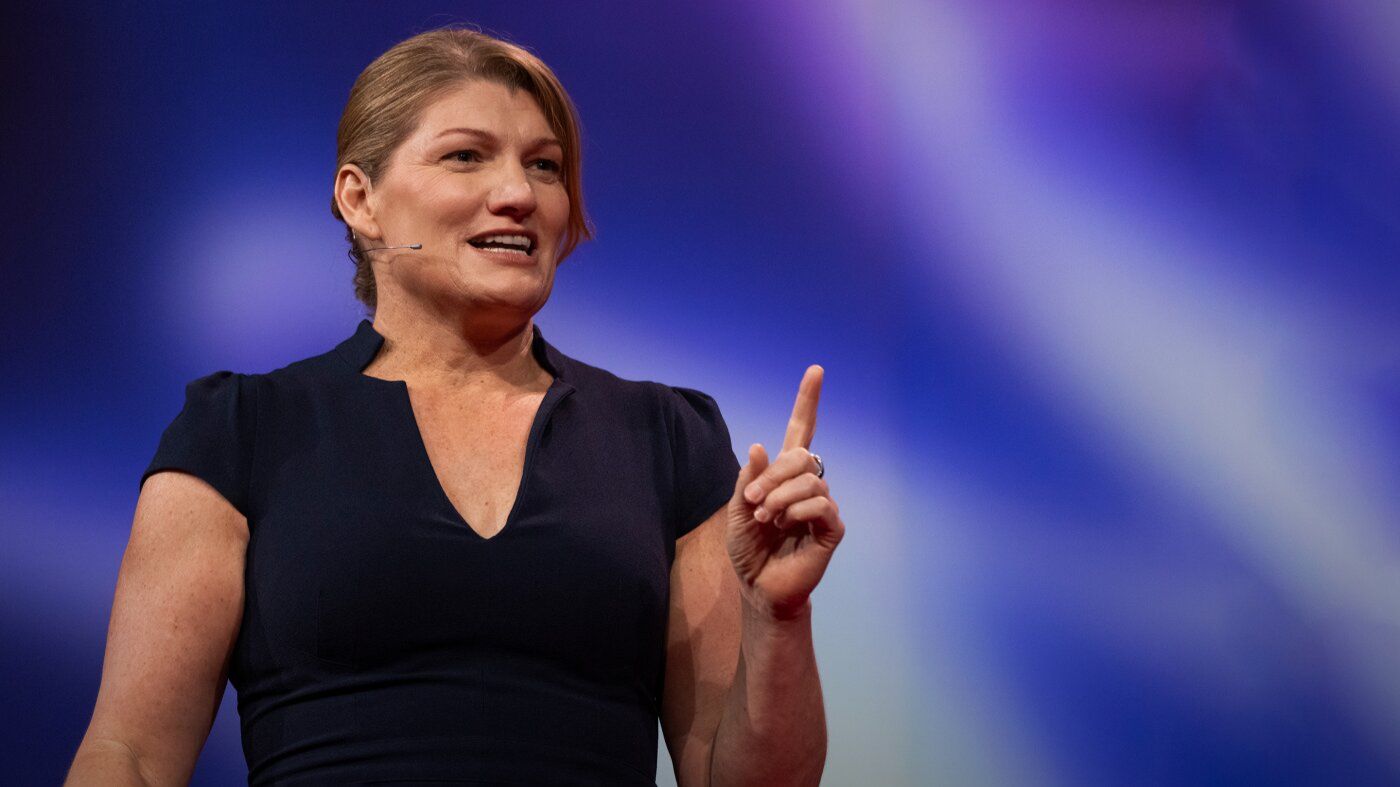
字幕摘录
| 时间 | 英文 | 中文 |
|---|---|---|
| 0:04 | Teenagers today are amazing. | 少年今日惊异. |
| 0:10 | You didn't think I was going to use that word, | 你没想到我会用这个词 |
| 0:12 | because as we age, our adult brains have a harder time making this | 因为随着年龄的增长 我们的成年大脑 很难做这个 |
| 0:16 | teenager equals amazing connection. | 青少年是惊人的连接。 |
| 0:20 | I'm always worried that I'd reach the age where I'd look back | 我总是担心自己会回到回头的年纪 |
| 0:22 | and immediately judge the youth of today for what they wear, | 你当为今天的青年而判决他们的衣食, |
| 0:27 | how they spend their time, lament the loss of my free-range childhood, | 他们如何花时间, 感叹失去我的免费童年, |
| 0:31 | and wish that they would spend more of their time doing things that we did, | 希望他们多花点时间做我们做的事, |
| 0:35 | like crash our cars and excessively drink, right? | 像撞我们的车 和过度饮酒,对不对? |
| 0:41 | True story. | 真实的故事。 |
展开字幕全文(228 条)
| 序号 | 英文 | 中文 |
|---|---|---|
| 1 | Teenagers today are amazing. | 少年今日惊异. |
| 2 | You didn't think I was going to use that word, | 你没想到我会用这个词 |
| 3 | because as we age, our adult brains have a harder time making this | 因为随着年龄的增长 我们的成年大脑 很难做这个 |
| 4 | teenager equals amazing connection. | 青少年是惊人的连接。 |
| 5 | I'm always worried that I'd reach the age where I'd look back | 我总是担心自己会回到回头的年纪 |
| 6 | and immediately judge the youth of today for what they wear, | 你当为今天的青年而判决他们的衣食, |
| 7 | how they spend their time, lament the loss of my free-range childhood, | 他们如何花时间, 感叹失去我的免费童年, |
| 8 | and wish that they would spend more of their time doing things that we did, | 希望他们多花点时间做我们做的事, |
| 9 | like crash our cars and excessively drink, right? | 像撞我们的车 和过度饮酒,对不对? |
| 10 | True story. | 真实的故事。 |
| 11 | But I'm beginning to think that I'm immune from judging teenagers in this way, | 但我开始认为 我不受这样评判青少年的影响 |
| 12 | and I think it's because I now know too much about them. | 我想是因为我现在对她们了解太多了 |
| 13 | So let me explain. | 让我解释一下 |
| 14 | I'm a developmental psychologist, and for the past 25 years, | 我是个发育心理学家 在过去的25年里 |
| 15 | that's a long time, I've been analyzing trends in teen mental health. | 那是很长一段时间,我一直在分析 青少年心理健康的趋势。 |
| 16 | Since 2008, we've been working with thousands of 10 to 14-year-olds, | 自2008年起,我们与成千上万的10至14岁的孩子合作, |
| 17 | getting information every day from their phones on how they're feeling, | 每天从他们的电话里得到关于他们感受的信息, |
| 18 | how they spend their time, who they're with. | 他们如何花时间 和谁在一起。 |
| 19 | With their consent, we look at their school records, | 在他们同意下 我们看看他们的学校记录 |
| 20 | we track their sleep data, we look at their step count, | 我们跟踪他们的睡眠数据, 我们观察他们的步数, |
| 21 | and we see what they're doing online. | 我们看到他们在网上做什么 |
| 22 | Importantly, we listen to them about what upsets them | 重要的是,我们听他们 关于什么令他们不安 |
| 23 | and what they need to be well. | 和他们需要的好。 |
| 24 | It has been a really incredible and at times wild ride. | 这是一个非常不可思议的,有时是疯狂的。 |
| 25 | It's also been an illuminating one, | 也是个很有启发性的东西 |
| 26 | because one of the most consistent things we have found | 因为我们发现的最一致的东西之一 |
| 27 | is that the stories that you and I are told repeatedly every day | 是那些你我每天反复听到的故事 |
| 28 | about teenagers today, that they are lost, | 今天的少年们,是迷失的, |
| 29 | that they are worse off than ever, | 他们比以往更恶劣, |
| 30 | that somehow smartphones and social media have destroyed them and their brains, | 不知何故智能手机和社交媒体 摧毁了他们和他们的大脑, |
| 31 | it doesn't match the data, and it doesn't match what they tell us. | 它不匹配数据, 和他们告诉我们的不匹配。 |
| 32 | There is a massive gap. | 差距很大。 |
| 33 | And as I've tried to make sense of this gap, | 我试图理解这个差距 |
| 34 | I keep coming back to a simple truth that we all know. | 我不断回到我们都知道的简单真理。 |
| 35 | Scary stories sell. | 可怕的故事卖。 |
| 36 | They always have. | 他们总是这样 |
| 37 | And the more often you hear something, | 你越经常听到什么 |
| 38 | the more likely you are to believe that it's true. | 你越可能相信这是真的 |
| 39 | I'm going to say it again. | 复说'言. |
| 40 | The more often you hear something, | 你越经常听到什么 |
| 41 | the more likely you are to believe that it's true. | 你越可能相信这是真的 |
| 42 | Right? | 对吧? |
| 43 | And scary stories are really easy to sell to parents. | 恐怖的故事很容易卖给父母。 |
| 44 | We are an anxious lot. | 我们是一个焦虑的人。 |
| 45 | The hypervigilance, it hits us. | 超感动,它击中我们。 |
| 46 | When we hold that tiny baby in our arms, our entire world changes. | 当我们怀着这个小宝宝时 我们的世界就会变 |
| 47 | It hits again when they hit puberty, | 当他们进入青春期时,它又被击中 |
| 48 | and they begin to change in these dramatic and rapid ways, | 他们开始以惊人和迅速的方式改变, |
| 49 | when our sense of control over them and what comes next | 当我们对他们有控制感时 接下来会发生什么 |
| 50 | begins to feel less certain. | 开始感觉不太确定 |
| 51 | I get this. | 我了解这个 |
| 52 | My 15-year-old is 6'4". | 我的15岁小孩是6尺4寸" |
| 53 | My 12-year-old is embracing independence | 我12岁的孩子正在接受独立 |
| 54 | like she's leaving for college next week. | 就像她下周要上大学一样 |
| 55 | But the good news is that the real story about teens today | 但好消息是,今天关于青少年的真实故事 |
| 56 | is far more positive and far less frightening | 更积极 更不可怕 |
| 57 | than the stories we all read. | 比我们都读的故事。 |
| 58 | They have made remarkable progress on metrics that really matter, | 在真正重要的衡量标准方面取得了显著进展, |
| 59 | and we know a lot about how to keep them happy, safe, and well. | 而且我们知道很多如何让他们快乐,安全,很好。 |
| 60 | Okay, the bad news. | 好吧,坏消息。 。 。 |
| 61 | The bad news is we are in the middle | 坏消息是我们在中间 |
| 62 | of an adult mental health crisis. | 成人心理健康危机。 |
| 63 | And caregiver mental health is the most important predictor | 照顾者心理健康是最重要的预测 |
| 64 | of teen mental health by far. | 青少年心理健康,到目前为止。 |
| 65 | So if we are concerned about teens today, | 所以,如果我们担心 青少年今天, |
| 66 | we need to invest in real and meaningful ways | 我们需要以真实和有意义的方式进行投资 |
| 67 | in the adults around them. | 在他们的周围的成年人。 |
| 68 | Many of them are simply not okay. | 他们中许多人根本就不好。 |
| 69 | So I'll come back to that, | 所以我会回到那个, |
| 70 | but first I want to share with you a few science-based facts | 但首先我想跟大家分享一些科学的事实 |
| 71 | about kids today, and I'm going to focus on American teens, | 关于今天的孩子, 我要专注于美国青少年, |
| 72 | because that's where a lot of the stories | 因为那里有很多故事 |
| 73 | that you and I are hearing come from. | 你和我听到来自。 |
| 74 | So in the past 20 years, we've had some major wins. | 所以在过去20年里,我们取得了一些重大胜利。 |
| 75 | Rates of teen violence, alcohol use, pregnancy | 青少年暴力、酗酒、怀孕率 |
| 76 | have plummeted to historic lows. | 跌至历史低点 |
| 77 | You are looking at the most educated generation ever | 你看着的是最有教养的一代 |
| 78 | in terms of high school graduation. | 在高中毕业方面。 |
| 79 | Young people are inventors, they're activists, | 年轻人是发明家,他们是活动家, |
| 80 | they're leaders, they're amazing singers. | 他们是领袖, 他们是惊人的歌手。 |
| 81 | They are Olympians, they're amazing. | 他们是奥林匹亚人,他们是惊人的。 |
| 82 | But they're also telling us that they're sadder | 但他们也告诉我们 他们更伤心 |
| 83 | and they're more worried about the world | 他们更担心这个世界 |
| 84 | that they're growing up in. | 他们长大了 |
| 85 | So they report increased concerns about safety at school, | 因此,他们报告说,人们更加关注学校的安全, |
| 86 | climate change, racism, their future. | 气候变化、种族主义、其未来。 |
| 87 | In our studies, what we find is the most frequently reported | 在我们的研究中,我们发现最经常报道的是 |
| 88 | stressors are conflict in their home | 压力是家里的冲突 |
| 89 | and pressure to do well at school. | 和压力 在学校做得好。 |
| 90 | And those are also the things that predict | 这些也是预言 |
| 91 | their mental health day to day. | 他们每天的精神健康。 |
| 92 | Now, since 2008, we've seen an uptick in youth suicide risk. | 现在,从2008年起,我们已经看到 一个上升的青年自杀风险。 |
| 93 | But perhaps this shouldn't be surprising, | 但也许这不奇怪 |
| 94 | because adult suicide has been increasing dramatically | 因为成人自杀事件急剧增加 |
| 95 | in the United States since 1999. | 美国自1999年以来。 |
| 96 | Remember when I said that adult mental health | 记得我说过的成人心理健康 |
| 97 | and caregiver mental health is the most important predictor | 心理健康是最重要的预测因素 |
| 98 | of child mental health? | 儿童心理健康? |
| 99 | Well, with that in mind, I want to take a look at this slide. | 嗯,考虑到这一点, 我想看看这个幻灯片。 |
| 100 | This graph here shows you that between 2011 and 2021, | 此图显示,2011年至2021年间, |
| 101 | the rate of overdoses due to drug use among parents | 父母因吸毒而过量的比例 |
| 102 | more than doubled. | 双倍以上。 |
| 103 | People ask me all the time, | 人们总是问我, |
| 104 | what could have happened during this period | 在此期间会发生什么? |
| 105 | other than social media coming online? | 除了社交媒体上线? |
| 106 | The answer is that adults were in distress | 答案是, 成年人有困难 |
| 107 | and parents were dying. | 和父母的死亡。 |
| 108 | Let's go back to that elephant in the room. | 让我们回到房间里的大象。 |
| 109 | Social media and smartphones also increased during this period. | 在此期间,社交媒体和智能手机也有所增加。 |
| 110 | But here's the weird thing. | 但这里的怪事。 |
| 111 | In our longitudinal studies, social media does not emerge | 在我们的纵向研究中,社交媒体没有出现 |
| 112 | as a major predictor of teen mental health. | 作为青少年心理健康的主要预测者。 |
| 113 | Many others find the same, | 其他人也一样 |
| 114 | concluding, and I'm going to quote, | 最后,我要引用一下, |
| 115 | that social media is one of the least influential factors | 社交媒体是影响最小的因素之一 |
| 116 | in predicting teen mental health. | 在预测青少年心理健康方面。 |
| 117 | For most adolescents, like boys, there's no association. | 对于大多数青少年来说,像男孩一样,没有关联. |
| 118 | And for girls, what we find is that girls that are depressed | 对女孩来说,我们发现的 是那些沮丧的女孩 |
| 119 | go on to use social media more, | 继续使用社交媒体, |
| 120 | but not the other way around. | 但不是这样的 |
| 121 | Social media does not meaningfully predict | 社会媒体没有有意义的预测 |
| 122 | future mental health problems. | 未来的心理健康问题。 |
| 123 | Now, despite this, adults are quickly converging | 现在,尽管如此,成年人正在迅速聚合 |
| 124 | on banning social media for under-16s | 禁止16岁以下社交媒体 |
| 125 | as a simple and singular solution | 作为简单而单一的解决办法 |
| 126 | to solving the youth mental health crisis. | 解决青年心理健康危机。 |
| 127 | And here is the crazy part. | 这是疯狂的部分。 |
| 128 | There's not one single study to date that has actually tested | 至今为止还没有一项研究 已经测试过 |
| 129 | whether shutting it off impacts their mental health. | 关闭它是否影响他们的精神健康。 |
| 130 | And when we do this among adults, | 当我们在成年人中这样做, |
| 131 | we find on average impacts that are close to | 我们发现,平均影响接近 |
| 132 | or indistinguishable from zero. | 或与零无分别. |
| 133 | I know, there's a big distance between | 我知道,有一个很大的距离 |
| 134 | the story we're told and the data. | 我们被告知的故事和数据。 |
| 135 | The National Academies of Sciences, | 国家科学院, |
| 136 | one of the most well-respected organizations in the world, | 世界上最受尊重的组织之一, |
| 137 | convened an expert panel, | 召集了一个专家小组, |
| 138 | and they came to this conclusion also. | 他们也得出了这个结论。 |
| 139 | So before you start throwing stuff at me, | 所以在你开始向我扔东西之前 |
| 140 | I want to clarify a few things. | 我想澄清一些事情。 |
| 141 | I'm not saying there are no harms online. | 我不是说网上没有坏处 |
| 142 | I'm not saying big tech does not require massive overhaul. | 我不是说大科技不需要大修 |
| 143 | Both things can be true. | 二者皆能真实. |
| 144 | We need to clean up the online world for everyone, | 我们需要为每个人清理网络世界, |
| 145 | and especially our children, | 特别是我们的孩子, |
| 146 | and social media is not the major driver | 而社交媒体不是主要的驱动力 |
| 147 | of teen mental health problems for most adolescents today. | 青少年的精神健康问题。 |
| 148 | But instead of cleaning up the online world | 而不是清理网络世界 |
| 149 | and prosecuting perpetrators of online harm, | 起诉网上伤害的肇事者, |
| 150 | regardless of the office or the position in society | 不论职务或社会地位如何 |
| 151 | that they hold, | 他们是坚忍的, |
| 152 | we are punishing victims. | 我们正在惩罚受害者。 |
| 153 | We're kicking them out of the spaces they go | 我们要把他们赶出去 |
| 154 | to be with friends, to consume youth culture, | 与朋友在一起, 消费青年文化, |
| 155 | and yes, sadly, many times to escape people | 和是的,可悲的, 多次逃离人们 |
| 156 | that are harming them offline. | 伤害他们离线。 |
| 157 | We've already kicked teenagers out of public spaces. | 我们已经把青少年赶出公共场所了 |
| 158 | In the US, we've created a society where firearms | 在美国,我们创造了一个有火器的社会 |
| 159 | are the number one killer of our children. | 是我们孩子的头号杀手 |
| 160 | And now we're telling our kids that we're going to take away | 现在我们告诉我们的孩子 我们要带走 |
| 161 | the spaces that they're going to virtually gather | 他们几乎要聚集的空间 |
| 162 | and create community because adults broke that, too. | 并创建社区 因为成年人打破了这一点。 |
| 163 | Yeah, I'm saying adults broke the internet, | 是的,我是说,成年人打破了互联网, |
| 164 | and they're trying to fix it by kicking kids off. | 他们试图通过踢孩子来修复它。 |
| 165 | So a social media ban might feel good for the adults in the room, | 所以社交媒体的禁令 对房间里的成年人来说可能很好 |
| 166 | but teens tell me, and I believe them, | 但十几岁的人告诉我 我相信他们 |
| 167 | it's not going to work. | 没用的 |
| 168 | It'll push them into less safe and less regulated spaces, | 它会把他们推向 不安全和管制较少的空间, |
| 169 | and it will prevent us from doing what we really need | 它会阻止我们做我们真正需要的 |
| 170 | to help them to be well. | 帮助他们身体健康。 |
| 171 | So if a social media ban might make things worse, | 所以如果社交媒体的禁令 可能让事情更糟, |
| 172 | what would make things better? | 什么能让事情好起来? |
| 173 | So first, we need to invest in the adults around children. | 因此,首先,我们需要投资 成人围绕儿童。 |
| 174 | Did you know that the ratio of counselors to students | 你知道律师对学生的比例吗? |
| 175 | in US middle schools is one to 500? | 在美国的中学是1到500人? |
| 176 | Spending millions of dollars on yonder poaches | 在那里花上几百万块 |
| 177 | to lock up kids' phones is not going to solve that. | 锁好孩子的电话是不会解决的 |
| 178 | We need to take that money. | 我们需要拿钱。 |
| 179 | We need to hire teachers. | 我们需要聘请教师。 |
| 180 | We need to hire counselors, and we need to pay them well. | 我们需要聘请顾问,我们需要支付好报酬。 |
| 181 | Building a healthy human requires investment in children | 建设一个健康的人需要投资于儿童 |
| 182 | and the adults around them, full stop. | 和周围的成年人, 完全停止。 |
| 183 | Second, we need to build spaces that are welcoming and safe | 第二,我们需要建设欢迎和安全的空间。 |
| 184 | for all teens to build the skills they need for the future. | 让所有青少年掌握未来所需的技能。 |
| 185 | 所以我的同事Stephen Shuler 整天都在设计 | |
| 186 | digital mental health services for communities | 为社区提供数字心理健康服务 |
| 187 | and rural communities and opening up youth drop-in centers | 和农村社区以及开放青年救助中心 |
| 188 | across the state of California for young people who need it. | 给需要的年轻人 |
| 189 | We know young people are more likely to go online | 我们知道年轻人更有可能上网 |
| 190 | when they're anxious and depressed. | 当他们焦虑和沮丧。 |
| 191 | We need to be there to build the services and supports | 我们需要在那里建立 服务和支持 |
| 192 | that they need instead of just focusing on taking things away. | 他们需要的不只是把事情带走 |
| 193 | And three, please do not believe everything that you hear | 三,请不要相信 你听到的一切 |
| 194 | about young people today. | 关于今天的年轻人。 |
| 195 | A favorite pastime of adults has been shaming young people, | 一个成年人最喜欢的消遣 是羞辱年轻人, |
| 196 | but this generation is not lost or destroyed. | 但这一代人不是迷失的,也不是毁灭的。 |
| 197 | They are resilient. | 它们有弹性。 |
| 198 | They are resilient because they are succeeding despite | 他们有韧性,因为他们正在成功,尽管 |
| 199 | the suffering of adults around them. | 他们身边的成年人的痛苦。 |
| 200 | And if we want to help them to continue to succeed, | 如果我们想帮助他们继续成功 |
| 201 | we set high expectations, and then we need to support them | 我们寄予厚望,然后我们需要支持他们 |
| 202 | in getting them there. | 把他们送到那里 |
| 203 | This is the magic combination that has always worked | 这是一直有效的魔法组合 |
| 204 | in teaching, in coaching, in parenting. | 在教学,辅导, 养育。 |
| 205 | It still works with teens today. | 今天仍然和十几岁的孩子一样 |
| 206 | Tech has not changed that. | 技术并没有改变这一点。 |
| 207 | And finally, just so you believe me, | 最后,只是让你相信我, |
| 208 | I'm going to say it again, big tech does not get a pass. | 我要再说一遍,大科技没有通行证 |
| 209 | This cannot fall to parents and teachers. | 这不能归家长和教师所有。 |
| 210 | We require more regulation, but bands don't do that. | 我们需要更多的监管, 但乐队不这样做。 |
| 211 | They let companies off the hook. | 他们让公司脱钩。 |
| 212 | Instead, we need to fund teachers. | 相反,我们需要资助教师。 |
| 213 | We need to build communities and spaces for children | 我们需要为儿童建立社区和空间 |
| 214 | and teenagers to play and to learn. | 和青少年游戏和学习。 |
| 215 | And we need to deliver effective digital mental health services | 我们需要提供有效的数字心理健康服务 |
| 216 | and digital literacy programs to young people | 和针对年轻人的数字扫盲方案 |
| 217 | where and when they need them. | 在哪里和何时需要他们。 |
| 218 | And we're going to pay for all of this | 我们要为这一切付出代价 |
| 219 | with a big old tax on tech, right? | 对技术课大税,对吧? |
| 220 | Did I mention that I'm Canadian and I do not mind taxing the rich? | 我有提过我是加拿大人 我不介意对富人课税吗? |
| 221 | So. | 所以说 So. |
| 222 | But if our goal is to support young people, | 但如果我们的目标是支持年轻人 |
| 223 | and I assume that we all share that, | 我想我们都一样 |
| 224 | then we will fail if all we do is focus on tech | 如果只专注于技术,我们就会失败 |
| 225 | and taking things away. | 和带走的东西。 |
| 226 | If all we see when we look at our kids is their phone, | 如果我们看到孩子的手机 |
| 227 | we're going to fail seeing what they really need from us. | 我们看不到他们真正需要我们什么 |
| 228 | Thank you. | 谢谢 |
该视频共有字幕 229 条。解锁更多字幕为会员功能,请移动到 价格