2026年诺贝尔文学奖得主安妮·卡森直言:生活本来就不公平,
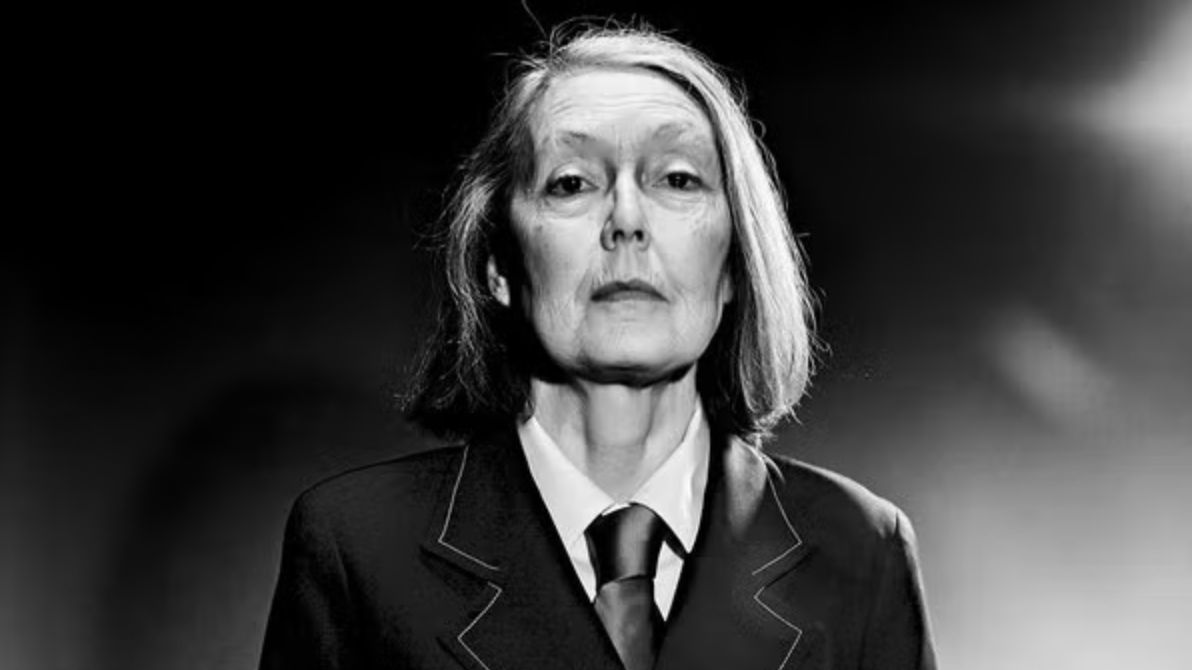
字幕摘录
| 时间 | 英文 | 中文 |
|---|---|---|
| 0:08 | Hello and thank you and welcome Anne Carson to the stage. | 你好,谢谢,欢迎安妮卡森登台 |
| 0:17 | I had a heavy bag with me. | 我有一个沉重的包与我。 |
| 0:19 | I carried all your books with me. | 我带着你所有的书 |
| 0:22 | So they're here. | 他们来了 |
| 0:24 | We're going to talk about them. | 我们要谈谈他们 |
| 0:29 | Okay. | 摆 |
| 0:35 | How are you? | 你好吗? |
| 0:36 | Fine, thanks. | 好吧,谢谢。 |
| 0:37 | Good. | 不错 |
| 0:40 | How are you all? | 你们好吗? |
展开字幕全文(799 条)
| 序号 | 英文 | 中文 |
|---|---|---|
| 1 | Hello and thank you and welcome Anne Carson to the stage. | 你好,谢谢,欢迎安妮卡森登台 |
| 2 | I had a heavy bag with me. | 我有一个沉重的包与我。 |
| 3 | I carried all your books with me. | 我带着你所有的书 |
| 4 | So they're here. | 他们来了 |
| 5 | We're going to talk about them. | 我们要谈谈他们 |
| 6 | Okay. | 摆 |
| 7 | How are you? | 你好吗? |
| 8 | Fine, thanks. | 好吧,谢谢。 |
| 9 | Good. | 不错 |
| 10 | How are you all? | 你们好吗? |
| 11 | 有 water水. | |
| 12 | I'm a little nervous. | 我有点紧张 |
| 13 | Anne Carson is the writer I love the most. | 安卡森是我最爱的作家 |
| 14 | And we have spoken on stage many times. | 我们曾多次在舞台上发言。 |
| 15 | And I'm always a little nervous. | 我总是有点紧张。 |
| 16 | But I'm very happy and honored that we are speaking again today. | 但我很高兴和荣幸 我们今天再次发言。 |
| 17 | I want to start by talking about yesterday's performance | 我想先谈谈昨天的表演 |
| 18 | that I think a lot of people saw it. | 我想很多人都看见了 |
| 19 | Stacks. | 堆叠. |
| 20 | Who saw the performance yesterday? | 谁看了昨天的演出? |
| 21 | Yes. | 对 |
| 22 | So a lot of people saw it. | 所以很多人都看见了. |
| 23 | Some people didn't see it. | 有人不见. |
| 24 | 你从Float读到一篇名为Stacks的散文 | |
| 25 | And your collaborator and husband Robert Curry and another helper. | 还有你的合作者和丈夫 罗伯特·库里和另一个助手 |
| 26 | Stacking cardboard boxes on top of each other while you are reading. | 在阅读时将纸板盒堆在对方的顶部. |
| 27 | And actually disturbing your reading. | 而实际上打扰了你的阅读。 |
| 28 | We hope. | 我们希望 |
| 29 | And I've seen this performance many times. | 我看过很多次了 |
| 30 | And in the beginning I'm almost annoyed. | 一开始我几乎很生气 |
| 31 | Why is all this happening with the boxes? | 为什么这些箱子都发生了? |
| 32 | Because it's disturbing. | 因为它令人不安。 |
| 33 | I want to hear the words. | 欲闻其语. |
| 34 | But then there's something very moving about it. | 但后来却有些很动人的事情发生. |
| 35 | Because there's this tension between attention and distraction. | 因为注意力和分散注意力之间有矛盾. |
| 36 | And these are two words that go through all of your writing. | 这是两句话 贯穿你所有写作。 |
| 37 | Can you talk about the distraction? | 你能谈谈分心的事吗? |
| 38 | Well, the distraction is mostly Curry and a helper who was Mr. Smith last night. | 分散注意力的主要是咖哩和昨晚曾是史密斯先生的帮手 |
| 39 | Mr. Smith and Mr. Curry have a sort of friendly warfare with a bunch of boxes on stage. | Smith先生和Curry先生在舞台上 和一堆箱子发生了一场友好的战争 |
| 40 | And originally I can't remember why we made this piece. | 起初我不记得为什么我们做了这个作品。 |
| 41 | But I think we were invited by somebody to a certain space where we thought we'd like to use the whole space. | 但我想我们是被某个人邀请到某个地方的, 在那里我们想利用整个空间。 |
| 42 | Not just do a normal reading. | 不只是做一个正常的阅读。 |
| 43 | And so I wrote a piece about stacks, the concept of stacking things like boxes. | 所以我写了一篇关于堆栈的作品, 即堆栈像盒子一样的东西的概念。 |
| 44 | And then Curry read it. | 然则咖哩读之. |
| 45 | And Curry's function generally in our collaboration, as we like to call it, is to add space to something. | 咖哩的功能 通常在我们的合作中, 我们喜欢称之为它, 是增加空间的东西。 |
| 46 | Because I think of reality as a sentence. | 因为我把现实当作一句话 |
| 47 | Words on a page. | 页面上的文字. |
| 48 | And he thinks of reality as a sculpture, a language as a sculpture. | 而他认为现实是雕塑,语言是雕塑. |
| 49 | And reality as all kinds of things involving space and people and movement. | 而现实是涉及太空和人与运动的各种事物. |
| 50 | I can't think in those ways. | 我不能这样想 |
| 51 | So he puts that stuff into the words. | 所以他把那些东西放在字里 |
| 52 | So in this case, that stuff turned out to be cardboard boxes. | 所以在这种情况下,那些东西变成了纸板盒。 |
| 53 | I forget why. | 我忘了为什么 |
| 54 | I guess we just had some in the back. | 我想我们刚刚在后面吃过 |
| 55 | And so it becomes a sort of flurry of activity. | 所以它成为了某种活动。 |
| 56 | I don't think of it as attention and distraction. | 我不认为这是注意力和分心。 |
| 57 | Although originally I think we started to do things together, he and I, | 虽然最初我觉得我们开始一起做事 他和我 |
| 58 | because I was uneasy being the center of a stage worth the spotlight and reading blah, blah, blah. | 因为我很不安 是一个舞台的中心 值得关注 阅读等等,等等。 |
| 59 | It always seems to me a little inadequate as an evening's entertainment for you. | 对我来说,它总是有点不够 作为晚上的娱乐给你。 |
| 60 | So I thought, well, then a good idea to move me to the side of the stage and have something else happening in the middle. | 所以我想,嗯,然后一个好主意, 把我搬到舞台的一侧, 并在中间有别的事情发生。 |
| 61 | And then it would be interesting for people at least to watch. | 然后人们至少会感兴趣地观看。 |
| 62 | And so that's how we began to make things that had these different parts to them. | 因此,我们开始 制造这些不同部分的东西。 |
| 63 | But Lynn thinks of it as more maybe conceptually as a tension between attention and distraction, which maybe is reasonable, too. | 但林恩认为这在概念上更像是注意力和分散注意力之间的紧张关系,这或许也是合理的. |
| 64 | You're talking about not wanting to be in the center of things. | 你在说不想成为事情的中心 |
| 65 | And that reminds me of something that Merce Cunningham, who I know you, the great choreographer Merce Cunningham, | 这让我想起了我认识的梅西·坎宁安 伟大的编舞梅西·坎宁安 |
| 66 | who lived and collaborated with the composer John Cage, I know you used a lot of their work in your work and your and Curry's work. | 和作曲家约翰·凯奇一起生活和合作的 我知道你在你的作品中 和你的和咖哩的作品中 用了很多他们的作品 |
| 67 | And Merce Cunningham said something that he understood what it would be to create a performance, | Merce Cunningham说了一些他明白的 创造表演会是什么样子的话 |
| 68 | to create a new choreography by going away from the whole idea of center stage, opening up the stage. | 通过远离整个中心舞台的想法来创造新的舞蹈,打开舞台. |
| 69 | So it's more it's just as interesting what happens over there and what happens over there and what happens over there. | 更有趣的是,那里发生的事情,那里发生的事情,那里发生的事情,那里发生的事情。 |
| 70 | And it seems to me that that's a little bit about what you're saying. | 在我看来,这有点 关于你说什么。 |
| 71 | I think so. | 我想是这样。 |
| 72 | I think, well, when we also when we started to work together, Curry and I, he introduced me to John Cage's work and thinking. | 我想,当我们开始合作的时候, 库里和我, 他把我介绍给约翰·凯奇的作品和思考。 |
| 73 | And John Cage influenced Merce Cunningham in a major way. | 而约翰·凯奇对默西·坎宁安的影响很大. |
| 74 | And one of their notions was, as Lynn says, to move to move the focus of your attention to the margins of everything happening, | 他们的一个概念是,正如林恩所说, 将注意力的焦点转移到一切发生的边缘, |
| 75 | not have it just be focused on some person in the middle. | 不是只关注中间的某个人 |
| 76 | So his dancers don't face always you. | 所以他的舞者不会一直面对你 |
| 77 | They face different ways and they have almost no expression on their faces. | 他们面临不同的方式,他们几乎没有表情。 |
| 78 | And they don't they don't try to focus your thought on a point. | 他们不试图把注意力集中在一点上。 |
| 79 | It moves around. | 它到处移动。 |
| 80 | So I think for a performance of writing, that's disturbing, as you say, | 所以我想为了写作的表演, 这是令人不安的,就像你说的, |
| 81 | but also it breaks up the event so that you can think into it at different places. | 但它也打破了事件 让你可以思考 在不同的地方。 |
| 82 | My tendency, because I'm a kind of well, I've been a professor all my life. | 我的倾向,因为我是一种井, 我一辈子都是教授。 |
| 83 | My tendency is to want to lecture. | 我的倾向是想讲课。 |
| 84 | And lecturing is me having a truth. | 说教就是讲真话 |
| 85 | And I insist that you know this truth and you know it in these words. | 我坚持说,你知道这个事实,你知道这些话。 |
| 86 | I'm going to give you in no other way. | 以无他法而授之. |
| 87 | And that's really tedious. | 这真的很无聊。 |
| 88 | And also, it isn't really thinking because it doesn't move you. | 而且,它不是真正的思考 因为它不动你。 |
| 89 | Your mind wants to move. | 你的思想想移动。 |
| 90 | And the best thing a work of art can do is take your mind with it, | 艺术作品所能做的最好的事情 就是用它来思考 |
| 91 | moving somewhere that you never expected to move. | 搬到你从未想过去的地方 |
| 92 | So I think that's why that's what we're fond of in Merce Cunningham and John Cage or one thing. | 所以,我想这就是为什么我们在Merce Cunningham 和John Cage 或者一件事中 喜欢这个。 |
| 93 | Didn't Gertrude Stein also say something about moving things away from the center? | 格特鲁德·斯坦恩是不是也说过要搬离中心? |
| 94 | Yes. | 对 |
| 95 | Can we remember that quote? | 我们能记住这句话吗? |
| 96 | Let's see. | 让我看看。 |
| 97 | I can't remember it, but something about moving away from. | 我记不得了,但是要远离它 |
| 98 | Yes, she says that several different ways, I think. | 是的,她说几种不同的方式,我想。 |
| 99 | It was important for her too. | 这对她也很重要。 |
| 100 | But I mean, that's a good illustration of how hopeless it is to try to do this. | 但是,我意思是,这是一个很好的例子, 说明试图这样做是多么的无望。 |
| 101 | Because when you think Gertrude Stein, you don't think the margins of other people around her. | 因为当你认为格特鲁德·斯坦因,你并不认为她周围其他人的边缘. |
| 102 | You think of her monumental self in the middle of your attention. | 你在你的注意力中 想到她非凡的自我 |
| 103 | So it's a strange and hopeless project to lose the self, especially in the middle of making artworks. | 因此,失去自我是一个奇特而无望的项目,特别是在制作艺术品的中间. |
| 104 | But we keep trying. | 但我们一直在努力 |
| 105 | I'd like to read something that you've written on the back of your collection of essays called Wrong Norma. | 我想读一些你写的东西 在你的论文集的背面 叫做错误诺玛。 |
| 106 | Wrong Norma is a collection of writings about different things like Joseph Conrad, Guantanamo, Flaubert, Snow, Poverty, Roger's, Thesaurus, My Dad, Saturday Night. | 错误的诺玛(英語:Wrong Norma)是一部有关不同事物的著作集,如约瑟夫·康拉德,关塔那摩,弗拉伯特,雪,贫穷,罗杰斯,神龙,我爸爸,星期六夜. |
| 107 | The pieces are not linked. | 片段没有关联. |
| 108 | That's why I've called them wrong. | 所以我才说错了 |
| 109 | That doesn't make sense to you. | 这对你没道理 |
| 110 | Well, actually it does. | 其实是的 |
| 111 | But I love your preoccupation with wrong. | 但我喜欢你对错误的关心 |
| 112 | But can you talk about it? | 但你能谈谈吗? |
| 113 | Well, sure. | 当然 |
| 114 | I think the word wrong, a great word, came to me many years ago when somebody was asking me. | 我认为这个词是错误的, 一个伟大的词, 几年前,有人问我。 |
| 115 | Because I was born in Canada, but I live now in the United States and Iceland. | 因为我出生在加拿大 但我现在住在美国和冰岛 |
| 116 | But I came to the United States to teach there and people would ask me, inevitably at cocktail parties, | 但我是来美国教书的 人们会问我 在鸡尾酒派对上 |
| 117 | so what's the difference between life in Canada and life in the United States? | 那么加拿大的生活和美国的生活有什么区别? |
| 118 | And I never knew what to say because they don't want the truth about that. | 我不知道该说什么 因为他们不想知道真相 |
| 119 | I took to saying, well, Canadians are different than you. | 我说,加拿大人和你不一样 |
| 120 | You rule the world. | 你统治着世界 |
| 121 | Canadians are always polite but wrong. | 加拿大人总是有礼貌,但错误。 |
| 122 | And that seemed to me true at the time. | 这对我来说是真实的。 |
| 123 | It still does. | 现在还是这样 |
| 124 | But anyway, I thought, well, that's me. | 但无论如何,我想,嗯,这就是我。 |
| 125 | What I'm doing as this Canadian person in America is being wrong most of the time. | 我在美国的加拿大人 经常做错事 |
| 126 | And it comes out in ways like this. | 以这种方式出现。 |
| 127 | A collection of pieces of writing is often thought to be a coherent whole, an experience that works one piece after another | 写作的集合经常被认为是一个连贯的整体,一个接一个地工作的经验. |
| 128 | to accumulate into a central idea. | 积累成一个中心思想。 |
| 129 | But mine don't. | 但是,我的没有。 |
| 130 | So there that is, I thought. | 就是这样,我想。 |
| 131 | And they always want you to say something on a book, something embarrassing about how famous you are. | 他们总是希望你在一本书上说点什么, 关于你有多出名的尴尬。 |
| 132 | So I thought, well, instead of that, I could just tell people what they're getting into when they read the book. | 所以我想,反之,我可以告诉人们, 当他们读到这本书时,他们会得到什么。 |
| 133 | That would save a lot of trouble. | 这样可以省下很多麻烦 |
| 134 | About things being side by side or stacked or wrong, not in the center, in the margins. | 关于事物并存或堆积或错,不在中心,在边缘. |
| 135 | You write in the book about a visit to the lake and swimming. | 你在书里写了去湖边游泳的事 |
| 136 | This is the essay called One Equals One. | 这是一篇名为"一个平等"的论文。 |
| 137 | And you write about swimming. | 你写游泳。 |
| 138 | You're a swimmer, right? | 你是个游泳运动员,对吧? |
| 139 | Sometimes, yeah. | 有时候,是的。 |
| 140 | You write a lot about water and swimming. | 你写了很多关于水和游泳。 |
| 141 | And also here. | 还有这里 |
| 142 | It's a beautiful essay. | 文艺优美. |
| 143 | And then you write about the lake ending to the lake, the swim ending. | 然后写湖到湖的结局 游泳的结局 |
| 144 | And then you write, | 然后你写 |
| 145 | And then you write this sentence. | 然后写此句. |
| 146 | What sense it makes for these two mornings to exist side by side in the world where we live? | 我们生活的世界里 这两个早晨毗邻共存有什么意义? |
| 147 | Should this be framed as a question? | 应将此作为问题吗? |
| 148 | Would not be answerable by philosophy or poetry or finance or the shallows or the deeps of our own mind, she fears. | 她担心哲学、诗歌、金融、浅滩 或我们内心深处都无法回答 |
| 149 | Now, I would have loved to read that sentence five more times about the two mornings existing side by side. | 现在,我很想再读五遍这句话 关于两个早上并存。 |
| 150 | I want everyone to go home and read that essay and read that sentence. | 我要大家回家看那篇散文 读那句 |
| 151 | But can you talk a little bit about the two mornings, the two opposites, the harmony and the terror existing side by side? | 但是,你能不能稍微谈谈两个上午,两个对面,和谐和恐怖并存的问题? |
| 152 | Well, the physical situation out of which that sentence arises in that story is that I had a lovely morning by myself swimming in the ocean. | 故事里那个句子的物理情况是 我早上在海里游泳 |
| 153 | And then went home and read the newspaper. | 然后回家看报纸 |
| 154 | And it was at the time of, I think, the Syrian exodus from Syria. | 我想是在叙利亚人从叙利亚外流的时候。 |
| 155 | People were trying to get out of Syria and go places. | 人们试图离开叙利亚,去任何地方。 |
| 156 | And there were stories in the paper about people trying to go on boats, you know, inadequate boats and drowning and other people in very crowded, what do you call them, trains by railway. | 报纸上也有关于人们试图搭船的故事, 你知道,船不足和溺水, 还有其他人在非常拥挤的地方, 你叫他们什么,火车。 |
| 157 | And so it seemed to me, it always seems to me when contemplating the news, as we call it, how you can read a story about tragedy and trauma and enter into the sorrow of that and then close the paper and go make toast. | 所以在我看来,在考虑这个新闻时,我总是会觉得, 我们称之为这个新闻, 你如何读到一个有关悲剧和创伤的故事, 进入这个故事的悲哀中, 然后把报纸关上,去敬酒。 |
| 158 | You know, how do we do that? | 我们该怎么做? |
| 159 | How do we just let non-existence be right beside existence and it's okay. | 我们如何让不存在 与存在并存,这是好的。 |
| 160 | And I don't know how we do, but we do. | 我不知道我们怎么做,但我们怎么做。 |
| 161 | 我们必须这么做 We have to. | |
| 162 | It's what we call going on with life. | 这就是我们所说的生活。 |
| 163 | But it always seems to me a problem that doesn't resolve no matter how you think into it. | 但在我看来,这总是个问题 无论你怎么想都解决不了 |
| 164 | Has this been? | 这事发生过吗? |
| 165 | Yeah. | 对 |
| 166 | Now I was thinking about Danez Smith who did an interview here a couple days ago. | 现在我想起Danez Smith 几天前在这里接受采访 |
| 167 | He was talking about this in a more contemporary way. | 他以更现代的方式谈论这个问题。 |
| 168 | He was talking about the difficulty of being him himself. | 他在说自己很难成为他 |
| 169 | He's from Minneapolis. | 他来自明尼阿波利斯. |
| 170 | He's black and an activist poet. | 他是黑人,也是一名活跃的诗人. |
| 171 | So in his work, he describes things like the death of people in Minneapolis shot by the police. | 因此在他的作品中,他描述了诸如明尼阿波利斯被警察枪杀的人的死亡等事情. |
| 172 | And he makes a nice poem out of it and he performs it and people say, good poem. | 他写了一首好诗,他表演了它 人们说,好诗。 |
| 173 | And then what does he do with that? | 然后他拿这个做什么? |
| 174 | It's like we all go home thinking, well, we checked that box. | 我们好像都回家去想 我们检查了那个盒子 |
| 175 | We dealt with the police shooting people in Minneapolis because we listened to this poem. | 我们处理警察在明尼阿波利斯枪杀人的事 因为我们听了这首诗 |
| 176 | And it's that's okay. | 且道无碍. |
| 177 | Now we go on to the next problem. | 现在我们接着谈下一个问题。 |
| 178 | But, you know, it isn't okay. | 但是,你知道,这是不好的。 |
| 179 | It's still just there. | 还在呢 |
| 180 | And that's what poets like him have to conjure with all the time that those two things being just there. | 这就是像他这样的诗人 总是想着那两件事 |
| 181 | And what does he do with that in the presence of you? | 他当着你的面拿它做什么? |
| 182 | And what does he do with that after he goes home? | 他回家后拿这个干什么? |
| 183 | Is this also the subject or the themes that go through all your writing? | 这也是你所有写作的主题还是主题? |
| 184 | These things knocking against each other and not being able to exist side by side? | 这些东西互相攻击 无法并肩生存? |
| 185 | Yeah, that resistance. | 是啊,那个抵抗。 |
| 186 | Yeah, it's a kind of resistance reality to the representations of reality, I guess you would say. | 是啊,这是一种抵抗现实 代表现实,我想你会说。 |
| 187 | There's a collision, which, yeah, what's the result of that is that we live in doubt | 有一次碰撞,是的,结果是什么 我们生活在怀疑之中 |
| 188 | about whether we can possibly ever be good people. | 关于我们能否成为好人的问题 |
| 189 | I was just reading, I mean, this is really off the cuff, but Lynn elicits that method of thinking. | 我只是在读,我的意思是,这是真的脱下手铐, 但琳恩引领了这种思考方法。 |
| 190 | Just thinking today, reading something about Descartes. | 今天在想,读到笛卡尔的事 |
| 191 | 而笛卡尔说出这个著名的句子,cogito ergo sum. | |
| 192 | I think, therefore I am, which everybody knows and learns in school. | 我想,因此我是,每个人都知道 在学校学习。 |
| 193 | 但是如果你看这句话,真的, 它说dubito ergo cogito ergo um。 | |
| 194 | I doubt, therefore I think, therefore I am. | 我怀疑,因此我认为,我是。 |
| 195 | Oh, really? | 是吗? |
| 196 | Yes. | 对 |
| 197 | Isn't that surprising? | 这难道不令人惊讶吗? |
| 198 | I didn't know it either because I never looked it up. | 我也不知情,因为我没查过 |
| 199 | I had explosions going on. | 我发生了爆炸 |
| 200 | Right, I know. | 对,我知道。 |
| 201 | I didn't know. | иぃ笵 |
| 202 | 全世界T恤上都有Cogito ergo summ, 但dubito的媒体不好。 | |
| 203 | Thank you, Descartes. | 谢谢你,笛卡尔。 |
| 204 | So that makes me, that's very provocative. | 因此,我,这是非常挑衅的。 |
| 205 | Everything starts in doubt, or it also could mean hesitation, but same idea. | 一切开始于怀疑, 或者它也可能意味着犹豫, 但同样的想法。 |
| 206 | And hesitation, you have written a whole essay called On Hesitation. | 犹豫不决,你写了一篇名为《犹豫不决》的论文 |
| 207 | I did write an essay on hesitation. | 我写过一篇关于犹豫的论文 |
| 208 | What is it without hesitation that you grapple with? | 你毫不犹豫地对付什么? |
| 209 | That's a good question. | 问曰. |
| 210 | I think I wrote the lecture in order to investigate that question, and it really got nowhere. | 我认为我写演讲是为了调查这个问题,结果却无所作为。 |
| 211 | But the interesting thing about that lecture was I did it because I got invited to do a lecture at the Prado Museum in Madrid. | 但那个演讲的有趣之处在于,我做了这个演讲, 因为我被邀请去马德里的普拉多博物馆做一个演讲。 |
| 212 | And I thought, whoa, that's cool. | 我想,哇,这很酷。 |
| 213 | I'm really a cool person now. | 我现在真的很酷 |
| 214 | And then I wrote this lecture. | 然后我写了这个讲座。 |
| 215 | And you know, lectures, they start somewhere with a question, then they go God knows where because thought has its own paths. | 你知道,讲课,他们从某个地方开始问问题, 然后他们去上帝知道在哪里 因为思想有自己的路径。 |
| 216 | End up being a lecture about chipmunks, which they don't have in Spain. | 最终成为关于花栗鼠的讲座,这些在西班牙是没有的. |
| 217 | So the whole underpinning of the thought was just pretty remote for them. | 所以思想的整个基础 对他们来说是相当遥远的。 |
| 218 | But anyway. | 但无论如何。 |
| 219 | But also about Goya's dog, I seem to remember. | 我还记得戈雅的狗 |
| 220 | Yeah, Goya, I tried to put in Spanish stuff, you know, after I realized it was all about chipmunks. | 是啊,戈雅,我试图放 西班牙语的东西,你知道, 之后,我意识到这一切 关于花栗鼠。 |
| 221 | So fortunately, Goya has a painting. | 故幸高雅有画. |
| 222 | You've probably seen this painting. | 你可能看过这幅画 |
| 223 | When you look at it, you think it's a detail of a painting because it's a huge sort of gold colored canvas with down in this corner, a little dog's head, just the head of the dog looking with some expression that people all see differently. | 看着它,你认为这是一幅画的细节, 因为它是一个巨大的金色画布, 下方的角落, 一个小狗的头, 只是狗的头, 以某种表达, 人们都看到不同的。 |
| 224 | Looking up at the hole above the space above. | 向上看上面的洞 上面的空间。 |
| 225 | Fascinating painting. | 异香画. |
| 226 | But we digress. | 但是我们分头行动 |
| 227 | Well, that's what we're supposed to do. | 好吧,这就是我们应该做的。 |
| 228 | So good. | 这么好 |
| 229 | I want to go back a little bit to float as it has stuff on it. | 我想回去玩玩,因为上面有东西 |
| 230 | I'm sorry. | 对不起 |
| 231 | Peanut butter. | 花生酱。 |
| 232 | Well, something. | 嗯,东西。 |
| 233 | It's in little pamphlets. | 这是在小小册子。 |
| 234 | There's something about and I want to come back to that. | 有件事,我想回到那个。 |
| 235 | Some several of your books are I mean, they're physical objects, their physical objects are objects or objects. | 你的一些书是我的意思是,它们是实物,他们的实物是实物或物品。 |
| 236 | I remember first time I was you and Curry introduced me to float. | 我记得我第一次是你 和咖哩介绍我漂浮。 |
| 237 | I think Curry sort of did a kind of very dramatic gesture where he sort of threw all the pamphlets over the audience because you can do that too. | 我认为咖哩做了一种非常戏剧性的姿态, 他把所有的小册子都扔到观众面前, 因为你也可以做到这一点。 |
| 238 | You can read it and you can throw it. | 能诵而掷之. |
| 239 | There is an essay in float called Uncle Falling. | 有一篇名为"法林叔叔"的散文 |
| 240 | It's one of my one of my many favorite essays. | 这是我最喜欢的散文之一 |
| 241 | And that has an autobiographical scene to it. | 这有一个自传性的场景。 |
| 242 | And I was wondering if you could read a little bit from Uncle Falling. | 我想知道你能不能从法林叔叔那里读一点 |
| 243 | It's about your uncle Harry. | 是关于你叔叔哈里的 |
| 244 | Yeah, great uncle. | 是啊,伟大的叔叔。 |
| 245 | My dad's uncle. | 我父亲的叔叔 |
| 246 | Great uncle. | 伟大的叔叔。 |
| 247 | And what was it about Uncle Harry? | 哈利叔叔怎么样了? |
| 248 | Uncle Harry was a hermit. | 哈利叔叔是个隐士 |
| 249 | He lived in the northern woods of Canada by himself with a dog and two horses. | 他独自与一只狗和两匹马居住在加拿大北部树林中. |
| 250 | And he was I don't know, was he crazy? | 我不知道 他疯了吗? |
| 251 | He was very inward person, very had his own view of reality. | 他是一个非常内向的人, 非常有他自己对现实的看法。 |
| 252 | And he just didn't want to live with other people. | 他只是不想和别人住在一起 |
| 253 | So he withdrew to a farm and died there. | 于是他退到一个农场,在那里死去. |
| 254 | But he got dementia at the end of his life. | 但是他生命末期得了痴呆症. |
| 255 | And that was sad. | 这是可悲的。 |
| 256 | But until that time, he was a really admirable person. | 但在那之前,他是一个非常令人钦佩的人。 |
| 257 | And he was a figure in my childhood because he was always there on the farm when we went for summer vacations as we did. | 他是我童年时代的一个人物,因为他总是在农场里, 当我们去暑假的时候,就像我们一样。 |
| 258 | He didn't speak much. | 他没说什么 |
| 259 | He was deaf. | 他是聋子。 |
| 260 | And he got deaf by jumping into the lake when he was a kid and burst his eardrum. | 他从小跳进湖里就聋了 耳膜破裂了 |
| 261 | And because he was deaf, I guess he didn't find it pleasurable to mix with other people. | 并且因为他是聋子,我想他觉得和别人混在一起不愉快. |
| 262 | So but I think he wouldn't have wanted to live with other people anyway. | 所以我想他不会想和别人住在一起的 |
| 263 | However, yeah, he was deaf and kind of sad, but always helpful. | 然而,是的,他是聋子和 那种悲伤,但总是帮助。 |
| 264 | You want to stand? | 你想站着吗? |
| 265 | I don't know. | 师曰. |
| 266 | I don't want to stand in space. | 我不想在太空里站着 |
| 267 | No, all by myself. | 不,我一个人 |
| 268 | I'll just sit alone. | 我一个人坐 |
| 269 | The loneliness. | 孤独 |
| 270 | This is about him, about Uncle Harry. | 这是关于他,关于哈里叔叔。 |
| 271 | It's called The Loneliness. | 名为孤独. |
| 272 | Was he lonely? | 他寂寞吗? |
| 273 | I don't know. | 师曰. |
| 274 | Nine months of the year, he lived alone on a farm in the north of Ontario. | 当年9个月,他独自居住在安大略北部的一个农场. |
| 275 | A near town was five miles away, a near neighbour uncertain. | 附近一个小镇离这里五英里远 一个近邻不确定 |
| 276 | Most land around the lake had been parceled out in cottage lots years ago. | 湖边的大部分土地 早在几年前就被拆散了 |
| 277 | Cottagers are seasonal. | 鸡尾酒是季节性的。 |
| 278 | Some come for Christmas or a weekend in winter. | 有人来过圣诞节或冬天的周末 |
| 279 | Most board up their cottages on the last day of August and reappear in June. | 多数人在8月的最后一天登上小屋,并在6月重新出现。 |
| 280 | It was a long, deep winter. | 这是一个漫长,深冬。 |
| 281 | Harry had by himself with his dog and his two horses and his subscription | 哈利一个人带着他的狗和两匹马 还有他的订阅费 |
| 282 | to the National Geographic Society magazine. | 到国家地理学会杂志。 |
| 283 | Snow drifted up to the eaves. | 白雪飘向a. |
| 284 | His hay wagon got him to town every two weeks for supplies. | 他的干草车每两周送他到镇上供货. |
| 285 | He ate tins of corned beef hash and green peas and coffee. | 他吃了一罐玉米牛肉和绿豆和咖啡 |
| 286 | He liked now and then an O. Henry chocolate bar. | 他偶尔喜欢O. Henry巧克力酒吧 |
| 287 | Until probably the middle of May, he lived in two rooms of the farmhouse, | 直到五月中旬 他住在农舍的两个房间 |
| 288 | namely the kitchen, which had the stove, | 即厨房,有炉子, |
| 289 | and the bedroom directly above, which had the stovepipe. | 和正上方的卧室 上面有炉子管 |
| 290 | Other rooms whispered with ice. | 其他房间用冰块低语 |
| 291 | And then three months in summer, Harry's world filled suddenly up. | 然后三个月的夏天,哈利的世界突然满满了. |
| 292 | The cottagers came back, and so did we. | 家庭客人们回来了,我们也是。 |
| 293 | Who's we? | 我们是谁? |
| 294 | Harry was the brother of my father's mother, Ethel. | 哈利是我父亲母亲艾瑟尔的弟弟. |
| 295 | Ethel had four children, including my father, | Ethel有四个孩子 包括我父亲 |
| 296 | and they all had children, and the children all had friends. | 他们都有孩子,孩子们都有朋友 |
| 297 | Week after week in summer, these people arrived in groups of three to ten. | 在夏天的一周又一周,这些人分三至十组抵达. |
| 298 | The idea was to help Harry bring in the hay. | 想法是帮助哈利 把干草。 |
| 299 | This was the phrase they used, and to enjoy a vacation at the lake. | 他们用这个词 来享受湖边的假期 |
| 300 | This idea was not Harry's. | 这个主意不是哈利的 |
| 301 | I never heard him comment on it. | 我从来没有听到他对此的评论。 |
| 302 | He did comment on the inability of my father and my uncles | 他确实评论了我父亲和叔叔们的无能 |
| 303 | to master scything technique. | 来掌握囊肿技术 |
| 304 | Harry could scythe 100 square meters of hay in three and a half minutes, | 哈利可以在3个半分钟内 将100平方米的干草塞掉 |
| 305 | leaving a patch as level as his mustache with fallen stalks unbruised. | 留下一个像胡子一样平整的补丁 留下掉下来的树枝 |
| 306 | There was frustration and a red-faced man in the hay field many an afternoon. | 一个下午在干草场里有很多挫折和红脸人。 |
| 307 | Harry remained unfailingly polite to everyone. | Harry对每个人都一直很礼貌 |
| 308 | So did the dog, whose name was Shep, although it was a succession of dogs, | 那只叫谢普的狗也是一样 虽然这是一连串的狗 |
| 309 | and so did the horses, Prince and Florence, who were immortal at that time. | 那时不朽的马匹 王子和佛罗伦萨也一样 |
| 310 | Reading through your work again, re-reading, this summer, | 重新阅读,今年夏天 |
| 311 | it strikes me how much of your writing is seemingly autobiographical. | 令我印象深刻的是,你的写作似乎自传了多少。 |
| 312 | It's not the first thing that I have thought about with you, | 这不是我第一次想到你 |
| 313 | that there's snitches here and there. | 这里和那里都有告密者 |
| 314 | But this time in reading, there's the mother and daughter in Glass Essay. | 但这次在读书时,有格拉斯艾赛的母女. |
| 315 | The mother appears again, although that's maybe not autobiographical. | 母亲再次出现 虽然这也许不是自传 |
| 316 | I don't know. | 师曰. |
| 317 | In the autobiography of Red and Red Dock, there's the mother. | 在"红色和红色码头"的自传中,有母亲. |
| 318 | And of course, here's the great-uncle. | 当然,这是大叔 |
| 319 | Your dad appears from time to time. | 你爸爸不时出现 |
| 320 | Husbands, the beautiful husband. | 丈夫,美丽的丈夫。 |
| 321 | You know, there's debates from time and time again about autobiography and writing. | 你知道,关于自传和写作,人们时常争论. |
| 322 | What is your relationship to writing autobiographically? | 你和自传写作的关系是什么? |
| 323 | I'm appalled by it. | 我对此感到震惊。 |
| 324 | And every time I sit down to write anything, I'm determined not to do that. | 每次我坐下来写任何东西, 我决心不这样做。 |
| 325 | But really, you have no other story to tell, or no other understanding of reality, | 但实际上,你没有别的故事可说, 或对现实没有其他的理解, |
| 326 | except the one you've lived, so it keeps coming up. | 除了你住过的那个, 所以它不断上升。 |
| 327 | But yeah, I don't like it. | 但我不喜欢这样 |
| 328 | I don't know what to do about that. | 我不知道该怎么办 |
| 329 | I guess now we have autofiction, which is supposed to be somehow free of this question, | 我猜现在我们有了自传 这应该是没有问题了 |
| 330 | but I don't understand why. | 但我不明白为什么 |
| 331 | Do you? | 是吗? |
| 332 | I think I read somewhere that you... Well, I read two quotes, two different interviews. | 我想我读过的地方 你... 我读了两篇引言 两次不同的访谈 |
| 333 | One where you were asked this question, and you said, | 一个你被问到的问题 你说 |
| 334 | Well, I'm not Knausgård, which I agree. | 我不是Knausgård,我同意这一点。 |
| 335 | And then in another essay, or another interview, you said, | 然后在另一篇散文, 或者另一个采访,你说, |
| 336 | Well, I have no imagination. | 我没有想象力 |
| 337 | I don't like to make up things. | 亦不乐于虚构. |
| 338 | Is that true? | 是吗? |
| 339 | Yeah, basically that's true. | 是啊,基本上这是真的。 |
| 340 | I can't make up stories. | 我不能编故事。 |
| 341 | I have friends who are novelists, and they just wake up every day with a story in their mind | 我有朋友是小说家 他们每天都在想着一个故事 |
| 342 | and what they could make a novel out of. | 以及他们能做的小说。 |
| 343 | I've never had that. | 我从来没有有过这种感觉。 |
| 344 | But if I stub my toe on the way to the bathroom, then I can write about that, | 但是如果我在去厕所的路上踩到脚趾 我就可以写了 |
| 345 | because it just happened. | 因为它只是发生了。 |
| 346 | It's real. | 真如实相. |
| 347 | Just two kinds of people. | 只见二种人. |
| 348 | It's lovely in the Glass Essay, which is out in Danish now recently in a new edition, | 这是可爱的在玻璃 Essay, 这是丹麦语 现在在新版, |
| 349 | Glass Ironing God. | 玻璃铁神. |
| 350 | I mean, the description of the mother and the grown-up daughter | 我是说 母亲和大女儿的描述 |
| 351 | is just so beautiful with the mother, and it's small things. | 和母亲在一起太美了 事情很小 |
| 352 | You know, how the mother sits at the breakfast table and things she does making breakfast. | 你知道,妈妈怎么坐在早餐桌 和做早餐的东西。 |
| 353 | So it's these little things that are poignant. | 所以这些小东西是孔雀。 |
| 354 | I guess that's true. | 我想这是真的。 |
| 355 | I guess I think that's what the task of a writer is, | 我想这就是作家的任务 |
| 356 | to just notice small things, because noticing large things is for people like Descartes, basically. | 只是注意到一些小事情, 因为注意到一些大的事情 是给像笛卡尔的人,基本上。 |
| 357 | And I can't do that, but noticing small things makes a difference. | 我做不到,但注意到小事就不一样了。 |
| 358 | Why? | 为什么? |
| 359 | Because mostly what we do, especially in relation to other people, | 因为我们大多是做什么的, 尤其是关于其他人, |
| 360 | and even more especially in relation to the other people in our family, | 特别是我们家里的其他人, |
| 361 | is to assume that we know them and sort of smear across them in daily life. | 假设我们了解他们 并用涂鸦涂抹他们的日常生活。 |
| 362 | Mother's always in the other room complaining about something. | 妈妈总是在别的房间抱怨什么 |
| 363 | And I've learned, I mean it's only taken 74 years, I've learned to pay attention to things people do anyway, | 我学会了,我的意思是,它只是花了74年, 我学会了注意 人们做的事情反正, |
| 364 | things people do or how they do things outside of the stereotype I already have of them. | 人做的事,或者他们如何做事情 我已有的陈规定型。 |
| 365 | And then it's always surprising. | 然则常惊. |
| 366 | It's always surprising. | 总是惊异. |
| 367 | I find this is true not just with the family, but with I've been doing, | 我觉得这不光是家人的事 也是我一直做的 |
| 368 | Lynne wants to talk about this later, I've been going to boxing class lately, | 琳恩想晚点再谈 我最近去上拳击课 |
| 369 | and a boxing class is a kind of constant core of people who go all the time, | 和拳击课是一种恒 核心的人谁去所有的时间, |
| 370 | and we sort of have come to know each other. | 我们相识了 |
| 371 | And they're very different people than me, because I've always been an academic, | 他们和我不一样 因为我一直是个学者 |
| 372 | so I'm basically an arrogant intellectual thinking I'm a little better than everybody else | 所以我基本上是个自大的知识分子 我比别人好一点 |
| 373 | because I've read all these books. | 因为我看过这些书 |
| 374 | And these people in the boxing class are not mostly academics or intellectuals. | 而在拳击课上这些人大多不是学者或知识分子. |
| 375 | In fact, they don't read at all as far as I can see. | 事实上,他们完全不读 在我看来。 |
| 376 | They watch TV and they come to boxing class. | 他们看电视,然后上拳击课 |
| 377 | And I could dismiss them, therefore, because they're not like me. | 所以我可以解雇他们 因为他们跟我不一样 |
| 378 | And I gradually learned not to do that. | 我逐渐学会了不要这样做。 |
| 379 | And when you don't do that, then you begin to see that they're each actually pretty unique, | 当你不这样做, 然后你开始看到,他们 每一个实际上相当独特, |
| 380 | probably crazy, and willing to be nice to you. | 可能很疯狂 愿意对你好 |
| 381 | So I just, you know, that kind of attention to details leads you somewhere truer than generalizing. | 所以我只是,你知道, 那种关注细节 引导你的地方 比概括。 |
| 382 | Since you now mentioned boxing, you suggested actually backstage that if we run out of things to say, | 既然你现在提到拳击, 你建议实际上后台 如果我们没有话要说, |
| 383 | we could always box. | 我们可以永远打拳击。 |
| 384 | But Curry, you have written about boxing also. | 但是咖哩,你也写过拳击 |
| 385 | And I want you to read from that essay in London Review of Books. | 我希望你能从《伦敦书评》的那篇论文中读出来。 |
| 386 | It's one of your latest essays. | 这是你最新的论文之一。 |
| 387 | And it's a remarkable essay also about attention and about boxing and handwriting. | 这是一篇了不起的散文, 也涉及到注意力和拳击和笔迹。 |
| 388 | But your collaborator and Curry sent me a picture. | 但你的合作者和咖哩给我发了张照片 |
| 389 | We have two of them. | 我们有两个 |
| 390 | I should emphasize this was not my idea. | 我应该强调这不是我的主意。 |
| 391 | I think we should raffle these off at the end. | 我认为我们应该把这些 关闭在最后。 |
| 392 | Give the money to the Louisiana Museum. | 把钱交给路易斯安那州博物馆 |
| 393 | Yes. | 对 |
| 394 | So Curry is showing everyone. | 所以咖哩会给大家看 |
| 395 | And here's another one. | 这里还有一个。 |
| 396 | And I'm going to put it here. | 我把它放在这里。 |
| 397 | Anyway, yeah, I started to do boxing class because, I don't know, maybe you know this. | 总之,是的,我开始上拳击课 因为,我不知道,也许你知道这一点。 |
| 398 | I have this disease called Parkinson's, which is a neurological disorder. | 我有一种叫做帕金森氏症的疾病 是一种神经紊乱症 |
| 399 | And it interferes with attention as well as with physical movement. | 它干扰了注意力和身体运动。 |
| 400 | And one of the recommended therapies for this disease is boxing because it teaches you to pay attention | 这种疾病的治疗方法之一是拳击 因为它教你注意 |
| 401 | to hand-eye coordination of movement and also to sequences of actions. | (c) 手眼协调行动,以及行动顺序。 |
| 402 | Because boxing workouts are a sequence of different kinds of punches which are dictated by the teacher. | 因为拳击锻炼是由老师决定的不同类型拳击的序列. |
| 403 | They call out numbers. | 他们叫出数字。 |
| 404 | And you have to do the motion that corresponds to that number. | 你必须做一个和这个数字相符的运动。 |
| 405 | So you have to pay attention in a particular way that, if you have Parkinson's, your brain doesn't want to do. | 所以,你必须注意一个特定的方式, 如果你有帕金森的, 你的大脑不想这样做。 |
| 406 | So you have to keep stimulating your brain to do that thing. | 所以,你必须不断刺激你的大脑 做这个事情。 |
| 407 | So boxing, therefore, is why. | 因此,拳击就是原因。 |
| 408 | I mean, that's why I began the boxing. | 所以我才开始拳击 |
| 409 | And I really like it. | 我真的很喜欢 |
| 410 | How long have you been boxing now? | 你打拳击多久了? |
| 411 | Oh, how long? | 哦,多长时间? |
| 412 | Two or three months, maybe? | 两三个月吧? |
| 413 | Yeah, I just joined it recently. | 是啊,我刚刚加入它最近。 |
| 414 | I made a print of the essay in the London Review of Books. | 我在《伦敦书评》上 印了一篇散文 |
| 415 | And everybody has to go and read this whole essay. | 每个人都得去读这整篇论文。 |
| 416 | And it was printed in August. | 并于八月印讫. |
| 417 | And I'm wondering if you would read the beginning of that essay. | 我想知道你是否愿意阅读 论文的开头。 |
| 418 | OK. | 摆 |
| 419 | Thank you. | 谢谢 |
| 420 | Speaking of not wanting to be autobiographical. | 说到不想自传 |
| 421 | Oh, well. | 哦,不错。 |
| 422 | This essay was called Gloves On because that's a phrase that is used. | 这篇文章叫做手套 因为它是一个短语被使用。 |
| 423 | It's explained here. | 这里已经解释过了 |
| 424 | So, your life. | 所以,你的生活。 你的生活。 |
| 425 | There it is before you. | 这是在你面前。 |
| 426 | Possibly a road, a ribbon, a dotted line, a map. | 可能是一条路,一条丝带,一条虚线,一张地图。 |
| 427 | Let's say you're 25. | 假设你25岁 |
| 428 | Then you make some decisions. | 然后你做一些决定。 |
| 429 | Do things. | 做点什么 |
| 430 | Have setbacks. | 有挫折。 |
| 431 | Have triumphs. | 有胜利。 |
| 432 | Become someone. | 成为一个人。 |
| 433 | A bus driver. | 公交车司机. |
| 434 | A professor. | 一个教授。 |
| 435 | A pirate. | 海盗 |
| 436 | A cosmetologist. | 美容师. |
| 437 | Years pass. | 多年过去了。 |
| 438 | Maybe in a family. | 也许在一个家庭。 |
| 439 | Maybe not. | 也许不是。 |
| 440 | Maybe happy. | 也许快乐。 |
| 441 | Maybe not. | 也许不是。 |
| 442 | Then one day you wake up and you're 70. | 然后有一天你醒来,你70岁。 |
| 443 | Looking ahead, you see a black doorway. | 向前看,你看到一个黑门道。 |
| 444 | You begin to notice the black doorway is always there at the edge, | 你开始注意到黑门道总是在边缘 |
| 445 | whether you look at it or not. | 无论你是否看它。 |
| 446 | Most moments contain it. | 大多数时候都控制住它 |
| 447 | Most moments have a sort of sediment of black doorway at the bottom of the glass. | 大部分时候 玻璃底部有黑门道的沉积物 |
| 448 | You wonder if other people are seeing it too. | 你想知道其他人有没有看到它。 |
| 449 | You ask them. | 你问他们。 |
| 450 | They say no. | 他们说不。 |
| 451 | You ask why. | 你问其故. |
| 452 | No one can tell you. | 没有人可以告诉你。 |
| 453 | A minute ago you were 25. | 一分钟前你25岁。 |
| 454 | Then you went ahead getting the life you want. | 然后,你继续得到你想要的生活。 |
| 455 | One day you look back from 25 to now. | 有一天你从25岁回首过去 |
| 456 | And there it is. | 就是这样 |
| 457 | The doorway. | 门道. |
| 458 | 黑 Black. | |
| 459 | Waiting. | 等着 |
| 460 | When I was diagnosed with Parkinson's disease, | 当我被诊断出帕金森的病 |
| 461 | a symptom particularly mortifying to me was that my handwriting disintegrated. | 一个特别让我难过的症状是 我的笔迹消失了。 |
| 462 | Parkinson's, as you know, maybe is a shaking disease. | 帕金森的,你知道, 也许是一个摇晃的疾病。 |
| 463 | So most people who get it have a tremor like your hand does this. | 所以大多数得到它的人都会像你的手一样颤抖。 |
| 464 | And it makes handwriting obviously difficult. | 这显然使笔迹难写。 |
| 465 | I used to take pleasure in writing in notebooks, shelves of them. | 我用笔记本和书架写作很愉快 |
| 466 | Day after day, year after year. | 日复一日,岁复一年. |
| 467 | Now the upright strokes bend or break or go in all directions. | 现在直直的中风弯曲或断裂,或朝各个方向走. |
| 468 | Vowels缩小为blobs。 | |
| 469 | Slant loses its smooth, smart angle. | 斜体失去其光滑,智能的角度. |
| 470 | It all looks embarrassing. | 看起来很尴尬 |
| 471 | I scrub out whole paragraphs in shame. | 我丢脸地擦掉整段 |
| 472 | Hard to describe or explain the shame of bad handwriting. | 很难描述或解释不良笔迹的耻辱. |
| 473 | The shame of bad handwriting. | 笔迹不好的耻辱 |
| 474 | So handwriting, I don't know. | 所以笔迹,我不知道。 |
| 475 | Should we talk about handwriting? | 我们该谈谈笔迹吗? |
| 476 | Yeah, let's talk about handwriting. | 是啊,让我们谈谈笔迹。 |
| 477 | How many people learn to write cursive in school? | 有多少人在学校学会写咒语? |
| 478 | You all did. | 你们都做到了。 |
| 479 | Well, the Europeans did. | 嗯,欧洲人做到了。 |
| 480 | You did too. | 你也一样。 |
| 481 | I think nowadays it's not so much cared about because people, | 我觉得现在不怎么关心 因为人们 |
| 482 | even in elementary school they're reading on the screen a lot. | 即使在小学 他们经常在屏幕上阅读 |
| 483 | Anyway, I did too learn to write cursive in elementary school | 总之,我也学过小学写咒语 |
| 484 | and I just loved doing it. | 我只是喜欢这样做。 |
| 485 | I remember especially the joy of getting to the letter S. | 我特别记得收到信S的快乐 |
| 486 | All those curves, you know. | 所有那些曲线,你知道的。 |
| 487 | It's really just extraordinary fun. | 这实在太有趣了 |
| 488 | Anyway, over the years I've written in notebooks with, you know, | 总之 这些年来 我用笔记本写过 |
| 489 | pen day after day. | 笔日复一日. |
| 490 | And I enjoyed just the movement of the thing line after line | 我很喜欢一连串的移动 |
| 491 | no matter what it said. | 无论它说什么。 |
| 492 | It's a different category of pleasure from the thinking of what to write. | 与写作的思想不同,是乐的类别. |
| 493 | And when your handwriting becomes uncontrollable, | 当你的笔迹变得无法控制时, |
| 494 | that pleasure is lost. | 欢乐就不见了 |
| 495 | Most people who have Parkinson's start to print instead of writing, | 大部分有帕金森开始印刷而不是写作的人 |
| 496 | but printing isn't much fun. | 但印刷并不好玩。 |
| 497 | So yeah, that was the provocation for this essay was how frustrated I was | 所以,这是挑衅 这篇论文是多 沮丧我 |
| 498 | by not being able to write by hand. | 无法手写 |
| 499 | And it is interesting, I don't understand this exactly, | 这很有趣,我不明白, |
| 500 | how that situation inhibits the thinking of what to write. | 这种状况如何阻碍人们思考写什么。 |
| 501 | I guess the pleasures were so interlinked that now | 我想这些乐趣是相互联系的 现在 |
| 502 | when I think to sit down and write something, | 当我想坐下来写点东西时 |
| 503 | I stop because it would be horrible trying to make the marks work. | 我停下来是因为要让标记起作用 会很可怕 |
| 504 | And I can't seem to type thoughts. | 我似乎无法输入想法。 |
| 505 | It's different. | 其义不同. |
| 506 | Have you always written by hand? | 你总是用手写的吗? |
| 507 | Yeah. | 对 |
| 508 | But you say in this essay, this remarkable essay, | 但你在这篇散文中说 这篇杰出的散文 |
| 509 | because you have written it by hand, | 因为你亲手写的 |
| 510 | it's like it's two forces in that essay. | 就像那篇散文中的两股力量 |
| 511 | There's this incredible energy. | 有一种不可思议的能量。 |
| 512 | I mean, you know, gloves on. | 我的意思是,你知道,戴着手套。 |
| 513 | And then at one point you say, or you write, life is no longer fair. | 然后当你说,或者你写, 生活不再公平。 |
| 514 | And you say, and I think it's like your whole work, | 你说,我觉得这就像你的全部工作, |
| 515 | your whole body of work is embodied in this one sentence, | 你的全部工作都体现在这句话中 |
| 516 | which is the struggle you're speaking of now, | 这就是你现在所说的挣扎, |
| 517 | I strive, I do not win. | 我努力,我不赢。 |
| 518 | It's Beckett's, you know, it's, I strive, I do not win, which I think is, | 这是贝克特的,你知道,它是, 我努力,我不赢,我认为, |
| 519 | so in this essay, I mean, it's a masterpiece, | 所以在这篇论文里,我是说,这是一部杰作, |
| 520 | because again, it's these two things side by side. | 再说一遍,是这两种东西并肩作战 |
| 521 | You're ashamed of your handwriting. | 你对你的笔迹感到羞愧 |
| 522 | You write, it's shameful because, and then at the same time it's gloves on. | 你写,这是可耻的 因为,然后同时 它的手套。 |
| 523 | Well, aren't we all kind of in that boat all the time, that sort of struggle? | 我们不是一直都在船上吗? |
| 524 | I mean, what else would you do? | 我的意思是,你还会怎么做? |
| 525 | But also, I'll put in here a parenthesis, | 还有,我在这里放一个括号, |
| 526 | that sentence, life is not fair, is a pun there, | 那句句子,生命是不公平的, 是一个双关语, |
| 527 | because it follows right after saying, I envy Keats, | 因为它紧接着说, 我羡慕济慈, |
| 528 | because if you've ever looked at Keats' letters and diaries, | 如果你看过济慈的信和日记 |
| 529 | they're written by hand, | 它们是手写的, |
| 530 | and it's beautiful, formal kind of cursive, | 它的美丽,形式 诅咒, |
| 531 | and they're some of the most lovely surfaces I've ever seen, | 他们是我见过的最可爱的表面 |
| 532 | and he called those his fair copies, and I, writing fair, | 他把这些都称为他的公平副本,我写作公平, |
| 533 | I remember writing fair with great difficulty in thinking, | 我记得我写公平 很难思考, |
| 534 | fair, that has a lot of other meanings besides nice looking. | 公平,除了漂亮外,还有其他许多意义 |
| 535 | Yes, because in English, tell me about the different meanings of fair. | 是的,因为英语, 告诉我公平的不同意义。 |
| 536 | Well, fair in English means pretty, basically, nice, comely, | 嗯,公平在英语意味着漂亮, 基本上,好,喜悦, |
| 537 | pleasant to look at, but also means just, | 愉快地看着,但也意味着公正, |
| 538 | equal, equally distributed among the players, | 平等,在玩家之间公平分配, |
| 539 | so that's quite a different thing, but I lost both. | 所以,这是相当不同的事情, 但我失去了两者。 |
| 540 | You have been a translator your whole life, | 你一辈子都是翻译家 |
| 541 | and in Float, there is an essay that I love called Variations, | 在Float, 有一篇我爱的论文叫做"变化", |
| 542 | The Right to Remain Silent, | 保持沉默的权利, |
| 543 | and in it, well, there's so much in that essay, | 在它,嗯,有这么多 在散文, |
| 544 | but in it you speak of the silences in translation. | 但其中你提到 沉默的翻译。 |
| 545 | There's a lot of silence in your translations, | 在你的翻译中有许多沉默, |
| 546 | obviously in your translations of Sapho, | 在你对萨福的翻译中 |
| 547 | because things have literally, I mean, you don't have the whole poem, | 因为事情有字面意思, 我的意思是,你没有 整首诗, |
| 548 | there are brackets, and you make the brackets as important as the words, | 有括号, 你让括号 和字一样重要, |
| 549 | so silence is what's disappeared, what's no longer there, | 所以沉默是消失的东西 不再存在的东西 |
| 550 | what we don't know, the black spaces are as important as the words. | 我们不知道的是 黑空间和文字一样重要 |
| 551 | Can you talk about the meaning of working with disappeared things | 你能说说与消失的东西合作的意义吗 |
| 552 | or silent things, blank spaces in writing and translation? | 或沉默的东西,空白的空白 写和翻译? |
| 553 | I think as far as Sapho goes, | 我认为,直到萨福去, |
| 554 | I put blank spaces in to represent the history of the text, | 我插了空格来代表文本的历史 |
| 555 | because most of her work has been lost to us, | 因为她大部分的作品都输给了我们 |
| 556 | so it seems simply unrealistic to read translations that fill out her lines | 因此,读译本来填上她的台词,似乎完全不现实. |
| 557 | and make a complete story out of something of which we only really know 11 words. | 并做一个完整的故事 的东西,我们只知道11个字。 |
| 558 | So I put the spaces in for that reason, | 所以我把空间 的原因, |
| 559 | and then I put brackets to indicate where the spaces start and stop. | 然后,我放上括号 说明空间的始末。 |
| 560 | Mostly I did that because it looked nice, to be honest, | 大部分我这样做是因为 看起来不错,说实话, |
| 561 | but it is something that classical scholars do with textual criticism, | 但古典学者对文字批评 却有所作为 |
| 562 | they use different kinds of brackets. | 他们用不同的括号。 |
| 563 | When I suppose it relates to the cognitive procedure of translation | 我想这跟翻译的认知程序有关 |
| 564 | where you're always coming upon words that can't be imitated in the other language, | 在那里,你总是来 字不能模仿 其他语言, |
| 565 | let alone replicated, | 更别说复制了, |
| 566 | and so those holes in the meaning are always there for the mind of the translator, | 所以这些意义上的洞 总是在翻译者的脑海里, |
| 567 | and usually you're meant to relieve the reader of the problem of having that, | 通常你是为了让读者解脱 有这样的问题, |
| 568 | so you fill them in or cover them up. | 所以,你填写 或掩盖他们。 |
| 569 | But I didn't do that, another wrongness. | 但我没有做,又错了 |
| 570 | You do the opposite. | 你这样做恰恰相反。 |
| 571 | Draw attention. | 提请注意。 |
| 572 | Draw attention to the blankness, to the things that don't... | 提醒大家注意空虚 注意那些不... |
| 573 | Yeah, and I suppose it gives also a space for thinking. | 是啊,我想它也给 思考空间。 |
| 574 | As I was saying before, | 正如我之前所说, |
| 575 | part of the project of writing or making artworks is to give other people a thinking | 写作或制作艺术品项目的一部分是给其他人一个思考 |
| 576 | that they haven't had before, | 他们以前从未有过的, |
| 577 | and having language with space in it is a place to go and think. | 语言和空间 是一个去思考的地方。 |
| 578 | Actually, it's interesting, since I published that book, | 事实上,这很有趣 自从我出版那本书后 |
| 579 | I can't tell you how often I've received in the mail manuscripts | 我不能告诉你我多久收到 邮件手稿 |
| 580 | by people who have helpfully filled in all the spaces, | 以能助人者发誓, |
| 581 | because they read it and they think they know what she said or should have said. | 因为他们读了,他们认为 他们知道她说什么 或者应该说。 |
| 582 | That's a reparative instinct, maybe, | 这是一种补偿性的本能,也许, |
| 583 | trying to make good the holes, I don't know. | 试图弥补漏洞,我不知道。 |
| 584 | I don't know what to say about it either. | 我不知道该怎么说 |
| 585 | I usually send them back saying, thank you very much. | 我通常会把他们送回去说,非常感谢。 |
| 586 | In an interview you did in the podcast, | 你在播客的采访中 |
| 587 | the radio program to Eleanor Wachtel, who is here in Louisiana, | 电台的节目给埃莉诺・瓦赫特尔 他在这里路易斯安那州, |
| 588 | the writers and company, great, fantastic book podcast. | 编剧和公司,伟大的,美妙的书播客。 |
| 589 | You tell her that you love being in the translation. | 你告诉她你喜欢在翻译。 |
| 590 | Did I? | 是吗? |
| 591 | Wow. | 珃 |
| 592 | She asks you why, and you say, | 她问你为什么 你说 |
| 593 | because you can glimpse down the cracks at that other thing. | 因为你可以俯瞰另一件事 |
| 594 | At that other thing. | 在另一个事情。 |
| 595 | What's that? | 这是什么? |
| 596 | I guess it's what you've already been saying, | 我想你已经说过了 |
| 597 | it's the cracks, looking down at something that's cracked and not whole. | 它的裂缝, 俯瞰一些破碎 而不是整体。 |
| 598 | Yeah, maybe so. | 是啊,也许是这样。 |
| 599 | And otherness in it. | 和其中别处. |
| 600 | I think, yeah, maybe so, maybe so. | 我想,是的,也许如此,也许如此。 |
| 601 | Translation is a weird process. | 翻译是一个奇怪的过程。 |
| 602 | You have the original and your version, | 你有原创和你的版本, |
| 603 | and then you have in between them, | 然后你在他们之间, |
| 604 | glimpsed maybe that crack in the book and between the two parts. | 看到了书里和两部分之间的裂缝 |
| 605 | You have what it should say, the language in between those two things, | 你有它应该说什么, 语言在这两件事之间, |
| 606 | but it doesn't, you can't get to that from either side. | 但它没有,你不能得到 从两边。 |
| 607 | They said what they said and you say some imitation of it, | 他们说的,你说一些模仿它, |
| 608 | but there could be a word, a set of words that does both at once, | 但可能有一个单词, 一组单词 既做同时, |
| 609 | except we don't live in that time zone. | 除非我们不住在那个时区 |
| 610 | What do you mean we don't live in that time zone? | 你说我们不住在那个时区是什么意思? |
| 611 | Well, we don't, I mean, that's sort of like string theory. | 嗯,我们不,我的意思是, 这有点像弦理论。 |
| 612 | There could be all these different realities, | 可能有所有这些不同的现实, |
| 613 | and we just happen to be living in this one, | 而我们只是碰巧生活在这个, |
| 614 | but we could be living in that one or we could be living in the crack | 但我们可以住在那间房里 或者住在裂缝里 |
| 615 | because it's there somewhere, but we haven't learned how to perceive it. | 因为它在某处, 但我们还没有学会如何看待它。 |
| 616 | Or it's like Walter Benjamin has this famous essay | 或者像沃尔特·本杰明有一篇著名的论文 |
| 617 | about the task of the translator, | 关于翻译者的任务, |
| 618 | where he calls that the sacred conversation, | 他称之为神圣的对话, |
| 619 | that one down underneath the two. | 下两层的 |
| 620 | So I don't know about sacred. | 故不知圣谛. |
| 621 | I'm not that sure about sacred anything, | 我不确定什么是神圣的, |
| 622 | but that's a way to describe that. | 但这是一种描述的方法。 |
| 623 | You do say from Variations on the Right to Remain Silent, | 你确实从沉默权的变迁中说, |
| 624 | you say there is something maddeningly attractive about the untranslatable, | 你说有些事令人疯狂的吸引人 不透明, |
| 625 | about a word that goes silent in transit. | 约一个字 在转机中沉默。 |
| 626 | That's well put, isn't it? | 说得好,不是吗? |
| 627 | I think so. | 我想是这样。 |
| 628 | Also in that essay about translation, | 也在那篇关于翻译的文章中 |
| 629 | and one of the reasons I, and many reasons I love it, | 以及我喜欢的原因之一 |
| 630 | you talk about Huldalin, or you write about Huldalin, | 你谈论赫尔达林 或者写赫尔达林 |
| 631 | who actually went mad translating. | 谁真的疯了 翻译。 |
| 632 | Himself, yeah. | 他,对。 |
| 633 | 他开始翻译Sophocles了 | |
| 634 | You've also translated Sophocles, | 你也翻译了索福克莱斯 |
| 635 | and he just never felt that he got it right, | 他从来没有觉得他是对的, |
| 636 | and then he started sort of re-translating himself, | 然后他开始自我翻译 |
| 637 | and then he went mad. | 然后他就发疯了。 |
| 638 | Perhaps some of you who are writers have done that. | 也许你们中有些人是作家 |
| 639 | I mean, you look at your old books as written by somebody else, | 你看别人写的旧书 |
| 640 | and then you think, I could do that better nowadays. | 然后,你认为, 我可以做更好的现在。 |
| 641 | And if you start trying, it's a black hole. | 如果你开始尝试, 这是一个黑洞。 |
| 642 | That goes, you really are a different person. | 说来话长 你真的是另一个人 |
| 643 | But where did you start that? | 但你从哪里开始的? |
| 644 | I forget. | 我忘记了 |
| 645 | Walter Benjamin? | 沃尔特・本杰明? |
| 646 | No. | 没有 |
| 647 | Walter Benjamin, yeah, about madness and Huldalin. | 沃尔特・本杰明,是的, 关于疯狂和赫尔达林。 |
| 648 | Oh, Huldalin, yeah. | 哦,赫尔达林,是的。 |
| 649 | Huldalin went mad, and he, yeah. | 赫尔达林疯了,他,是的。 |
| 650 | Go on. | 继续 |
| 651 | He just, I think the process was he was alone, | 他只是,我认为 过程是他独自一人, |
| 652 | he lived alone in a tower. | 他独自住在一座塔里 |
| 653 | He was certified insane, | 他被证明是疯子 |
| 654 | lived alone in a tower by a river, | 独自住在河边的一座塔里, |
| 655 | and he began to reread his own work | 他开始重读自己的作品 |
| 656 | and break it down into different ways of saying the same thing, I guess, | 并把它分为不同的方式 说同样的事情,我想, |
| 657 | and then started to translate it himself into himself. | 然后自己开始翻译 |
| 658 | Quite, yeah, bizarre. | 相当,是的,怪异。 |
| 659 | Have you attempted something like that ever? | 你试过这样吗? |
| 660 | No, I just don't read the old stuff. | 不,我只是不读旧东西。 |
| 661 | Solves the problem. | 解决了问题。 |
| 662 | But you do say or write some other place | 但你会说或写别的地方 |
| 663 | that madness lives right next to poetry. | 那个疯子住在诗歌旁边 |
| 664 | Me say that? | 我这么说的? |
| 665 | Yeah, you said that. | 是的,你说的。 |
| 666 | Dang. | 该死 |
| 667 | Imagine what I meant by that. | 想象一下,我指的是什么。 |
| 668 | In connection to Huldalin or to me? | 和赫尔达林有关还是和我有关? |
| 669 | No, you said it. | 不,你说的。 |
| 670 | I try to make order with my notes, | 我试着用我的笔记来整理 |
| 671 | so I have this whole page called Translation and Madness, | 所以我有整页的翻译和疯狂, |
| 672 | and it just says, quote, no, you said it to me. | 它只是说,引文,不,你告诉我的。 |
| 673 | Anne Carson said to me, | 安妮·卡森对我说 |
| 674 | Poetry's right next to madness in the mind, | 诗歌就在脑海疯狂的旁边 |
| 675 | so you're just a step away. | 所以,你只是一步的远。 |
| 676 | It's in an earlier conversation you've said this to me. | 这是在之前的一次谈话中,你告诉我的。 |
| 677 | Must have been something you said, the perversion. | 一定是你说的变态 |
| 678 | I can't remember. | 我不记得了 |
| 679 | Well, it's a platonic idea that madness and poetry | 嗯,这是一个柏拉图式的想法,疯狂和诗歌 |
| 680 | and the lover and the poet and the madman | 爱人、诗人、疯子, |
| 681 | are side by side psychologically. | 并肩作战 |
| 682 | Maybe it's some kind of set of assumptions | 也许这是某种假设 |
| 683 | about how they should live. | 他们应该如何生活。 |
| 684 | Probably I was quoting Plato. | 可能我在引用柏拉图的话 |
| 685 | You know, before we end, | 你知道,在我们结束之前, |
| 686 | I want to go back to the mother figure | 我想回到母亲身上 |
| 687 | that appears from time to time | 它不时出现 |
| 688 | in the Glass Essay, | 在《玻璃记》中, |
| 689 | in Autobiography of Red, | 在自传中的红色, |
| 690 | in Red Dock that's on top of my mind. | 在红码头,这是在我的头上。 |
| 691 | And just this beautiful mother character. | 还有这个美丽的母亲角色 |
| 692 | And in Red Dock, | 在红码头 |
| 693 | we meet the red monster, | 我们遇见了红色怪物, |
| 694 | Geryon again. | 复次迦叶. |
| 695 | We meet him also in Autobiography of Red, | 我们在《红色的自传》里也见过他 |
| 696 | and he's sort of on a road trip, | 他有点在路上旅行, |
| 697 | and then he ends up with his dying mother. | 然后他和临终的母亲在一起 |
| 698 | And it's very poignant, | 并且它非常尖锐, |
| 699 | and I just reread it. | 我只是重新读它。 |
| 700 | And everybody who's had mothers | 所有有母亲的人 |
| 701 | or who are mothers or remembers mothers, | 或为母亲,或为母亲; |
| 702 | it's very beautiful. | 它非常美丽。 |
| 703 | I even thought about, | 我甚至想过, |
| 704 | but that's probably me taking it too far | 可能我太过分了 |
| 705 | because Geryon coming to his mother's bedside | 因为杰里安来到他母亲的床边 |
| 706 | 提醒我一点Per Gynt, | |
| 707 | 易卜生的Per Gynt(英语:Per Gynt). | |
| 708 | This is me being Norwegian, | 这是我当挪威人, |
| 709 | sitting by his mother's bedside, | 坐在他母亲的床边 |
| 710 | the dying mother, | 临终的母亲, |
| 711 | and telling everything they're going to do together. | 并告诉一切 他们要去一起做。 |
| 712 | I mean, there's so many playwrights | 我的意思是,有这么多的剧作家 |
| 713 | that play a role in your life, | 在你生活中扮演一个角色, |
| 714 | is Ibsen? | 是易卜生吗? |
| 715 | No, not so far. | 不,还没有。 |
| 716 | So that Per Gynt essay was probably just me, | 所以Per Gynt的散文可能是我一个人 |
| 717 | but the mother, | 但母亲, |
| 718 | she's there in the Glass essay, | 她在格拉斯的论文里 |
| 719 | which is one of your earlier works, | 这是你以前的作品之一, |
| 720 | she's there in your later works. | 她在你后来的作品里 |
| 721 | Can you say something? | 你能说点什么吗? |
| 722 | Not the same mother, I don't think. | 不一样的母亲,我不认为。 |
| 723 | Is it not the same mother? | 不是同一个母亲吗? |
| 724 | That was just me then. | 那时只有我一个人 |
| 725 | The one in Autobiography of Red, | "红色自传"里的那个 |
| 726 | well, I guess maybe, | 好吧,我想也许, |
| 727 | she's always smoking, for one thing. | 她总是抽烟,一件事。 |
| 728 | My mother did smoke | 我母亲抽烟 |
| 729 | pretty much all the time, but the rest of the personality | 几乎所有的时间, 但其余的人格 |
| 730 | is not the same. | 不一样。 |
| 731 | But the one in the mother, | 但母亲身上的那个 |
| 732 | in other parts that you mentioned, | 在你提到的其他部分, |
| 733 | I think is more like | 我觉得更像 |
| 734 | what really happened. | 到底发生了什么 |
| 735 | Yeah. | 对 |
| 736 | Because I think you did say in an interview | 因为我觉得你在采访中说过 |
| 737 | that writing the death scene | 写死亡的场景 |
| 738 | or sitting by the mother's deathbed | 或坐在母亲临终前 |
| 739 | was hard. | 很难。 |
| 740 | Yeah, it was hard. | 是啊,这是很难的。 |
| 741 | She was not happy. | 她不高兴。 |
| 742 | But what she was worried about mostly, | 但是她最担心的是 |
| 743 | and this is saddening, | 这确是可悲的, |
| 744 | was her eyebrows. | 是她的眉毛。 |
| 745 | She used to pluck her eyebrows every day. | 她经常每天拔眉毛 |
| 746 | She had really bushy eyebrows, | 她的眉毛很细 |
| 747 | and in the cosmetology of that time, | 在当时的美容学上, |
| 748 | it was a few years ago, | 这是几年前, |
| 749 | bushy eyebrows were not in fashion. | 毛茸茸的眉毛不是时尚 |
| 750 | They are now, actually. | 瞷琌 |
| 751 | So a different world. | 故异世间. |
| 752 | She had a lot of worry | 她很担心 |
| 753 | about being in a hospital where she couldn't do her eyebrows every day | 在医院里 她每天不能做眉毛 |
| 754 | and just looking terrible. | 而且看起来很糟糕。 |
| 755 | So when I went to visit her in the hospital, | 所以当我去医院看她时 |
| 756 | what we tried to do together was have me pluck her eyebrows, | 我们试图一起做的是 让我拔她的眉毛, |
| 757 | which, if you've ever tried to do that, is just impossible. | 如果你曾经尝试过,那是不可能的 |
| 758 | And anyway, as I kept telling her, | 反正我一直告诉她 |
| 759 | her eyebrows were transparent. | 她的眉毛是透明的。 |
| 760 | I mean, she was totally white haired, | 我的意思是,她是完全白发, |
| 761 | and your eyebrows, when they get white, they just disappear into your skin. | 和你的眉毛, 当它们变得白色, 它们只是消失在你的皮肤。 |
| 762 | It didn't matter whether she plucked her eyebrows or not. | 不管她有没有拔眉毛 |
| 763 | And I kept making this point, | 我不断提出这一点, |
| 764 | and she just ignored me, which was typical of our experience | 她只是忽略了我,这是典型的我们的经验 |
| 765 | together to that time. | 一起到那个时候 |
| 766 | But it was also kind of sad that she was still | 但也有点悲哀 她仍然 |
| 767 | worried about this, as it seemed to me, | 担心这个,在我看来, |
| 768 | an essential thing, but that's who we are. | 但这就是我们 |
| 769 | I want to end this talk | 我想结束这次谈话 |
| 770 | actually by you reading from Red Dock. | 其实你从红码头读来的 |
| 771 | I have it. | 我有这个 |
| 772 | I had it from Kindle, so we wrote it | 我从Kindle那里拿到的 所以我们写了 |
| 773 | on a page, but this is about Mother | 但这是关于妈妈的 |
| 774 | in Red Dock, | 在红码头, |
| 775 | and I was wondering if you could read it. | 我想请你读一下 |
| 776 | Yeah, I should explain the formal structure. | 是啊,我应该解释 正式的结构。 |
| 777 | Red Dock is a novel | 红码头是小说 |
| 778 | sort of in verse, | 有点诗意, |
| 779 | but it has a Greek chorus, | 但它有一个希腊合唱团, |
| 780 | or a chorus that recurs in the same voice, | 或同声重复的合唱 |
| 781 | and the chorus is called Wife of Brain, | 和合唱叫做脑的妻子, |
| 782 | so it's a sort of indeterminate voice | 所以它是一种不确定的声音 |
| 783 | that oversees the action | 监督动作 |
| 784 | and the thoughts of the characters. | 以及人物们的想法。 |
| 785 | So this is Wife of Brain. | 这是脑之妻 |
| 786 | Mothers in summer, mothers in winter, | 母亲在夏天,母亲在冬天, |
| 787 | mothers in autumn, mothers in spring. | 母亲在秋季,母亲在春季。 |
| 788 | Mothers at altitude, mothers in solitude, | 母亲在高处,母亲在孤独, |
| 789 | mothers as platitude, mothers in spring. | 母亲是纯洁的,春天的母亲。 |
| 790 | Mothers banking their shots, | 母亲们在打赌 |
| 791 | mothers crackling their throats, | 母亲们喉咙裂开, |
| 792 | mothers dumped from their boats in spring. | 母亲在春天从船上抛弃。 |
| 793 | Mothers as ice, or when they are nice, | 母亲像冰一样,或者当他们很好的时候, |
| 794 | no one more nice in spring. | 春天再也没有好人了 |
| 795 | Mothers ashamed and ablaze and clear | 母亲们感到羞耻 燃烧 清澈 |
| 796 | at the end as they are, as they almost all are, | 说到底,他们几乎都是 |
| 797 | and then mothers don't come around again | 然后妈妈就不会再来了 |
| 798 | in spring. | 在春天的时候。 |
| 799 | So this is Wife of Brain. | 这是脑之妻 |
该视频共有字幕 800 条。解锁更多字幕为会员功能,请移动到 价格