TED演讲:保护深度时间,是进入心流的前提!
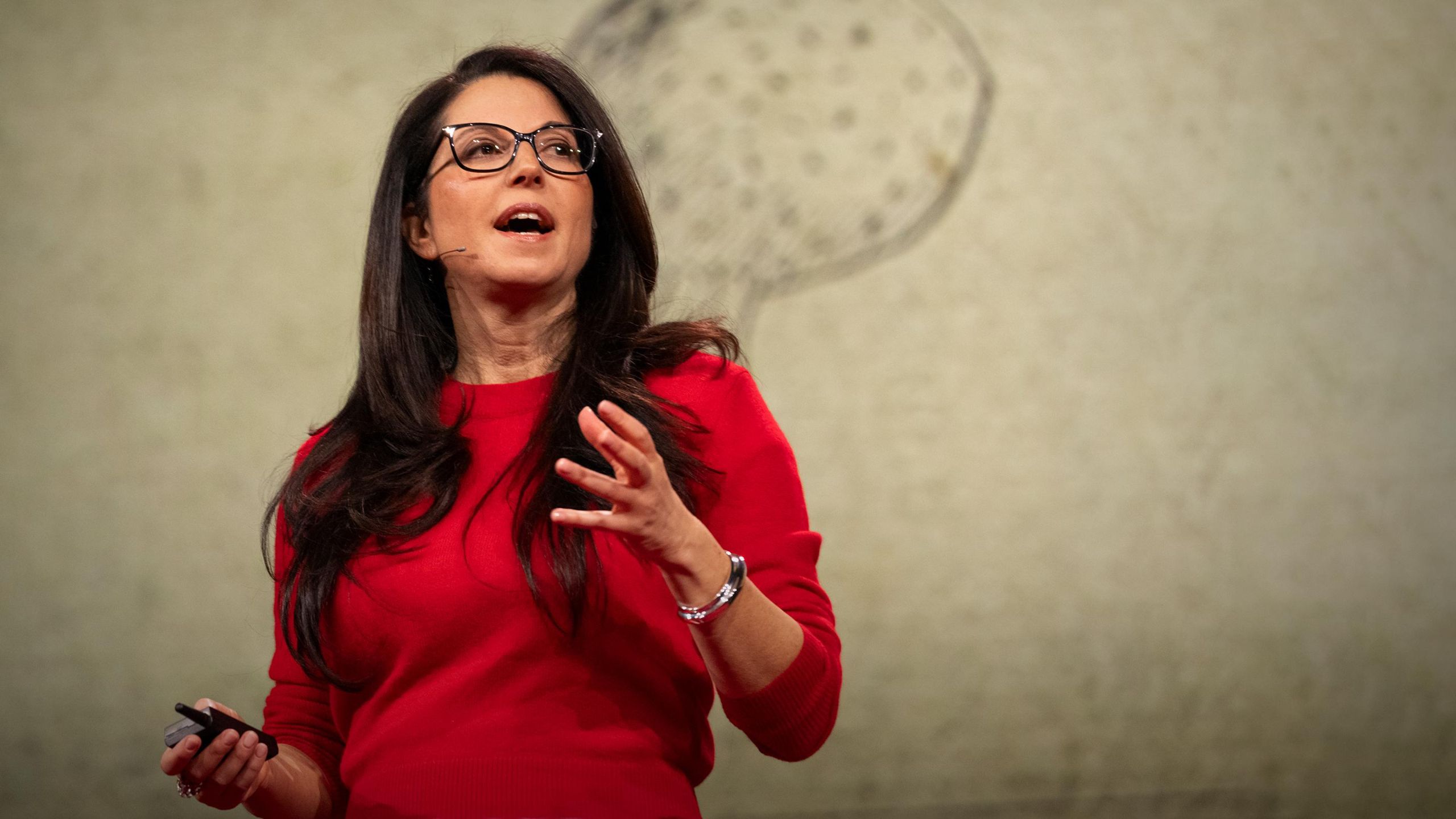
字幕摘录
| 时间 | 英文 | 中文 |
|---|---|---|
| 0:04 | So, when I was five, I had an existential crisis. | 所以,当我五岁的时候,我遇到了生存危机。 |
| 0:09 | I did. | 没错 |
| 0:10 | I realized that I was going to die one day. | 我意识到有一天我会死 |
| 0:14 | And that really scared me, | 这真的吓到我了, |
| 0:16 | and so I told my dad I wanted to understand the brain | 所以我告诉我爸爸 我想了解大脑 |
| 0:20 | so I can keep my thoughts after death. | 这样我才能在死后保持我的思想 |
| 0:23 | This was my first grasp at immortality. | 这是我第一次掌握永生 |
| 0:27 | Decades later, my daughter asked me the same thing. | 几十年后,我女儿也问了我同样的事情. |
| 0:31 | Mom, where do our thoughts go when we die? | 妈妈,我们死后会怎么想? |
| 0:34 | And for both of us, this was more than just a philosophical question. | 对我们俩来说,这不仅仅是一个哲学问题。 |
展开字幕全文(252 条)
| 序号 | 英文 | 中文 |
|---|---|---|
| 1 | So, when I was five, I had an existential crisis. | 所以,当我五岁的时候,我遇到了生存危机。 |
| 2 | I did. | 没错 |
| 3 | I realized that I was going to die one day. | 我意识到有一天我会死 |
| 4 | And that really scared me, | 这真的吓到我了, |
| 5 | and so I told my dad I wanted to understand the brain | 所以我告诉我爸爸 我想了解大脑 |
| 6 | so I can keep my thoughts after death. | 这样我才能在死后保持我的思想 |
| 7 | This was my first grasp at immortality. | 这是我第一次掌握永生 |
| 8 | Decades later, my daughter asked me the same thing. | 几十年后,我女儿也问了我同样的事情. |
| 9 | Mom, where do our thoughts go when we die? | 妈妈,我们死后会怎么想? |
| 10 | And for both of us, this was more than just a philosophical question. | 对我们俩来说,这不仅仅是一个哲学问题。 |
| 11 | It was a fear of the unknown. | 这是对未知的恐惧。 |
| 12 | Humans are hardwired to crave control | 人类渴望控制 |
| 13 | because uncertainty feels like a threat. | 因为不确定的感觉就像一个威胁。 |
| 14 | We want to control time, outcomes, even death itself. | 我们要控制时间,结果,甚至死亡本身 |
| 15 | And when life feels scary, that instinct gets stronger. | 而当生活感到恐怖时,这种本能会变得更加强大. |
| 16 | Losing control can feel terrifying. | 失去控制会感到恐惧 |
| 17 | But here's the paradox. | 但这里的悖论。 |
| 18 | The tighter we grip, | 我们抓得越紧 |
| 19 | the more anxious, rigid and fearful we become. | 我们变得更加焦虑、僵硬和恐惧。 |
| 20 | But when we learn to let go in specific ways, | 但当我们学会以具体的方式放手 |
| 21 | the brain can enter flow, | 大脑可以进入流动, |
| 22 | where discipline meets surrender, | 纪律与投降相遇的地方, |
| 23 | and creativity and calm emerge. | 创造力和镇静 |
| 24 | And research shows that flow contributes to happiness and well-being. | 研究表明,流动有助于幸福和幸福。 |
| 25 | So, staying true to my five-year-old self, | 所以,保持真实的 我的五岁自己, |
| 26 | I became a neuroscientist and psychologist, | 我成为一个神经科学家和心理医生, |
| 27 | and I've spent my career studying the neural basis of consciousness | 我花了我的职业生涯 研究意识的神经基础 |
| 28 | and what happens in the brain when people lose control, | 当人们失去控制时 大脑会怎样 |
| 29 | from artists in flow to patients in manic or impulsive states, | 从艺术家流到狂躁或冲动的病人, |
| 30 | or when they hold on too tightly, | 或当他们执着的时候, |
| 31 | like with anxiety or OCD. | 就像焦虑或者OCD一样 |
| 32 | For over two decades, | 二十多年来, |
| 33 | my research has explored how the prefrontal cortex, | 我的研究探索了前额皮层是如何形成的 |
| 34 | the brain's brake pedal, | 大脑的刹车踏板, |
| 35 | interacts with deeper emotional and reward circuits | 与更深层次的情感和奖励循环互动 |
| 36 | of the limbic system, the accelerator. | 直立系统,加速器。 |
| 37 | We use impulse control tasks, | 我们使用冲动控制任务, |
| 38 | together with brain scans and physiological measures, | 结合脑扫描和生理测量, |
| 39 | to see in real time how well people can hit the brakes | 以实时观察人们能有多棒的刹车 |
| 40 | and how strongly they're pulled to hit the gas, | 和他们被拉得有多强 击中气体, |
| 41 | and what happens when these two systems are out of sync. | 以及这两个系统不同步时会发生什么. |
| 42 | And what I've learned from my research, clinical work and life | 我从研究、临床工作和生活中学到的 |
| 43 | is that thriving depends on how well we balance those extremes | 这取决于我们如何平衡这些极端 |
| 44 | between holding back and letting go. | 退缩和放手之间 |
| 45 | To truly gain control, | 为了获得真正的控制 |
| 46 | you have to learn the fine art of losing it, | 你必须学会如何失去它 |
| 47 | on purpose, in the right moments. | 故意的,在正确的时刻。 |
| 48 | Now, sometimes you need the break, pause, walk away, | 有时候你需要休息 暂停 离开 |
| 49 | choose the long game. | 选择长游戏。 |
| 50 | But sometimes, you need release. | 但有时你需要释放 |
| 51 | Stop perfecting, rehearsing, trying to control everything. | 停止完善,排练,试图控制一切. |
| 52 | Let uncertainty and connection in | 让不确定性和关联存在 |
| 53 | and the messy version of you to show up. | 和混乱的版本 你出现。 |
| 54 | Yes. | 对 |
| 55 | So the goal isn't perfect willpower. | 所以目标不是完美的意志力。 |
| 56 | It's flexibility, being able to shift gears, | 它的灵活性, 能够改变齿轮, |
| 57 | restrained when it protects what you care about, | 当它保护你关心的事物时, |
| 58 | but open when life asks you to trust. | 但当生命要求你信任时,它就会开放 |
| 59 | And the art is knowing which one this moment needs. | 艺术就是知道现在需要哪个 |
| 60 | Now, for years, I was terrified. | 多年来,我很害怕 |
| 61 | I was terrified of flying. | 我害怕飞行。 |
| 62 | I knew the statistics. | 我知道统计 |
| 63 | I tried to reason my way out of it. | 我试图解释我的出路。 |
| 64 | No luck. | 没有运气。 |
| 65 | And finally, I did the opposite. | 最后,我做了相反的事情。 |
| 66 | I imagined the worst-case scenario and accepted it. | 我想象出了最坏的情况 并接受了它。 |
| 67 | If this plane goes down, | 如果飞机坠毁 |
| 68 | that's out of my hands. | 这已经离我而去 |
| 69 | And by letting go of the illusion of control, | 通过放弃控制幻觉 |
| 70 | I calmed my brain's fear circuits. | 我平息了我的大脑的恐惧循环。 |
| 71 | And that was my first taste of what I call controlled surrender. | 这是我第一次尝到 我所谓的受控投降 |
| 72 | Now, some minds need more control, | 现在,一些头脑需要更多的控制, |
| 73 | like people with ADHD or addiction or impulsivity, | 喜欢有ADHD 或上瘾或冲动的人, |
| 74 | or children whose brake system, the prefrontal cortex, | 或有刹车系统、前额皮层的儿童, |
| 75 | isn't fully developed yet. | 还没有完全开发。 |
| 76 | And you wouldn't want to follow every impulse, | 你不会想跟随每一个冲动, |
| 77 | like messaging your ex when you've been out drinking or ... | 就像给你的前男友发短信 当你出去喝酒或者... |
| 78 | we've all been there. | 我们都去过那里。 |
| 79 | You know, letting your eight-year-old hold the car keys | 让你的八岁小孩拿着车钥匙 |
| 80 | and follow their impulses, | 你应当顺从他们的冲动, |
| 81 | or doing some meth and punching a cop. | 或者做一些冰毒和打警察。 |
| 82 | Speaking for a friend. | 代表朋友说话. |
| 83 | So ... | 所以说... |
| 84 | . . . . | |
| 85 | It's to build flexibility | 是为了建立灵活性 |
| 86 | and to be able to toggle between control and release as life demands. | 并且能够按照生命的要求,在控制与释放之间进行切换. |
| 87 | It's not recklessness. | 亦非轻慢. |
| 88 | It's mastery. | 师曰. |
| 89 | So, how can you practice the fine art of losing control | 所以,你怎么能练习 优秀的艺术失去控制 |
| 90 | without getting arrested? | 没有被逮捕? |
| 91 | I'm going to walk you through four simple ways to do it. | 随顺四种简法而行. |
| 92 | Tiny mind shifts that can help rewire your brain | 细小的心动能帮助你的大脑重线 |
| 93 | for calm creativity and flow. | 为了冷静的创造力和流动。 |
| 94 | Exercises that will help you loosen your grip | 锻炼会帮助你松绑 |
| 95 | and find the balance between structure and spontaneity. | 找到结构与自发性之间的平衡。 |
| 96 | So, number one. | 所以,第一个。 |
| 97 | Practice micro-letting go. | 练习微放. |
| 98 | Not micro-dosing. | 不是微剂量 |
| 99 | Sing out loud, dance badly, doodle nonsense. | 大声唱 舞得不好 胡说八道 |
| 100 | Train your brain to tolerate imperfection. | 训练你的大脑 容忍不完美。 |
| 101 | And you could do it in little, safe ways, | 你可以用安全的方式做这些 |
| 102 | like take a different route home or let someone else choose the restaurant. | 喜欢走不同的路线回家 或者让别人选择餐厅。 |
| 103 | Just the trick is to make it small enough that your brain can't argue. | 诀窍是让它变得足够小 让你的大脑无法争论。 |
| 104 | Pick one micro-risk a day, | 每天挑一个小风险 |
| 105 | 30 seconds of awkward, harmless freedom. | 30秒的尴尬,无害的自由。 |
| 106 | Notice the urge to tighten up, | 注意要紧一点 |
| 107 | breathe, | 深呼吸 呼吸 呼吸 呼吸 呼吸 |
| 108 | let it crest | 让它升起 |
| 109 | and stay with it until it passes. | 并保持它直到它通过。 |
| 110 | And that's how you build tolerance for letting go. | 这就是你如何建立容忍 放手。 |
| 111 | And when you do, you quiet your brain's CEO, | 当你这样做, 你安静你的大脑的首席执行官, |
| 112 | your prefrontal cortex, your inner Spock. | 你的前额皮质 你的内侧斯波克 |
| 113 | It's logical, disciplined, great at taxes. | 这是合乎逻辑的,有纪律的,在税收方面非常出色. |
| 114 | It's terrible in the bedroom. | 卧室里很恐怖 |
| 115 | And deep below it sits your limbic system, | 它的深处坐落着你的四肢系统 |
| 116 | your inner Keith Richards. | 你的内在基思理查兹。 |
| 117 | It's running on instinct and pleasure and impulse. | 它运行在直觉,快乐和冲动上. |
| 118 | It says, let's light this guitar on fire and see what happens. | 上面写着,让我们点燃这把吉他 看看会发生什么. |
| 119 | And your brain is a duet between Spock and Keith, | 你的大脑是斯波克和基思之间的二重奏 |
| 120 | logic and passion. | 逻辑与激情. |
| 121 | Too much Spock, you freeze. | 太多史波克,你冻僵了 |
| 122 | Too much Keith, you act before you think. | 太多的基思, 你行动之前你认为。 |
| 123 | And the key isn't choosing one. | 关键不是选择一个 |
| 124 | It's learning to tune the dial between them. | 它正在学习调和他们之间的拨号。 |
| 125 | Number two, | 二号 |
| 126 | lean into discomfort. | 倾身于不适. |
| 127 | Now, even micro-letting go can feel uncomfortable at first. | 现在,即使是微量放行 一开始也感觉不舒服。 |
| 128 | But here's what surprises people. | 但这是让人惊讶的。 |
| 129 | Discomfort isn't danger. | 烦恼非险. |
| 130 | It's a sign of growth and your brain rewiring. | 这是成长的迹象 你的大脑会重生 |
| 131 | Like, think about the moment before you speak up in a meeting | 想想你开会前的那一刻 |
| 132 | or ask someone out and you feel that flutter of fear. | 或约人出去,你感觉到那股恐惧。 |
| 133 | It's that split second before you jump into cold water | 在你跳进冷水里之前就分了几秒 |
| 134 | or say yes to something you're not totally ready for, | 或者对一些你还没有完全准备好的事情说好, |
| 135 | like skydiving or having children. | 像跳伞或有孩子。 |
| 136 | You know what I mean. | 你知道我的意思吗? |
| 137 | Micro-letting go is playful, but this next step is different. | 微小的放假很刺激 但下一步不一样 |
| 138 | It's when you turn towards something your anxious brain wants you to avoid. | 当你转向你焦虑的大脑想要你避免的东西时 |
| 139 | Because when you step into discomfort and sit with it, | 因为当你陷入不适 并坐在一起, |
| 140 | anxiety eventually subsides. | 焦虑最终得到缓解. |
| 141 | And that's one reason why exposure therapy works, | 这就是接触疗法起作用的原因之一 |
| 142 | because with repeated exposure to what you fear, | 因为你们常常恐惧, |
| 143 | like, I don't know, spiders, heights, commitment, | 像,我不知道,蜘蛛,高度,承诺, |
| 144 | your brain learns a new prediction. | 你的大脑学到了一个新的预测。 |
| 145 | Uncomfortable isn't unsafe, | 不舒服并不不安全, |
| 146 | and your alarm response fades. | 你的警报响应会消失 |
| 147 | Now, I've seen this happen with patients who are trapped in rigid control loops. | 现在,我已经看到这种情况发生在那些被困在僵硬的控制圈里的病人身上。 |
| 148 | One woman who had severe panic, she avoided elevators for years. | 有个女人惊慌失措 她躲了电梯好几年 |
| 149 | But then she began taking the elevator just one floor and stepping out. | 但后来她开始坐电梯只走一楼然后走出. |
| 150 | And over time, her brain learned discomfort isn't danger. | 随着时间的推移,她的大脑学会了不适并不危险. |
| 151 | And eventually, she could ride to her new 33rd-floor apartment. | 最终,她可以骑车去她的新33层公寓. |
| 152 | So instead of fighting discomfort, | 因此,与其与不适战斗, |
| 153 | observe it and lean into it. | 观察它,然后倾斜。 |
| 154 | In the moment, try this. | 现在试试这个 |
| 155 | Plant your feet, take three slow breaths and say, | 栽培你的脚, 慢慢地呼吸说, |
| 156 | This is discomfort, not danger. | 这是不适,不是危险。 |
| 157 | Roll with it. | 随其卷. |
| 158 | Each time you do, you teach your brain that discomfort won't kill you, | 每次你这样做, 你教你的大脑 不舒服不会杀了你, |
| 159 | it expands you. | 它会扩大你。 |
| 160 | Number three. | 三号 |
| 161 | Do one thing where you lose track of time. | 做一件事,你失去了时间。 |
| 162 | That's your flow gateway. | 那是你的流动网关 |
| 163 | Writing, gardening, running, painting, | 写作 园艺 跑步 绘画 |
| 164 | whatever makes you forget your tea until it's gone cold. | 不管是什么让你忘记你的茶 直到它凉了。 |
| 165 | That's your personal cold tea test. | 那是你个人的冷茶测试 |
| 166 | Mihaly Csikszentmihalyi发明了流动一词。 | |
| 167 | And neuroscience adds a key insight. | 而神经科学又增加了一个关键的洞察力. |
| 168 | Flow is a measurable change in brain networks. | 流动是大脑网络中可以衡量的变化. |
| 169 | Self-monitoring recedes, | 自我监测逐渐退缩, |
| 170 | action systems take charge, | 行动系统负责, |
| 171 | and evidence suggests that dopamine and norepinephrine increase, | 有证据表明多巴胺和诺雷松素会增加 |
| 172 | which sharpens focus. | 使注意力更加集中。 |
| 173 | In flow, that self-critical chatter of your prefrontal cortex dissolves. | 在流体中,你前额皮层的自我批判声会溶解 |
| 174 | You stop thinking and start being. | 你别再想了 开始做吧 |
| 175 | Research shows that when freestyle rappers improvise, | 研究表明,当自由式说唱歌手即兴表演时, |
| 176 | their inner-spock mutes, | 他们的内心是哑巴, |
| 177 | and their creative networks activate. | 并启动他们的创意网络。 |
| 178 | They're not thinking of rhymes, they become the rhyme. | 他们不考虑韵律,而是成为韵律. |
| 179 | Surgeons, athletes, artists, musicians, they all rely on this state. | 外科医生,运动员,艺术家,音乐家,他们都依赖于这个状态. |
| 180 | A pianist doesn't think, move my left pinky. | 钢琴家不会想,移动我的左小指。 |
| 181 | A surgeon doesn't consciously guide every cut. | 外科医生不会自觉地指导每一刀。 |
| 182 | Their training lives deep in circuits, | 他们的训练深陷电路 |
| 183 | linking the motor cortex, basal ganglia and cerebellum. | 连接马达皮层 玄武岩和脑膜 |
| 184 | When they enter flow, control is still there. | 当它们进入流动时,控制还在. |
| 185 | It's just automated. | 它只是自动化的。 |
| 186 | Letting go doesn't mean chaos, | 放手并不意味着混乱 |
| 187 | it means trusting the control you've already built. | 这意味着信任你已经建立的控制。 |
| 188 | And that's the paradox. | 这就是悖论。 |
| 189 | Once you've trained, in order to perform at your best, | 一旦你经过训练,为了尽你所能 |
| 190 | you have to stop trying so hard to perform. | 你必须停止努力去表演 |
| 191 | The minute you become too self-aware, | 一旦你变得太自觉 |
| 192 | you activate parts of your prefrontal cortex and fall out of flow. | 你激活了前额皮层的部位 并脱离了流动 |
| 193 | If I suddenly think, | 如果我突然想起来 |
| 194 | oh my God, I'm giving a TED Talk right now, what are they thinking? | 哦,我的上帝,我给一个TED谈话 现在,他们在想什么? |
| 195 | My performance will tank. | 我的表演会很紧张的 |
| 196 | So if I blank out, you'll know what happened. | 所以,如果我空出, 你会知道发生了什么。 |
| 197 | Um, but the idea is to get out of your own way | 嗯,但这个想法是 走出自己的方式 |
| 198 | and let your unconscious take over. | 让你的无意识接管 |
| 199 | And that's the beauty of flow. | 这就是流动的美丽。 |
| 200 | It's mastery without micromanagement. | 以无微管理为主. |
| 201 | It's good chaos. | 善为乱. |
| 202 | Number four, let yourself be bored. | 第四,让你自己无聊。 |
| 203 | Even just five minutes is enough to let your thoughts roam free. | 即使只有五分钟 也足以让你的思想自由游荡 |
| 204 | Boredom是创造力的门户. | |
| 205 | Put down your phone, go for a walk, let your mind wander. | 把手机放下,出去走走,让你的脑子乱转 |
| 206 | I started prescribing microboredom | 我开始开微博 |
| 207 | because breakthroughs usually didn't happen when people were trying. | 因为人们在尝试的时候 通常不会突破 |
| 208 | They happened later, in the shower, doing dishes, | 他们后来在洗澡 洗碗时 |
| 209 | or halfway through a boring meeting, | 或在一个无聊的会议中, |
| 210 | when your brain finally has space to breathe and connect the dots. | 当你的大脑终于有空间 呼吸和连接点。 |
| 211 | When you rest, creativity flourishes. | 当你休息时,创造力就会繁荣起来。 |
| 212 | Your default mode network, the brain's imagination workspace, | 你的默认模式网络 大脑的想象力工作空间 |
| 213 | starts cross-talking with executive-control regions. | 开始与行政控制区进行交叉交谈。 |
| 214 | Logic and inspiration begin to dance, | 逻辑和灵感开始跳舞, |
| 215 | and new ideas arise. | 并产生了新的想法。 |
| 216 | The worst thing you can do when you're blocked | 被堵住最糟糕的事 |
| 217 | is try harder to be creative. | 更努力地创造 |
| 218 | That just fires up your inner spark, your prefrontal cortex, | 那只是点燃你的内在火花 你的前额皮层, |
| 219 | that judges and edits and second-guesses every idea. | 评断和编辑 和第二评断每一个想法。 |
| 220 | But when you relax, | 但当你放松, |
| 221 | your unconscious starts connecting ideas beneath awareness. | 你的无意识开始将意识之下的想法联系起来。 |
| 222 | It's like the Chinese finger trap. | 如中指夹. |
| 223 | The harder you pull, the tighter you're stuck. | 你拉得越用力,卡得越紧 |
| 224 | But the moment you relax, it loosens. | 但当你放松的时候,它会放松。 |
| 225 | So when you're stuck, stop trying and just let go. | 所以当你被卡住了,停止尝试,只是放手。 |
| 226 | Letting go isn't giving up. | 放手是不会放弃的 |
| 227 | It's loosening the reins. | 放松了绳子 |
| 228 | You're quieting your ego, | 你在平息你的自负 |
| 229 | that bossy inner voice that insists I must control everything. | 那个自大的声音 坚持我必须控制一切 |
| 230 | For centuries, Stoics, Buddhists and mystics have all said the same thing. | 几个世纪以来,斯多克人,佛教徒和神秘主义者都说过同样的话. |
| 231 | Acceptance leads to freedom. | 接受会导致自由。 |
| 232 | And neuroscience now shows us why. | 而神经科学现在告诉我们原因。 |
| 233 | Acceptance relaxes the prefrontal cortex and reduces stress circuits. | 接受可以放松前额皮层,减少应力电路. |
| 234 | And you don't need drugs or alcohol to get there. | 你不需要毒品或酒精才能到达那里 |
| 235 | Your brain is fully equipped to do it on its own with no hangover. | 你的大脑完全可以自己做,没有宿醉. |
| 236 | It's great. | 赞曰. |
| 237 | When we lose ourselves in awe, love or creativity, | 当我们在敬畏、爱或创造力中失去自我 |
| 238 | we're not losing control. | 我们不会失去控制。 |
| 239 | We're becoming whole. | 我们正在变得完整。 |
| 240 | Now, I still haven't figured out how to keep my thoughts after death, | 现在,我还没想好怎么在死后保持我的思想 |
| 241 | but I did learn how to live more fully before my last neuron flickers out. | 但我在最后的神经元闪烁之前 已经学会了如何过上更完整的生活 |
| 242 | When we cling too tightly to perfection, | 当我们紧紧抓住 完美, |
| 243 | to outcomes, to our self-image, | 对结果,对我们的自我形象, |
| 244 | we miss the present moment. | 我们怀念目前的时刻。 |
| 245 | But when you accept that you can't control how long you live, | 但当你接受你无法控制你活多久 |
| 246 | you begin to truly live. | 你开始真正活着。 |
| 247 | You start to savor every moment. | 你开始爱护每一刻。 |
| 248 | So here's my invitation to you. | 所以,这是我邀请你。 |
| 249 | Today, lose control just a little. | 今天,有点失控 |
| 250 | Sing, dance, dream, love fully. | 唱,舞,梦,爱都满. |
| 251 | Because sometimes the greatest act of control is knowing when to let go. | 因为有时最大的控制行为是知道何时可以放手. |
| 252 | Thank you. | 谢谢 |
该视频共有字幕 252 条。解锁更多字幕为会员功能,请移动到 价格