TED演讲:为什么我们总是觉得周围充斥着“笨蛋”与难以理喻的
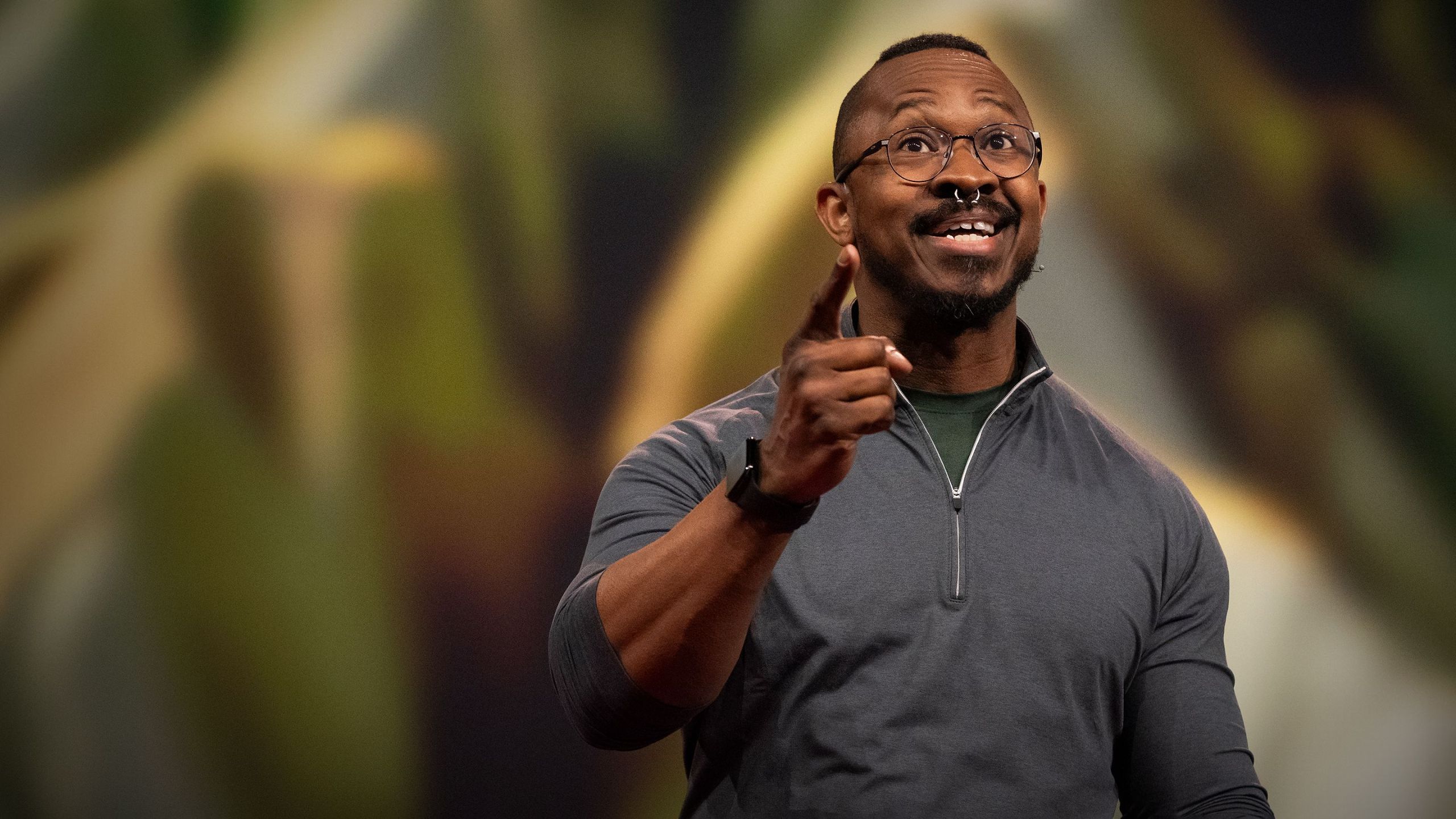
字幕摘录
| 时间 | 英文 | 中文 |
|---|---|---|
| 0:06 | Idiots are everywhere. | 白痴到处都是 |
| 0:12 | Some people drive you right up the wall with their opinions, their attitudes, their politics. | 有些人用他们的观点、态度、政治 把你推到墙上 |
| 0:18 | I dealt with all kinds of people in my 20-plus years as a broadcast journalist. | 作为一名广播记者,我在20多年里处理过各种各样的人。 |
| 0:22 | Eventually, I found moderating tough conversations with whatever kind of difficult people you | 最终,我发现调和 艰难的谈话 与任何困难的人你 |
| 0:27 | just thought of kind of simple to do. | 只是觉得有点简单 |
| 0:30 | Not easy, but simple. | 不简单,但很简单。 |
| 0:32 | The trick is to go somewhere I know you'd rather not be. | 诀窍是在我知道你不想去的地方 |
| 0:36 | Closer. | 近一点 |
| 0:38 | Distance makes things worse. | 距离让事情更糟。 |
| 0:41 | I came up in public radio, trained by old school journalists who taught me the art of | 我上公共电台 接受过老派记者的训练 他教我艺术 |
展开字幕全文(97 条)
| 序号 | 英文 | 中文 |
|---|---|---|
| 1 | Idiots are everywhere. | 白痴到处都是 |
| 2 | Some people drive you right up the wall with their opinions, their attitudes, their politics. | 有些人用他们的观点、态度、政治 把你推到墙上 |
| 3 | I dealt with all kinds of people in my 20-plus years as a broadcast journalist. | 作为一名广播记者,我在20多年里处理过各种各样的人。 |
| 4 | Eventually, I found moderating tough conversations with whatever kind of difficult people you | 最终,我发现调和 艰难的谈话 与任何困难的人你 |
| 5 | just thought of kind of simple to do. | 只是觉得有点简单 |
| 6 | Not easy, but simple. | 不简单,但很简单。 |
| 7 | The trick is to go somewhere I know you'd rather not be. | 诀窍是在我知道你不想去的地方 |
| 8 | Closer. | 近一点 |
| 9 | Distance makes things worse. | 距离让事情更糟。 |
| 10 | I came up in public radio, trained by old school journalists who taught me the art of | 我上公共电台 接受过老派记者的训练 他教我艺术 |
| 11 | neutrality. | 中立 |
| 12 | You neutralize your opinions, deaden your emotions, and you can get through most conversations | 你中和你的意见,死你的情绪, 你可以通过大多数的对话 |
| 13 | without rolling your eyes. | 不翻转你的眼睛。 |
| 14 | Generally, it worked, and it built me a strong reputation for fairness, but when the subject | 一般来说,它奏效了, 它为我树立了 强烈的声誉公平, 但当主体 |
| 15 | matter felt personal, neutrality felt phony. | 事物感到个人, 中立感到虚假。 |
| 16 | I used to host a national talk show on NPR called 1A, and in one of our early programs | 我以前在NPR上主持过一个全国脱口秀节目 叫"1A" 在我们早期的节目里 |
| 17 | I interviewed a descendant of Confederate soldiers. | 我采访了邦联士兵的后裔 |
| 18 | He argued that Confederate monuments should be historically preserved. | 他主张,邦联的纪念碑应该在历史上保存. |
| 19 | Now, as a black man, I felt enormous pressure to remain neutral, so I decided I was just | 现在,作为一个黑人, 我感到巨大的压力 保持中立, 所以我决定我只是 |
| 20 | going to focus on his arguments instead of on him. | 将专注于他的论点而不是他。 |
| 21 | His logic felt kind of flimsy, and I called him on it, and eventually he just folded, | 他的逻辑感觉有点虚弱, 我打电话给他,最终他只是折叠, |
| 22 | and he said, it really doesn't matter what I say. | 他说,我说什么都无所谓 |
| 23 | And the moment he said that, I knew I had failed. | 他这么说的那一刻 我就知道我失败了 |
| 24 | I may have had a point, but I missed a huge opportunity to really do my job. | 我可能说得有道理,但我错过了一个真正完成任务的绝好机会。 |
| 25 | See, my neutrality allowed me to interrogate his beliefs, but the distance prevented me | 你看,我的中立性让我审问他的信仰, 但距离阻止了我 |
| 26 | from seeing why he believed them. | 看他为什么相信他们 |
| 27 | What if I had asked better questions? | 如果我问了更好的问题呢? |
| 28 | Like, who influenced you the most in forming these views? | 比如,谁在形成这些观点时影响你最多? |
| 29 | Or, suppose we let all of these monuments and statues stand, just as they are. | 或者,假设我们让所有这些 纪念碑和雕像站立, 正如它们是什么。 |
| 30 | What would that mean to you? | 那对你意味着什么? |
| 31 | Getting his story might have shown me him behind his canned arguments. | 获取他的故事 可能已经告诉我他背后 他的罐头辩论。 |
| 32 | Grilling him changed nothing. | 折磨他什么也改变不了 |
| 33 | It felt pointless. | 感觉毫无意义 |
| 34 | When you consider someone problematic, there's a better way to deal with them, keep your | 当你认为某人有问题时,有更好的办法对付他们,保持你的 |
| 35 | sanity, and maybe even connect. | 理智,甚至连络。 |
| 36 | And it sounds insane. | 这听起来很疯狂。 |
| 37 | Move closer. | 靠近点 |
| 38 | Not to embrace them, but to explore them, like a doctor studying a sample. | 不是要拥抱它们 而是要探索它们 就像一个研究样本的医生 |
| 39 | You need a microscope, not a telescope. | 你需要显微镜,不是望远镜 |
| 40 | Doctors actually helped me learn this way before I became a journalist. | 医生在成为记者之前 帮助我学了这个方法 |
| 41 | As a teenager, I was part of a summer program for future doctors, clearly it worked. | 作为一个青少年,我是未来医生暑期计划的一部分, 很明显是有效的。 |
| 42 | And I found myself working with clinicians studying cancer and thrombosis and HIV, very | 我发现自己和临床医生合作 研究癌症和血栓症和艾滋病毒 |
| 43 | serious conditions. | 病情严重 |
| 44 | I kind of naively expected them to be these crusading scientists, but they were just level | 我天真地希望他们能成为这些科学家,但他们只是水平 |
| 45 | headed people doing their jobs. | 领导人们做他们的工作。 |
| 46 | But there was a lesson in that level headedness. | 但在这个层次上有一个教训。 |
| 47 | See, I am not neutral about the cancers in our world. | 我对我们世界的癌症并不中立 |
| 48 | Bigotry, hoaxes, political violence, I want them gone. | 偏执 恶作剧 政治暴力 我要他们消失 |
| 49 | However, as a journalist, I often had to deal with them in my clinic, on the air. | 然而,作为一名记者,我经常不得不在我的诊所里与他们打交道,在电视上播放。 |
| 50 | I survived it by getting as close to those problems as I could and studying them like | 我通过尽可能接近那些问题 和研究它们来幸免于难 |
| 51 | samples in a Petri dish. | 佩特里菜里的样品 |
| 52 | In other words, I had to shift from neutrality to objectivity. | 换句话说,我不得不从中立转向客观。 |
| 53 | And no, they're not the same. | 不,他们不一样。 |
| 54 | Objectivity is just when you park your emotions and learn, without judgment. | 客观性只是当你不做判断地 将你的情绪 和学习。 |
| 55 | I don't have to like it, I'm just here to learn from it. | 我不必喜欢它,我只是在这里学习它。 |
| 56 | Neutrality negates your opinions, as if you have no judgments. | 中立否定了你的观点,好像你没有判断力。 |
| 57 | Does anyone here honestly believe I have no opinions on race? | 有人真的相信我对种族没有意见吗? |
| 58 | Right. | 对 |
| 59 | Now, notice I said park your opinions. | 现在,注意,我说 停车你的意见。 |
| 60 | When you park your car, you don't abandon it in the garage, you're coming back for it. | 当你把车停在车库里时,你不会把它丢在车库里,你会回来找它. |
| 61 | So you can choose when to focus inward on what you think, or outward on what you can learn. | 所以,你可以选择何时 专注于你的想法, 或外表可以学习。 |
| 62 | Of course, sometimes your car ain't where you left it, and maybe your opinions will | 当然,有时你的车不是你离开的地方, 也许你的意见会 |
| 63 | move too. | 动也. |
| 64 | That maybe is why objectivity feels so vulnerable. | 也许这就是客观感到如此脆弱的原因。 |
| 65 | That's why it works. | 故能通达. |
| 66 | That vulnerability is a sign of openness, and a conversation that's not open is pointless. | 这种脆弱性是开放的表现,而不公开的对话是毫无意义的. |
| 67 | But, if you can stay open, amazing things can happen. | 但是,如果你可以保持开放, 惊人的事情会发生。 |
| 68 | Another time on NPR, I was interviewing a former Baltimore police officer who had become | 在NPR的另一段时间,我采访了一位前巴尔的摩警官,他成为了 |
| 69 | this fiery advocate for law enforcement reform. | 这个狂热的执法改革倡导者 |
| 70 | And he was going on and on, just the long rant in autopilot, just nyang, nyang, nyang. | 他不停地说,只是自动驾驶的长话短说, 只是nyang,nyang,nyang。 |
| 71 | And I was trying to stay objective and listening as best I could, when I thought I heard his | 我试图保持客观 并听尽我所能, 当我以为我听到他的 |
| 72 | voice waver just a little. | 声音有一点动摇 |
| 73 | And in that waver, I detected more than his rage. | 在那种动摇中,我发现的比他的愤怒还多. |
| 74 | It sounded like trauma. | 这听起来像创伤。 |
| 75 | So near the end of the interview, I mentioned, hesitantly, that he seemed traumatized by | 采访快结束时 我犹豫地提到 他似乎被... |
| 76 | his experiences as a cop, and could he reflect on that? | 他当警察的经历 他能思考一下吗? |
| 77 | He said, I put people in prison cells who are better people than me. | 他说,我把人关进监狱 他们比我好。 |
| 78 | Whoa. | 珃 |
| 79 | Sure enough, he went right back to his talking points, but it didn't matter, because in | 当然,他回到他的谈话点 但没关系,因为... |
| 80 | that moment, that sliver of his story, his defenses dropped, and he shifted from being | 那一刻,他的故事,他的辩护 下降,他从 |
| 81 | right to being real. | 成为现实的权利。 |
| 82 | Look, some people are just difficult, but we can deal with them more simply. | 听着,有些人只是很困难 但我们可以更简单地处理他们 |
| 83 | Here are three tips to get you started. | 这里有三个提示让你开始。 |
| 84 | First, get the story, particularly the key decisions and the turning points. | 第一,了解情况,特别是关键决定和转折点。 |
| 85 | What someone believes is not as important as how they chose to believe it. | 有人相信的不是他们选择相信的那么重要 |
| 86 | Second, my NPR host pro tip, keep your questions short. | 第二,我的NPR主持人 专业小费,让你的问题简短。 |
| 87 | Ten seconds tops. | 十秒钟以上。 |
| 88 | Long questions can feel like a setup or like you're rambling. | 长的问题可以感觉像一个陷害 或者像你在胡闹。 |
| 89 | And third, use that mental microscope. | 第三,用那个显微镜 |
| 90 | Look as closely as you can. | 仔细看 |
| 91 | Remember, you don't have to like it, but learn from it. | 记住,你不必喜欢它, 但学习它。 |
| 92 | It is time to reconnect, even to the people you can't stand. | 是时候重新联结了 即使你无法忍受的人 |
| 93 | But this time, we're going to make those connections count. | 但这次,我们要把这些连接计算在内。 |
| 94 | You could learn a lot from an idiot, especially if you resolve never to act like one. | 你可以从一个白痴那里学到很多东西 特别是如果你决心永远不要像个白痴 |
| 95 | I really appreciate y'all making time for me today. | 我真的很感激你们今天给我时间 |
| 96 | Thank you for listening. | 谢谢你的聆听 |
| 97 | Bye, everybody. | 再见,各位 |
该视频共有字幕 97 条。解锁更多字幕为会员功能,请移动到 价格