【4000核心词汇】 每天10分钟彻底提高您的英语词汇量 #
共 7 集
剧集目录
| 集 | 标题 | 时长 |
|---|---|---|
| P1 | 【4000核心词汇】 每天10分钟彻底提高您的英语词汇量 # | 1:15:39 |
| P3 | 【4000核心词汇】 每天10分钟彻底提高您的英语词汇量 # | 59:23 |
| P4 | 【4000核心词汇】 每天10分钟彻底提高您的英语词汇量 # | 1:03:07 |
| P5 | 【4000核心词汇】 每天10分钟彻底提高您的英语词汇量 # | 1:07:26 |
| P6 | 【4000核心词汇】 每天10分钟彻底提高您的英语词汇量 # | 1:06:56 |
| P7 | 【4000核心词汇】 每天10分钟彻底提高您的英语词汇量 # | 1:13:57 |
| P8 | 【4000核心词汇】 每天10分钟彻底提高您的英语词汇量 # | 57:26 |
P1 · 【4000核心词汇】 每天10分钟彻底提高您的英语词汇量 # 图文解析、完整例句、真实情景! p01 1. Book 1 (P1)
字幕摘录
| 时间 | 英文 | 中文 |
|---|---|---|
| 0:00 | The Amalfi Coast | 阿马尔菲海岸 |
| 0:07 | The Amalfi Coast in Italy is a beautiful place to travel. | 意大利的阿马尔菲海岸是一个美丽的旅行地点. |
| 0:12 | It's a beautiful area with an interesting culture. | 这是一个具有有趣文化的美丽地区. |
| 0:16 | Located on the Tyrrhenian Sea next to the Mediterranean in southern Italy, | 位于意大利南部地中海旁的泰尔赫尼亚海, |
| 0:22 | the Amalfi Coast has high mountains and amazing beaches. | 阿马尔菲海岸有高山和惊人的海滩。 |
| 0:27 | Amalfi is on the west coast of Italy, | 阿马尔菲位于意大利西海岸, |
| 0:30 | and it takes less than four hours to drive there from Rome, the country's capital. | 从罗马开到罗马 需要不到四个小时 |
| 0:36 | You'll love it from the moment you arrive there. | 你一到那里就会喜欢的 |
| 0:40 | There are many activities for travelers, including beautiful beaches for swimming. | 旅行者有许多活动,包括游泳的美丽海滩. |
| 0:46 | You can also play games on the beach and catch frisbees. | 也可以在沙滩上玩游戏和捕捉飞盘. |
展开字幕全文(1231 条)
| 序号 | 英文 | 中文 |
|---|---|---|
| 1 | The Amalfi Coast | 阿马尔菲海岸 |
| 2 | The Amalfi Coast in Italy is a beautiful place to travel. | 意大利的阿马尔菲海岸是一个美丽的旅行地点. |
| 3 | It's a beautiful area with an interesting culture. | 这是一个具有有趣文化的美丽地区. |
| 4 | Located on the Tyrrhenian Sea next to the Mediterranean in southern Italy, | 位于意大利南部地中海旁的泰尔赫尼亚海, |
| 5 | the Amalfi Coast has high mountains and amazing beaches. | 阿马尔菲海岸有高山和惊人的海滩。 |
| 6 | Amalfi is on the west coast of Italy, | 阿马尔菲位于意大利西海岸, |
| 7 | and it takes less than four hours to drive there from Rome, the country's capital. | 从罗马开到罗马 需要不到四个小时 |
| 8 | You'll love it from the moment you arrive there. | 你一到那里就会喜欢的 |
| 9 | There are many activities for travelers, including beautiful beaches for swimming. | 旅行者有许多活动,包括游泳的美丽海滩. |
| 10 | You can also play games on the beach and catch frisbees. | 也可以在沙滩上玩游戏和捕捉飞盘. |
| 11 | A boat trip is a good way to spend the day, | 船之旅是度过这一天的好方法 |
| 12 | and you may see ducks and other birds sitting on the water. | 你可能看见鸭子和其他鸟儿坐在水面上。 |
| 13 | Fishing is also a popular activity. | 捕鱼也是一种受欢迎的活动。 |
| 14 | There are dozens of villages on the Amalfi Coast, | 阿马尔菲海岸有几十个村庄 |
| 15 | and you can visit one of them to see how a typical local person lives. | 你可以去拜访他们中的一个 看看典型的当地人是怎么生活的 |
| 16 | If you're friendly, you might even get invited into someone's house | 如果你是友好的,你甚至可能会被邀请到别人家 |
| 17 | to enjoy home-cooked Italian food. | 享受自制的意大利菜 |
| 18 | Italians like drinking alcohol, especially wine. | 意大利人喜欢喝酒,特别是喝酒. |
| 19 | The Amalfi Coast has lots of gardens to explore. | 阿马尔菲海岸有许多花园可供探索. |
| 20 | Italy is famous for its pizza and pasta. | 意大利以其披萨和面条闻名. |
| 21 | However, the Amalfi Coast is also well known for fish and octopus | 然而,阿马尔菲海岸也以鱼和章鱼闻名. |
| 22 | because it is located next to the water. | 因为它位于水边。 |
| 23 | Pastries are a popular breakfast food on the Amalfi Coast. | 糕点是阿马尔菲海岸上流行的早餐食品. |
| 24 | August is a popular month to travel to the Amalfi Coast because the weather is warm. | 由于天气温暖,奥古斯特是前往阿马尔菲海岸的热门月份. |
| 25 | It's easy to spend a week traveling around the area. | 花一周时间环游当地很容易. |
| 26 | Make sure to take a camera so you can take a lot of photos. | 确保拍摄相机,以便拍摄大量照片. |
| 27 | We're sure you'll agree that it's a great place. | 我们相信你会同意这是个很棒的地方 |
| 28 | The Laboratory | 实验室 |
| 29 | Mia's father had a laboratory, but she had no idea what was in it. | 米娅的父亲有一个实验室, 但她不知道里面是什么。 |
| 30 | Her dad always closed and locked the door when he went in. | 她爸爸进去时总是关上门锁上门 |
| 31 | She knew that he used it to do projects for work. | 她知道他用它来做工程 |
| 32 | He never told Mia what these projects were. | 他从来没有告诉米娅 这些项目是什么。 |
| 33 | One night, Mia approached the door to the laboratory. | 一天晚上,米娅接近实验室的门. |
| 34 | She stopped and thought, | 她停下来想, |
| 35 | I wonder what crazy experiment he is doing now. | 我想知道他现在在做什么疯狂的实验 |
| 36 | Suddenly, she heard a loud noise. | 突然,她听到一个响亮的声音。 |
| 37 | It sounded like an evil laugh. | 这听起来像一个邪恶的笑。 |
| 38 | The noise scared her, so she walked quickly back to her room. | 噪音吓到了她,于是她迅速回到房间. |
| 39 | The next night, her friend Liz came to her house. | 第二天晚上,她的朋友丽兹来到她家. |
| 40 | When Liz arrived, Mia told her about the night before. | 丽兹到来后,米娅告诉她前一晚的事. |
| 41 | Oh, it was terrible, she said. | 哦,这是可怕的,她说。 |
| 42 | Why don't we see what is in there? | 我们为什么不看看里面有什么? |
| 43 | Liz asked. | 丽兹问. |
| 44 | It will be a fun adventure. | 这将是一个有趣的冒险。 |
| 45 | Mia felt nervous about going into her father's laboratory, | 米娅对进入她父亲的实验室感到紧张 |
| 46 | but she agreed. | 不过她同意了 |
| 47 | As always, the door was locked. | 门一直锁着 |
| 48 | They waited until Mia's father left the laboratory to eat dinner. | 他们等到米娅的父亲离开实验室吃晚饭. |
| 49 | He didn't lock the door, Liz said. | Liz说 他没有锁门 |
| 50 | Let's go. | 我们走吧。 |
| 51 | The laboratory was dark. | 实验室是黑暗的。 |
| 52 | The girls walked down the stairs carefully. | 女孩们小心地走下楼梯。 |
| 53 | Mia smelled strange chemicals. | 米娅闻到奇怪的化学物质 |
| 54 | What terrible thing was her father creating? | 她父亲在创作什么可怕的东西? |
| 55 | Suddenly, they heard an evil laugh. | 突然,他们听到邪恶的笑声。 |
| 56 | It was even worse than the one Mia heard the night before. | 比前一晚米娅听到的更糟糕 |
| 57 | What if a monster was going to kill them? | 如果一个怪物要杀死他们呢? |
| 58 | Mia had to do something. | 米娅得做点什么 |
| 59 | She shouted for help. | 她大声求救 |
| 60 | Mia's father ran into the room and turned on the lights. | 米娅的父亲跑进房间打开了灯. |
| 61 | Oh, no, he said. | 哦,不,他说。 |
| 62 | You must have learned my secret. | 你一定知道我的秘诀了 |
| 63 | Your monster tried to kill us, Mia said. | 米娅说你的怪物想杀我们 |
| 64 | Monster? he asked. | 怪兽? 他问。 |
| 65 | You mean this? | 你是说这个? |
| 66 | He had a pretty doll in his hands. | 他手里拿着一个漂亮的娃娃 |
| 67 | The doll laughed. | 娃娃笑了起来。 |
| 68 | The laugh didn't sound so evil anymore. | 笑声不再那么邪恶 |
| 69 | I made this for your birthday. | 我为你生日做了这个 |
| 70 | I wanted to give it to you then, but you can have it now. | 我本来想给你的 但你现在可以拿着了 |
| 71 | I hope you like it. | 希望你喜欢 |
| 72 | Lee sat among the books at the library and thought about his group project. | 李 sat坐在图书馆的书籍中,考虑他的团体项目. |
| 73 | They had to turn it in soon, but he hadn't even started his part. | 他们不得不很快交出来,但他甚至没有开始他的角色. |
| 74 | Jack and Claire were in his group. | 杰克和克莱尔在他的团体。 |
| 75 | They had worked hard. | 他们努力工作。 |
| 76 | They were also very smart, and Lee didn't want them to get a bad grade. | 他们也非常聪明,李也不希望他们得到糟糕的成绩. |
| 77 | Jack did the report. | 杰克做了报告。 |
| 78 | He wrote a lot of very good sentences and described things clearly and carefully. | 他写了很多非常好的句子,并且清楚而仔细地描述了事情. |
| 79 | Claire drew a nice map of the stars. | 克莱尔画了一张漂亮的星星地图. |
| 80 | Now, Lee needed to do his part of the project. | 现在,李需要做他的一部分项目。 |
| 81 | Well, I suppose I need to start my model, Lee thought. | 我想我得开始我的模特了 李想 |
| 82 | Making a model of a planet was really hard. | 做一个星球模型真的很困难。 |
| 83 | Lee tried to read several books, but he couldn't understand any of the charts. | 李 tried曾试图阅读数本书,但都听不懂图书. |
| 84 | We're going to fail because of me, Lee said. | 李说我们因为我而失败 |
| 85 | He put his head down on the table and said, | 他把头放在桌子上说 |
| 86 | I wish I could see a planet and an alien instead of having to read about it. | 我希望我能看到一个星球和一个外星人 而不是不得不读到它。 |
| 87 | Suddenly, he had a great idea that would help him solve his problem. | 突然,他有一个伟大的想法,可以帮助他解决问题. |
| 88 | Why not go on the web and look for photographs of the Earth and other planets taken from space? | 为什么不上网查看从空间拍摄的地球和其他行星的照片? |
| 89 | They would give him a really good view of the planets they had to talk about in their report. | 他们会给他一个非常好的视角 他们不得不在报告中谈论的行星。 |
| 90 | Instead of a bad grade, his group would have the best project ever. | 与其说成绩差,他的团队会有有史以来最好的项目. |
| 91 | The photos of Earth showed lots of clouds, | 地球的照片显示了很多云 |
| 92 | but you could still see the shapes of land and seas on Earth. | 但你仍然能看到地球上陆地和海洋的形状 |
| 93 | He also looked at photos of Mars. | 他还看了火星的照片. |
| 94 | Lee now had plenty of ideas for making a model of the planet Mars. | 李现在对制作火星的模型有很多想法. |
| 95 | All he had to do was to turn his ideas into a model. | 他要做的就是把他的想法变成一个模型. |
| 96 | He used a small ball to help him make the shape he wanted | 他用小球帮助他造出他想要的形状 |
| 97 | and then painted it to look like the photos of Mars that he had seen. | 然后画成他看到的火星照片 |
| 98 | Sometimes, seeing is much more helpful than just reading. | 有时候,看比看书更有帮助 |
| 99 | John's dog was a bad dog. | 约翰的狗是个坏狗 |
| 100 | He bit people frequently. | 他经常咬人 |
| 101 | John was concerned about this. | 约翰对此很担心. |
| 102 | It was not an appropriate way for a dog to behave. | 这对狗来说不合适 |
| 103 | His friends in the village always expected the dog to bite them. | 他在村里的朋友总是期望狗咬他们. |
| 104 | The news about John's dog spread through the village. | 关于约翰的狗的消息传遍村庄. |
| 105 | None of the people wanted to go to John's house. | 没有人想去约翰家 |
| 106 | John tried to instruct the dog to behave, but it never worked. | 约翰试图指示狗的行为,但一直没有成功. |
| 107 | He tried to be patient and teach the dog to be calm. | 他试图耐心地教狗冷静. |
| 108 | That also didn't work. | 这也行不通。 |
| 109 | John didn't want to punish the dog. | 约翰不想惩罚这只狗. |
| 110 | How will I stop my dog's bad habit? | 我该怎么阻止我的狗的坏习惯? |
| 111 | John asked himself. | 约翰自问. |
| 112 | John's friend came to talk to him about the issue. | 约翰的朋友来和他谈谈这个问题. |
| 113 | During their important meeting, his friend said, | 在他们的重要会晤中,他的朋友说, |
| 114 | the people in the village asked me to represent them. | 村里的人让我代表他们 |
| 115 | We want your dog to stop this habit. | 我们希望你的狗停止这种习惯。 |
| 116 | Why don't you put a bell around the dog's neck? | 你为什么不在狗的脖子上按个铃? |
| 117 | This way, we would hear your dog coming down the street. | 这样我们就能听到你的狗在街上走来 |
| 118 | John thought this was a great idea. | 约翰认为这是个好主意. |
| 119 | Now people could stay away from the dog. | 现在人们可以远离狗。 |
| 120 | It would not be able to bite anyone anymore. | 它不会再咬人了 |
| 121 | The dog liked the bell, too. | 狗也喜欢铃声 |
| 122 | People looked at him when they heard his bell. | 人们听到他的铃声就看着他. |
| 123 | This made the dog very content. | 这让狗非常满意。 |
| 124 | He liked the sound the bell made when he walked. | 他喜欢走路时的铃声 |
| 125 | One day, John's dog strolled through the village and met some other dogs. | 一天,约翰的狗在村里漫步,遇到了一些其他的狗. |
| 126 | He expected them to want a bell like his, but they laughed at his bell. | 他期望他们想要一个像他的铃声,但他们嘲笑他的铃声. |
| 127 | They said the bell made people avoid him. | 他们说铃声让人们避开他 |
| 128 | John's dog shook his head. | 约翰的狗摇头。 |
| 129 | No, they look at me because they like the bell. | 不 他们看我是因为喜欢铃声 |
| 130 | The other dog said, | 另一只狗说 |
| 131 | you have the wrong idea about what makes you popular. | 你对是什么让你受欢迎有错误的想法。 |
| 132 | Of course they like your bell. | 他们当然喜欢你的铃声 |
| 133 | It tells them where you are so they can avoid you. | 它告诉他们你在哪里 这样他们就可以避开你。 |
| 134 | You aren't able to bite them anymore. | 你不能再咬他们了 |
| 135 | You see, being popular isn't something positive when it's for the wrong reason. | 你瞧 受人欢迎并不是什么好事 因为原因不对 |
| 136 | 你听说过铁人Triathlon吗? | |
| 137 | It's considered one of the most challenging sporting events in the world. | 它被认为是世界上最具有挑战性的体育活动之一. |
| 138 | Competitors swim, ride a bike, and run. | 竞争者游泳,骑自行车,然后跑. |
| 139 | The race consists of a 3.86-kilometer swim, | 比赛由3.86公里的游泳组成, |
| 140 | a 180.25-kilometer bicycle ride, | 骑着180.25公里的自行车, |
| 141 | and a 42.2-kilometer run. | 还要跑42.2公里 |
| 142 | There are no breaks during the race, | 比赛期间没有休息时间 |
| 143 | so competitors must keep going no matter what. | 所以无论怎样,竞争者都必须继续前进。 |
| 144 | People who choose to enter this race must be healthy | 选择参赛的人必须健康 |
| 145 | and prepared in both mind and body. | 和身心准备。 |
| 146 | Ironman races are held all over the world. | 铁人赛车赛车赛车赛车赛车赛车赛车赛车赛车赛车赛车赛车赛车赛车赛车赛车赛车赛车赛车赛车赛车赛车赛车赛车赛车赛车赛车赛车赛车赛车赛车赛车赛车赛车赛车赛车赛车赛车赛车赛车赛车赛车赛车赛车赛车赛车赛车赛车赛车赛车赛车赛车赛车赛车赛车赛车赛车赛车赛车赛车赛车赛车赛车赛车赛车赛车赛车赛车赛车赛车赛车赛车赛车赛车赛车赛车赛车赛车赛车赛车赛车赛车赛车赛车赛车赛车赛车赛车赛车赛车赛车赛车赛车赛车赛车赛车赛车赛车赛车赛车赛车赛车赛车赛车赛车赛车赛车赛车赛车赛车赛车赛车赛车赛车赛车赛车赛车赛车赛车赛车赛车赛车赛车赛车赛车赛车赛 |
| 147 | Some well-known competitions take place in New Zealand, | 一些著名的比赛在新西兰举行, |
| 148 | Germany, and California in the United States. | 德国和美国的加利福尼亚州. |
| 149 | There are several rules for those who want to compete in the Ironman. | 对于想在铁人中竞争的人,有几种规则. |
| 150 | The minimum age of racers is 18, | 选手的最低年龄是18岁, |
| 151 | so everyone who competes is an adult. | 所以每个竞争者都是成年人 |
| 152 | Training for the Ironman can take more than a year. | 对铁人的培训可耗时一年以上. |
| 153 | People who train often start practicing the events at shorter distances first | 训练者往往先在较短的距离练习 |
| 154 | and then increase the amount of length and time they swim, bike, and run. | 然后增加游泳、自行车和跑步的长度和时间。 |
| 155 | Training can be difficult | 训练可能很困难 |
| 156 | because people need to find a balance of strength and endurance training. | 因为人们需要找到力量和耐力训练的平衡. |
| 157 | Without enough training, people can get bad injuries. | 如果没有足够的训练,人们可能会受到严重的伤害. |
| 158 | Some people even gain weight when training | 有些人在训练时也会变胖 |
| 159 | because their bodies store calories instead of using them for energy. | 因为他们的身体储存着卡路里 而不是用它们作为能量 |
| 160 | All people in training should drink plenty of water. | 所有在训练中的人都应该喝大量的水. |
| 161 | Doctors believe that exercise is good for people's health | 医生认为锻炼有利于人们的健康 |
| 162 | and helps the heart. | 帮助心脏。 |
| 163 | People participate in other sports and games, | 人们参加其他运动和游戏, |
| 164 | such as golf or American football, | 比如高尔夫或美国足球, |
| 165 | but the Ironman is a challenging way to stay fit. | 但铁人是一个挑战性的方式 保持健康。 |
| 166 | Even though it is hard, it can still be fun. | 虽然艰难,但还是会很有趣。 |
| 167 | It's a great way to stay active and enjoy life. | 保持积极性,享受生活,是伟大的方法. |
| 168 | The Twins | 双胞胎 |
| 169 | Katie and Alice were twins. | 凯蒂和爱丽丝是双胞胎 |
| 170 | They were so alike that few people could tell them apart. | 他们很相似 很少有人能分辨出来 |
| 171 | They were almost like seeing one person looking in a mirror. | 他们就像看到一个人照镜子一样 |
| 172 | They even spoke in the same way as each other. | 他们甚至以同样的方式说话。 |
| 173 | They were best friends. | 他们是最好的朋友。 |
| 174 | But the twins' attributes were not all exactly the same. | 但双胞胎的属性并不完全相同. |
| 175 | Alice preferred sports and was a star athlete in soccer. | 爱丽丝更喜欢体育,并且是足球界的明星运动员. |
| 176 | Katie preferred foreign languages and was bilingual in French. | 凯蒂更喜欢外语,并且是法语双语. |
| 177 | Katie decided to be a participant at a summer camp in France. | 凯蒂决定参加法国的一个夏令营. |
| 178 | Alice wasn't interested in the French language, so she didn't go. | 爱丽丝对法语没有兴趣,所以没有去. |
| 179 | But she was angry that Katie wanted to spend the summer away from her. | 但她很生气凯蒂想离开她度过夏天. |
| 180 | Two months later, Katie returned. | 两个月后,凯蒂回来了. |
| 181 | Alice dashed to the airport to greet her sister. | 爱丽丝冲到机场迎接妹妹. |
| 182 | But when Alice saw Katie, she was surprised. | 但爱丽丝见到凯蒂后感到惊讶. |
| 183 | Katie now spoke French, and she looked completely different. | 凯蒂现在讲法语,她看起来完全不同. |
| 184 | She was wearing fashionable clothes, and she looked taller. | 她穿着时髦的衣服,看起来更高. |
| 185 | Alice felt very messy next to her. | 爱丽丝觉得她身边很乱 |
| 186 | She was just wearing an old T-shirt, and her hair looked untidy. | 她只是穿着一件旧T恤, 和她的头发看起来不整齐。 |
| 187 | When Alice asked Katie about France, | 当爱丽丝问凯蒂关于法国的事时, |
| 188 | Katie was vague and didn't say much. | 凯蒂含糊不清,没有多说. |
| 189 | It made Alice feel tense and filled her with disgust, | 这让爱丽丝感到紧张 让她感到恶心 |
| 190 | because in the past they'd always told each other everything. | 因为过去他们总是把一切都告诉对方 |
| 191 | Now there was a huge gulf between them. | 现在他们之间有巨大的鸿沟。 |
| 192 | Over the weeks, the sisters spoke even less. | 几周来,姐妹们说话更少. |
| 193 | Two months later, it was the twins' birthday. | 两个月后,是双胞胎的生日. |
| 194 | All their lives they'd had a ritual. | 他们的一生都有一个仪式 |
| 195 | Before their birthday, they'd talk all night long. | 在他们生日前,他们会整晚聊天 |
| 196 | That night, Alice came into Katie's bedroom. | 当晚,爱丽丝来到凯蒂的卧室. |
| 197 | "'I'm sorry I haven't spoken to you much lately,' Katie said. | "'对不起,我最近没有跟你谈太多,' 凯蒂说。 |
| 198 | "'I understand. You have new friends now,' said Alice angrily. | "'我明白了。" 你现在有新朋友了 爱丽丝很生气 |
| 199 | Katie said, | 凯蒂说, |
| 200 | "'My French friends don't write much nowadays. | "'我的法国朋友现在写得不多. |
| 201 | "'For a while, I thought they were more exciting than my friends at home, | ""有一段时间,我以为他们 比我的朋友在家里, |
| 202 | "'but I was wrong. | "'但我错了。 |
| 203 | "'You're my sister, and you'll always be my best friend.' | "'你是我妹妹,你永远是我最好的朋友' |
| 204 | Alice said, | 爱丽丝说, |
| 205 | "'I'm sorry, too. | "''我也很遗憾. |
| 206 | "'I wanted our relationship to stay the same forever, | 我希望我们的关系永远不变 |
| 207 | "'but it's totally natural for twins to have different interests. | "但双胞胎有不同的兴趣是完全自然的. |
| 208 | "'We can still be best friends without being together all the time.' | "'我们仍然可以成为最好的朋友,而不总是在一起。" |
| 209 | THE BEST PRINCE | 最佳原则 |
| 210 | King Minos was very sick. | 米诺斯国王病得很重 |
| 211 | His condition was getting worse. | 他的情况越来越糟了。 |
| 212 | He had three sons. | 他有三个儿子 |
| 213 | He loved them all. | 他都爱他们 |
| 214 | He had to announce who would become king. | 他必须宣布谁将成为国王。 |
| 215 | Two of the princes stood waiting outside the king's room. | 王子二人于王室外立等. |
| 216 | Theseus was the oldest and strongest. | 特修斯是最古老最强壮的 |
| 217 | He thought his father would make him king. | 他认为他的父亲会让他成为国王. |
| 218 | Peleus, the second son, thought differently. | 次子佩勒乌斯思想不同. |
| 219 | He was an expert in fighting. | 他擅长战斗 |
| 220 | He thought the king would choose him. | 他认为国王会选择他 |
| 221 | "'When I'm king,' Theseus told Peleus, | 当我是国王时 特修斯告诉皮勒斯 |
| 222 | "'I'll let you contribute to protect our country. | "'我会让你为保护我们的国家做出贡献. |
| 223 | "'You can lead the army.' | 你可以领导军队 |
| 224 | Peleus became angry. | 皮勒斯变得很愤怒. |
| 225 | "'Father knows I'm famous for my fighting skills. | "'父亲知道我以战斗技巧出名. |
| 226 | "'He'll make me king.' | "他会让我成为国王" |
| 227 | "'You?' Theseus said. | 你吗? 特修斯说. |
| 228 | "'He won't choose you.' | "他不会选择你的" |
| 229 | "'The kingdom is mine,' Peleus claimed. | "'王国是我的,' Peleus声称。 |
| 230 | "'Father will give it to me, | "'父亲会把它给我, |
| 231 | "'or I'll use force to take it.' | "否则我会用武力夺取它" |
| 232 | Theseus made a sudden move to take out his sword. | 特修斯突然采取行动取出他的剑. |
| 233 | Then Peleus did the same. | 皮勒斯也这么做了 |
| 234 | "'Beating me will be a challenge,' Theseus said. | "'与我相爱将是一个挑战,' 特修斯说。 |
| 235 | "'Fight me now. | "'现在打我. |
| 236 | "'The winner gets the kingdom.' | "胜者获得王国" |
| 237 | Peleus agreed." | 皮勒斯同意了". |
| 238 | King Minos could hear his sons fighting. | 米诺斯国王可以听到他的儿子们打架的声音. |
| 239 | The youngest son, Jason, stood beside him. | 小儿子杰森站在他旁边 |
| 240 | He sensed his father's sadness. | 他感觉到父亲的悲伤 |
| 241 | The king laid his hand on Jason's arm. | 国王把手放在杰森的手臂上. |
| 242 | "'Your brothers fight too much. | "'你的兄弟们打得太多了. |
| 243 | "'The king told him. | "'国王告诉他了. |
| 244 | "'I must protect my kingdom from all harm. | ''我必须保护我的王国免受一切伤害. |
| 245 | "'They'll divide it between them. | "'他们会把它分成两部分. |
| 246 | "'The people won't know what to do. | "'人民不会知道该怎么做. |
| 247 | "'There'll be war. | "'会有战争。 |
| 248 | "'I can't allow either of them to be king. | "'我不能允许他们中的任何一个成为国王. |
| 249 | "'Therefore, I'm making you king. | "故曰:"我使汝为王. |
| 250 | "'Your kindness has always made you special. | "'你的仁慈总是让你特别。 |
| 251 | "'It's the difference between you and your brothers. | "'这是你和你兄弟们的区别. |
| 252 | "'You can bring peace. | 你可以带来和平。 |
| 253 | "'They can't.' | "他们不能。" |
| 254 | Then the king died. | 后王灭. |
| 255 | Theseus and Peleus heard that their youngest brother was king. | 特修斯和佩勒斯听说他们最小的弟弟是国王. |
| 256 | They were surprised. | 他们很惊讶。 |
| 257 | They realized that their fighting was wrong. | 他们意识到他们的战斗是错误的. |
| 258 | It had kept them from saying goodbye to their father. | 这让他们无法跟父亲说再见。 |
| 259 | They agreed to have Jason as their king. | 他们同意让杰森做他们的国王. |
| 260 | He was the best choice. | 他是最好的选择。 |
| 261 | Do you ever wonder where the moon and the sun came from? | 你有没有想过月亮和太阳是从哪里来的? |
| 262 | The Inuit people of Alaska have a theory. | 阿拉斯加的因纽特人有一个理论。 |
| 263 | They tell a story about a beautiful girl. | 他们讲述了一个美丽的女孩的故事。 |
| 264 | She was very nice. | 她是个好人。 |
| 265 | In contrast, her brother was a mean little boy. | 相比之下,她的兄弟是一个卑鄙的小男孩。 |
| 266 | One day he proposed something. | 有一天他提出一些建议 |
| 267 | "'We should go to a party,' he said. | "'我们应该去一个聚会,'他说。 |
| 268 | The girl accepted. | 女孩接受了。 |
| 269 | First it was necessary for her to get ready. | 首先,她必须做好准备。 |
| 270 | She arranged her hair and put on nice clothes. | 她整理了头发,穿上漂亮的衣服. |
| 271 | This required a lot of time. | 这需要很多时间。 |
| 272 | But the girl worked hard and soon she was satisfied. | 但是这个女孩很努力地工作,很快她很满意. |
| 273 | She looked perfect. | 她看起来很完美 |
| 274 | They attended the party together. | 他们一起参加了派对。 |
| 275 | The girl was having fun. | 那个女孩很开心 |
| 276 | Later she walked into the bathroom. | 后来她走进浴室。 |
| 277 | Suddenly the lights were turned off. | 忽然关灯. |
| 278 | Someone grabbed her hair and tore her clothes. | 有人抓住她的头发,撕裂她的衣服。 |
| 279 | She ran out of the bathroom. | 她跑出浴室。 |
| 280 | She wanted to know who did this to her. | 她想知道是谁干的 |
| 281 | Then she had an idea. | 然后,她有一个想法。 |
| 282 | She fixed her hair again. | 她又修了头发 |
| 283 | This time it was even more beautiful. | 这次更漂亮了 |
| 284 | She even arranged beautiful jewels in it. | 她甚至安排了漂亮的珠宝在里面。 |
| 285 | She wanted to encourage the person to grab it again. | 她想鼓励这个人再次抓住它。 |
| 286 | She put black dirt in her hair. | 她把黑色的污垢 在她的头发。 |
| 287 | The purpose of this was to catch the person. | 这样做的目的是抓住这个人。 |
| 288 | She went to the bathroom again. | 她又上厕所了 |
| 289 | And it was the same pattern. | 这是相同的模式。 |
| 290 | The lights went off and someone grabbed her hair. | 灯光熄灭,有人抓住她的头发。 |
| 291 | When he released it, his hand was black. | 当他发布时,他的手是黑色的. |
| 292 | The girl returned to the party. | 这女孩回到了聚会。 |
| 293 | She knew there was only a single person with a black hand. | 她知道只有一个人有黑手 |
| 294 | When she saw that person, he was very familiar. | 当她看到那个人时 他非常熟悉 |
| 295 | It was her brother. | 这是她的哥哥。 |
| 296 | He ran into the woods. | 他跑到树林里去了 |
| 297 | The girl ran after him. | 那个女孩追上他了 |
| 298 | They both carried fire so they could see in the dark. | 他们都携带着火,以便能在黑暗中看到. |
| 299 | The smoke went into the air. | 烟入空中. |
| 300 | As they ran, they grew. | 当他们跑的时候,他们成长。 |
| 301 | They became huge. | 他们变得很大。 |
| 302 | Then they went into space. | 然后他们进入太空 |
| 303 | When the girl's fire went out, she hung in the sky. | 女火灭后,悬于天上. |
| 304 | She became the moon. | 她变成了月亮 |
| 305 | And her brother became the sun. | 而其弟为阳. |
| 306 | They chase each other forever. | 他们永远追逐对方。 |
| 307 | Have you ever seen a blind person on the bus with a dog? | 你见过有狗在巴士上瞎子吗? |
| 308 | This dog is most likely a service animal. | 这只狗很可能是服务动物 |
| 309 | A service animal is an animal that is trained to do things for people | 服务动物是训练为人做事的动物 |
| 310 | who cannot do them alone because of a disability. | 他们不能独自做他们 由于残疾。 |
| 311 | Dogs are most usually used as service animals | 狗最常用作服务动物 |
| 312 | because they are intelligent animals. | 因为他们是聪明的动物。 |
| 313 | They also have a good sense of smell and can sense dangerous situations. | 他们也有良好的嗅觉,并能感知危险的情况. |
| 314 | In addition, dogs are easy to train and are loyal to their owners. | 此外,狗也容易训练,并忠于主人. |
| 315 | When they are close to their owners, dogs will do anything to keep them safe. | 当它们接近主人时,狗会做任何事情来保护他们的安全. |
| 316 | Service dogs are sometimes called guide dogs or hearing dogs. | 服务犬有时被称为导盲犬或听觉犬. |
| 317 | These dogs can help people who cannot see or hear. | 这些狗可以帮助那些看不见或听不见的人. |
| 318 | They are trained to open and close a door, push a button, and listen to a command. | 他们受过训练,可以打开并关闭一个门,按下按钮,并听从命令. |
| 319 | These dogs can also help people who have a hurt leg | 这些狗也可以帮助腿受伤的人 |
| 320 | and need to use a wheelchair to get around. | 并且需要用轮椅来绕路 |
| 321 | Service dogs are strong and can even pull wheelchairs. | 服务犬很强壮,甚至可以拉轮椅. |
| 322 | If these people ever need medical attention, | 如果这些人需要治疗 |
| 323 | the dogs are trained to bark and get help. | 狗被训练去叫叫和寻求帮助。 |
| 324 | Dogs can also be used as therapy dogs. | 狗也可以用作治疗犬. |
| 325 | Therapy dogs may visit a school or hospital | 治疗犬可以去学校或医院 |
| 326 | to help people who are feeling lonely or anxious. | 帮助那些感到孤独或焦虑的人。 |
| 327 | Their bad feelings can create health problems. | 他们的不祥情绪会造成健康问题. |
| 328 | Therapy dogs can provide kindness and love to improve a person's mood, | 治疗狗可以提供善和爱 改善一个人的心情, |
| 329 | which can then improve that person's health. | 这可以改善他的健康。 |
| 330 | Although dogs are the most common service animals, | 虽然狗是最常见的服务动物, |
| 331 | there are other animals that can be trained to be service animals as well. | 还有其它动物也可以被训练成为服务动物. |
| 332 | You might see a cat, a rabbit, or a horse that is used as a service animal. | 你可能会看到一只猫,一只兔子,或者一匹马被用作服务动物. |
| 333 | These animals can keep a person company and become a good friend. | 这些动物可以保持一个人的陪伴,成为好朋友. |
| 334 | Many people depend on service animals for help. | 许多人依靠服务动物寻求帮助. |
| 335 | Service animals can do jobs that people cannot do alone, | 服务动物可以做别人不能单独做的工作, |
| 336 | and they can help improve the health of people by making them feel happy. | 他们可以帮助改善人们的健康,让他们感到快乐。 |
| 337 | Argos lived in ancient Greece. | 阿尔戈斯生活在古希腊. |
| 338 | He was a husband and a proud father. | 他是个丈夫和骄傲的父亲 |
| 339 | He worked hard and did well at his job. | 他辛勤工作,工作表现良好. |
| 340 | But one thing about him wasn't normal. | 但是他有一点并不正常. |
| 341 | He was born with one hundred eyes. | 生时百眼. |
| 342 | Having many eyes was usually a benefit to him. | 拥有许多眼睛通常对他有好处。 |
| 343 | He had a chance to see many things. | 他有机会看到很多事情 |
| 344 | Also, since he had so many eyes, | 而且,由于他有这么多眼睛, |
| 345 | he was very good at guarding things. | 他非常擅长守护事物 |
| 346 | While sleeping, he only rested a few eyes at a time. | 在睡觉的时候,他一次只休息几只眼睛. |
| 347 | The others stayed open. | 其他人则保持开放。 |
| 348 | He worked for Hera, a great goddess. | 他为一个伟大的女神赫拉工作. |
| 349 | His primary function was to guard a special cow. | 他的主要职责是守护一只特殊的牛. |
| 350 | The cow was very important to Hera. | 这头牛对赫拉非常重要. |
| 351 | She loved it. | 她很喜欢 |
| 352 | The most essential part of his job was to keep the cow alone. | 他工作最重要的部分是让牛一个人呆着. |
| 353 | It had to be kept separate from all the other cows | 它必须与其他所有牛分开 |
| 354 | and far away from people. | 而远离众生. |
| 355 | This was an easy job for Argos. | 这对阿尔戈斯来说是一个轻松的工作. |
| 356 | The cow just ate grass all day. | 那头牛整天都在吃草 |
| 357 | But the god Zeus wanted the cow. | 但是神宙斯想要这头牛 |
| 358 | He wanted to take it away from Hera. | 他想从赫拉那里夺走它 |
| 359 | He had a plan. | 他有一个计划。 |
| 360 | He found a great music player. | 他找到一个伟大的音乐演奏家。 |
| 361 | He asked the man to play a beautiful song for Argos. | 他要求那个人为阿尔戈斯演奏一首美丽的歌曲. |
| 362 | Zeus was certain Argos would go to sleep. | 宙斯确定阿尔戈斯会睡觉 |
| 363 | The song had an immediate effect. | 这首歌立即产生了效果. |
| 364 | Argos couldn't focus on his job. | 阿尔戈斯无法专注于他的工作. |
| 365 | He fell asleep. | 他睡着了。 |
| 366 | Zeus saw this and he took the cow. | 宙斯看到这个,他带走了牛. |
| 367 | Hera was very angry with Argos. | 赫拉对阿尔戈斯非常愤怒. |
| 368 | She turned him into a peacock. | 她把他变成孔雀 |
| 369 | She put his many eyes on his tail. | 她用很多眼睛盯着他的尾巴 |
| 370 | Argos很伤心 | |
| 371 | Zeus saw how much trouble he had given Argos. | 宙斯看到了他给阿尔戈斯带来的多大麻烦. |
| 372 | He made another plan. | 他做了另一个计划。 |
| 373 | He turned Argos into a group of stars. | 他把阿尔戈斯变成了一群明星. |
| 374 | He wanted Argos to remain in the sky forever. | 他希望阿尔戈斯永远留在天空中. |
| 375 | Even today, Argos's image remains there, | 即使今天,阿尔戈斯的形象仍然在那里, |
| 376 | above the site where all his problems began. | 在他所有问题的发生地点之上 |
| 377 | We can still see him in the night sky. | 我们还能在夜空中看见他 |
| 378 | Across the world, | 在世界各地, |
| 379 | places are increasing their efforts to recycle and help the environment. | 这些机构正在加紧努力,以回收利用和帮助环境。 |
| 380 | Recycling is when trash is reused and not thrown away. | 回收是指垃圾被重新使用而不是丢弃。 |
| 381 | In recent history, | 在近代历史上, |
| 382 | more and more cities and countries have started recycling. | 越来越多的城市和国家开始回收利用。 |
| 383 | These places have developed their recycling programs | 这些地方制定了回收计划 |
| 384 | to stop our Earth from being covered with trash and black, dirty air. | 阻止地球被垃圾和黑脏空气覆盖 |
| 385 | According to the Environmental Protection Agency in the United States, | 美国环境保护局表示, |
| 386 | recycling also helps save energy. | 再循环也有助于节省能源。 |
| 387 | The agency encourages the recycling of glass and plastic bottles, | 该机构鼓励回收玻璃和塑料瓶, |
| 388 | paper and aluminum cans. | 纸和铝罐。 |
| 389 | Many European countries have strong recycling programs as well. | 许多欧洲国家也有强有力的回收方案。 |
| 390 | Austria, Germany and Norway are well known for being leaders in recycling. | 奥地利、德国和挪威以在回收方面领先而闻名。 |
| 391 | And South Korea and Wales are countries that have a lot of recycling as well. | 韩国和威尔士也是有很多回收的国家。 |
| 392 | There are many reasons why some countries recycle more than others. | 有些国家的循环利用比其他国家多的原因很多。 |
| 393 | The fact is that these governments support recycling, | 事实是,这些政府支持回收, |
| 394 | and they are aware of its importance. | 他们意识到它的重要性。 |
| 395 | There is also a lot of money spent on recycling. | 回收也花费了很多钱。 |
| 396 | However, it is also necessary for people to try hard | 然而,人们也需要努力 |
| 397 | to recycle what they can from their own homes. | 以便他们从自己的家中回收可以使用的东西。 |
| 398 | Other ways to fight the waste problem also exist. | 解决废物问题的其他方式也存在。 |
| 399 | Many cities place recycling bins on their streets. | 许多城市在街道上放置了回收桶. |
| 400 | There are recycling projects across some cities, | 有些城市有回收项目 |
| 401 | and in these projects, companies advertise the need to recycle. | 在这些项目中,公司宣传需要再循环。 |
| 402 | This helps keep the city streets clean. | 这有助于保持城市街道的清洁。 |
| 403 | Electric cars are another way to keep the environment clean. | 电动汽车是保持环境清洁的另一种方式. |
| 404 | The motors of these cars are electric. | 这些车的马达是电动的. |
| 405 | They get their power from electricity and batteries rather than from gas. | 他们的动力来自电力和电池,而不是天然气。 |
| 406 | The hope is that eventually all cities in all countries will recycle | 希望最终各国的所有城市都能循环利用 |
| 407 | and make our Earth a cleaner place. | 并使我们的地球成为清洁的地方。 |
| 408 | We must protect nature and never stop thinking about how to protect it. | 我们必须保护自然,永远不能停止考虑如何保护自然。 |
| 409 | So think before you throw away something that can be recycled. | 在你扔掉可以回收的东西之前先想想 |
| 410 | Fraunhofer was the best artist in the world. | 弗劳恩霍费尔是世界上最好的艺术家. |
| 411 | Everyone loved him. | 每个人都爱他。 |
| 412 | The quality of his paintings was very high. | 他的画作质量很高. |
| 413 | He always used the best materials. | 他总是使用最好的材料。 |
| 414 | He made a big profit from his paintings. | 他从画作中获利匪浅. |
| 415 | He had delicious meals with his rich neighbors. | 他和他富有的邻居吃过美味的饭 |
| 416 | He taught art classes. | 他教艺术课。 |
| 417 | Life was good. | 生活是不错的。 |
| 418 | Then his attitude changed. | 然后他的态度改变了。 |
| 419 | He stopped selling paintings and teaching. | 他不再卖画和教书. |
| 420 | He tried a new method of painting. | 他尝试了一种新的绘画方法. |
| 421 | He stayed alone in his apartment all day. | 他整天独自呆在公寓里 |
| 422 | He worked all day and all night, rarely eating. | 他日夜工作,很少吃饭. |
| 423 | Soon Fraunhofer became very thin. | 很快弗劳恩霍费尔变得非常瘦小. |
| 424 | But he kept working on the same painting for many years. | 但他多年来一直致力于同一幅画作. |
| 425 | He worked as hard as he could. | 他尽力工作 |
| 426 | Finally, he finished the painting. | 最后,他完成了这幅画. |
| 427 | He was very happy and invited other artists to see it. | 他非常高兴,并邀请其他艺术家观看. |
| 428 | I want your professional opinion, he said. | 他说我要你的专业意见 |
| 429 | He wanted them to judge it and compare it to other paintings. | 他想让他们判断它,并与其他画作进行比较. |
| 430 | Everyone was very excited as they went up the stairs to his apartment. | 每个人都非常兴奋,他们上楼去他的公寓。 |
| 431 | Fraunhofer为展示他的画而兴奋. | |
| 432 | And the artists were excited to see it. | 艺术家们很兴奋地看到它。 |
| 433 | They'll love it, he thought. | 他认为他们会喜欢的 |
| 434 | But they did not. | 但他们没有。 |
| 435 | They were surprised by his painting. | 他们对他的画很惊讶 |
| 436 | There was no white anywhere. | 哪里也没有白人 |
| 437 | Fraunhofer filled the whole painting with lines and colors. | Fraunhofer用线条和颜色填满了整幅画. |
| 438 | There was no space for a normal picture. | 没有正常的图片空间。 |
| 439 | It was full of strange shapes. | 充满了奇怪的形状。 |
| 440 | It looked bad to the other artists. | 其他艺术家都觉得很糟 |
| 441 | He used symbols and they didn't understand them. | 他使用符号,他们不理解它们。 |
| 442 | They thought it was terrible. | 他们觉得很可怕 |
| 443 | Why did you paint this strange picture, someone asked. | 有人问,你为什么画这幅奇怪的画? |
| 444 | They didn't understand its beauty. | 他们不明白它的美丽 |
| 445 | But after some time, many people began to like his painting. | 但过了一段时间,许多人开始喜欢他的画. |
| 446 | People wrote articles about it in magazines. | 人们在杂志上写了有关的文章. |
| 447 | They said it was his best work. | 他们说这是他最好的作品 |
| 448 | They loved his strange symbols. | 他们喜欢他的奇怪符号 |
| 449 | They loved his strange colors. | 他们喜欢他奇怪的颜色。 |
| 450 | Fraunhofer's painting reminded everyone that just because something was new | Fraunhofer的画提醒大家 因为有些东西是新的 |
| 451 | didn't mean that it was bad. | 并不是说这很糟糕 |
| 452 | It also helped them to realize that sometimes it takes people a little time | 这也帮助他们意识到,有时它需要一些时间 |
| 453 | to understand great things. | 来理解伟大的事物。 |
| 454 | Peter's job was driving a taxi downtown. | 彼得的工作是驾驶出租车在市中心。 |
| 455 | He made a small salary. | 他挣了点小薪水 |
| 456 | But he liked his job because it wasn't dull. | 但他喜欢他的工作,因为那不无聊。 |
| 457 | Every day, he saw new things that appealed to him. | 每天,他都看到一些吸引他的新事物. |
| 458 | Peter was practical about the future. | 彼得对未来很实际 |
| 459 | Maybe I can get a scholarship for college, he thought. | 或许我能拿到大学奖学金,他认为。 |
| 460 | I could study accounting and get a job at a bank. | 我可以在银行学会计和找份工作 |
| 461 | I could help clients invest their money. | 我可以帮助客户投资他们的钱。 |
| 462 | Peter stopped to pick up a passenger. | 彼得停下来接乘客 |
| 463 | Where to, he asked. | 他问去哪里 |
| 464 | Go to the Fourth Street Bank. | 去第四街银行 |
| 465 | And don't talk to me. | 别跟我说话 |
| 466 | I've had a rough day, the man said. | 那个人说,我今天很辛苦 |
| 467 | Peter was a peaceful person, so he was not angry. | 彼得是一个和平的人,所以他没有生气. |
| 468 | When they stopped, the man's fare came to $10.25. | 他们停车时,男方的票价达到10.25元. |
| 469 | He put his hands in his pockets. | 他把手放在口袋里。 |
| 470 | I can't find my wallet, he said. | 他说我找不到钱包 |
| 471 | I can't pay the fare, Peter said. | 彼得说 我付不起票价 |
| 472 | I'll give you a temporary loan. | 暂借. |
| 473 | You can borrow $10.25 from me. | 你可以借我10块25元 |
| 474 | The man was embarrassed and said, | 那个男人很尴尬说 |
| 475 | I was mean to you, but now I want to help you. | 我对你很刻薄 但现在我想帮你 |
| 476 | I founded this bank. | 这家银行是我创办的 |
| 477 | I want to give you $100. | 我想给你100美元。 |
| 478 | That much money was like a treasure to Peter. | 那些钱就像彼得的宝藏 |
| 479 | The man urged him to take the money, but he didn't. | 那人劝他收钱,却不收. |
| 480 | You're an honest person, the man said. | 那个人说你是个诚实的人 |
| 481 | I assumed you would take it. | 我猜你会接受的 |
| 482 | I want you to work for me. | 我要你为我工作 |
| 483 | The next day, Peter started his job at the bank. | 次日,彼得开始在银行工作. |
| 484 | He was happy to leave his former job. | 他很高兴离开他以前的工作。 |
| 485 | Sarah loved to read. | 莎拉喜欢读书。 |
| 486 | She read novels and poems. | 她阅读小说和诗歌. |
| 487 | She loved the beautiful descriptions and phrases. | 她喜欢美丽的描述和词句. |
| 488 | She loved reading work by poets and writers. | 她喜欢诗人和作家的阅读作品. |
| 489 | She didn't like video games or technology. | 她不喜欢电子游戏或技术. |
| 490 | She was on the basketball team, but she didn't like sports. | 她原本是篮球队的,但不喜欢运动. |
| 491 | Her parents made her play basketball. | 她的父母让她打篮球。 |
| 492 | In fact, Sarah's parents made her do many things. | 事实上,莎拉的父母让她做了很多事情. |
| 493 | But she didn't want to do those things. | 但她不想做这些事 |
| 494 | She just wanted to sit and read all day. | 她只想整天坐着看书 |
| 495 | One day, a small book came in the mail. | 一日,寄来小书. |
| 496 | It was for Sarah. | 是给莎拉的 |
| 497 | The book looked very special. | 这本书看起来很特别。 |
| 498 | It was printed on sheets of gold. | 它印在金片上。 |
| 499 | Sarah began to read. | 萨拉开始读书. |
| 500 | The outline of the story was simple. | 故事的大纲很简单。 |
| 501 | It was about a magical place. | 那是个神奇的地方 |
| 502 | Strange things happened there. | 那里发生了奇怪的事情。 |
| 503 | One example from the book was about a boy who could control people. | 书中的一个例子是,一个男孩可以控制人。 |
| 504 | In one scene, he made his friends tell funny jokes. | 在一个场景中,他让他的朋友说出有趣的笑话. |
| 505 | Sarah loved the book. | 莎拉很喜欢这本书。 |
| 506 | She read it all the time. | 她经常读 |
| 507 | Then something strange happened. | 然后发生了一些奇怪的事情。 |
| 508 | The book gave Sarah a special power. | 这本书赋予了莎拉特别的权力. |
| 509 | She could control other people. | 她可以控制别人 |
| 510 | She was like the boy in the book. | 她就像书里的男孩 |
| 511 | During one exam, she made her friend tell silly jokes. | 在一次考试中,她让她的朋友说傻笑话. |
| 512 | Her friend got in trouble. | 她的朋友惹上麻烦了 |
| 513 | After school, Sarah did not make a direct trip home. | 放学后,莎拉没有直接回家旅行. |
| 514 | On the way, she went to the local store. | 在路上,她去了当地的商店. |
| 515 | She wanted to play more tricks on people. | 她想对别人玩更多的把戏 |
| 516 | She made problems. | 她制造问题。 |
| 517 | She made people fall down. | 她使人们跌倒。 |
| 518 | She laughed and had fun. | 她笑了,很开心。 |
| 519 | Finally, she left and started to walk home. | 最后,她离开并开始步行回家. |
| 520 | Then she saw something. | 然后她看到了一些东西。 |
| 521 | Her basketball coach was about to walk in front of a bus. | 她的篮球教练正准备走在一辆巴士前. |
| 522 | He was looking the other way. | 他往另一边看 |
| 523 | She had to stop him. | 她必须阻止他 |
| 524 | She used her power. | 她用她的力量。 |
| 525 | She controlled him. | 她控制着他 |
| 526 | She made him stop walking. | 她让他停止走路。 |
| 527 | Sarah learned something that day. | Sarah那天学到了什么 |
| 528 | It was better to help people than make them suffer. | 帮助别人比让他们受苦好 |
| 529 | So she put a limit on how she used her power. | 所以她对如何使用她的力量做了限制. |
| 530 | She did not want to do bad things with it anymore. | 她不想再用它做坏事了 |
| 531 | She only wanted to do good. | 她只是想做点好事 |
| 532 | The Big Race | 大赛 |
| 533 | A dog saw a group of animals cross the road. | 一狗见一群畜生过路. |
| 534 | He walked over to meet them. | 他走过来见他们。 |
| 535 | What are you doing? he asked them. | 你在干吗? 他问他们。 |
| 536 | I just sold them tickets to a race between the rabbit and the turtle. | 我刚把兔子和海龟比赛的票卖给他们 |
| 537 | The duck responded. | 鸭子回应. |
| 538 | The dog was extremely excited. | 这只狗非常兴奋 |
| 539 | He felt fortunate that he happened to be there. | 他觉得很幸运 他碰巧在那里。 |
| 540 | I don't have anything to do today, the dog said. | 狗说,我今天没什么可做的 |
| 541 | I want to buy a ticket, too. | 我也想买票 |
| 542 | The dog sat down to observe the race. | 这只狗坐下来观察比赛 |
| 543 | It would be many kilometers in length. | 它的长度会很多公里。 |
| 544 | The rabbit and the turtle stood next to each other. | 兔与龟相立. |
| 545 | They waited for the race to start. | 他们等着比赛开始 |
| 546 | The dog wondered why the turtle agreed to run against the rabbit. | 狗疑龟为何同意对兔子奔跑. |
| 547 | Being fast was not a characteristic of turtles. | 快速不是海龟的特征。 |
| 548 | The rabbit was going to win easily. | 兔子会轻易获胜的 |
| 549 | Suddenly, the race began. | 突然,比赛开始了。 |
| 550 | The rabbit ran extremely quickly. | 兔子跑得非常快。 |
| 551 | The turtle walked slowly. | 海龟走得慢 |
| 552 | After a minute, the rabbit looked back. | 一分钟后,兔子回头看. |
| 553 | He saw that the turtle was far behind him | 他看见乌龟在后面 |
| 554 | and was breathing quickly because he was so tired. | 呼吸很快 因为他太累了 |
| 555 | The rabbit smiled and slowed down to a walk. | 兔儿笑了,缓缓地走到散步. |
| 556 | A minute later, the rabbit said, | 一分钟后,兔子说, |
| 557 | I'm winning, so I'll take a rest. | 我赢了,所以我会休息。 |
| 558 | He sat and began to consume some grass. | 他坐着开始吃草 |
| 559 | Then he let his eyes close. | 然后他把眼睛闭上了 |
| 560 | He wasn't the winner yet, | 他还没赢 |
| 561 | but there was no risk of him losing the race. | 但他没有输掉比赛的风险 |
| 562 | He went to sleep. | 他睡着了。 |
| 563 | Hours later, a loud sound woke him. | 几小时后,一个响亮的声音唤醒了他。 |
| 564 | All of the animals were talking loudly and looking at the field. | 所有的动物都大声说话,看着田野. |
| 565 | He felt fear for the first time. | 他第一次感到恐惧 |
| 566 | The turtle was almost at the finish line. | 乌龟快到了终点线了 |
| 567 | Now the rabbit realized his mistake. | 现在兔子意识到了他的错误。 |
| 568 | But the race was over. | 但是比赛结束了 |
| 569 | He gave the turtle an opportunity to win, | 他给了乌龟一个赢的机会 |
| 570 | and the turtle took it. | 乌龟拿走了它 |
| 571 | The duck handed the turtle his prize. | 鸭子把金龟交给他 |
| 572 | It was the happiest day of the turtle's life. | 这是海龟生命中最快乐的一天 |
| 573 | The dog was happy for the turtle. | 狗为乌龟欢喜. |
| 574 | He isn't fast, the dog thought, | 他不快,狗认为, |
| 575 | but he tried his best and did something great. | 但他尽了最大努力 做了一些伟大的事 |
| 576 | Kwanzaa | 宽扎 |
| 577 | Kwanzaa is a seven-day holiday | 宽扎是七天的假期 |
| 578 | celebrated in the United States and other countries | 美国和其他国家庆祝 |
| 579 | by people of African descent. | 由非洲人后裔组成。 |
| 580 | It is celebrated from December 26th to January 1st each year. | 每年12月26日至1月1日庆祝. |
| 581 | The celebration is dedicated to honoring African culture | 庆祝是为了纪念非洲文化 |
| 582 | and working together as a community. | 并作为一个社区一起工作。 |
| 583 | Kwanzaa was created in 1966 by Mualana Kareng. | 宽扎由穆阿拉纳·卡伦格于1966年创建. |
| 584 | Kareng was an African studies professor at California State University. | 卡伦格是加州州立大学的非洲研究教授. |
| 585 | According to him, Kwanzaa comes from the Swahili language | 据他说,宽扎来自斯瓦希里语 |
| 586 | and means first fruit. | 并意味着第一果实。 |
| 587 | Kareng wanted to create a holiday for African Americans | 卡伦格想为非裔美国人创造假期 |
| 588 | as a way for them to reconnect with their heritage. | 作为他们与遗产重新连接的方法. |
| 589 | The colors of Kwanzaa are black, red, and green. | 宽扎的颜色为黑色,红色,绿色. |
| 590 | These colors are seen in decorations, | 这些颜色见于装饰, |
| 591 | such as African pieces of art, baskets, and cloth. | 例如非洲艺术品、篮子和布料。 |
| 592 | Millions of African Americans wear African clothes during Kwanzaa | 数百万非裔美国人在宽扎期间穿着非洲服装 |
| 593 | and decorate their homes with fruit and vegetables. | 并用水果和蔬菜装饰他们的房屋。 |
| 594 | Each day a family will celebrate one of seven different principles | 每天一个家庭都会庆祝七个不同原则之一 |
| 595 | of their African heritage, such as unity, faith, and community. | 他们的非洲遗产,如团结、信仰和社区。 |
| 596 | Then they light a candle. | 然后他们点燃蜡烛。 |
| 597 | The candles are put on a candle holder called a kinara. | 蜡烛放在一个叫基纳拉的蜡烛手上。 |
| 598 | The middle candle is black, | 中间的蜡烛是黑色的 |
| 599 | the three candles on one side of the kinara are red, | 基纳拉一面的三根蜡烛是红色的 |
| 600 | and the other three candles are green. | 和另外三个蜡烛是绿色的。 |
| 601 | On the sixth day of Kwanzaa, families remember their ancestors | 在宽扎的第六天 家人记得他们的祖先 |
| 602 | and get together for a big dinner called a keramu. | 一起吃个叫Keramu的大晚饭 |
| 603 | Traditional African American dishes, | 传统的非裔美国人菜肴 |
| 604 | which include chicken, fish, rice, beans, peas, sweet potatoes, | 包括鸡肉、鱼、米饭、豆子、豌豆、甘薯 |
| 605 | and other vegetables, are served. | 以及其他的蔬菜,都得到供给。 |
| 606 | Like Christmas, there are gifts, | 圣诞节一样,有礼物, |
| 607 | which are exchanged on the seventh day. | 于第七天交换。 |
| 608 | Books are always included because they symbolize | 书都是因为象征着 |
| 609 | the importance of learning about history and tradition. | 了解历史和传统的重要性。 |
| 610 | Kwanzaa is a way of celebrating the end of the year | 宽扎是庆祝年终的一种方式 |
| 611 | by honoring African culture and traditions, | 通过尊重非洲的文化和传统, |
| 612 | and to start the new year with family members as well as the community. | 并且从家庭成员和社区开始新的一年。 |
| 613 | The Race for Water | 争水的比赛 |
| 614 | There was a town next to a river. | 河边有个镇 |
| 615 | The people there had a lot of water, but they wasted it. | 那里的人有很多水,但他们浪费了水. |
| 616 | That made the sky angry. | 这让天空愤怒。 |
| 617 | It said, | 它说, |
| 618 | If you waste water, I will take it away from you. | 如果你浪费了水,我就把它拿走 |
| 619 | But the people didn't listen. | 但众生不听. |
| 620 | When the season changed from spring to summer, | 当这个季节从春天到夏天 |
| 621 | the clouds disappeared. | 云层消失了 |
| 622 | The bright sun was hot and made the river dry. | 明日炎热,使河干. |
| 623 | There was no water available. | 没有水可用。 |
| 624 | People asked, | 人们问, |
| 625 | When will the rain fall? | 雨什么时候下? |
| 626 | The sky's response was, | 天空的反应是, |
| 627 | You don't appreciate water. You waste it. | 你不欣赏水。 你浪费了它。 |
| 628 | And now I will never make rain again. | 现在我再也不会下雨了 |
| 629 | A boy decided that this wasn't fair. | 一个男孩决定 这不公平。 |
| 630 | He thought of a solution. | 他想到了一个解决方案。 |
| 631 | He asked the sky to race him. | 他问天子争他. |
| 632 | He said, | 他说, |
| 633 | If I get to the top of that hill before your rain can form puddles, | 如果我在你下雨前到达山顶 |
| 634 | you must fill our river. | 你必须填满我们的河 |
| 635 | The sky laughed. | 苍天笑曰. |
| 636 | Little boy, I am the sky. | 小男孩,我是天空,我就是天空。 |
| 637 | I am above everything else. | 我凌驾于一切之上 |
| 638 | You cannot beat me. | 你不能打败我。 |
| 639 | But the boy knew he would win. | 但那孩子知道他会赢 |
| 640 | When the race began, the boy ran forward. | 比赛开始后,男孩向前冲. |
| 641 | The sky started raining on the hill. | 天从山上起雨. |
| 642 | But puddles did not form there. | 但水坑并没有在那里形成。 |
| 643 | When it rained on the hill, the water went down. | 山上降雨时,水已下. |
| 644 | The sky kept raining. | 天空一直下着雨 |
| 645 | The water flowed down into the river. | 水流下流入 river河. |
| 646 | When the boy reached the top of the hill, | 当男孩到达山顶, |
| 647 | the river was full. | 河水满了 |
| 648 | The people began to celebrate. | 人民开始庆祝. |
| 649 | It was the highest level the river had ever been at before. | 这是河道前所未有的最高水平. |
| 650 | The sky was angry. | 苍天大怒. |
| 651 | A boy can't beat me. | 一个男孩打不过我 |
| 652 | I won't fill your river, it said. | 上面说我不会填满你的河 |
| 653 | Now the boy laughed. | 现在那孩子笑了 |
| 654 | It doesn't matter whether you want to fill it or not, he said. | 他说你是否要填满它不重要 |
| 655 | You already did. | 你已经做了。 |
| 656 | The sky looked at the full river. | 天看满河. |
| 657 | You tricked me, it said. | 上面说是你骗我的 |
| 658 | It asked the people. | 其问众曰. |
| 659 | Do you appreciate water now? | 你现在欣赏水吗? |
| 660 | Yes, they said. | 是的,他们说。 |
| 661 | We won't waste it. | 我们不会浪费它。 |
| 662 | That is how a lone boy saved his town and won the race for water. | 这就是一个孤独的男孩拯救了他的小镇,赢得了水的比赛. |
| 663 | It is important to eat healthy food. | 吃健康食品很重要。 |
| 664 | There are five main healthy food groups. | 主要有5个健康食品组. |
| 665 | They are grains, fruits, vegetables, protein, and dairy. | 它们是谷物、水果、蔬菜、蛋白质和乳制品。 |
| 666 | A food pyramid can show you how much of each group you should eat. | 一个食物金字塔可以让你知道每个群体应该吃多少. |
| 667 | Many different kinds of food are necessary for a balanced diet. | 平衡饮食需要多种不同的食物. |
| 668 | You need to eat grains, such as rice, wheat, and several types of bread. | 你需要吃谷物,如大米,小麦,还有几种面包. |
| 669 | Fruits and vegetables are also important. | 水果和蔬菜也很重要。 |
| 670 | Fruits, such as bananas, are good for you. | 香蕉等水果对你有好处 |
| 671 | Others, such as oranges and kiwis, contain a lot of vitamin C. | 其它如橙子和ki,含有大量的维生素C. |
| 672 | Vegetables are an important part of a daily diet. | 蔬菜是日常饮食的重要组成部分. |
| 673 | They are extremely healthy and can be eaten in many ways. | 它们非常健康,可以多种方式食用。 |
| 674 | Salads with raw vegetables, such as spinach and carrots, are common, | 食用菠菜和胡萝卜等生菜的沙拉很常见, |
| 675 | but you can also cook vegetables in many different ways. | 但你也可以用多种方式烹调蔬菜。 |
| 676 | Soups are another easy way to get vegetables into your diet. | 汤是把蔬菜放进饮食中的另一种简单方法. |
| 677 | Protein is an important food group, too. | 蛋白质也是一个重要的食物组. |
| 678 | Meats, such as beef and chicken, are well-known forms of protein. | 肉类如牛肉和鸡肉是著名的蛋白质形式. |
| 679 | Tofu, beans, eggs, and nuts also contain high amounts of protein. | 豆腐,豆子,鸡蛋,和坚果也含有大量的蛋白质. |
| 680 | You should also eat dairy products, such as cheese, yogurt, and milk as well. | 你也该吃奶制品,如奶酪、酸奶和牛奶。 |
| 681 | A healthy diet includes drinking lots of water instead of sugary drinks, such as soda and juice. | 健康饮食包括大量饮用水而不是糖性饮料,如苏打水和果汁. |
| 682 | While sweets may not be considered healthy foods, they are fine if you don't eat too many. | 虽然甜食可能不被认为是健康的食物,但是如果你不吃太多,它们还是好的. |
| 683 | Chocolate and cake are well-loved sweets commonly found at restaurants and grocery stores. | 巧克力和蛋糕是餐馆和杂货店常见的可爱的甜品. |
| 684 | They are often served at special events, such as birthday parties and weddings. | 他们经常在生日聚会和婚礼等特别活动中服务. |
| 685 | At restaurants, you can ask the waiters to tell you which ingredients are included in different dishes. | 在餐厅,您可以要求服务生告诉您哪些成分包含在不同菜肴中. |
| 686 | At home, you can always find healthy and delicious recipes in cookbooks or on the Internet. | 在家里,你总是可以在烹饪本或互联网上找到健康和美味的食谱. |
| 687 | Eating healthy food is great for your health. | 吃健康的食物对你的健康有好处. |
| 688 | Simon Yates是律师 他帮助了很多人。 | |
| 689 | However, he was not a nice man. | 然而,他不是一个好人。 |
| 690 | His policy was to help only rich people. | 他的政策是只帮助富人. |
| 691 | He didn't bother about social injustice. | 他没有为社会不公正而烦恼. |
| 692 | He made a lot of money, but many people didn't like him. | 他赚了很多钱,但很多人不喜欢他. |
| 693 | Even people on his staff didn't like him. | 他手下的人都不喜欢他 |
| 694 | In fact, they were glad when he got into trouble. | 事实上,当他惹上麻烦时,他们很高兴. |
| 695 | Simon had a very bad day. | 西蒙今天过得很不好 |
| 696 | He did many things wrong and lost his job. | 他做错很多事 丢了工作 |
| 697 | Soon, he didn't have any money. | 不久,他没有钱. |
| 698 | His wife, Mrs. Yates, began to have doubts about him. | 他的妻子叶茨夫人开始对他产生怀疑. |
| 699 | Simon wanted to start a new life. | 西蒙想开始新的生活。 |
| 700 | He planned to leave the country. | 他计划离开这个国家。 |
| 701 | He mentioned his plan to the captain of a ship. | 他向舰长提到他的计划. |
| 702 | The captain was exploring the world. | 船长在探索世界 |
| 703 | The captain felt bad for Simon and said, | 船长为西蒙难过,说: |
| 704 | I will take you to foreign countries. | 我带你去外国 |
| 705 | They left the next day. | 他们第二天就走了。 |
| 706 | Near the conclusion of their international trip, the weather turned bad. | 他们的国际旅行即将结束,天气变得糟糕。 |
| 707 | A wave pushed Simon off the boat, but he was alive. | 一波将西蒙推下船,但他还活着. |
| 708 | He swam toward an island. | 他游向一个小岛。 |
| 709 | After a long time, he got there. | 过了很长时间,他到了那里。 |
| 710 | At first, he was upset. | 起初他很不高兴. |
| 711 | He was lost and alone. | 他迷路了 孤独一人 |
| 712 | I'll never go home again, he thought. | 他以为我再也不会回家了 |
| 713 | He had a lot of problems, but he didn't die. | 他有很多问题,但他没有死. |
| 714 | He built a house in a tree. | 他在树上建了房子 |
| 715 | He lived on a diet of fish. | 他靠吃鱼为生 |
| 716 | He made tools from wood and bones. | 他用木材和骨头制造工具 |
| 717 | He made a cup to drink rainwater. | 他做了一个杯喝雨水。 |
| 718 | Slowly, he learned to be happy on the island. | 慢慢地,他在岛上学会了快乐. |
| 719 | He swam every day. | 他每天都会游泳 |
| 720 | He had trouble sometimes, but he always found a way to fix the problem. | 他有时有麻烦,但他总是找到解决问题的方法. |
| 721 | Life was simple. | 生活很简单。 |
| 722 | He liked it. | 他喜欢 |
| 723 | Finally, people on a ship saw Simon on the island. | 最后,船上的人在岛上看到了西蒙. |
| 724 | They wanted to take him home. | 他们想带他回家 |
| 725 | But Simon was happy. | 但西蒙很快乐 |
| 726 | He gave them a long speech about life. | 他给他们长篇关于生命的演讲 |
| 727 | He said he wanted to stay. | 他说他想留下来 |
| 728 | He liked his new, simple life more than his old life. | 他喜欢他新的,简单的生活 比他的旧生活。 |
| 729 | Many years ago, a Spanish officer named Coronado heard the story of seven great cities. | 许多年前,一位名叫科罗纳多的西班牙军官听到了七个大城市的故事. |
| 730 | The walls of these cities are made of gold, his friends told him. | 这些城市的城墙都是用黄金砌成的,他的朋友告诉他. |
| 731 | The people eat meat from golden plates and dress in nice clothes, they said. | 人们从金盘上吃肉,穿好衣服,他们说. |
| 732 | They called these cities the Seven Cities of Gold. | 他们称这些城市为黄金七城. |
| 733 | Were the cities real? | 城市是真的吗? |
| 734 | Coronado never considered asking his friends. | 科罗纳多从未考虑过问朋友. |
| 735 | Coronado thought to himself. | 科罗纳多自觉. |
| 736 | The things in these cities must be worth a lot of money. | 这些城市里的东西一定值很多钱 |
| 737 | So he went to find the Seven Cities of Gold. | 于是他去找黄金七城. |
| 738 | He took along three hundred men, many horses, and extra food. | 他带了三百人,许多马,还有额外的食物 |
| 739 | They headed west. | 他们朝西去了 |
| 740 | Coronado wanted to achieve his goal very badly. | 科罗纳多非常想实现他的目标. |
| 741 | Coronado and his men rode for many days. | 科罗纳多和他的手下骑了好几天 |
| 742 | Then they saw some cities. | 然后他们看到了一些城市。 |
| 743 | We found the Seven Cities of Gold, his men said. | 他的人说,我们找到了黄金七城 |
| 744 | But Coronado wasn't happy. | 但科罗纳多并不高兴. |
| 745 | He had a different opinion. | 他有不同的看法。 |
| 746 | These can't be the Seven Cities of Gold, he said. | 他说这不可能是七座金城 |
| 747 | Look, they're made of dirt. | 你看,他们是土做的。 |
| 748 | Coronado was right. | 科罗纳多说得对 |
| 749 | The cities weren't bright and golden. | 城市不光彩金色 |
| 750 | They were dirty and brown. | 他们是肮脏和棕色的。 |
| 751 | The people didn't eat meat from golden plates. | 百姓不食金盘肉. |
| 752 | They ate vegetables from regular bowls. | 他们从普通碗里吃蔬菜 |
| 753 | They wore the most basic clothes. | 他们穿着最基本的衣服。 |
| 754 | Coronado regarded the cities as ugly places. | 科罗纳多将城市视为丑陋的地方. |
| 755 | What happened to the Cities of Gold, he thought? | 他觉得黄金之城怎么了? |
| 756 | Did someone destroy them? | 有人毁了他们吗? |
| 757 | Was there a war? | 有战争吗? |
| 758 | Did someone already come and take the gold? | 有人已经来拿走金子了吗? |
| 759 | That night the people of the cities entertained Coronado and his men | 那天晚上 城市里的人招待了科罗纳多和他的手下 |
| 760 | and served them food. | 并供给他们食物。 |
| 761 | They advised Coronado to go home. | 他们建议科罗纳多回家. |
| 762 | There is no gold here, they told him. | 他们告诉他这里没有黄金 |
| 763 | Coronado was angry. | 科罗纳多很生气 |
| 764 | Did his friends lie to him? | 他的朋友对他撒谎了吗? |
| 765 | He left the next morning. | 他第二天早上就离开了 |
| 766 | He looked back at the cities one more time. | 他又回头看城市 |
| 767 | The sun reflected light on the dirt houses. | 太阳照亮了尘土屋 |
| 768 | Coronado thought he saw a bit of gold. | 科罗纳多认为他看到了一些金子. |
| 769 | Were his friends right, after all? | 毕竟他的朋友是对的吗? |
| 770 | No, he told himself. | 不,他告诉自己。 |
| 771 | It's just the sun. | 太阳而已. |
| 772 | Then he turned away and went home. | 后转身而归. |
| 773 | Katie | 凯蒂 |
| 774 | I first met eight-year-old Katie on a rainy afternoon. | 我第一次见到8岁的凯蒂是在雨天下午 |
| 775 | I was a nurse at a hospital. | 我在医院当护士 |
| 776 | The clerk at the desk told me about Katie. | 书记员告诉我凯蒂的事 |
| 777 | She was there because she felt a lot of pain. | 她在场是因为她很痛苦 |
| 778 | The doctors located a problem at the base of her brain. | 医生发现她脑部有问题 |
| 779 | I knew she was special even before she got better. | 我知道她很特别 甚至在她康复之前 |
| 780 | I'll always remember Katie as a hero. | 我永远记得凯蒂是英雄 |
| 781 | When I entered Katie's room, she was not in her bed. | 当我进入凯蒂的房间, 她不在她的床上。 |
| 782 | She was in a chair next to Tommy, a little boy. | 她坐在汤米旁边的椅子上 一个小男孩 |
| 783 | Though Katie did not feel well, she was playing with Tommy and his toys. | 虽然凯蒂感觉不舒服,但她在和汤米和他的玩具玩. |
| 784 | It took a lot of effort for her just to sit in the chair. | 她只是坐在椅子上 花了很多精力 |
| 785 | But she played with Tommy because it made him happy. | 但她和汤米一起玩 是因为那让他高兴 |
| 786 | Katie was always smiling and never appeared to be in pain. | 凯蒂总是在微笑, 并且从来没有看起来痛苦。 |
| 787 | She refused to just lie in bed. | 她拒绝躺在床上 |
| 788 | One day, I found her painting a picture. | 有一天 我发现她画了一张照片 |
| 789 | Later, she gave it to one of the older patients. | 后来,她送给一位年长的病人. |
| 790 | Another day, she went outside to get flowers for another sick little girl. | 又一天,她出去为另一个生病的小女孩取花. |
| 791 | Katie made everyone smile. | 凯蒂让所有人都笑了 |
| 792 | The doctors hurried to fix the problem in Katie's brain. | 医生们匆忙地解决了凯蒂脑中的问题. |
| 793 | The operation was successful. | 手术成功. |
| 794 | The doctors informed the hospital staff of the good news. | 医生告诉医院工作人员这个好消息。 |
| 795 | Katie was fine. | 凯蒂没事 |
| 796 | She soon felt excellent. | 她很快感觉很好。 |
| 797 | She got better and was able to leave the hospital a month later. | 她病情好转,一个月后得以出院. |
| 798 | I have had a long career as a nurse. | 我做护士的事业很长 |
| 799 | I have met many patients. | 我见过很多病人 |
| 800 | However, I have never met another girl like Katie. | 然而,我从未遇到过像凯蒂这样的女孩. |
| 801 | Even after she got well, she still came to the hospital. | 即使她康复后,她仍然来到医院. |
| 802 | She played various games with the young patients. | 她和年轻病人玩过各种游戏. |
| 803 | She read many books to the older patients. | 她向老年病人读了很多书. |
| 804 | Katie's kind heart helped her get better so quickly. | 凯蒂的善良心助她快速康复. |
| 805 | She is a hero to me and everyone else at the hospital. | 她对我和医院里其他人来说都是英雄 |
| 806 | A Better Reward | 更好的奖励 |
| 807 | Ginny delivered food for a restaurant. | Ginny给一家餐馆送吃的 |
| 808 | She read the newspaper and said, | 她看报纸说, |
| 809 | Uh-oh, there was a story about a thief. | 有个贼的故事 |
| 810 | He stole food, and no one had seen him. | 他偷了食物 没人见过他 |
| 811 | Even the police couldn't catch him. | 连警察都抓不到他 |
| 812 | Ginny was a little scared. | 金妮有点害怕 |
| 813 | She worked close to that area. | 她在那附近工作过 |
| 814 | The newspaper included a message from the police. | 该报收录了警方的消息。 |
| 815 | If anything strange occurs, call us. | 如果有什么奇怪的事情发生,打电话给我们。 |
| 816 | If you help us catch the thief, you'll earn a reward. | 如果你帮我们抓贼,你会得到奖励的 |
| 817 | Ginny talked to Jim. | 金妮和吉姆谈过了 |
| 818 | He managed the restaurant. | 他管理着餐厅。 |
| 819 | Do you know about the thief? | 你知道那个小偷吗? |
| 820 | Yes, he said. | 是的,他说。 |
| 821 | But he steals more than one person can eat. | 但是他偷的不止一个人能吃 |
| 822 | And why haven't the police stopped him yet? | 为什么警察还没有阻止他? |
| 823 | It's a mystery. | 师曰如何是谜. |
| 824 | If you see him, contact the police. | 如果你看到他,联系警察。 |
| 825 | Don't run after him. | 别追他 |
| 826 | Ginny drove to a customer's house. | 金妮开车到顾客家 |
| 827 | She left her car and opened the gate to the house. | 她离开她的车,打开了房子的大门。 |
| 828 | But then she heard a noise by her car. | 但后来她听到车边的噪音. |
| 829 | She said, Thief! | 她说,小偷! |
| 830 | She wasn't scared. | 她没有害怕。 |
| 831 | She wanted the reward. | 她想要奖赏 |
| 832 | She did the opposite of what Jim told her to do. | 她做的和吉姆让她做的相反 |
| 833 | Hey! she said. | 糑 她说的 |
| 834 | Get back here! | 回来! |
| 835 | She set the food on the ground and ran to her car. | 她把食物放在地上,然后跑到她的车上。 |
| 836 | But the thief had already left with the food. | 但小偷已经带着食物走了 |
| 837 | Ginny followed a noise around the corner. | 吉妮在拐角处跟着一个声音 |
| 838 | She was amazed. | 她很惊讶。 |
| 839 | She saw a dog and some puppies. | 她看见一只狗和一些小狗。 |
| 840 | They were eating her food. | 他们吃她的食物。 |
| 841 | They looked thin and scared. | 他们看起来瘦而害怕。 |
| 842 | The actual thief is just a dog. | 真正的小偷只是条狗 |
| 843 | She's feeding her puppies, she said. | 她说她在喂小狗 |
| 844 | That's why she steals so much food. | 所以她才会偷这么多食物 |
| 845 | Ginny felt bad. | 吉妮感觉很糟 |
| 846 | She tried to comfort the dogs with another plate of food. | 她试图用另一盘食物安慰狗. |
| 847 | Then she took them back to the store. | 然后她把他们带回商店。 |
| 848 | Everyone there took a puppy home. | 大家都带小狗回家 |
| 849 | Ginny called the police. | 金妮报警了 |
| 850 | She told them there was no real thief. | 她告诉他们没有真正的小偷。 |
| 851 | Ginny didn't do it to receive the reward anymore. | 金妮不再为了得到奖励而这么做. |
| 852 | She said it was just a dog. | 她说那只是条狗 |
| 853 | But there's no charge for catching this thief, she said. | 她说抓这个贼没有罪名 |
| 854 | My new dog is a better reward. | 我的新狗是更好的奖励。 |
| 855 | Stacy wanted to stay at a nice hotel for vacation. | 史黛西想住在一间不错的旅馆度假 |
| 856 | But her parents sent her to a terrible camp instead. | 但是她的父母却把她送到了一个可怕的营地. |
| 857 | For breakfast, Stacy liked fresh juice and chocolate milk. | 早餐时,史黛西喜欢新鲜的果汁和巧克力牛奶. |
| 858 | But she got water at the camp. | 但她有水在营地。 |
| 859 | In the afternoon, she wanted to write poems. | 下午,她想写诗. |
| 860 | But she had to swim. | 但她必须游泳 |
| 861 | The camp was near an airport with loud planes. | 营地靠近一个飞机响亮的机场。 |
| 862 | Spiderwebs hung over her bed. | 蜘蛛网挂在她的床上。 |
| 863 | To her, the kids' average behavior was very bad. | 对她来说,孩子们的平均行为非常糟糕. |
| 864 | No girl matched her personality. | 没有女孩符合她的个性。 |
| 865 | She hated it. | 她讨厌它。 |
| 866 | One day, they had a class. | 有一天,他们有课。 |
| 867 | Mental exercise sounded good to Stacy. | 精神锻炼听起来不错 Stacy. |
| 868 | But it was a course on water safety. | 但它是一个水安全的课程。 |
| 869 | They learned how to be safe passengers on a boat. | 他们学会了如何在船上成为安全的乘客. |
| 870 | Stacy didn't ever plan to go on a boat. | 史黛西从未计划上船 |
| 871 | The next day, they played a game. | 第二天,他们玩了一场游戏. |
| 872 | There was a red team and a blue team. | 当时有一个红队和一个蓝队. |
| 873 | Stacy was on the blue team. | 史黛西是蓝队的 |
| 874 | Each team had to try to remove the other team's flag from a pole. | 每支球队都不得不尝试将对方球队的旗帜从杆子上移除. |
| 875 | They also had to use water guns. | 他们还不得不使用水枪。 |
| 876 | I'm not much of an athlete, she said. | 她说我不太会运动 |
| 877 | But she still had to play. | 但她还是得玩 |
| 878 | Stacy took a water gun and looked for somewhere to hide. | 史黛西拿着水枪 找地方躲起来 |
| 879 | A boy said, | 一个男孩说, |
| 880 | Stacy, you advance to the middle. | 史黛西,你进到中间 |
| 881 | I will go right. | 我会去右边。 |
| 882 | Those two will go left. | 那两个人往左走 |
| 883 | Stacy still didn't want to play. | 史黛西还是不想玩 |
| 884 | She walked into the forest and saw a red team player coming. | 她走进森林,看到一个红队球员来了. |
| 885 | Stacy hid behind a tree and then jumped out and shot the other player. | 斯泰西躲在树后面,然后跳出,射杀了另一个玩家. |
| 886 | This is fun, Stacy thought. | 这是有趣的,史黛西的想法。 |
| 887 | Several minutes after moving further, Stacy saw the red flag. | 更进一步几分钟后,斯泰西看到了红旗. |
| 888 | A red team member was watching over it. | 一个红队成员在监视它 |
| 889 | She shot him with her water gun. | 她用她的水枪射中了他. |
| 890 | Then she lowered the flag and ran back to her team. | 之后她降下国旗,回到自己的队伍. |
| 891 | I got it, she said. | 她说我知道了 |
| 892 | The blue team won. | 蓝队获胜. |
| 893 | Stacy was the hero. | 史黛西是那个英雄 |
| 894 | For the rest of the week, Stacy had fun. | 这周剩下的时间,史黛西很快乐. |
| 895 | She even made new friends. | 她甚至交了些新朋友 |
| 896 | A Strong Friendship | 坚强的友谊 |
| 897 | Tim was the strongest man in the town. | 蒂姆是镇上最强壮的人 |
| 898 | When he played sports, he always won. | 当他玩运动时,他总是赢. |
| 899 | He performed and exercised in the public park. | 他在公共公园里表演和锻炼. |
| 900 | He did this to show everyone how strong he was. | 他这样做是为了让大家知道他有多强壮 |
| 901 | Most people liked him. | 大多数人都喜欢他 |
| 902 | But one man didn't. | 但有一个人没有 |
| 903 | His name was Jack. | 他的名字是杰克。 他叫杰克。 |
| 904 | Jack hated Tim. | 杰克讨厌蒂姆 |
| 905 | Jack was a movie critic and the smartest man in town. | 杰克是影评人,也是镇上最聪明的人. |
| 906 | He could solve complex math problems. | 他可以解决复杂的数学问题. |
| 907 | But no one cared. | 但没人在乎 |
| 908 | Jack wanted to be famous like Tim. | 杰克希望像蒂姆一样出名. |
| 909 | One day there was an unusual event. | 有一天发生了一件不寻常的事件。 |
| 910 | A big storm came suddenly. | 突然暴风雨来了 |
| 911 | The town was buried in snow. | 镇国葬雪. |
| 912 | No one could get out. | 没人能出去 |
| 913 | They needed food. | 他们需要食物。 |
| 914 | The people said, | 人们说, |
| 915 | This is a task for a strong man. | 这是强人的任务 |
| 916 | Tim was under pressure to save them. | 蒂姆承受着拯救他们的压力. |
| 917 | But Jack wanted to be a hero. | 但杰克想当英雄 |
| 918 | So they both went. | 所以他们都走了。 |
| 919 | Tim said, | 蒂姆说, |
| 920 | You can't help because of your lack of strength. | 因力不足而无所助. |
| 921 | But Jack knew the local area very well | 但杰克很熟悉当地 |
| 922 | and could find paths that were usable despite the snow. | 并且可以找到可以使用的道路 尽管雪。 |
| 923 | They led in the direction of another town. | 他们向另一个城镇的方向前进。 |
| 924 | That town had food. | 那个城镇有食物。 |
| 925 | They walked until there was a block of ice in their way. | 他们一直走到有块冰块挡住他们的路 |
| 926 | Jack said, | 杰克说, |
| 927 | We can't get past it. | 不能过. |
| 928 | But if you strike it, it might break. | 但是,如果你打它, 它可能会打破。 |
| 929 | Tim knew he probably had enough strength. | 蒂姆知道他可能有足够的力量。 |
| 930 | So he struck it with a hammer. | 于是以锤击之. |
| 931 | It broke. | 断了 |
| 932 | When there were more blocks of ice, | 当更多的冰块, |
| 933 | Tim broke them. | 蒂姆把他们弄坏了 |
| 934 | That made him tired. | 这让他累了。 |
| 935 | He couldn't walk anymore. | 他再也走不动了 |
| 936 | Jack said, | 杰克说, |
| 937 | Let's unite and support each other. | 让我们团结起来,相互支持。 |
| 938 | I'll get the food alone. | 我一个人去买 |
| 939 | You rest here. | 你在这里休息。 |
| 940 | Jack came back with food. | 杰克带着食物回来 |
| 941 | Tim couldn't remember which path led home. | 蒂姆不记得哪条路是回家的 |
| 942 | He needed Jack to be his guide. | 他需要杰克做他的向导 |
| 943 | The men became friends by working together. | 男人们通过合作成为朋友. |
| 944 | In town, people saw Jack with the food and cheered. | 在镇上,人们看到杰克带着食物欢呼. |
| 945 | They called Jack a hero. | 他们称杰克为英雄. |
| 946 | But Jack didn't care. | 但杰克并不关心。 |
| 947 | He was thinking of something else. | 他在想别的事 |
| 948 | He said to Tim, | 他对蒂姆说, |
| 949 | I thought I was smart, | 我以为自己很聪明 |
| 950 | but I learned a new term today. | 但我今天学到了一个新学期 |
| 951 | Friendship. | 友谊 |
| 952 | Joe's Pond | 乔的池塘 |
| 953 | Joe made the world a better place. | 乔让世界变得更美好 |
| 954 | He got the idea to do that at school. | 他在学校有这个想法 |
| 955 | He watched a video there. | 他在那里看了一段视频。 |
| 956 | It was about a factory. | 是关于工厂的 |
| 957 | This factory produced a lot of trash | 这家工厂制造了很多垃圾 |
| 958 | and put it in a river. | 然后放进一条河里 |
| 959 | The trash and water were a bad mix. | 垃圾和水混在一起糟透了 |
| 960 | People populated the area by the river | 河边的居民 |
| 961 | and drank its water. | 并饮其水。 |
| 962 | This made them sick. | 这让他们感到恶心。 |
| 963 | Many of them needed medicine | 很多人需要药 |
| 964 | and made regular visits to doctors. | 并定期去看医生。 |
| 965 | But the video wasn't all bad news. | 但视频并非都是坏消息. |
| 966 | It showed ways to pick up trash | 它显示了拾垃圾的方法 |
| 967 | and why it's important to do this. | 以及为什么这样做很重要 |
| 968 | It said people can make a difference | 上面说人们可以有所作为 |
| 969 | to their environment. | 他们的环境。 |
| 970 | The video's important features | 视频的重要功能 |
| 971 | made Joe associate trash with hurting people. | 让乔把垃圾和伤害人联系起来 |
| 972 | One day, Joe walked through a park. | 有一天,乔走过一个公园. |
| 973 | He recognized some of the problems from the video. | 他从视频中认出了一些问题. |
| 974 | One instance of these problems | 这些问题的一个例子 |
| 975 | was the trash in the pond. | 是垃圾在池塘里。 |
| 976 | It was full of plastic cups. | 满是塑料杯 |
| 977 | There was too much trash. | 有太多的垃圾。 |
| 978 | Joe didn't want it to hurt anyone. | 乔不想伤害任何人 |
| 979 | He told his grandfather about the park. | 他把公园的事告诉了祖父. |
| 980 | His grandfather said, | 他爷爷说 |
| 981 | You know, it's a tradition in our family to help people. | 你知道,这是我们家庭的传统 帮助人们。 |
| 982 | That's why we give food to poor people. | 故为贫人施食. |
| 983 | Maybe you can help people by cleaning the park. | 也许你可以通过清理公园来帮助人们. |
| 984 | Cleaning the park would involve hard work. | 清理公园需要努力工作。 |
| 985 | Joe decided to organize a group to help him. | 乔决定组织一个小组来帮助他. |
| 986 | He chose a wide area of the park. | 他选择了公园的广阔区域. |
| 987 | It had the most trash. | 它有最垃圾。 |
| 988 | He asked his family and friends to come. | 他让家人和朋友来 |
| 989 | On Saturday, he gave everyone a sharp stick. | 星期六,他给大家一把尖棒. |
| 990 | They wondered why. | 他们想知道为什么。 |
| 991 | He said, | 他说, |
| 992 | You use the stick's tip to pick up trash. | 你用棍子的小费去捡垃圾 |
| 993 | This makes it easier. | 这使得它更容易。 |
| 994 | They worked for six weeks. | 他们工作了六个星期。 |
| 995 | Different people helped each time. | 不同的人每次帮助。 |
| 996 | But Joe was always there. | 但乔总是在那里。 |
| 997 | In that period of time, | 在这段时间里, |
| 998 | Joe saw a range of results. | 乔看到了一系列结果. |
| 999 | There was no trash in the water. | 水里没有垃圾 |
| 1000 | People could swim in it. | 人们会在里面游泳 |
| 1001 | Joe knew that was a good sign. | 乔知道这是一个好兆头。 |
| 1002 | He was happy because he helped his environment. | 他高兴是因为他帮助了他的环境. |
| 1003 | Old Archie needed some money. | 老阿奇需要钱 |
| 1004 | He decided to sell his donkey. | 决定卖驴. |
| 1005 | So he and his son Tom went to town. | 于是他和他的儿子汤姆去了镇上. |
| 1006 | It was situated many miles away. | 它位于许多英里之外。 |
| 1007 | Soon they met a woman. | 很快,他们遇到了一个女人。 |
| 1008 | Where are you going? | 你们要去哪? |
| 1009 | She asked. | 她问。 |
| 1010 | To town, said Archie. | 阿奇说去城里 |
| 1011 | Any smart person would ride the donkey, she said. | 她说任何聪明人都会骑驴 |
| 1012 | What are you implying? | 你在说什么? |
| 1013 | Archie asked. | 阿齐问. |
| 1014 | I'm very smart. | 我很聪明 |
| 1015 | Archie wanted to look smart. | 阿奇想看起来很聪明 |
| 1016 | So he climbed on to the donkey. | 于是爬上驴. |
| 1017 | Then they continued in the direction of the town. | 然后,他们继续向该镇的方向前进。 |
| 1018 | Further along the road, they met a farmer. | 沿路进一步,他们遇到了一名农民。 |
| 1019 | Hello, said Archie. | 你好,阿奇说。 |
| 1020 | We want to sell this donkey. | 我们要卖这头驴子 |
| 1021 | Do you want to buy it? | 你想买吗? |
| 1022 | I don't need a donkey, said the farmer. | 我不需要驴子,农民说。 |
| 1023 | But if you want my advice, don't ride it. | 但是如果你需要我的建议, 不要骑它。 |
| 1024 | The donkey needs to be in good physical condition. | 驴子需要身体状况良好. |
| 1025 | Good idea, said Archie. | 好主意,阿奇说。 |
| 1026 | Tom, I want you to ride it. | 汤姆,我要你骑它 |
| 1027 | You're lighter. | 你很轻。 |
| 1028 | Neither you nor your son should ride it. | 你和你的儿子都不应该骑它 |
| 1029 | It looks very tired. | 看起来很累 |
| 1030 | You should carry the donkey, suggested the farmer. | 你应该背着驴子, 推荐农民。 |
| 1031 | You're right, said Archie. | 你说得对,阿奇说的。 |
| 1032 | Come on, Tom. | 来吧,汤姆。 |
| 1033 | We'll carry it for the final few miles. | 我们将携带它的最后几英里。 |
| 1034 | The donkey was very heavy, and they couldn't maintain a good speed. | 驴子非常重,无法保持良好的速度. |
| 1035 | They didn't arrive until late in the evening. | 他们直到深夜才到. |
| 1036 | At last, they walked into the town. | 最后,他们走进小镇。 |
| 1037 | But there they attracted the attention of some teenage boys. | 但在那里他们引起了一些少年男孩的注意. |
| 1038 | They laughed at Tom and Archie. | 他们嘲笑汤姆和阿奇 |
| 1039 | They started to throw stones at them. | 他们开始向他们扔石头。 |
| 1040 | The donkey reacted by kicking. | 驴子用脚踢来反应. |
| 1041 | Tom and Archie dropped the donkey. | 汤姆和阿奇把驴扔了 |
| 1042 | It fell on the ground and then ran away. | 它倒在地上,然后逃走。 |
| 1043 | Archie lost his donkey. | 阿奇失去了他的驴。 |
| 1044 | He went home with no money. | 他没钱回家 |
| 1045 | What does this story teach us? | 这个故事教我们什么? |
| 1046 | We cannot please everyone in our society. | 我们不能取悦我们社会中的每一个人。 |
| 1047 | Don't take everyone's advice, but set your own standards. | 不要听从大家的意见,而是制定自己的标准. |
| 1048 | Prove to everyone that you can make decisions by yourself. | 向大家证明你可以自己做决定 |
| 1049 | Otherwise, you may end up with nothing at all. | 否则,你可能一无所有。 |
| 1050 | There was once a very big spider. | 曾经有一个非常大的蜘蛛。 |
| 1051 | However, if a bug got into his web, he didn't eat it right away. | 然而,如果一个虫子进入了他的网络,他并没有立刻吃. |
| 1052 | He would carefully examine it. | 他会仔细检查的 |
| 1053 | He asked the bug a question first. | 他先问虫子一个问题. |
| 1054 | It was always quite a difficult puzzle. | 总是很困难的谜题 |
| 1055 | If the bug's answer was correct, he let it go. | 如果虫子的答案是正确的,他就会放过它. |
| 1056 | If not, he ate it. | 如果没有,他吃了它。 |
| 1057 | One day, a small bird on a journey flew into the spider's web. | 一天,旅行中的一只小鸟飞入蜘蛛网. |
| 1058 | The spider couldn't imagine eating a bird. | 蜘蛛无法想象会吃鸟 |
| 1059 | It was so big. | 它是如此的庞大。 |
| 1060 | But his hunger was too great. | 但他的饥饿太严重了 |
| 1061 | He said to the bird, | 他对鸟说, |
| 1062 | If you cannot give me a specific answer, I will eat you. | 如果你不能给我一个具体答案 我会吃掉你 |
| 1063 | The bird laughed. | 鸟笑曰. |
| 1064 | I could eat you. | 我可以吃你。 吃你吗? |
| 1065 | But the bird was actually scared. | 但那只鸟其实很害怕。 |
| 1066 | She had used all her energy trying to get out of the web. | 她已经用尽了所有精力 试图走出网络。 |
| 1067 | And a spider's bite can be very effective in killing animals. | 而蜘蛛的咬伤可以非常有效地杀死动物. |
| 1068 | Please don't eat me, the bird said. | 请不要吃我,鸟说。 |
| 1069 | I would rather make a deal with you. | 我宁愿和你做个交易 |
| 1070 | OK, the spider said. | 好吧,蜘蛛说。 |
| 1071 | If your answer is right, I will let you go. | 如果你的回答是对的,我就放你走 |
| 1072 | If not, you must give me a gift. | 如果没有,你必须给我一个礼物。 |
| 1073 | It must be something of great value. | 一定很有价值 |
| 1074 | The bird said, | 鸟说, |
| 1075 | You can pick anything you want to eat. | 能拣一切食. |
| 1076 | I will find it for you. | 我会帮你找到的 |
| 1077 | The spider agreed. | 蜘蛛答应了 |
| 1078 | Where can you take a trip to the coast, the desert, and the mountains at the same time? | 何处可以同时游历沿海,沙漠,山岳? |
| 1079 | The spider asked. | 蜘蛛问. |
| 1080 | The bird said, | 鸟说, |
| 1081 | Can you help me figure that one out? | 你能帮我弄明白吗? |
| 1082 | But the spider did not say anything. | 但蜘蛛什么也没说 |
| 1083 | I can see those places when I fly. | 我飞的时候可以看到那些地方 |
| 1084 | Is the sky the right answer? | 天空是正确的答案吗? |
| 1085 | False, said the spider. | 假的,蜘蛛说。 |
| 1086 | The answer is Hawaii. | 答案是夏威夷岛 |
| 1087 | Now you must find some bugs for me. | 现在你必须给我找些虫子 |
| 1088 | The spider climbed on the bird's back. | 蜘蛛爬在鸟背上 |
| 1089 | They flew and ate bugs together. | 他们一起飞去吃虫子 |
| 1090 | They took a tour of the forest. | 他们参观了森林。 |
| 1091 | Then the bird took the spider home. | 后来小鸟将蜘蛛带回家. |
| 1092 | From that day on, they were friends. | 从那天起 他们是朋友 |
| 1093 | And they never tried to eat each other again. | 他们再也不想吃对方了 |
| 1094 | The Party | 该缔约方 |
| 1095 | Cody's family moved to a new house. | 科迪的家人搬到了一个新的房子。 |
| 1096 | His dad got a new job as a professor. | 他的爸爸得到了一个新的工作 作为一个教授。 |
| 1097 | Cody liked his new town, but he missed his grandparents. | 科迪喜欢他的新城镇,但他想念他的祖父母. |
| 1098 | For his birthday, Cody wanted to have a party. | 为了庆祝他的生日,科迪想办一个派对. |
| 1099 | His dad said, | 他爸爸说, |
| 1100 | Yes, we could even have a band play. | 是的,我们甚至可以有一个乐队演奏。 |
| 1101 | On the day of the party, Cody woke up and rushed to get ready. | 派对当天,科迪醒来,急忙准备. |
| 1102 | He started to check his list of things to do. | 他开始检查他要做的事的清单。 |
| 1103 | He was so excited. | 他很兴奋 |
| 1104 | But then he noticed something terrible. | 但后来他注意到一些可怕的事情. |
| 1105 | There was snow on the ground, and lots of it. | 地上有雪,还有很多 |
| 1106 | Dad, he said, | 爸爸,他说, |
| 1107 | How can the band play their instruments outside? | 乐队怎么能在外面演奏他们的乐器? |
| 1108 | Dad said, | 爸爸说, |
| 1109 | We'll move the stage inside. | 我们把舞台搬进去 |
| 1110 | It barely fit within the garage because there were some boxes and garbage there. | 因为那里有些箱子和垃圾 车库里装不下它 |
| 1111 | But when they finished, they got a call from the band. | 但当他们完成后,他们接到了乐队的电话. |
| 1112 | They did not want to come in the storm. | 他们不想在风暴中来。 |
| 1113 | Dad said, | 爸爸说, |
| 1114 | Let's get someone to perform magic. | 让我们找人来表演魔术。 |
| 1115 | But no one would come because of the snow. | 但因为雪,没有人会来 |
| 1116 | Finally, Dad said, | 最后,爸爸说, |
| 1117 | Cody, there's too much snow. | 科迪,有太多的雪。 |
| 1118 | We need to cancel the party. | 我们要取消派对 |
| 1119 | Yes, sir, Cody said sadly. | 是的,先生,科迪说很不幸。 |
| 1120 | It's going to be a boring birthday, he predicted. | 他预测,这将是一个无聊的生日。 |
| 1121 | Cody wanted to share his birthday with someone. | Cody想和别人分享他的生日 |
| 1122 | He wanted to be at his old home. | 他想去他的旧家 |
| 1123 | He wanted to see his grandparents. | 他想见他的祖父母 |
| 1124 | But then something got his attention. | 但后来有些事情引起了他的注意. |
| 1125 | He noticed a car in the driveway. | 他注意到车道上有辆车 |
| 1126 | His grandparents owned a car like that. | 他的祖父母拥有这样一辆车。 |
| 1127 | Cody was right. | 科迪说得对。 |
| 1128 | His grandparents came for his birthday. | 他的祖父母来为他的生日。 |
| 1129 | Happy birthday, Cody. | 生日快乐,科迪。 |
| 1130 | We're sorry we are late. | 对不起,我们迟到了。 |
| 1131 | But there was so much snow, it made us go off schedule. | 但雪太大了,让我们偏离了计划 |
| 1132 | We tried to leave a message to tell you. | 我们想留个口信告诉你 |
| 1133 | Cody told them what happened. | 科迪告诉他们发生了什么。 |
| 1134 | I'm sorry, said Grandpa. | 对不起,爷爷说。 |
| 1135 | I was sad, Cody said. | 科迪说我很伤心 |
| 1136 | But I'm not anymore. | 但我已经不是了。 |
| 1137 | I'm so happy to see you. | 我很高兴见到你。 |
| 1138 | Dad brought out something special for Cody's birthday. | 爸爸为科迪的生日带来了特别的东西 |
| 1139 | It was his favorite. | 这是他最喜欢的。 |
| 1140 | A sundae with whipped cream on top. | 头上放着奶油的圣代 |
| 1141 | Then Cody told his grandparents about the new town. | 后来科迪将新城的事告诉了祖父母. |
| 1142 | It was his best birthday ever. | 这是他最好的生日 |
| 1143 | A young woman's cow had crossed the river in the morning | 一头年轻女人的牛 早上穿过河 |
| 1144 | when the water level was moderate. | 当水位适中的时候, |
| 1145 | But when the woman returned with her dog to get the cow, | 但当那个女人带着她的狗回来拿牛时, |
| 1146 | she was overwhelmed by how high the water had risen. | 她对水涨得这么高感到难以承受 |
| 1147 | Even if she crossed, | 即使她过河 |
| 1148 | she still couldn't lead her cow back through the river. | 她仍然无法带领她的母牛回到河里。 |
| 1149 | What am I going to do? she wondered. | 我该怎么办? 稱笵 |
| 1150 | Suddenly, a man appeared across the river. | 突然,一个男人出现在河对面. |
| 1151 | A fragile young lady like you | 像你这样脆弱的年轻女士 |
| 1152 | shouldn't have to work so hard to get across a river, he said. | 他说不需要这么努力才能渡过一条河 |
| 1153 | I'll build you a bridge. | 我帮你建一座桥 |
| 1154 | The man was not the usual kind of person she met. | 那个男人不是她遇到的普通人 |
| 1155 | The young woman's perception of him was that he was a sociable person. | 年轻女子对他的看法是,他是一个有社交能力的人。 |
| 1156 | He was talkative, yet something was strange about him. | 他很健谈 但他有些奇怪 |
| 1157 | But her innocence allowed her to trust the man. | 但她的清白让她相信那个男人 |
| 1158 | I don't want to be a burden to you, sir, the woman replied. | 我不想成为你的负担,先生, 女人回答。 |
| 1159 | Don't worry, he told her as he began crafting a bridge. | 别担心,他开始造桥的时候就告诉她了 |
| 1160 | He merged the pieces of the bridge together with amazing speed. | 他以惊人的速度将桥的碎片合并. |
| 1161 | Soon it was finished. | 不久就结束了. |
| 1162 | Oh, but how can I give you money for your work? | 哦,但我怎么才能给你钱 你的工作? |
| 1163 | Let's compromise. | 我们妥协吧 |
| 1164 | I am sure that we can find a fair solution. | 我相信我们能够找到一个公平的解决办法。 |
| 1165 | What do you think? the woman asked. | 你觉得呢? 那个女人问的 |
| 1166 | The only payment I need is the first living thing that crosses the bridge, | 我唯一需要的酬劳是第一个活着穿过桥的东西, |
| 1167 | the man replied. | 他回答说 |
| 1168 | She thought, | 她觉得 |
| 1169 | This deal sounds strange. | 这个交易听起来很奇怪。 |
| 1170 | Maybe he's actually a river demon. | 也许他其实是个河妖 |
| 1171 | She shivered because she realized that he had taken advantage of her | 她发抖是因为她意识到他利用了她 |
| 1172 | and settled the deal somehow. | 并达成了协议 |
| 1173 | But she had a plan of her own. | 但她有自己的计划 |
| 1174 | She pulled a piece of bread from her pocket and threw it across the bridge. | 她从口袋里拿出一块面包,扔到桥上. |
| 1175 | Her dog ran after it. | 她的狗追着它跑了 |
| 1176 | The dog is the first living thing across the bridge, she said to the man. | 狗是第一个 活物过桥, 她对男人说。 |
| 1177 | The man was angry. | 此人发怒. |
| 1178 | He suddenly changed into a half human and half fish. | 他突然变成了半人半鱼 |
| 1179 | What's the matter with you? he shouted. | '(? 他大叫着 |
| 1180 | You tricked me. | 你骗了我 |
| 1181 | I have no use for your dog. | 我对你的狗没用 |
| 1182 | He screamed and dived into the river. | 他尖叫并潜入河中. |
| 1183 | The woman sped across the bridge to the other side | 那女人跑过桥到另一边 |
| 1184 | and had a happy meeting with her dog and cow. | 和她的狗和牛见面很愉快 |
| 1185 | In English, there is a common idiom, | 在英语中,有一个常见的规范, |
| 1186 | let the cat out of the bag. | 让猫从袋子里出来 |
| 1187 | It means to tell a secret. | 意思是说秘密 |
| 1188 | But where did this idiom start? | 但从哪里开始的? |
| 1189 | It came from a part of England. | 它来自英国的一部分。 |
| 1190 | Long ago, people there went from town to town | 很久以前,人们从镇上走到镇上 |
| 1191 | to sell things like vegetables, clothes and pigs. | 卖蔬菜、衣服和猪肉 |
| 1192 | They had strong beliefs about honesty. | 他们坚信诚实 |
| 1193 | They didn't like lying. | 他们不喜欢撒谎 |
| 1194 | One day, a man went to the town's center to sell things. | 一日,一人到镇中心卖东西. |
| 1195 | I have a baby pig for sale. | 我有只小猪要卖 |
| 1196 | It won't cost much, he said. | 他说不会花很多钱的 |
| 1197 | He held the animal above his head. | 他把动物抱在头上 |
| 1198 | His style was different from honest people's style. | 他的风格不同于诚实的人的风格. |
| 1199 | He was a master of tricking people and lying. | 他是骗人和撒谎的大师 |
| 1200 | A woman named Beth looked at his pig. | 一个叫贝丝的女人看着他的猪 |
| 1201 | He offered her the pig for one gold coin. | 他给了她一只金币 |
| 1202 | That was a very small amount. | 这是很小的数额。 |
| 1203 | Beth gave him the coin. | 贝丝给了他硬币。 |
| 1204 | He put it in his pocket. | 他把它放进口袋里了 |
| 1205 | He walked ahead of Beth to get the pig. | 他走在贝丝的前面 得到猪。 |
| 1206 | He gave her a closed bag and said, | 他给她一个封闭的包 说, |
| 1207 | Here's your pig. | 这是你的猪。 |
| 1208 | He then left very quickly. | 然后他很快离开了。 |
| 1209 | Beth looked at the bag. | 贝丝看着袋子。 |
| 1210 | It was moving. | 它在动 |
| 1211 | She opened it to let the pig out. | 她打开它让猪出来。 |
| 1212 | A cat was inside. | 里面有只猫 |
| 1213 | He tricked me. | 他骗了我 |
| 1214 | That isn't proper, she said. | 她说这不合适 |
| 1215 | Later, the man returned to trick more people. | 后来,那人又回来欺骗更多的人. |
| 1216 | Beth saw him, and the memory of the cat came back. | 贝丝看见了他,猫的记忆又回来了. |
| 1217 | She told her friends. | 她告诉她的朋友。 |
| 1218 | They stopped him, but no one knew what to do next. | 他们阻止了他 但没人知道下一步要做什么 |
| 1219 | Someone said, | 有人说 |
| 1220 | We need an independent and fair person to decide that. | 我们需要一个独立和公平的人来决定这一点。 |
| 1221 | They went to the judge. | 他们去找法官了 |
| 1222 | Beth told him about the cat in the bag. | 贝丝告诉他包里的猫。 |
| 1223 | The judge asked, | 法官问, |
| 1224 | Is there evidence? | 有证据吗? |
| 1225 | Can you demonstrate how he did it? | 你能证明他是如何做到的吗? |
| 1226 | Look in his bag, said Beth. | 贝丝说 看他的包 |
| 1227 | She opened it and let a cat out of the bag. | 她打开了 然后把一只猫从袋子里放出来 |
| 1228 | They learned the man's secret, and he went to jail. | 他们得知了这个人的秘密 他进了监狱 |
| 1229 | That's how the idiom, | 就是这样的 |
| 1230 | Let the cat out of the bag, | 让猫从袋子里出来, |
| 1231 | came to mean to tell a secret. | 来意是说个秘密 |
该视频共有字幕 1232 条。解锁更多字幕为会员功能,请移动到 价格
P3 · 【4000核心词汇】 每天10分钟彻底提高您的英语词汇量 # 图文解析、完整例句、真实情景! p03 2. Book 2 (P3)
字幕摘录
| 时间 | 英文 | 中文 |
|---|---|---|
| 0:00 | The Most Visited Country | 访问最多的国家 |
| 0:05 | More people visit France than any other place in the world. | 访问法国的人比世界上任何其他地方都要多. |
| 0:11 | A total of 82.6 million people visited France in 2016. | 2016年共有8260万人访问法国. |
| 0:18 | Why is France such a popular country? | 法国为什么这么受欢迎? |
| 0:22 | It is because there is something for everyone. | 这是因为每个人都有东西。 |
| 0:26 | There are many things to do in Paris. | 巴黎有很多事情要做 |
| 0:29 | The capital of France. | 法国首都. |
| 0:31 | Visitors can walk through the streets and enjoy famous buildings | 游客可以走过街道,享受著名的建筑 |
| 0:36 | such as the Eiffel Tower, the Louvre, the Arc de Triomphe and Notre Dame Cathedral. | 例如埃菲尔铁塔,卢浮宫,特里奥姆斐拱廊和圣母大教堂. |
| 0:43 | While sightseeing, visitors can eat at many different restaurants. | 在观光期间,游客可以在许多不同的餐厅吃饭. |
展开字幕全文(945 条)
| 序号 | 英文 | 中文 |
|---|---|---|
| 1 | The Most Visited Country | 访问最多的国家 |
| 2 | More people visit France than any other place in the world. | 访问法国的人比世界上任何其他地方都要多. |
| 3 | A total of 82.6 million people visited France in 2016. | 2016年共有8260万人访问法国. |
| 4 | Why is France such a popular country? | 法国为什么这么受欢迎? |
| 5 | It is because there is something for everyone. | 这是因为每个人都有东西。 |
| 6 | There are many things to do in Paris. | 巴黎有很多事情要做 |
| 7 | The capital of France. | 法国首都. |
| 8 | Visitors can walk through the streets and enjoy famous buildings | 游客可以走过街道,享受著名的建筑 |
| 9 | such as the Eiffel Tower, the Louvre, the Arc de Triomphe and Notre Dame Cathedral. | 例如埃菲尔铁塔,卢浮宫,特里奥姆斐拱廊和圣母大教堂. |
| 10 | While sightseeing, visitors can eat at many different restaurants. | 在观光期间,游客可以在许多不同的餐厅吃饭. |
| 11 | Many visitors like to try haute cuisine, which is expensive French food. | 许多游客喜欢尝试高档烹饪,这是昂贵的法国食品. |
| 12 | However, visitors can also enjoy cheaper food at restaurants and cafes. | 然而,游客也可以在餐厅和咖啡馆享受更便宜的食物. |
| 13 | Those who love nature can visit the many gardens and parks of Paris. | 热爱自然的人可以参观巴黎的许多花园和公园. |
| 14 | Luxembourg Garden is a beautiful place for people to see flowers and trees. | 卢森堡花园是人们看见花卉和树木的美丽地方. |
| 15 | It is also home to over a hundred statues, and there is a museum nearby. | 它也是100多尊雕像的所在地,附近还有一座博物馆. |
| 16 | Every day of the week, it is common to see people eating lunch, | 每周每天都有人吃午饭 |
| 17 | playing with their children and going for walks. | 和他们的孩子们一起玩 一起散步 |
| 18 | Visitors who love sports can go to a soccer game, | 喜欢运动的访客可以参加足球比赛 |
| 19 | since soccer is the most popular sport in France. | 因为足球是法国最受欢迎的运动 |
| 20 | Visitors can take the train and watch games in different towns, | 游客可以搭火车,在不同的城镇观看游戏, |
| 21 | such as Lyon, Marseille, Bordeaux and Nice. | 例如里昂,马赛,波尔多和尼斯. |
| 22 | France is also a great place for visitors who love to ski. | 法国也是喜欢滑雪的游客的好地方. |
| 23 | The French Alps in the east of France are popular because there are many mountains. | 法国东部的法属阿尔卑斯山因山多而流行. |
| 24 | Some of the ski resorts are packed with people on certain holidays. | 部分滑雪胜地在一定的节假日里会挤满人. |
| 25 | Although numbers have gone down, France still gets the most visitors each year. | 虽然数字已经下降,但法国每年的游客仍然最多。 |
| 26 | It's expected that a hundred million visitors will travel to France by 2020. | 预计2020年将有1亿游客前往法国. |
| 27 | The Twelve Months | 十二个月 |
| 28 | An awful woman lived with her daughter and stepdaughter in her household. | 一个可怕的女人和她的女儿和继女住在家里。 |
| 29 | She possessed feelings of hate for her stepdaughter, Anna. | 她对继女安娜有恨意 |
| 30 | Anna worked while her stepsister did nothing. | 安娜工作的时候 她的继妹什么都没做 |
| 31 | On a cold January night, Anna's stepmother remarked, | 一月寒冷的夜晚,安娜的继母说, |
| 32 | Your stepsister desires flowers. Go and find some. | 你的继妹想要花 去寻找一些。 |
| 33 | Anna was anxious about walking through the chilly landscape. | 安娜急于走过寒冷的景观. |
| 34 | The cold air made her lungs burn. | 冷空气让她的肺被烧伤 |
| 35 | She walked at a slow pace because of the snow. | 因为雪,她走得很慢 |
| 36 | Soon she saw a group of people. | 很快她就见到了一群人. |
| 37 | It consisted of twelve men. | 由12人组成。 |
| 38 | Anna told them about the flowers. | 安娜跟他们说了花的事 |
| 39 | One of the men said they were the Twelve Months and that they would help Anna. | 其中一个男人说他们是十二个月,他们会帮助安娜。 |
| 40 | January walked to her and made a motion with his hand. | 一月走到她身边,用手提出动议. |
| 41 | The days of the month passed rapidly until it was February's turn. | 该月的日子迅速过去,直到2月轮到. |
| 42 | February also made the month speed up. | 2月也使月速加快. |
| 43 | Then March made the sun shine and flowers grew in the field. | 后三月使阳明,田中种花. |
| 44 | Anna loaded her basket with so many flowers that she could hardly lift it. | 安娜把篮子装满了那么多的花,几乎无法举起. |
| 45 | Then she gave a quick but polite thank you to the twelve men and returned home. | 然后她向十二个男人表示感谢 并回家 |
| 46 | She was very eager to show her stepmother all the flowers. | 她非常渴望给继母看所有的花朵. |
| 47 | Back at the house, she spilled the flowers onto the table. | 回到家里,她把花洒到桌子上。 |
| 48 | Then she told her stepmother about the twelve men. | 后来她向继母讲述了十二人的情况. |
| 49 | Anna's stepmother and stepsister went to seek the Twelve Months. | 安娜的继母和继妹去寻找十二个月. |
| 50 | Their intent was to ask for gifts. | 他们的用意是索取礼物。 |
| 51 | They looked and looked. | 他们看,看。 |
| 52 | They became lost and never found their way home. | 他们迷路了 找不到回家的路 |
| 53 | So Anna lived happily by herself. | 所以安娜一个人过着幸福的生活 |
| 54 | This is a true story. | 这是一个真实的故事。 |
| 55 | It happened long ago in Greece. | 很久以前发生在希腊 |
| 56 | We must fight, the Spartan chief told his small army of brave men. | 我们必须战斗,斯巴达酋长告诉 他的小军勇士。 |
| 57 | They were at a great disadvantage. | 他们处于非常不利的地位。 |
| 58 | There were only three hundred of them. | 只有三百个 |
| 59 | The Persian military had hundreds of thousands of men. | 波斯军方有数十万人 |
| 60 | They were going to lose unless they could secure a small entrance. | 他们要输了 除非他们能确保一个小入口 |
| 61 | The enemy couldn't move through it easily. | 敌人无法轻易通过. |
| 62 | They intended to stop the enemy there. | 他们想阻止敌人 |
| 63 | The chief and his men got ready for the battle. | 首领和他的手下已经做好了战斗的准备. |
| 64 | Soon, long lines of the enemy's army twisted around the hills. | 不久,敌军的长线在山上扭曲. |
| 65 | The chief met the enemy with laughter. | 酋长与敌人相遇时大笑. |
| 66 | He knew that his men's weapons and skills were better. | 他知道手下的武器和技能比较好. |
| 67 | The Spartans trusted their leader and obeyed him. | 斯巴达人信任他们的领袖,服从他. |
| 68 | First, the enemy soldiers shot arrows from their bows. | 先是敌兵射箭自弓. |
| 69 | The chief told his men to lift their shields. | 酋长叫手下举起盾牌. |
| 70 | The arrows stuck into the shields but did not hurt any of the men. | 这些箭卡在盾牌上,但没有伤害任何人。 |
| 71 | Then, the enemy soldiers attacked the Spartans with long spears. | 随后,敌军士兵用长矛攻击斯巴达人. |
| 72 | The chief surprised them. | 酋长给他们惊喜了 |
| 73 | His men sent logs down the hills at the enemy. | 他的手下派人在敌人的山上打木头 |
| 74 | They fought for three days. | 他们打了三天 |
| 75 | Although they hardly slept at all, the chief and his men remained steady. | 虽然他们几乎不睡觉,但酋长和他的部下仍然保持稳定. |
| 76 | But the enemy found a way to beat the Spartans. | 但敌人找到了击败斯巴达人的方法. |
| 77 | The chief and all of his men were killed. | 首领和他的手下全部被杀. |
| 78 | Even though they lost, | 虽然他们输了, |
| 79 | the Battle of Thermopylae is one of the most famous battles in history. | 瑟莫皮莱战役是历史上最著名的战役之一. |
| 80 | A deer told himself every day, | 每天有只鹿告诉自己 |
| 81 | I am the most handsome deer in the forest. | 我是森林里最帅的鹿 |
| 82 | My large chest shows my power, | 我的大胸显示我的力量, |
| 83 | and my beautiful horns impress other animals. | 我美丽的角能打动其他动物 |
| 84 | But he did not like his legs and hooves. | 但他不喜欢他的腿和蹄子。 |
| 85 | My legs are narrow, and my hooves are ugly. | 我的腿很窄 我的蹄子很丑陋 |
| 86 | They do not satisfy me. | 他们不满足我。 |
| 87 | One day, the deer saw a big dog. | 一日鹿见大狗. |
| 88 | The deer made some noise and disturbed the dog. | de鹿出声,扰狗. |
| 89 | The dog woke up and ran after him. | 狗醒了,跑去追他. |
| 90 | The deer felt terror. | 鹿觉惊怖. |
| 91 | He screamed. | 他尖叫着 |
| 92 | He did not want to be a victim, so he ran into the forest. | 他不想成为受害者,所以跑进森林。 |
| 93 | His strong legs helped him run fast. | 他的强壮腿帮助他跑得很快. |
| 94 | His pale brown hooves were hard, | 他苍白的棕色蹄子很硬 |
| 95 | so they were not sensitive to the rough rocks. | 所以他们对粗糙的岩石不敏感 |
| 96 | However, his horns got caught in branches and slowed him down. | 然而,他的角被树枝夹住,使他慢下来. |
| 97 | His large chest could not fit between the thick trees. | 他的大胸不能插在茂密的树木之间 |
| 98 | The deer estimated that he ran for an hour. | 鹿估计他跑了一个小时. |
| 99 | He felt like he was running to the limit of his strength. | 他觉得自己跑到极限了 |
| 100 | In the end, the deer escaped the threat of the dog. | 最终,鹿逃脱了狗的威胁. |
| 101 | He sat in the shade of a tree. | 他坐在树荫下 |
| 102 | That was almost a disaster. | 这几乎是一场灾难。 |
| 103 | I almost did not escape because of my chest and horns. | 我几乎没有逃脱 因为我的胸部和角。 |
| 104 | My legs and hooves saved me. | 我的腿和蹄子救了我。 |
| 105 | As a consequence, the deer learned to honor his fast legs | 因此,鹿学会了尊重他的快腿 |
| 106 | and have confidence in his strong hooves. | 并信任他的坚固的蹄子。 |
| 107 | Pretty things only supplement important things, he thought. | 他认为,漂亮的东西只是补充重要的东西。 |
| 108 | May 29, 1953 | 1953年5月29日 (英语). |
| 109 | Today is the most important day of my life. | 今天是我生命中最重要的一天 |
| 110 | I finally climbed Mount Everest, | 我终于爬上珠穆朗玛峰 |
| 111 | the tallest mountain in the world. | 这是世界上最高的山峰 |
| 112 | My name is Edmund Hillary. | 我叫埃德蒙・希拉里 |
| 113 | The top of the mountain was amazing. | 山顶妙绝. |
| 114 | It felt like we were close to heaven. | 感觉我们离天堂很近 |
| 115 | The snow was so thick that my boots sank into it. | 雪很浓,我的靴子沉进去了 |
| 116 | The air was silent. | 空中无声. |
| 117 | I looked at the beauty that surrounded me. | 我看着周围的美丽 |
| 118 | Maybe my story will be a legend someday. | 也许我的故事有一天会成为传奇 |
| 119 | I want people to remember this forever. | 我希望人们永远记住这一点。 |
| 120 | I was the senior explorer in my group, | 我是我集团的高级探险家 |
| 121 | and I knew we needed something to show others about our climb. | 我知道我们需要一些东西 来向其他人展示我们的攀登。 |
| 122 | I took many pictures with my camera. | 我用我的相机拍了许多照片。 |
| 123 | I'll put them in a frame and hang them on the wall of my house. | 我把它们放在一个框里 挂在我家的墙上 |
| 124 | On the mountain, the air was very cold. | 在山上,空气非常寒冷。 |
| 125 | I wrapped my coat around my body. | 我将我的外套包在身上。 |
| 126 | I looked over the side of the mountaintop. | 我翻过山顶 |
| 127 | From that angle, I saw the border of the clouds touch the rocks below. | 从这个角度,我看见云的边界触碰下面的岩石. |
| 128 | The snow was thick. | 雪很浓. |
| 129 | It looked pure. | 看起来很纯洁 |
| 130 | There was no sign of modern life. | 没有现代生活的迹象。 |
| 131 | Thousands of years ago, my ancestors saw the world this way. | 数千年前,我的祖先是这样看待世界的. |
| 132 | After 15 minutes, I knew it was time to proceed down the mountain. | 15分钟后,我知道该下山了。 |
| 133 | The whole team congratulated each other. | 整个团队互相祝贺. |
| 134 | My superior, John Hunt, praised us all. | 我的上司约翰·亨特称赞了我们所有人. |
| 135 | I sent messages to my relatives to tell them that I was safe. | 我给亲戚发了信息 告诉他们我安全了 |
| 136 | But it was hard to leave the mountain so quickly. | 但是这么快就离开山了 |
| 137 | I wanted to enjoy the incredible sight even longer. | 我想享受 不可思议的景象 更长的时间。 |
| 138 | Everyone experiences stress. | 每个人都有压力 |
| 139 | Stress is a normal part of life. | 压力是正常生活的一部分。 |
| 140 | But too much stress can create health problems. | 但压力太大会造成健康问题。 |
| 141 | People who are stressed can suffer from headaches, depression, and even heart problems. | 受压力的人可能会头痛,抑郁,甚至心脏病. |
| 142 | Whether you are busy studying or working, you need to make sure you have time to relax. | 无论是忙于学习还是工作,你都需要确保你有时间放松. |
| 143 | One of the best ways to relax and reduce stress is to meditate. | 放松和减轻压力的最佳方法之一是冥想. |
| 144 | First, find a quiet place and sit up straight. | 先找个安静的地方坐直 |
| 145 | Then, close your eyes, clear your mind, and pay attention to your breathing. | 然后闭上眼睛 清清心思 注意呼吸 |
| 146 | This practice will make you feel relaxed and happier. | 这种做法会让你觉得放松和快乐. |
| 147 | It will also help you sleep better at night. | 也可以帮你晚上睡得更好 |
| 148 | Studies show that sleep is very important because that is when your body repairs itself. | 研究表明,睡眠是非常重要的, 因为那是当你的身体修复自己。 |
| 149 | In addition, being tired can make your stress worse. | 此外,疲劳会使压力加重. |
| 150 | Another way to relax is to listen to music. | 另一种放松的方式是听音乐. |
| 151 | Music is a very powerful tool. | 音乐是一个非常强大的工具. |
| 152 | Listening to slow and quiet music can relax your mind. | 听慢而安静的音乐可以放松你的头脑. |
| 153 | Listening to fast, lively music can make you feel happy, | 听快速,活泼的音乐可以让你感到快乐, |
| 154 | which will then help you relax and reduce your stress. | 这会帮助你放松和减轻压力。 |
| 155 | Some people find that singing along to songs helps take their minds off whatever is giving them stress. | 有些人会发现 唱歌和歌 有助于他们摆脱 任何给他们压力。 |
| 156 | If your stress is worrying you, it is best to meet with a friend and talk it out. | 如果你的压力让你担心的话 最好找个朋友谈谈 |
| 157 | When you discuss your feelings and problems with someone, you will automatically feel better. | 当你与某人讨论你的感情和问题时,你会自动感觉好一些. |
| 158 | At times when you don't feel like talking, you can write instead. | 有时候,当你不想说话的时候,你可以写作。 |
| 159 | Many people find it helpful to keep a journal and record their feelings. | 许多人认为保存期刊和记录他们的感受很有帮助. |
| 160 | Remember that stress is a part of life and that you cannot completely get rid of it. | 记住压力是生活的一部分 你无法完全摆脱它 |
| 161 | That being said, you need to reduce stress as much as you can. | 说到这个 你需要尽量减轻压力 |
| 162 | Make time for yourself and try the above suggestions in order to feel relaxed and stay happy and healthy. | 给自己时间,尝试上述建议,以感到放松,保持快乐和健康. |
| 163 | A beautiful bird | 美丽的鸟儿 |
| 164 | Dr. Norton's occupation was a scholar of biology. | 诺顿博士的职业是生物学学者. |
| 165 | He learned all about animals on a daily basis. | 他每天学习动物的一切. |
| 166 | One day, he met a sailor from a colony overseas. | 一天,他遇到了一个来自海外殖民地的水手. |
| 167 | The man told Dr. Norton about a talking bird. | 那人告诉诺顿医生说一只会说话的鸟 |
| 168 | The bird fascinated Dr. Norton, so he told his colleagues about it. | 鸟迷诺顿博士,于是将此事告诉同事. |
| 169 | They debated with him. | 他们和他辩论。 |
| 170 | No one thought a bird would be able to talk. | 没人想到鸟儿会说话 |
| 171 | He tried to persuade them, but they laughed at him. | 他试图说服他们,但他们嘲笑他。 |
| 172 | Nevertheless, Dr. Norton believed the bird was real. | 尽管如此,诺顿博士相信这只鸟是真实的. |
| 173 | His new mission was to find it. | 他的新任务是找到它。 |
| 174 | He wanted factual proof. | 他想要事实证据 |
| 175 | The next day, he departed for the colony. | 第二天,他前往殖民地。 |
| 176 | The sailor he had met told him to look for a man named Jai, who would be able to help him in his search. | 他遇到的水手告诉他去找一个叫Jai的人,他可以帮助他寻找. |
| 177 | After a month of sailing, Dr. Norton finally reached the colony, where he met Jai. | 经过一个月的航行,诺顿博士终于到达殖民地,在那里他遇到了贾伊. |
| 178 | I can take you to where it lives. It lives by the volcano. | 我可以带你去它住的地方 它住在火山边 |
| 179 | Jai said. | 贾曰. |
| 180 | They left the next day. | 他们第二天就走了。 |
| 181 | A week later, they arrived at the volcano. | 一周后,他们抵达火山. |
| 182 | Every day, they walked around and looked for the bird, but they couldn't find it. | 每天,他们走来走去寻找那只鸟,却找不到它. |
| 183 | After one month, Dr. Norton could not find the bird, and this depressed him. | 一个月后,诺顿医生找不到那只鸟,这让他很沮丧. |
| 184 | He decided to go home. | 他决定回家。 |
| 185 | On the route back, he walked past some old ruins. | 在返程途中,他走过一些旧废墟. |
| 186 | He heard someone say, | 他听到有人说 |
| 187 | Hello. | 哈罗 |
| 188 | Who are you? he asked. | 你是谁? 他问。 |
| 189 | Dr. Norton looked up and saw a bird. | 诺顿医生抬头看,看到一只鸟. |
| 190 | Dr. Norton put the talking bird into a cage. | 诺顿医生把说话的鸟放进笼子里. |
| 191 | Then he returned home. | 后归家. |
| 192 | He had made a significant discovery. | 他做了一个重大发现。 |
| 193 | Ricky the Rabbit and Tara the Turtle met by the edge of the river. | 瑞奇兔和塔拉龟在河边相遇. |
| 194 | No one is capable of beating me in a race, Ricky said. | 瑞奇说,没有人能在比赛中打败我 |
| 195 | He was confident. His smile conveyed that. | 他很有信心,他很自信,他很自信。 He was confident. 他的微笑传达了这一点。 |
| 196 | I can beat you, Tara said. | Tara说我能打败你 |
| 197 | Ricky laughed with delight. | 瑞奇笑得很开心 |
| 198 | Tara said, We will race tomorrow. | Tara说,我们明天要比赛 |
| 199 | The destination is the hill. | 目的地为山. |
| 200 | Ricky agreed. | 瑞奇答应了 |
| 201 | Tara concentrated on winning the race. | Tara专注于赢得比赛. |
| 202 | She was not faster than Ricky. | 她比瑞奇还快 |
| 203 | She needed a definite way to succeed. | 她需要一个明确的成功方法。 |
| 204 | She told her family about the race. | 她把比赛的事告诉了家人. |
| 205 | I have concluded that I have to resort to something bad. | 我的结论是,我不得不诉诸于坏事。 |
| 206 | I will cheat. | 我会欺骗。 |
| 207 | She quietly told her instructions to them. | 她悄悄地告诉他们她的指示。 |
| 208 | Her family members all looked very similar. | 她的家人看起来都非常相似。 |
| 209 | They hid in the shadows on the path. | 他们躲在路上的阴影里 |
| 210 | The race began. | 比赛开始了。 |
| 211 | Tara was soon far behind. | Tara很快就落后了 |
| 212 | However, Tara's brother hid behind a bush in the valley below. | 然而,塔拉的哥哥躲在下面山谷的灌木丛后面. |
| 213 | When Ricky got close, Tara's brother began to run. | 瑞奇接近后,塔拉的弟弟开始奔跑. |
| 214 | He looked just like Tara. | 他看起来像Tara |
| 215 | Ricky ran as fast as he could along the path. | 瑞奇跑得越快越好 |
| 216 | But to him, it seemed like Tara was always ahead. | 但是在他看来 Tara总是领先 |
| 217 | Ricky had used a considerable amount of energy. | 瑞奇用了相当多的能量 |
| 218 | He reached the top. | 他到达顶端。 |
| 219 | But Tara's sister was already there. | 但Tara的妹妹已经在那里了 |
| 220 | Well, you win, Ricky said. | 你赢了,瑞奇说。 |
| 221 | Later, Tara had a broad smile on her face. | 后来,Tara的面部笑容宽广. |
| 222 | Ricky never suspected. | 瑞奇从未怀疑过 |
| 223 | He had been cheated by a family of slow turtles. | 他被一群慢龟骗了 |
| 224 | The Starfish | 海星号 |
| 225 | Last summer, I took a trip to an island. | 去年夏天,我去了一个岛 |
| 226 | I had a lot of fun. | 我很开心 |
| 227 | I sat and watched the waves and listened to the ocean. | 我坐着看着波浪 听着大海 |
| 228 | I learned to identify birds. | 我学会识别鸟类 |
| 229 | I discovered pretty things and enjoyed the taste of new foods. | 我发现一些漂亮的东西 喜欢新食物的味道 |
| 230 | It was a very nice time. | 这是一个非常好的时间。 |
| 231 | One evening, I took a pleasant walk by the ocean. | 有一天晚上,我在海边走过一段愉快的路 |
| 232 | When the waves came in, many starfish fell on the beach. | 海浪来袭时,许多海星掉到海滩上. |
| 233 | Some starfish went back into the water, and they were safe. | 一些海星回到水里,它们很安全. |
| 234 | But other starfish were still on the sand. | 但其他海星仍在沙滩上 |
| 235 | They would die if they did not get into the water. | 如果他们不下水,他们会死的。 |
| 236 | There were many starfish on the beach that night. | 那天晚上海滩上有很多海星 |
| 237 | It made me sad, but I knew I could not fix the problem. | 这让我难过 但我知道我无法解决问题 |
| 238 | I stepped very carefully so I did not damage them. | 我非常小心地踩着,所以没有伤害他们。 |
| 239 | Then I saw a little girl. | 然后我看到一个小女孩。 |
| 240 | She was also sad about the starfish. | 她对海星也很伤心 |
| 241 | She wanted to prevent all of them from dying. | 她想防止他们全部死亡. |
| 242 | She asked me if I could perhaps help her. | 她问我能不能帮她 |
| 243 | I don't think we can do anything, I said. | 我想我们什么也做不了 我说了 |
| 244 | The little girl started to cry. | 小女孩开始哭。 |
| 245 | She sat back against a rock and thought for a while. | 她背着石头坐了一会儿 |
| 246 | Finally, the emotion was gone. | 最后,情绪消失了。 |
| 247 | She stopped crying and stood up. | 她不再哭,站起来。 |
| 248 | Then she picked up a starfish and threw it into the water. | 后来她捡起一条海星,扔进水里. |
| 249 | What are you doing? I asked her. | 你在干吗? 我问她。 |
| 250 | But she did not answer me. | 但她没有回答我。 |
| 251 | She just threw as many starfish as she could. | 她只是抛出尽可能多的海星。 |
| 252 | You cannot save all of them, I said. | 我说你救不了他们所有人 |
| 253 | She stopped to look at me. | 她停下来看着我。 |
| 254 | No, I cannot save them all, she replied. | 不 我救不了他们 她回答说 |
| 255 | Then she picked up a very big starfish and said, | 然后她拿起一只非常大的海星说 |
| 256 | But I can save this one. | 但我可以救这个 |
| 257 | And then she smiled and threw the starfish as far as she could into the ocean. | 然后她笑着把海星扔到海里 |
| 258 | A long time ago, Blackbeard was one of the most violent pirates ever. | 很久以前,黑胡子是有史以来最暴力的海盗之一. |
| 259 | He was also an enormous man. | 他也是一个巨大的人。 |
| 260 | One day, there was a thick fog over the water. | 一天,水面上出现了浓雾. |
| 261 | Blackbeard did an extraordinary thing. | 黑胡子做了一件不寻常的事 |
| 262 | With his sword in his belt, | 用他的剑在他的腰带, |
| 263 | he attacked several giant ships near a town | 他攻击了城镇附近的几艘巨舰 |
| 264 | and took some of the town's citizens. | 带走了镇上的一些市民 |
| 265 | Then he revealed his intentions. | 然后他暴露了他的意图。 |
| 266 | He declared, | 他宣称, |
| 267 | You will give me medicine. | 你会给我药。 |
| 268 | Blackbeard wanted the medicine for some of the sick pirates on his ship. | 黑胡子想给他船上一些生病的海盗买药 |
| 269 | The people had a bad impression of him. | 人民对他印象不好. |
| 270 | They were mad and they resisted. | 他们疯了,他们反抗。 |
| 271 | But they were trapped. | 但他们被困住了 |
| 272 | They wanted to get rid of him. | 他们想除掉他 |
| 273 | So the town's council decided to give him the medicine. | 于是镇委决定给他药. |
| 274 | After this, there was a reward for catching Blackbeard. | 之后,捕捉黑胡子的功劳得到了奖励. |
| 275 | If Blackbeard was caught, he would have a trial. | 如果黑胡子被抓了 他就会接受审判 |
| 276 | He didn't want to go to jail, so he quit being a pirate. | 他不想进监狱 所以他不再当海盗了 |
| 277 | Blackbeard became a fisherman. | 黑胡子成为渔民. |
| 278 | But he ought to have stayed on land. | 但他应该留在陆地上 |
| 279 | The Royal Navy was still looking for him. | 皇家海军还在找他 |
| 280 | They attacked him while he was fishing on his boat. | 他在船上捕鱼时遭到袭击。 |
| 281 | Blackbeard fought as hard as he could, | 黑胡子尽他所能地奋战 |
| 282 | but finally he was killed. | 但最终他被杀了 |
| 283 | He didn't even get a funeral. | 他甚至没有参加葬礼. |
| 284 | But people still tell tales about him many years later. | 但是人们在很多年后仍然会讲述他的故事. |
| 285 | It was the worst morning ever. | 这是有史以来最糟糕的早晨。 |
| 286 | When Carl woke up, | 当卡尔醒来时, |
| 287 | he realized that he hadn't done his astronomy and chemistry homework. | 他意识到自己没有做天文学和化学作业 |
| 288 | Also, the forecast called for rain, | 而且,预报要求下雨, |
| 289 | and that would mean no baseball practice. | 这表示没有棒球练习。 |
| 290 | Suddenly, his mother interfered. | 突然,他的母亲干预。 |
| 291 | Take out the garbage right now! | 马上把垃圾拿出来! |
| 292 | When Carl returned from taking the garbage outside, he was all wet. | 卡尔从外面拿垃圾回来时 他全身湿透了 |
| 293 | What a terrible day, he said. | 他说今天真是糟糕透顶 |
| 294 | He walked to class. | 他走进教室 |
| 295 | He put his umbrella on the shelf and sat in the third row. | 他把伞放在架子上,坐在第三排. |
| 296 | But the teacher asked why Carl's umbrella was on the floor. | 但老师问为什么卡尔的伞在地板上. |
| 297 | He told her not to blame him because it had fallen down. | 他告诉她不要责备他,因为它已经倒下。 |
| 298 | But she sent him to the principal anyway out of spite. | 不过她还是把他送去校长那里了 |
| 299 | Next, he took a geography test. | 接下来,他接受了地理测试. |
| 300 | Despite studying, Carl didn't know the answers. | 尽管学习,卡尔并不知道答案. |
| 301 | He started drawing patterns lightly on his paper. | 他开始在报纸上轻描淡写 |
| 302 | Carl drew a huge dinosaur. | 卡尔画了一个巨大的恐龙。 |
| 303 | What if it were real? | 如果这是真的呢? |
| 304 | He saw it in his mind. | 他从他的脑海里看到了 |
| 305 | Carl's friends said he was a genius for creating a dinosaur. | 卡尔的朋友说他是创造恐龙的天才. |
| 306 | Soon, Carl's fame spread through school. | 不久,卡尔的名声通过学校传播. |
| 307 | He taught his dinosaur to be very gentle and exhibited it to the public. | 他教他的恐龙非常温柔,并向公众展示. |
| 308 | But admission would only be given to those who paid him a fee. | 但只允许那些付他费用的人入学。 |
| 309 | His idea was super! | 他的想法是超级的! |
| 310 | It's time to turn in your tests, the teacher said. | 老师说,是时候交考了 |
| 311 | Carl looked at his paper. | 卡尔看了他的论文。 |
| 312 | As he was dreaming in class, he hadn't finished the test. | 当他在课堂上做梦时,他还没有完成测试. |
| 313 | The Mean Chef | 平均主厨 |
| 314 | Once there was a chef who was mean to his cooks. | 有一次有个厨师对厨师很刻薄 |
| 315 | He was mean to the people who came in to eat. | 他对来吃饭的人很刻薄 |
| 316 | He charged too much for meals. | 他的饭费太高了 |
| 317 | Many people were not able to afford the cheapest bean dish. | 许多人买不起最便宜的豆菜。 |
| 318 | When his metal oven broke, he did not have it fixed. | 当他的金属烤箱破碎时,他没有修好。 |
| 319 | So everything they tried to bake in it burned. | 所以他们想烧的东西都烧了 |
| 320 | The only light was from candles. | 唯一的光来自蜡烛。 |
| 321 | And the whole place was a mess. | 整个地方一团糟。 |
| 322 | Sometimes he didn't pay his waiters. | 有时不付侍者. |
| 323 | Since they had no funds, they had many debts. | 由于他们没有资金,因此有许多债务。 |
| 324 | The chef behaved this way all the time. | 厨师总是这样 |
| 325 | He monitored the cooks and got angry if they did not do things his way. | 他监视着厨师,如果厨师不按他的方式行事,就会生气. |
| 326 | One day, the cooks decided that they were tired of the abuse | 有一天,厨师们决定 他们厌倦了虐待 |
| 327 | and that they would not be passive any more. | 他们将不再被动。 |
| 328 | Everyone opposed the chef. | 每个人都反对厨师。 |
| 329 | At first, they thought about suing him. | 起初,他们考虑起诉他。 |
| 330 | Instead, they made him sit quietly while they controlled the restaurant. | 相反,他们让他安静地坐着,一边控制着餐厅. |
| 331 | They decreased the price of food. | 他们降低了粮食价格。 |
| 332 | They used the best ingredients and served large quantities of food. | 他们使用最好的原料,为大量食物服务。 |
| 333 | They repaired the equipment. | 他们修复了设备。 |
| 334 | They turned on the lights. | 他们打开了灯。 |
| 335 | The restaurant was converted into a happy place. | 餐厅被改造为一个快乐的地方. |
| 336 | For the first time, many people came to eat. | 初有众生来食. |
| 337 | The chef realized that the restaurant's problems were his fault. | 厨师意识到餐厅的问题都是他的错. |
| 338 | The chef learned an important lesson. | 厨师学到了一个重要的教训. |
| 339 | And now the generous chef insisted on giving the customers a free meal. | 而现在慷慨的厨师坚持给顾客免费的餐食. |
| 340 | One day, a cat climbed a mountain. | 一天,一只猫爬上了一座山. |
| 341 | When he reached the peak, he met a fox. | 到达高峰时,他遇到了一只狐狸. |
| 342 | They began talking about how to get away from their enemies. | 他们开始谈论如何远离敌人. |
| 343 | I am very smart. | 我非常聪明 |
| 344 | I have the potential to think of billions of ideas. | 我有潜力去思考 数十亿的想法。 |
| 345 | For instance, I can carve a tiny hole in a tree and then climb in, the fox said. | 例如,我可以在树上挖个小洞 然后爬进去,狐狸说。 |
| 346 | He added, I have a lot of friends. | 他还说,我有很多朋友 |
| 347 | If I am in trouble, I can call them to lend their help. | 如果我有麻烦,我可以叫他们帮忙。 |
| 348 | I can escape a whole army if I have to. | 如果有必要,我可以逃离整个军队。 |
| 349 | Then the fox asked, what are your plans? | 然后狐狸问,你有什么计划? |
| 350 | The cat said, I have only one plan, climb a tree. | 猫说,我只有一个计划,爬树。 |
| 351 | The fox said, I hope you have good fortune then. | 狐狸说,我希望你有好运气。 |
| 352 | However, one plan does not seem to be adequate. | 然而,一项计划似乎不够充分。 |
| 353 | Do you want me to be your tutor? | 你要我做你的导师吗? |
| 354 | I can help you develop many new plans. | 我可以帮你制定许多新计划 |
| 355 | The cat said, I guarantee that my plan works every time. | 猫说,我保证我的计划每次都会成功 |
| 356 | We can quit talking about it. | 我们可以停止谈论它。 |
| 357 | Soon, they saw a group of wolves. | 很快,他们看到了一群狼. |
| 358 | It was clearly an emergency and the time to put plans into action. | 显然,这是一个紧急情况,是将计划付诸行动的时候了。 |
| 359 | The cat quickly followed her plan. | 这只猫很快地遵循了她的计划. |
| 360 | She ran up a tree. | 她跑上一棵树。 |
| 361 | The fox was so full of intense anxiety that he could not decide which plan to use. | 狐狸充满了强烈的焦虑,无法决定使用哪个计划. |
| 362 | What should my initial move be? | 我最初的举动是什么? |
| 363 | Should I consult my friends? | 我应该咨询我的朋友吗? |
| 364 | All he could do was spin in a circle. | 他能做的就是绕圈转圈 |
| 365 | 狼捉狐 fox. | |
| 366 | The cat was full of pride. | 这只猫满怀骄傲 |
| 367 | This is proof that having one good plan is better than having many bad plans. | 这证明有一个好的计划比有很多坏的计划要好. |
| 368 | Sue left her dormitory early that morning. | 苏晨离开宿舍. |
| 369 | She had even washed her uniform the night before. | 她前天晚上甚至洗过制服 |
| 370 | She wanted to look nice for the day. | 她想今天看起来不错 |
| 371 | Sue was committed to learning. | 苏致力于学习. |
| 372 | And she had a talent for getting good grades. | 她有获得好成绩的天赋 |
| 373 | In fact, Sue didn't sleep much. | 事实上,苏没有睡多少. |
| 374 | She calculated, however, that she only had enough time for a few hours of sleep. | 然而,她估计,她只有几个小时的睡眠时间。 |
| 375 | She composed a paper and did some work on her thesis about the importance of greenhouses. | 她撰写了一篇论文,并就她关于温室重要性的论文做了一些工作. |
| 376 | She also studied for her physics test. | 她还为自己的物理测试而学习. |
| 377 | Sue was already tired. | 苏已经累了。 |
| 378 | During the test, she felt sick. | 在测试期间,她感到不舒服. |
| 379 | Her face got hot, and her vision began to become unclear. | 她的脸变热了,她的视觉开始变得模糊不清. |
| 380 | She was blind for a moment. | 她失明了一会儿。 |
| 381 | The teacher saw Sue's apparent problem. | 老师看到了苏的明显问题. |
| 382 | He wanted to send her to the nurse, but she wouldn't go. | 他想送她去看护士 但她不肯去 |
| 383 | Sue still had a portion of the test to finish. | 苏还有一部分测试要完成. |
| 384 | After that, Sue went to the nurse. | 后苏去护士处. |
| 385 | After seeing the secretary, she waited. | 见到秘书后,她等待. |
| 386 | A few minutes later, the nurse came in with a glass of juice | 几分钟后,护士进来喝了一杯果汁 |
| 387 | and told Sue they needed to chat. | 并告诉苏 他们需要聊天。 |
| 388 | It is obvious that you have exhausted yourself, the nurse said. | 护士说你很疲惫 |
| 389 | If you keep working so hard, it could have severe results. | 如果你继续这么努力,它可能会有严重的结果。 |
| 390 | My parents tell me that all the time. | 我父母常说. |
| 391 | I guess I shouldn't ignore them, Sue said. | 我想我不应该忽视他们,苏说。 |
| 392 | You have to remind yourself that it is okay to rest, the nurse said. | 护士说,你必须提醒自己休息是好的。 |
| 393 | When Sue got back to her room, she went right to bed. | 苏回到房间后,她直接上床睡觉. |
| 394 | She made sure she got enough rest every night after that. | 她确保她得到足够的休息 每晚之后。 |
| 395 | The Lucky Knife | 幸运刀 |
| 396 | Last year, I had a unique chance to work with my uncle | 去年,我有一个独特的机会 和我叔叔一起工作 |
| 397 | who has devoted his life to studying past generations. | 他毕生致力于研究历代 |
| 398 | I was part of a crew of students he had hired. | 我是他雇佣的一群学生中的一员 |
| 399 | We signed a contract to work with him. | 我们签了合同跟他合作 |
| 400 | He was the boss. | 他是头儿 |
| 401 | We lived far from the nearest town, and we dined on what we could find. | 我们住在离最近的小镇很远的地方, 我们用能找到的东西吃饭。 |
| 402 | Some of the things we ate had an unusual flavor. | 我们吃的一些东西 有一种不寻常的味道。 |
| 403 | We had been there about a month and still hadn't found anything. | 我们在那里待了一个月了 还没找到任何东西 |
| 404 | One day, I began to dig in the soil. | 有一天,我开始在土壤中挖掘。 |
| 405 | The layers of soil got wetter. | 土壤层层变湿了 |
| 406 | Soon, I was digging in the mud. | 很快,我在挖泥浆 |
| 407 | My shovel began to get very heavy. | 我的铲子开始很重了 |
| 408 | It felt like it had doubled in weight because the ground had absorbed such a lot of water. | 感觉由于地面吸收了这么多水,所以重量增加了一倍. |
| 409 | Finally, I saw something in the mud. | 最后,我在泥里看到了一些东西。 |
| 410 | It was an old knife. | 那是把旧刀子 |
| 411 | The handle felt smooth in my hand. | 手柄在我手上感觉光滑 |
| 412 | I lifted it up so I could see it better. | 我把它抬起来 这样我才能看得更清楚 |
| 413 | There was writing on it. | 上面写着 |
| 414 | It says it will bring good luck, my uncle said with a smile. | 上面写着会带来好运 我叔叔笑着说 |
| 415 | The next day, we found many more things. | 第二天,我们发现了更多的东西。 |
| 416 | There were pots and tools. | 有锅和工具。 |
| 417 | My uncle donated all of the things to a special committee of a charitable foundation. | 我叔叔把所有东西都捐给了 一个慈善基金会的特别委员会 |
| 418 | Many newspapers wrote stories about it. | 许多报纸都写了有关的故事. |
| 419 | It seemed the knife really did bring good luck. | 这把刀真的带来了好运 |
| 420 | Adams Academy was a good school. | 亚当斯学院是个好学校。 |
| 421 | Boys lived there and took classes. | 男孩们住在那里,上课。 |
| 422 | Tom worked hard all week. | 汤姆整周都很努力 |
| 423 | On a spring Saturday, he wanted to do something fun. | 在一个春天的星期六,他想做些有趣的事. |
| 424 | He asked his friend Jeff to go to the movie theater. | 他让朋友杰夫去电影院 |
| 425 | Sorry, Jeff answered. | 对不起,杰夫回答。 |
| 426 | I'm going to a concert. | 我要去参加一场音乐会 |
| 427 | So Tom asked Joe to go to the movies. | 于是汤姆请乔去看电影. |
| 428 | But Joe's soccer team had a game. | 但乔的足球队有一场比赛. |
| 429 | Next, Tom went down the hall to Brad's room. | 接下来,汤姆下大厅去布拉德的房间. |
| 430 | Brad was reading a very large old book. | 布拉德在读一本非常大的旧书 |
| 431 | Hi, Brad, Tom said. | 嗨,布拉德,汤姆说。 |
| 432 | Are you reading a dictionary? | 你在看字典吗? |
| 433 | It looks ancient. | 看起来很古老 |
| 434 | No, this is called The Wealth of Adams County. | 不,这是亚当斯县的财富。 |
| 435 | It's about hidden gold in Adams County. | 是关于亚当斯县藏金的. |
| 436 | It's more than a century old. | 百余载. |
| 437 | It was published in 1870. | 1870年出版. |
| 438 | Look, it even has the original cover on it. | 你看,它甚至有 它的原始封面。 |
| 439 | Tom asked, Where did you get it? | 汤姆问,你从哪弄来的? |
| 440 | It's from my dad's friend. | 这是我爸爸的朋友写的 |
| 441 | He is a nice gentleman, an officer in the army, answered Brad. | 他是个好绅士 陆军军官 回答布拉德 |
| 442 | The gold doesn't really exist, does it? | 金子不是真的存在 对吧? |
| 443 | Tom asked. | 汤姆问. |
| 444 | I don't know, but maybe. | 我不知道,但也许。 |
| 445 | There are clues in this book. | 这本书中有一些线索. |
| 446 | Let's find it. | 让我们找到它。 |
| 447 | Looking for gold sounded like fun. | 寻找黄金听起来很有趣。 |
| 448 | The first clue was to find a flat tree underground. | 第一个线索是找到地下的一棵扁树. |
| 449 | It must be in the forest, Tom said. | 一定是在森林里 汤姆说 |
| 450 | Brad said, The flat tree could be a board under the dirt. | 布拉德说,扁平树可能是泥土下的一个木板. |
| 451 | It could cover the gold. | 它可以覆盖黄金。 |
| 452 | Tom and Brad dug in the dirt all morning. | 汤姆和布拉德挖了整个早上的泥土. |
| 453 | The process of looking for gold made them hungry. | 寻找黄金的过程让他们感到饥饿. |
| 454 | They were ready to stop for lunch. | 他们准备停下来吃午饭。 |
| 455 | But then Brad hit something hard. | 但后来布拉德打出很重的东西. |
| 456 | It was a board. | 那是个董事会 |
| 457 | Brad pounded on the board until it broke. | 布拉德在板子上猛击,直到它崩溃. |
| 458 | There was a small hole under it. | 里面有个小洞 |
| 459 | Look! | 听着! |
| 460 | He held up a gold coin. | 他拿着金币 |
| 461 | Tom saw a piece of paper in the hole. | 汤姆在洞里看到一张纸. |
| 462 | Brad, there's more. | 布拉德,还有更多。 |
| 463 | It's a map to the rest of the gold. | 余金之图. |
| 464 | Brad smiled. | 布拉德笑了起来。 |
| 465 | Let's go! | 我们走! |
| 466 | And they hurried to find the wealth of Adams County. | 他们匆忙寻找亚当斯县的财富. |
| 467 | My name is Henry Ford, | 我叫亨利・福特 |
| 468 | and I invented a car called the Model T. | 我发明了一辆叫T型车 |
| 469 | I used to watch carriages on the streets. | 我以前在街上看马车 |
| 470 | They were very interesting. | 他们很有趣。 |
| 471 | Then I got a job as a junior mechanic. | 然后,我得到了一个工作 一个初级机械师。 |
| 472 | My father criticized me. | 我的父亲批评了我。 |
| 473 | He wanted me to run the farm. | 他想让我管理农场 |
| 474 | When I shifted to Detroit, | 当我转移到底特律, |
| 475 | I worked for the Detroit Auto Company. | 我在底特律汽车公司工作过 |
| 476 | But I wanted to make cars using less labor. | 但我想用更少的劳动力制造汽车. |
| 477 | That way, there would be fewer expenses. | 这样,费用就会减少。 |
| 478 | I started the Ford Motor Company in 1903. | 1903年创办福特汽车公司. |
| 479 | At first, the company did not do well. | 起初公司表现不佳. |
| 480 | But many people were betting on my success. | 但很多人都在赌我的成功 |
| 481 | I also had a sincere aim to make a car that anybody could buy. | 我也有一个真诚的目标 制造一辆任何人都可以买的汽车。 |
| 482 | Then in 1908, I introduced the Model T. | 后来在1908年,我引入了模型T. |
| 483 | It confirmed that I was right. | 它证实了我是对的。 |
| 484 | It was possible to build a car my way. | 可以按我的方式造车 |
| 485 | The Model T differed from other vehicles. | T型车与其他车辆不同。 |
| 486 | Each worker would attach a different part to the car. | 每个工人都会在汽车上加一个不同的部分。 |
| 487 | This made their job easy to learn and saved a lot of time. | 这使得他们的工作容易学习,节省了大量时间. |
| 488 | One Model T could be put together in 93 minutes. | 一个型号T可以在93分钟后编组. |
| 489 | All of them had the same classic design. | 他们都有同样的经典设计. |
| 490 | They were all the same size and height. | 它们的大小和高度都是一样的 |
| 491 | The prime reason for doing this was to save money. | 这样做的主要原因是节省资金。 |
| 492 | We had a formal ceremony to celebrate our success | 我们有一个正式的仪式来庆祝我们的成功 |
| 493 | when the millionth car was made in our factory. | 我们工厂制造的百万辆汽车 |
| 494 | Over 19 years, I sold more than 15 million Model Ts. | 19年来,我售出了超过1500万辆Model Ts. |
| 495 | This sent a signal to other companies. | 这向其他公司发出了信号。 |
| 496 | People would buy cars to commute to work if the price was low enough. | 如果价格足够低,人们会买车上下班。 |
| 497 | The Priest | 牧师 |
| 498 | A young priest was always sad. | 一个年轻的牧师总是很伤心 |
| 499 | He was good at his profession, but he still had no joy. | 他擅长他的职业,但他仍然没有快乐. |
| 500 | He visited a group of monks. | 他拜访了一群僧侣。 |
| 501 | When he got to the monks' house, they greeted him and let him in. | 到了山僧家,他们迎接他,让他进来. |
| 502 | The monks asked the priest, | 僧人问祭司, |
| 503 | What is the matter? | 这是怎么回事? |
| 504 | The priest said, | 牧师说, |
| 505 | I should be happy, but I am not. | 我本该高兴的 但我不是 |
| 506 | I don't know what to do. | 无所依止. |
| 507 | The wise monks paused for a minute. | 智僧暂停一时. |
| 508 | Then one said, | 然后有人说, |
| 509 | We are convinced of your faith. | 我们相信你的信念。 |
| 510 | You are a very good priest. | 你是个好牧师 |
| 511 | But to find joy, you have to do more. | 但要找到快乐,你必须做更多。 |
| 512 | Above all, investigate the elements of your life that you love. | 最重要的是 调查你所爱的生活内容 |
| 513 | The priest thought that this answer was odd, but he was curious. | 牧师认为这个答案很奇怪,但他很好奇. |
| 514 | The next day, the priest thought about his abilities. | 第二天,神父考虑他的能力. |
| 515 | He got a few ideas, and he did not want to delay any longer. | 他有一些想法,他不想再拖延了. |
| 516 | He liked to draw, so he made some cartoons. | 他喜欢画画,于是制作一些漫画. |
| 517 | He also liked to write, so he started a diary. | 他还喜欢写作,于是开始写日记. |
| 518 | He was interested in agriculture, so he planted some grain. | 他对农业感兴趣,于是种了一些谷物. |
| 519 | He made jam from fruit. | 他用水果做果酱 |
| 520 | He made his own labels to put on the jars of jam. | 他做了自己的标签 将果酱的罐子。 |
| 521 | He painted his ceiling. | 他画了他的天花板。 |
| 522 | The priest learned something. | 牧师学到了一些东西。 |
| 523 | It is not too hard to be happy after all. | 毕竟快乐并不难。 |
| 524 | All one has to do is find things one likes doing and do them. | 一个人要做的就是找到自己喜欢做的事,做他们。 |
| 525 | Strange and unusual jobs are usually not popular. | 奇怪和不寻常的工作通常不流行. |
| 526 | However, they pay well and may be a good option for people | 不过,他们薪水不错,对人们来说也许是个好选择 |
| 527 | who want to do something fun and exciting for work. | 他们想为工作做点有趣的事 |
| 528 | Here are a few strange and unusual jobs. | 这里有一些奇怪和不寻常的工作。 |
| 529 | A tea sampler is a person who drinks tea. | 采茶者是饮茶之人. |
| 530 | Tea samplers have very good tongues. | 茶品采样者舌头非常好. |
| 531 | They must know all the different types of teas from around the world. | 他们必须知道来自世界各地的各种茶类。 |
| 532 | It can take years to train for this job. | 做这个工作需要几年时间 |
| 533 | This is not an office job, | 这不是办公室的工作, |
| 534 | as tea samplers travel around the world throughout the year. | 茶叶采样者全年环游世界 |
| 535 | Another unusual but well-paying job is a professional line stander. | 另一种不寻常但薪酬高的工作是专业的站台. |
| 536 | For this job, a person stands in line for another person. | 为了这份工作,一个人站在另一人的行列。 |
| 537 | Professional line standers are usually very busy during big sales, | 专业的看台在大卖期间通常很忙 |
| 538 | such as Black Friday or the day a new smartphone comes out. | 例如黑色星期五或新智能手机推出的那天。 |
| 539 | During these sales, line standers can earn quite a lot of money. | 在这些销售期间,线上摊位可以赚很多钱. |
| 540 | For example, one professional line stander waited in line for an iPhone 5 | 例如,一个专业的站台在排队等待iPhone 5 |
| 541 | for 100 hours and earned $1,500. | 花了100小时赚了1500美元 |
| 542 | Pet food companies hire pet food tasters | 宠物食品公司雇用宠物食品品尝者 |
| 543 | to test the taste and quality of their products. | 测试他们的产品的品味和质量。 |
| 544 | Pet food tasters normally taste dog food or cat food. | 宠物食品品尝者通常品尝狗食或猫食. |
| 545 | After tasting the food, they usually spit it out. | 品尝食物后,通常会吐出. |
| 546 | They need to know which products sell the best, | 他们需要知道哪些产品卖得最好, |
| 547 | so they read and write many reports about pet food quality. | 所以他们读和写了很多关于宠物食物质量的报告。 |
| 548 | Another unusual job is a golf ball diver. | 另一个不寻常的工作是高尔夫球潜水员. |
| 549 | Golf ball divers are responsible for collecting golf balls | 高尔夫球潜水员负责收集高尔夫球 |
| 550 | that people have hit into ponds. | 人们撞上了池塘 |
| 551 | This job is not as easy as it sounds. | 这项工作并不像听起来那么容易。 |
| 552 | The divers wear wetsuits to dive to the bottom of a pond, | 潜水员穿着湿衣服潜水到池塘底部 |
| 553 | which is usually very dirty and dark. | 这通常非常肮脏和黑暗。 |
| 554 | This job can also be dangerous because sometimes there are snakes in the ponds. | 这项工作也可能是危险的,因为有时池塘里有蛇. |
| 555 | There have also been cases of divers being bitten by alligators. | 还有潜水员被鳄鱼咬的病例. |
| 556 | If you're looking for a job out of the ordinary, | 如果你在找一份普通的工作的话 |
| 557 | figure out what your interest is and consider a strange or unusual job. | 想想你的兴趣是什么 想想奇怪或不寻常的工作 |
| 558 | You may have to wait for one, but it will be worth it. | 你也许得等一个,但值得 |
| 559 | My name is Albert Einstein. | 我叫阿尔伯特·爱因斯坦 |
| 560 | Many people know about the great things I've accomplished, | 很多人都知道我的成就 |
| 561 | but I had many barriers to get through before I became famous. | 但是在我成名之前 我有很多障碍要克服 |
| 562 | I was born in Germany. | 我生于德国. |
| 563 | When I was in elementary school, I already knew about math and statistics. | 当我在小学的时候,我已经知道数学和统计。 |
| 564 | When I was a boy, I pretended to be a great scientist. | 当我还是个孩子的时候,我假装是一个伟大的科学家. |
| 565 | I loved school, but my life at home was hard. | 我爱学校,但我在家里的生活很艰难。 |
| 566 | My father lost his job, so my family lived in poverty. | 父亲失业,故家贫. |
| 567 | We could not pay the rent in Germany. | 我们无法支付德国的租金。 |
| 568 | We became immigrants and went to Italy. | 我们成为移民,去了意大利。 |
| 569 | I finished high school and went to college in Switzerland. | 我高中毕业后在瑞士上大学. |
| 570 | After college, I began writing about science. | 大学毕业后,我开始写科学论文. |
| 571 | I did not reach success in an instant, though. | 我并没有在瞬间取得成功。 |
| 572 | At first, other scientists did not approve of my work. | 起初,其他科学家不赞成我的工作. |
| 573 | They thought I was a failure. | 他们以为我是失败者 |
| 574 | Rising to the rank of an admired scientist was a gradual process. | 升至受人钦佩的科学家的地位是一个渐进的过程。 |
| 575 | Soon, people started to notice that I was right. | 很快,人们开始注意到我是对的。 |
| 576 | At last, I began to get some recognition. | 最后,我开始得到一些承认。 |
| 577 | I showed how to find the approximate size of very big things, like stars. | 我演示了如何找到非常大的东西的大概大小, 像星星。 |
| 578 | I also detected and explained the motion of very small things, like atoms. | 我也探测并解释了非常小的东西的运动,比如原子. |
| 579 | And for fun, I made a machine that could refrigerate food by inserting heat. | 为了好玩,我制造了一台机器, 可以通过加热冷冻食物。 |
| 580 | I never retired. | 我从来没有退休。 |
| 581 | I felt it was my duty to keep working. | 我觉得我有责任继续工作 |
| 582 | Jeremy was from a family of miners. | 杰里米来自矿工家庭 |
| 583 | Like them, he worked underground during the day. | 和他们一样,他白天在地下工作. |
| 584 | His job was to find raw minerals and jewels. | 他的工作是寻找原始矿物和珠宝. |
| 585 | Each night after work, he lay awake in an open field. | 每天晚上下班后,他都睡在一片空旷的田野里。 |
| 586 | With his telescope, he looked at the stars. | 他用望远镜看着星星 |
| 587 | He was amazed by the scale of space. | 他对空间的规模感到惊讶。 |
| 588 | He wished someday he might travel there. | 他希望有一天他可以去那儿 |
| 589 | One day, there was an accident in the mine. | 一天,矿山发生事故. |
| 590 | Water poured into the mine. | 水涌入矿中. |
| 591 | Everything was dark. | 一切都是黑暗的。 |
| 592 | Jeremy stretched out and grabbed a piece of wood. | Jeremy伸手抓住一块木头 |
| 593 | It kept him from sinking. | 这让他无法下沉 |
| 594 | For a long time, he floated in silence. | 久而沉浮于寂静. |
| 595 | Then he heard voices. | 然后他听到了声音。 |
| 596 | The other miners were coming to rescue him. | 其他矿工来救他 |
| 597 | This accident made Jeremy think about his job and his life. | 这起事故让杰里米想起了自己的工作和生活. |
| 598 | The next day, he skipped work and made a very important decision. | 第二天,他跳过工作,做了一个非常重要的决定. |
| 599 | He had the courage to follow his decision. | 他有勇气遵循他的决定。 |
| 600 | He decided to become an astronaut. | 他决定成为一名宇航员. |
| 601 | For the next two years, Jeremy studied and trained hard. | 在接下来的两年里,杰里米认真学习和训练. |
| 602 | He completed his training, | 他完成了他的训练, |
| 603 | and one day, he was given permission to participate in a journey to space. | 有一天 他获准参加太空之旅 |
| 604 | His wish had been granted. | 他的愿望已经得到批准。 |
| 605 | His spaceship left the ground. | 他的飞船离开了地面. |
| 606 | It went higher until there was no more gravity. | 直到没有重力为止 |
| 607 | Part of his job was to send out a satellite | 他的工作之一是送卫星出去 |
| 608 | that would then float away from the spaceship. | 然后从宇宙飞船上飘走 |
| 609 | Now, instead of just looking at the stars, | 现在,而不是仅仅看星星, |
| 610 | Jeremy could look at the Earth as well. | Jeremy也可以看地球的样子 |
| 611 | Once there was a farm. | 曾经有一个农场。 |
| 612 | Many animals lived there. | 很多动物住在那里。 |
| 613 | One day, they had a contest in the yard. | 一天,他们在院子里举行了一场比赛. |
| 614 | They were going to race from the barn to the farmer's garage. | 他们打算从谷仓跑到农民的车库 |
| 615 | The barn and the garage were far apart. | 谷仓和车库相隔甚远. |
| 616 | It would be a long race. | 这将是一个漫长的比赛。 |
| 617 | The winner qualified to win a bag full of apples as an award. | 获奖者有资格获得满袋苹果作为奖项. |
| 618 | But the race did not start well. | 但比赛开始得并不好 |
| 619 | The cart with all the apples was not stable, | 所有苹果的推车都不稳定 |
| 620 | and the animals had to repair it. | 动物们不得不修复它。 |
| 621 | Then, the pup knocked over the apples. | 然后,小狗撞倒了苹果。 |
| 622 | The pig said, | 猪说, |
| 623 | We are going to slip. | 我们要滑下去。 |
| 624 | We must clean up this mess. | 我们必须清理这烂摊子。 |
| 625 | The pup felt bad, and she began to cry. | 小狗觉得很不好 她开始哭 |
| 626 | The dog gave her a tissue to dry her tears. | 狗给了她一个纸巾来擦她的眼泪. |
| 627 | Then the race resumed. | 之后赛事恢复. |
| 628 | But the duck tried to rob them and take all the apples. | 但鸭子想抢走他们,抢走所有的苹果. |
| 629 | The cat said, | 猫说, |
| 630 | I will have you arrested. | 我会逮捕你 |
| 631 | The duck said, | 鸭子说, |
| 632 | You can't convict me. | 你不能判定我有罪 |
| 633 | You can't prove I took them. | 你不能证明是我拿走的 |
| 634 | The race stopped yet again. | 比赛再次停止. |
| 635 | The animals tried to race one more time. | 动物们想再跑一次 |
| 636 | Then they heard an alarm coming from the barn. | 然后他们听到谷仓传来的警报 |
| 637 | There was a fire. | 时有一火. |
| 638 | They got buckets of water to put out the fire. | 他们有水桶来灭火 |
| 639 | A journalist came to write a story about the festival and the race. | 一位记者来写一个有关节日和赛事的故事. |
| 640 | The horse told her, | 马告诉她, |
| 641 | I am a special breed of horse. | 我是一个特殊的马品种。 |
| 642 | I would have won the race easily. | 我会轻易赢得比赛的 |
| 643 | The pig said, | 猪说, |
| 644 | It was somewhat hard to have the race, | 比赛有点困难 |
| 645 | but we had fun. | 但我们玩得很开心 |
| 646 | That is what's important. | 这一点很重要。 |
| 647 | Forty-Eight Hours in Hong Kong | 香港四十八个小时 |
| 648 | Forty-Eight Hours in Hong Kong may sound like a short visit, | 在香港四十八个小时 听起来可能很短暂 |
| 649 | but it will surprise you how much you can see and do. | 但它会令你惊讶 你能看到和做的多少。 |
| 650 | The best way to get the most out of your trip | 最好的办法 出你的旅行 |
| 651 | is to plan in advance. | 要提前计划 |
| 652 | Hong Kong has a great public transportation system | 香港的公共交通系统很好 |
| 653 | that is easy to use. | 这很容易使用。 |
| 654 | The system is called the MTR, | 这个系统叫做中期审查, |
| 655 | which includes the metro, trains, and buses. | 包括地铁、火车和巴士 |
| 656 | You can get a card called the Octopus Card | 你可以拿到一张叫八角星卡的卡片 |
| 657 | at a metro station | 在地铁站 |
| 658 | and use it to travel around. | 并用它四处旅行。 |
| 659 | Taxis are another way to get around Hong Kong. | 出租车是绕香港的另一种方式 |
| 660 | Not only are there many taxis everywhere, | 不仅到处有很多出租车 |
| 661 | but they are also quite cheap | 但他们也相当便宜 |
| 662 | compared to taxis in other large cities. | 与其他大城市的出租车相比。 |
| 663 | On the first day of your trip, | 在你旅行的第一天, |
| 664 | go up Victoria Peak. | 上维多利亚峰 |
| 665 | At the top of the mountain, | 在山顶上 |
| 666 | you will see beautiful city views. | 你会看到美丽的城市景色。 |
| 667 | Then have dim sum for lunch. | 那就吃点午餐吧 |
| 668 | Dim sum consists of many different dishes. | 淡和由许多不同的菜肴组成. |
| 669 | It is a great way to taste a little bit of everything. | 尝尝一切的滋味是绝妙的 |
| 670 | In the afternoon, | 下午的时候, |
| 671 | take the Star Ferry from Hong Kong Island | 从香港岛坐上星际飞船 |
| 672 | and cruise across Victoria Harbour to Kowloon. | 穿越维多利亚港到九龙 |
| 673 | There are many markets in this area. | 这方面有许多市场。 |
| 674 | Temple Market and Ladies Market are very popular. | 庙市与女士市场非常受欢迎. |
| 675 | At 8 p.m., join the crowd that is watching the Symphony of Lights, | 晚上8点,加入观看"灯火交响曲"的人群, |
| 676 | which is a 15-minute light show around Hong Kong's tall buildings. | 这是一场15分钟的灯光秀 围绕香港高楼 |
| 677 | On the second day of your trip, | 在你旅行的第二天, |
| 678 | spend your time shopping at one of Hong Kong's many malls, | 花你的时间在香港的一家商场购物, |
| 679 | such as IFC or Times Square. | 例如国际金融公司或时代广场。 |
| 680 | You can also shop at smaller stores in Soho and Sheung Wan as well. | 也可以在索豪和盛万的小型商店购物. |
| 681 | Unlike the markets, | 和市场不同 |
| 682 | the prices are set, | 价格已经定了, |
| 683 | so you cannot change them. | 所以你不能改变他们。 |
| 684 | After shopping, try an order of roast goose, | 买东西后 吃点烤鹅 |
| 685 | which is similar to roast duck. | 这和烤鸭差不多 |
| 686 | Roast goose is a special dish in Hong Kong. | 烤鹅是香港的一种特殊菜肴. |
| 687 | If you want to experience Hong Kong's nightlife, | 如果你想体验香港的夜生活 |
| 688 | head to Lang Kwai Fong. | 头到兰桂芳. |
| 689 | If not, go back to your hotel for a good night's rest. | 如果不行,回你的旅馆好好休息 |
| 690 | With careful planning, | 仔细策划 |
| 691 | you can do a lot in just two days in Hong Kong. | 在香港两天内你就能做很多事 |
| 692 | James Fry was a fantastic doctor. | 詹姆士 詹姆士 詹姆士 弗莱是个很棒的医生。 |
| 693 | His surgery helped many disabled people overcome their problems. | 他的手术帮助许多残疾人克服了自己的问题. |
| 694 | He also wrote for a popular doctor's journal. | 他还为一家受欢迎的医生期刊撰稿. |
| 695 | James was very busy. | 詹姆斯当时很忙 |
| 696 | His son, Steve, rarely saw him. | 他的儿子史蒂夫很少见到他. |
| 697 | One day, James was walking and inspecting a patient's file. | 一天,詹姆斯正在步行和检查病人的档案. |
| 698 | There was water all over the floor. | 地板上到处都是水 |
| 699 | James slipped on the liquid and fell. | 詹姆斯在液体上滑了下来 |
| 700 | He fell on a broken glass tube. | 他摔在破碎的玻璃管上。 |
| 701 | He was hurt. | 他受伤了 |
| 702 | Steve came to visit him in the hospital. | 史蒂夫来医院看望他 |
| 703 | James said, | 詹姆斯说, |
| 704 | It will be tough for me to stay in bed, | 我躺在床上会很辛苦的 |
| 705 | but I can hardly bend my legs. | 但我几乎不能弯腿。 |
| 706 | Then let's watch a movie, Steve said. | 然后让我们看电影,史蒂夫说。 |
| 707 | It made them laugh together. | 让他们一起笑 |
| 708 | Steve said, | 史蒂夫说, |
| 709 | I have to leave, but here's some fiction to read. | 我必须离开 但这里有些小说要读 |
| 710 | James started to recall fun parts of life. | 詹姆斯开始回忆生活中有趣的部分. |
| 711 | He marveled at small things, like food. | 他对小东西感到惊讶,比如食物。 |
| 712 | He was too busy to notice them before. | 他之前太忙,没注意到 |
| 713 | Steve, he said, | 史蒂夫,他说, |
| 714 | You get more food value when you chew slowly. | 慢慢咀嚼会得到更多的食物价值. |
| 715 | But I think it makes food taste better, too. | 但我认为这让食物的味道更好。 |
| 716 | Weeks later, James said, | 几周后,詹姆斯说, |
| 717 | Steve, I haven't spent enough time with you. | 史蒂夫,我没有花足够的时间和你在一起。 |
| 718 | I regret this. | 我很遗憾 |
| 719 | Even my soul feels better when you visit. | 你来的时候我的灵魂也感觉好多了 |
| 720 | But I have spent sufficient time here. | 但我已经在这里花了足够的时间。 |
| 721 | We should go home. | 我们应该回家 |
| 722 | Outside, there was a warm breeze. | 外面有温暖的微风 |
| 723 | James watched a flag blow. | 詹姆士看了一面旗风 |
| 724 | Finally, James said, | 最后,詹姆斯说, |
| 725 | I'm still not ready to work. | 我还没准备好工作 |
| 726 | I'm going to take a long bath, | 我要洗个长长的澡 |
| 727 | and then we'll watch a movie together. | 然后我们一起看电影 |
| 728 | I'll start work tomorrow, | 我明天就开始工作 |
| 729 | and this time I will not work too hard. | 这次我不会太努力的 |
| 730 | How Come It Got His Tail | 怎么会有他的尾巴 |
| 731 | A solitary rock roamed through the cold gloom of space. | 一个孤独的岩石漫游在寒冷的宇宙中 |
| 732 | It slowly moved through space with a feeling of sadness. | 它以悲伤感缓慢地穿过太空. |
| 733 | In the large and beautiful galaxy, | 在大而美丽的银河系中, |
| 734 | it was only a tiny rock. | 它只是一个小小的岩石。 |
| 735 | It felt as small as an atom. | 感觉就像原子一样小 |
| 736 | On its journeys, it encountered many amazing objects. | 在旅途中,它遇到了许多惊人的物体. |
| 737 | It flew by beautiful moons that were covered with dust. | 它飞过美丽的月亮 被尘埃覆盖 |
| 738 | Why can't I be as beautiful as them, it thought. | 为什么我不能像他们一样美丽,它想。 |
| 739 | The rock passed a large planet. | 岩石穿过一个巨大的星球。 |
| 740 | The sphere was hundreds of times larger | 球体有数百倍大 |
| 741 | than the breadth of the small rock. | 比小石头的宽度还要大 |
| 742 | Why can't I be as large as that, it wondered. | 为什么我不能那么大,它想知道。 |
| 743 | The rock was filled with despair. | 岩石充满了绝望。 |
| 744 | It was surrounded by beauty and greatness. | 它被美貌和伟大所包围 |
| 745 | Yet it was just a small and ugly fragment of rock. | 但它只是一个小而丑陋的岩石碎片。 |
| 746 | One day, it approached the area of a bright star. | 有一天,它接近了一颗亮星的区域. |
| 747 | What's wrong, the star asked. | 怎么了,明星问。 |
| 748 | Oh, I wish I had a higher status in the galaxy. | 我希望我在银河系的地位更高 |
| 749 | All the other objects are so beautiful and large, | 其他的物体都那么美丽和大 |
| 750 | the rock replied. | 石头回答。 |
| 751 | But I'm just an ugly rock. | 但我只是一个丑陋的石头。 |
| 752 | The star considered the problem. | 明星考虑过这个问题. |
| 753 | At last it said, | 终于说 |
| 754 | You don't have to worry anymore. | 你不必再担心了 |
| 755 | I think I can help. | 我想我能帮上忙 |
| 756 | The star radiated its light brighter and hotter | 恒星的光亮更亮更热 |
| 757 | than it had ever done before. | 比以前更厉害了 |
| 758 | Come a little closer, the star said to the rock. | 靠近一点,星星对着岩石说 |
| 759 | The rock drifted closer to the star. | 岩石漂移更接近恒星. |
| 760 | Suddenly, the ice that was in the rock's tiny holes | 突然间 岩石的小洞里 的冰层 |
| 761 | melted and became gas. | 融化而为气. |
| 762 | Then the gas came out behind the comet | 毒气从彗星后面出来 |
| 763 | to form a brilliant tail. | 形成一个辉煌的尾巴。 |
| 764 | The tail shone with all the colors of the spectrum. | 尾巴闪烁着光谱的所有颜色. |
| 765 | The little rock had become a beautiful comet. | 小石头变成了一颗美丽的彗星 |
| 766 | It looked so amazing. | 它看起来如此惊人。 |
| 767 | It realized that the star helped it change its appearance. | 它意识到恒星帮助它改变外观. |
| 768 | Thank you, the comet said | 谢谢,彗星说 |
| 769 | and then flew away with its new beautiful tail | 然后飞走 它的新漂亮的尾巴 |
| 770 | following behind it like a giant cape. | 尾随它像巨型披风。 |
| 771 | Once there were two ships. | 曾有两船. |
| 772 | Both ships carried cotton. | 两舰均携带棉花. |
| 773 | The captains were very different. | 队长们很不一样 |
| 774 | Thomas was strict. | 托马斯很严格 |
| 775 | He made his crew engage in difficult tasks, | 他让他的船员 从事艰巨的任务, |
| 776 | and he kept firm control of his ship and men. | 他控制他的船和人力。 |
| 777 | His ship's deck was always clean and working well, | 他的船甲板一直很干净 运作良好 |
| 778 | and he sailed carefully to use less fuel. | 他小心翼翼的航行 减少了燃料。 |
| 779 | His ship was very plain, | 他的船非常平坦, |
| 780 | but he never had a problem with it. | 但是他从没遇到过麻烦 |
| 781 | The second captain, William, was not so serious. | 第二任队长威廉没有那么认真. |
| 782 | He had a grand ship, and he loved having fun. | 他有一艘宏伟的船 他喜欢玩乐 |
| 783 | When they stopped at islands, | 当他们在岛上停留时, |
| 784 | his crew amused themselves by going surfing | 他的船员在冲浪时自娱自乐 |
| 785 | or diving on the reef. | 或者在礁石上潜水 |
| 786 | They gave more time to these things | 他们给这些东西更多的时间 |
| 787 | than to taking care of the ship. | 而不是照顾船。 |
| 788 | One day Thomas saw a hurricane ahead. | 有一天,托马斯在前面看到飓风. |
| 789 | He knew that his ship needed to turn around, | 他知道他的船需要转身 |
| 790 | but he was sure William did not see the storm. | 但他确信威廉没有看到风暴 |
| 791 | He adjusted the dials on the radio | 他调整了无线电的拨号 |
| 792 | and called his friend to tell him how to avoid the danger zone. | 并打电话给他的朋友 告诉他如何避免危险区。 |
| 793 | But William's radio was not working, | 但是威廉的收音机没有用 |
| 794 | so it was not possible to contact him. | 所以无法联系他 |
| 795 | When William's ship got to the hurricane, | 当威廉的船到了飓风, |
| 796 | the wind blew it into the reef. | 风吹到礁石上 |
| 797 | William tried to shut the door, | 威廉试图关闭门, |
| 798 | but the ship had already crashed into the coral, | 但船已经坠入珊瑚中 |
| 799 | and there was a lot of damage. | 损失很大 |
| 800 | William's crew then accused him of being a bad captain. | 威廉的船员随后指责他是个坏船长. |
| 801 | The loss of the ship taught William a lesson, | 失去这艘船 给了威廉一个教训, |
| 802 | and he then really understood | 然后他真的明白了 |
| 803 | the value of keeping equipment working well. | 保持设备运转良好的价值。 |
| 804 | The Duke and the Minister | 公爵和部长 |
| 805 | A mean duke grew tobacco. | 一个卑鄙的公爵种了烟草 |
| 806 | The duke's top minister was his twin brother. | 公爵的最高大臣是他的双胞胎兄弟. |
| 807 | They resembled each other a lot. | 他们彼此很像 |
| 808 | One day, the tobacco plants started to die. | 一天,烟草厂开始死亡. |
| 809 | The duke hired men to watch the fields | 公爵雇人看田园 |
| 810 | so they could see who was damaging the plants. | 这样他们就能看到谁在破坏植物 |
| 811 | Soon, the men brought a woman to him and said, | 不久,男人们带了一个女人到他面前说: |
| 812 | We captured a witch! | 我们抓住了一个女巫! |
| 813 | The duke asked, | 公爵问, |
| 814 | How do you know? | 你怎么会知道? |
| 815 | She sang magic words. | 她唱着神奇的词 |
| 816 | I can't pronounce them. | 我不能发音 |
| 817 | She has cursed us. | 她诅咒了我们 |
| 818 | The death of the plants is a symptom of her curse. | 植物的死亡是她诅咒的症状. |
| 819 | The men said, | 那些人说, |
| 820 | I am just an ordinary woman. | 我只是个普通的女人 |
| 821 | I was singing a song in a different language. | 我在用另一种语言唱歌 |
| 822 | The woman said, | 那个女人说 |
| 823 | The duke didn't listen. | 公爵不听话 |
| 824 | You are guilty. You will go to jail, he said. | 你有罪,你有罪吗? 他说你会坐牢的 |
| 825 | The minister thought that she was innocent. | 部长认为她是无辜的 |
| 826 | He needed to expose the truth. | 他需要揭露真相。 |
| 827 | The minister went to find out | 部长去查了 |
| 828 | what was happening to the plants. | 植物发生的事 |
| 829 | He saw hundreds of small bugs eating them. | 他看见几百只小虫子吃了它们 |
| 830 | Then, the minister went to the jail | 然后,部长进了监狱 |
| 831 | and did something bold. | 并做了一些大胆的事。 |
| 832 | Let this woman go, he said. | 他说放了这个女人 |
| 833 | The guards thought he was the duke. | 侍卫以为公爵. |
| 834 | They let her go. | 他们放了她。 |
| 835 | The minister said to the woman, | 部长对那个女人说: |
| 836 | I owe you an apology. | 我欠你一个道歉。 |
| 837 | Thank you. | 谢谢 |
| 838 | I thought my stay in jail would be permanent. | 我以为在监狱里呆着会是永久的 |
| 839 | The woman answered. | 妇答曰. |
| 840 | The minister thought the duke would punish him, | 大臣以为公爵会惩罚他 |
| 841 | but he didn't. | 但他没有。 |
| 842 | The duke was too busy trying to preserve his plants. | 公爵忙着保护他的植物 |
| 843 | The Fisherman | 渔夫 |
| 844 | Every day a fisherman sat on a bridge. | 每天有个渔夫坐在桥上 |
| 845 | He ate apples and spat the seeds into the water. | 他吃了苹果,把种子吐进水里. |
| 846 | He had a simple way to catch fish. | 他有一个简单的钓鱼方法。 |
| 847 | He cut a branch off a tree | 他砍了树上的树枝 |
| 848 | and tied a line to it. | 并绑着一条线。 |
| 849 | He put a sharp hook on the line | 他把尖钩在线上 |
| 850 | and made a tight knot. | 结了结 |
| 851 | Then he whispered, | 他悄悄地说: |
| 852 | Like magic, the fish bit the hook. | 像魔法一样 鱼咬了钩子 |
| 853 | He put them in a big net | 他把它们放进大网 |
| 854 | and took them home | 带他们回家 |
| 855 | to make big pots of fish soup from them. | 做大锅的鱼汤 从他们。 |
| 856 | One day another man walked up to him. | 有一天,另一个男人走到他面前。 |
| 857 | He said, | 他说, |
| 858 | My name is George. | 我叫乔治 |
| 859 | I am staying at the inn. | 我住客栈。 |
| 860 | I bet that I am a better fisherman than you. | 我敢打赌,我是一个更好的渔民 比你。 |
| 861 | I will accompany you today. | 我今天会陪你 |
| 862 | I dare you to prove your skill. | 你敢证明你的本事 |
| 863 | The fisherman cast his line. | 渔人投其线. |
| 864 | George had a lot of electronic tools. | 乔治有许多电子工具. |
| 865 | One machine gave him the virtual locations of fish. | 一台机器给了他鱼的虚拟位置. |
| 866 | Another machine weighed fish. | 另一台机器重磅鱼。 |
| 867 | At the end of the day, | 临终时. |
| 868 | George subtracted his fish from the fisherman's. | George把他的鱼从渔夫的身上扣除了. |
| 869 | The fisherman had beaten him by forty-seven. | 渔人以四十七击之. |
| 870 | George asked, | 乔治问, |
| 871 | How do you catch fish with only a branch and a bare line? | 只用枝头和赤线钓鱼如何? |
| 872 | I have many different sorts of tools. | 我有许多不同的工具 |
| 873 | The fisherman told George, | 渔夫告诉乔治, |
| 874 | My philosophy is simple. | 我的哲学很简单。 |
| 875 | I am patient and I believe in myself. | 我是耐心的,我相信我自己。 |
| 876 | Take a deep breath and try it my way. | 深呼吸,试试我的方法 |
| 877 | Long ago, | 很久很久以前,我一直认为 |
| 878 | Osiris was the king of Egypt | 奥西里斯是埃及国王 |
| 879 | and Isis was the queen. | 和伊西斯是女王。 |
| 880 | They controlled the fertile land by the Nile River. | 他们控制了尼罗河畔的肥沃土地. |
| 881 | They were not only interested in everyday things. | 他们不仅对日常事情感兴趣。 |
| 882 | Because of their intelligence, | 因为他们的智慧, |
| 883 | they explored abstract ideas as well. | 他们也探讨了抽象的想法。 |
| 884 | Osiris taught the Egyptians how to make wheels and furniture. | 奥西里斯教埃及人如何制造轮子和家具. |
| 885 | Isis taught them how to make things from clay and cloth. | 伊西斯教他们用粘土和布做东西. |
| 886 | The people thought the king and queen deserved a gift. | 人民认为国王和王后应该得到礼物. |
| 887 | So they built Osiris and Isis a pyramid. | 于是他们建造了奥西里斯和伊西斯一座金字塔. |
| 888 | Everyone loved Osiris except his brother, Set. | 除了他的哥哥赛特之外,每个人都喜欢奥西里斯. |
| 889 | Set wanted to be king. | 赛特想当国王 |
| 890 | Osiris made his annual trip around Egypt | 奥西里斯每年在埃及旅行一次 |
| 891 | and led religious events. | 并主持宗教活动。 |
| 892 | The people gave him beautiful shells and colorful feathers as gifts. | 人民给了他美丽的贝壳和多彩的羽毛作为礼物. |
| 893 | When Osiris returned, | 奥西里斯回来时 |
| 894 | Set brought a beautiful wooden box from behind a curtain. | Set从幕后带来了一个漂亮的木箱. |
| 895 | If someone fits inside this box, | 如果有人符合这个盒子, |
| 896 | I will give it to him or her, Set said. | 赛特说,我会给他的 |
| 897 | Osiris got in it. | 奥西里斯进去了 |
| 898 | It was an ideal fit. | 这是一种理想的合身。 |
| 899 | Suddenly, Set closed the box and threw it into the river. | 突然,Set关上盒子,扔进河里. |
| 900 | Now I will be king, Set said. | 赛特说,现在我要当国王了 |
| 901 | The box washed up on a foreign shore after a flood. | 箱子在洪水过后被冲上外国海岸. |
| 902 | Isis brought his body home and obtained a grave for him in Egypt. | 伊西斯把他的尸体带回家,并在埃及为他获得了一座坟墓. |
| 903 | The Egyptian gods thought Isis had done something very romantic. | 埃及神祇认为伊西斯做了一些非常浪漫的事情. |
| 904 | Because of this love, | 因为这种爱, |
| 905 | the gods made Osiris the god of the underworld, | 神使奥西里斯成为冥界的神 |
| 906 | and Osiris returned every spring to help the farmers. | 而奥西里斯每年春天都回来帮助农民. |
| 907 | Even nowadays, people say Osiris keeps their crops alive. | 即使在现在,人们也说奥西里斯保留了他们的庄稼. |
| 908 | Katie the kitten liked to play. | 小猫咪喜欢玩 |
| 909 | One day, Corey the caterpillar emerged from a hole in the wall | 有一天,科里毛虫从墙上的洞里出来 |
| 910 | while Katie was playing in the living room. | 凯蒂在客厅玩的时候 |
| 911 | Hey, Katie said, do you want to play with me? | 嘿 凯蒂说 你想跟我玩吗? |
| 912 | Corey was reluctant. | 科里很勉强 |
| 913 | He said, I'd rather not play with you. | 他说我宁愿不跟你玩 |
| 914 | I have several handicaps. | 我有几个障碍 |
| 915 | My body is very delicate. | 我的身体很细腻 |
| 916 | Your claws are as sharp as hooks. | 爪尖如钩. |
| 917 | You might cut me. | 你可能会割伤我 |
| 918 | Plus, I have no bones, not even a spine. | 而且,我没有骨头,连脊椎都没有。 |
| 919 | You could easily hurt me. | 你很容易伤害我 |
| 920 | I swear that I won't hurt you, Katie said. | 凯蒂说,我发誓不会伤害你 |
| 921 | No, I don't want to, he said again. | 不,我不想,他说了一遍。 |
| 922 | He hopped from the wall, but Katie pursued him. | 他从墙上跳出来,但凯蒂追着他. |
| 923 | Corey ran into the kitchen and into the cupboard, | 科里跑进厨房和橱柜里 |
| 924 | but Katie ran right behind. | 但凯蒂就跑在后面 |
| 925 | Katie knocked appliances to the floor. | 凯蒂把电器敲到地上 |
| 926 | Plates fell into the sink and broke in the basin. | 普拉特斯掉进水槽,在盆地中断裂. |
| 927 | Then Corey ran into a bedroom. | 后来科里撞上了卧室. |
| 928 | Some laundry was on the floor. | 地板上有洗衣服的东西 |
| 929 | Corey hid under a shirt, but Katie saw him. | 科里藏在衬衫下,但凯蒂看见了他. |
| 930 | She jumped on the shirt. | 她跳上衬衫。 |
| 931 | Her paws left stains on it, | 她的爪子留下了污点, |
| 932 | and her claws tore the sleeves into strips. | 她的爪子把袖子撕成条状 |
| 933 | However, Corey escaped. | 然而,科里逃脱了. |
| 934 | He used a small hole in the floor to hide, | 他用一个小洞 在地板上隐藏, |
| 935 | but Katie saw him. | 但是凯蒂看见他了 |
| 936 | Now you are caught, said Katie. | 凯蒂说你被抓了 |
| 937 | Corey tried to avoid Katie's claws. | 科里试图避开凯蒂的爪子. |
| 938 | He moved his body as far into the hole as possible. | 他把他的尸体尽可能地移动到洞里. |
| 939 | He didn't know how he'd get out of the hole. | 他不知道怎么走出洞来 |
| 940 | Just then, Katie's owner came home. | 刚刚,凯蒂的主人回家了。 |
| 941 | She saw that the house was a mess. | 她看到房子一团糟 |
| 942 | She took a broom and swung it at Katie. | 她拿了个扫帚,然后在凯蒂那里摇晃. |
| 943 | She chased Katie out of the house. | 她把凯蒂赶出家门 |
| 944 | Corey was safe, and Katie was left outside, | 科里很安全 凯蒂被留在外面 |
| 945 | because she didn't listen to the wishes of others. | 因为她没有听从别人的愿望 |
该视频共有字幕 945 条。解锁更多字幕为会员功能,请移动到 价格
P4 · 【4000核心词汇】 每天10分钟彻底提高您的英语词汇量 # 图文解析、完整例句、真实情景! p04 3. Book 3 (P4)
字幕摘录
| 时间 | 英文 | 中文 |
|---|---|---|
| 0:00 | The Great Pyramids of Egypt | 埃及大金字塔 |
| 0:06 | The distinct history of the famous Great Pyramids has been studied for many years by people who study archaeology. | 著名大金字塔的鲜明历史被研究考古学的人研究多年. |
| 0:14 | The pyramids were built nearly 5,000 years ago. | 金字塔建于近5000年前. |
| 0:18 | According to ancient Egyptians, kings played an important role in the building of the pyramids. | 根据古埃及人的说法,国王在金字塔的建造中扮演了重要角色. |
| 0:24 | Egyptians believed that kings were chosen by the gods and that, when a king died, he went on to become the god of the dead in the afterlife. | 埃及人认为,国王是诸神所选择的,当一位国王去世后,他继续成为后世的死神. |
| 0:34 | Gold, food, and clothes were buried with the body so that the spirit would have these things in the afterlife. | 黄金,食物,衣服都和尸体一起埋葬,这样精神才能在来世拥有这些东西. |
| 0:42 | The royal family and other elite individuals were also buried near the king. | 王室和其他精英个人也葬在国王附近. |
| 0:48 | Pyramids were founded for the sole reason of helping the king by containing his things for the afterlife. | 建立金字塔的唯一原因就是通过为后世封存他的东西来帮助国王. |
| 0:55 | The biggest of the three pyramids is known as the Great Pyramid. | 三座金字塔中最大的一座被称为大金字塔. |
| 1:00 | This structure took over 20 years to engineer. | 这个结构花了20多年的时间来进行工程设计. |
展开字幕全文(1660 条)
| 序号 | 英文 | 中文 |
|---|---|---|
| 1 | The Great Pyramids of Egypt | 埃及大金字塔 |
| 2 | The distinct history of the famous Great Pyramids has been studied for many years by people who study archaeology. | 著名大金字塔的鲜明历史被研究考古学的人研究多年. |
| 3 | The pyramids were built nearly 5,000 years ago. | 金字塔建于近5000年前. |
| 4 | According to ancient Egyptians, kings played an important role in the building of the pyramids. | 根据古埃及人的说法,国王在金字塔的建造中扮演了重要角色. |
| 5 | Egyptians believed that kings were chosen by the gods and that, when a king died, he went on to become the god of the dead in the afterlife. | 埃及人认为,国王是诸神所选择的,当一位国王去世后,他继续成为后世的死神. |
| 6 | Gold, food, and clothes were buried with the body so that the spirit would have these things in the afterlife. | 黄金,食物,衣服都和尸体一起埋葬,这样精神才能在来世拥有这些东西. |
| 7 | The royal family and other elite individuals were also buried near the king. | 王室和其他精英个人也葬在国王附近. |
| 8 | Pyramids were founded for the sole reason of helping the king by containing his things for the afterlife. | 建立金字塔的唯一原因就是通过为后世封存他的东西来帮助国王. |
| 9 | The biggest of the three pyramids is known as the Great Pyramid. | 三座金字塔中最大的一座被称为大金字塔. |
| 10 | This structure took over 20 years to engineer. | 这个结构花了20多年的时间来进行工程设计. |
| 11 | The Great Pyramid is made of over 2.5 million stone blocks. | 大金字塔由250多万块石块组成. |
| 12 | The base alone covers an area of 13 acres. | 仅基地面积13亩. |
| 13 | One acre is almost the size of a football field. | 一英亩几乎相当于足球场的规模. |
| 14 | The visible core of the Great Pyramid was originally covered by smooth casing stones. | 大金字塔的可见核心最初被光滑的外壳石覆盖. |
| 15 | Some of the casing stones that cover the surface can still be seen at the base. | 一些覆盖表面的弹壳石仍然可以在基地看到. |
| 16 | The stones were laid so well that there is not a single gap between them. | 石头的铺设如此之好,以至于它们之间没有一处缺口. |
| 17 | The interior of the Great Pyramid is accessible through stairs that lead to a channel, | 大金字塔内部通过楼梯可以进入 通往一个通道, |
| 18 | which then divides into a corridor going up and another going down. | 然后分成一条上行的走廊和一条下行的走廊。 |
| 19 | The rising corridor goes up to the queen's chamber, the grand gallery, and the king's chamber. | 上升的走廊上到皇后室,大画廊,以及国王室. |
| 20 | The other corridor goes down to an underground chamber and an escape tunnel. | 另一条走廊通向地下舱和逃生隧道. |
| 21 | The sphinx is a big statue of a lion with a human head and can be found near the Great Pyramid. | 狮身人面像是狮子的大型雕像,有人头,可以在大金字塔附近找到. |
| 22 | The statue is also made from big stones and it is said to guard the pyramid. | 雕像也是用大石头制成的,据说是为了守护金字塔. |
| 23 | Surrounded by history and mystery, the Great Pyramids of Egypt are a popular place to visit, | 围绕历史和神秘, 埃及的大金字塔是一个受欢迎的参观地点, |
| 24 | and tourists come from around the world to see their glory. | 游客们从世界各地来观赏他们的荣耀。 |
| 25 | At Christmas, children wait for St. Nicholas to bring gifts down the chimney. | 在圣诞节,孩子们等圣尼古拉斯把礼物带下烟囱. |
| 26 | But it's not just a story. St. Nicholas was a real person. | 但它不仅仅是一个故事。 圣尼古拉斯是一个真实的人。 |
| 27 | A long time ago, a man named Marcus occupied a house with his family. | 很久以前,一个叫马库斯的人和家人一起占据了房子. |
| 28 | He was not modest. He always told everybody he was the strongest man in the province. | 他并不谦虚。 他总是告诉大家 他是全省最强壮的人 |
| 29 | He worked hard, but he could barely sustain his family. | 他努力工作,但几乎无法养活家人. |
| 30 | He wanted to save money and prosper. | 他想要省钱和繁荣。 |
| 31 | Still, he could never earn a penny more than he needed. | 不过,他永远也挣不到比他需要的多一分钱. |
| 32 | One day, Marcus made an agreement with a blacksmith. | 一天,马库斯与一名铁匠达成协议. |
| 33 | The blacksmith had a lot of work to do, but he couldn't do it all by himself. | 铁匠有很多事要做,但是他自己却不能全部做到. |
| 34 | Marcus wanted to help him forge iron. | 马库斯想帮他铸造钢铁 |
| 35 | The blacksmith agreed to compensate him with a lot of money. | 铁匠同意用大量的钱来补偿他. |
| 36 | In the same town, there was a man named Nicholas. | 在同一城镇,有一个名叫尼古拉斯的人. |
| 37 | At an early age, Nicholas started preaching. | 年幼时,尼古拉斯开始传教. |
| 38 | But he also believed that he should be humble and helpful. | 但他也认为他应该谦卑而有帮助. |
| 39 | He learned that helping people gave him even more satisfaction than preaching. | 他得知帮助人们比传教更让他满意. |
| 40 | One day, Nicholas encountered Marcus. | 有一天,尼古拉斯遇到了马库斯. |
| 41 | Marcus told Nicholas about his agreement with the blacksmith. | 马库斯告诉尼古拉斯他与铁匠的协议. |
| 42 | I worked hard for him, Marcus said, but a problem arose. | 马库斯说,我为他努力工作,但出现了问题。 |
| 43 | Even though I worked for him, he didn't pay me. | 虽然我为他工作,但他没有给我钱. |
| 44 | Nicholas wanted to help Marcus. | 尼古拉斯想帮助马库斯。 |
| 45 | That night, he went back to Marcus's house. | 当晚,他回到马库斯家. |
| 46 | He brought a bag of gold. It exceeded the amount that Marcus needed. | 他带来了一袋黄金。 它超过了马库斯需要的金额。 |
| 47 | Nicholas climbed up a ladder and dropped the bag of gold down the chimney. | 尼古拉斯爬上梯子,将金袋扔下烟囱. |
| 48 | Marcus thanked his benefactor. | 马库斯感谢他的恩人 |
| 49 | Soon, people found out about Nicholas's gift. | 不久,人们发现了尼古拉斯的天赋. |
| 50 | He became well-known and loved. | 他成为了知名和爱人. |
| 51 | Even today, people still give secret gifts to children, | 即使在今天 人们还是会给孩子秘密的礼物 |
| 52 | and we say they are from St. Nicholas. | 我们说他们是来自圣尼古拉斯。 |
| 53 | The Shepherd and the Wild Sheep | 牧羊人和野羊人 |
| 54 | Once, there was a shepherd. | 有一次,有一个牧羊人。 |
| 55 | Every night, he gathered and counted his sheep. | 每天晚上,他聚集起来数起他的羊. |
| 56 | He made sure never to overlook any of them. | 他确保永远不要忽视其中任何一个。 |
| 57 | One night, he saw some wild sheep had joined his herd. | 一天晚上,他看到一些野羊加入了他的牧群. |
| 58 | He hoped to acquire the newcomers. | 他希望获得新来者。 |
| 59 | It snowed that night. | 当晚下雪. |
| 60 | In the morning, the shepherd couldn't take his sheep out of his lodge. | 早晨,牧羊人不能把他的羊从小屋里带走. |
| 61 | Instead, he had to feed them inside. | 相反,他不得不在里面喂养他们。 |
| 62 | He gave a small amount of wheat to his own sheep, | 他把自己的小麦给自己的羊吃, |
| 63 | but he gave more of the food to the wild sheep. | 但他把更多的食物给了野羊。 |
| 64 | He thought the extra wheat would discourage them from leaving. | 他认为额外的小麦会阻止他们离开. |
| 65 | It snowed for several days. | 数日下雪. |
| 66 | During that time, the shepherd's sheep ate very little. | 在此期间,牧羊人的羊肉吃得很少. |
| 67 | The wild sheep, however, ate very well. | 然而,野羊吃得非常好. |
| 68 | At last, the snow melted, and they ventured outdoors. | 最终雪融化,他们冒险在户外活动. |
| 69 | As soon as he opened the door of his hut, | 他一打开小屋的门 |
| 70 | the wild sheep started to run away. | 野羊开始逃跑 |
| 71 | Wait! This is how you repay me? | 单单 你就这么报答我? |
| 72 | After I treated you so kindly, why do you run away? | 我对你这么好,你为什么跑掉? |
| 73 | the shepherd asked. | 牧羊人问。 |
| 74 | His voice was full of hatred. | 他的声音充满仇恨。 |
| 75 | The wild sheep stopped and turned toward the shepherd. | 野羊停下来,转向牧羊人。 |
| 76 | We're leaving because you fed us better than your own sheep, | 我们离开是因为你喂我们比自己的羊还好 |
| 77 | one of the wild sheep replied. | 有一只野羊回答说 |
| 78 | You tried to deceive us with your ridiculous plan. | 你想用你的荒谬计划欺骗我们 |
| 79 | Yesterday, you treated us kindly, | 昨天,你对我们很好 |
| 80 | but tomorrow you might be different. | 但明天你可能会不同 |
| 81 | If more wild sheep joined your herd, | 如果更多的野羊加入你的群, |
| 82 | you would treat us as inferior sheep. | 你会把我们当成劣等羊 |
| 83 | As the wild sheep ran away, | 当野羊逃走时, |
| 84 | the shepherd understood his offense. | 牧羊人明白他的罪行 |
| 85 | He knew this awkward situation was his own fault. | 他知道这种尴尬的情况是他自己造成的. |
| 86 | He had not been a satisfactory caretaker. | 他不是一个令人满意的照料者。 |
| 87 | He was a fake friend to the wild sheep. | 他是野羊的假朋友 |
| 88 | Because of this, he had neglected his own sheep. | 由于这个原因,他忽视了自己的羊. |
| 89 | Mike was the smallest child in school. | 迈克是学校里最小的孩子 |
| 90 | Another boy, Joe, always teased Mike. | 另一个男孩,乔,总是嘲笑迈克。 |
| 91 | Joe had a large scar on his face from fighting other children. | 乔与其他孩子打斗时脸上留下了一大块伤疤. |
| 92 | One day, Joe offended Mike | 有一天,乔冒犯了迈克 |
| 93 | when he made fun of Mike's valentine, Jane. | 当他取笑迈克的情人节,简。 |
| 94 | This was disgraceful, | 这是可耻的, |
| 95 | but Mike didn't know how to make Joe stop. | 但迈克不知道如何阻止乔 |
| 96 | That day, Mike walked home down an alley. | 那天,迈克走回家 沿着一条小巷。 |
| 97 | He found a bunch of wood boards next to a pine tree. | 他在松树旁边发现了一堆木板. |
| 98 | He thought to himself, | 他对自己想 |
| 99 | I could build a decent sled from these. | 我可以从这些雪橇上盖个像样的雪橇 |
| 100 | If I let Joe use it, he will be nicer to me and Jane. | 如果我让Joe用,他对我和Jane会更好 |
| 101 | He took the wood home. | 他把木头带回家 |
| 102 | Mike got an axe and cut the wood. | 迈克拿了斧子砍了木头 |
| 103 | He used nails to make sure that the pieces were not loose. | 他用钉子来保证碎片不会松开. |
| 104 | As he worked, he bumped his elbow on the boards. | 当他工作的时候,他把肘子撞到了板子上。 |
| 105 | The painful sensation made him want to cry. | 痛苦的感觉让他想哭 |
| 106 | It was a hard chore, but he persisted. | 虽然很辛苦 但他坚持不懈 |
| 107 | He worked overnight. | 他连夜工作 |
| 108 | By morning, the sled was finished. | 至清晨,雪橇完成. |
| 109 | Mike called Joe on the telephone. | 迈克给乔打电话了 |
| 110 | He said, Hi Joe, come over to my house right away. | 他说,嗨,乔,马上来我家 |
| 111 | Joe didn't know why Mike wanted him to come over. | 乔不知道为什么迈克要他过来 |
| 112 | When Joe arrived, Mike told him, | 乔来的时候,迈克告诉他, |
| 113 | Joe, it irritated me the other day | Joe,前几天让我很烦恼 |
| 114 | when you said mean things about Jane. | 当你说简的坏话时 |
| 115 | You weren't kidding when you said those mean things. | 你刚才说那些坏话不是开玩笑的 |
| 116 | But I'm not like you. | 但我跟你不一样 |
| 117 | I just built this sled, | 我刚刚造了这个雪橇, |
| 118 | and I'll let you ride it with me if you are nice. | 如果你是好人,我会让你和我一起骑 |
| 119 | They became friends, | 他们成了朋友, |
| 120 | and Joe was grateful that Mike was so nice to him. | 乔很感激迈克对他那么好 |
| 121 | He learned that it is more fun to be nice than to be mean. | 他学会了好比坏更有趣 |
| 122 | Trick or Treat | 欺骗或处理 |
| 123 | Many different cultures have had traditions about the dead. | 许多不同的文化都有关于死者的传统. |
| 124 | People in places like Ireland, China, Egypt and Mexico | 爱尔兰、中国、埃及和墨西哥等地的人 |
| 125 | believed that souls needed food. | 相信灵魂需要食物 |
| 126 | They thought the food nourished them | 他们以为食物能滋养他们 |
| 127 | on their journey from cemeteries to heaven. | 他们从墓地到天堂的旅程。 |
| 128 | People had to put out good things for souls to eat. | 人们不得不把好东西给灵魂吃 |
| 129 | However, if the food rotted or spoiled, | 但是,如果食物腐烂或变质, |
| 130 | the soul got mad. | 灵魂生气了 |
| 131 | The wicked soul might curse the family | 邪恶的灵魂可能会诅咒家庭 |
| 132 | and make them starve during the winter. | 并使他们在冬季挨饿。 |
| 133 | In other places, people begged for food | 在其他地方,人们乞求食物 |
| 134 | on a holiday that remembers the souls of dead saints. | 在纪念死去的圣人灵魂的节日中 |
| 135 | People wore disguises with hoods that covered their faces. | 人们戴着遮盖面罩的伪装. |
| 136 | If they did not get food, | 如果他们得不到食物, |
| 137 | they played a trick on the home's owner. | 他们玩弄 在家里的主人。 |
| 138 | For this reason, the activity is known as trick-or-treating. | 因此,该活动被称为"诡计或治疗". |
| 139 | Shortly after people first began trick-or-treating, | 在人们开始欺骗或治疗后不久 |
| 140 | parents started sending their children to beg on that day. | 那天父母开始送孩子去乞讨 |
| 141 | Housewives gave the children food | 家庭主妇给孩子们吃的 |
| 142 | if they performed a song or a dance. | 如果他们表演一首歌或舞蹈。 |
| 143 | When people moved to America from all over the world, | 当人们从世界各地搬到美国, |
| 144 | they brought this tradition with them. | 他们带着这个传统 |
| 145 | Inhabitants of villages started trick-or-treating | 村里的居民开始耍花招或虐待 |
| 146 | in the early 1900s. | 在1900年代早期。 |
| 147 | In 1939, a children's publication | 1939年,儿童刊物 |
| 148 | acquainted the whole country with the tradition. | 熟悉全国的传统 |
| 149 | It became very popular. | 它变得非常流行。 |
| 150 | Today, trick-or-treaters do not beg for food, | 今天,"不吃不吃"的人不求食物 |
| 151 | and they are not scared of souls. | 他们不怕灵魂。 |
| 152 | They just enjoy the thrill of dressing up like creatures | 他们只是享受着打扮成生物的刺激 |
| 153 | and getting candy. | 和获得糖果。 |
| 154 | Ghosts and skeletons are favorite costumes. | 鬼和骨架是最喜欢的服装. |
| 155 | But some children wear fancy disguises, | 但有些孩子会穿漂亮的伪装 |
| 156 | like pirate costumes. | 像海盗服装。 |
| 157 | They carry flashlights instead of fires. | 他们携带手电筒而不是火。 |
| 158 | In some places, | 在一些地方, |
| 159 | children still perform songs or riddles to get candy. | 孩子们仍然表演歌曲或谜语来获得糖果. |
| 160 | But most of the time, they just say trick-or-treat. | 但大多数时候,他们只是说 诡计或治疗。 |
| 161 | The Senator and the Worm | 参议员和虫子 |
| 162 | A rich senator lived in a big house. | 一个富有的参议员住在一个大房子里. |
| 163 | He had more money than anyone in his district. | 他的钱比区里任何人都多 |
| 164 | One day, he was sitting on a chair | 有一天,他坐在椅子上 |
| 165 | listening to a radio broadcast. | 收听广播 |
| 166 | As he listened to the news bulletin, | 当他听新闻时 |
| 167 | a worm crawled from underneath the chair | 从椅子底下爬来的虫子 |
| 168 | and onto his head. | 在他的头上。 |
| 169 | His cook was in the kitchen stirring some spaghetti sauce. | 他的厨师在厨房里调了些意大利面酱 |
| 170 | Suddenly, a cry from the senator alerted him. | 突然,参议员的哭声提醒了他 |
| 171 | He ran to the rear of the house, | 他跑到房子的后面, |
| 172 | where the senator was sitting. | 参议员坐在那里 |
| 173 | The cook looked and saw the worm. | 厨师看而见虫. |
| 174 | He tried to console the senator. | 他试图安慰参议员。 |
| 175 | I'll take it off right away, he said. | 他说我马上脱掉 |
| 176 | No, shouted the senator. | 不,喊参议员。 |
| 177 | I want you to kill it. | 我要你杀了它。 |
| 178 | But it's only a worm, the cook said. | 但厨师说这只是只虫子 |
| 179 | Why should we execute it? | 我们为什么要执行它? |
| 180 | It hasn't committed a crime. | 它没有犯罪。 |
| 181 | The senator could not endure the worm on his head. | 参议员无法忍受头上的虫子。 |
| 182 | Hurry, he shouted. | 快点,他喊了 |
| 183 | The cook looked through several drawers but found nothing. | 厨师看了几个抽屉,却一无所获. |
| 184 | Then he ran to the closet and took out a pipe. | 然后他跑到衣柜里拿出了一根烟斗. |
| 185 | He returned to the senator | 他回到了参议员身边 |
| 186 | and lifted the pipe over his head. | 并举起管子在他的头上。 |
| 187 | He knew he couldn't just tap the worm. | 他知道,他不能只是敲打蠕虫。 |
| 188 | He was going to hit it hard. | 他本来要狠狠地打的 |
| 189 | He grasped the pipe tightly. | 他紧紧抓住了管子. |
| 190 | What are you waiting for? said the senator. | 你还在等什么? 参议员说。 |
| 191 | Kill it! | 杀了它! |
| 192 | The cook swung the pipe at the senator's head. | 厨师向参议员头上挥烟斗. |
| 193 | Oh, no, the worm said. | 哦,不,虫说。 |
| 194 | He's going to chop me in half. | 他会把我砍成两半 |
| 195 | It jumped off the senator's head. | 从参议员头上跳下来的 |
| 196 | There was a tremendous noise. | 有巨大的噪音。 |
| 197 | Ow! cried the senator. | 呜! 哭了参议员。 |
| 198 | A bump rose upon his skull. | 他的头骨上冒了个大风 |
| 199 | Meanwhile the worm crawled outside. | 同时虫子爬到外面 |
| 200 | That was close, said the worm. | 虫子说很近 |
| 201 | Instead of being nice, he wanted to hurt me. | 而不是好人 他想伤害我 |
| 202 | Now that man has a big bump on his head. | 现在,他有一个很大的撞头在他的头上。 |
| 203 | Patsy Ann | 帕齐·安 |
| 204 | A long time ago in Alaska, | 很久以前,在阿拉斯加, |
| 205 | a dog named Patsy Ann watched the horizon. | 一只叫帕齐的狗 安观察地平线。 |
| 206 | Every day, she waited by the bay | 她每天都在海湾边等 |
| 207 | for ships returning from an expedition. | 船从远征回来。 |
| 208 | Patsy Ann was a brilliant dog, | 帕齐 安是个聪明的狗 |
| 209 | and she was very unique. | 她非常独特 |
| 210 | She was deaf. | 她聋了 |
| 211 | She couldn't bark either. | 她也不会叫 |
| 212 | But she used all of her other senses | 但她用其他的感官来表达 |
| 213 | to know when a ship was near. | 知道什么时候有船在附近 |
| 214 | Patsy Ann lived on the streets. | 帕齐 安住街头. |
| 215 | Her owners did not want her | 她的主人没有想要她 |
| 216 | because she could not hear, | 因为她听不到 |
| 217 | so they abandoned her. | 于是他们抛弃了她 |
| 218 | She found refuge in a fancy hotel. | 她在一个豪华的酒店里找到了避难所。 |
| 219 | Guests rubbed her back and scratched her chin. | 客人擦她的背,刮她的下巴。 |
| 220 | Many people gave her food. | 很多人给她吃的 |
| 221 | She became quite overweight. | 她变得相当超重。 |
| 222 | She became very famous. | 她变得非常出名。 |
| 223 | Visitors to Alaska were enthusiastic | 阿拉斯加的游客很热情 |
| 224 | about meeting her. | 约她见面。 |
| 225 | They brought presents for her. | 他们给她带来了礼物。 |
| 226 | They liked seeing her, | 他们喜欢见到她, |
| 227 | and the feeling was mutual. | 而感觉是相互的。 |
| 228 | The mayor said Patsy Ann should be called | 市长说帕特西 应该叫安 |
| 229 | the town's greeter. | 镇上的人 |
| 230 | The people in town loved Patsy Ann too, | 镇上的人也爱佩茜安 |
| 231 | even though she lived on the streets. | 虽然她住在街上。 |
| 232 | They were willing to fight to keep her. | 他们愿意为留住她而战斗 |
| 233 | A new law made all dogs wear a collar | 新的法律让狗都戴领子 |
| 234 | and get shots. | 并获得拍摄。 |
| 235 | The mayor received many complaints. | 市长收到了许多申诉。 |
| 236 | People wanted Patsy Ann to be able to stay. | 人们想要帕特西 安为能住. |
| 237 | One ambitious sailor got people to help. | 一个野心勃勃的水手得到了人们的帮助。 |
| 238 | Together, they paid for Patsy Ann | 他们一起付钱给帕特西安 |
| 239 | to go to the veterinarian. | 去兽医那里 |
| 240 | She got her shots and a collar. | 她得到了她的镜头和领子。 |
| 241 | She could stay. | 她可以留下来 |
| 242 | When Patsy Ann died, | 当帕特西 安去世了,安死了吗? |
| 243 | everyone missed the town's loyal greeter. | 大家都错过了镇上忠诚的问候者 |
| 244 | So the mayor hired someone | 所以市长雇了个人 |
| 245 | to make a statue of Patsy Ann. | 给帕特西安塑像 |
| 246 | He restored the town's greeter. | 他恢复了镇守的迎接者. |
| 247 | Now, she stands near the water forever, | 现在,她永远站在水边 |
| 248 | waiting for ships to come home. | 等待船只回家。 |
| 249 | The Anniversary Gift | 周年礼物 |
| 250 | Joe was a carpenter. | 乔是个木匠 |
| 251 | He built houses in the highlands. | 他在高原建造房屋. |
| 252 | Joe's wife, Stella, | 乔的妻子丝黛拉 |
| 253 | used a needle and thread | 用针和线 |
| 254 | to sew elegant clothing. | 缝好衣服 |
| 255 | She only used beautiful fabric | 她只用了美丽的布料 |
| 256 | to make clothes. | 用来做衣服。 |
| 257 | Since they didn't have a lot of money, | 既然他们没那么多钱 |
| 258 | they lived in an old shed. | 他们住在一个老棚子里 |
| 259 | Water dripped in when it rained. | 雨下时水滴入. |
| 260 | They had broken chairs instead of a couch. | 他们打破了椅子而不是沙发。 |
| 261 | But they had coal for heat | 但他们有热煤 |
| 262 | and flour from the mill for bread. | 和面粉从磨坊买面包。 |
| 263 | Together they trimmed the bushes | 他们一起修剪树丛 |
| 264 | to make their house look nice. | 让他们的房子看起来不错。 |
| 265 | Joe and Stella were poor, | 乔和斯特拉很穷 |
| 266 | but not ashamed. | 但不惭愧。 |
| 267 | They were happy. | 他们很开心 |
| 268 | Sometimes in the evening, | 有时候晚上 |
| 269 | they walked downtown. | 他们走在市中心。 |
| 270 | They looked in store windows and dreamed. | 他们看着商店的窗户,梦见了 |
| 271 | Stella wanted a hairbrush | 史黛拉想要一把梳子 |
| 272 | with an ivory handle. | 带着象牙柄 |
| 273 | She pulled her hair upwards every day | 她每天把头发往上拉 |
| 274 | because she didn't have a brush | 因为她没有刷子 |
| 275 | to make it nice. | 让它好起来。 |
| 276 | Joe wanted to fix | 乔想修 |
| 277 | his grandfather's watch. | 他爷爷的表。 |
| 278 | For their anniversary, | 他们的周年纪念日, |
| 279 | Stella wanted to get Joe | 史黛拉想找乔 |
| 280 | what he wanted. | 他想要的东西 |
| 281 | But then she did the arithmetic. | 但后来她做了算术. |
| 282 | It would take at least six months | 这至少需要6个月 |
| 283 | to save enough money. | 以节省足够的钱。 |
| 284 | Then, she had an idea. | 然后,她有一个想法。 |
| 285 | She cut off all of her hair | 她把头发都剪掉了 |
| 286 | and sold it. | 卖了它。 |
| 287 | Meanwhile, Joe knew | 同时,乔知道 |
| 288 | that he could never fix his watch. | 他永远修不了手表 |
| 289 | So he polished it | 所以他把它擦干净了 |
| 290 | and sold it. | 卖了它。 |
| 291 | He made enough to buy the brush. | 他赚的钱够买刷子了 |
| 292 | On their anniversary, | 在他们的周年纪念日, |
| 293 | the door burst open. | 门打开了 |
| 294 | Joe was excited | 乔很兴奋 |
| 295 | to give Stella his gift. | 给斯特拉他的礼物。 |
| 296 | But first, Stella gave him | 但首先,斯特拉给了他 |
| 297 | the money to fix the watch. | 钱来修理手表 |
| 298 | When he saw his wife without | 当他见到他的妻子没有 |
| 299 | any hair, he smiled. | 任何头发,他微笑。 |
| 300 | I sold my watch to buy you something, | 我卖了表给你买东西 |
| 301 | Joe said. | 祖说. |
| 302 | He gave her the brush | 他给她刷子了 |
| 303 | and she laughed. | 她笑了起来 |
| 304 | They were both willing to give up | 他们都愿意放弃 |
| 305 | something very special | 非常特别的东西 |
| 306 | to make each other happy. | 让彼此快乐 |
| 307 | Dalton was a nice boy, | 道尔顿是个好孩子, |
| 308 | but sometimes the other boys | 但有时其他的男孩 |
| 309 | made fun of him | 取笑他 取笑他 |
| 310 | because he was so tall and skinny. | 因为他这么高瘦 |
| 311 | Dalton's biggest problem | 道尔顿最大的问题 |
| 312 | was Mitch. | 这是米奇。 |
| 313 | Dalton was a bully who boasted | 道尔顿是个自夸的恶霸 |
| 314 | about his strength. | 关于他的力量。 |
| 315 | He quarreled with the other boys. | 他与其他男孩争吵。 |
| 316 | Sometimes, if boys gave Mitch | 有时,如果男孩给米奇 |
| 317 | their lunch money, he would have | 他们的午餐钱,他会有 |
| 318 | mercy and leave them alone. | 慈悲放过他们 |
| 319 | One day, the boys learned | 有一天,孩子们学会了 |
| 320 | about a special middle school Olympics. | 关于一个特殊的中学生奥运会。 |
| 321 | Their gym class was going | 他们的体育课要上 |
| 322 | to be in it. | 成为其中。 |
| 323 | Many kids were excited. | 很多孩子都很兴奋 |
| 324 | But Dalton thought | 但道尔顿认为 |
| 325 | it sounded like torture. | 听起来像是折磨 |
| 326 | That morning, Dalton ate | 那天早上,道尔顿吃了 |
| 327 | plenty of carbohydrates for breakfast. | 早餐时有很多碳水化合物 |
| 328 | He entered the gym | 他进了体育馆 |
| 329 | and looked at the dial on the clock. | 看着钟上的拨号 |
| 330 | It was time to begin. | 现在是开始的时候了。 |
| 331 | The teacher asked | 老师问 |
| 332 | if they were ready. | 如果他们准备好了。 |
| 333 | Everyone nodded, except Dalton. | 除了道尔顿 大家都点头了 |
| 334 | I got stung by a bee. | 我被一只蜜蜂刺伤了 |
| 335 | I need to see the nurse, | 我要见护士 |
| 336 | said Dalton. | 道尔顿说。 |
| 337 | He made this story up so he wouldn't | 他编了这个故事,所以他不会 |
| 338 | have to play. | 必须要玩。 |
| 339 | I don't believe you. Get ready to play, | 我不信你们 准备好玩吧 |
| 340 | responded the coach. | 教练回应了 |
| 341 | First, they wrestled. | 首先,他们摔跤。 |
| 342 | Then they jumped, | 然后他们跳下去, |
| 343 | crawled, and played other games. | 爬起来,还玩其他游戏 |
| 344 | But Mitch was dominant | 但是米奇占了主导地位 |
| 345 | in every event. | 在每一事件。 |
| 346 | They strained all morning | 整个早上都很紧张 |
| 347 | to defeat him. | 打败他 |
| 348 | By lunch, the entire team were sore, | 午饭的时候,整个团队都痛死了 |
| 349 | but they thought they knew how to win. | 他们以为自己知道怎么赢 |
| 350 | They knew the last | 他们知道最后一个 |
| 351 | game of the day was volleyball. | 今天的比赛是排球 |
| 352 | Kids who used to be | 过去的孩子 |
| 353 | Dalton's rivals became his allies. | 道尔顿的对手成了他的盟友. |
| 354 | They wanted him | 他们想要他 |
| 355 | to help them beat Mitch. | 帮助他们打败米奇。 |
| 356 | Dalton was going to be | 道尔顿本来是 |
| 357 | Mitch's opponent. | 米奇的对手。 |
| 358 | The game started. | 游戏开始. |
| 359 | Every time Mitch tried to hit the ball | 每次米契想打球的时候 |
| 360 | over the net, Dalton stopped it. | 在网络上,道尔顿停止了它。 |
| 361 | Finally, | 终于 |
| 362 | Mitch used all of his strength. | 米奇用尽了他的全部力量 |
| 363 | But the ball bounced | 但球反弹了 |
| 364 | off Dalton's hands and back into | 离开道尔顿的手 回到 |
| 365 | Mitch's face. | 米奇的脸。 |
| 366 | Finally, Mitch was defeated. | 最后,米奇被击败. |
| 367 | Anna, the babysitter | 安娜,那个保姆 |
| 368 | Since her parents | 自从她的父母 |
| 369 | got a divorce, Anna has had | 离婚了 安娜已经离婚了 |
| 370 | to help her mother. | 帮助她的母亲。 |
| 371 | In her mother's absence, Anna | 她妈妈不在的时候,安娜 |
| 372 | 照顾Grace,孩子。 | |
| 373 | At first, Anna | 一开始,安娜 |
| 374 | thought it was an easy job. | 认为这是一个轻松的工作。 |
| 375 | One afternoon, | 一个下午 |
| 376 | Anna played with Grace. | 安娜和格蕾丝一起玩 |
| 377 | She meowed like a cat, | 她像只猫一样 |
| 378 | and Grace imitated her. | 和格蕾丝模仿了她。 |
| 379 | In fact, Grace | 事实上,格蕾丝 |
| 380 | reproduced every sound | 复制每个声音 |
| 381 | that Anna made. | 安娜做的那个 |
| 382 | Anna took her sister outside. | 安娜带妹妹出去了 |
| 383 | She put Grace in the wagon. | 她把Grace放进马车上了 |
| 384 | But there was nowhere for them to go. | 但他们无处可去。 |
| 385 | So they went back inside. | 于是他们回到里面去。 |
| 386 | Anna put the infant | 安娜把婴儿放进去了 |
| 387 | on the floor and went | 躺在地上,离开 |
| 388 | into her room. | 进入她的房间。 |
| 389 | But when she came back, | 但是当她回来时 |
| 390 | Grace had vanished. | 格蕾丝不见了 |
| 391 | Anna looked everywhere, | 安娜到处找 |
| 392 | but she could not find her sister. | 但是她找不到她的妹妹。 |
| 393 | Maybe the baby had been kidnapped. | 也许孩子被绑架了 |
| 394 | Where are you? | 你们在哪? |
| 395 | Anna called aloud. | 安娜大声呼唤。 |
| 396 | The situation was becoming | 情况正变得 |
| 397 | urgent. She wanted | 紧急 稱 |
| 398 | to call her mom. | 打电话给她妈妈。 |
| 399 | But she didn't want her to think | 但她不想让她想 |
| 400 | Anna couldn't do the job. | 安娜不能做到这一点。 |
| 401 | Anna sat down. | 安娜坐下来。 |
| 402 | What was she going to do? | 她打算怎么办? |
| 403 | But then | 但后来 |
| 404 | Anna heard something. | 安娜听到一些东西。 |
| 405 | It was coming from her room. | 这是从她的房间。 |
| 406 | Grace? | 格蕾丝? |
| 407 | She got down on her knees | 她跪下来了 |
| 408 | and looked under the bed. | 看着床底下 |
| 409 | She could see Grace's bald head. | 她可以看到葛蕾丝的秃头。 |
| 410 | Grace had followed Anna | 格蕾丝跟随安娜 |
| 411 | into her room and crept | 进入她的房间,并哭 |
| 412 | under the bed. | 卧床下. |
| 413 | What a relief! | 多么宽慰! |
| 414 | Anna cried. She picked up her sister | 安娜哭了起来。 她接了妹妹回来 |
| 415 | and patted her on the head. | 拍她的头。 |
| 416 | Her head was soft | 她的头很软 |
| 417 | and had no wrinkles. | 没有皱纹 |
| 418 | Grace was sucking on her thumb | 格蕾丝在吸她的拇指 |
| 419 | and looked tired. | 看起来很累 |
| 420 | So Anna wrapped her in a blanket | 所以安娜用毯子包着她 |
| 421 | and sang rhymes for her. | 并为她唱押韵。 |
| 422 | Then she put Grace in bed | 然后她把格蕾丝哄上床了 |
| 423 | for a nap. | 睡觉。 |
| 424 | After that afternoon, | 那天下午之后 |
| 425 | Anna knew that taking care of Grace | 安娜知道照顾葛蕾丝 |
| 426 | was not an easy job. | 这不是一件容易的工作。 |
| 427 | It is a lot of work to take care | 要照顾好自己是件很辛苦的事 |
| 428 | of a baby. | 一个婴儿。 |
| 429 | July 28, 2017 | 2017年7月28日 (中文(简体) ). |
| 430 | Dear Diary, | 亲爱的日记 |
| 431 | I am beyond excited. | 我很兴奋 |
| 432 | My cousin Ella | 我表弟爱拉 |
| 433 | is coming all the way from England | 从英国一路赶来 |
| 434 | for a visit. | 来拜访一下 |
| 435 | We haven't seen each other for many years. | 多年不相见. |
| 436 | Ella's plane will land soon | 艾拉的飞机马上就要降落了 |
| 437 | and I want to be a gracious host | 我想成为一位热情的主人 |
| 438 | and get everything ready to welcome | 准备好迎接一切 |
| 439 | my special guest from abroad. | 我的国外特邀嘉宾 |
| 440 | The warm temperature in July | 7月的温暖温度 |
| 441 | is just right. | 这是正确的。 |
| 442 | Earlier today, I opened the window | 今天早些时候,我打开了窗户 |
| 443 | to let in fresh air | 让新鲜空气 |
| 444 | and looked outside. | 看着外面 |
| 445 | The afternoon sky was a brilliant blue, | 下午的天空是一颗辉煌的蓝色 |
| 446 | the grass was a fresh emerald green, | 草原是绿宝石 |
| 447 | and the pink roses | 粉红色的玫瑰 |
| 448 | were in full bloom. | 完全开花。 |
| 449 | It was a stunning display | 这是一个惊人的展示 |
| 450 | of natural beauty. | 自然美丽 |
| 451 | Ella is coming at the perfect time. | 艾拉来得正好 |
| 452 | I still have to finish cleaning up | 我还没收拾完呢 |
| 453 | and then vacuum the carpet. | 然后把地毯吸干净 |
| 454 | I have already stocked the refrigerator | 我已经储备了冰箱 |
| 455 | with Ella's favorite foods. | 和艾拉最喜欢的食物。 |
| 456 | Last night, | 昨晚,我说 |
| 457 | I set out clean towels | 我放了干净的毛巾 |
| 458 | and arranged the guest bedroom for Ella. | 然后为艾拉安排了客房 |
| 459 | I will set out toiletries | 我准备洗手间 |
| 460 | and other things soon. | 还有其他事情很快。 |
| 461 | I want to go over | 我想过去 |
| 462 | the activity list for Ella's visit | Ella访问的活动清单 |
| 463 | next time. | 下次再说吧 |
| 464 | I made sure to keep a copy of the list | 我一定要把名单留一份 |
| 465 | on my desk and also on my computer. | 我桌上还有电脑上 |
| 466 | I meticulously planned the details | 我精心策划了细节 |
| 467 | for each day so that they are productive | 以便他们每天工作, |
| 468 | and packed with fun-filled activities. | 和充满乐趣的活动。 |
| 469 | I know that Ella loves history | 我知道艾拉喜欢历史 |
| 470 | so we will visit the museum on Monday | 我们星期一去博物馆参观 |
| 471 | where there is a special show | 有特别节目的地方 |
| 472 | about architecture in modern cities. | 关于现代城市的建筑。 |
| 473 | We will go to the art gallery on Tuesday | 我们周二去美术馆 |
| 474 | and see the latest works of contemporary art. | 并观看当代艺术的最新作品. |
| 475 | I also want to take Ella | 我也想带艾拉去 |
| 476 | to the upper part of town | 到镇上方 |
| 477 | because that is where the best shopping | 因为那里是最好的购物 |
| 478 | and sales are. | 和销售是。 |
| 479 | Then, we'll watch Hamlet, | 然后,我们会看哈姆雷特, |
| 480 | a Shakespearean play being performed | 一部莎士比亚剧 |
| 481 | at the local drama theater. | 在当地的戏剧院。 |
| 482 | I also want to take Ella | 我也想带艾拉去 |
| 483 | on a canoe ride and enjoy | 乘坐独木舟享受 |
| 484 | the many lakes around the city. | 城市周围的湖泊 |
| 485 | We can pack a picnic basket, | 我们可以收拾一个野餐篮子, |
| 486 | have lunch at the lake | 在湖边吃午饭 |
| 487 | and enjoy the beautiful weather outside. | 享受外面美丽的天气 |
| 488 | I am really excited about it | 我很兴奋 |
| 489 | because I've never been on a canoe ride. | 因为我从没坐过独木舟 |
| 490 | There are so many sightseeing opportunities | 有这么多的观光机会 |
| 491 | {\fn黑体\fs22\bord1\shad0\3aHBE\4aH00\fscx67\fscy66\2cHFFFFFF\3cH808080}这么多东西可以给艾拉看 | |
| 492 | but I also want to spend time at home | 但我也想在家里呆着 |
| 493 | with Ella so we can both relax | 和艾拉一起 这样我们就可以放松了 |
| 494 | and catch up. | 赶上来。 |
| 495 | I'd better run because it's almost time | 我该走了,因为快到了 |
| 496 | to pick up Ella at the airport. | 去机场接艾拉 |
| 497 | I can't wait to see Ella! | 我等不及要见艾拉了! |
| 498 | 爱,Gemma | |
| 499 | The Ice Cream Cone Explosion | 冰锥爆炸 |
| 500 | One day, John walked to | 有一天,约翰走到 |
| 501 | his uncle's ice cream shop. | 他叔叔的冰激凌店。 |
| 502 | When he reached the sidewalk | 当他到达人行道时 |
| 503 | near the shop, he caught the scent | 在店里,他闻到了香味 |
| 504 | of ice cream cones | 冰激凌圆锥 |
| 505 | and anticipated eating some ice cream. | 并预期吃一些冰淇淋。 |
| 506 | Sam开门了 | |
| 507 | Uncle John had | 约翰叔叔 |
| 508 | a new steel machine. | 一台新的钢机 |
| 509 | What is that? | 这是什么? |
| 510 | 圆锥 make. | |
| 511 | I built it from a kit. | 我用工具箱盖的 |
| 512 | You take flour from the barrel | 你从桶里拿面粉 |
| 513 | and put it in this pan, | 把它放在这个锅里, |
| 514 | Uncle John said. | 约翰叔叔说。 |
| 515 | Then, add water | 然后,增加水量 |
| 516 | and sugar here and | 这里还有糖 |
| 517 | stir it so the sugar dissolves. | 搅动它,使糖溶解。 |
| 518 | Next, you fasten | 下一个,你系紧 |
| 519 | down the beam. | 下梁时. |
| 520 | Uncle John wanted to look casual | 约翰叔叔想看起来很随意 |
| 521 | but he was excited. | 但他很兴奋 |
| 522 | He made a few swift | 他动作很快 |
| 523 | movements and turned it on. | 移动并打开它。 |
| 524 | There was a puff of smoke | 有一股烟雾 |
| 525 | and then cones came out | 然后锥子出来了 |
| 526 | the other end. | 另一边 |
| 527 | Is it hard to use? | 很难用吗? |
| 528 | Sam asked. | 山姆问。 |
| 529 | On the contrary, it's easy to use. | 相反,它很容易使用. |
| 530 | Want to try? | 想试试吗? |
| 531 | Sam washed his hands | 萨姆洗手了 |
| 532 | with caution. | 小心点 |
| 533 | He made a deliberate attempt | 他故意试图 |
| 534 | to keep germs out of the dough. | 让细菌远离钱 |
| 535 | Soon, Sam had his first cone. | 不久,萨姆有了他的第一根圆锥. |
| 536 | He smiled in triumph. | 他在胜利中微笑。 |
| 537 | Uncle John | 约翰叔叔 |
| 538 | tried to turn the machine off | 试图关闭机器 |
| 539 | but it kept making cones. | 但它继续做锥子。 |
| 540 | Sam and Uncle John | 山姆和约翰叔叔 |
| 541 | put them on the counter, | 把他们放在柜台上 |
| 542 | then on chairs. | 然后坐在椅子上。 |
| 543 | Before long, cones were | 不久之前, 锥子 |
| 544 | scattered all over the floor. | 到处散落. |
| 545 | They tried everything to | 他们什么都试过了 |
| 546 | stop it but it wouldn't stop. | 停止它,但它不会停止。 |
| 547 | What are we | 我们是什么 |
| 548 | going to do? he said. | 要去吗? 他说。 |
| 549 | Kick it! yelled | 踢开它! 喊着 |
| 550 | Sam. Uncle John | 萨姆 约翰叔叔 |
| 551 | lifted his foot and gave | 抬起脚来 |
| 552 | the machine a kick. | 机器一个踢。 |
| 553 | It made a funny noise | 声音真好笑 |
| 554 | and exploded. | 然后就爆炸了 爆炸了 爆炸了 |
| 555 | They were both covered with dough. | 他们都是有钱人 |
| 556 | Uncle John laughed | 约翰叔叔笑了 |
| 557 | when he knew Sam was okay. | 当他知道山姆没事的时候 |
| 558 | He tossed Sam a rag | 他给山姆扔了条布 |
| 559 | to clean his face and smiled. | 洗净他的脸和微笑。 |
| 560 | I guess we have enough | 我想我们有足够的 |
| 561 | cones now. | 锥子现在。 |
| 562 | Sheriff Dan | 丹警长 |
| 563 | Dan was the evil sheriff of Oceantown. | 丹是海洋镇的邪恶警长 |
| 564 | Dan was as cruel | 丹一样残忍 |
| 565 | as the devil. | 作为魔鬼。 |
| 566 | He worshiped money. | 他崇拜钱 |
| 567 | Dan was a millionaire but he paid | 丹是个百万富翁,但他付了钱 |
| 568 | his police officers almost nothing. | 他的警察几乎什么都没有 |
| 569 | The police were very | 警方很厉害 |
| 570 | bitter but Dan didn't care. | 苦但丹不关心. |
| 571 | He only cared about | 他只关心 |
| 572 | his money. | 他的钱 |
| 573 | Every person who inhabited | 每一个居住者 |
| 574 | Oceantown不喜欢他。 | |
| 575 | Dan enforced cruel laws. | 丹执行残酷法律. |
| 576 | Once, Dan even | 曾经,丹甚至 |
| 577 | put his own brother in jail | 把自己的弟弟关进监狱 |
| 578 | for throwing a coin into a fountain. | 把硬币扔进喷泉 |
| 579 | Sometimes, he | 有时候,他 |
| 580 | pointed his gun into the air | 把枪指向空中 |
| 581 | and pulled the trigger. | 并扣动扳机。 |
| 582 | He didn't want the bullets to hit anyone. | 他不希望子弹击中任何人。 |
| 583 | He just wanted to | 他只是想说 |
| 584 | scare people with the loud sound. | 以声闻惊怖众生. |
| 585 | Finally, | 终于 |
| 586 | the people of Oceantown decided | 海洋镇人民决定 |
| 587 | that they had to get rid of Sheriff Dan | 他们不得不除掉丹警长 |
| 588 | and tried to find some | 并试图找到一些 |
| 589 | way to do this. | 如何做到这一点。 |
| 590 | Their wish to get rid of Dan | 他们想要除掉丹 |
| 591 | helped to unify the town. | 帮助统一了小镇。 |
| 592 | They marched to Dan's house. | 他们进军到丹家. |
| 593 | He was startled | 他吓坏了 |
| 594 | by the sight when he ran to the door. | 当他跑到门口的时候, |
| 595 | When he opened the door, | 当他打开门时, |
| 596 | the crowd jumped on him. | 人群跳过他。 |
| 597 | They used a rope to tie him | 他们用绳子绑住他 |
| 598 | to a chair. | 给椅子。 |
| 599 | Dan yelled, | 丹大喊着 |
| 600 | Get your hands off me! | 放开我! |
| 601 | I'll put you all in jail | 我会把你们都关进监狱 |
| 602 | for the rest of your lives! | 一辈子! |
| 603 | The crowd didn't listen. | 众不听. |
| 604 | They carried Dan to the harbor | 他们把丹带到港口 |
| 605 | and put him aboard a vessel. | 把他放进船上 |
| 606 | Dan was so scared that he began to sweat. | 丹大惊惧,开始汗出. |
| 607 | He begged, | 他恳求, |
| 608 | Let me go! | 放开我! |
| 609 | I will give you all my money! | 我把钱都给你! |
| 610 | The crowd said, | 观众说, |
| 611 | Sheriff, we don't care about your money. | 警长,我们不在乎你的钱 |
| 612 | We know you'll never change. | 我们知道你永远不会改变。 |
| 613 | We're sending you on a voyage | 我们要送你去旅行 |
| 614 | to the middle of the ocean. | 到大海中间. |
| 615 | The boat drifted out of the port | 船漂出港口 |
| 616 | and Dan was never seen again. | 和丹再也见不到。 |
| 617 | The people chose a new sheriff | 人们选择了新的警长 |
| 618 | who was kind and fair. | 谁是善良和公平。 |
| 619 | The Helpful Apprentice | 帮助学徒 |
| 620 | There was once a small restaurant. | 曾经有一个小餐馆。 |
| 621 | People said that the best chef | 人们说最好的厨师 |
| 622 | in the world worked there. | 在世界上工作过。 |
| 623 | But the chef was a horrible person | 但厨师是个可怕的人 |
| 624 | to work for. | 为了工作 |
| 625 | He was impolite | 他是无礼的 |
| 626 | and scolded his workers all the time. | 一直骂他的工人 |
| 627 | The chef | 厨师 |
| 628 | had a young apprentice. | 有个年轻的学徒 |
| 629 | The apprentice's first priority | 学徒的第一要务 |
| 630 | was to make the best food | 是做最好的食物,因为... |
| 631 | in the world. | 在这个世界。 |
| 632 | He was happy to have a good teacher, | 他很高兴有个好老师 |
| 633 | but he didn't like the chef. | 但他不喜欢厨师 |
| 634 | The boy was a diligent worker, | 那孩子是个勤奋的工人 |
| 635 | but the chef scolded him | 但厨师骂他 |
| 636 | more than anyone else. | 胜过一切众生. |
| 637 | Then one day, | 后来有一天 |
| 638 | the chef got great news. | 厨师有好消息 |
| 639 | The emperor wanted to have dinner | 皇上想吃晚饭 |
| 640 | there that night. | 就在那个晚上 |
| 641 | He was very excited. | 他非常兴奋 |
| 642 | He was working very fast, | 他工作的速度非常快, |
| 643 | and he made a mistake. | 他犯了一个错误。 |
| 644 | He cut his hand with a knife | 他用刀砍伤手 |
| 645 | and it started to bleed. | 它开始流血。 |
| 646 | The apprentice | 那个学徒 |
| 647 | gave him a bandage, | 给他一个绷带, |
| 648 | but the chef still couldn't cook. | 但是厨师还是不能做饭 |
| 649 | The chef started to panic. | 厨师开始恐慌. |
| 650 | The apprentice tried | 徒弟试过了 |
| 651 | to assure him. | 向他保证 |
| 652 | Everything will be okay, | 一切都会好的 |
| 653 | he said. | 他说。 |
| 654 | But the chef was still afraid. | 但厨师还是害怕 |
| 655 | Then they started to work together. | 后来两人开始合作. |
| 656 | They began to bond. | 他们开始联结。 |
| 657 | The chef told the apprentice | 厨师告诉学徒 |
| 658 | what to do, | 怎么办? |
| 659 | and the boy cooked a great meal. | 男孩做了一顿好饭。 |
| 660 | As soon as they finished, | 一旦他们完成了, |
| 661 | the emperor arrived. | 皇帝来了 |
| 662 | He wore a beautiful robe | 他穿着漂亮的长袍 |
| 663 | made of soft fibers. | 由软纤维制成 |
| 664 | He also had a massive crown. | 他也有一个巨大的王冠。 |
| 665 | Everyone in the restaurant | 每个人都在餐厅 |
| 666 | kneeled when the emperor came in. | 帝入时跪. |
| 667 | The chef and the boy | 厨师和男孩 |
| 668 | brought out his food. | 带来了他的食物。 |
| 669 | The emperor was used | 皇帝曾经被利用过 |
| 670 | to luxuries. | 给奢侈品。 |
| 671 | Would he like the food? | 他想要吃的吗? |
| 672 | The emperor loved the food. | 皇帝喜欢吃的 |
| 673 | After his departure, | 他离开后 |
| 674 | the chef was very proud | 厨师很骄傲 |
| 675 | and very thankful | 并非常感谢 |
| 676 | to his new friend, the apprentice. | 他的新朋友,学徒。 |
| 677 | For five years, | 五年来 |
| 678 | there was a famine. | 发生了饥荒。 |
| 679 | The farmers asked people | 农民问人 |
| 680 | to bless them, and finally | 祝福他们,最后 |
| 681 | they had a good harvest. | 他们的收成很好 |
| 682 | Since there was now plenty of food, | 既然现在食物很多 |
| 683 | the pharaoh decided to have a party. | 法老决定开派对 |
| 684 | The party was a happy affair. | 派对很愉快 |
| 685 | For five days, | 五天来 |
| 686 | they had a huge feast. | 他们有一个巨大的宴会。 |
| 687 | Monkey was very happy. | 猴子很快乐 |
| 688 | Because of the famine, | 因为饥荒, |
| 689 | he was very slim. | 他非常瘦弱。 |
| 690 | He wanted to eat a lot of food. | 欲食众生. |
| 691 | When he arrived at the feast, | 当他来到宴会, |
| 692 | hundreds of long tables | 数百张长桌子 |
| 693 | were filled with food. | 充满了食物。 |
| 694 | There were nuts, | 有坚果, |
| 695 | bowls of cereal, and ripe fruit. | 碗麦片和熟水果 |
| 696 | He could also smell | 他也能闻到 |
| 697 | hot roasted meat | 热烤肉 |
| 698 | cooking on the stove. | 在炉子上做饭 |
| 699 | The assembly of animals | 动物的集合 |
| 700 | was merry. | 很快乐 |
| 701 | However, during the meal, | 不过 在吃饭的时候 |
| 702 | Monkey thought of a scheme | 猴子想出一个计谋 |
| 703 | to exploit the pharaoh's kindness. | 利用法老的恩惠 |
| 704 | He decided to steal some of the food | 他决定偷些吃的 |
| 705 | and then eat it at home. | 然后在家里吃这个 |
| 706 | All the animals | 所有动物 |
| 707 | were cheerful. | 很高兴 |
| 708 | They didn't notice that Monkey | 他们没注意到猴子 |
| 709 | was hiding food. | 藏着食物 |
| 710 | After the feast, | 宴会后 |
| 711 | Monkey took the food to his house | 猴子把食物带到他家 |
| 712 | and ate it. | 并把它吃了。 |
| 713 | He ate it every day for four days. | 他天天都吃着 |
| 714 | But on the fifth day, | 但在第五天, |
| 715 | the pharaoh had a surprise. | 法老有一个惊喜。 |
| 716 | He was going to give | 他本打算给 |
| 717 | all the animals a home. | 所有动物都是家 |
| 718 | Monkey was very excited. | 猴子很兴奋 |
| 719 | But when he arrived | 但当他到了 |
| 720 | at the pharaoh's home, | 在法老的家里, |
| 721 | he could not get through the door. | 他无法通过门。 |
| 722 | The diameter of his waist | 他腰部的直径 |
| 723 | was wider than the door. | 比门还宽 |
| 724 | He was too fat! | 他太胖了! 他太胖了! 他太胖了! He was too fat! |
| 725 | Monkey asked the pharaoh | 猴子问法老 |
| 726 | to forgive him for his theft. | 原谅他偷东西 |
| 727 | But the pharaoh said no. | 但法老说不. |
| 728 | Pardon? | 你说什么? |
| 729 | asked the monkey. | 问猴子。 |
| 730 | He didn't understand | 他没明白 |
| 731 | why the pharaoh was being unkind. | 为何法老不友善 |
| 732 | Everybody else | 其他人都一样 |
| 733 | will have a home now, | 现在有家了 |
| 734 | but not you. | 但不是你们 |
| 735 | Now you know that greed | 现在你知道贪婪了 |
| 736 | gets you nothing, | 得到你什么都没有, |
| 737 | explained the pharaoh. | 解释法老。 |
| 738 | Matthew was an adolescent | 马修是个青少年 |
| 739 | and a sensible boy. | 和聪明的男孩。 |
| 740 | He always kept his room tidy | 他总是把房间收拾干净 |
| 741 | and had a natural literary aptitude. | 并拥有自然的文学能力。 |
| 742 | He hoped to one day | 他希望有一天能回来 |
| 743 | have a career in journalism. | 有新闻事业。 |
| 744 | He spent much of his time reading | 他经常看书 |
| 745 | and liked his privacy. | 喜欢他的隐私。 |
| 746 | But his quiet personality | 但是他安静的个性 |
| 747 | hindered his ability | 他的能力受到了阻碍 |
| 748 | to make friends. | 结交朋友。 |
| 749 | One day, Matthew went to the pharmacy | 有一天,马修去了药店 |
| 750 | to pick up some pills | 拿起一些药丸 |
| 751 | for his grandmother. | 为他的祖母。 |
| 752 | He saw some boys | 他看见一些男孩 |
| 753 | leaning against a tree outside. | 倚于外树. |
| 754 | One of the boys | 一个男孩 |
| 755 | complimented Matthew. | 赞美马修。 |
| 756 | I like your jacket. | 我喜欢你的夹克 |
| 757 | Another boy asked, | 另一个男孩问, |
| 758 | Do you want to go to Nate's restaurant? | 你想去Nate的餐厅吗? |
| 759 | Sure, Matthew said. | 当然,马修说。 |
| 760 | The boys walked | 男孩们走了 |
| 761 | to the restaurant. | 去餐厅 |
| 762 | They were going to have | 他们本打算 |
| 763 | slices of pizza. | 披萨片 |
| 764 | They ordered their food | 他们叫吃的 |
| 765 | and drank soda with straws. | 并饮汽水和秸秆。 |
| 766 | Their bellies swelled up. | 其腹胀满. |
| 767 | Matthew was having | 马修有 |
| 768 | so much fun. | 这么多的乐趣。 |
| 769 | One of the boys said, | 其中一个男孩说, |
| 770 | Let's leave without paying. | 我们不用付钱就走 |
| 771 | Matthew didn't want to. | 马修不想去 |
| 772 | But he presumed his new friends | 但他猜想自己是新朋友 |
| 773 | wouldn't like him | 不喜欢他 |
| 774 | if he didn't. | 如果他没有。 |
| 775 | Suddenly, the waiter yelled, | 突然,服务员大叫, |
| 776 | Stop! | 停下来! |
| 777 | The two other boys ran, | 另外两个男孩跑了, |
| 778 | leaving Matthew there alone. | 留下马修一个人 |
| 779 | Soon the police arrived. | 很快,警察来了。 |
| 780 | Stealing without paying for your meal | 不付饭钱就偷东西 |
| 781 | is the same as stealing, | 和偷东西一样 |
| 782 | said the police officer. | 说警察。 |
| 783 | The restaurant wants justice. | 餐厅想要正义。 |
| 784 | So next week | 所以下个星期 |
| 785 | you have to go to court | 你必须上法庭 |
| 786 | and let a jury decide your punishment. | 让陪审团来决定你的处罚 |
| 787 | When he went to court, | 当他上法庭时 |
| 788 | the judge asked, | 法官问, |
| 789 | Do you have anything to say, Matthew? | 你有什么要说的,马修? |
| 790 | He said, | 他说, |
| 791 | I am full of sorrow | 我充满了悲伤 |
| 792 | for what I've done. | 为了我所做的一切 |
| 793 | Now I know that real friends | 现在我知道那个真正的朋友 |
| 794 | won't ask you to do something illegal. | 也不会让你做违法的事 |
| 795 | The jury then let him have his liberty. | 陪审团就让他自由了 |
| 796 | But they made Matthew | 但是他们做了马修 |
| 797 | pick up garbage as a punishment. | 拿垃圾作为惩罚 |
| 798 | Much to Matthew's surprise, | 马修很惊讶 |
| 799 | he ended up meeting | 他最后见面了 |
| 800 | some new friends. | 一些新的朋友。 |
| 801 | The Magic Cup | 魔术杯 |
| 802 | Paul and John were brothers. | 保罗和约翰是兄弟. |
| 803 | They fought all the time | 他们经常吵架 |
| 804 | because they both wanted to be leaders | 因为他们都想当领袖 |
| 805 | in the agency they both worked at. | 在他们都工作的机构。 |
| 806 | There was a superstition | 有一个迷信 |
| 807 | in their town about a magic cup. | 在他们的城市里,有一个魔术杯, |
| 808 | People said the cup | 人们说杯子 |
| 809 | was in a volcano located far away. | 在一座位于遥远的火山中 |
| 810 | Anyone who | 谁 |
| 811 | retrieved the cup would have a wish | 取回杯子就许个愿 |
| 812 | come true. | 成真吧 成真吧 成真吧 |
| 813 | John and Paul both wanted to find it. | 约翰和保罗都想找到它。 |
| 814 | Then, they could | 然后,他们可以 |
| 815 | become the leader. | 成为领袖。 |
| 816 | They both left to find the cup. | 他们都走了 找到杯子。 |
| 817 | Before their trip, | 在他们出行前 |
| 818 | their mother said they should work together. | 他们的母亲说 他们应该一起工作。 |
| 819 | They dismissed that idea. | 他们不同意这个想法。 |
| 820 | Even though | 虽然 |
| 821 | their trips originated from the same house, | 他们的行程来自同一个房子, |
| 822 | each wanted to travel alone. | 每个人都想独自旅行。 |
| 823 | They were both | 他们都是 |
| 824 | miserable during the trip. | 旅行时很痛苦 |
| 825 | They had to navigate small boats | 他们只好航行小船 |
| 826 | across shallow rivers | 跨越浅江 |
| 827 | and climb difficult slopes. | 然后爬上艰难的山坡 |
| 828 | Their journey spanned | 他们的旅程 |
| 829 | many days. | 许多天。 |
| 830 | When they finally got close to the volcano, | 当他们终于接近火山时 |
| 831 | the ground began to vibrate | 地面开始震动 |
| 832 | and the volcano erupted. | 火山喷发 |
| 833 | Ash filled the sky | 灰飞烟灭 |
| 834 | and lava covered everything. | 熔岩覆盖了一切 |
| 835 | John climbed | 约翰爬上去了 |
| 836 | to the top of a hill to keep from | 山顶上,远离 |
| 837 | getting burned. | 被烧伤。 |
| 838 | A few moments later, his brother | 一会儿,他哥哥 |
| 839 | went up the same hill. | 上同一山头。 |
| 840 | They were confined to the hill | 他们被困在山上 |
| 841 | until the lava cooled down. | 直到熔岩冷却 |
| 842 | They talked about the things | 他们谈论的事情 |
| 843 | they had seen while wandering around | 他们四处游荡时看到的 |
| 844 | the country. | 国家。 |
| 845 | They felt more sympathy and affection | 他们感到更多的同情和爱意 |
| 846 | for each other than ever before. | 彼此之间比以往任何时候。 |
| 847 | They decided that fate | 他们决定命运 |
| 848 | had brought them together. | 让他们走到一起 |
| 849 | The next day, they left | 第二天,他们离开了 |
| 850 | to finish the remainder of the trip together. | 一起完成剩下的行程 |
| 851 | Everything seemed | 一切看起来 |
| 852 | much easier. | 简单多了 |
| 853 | When they finally found the cup, | 当他们终于找到杯子时 |
| 854 | they learned that it didn't make wishes | 他们得知它没有许愿 |
| 855 | come true. | 成真吧 成真吧 成真吧 |
| 856 | It was only an ordinary cup. | 这只是一个普通的杯子。 |
| 857 | But the trip to reach the cup | 但是,到达杯子的旅行 |
| 858 | taught them to work together | 教他们一起工作 |
| 859 | and love each other. | 彼此相爱 |
| 860 | A town | 一个小镇 |
| 861 | was fighting for their independence | 他们为独立而战 |
| 862 | from another country. | 从另一个国家。 |
| 863 | Several rebels started | 几个叛乱分子开始叛乱 |
| 864 | a revolution. | 一个革命。 |
| 865 | However, they were afraid of an invasion | 但是,他们害怕入侵 |
| 866 | from a lot of troops. | 从很多部队。 |
| 867 | They didn't have enough warriors | 他们没有足够的战士 |
| 868 | to stop the enemy. | 来阻止敌人 |
| 869 | So they asked a knight for help. | 于是他们向骑士求救. |
| 870 | The knight made a plan. | 骑士做了一个计划。 |
| 871 | A tall mountain was outside | 外面有个高山 |
| 872 | the town. | 镇上。 |
| 873 | The road near the top was very narrow. | 靠近顶部的道路非常狭窄. |
| 874 | Cliffs rose on both sides | 山崖两边升起 |
| 875 | of it. | 对 |
| 876 | We must trick the enemy. | 我们必须欺骗敌人。 |
| 877 | They have to follow us up the mountain, | 他们得跟着我们上山 |
| 878 | the knight explained. | 骑士解释。 |
| 879 | On the narrow path, | 在狭窄的道路上, |
| 880 | only a few can attack us | 只有少数人能攻击我们 |
| 881 | at one time. | 一次的时候 |
| 882 | The people agreed with the knight's plan. | 人民同意骑士的计划. |
| 883 | The knight put on his armor | 骑士穿上盔甲 |
| 884 | and the warriors got | 战士们得到了 |
| 885 | their spears. | 他们的矛。 |
| 886 | When the enemy attacked, | 当敌人进攻时 |
| 887 | the knight and warriors acted | 骑士和战士的行为 |
| 888 | They quickly withdrew | 他们迅速撤退 |
| 889 | toward the mountain. | 向着山。 |
| 890 | The enemy troops followed them up the steep path. | 敌军跟随他们沿着陡峭的道路前进. |
| 891 | Soon, the enemy | 很快,敌人 |
| 892 | became tired. | 变得累了。 |
| 893 | At the summit, the knight | 在峰会上,骑士 |
| 894 | and his troops stopped. | 他的军队停了下来 |
| 895 | The enemy was close behind them, | 敌人就在他们身后 |
| 896 | but now they were tired. | 但现在他们累了 |
| 897 | Also, only a few | 还有,只有几个 |
| 898 | could attack because the path | 可以攻击,因为路径 |
| 899 | was narrow. | 有点狭窄 |
| 900 | The knight and the warriors fought the enemy, | 骑士和战士与敌人作战 |
| 901 | but there were too many troops. | 但军队太多 |
| 902 | The knight was afraid. | 骑士很害怕。 |
| 903 | If the warriors | 如果战士们 |
| 904 | yielded the path to the enemy, | 使路归于敌人, |
| 905 | the town would be lost. | 镇子会消失的 |
| 906 | A storm suddenly came | 突然暴风雨来了 |
| 907 | over the mountain. | 过山 |
| 908 | There was strong wind and rain. | 当时风雨四起. |
| 909 | Thunder boomed. | 雷鸣. |
| 910 | Lightning struck some trees | 闪电击中一些树 |
| 911 | near the enemy. | 靠近敌人 |
| 912 | The trees blazed. | 树光闪烁. |
| 913 | The flames scared the enemy, | 火焰吓到了敌人 |
| 914 | and they retreated. | 他们退避了。 |
| 915 | They ran down the mountain, | 他们跑下山去了, |
| 916 | out of the town, | 离开小镇, |
| 917 | and never returned. | 却再也没有回来 |
| 918 | The knight explained, | 骑士说, |
| 919 | With a little luck, | 运气好一点 |
| 920 | a good plan beats even a big army. | 一个好的计划连大军队都比不上 |
| 921 | The Magic Pear Tree | 魔法梨树 |
| 922 | It was a cool morning, | 这是一个很酷的早晨, |
| 923 | and the grass was covered in mist. | 草被雾笼罩 |
| 924 | The market was full of people. | 市场里到处都是人 |
| 925 | A mean farmer named Jack | 一个叫杰克的农民 |
| 926 | yelled, | 喊着 |
| 927 | Pears for sale! | 梨子卖! |
| 928 | He sat on a bench, | 他坐在长椅上, |
| 929 | plotting how he could trick people. | 策划他如何骗人 |
| 930 | Then an orphan came to his cart. | 然后一个孤儿来到他的车。 |
| 931 | Can you spare a pear? | 能借个梨么. |
| 932 | She asked. | 她问。 |
| 933 | Jack felt rage. | 杰克感到愤怒。 |
| 934 | He replied, | 他回答说, |
| 935 | You don't have any money! | 你没钱! |
| 936 | Please, I haven't had supper in days! | 拜托,我已经好几天没吃晚餐了! |
| 937 | No! | 没有! |
| 938 | shouted the farmer. | 喊着农民。 |
| 939 | The orphan sighed. | 孤儿叹息. |
| 940 | However, a pregnant lady | 然而,一个怀孕的女士 |
| 941 | heard the dispute | 听说了纠纷 |
| 942 | Just give her a pear, | 只要给她一颗梨, |
| 943 | she said. | 她说的 |
| 944 | Jack had no shame and said no. | 杰克没有羞愧,说不。 |
| 945 | Finally, | 终于 |
| 946 | a man bought a pear for the girl. | 一个男人买了梨子给女孩。 |
| 947 | The girl quickly ate it, | 那个女孩快吃了 |
| 948 | but she saved the seed. | 但她却救了种子 |
| 949 | She wanted to get revenge. | 她想报仇 |
| 950 | She told Jack, | 她告诉杰克, |
| 951 | I know a way | 我知道一个办法 |
| 952 | to get hundreds of pears in one day. | 一天就能得到数百颗梨子 |
| 953 | I'll show you how. | 我会告诉你怎么做。 |
| 954 | He watched the girl | 他看着那个女孩 |
| 955 | dig a hole. | 挖个洞 |
| 956 | He dropped the seed into the ground. | 他把种子扔进地里了 |
| 957 | Then she spread the dirt over it. | 然后她把泥土撒在上面了。 |
| 958 | Watch closely, | 仔细看 |
| 959 | she said. | 她说的 |
| 960 | In a few minutes, | 几分钟后 |
| 961 | a stem will grow. | 树干会长大 |
| 962 | It'll turn into a tree | 它会变成一棵树 |
| 963 | that's full of pears. | 满是梨子 |
| 964 | Jack stared at the dirt, | 杰克盯着泥土, |
| 965 | but nothing happened. | 但什么都没发生 |
| 966 | The only objects there | 那里唯一的物体 |
| 967 | were a few daisies. | 是几只雏菊 |
| 968 | He looked for the girl, | 他在找那个女孩, |
| 969 | but she had snuck away. | 但她却偷偷溜走了 |
| 970 | It was empty. | 这是空的。 |
| 971 | He suddenly realized | 他突然意识到 |
| 972 | that the orphan had tricked him. | 那孤儿欺骗了他。 |
| 973 | While Jack was waiting | 在杰克等待的时候 |
| 974 | for the tree to grow, | 以便那棵树生长, |
| 975 | the people had taken the pears | 人民抢走了梨子 |
| 976 | from his cart. | 从他的车。 |
| 977 | They all laughed | 他们都笑了 |
| 978 | while they were eating | 在他们吃饭的时候 |
| 979 | the tender fruit. | 温柔的水果。 |
| 980 | The farmer felt ashamed. | 农民感到羞愧. |
| 981 | The incident taught him | 这件事教了他 |
| 982 | to be kinder. | 更亲切 |
| 983 | Mother Wolf was | 狼妈妈是 |
| 984 | a magnificent animal. | 一个伟大的动物。 |
| 985 | She had all the traits | 她拥有所有的特质 |
| 986 | of a terrific hunter. | 一个伟大的猎人。 |
| 987 | She was very strong and fast. | 她非常强壮和迅速。 |
| 988 | She knew how to hide | 她知道怎么躲起来 |
| 989 | and how to seize animals. | 和如何捕捉动物。 |
| 990 | Mother Wolf was | 狼妈妈是 |
| 991 | the forest's supreme creature. | 森林中最伟大的生物 |
| 992 | Her skills were evident | 她的本事很明显 |
| 993 | to all the other animals. | 给其他动物 |
| 994 | Mother Wolf lived | 狼妈妈活了下来 |
| 995 | in a den beneath a tree | 在树下的洞穴里 |
| 996 | with her cub, Little Wolf. | 带着她的幼崽小狼 |
| 997 | One morning at dawn, | 一天早晨,早晨, |
| 998 | Little Wolf and Mother Wolf | 小狼和小狼妈妈 |
| 999 | were eating breakfast. | 吃早餐的时候 |
| 1000 | Little Wolf looked sad. | 小狼看起来很伤心 |
| 1001 | Mother Wolf said, | 狼妈妈说, |
| 1002 | What is wrong, my cub? | 怎么了,宝贝? |
| 1003 | Little Wolf said, | 小狼说, |
| 1004 | I want to be big like you. | 我想像你一样大 |
| 1005 | You can run and leap | 你可以跑步跳跃 |
| 1006 | better than anyone. | 比任何人都强 |
| 1007 | You can howl so loudly. | 你可以大声叫喊。 |
| 1008 | Being big is a necessity, | 长大是必须的 |
| 1009 | and I am so small. | 我这么小。 |
| 1010 | Mother Wolf said, | 狼妈妈说, |
| 1011 | Don't be dissatisfied | 别不满意 |
| 1012 | with your size. | 与你的尺寸。 |
| 1013 | Being small can be very helpful | 小一点会很有帮助的 |
| 1014 | sometimes. | 有时 |
| 1015 | Just then, rain and hail | 刚刚,下雨和冰雹 |
| 1016 | began to fall. | 开始下降。 |
| 1017 | The tree was hit by lightning. | 树被闪电击中. |
| 1018 | It fell on the wolf's den. | 它掉到狼的窝里了 |
| 1019 | Little Wolf was scared. | 小狼吓坏了 |
| 1020 | The wolves knew that escaping | 狼队知道逃跑 |
| 1021 | the den was vital. | 洞穴至关重要 |
| 1022 | Mother Wolf said, | 狼妈妈说, |
| 1023 | Little Wolf, I cannot | 小狼,我不能这样 |
| 1024 | move the heavy pile of branches, | 移动堆积的树枝, |
| 1025 | but you can escape | 但你可以逃脱 |
| 1026 | with ease. You can get | 以轻松。 你可以来 |
| 1027 | out and find help. | 出去找人帮忙 |
| 1028 | Little Wolf crawled out | 小狼爬出来 |
| 1029 | of the den and called all | 并召唤所有 |
| 1030 | the large animals for help. | 大型动物寻求帮助。 |
| 1031 | They went to the den and | 他们去了洞穴 |
| 1032 | pulled away the branches. | 把树枝拉开 |
| 1033 | Mother Wolf came out and said, | 狼妈妈出来说 |
| 1034 | Thank you, Little Wolf. | 谢谢你 小狼 |
| 1035 | You saved my life. | 你救了我的命 你救了我的命 你救了我的命 |
| 1036 | She softly squeezed | 她轻轻挤压 |
| 1037 | Little Wolf and kissed her. | 小狼亲了她 |
| 1038 | Little Wolf smiled. | 小狼笑过. |
| 1039 | She said, Mother, | 她说 妈妈 |
| 1040 | this outcome has taught me | 这个结果教会了我 |
| 1041 | a profound lesson. | 一个深刻的教训。 |
| 1042 | Even though I'm small, | 虽然我很小, |
| 1043 | I'm still important. | 我还是很重要的 |
| 1044 | Genes and Cancer | 基因和癌症 |
| 1045 | Cancer is a disease | 癌症是一种疾病 |
| 1046 | that develops because of unusual | 因为异常而发展起来的 |
| 1047 | cell growth in the human body. | 人体细胞生长. |
| 1048 | Cancer cells take over | 癌细胞接管 |
| 1049 | and attack healthy cells, | 攻击健康的细胞, |
| 1050 | leaving the normal working cells | 离开正常工作室 |
| 1051 | without destruction. | 没有破坏。 |
| 1052 | Extensive research has been done | 进行了广泛的研究 |
| 1053 | to understand the link between | 理解彼此之间的联系 |
| 1054 | genes and cancer. | 基因和癌症。 |
| 1055 | A gene is what decides the traits | 基因是决定特征的 |
| 1056 | a living thing may inherit. | 活物可以继承 |
| 1057 | Genes can be found in the DNA | 基因可以在DNA中找到 |
| 1058 | of each cell in the body. | 每个细胞在身体。 |
| 1059 | DNA contains a code | DNA包含一个代码 |
| 1060 | that carries all the needed | 带着所有需要的 |
| 1061 | information about the qualities | 关于质量的信息 |
| 1062 | of a living thing. | 一个活物。 |
| 1063 | Genes control how cells work | 基因控制细胞的工作方式 |
| 1064 | by making proteins that have | 通过制作蛋白质 拥有 |
| 1065 | special jobs. | 特别工作。 |
| 1066 | These proteins make up everything | 这些蛋白质构成一切 |
| 1067 | – bones, teeth, muscles, | - 骨头,牙齿,肌肉, |
| 1068 | blood, etc. – | 血迹等 |
| 1069 | in our bodies. | 我们的身体。 |
| 1070 | Genes pass on the DNA code | 基因传递DNA密码 |
| 1071 | to proteins that decide | 给决定的蛋白质 |
| 1072 | eye color, hair color, | 眼睛颜色 头发颜色 |
| 1073 | and skin color. | 还有肤色 |
| 1074 | Furthermore, damaged DNA | 此外,还损坏了DNA |
| 1075 | can sometimes be passed on as well. | 有时也可以传承 |
| 1076 | 损坏的DNA | |
| 1077 | can eventually lead to gene changes, | 最终会导致基因改变 |
| 1078 | which then may result | 结果可能 |
| 1079 | in a new problem in the body. | 身体里的新问题 |
| 1080 | Over time, the problem | 随着时间的推移,问题 |
| 1081 | may become a disease | 可能会变成一种疾病 |
| 1082 | and, sometimes, even become | 有时甚至变成 |
| 1083 | cancerous. | 癌症。 癌症。 |
| 1084 | There are many different types | 有很多不同的类型 |
| 1085 | of cancers. | 癌症的治疗。 |
| 1086 | Breast cancer is the most common | 乳腺癌最为常见 |
| 1087 | in the female population, | 在女性人口中, |
| 1088 | while prostate cancer is the most | 前列腺癌最多的时候 |
| 1089 | common in the male population. | 在男性人口中常见。 |
| 1090 | Drinking alcohol increases | 饮酒增加 |
| 1091 | the chances of developing cancer | 患癌症的机会 |
| 1092 | in different places of the body, | 在身体的不同地方, |
| 1093 | such as the head, neck, liver, | 如头,颈,肝, |
| 1094 | or throat. | 或者喉咙 |
| 1095 | Cigarette smoking is the | 抽烟就是 |
| 1096 | number one cause of lung cancer | 肺癌第一原因 |
| 1097 | in the United States. | 在美国。 |
| 1098 | Studies also show a strong link | 研究也显示存在密切联系 |
| 1099 | between eating too much sugar | 在吃太多糖之间 |
| 1100 | and a higher risk of cancerous cells | 以及癌细胞风险较高 |
| 1101 | growing even faster. | 成长得更快 |
| 1102 | Although scientists have been | 虽然科学家已经 |
| 1103 | studying cancer, there is still | 研究癌症,还有 |
| 1104 | no cure for the disease. | 没有治疗疾病的方法。 |
| 1105 | Hopefully, a cure | 希望是解药 |
| 1106 | will eventually be found | 最终会找到 |
| 1107 | to alleviate the sadness that | 以缓解悲伤 |
| 1108 | comes from losing a loved one | 是因为失去爱人 |
| 1109 | to cancer. | 对癌症。 |
| 1110 | The Circus | 马戏团 |
| 1111 | Ben was unhappy. | 本不乐. |
| 1112 | He lived on a ranch near | 他住在附近的牧场里 |
| 1113 | a small town, and he didn't | 一个小镇,他没有 |
| 1114 | have many friends. | 有许多朋友 |
| 1115 | Then one day, a messenger | 有一天,一个信使 |
| 1116 | came to the ranch. | 来到牧场。 |
| 1117 | He showed the headline | 他展示了头条 |
| 1118 | in the town newspaper. | 在镇报上。 |
| 1119 | The circus was coming to the town. | 马戏团要来镇上 |
| 1120 | It coincided with Ben's birthday. | 这恰逢本的生日. |
| 1121 | Ben was very | 班非常喜欢 |
| 1122 | excited as his father steered | 兴奋的像他父亲一样 |
| 1123 | the car through the town. | 汽车穿过小镇。 |
| 1124 | The circus couldn't accommodate | 马戏团无法容纳 |
| 1125 | all the people who wanted to see the show, | 所有想看节目的人 |
| 1126 | but Ben had a ticket. | 但本有张票 |
| 1127 | Ben peered at the | Ben在电话里看到 |
| 1128 | activity around him. | 他身边的活动。 |
| 1129 | He watched people of both genders | 他看着两个性别的人 |
| 1130 | dance all around. | 到处跳舞。 |
| 1131 | They wore funny costumes, | 他们穿着有趣的服装, |
| 1132 | and their hair was dyed | 他们的头发被染过, |
| 1133 | many different colors. | 许多不同的颜色。 |
| 1134 | Also, tame tigers | 还有驯虎 |
| 1135 | with stripes on their fur did | 皮毛上有条纹 |
| 1136 | tricks. Outside, | 诡计 外边 |
| 1137 | people could commission an | 人们可以委托 |
| 1138 | informal portrait. | 非正式肖像. |
| 1139 | They posed in front of a funny picture | 他们摆在一幅有趣的照片前 |
| 1140 | while an artist quickly drew | 当艺术家迅速画画 |
| 1141 | them. Ben couldn't | 他们。 本不会的 |
| 1142 | believe it. He was happier | 相信这一点。 他更快乐 |
| 1143 | than he had ever been before. | 比以前更厉害 |
| 1144 | That day, Ben | 那天,本,我们... |
| 1145 | knew what he wanted to do. | 知道他想怎样 |
| 1146 | He loved the circus to such | 他喜欢马戏团 |
| 1147 | an extent that he wanted to | 他想要达到的程度 |
| 1148 | have his own circus when he grew older. | 在他长大后有自己的马戏团 |
| 1149 | Seeing the circus | 看到马戏团 |
| 1150 | was like a dose of medicine | 就像一剂药 |
| 1151 | for him. He wasn't | 为了他 他没有 |
| 1152 | unhappy anymore. | 现在不开心了 |
| 1153 | He felt special. He | 他觉得很特别 He |
| 1154 | inquired about what he needed to do | 问他需要做什么 |
| 1155 | to have his own circus. | 拥有自己的马戏团。 |
| 1156 | He studied hard and | 他努力学习 |
| 1157 | learned about business. | 学到了生意 |
| 1158 | Ben worked very hard, | 本很努力地工作着 |
| 1159 | and one day, he had his own | 有一天,他拥有自己的 |
| 1160 | circus. It was a | 马戏团。 这是一个 |
| 1161 | great circus. | 好马戏团 |
| 1162 | People told him that he could be | 人们告诉他,他可能是 |
| 1163 | very rich, but he wasn't | 非常富有,但他不是 |
| 1164 | tempted by money. He | 受金钱的诱惑 He |
| 1165 | just wanted to make children happy. | 只是想让孩子们快乐 |
| 1166 | He knew the circus had | 他知道马戏团有 |
| 1167 | changed his life, and he | 他改变了他的生活,他 |
| 1168 | wanted to do the same thing for others. | 想为别人做同样的事情。 |
| 1169 | Lazy Hans | 懒汉斯 |
| 1170 | Hans was lazy. | 汉斯懒惰. |
| 1171 | He seldom helped his mother with | 他很少帮他母亲 |
| 1172 | anything. He didn't cook, | 任何东西。 他没有做饭, |
| 1173 | and he never mowed the lawn. | 他从不修剪草坪 |
| 1174 | He didn't even shave. | 他甚至没有刮胡子。 |
| 1175 | He spent the daytime | 他白天过夜 |
| 1176 | gambling with his mother's money. | 用他母亲的钱赌博 |
| 1177 | One day, his mother | 有一天,他的母亲 |
| 1178 | realized that her money was gone from | 她意识到她的钱是从 |
| 1179 | her purse. | 她的钱包。 |
| 1180 | You're banned from my house, | 你被禁止进入我家 |
| 1181 | she shouted. Don't | 她大叫着 别 |
| 1182 | come back until you've learned your lesson. | 回来,直到你学到教训。 |
| 1183 | Hans | 汉斯 |
| 1184 | went to live in the forest like an | 住在森林里就像一个 |
| 1185 | outlaw. But it was | 违法者 但是,这是 |
| 1186 | cold, and Hans couldn't find any | 冷汉斯找不到 |
| 1187 | food. He went to | 饭食. 他去过 |
| 1188 | a cottage to ask for a meal. | 一个小屋,要求吃饭。 |
| 1189 | A wizard answered the | 一个巫师回答 |
| 1190 | door. | 门。 |
| 1191 | Can I stay here, please? | 我能留在这里吗? |
| 1192 | Hans asked. | 汉斯问. |
| 1193 | You can stay if you work, | 你可以留下来 如果你工作, |
| 1194 | the man replied. | 他回答说 |
| 1195 | Hans liked the prospect of food | 汉斯喜欢食物的前景 |
| 1196 | and warmth, so he agreed. | 和温暖,所以他同意。 |
| 1197 | The man pointed to | 那个人指着 |
| 1198 | a field. Take this | 田园。 拿着这个 |
| 1199 | rod and plant it over there. | 棍子和种植在那里。 |
| 1200 | I am a wizard, | 我是个巫师, |
| 1201 | and this magic rod will bring us food. | 这个魔杖会给我们带来食物 |
| 1202 | The field was far | 球场很远 |
| 1203 | away. Hans | 离开。 汉斯 |
| 1204 | knew it would be exhausting to walk there. | 知道走过去会很累 |
| 1205 | So he just | 这么说他只是 |
| 1206 | threw the rod behind the cottage and | 把棍子扔到小屋后面 |
| 1207 | sat by the river. | 坐在河边 |
| 1208 | When daylight faded, he | 当日光消逝时,他 |
| 1209 | returned to the cottage and went to sleep. | 回到小屋睡觉 |
| 1210 | The next morning, | 第二天早上,我们... |
| 1211 | the old man looked very fierce. | 老家伙看起来很凶猛 |
| 1212 | You didn't take the rod to the field, | 你没把棍子带到田里 |
| 1213 | he shouted. | 他大叫着 |
| 1214 | No, confessed | 不,承认了 |
| 1215 | Hans. It was too far. | 汉斯 太远了 |
| 1216 | Because of you, | 因为你 |
| 1217 | we have nothing to eat, | 我们没有东西吃, |
| 1218 | replied the man. | 回答那个人 |
| 1219 | Hans was terrified that the | 汉斯害怕 |
| 1220 | man would punish him, so | 人会惩罚他,所以 |
| 1221 | he ran home. | 他跑回来了。 |
| 1222 | Mama, he cried, I'm | 妈妈,他哭了,我 |
| 1223 | desperate to come back. | 急着回来 |
| 1224 | His mother was cautious. | 他母亲很谨慎 |
| 1225 | Do you promise to | 你保证 |
| 1226 | work, she asked. | 工作,她问。 |
| 1227 | Yes, said Hans. | 是的,汉斯说。 |
| 1228 | I'll never be lazy | 我永远不会懒惰 |
| 1229 | again. | 再来 |
| 1230 | Travel Writers | 旅行作家 |
| 1231 | Travel writers | 旅行作家 |
| 1232 | travel around the world and write | 环游世界写作 |
| 1233 | about their experiences. | 他们的经历。 |
| 1234 | They post their articles on an | 他们把文章张贴在 |
| 1235 | online blog or in a | 网络博客或在一个 |
| 1236 | magazine. It may seem | 杂志。 看来 |
| 1237 | like the perfect way to earn income, | 譬如以完美的方法获得收入, |
| 1238 | but there is a lot of hard | 但有很多困难 |
| 1239 | work involved. | 涉及的工作。 |
| 1240 | Travel writers have to be prepared | 旅行写作员必须做好准备 |
| 1241 | to travel on short notice. | 在短时间内旅行。 |
| 1242 | Whether getting on a jet to travel | 是否搭乘飞机旅行 |
| 1243 | abroad or boarding a small | 在国外或登机 |
| 1244 | plane for a domestic flight, | 国内航班的飞机, |
| 1245 | travel writers must have official | 旅行作家必须有正式的 |
| 1246 | documents, such as passports. | 证件,例如护照。 |
| 1247 | They must also have | 他们也必须有 |
| 1248 | international currency. | 国际货币。 |
| 1249 | And they must have personal belongings | 他们必须有个人物品 |
| 1250 | ready at all times. | 随时准备 |
| 1251 | Since travel writers | 由于旅行作家 |
| 1252 | also get paid to write about their | 也得到报酬来写他们 |
| 1253 | trips, a laptop to | 旅行,一台笔记本电脑 |
| 1254 | keep track of all the data they gather | 追踪他们收集的所有数据 |
| 1255 | is important. | 这一点很重要。 |
| 1256 | Being good at research is a | 善于研究是一个 |
| 1257 | must for travel writers. | 旅行作家必须如此 |
| 1258 | They must choose airlines that offer | 他们必须选择提供 |
| 1259 | maximum travel perks. | 最高旅行费。 |
| 1260 | They must hunt for hotel bargains. | 他们必须猎捕酒店交易。 |
| 1261 | And they must choose | 他们必须选择 |
| 1262 | the best things to do on | 最好的事情来做 |
| 1263 | a brief trip. | 短暂的旅行。 |
| 1264 | Good travel writers must attract an audience | 好旅游作家必须吸引观众 |
| 1265 | in large volumes. | 数量庞大。 |
| 1266 | To do this, they first | 要做到这一点,他们先 |
| 1267 | write drafts about their experiences. | 写关于他们经历的草稿。 |
| 1268 | They edit | 他们编辑 |
| 1269 | the drafts many times. | 写过很多次了 |
| 1270 | Since they get paid to recommend | 因为他们得到报酬推荐 |
| 1271 | and refer travelers to | 并查询旅行者 |
| 1272 | hotels, restaurants, | 旅馆,餐馆, |
| 1273 | and places to visit, | 以及访问的地方, |
| 1274 | their articles have to be well-written | 他们的文章必须写得很好 |
| 1275 | and inviting to read. | 并邀请阅读。 |
| 1276 | Getting paid to travel around | 有钱到处旅行 |
| 1277 | the world might seem like | 这个世界似乎 |
| 1278 | an exciting profession. | 一个令人兴奋的职业。 |
| 1279 | But travel writers often endure | 但旅行作家经常忍耐 |
| 1280 | sleepless nights and long | 无眠夜长 |
| 1281 | wait times at the airport. | 等待时间在机场。 |
| 1282 | They travel to remote locations | 他们去遥远的地方 |
| 1283 | and must adjust to new | 并且必须适应新的 |
| 1284 | environments. It takes some | 环境。 这需要一些 |
| 1285 | time to make these adjustments. | 做这些调整的时间。 |
| 1286 | But for someone who loves to | 但对于爱的人来说 |
| 1287 | travel as a hobby and | 旅行作为一种爱好 |
| 1288 | loves to write, being a travel | 喜欢写作,做旅行 |
| 1289 | writer is a great job. | 写作很出色 |
| 1290 | How did Greenland | 格陵兰怎么样? |
| 1291 | get its name? | 知道名字吗? |
| 1292 | The nation | 国家 |
| 1293 | of Greenland isn't very green. | 格陵兰不怎么绿 |
| 1294 | The sun's rays | 太阳的光线 |
| 1295 | don't shine there for three whole months. | 三个月内别在那里发光 |
| 1296 | As a result, | 结果, |
| 1297 | it's covered with snow, ice, | 到处都是雪,冰, |
| 1298 | and frost. | 还有冰霜 |
| 1299 | Then, how was the name derived? | 那么,这个名字是怎么产生的? |
| 1300 | It started with a Viking | 从维京开始 |
| 1301 | named Erik the Red. | 我叫艾瑞克红。 |
| 1302 | Erik had many merits. | Erik有很多优点 |
| 1303 | However, there was | 不过,有 |
| 1304 | an underlying problem. | 根本问题 |
| 1305 | He got angry easily. | 他很容易发怒 |
| 1306 | People were scared of him. | 人们害怕他。 |
| 1307 | However, he was | 然而,他是 |
| 1308 | married to the niece of a very powerful | 嫁给一个非常强大的侄女 |
| 1309 | man. So | 伙计 这么说 |
| 1310 | everybody tried to be nice to him. | 每个人都想对他好 |
| 1311 | One day, Erik | 总有一天,埃里克 |
| 1312 | fought with his neighbor and killed him. | 与邻居争斗并杀死了他. |
| 1313 | His consequent punishment | 他随后受到的惩罚 |
| 1314 | was to leave Iceland. | 是离开冰岛。 |
| 1315 | Many stories | 许多故事 |
| 1316 | circulated about a land west of Iceland. | 在冰岛以西的一片土地上流传 |
| 1317 | But only a fraction | 但只有一点 |
| 1318 | of the people in Iceland believed | 冰岛人民相信 |
| 1319 | them. Still, Erik | 他们。 尽管如此,埃里克 |
| 1320 | wanted to find it. | 想要找到这个 |
| 1321 | Erik sailed toward | 埃里克驶向 |
| 1322 | the land via the Atlantic Ocean. | 穿过大西洋的陆地 |
| 1323 | His marine knowledge | 他的海洋知识 |
| 1324 | was good, but the trip was hard. | 不错,但旅途很艰难 |
| 1325 | Some of his men drowned. | 他的一些手下淹死了 |
| 1326 | Erik's lieutenant | 埃里克的副队长 |
| 1327 | wanted to resign from his position. | 想要辞去他的职务 |
| 1328 | Others thought about committing | 其他人则认为, |
| 1329 | suicide. | 自杀 |
| 1330 | Suddenly, Erik | 突然间,埃里克 |
| 1331 | thought he saw something. | 以为他看见了什么 |
| 1332 | I don't believe it, | 我简直不敢相信 |
| 1333 | said Erik. It must be | 说埃里克。 这一定是 |
| 1334 | an illusion. | 一个幻觉。 |
| 1335 | But it was no trick. | 但这不是把戏 |
| 1336 | It was the new land. | 这是新的土地。 |
| 1337 | Erik trembled in the cold | 埃里克在寒冷中颤抖 |
| 1338 | polar air. He saw | 极地的空气。 他看见了 |
| 1339 | that there was ice everywhere. | 到处都是冰块 |
| 1340 | He realized | 他意识到 |
| 1341 | that the ice could keep enemies out. | 冰块可以挡住敌人 |
| 1342 | Not even the best | 连最好的都没有 |
| 1343 | navy could invade the new land. | 海军可能入侵新土地。 |
| 1344 | He could start | 他可以开始 |
| 1345 | a new dynasty in his name. | 以他名义的新王朝. |
| 1346 | But how could he convince | 但他怎么能说服 |
| 1347 | people to live here? | 人们住在这里? |
| 1348 | I'll call it Greenland, | 我会叫它格陵兰岛, |
| 1349 | he said. | 他说。 |
| 1350 | Erik's plan worked. | Erik的计划成功了 |
| 1351 | Within two years, over a thousand | 两年之内,一千多人 |
| 1352 | people moved to Greenland. | 人们搬到了格陵兰。 |
| 1353 | Everyone is special. | 每个人都很特别 |
| 1354 | When I was young, | 当我年轻的时候, |
| 1355 | everything that went wrong in my house | 我家里发生的一切 |
| 1356 | seemed to be my fault. | 看来是我的错 |
| 1357 | Once, my brothers tried | 有一次,我的兄弟们试过 |
| 1358 | to make cookies. They blended | 做饼干。 他们混在一起了 |
| 1359 | flour and ginger and made | 面粉和生姜 和制作 |
| 1360 | a disgusting paste. | 恶心的面条 |
| 1361 | Then they tried to wash it down | 然后他们想把它洗掉 |
| 1362 | the drain, but it got all | 排水沟,但它得到了所有 |
| 1363 | over the floor. Later, | 在地板上。 后来 |
| 1364 | my brothers said that I had done | 我的兄弟说,我已经做了 |
| 1365 | it, and I had to wipe it up. | 我必须把它擦干净 |
| 1366 | I worried that my parents | 我担心我的父母 |
| 1367 | liked them more than me. | 比我更喜欢他们 |
| 1368 | One autumn day, | 一个秋天, |
| 1369 | I was sure I would make my parents | 我确定我会让我的父母 |
| 1370 | proud. I bought a | 骄傲 我买了 |
| 1371 | model rocket. After I | 型号火箭。 我过后 |
| 1372 | put it together, I invited | 把它拼起来,我邀请 |
| 1373 | everybody to watch it. | 大家看着它。 |
| 1374 | I wanted my brothers to envy | 我要我的兄弟们羡慕 |
| 1375 | my technical knowledge. | 我的技术知识。 |
| 1376 | I lit the fuse, but | 我点燃了保险丝,但是... |
| 1377 | nothing happened. | 什么都没有发生。 |
| 1378 | Looks like your fireworks don't | 看来你的烟花没有 |
| 1379 | work. I hope you kept | 工作时 我希望你继续 |
| 1380 | the receipt so you can return them, | 收据让你可以还回去 |
| 1381 | my brothers said. | 我的兄弟说。 |
| 1382 | It's not a firework, | 这不是烟火 |
| 1383 | I screamed. They were making | 我尖叫着 他们正在制作 |
| 1384 | fun of me again. | 又让我开心了 |
| 1385 | I didn't know what went wrong. | 我不知道出了什么问题 |
| 1386 | I hadn't altered anything. | 我什么都没改变 |
| 1387 | I quickly moved the | 我马上搬走了 |
| 1388 | wires on the bottom, hoping that | 线在底部,希望 |
| 1389 | would help. Suddenly, | 会有帮助的 突然间, |
| 1390 | the rocket flew up. | 火箭飞起来了 |
| 1391 | We stood aside as it curved through | 我们站在一边,当它弯过 |
| 1392 | the grass and ran straight | 草地上跑来跑去 |
| 1393 | into the mailbox. Then | 进入邮箱。 礛 |
| 1394 | the mailbox collapsed. | 邮箱倒塌了 |
| 1395 | The rocket was crushed. | 火箭被击溃. |
| 1396 | Embarrassed, | 难堪, |
| 1397 | I ran inside and hid. | 我跑进去躲起来 |
| 1398 | A few minutes later, my | 几分钟后 我的 |
| 1399 | mom asked, Are you okay? | 妈妈问,你没事吧? |
| 1400 | I just | и琌 |
| 1401 | wanted them to be jealous of me | 想让他们嫉妒我 |
| 1402 | for once. Now I see | 就这一次 现在我明白了 |
| 1403 | why you and dad don't love me as | 为什么你和爸爸不爱我 |
| 1404 | much as you love them, I | 虽然你爱他们,但我 |
| 1405 | said. That's not | 说 这不是 |
| 1406 | true, said my mom. | 没错,我妈妈说。 |
| 1407 | See my fingers? Each | 看到手指了吗? 每个 |
| 1408 | one is different. You kids | 一个不一样。 孩子们 |
| 1409 | are like my fingers. All | 就像我的手指一样 全体 |
| 1410 | are different, but I love them | 不一样,但我爱他们 |
| 1411 | all the same. | 都一样 |
| 1412 | I embraced her. Now I | 我拥抱了她 现在我 |
| 1413 | know that my parents love me | 知道我父母爱我 |
| 1414 | just as much as my brothers. | 就像我的兄弟一样 |
| 1415 | Pizarro and the | 皮萨罗和 |
| 1416 | Inca Gold | 印加黄金 |
| 1417 | According to | 根据 |
| 1418 | rumors, there's lots of precious | 传言,有很多珍贵的东西 |
| 1419 | gold hidden in the jungles of Peru. | 隐藏在秘鲁丛林中的黄金 |
| 1420 | It got there when the | 它到了那里,当 |
| 1421 | Spanish conquered parts of South America. | 西班牙征服了南美洲部分地区. |
| 1422 | A Spanish noble, | 一位西班牙贵族, |
| 1423 | Francisco Pizarro, | 弗朗西斯科·皮萨罗 |
| 1424 | arrived in Peru in the 1500s. | 1500年代抵达秘鲁. |
| 1425 | He found a group of | 他发现了一群 |
| 1426 | people called the Incas. | 人们称之为印加人。 |
| 1427 | The Incas believed that | 印加人认为 |
| 1428 | their leader, Atahualpa, | 他们的领袖阿塔胡尔帕, |
| 1429 | was both a king and a god. | 既是国王也是神 |
| 1430 | But Pizarro | 但是皮萨罗 |
| 1431 | didn't agree. | 没有同意。 |
| 1432 | It is a sin for a man | 一个人的罪过 |
| 1433 | to think he is god, | 以为他是神, |
| 1434 | he said to Atahualpa. | 他对阿塔胡尔帕说 |
| 1435 | Atahualpa thought | 阿塔胡尔帕思想 |
| 1436 | Pizarro was insulting his heritage. | 皮萨罗侮辱了他的遗产. |
| 1437 | He thought | 他认为 |
| 1438 | the blonde Spanish men held | 金发的西班牙人 |
| 1439 | prejudices against the Incas. | 对印加人的偏见。 |
| 1440 | But Atahualpa was | 但阿塔胡尔帕是 |
| 1441 | a kind man and didn't want | 一个善良的人,不想 |
| 1442 | to fight the Spaniards. | 对抗西班牙人。 |
| 1443 | He said, | 他说, |
| 1444 | If I give you a room full of gold, | 如果我给你一个充满黄金的房间, |
| 1445 | will you leave my country in peace? | 你会和平地离开我国吗? |
| 1446 | Pizarro was suspicious. | 皮萨罗很可疑 |
| 1447 | He thought Atahualpa | 他以为阿塔胡拉帕 |
| 1448 | was exaggerating. | 是夸张。 |
| 1449 | But a few days later, | 不过几天后, |
| 1450 | Pizarro returned to the Inca palace | 皮萨罗回到印加宫殿 |
| 1451 | with his ambassadors. | 和他的大使们 |
| 1452 | He saw a room filled with stacks of gold. | 他看见一屋子里全是金子 |
| 1453 | There were golden | 有黄金 |
| 1454 | necklaces, cups, | 项链,杯子, |
| 1455 | plates, and vases. | 还有花瓶 |
| 1456 | It was a great spectacle. | 这是一个伟大的场景。 |
| 1457 | He acknowledged that | 他承认, |
| 1458 | Atahualpa had told the truth. | 阿塔胡拉帕说的是实话 |
| 1459 | But after seeing the gold, | 但看到金子后, |
| 1460 | he wanted all of Peru's | 他想要秘鲁所有的 |
| 1461 | gold. | 黄金 |
| 1462 | So he didn't leave the country. | 故不离国. |
| 1463 | The Spanish soldiers stayed in Peru | 西班牙士兵留在秘鲁 |
| 1464 | and grabbed all the gold they could find. | 抢走了他们能找到的所有黄金 |
| 1465 | But the Inca people | 不过印加人 |
| 1466 | tricked the Spaniards. | 骗了西班牙人 |
| 1467 | They mixed the gold with tin | 他们把金子和锡混在一起 |
| 1468 | so that it was poor quality. | 那样质量就很差了 |
| 1469 | They gave this gold | 他们给了金子 |
| 1470 | to the Spaniards. | 给西班牙人 |
| 1471 | Meanwhile, they hid the good gold. | 与此同时,他们藏了好金子。 |
| 1472 | They put it into sacks | 他们把它放在袋子里 |
| 1473 | and dragged it deep into the jungle. | 并把它拖入丛林深处。 |
| 1474 | The Spanish conquerors | 西班牙征服者 |
| 1475 | never found the gold. | 从没有找到金子 |
| 1476 | People think | 人们觉得 |
| 1477 | it is still there today. | 它今天还在那里。 |
| 1478 | The Boy Who Saved the Town | 拯救小镇的男孩 |
| 1479 | Marcus lived in a small | 马库斯住在一个小 |
| 1480 | suburb near the sea. | 靠近海边的郊区 |
| 1481 | He was a stubborn boy, | 他是一个顽固的男孩, |
| 1482 | and he only cared about himself. | 他只关心自己 |
| 1483 | His father worked as a chemist | 他父亲是化学家 |
| 1484 | for a large institution | 大型机构 |
| 1485 | and wanted Marcus to get a job there. | 想要马库斯在那里找到工作 |
| 1486 | Instead, the boy | 取而代之的是那个男孩 |
| 1487 | delivered milk. | 送来的牛奶。 |
| 1488 | Every morning he took dairy products | 每天早上,他都吃奶制品 |
| 1489 | to the grocers. | 到杂货店。 |
| 1490 | One day Marcus was jogging down the street | 有一天马库斯在街上慢跑 |
| 1491 | that descended into the lower | 降为下层的 |
| 1492 | part of the town with a gallon of milk | 镇上有一加仑牛奶 |
| 1493 | to give to a merchant. | 给一个商人。 |
| 1494 | He didn't want to be late. | 他不想迟到 |
| 1495 | He ran down a path | 他跑了一条路 |
| 1496 | beside a large canal. | 除了一条大运河 |
| 1497 | A wall there kept water | 那边有堵墙有水 |
| 1498 | from coming into the town during high tide. | 从高潮时进入镇上 |
| 1499 | But Marcus | 但是马库斯 |
| 1500 | saw a small hole in the wall. | 看见墙上有个小洞 |
| 1501 | Marcus knew that | 马库斯知道 |
| 1502 | if the wall broke, | 如果墙断了 |
| 1503 | it would be a tragedy for the town. | 这将是一个悲剧 小镇。 |
| 1504 | At first, he hesitated. | 起初他犹豫不决. |
| 1505 | He had to choose between | 他不得不选择 |
| 1506 | helping himself and helping the town. | 帮助自己 帮助小镇 |
| 1507 | There was only one way | 只有一个办法 |
| 1508 | to save the town. | 为了拯救小镇 |
| 1509 | It seemed crazy to him, | 他觉得很疯狂 |
| 1510 | but it was the only thing he could do. | 但这是他唯一能做的 |
| 1511 | He poked his finger into the hole. | 他把手指插进洞里 |
| 1512 | This didn't fix | 这事没解决 |
| 1513 | the problem forever, | 问题永远存在 |
| 1514 | but it did postpone the tragedy. | 但它确实推迟了悲剧的发生 |
| 1515 | His finger ached. | 他的手指发痒。 |
| 1516 | He felt the chill of the Arctic | 他感受到北极的寒冷 |
| 1517 | water as it splashed him. | 水,当它溅他。 |
| 1518 | There was no one else around. | 周围没有其他人 |
| 1519 | He knew he had to wait until | 他知道他必须等到 |
| 1520 | the tide went out again. | 潮水又来了 |
| 1521 | It was very difficult, | 这很困难 |
| 1522 | but Marcus stayed there and | 但马库斯留在那里, |
| 1523 | saved the town. | 拯救了小镇 |
| 1524 | Once the tide had gone out, | 一旦潮水散去, |
| 1525 | Marcus told everyone what happened. | 马库斯把事情告诉了大家 |
| 1526 | A group of people went to the wall. | 一群人走到墙上 |
| 1527 | They saw the hole | 他们看到了洞 |
| 1528 | and fixed it. | 并修复它。 |
| 1529 | Everyone was very happy with Marcus. | 大家都对马库斯很满意 |
| 1530 | The local congress even gave him | 地方代表大会甚至给了他 |
| 1531 | a gift for saving the town. | 拯救小镇的礼物 |
| 1532 | He was a hero. | 他是个英雄 |
| 1533 | An Interesting Life | 一个有趣的生活 |
| 1534 | A man looked through some boxes | 一个男人看了一些盒子 |
| 1535 | with his grandson. | 他的孙子。 |
| 1536 | They were filled with old photographs | 满是老照片 |
| 1537 | and objects that portrayed important | 以及描绘重要事物 |
| 1538 | events from the grandfather's life. | 爷爷生前的事件 |
| 1539 | He wished to share the circumstances | 他希望分享情况。 |
| 1540 | behind each event | 每个事件背后 |
| 1541 | with his grandson. | 他的孙子。 |
| 1542 | The grandson, however, | 然而,孙子, |
| 1543 | thought his grandfather's stories | 以为他爷爷的故事 |
| 1544 | were boring. | 很无聊 |
| 1545 | The grandfather coped with this. | 爷爷处理过这件事 |
| 1546 | He ignored his grandson's criticism. | 他无视孙子的批评. |
| 1547 | He took a photo | 他拍了张照片 |
| 1548 | from the box. | 从盒子。 |
| 1549 | That's the submarine I was on | 那是我乘坐的潜艇 |
| 1550 | during the war, he explained. | 在战争期间,他解释了 |
| 1551 | The grandson gazed | 孙子看着 |
| 1552 | {\fn黑体\fs22\bord1\shad0\3aHBE\4aH00\fscx67\fscy66\2cHFFFFFF\3cH808080}对着它 | |
| 1553 | The grandfather glanced at the next picture | 爷爷看了下一张照片 |
| 1554 | and frowned. | 和皱眉。 |
| 1555 | It showed a row of coffins. | 它显示一排棺材。 |
| 1556 | His grandson noticed the grief | 他的孙子注意到了悲伤 |
| 1557 | on the grandfather's face. | 在爷爷的脸上。 |
| 1558 | What is it? | 这是什么? |
| 1559 | the boy inquired. | 男孩问。 |
| 1560 | This was after a nuclear bomb | 这是在核弹之后 |
| 1561 | was dropped, the grandfather answered. | 被丢掉,爷爷回答。 |
| 1562 | It devastated a city. | 它摧毁了一个城市。 |
| 1563 | Next, the grandfather pulled | 接下来,爷爷拉 |
| 1564 | a toy microscope from the box | 盒子里的玩具显微镜 |
| 1565 | and rotated it in his hand. | 并在他手中旋转它。 |
| 1566 | Where did you get that? | 你从哪弄来的? |
| 1567 | the grandson asked. | 孙子问. |
| 1568 | This is a souvenir | 这是纪念品 |
| 1569 | I bought at the science museum, | 我在科学博物馆买的 |
| 1570 | the grandfather said. | 爷爷说。 |
| 1571 | Now, the boy was really | 现在,男孩真的 |
| 1572 | interested. | 有兴趣。 |
| 1573 | He started to understand that his grandfather | 他开始明白他的祖父 |
| 1574 | was telling him a larger story. | 告诉他一个更大的故事。 |
| 1575 | It was the story | 这是故事 |
| 1576 | of his grandfather's life. | 他爷爷的一生 |
| 1577 | The grandfather picked up | 爷爷接电话了 |
| 1578 | another photo. | 又一张照片 |
| 1579 | It showed a young bride and groom. | 它显示一个年轻的新娘和新郎。 |
| 1580 | They were very happy. | 他们很开心 |
| 1581 | A certificate was attached | 附上证书 |
| 1582 | to the photo. | 给照片。 |
| 1583 | The boy couldn't read it, but he traced | 那孩子读不出来,但他追踪到 |
| 1584 | his finger over the paper. | 他的手指在报纸上。 |
| 1585 | What's this from, grandad? | 这是从哪里来的,爷爷? |
| 1586 | he asked. | 他问。 |
| 1587 | That's my marriage license | 这是我的结婚证 |
| 1588 | from the day I married your grandmother, | 从我娶你祖母那天起 |
| 1589 | the grandfather said. | 爷爷说。 |
| 1590 | Wow, said the boy. | 哇,男孩说。 |
| 1591 | Grandad, | 爷爷 |
| 1592 | now I know all about your life. | 现在我知道你的一切生活。 |
| 1593 | The Island | 岛 |
| 1594 | Where am I? | 我这是在哪? |
| 1595 | Bob thought to himself when he woke up | 鲍勃醒来时想着自己 |
| 1596 | on the beach. | 在海滩上 |
| 1597 | I can't remember what happened. | 我不记得发生了什么 |
| 1598 | There had been a bad storm, | 暴风雨很严重 |
| 1599 | and Bob's fishing boat | 还有鲍勃的渔船 |
| 1600 | had sunk. | 已经沉没。 |
| 1601 | He washed ashore on a small island, | 他在小岛上冲上岸 |
| 1602 | but he had gotten hurt | 但他受伤了 |
| 1603 | during the storm. | 风暴期间 |
| 1604 | He had a terrible headache, | 他头痛得厉害 |
| 1605 | and he had a fracture in his shoulder. | 他的肩部骨折了。 |
| 1606 | He felt awful, | 他感觉糟透了 |
| 1607 | but he had a strong | 但他有一个强壮的, |
| 1608 | desire to make it home | 想要回家来 |
| 1609 | to his spouse and children. | 给他的配偶和孩子。 |
| 1610 | He had to tolerate all the pain | 他必须忍受所有的痛苦 |
| 1611 | and devise a plan. | 并设计一个计划。 |
| 1612 | Bob stood up | 鲍勃站起来 |
| 1613 | and looked around. | 四处看看 |
| 1614 | I'll walk to a higher place | 我会走到一个更高的地方 |
| 1615 | so I can see everything around me | 这样我就能看见周围的一切 |
| 1616 | and see far in the distance, | 且在远处看见他, |
| 1617 | thought Bob. | 以为鲍勃。 |
| 1618 | Maybe I'll gain some insight | 也许我会得到一些见解 |
| 1619 | {\fn黑体\fs22\bord1\shad0\3aHBE\4aH00\fscx67\fscy66\2cHFFFFFF\3cH808080}关于这个岛 {\fn黑体\fs22\bord1\shad0\3aHBE\4aH00\fscx67\fscy66\2cHFFFFFF\3cH808080}然后找到 {\fn黑体\fs22\bord1\shad0\3aHBE\4aH00\fscx67\fscy66\2cHFFFFFF\3cH808080}我发现 | |
| 1620 | something to help me escape. | 帮助我逃脱的东西。 |
| 1621 | As he walked along | 当他走过来时 |
| 1622 | a mountain ridge, he noticed | 一个山脊,他注意到 |
| 1623 | that the tall trees looked strong | 高高的树木看起来很坚固, |
| 1624 | and thick. Bob got a brilliant | 和浓厚。 鲍勃很有才华 |
| 1625 | idea. He could build | 点子 他能够建造 |
| 1626 | a raft. He cut down | 木筏 他砍下来了 |
| 1627 | some leaves and tree limbs. | 有些叶子和树枝 |
| 1628 | Even though his shoulder | 虽然他的肩膀 |
| 1629 | injury affected his ability to | 伤害影响到他的能力 |
| 1630 | carry the materials, he slowly | 拿着材料,他慢慢来 |
| 1631 | shoved them down the mountain | 把他们推下山 |
| 1632 | until he reached the coastline. | 直到他到达海岸线。 |
| 1633 | Bob was a proficient | 鲍勃是个熟练的 |
| 1634 | builder. He used his building | 建业者. 他用他的楼 |
| 1635 | expertise to line | 专家到行 |
| 1636 | up the limbs and tie them | 绑在四肢上 |
| 1637 | together with long vines. | 与长藤俱生. |
| 1638 | When the raft was finished, | 木筏完成后 |
| 1639 | Bob was happy with his work. | 鲍勃对自己的作品很满意. |
| 1640 | This will bring me home | 这能带我回家 |
| 1641 | to my family, he said | 他对我的家人说 |
| 1642 | with a smile. | 带着微笑 |
| 1643 | At last, Bob was ready | 鲍勃终于准备好了 |
| 1644 | to implement his plan. | 执行他的计划 |
| 1645 | With all his might, he | 以他的一切力量,他 |
| 1646 | thrust the raft into the water. | 推筏入水. |
| 1647 | He climbed on and | 他爬上来 |
| 1648 | began the job of finding his way | 开始寻找他的方法 |
| 1649 | home. Bob smiled | 回家去 回家来 鲍勃笑了 |
| 1650 | again and thought, | 又想着 |
| 1651 | I'm glad I kept a good attitude. | 我很高兴我保持了良好的态度。 |
| 1652 | It prevented the pain from | 它防止了痛苦 |
| 1653 | deterring me from my plan. | 阻止我的计划。 |
| 1654 | Optimism and ambition | 乐观和抱负 |
| 1655 | make anything possible. | 让一切成为可能 |
| 1656 | Slowly he floated | 慢慢浮起来 |
| 1657 | out to sea. In a few days | 离开大海 再过几天 |
| 1658 | he made it to shore | 他上岸了 |
| 1659 | and ran home to see his | 跑回家去见他 |
| 1660 | worried family. | 担心的家人。 |
该视频共有字幕 1660 条。解锁更多字幕为会员功能,请移动到 价格
P5 · 【4000核心词汇】 每天10分钟彻底提高您的英语词汇量 # 图文解析、完整例句、真实情景! p05 4. Book 4 (P5)
字幕摘录
| 时间 | 英文 | 中文 |
|---|---|---|
| 0:00 | All around the world, people who have mobile devices are likely to have a presence on social | 在世界各地,拥有移动设备的人很可能在社交网站上出现。 |
| 0:11 | media. | 媒体。 |
| 0:12 | However, data reveals a link between social media use and a surge in health issues. | 然而,数据显示社交媒体的使用与健康问题激增之间存在联系。 |
| 0:18 | Anxiety and depression are two such issues. | 焦虑和抑郁是两个这样的问题。 |
| 0:22 | Research suggests that social media use may be correlated to lower self-control. | 研究表明,社交媒体的使用可能与较低的自我控制相关. |
| 0:28 | Lower self-control often causes poor or addictive behavior. | 低自控往往导致不良行为或成瘾行为. |
| 0:33 | Social media has been described to be more addictive than tobacco and alcohol. | 社会媒体被描述为比烟酒更上瘾. |
| 0:38 | People may rely on social media as a form of escapism and for mood-modifying effects. | 人们可能依赖社交媒体作为一种自封形式,以及情绪改变效应. |
| 0:44 | These are similar to the reasons people become dependent on addictive substances. | 这与人们依赖成瘾物质的原因类似。 |
| 0:50 | Surveys about social media show that a surprising number of teenagers have been subjected to | 关于社交媒体的调查显示,一些青少年遭受了令人吃惊的虐待。 |
展开字幕全文(928 条)
| 序号 | 英文 | 中文 |
|---|---|---|
| 1 | All around the world, people who have mobile devices are likely to have a presence on social | 在世界各地,拥有移动设备的人很可能在社交网站上出现。 |
| 2 | media. | 媒体。 |
| 3 | However, data reveals a link between social media use and a surge in health issues. | 然而,数据显示社交媒体的使用与健康问题激增之间存在联系。 |
| 4 | Anxiety and depression are two such issues. | 焦虑和抑郁是两个这样的问题。 |
| 5 | Research suggests that social media use may be correlated to lower self-control. | 研究表明,社交媒体的使用可能与较低的自我控制相关. |
| 6 | Lower self-control often causes poor or addictive behavior. | 低自控往往导致不良行为或成瘾行为. |
| 7 | Social media has been described to be more addictive than tobacco and alcohol. | 社会媒体被描述为比烟酒更上瘾. |
| 8 | People may rely on social media as a form of escapism and for mood-modifying effects. | 人们可能依赖社交媒体作为一种自封形式,以及情绪改变效应. |
| 9 | These are similar to the reasons people become dependent on addictive substances. | 这与人们依赖成瘾物质的原因类似。 |
| 10 | Surveys about social media show that a surprising number of teenagers have been subjected to | 关于社交媒体的调查显示,一些青少年遭受了令人吃惊的虐待。 |
| 11 | cyberbullying. | 网络欺凌. |
| 12 | These can easily remain anonymous. | 这些人很容易匿名。 |
| 13 | They are accountable to no one, so they use social media to target victims and spread | 他们不对任何人负责,所以他们利用社交媒体攻击受害者并传播 |
| 14 | rumors. | 传言 |
| 15 | This has become so common that the term keyboard warrior has been coined. | 这已经变得如此普遍,以至于键盘战士一词的发明. |
| 16 | A keyboard warrior's agenda is to write abusive posts while staying hidden. | 一个键盘战士的日程是写虐待性文章,同时保持隐藏. |
| 17 | The effects of cyberbullying can be traumatic. | 网络欺凌的影响可能是创伤性的. |
| 18 | There are other negative effects of social media's popularity. | 社会媒体的受欢迎程度还有其他负面影响. |
| 19 | People sometimes use social networking platforms to show their best selves. | 人们有时会利用社交网络平台来展示他们最好的自我. |
| 20 | A recent social media trend is to upload and broadcast video clips to share a piece of | 最近的一个社交媒体趋势是上传和播放视频片段,分享其中的一段内容。 |
| 21 | one's life. | 一个人的生命。 |
| 22 | However, instead of feeling accepted and validated, people end up comparing their lives with other | 然而,人们不但没有感到被接受和认可,反而将自己的生活与其他人的生活相比较。 |
| 23 | people. | 人们 |
| 24 | This trap of comparing lives may lead to symptoms of depression. | 这种比较生活的陷阱可能导致抑郁症的症状. |
| 25 | Social media use has also been linked to feelings of social isolation. | 社交媒体的使用也与社会孤立感有关. |
| 26 | The more people use social media, the more they realize that their digital friends may | 人们使用社交媒体越多,就越意识到自己的数字朋友可能 |
| 27 | not actually be real friends. | 其实不是真正的朋友。 |
| 28 | This feeling of isolation may cause a person to experience extreme loneliness. | 这种与世隔绝的感觉可能会使人经历极端的孤独. |
| 29 | We see social media used in the personal and professional lives of those around us. | 社会媒体被用于我们周围的人的个人和职业生活。 |
| 30 | It's apparent that it's here to stay. | 显如来住. |
| 31 | Therefore, it's necessary to consider the importance of educating people on how to use | 因此,有必要考虑教育人们如何使用 |
| 32 | social media effectively and safely. | 社会媒体的有效和安全。 |
| 33 | Enhanced Weathering | 加强天气 |
| 34 | Air pollution is not only a contributor to global warming, but also to poor air quality. | 空气污染不仅造成全球变暖,而且造成空气质量差。 |
| 35 | It can have negative effects on human health. | 它可能对人类健康产生不利影响。 |
| 36 | Carbon dioxide is the leading pollutant, with billions of metric tons emitted annually by | 二氧化碳是主要污染物,每年排放数十亿公吨。 |
| 37 | the burning of fossil fuels. | 燃烧化石燃料。 |
| 38 | Using less fossil fuels is the obvious way to reduce carbon dioxide. | 较少使用化石燃料是减少二氧化碳的明显途径。 |
| 39 | Unfortunately, a tremendous number of people rely on fossil fuels for heating, electricity, | 不幸的是,很多人依赖化石燃料来取暖和供电, |
| 40 | and transport. | 运输。 |
| 41 | This has prompted scientists to look for different approaches to reducing carbon dioxide. | 这促使科学家寻找减少二氧化碳的不同方法。 |
| 42 | Weathering is when chemical compounds in the atmosphere react with chemical compounds on | 天气是大气中的化学化合物与化学化合物在 |
| 43 | the planet's surface. | 地球的表面。 |
| 44 | The weathering of rocks refers to the chemical breakdown of rocks. | 岩石的风化是指岩石的化学分解. |
| 45 | This occurs when rain, which contains carbon from the atmosphere, comes in contact with | 雨中含有来自大气的碳, 与空气接触时, |
| 46 | rocks. | 石头 |
| 47 | The carbon is captured and embedded in the rocks. | 碳被捕获并嵌入岩石中. |
| 48 | This is a natural process, and can substantially remove carbon dioxide from the atmosphere. | 这是一个自然过程,能够从大气中大量清除二氧化碳。 |
| 49 | However, this process is extremely slow. | 然而,这一进程极其缓慢。 |
| 50 | Scientists have been studying ways to integrate this process. | 科学家们一直在研究如何整合这一进程。 |
| 51 | They have discovered a technique to speed up weathering. | 他们发现了一种加速风化的技术. |
| 52 | They call this enhanced weathering. | 他们称之为增强风化。 |
| 53 | Certain types of rocks, such as olivine, are crushed into a fine powder. | 某些种类的岩石,如olivine,被压碎成细粉末. |
| 54 | The powder is spread over a large land surface to be rained on. | 粉末分布在大片陆地表面,以下雨. |
| 55 | This process decreases the time of natural weathering by maximizing the rock's exposure | 这个过程通过使岩石的暴露最大化来减少自然风化的时间. |
| 56 | to carbon. | 变成碳 |
| 57 | There are skeptics, however. | 虽有疑者. |
| 58 | Some people are uncertain about the effects of enhanced weathering. | 有些人对增强风化的影响并不确定. |
| 59 | Some even object to this approach. | 有些人甚至反对这种做法。 |
| 60 | Rocks such as olivine may contain toxic substances that can contribute to polluting the planet. | 寡石等岩石可能含有有毒物质,可造成地球污染. |
| 61 | Also, grinding rocks produces dust. | 另外,研磨岩石会产生灰尘. |
| 62 | The dust can be harmful to human health. | 尘埃可能对人体健康有害. |
| 63 | Moreover, the process of crushing and transporting rock may cause additional carbon emissions. | 此外,粉碎和运输岩石的过程还可能造成额外的碳排放。 |
| 64 | Although more data needs to be collected, scientists have not completely rejected enhanced | 虽然需要收集更多的数据,但科学家并没有完全拒绝加强 |
| 65 | weathering. | 风化。 |
| 66 | They are hopeful that it will enable the safe removal of atmospheric carbon dioxide. | 他们希望,这将能够安全清除大气中的二氧化碳。 |
| 67 | Scientists are working together to help improve air quality, combat global warming, and heal | 科学家们正在共同努力,帮助改善空气质量,应对全球变暖,并治愈 |
| 68 | our planet. | 我们的星球 |
| 69 | Les Chambons sur l'Union | 联盟之滨 |
| 70 | During World War II, thousands of foreign-born and French Jews had to flee from the Nazis, | 二战期间,成千上万的外国出生和法国犹太人不得不逃离纳粹, |
| 71 | who were capturing them and taking them to the death camps. | 他们抓住他们,把他们带到死亡营。 |
| 72 | A small number of individuals throughout Europe were involved in saving the Jews, but | 欧洲各地有一小部分人参与拯救犹太人,但 |
| 73 | in Les Chambons sur l'Union, a small remote village in south-central France, the entire | 法国中南部一个偏远的小村庄, 整个 |
| 74 | community joined in the rescue efforts. | 社区参与了救援工作。 |
| 75 | Most of the villagers of Les Chambons sur l'Union were descendants of the Huguenots. | 联盟时期的Les Chambons村民大多是胡盖诺特人的后裔. |
| 76 | The Huguenots were Protestants who once endured persecution in Catholic France. | 胡盖诺特人是新教徒,曾经在天主教法国遭受迫害. |
| 77 | They never wanted to forget their own history. | 他们从不想忘记自己的历史。 |
| 78 | A pastor named André Trocmé saw the Jews as the Bible's people. | 一位名叫安德烈·特罗克梅的牧师将犹太人视为圣经的人. |
| 79 | He began hiding them. | 他开始藏起来 |
| 80 | Hundreds of families aligned themselves with his parish and agreed to help. | 数百个家庭与他的教区结盟,同意提供帮助. |
| 81 | The residents cooperated in several ways. | 居民们在几个方面进行合作。 |
| 82 | They risked their lives by hiding the Jews from Nazi patrols. | 他们冒着生命危险把犹太人藏在纳粹的巡逻中. |
| 83 | They offered shelter in their own homes, barns, and public buildings, such as orphanages and | 他们在自己的家中、谷仓和公共建筑中提供住所,例如孤儿院和孤儿院。 |
| 84 | schools. | 学校。 |
| 85 | They forged identification papers to enable Jews to escape. | 他们伪造身份证件,使犹太人得以逃脱. |
| 86 | They guided a number of refugees across the border by rail and on foot. | 他们通过铁路和步行引导一些难民越境。 |
| 87 | The refugees had to travel through underground tunnels and mountain passages to the safety | 难民必须通过地下隧道和山道前往安全地带 |
| 88 | of Switzerland, which was a neutral country during the war. | 瑞士在战争期间是中立国。 |
| 89 | The village received support from people in other places as well. | 该村还得到了其他地方人民的支持。 |
| 90 | There was an extensive underground network of individuals throughout the region who helped | 整个区域都有一个广泛的地下个人网络,帮助 |
| 91 | along the way. | 沿着路走 |
| 92 | Even when the Germans were outraged and raided the village and detained people thought to | 即使德国人感到愤怒 突袭村庄 拘留人们认为 |
| 93 | be helping the Jews, the villagers defied authorities. | 帮助犹太人,村民们反抗当局。 |
| 94 | They did not betray each other either. | 他们也没有互相背叛。 |
| 95 | They continued to protect the refugee and by doing so were able to continue to provide | 他们继续保护难民,从而能够继续提供 |
| 96 | an exit to safety. | 一个安全出口。 |
| 97 | The inhabitants provided refuge for an estimated 3,000 to 5,000 Jews. | 居民为大约3000至5000名犹太人提供了庇护. |
| 98 | 今天,Lignon河畔Le Chambon村被视为集体性的特例。 | |
| 99 | rescue effort during a truly dark time. | 在一个真正的黑暗时期进行救援 |
| 100 | Women in Tech | 技术领域的妇女 |
| 101 | The digital economy is soaring. | 数字经济飞速发展. |
| 102 | There are over 7 million jobs in the computer science and technology industries in the United | 在美国的计算机科技行业有700多万个工作 |
| 103 | States alone. | 国家本身。 |
| 104 | Yet, there is still a major gender gap when it comes to women in tech. | 然而,在技术领域的妇女方面仍然存在重大的性别差距。 |
| 105 | These women face many challenges, as seen in a quit rate of 41%. | 这些妇女面临着许多挑战,从41%的退出率可以看出。 |
| 106 | So, what can be done to close this gender gap? | 因此,可以做些什么来缩小这种性别差距? |
| 107 | How can we ensure fair pay and equal opportunities? | 我们如何确保公平报酬和平等机会? |
| 108 | First, women need to be inspired and motivated to enter the fields of science, technology, | 首先,需要激励和激励妇女进入科技领域, |
| 109 | engineering and mathematics, STEM, as well as computer science. | 工程与数学,STEM,以及计算机科学. |
| 110 | According to statistics, 74% of young women express interest in STEM subjects and computer | 据统计,74%的年轻妇女对STEM课程和计算机感兴趣。 |
| 111 | science. | 科学。 |
| 112 | However, women hold only 18% of undergraduate computer science degrees and 26% of tech jobs. | 然而,妇女只占计算机科学本科学位的18%,占技术工作的26%。 |
| 113 | Early education must convey technology as a tool that can be applied to real life to | 早期教育必须把技术作为一种工具,用于实际生活。 |
| 114 | solve problems. | 解决问题。 |
| 115 | Many young women are put off because they view the technology sector to be too male-dominated. | 许多年轻妇女被推迟,因为她们认为技术部门过于男性占主导地位。 |
| 116 | Young women lack prominent roles, holding only a mere 5% of tech leadership positions. | 年轻妇女缺乏突出的作用,仅担任5%的技术领导职务。 |
| 117 | Therefore, women who are already in tech positions must act as mentors and endorse other women | 因此,已经担任技术职务的妇女必须担任辅导员并认可其他妇女。 |
| 118 | in these fields. | 在这些地区。 |
| 119 | They can play a huge role for young women by giving them encouragement, support and | 她们可以通过鼓励、支持和鼓励青年妇女发挥巨大作用。 |
| 120 | guidance. | 指导。 |
| 121 | These women can help attract and retain more women and, therefore, create a level playing | 这些妇女可以帮助吸引和留住更多的妇女,从而创造一种公平的游戏。 |
| 122 | field. | 字段。 |
| 123 | However, it is not just the women in tech who must be vocal. | 然而,不仅仅是技术领域的妇女必须发出声音。 |
| 124 | Men working in the tech industry have a responsibility to listen to women and foster a comfortable | 在技术行业工作的男子有责任倾听妇女的意见并培养一个舒适的男子。 |
| 125 | work culture. | 工作文化。 |
| 126 | The leaders in the industry have the power to create new opportunities and promote the | 该行业的领导人有权创造新的机会,促进 |
| 127 | inclusion of women to close this gender gap. | 将妇女纳入其中以缩小这一性别差距。 |
| 128 | There must be a systematic approach from schools to workplaces, including the motivation of | 从学校到工作场所必须有一个系统的办法,包括鼓励 |
| 129 | young women to study STEM and computer science. | 年轻女性学习STEM和计算机科学. |
| 130 | Women must provide support and mentorship, and men must listen to and encourage women. | 妇女必须提供支持和指导,男子必须倾听和鼓励妇女。 |
| 131 | If we continue to empower women in the tech sector, it will be good for everyone. | 如果我们继续在技术部门赋予妇女权力,这将对每个人都有好处。 |
| 132 | Impressionism | 印象主义 |
| 133 | Impressionism is a movement that began in France in the late 19th century. | 印象主义(法語:Impressism)是19世纪后期在法国开始的一种运动. |
| 134 | It is considered to be the first modern art movement, as it was seen as a departure from | 它被认为是第一个现代艺术运动,因为它被视为背离了 |
| 135 | other art. | 其他艺术。 |
| 136 | This is because it violated the established rules of academic painting. | 这是因为它违反了既定的学术绘画规则. |
| 137 | Unlike realistic academic paintings, impressionist paintings are characterized by the depiction | 与现实主义学术绘画不同,印象主义绘画的特点是描写 |
| 138 | of light on objects. | 物体上的光线。 |
| 139 | The artists aim to capture the light rather than the details in order to show an impression | 艺术家们的目标是捕捉光,而不是细节,以示印象 |
| 140 | of time. | 时间。 |
| 141 | This distinctive quality is achieved by using two key techniques. | 这种独特的质量是通过使用两种关键技术来实现的。 |
| 142 | The first is a technique called impasto. | 第一种是叫做麻痹的技术. |
| 143 | Impasto is an Italian word that means mixture. | Impasto是一个意大利语单词,意思是混合物. |
| 144 | In painting, impasto describes short, thick strokes. | 在绘画中,impasto描述了短而厚的笔划. |
| 145 | This technique allows the artist to control the reflection and movement of light on the | 这种技术使艺术家能够控制光线的反射和移动 |
| 146 | canvas. | 画布 |
| 147 | The artist can modify the width and direction of the paint strokes to convey texture and | 艺术家可以修改画笔的宽度和方向,以传达纹理和 |
| 148 | give the painting a three-dimensional quality. | 给予画作三维质量. |
| 149 | Also, the speed and strength of the strokes can convey the artist's perception of the | 此外,中风的速度和强度可以传达艺术家对电动的感知。 |
| 150 | subject. | 主题。 |
| 151 | The second technique is optical mixing. | 第二个技术是光学混合. |
| 152 | This involves the use of broken colors. | 这涉及到使用破碎的颜色。 |
| 153 | In other words, instead of the traditional practice of mixing an array of colors on a | 换句话说,与其说是传统的做法,即将各种颜色混合在一起。 |
| 154 | palette, artists paint different colors side by side. | 调色板,艺术家们并肩画不同的颜色. |
| 155 | Doing this adds texture and plays on light, and it creates the illusion of different colors. | 这样做会增加纹理,在光线上演奏,并产生不同颜色的幻觉. |
| 156 | Another difference between Impressionist paintings and traditional paintings is the subject matter. | 印象派绘画与传统绘画的另一个区别是主题. |
| 157 | During that time period, the accepted subjects were historical or literary themes. | 在此期间,被接受的学科为历史或文学主题. |
| 158 | They were often based on religious or mythological subjects. | 它们往往基于宗教或神话主题。 |
| 159 | Impressionists, on the other hand, preferred landscapes and contemporary life. | 而印象派则偏爱景观和当代生活. |
| 160 | They often painted outdoors, using the sunlight to depict a brighter style. | 他们经常在户外绘画,利用阳光来描绘更明亮的风格. |
| 161 | Even though photography was starting to become popular, Impressionists avoided representing | 虽然摄影开始流行,但印象派避免代表 |
| 162 | reality. | 现实 |
| 163 | They demonstrated their individualism by playing with color and blurring the line between the | 他们表现了个人主义,用颜色演奏,模糊了彼此之间的界限。 |
| 164 | subject and the background. | 主题和背景。 |
| 165 | In the mid-19th century, the middle class in Paris saw rapid growth. | 19世纪中叶,巴黎的中产阶级迅速成长. |
| 166 | The city saw an increase in cafes, cinemas, parks, and boutiques. | 该市的咖啡馆,电影院,公园,以及小卖部都有所增加. |
| 167 | Impressionists captured the daily lives of the middle class, which appealed to the wider | 印象派分子抓住了中产阶级的日常生活,他们呼吁广大民众: |
| 168 | public, and eventually led to the acceptance of Impressionism into the art world. | 公开,最终导致印象主义被接受进入艺术界. |
| 169 | Anzac Day | 安扎克日 |
| 170 | April 25th is Anzac Day, Australia's national day of commemoration. | 4月25日是澳大利亚国家纪念日安扎克日. |
| 171 | It is a day to remember the Australian soldiers who served and sacrificed their lives for | 今天是缅怀澳大利亚士兵的日子,他们为 |
| 172 | their country. | 他们的国家。 |
| 173 | Anzac Day marks the anniversary of when the Australian and New Zealand Army Corps, Anzac, | 安扎克日是澳大利亚和新西兰陆军部队安扎克的纪念日。 |
| 174 | mobilized and landed on Turkey's Gallipoli Peninsula. | 动员并登陆土耳其的加利波利半岛. |
| 175 | It was just nine months after the outbreak of World War I. | 就在第一次世界大战爆发九个月后. |
| 176 | The objective of this joint mission was for the troops to capture what is now present-day | 这次联合访问的目的是让部队夺取今天的 |
| 177 | Istanbul. | 伊斯坦布尔。 |
| 178 | At the time, Istanbul was the capital of the Ottoman Empire and an ally of Germany. | 当时伊斯坦布尔是奥斯曼帝国的首都和德国的盟友. |
| 179 | The campaign involved fierce fighting for months and ended without victory at the end | 这场战役持续了数月的激烈战斗,最后没有取得胜利 |
| 180 | (原始内容存档于2019-09-31). Official website | |
| 181 | Over 8,000 Australian soldiers lost their lives. | 8000多名澳大利亚士兵丧生. |
| 182 | By the end of the war, 60,000 were killed and over 150,000 were wounded or taken prisoner. | 到战争结束时,6万人阵亡,超过15万人负伤或被俘. |
| 183 | Thus, April 25th became a day of remembrance. | 因此,4月25日成为纪念日. |
| 184 | However, Anzac Day now goes beyond the day of the Gallipoli landing. | 然而,安扎克日现在已经超越了加利波利登陆的日子. |
| 185 | Now it is a day to pay tribute to all Australians who served and died in any military operation. | 现在是向所有在任何军事行动中服役和牺牲的澳大利亚人致敬的一天。 |
| 186 | Every year, on April 25th at 5.30 a.m., formal commemorative services are held across the | 每年4月25日早上5时30分,在各地举行正式纪念活动。 |
| 187 | nation. | 国家。 |
| 188 | This is usually referred to as the dawn service. | 这通常被称为黎明服务. |
| 189 | The service includes praying, laying wreaths of red poppies, observing a period of silence, | 礼拜包括祷告、铺设红罂粟花圈、观察一段沉默时期, |
| 190 | and singing the national anthem. | 唱国歌 |
| 191 | During the day, former servicemen and women march through major cities. | 白天,前军人和妇女游行穿过主要城市。 |
| 192 | People wear sprigs of rosemary on their coats to symbolize remembering and remembrance. | 人们在外套上佩戴迷迭香的香料来象征记忆和纪念. |
| 193 | Rosemary has particular significance because it grows wild across the Gallipoli Peninsula. | 罗斯玛丽有特别的意义,因为它在加利波利半岛各地变得野生. |
| 194 | Anzac Day was originally set to commemorate the anniversary of the landing in Gallipoli, | 安扎克日最初是为了纪念在加里波利登陆的周年纪念日, |
| 195 | but it is now a day to celebrate the courage, determination, and perseverance of the Australians | 但今天是庆祝澳大利亚人的勇气、决心和毅力的一天。 |
| 196 | who served and died in all wars and peacekeeping operations. | 在所有战争和维持和平行动中服役和牺牲。 |
| 197 | Anzac Day is also a day of unity, as people share their sorrow for the many lives lost in wars. | 安扎克日也是团结的一天,因为人们对在战争中牺牲的许多人感到悲痛。 |
| 198 | Endangered Languages | 濒危语言 |
| 199 | Most people know about endangered plants and animals. | 大多数人了解濒危动植物. |
| 200 | However, not everyone is aware of the extent to which many languages are in danger of extinction. | 然而,并不是所有人都知道许多语言面临灭绝的危险。 |
| 201 | Currently, there are almost 500 languages that are officially endangered. | 目前,有近500种语言处于官方濒危状态. |
| 202 | According to statistics, 95% of the world's population only speaks 6% of the existing | 据统计,95%的世界人口只说现有人口的6% |
| 203 | 7,000 languages. | 7000种语言. |
| 204 | This means that only 6% speak all the other languages. | 这意味着只有6%的人说所有其他语言。 |
| 205 | Some languages have fewer than a dozen speakers. | 有些语言的说法不到十几个. |
| 206 | There are several reasons why languages become extinct. | 语言灭绝的原因有几个. |
| 207 | A key reason is the influence of the dominant languages. | 一个关键原因是主流语言的影响. |
| 208 | Generally, dominant languages are associated with higher social status and education. | 一般来说,主流语言与更高的社会地位和教育有关。 |
| 209 | People who move to urban areas are forced to learn the dominant language. | 迁居市区的人被迫学习主流语言. |
| 210 | In most cases, the children do not learn their native language. | 在大多数情况下,儿童不学习母语。 |
| 211 | In addition, many rural communities give up their linguistic heritage in an attempt | 此外,许多农村社区放弃其语言遗产,企图 |
| 212 | to assimilate into mainstream culture. | 并融入主流文化。 |
| 213 | For example, India has lost 220 of 780 languages in the last 50 years. | 例如,印度在过去50年中损失了780种语言中的220种。 |
| 214 | Once Hindi was recognized as the official language of India, the number of Hindi speakers | 一旦印地语被承认为印度的官方语言,印地语使用者的数量 |
| 215 | increased from 260 million to over 420 million. | 从2.6亿增加到4.2亿以上。 |
| 216 | Another reason languages may cease to exist is that the people who speak an endangered | 语言可能不复存在的另一个原因是说濒危语言的人 |
| 217 | language may be in physical danger, such as from war or genocide. | 语言可能面临人身危险,例如战争或种族灭绝。 |
| 218 | Many languages of the indigenous people in the Americas are either extinct or endangered | 美洲土著人民的许多语言要么灭绝,要么濒临灭绝 |
| 219 | for this very reason. | 为此原因 |
| 220 | Natural disasters and disease can also wipe out entire populations. | 自然灾害和疾病也可以消灭整个人口。 |
| 221 | When the people in a village of Papua New Guinea were hit by a devastating earthquake, | 当巴布亚新几内亚一个村庄的人民遭受毁灭性地震袭击时, |
| 222 | all were wiped out. | 全都被消灭了 |
| 223 | The language they spoke, Malol, was wiped out with them. | 他们说话的语言,马洛尔,被他们消灭. |
| 224 | Languages represent cultures and show diversity. | 语言代表文化,表现出多样性。 |
| 225 | Losing a language equates to losing all cultural references expressed through linguistic means. | 失去一种语言就等于失去通过语言手段表达的所有文化参考。 |
| 226 | The broader global community suffers because of the diminishing cultural and linguistic | 更广泛的全球社会由于文化和语言日益减少而受苦。 |
| 227 | diversity. | 多样性。 |
| 228 | Therefore, efforts need to be made to preserve and revive endangered languages before they | 因此,必须努力在濒危语言出现之前加以保存和恢复。 |
| 229 | disappear forever. | 永远消失 |
| 230 | Ketogenic饮食 | |
| 231 | Many diets come and go. | 饮食多来少. |
| 232 | One diet that has gained a significant following is the ketogenic diet. | 一项有显著后遗症的饮食是因子饮食。 |
| 233 | This diet is a low-carbohydrate, moderate-protein, high-fat diet. | 这种饮食是一种低碳水化合物,中度蛋白质,高脂肪的饮食. |
| 234 | Many swear by it, claiming that it has improved their overall health. | 许多人以此发誓,声称它改善了他们的整体健康。 |
| 235 | Known health benefits are weight loss, diabetes management, increased mental focus and energy, | 已知的健康好处是体重减少、糖尿病管理、精神注意力增加和精力增加, |
| 236 | and epilepsy control. | 和癫痫控制。 |
| 237 | An average person's main energy source is glucose. | 一般人的主要能量来源是葡萄糖. |
| 238 | When food that is high in carbohydrates is consumed, the body produces glucose. | 当碳水化合物中高含量的食物被消耗时,身体会产生葡萄糖. |
| 239 | Since glucose is used for energy, fats are not needed and are, therefore, stored. | 由于葡萄糖用于能源,因此不需要脂肪,因此储存起来. |
| 240 | By lowering the intake of carbohydrates and increasing fat intake, the body goes into | 通过降低碳水化合物的摄入量和增加脂肪摄入量,身体进入 |
| 241 | a metabolic state known as ketosis. | 一种代谢状态,称为酮化。 |
| 242 | This is when the liver breaks down fats and produces ketones, which then become the main | 这时,肝脏会分解脂肪,生成酮,然后成为主要的 |
| 243 | energy source. | 能源来源。 |
| 244 | The body then becomes extremely efficient at burning fat for energy. | 然后身体在燃烧脂肪以获取能量方面变得极为高效. |
| 245 | Therefore, the goal of a ketogenic diet is to keep your body in this state. | 因此,基调饮食的目标是让你的身体保持这种状态. |
| 246 | In a ketogenic diet, carbs are strictly limited and should come from vegetables, nuts, and | 在致病饮食中,碳化物受到严格限制,应来自蔬菜、坚果和 |
| 247 | dairy. | 奶制品。 |
| 248 | Refined carbs such as wheat, starch, and fruit are not allowed. | 小麦,淀粉,水果等精制的碳水化合物,不准使用. |
| 249 | This means pasta, bread, potatoes, and beans, as well as all fruit, are to be avoided. | 这意味着要避免面食、面包、马铃薯和豆类以及所有水果。 |
| 250 | The majority of meals should include meat, fatty fish, eggs, leafy greens, dairy, and | 多数膳食应包括肉类、脂肪鱼、鸡蛋、叶绿、乳制品和 |
| 251 | healthy oils, such as olive oil, coconut oil, and avocado. | 健康油,如橄榄油,椰子油,以及鳄梨. |
| 252 | A ketogenic diet has a lot of positive benefit, however, there are side effects. | 酮类饮食有许多正面好处,但也有副作用. |
| 253 | Some include cramping, constipation, heart palpitations, and reduced physical performance. | 其中包括抽筋、便秘、心跳和身体表现下降。 |
| 254 | As a precaution, you should always check with your doctor before you start any form of dieting. | 作为防范措施,在开始任何形式的饮食前,您应当随时与医生核对. |
| 255 | In summary, eating more fat, a moderate amount of protein, and few carbohydrates will put | 简言之,食用更多的脂肪, 适量的蛋白质, 和很少的碳水化合物会使 |
| 256 | your body into ketosis. | 你的身体进入了病态。 |
| 257 | Your body will use up the fat as energy. | 你的身体会把脂肪当作能量 |
| 258 | This diet can be a powerful tool for good health and weight loss. | 这种饮食可以成为健康良好和减肥的有力工具. |
| 259 | The Bachelor's Lesson | 学士课 |
| 260 | A keen young bachelor had finished his studies at the university. | 一名热心的年轻学士在大学完成了学业。 |
| 261 | He had completed his studies in the minimum time and was about to start looking for a | 他至少完成了学业 即将开始寻找 |
| 262 | job. | 任务。 |
| 263 | As soon as he had received his diploma, he thought that he was the smartest person in | 他一拿到文凭 就觉得自己是 |
| 264 | town. | 镇上。 |
| 265 | I excel at everything I study, he said, bragging about his knowledge. | 他说,我擅长研究的一切, 吹嘘他的知识。 |
| 266 | I've mastered psychology, I even understand the great theoretical teachings of science, | 我精通心理学 甚至理解科学的伟大理论教义 |
| 267 | such as relativity. | 例如相对论。 |
| 268 | There is nothing that I don't know. | 没有什么我不知道的。 |
| 269 | Whether it's the movements of celestial objects like planets and stars, or how to use the | 无论是行星和恒星等天体的运动 还是如何使用 |
| 270 | power of radioactive substances, I know everything. | 放射性物质的力量,我知道一切。 |
| 271 | But actually there was something the bachelor did not know. | 但实际上有些事情 单身汉不知道。 |
| 272 | Although his analytic abilities were great, he failed to notice he was missing something | 虽然他的分析能力很强,但他没注意到他漏掉了什么 |
| 273 | very important in his life. | 在他的生活中非常重要。 |
| 274 | One day while walking through town, the bachelor witnessed a collision between two cars. | 一天,单身汉在穿过城镇时目睹了两辆车的碰撞. |
| 275 | Both drivers appeared to be injured, but the scholar only stood and watched. | 两名司机似乎受伤,但学者只站着看着. |
| 276 | He thought to himself, those idiots should have been more alert. | 他觉得那些白痴应该更加警惕 |
| 277 | They really must not be very competent. | 他们一定不很能干 |
| 278 | He never thought the drivers needed help. | 他从没想过司机需要帮助 |
| 279 | Please help me, said the female driver in a weak voice. | 请帮助我, 说女司机在一个弱的声音。 |
| 280 | Help me too, said the male driver, I'm hurt and can't move. | 帮我,男司机说, 我受伤了,不能动。 |
| 281 | Suddenly the bachelor realized he was the only person in the area near the accident. | 突然,单身汉意识到他是事故附近地区唯一的一个人. |
| 282 | He quit thinking and ran to help the drivers using his medical knowledge. | 他不再思考,跑去帮助驾驶员 利用他的医学知识。 |
| 283 | He carefully helped them out of their vehicles and then called an ambulance. | 他仔细地帮助他们下车,然后叫救护车。 |
| 284 | The drivers were saved, and furthermore the bachelor felt the best he had in his entire | 车手们被救了 而且单身汉也觉得他拥有的最好 |
| 285 | life. | 活着 |
| 286 | Studying sociology and geology didn't give him this wonderful feeling. | 研究社会学和地质学并没有给他这种美妙的感觉. |
| 287 | It was the act of helping others, not his cognitive skills, that gave him this great | 是帮助他人的行为,而不是他的认知能力, 使他有了这个伟大的 |
| 288 | feeling. | 感觉 |
| 289 | He had learned an important lesson. | 他学到了一个重要的教训。 |
| 290 | He learned that intellect isn't everything. | 他了解到智慧不是一切 |
| 291 | Being helpful is just as important. | 帮助也同样重要。 |
| 292 | Having only a brain is not enough, he thought. | 他认为,只有大脑是不够的。 |
| 293 | An integral part of being alive is also having a heart. | 活着的一部分也是有心的 |
| 294 | The Corrupt Administrator | 腐败问题管理员 |
| 295 | Mr. Watson is an administrator at a big factory that made different kinds of merchandise. | Watson先生是一家制造不同商品的大工厂的管理员。 |
| 296 | During a meeting at the company's headquarters, his bosses said they wanted the factory to | 在公司总部的一次会面中 他的老板说他们想让工厂 |
| 297 | make more money. | 赚更多的钱。 |
| 298 | If the factory makes more money, then you will too, his boss, Mr. Johnson, told him. | 如果工厂赚了更多的钱,那么你也会,他的老板约翰逊先生告诉他的. |
| 299 | It was a great incentive. | 这是一个伟大的激励。 |
| 300 | Mr. Watson had always wanted to be as affluent as his bosses. | 华生先生一直想和老板一样富裕 |
| 301 | Mr. Watson returned to the factory and started making changes. | 华生先生回到工厂,开始做修改. |
| 302 | However, most of his changes were not very nice, and some were not legitimate. | 然而,他的大部分变化并不十分美好,有些并不合法. |
| 303 | First, he fired all his employees. | 首先,他解雇了他的所有员工。 |
| 304 | Then, he automated the entire factory. | 然后他把整个工厂自动化了 |
| 305 | Machines now made everything, and his employees had no jobs. | 现在机器制造了一切 他的员工没有工作 |
| 306 | Next, he bribed some corrupt senators into legislating special subsidies for the factory. | 接下来,他贿赂了一些腐败的参议员,让他们立法为工厂提供特别补贴. |
| 307 | Finally, instead of paying a company to dispose of the factory's rubbish properly, he violated | 最后,他没有付钱给一家公司妥善处理工厂的垃圾,而是违反了《公约》第2条。 |
| 308 | the law by throwing it into the river to save money. | 法律是把它扔进河里去省钱 |
| 309 | At first, all the changes to the factory's infrastructure created more revenue, but soon, | 起初,工厂基础设施的所有变化 创造了更多的收入,但很快, |
| 310 | many stores could no longer sell the factory's goods at retail. | 许多商店在零售时不能再出售工厂的商品。 |
| 311 | It seemed that the machines couldn't make products as well as the workers. | 看来机器和工人一样不能生产产品 |
| 312 | The customers were disappointed with the factory's merchandise. | 顾客对工厂的商品感到失望. |
| 313 | There were other problems, too. | 还有其他问题。 |
| 314 | The workers had told their friends and family to stop buying the factory's goods. | 工人告诉朋友和家人停止购买工厂的货物。 |
| 315 | Officials discovered the factory's rubbish in the river, and when they audited the company, | 官员在河里发现了工厂的垃圾 当他们审核公司时 |
| 316 | they discovered that Mr. Watson had manipulated the law in order to get more money. | 他们发现华生先生操纵了法律 为了得到更多的钱 |
| 317 | All transactions with Mr. Watson's factory stopped. | 和沃森先生工厂的交易都停止了 |
| 318 | The factory lost money, and Mr. Watson lost his job. | 工厂损失了钱,沃森先生也失去了工作. |
| 319 | He realized his mistakes too late. | 他意识到自己的错误太迟了。 |
| 320 | He had tried to become rich by saving money any way possible, but the cheapest way is | 他曾经试图通过任何可能的方式储蓄钱来致富,但最便宜的方式是 |
| 321 | not always the best. | 并不总是最好的。 |
| 322 | A Famous Accident | 一场著名的事故 |
| 323 | One of the greatest medical discoveries happened by accident. | 最伟大的医学发现之一 偶然发生的。 |
| 324 | In his haste to go on vacation, Alexander Fleming had left his laboratory in a mess. | 亚历山大·弗莱明匆忙去度假时,他离开实验室时一团糟. |
| 325 | The essence of his ongoing work involved a type of bacteria. | 他正在进行的工作的实质涉及一种细菌。 |
| 326 | An infection caused by the bacteria was often terminal, and he was looking for a remedy. | 细菌引起的感染往往是末期的,他正在寻找治疗方法. |
| 327 | He had left the bacteria out while he was away. | 他不在的时候把细菌都扔了 |
| 328 | When he returned from vacation, he found that his lab was covered in fungus. | 从度假回来后,他发现他的实验室被真菌覆盖. |
| 329 | He started cleaning up the mess. | 他开始收拾烂摊子 |
| 330 | While he was cleaning, he had an impulse to examine the fungus. | 在打扫期间,他有冲动检查真菌. |
| 331 | He saw that whenever the fungus was in close proximity to the bacteria, the bacteria died. | 他看到,每当真菌靠近细菌时,细菌就会死亡. |
| 332 | Although he was a messy scientist, his experiments were precise. | 虽然他是一个混乱的科学家,但他的实验是精确的. |
| 333 | He thought that there might be some significance to the fungus. | 他认为对真菌可能有一定的意义. |
| 334 | He immediately commenced an experiment to assess what had happened to the bacteria. | 他立即开始实验,评估细菌发生的情况。 |
| 335 | It had either died by accident, or the fungus had killed it. | 它不是死于意外 就是被真菌杀死了 |
| 336 | The subsequent tests proved it was the latter reason. | 随后的测试证明这是后一种原因. |
| 337 | What he found astonished him. | 他发现的东西让他吃惊。 |
| 338 | The fungus actually inhibited the growth of the bad bacteria. | 这些真菌实际上抑制了坏细菌的生长. |
| 339 | All this time, he had been looking for a synthetic material to kill the bacteria. | 一直以来,他一直在寻找一种合成材料来杀死细菌. |
| 340 | Instead, a common fungus did the job. | 相反,一个常见的真菌做了这个工作。 |
| 341 | He knew that something in the fungus had killed the bacteria. | 他知道真菌里的东西杀死了细菌 |
| 342 | His next step was to find those molecules that had done it. | 他的下一步是找到 已经这样做的分子。 |
| 343 | When he found them, he extracted them and put them into a pill. | 当他找到他们时,他提取了他们,然后把它们放入药丸中. |
| 344 | The drug proved to be very effective. | 该药物被证明非常有效. |
| 345 | It also worked against other types of harmful bacteria. | 它还致力于对抗其他类型的有害细菌. |
| 346 | The discovery received a lot of publicity. | 该发现获得了大量的宣传. |
| 347 | Soon after, the new drug was being used all over the world. | 不久后,新药被全世界使用. |
| 348 | Because of the success, the scientist was able to develop even more fabulous drugs to | 由于成功,科学家能够开发出更神奇的药物 |
| 349 | help people. | 帮助人们。 |
| 350 | His accidental discovery changed the world and helped save many people's lives. | 他的意外发现改变了世界,帮助拯救了许多人的生命. |
| 351 | Beethoven's Gift | 贝多芬的礼物 |
| 352 | Beethoven was a great composer of classical music in the 1800s. | 贝多芬是1800年代古典音乐的伟大作曲家. |
| 353 | Many biographies have been written that narrate his dominance in the music world. | 许多传记都记载了他在音乐界的统治地位. |
| 354 | But do you know what really makes him special? | 但你知道什么让他特别吗? |
| 355 | Even though millions of people got to hear his multiple masterpieces, he never did. | 尽管数百万人听到他的多部杰作,但他从来没有听到过. |
| 356 | Beethoven wrote his best pieces after he had gone completely deaf. | 贝多芬在完全失聪后写出了他最好的作品. |
| 357 | His partiality toward classical music developed when he was very young. | 他对古典音乐的偏颇在很小的时候就有所发展. |
| 358 | He wasn't interested in anything else as a child. | 他小时候对别的事没兴趣 |
| 359 | When he was five, he learned how to play the piano. | 五岁时,他学会了弹钢琴. |
| 360 | From then on, nothing could stop his passion for writing and playing music. | 从那时起,没有什么能阻止他写作和演奏音乐的热情. |
| 361 | When Beethoven was twenty, he began to lose his hearing. | 贝多芬20岁时,他开始失去听力. |
| 362 | He got acute, spontaneous pains in his ears. | 他耳朵有急性自发性疼痛 |
| 363 | His hearing kept getting worse over time. | 他的听力越来越差 |
| 364 | It was inevitable that he would eventually lose it altogether. | 他终究会完全失去它 |
| 365 | It was very hard for him to keep writing music. | 他很难继续写音乐 |
| 366 | He lost the virtue of patience, and he became notorious for his aggression. | 他丧失了耐心的美德,以他的侵略而臭名昭著. |
| 367 | Still, he never stopped trying. | 尽管如此,他从未停止尝试。 |
| 368 | His passion for music compelled him to keep performing, even after he was deaf. | 他对音乐的热情迫使他继续表演,即使在他聋了之后. |
| 369 | He couldn't hear himself play, but he knew that his creations sounded gorgeous. | 他听不到自己演奏,但他知道自己的创作听起来很华丽. |
| 370 | His final concert was held, and was to be his finest. | 他最后的音乐会已经举行, 并且是他的最好的。 |
| 371 | He gave the musicians a cue, and they began to play. | 他给了音乐家一个提示,他们开始演奏. |
| 372 | He directed the concert with all his heart. | 他全心全意地指挥音乐会. |
| 373 | He couldn't hear the music, but he said that he could feel it. | 他听不到音乐,但是他说他能感觉到. |
| 374 | Overall, the performance was one of the finest in history. | 总的来说,表演是历史上最优秀的一次. |
| 375 | When it was over, he turned to the crowd. | 当事情结束的时候,他转向了人群. |
| 376 | They clapped and cheered wildly. | 他们疯狂地欢呼 |
| 377 | In that beautiful moment, the applause boosted his emotions, and he began to cry. | 在那个美丽的时刻,掌声激起了他的情绪,他开始哭泣. |
| 378 | In 1827, he suffered from lead poisoning. | 1827年,他患铅中毒. |
| 379 | He didn't survive the sickness, but his music did, because great music never dies. | 他没能幸免于疾病,但是他的音乐却做到了,因为伟大的音乐永远不会死. |
| 380 | Even though Beethoven is gone, his legacy will live on forever. | 尽管贝多芬已经不在了 他的遗产将永远存在 |
| 381 | A Day Without Sight | 一天没有视觉 |
| 382 | On Friday afternoon, Sam's teacher had a special assignment. | 周五下午,山姆的老师有特别任务. |
| 383 | "'Next week we'll be studying humanitarian efforts around the world since the time of | "'下星期我们将研究 世界各地的人道主义努力,从... |
| 384 | the Renaissance, including those to help the blind,' she said. | 包括帮助盲人的文艺复兴" |
| 385 | "'Over the weekend, I want each of you to undertake the difficult task of wearing | "'整个周末,我希望你们每个人都 承担艰难的任务,穿 |
| 386 | a blindfold for an entire day. | 整天戴着眼罩 |
| 387 | The premise of this experiment is that it will help you understand what it's like to | 这个实验的前提是, 它会帮助你 了解它是什么感觉 |
| 388 | be blind,' she said. | 她说要盲目 |
| 389 | Sam was a skeptic. | 山姆是一个怀疑。 |
| 390 | He really didn't think the assignment would be too challenging. | 他真的觉得任务不会太有挑战性 |
| 391 | On Saturday morning, Sam took a piece of cloth and tied it around his head to cover his eyes. | 星期六早上,山姆拿了一块布,绑在头上遮住眼睛. |
| 392 | Then he went into the kitchen for breakfast. | 然后他进入厨房吃早餐. |
| 393 | He heard the voices of his parents and brothers, but couldn't specify where each voice was | 他听到他父母和兄弟的声音,但无法说明每个声音在哪里 |
| 394 | coming from. | 从哪里来的? |
| 395 | He thought about how important hearing is for blind people. | 他考虑过听力对盲人有多重要. |
| 396 | "'Could you pass me the newspaper, please?' he asked. | 你能把报纸递给我吗? |
| 397 | Just then he remembered he couldn't see the words on the page. | 刚刚他回忆起他看不到页面上的字. |
| 398 | He wondered if newspapers were ever made for the blind. | 他想知道报纸是不是为盲人做的。 |
| 399 | After finishing breakfast, his brothers asked him to play soccer. | 吃完早餐后,他的兄弟们要求他踢足球. |
| 400 | As he followed them, he accidentally walked into the bike rack. | 当他跟随他们时,他意外地走进自行车架. |
| 401 | He also found that he couldn't play soccer. | 他还发现自己不能踢足球. |
| 402 | He wouldn't be able to coordinate his actions without being able to see. | 他无法协调自己的行动,却看不到。 |
| 403 | Without his optic senses, he had no spatial awareness. | 没有光学感官,他没有空间意识. |
| 404 | Furthermore, he couldn't easily do normal activities because he had to make sure he | 此外,他还不能轻易地从事正常的活动,因为他必须确保他 |
| 405 | was safe first. | 本来是安全的第一。 |
| 406 | He sat on a lawn. | 他坐在草坪上 |
| 407 | Suddenly he realized that, although he couldn't see, his other senses worked perfectly fine. | 突然他意识到,虽然他看不见,但是他的其他感官却完美无缺. |
| 408 | In fact, he began to realize new and different aspects of common objects. | 事实上,他开始意识到共同物体的新的不同方面. |
| 409 | For example, he took a flower bud and felt it with his finger. | 例如,他拿了一个花蕾,用手指感受. |
| 410 | He realized for the first time that it seemed to be covered with wax. | 他第一次意识到它似乎被蜡覆盖. |
| 411 | His hypothesis about being blind was disproved. | 他关于失明的假设被反驳. |
| 412 | The informative experiment had a strong effect on him. | 内容丰富的实验对他产生了强烈的影响. |
| 413 | It showed him sight was an asset that should be appreciated and taught him to appreciate | 它显示他的目光 是一种值得赞赏的资产 并教他欣赏 |
| 414 | and give credit to the talents of blind people. | 并赞颂盲人的才华。 |
| 415 | The History of Parachutes | 伞兵团的历史 |
| 416 | Scientists who study archaeology say that there may be some evidence of prehistoric | 研究考古学的科学家们说 可能有一些史前的证据 |
| 417 | parachutes. | 降落伞 |
| 418 | But the first written history of the device comes from China, about 2,100 years ago. | 但该装置最早的成文史资料来自中国,距今约2100年. |
| 419 | Scientists cite an ancient book that describes parachutes. | 科学家引用了一本描述降落伞的古书. |
| 420 | However, there is no archaeological evidence that proves that an actual parachute was ever | 然而,没有考古证据证明 曾经有过真正的降落伞 |
| 421 | made. | 已经做了。 |
| 422 | Later, people from northern Africa and Italy also had ideas about a similar invention. | 后来,来自北非和意大利的人对类似的发明也有想法. |
| 423 | In fact, a Leonardo da Vinci's drawing corresponds closely with the modern parachute design. | 事实上,一个莱昂纳多·达·芬奇的绘画与现代的降落伞设计非常吻合. |
| 424 | In 1783, French scientist Sébastien Lenormand invented the first modern parachute. | 1783年,法国科学家塞巴斯蒂安·列诺曼德发明了第一台现代降落伞. |
| 425 | Lenormand brainstormed with a team of other scientists to come up with a way to help people | 莱诺曼德集思广益 与一组其他科学家 想出一个帮助人的方法 |
| 426 | jump safely out of burning buildings. | 安全地跳出燃烧的建筑物。 |
| 427 | He thought the solution was to give people an object to restrict their speed while they | 他认为解决办法是给人们一个物体 限制他们的速度 |
| 428 | fell toward the ground. | 坠落到地上 |
| 429 | Many people thought that he was up to some kind of fraud. | 许多人认为他有某种欺诈行为. |
| 430 | But Lenormand had a lot of integrity. | 但莱诺曼德的品德颇高. |
| 431 | His budget was limited, so he first tested his theory by using two umbrellas. | 他的预算是有限的,所以他首先用两个伞来测试他的理论. |
| 432 | He jumped out of a tree and found that the umbrellas worked. | 他跳出一棵树,发现雨伞起作用了. |
| 433 | Next, he refined his invention. | 接下来,他完善了他的发明. |
| 434 | Rather than using umbrellas, he made a large parachute. | 与其使用伞,他还制造了大型降落伞. |
| 435 | Finally, he jumped off a tall building on a French estate and landed safely in the courtyard. | 最后,他跳下法国庄园上的一座高楼,安全降落在庭院里. |
| 436 | Lenormand's work gave another man an idea. | 勒诺曼德的作品给了另一个人一个想法. |
| 437 | Jean-Pierre Blanchard had a different outlook than Lenormand. | 让-皮埃尔·布兰查德与勒诺曼德有着不同的看法. |
| 438 | He was a hot air balloon addict. | 他是个热气球瘾君子 |
| 439 | He was one of the first people to ride in a hot air balloon powered by hydrogen gas. | 他是最早乘坐由氢气驱动的热气球的人之一. |
| 440 | He was a proponent of using the parachutes to exit from hot air balloons. | 他是使用降落伞从热气球中退出的支持者. |
| 441 | Starting in 1785, he used his dog to show that animals could land safely from hot air | 1785年开始,他用他的狗来表明 动物可以从热空气中安全降落 |
| 442 | balloons by using parachutes. | 气球通过降落伞。 |
| 443 | Then, in 1793, he was faced with a chaotic experience. | 后来在1793年,他面临混乱的经历. |
| 444 | The hot air balloon he was riding in burst and started to fall. | 他骑着的热气球破裂后开始坠落. |
| 445 | He was forced to use a parachute himself. | 他被迫自己使用降落伞. |
| 446 | And much to his relief, it saved his life. | 对他来说,这救了他一命 |
| 447 | The bond between humans and computers is becoming more intimate than ever before. | 人类和计算机之间的联系比以往任何时候都更加亲密。 |
| 448 | Scientists are now even putting microchips inside people's bodies. | 现在科学家甚至把微芯片放进人们的身体里 |
| 449 | They are made up of compressed electrical circuits that can detect and record data about the body. | 它们由可探测和记录有关身体数据的压缩电路组成. |
| 450 | They are tiny, but they hold the equivalent amount of data as some computers. | 它们是微小的,但它们拥有的数据数量与某些计算机相同。 |
| 451 | A microchip is put to use inside a person with a simple procedure. | 微芯片在程序简单的人体内使用。 |
| 452 | First, a doctor must put data about the patient onto a chip. | 首先,医生必须把病人的数据放到芯片上。 |
| 453 | Input about the person's age, race, gender, and medical history is stored on the chip. | 关于人物年龄,种族,性别和医学史的输入被存储在芯片上. |
| 454 | The second phase of the process involves putting it in the person's skin. | 这一过程的第二阶段涉及将它放在人的皮肤上. |
| 455 | The doctor pinches a piece of skin and cuts a tiny hole with a tool shaped like a spiral. | 医生用一个形状像螺旋状的工具 捏住一块皮肤 切开一个小洞 |
| 456 | The chip is inserted, and the skin is allowed to heal. | 芯片被插入,皮肤被允许治愈. |
| 457 | Lastly, it begins sending data to the database. | 最后,它开始向数据库发送数据。 |
| 458 | Microchips scan the patient's body to record what is happening on the quantum level. | 微芯片扫描病人的身体 记录量子水平上发生的事情 |
| 459 | They can find problems with the person's metabolism and organs. | 他们可以发现人的新陈代谢和器官的问题. |
| 460 | They can also detect viral infections. | 它们也可以检测病毒感染. |
| 461 | They can find the aggregate number of immune and infected cells and present the results in a ratio. | 它们可以找到免疫细胞和感染细胞的总数,并以比率呈现结果. |
| 462 | They can even tell doctors what type of antibiotic to give to the patient. | 他们甚至可以告诉医生给病人什么样的抗生素. |
| 463 | To recover the chip's data, the doctor uses a special magnet that copies it. | 为了恢复芯片的数据,医生使用一种特殊磁铁复制. |
| 464 | This way, the doctor can put the information from the chip onto a computer. | 这样,医生就可以将芯片上的信息放到电脑上. |
| 465 | Then they can find out exactly what is wrong with the person. | 然后他们就能知道这个人到底怎么了 |
| 466 | The idea of putting chips in people is still very new. | 把芯片放在人身上的想法仍然非常新颖. |
| 467 | However, it is now becoming more prevalent. | 然而,它现在越来越普遍。 |
| 468 | Scientists and doctors are hopeful about the future uses of microchips. | 科学家和医生对未来使用微芯片充满希望。 |
| 469 | Someday, all new babies might get a microchip soon after they are born. | 有一天,所有新生婴儿在出生后不久都可能会得到微芯片. |
| 470 | Doctors will be able to know about any problems from the very beginning. | 医生从一开始就会知道任何问题。 |
| 471 | It is obvious that medicine and computers complement each other well. | 医学和计算机显然相辅相成。 |
| 472 | The New BioCo | 新生物公司 |
| 473 | Jack got a new job at a biotechnology company called BioCo. | 杰克在一家叫BioCo的生物技术公司找到新工作. |
| 474 | BioCo manufactured drugs to treat diabetes and high cholesterol. | BioCo制造了治疗糖尿病和高胆固醇的药物. |
| 475 | Jack's job was to use a tiny mechanism to get nectar from flowers. | 杰克的工作是用一个微小的机制从花中获取花蜜. |
| 476 | The nectar was a main ingredient in the drugs. | 花蜜是药物的主要成分. |
| 477 | Jack liked his job, and he thought that BioCo was a caring company. | 杰克喜欢他的工作,他认为BioCo是一家关怀公司. |
| 478 | However, Jack soon learned that the company wasn't as kind as he first thought. | 然而,杰克很快得知公司并不像他最初想象的那样善良. |
| 479 | BioCo的座右铭是, | |
| 480 | Make the Earth a Better Place. | 让地球成为一个更好的地方。 |
| 481 | However, this motto was deceptive. | 然而,这一格言是欺骗性的。 |
| 482 | The company actually did a number of really bad things to the environment. | 公司实际上做了一些 真正坏的环境。 |
| 483 | The company produced a lot of smog and harmful acid. | 该公司生产了大量烟雾和有害酸. |
| 484 | BioCo poured the acid in a nearby river, which killed the fish. | BioCo将酸倒在附近的一条河中,杀死了鱼. |
| 485 | The waste from the factory also caused erosion of the riverbanks. | 工厂的废物还造成河岸侵蚀. |
| 486 | After a few weeks at the new job, Jack saw all the bad things BioCo was doing. | 在新工作几周后,杰克看到了BioCo所做的一切坏事. |
| 487 | He had always had strong ethics, and he knew he had to do something. | 他一直有很强的道德,他知道自己必须做点什么. |
| 488 | One day, while the BioCo workers were eating in the cafeteria, | 有一天 当BioCo工人在食堂吃饭时 |
| 489 | Jack stood up and gave a speech. | Jack站起来发表演讲 |
| 490 | He said, | 他说, |
| 491 | My fellow co-workers, I know you have all seen the evil things our company is doing. | 同事们,我知道你们都看到了 我们公司正在做的邪恶的事 |
| 492 | I have a notion that we can fix them if we form a coalition. | 我有一个想法,如果我们组成一个联盟,我们可以修复它们. |
| 493 | We can go to the administration and tell them we'll quit if they don't eliminate the problems. | 我们可以去行政部门,告诉他们,如果我们不消除问题,我们就辞职. |
| 494 | They'll have no choice but to listen to us. | 他们只能听我们的 |
| 495 | Jack explained what they were to do. | 杰克解释了他们该做什么 |
| 496 | His co-workers liked his explicit plan. | 他的同事喜欢他的明确计划. |
| 497 | They went to the administrative offices and demanded that BioCo stop damaging the environment, | 他们去行政办公室,要求BioCo停止破坏环境, |
| 498 | or they all would quit. | 不然他们都会辞职的 |
| 499 | One supervisor said to them, | 一位主管对他们说: |
| 500 | Thank you for being straightforward about this issue. | 谢谢你直言不讳地谈论这个问题。 |
| 501 | Since I can't afford to lose all of you workers, I guess we'll just have to fix things. | 既然我不能失去你们所有工人,我想我们只需要修补一下. |
| 502 | Jack, his supervisor, and his co-workers spent the next month designing a new framework for the company. | 杰克,他的主管,和他的同事在接下来的一个月里为公司设计了一个新的框架. |
| 503 | They cleaned up the acid from the river and minimized the amount of air pollution the company released. | 他们清理了河里的酸,并尽可能减少公司释放的空气污染量。 |
| 504 | At last, under this new regime, the company's motto was more suitable. | 终于,在这个新政权下,公司的座右铭比较合适. |
| 505 | A kind landlord was afraid that he would lose his apartment building. | 一个善良的房东害怕他失去公寓楼. |
| 506 | He needed to make some mandatory repairs to the old building, | 他需要做一些强制性的修复 老建筑, |
| 507 | or his tenants would have to leave by the end of the month. | 或者他的房客必须在月底前离开 |
| 508 | Without tenants to lease the rooms, the landlord would be unable to pay his mortgage, | 没有房客租房 房东就无法支付他的抵押贷款 |
| 509 | he'd be bankrupt, and the bank would take his building. | 他会破产的,银行会拿走他的建筑。 |
| 510 | He got quotes for the repairs, | 他得到了修复的报价, |
| 511 | but he didn't have the money whereby he could employ the personnel needed to make them. | 但他没钱雇人来做 |
| 512 | It would seem like he did not want to conform to the city's codes before the forthcoming inspection. | 他似乎不想在即将到来的检查之前遵守城市的法规。 |
| 513 | He had requested an extension, but it was denied by the city. | 他曾请求延期,但遭到市政府拒绝. |
| 514 | He held a meeting with his tenants and explained the unfortunate situation. | 他与房客举行了会谈,并解释了不幸的情况. |
| 515 | If the building does not meet the appropriate standards for safety and hygiene, he said, | 如果大楼不符合适当的安全和卫生标准,他说: |
| 516 | the city will expel everyone. | 城市会驱逐所有人 |
| 517 | The tenants were all sad for the kind old man. | 房客们都为善良的老人感到悲伤 |
| 518 | Maybe we can help, said the hairdresser who lived on the first floor. | 也许我们可以帮忙 说住一楼的理发师 |
| 519 | The other tenants agreed. | 其他租户同意. |
| 520 | One tenant had worked for the city's utilities. | 一名租户为该市的公用事业工作。 |
| 521 | He knew a lot about plumbing, so that's how he helped. | 他对管道很了解 所以他就是这么帮忙的 |
| 522 | Another tenant was a carpenter. | 另一个租户是木匠 |
| 523 | He mended the holes in the floor and walls. | 他修补了地板和墙上的洞 |
| 524 | Others cleaned the building from top to bottom so that it was more hygienic. | 其他人从上到下清理了建筑物,使其更加卫生。 |
| 525 | They even furnished some of the apartments with new beds, dressers, and chairs. | 他们甚至为一些公寓提供了新的床位、梳妆台和椅子。 |
| 526 | When they were done, all of the people went into their apartment, | 当他们完成,所有的人 进入他们的公寓, |
| 527 | and the landlord went home to rest. | 房东回家休息了 |
| 528 | When the deadline of the inspection arrived, the apartment building was hygienic and safe. | 视察期限到来时,公寓楼卫生安全。 |
| 529 | The landlord couldn't believe it. | 地主无法相信 |
| 530 | His old building now looked like one of the nicest buildings in town. | 他的旧建筑现在看起来是镇上最好的建筑之一. |
| 531 | The building passed its inspection, and the landlord and the tenants had a big party. | 大楼通过检查,房东和房客开了一个大派对. |
| 532 | Thank you all so much, the landlord said during the party. | 非常感谢你们 房东在派对上说 |
| 533 | I could never have done it by myself. | 我不可能自己一个人干的 |
| 534 | But by working together, we now all have a beautiful place to live. | 但是,通过共同努力,我们现在都有一个美丽的住处。 |
| 535 | In 1954, a man named Richard was dying of kidney disease. | 1954年,一个名叫理查德的人死于肾病. |
| 536 | He couldn't survive for long unless he got a new kidney right away. | 他活不了多久 除非他马上有新的肾脏 |
| 537 | Richard's twin brother, Ronald, was willing to donate one of his kidneys to his dying brother. | 理查的双胞胎兄弟罗纳德(Ronald)愿意将他的肾脏捐给临终的弟弟. |
| 538 | At the time, however, no doctor had ever performed a successful internal organ transplant. | 然而,当时还没有医生成功进行内脏移植. |
| 539 | The idea of taking an organ out of one person and putting it into another was just a fantasy. | 把一个器官从一个人身上拿出来 放到另一个人身上的想法 只是一个幻想 |
| 540 | The brothers decided to be brave and found a doctor who could make organ transplants a reality. | 兄弟俩决定勇敢,找到一个可以让器官移植成为现实的医生. |
| 541 | Since Richard and Ronald were twins, their heredity was identical. | 由于理查和罗纳德是双胞胎,他们的异端是相同的. |
| 542 | They had the exact same biological traits. | 他们的生物特征完全一样 |
| 543 | Even their kidneys were identical at the cellular level. | 甚至他们的肾脏在细胞层面也是一样的。 |
| 544 | Therefore, Ronald's working kidney could be substituted for Richard's bad one. | 因此,罗纳德的工作肾可以代替理查德的坏肾. |
| 545 | Richard's body could adapt to the new organ if the operation was done correctly. | 如果手术做得正确,理查的身体可以适应新的器官. |
| 546 | The twins went to Dr. Murray, who was a pioneer of new surgical methods. | 双胞胎去了默里医生那里,他是一个新手术方法的先驱. |
| 547 | His dynamic team of surgeons performed the transplant. | 他的动态外科医生团队进行了移植. |
| 548 | Dr. Murray made sure his surgeons followed a rigid sequence of directions so that no mistakes were made. | Murray医生确保他的外科医生遵循严格的方向顺序,以免犯错误。 |
| 549 | First, they made a minimal cut in Richard's side and removed the bad kidney. | 首先,他们给理查做了一个最小的切口,并移除了坏的肾脏. |
| 550 | Then, they made another small cut in Ronald's side, removed his kidney, and transferred it into Richard's body. | 后来,他们又在罗纳德一侧做了一个小切口,取出他的肾脏,并转移到理查德的身体中. |
| 551 | Finally, they sewed up the respective cuts. | 最后,他们整理了相应的削减。 |
| 552 | The entire operation only took about one hour. | 整个行动只用了大约一个小时. |
| 553 | After the surgery, it was clear that both brothers were going to be okay. | 手术结束后,很明显两个兄弟都会没事的. |
| 554 | The operation was confirmed a success. | 行动被证实是成功的。 |
| 555 | Richard's new kidney worked great. | 理查的新肾功能很好 |
| 556 | Doctors prescribed medicine for the pain caused by the surgery. | 医生为手术造成的疼痛开药. |
| 557 | Since Richard was still weak, he used physical therapy to rebuild his strength. | 由于理查仍然软弱,他利用物理治疗来重建自己的力量. |
| 558 | At last, Richard's transition into a healthy, happy person was complete. | 终于,理查德向一个健康,快乐的人的过渡完成. |
| 559 | Dr. Murray became a hero in the medical world. | 默里博士成为医学界的英雄. |
| 560 | His success gave other doctors confidence to try organ transplants themselves. | 他的成功让其他医生有信心自己尝试器官移植. |
| 561 | Now, doctors perform similar life-saving transplants and surgeries every day. | 现在,医生每天进行类似的救生移植和手术. |
| 562 | The North Star | 北极星号 |
| 563 | Among the multitude of stars in the universe, there are a couple that are of great importance to people. | 在宇宙众多的恒星中,有一对夫妇对人非常重要. |
| 564 | The Sun, of course, is one of them. | 当然,太阳是其中之一。 |
| 565 | The other is known as Polaris, the North Star. | 另一个被称为极地星,北极星. |
| 566 | Polaris is special because it is the only star that always appears to be in the same place in the sky. | 极地星之所以特殊,是因为它是唯一一颗在天空中似乎总是位于同一位置的恒星. |
| 567 | Therefore, Polaris is a great compass. | 因此,极地是一个伟大的指南针。 |
| 568 | When people in the northern hemisphere of Earth look toward Polaris, they can be certain that they are facing north. | 当地球北半球的人向北极点看时, 他们可以肯定他们正面临北方。 |
| 569 | The permanence of Polaris in the north sky has helped countless people find their destinations. | 北极星在北天的永久存在帮助了无数人找到了目的地. |
| 570 | Before the invention of modern navigation tools, mariners relied on Polaris. | 在现代导航工具发明之前,航海家们依赖于极地. |
| 571 | Their technique was to look for Polaris to figure out their place at sea. | 他们的技巧是寻找极地 找出他们在海上的位置。 |
| 572 | They figured out the angle between the star and the horizon to determine their latitude. | 他们想出了恒星和地平线之间的角度来确定它们的纬度. |
| 573 | As long as the equations weren't erroneous, the results were very reliable. | 只要方程式没有错误,结果就非常可靠. |
| 574 | Polaris also let sailors determine north, south, east and west. | 极地也让水手决定北,南,东和西. |
| 575 | By knowing directions and their location, mariners could easily navigate their ships. | 海军陆战队通过了解航向和位置,可以轻松地航行自己的舰只. |
| 576 | To those who sail at night, wild storms and dark clouds were more than nuisances. | 对于那些在夜间航行的人来说,狂风暴雨和黑云不仅仅是烦恼. |
| 577 | They could disrupt entire journeys by blocking the view of Polaris. | 它们会阻断极地的视野 从而破坏整个旅程 |
| 578 | A captain could err and make an inadvertent turn, deviating from the correct course. | 船长可能误入歧途 误入歧途 |
| 579 | The ship could become stranded at sea. | 这艘船可能搁浅在海上。 |
| 580 | And the frantic captain would have no way to improvise to get the ship back on the right course. | 而疯狂的船长将无法即兴使舰只回到正确的航线上. |
| 581 | The mariners' fears wouldn't be soothed until the clouds cleared and Polaris came back into view. | 水手们的恐惧是不会平息的 直到云层清空 极地再次出现 |
| 582 | Even today, sailors sometimes choose to navigate by using Polaris on clear nights. | 即使在今天,水手有时也会选择在清澈的夜晚使用Polaris来导航. |
| 583 | It's not difficult to differentiate Polaris from other stars. | 将极地星与其他恒星区分开来并不困难. |
| 584 | The Big Dipper, which is well known in astrology, appears to revolve around Polaris. | 在占星学上广为人知的大二重奏似乎围绕极乐世界展开. |
| 585 | The handle of the Big Dipper always points to the North Star. | 大迪珀的手柄总是指向北极星. |
| 586 | When people get lost, it's comforting to know that their problems can be solved by looking at the sky. | 当人们迷路时,知道自己的问题可以通过仰望天空来解决,是令人欣慰的. |
| 587 | If you traveled back in time to the 1700s in Europe, you would laugh when you saw how the aristocracy dressed. | 如果你回到1700年代的欧洲, 你会笑 当你看到贵族的打扮。 |
| 588 | Soon you'd realize, though, that the aristocrats of Europe were very serious about their appearance. | 但很快你会意识到 欧洲的贵族们 对他们的外表非常认真 |
| 589 | Their appearance was one way of denoting their rank in the social hierarchy. | 他们的外表是贬低他们在社会等级中的地位的一种方式. |
| 590 | The predominant style in women's attire was enormous dresses. | 女性服装中的主要风格是巨大的裙子. |
| 591 | They were often three times larger than the wearer. | 它们往往比穿戴者大三倍。 |
| 592 | Ladies even used pads to enlarge the appearance of their hips and shoulders. | 女士们甚至用垫子来扩大臀部和肩膀的外观. |
| 593 | On the other extreme, the aristocratic women made their waists appear extremely thin. | 在另一个极端,贵族妇女使腰部显得极薄. |
| 594 | It took several maids stretching fabric and pulling straps in order to get a lady's waist to the proper thinness. | 需要几个女佣伸展布料和拉带子,才能让一位女士的腰部达到适当的薄度. |
| 595 | These ladies could barely breathe and often fainted. | 这些女士几乎无法呼吸,经常晕倒. |
| 596 | Pale skin was also a craze, yet this, too, was done in excess. | 白皮也是一团乱麻,然而,这同样是过度的。 |
| 597 | One could not simply be pale. Instead, she needed to look as if she was ill. | 人们不能只是苍白。 相反,她需要看起来像她生病了。 |
| 598 | In order to look paler, ladies actually cut themselves daily so they would bleed. | 为了更漂亮,女士们实际上每天割伤自己 好让他们流血。 |
| 599 | The hairstyles, however, were the most striking part of women's fashion. | 然而,发型是妇女时尚中最引人注目的部分。 |
| 600 | These stood a meter high on the ladies' heads. | 女士们的头上有高一米 |
| 601 | The columns of hair were a ridiculous tangle of wigs, jewels, flowers, and even stuffed birds. | 头发的柱子是可笑的缠绕着假发,珠宝,花朵,甚至填满的鸟类. |
| 602 | Their partners, the men, were similarly absurd. | 他们的搭档, 男人, 同样荒谬。 |
| 603 | Today, they would probably seem very feminine. | 今天,他们可能看起来非常女性化。 |
| 604 | Reputable men wore wigs of long, curly hair. | 值得称道的人戴着长长卷发的假发. |
| 605 | Their shoes had large soles or high heels so that they could walk high above the filth on the streets. | 他们的鞋子有大鞋底或高跟鞋 这样他们就能在街上爬到污秽之上 |
| 606 | Furthermore, just like the ladies, the men wore lipstick and painted their cheeks red. | 此外,和女士们一样,男人们还戴着口红,把脸颊涂成红色。 |
| 607 | Their clothes were brightly colored, often purple and pink. | 他们的衣服颜色明亮,常为紫色和粉色. |
| 608 | They were made from the finest of fabrics and decorated with jewels and lace. | 它们是用最好的布料做的 装饰着珠宝和蕾丝 |
| 609 | The men competed with one another to see who wore the more expensive clothes, | 男人们互相竞争 看看谁穿着更贵的衣服 |
| 610 | for the clothing signified wealth and status. | 衣服代表着财富和地位 |
| 611 | Both men and women spent huge amounts of money and time on how they looked, | 男人和女人都花了大量的钱和时间 来研究他们的样子 |
| 612 | but it was part of the protocol they were expected to follow. | 但这是他们应该遵守的议定书的一部分。 |
| 613 | Though such vanity would seem strange today, 300 years from now, | 虽然这种虚荣在300年后的今天看起来很奇怪, |
| 614 | the fashions of our time might also seem completely ridiculous. | 我们时代的时尚可能也显得完全可笑。 |
| 615 | Amazing Komodo Dragons | 神奇的科莫多龙 |
| 616 | Once a British gazette had an unusual story. | 有一次英国的公报有不寻常的故事 |
| 617 | Scientists at a zoo made a major discovery about Komodo dragons. | 动物园的科学家们对科莫多龙做出了重大发现. |
| 618 | Komodo dragons are giant lizards that grow up to two and a half meters long. | 科莫多龙是巨型蜥蜴,长至2.5米. |
| 619 | A female lizard at the zoo had babies. | 动物园的一只蜥蜴生了孩子 |
| 620 | However, it had never been around a male lizard in its entire life. | 然而,它从来就没有在一只雄性蜥蜴周围。 |
| 621 | After the scientists publicized their discovery, many people thought it was not true. | 在科学家们公布他们的发现后,许多人认为这不是真的. |
| 622 | But it was true. | 但这是真的。 |
| 623 | It was discovered that female Komodo dragons can have babies | 发现雌性科莫多龙可以生孩子 |
| 624 | without the help of their male counterparts. | 没有男性同行的帮助。 |
| 625 | This contradicts what scientists know about how most animals have babies. | 这与科学家对大多数动物如何生孩子的了解相矛盾. |
| 626 | In most cases, there are many things that can obstruct this type of reproduction. | 在大多数情况下,有许多东西可以阻碍这种类型的繁殖. |
| 627 | For example, adult males and females carry different genes needed to make an embryo. | 例如,成年男女携带制造胚胎所需的不同基因。 |
| 628 | If the genes are homogenous, the babies are weaker and have genetic problems. | 如果基因是同质的,那么婴儿就更弱,有遗传问题. |
| 629 | Over time, the weakened species dies out completely. | 随着时间的推移,被削弱的物种完全灭绝. |
| 630 | This makes it necessary for the male to be involved. | 这使得男性有必要参与其中. |
| 631 | However, scientists verified that when Komodo babies are born, | 然而,科学家证实,当科莫多婴儿出生时, |
| 632 | their genes aren't the exact same genes as their mother. | 他们的基因与其母亲的基因并不完全相同. |
| 633 | Also, they are devoid of any genetic problems. | 而且,它们没有任何遗传问题。 |
| 634 | Scientists theorized that Komodo dragons develop the ability | 科学家认为科莫多龙发展能力 |
| 635 | because it helps the species avoid extinction. | 因为它帮助物种避免灭绝. |
| 636 | If a volcano erupts, lava can kill all of the Komodo dragons on an island. | 如果火山爆发,熔岩可以杀死岛上所有的科莫多龙. |
| 637 | However, as long as an individual female avoids death, | 然而,只要女性个人避免死亡, |
| 638 | she can prolong the survival of the species. | 她可以延长物种的生存时间 |
| 639 | Luckily, Komodo dragons are vigorous swimmers. | 幸好科莫多龙是充满活力的游泳者. |
| 640 | So, the surviving female can plunge into the ocean and swim to another island. | 因此,幸存的雌性可以跳入海洋,游到另一个岛屿. |
| 641 | When she comes ashore, she can reproduce by herself. | 当她上岸时 她可以自己繁殖 |
| 642 | Over time, the genes within the population diverge. | 随着时间的推移,人口内部的基因有差异。 |
| 643 | Then the small population increases. | 后因人口少而增加. |
| 644 | Finally, there is a surplus of lizards on one island. | 最后,一个岛上还有多余的蜥蜴. |
| 645 | Scientists think that this may be how the lizards survived | 科学家们认为 蜥蜴是这么存活的 |
| 646 | and took over all of the islands in that area. | 并接管了该地区所有岛屿。 |
| 647 | The Greek Magical Papyri is a collection of writing about magic. | 希腊魔法帕皮里(希臘語: Greekαriαriρriαriρriα)是一部关于魔法的著作集. |
| 648 | After it was found in the Egyptian desert, it took experts years to interpret it. | 在埃及沙漠中发现后,花了数年的专家时间来解释. |
| 649 | The text was written in at least three different ancient languages. | 该文本至少用三种不同的古代语言写成. |
| 650 | After many years, experts realized the document contained a number of spells | 多年之后,专家们意识到文件包含了一些咒语 |
| 651 | that varied greatly in scope. | 范围大不相同。 |
| 652 | The most common types of magic in the collection dealt with healing illnesses, | 藏书中最常见的魔法类型 是治疗疾病 |
| 653 | like pneumonia. | 像肺炎一样 |
| 654 | Some spells also gave advice for treating people with mental illnesses, | 一些咒语也为治疗精神病患者提供了建议, |
| 655 | such as those who became psychotic. | 像那些变得精神错乱的人 |
| 656 | Some spells utilized unusual things, like crocodile dung. | 有些咒语使用了不寻常的东西,比如鳄鱼粪. |
| 657 | But botany was an important part of the magic. | 但植物学是魔法的重要组成部分. |
| 658 | Many healing spells gave instructions on how to use herbs and plants | 许多治愈咒语都给出了如何使用草药和植物的指令. |
| 659 | that were believed to be helpful. | 这被认为很有帮助。 |
| 660 | For example, in order to cure arthritis, | 例如,为了治疗关节炎, |
| 661 | the book says that the magician should build a beautiful altar. | 书中说魔术师应该建造一个美丽的祭坛. |
| 662 | Then he should crush different types of herbs and place them on top of it. | 然后他应该粉碎不同种类的草药,放在上面. |
| 663 | At dusk, he is supposed to say a spell so the gods would be gratified. | 黄昏的时候,他应该说咒语 以便众神满意 |
| 664 | Other parts of the collection describe how to hone one's psychic abilities | 收藏中的其他部分描述如何磨练一个人的通灵能力 |
| 665 | and how to give credible descriptions of the future. | 以及如何对未来作出可信的描述。 |
| 666 | Often, the book advised people how to use different objects to tell the future, | 这本书常常教人们如何用不同的物体来告诉未来, |
| 667 | including tea leaves. | 包括茶叶。 |
| 668 | Also, one part of the book tells what different dreams might mean. | 另外,书中的一部分讲述了不同的梦可能意味着什么. |
| 669 | It gives advice for using dreams to tell the future. | 它为利用梦想告诉未来提供了建议。 |
| 670 | A small part of the book, however, has more sinister motives than the rest. | 然而,书中一小部分的恶性动机却比其他的更凶恶. |
| 671 | It is meant to cause strife and deception. | 其目的是引起纷争和欺骗。 |
| 672 | For example, one tells how to give someone warts, | 比如说,有人会说如何给别人发烧 |
| 673 | while another will make all of the victim's farm animals die. | 而另一只会让死者的农场动物全部死去 |
| 674 | However, if someone's farm animals died as a result of a curse, | 但是,如果有人的农场动物死于诅咒, |
| 675 | he could ask a magician to perform magic that makes the deceased recover | 他可以请一个魔术师 来表演让死者康复的魔法 |
| 676 | and come back to life. | 并复生灵. |
| 677 | Dangerous Bites | 危险动物 |
| 678 | There are many animals with dangerous bites in the world. | 世界上有很多有危险咬伤的动物. |
| 679 | But which one is the worst? | 但哪个最糟糕? |
| 680 | People assume snakes are the most dangerous. | 人们以为蛇是最危险的 |
| 681 | Some would say that the elusive short-tailed mamushi has the worst bite. | 有人会说,难以捉摸的短尾马穆希有 最糟糕的咬。 |
| 682 | The snake only goes into homes in pursuit of pests, such as mice. | 蛇只为了追赶老鼠等害虫而进入家中. |
| 683 | Otherwise, it stays in the fields, | 否则,它留在田里, |
| 684 | where it's dangerous to people who search for food there. | 那里对在那里寻找食物的人来说很危险 |
| 685 | Usually, it is reluctant to attack humans. | 通常情况下,它不愿意攻击人类. |
| 686 | But if someone stuns it by accidentally stepping on it, | 但是如果有人不小心踩到它会晕倒 |
| 687 | it bites to protect itself. | 它咬自己来保护自己。 |
| 688 | At first, the effects of the bite may seem minor and negligible | 一开始,咬伤的效果 可能看起来很小,可以忽略不计 |
| 689 | because it doesn't cause a lot of bleeding. | 因为它不会造成大量流血。 |
| 690 | However, after a few moments, | 然而,过了几分钟, |
| 691 | the venom induces paralysis in the area where the individual was bitten. | 毒液在被咬人的地区引起瘫痪。 |
| 692 | Furthermore, the venom can also interfere with breathing. | 此外,毒液也可以干扰呼吸。 |
| 693 | If the person doesn't go to the doctor, | 如果那个人不去看医生 |
| 694 | they are susceptible to kidney deterioration. | 它们容易导致肾脏恶化。 |
| 695 | Others would argue that tigers have the worst bite. | 其他人会说老虎咬得最惨 |
| 696 | Mother tigers are inseparable from their babies | 母老虎和孩子是分不开的 |
| 697 | and seem to be the gentlest creatures when they are around their young. | 和似乎是最温柔的生物 当他们在他们的年轻。 |
| 698 | However, if the babies are threatened, | 但是,如果婴儿受到威胁, |
| 699 | the mother tiger's savage nature prevails to ensure their safety. | 母老虎的野蛮本性 能够确保它们的安全 |
| 700 | With strong jaws and the ability to move quickly, | 有强的下巴和快速行动的能力, |
| 701 | the tiger can kill someone with one bite. | 老虎能用一口咬人 |
| 702 | That's because it always tries to bite an important artery when it attacks. | 这是因为它攻击时总是试图咬一个重要的动脉. |
| 703 | If the artery is ruptured, the victim will bleed to death. | 如果动脉破裂,受害者会流血致死. |
| 704 | In the mainstream, animal bites are seen as the most dangerous. | 在主流中,动物咬伤被认为是最危险的. |
| 705 | But some scientists think this idea is invalid. | 但一些科学家认为这个想法无效. |
| 706 | In fact, the most dangerous bite might be the human bite. | 事实上,最危险的咬人可能是人咬人. |
| 707 | When scientists magnify the contents in human saliva, | 当科学家放大 人类唾液中的内容, |
| 708 | they found about 300 different microbes in it. | 他们发现了大约300种不同的微生物 |
| 709 | A human bite can be dangerous if the bacteria enters the body through a cut, | 如果细菌通过切口进入身体 人类的咬伤会很危险 |
| 710 | which can make people very sick. | 这会让人生病 |
| 711 | Furthermore, most people don't realize how serious a human bite can be, | 此外,大多数人不知道 人被咬会有多严重, |
| 712 | so they don't go to the doctor right away. | 这样他们就不会马上去看医生 |
| 713 | This gives the wound a chance to get infected and cause more problems. | 这让伤口有机会感染并造成更多的问题. |
| 714 | King Croesus was once one of the richest kings in the world. | 克罗索斯国王曾经是世界上最富有的国王之一. |
| 715 | He ruled over Lydia, an ancient empire located near modern-day Turkey, | 他统治着Lydia, 一个古老的帝国,位于近现代土耳其, |
| 716 | and controlled a valuable commodity, gold. | 并控制着贵重商品黄金 |
| 717 | Many people were very envious of him. | 许多人非常羡慕他. |
| 718 | One day, a messenger disclosed some interesting news. | 有一天,一位信使透露了一些有趣的消息. |
| 719 | Political unrest in Persia had weakened the empire. | 波斯的政治动乱削弱了帝国. |
| 720 | Before then, the Persians had taken over many countries. | 在此之前,波斯人已经占领了许多国家. |
| 721 | Many leaders were scared of the Persian conquest, | 许多领导人害怕波斯人的征服, |
| 722 | but King Croesus understood the dynamics of war better than most. | 但克罗索斯国王比大多数人更了解战争的动态 |
| 723 | He decided that it would be a good time to try to beat the Persians while they were weak. | 他决定趁波斯人虚弱时试图击败波斯人是一个好时机. |
| 724 | He advocated starting a war, but nobody shared his wishes. | 他主张发动战争,但没有人同意他的愿望. |
| 725 | Then, he asked a wise member of the Senate who was visiting from Athens. | 之后,他问一位从雅典来访的明智的元老院议员. |
| 726 | He didn't say whether he should attack the Persians or not. | 他没有说他是否应该进攻波斯人. |
| 727 | He only indicated that the king's good luck wouldn't last. | 他只表示国王的好运不会持久. |
| 728 | Finally, King Croesus sent a messenger to communicate with the Oracle, | 最后,克罗索斯国王派了一位使者与神谕通信, |
| 729 | a special lady who could see the future. | 一个特别的女士 谁可以看到未来。 |
| 730 | The messenger gave the Oracle jugs of wine and baskets of lentils in order to make her happy. | 信使为了让她快乐,给了神谕的酒壶和扁豆篮子. |
| 731 | When the messenger came back, he was in a festive mood. | 当使者回来时,他心情好极了. |
| 732 | What was the Oracle's prophecy? asked King Croesus. | 先知的预言是什么? 问国王克罗索斯。 |
| 733 | The messenger responded. | 使者响应. |
| 734 | She said that if you attack Persia, you will destroy a great empire. | 她说如果你攻击波斯 你会摧毁一个伟大的帝国 |
| 735 | The news filled Croesus with happiness. | 消息让克罗索斯充满了快乐. |
| 736 | After hearing the Oracle's prophecy, many civilians enrolled in the Illydian army. | 在听到甲骨文的预言后,许多平民加入了伊利甸军队. |
| 737 | The king marshaled his troops and prepared them for a war with Persia. | 国王召集军队,准备与波斯开战. |
| 738 | Their morale was high because they were sure they would win. | 他们的士气很高,因为他们确信会获胜。 |
| 739 | Soon, King Croesus authorized an attack against the Persians. | 不久,克罗索斯国王授权进攻波斯人. |
| 740 | However, the Persian army was still very strong. | 然而,波斯军队仍然非常强大. |
| 741 | After a few months of fighting, it was obvious that the Oracle's prophecy had come true, | 经过几个月的战斗,显然甲骨文的预言已经实现, |
| 742 | albeit not in the expected way. | 虽然不是以预期的方式。 |
| 743 | By attacking the Persians, King Croesus had destroyed a great empire, his own. | 通过攻击波斯人,克罗索斯国王摧毁了一个伟大的帝国,也就是自己的帝国. |
| 744 | King Croesus should have considered the ambiguous advice more carefully. | 克罗索斯国王应该更仔细地考虑那些模棱两可的建议. |
| 745 | Smallpox was once the most deadly widespread disease in the world. | 天花曾经是世界上最致命的广泛疾病. |
| 746 | During the 1800s, more than 20 million people got the disease every year. | 1800年代,每年有超过2000万人患上这种疾病. |
| 747 | Of those, nearly half died. | 其中近半数死亡。 |
| 748 | At the onset of smallpox, people suffered from high fevers, headaches, vomiting, and aching muscles. | 天花发作时,人们发高烧,头痛,呕吐,肌肉疼痛. |
| 749 | Yet the worst symptom of all was the irritation over the entire body. | 然而,最糟糕的症状是整个身体受到刺激。 |
| 750 | Those who survived the disease were often rendered blind or left with gross scars on their face and body. | 幸存下来的患者往往失明,或脸部和身体上留下严重伤疤。 |
| 751 | Today, however, cases of smallpox are very rare due to the work of many countries during the late 1900s. | 然而,如今由于1900年代后期许多国家的工作,天花病例非常罕见. |
| 752 | This federation of countries collaborated to completely destroy smallpox. | 这个国家联盟合作彻底摧毁天花. |
| 753 | Early in the century, wealthy countries in Europe and North America | 世纪初,欧洲和北美的富裕国家 |
| 754 | had developed a substance that made the body immune to smallpox. | 已经开发出一种物质 使身体对天花免疫。 |
| 755 | They had required all their citizens to get this vaccine to fight the disease. | 他们要求全体公民获得疫苗来防治这一疾病。 |
| 756 | The people of these countries no longer had to worry about smallpox. | 这些国家的人民不再担心天花. |
| 757 | However, many of the needy people in poorer parts of the world still suffered from the disease. | 然而,世界上较贫穷地区许多需要帮助的人仍然患有这种疾病。 |
| 758 | Their countries could not afford the vaccine, nor supply enough doctors to curb the spread of smallpox. | 他们的国家负担不起疫苗,也没有足够的医生来遏制天花的传播。 |
| 759 | In 1950, the wealthier countries of the world vowed to rid the world of the disease. | 1950年,世界比较富裕的国家发誓要让世界消灭这个疾病. |
| 760 | They worked out a coherent strategy to do this. | 他们为此制定了连贯的战略。 |
| 761 | They pledged to supply the vaccine to any country that could not afford it. | 他们保证向任何买不起疫苗的国家提供疫苗。 |
| 762 | Scientists compiled lists of areas where the disease still thrived. | 科学家汇编了该疾病仍然流行的地区清单。 |
| 763 | Then doctors diagnosed people who had the disease in these areas. | 然后医生诊断出在这些地区有这种疾病的人。 |
| 764 | They enacted laws that prohibited people with smallpox from mixing with those who did not. | 他们颁布法律,禁止天花患者与没有染上天花的人混合. |
| 765 | In this way, they could not transmit the disease to others. | 这样,他们不能将疾病传染给其他人。 |
| 766 | Then the doctors gave all of them the vaccine. | 然后医生把疫苗都给了他们 |
| 767 | It took a long time and a lot of work. | 历时万里,功劳累累. |
| 768 | But nearly 30 years later, on December 9, 1979, | 但将近30年后,1979年12月9日, |
| 769 | a group of scientists certified that smallpox had been successfully stopped. | 一群科学家证明 天花已经成功停止了 |
| 770 | The humane efforts of people from all over the world | 世界各地人民的人道努力 |
| 771 | had accomplished a great task and transformed people's lives. | 完成了一项伟大的任务,改变了人们的生活。 |
| 772 | Epidemic in Zimbabwe | 津巴布韦的流行病 |
| 773 | In August of 2008, a deadly cholera epidemic manifested itself in Zimbabwe. | 2008年8月,津巴布韦出现了致命的霍乱流行病。 |
| 774 | A severe health hazard caused the outbreak. | 爆发了一场严重的健康危害。 |
| 775 | There was a lack of clean drinking water in the overcrowded urban areas. | 过度拥挤的城市地区缺乏清洁饮用水。 |
| 776 | Garbage and chemicals got into the public water supplies and contaminated them. | 垃圾和化学品进入公共供水,并污染了供水。 |
| 777 | Since people did not have access to other sources, they had to drink the dirty water. | 由于人们无法获得其他水源,他们不得不喝脏水。 |
| 778 | The outbreak spread rapidly and infected almost 16,000 people. | 疫情迅速蔓延,感染人数近16000人. |
| 779 | The illness caused extreme pain in people's intestines. | 疾病导致人们肠道极度疼痛. |
| 780 | It also caused a deficiency of important fluids in sick people's bodies. | 这也造成了病人身体中重要液体的缺乏. |
| 781 | Without the proper fluids and minerals, their bodies stopped working correctly. | 没有适当的液体和矿物,他们的身体就停止了正常工作。 |
| 782 | People were unable to digest food properly or replenish their lost nutrients. | 人们无法适当消化食物或补充失去的养分。 |
| 783 | Without viable treatment, they would die. | 没有可行的治疗,他们会死。 |
| 784 | It was imperative to reverse the situation. | 必须扭转这种局面。 |
| 785 | However, the government of Zimbabwe was unable to provide help to its people. | 然而,津巴布韦政府无法向人民提供帮助。 |
| 786 | The government didn't have a plan to stop the spread of cholera. | 政府没有计划阻止霍乱的蔓延. |
| 787 | In addition, the country was too poor to get clean water or medication for the sick. | 此外,该国太穷,无法获得干净的水或病人的药物。 |
| 788 | The people seemed to be doomed. | 人民似乎注定要灭亡。 |
| 789 | Luckily, many other countries recognized the need to contain the outbreak. | 幸运的是,许多其他国家认识到需要遏制疫情。 |
| 790 | Dozens of voluntary practitioners from Britain, France, the United States, | 来自英国、法国、美国、 |
| 791 | and other countries went to Zimbabwe to treat the disease. | 其他国家前往津巴布韦治疗这一疾病。 |
| 792 | Through the provision of sterile drinking water and medication, | 通过提供无菌饮用水和药物, |
| 793 | people finally got the treatment they badly needed. | 人们终于得到了他们急需的治疗。 |
| 794 | The compassionate doctors were able to save the lives of thousands. | 慈悲的医生们挽救了数千人的生命。 |
| 795 | By January of 2009, the epidemic was almost completely contained. | 到2009年1月,该流行病几乎完全得到控制。 |
| 796 | Today, the Zimbabwean government is investing in measures to avoid future epidemics | 今天,津巴布韦政府正在投资采取措施,避免未来流行病。 |
| 797 | and placing an emphasis on prevention. | 并且强调预防。 |
| 798 | They are cleaning up the water supply and making changes to reduce health hazards. | 他们正在清理供水,并作出改变以减少对健康的危害。 |
| 799 | The system used to filter water is being upgraded. | 用于过滤水的系统正在升级。 |
| 800 | The government now administers the water supply plants | 政府现在管理供水厂 |
| 801 | and makes sure that they adhere to strict safety guidelines. | 确保它们遵守严格的安全准则。 |
| 802 | Hopefully, future instances of cholera will be treated before they start deadly epidemics. | 希望今后的霍乱病例在开始致命流行病之前能得到治疗。 |
| 803 | If a person who lived 200 years ago was treated for a seizure today, | 如果一个活在200年前的人今天被治疗了 |
| 804 | they would be surprised by the treatment's novelty. | 他们会惊讶 治疗的新颖。 |
| 805 | That's because doctors in the 1800s were influenced more by very old medical beliefs than by science. | 这是因为1800年代的医生更多地受到很古老的医学信仰的影响,而不是受到科学的影响. |
| 806 | Rather than thinking the brain caused seizures, | 而不是认为大脑引起癫痫 |
| 807 | people in the 1800s still thought they were the result of strange forces. | 在1800年代的人们仍然认为他们是 奇怪的力量的结果。 |
| 808 | This belief was founded on an ideology that equated seizures with the work of evil spirits. | 这种信念建立在一种意识形态之上,这种意识形态将抓获等同于邪恶精神的工作。 |
| 809 | Others felt that the seizures had a cosmic or lunar cause. | 另一些人认为,缉获有宇宙或月球原因。 |
| 810 | They believed that the cycles of the moon and planets could make someone have a seizure. | 他们相信月球和行星的周期 可能使人发作 |
| 811 | During a session to treat a patient who had seizures, | 在治疗患癫痫的病人时 |
| 812 | doctors would force the patient to invoke the grace of the Almighty. | 医生会强迫病人引用全能的上帝的恩典。 |
| 813 | They thought if the patient did this, | 他们认为如果病人这样做, |
| 814 | then the patient would rid themselves of the evil spirits causing the seizures. | 然后病人就会摆脱导致癫痫的恶灵 |
| 815 | The advent of modern psychiatry occurred during the 1800s. | 现代精神病学的出现发生在1800年代. |
| 816 | At that time, people who suffered from seizures were placed in psychiatric hospitals. | 当时,被扣押者被送入精神病院。 |
| 817 | They were treated like they were insane. | 他们被当成疯子对待 |
| 818 | However, none of the outmoded treatments worked. | 然而,过时的治疗没有一项奏效。 |
| 819 | It wasn't until the late 1850s that the causes of seizures were understood. | 直到1850年代后期,人们才明白缉获的原因. |
| 820 | We know today that these causes involve the brain. | 我们今天知道这些原因涉及到大脑。 |
| 821 | Misfired signals from the brain cause a jerking reflex in the body. | 来自大脑的误射信号引起身体的自动反射. |
| 822 | These usually occur when someone is very tired. | 这些通常发生在有人非常累了的时候. |
| 823 | Once the causes of seizures were known, definitive treatments were developed. | 一旦发现缉获原因,就制定了明确的治疗方法。 |
| 824 | Today, treatments range from taking pills to having surgery. | 今天,治疗从吃药到做手术不等。 |
| 825 | Treatment is personalized according to the type of seizure the patient has. | 治疗按照患者的癫痫类型进行个性化. |
| 826 | Even today, some people are unsure about seizures. | 即使在今天,有些人对癫痫症也不肯定。 |
| 827 | Their most common mistake is thinking that a person having a seizure will swallow their tongue. | 他们最常见的错误是 认为一个有癫痫症的人 会吞下他们的舌头。 |
| 828 | They often shove some utensil in the person's mouth. | 他们经常把一些餐具塞进人的嘴里. |
| 829 | However, this doesn't help. | 然而,这没有帮助。 |
| 830 | The utensil often blocks the airway and prevents the person from inhaling. | 餐具经常阻塞气道,防止人吸入. |
| 831 | Yet, most of the public no longer fear people who have seizures. | 然而,大多数公众不再害怕有癫痫症的人。 |
| 832 | Instead, they can now help and comfort a person if they have a seizure. | 相反,如果他们有癫痫发作,他们现在可以帮助和安慰一个人。 |
| 833 | The Ice House | 冰楼 |
| 834 | Last year, Erik constructed one of the world's strangest houses in the icy landscape of northern Sweden. | 去年,埃里克在瑞典北部冰冷的景观上建造了世界上最奇特的房子之一. |
| 835 | He called it the Ice House, a house made entirely of ice and snow. | 他称之为"冰屋",是一座完全由冰雪组成的房屋. |
| 836 | All of the beds, chairs, tables, and walls are cold, hard sculptures of ice. | 所有床,椅子,桌子,墙壁都是冰的坚硬雕塑. |
| 837 | A group of architects and volunteers from all over the world traveled to the site of the Ice House | 一群来自世界各地的建筑师和志愿者 前往冰屋现场 |
| 838 | and began its construction. | 然后开始建造 |
| 839 | The multicultural group journeyed through storms and freezing temperatures to reach the site. | 多元文化群体经过风暴和寒冷的温度到达现场. |
| 840 | Once the builders arrived, there was an interchange of ideas, | 建造者一到,就交换了想法 |
| 841 | tasks were assigned, and tools were allocated to each worker. | 向每个工人分配了工具。 |
| 842 | An expert was selected to oversee the building process | 挑选了一名专家监督建筑过程 |
| 843 | to make sure there was no discord between the workers. | 确保工人之间没有不和。 |
| 844 | Once a plan was generated, the community of volunteers got right to work. | 一旦制定计划,志愿者社区就有权工作。 |
| 845 | The design was very unique. | 设计非常独特。 |
| 846 | The builders couldn't copy the design of normal houses. | 建造者无法复制普通房屋的设计. |
| 847 | The first step was to build the walls and ceiling. | 第一步是建造城墙和天花板. |
| 848 | The builders used a metal frame to help them build the structure. | 建造者使用金属框架来帮助他们建造结构. |
| 849 | After the ice was in place, the frame was removed. | 冰块到位后,框架被移除. |
| 850 | The builders then created furniture and art pieces. | 建造者随后创作了家具和艺术品. |
| 851 | Designs were carved into each item. | 每件物品都有设计。 |
| 852 | One worker carved big, wavy lines, and another made tiny, clockwise, concentric circles. | 一个工人雕刻了大而粗的线条, 另一个工人们造出了小而顺时针的同心圆圈。 |
| 853 | Finally, the workers carved small cavities in the roof and inserted colored lights. | 最后,工人在屋顶上雕刻小腔,并插入彩色灯光. |
| 854 | When the work was finished, the beautiful house was a visual masterpiece | 作品完成后,美丽的房子是一个视觉杰作 |
| 855 | and was ready for a resident to enjoy. | 并准备让一个居民享受。 |
| 856 | Living in the Ice House is an experience like no other. | 住在冰屋里是前所未有的经历 |
| 857 | Eric stores his belongings in an ice cupboard and lays out a sleeping bag on his ice bed. | 埃里克将他的财物存放在冰柜里,并在他的冰床上放出一个睡袋. |
| 858 | At dinner, he dines on a delicious salad with crisp toppings. | 晚餐时,他吃着美味的沙拉 上面有脆脆的上衣 |
| 859 | And for the main course, he enjoys appetizing fish caught from a nearby river. | 而在主菜方面,他享受从附近河流钓到的鱼食. |
| 860 | The fish are pierced with icicles and served on ice plates. | 鱼被冰棍刺穿,在冰板上服务. |
| 861 | After dinner, he gets ready for a cold night. | 晚饭后,他准备过一个寒冷的夜晚. |
| 862 | The omission of heaters can be too much for his visitors sometimes. | 少加热器对于他的访客有时可能太过份. |
| 863 | Luckily, there are warm rooms nearby as a courtesy to people who get too cold. | 幸运的是,附近有暖房 作为对太冷的人的礼遇 |
| 864 | Overpopulation is a big problem in every region of the world today. | 人口过剩是当今世界每个区域的一个重大问题。 |
| 865 | Too many people are crammed into cities and towns around the globe. | 太多的人被挤进世界各地的城镇。 |
| 866 | Earth's population is about 6.5 billion people. | 地球人口约65亿. |
| 867 | This number is growing every day. | 这一数字每天都在增长。 |
| 868 | Notwithstanding improvements in birth control, | 尽管避孕措施有所改进, |
| 869 | in just 50 years, the population will be almost 9 billion. | 在短短50年内,人口将接近90亿。 |
| 870 | Many people worry that the Earth won't have enough resources to support so many people. | 许多人担心地球将没有足够的资源来支持这么多的人. |
| 871 | One major reason for this is that wasting resources and polluting have become habitual behaviors. | 造成这种情况的一个主要原因是资源浪费和污染已成为习惯行为。 |
| 872 | Industrial output results in polluting the air with dangerous fumes. | 工业产出导致空气受到危险烟雾的污染。 |
| 873 | Also, cars and machines waste important natural resources like oil and water. | 此外,汽车和机器浪费了石油和水等重要的自然资源。 |
| 874 | It's possible that the Earth may become so damaged | 地球可能因此受损 |
| 875 | that it cannot support a large population of humans. | 无法支撑大量的人类 |
| 876 | Another issue is the lack of useful land for cultivating crops. | 另一个问题是缺乏耕地。 |
| 877 | Even today, many people subsist on mere scraps of food and little water. | 即使在今天,许多人仅仅依靠零碎的食物和很少的水生活。 |
| 878 | In 50 years, many experts worry that huge numbers of people will starve to death. | 50年后,许多专家担心大批人会饿死. |
| 879 | So what is being done to prepare for the future? | 因此,正在采取哪些行动来准备未来? |
| 880 | People are realizing they can no longer justify their wasteful behavior | 人们意识到他们不能再为自己的浪费行为辩解了 |
| 881 | or defer action to fix it. | 或推迟采取行动予以纠正。 |
| 882 | Many car companies already have patents for very efficient cars. | 许多汽车公司已经拥有非常高效汽车的专利. |
| 883 | Such cars waste no resources and produce no pollution. | 这种汽车浪费不了资源,也不会造成污染。 |
| 884 | A conversion to clean cars means that petroleum can be saved for the future. | 转换为清洁汽车意味着石油可以节省用于未来. |
| 885 | In addition, the environmental sectors of many governments | 此外,许多政府的环境部门 |
| 886 | are setting strict rules for industries that pollute too much. | 正在为污染过多的行业制定严格的规则。 |
| 887 | If companies do not keep to these standards, they are penalized with higher taxes. | 如果公司不遵守这些标准,它们将受到更高的税收惩罚。 |
| 888 | In some cases, their operations might be suspended altogether. | 在某些情况下,它们的业务可能完全中止。 |
| 889 | Food is also an issue that is being tackled. | 粮食也是一个正在解决的问题。 |
| 890 | Many countries are now subscribing to the point of view that immediate action is needed. | 许多国家现在赞同需要立即采取行动的观点。 |
| 891 | They are determining ways to export goods to people in need so that no one goes hungry. | 它们正在决定向有需要的人出口货物的方法,以便任何人都不会挨饿。 |
| 892 | Experts will continue to come up with ideas for the future, | 专家们将继续提出未来的想法, |
| 893 | and a synthesis of these ideas will help to support the growing population. | 综合这些想法将有助于支持不断增长的人口。 |
| 894 | Over 2,000 years ago, Chinese farmers had a problem. | 两千多年前,中国农民有问题. |
| 895 | Even though they were very industrious, the weather became too cold outside to plant rice. | 虽然他们非常勤奋,但外面的天气变得太冷,无法种植大米. |
| 896 | So what did they do? | 他们做了什么? |
| 897 | Since they had so much free time during the long, cold winters, | 在漫长寒冷的冬天里 他们有这么多的空闲时间 |
| 898 | the inventive farmers were very resourceful | 发明的农民非常有才智 |
| 899 | and started performing tricks to entertain themselves. | 并开始玩耍 以娱乐自己。 |
| 900 | They used their farm tools and anything they could find | 他们用他们的农具和任何能找到的东西 |
| 901 | to make their tricks more spectacular and full of energy. | 让他们的诡计更壮观 充满活力 |
| 902 | They even twisted their bodies into abnormal shapes and performed awesome jumps. | 他们甚至把自己的身体扭曲成异常形状,并进行了令人惊叹的跳跃. |
| 903 | Over time, they became great acrobats, | 随着时间的推移,他们成为了伟大的杂技演员, |
| 904 | and their art form came to be known as Hundred Plays. | 他们的艺术形式被称为百部剧 |
| 905 | Hundred Plays involves doing many kinds of tricks. | 上百个游戏都涉及玩多种花招 |
| 906 | For example, in Mandarin-speaking parts of China, performers do the lion dance. | 例如,在中国的普通话地区,表演者表演狮子舞. |
| 907 | They wear costumes and mimic the animals' movements. | 他们穿着服装,模仿动物的动作. |
| 908 | Early performers also did tricks on ropes and vines that were high above the ground. | 早期的表演者还用高在地面上的绳子和藤蔓进行诡计. |
| 909 | Even though the acrobats' fluid movements may have looked easy, | 即使杂技演员的流体运动看起来很轻松 |
| 910 | they took a lot of practice and required great technical skill. | 他们需要很多练习 需要高超的技术能力 |
| 911 | Learning Hundred Plays is a communal event. | 学习百度游戏是一项社区活动。 |
| 912 | A veteran of the acrobatic arts usually teaches younger people in the village. | 杂技艺术的老兵通常在村里教年轻人. |
| 913 | They spend a lot of time rehearsing. | 他们花了很多时间排练。 |
| 914 | The young performers also learn an old philosophy. | 年轻的表演者也学习了一种古老的哲学. |
| 915 | The teachings help them harmonize the sensory aspects of acrobatics with the mental aspects. | 教义帮助他们将杂技的感官方面与精神方面相协调. |
| 916 | In other words, it teaches them to use their physical and mental strength together. | 换句话说,它教他们一起利用身心力量. |
| 917 | Since the art has its origins with poor farmers, | 由于艺术起源于贫穷的农民 |
| 918 | rich people used to scorn the acrobats. | 有钱人经常嘲笑杂技演员 |
| 919 | They thought acrobats were villains who just wanted to trick them. | 他们认为杂技演员是恶棍 他们只是想欺骗他们。 |
| 920 | But later, their misguided opinions changed. | 但后来,他们错误的意见改变了. |
| 921 | Acrobats came to be respected in Chinese society. | 杂技演员来到中国社会受到尊重. |
| 922 | They were invited to perform in metropolitan areas as well as in small villages, | 他们应邀在都市地区和小村庄演出, |
| 923 | and they performed for important people. | 他们为重要人物表演 |
| 924 | Arts advocacy groups convinced the government to support Chinese acrobatics. | 文艺宣传团体说服政府支持中国杂技. |
| 925 | As a result, there is now a statute that made several villages | 因此,现在已有一项法规,使几个村庄 |
| 926 | the center of training future acrobats. | 训练未来杂技演员的中心 |
| 927 | As a result, there is now a statute that made several villages | 因此,现在已有一项法规,使几个村庄 |
| 928 | the center of training future acrobats. | 训练未来杂技演员的中心 |
该视频共有字幕 928 条。解锁更多字幕为会员功能,请移动到 价格
P6 · 【4000核心词汇】 每天10分钟彻底提高您的英语词汇量 # 图文解析、完整例句、真实情景! p06 5. Book 5 (P6)
字幕摘录
| 时间 | 英文 | 中文 |
|---|---|---|
| 0:00 | The History of Chocolate | 巧克力的历史 |
| 0:05 | Many people believe that chocolate originally came from Europe. However, | 许多人认为巧克力最初来自欧洲. 不过, |
| 0:09 | chocolate called the food of the gods was first made in the Americas. The first chocolate was | 巧克力称为神的食物最早是在美洲制造的. 第一个巧克力是 |
| 0:16 | very different from contemporary chocolate. Wild chocolate trees can grow easily in the | 和当代巧克力很不一样 野生的巧克力树很容易生长 |
| 0:22 | humid Amazon rainforest. Clusters of flowers growing on these trees turn to seeds. About | 潮湿的亚马逊雨林. 生长在这些树上的花团变成种子. 关于 |
| 0:28 | 20 to 60 cacao beans can be found each seed. Cacao beans are the ingredient needed to create sweet, | 每根种子都能找到20到60个可可豆. Cacao豆是创造甜食所需的成分, |
| 0:35 | soothing, and delicious chocolate treats. The Mayan and Aztec cultures both thought | 镇定点 美味的巧克力 玛雅人和阿兹特克人都认为 |
| 0:41 | that chocolate trees were brought from paradise by gods. The Mayans and Aztecs used the beans | 巧克力树是上帝从天堂带来的 玛雅人和阿兹特克人用豆子 |
| 0:47 | from this divine tree to create a special beverage with a very pleasant odor. Surprisingly, | 从这棵神圣的树上 创造出一种特别的饮料 一种非常愉快的味道 令人惊讶的是, |
| 0:53 | the Aztecs believed that it was toxic to women and children. | 阿兹特克人认为这对妇女和儿童有毒。 |
展开字幕全文(630 条)
| 序号 | 英文 | 中文 |
|---|---|---|
| 1 | The History of Chocolate | 巧克力的历史 |
| 2 | Many people believe that chocolate originally came from Europe. However, | 许多人认为巧克力最初来自欧洲. 不过, |
| 3 | chocolate called the food of the gods was first made in the Americas. The first chocolate was | 巧克力称为神的食物最早是在美洲制造的. 第一个巧克力是 |
| 4 | very different from contemporary chocolate. Wild chocolate trees can grow easily in the | 和当代巧克力很不一样 野生的巧克力树很容易生长 |
| 5 | humid Amazon rainforest. Clusters of flowers growing on these trees turn to seeds. About | 潮湿的亚马逊雨林. 生长在这些树上的花团变成种子. 关于 |
| 6 | 20 to 60 cacao beans can be found each seed. Cacao beans are the ingredient needed to create sweet, | 每根种子都能找到20到60个可可豆. Cacao豆是创造甜食所需的成分, |
| 7 | soothing, and delicious chocolate treats. The Mayan and Aztec cultures both thought | 镇定点 美味的巧克力 玛雅人和阿兹特克人都认为 |
| 8 | that chocolate trees were brought from paradise by gods. The Mayans and Aztecs used the beans | 巧克力树是上帝从天堂带来的 玛雅人和阿兹特克人用豆子 |
| 9 | from this divine tree to create a special beverage with a very pleasant odor. Surprisingly, | 从这棵神圣的树上 创造出一种特别的饮料 一种非常愉快的味道 令人惊讶的是, |
| 10 | the Aztecs believed that it was toxic to women and children. | 阿兹特克人认为这对妇女和儿童有毒。 |
| 11 | In the 1500s, the Spanish explorer Cortes met the Aztecs. Cortes became quite interested in | 1500年代,西班牙探险家科尔特斯遇到了阿兹特克人. 科特斯变得很感兴趣 |
| 12 | the plantations where the Aztecs cultivated chocolate trees. When he returned to Europe, | 阿兹特克人种植巧克力树的种植园 当他回到欧洲时 |
| 13 | he took cacao beans with him. He introduced the people of Spain to the Aztecs' chocolate | 他带着可可豆 他向西班牙人民介绍阿兹特克人的巧克力 |
| 14 | beverage. Over the next 100 years or so, kings, queens, and members of the upper class enjoyed | 饮料。 在接下来的100年左右里, 国王,王后和上层阶级的成员享受 |
| 15 | drinking chocolate. They enjoyed it even more once they learned to add sugar to the beverage. | 喝巧克力吗? 一旦他们学会了在饮料中加入糖,他们就更享受了. |
| 16 | Soon chocolate had spread all across Europe. New machines allowed chocolate makers to perfect their | 巧克力很快就传遍欧洲 新的机器可以让巧克力制造者完善他们的 |
| 17 | products and produce them at a very rapid rate. Preparing the beans in special ways brought out | 产品和生产速度非常快。 用特殊的方式准备豆子 |
| 18 | the aroma of chocolate. The beans were combined with condensed milk to give the chocolate a | 巧克力的香气。 豆子和浓缩牛奶结合 给巧克力一个 |
| 19 | smooth texture. Today, contemporary chocolates with subtle flavors fill the shelves of chocolate | 光滑的纹理。 今天,当代的巧克力 带有微妙的味道 充满了巧克力的架子 |
| 20 | shops. The different types of chocolate available today vary widely. True chocolate lovers can tell | 商店。 今天可以买到的不同种类的巧克力差别很大. 真正的巧克力爱好者看得出来 |
| 21 | which is best though. They will tell you that the flavor of high-quality chocolate stays on | 这是最好的,虽然。 他们会告诉你, 优质巧克力的味道保持 |
| 22 | the palate long after you finish it. In the middle of the ocean, there is a small island | 在你完成它很久之后的甜点。 在海洋中,有一个小岛 |
| 23 | shaped like an arc. Here, monkeys play on the beach and in the trees. But how did the monkeys | 形状像弧形。 在这里,猴子在海滩和树上玩耍. 但猴子们怎么这样 |
| 24 | get there? Once, an English admiral was exploring Africa when he found hundreds of monkeys. The | 到达那里? 有一次,一位英国海军上将在探索非洲时发现了数百只猴子. 那个 |
| 25 | admiral had a mean character. He thought, I could sell these monkeys and become very rich. I'm going | 上将的性格很卑鄙 他认为,我可以卖这些猴子 变得非常富有。 и璶ǐ |
| 26 | to take them to England. So the admiral set traps to catch the monkeys. He put stakes in the ground, | 带他们去英国 于是上将设陷阱捕捉猕猴. 他把桩在地上, |
| 27 | tied string around them, and made loops in the string. When the monkeys ran through the forest, | 把绳子绑在身上,然后在绳子上做圈子。 当猴子跑过森林时 |
| 28 | their feet got caught in the loops and they couldn't escape. Then the admiral put the monkeys | 他们的脚被圈子夹住了 他们无法逃脱 然后海军上将把猴子放进去 |
| 29 | in cages on his ship and sailed away. The cages were small and uncomfortable. There was no soft | 在他的船上的笼子里,然后启程。 笼子小而不舒服. 没有柔软 |
| 30 | hay and straw for the monkeys to sleep on. Instead, the monkeys slept on branches with sharp thorns | 干草和稻草供猴子睡觉 相反,猴子睡在树枝上 有尖刺 |
| 31 | that cut into their flesh. For dinner, he gave them tiny pieces of sour grapefruit to eat. The | 切入他们的肉体。 晚餐时,他给了他们一小块酸柚子吃. 那个 |
| 32 | monkeys grew hungry and weak. One day, the admiral hired a new steward. He was a kind man with a good | 猴子变得饥饿和软弱 一日,上将聘新管事. 他是个好人 |
| 33 | conscience. He was horrified to see the thin monkeys in the cages. So one night, he let them | 良心 良心 他惊恐地看到笼子里的瘦猴. 所以有一天晚上,他让他们 |
| 34 | out. The monkeys ran and played all over the ship. They attacked the admiral and the steward and ate | 出来。 猴子们跑遍了整个船 他们攻击了海军上将和管家,吃了 |
| 35 | their food. They completely wrecked the ship. One monkey ran into a kerosene lamp and it fell over. | 他们的食物。 他们彻底毁了这艘船 一只猴子撞上了煤油灯,它掉下来了. |
| 36 | The ship caught fire and began to sink. The whole crew was lost except for the monkeys. After the | 舰只着火后开始沉没. 除了猴子,整个船员都失踪了 之后 |
| 37 | accident, the monkeys jumped onto a raft. They floated away from the fiery blaze of the ship. | 意外 猴子跳上木筏 他们从飞船的火焰中飘走。 |
| 38 | In the morning, they saw a little island in the distance. The monkeys used a piece of wood as a | 早上,他们看到一个小岛在远处。 猴子们用一块木头当 |
| 39 | paddle and they went toward it. They found the island shaped like an arc. They felt so happy to | 划桨,他们走向它。 他们发现岛上形状像弧形. 他们很高兴 |
| 40 | find a new home, and they still live there today. | 找个新家 他们今天还住在那里 |
| 41 | The Young Man and the Old Man | 年轻人和老人 |
| 42 | A proud young man was looking for a new pastime. He heard about people hiking in the national parks | 一个骄傲的年轻人正在寻找新的消遣. 他听说有人在公园里徒步旅行 |
| 43 | and decided to try it for himself. As he started his stroll, an old man walked up to him. | 决定自己试试看 当他开始散步时,一个老人走向他. |
| 44 | Don't go this way, the old man said. Beware, the paths are not clear. It's easy to get lost. | 别往这边走 老家伙说 小心,道路还不清楚 易为迷路. |
| 45 | But the young man disagreed with the old man and bragged that he had a perfect understanding of the | 但是这位年轻人不同意这位老先生的意见,并吹嘘他完全理解 |
| 46 | park. I've studied maps of this area, he told him. I believe I have a thorough knowledge of these | 公园。 我研究过这个地区的地图,他告诉他。 我相信我对这个很了解 |
| 47 | trails. I won't get lost. The old man listened to the young man and then admonished him for his | 线索 我不会迷路的 老头子听年轻人的话,然后劝他 |
| 48 | pride. I have walked these trails my entire life, he said. If you think you'll be safe, then go ahead. | 骄傲 他说,我一生都在走这些路 如果你认为你会安全 那就去吧 |
| 49 | The young man ignored the old man and started along the trail. Whenever he had to choose | 少年不理老人,沿小径而起. 每当他不得不选择 |
| 50 | between an easy or difficult route, he always chose the more difficult option. In addition, | 在简单或困难的路线之间,他总是选择更困难的选择. 临Τ |
| 51 | he was not conscious of which direction he was going. After a while, he decided to return home. | 他没有意识到他往哪方向走 过了一段时间,他决定回国. |
| 52 | Because his course through the wilderness was so indirect, he had no idea where he was. | 由于他穿越荒野的路线如此间接,他不知道自己在哪里. |
| 53 | He looked at his map but could not pinpoint his location. He walked one path after another, | 他查看了他的地图,但无法确定他的位置。 他走过一条又一条的道路, |
| 54 | but soon realized he was lost. The sun was going down, and sudden strong winds gave a | 却发现他迷路了 太阳下山了,突然的强风给 |
| 55 | hint that it might rain. Immense clouds filled the sky. Awesome sounds of thunder were audible | 暗示着可能会下雨 释云满天. 令人惊叹的雷鸣声 |
| 56 | from all directions. They echoed off the mountains. The thought of the eventual storm tormented the | 从所有方向。 它们在山上呼应 对最终风暴的思考 折磨着人们 |
| 57 | young man. He hurried in one direction, but soon switched out of confusion. Luckily, | 年轻人 他匆忙朝一个方向前进,但很快就摆脱了困惑. 幸运的是, |
| 58 | the path led him out of the park. When he arrived home, he knew that he had acted | 路把他带出公园 当他回到家时,他知道他的行为 |
| 59 | like an idiot. He realized he was lucky to be alive. He decided to listen to people with | 像个白痴 他意识到自己活着很幸运. 他决定听别人说 |
| 60 | more experience than himself. | 经验比他自己多 |
| 61 | The Singing Emperor | 歌唱天皇 歌唱天皇 |
| 62 | Nero was Emperor of Rome from 54 CE to 68 CE, when a coup put an end to his young life. For some, | 尼禄从54CE到68CE都是罗马皇帝,当时的政变结束了他的年轻生活. 对有些人来说, |
| 63 | he was a powerful ruler of incredible glamour. Yet the consensus among most Romans was that | 他是一个强大的统治者 令人难以置信的魅力。 但大多数罗马人的共识是 |
| 64 | he was a terrible emperor. Some even called him a beast and used the numbers 666 as a code for | 他是一个可怕的皇帝。 有人甚至称他为野兽 用编号666作为密码 |
| 65 | his name. Even today, this number is a symbol of the devil for many people. The chapels near | 他的名字。 。 。 。 即使在今天,这个数字对许多人来说也是魔鬼的象征. 附近的礼拜堂 |
| 66 | the graves of the people Nero killed are some of the most famous churches in the world, | 尼禄被杀者的坟墓 是世界上最著名的教堂之一 |
| 67 | but there was never a cry of outrage over the grave of Nero. Why did commentators think that | 但尼禄的坟墓从未出现过愤怒的呼声. 为什么评论家认为 |
| 68 | Nero was so bad? He was a cynical man who harassed every member of his family, killing his stepfather, | 尼禄这么坏? 他是一个愤世嫉俗的人 他骚扰了家里的每一个人 杀死了他的继父 |
| 69 | stepbrother, stepsister, wife, and even his own mother. He first tried to drown her in the sea, | 继兄,继妹,妻子,甚至自己的母亲。 他第一次想把她淹死在海里 |
| 70 | but she swam to safety, so he sent an assassin to finish the job. He tried to con the Roman | 但是她游到了安全的地方 所以他派了个刺客来完成任务 他想骗罗马人 |
| 71 | people into believing that he was sorry, yet no one did. Soon afterward, most of Rome burned in | 人们相信他很抱歉 但没人相信 不久之后,罗马大部分地区被烧毁 |
| 72 | a fire. The tragedy inflamed the people, and many thought that Nero was the one who had started the | 一场火灾。 悲剧激怒了人民,许多人认为尼禄是那个开始 |
| 73 | blaze. Some say he even sang the melodies of well-known songs while the capital burned. Nero | 发焰. 有人说,在首都被烧毁的时候,他甚至演唱了著名歌曲的旋律. 尼禄 |
| 74 | blamed Christians for the fire and tortured them to death. After the fire, Nero built a beautiful | 将火灾归咎于基督徒,并折磨他们致死. 火后,尼禄造了一个美丽的 |
| 75 | palace with a giant dome over it, calling it his golden house. A giant statue sporting Nero's | 宫殿上面有一个巨大的穹顶,称它为他的黄金房子. 一个巨大的雕像 运动尼禄的 |
| 76 | hairdo and beard stood over the palace, which also had a large swimming pool and a garden that | 头发和胡子站在宫殿上 宫殿上还有一个游泳池和一个花园 |
| 77 | was illuminated by burning lamps. Nero built the long bridge to join the palace to the Forum, | 灯光照亮。 尼禄建造了长桥 与宫廷一起参加论坛, |
| 78 | Rome's central market. He would sing songs on the rooftop and entertain anyone who listened. Many | 罗马的中心市场. 他会在屋顶上唱歌 并招待听话的人 许多 |
| 79 | enjoyed his glamorous style, but others hated him for his selfishness. Nero's reign came to an abrupt | 喜欢他的魅力风格,但其他人却因为他的自私而恨他. 尼禄的统治突然开始 |
| 80 | end when the army organized a conspiracy against him. The soldiers wanted a new emperor, and everyone | 当军队组织一场反他的阴谋时 士兵们都想要新的皇帝 所有人 |
| 81 | left Nero to die. While stabbing himself in the neck, he exclaimed in agony, What a great artist | 让尼禄死 当他刺中自己的脖子时 他痛苦地呼喊 多么伟大的艺术家 |
| 82 | the world is losing! Soon after, a war began. When it was over, the new emperor tore down the hated | 世界正在输掉! 不久,一场战争开始. 当它结束,新皇帝撕毁 讨厌的 |
| 83 | golden house of Nero forever. The Magic Computer | 尼禄的黄金房子永远。 魔法电脑 |
| 84 | I had a difficult geography project to finish by the end of the semester. My teacher wanted it to | 我有一个很难完成的地理项目 在学期结束时。 老师希望这样 |
| 85 | be typewritten, so I went to the school computer room. But when I got there, all the computers were | 写字, 所以我去了学校的电脑室。 但当我到了那里,所有的计算机是 |
| 86 | turned off. Apparently there was a recent problem, and technicians were fixing it. I knew of some | 关机了 很明显最近有个问题 技术人员正在修复它 我认识一些 |
| 87 | private study rooms downstairs. They were small and dark, and the computers were very old. But I | 楼下的私人学习室 他们又小又黑,电脑很老 不过 |
| 88 | had no choice. At least the computers were operating correctly. I typed and highlighted | 别无选择。 至少这些计算机运行得没错。 我打字和强调 |
| 89 | the assignment's title, Evaluate the Government's Response to Global Warming. But I didn't know what | 评估政府对全球变暖的反应。 但我不知道为什么 |
| 90 | to write in my essay. Finally I decided to find a book to help me. I went to the library, checked | 写在我的论文。 最后我决定找本书来帮我 我去图书馆查过了 |
| 91 | the book indexes, and eventually found a useful book. Then I returned to the computer. When I | 书索引,最终找到一本有用的书。 然后我回到电脑上 当我 |
| 92 | looked at the screen, I saw something so weird that I nearly fainted. The essay was complete. | 看着屏幕,我看到一些奇怪的东西,我几乎晕倒了。 论文完成。 |
| 93 | Had somebody in cyberspace written it? I didn't know, but I was very happy. I printed it out and | 是网络空间里的人写的吗? 我不知道,但我很高兴。 我打印出来 |
| 94 | handed it in. I got an A. After that I used the computer for all my assignments. I'd type the | 交给我 我得到了一个A。 在那之后,我用电脑 做我的所有任务。 我会打字 |
| 95 | title, wait a while, and the computer would do it. Every assignment was perfect. I never had to edit | 标题, 稍候, 电脑会做到这一点 。 每个任务都是完美的。 我从来没有编辑过 |
| 96 | anything. I stopped paying attention to my teacher's lectures and spent my extra time in the | 任何东西。 我不再关注我的老师的演讲, 花了我更多的时间在 |
| 97 | gymnasium. And my grades got better and better. A month later I was walking into class when my | 体育馆. 我的成绩越来越好 一个月后,我走进教室 |
| 98 | friend said, Are you prepared for the test? What test? I asked. The geography test, he replied. I | 朋友说,你准备好测试了吗? 什么测试? 我问。 他回答地理测试。 一、导 言 |
| 99 | hope you studied. It's worth 70% of our final grade. I failed the test of course. I was completely | 希望你能学习。 它值我们期末成绩的70% 我当然没有通过测试 我简直是 |
| 100 | ignorant about the subject. After that I made a resolution never to use the magic computer again. | 不懂这个话题 之后我做了一个决议 不再使用魔法计算机。 |
| 101 | The moral of this story is that if you cheat at school, you won't learn anything. | 这个故事的道德是,如果你在学校作弊,就不会学到任何东西. |
| 102 | Diane and Digit | 戴安和数码 |
| 103 | According to animal classification, gorillas are among human beings' closest living relatives. | 根据动物的分类,大猩猩是人类最亲近的生物亲属之一. |
| 104 | Like us, they are intelligent, social creatures. Yet movies such as King Kong aroused people's | 和我们一样,他们是聪明的社交生物。 然而金刚等电影却激起了人们的 |
| 105 | darkest fears about these misunderstood animals. Diane Fossey changed all this by gathering | 对这些被误解的动物最深的恐惧 黛安·福西通过聚会改变了这一切 |
| 106 | empirical information that proved that they were gentle beings. Fossey first became interested in | 证明他们是温柔的人 福西首先开始对 |
| 107 | gorillas on a trip she took to an African jungle. She did not want to study gorillas while they were | 大猩猩去非洲丛林旅行 她不想在大猩猩身旁学习 |
| 108 | in the custody of zoos, but hoped instead to explore how they lived in nature. To do this, | 在动物园的监管下, 但希望探索它们是如何在大自然中生活的。 为了做到这一点, |
| 109 | she tolerated the exclusion of her friends and family and set off to live in a mountain forest, | 她容忍她的朋友和家人被排斥 出发去山林生活 |
| 110 | knowing that the gorillas frequently flocked to the hills of the Congo and Rwanda to graze | 知道大猩猩经常聚集在刚果和卢旺达的山上放牧 |
| 111 | on native plants. And then she waited. Fossey soon discovered the gorillas. She tried to watch | 在原生植物上。 然后,她等待着。 福赛很快发现了大猩猩. 她试图观看 |
| 112 | them as they would congregate, but they dispersed when they saw her. However, over time, these | 他们会聚在一起,但他们看见她就散了。 然而,随着时间推移, |
| 113 | fascinating creatures became accustomed to her presence. They soon began to treat Fossey simply | 迷人的生物 习惯了她的存在。 他们很快开始简单地对待福赛 |
| 114 | like another member of the family. Fossey's favorite was a baby named Digit, whom she | 就像另一个家庭成员一样 Fossey最喜欢的是一个叫Digit的婴儿,她 |
| 115 | nursed in 1967 when he injured his hand. For a time, Digit clung to her as if she were his mother. | 1967年被护理,当时他伤了手. 有段时间,Digit像他母亲一样纠缠着她. |
| 116 | He grew up to be a strong alpha male, the king of his gorilla troop. Fossey believed that Digit | 他长大后是一位强壮的阿尔法雄性,是他的大猩猩军队的国王. 福赛相信迪吉特 |
| 117 | was able to comprehend her love for him. When he was killed by hunters in 1977, her heart was broken. | 能够理解她对他的爱 1977年被猎人杀死后,她的心碎. |
| 118 | Fossey knew that gorillas were dying very quickly and might eventually become extinct, | Fossey知道大猩猩正在迅速死亡 并且可能最终灭绝, |
| 119 | so she used her articulate voice to tell Digit's story to the world. Soon, every country was buzzing | 所以她用她明确的声音 把Digit的故事告诉全世界 很快,每一个国家都在嗡嗡叫 |
| 120 | about his terrible end. Fossey created the Digit Fund in his memory. Gorilla hunters never lived | 关于他的可怕结局。 福赛在他的记忆中创建了Digit基金. 大猩猩猎人从来没有活着过 |
| 121 | in compliance with the laws. Fossey herself was killed in 1985 and was buried next to Digit. | 遵守法律规定。 1985年福赛本人被杀,葬于迪吉特旁边. |
| 122 | Scientists and park rangers still clash with hunters, but thanks to the efforts of Fossey, | 科学家和公园护林员仍然与猎人发生冲突,但多亏了福赛的努力, |
| 123 | gorillas still live free in the wild. Her short life embodied great courage, curiosity, and integrity. | 大猩猩仍然在野外自由生活. 她的短暂生命体现了伟大的勇气、好奇心和正直。 |
| 124 | An Architect's Plan | 建筑师计划 |
| 125 | An architect wanted to build a new office building. He selected some land that seemed | 一位建筑师想建造一座新的办公楼. 他选择了一些土地 似乎 |
| 126 | perfect. He planned to cut down the trees to make room for the building, but there was a problem. | 完美无缺 他计划砍伐树木,为建筑腾出空间,但有问题. |
| 127 | A big problem. The land was actually the habitat of several types of birds. | 一个大问题。 这片土地实际上是几种鸟类的栖息地. |
| 128 | Some nature lovers were very upset with the architect. First, they held a rally and told | 一些自然爱好者对建筑师非常不满. 首先,他们举行集会并告诉 |
| 129 | others about the issue. Then, they decided to take legal action because the architect didn't | 其他人说到这个问题。 然后,他们决定采取法律行动 因为建筑师没有 |
| 130 | respect the animals' rights. To resolve the problem, they asked a judge to intervene. | 尊重动物的权利。 为了解决这个问题,他们要求法官进行干预。 |
| 131 | The judge could not call any witnesses for the nature lovers, so he first asked the architect | 法官不能为自然爱好者传唤证人 所以他先问建筑师 |
| 132 | to tell his side of the story. | 告诉他的故事。 |
| 133 | Why are you going to destroy the birds' habitat? the judge asked. The architect replied, | 你为什么要破坏鸟类栖息地? 法官问。 建筑师回答说: |
| 134 | I have the deed to the land. I want to make a great building there. | 我有土地契约。 我想在那里建造一座伟大的建筑。 |
| 135 | As you may know, all my buildings become memorable landmarks. | 你可能知道,我所有的建筑 都变成了令人难忘的地标。 |
| 136 | Then one of the nature lovers spoke. We believe that there's no reason to destroy all the trees. | 后来自然爱好者之一发言. 我们认为没有理由摧毁所有树木。 |
| 137 | We just want to protect the birds. The judge then made his decision. | 我们只是想保护鸟儿 法官随后作出决定。 |
| 138 | I proclaim that the office building should be built, he said. It is not a crime to remove | 他说,我宣布应该建造办公楼。 搬走不是罪过 |
| 139 | those trees. I cannot give you a sentence for any offenses, but I feel obliged to make one request. | 那些树 我不能因为任何犯罪判你一刑 但我觉得不得不提出一个请求 |
| 140 | I will only allow you to use half of the land. The other half will remain free so the birds | 我只允许你用一半的土地 另一半会保持自由 所以鸟儿们 |
| 141 | have a place to live. The nature lovers could not conceal their gratitude. All of the people | 有个住处 大自然的爱好者无法掩饰他们的感激之情. 全体民众 |
| 142 | cheered. The architect said, I have an idea. I will volunteer my time and efforts to design a | 欢呼. 建筑师说 我有个主意 我将自愿花时间和努力设计一个 |
| 143 | new type of building. It will provide bushes on the roof where birds can live. There are enough | 新类型的建筑。 它将提供屋顶上的灌木丛 鸟类可以生活。 够多了 |
| 144 | resources in my company's bank account to create the best building ever made. The architect did | 在我的公司银行账户里创造出最好的建筑 是建筑师做的 |
| 145 | exactly as he had promised. He built this new type of building, which was loved by everyone. | 完全如他所承诺的那样 他建造了这种新式建筑,受到所有人的喜爱. |
| 146 | Janie and the Music Player | 珍妮和音乐播放器 |
| 147 | Janie had constant thoughts about getting a music player. One day, she was late to class. | 珍妮一直想着找一个音乐家 有一天,她上课迟到了 |
| 148 | She hurried down the hall, but halted when she saw a backpack on the floor. She looked inside | 她匆匆赶下大厅,但看到地板上有一个背包就停了下来. 她看着里面 |
| 149 | and found nothing but some books. She reached inside the bag and felt a small object at the | 却只找到一些书 她到达包里 感觉到一个小物体 |
| 150 | bottom. It was a music player, enclosed in a black case. Janie tended to be honest, and she had | 下边。 是一个音乐演奏家, 被一个黑箱子包围。 珍妮倾向于诚实,她有 |
| 151 | no valid reason to take the device. However, her desire for the player influenced her decision. | 没有任何有效的理由来接受设备。 然而,她对玩家的渴望影响了她的决定. |
| 152 | She shyly put the device into her own backpack. When she arrived at class, she gave her teacher | 她害羞地把装置放进自己的背包里. 当她到达课堂上, 她给她的老师 |
| 153 | the bag. I found this, she said. Ms. Johnson asked, does this backpack belong to anyone? | 那个包 她说我找到这个 Johnson女士问 这个背包是属于谁的吗? |
| 154 | A girl named Linda claimed the bag. Linda looked inside and yelled, | 一个叫琳达的女孩把包拿走了 琳达看着里面大喊大叫 |
| 155 | my music player is missing. Janie took it. Janie answered, I did not. Linda responded, | 我的音乐播放器不见了 珍妮拿走了这个 珍妮回答,我没有。 琳达回答道, |
| 156 | you were the only one that had access to it. If your version of the story is true, | 你是唯一能接触到它的人 如果你的说法是真的 |
| 157 | you'll let Ms. Johnson check your bag. Janie started to perspire as she realized the impending | 你会让Johnson女士检查你的包 Janie意识到即将到来的时候 开始心烦意乱 |
| 158 | trouble she was in. She gripped her bag tightly. Ms. Johnson took the bag from Janie. Inside, | 她有麻烦了 她紧紧抓住她的包。 Johnson女士从Janie那拿走了包 进去 |
| 159 | she found the player. Janie, I never expected this kind of conduct from you, she said. You've | 她找到那个玩家了 珍妮,我从没料到你会这样 你已经 |
| 160 | always been such a good student. Ms. Johnson gave Linda the player. Linda said, Ms. Johnson, look! | 一直都是个好学生 约翰逊女士把球员交给琳达. 琳达说,约翰逊女士,看! |
| 161 | There was a crack along one side. She turned it to the on mode, but it wouldn't work. It must have | 一边有裂缝 她转向了模式,但行不通。 一定是这样 |
| 162 | snapped while Janie was holding onto the bag so tightly. Ms. Johnson called Janie's parents. | Janie紧紧抓住包包时断了 Johnson女士给Janie的父母打电话了 |
| 163 | They were very upset. Stealing is illegal. You have no respect for the law whatsoever, they said. | 他们很不高兴。 偷盗是非法的。 他们说你根本不尊重法律 |
| 164 | We bought you a music player, but we're giving it to Linda. It will replace the one you broke. | 我们给你买了个音乐播放器 但我们要把它给琳达 它会取代你破掉的那个 |
| 165 | In the end, Janie's bad behavior left her with nothing at all. | 最终,珍妮的不良行为让她一无所有. |
| 166 | Growing to be Great | 成长为伟大的 |
| 167 | When George was just a boy, he didn't have any parents. The rumor was that they had died in a | 乔治还是个孩子的时候,他没有父母. 谣言是他们死在 |
| 168 | car accident. Many bad things could have happened to George, but he was lucky. He was sent to live | 车祸 很多坏事可能发生在乔治身上,但他很幸运. 他被派去活着了 |
| 169 | alongside other children without parents. There were kind people to assist George and help him | 和其他没有父母的孩子一起 有善良的人帮助乔治 |
| 170 | go forward with his life. However, he was a pessimistic and mean little boy. George was | 继续他的生活。 然而,他是一个悲观和卑鄙的小男孩. 乔治是 |
| 171 | often outraged. He told mean rumors about the other kids. He smashed furniture and even slapped | 经常感到愤慨 他告诉一些关于其他孩子的谣言 他砸了家具,甚至打耳光 |
| 172 | other boys. He defied anyone who tried to help him, and soon it was difficult for them to forgive | 其他男孩们 他曾违抗任何想帮助他的人,他们不久就很难原谅。 |
| 173 | him. But George did display a love for one thing. He loved to play baseball. Whereas he was lazy in | 他,他是谁? 但乔治确实表现出了对一件事的爱 他喜欢打棒球 他懒得进来 |
| 174 | school and liked neither the subjects nor the teachers, he was lively and happy when he played | 在学校里,他既不喜欢科目,也不喜欢老师, 当他演奏时,他活泼快乐 |
| 175 | baseball. One of George's teachers noticed his talent. He began to work with the boy. At first, | 棒球赛 乔治的一位老师注意到了他的才华. 他开始和那个男孩一起工作 刚开始 |
| 176 | they only talked about baseball. The teacher watched George play. He was a very efficient | 他们只谈棒球 老师看了乔治的演奏. 他是一个非常有效率的人 |
| 177 | hitter. He almost never missed the ball. The teacher thought that George looked majestic | 击打者. 他几乎从来没有错过过球。 老师认为乔治看起来很伟大 |
| 178 | when he played. When George hit the ball, it flew through the breeze as if it would never come down. | 当他演奏的时候。 当乔治击球时,它从微风中飞过,仿佛它永远不会下来. |
| 179 | In time, they began to talk about other things. They talked about George's family and his dreams | 随着时间的推移,他们开始谈论其他的事情. 他们谈论乔治的家人和他的梦想 |
| 180 | for the future. They developed a very good relationship. As George got older, he began to | 为了未来 他们发展了一个非常好的关系。 随着乔治长大,他开始 |
| 181 | grow. His appetite was huge. He ate and ate. He got stronger. Soon the other boys and even the | 增长。 他的胃口很大。 他吃饱了 他变强了 很快,其他男孩,甚至还有 |
| 182 | teachers looked small and feeble next to him. Everyone thought that this was the start of a | 他身边的老师又小又软弱 大家都认为这是开始 |
| 183 | great baseball career. When George got his first job as a baseball player, he gave most of his | 伟大的棒球生涯。 当乔治获得第一个棒球手的工作时 他给了他大部分 |
| 184 | wages to the people who had helped him as a boy. He hoped that other children would also find a way | 给那些小时候帮助过他的人的工资 他希望其他儿童也能找到办法。 |
| 185 | to live happy, successful lives. Anton's Great Discovery | 过着幸福、成功的生活 安东的大发现 |
| 186 | Anton van Leeuwenhoek was a Dutch cloth merchant. His life began to change after he got his first | 安东·范·李尤文霍克(Anton van Leeuwenhoek)是一位荷兰布匹商人. 他的人生从第一次开始就变了 |
| 187 | microscope in 1653. It was a very simple microscope. It had a lens in an upright stand. | 1653年显微镜. 这是一个非常简单的显微镜。 它有一个镜头在一个直立立立体。 |
| 188 | It could make small things look large. It was handy for looking closely at cloth. | 它可以让小东西看起来很大。 仔细看布很方便 |
| 189 | Soon, Anton felt a longing to build a more powerful microscope. He dreamed of using it | 不久,安东感到渴望建造更强大的显微镜. 他梦想用它 |
| 190 | to make an important scientific discovery. He wanted to become famous. Three decades later, | 以做出重要的科学发现。 他想成为名人。 三十年来, |
| 191 | he did. For many years, Anton experimented with microscopes and lenses. Eventually, | 没错 多年来,安东用显微镜和镜头进行了实验. 最终 |
| 192 | he constructed a very powerful microscope. If he had sold the concept to others, it would have | 他建造了一个非常强大的显微镜。 如果他把这个概念卖给别人,那就 |
| 193 | made him very rich. However, Anton refrained from surrendering his secret to anyone. Instead, | 他变得非常富有。 然而,安东不向任何人交出秘密. 相反, |
| 194 | he wanted to use it to become famous. So he used his secret microscope to study the natural world. | 他想用它来成名 于是他用他的秘密显微镜研究自然世界. |
| 195 | One day, he was looking at saliva from his mouth with the microscope. In the saliva, | 一天,他用显微镜从嘴里看着唾液. 在唾液中, |
| 196 | he saw numerous tiny particles. Some of them were moving. He thought that the particles were | 他看到了无数微小颗粒 有些人在动 他认为粒子是 |
| 197 | tiny organisms. So he isolated them from each other and studied each one carefully. Then he | 细小的生物。 因此,他把他们隔离开来,仔细地研究了每个人. 礛 |
| 198 | classified them into different categories. Some were round. Others were long and had tails. | 把它们分为不同的类别。 有些是圆的。 其他人很长而且有尾巴。 |
| 199 | All were alive. Anton was so excited. He knew he could become famous now. He was the first person | 都还活着。 安东很兴奋 他知道他现在可以出名了 他是第一个 |
| 200 | to see these tiny organisms. So he drew diagrams of the organisms and sent them to a group of | 看到这些小生物。 于是他绘制了生物的图 把它们送到一群 |
| 201 | scientists in London. The scientists were sophisticated men who did not believe tiny, | 伦敦的科学家 科学家是精密的人 他们不相信微小, |
| 202 | animate organisms could live in our mouths. Anton made a plea for them to come to Holland | 活体生物可以生活在我们的嘴里。 安东请求他们来荷兰 |
| 203 | to see the organisms with their own eyes. The men took a ferry to Holland and met Anton. | 亲眼目睹生物 这些人乘渡船到荷兰,遇到了安东. |
| 204 | They performed a careful review of his work, and they conceded that he had made a worthwhile | 他们仔细审查了他的工作 他们承认他很有价值 |
| 205 | discovery. Anton van Leeuwenhoek had discovered bacteria. After decades of hard work, he had become | 发现。 Anton van Leeuwenhoek发现了细菌。 经过几十年的辛勤工作 他变成了 |
| 206 | famous. How a Singer Helped Win the War | 闻名. 歌手如何帮助赢得战争 |
| 207 | Sometimes famous people are vain. They only care about themselves. | 有时名人虚妄. 他们只关心自己 |
| 208 | But Josephine Baker was an exception. In the 1930s and 1940s, Baker was one of the most famous | 但约瑟芬贝克是个例外. 在1930年代和1940年代,贝克是最有名的 |
| 209 | women in France. She was a big part of the new jazz genre and culture and had a diverse group | 法国的妇女。 她是新爵士乐流派和文化的一大部分 有着不同的团体 |
| 210 | of fans. The French people especially loved her, and she loved France. So when World War II started, | 粉丝。 法国人民特别爱她,她也爱法国. 所以当二战开始时 |
| 211 | she wanted to help the nation that had given her so much. In 1940, armed German troops entered | 她想帮助这个给她这么多钱的国家 1940年,德国武装部队进入 |
| 212 | Paris. When this happened, some French people formed a secret alliance. It was called the French | 巴黎 巴黎 巴黎 巴黎 当这种情况发生时,一些法国人组成了一个秘密联盟. 它被称为法国人 |
| 213 | Resistance. The group worked for the defense of France. It helped the European and American armies | 反抗 该集团致力于保卫法国. 它帮助了欧美军队 |
| 214 | fight the Germans. Baker was an important member of the Resistance. She had three jobs. The first | 对抗德国人。 贝克是抵抗运动的重要成员. 她有三项工作。 第一个 |
| 215 | was to carry messages to and from other members. The messages were written in code on her sheets | 向其他成员传递信息。 短信是用密码写在她的床单上 |
| 216 | of music. The second was to provide shelter and supply goods to Resistance members. It would have | 音乐。 第二是向抵抗运动成员提供住所和物资。 它会 |
| 217 | been dangerous if the Germans found them. Baker's third job was the most important. | 如果德国人找到他们,那就很危险了 贝克的第三个工作是最重要的. |
| 218 | Baker held concerts for European politicians and army members. She lured them in, promising an | 贝克为欧洲政治家和军队成员举办了音乐会. 她引诱他们进来,答应我 |
| 219 | entertaining show. She enchanted them with her singing and dancing and got lots of applause. | 娱乐节目. 她用她的歌舞使她们着迷,并得到了大量的掌声. |
| 220 | But Baker was always equipped with a small notebook at these concerts. She listened for | 但贝克在这些音乐会上总是配备一个小笔记本. 她听从了 |
| 221 | details about the war and wrote them down. Baker sorted the details and gave authoritative reports | 关于战争的细节 并写下来。 贝克整理了细节并给出了权威报告 |
| 222 | to the Resistance. Some thought Baker's fame would be an obstacle. The Germans knew who she was, | 给抵抗组织 有人认为贝克的名声会成为障碍. 德国人知道她是谁, |
| 223 | but they didn't think she was smart enough to work for the Resistance. So she could get | 但他们认为她不够聪明 无法为抵抗组织工作 这样她就可以得到 |
| 224 | information from the Germans easily. This helped the Resistance and the French armies save lives | 很容易从德国人那里得到情报 这帮助了抵抗军和法国军队拯救了生命 |
| 225 | and win the war. Baker had a big impact on the Resistance's work. She got many awards for her | 并赢得战争。 贝克对抵抗组织的工作产生了很大影响. 她有很多奖项 |
| 226 | help. When she died, the army had a special ceremony to thank her again for her bravery. | 帮助。 死后,军队举行了特别仪式,再次感谢她的勇敢. |
| 227 | The Sun and the North Wind | 太阳和北风 |
| 228 | The Sun and the North Wind were talking to each other in the sky. | 太阳和北风在天上互相交谈. |
| 229 | The North Wind was saying that he was better than everyone else. The Sun listened as the North Wind | 北风说,他比别人都好. 太阳听得就像北风 |
| 230 | talked with enthusiasm about how powerful he was and how he could push something from one | 热衷于谈论他有多强大 如何从一个地方推开东西 |
| 231 | continent to another with one breath. He said, I am the strongest thing in the sky. | 大陆一口气到另一个大陆 他说我是天上最强壮的人 |
| 232 | Really? asked the Sun. How do you know that you are more powerful than the stars or the rain | 是吗 问太阳 你怎么知道你比星星或雨更强大 |
| 233 | or even me? The North Wind laughed with disrespect. He yelled, You? That's a joke! | 还是我? 北风大笑不敬. 他大喊大叫,你吗? 开玩笑吧! |
| 234 | This hurt the Sun. He was usually timid and did not want to cause conflict. | 此伤太阳. 他通常胆小,不想引起冲突。 |
| 235 | Today, he decided that he should teach the North Wind a lesson. | 今天,他决定教北风一课. |
| 236 | In the meantime, a man began walking along an avenue down on Earth. When the Sun looked down | 在此期间,一个人开始沿着一条在地球上下行的大道行走. 当太阳俯视 |
| 237 | on the terrain below, he saw the man. He pointed down to the Earth and said, Do you see that man | 在下面的地形上,他看到那个人。 他指向地球,说: 你看到那个男人了吗? |
| 238 | walking below? I bet I can get his jacket off of him. Can you? Of course, the North Wind replied | 走在下面吗? 我打赌我可以把他的外套脱下来 你能吗? 当然,北风回答 |
| 239 | as he took a deep breath and filled his lungs with air. He used all of the muscles in his face | 他深呼吸 肺里充满了空气 他把肌肉都用在脸上 |
| 240 | and belly to blow winds at his target in succession. The harsh air currents made the man | 腹部向目标连续吹风 严酷的气流让男人 |
| 241 | cold. The man pulled his jacket more tightly around him. It did not come off. The Sun decided | 凉. 那人把外套拉得更紧 它没有脱下来。 太阳决定 |
| 242 | to rescue the man from the mischief of the North Wind. He said, May I try? Then he sent down sunlight | 将他从北风的恶行中解救出来 他说,我可以试试吗? 然后他降下阳光 |
| 243 | that made the man warm. The man leaned against a tree. He took off his jacket and enjoyed the nice | 这让男人很暖和 人倚一树. 他脱了外套 享受着美好的生活 |
| 244 | weather. You are very powerful, the Sun said to the North Wind. But you use violence in your bid | 天气 风 你非常强大,太阳对北风说。 却在招牌上使用暴力 |
| 245 | to appear strong. You should think of an alternative. The strongest people don't use force | 似乎很强壮。 你应该想个办法 最强者不使用武力 |
| 246 | to get what they want. The Big Race | 得到他们想要的。 大赛 |
| 247 | Alex woke up scared because of a nightmare. In it, he was running a race. Just before he reached | 亚历克斯因为噩梦而惊慌失措地醒来. 里面,他正在比赛 就在他到达之前 |
| 248 | the finish line, he fell. Alex thought that, in a subconscious way, his brain was trying to warn | 终点线,他摔倒了。 亚历克斯认为,在潜意识的方式,他的大脑试图警告 |
| 249 | him about something. He was going to run in a race that day. Did the dream mean he was going to lose? | 他对一些事情。 那天他要参加一场比赛 梦中的意思是他会输吗? |
| 250 | He became irritable. Good morning, said Alex's mother. I brewed some coffee and made you a | 他变得烦躁不安 早上好,说亚历克斯的母亲。 我泡了咖啡给你做了个 |
| 251 | special breakfast. Alex didn't want it. It had too much sugar. He needed something nutritious. | 特别早餐 亚历克斯不希望它。 糖量过大 他需要一些有营养的东西。 |
| 252 | So he prepared a meal that contained a lot of protein to maximize his energy for the race. | 于是他准备了一顿含有大量蛋白质的餐食,以最大限度地增加他的种族能量. |
| 253 | Then his father asked, Do you want help packing your stuff? No, replied Alex. He wanted to make | 然后他父亲问, 你想帮忙收拾你的东西吗? 不,回答亚历克斯。 他想让 |
| 254 | sure that he had all his equipment for the race. Alex's family got in their van and drove to the | 确定他有他所有的比赛设备 亚历克斯的家人上车开车去 |
| 255 | track. When they arrived, a boy ran toward Alex. Can I have your autograph? asked the boy. Alex | 轨道。 当他们到达时,一个男孩跑向亚历克斯。 能给我签名吗? 问男孩。 亚历克斯 |
| 256 | had many fans. He usually charmed everybody he spoke to. However, today Alex refused to give the | 有很多粉丝 他通常会吸引所有和他说话的人 然而,今天Alex拒绝给予 |
| 257 | boy his signature. He needed to think about his race. He took his jump rope from his bag and | 男孩他的签名。 他需要考虑他的种族。 他从包里拿起他的跳绳 |
| 258 | started his usual workout. Maybe exercising would help him forget about the nightmare. | 开始了他平常的锻炼。 也许锻炼会帮助他忘记噩梦 |
| 259 | The race is about to start, said the coach. Beads of sweat formed all over Alex's body. | 教练说,比赛即将开始 汗水在亚历克斯全身形成 |
| 260 | All he could think about was his terrible dream. He thought it might be his destiny to become a | 他能想到的只是他的可怕梦 他认为他的命运可能是成为 |
| 261 | loser. While he was thinking, he didn't hear the horn that meant the race had started. | 失败者。 在他思考的时候,他没有听到角意味着比赛已经开始. |
| 262 | The runners zoomed toward the finish line. By the time Alex started, he lagged far behind everyone. | 跑者向终点线走去 亚历克斯开始的时候 他远远落后于所有人 |
| 263 | He couldn't run fast enough to catch up to the others. He had lost the race. He shouldn't have | 他跑得不够快,赶不上其他人. 他输了比赛 他不应该这样 |
| 264 | let the nightmare affect him. He should have stayed focused on the race. The brothers and the bread | 让噩梦影响他。 他应该保持专注于比赛。 兄弟们和面包 |
| 265 | Two brothers wanted to go outside and play. However, because the only bread in the house | 两个兄弟想出去玩 然而,因为家里唯一的面包 |
| 266 | was stale, their mother told them they needed to bake fresh bread. I have to have the car repaired, | 他们的母亲告诉他们,他们需要烤新鲜面包。 我得把车修好 |
| 267 | she said. When I return, if the bread is ready, you can play. The brothers hurried to prepare the | 她说的 我回来的时候,如果面包准备好了,你可以玩。 兄弟们匆忙准备 |
| 268 | bread, but they were not careful enough. They didn't sift the flour. They were careless and | 面包,但他们不够小心。 他们没有筛面粉。 他们粗心大意 |
| 269 | sprinkled too much salt into the mixture. The dough needed to be soft and flexible, | 将太多的盐撒入混合物。 钱要柔软灵活 |
| 270 | but the salt made it into a lump that was as hard as a brick. | 但盐使它变成块状 硬如砖头 |
| 271 | The younger brother uttered a sigh. Now we have to start again, he said. No, we don't, the older | 弟弟叹了口气 现在我们必须重新开始,他说。 不,我们没有,老一点 |
| 272 | brother replied. I'll fix it. I just need to make the dough flat again and add water to it. He | 哥哥回答说 我会修好的 我只想把钱弄平 再加点水 He |
| 273 | decided to hit the ball of dough with his fist to make it flat, but he hit it so hard that it flew | 他决定用拳头打球 让它变得平坦 但他打得那么重,飞起来 |
| 274 | right off of the table and knocked over a glass, which shattered. The dough then crashed into the | 就从桌子上掉下来 撞倒了玻璃 玻璃碎了 钱就掉进 |
| 275 | kitchen window's shutters and crumbled. Luckily, the brothers were not injured, but they had made | 厨房窗户的百叶窗和碎裂。 幸运的是,兄弟俩没有受伤,但他们做了 |
| 276 | a huge mess. A slight mistake now had become a major problem. The brothers had ruined the kitchen. | 一团糟 现在一个小错误已成为一个重大问题。 兄弟们毁了厨房。 |
| 277 | Just then, their mother returned. She saw the mess and became flushed with anger. | 刚刚,他们的母亲回来了。 她看见了乱七八糟的一团糟 变得愤怒不堪 |
| 278 | Now you can't play, she said. Instead, you have to clean the kitchen. I want this kitchen to be | 她说你不能玩了 相反,你必须清理厨房。 我希望这个厨房是 |
| 279 | so clean that it sparkles. The brothers cleaned the floor and expressed their sorrow to their | 这么干净,它会发光。 兄弟们清理了地板,并向他们表示悲伤。 |
| 280 | mother. Soon they were reconciled, but there was no bread and it was too late to play. | 妈妈 很快他们和解了,但是没有面包,玩起来太晚了. |
| 281 | They realized that trying to do something quickly often makes more work. | 他们意识到,试图迅速做一些事情,往往会让更多的工作. |
| 282 | Laika the Space Dog | 太空狗莱卡 |
| 283 | One of the world's most beloved space travelers was also the furriest. Laika was a little dog | 世界上最受爱戴的太空旅行者之一 也是护林舰 莱卡是个小狗 |
| 284 | living on the streets of Moscow, Russia. She matured on the streets because no one would | 住在俄罗斯莫斯科的街道上 因为没有人会 |
| 285 | give her a home. She had learned how to live without eating much. She found ways to keep | 给她一个家。 她学会了不吃太多东西的生活 她找到方法来保持 |
| 286 | warm in a very cold climate. Scientists thought a tough dog like Laika would do well in a project | 在非常寒冷的气候中温暖 科学家们认为,像莱卡这样的硬狗在一个项目中会做得好 |
| 287 | they were putting together. In a prior launch, Russia had put the first man-made object into | 他们正在组装。 在之前的一次发射中,俄罗斯将第一颗人造物体投入到 |
| 288 | space. Now scientists wanted to see if a living thing could go into space. Although many facts | 空间。 现在科学家们想看看一个活的东西能否进入太空。 虽然有许多事实 |
| 289 | about space had been learned, they weren't enough to help send humans into space safely yet. | 他们还不足以帮助人类安全地进入太空 |
| 290 | Laika and two other dogs were chosen to help scientists with their research. | 莱卡和另外两只狗被选中帮助科学家进行研究. |
| 291 | The animals were used in a variety of tests. In the end, though, only Laika would go into space. | 这些动物被用于各种测试. 但最终只有莱卡能进入太空 |
| 292 | On November 3, 1957, the Sputnik 2 spaceship was due to leave Earth. | 1957年11月3日,"人造卫星2号"太空船预定离开地球. |
| 293 | Scientists carefully applied wires to Laika's skin to measure her body's reactions once she | 科学家在莱卡的皮肤上 仔细地用电线测量她的身体反应 |
| 294 | got into space. Laika also wore a special leash. Without it, she would float around in the spaceship. | 进入太空。 莱卡还戴着特别的皮带. 没有它,她会漂浮在飞船上。 |
| 295 | Soon after, Laika left the planet. Scientists on Earth awaited information from the ship. | 不久后,莱卡离开了星球. 地球上的科学家等待着飞船提供的信息. |
| 296 | But in the midst of so much excitement, something very sad happened. | 但是,在这么多的兴奋中,发生了一件非常悲哀的事情. |
| 297 | Scientists were able to tell that Laika was under a lot of stress. | 科学家们能够得知莱卡承受了很大的压力. |
| 298 | The trip confused and scared her. Laika's entire ship had become as hot as a furnace. | 旅行迷惑并吓到了她. 莱卡的整艘船都像炉子一样热 |
| 299 | Scientists were powerless to help the dog in her misery. After about five hours, Laika died. | 科学家无力帮助狗在她的痛苦中。 大约5小时后,莱卡去世. |
| 300 | Some have complained that the little dog should never have been used in the mission. | 有人抱怨说,小狗不应该在任务中使用. |
| 301 | Scientists knew that she would not survive the trip. | 科学家们知道她不会幸免于难 |
| 302 | Laika was never buried, but a memorial has been established in Moscow. | 莱卡从未下葬,但在莫斯科建立了纪念馆. |
| 303 | There are many songs and books about her, too. It seems that Laika became a hero to many people. | 有很多关于她的歌曲和书籍。 似乎莱卡成为许多人的英雄. |
| 304 | Gwen's New Friends | 格温的新朋友 |
| 305 | Gwen walked into the gym for her next class. Coach Peeves said, | 格温走进健身房为她下课。 皮维斯教练说: |
| 306 | Today, we're playing basketball. The custom is to let you choose your own teams. | 今天我们打篮球 习惯是让你选择自己的队伍. |
| 307 | However, we're going to do things differently. | 然而,我们将做不同的事情。 |
| 308 | The coach assigned each girl to a team. There were six girls per team. | 教练将每个女孩分配到一个团队. 每队共有6名女生. |
| 309 | Gwen glimpsed at her teammates. She didn't know any of them. | 格温看到她的队友 她不认识他们 |
| 310 | She didn't know any of them. All of her friends were on the other teams. | 她不认识他们 她的所有朋友都加入了其他队伍. |
| 311 | She couldn't believe her misfortune. | 她简直不敢相信她的不幸 |
| 312 | I feel sick. May I go to the nurse? asked Gwen. | 我感觉不舒服。 我可以去找护士吗? 问格温。 |
| 313 | The coach could see through Gwen's excuses. It wasn't the first time Gwen tried to leave class. | 教练可以看透格温的借口 格温不是第一次想离开班级 |
| 314 | With a stern voice, the coach said, No. Gwen was vehement. | 教练说,格温很生气 |
| 315 | I don't know any of these girls. Let me play on another team, please, she pleaded. | 我不认识这些女孩 让我在另一支队伍里玩 她恳求你了 |
| 316 | Gwen, don't be disobedient. I don't want to hear any more negative comments from you. | 格温 别犯规了 我不想再听到你的负面评论 |
| 317 | Gwen had no choice. Then a girl smiled at her. | 格温别无选择。 然后一个女孩对她微笑。 |
| 318 | Hi, I'm Stephanie. I was in your English class last year, she said. | 嗨,我是史蒂芬妮。 她说去年我上过你的英语课 |
| 319 | Gwen remembered her. For the sake of the team, | 格温记得她 为了团队 |
| 320 | please try your best. I know you're a good player, said Stephanie. | 请尽力 我知道你是个好球员 史蒂芬妮说 |
| 321 | When the game started, Gwen played as best as she could. | 游戏开始后,格温尽量发挥最佳效果. |
| 322 | She took a long shot. The ball sailed through the air and went right through the hoop. | 她打了很长的一枪 球在空中航行,然后直接穿过螺旋桨. |
| 323 | That was awesome, said one of her teammates. Later, Gwen fell with a loud thump. | 她的一个队友说,这太棒了。 后来,格温带着响亮的th子摔倒. |
| 324 | Are you okay? asked her teammates. They were worried. She had ripped her pants. | 你没事吧? 问她的队友。 他们很担心 她撕开她的裤子。 |
| 325 | She had scraped her knee and had a small bruise. Gwen told her teammates, | 她的膝盖被刮伤,有一点瘀伤。 格温告诉队友, |
| 326 | My knee is fine, and I can stitch my pants later. Let's keep playing. | 我的膝盖很好,我以后可以缝裤子 让我们继续玩。 |
| 327 | By the end of the game, Gwen forgot all together that she hadn't wanted to play, and her team won. | 到了比赛结束时,格温一起忘记了自己不想玩的一切,她的球队获得了胜利. |
| 328 | The victory bound Gwen's team together. She had made a lot of new friends, | 胜利将格温的团队联系在一起. 她结交了很多新朋友 |
| 329 | and she could foresee that they would be a source of happiness for her for many years. | 她可以预见到它们会成为她多年幸福的源泉. |
| 330 | The Black Plague | 黑色瘟疫 |
| 331 | In the 1300s, a grim disease known as the Black Plague appalled the world, | 在1300年代 一种被称为黑瘟疫的恶性疾病震惊了全世界 |
| 332 | spreading rapidly from city to city like wildfire. People from China to England fell ill. | 像野火一样从城市迅速蔓延到城市. 从中国到英国的人病倒. |
| 333 | No one was spared, as the disease struck young and old alike without mercy. | 没有人幸免于难,因为这种疾病不分青红皂白地袭击了老幼。 |
| 334 | The incidence of death was terribly high. One out of every three people in Europe perished. | 死亡率非常高。 欧洲每三个人中就有一人丧生。 |
| 335 | Some, however, believe it to be one out of every two. Overall, between 75 million and 200 million | 然而,有些人认为每2人中就有1人。 总计7 500万至2亿 |
| 336 | people passed away, greatly changing the demography of the region. It would take 200 years before the | 人们去世了,大大改变了该地区的人口结构。 需要200年的时间才能完成 |
| 337 | population level rose again. The Black Plague created fear that knew no bounds. The first | 人口水平再次上升。 黑瘟疫制造了无边的恐惧. 第一个 |
| 338 | symptom to occur was the onset of a fever, quickly followed by a terrible pain in the patient's gut. | 症状是发烧, 很快,病人的胃部疼痛。 |
| 339 | The patient's skin then turned black, their armpits swelled, and blood poured out of their | 病人的皮肤变黑 腋窝肿胀 血流成河 |
| 340 | bodies. The victims were in great distress, which was worsened because those around them | 尸体,还有尸体。 受害者处境十分艰难,由于周围的人 |
| 341 | were afraid of any contact, making the victims' suffering even more horrible. Loved ones would | 害怕任何接触, 使得受害者的痛苦更加可怕。 爱的人会 |
| 342 | pray for a miracle with every dip in a family member's health, hoping they would escape the | 祈祷一个奇迹 与每个水浸 在家庭成员的健康, 希望他们能逃脱 |
| 343 | need to mourn them. Nothing could stop this terrible illness, and because so many people died, | 需要哀悼他们。 没有什么能阻止这种可怕的疾病, 因为这么多人死了, |
| 344 | they had to be buried together in giant graves. Without a proper or accurate diagnosis, | 他们必须一起葬在巨大的坟墓里 没有正确或准确的诊断 |
| 345 | physicians at the time were unaware of the existence of herbs or other medicines that could | 当时的医生并不知道有草药或其他可以 |
| 346 | cure or help the ailing people. The doctors were negatively critiqued because of this perceived | 治疗或帮助生病的人。 医生们受到负面批评,因为他们认为 |
| 347 | failing, so several efforts were made by others to find cures. Most of these efforts were nonsense. | 失败了,所以其他人为寻找治疗方法做了几次努力。 这些努力大多是胡说八道。 |
| 348 | For example, some believed that wearing special helmets shaped like birds would stave off or cure | 例如,有些人认为,戴着像鸟一样的特制头盔,可以扑灭或治愈 |
| 349 | the disease. Other cures were dangerous and cruel. People of different religions were burned alive, | 病情的发生。 其他治疗方法都是危险和残忍的。 不同宗教的人被活活烧死, |
| 350 | as some thought that a religion was somehow responsible for the onset of the plague. | 有些人认为,某种宗教对瘟疫的发生负有责任。 |
| 351 | The world in the 1300s was a dirty place in which few people bathed themselves. Germs and bacteria | 1300年代的世界是一个肮脏的地方,很少有人自己洗澡. 胚胎和细菌 |
| 352 | were easily transmitted to others. Rats were everywhere, and fleas living off the rats carried | 很容易被传送给他人。 到处都是老鼠 跳蚤靠老鼠养活 |
| 353 | the Black Plague from house to house, defeating the population's most militant efforts to stop it. | 黑瘟疫从家到家 击败了民众最激进的阻止行动 |
| 354 | The School Play | 学校游戏 |
| 355 | Peter was excited. Next week, he was going to audition for the school play. | 彼得很兴奋 下周,他打算试镜 在学校剧。 |
| 356 | Everybody knew he was a great actor. He was sure he would get the lead role. | 大家都知道他是个好演员 他肯定会得到主角。 |
| 357 | Later, his friend Robbie asked him, | 后来他的朋友罗比问他 |
| 358 | Have you seen the script for the play? | 你看过剧本吗? |
| 359 | Yes, the title is The Lost Glove. It's a comic play, replied Peter. | 是的,标题是"丢失的手套"。 这是一个漫画剧,回答彼得。 |
| 360 | Robbie said, I want to play the part of the hermit because the hermit gets to talk with an accent. | 罗比说 我想演隐士的部分 因为隐士用口音说话 |
| 361 | I want the lead role of the barber. I didn't know you liked acting. | 我要理发师的带头作用 我不知道你喜欢演戏 |
| 362 | I thought you liked choir better, said Peter. | 彼得说你更喜欢唱诗班 |
| 363 | Acting is also a hobby of mine. Do you want to practice with me? | 演戏也是我的爱好 你想跟我练习吗? |
| 364 | The basement at my house is quiet. It's perfect, Robbie replied. | 我家地下室很安静 这是完美的,罗比回答。 |
| 365 | I don't like practicing with others. It complicates the process for me, said Peter. | 我不喜欢跟别人练习 彼得说,这让我的过程复杂化了 |
| 366 | Actually, Peter didn't want to practice at all. The teacher would surely reserve the lead part for | 其实彼得根本不想练习 老师肯定会为 |
| 367 | him. A few days later, Robbie came to his house. Robbie said, Do you want to practice the scene | 他,他是谁? 几天后,罗比来到他家. 罗比说,你想练习一下吗? |
| 368 | on the staircase? It's the part where the migrant searches for a new job. | 在楼梯上? 这是移民寻找新工作的部分。 |
| 369 | Peter declined the invitation. I can't today. I need to do some errands. | 彼得拒绝了邀请. 我今无能. 我得去办点事 |
| 370 | Then he slammed the door. It was just an excuse. Peter didn't want to help Robbie. | 然后他敲门。 这只是一个借口。 彼得不想帮助罗比 |
| 371 | On the day of auditions, Peter wore his lucky leather jacket. He always got the best part when | 在试镜当天,彼得穿着他的幸运皮夹克. 他总是得到最好的部分 当 |
| 372 | he wore it. The teacher told him to begin, but his mind was blank. He couldn't remember the lines. | 他穿着它。 老师叫他开始,但他的头脑是空白的. 他记不起台词 |
| 373 | A week later, the teacher put a list of the parts on the wall. Peter read the list, looking for his | 一周后,老师在墙上放了一份零件清单. 彼得读了名单,寻找他的 |
| 374 | name. He was shocked by what he saw. He blinked his eyes and looked again. He didn't get the lead | 名称。 他对所见感到震惊。 他眨着眼睛又看了一眼 他没有得到线索 |
| 375 | part. Robbie did. Peter pondered the situation and came to the idea that Robbie justly received the | 编。 是罗比 彼得深思当时的情况 想到罗比刚刚收到 |
| 376 | part. He earned it by practicing. Next time, Peter would practice too. | 编。 他靠练习挣来的 下次彼得也会练习 |
| 377 | Isaac's First Plane Trip | Isaaac的第一计划旅行 |
| 378 | Isaac's family was going on vacation. He was excited about the trip, except for one thing. | Isaac的家人正在度假 他对这次旅行很兴奋 除了一件事 |
| 379 | He had never been on a plane before. He was scared that the plane would have a breakdown. | 他以前从没上过飞机 他害怕飞机会崩溃 |
| 380 | Isaac got onto the plane. He walked down the aisle until he found his seat. | 艾萨克上了飞机 他走下过道,直到找到自己的座位. |
| 381 | He sat down and connected the ends of his seatbelt. After being idle for a few minutes, | 他坐下来连接安全带的端部. 闲了几分钟 |
| 382 | the pilot announced that they were ready to leave. He looked out the window at the vivid colors of | 飞行员宣布他们准备离开 他看着窗外的鲜艳的颜色 |
| 383 | the sky. He began to feel scared. The girl sitting next to him said, | {\fn华文楷体\fs16\1cHE0E0E0}天空 他开始感到害怕。 坐在他旁边的女孩说: |
| 384 | Hi, I'm Rachel. You look nervous, but you don't need to be. Flying is fun. | 嗨,我是瑞秋,你好吗? 你看起来很紧张,但你不必紧张 飞是乐. |
| 385 | I'm still a bit nervous, Isaac said, and I'm getting hungry. | Isaac说,我还是有点紧张 我饿了 |
| 386 | The food service will begin soon. Just lower the tray on the seat in front of you and flip | 食物服务马上就要开始了 放下你面前的座位上的托盘 然后翻转 |
| 387 | this switch. Then they'll bring your dinner. Last time they served chicken, peas, and a box | 这个开关。 然后他们会给你带来晚餐 上次他们卖鸡肉、豌豆和盒子 |
| 388 | of raisins, Rachel explained. Then the pilot notified the passengers of bad conditions in | 蕾切尔解释了葡萄干 飞行员通知乘客 情况很糟 |
| 389 | the atmosphere. We're tracking the weather, lightning, clouds, etc. The ride might get | 大气层 追踪天气,闪电,云雾等. 骑马可能得到 |
| 390 | a bit rough, he stated. Suddenly, the plane started to shake. Isaac was badly afflicted | 他说有点粗糙 突然,飞机开始摇晃. 艾萨克受了重伤 |
| 391 | by his fear. His stomach hurt, and he thought he might vomit. He couldn't believe that he was in | 他的恐惧。 他的胃痛,他认为他可能会呕吐。 他无法相信自己在 |
| 392 | such an unfortunate place. Finally, the shaking stopped. Isaac was still scared, but he tried to | 真是个不幸的地方 最后,摇动停止。 Isaac仍然害怕,但他试图 |
| 393 | retain a good attitude. The first time I flew, the plane shook so bad that cargo started falling. | 保持良好的态度。 我第一次飞行时,飞机震动得非常严重,以致货物开始下降. |
| 394 | My parents told me to listen to music and read a chapter in my book. It calmed me, Rachel said. | 父母劝我听音乐,读我书的一章. 瑞秋说这让我冷静下来了 |
| 395 | Suddenly, the plane shook again. This time, Isaac followed Rachel's advice. He put on | 突然,飞机再次震动。 这次,艾萨克听从了瑞秋的建议. 他装上了 |
| 396 | headphones and took out a book by his favorite author. The book and the music helped Isaac feel | 耳机和取出一本他最喜欢的作者的书. 这本书和音乐帮助了艾萨克的感觉 |
| 397 | better. After a while, he didn't even notice the bad weather. The unfortunate situation didn't feel | 好多了,你还好吧? 过了一段时间,他甚至没有注意到恶劣的天气. 不幸的情况没有感觉 |
| 398 | so bad after someone helped him. Climbing Kilimanjaro | 在有人帮助他之后 情况很糟 攀登乞力马扎罗 |
| 399 | With great ambition, it is now possible for everyone in good health to attempt climbing | 雄心壮志,现在所有身体健康的人 都有可能尝试攀登 |
| 400 | Mount Kilimanjaro, 5,895 meters. The path to the top of Africa's tallest mountain has many | 乞力马扎罗山,5,895米. 通往非洲最高山顶的路有很多 |
| 401 | cabins for climbers to use, while other routes have caves where people can camp. Unlike other | 供登山者使用的木屋,而其他路线则有人们可以露营的洞穴. 不同于其他 |
| 402 | mighty mountains such as Everest and K2 in the Himalayas, Kilimanjaro can be climbed even by | 喜马拉雅山脉的珠穆朗玛峰和K2等壮丽的山脉 乞力马扎罗甚至可以攀登 |
| 403 | novices. For this reason, a growing contingent of people who are fond of adventure are coming | 新来的 因此,越来越多的人喜欢冒险 |
| 404 | to Tanzania. Still, not every optimist's dreams will come true, and several will be forced to turn | 去坦桑尼亚 不过,并不是每个乐观主义者的梦想都会成真,几个人被迫转身 |
| 405 | back mid-hike. What impairs some climbers and makes others successful? Kilimanjaro is only | 回到中途岛。 是什么损害了一些登山者,让另一些人成功? 乞力马扎罗只是 |
| 406 | for people who are sufficiently prepared. If you become ill, there is no ambulance to take you to | 为那些准备充分的人服务。 如果你生病了,没有救护车可以带你去 |
| 407 | the hospital. Instead, your guides will have to haul you down the mountain if you break your ankle | 医院。 相反,你的向导 将不得不拖你下山 如果你打破你的脚踝 |
| 408 | or have difficulty breathing the thin mountain air. For this reason, burning calories by exercising | 或呼吸困难 薄山空气。 为此,通过锻炼燃烧卡路里 |
| 409 | before the trip is vital. Healthy nutrition is also strongly recommended in order to ensure you | 之前的旅程至关重要。 健康营养也被大力推荐,以确保您 |
| 410 | have ample energy and are as strong as possible. Some people exert themselves too much by attempting | 精力充沛 力量尽可能强大 一些人通过尝试来过度锻炼自己 |
| 411 | to rush to the top, acting as if they were trying to meet a deadline. These impatient climbers | 冲向顶端 假装他们想遵守最后期限 这些不耐烦的登山者 |
| 412 | often turn back due to exhaustion and sickness. Instead, those who flank the group and proceed | 经常因为疲劳和疾病而退缩。 相反,那些从侧翼 开始行动的人 |
| 413 | slowly are more likely to get to the top. Guides make efforts to forbid people from climbing too | 慢慢地更可能到达顶部。 向导也努力禁止人们攀登 |
| 414 | quickly, constantly whispering, pull, pull, which means slowly, slowly, in Kiswahili. | 迅速,不断低声,拉动,拉动,在斯瓦希里语中意思是缓慢,缓慢. |
| 415 | Those who successfully haul themselves to the top have a great reward. The views are breathtaking. | 那些成功上台的人会得到巨大的回报 观点令人惊叹。 |
| 416 | Sadly, because of global warming, much of the ice on the mountaintop has melted in recent years. | 可悲的是,由于全球变暖,山顶上的大部分冰近年来已经融化。 |
| 417 | Before long, there will be none left at all. For this reason, many people are marking their calendars | 不久之后,将一无所有。 因此,很多人都在他们的日历上标注 |
| 418 | and planning trips to Tanzania, hoping to see the beauty of the icy summit before it's too late. | 并计划前往坦桑尼亚,希望能看到冰雪峰会的美丽,以免为时已晚. |
| 419 | The Teller and the Thieves | 泰勒和贼 |
| 420 | A teller at a bank suspected some of her fellow employees of not being very trustworthy. | 一家银行的一名出纳怀疑她的一些同事不可信。 |
| 421 | She thought they were stealing. In order to catch them, though, she needed some way to | 她以为他们在偷东西 为了抓住他们 她需要一些方法 |
| 422 | link them to the crime. She had a background in religion and folklore. She remembered that | 把他们和犯罪联系起来 她有宗教和民间传说方面的背景. 她记得 |
| 423 | one religion's literature had a myth that chronicled how a group of thieves was captured. | 一个宗教的文献有一个神话 记录了一群贼是如何被俘虏的 |
| 424 | In the millennium-old story, coins of copper were covered with venom taken from a poisonous snake. | 在千年前的故事中,铜币被从毒蛇身上取出的毒液覆盖. |
| 425 | The coins were left as bait for the robbers. When they touched the coins, the venom infected | 钱币被留作强盗的诱饵. 当他们碰了硬币,毒液就感染了 |
| 426 | their bodies through the skin. The venom ran through their veins, and they all became very | 他们的身体通过皮肤。 毒液流经他们的血管, 他们都变得非常 |
| 427 | sick, as if they had a disease. It made their skin purple. The police arrested whoever had | 生病了,好像有病一样 它让他们的皮肤紫色。 警方逮捕了任何人 |
| 428 | purple skin. She knew she couldn't use venom because it might hurt someone. However, she | 紫色皮肤. 她知道她不能使用毒液 因为这可能会伤害到某人 不过,她 |
| 429 | thought of a way to update the old story. She decided to cover a sum of money with a special | 想到了更新旧故事的方法 她决定用特别的 |
| 430 | powder. If people touched the money, the powder would cause their skin to itch. She placed the | 粉末 粉末 粉末 粉末 如果人们碰了钱,粉末会让他们的皮肤痒. 她把那个 |
| 431 | stack of money in the bank's safe. No one was supposed to take money from the safe. If somebody | 银行保险箱里的钱 没人该从保险柜里拿钱 狦Τ |
| 432 | did, then they had to be stealing. Within a few hours, three of her co-workers were scratching | 是的,然后他们不得不偷窃。 几个小时内,她三个同事在抓 |
| 433 | their hands and arms. They itched so badly that they couldn't even work. She checked the money, | 他们的手和手臂。 他们痒得要命 连工作都做不了 她检查了钱, |
| 434 | and it was gone. She told her boss what she had done, and he had the thieves arrested. He thanked | 它不见了。 她告诉她的老板她做了什么 他把小偷抓了起来 他感谢 |
| 435 | her and promoted her. Because events from history often repeat, ancient literature had helped the | 她升职了 因为历史事件经常重演 古代文学帮助了 |
| 436 | teller solve a crime. She proved that stories from the past still relate to the problems of today, | 监听员破案 她证明了过去的故事仍然与今天的问题有关, |
| 437 | and they can be helpful in solving those problems. | 它们有助于解决这些问题。 |
| 438 | The Scribe's Warning | 斯克里贝警告 |
| 439 | A great and powerful empire needed the wood from its western areas to build palaces and homes for | 一个强大的帝国需要西部地区的木材 来建造宫殿和家园 |
| 440 | the emperor and his friends. However, the empire had depleted many of its forests. The trees were | 皇帝和他的朋友们 然而,帝国消耗了许多森林。 树是 |
| 441 | important to the western area's economy. With no trees to sell, the commerce in that area was | 对西部地区的经济很重要。 没有树木可以卖, 该地区的商业是 |
| 442 | reduced. Citizens could no longer purchase the goods that they needed to survive. Their life | 减少。 公民不能再购买他们生存所需的物品。 他们的生活 |
| 443 | became difficult. A poor scribe from the area wanted to help. He hitchhiked to the capital to | 变得很困难。 当地一个可怜的文士想帮忙 他搭便车到首都 |
| 444 | ask the emperor for charity. He was invited to the palace. It was large and cozy. Tables were loaded | 请求皇帝施舍. 曾受邀入宫. 它很大而且舒适。 已装入表格 |
| 445 | with food, and fires burned warmly in every fireplace. The emperor sat upon his throne, | 每座壁炉中,都有烈火燃烧, 皇帝坐在他的宝座上, |
| 446 | and the scribe stood in front of him. I've come to ask for help, the scribe said. We're all very | 文人站在他面前, 我来求援,文士说. 我们都非常 |
| 447 | poor and hungry. You've used up all of the forests, and now we have nothing to sell. | 贫乏饥渴. 你已经把森林都用光了 现在我们没什么可卖的了 |
| 448 | Then he added a warning. If we don't receive help, I'm afraid that the entire empire will suffer. We | 然后又加了警告。 如果我们得不到帮助,恐怕整个帝国都会受苦. 我们 |
| 449 | must establish some unity. Upon hearing the scribe's request, the emperor's bad temper | 必须建立某种团结。 听到文士的要求 皇帝脾气不好 |
| 450 | surfaced. He mocked the scribe. You think I should help, he said and laughed. You should just be happy | 已经浮出水面了 他嘲笑文士们 你觉得我应该帮忙,他说和笑。 你应该高兴的 |
| 451 | to belong to this great empire. You will get nothing from me. The emperor felt no pity for | 属于这个伟大的帝国。 你从我这里一无所获 皇上没有同情心 |
| 452 | the citizens of the western area. They were condemned to starve. The scribe returned home | 西部地区的公民。 他们被判饿死。 文士回来了 |
| 453 | with nothing. Not long after, an enemy invaded the empire from the west. They were marching to | 什么也没有。 不久之后,一个敌人从西方入侵帝国. 他们正在游行到 |
| 454 | the capital. Because the citizens felt persecuted by the emperor, they remained neutral. They didn't | 首都。 由于市民感到受到皇帝的迫害,他们保持中立. 他们没有 |
| 455 | fight the invaders, but allowed them to march freely to the capital. The emperor was defeated. | 与入侵者作战,但允许他们自由进军首都. 帝败. |
| 456 | If he had heeded the words of the scribe, then the citizens might have been the victors. | 如果他听从了文士的话,那么市民可能就是胜利者. |
| 457 | But because he had treated them badly, they treated him badly in return. | 但是,因为他对他们不好,他们对他不好,作为回报。 |
| 458 | How the Dinosaurs Really Died | 恐龙怎么真的死了 |
| 459 | Many scientists and intellectuals think that dinosaurs died when an asteroid smashed into | 许多科学家和知识分子认为,恐龙死于小行星的撞击 |
| 460 | the earth millions of years ago. However, recently there has been some controversy over this theory. | 数百万年前的地球。 然而,最近对这一理论存在一些争议. |
| 461 | Some scientists think that it isn't accurate. They think that a tiny insect may have been the | 一些科学家认为这不准确. 他们认为一只小昆虫可能是 |
| 462 | biggest factor in the death of these huge creatures. That insect was the mosquito. | 这些巨大的生物死亡的最大因素。 那个虫子是蚊子 |
| 463 | These scientists do think that an asteroid hit the earth in the time of the dinosaurs, | 这些科学家确实认为 在恐龙时代有颗小行星撞击地球 |
| 464 | but that wasn't what killed all of them. At that time, insects, including the mosquito, | 但这不是他们全部被杀死的原因 当时昆虫,包括蚊子 |
| 465 | were beginning to evolve. Today we can regulate the number of mosquitoes with pesticides, | 开始进化。 今天我们可以控制蚊子和杀虫剂的数量 |
| 466 | but that was impossible millions of years ago. The mosquitoes multiplied quickly. And they were | 但那是不可能的 几百万年前。 蚊子迅速繁殖. 他们是 |
| 467 | certainly not idle. Since there were so many mosquitoes, it was easy for them to bite many of | 当然不是闲事。 由于蚊子很多,它们很容易咬很多 |
| 468 | the dinosaurs. When they bit another living thing, the mosquitoes passed along a deadly disease. | 恐龙。 当它们咬了另一个活物时,蚊子们随身携带了致命的疾病. |
| 469 | So the dinosaurs were stricken with the disease. The vast majority of them, from the vegetarians | 所以恐龙感染了这个病 绝大多数都是素食主义者的 |
| 470 | to the meat eaters, died. To reinforce this idea, scientists stress how gradually the dinosaurs died. | 给吃肉的人,死了。 为了强化这个想法,科学家们强调恐龙是如何逐渐死亡的. |
| 471 | If an asteroid had killed them, they would have died very quickly. But the number of dinosaurs | 如果有颗小行星杀死了它们,它们会很快死去. 但是恐龙的数量 |
| 472 | decreased slowly. In addition, scientists have found genetic material of mosquitoes and fossils. | 慢慢减少。 此外,科学家还发现了蚊子和化石的遗传材料. |
| 473 | This material proves that mosquitoes existed back then. Although there may have been other factors, | 这个材料证明了蚊子当时的存在. 虽然可能还有其他因素, |
| 474 | the dinosaurs died mainly because of disease, the scientists say. No matter how it happened, | 科学家们说,恐龙主要死于疾病。 不管发生什么事 |
| 475 | the dinosaurs' death had a major impact on other living things. Many dinosaurs ate mammals. | 恐龙的死对其他生物有重大影响 许多恐龙食用哺乳动物. |
| 476 | After the dinosaurs died, mammals were able to evolve and produce offspring. Birds also evolved. | 恐龙死后,哺乳动物得以进化并产生后代. 鸟也进化. |
| 477 | Scientists have analyzed the genomes of birds and have discovered that birds have identical | 科学家分析了鸟类的基因组 发现鸟类的基因组完全相同 |
| 478 | genetic material to some dinosaurs. So there may still be dinosaurs among us after all. | 一些恐龙的遗传物质。 因此,我们中间可能还有恐龙。 |
| 479 | Becoming a Healer | 成为康复者 |
| 480 | Years ago, I worked at a small health clinic in a remote country. I had gone there to treat an | 几年前,我在一个偏远国家的小型诊所工作。 我去那里治疗一个 |
| 481 | obscure syndrome. It attacked people's lungs, causing them to need a machine to breathe. | 模糊综合症。 它攻击了人们的肺,使他们需要一台机器来呼吸. |
| 482 | I was trying out a new medication to treat these people instead of using the machine. | 我尝试了一种新的药物 治疗这些人 而不是用机器。 |
| 483 | If I was successful, I would become famous. Everything was going fine until war broke out | 如果我成功,我就会出名 一切都很好,直到战争爆发 |
| 484 | in a nearby country. Many people from that country fled the hostile invading army. The army wanted to | 在一个附近的国家。 该国许多人逃离敌对的入侵军队。 军队想 |
| 485 | dominate the people, but the people didn't want to be oppressed. So they walked hundreds of miles | 但是人民不想被压迫 他们走了几百英里 |
| 486 | across the dry, sandy land to get away. Some of these people came to our clinic for treatment. | 穿过干燥的沙地 就能逃脱 这些人中有些人来我们诊所接受治疗。 |
| 487 | I talked with them and learned of their difficulties. They did not beg or complain. | 我与他们交谈,并了解到他们的困难。 他们没有乞讨或抱怨。 |
| 488 | I was impressed by their dignity. There was one woman I will never forget. Her son suffered from | 他们的尊严令我印象深刻。 我永远不会忘记一个女人 她儿子受苦受难 |
| 489 | a shortage of food and stomach pain, and she didn't know what to do. Neither did I. I was | 食物短缺和胃痛 她不知道该怎么办 我也一样,我是 |
| 490 | not skillful at treating lack of food. Nonetheless, when I saw her sadness, I knew I had to help her | 没有技能 治疗缺乏食物。 尽管如此,当我看到她的悲伤, 我知道我必须帮助她 |
| 491 | son. The woman had been feeding her son bread and water. She had an incorrect belief that it | 儿子们 这名妇女一直在喂她儿子的面包和水。 她有错误的信念 |
| 492 | would be enough for him. However, I knew that he needed to eat vegetables, too. So I took her | 对他来说足够了 但我知道他也需要吃蔬菜 所以我把她带走了 |
| 493 | outside and showed her a dense patch of plants you could eat. I taught her how to dig up the roots, | 给她看一块能吃的茂密的植物 我教她怎样挖根子 |
| 494 | peel them, and cook them for her son. I explained that she should increase her son's intake of | 剥皮,煮给她儿子吃 我解释,她应该 增加她儿子的摄入量 |
| 495 | these vegetables. Likewise, she should try to get him some meat once a week to help him regain his | 这些蔬菜。 同样,她应该试着让他 吃点肉每周一次 帮助他重新获得他的 |
| 496 | strength. I sent her off with a prescription for some pain medicine, but she also left my office | 强。 我送她去吃止痛药 但她也离开了我的办公室 |
| 497 | with some new cooking skills. This was progress. A few weeks later, she returned to tell me her son | 有一些新的烹饪技巧。 这是进步。 几周后,她回来告诉我她儿子 |
| 498 | was healthy again. As thanks, she gave me a beautiful earthen bowl. I never became famous, | 身体又健康了。 谢谢你,她给了我一个美丽的土碗。 我从来没有成名, |
| 499 | but I kept that bowl to remind me what it truly means to heal someone. | 但我留着那个碗是为了提醒我 治愈某人的真正意义 |
| 500 | Gilbert and the Lizard | 吉尔伯特和蜥蜴 |
| 501 | Eliza disliked Australia. Firstly, she'd had to spend twenty uncomfortable hours on an aircraft | 伊丽莎不喜欢澳大利亚。 首先,她不得不在飞机上呆20个小时 |
| 502 | getting here. She wanted to go to the beach, but her husband was a zoology professor and wanted to | 来到这里。 她想去海滩 但她丈夫是动物学教授 |
| 503 | look for some interesting animals. So now she was traversing a swamp in the midday heat. | 寻找一些有趣的动物。 所以现在她在午热中穿越沼泽 |
| 504 | "'Let me sit down, Gilbert. I'm not hardy like you,' she said, eventually. They sat under a tree. | "'让我坐下,吉尔伯特。 我和你不一样,"她说,最终。 他们坐在树下。 |
| 505 | There were lots of birds in that secluded, rural place, and they watched them flying overhead. | 有很多鸟在那个偏远的乡村地区, 他们看着它们飞在空中。 |
| 506 | Then suddenly Gilbert saw something on a rock. "'That's strange,' said Gilbert. | 然后吉尔伯特突然在石头上看到一些东西. 吉尔伯特说,这很奇怪 |
| 507 | "'That looks like a red swamp lizard, but I thought that species was extinct.' | "'这看起来像一个红色的沼泽蜥蜴, 但我认为物种已经灭绝。 |
| 508 | He carefully picked it up. "'Yes, it is. I'm going to take it back to the Zoology Institute. | 他小心地捡起来。 "'是的,这是。 遂取回动物学研究所. |
| 509 | They will be filled with so much jealousy when they see what I have found.' | 当他们看到我发现的时候,他们将充满嫉妒。 |
| 510 | "'Are you sure we should take it from its home?' asked Eliza. | "'你确定我们应该把它从它家带走吗?" |
| 511 | "'Nonsense. Many animals migrate. They're used to changes,' said Gilbert. | "'无心. 许多动物迁徙. 吉尔伯特说,他们习惯改变 |
| 512 | "'Hmm. I don't agree with the principle of it,' said Eliza. | "'嗯。 \" 我不同意伊丽莎的原则 |
| 513 | "'It isn't ethical.' But Gilbert was decisive and took the lizard back to the hotel in the city. | "这是不道德的。" 但吉尔伯特果断地将蜥蜴带回了市内的酒店. |
| 514 | He thought that this find would make him a highly esteemed celebrity at the Zoology Institute. | 他认为这一发现将使他在动物学研究所成为一位备受尊敬的名人. |
| 515 | For the next few days, Gilbert fed and nurtured the lizard. But the lizard wasn't happy. It lost | 在接下来的几天里,吉尔伯特喂养了蜥蜴. 但蜥蜴不高兴 输了 |
| 516 | its beautiful red color and began to look ordinary. In fact, Gilbert started to wonder whether it was | 它美丽的红色 开始看起来很普通 事实上,吉尔伯特开始怀疑 是不是 |
| 517 | special at all. He went outside and found a common lizard on a piece of concrete. When he | 特别的 他走到外面,在一块混凝土上发现了一个常见的蜥蜴. 当他 |
| 518 | compared them, they looked exactly alike. The lizard was only red in the swamp. | 比起他们,他们看起来完全一样。 蜥蜴在沼泽里只有红色 |
| 519 | Gilbert said to Eliza, "'I'm going to return this lizard to the swamp. | 吉尔伯特对伊丽莎说:"'我要把这个蜥蜴送回沼泽. |
| 520 | I've learned an important lesson. Home is where we are happiest. At home we are special, | 我学到了一个重要的教训。 家是我们最快乐的地方 在家里,我们很特别 |
| 521 | like the red lizard. We can never be so happy when we are away.' | 就像红蜥蜴一样 当我们离开的时候,我们永远不会如此快乐。" |
| 522 | "'Good,' said Eliza. "'So can we go home now?'' | "'好,'说伊丽莎。 "现在可以回家了吗?" |
| 523 | Jane's Pride | 简的骄傲 |
| 524 | Jane and her father Mike owned a second-hand boat. They called it High Hopes. The two loved | 简和她的父亲迈克拥有一艘二手船. 他们称之为"高希望". 两人相爱 |
| 525 | to spend time together on the ocean and would often go on long fishing trips. Mike taught Jane | 在海洋上共度时光 并经常去长途钓鱼 迈克教简 |
| 526 | how to perform important tasks. Jane learned how to steer the boat and adjust the sails. She | 如何执行重要任务。 简学会了如何驾船和调整船帆. |
| 527 | learned how to put grease on the gears of the motor. She learned how to lift the anchor and | 学会了如何在发动机的齿轮上加油. 她学会了如何升起锚 |
| 528 | secure it by putting a rope in a slot. Jane liked helping her father, but she thought that she | 把绳子放进槽里 保证安全 Jane喜欢帮助她的父亲, 但她认为她 |
| 529 | wasn't very good at it. Sometimes she omitted important steps and made frequent mistakes. | 不太擅长 有时她省略了重要的步骤,经常犯错误. |
| 530 | Jane thought she wasn't capable of manual labor and did not have the knowledge she needed. | 简认为自己没有体力劳动的能力,没有她所需要的知识. |
| 531 | Mike wanted to prove to her that she was indeed capable and important. He thought of a tactic | 迈克想向她证明她确实有能力和重要. 他想到了一个战术 |
| 532 | to test Jane's skills in the context of an emergency. He hid under the deck and pretended | 在紧急情况下测试简的技能 他躲在甲板下假装 |
| 533 | to be trapped. He shouted, "'Jane, I can't get out! You have to get back to the dock and find help!' | 被困在这里 他喊道:"简,我出不来了! 你必须回到码头寻求帮助!" |
| 534 | Jane began to panic. She thought she might make her usual mistakes, which would cause a disaster. | 简开始恐慌. 她认为她可能会犯她通常的错误,这会造成灾难. |
| 535 | However, she had to listen to her dad and act accordingly. She pulled up the anchor with all | 然而,她不得不听从她的父亲,并据此行事。 她把锚都拉上去了 |
| 536 | of her energy. She remembered to overlap the sails to offset the wind. She steered the boat around | 她的能量。 。 。 她回忆起为了抵消风浪而与帆面重叠. 她把船开过来了 |
| 537 | the harbor, where the water was shallow. When they got to the shore, Mike came out from under the | 港口 水很浅 当他们到达岸边时,麦克从下面出来了 |
| 538 | deck. Jane said, "'I thought you were trapped!' Mike laughed. He said, "'It wasn't a genuine | 甲板。 甲板。 简说:"我以为你被困住了!" 迈克笑了 他说:"这不是真的 |
| 539 | emergency. I distorted the truth to test your abilities. Look at what a great job you did | 紧急情况 我歪曲事实来检验你的能力 看看你做了什么伟大的工作 |
| 540 | getting the boat home safely. I knew you could do it!' To honor his daughter, Mike decided to rename | 把船安全带回家 我就知道你办得到! 为了纪念他的女儿,迈克决定改名 |
| 541 | his boat. He designated it Jane's Pride and painted the name on the front of the ship. | 他的船。 他的船。 他的船。 他将它指定为"简的骄傲"(Jane's Pride),并在舰首涂上名字. |
| 542 | Jane finally had something to be proud of." | 简终于有值得骄傲的东西". |
| 543 | A Dying Forest | 死亡的森林 |
| 544 | Rainforests provide much of the world's oxygen supply, but the forest's exotic trees and animals | 雨林提供了世界大部分氧气供应 但森林的奇异树木和动物 |
| 545 | are being destroyed to make room for farms and roads. People have been trying to conserve | 正在被摧毁,为农场和道路腾出空间。 人们一直在努力保护 |
| 546 | rainforests for years, but another type of forest, the cloud forest, is just as important | 但另一种类型的森林 云雾森林 同样重要 |
| 547 | and beneficial to humans. Cloud forests are also in danger of disappearing, but little is being | 并有益于人类。 云雾森林也有消失的危险,但很少 |
| 548 | done to save them. These forests are located at the tops of mountains, generally near the equator. | 为了救他们而做的 这些森林位于山顶,一般靠近赤道. |
| 549 | These humid, wooded mountaintops are mainly in African and Central and South American countries. | 这些潮湿,木质的山顶主要分布于非洲以及中南美洲国家. |
| 550 | They are called cloud forests because their height allows for the formation of clouds among | 它们被称为云林 因为它们的高度允许云层形成 |
| 551 | the trees. Rainforests produce large amounts of oxygen. Cloud forests produce comparative amounts | 树。 雨林产生大量的氧气. 云层森林产生相对数量 |
| 552 | of water. The trees in these forests pull water out of the clouds. The moisture gathers on the | 喝水时 这些森林中的树木从云中抽水. 水分凝聚在水面上 |
| 553 | leaves. When it drips, it is deposited into streams. The streams flow into towns at the | 叶子 当滴水时,它沉积在溪流中。 溪流流入城镇 |
| 554 | bottom of the mountain. Then the water is distributed to people. The yearly cumulative | 山脚下. 后以水分诸众生. 年度累计数 |
| 555 | rainfall in these areas is 173 to 198 centimeters. Cloud forests can pull in up to 60 percent of that. | 这些地区的降雨量为173至198厘米。 云层森林最多能占60% |
| 556 | This water is crucial to the plants and the people in the area. It helps them survive. Cloud forests | 这种水对当地植物和人民至关重要. 它可以帮助他们生存。 云雾森林 |
| 557 | are also the birthplace of countless species of plants that can't be found anywhere else. | 也是无数植物物种的发源地,在其他地方找不到这些植物. |
| 558 | One small cloud forest has the capacity for as many types of plants as there are in all of Europe. | 一座小云林能够容纳与整个欧洲一样多的种类植物. |
| 559 | There are so many, in fact, that scientists haven't made a comprehensive list of them yet. | 事实上,有这么多的科学家还没有列出一个完整的清单。 |
| 560 | These forests are being destroyed with increasing frequency. Trees are being cut down and roads are | 这些森林越来越频繁地被摧毁。 树木被砍 道路被砍 |
| 561 | being built in their place. Some people have an objective to get federal money to protect the | 被建造在他们的位置。 有些人的目标是得到联邦资金来保护 |
| 562 | forests, but they have had little success. Another strategy is to replace the destroyed plants. | 森林,但他们没有取得什么成功。 另一种策略是取代被破坏的植物. |
| 563 | That, too, has been difficult because the plants are so unique. | 这也很困难 因为这些植物很独特 |
| 564 | There's plenty of work to be done, but saving the cloud forests is still a possibility. | 还有很多工作要做,但是拯救云林仍然是可能的. |
| 565 | Thucydides and the Plague of Athens | 图西狄兹和雅典瘟疫 |
| 566 | Thucydides was the world's first historian. Presently, we get most of our knowledge about | Thucydides是世界上第一位历史学家. 目前,我们掌握了大部分关于 |
| 567 | ancient Greece from his writing. But Thucydides didn't just write about history. He lived through | 古希腊从他的写作。 但Thucydides不只是写历史。 他活下来了 |
| 568 | it. However, he almost didn't survive one historical event, the Plague of Athens. In 430 BCE, | 这个 然而,他几乎没有在一次历史事件——雅典瘟疫事件中幸存下来. 在公元前430年, |
| 569 | an army attacked the city of Athens, where Thucydides lived. Thousands of people hid from | 一支军队袭击了Thucydides居住的雅典市。 成千上万的人躲着 |
| 570 | the army behind Athens' large walls. The city became very crowded as the population expanded. | 雅典大墙后面的军队 随着人口的扩大,城市变得非常拥挤. |
| 571 | Then, a horrifying disease broke out. People summoned doctors, but it was to no avail because | 后来,爆发了可怕的疾病. 人们召见医生 但没用 因为... |
| 572 | no one understood how the disease spread. It seemed random. They didn't know that it was an | 没有人知道疾病是如何传播的。 看起来很随意 他们不知道那是个 |
| 573 | organism. Instead, they defined disease as a punishment from their gods. Thucydides was | 有机体。 相反,他们将疾病定义为来自神灵的惩罚. 舒西迪兹是 |
| 574 | incredulous that the gods caused the plague, but he explained why others believed it. | 令人难以置信的是,神造成了瘟疫,但他解释了为什么其他人会相信. |
| 575 | There was an old, long verse which predicted the disease. To paraphrase it, the verse said | 有一首古老的长诗预言着这种疾病。 为了解释它,诗句说 |
| 576 | the gods would send a disease during a war. As a result, large crowds gathered at shrines to ask | 战时神会发病 因此,大批群众聚集在神社里问 |
| 577 | the gods to stop the plague. But the situation only worsened because these people were so close | 诸神来止瘟疫. 但情况恶化了 因为这些人很亲近 |
| 578 | to each other, they became sick. That's how they learned a fundamental lesson about the plague. | 彼此之间,他们都病了。 这就是他们从瘟疫中吸取基本教训的方法. |
| 579 | It spread from person to person. People wanted to leave the crowded city, but they dreaded what | 它从人向人扩散。 人们想离开这个拥挤的城市,但他们害怕什么 |
| 580 | the army outside would do to them. At this time, Thucydides got sick too. He quickly scribbled down | 外面的军队会对他们下手的 此时,Thucydides也生病了. 他快写下来了 |
| 581 | notes because he thought he would soon die. His writing shows the stark contrast between people's | 他以为他很快就会死 他的写作显示出了人们的强烈对比 |
| 582 | behavior before and during the plague. There were riots, and people ignored laws. They didn't think | 瘟疫之前和期间的行为。 发生了骚乱,人们无视法律。 他们没想到 |
| 583 | they lived long enough to be punished. Many sick people were left to die in solitude because no one | 他们活得足够久,可以受惩罚 很多人都孤独地死去 因为没有人 |
| 584 | wanted to be near them. The plague lingered for two years, but luckily Thucydides survived. | 想接近他们 瘟疫持续了两年 但幸运的是 Thucydides幸存下来了 |
| 585 | Without his writing, we would know much less about ancient Greece and the plague of Athens. | 没有他的写作,我们对古希腊和雅典瘟疫的了解就会少得多. |
| 586 | The Solar Car Race | 太阳车赛 |
| 587 | We live in a mobile society, but the cars we drive require too much gas, plus they pollute the air. | 我们生活在一个流动社会, 但我们驾驶的汽车需要太多的汽油, 再加上它们污染空气。 |
| 588 | Eventually the natural resources used to make gas will run out. So what happens then? Many people | 最终用于制造天然气的自然资源将耗尽. 那会怎样? 许多人 |
| 589 | think solar-powered automobiles are the answer. To learn more about this type of transportation, | 认为太阳能汽车是答案。 为了更多地了解这种交通工具, |
| 590 | teams from universities and corporate organizations gather in Australia every | 来自各大学和公司组织的团队在澳大利亚聚集 |
| 591 | two years for a solar car race. The race is called the World Solar Challenge. | 两年的太阳能赛车比赛。 该赛事被称为世界太阳能挑战赛. |
| 592 | Candidates for this tournament must design their own cars. The teams keep all their plans | 本届联赛的参赛者必须自行设计赛车. 各队都守着计划 |
| 593 | confidential. They don't interact with other teams because the race is very competitive. | 保密 保密 由于赛事竞争非常激烈,他们不与其他球队互动. |
| 594 | And these cars aren't just enhanced and modified versions of normal cars. They are completely | 而这些车不仅仅是普通车的增强版和修改版. 他们完全 |
| 595 | different. The cars only have room for one person and are very simple inside. They don't even have | 不一样 车厢只容一个人,车厢内部非常简单. 他们甚至没有 |
| 596 | a cushion for the driver to sit on. These cars are shorter and much flatter than normal cars. | 司机坐着的垫子 这些车型比一般车型短,且多受宠若惊. |
| 597 | Most importantly, the outside of the cars incorporate solar panels that lie parallel | 最重要的是,车体外部包含平行的太阳能板 |
| 598 | to each other. These panels are made from materials that take in light from the sun | 彼此之间。 这些面板是用光照太阳的材料制作的 |
| 599 | and turn it into electric energy. The cars use this energy to move. These cars race over 3,000 | 并把它变成电能。 车用这种能量移动. 这些赛车比赛超过三千辆 |
| 600 | kilometers across the Australian territories. The drivers have to follow strict guidelines. | 横跨澳洲领土数公里. 驾驶员必须遵循严格的准则。 |
| 601 | They must stop at certain intervals to change their batteries. And unlike normal race cars, | 他们必须每隔一段时间停止更换电池。 和普通赛车不同 |
| 602 | they can't go very fast. They have to drive at the normal speed limits. Although the drivers | 他们不能走得很快 他们必须在正常的速度限制下行驶. 虽然司机 |
| 603 | want to finish the race quickly, that is not the main goal. The objective is to see how well the | 想要尽快完成比赛 这不是主要目标 目标是看一看 |
| 604 | cars work under normal driving conditions. Because of the World Solar Challenge, a new era in car | 汽车在正常驾驶条件下工作。 因为世界太阳能挑战,汽车的新时代 |
| 605 | making and driving is beginning. People may ridicule the solar cars because they look strange, | 制作和驾驶已经开始了。 人们可能会嘲笑太阳汽车 因为他们看起来很奇怪, |
| 606 | but this is a phenomenon that isn't going away. Using the technology from the vehicles, | 但是这个现象是不会消失的 利用车辆的技术, |
| 607 | car makers will eventually create solar cars for the rest of us. | 汽车制造商最终会为我们其他人制造太阳能汽车. |
| 608 | The Heirs | 酋长们 |
| 609 | Martin, Paul, and Tom were brothers. They were very different, but they were consistent about | 马丁,保罗,汤姆是兄弟. 他们很不一样,但他们一致 |
| 610 | two things. They couldn't succeed in business, and they never agreed about anything. Martin | 两件事 他们无法在生意上获得成功,他们从未就任何事情达成一致. 马丁 |
| 611 | was a hardworking farmer, growing organic vegetables and raising poultry. But he was | 是一个勤奋的农民,种植有机蔬菜和饲养家禽。 不过他 |
| 612 | disorganized and forgot to pay his bills. Paul owned a textile factory that produced clothes. | 组织混乱,忘记支付他的账单。 保罗拥有一家生产服装的纺织厂. |
| 613 | He was organized, but he was greedy and used too much for his own clothing. His wardrobe was filled | 他虽有组织,但贪婪,自己衣着用得太多. 他的衣柜里装满了 |
| 614 | with his own products. Tom was once a sergeant in the army. He ran a martial arts school, | 和自己的产品。 汤姆曾经是陆军中士. 他经营一个武术学校, |
| 615 | but his stance on discipline was too strong. He had almost no students. | 但他的纪律立场太强硬了 他几乎没有学生。 |
| 616 | One day, they received a telegraph saying that their father had died. They were heirs to his | 一天,他们收到电报说,他们的父亲已经去世。 他们是他的继承人 |
| 617 | old farm. They planned to sell it as soon as possible, so they went to see it, even though | 老农场。 他们计划尽快卖掉,所以他们去看过,尽管 |
| 618 | there was a terrible storm. The house didn't look great, but there was a lot of land. There was so | 一场可怕的风暴。 房子看起来不妙,但有很多土地. 曾经如此 |
| 619 | much, in fact, that they could barely see its boundary. Suddenly, the storm got worse. The | 事实上,他们几乎看不到它的边界。 突然,风暴变得更糟。 那个 |
| 620 | sheer force of the wind almost knocked them over. Martin said, | 狂风的力量几乎把他们打翻了 马丁说, |
| 621 | Look, it's a typhoon. Paul said, No, it's a cyclone. Tom said, No, it's a tornado. | 你看,这是一个台风。 保罗说,不,这是一个气旋。 汤姆说 不 是龙卷风 |
| 622 | They argued until Paul began to wail and said, Whatever it is, it's coming right at us. | 他们争吵到保罗开始哭 说,不管它是什么, 它正朝我们过来。 |
| 623 | We're doomed! The three brothers scrambled inside the old house. Martin said, If we survive, | 我们死定了! 三兄弟在旧宅内摇摇欲坠. 马丁说 如果我们能活下来 |
| 624 | we must stop fighting. This farm could be great if we fixed it up. With my hard work, | 我们必须停止战斗。 如果我们修好这个农场会很棒的 以我的辛勤工作, |
| 625 | Paul's organization, and Tom's discipline, we could run a great business together. | 保罗的组织和汤姆的纪律 我们可以一起经营一个伟大的生意 |
| 626 | The storm finally ended, and luckily, it didn't wreck the farm. | 风暴最终结束,幸运的是,它并没有破坏农场. |
| 627 | Just think, Martin said. It took the chaos of a typhoon to bring us together. | 想想,马丁说。 一场台风的混乱让我们走到一起 |
| 628 | Paul replied, You mean, a cyclone brought us together. Tom said, Didn't I tell you both | 保罗回答说,你是说,一个气旋让我们走到一起。 汤姆说,我没有告诉你们俩 |
| 629 | that it was a tornado? The brothers never agreed on what kind of storm it was, | 是龙卷风? 兄弟们从未同意过什么是暴风雨 |
| 630 | but by combining their skills, they started a successful farm. | 但是通过结合他们的技能, 他们开始了一个成功的农场。 |
该视频共有字幕 630 条。解锁更多字幕为会员功能,请移动到 价格
P7 · 【4000核心词汇】 每天10分钟彻底提高您的英语词汇量 # 图文解析、完整例句、真实情景! p07 6. Book 6 (P7)
字幕摘录
| 时间 | 英文 | 中文 |
|---|---|---|
| 0:00 | Environment over convenience. | 环境胜于方便. |
| 0:06 | Plastic shopping bags are utilized almost everywhere. | 塑料购物袋几乎到处都有使用。 |
| 0:10 | They are lightweight, strong, and inexpensive. | 它们是轻量级、强壮和廉价的。 |
| 0:14 | Customers like them because they make carrying goods so convenient. | 顾客喜欢他们,因为他们让 携带商品如此方便。 |
| 0:18 | Stores of all kinds print advertising messages on the bags | 在袋子上储存各种印刷广告信息 |
| 0:23 | and give them to customers. | 把它们交给顾客。 |
| 0:25 | Why then are so many countries regulating or even banning their use? | 那么,为什么有这么多国家管制甚至禁止使用这些武器? |
| 0:31 | Unfortunately, because of these very attributes, | 不幸的是,由于这些属性, |
| 0:35 | plastic bags have an adverse effect on the environment. | 塑料袋对环境产生不利影响。 |
| 0:39 | Their low cost leads to their overuse. | 成本低导致过度使用。 |
展开字幕全文(1982 条)
| 序号 | 英文 | 中文 |
|---|---|---|
| 1 | Environment over convenience. | 环境胜于方便. |
| 2 | Plastic shopping bags are utilized almost everywhere. | 塑料购物袋几乎到处都有使用。 |
| 3 | They are lightweight, strong, and inexpensive. | 它们是轻量级、强壮和廉价的。 |
| 4 | Customers like them because they make carrying goods so convenient. | 顾客喜欢他们,因为他们让 携带商品如此方便。 |
| 5 | Stores of all kinds print advertising messages on the bags | 在袋子上储存各种印刷广告信息 |
| 6 | and give them to customers. | 把它们交给顾客。 |
| 7 | Why then are so many countries regulating or even banning their use? | 那么,为什么有这么多国家管制甚至禁止使用这些武器? |
| 8 | Unfortunately, because of these very attributes, | 不幸的是,由于这些属性, |
| 9 | plastic bags have an adverse effect on the environment. | 塑料袋对环境产生不利影响。 |
| 10 | Their low cost leads to their overuse. | 成本低导致过度使用。 |
| 11 | For example, environmental groups have estimated that in Taiwan, | 例如,环境团体估计,在台湾, |
| 12 | citizens used to discard 16 million plastic bags a day. | 市民通常每天丢弃1600万个塑料袋. |
| 13 | Residents of the state of Massachusetts in the United States | 美国马萨诸塞州居民 |
| 14 | used more than 2 billion plastic bags per year. | 每年使用超过20亿个塑料袋。 |
| 15 | Since plastic is made from chemicals found in oil, | 由于塑料是由石油中发现的化学品制成的, |
| 16 | these single-use bags never break down and decay. | 这些单用途的袋子永远不会破损和腐烂。 |
| 17 | When they are thrown away, they last forever, | 当他们被抛弃的时候,他们将永居其中。 |
| 18 | along roads, in ponds, and eventually in the oceans. | 沿着道路,在池塘, 并最终在海洋。 |
| 19 | There is no proven or efficient way to remove plastics | 没有经过证明或有效的方法清除塑料 |
| 20 | once they enter large bodies of water. | 一旦他们进入大水体。 |
| 21 | Some animals that dwell in the sea, such as turtles and dolphins, | 一些栖息于海中的动物,如海龟和海豚, |
| 22 | mistake plastic bags for food. | 错误的塑料袋作为食物。 |
| 23 | If a bag becomes stuffed down their throats, | 如果一个袋子被塞进他们的喉咙里 |
| 24 | it can cause fatal suffocation. | 它会导致致命窒息。 |
| 25 | Thousands of animals choke on the bags every year. | 每年有数千只动物在袋子上窒息 |
| 26 | Eventually, the plastic fragments may break down into smaller pieces, | 最终,塑料碎片可能会分解成小块, |
| 27 | but they can still be ingested by a wide range of sea animals, | 但它们仍然可以被 广泛的海洋动物摄入, |
| 28 | from oysters to whales. | 从牡蛎到鲸鱼 |
| 29 | In this way, microplastics enter the human food chain | 这样,微塑料进入人类的食物链 |
| 30 | and cause tragic damage to people's health. | 并给人民的健康造成悲惨的损害。 |
| 31 | Beginning around the year 2000, cities, provinces, and entire countries | 从2000年开始,城市、省和整个国家 |
| 32 | decided to take action against this form of pollution. | 决定对这种形式的污染采取行动。 |
| 33 | At first, municipal governments tried to minimize the use of these bags | 起初,市政府试图尽量减少这些袋的使用 |
| 34 | by requiring stores to charge customers for each one. | 要求商店向客户收取每家店费。 |
| 35 | This reduced the incidence of bags entering the waste stream, | 这降低了垃圾袋进入废物流的发生率, |
| 36 | yet billions of bags were still being thrown out each day. | 但每天仍有数十亿袋被扔出去。 |
| 37 | As the costs of trying to clean the environment rose, | 随着清理环境的成本上升, |
| 38 | more places enacted outright bans on the bags. | 更多地方颁布了 彻底禁止这些袋子。 |
| 39 | Now, ecologically conscious people around the world | 现在,全世界有生态意识的人 |
| 40 | use alternate means of carrying packages. | 使用其他方式携带包裹。 |
| 41 | They bring their own reusable bags when they go shopping, | 当他们去购物时 他们带了他们自己可重复使用的袋子 |
| 42 | pack their purchases in paper bags, | 把他们的货装在纸袋里 |
| 43 | recycle the bags in special collection bins, | 在特殊收集箱中回收袋子, |
| 44 | or have their purchases boxed and delivered to their homes | 或将他们的购货装箱运回家; |
| 45 | in biodegradable packaging. | 在可生物降解容器中。 |
| 46 | The Elgin Marbles consists of a parade of beautiful statues | 埃尔金大理石由美丽的雕像组成 |
| 47 | of gods and goddesses from Athens, | 来自雅典的神和女神 |
| 48 | a Greek city named for Athena, | 一个希腊城市,以雅典娜命名, |
| 49 | the virgin goddess of wisdom and warfare. | 智慧与战争的处女神 |
| 50 | The statues were sculpted at a time when Athens was flourishing | 雕像雕刻在雅典兴盛的时候 |
| 51 | and perhaps the most powerful city in the world. | 也许是世界上最强大的城市 |
| 52 | These works of art were once brightly painted and gleamed in the sunshine, | 这些艺术品曾经被 明亮的绘画和闪耀的阳光, |
| 53 | but today, 2,500 years later, | 但今天,2500年后, |
| 54 | many of them are broken and have lost their color. | 他们中有许多是破碎的,已经失去了颜色。 |
| 55 | The anonymous artists who created them were very skilled in geometry, | 创作这些作品的匿名艺术家 精通几何学 |
| 56 | which is apparent in the sense of balance and harmony that they possess. | 这在他们拥有的平衡与和谐的意义上是显而易见的。 |
| 57 | The statues continue to awe those who come from around the world to view them. | 雕像继续敬畏那些来自世界各地的人来观看它们. |
| 58 | Even now, the Elgin Marbles enlighten artists about the creation of beauty. | 即使在现在,埃尔金大理石也启发了艺术家们对美的创造. |
| 59 | In the 1800s, Lord Elgin visited Athens from England. | 1800年代,埃尔金勋爵从英国访问雅典. |
| 60 | He was an amateur art lover | 他是业余艺术爱好者 |
| 61 | who was saddened to see that the statues had fallen into decay. | 他悲伤地看到雕像已经腐烂。 |
| 62 | He asked the Sultan of Turkey, | 他问土耳其苏丹, |
| 63 | who then ruled Athens, | 他统治了雅典, |
| 64 | if he could buy the statues. | 如果他能买下雕像 |
| 65 | The Sultan agreed in the hopes of enriching his kingdom, | 苏丹同意 以希望 丰富他的王国, |
| 66 | and since he found the statues to be of little importance, | 既然他发现雕像不重要 |
| 67 | he willingly made the concession. | 他自愿做出让步 |
| 68 | Lord Elgin had just attained some of the most important treasures in art history. | 埃尔金勋爵刚刚获得了艺术史上最重要的珍宝 |
| 69 | He brought the Elgin Marbles to England | 他把埃尔金大理石带到英国 |
| 70 | and donated them to the British Museum, | 捐赠给大英博物馆 |
| 71 | where they remain to this day. | 在那里,他们仍然停留至今。 |
| 72 | However, after the Greeks obtained autonomy from Turkey, | 然而,希腊人从土耳其获得自治后, |
| 73 | their leaders complained about the sale. | 他们的领袖们抱怨了这桩买卖 |
| 74 | They believed that the Sultan of Turkey never had jurisdiction | 他们认为土耳其苏丹从来没有管辖权 |
| 75 | to sell the statues in the first place, | 首先卖掉雕像 |
| 76 | and that the beautiful works of art did not belong in England. | 美丽的艺术品不属于英国 |
| 77 | Instead, they should be returned to Athens, | 相反,他们应该返回雅典, |
| 78 | where indigenous Greeks have always dwelled. | 土著希腊人一直居住的地方 |
| 79 | However, the British Museum has refused to return the Elgin Marbles. | 然而,大英博物馆拒绝归还埃尔金大理石. |
| 80 | They say they will not feed the greed of the Greeks, | 他们说他们不会养活希腊人的贪婪 |
| 81 | and that their claims to the statues are ambiguous at best. | 他们对雕像的要求充其量是含糊不清的。 |
| 82 | They believe the British paid for the statues fairly | 他们相信英国人公平支付雕像 |
| 83 | and in compliance with all the laws of the time. | 并依一切时法. |
| 84 | Today, it is not at all abnormal for the goods you purchase | 今天,你买的商品 一点也不不正常 |
| 85 | to come from around the world. | 将来自世界各地。 |
| 86 | Sometimes a single item is comprised of parts | 有时一个单项由部件组成 |
| 87 | constructed in many different countries. | 在许多不同国家建造。 |
| 88 | This is applicable to almost anything you can buy today. | 这几乎适用于你今天买的任何东西。 |
| 89 | Consider a sweater. | 考虑一件毛衣。 |
| 90 | The wool may be woven by a robot in China, | 羊毛可能是中国的机器人编织的 |
| 91 | dyed using artificial colors from India, | 使用印度的人工颜色染色, |
| 92 | and sold in the United States. | 在美国出售 |
| 93 | Long ago, the fiscal cost of importing or exporting items | 很久以前,进出口物品的财政成本 |
| 94 | from foreign countries was high, | 从外国来的,是很高的, |
| 95 | and manufacturers considered the practice to be fiscally irresponsible. | 制造商认为这种做法在财政上是不负责任的。 |
| 96 | By contrast, prices were low for goods that were made at home | 相比之下,国内生产的商品价格较低。 |
| 97 | or in adjacent countries. | 或邻近国家。 |
| 98 | Nowadays, however, the convenience of importing and exporting goods | 然而,现在进出口货物的便利性 |
| 99 | is in large part due to globalization. | 在很大程度上是由于全球化。 |
| 100 | Globalization means more closely connected countries. | 全球化意味着联系更加紧密的国家。 |
| 101 | Merchants broker deals between entrepreneurs from across the globe | 全球企业家之间的中间商交易 |
| 102 | to consolidate their costs | 合并费用 |
| 103 | and configure the lowest prices for their products. | 并设定产品的最低价格。 |
| 104 | Imagine your company wants to start manufacturing bicycles | 想象一下你的公司想开始生产自行车 |
| 105 | and selling them. | 卖掉它们 |
| 106 | If a factory close to home did everything, it would be expensive. | 如果一家离家很近的工厂做了一切事情,那会很贵. |
| 107 | A bureaucracy would need to approve every decision | 每个决定都需要官僚机构批准 |
| 108 | and its members would need to be paid. | 委员会成员需要领取薪酬。 |
| 109 | Some workers would be hired to mine the aluminum | 有些工人会被雇去开采铝矿 |
| 110 | and others to find the rubber. | 还有其他人去找橡胶 |
| 111 | Then others would build the bikes and market them to local stores. | 然后其他人会建造这些自行车,并将其推销到当地的商店. |
| 112 | However, dividing the tasks evenly between different countries | 然而,在不同国家之间平均分配任务 |
| 113 | in order to deduct or minimize certain costs makes a lot more sense. | 为了扣除或尽量减少某些费用,更有意义。 |
| 114 | Paying for metal mined in Brazil and shaped in the Philippines | 为在巴西开采并在菲律宾铸造的金属付费 |
| 115 | can save manufacturing costs. | 能够节省制造成本。 |
| 116 | Building the bikes in China, where prices are low, | 在价格低的中国建设自行车 |
| 117 | and selling them to Japan, where prices are high, | 卖到价格高的日本 |
| 118 | can help a business owner make higher profits. | 帮助企业主获得更高的利润。 |
| 119 | The consensus among many traders is that globalization | 许多贸易商的共识是全球化 |
| 120 | has helped them become wealthy. | 帮助他们变得富有。 |
| 121 | Globalization, however, has its negative side as well, | 然而,全球化也有消极的一面, |
| 122 | as local workers sometimes lose out to absent laborers in distant lands. | 由于当地工人有时会输给远离土地的工人。 |
| 123 | For this reason, many commentators deem globalization as something negative. | 因此,许多评论家认为全球化是消极的。 |
| 124 | The ideological differences between supporters of globalization | 全球化支持者之间的意识形态差异 |
| 125 | may clash with politicians who pass laws that try to limit it. | 可能与那些通过法律试图加以限制的政客发生冲突。 |
| 126 | Yet, despite critiques, globalization continues to grow stronger. | 然而,尽管有人提出批评,全球化却继续变得更加强大。 |
| 127 | United States franchises like McDonald's, for example, | 例如麦当劳等美国特许公司 |
| 128 | can be found around the world, | 全世界都能发现 |
| 129 | and almost all machines have parts that are made in China. | 而几乎所有的机器都有中国制造的零件. |
| 130 | It had not rained on the prairie for several months. | 几个月来草原上没有下雨。 |
| 131 | Because of the drought, the climate had become very arid. | 由于干旱,气候变得非常干旱。 |
| 132 | There was no moisture left in the soil. | 土壤里没有水分了 |
| 133 | No crops could grow in the dry ground. | 在干燥的土地上,没有作物可以生长。 |
| 134 | By wintertime, the people had nothing to eat. | 至冬,民无所食. |
| 135 | The hungry families heard about an abbey near the mountains | 饥饿的家庭听说山上有修道院 |
| 136 | where food and water was still abundant. | 在那里,食物和水仍然充足, |
| 137 | So they traveled inland across the prairie to the abbey. | 于是他们穿过大草原到修道院内陆旅行. |
| 138 | At first, only a few families arrived, seeking food and shelter. | 起初,只有少数家庭前来寻找食物和住所。 |
| 139 | Then there was ample food. | 后来食物充足. |
| 140 | The monks fed them and let them sleep in the small cathedral. | 众僧供养,任其睡小堂. |
| 141 | Soon, however, more families were arriving every day. | 然而,很快,每天都有更多的家庭抵达。 |
| 142 | These people had to travel farther, so they were in worse condition. | 这些人必须走得更远,所以他们的处境更差. |
| 143 | The rugged journey had brought them to the edge of a crisis. | 崎岖的旅程使他们陷入危机的边缘。 |
| 144 | They were cold and tired. | 他们又冷又累 |
| 145 | The tiny cathedral was soon full. | 小教堂很快就满了 |
| 146 | Food became scarce. | 食物变得稀缺。 |
| 147 | The monks began to grumble. | 众僧始发怨言. |
| 148 | They began to speculate that there would be no food. | 他们开始猜测不会有食物. |
| 149 | If more families come, we won't make it through the winter, | 如果有更多的家庭来, 我们不会熬过冬天, |
| 150 | said a young monk. | 说一个年轻的和尚. |
| 151 | We must ask some of them to leave. | 我们必须要求其中一些人离开。 |
| 152 | The abbot heard this. | 方丈闻此. |
| 153 | We cannot do that, he said. | 他说,我们不能这样做。 |
| 154 | It would be wrong to deprive them of food and shelter. | 剥夺他们的食物和住所是错误的。 |
| 155 | We took an oath to help those that need help. | 我们发誓要帮助那些需要帮助的人。 |
| 156 | All here are in need, so all are eligible to receive our food and shelter. | 这里所有人都有需要,所以所有人都有资格获得我们的粮食和住所。 |
| 157 | But we won't have enough, the monk said. | 但和尚说,我们不够 |
| 158 | That might be true, but we must help them nonetheless. | 这可能是真的,但我们必须帮助他们。 |
| 159 | We will fast, the abbot replied. | 我们会斋戒的 方丈回答 |
| 160 | Also, we will give our rooms in the abbey to those sleeping outside, | 我们还会把修道院的房间 给那些睡在外面的人 |
| 161 | and we will sleep in the churchyard that adjoins the cathedral. | 我们会睡在教堂旁的教堂里 |
| 162 | The monks were reluctant at first, but they did what the oldest monk said. | 僧初不情愿,却照老僧所说. |
| 163 | By the end of the winter, there was still enough food and shelter for everyone. | 到了冬季末期,仍然有足够的食物和住所供所有人使用. |
| 164 | They learned that sometimes helping others | 他们学会有时帮助别人 |
| 165 | means you must give more help than you first expected. | 意味着你必须给更多的帮助 比你最初预期的。 |
| 166 | Even though people can't see me, | 虽然人们看不到我 |
| 167 | I'm an important part of Earth's biosphere. | 我是地球生物圈的重要组成部分 |
| 168 | Scientists who study ecology know that I was the first life form on Earth. | 研究生态学的科学家们知道我是地球上最早的生命形态. |
| 169 | There are more of my kind than any other plant or animal in the world. | 我的同类比世界上任何其他植物或动物都要多. |
| 170 | Without me, other plants and animals would not even exist. | 没有我,其他植物和动物都不存在。 |
| 171 | I am a protist, and my tiny body is made up of one single cell. | 我是一个传教士, 我的小身体是由一个细胞组成的。 |
| 172 | In my small world, things can be absolutely bizarre. | 在我的小世界里 事情是绝对奇怪的 |
| 173 | Unlike most aquatic plants and animals, I don't need a temperate climate. | 与大多数水生动植物不同,我不需要温带气候. |
| 174 | I have a very high tolerance for extreme conditions. | 我对极端条件非常宽容 |
| 175 | Right now, I'm swimming around in a bucket of boiling water. | 我现在在一桶沸水里游泳 |
| 176 | The temperature is 150 degrees Celsius, but I feel comfortable. | 温度是150摄氏度 但我感觉很舒服 |
| 177 | I have coarse hairs, called cilia, that help me swim around in here. | 我有粗糙的头发,叫做Cilia, 帮助我在这里游泳。 |
| 178 | I move my cilia in a repetitive motion for the duration of my swim. | 在游泳期间,我用重复动作移动我的西莉娅. |
| 179 | I cannot go very fast, though. | 我不能走得很快,虽然。 |
| 180 | It takes me about five minutes to swim a distance of just one millimeter. | 我大概需要5分钟才能游到一毫米远的地方。 |
| 181 | When I get hungry, I look for tiny, vulnerable parasites. | 当我饿了,我寻找 微小,脆弱的寄生虫。 |
| 182 | I swim up to one and swallow it whole. | 我游到一个 然后吞下整个 |
| 183 | I digest things much like people do. | 我和别人一样会消化 |
| 184 | I have an organ that works just like a human stomach. | 我有一个器官 工作就像人的胃。 |
| 185 | After I eat, I release nitrogen gas. | 食后放出氮气. |
| 186 | Nitrogen is a prominent gas in the Earth's atmosphere. | 氮是地球大气层中突出的气体. |
| 187 | Other plants and animals need my nitrogen to survive. | 其他动植物需要我的氮气才能生存. |
| 188 | My reproductive ability is my most unique trait. | 我的生殖能力是我最独特的特质 |
| 189 | I don't need a companion to mate with. | 我不需要一个伴 |
| 190 | Instead, I undergo a process called fission, where my own nucleus splits in half. | 相反,我经历了一个叫做裂变的过程, 我的核分裂成一半。 |
| 191 | An exact copy of my nucleus is made, which forms into another protist. | 我核核的精确复制品已经制成,它形成了另一个亲子主义者. |
| 192 | It really is an impressive feat. | 这真是令人印象深刻的壮举。 |
| 193 | I can create an infinite number of new protists all by myself. | 我可以自己创造出无限多的新支持者 |
| 194 | Mr. Joseph Franklin invented a machine that could weave cloth. | 约瑟夫·富兰克林先生发明了一台可以织布的机器. |
| 195 | It wove faster and straighter than anyone could weave by hand. | 它比任何人都能手织得更快更直 |
| 196 | He decided to take it to two cities on a peninsula, Netherton and Wilton. | 他决定把它带到一个半岛上的两个城市——尼特尔顿和威尔顿. |
| 197 | In these cities, a large proportion of the people worked in the weaving industry. | 在这些城市,很大一部分人从事编织业。 |
| 198 | Joseph felt sure he could sell his machine there. | 约瑟夫觉得他可以在那里卖掉他的机器 |
| 199 | Joseph first took his machine to the mayor of Netherton. | 约瑟夫首先将他的机器带到尼特尔顿市长那里. |
| 200 | Think of the money you will earn from this machine! | 想想这台机器能赚多少钱! |
| 201 | Joseph said to him. | 约瑟对他说了 |
| 202 | But the mayor was a people-oriented man. | 但市长是个面向人民的人. |
| 203 | He knew about the people's dependence on weaving for their livelihood. | 他知道人们依赖编织为生。 |
| 204 | If he bought the machine, the people would lose their jobs. | 如果他买了机器,人民就会失业. |
| 205 | So he refused to buy it. | 于是他拒绝购买. |
| 206 | Joseph said. | 约瑟说. |
| 207 | We are no longer in the medieval age. | 我们不再处于中世纪时代。 |
| 208 | Soon everything will be made by machines. | 很快一切都会由机器制造 |
| 209 | Cloth made by hand will soon be obsolete. | 手工制成的衣物很快就过时了. |
| 210 | If you don't change your archaic ways, your town's income will diminish. | 如果你不改变你陈旧的方式, 你的城镇的收入会减少。 |
| 211 | But the mayor said. | 但市长说。 |
| 212 | I don't like capitalism. | 我不喜欢资本主义 |
| 213 | Don't impose your radical ideas on my town. | 别把你的激进思想强加于我镇上 |
| 214 | Go away! | 走开! |
| 215 | So Joseph took his machine to the mayor at Wilton. | 于是约瑟夫把他的机器带到威尔顿的市长那里. |
| 216 | This mayor thought Joseph's machine was spectacular | 这位市长认为约瑟夫的机器很壮观 |
| 217 | and spent a long time looking at its different components made of brass. | 并花了很长的时间来观察它由青铜制成的不同部件. |
| 218 | The mayor couldn't refute the fact that the machine had drawbacks that would affect the people's jobs. | 市长无法反驳机器存在影响人民工作的缺点. |
| 219 | But he realized the machine could bring money and prestige. | 但他意识到机器可以带来金钱和声望. |
| 220 | So he ordered Joseph to build twenty of them. | 于是命约瑟建造二十座. |
| 221 | Within a year, Wilton was a wealthy city, famous for its wonderful cloth. | 在一年之内,威尔顿是一个富裕的城市,以其美妙的布匹而闻名. |
| 222 | People no longer wove but worked in managerial jobs at cloth factories instead. | 人们不再摇摆,而是在布厂从事管理工作。 |
| 223 | Nobody bought the cloth from Netherton anymore. | 没人再从尼德顿买布了 |
| 224 | The people of Netherton became poor and hungry. | 尼特尔顿的人民变得贫穷而饥饿. |
| 225 | Finally, the mayor of Netherton called Joseph and said, | 最后,尼特尔顿市长给约瑟夫打电话说, |
| 226 | Now I realize that your machine is not just a crazy idea. | 现在我意识到你的机器不仅仅是一个疯狂的想法。 |
| 227 | To succeed in business, we must be willing to change. | 为了在生意上取得成功,我们必须愿意改变。 |
| 228 | He then ordered twenty weaving machines. | 然后他订购了20台编织机。 |
| 229 | After that, both Netherton and Wilton became rich cities, | 之后,尼特尔顿和威尔顿都成为富裕的城市, |
| 230 | famous throughout the land for their wonderful cloth. | 以他们美丽的布匹而闻名于全国 |
| 231 | Bill was an excellent capitalist. | 比尔是个出色的资本家 |
| 232 | He financed a large aviation enterprise that made a lot of money. | 他资助了一个大型航空企业,赚了很多钱. |
| 233 | He knew how to maximize monetary gains in every business deal he made. | 他知道如何在每一笔交易中 实现最大的货币收益 |
| 234 | Bill had one big problem, though. | 不过比尔有个大问题 |
| 235 | He was unhappy all the time. | 他总是不开心 |
| 236 | Bill knew that he had to do something about it | 比尔知道他必须做点什么 |
| 237 | or he would be depressed for the rest of his life. | 否则他一辈子都会沮丧 |
| 238 | One day, Bill was in his office when he heard a knock at the door. | 一天,比尔在办公室听到敲门的声音. |
| 239 | Come in, Bill said loudly. | 进来,比尔大声说。 |
| 240 | His accountant, Jane, walked in. | 他的会计简走进来了 |
| 241 | Jane said, Sir, I haven't seen you smile in a year. | 简说,先生,我已经一年没看到你笑了 |
| 242 | What are you so sad about? | 你怎么这么伤心? |
| 243 | Your company is doing very well. | 你的公司表现很好 |
| 244 | Bill told her, | 比尔告诉她, |
| 245 | I'm indifferent about my company's success. | 我对公司的成功漠不关心 |
| 246 | I have contempt toward my job. | 我对工作有蔑视 |
| 247 | I just want to do something I enjoy. | 我只是想做一件我喜欢的事 |
| 248 | I've always loved growing plants as a hobby. | 我一直喜欢种植植物 作为一种爱好。 |
| 249 | I'm going to quit my job and become a farmer. | 我要辞掉我的工作 成为一名农民。 |
| 250 | Jane说你疯了 | |
| 251 | I don't think so, Bill replied. | 我不这么认为,比尔回答。 |
| 252 | I want the simplicity of a life on a farm. | 我要农场生活简单一点 |
| 253 | I'm tired of all this stress. | 我厌倦了这些压力 |
| 254 | Farming will make me happy. | 耕田会让我高兴的 |
| 255 | The very next day, | 第二天,我说 |
| 256 | Bill carried out the preliminary task of buying land and tools. | 比尔承担了购买土地和工具的初步任务. |
| 257 | Then he got to work. | 然后,他得到了工作。 |
| 258 | He sowed many types of seeds. | 他播下了多种种子。 |
| 259 | He planted tomatoes, cabbage, carrots and onions. | 他种植番茄,小白菜,胡萝卜和洋葱. |
| 260 | The upcoming summer is going to be very dry, thought Bill. | 即将到来的夏天将非常干燥,认为比尔。 |
| 261 | I need to irrigate my crops as a precaution in case it doesn't rain enough. | 我需要灌溉我的作物 以防雨量不足 |
| 262 | He took his spade and dug a ditch down the middle of his farm. | 他拿着他的铲子,在他的农场中央挖了一条沟. |
| 263 | Water from the stream will flow down the ditch | 河水会流到沟里 |
| 264 | and saturate the soil around every plant, Bill thought. | 和饱和的土壤 周围的植物,比尔想。 |
| 265 | Bill dedicated himself to farming. | 比尔致力于耕作。 |
| 266 | After a year, his farm was producing very good crops. | 一年之后,他的农场正在生产非常好的农作物. |
| 267 | Most importantly, Bill was happy. | 最重要的是,比尔很高兴。 |
| 268 | He finally had the life he always wanted. | 他终于有了他一直想要的生活。 |
| 269 | Brothers | 兄弟们 |
| 270 | John and Mark were brothers, | 约翰和马克是兄弟 |
| 271 | but they were quite different people. | 但他们是相当不同的人。 |
| 272 | Mark looked very masculine. | 马克看起来非常男性化。 |
| 273 | He had a mustache and was very muscular. | 他有胡子,而且肌肉很强 |
| 274 | He was a sculptor. | 他是一个雕塑家。 |
| 275 | He made things out of stone. | 他用石头做东西 |
| 276 | Mark was a good artist, | 马克是一个好艺术家, |
| 277 | but he was not very intelligent. | 但他不是很聪明 |
| 278 | John looked nothing like his brother. | 约翰看起来和他哥哥一点都不像 |
| 279 | He was small and weak, | 他又小又弱, |
| 280 | but he was very smart. | 但他非常聪明 |
| 281 | John was an undergraduate in college | 约翰是大学本科生 |
| 282 | and he studied anthropology and history. | 他研究人类学和历史 |
| 283 | He knew a lot about ancient cultures. | 他对古代文化非常了解. |
| 284 | The brothers loved each other very much, | 兄弟们非常相爱 |
| 285 | but they thought they had nothing in common. | 但他们觉得自己没什么共同点 |
| 286 | One day, the mayor appointed Mark to build a monument, | 有一天,市长任命马克 建造一座纪念碑, |
| 287 | a statue of Egyptian pharaoh Tut. | 埃及法老图特的雕像. |
| 288 | Mark agreed to do the job, | 马克同意做这个工作, |
| 289 | but he had a problem. | 但他有一个问题。 |
| 290 | He had no idea who pharaoh Tut was. | 他不知道谁是法老图特。 |
| 291 | However, he thought he had the competence | 然而,他认为他有能力 |
| 292 | to build a good statue anyway. | 造个好雕像 |
| 293 | He made some crude measurements | 他做了一些粗略的测量 |
| 294 | and sculpted a statue of a very old man | 雕刻了一个非常老的雕像 |
| 295 | with a tattoo on his chest. | 胸前有纹身 |
| 296 | Mark was proud of his work, | 马克对自己的工作感到骄傲, |
| 297 | but when John saw the statue, | 当约翰看见雕像的时候, |
| 298 | he laughed aloud. | 他大笑起来 |
| 299 | What's so funny? Mark asked. | 有什么好笑的吗? 马克问. |
| 300 | John replied, | 约翰回答说, |
| 301 | Your ignorance makes me laugh. | 你的无知让我大笑 |
| 302 | Don't you know that Tut was only a teenager | 你不知道塔特只是个少年吗? |
| 303 | when he was a pharaoh? | 当他是一个法老? |
| 304 | Let me help you. | 让我帮你 |
| 305 | I'll supervise your work. | 我会监督你的工作。 |
| 306 | I'll give you feedback | 我会给你反馈 |
| 307 | and we'll make this a great monument. | 我们会把这里变成一个伟大的纪念碑。 |
| 308 | Mark got another cube of stone. | 马克又得到一块石头 |
| 309 | John told him what Tut looked like. | 约翰告诉他图特长什么样 |
| 310 | Make him tall with good posture, | 让他保持姿势 |
| 311 | John said, | 约翰说, |
| 312 | and make sure there is a symmetry in his body. | 确保他的身体有对称性 |
| 313 | Mark conferred with John about every detail. | 马克把每个细节都交给约翰 |
| 314 | For ten consecutive days, | 连续十天 |
| 315 | the brothers worked. | 他们的兄弟们工作。 |
| 316 | At last, | 终于 |
| 317 | the finished statue was situated | 雕像的完成地点 |
| 318 | in front of the museum. | 在博物馆前。 |
| 319 | Everyone applauded the brothers' good work. | 所有人都称赞兄弟们的出色工作. |
| 320 | We work together very well. | 我们合作得很好 |
| 321 | I guess we are compatible after all, | 我想我们毕竟是相容的 |
| 322 | Mark said. | 马克说。 |
| 323 | John replied, | 约翰回答说, |
| 324 | I agree. | и種 |
| 325 | When we combine our talents, | 当我们结合我们的才能, |
| 326 | we are capable of greatness. | 我们有能力伟大。 |
| 327 | Elvis was a dog that loved to run. | 猫王是只喜欢跑的狗 |
| 328 | He possessed all the criteria | 他拥有所有的标准 |
| 329 | to be a great racing dog. | 成为伟大的赛狗。 |
| 330 | He had long legs, | 他的腿很长 |
| 331 | lean muscles, | 瘦肌肉, |
| 332 | and a strong heart. | 和坚强的心。 |
| 333 | He was so good | 他这么好 |
| 334 | that he never lost a race | 他从未输过比赛 |
| 335 | in the Northern Hemisphere. | 在北半球。 |
| 336 | Spectators who bet on dog races | 赌狗比赛的观众 |
| 337 | always picked Elvis to win. | 总是选猫王取胜 |
| 338 | After ten years of racing, however, | 不过在赛车十年之后 |
| 339 | Elvis was getting old. | 猫王老了 |
| 340 | His faculties were not as strong | 他的体格没那么强 |
| 341 | as they used to be. | 就像以前一样 |
| 342 | His owner got upset | 他的主人不高兴了 |
| 343 | when Elvis started losing. | 猫王开始输的时候 |
| 344 | Elvis's owner wasn't a considerate person, | 猫王的主人不是好人 |
| 345 | and he did not treat Elvis well. | 他没有好好对待猫王 |
| 346 | Finally, | 终于 |
| 347 | his owner decided to get rid of him. | 他的主人决定除掉他 |
| 348 | He threw Elvis into his car | 他把猫王扔进他的车里 |
| 349 | and took him to the middle of the forest. | 并带至林间. |
| 350 | He tossed him out and drove away. | 他把他扔了出去 开车走了 |
| 351 | Elvis was cold and scared. | 猫王很冷而且害怕 |
| 352 | He decided to follow a small river | 他决定沿着一条小河走 |
| 353 | into the city. | 进入城市。 |
| 354 | Elvis soon found out | 猫王很快就知道了 |
| 355 | that the city was a big and impersonal place. | 这座城市是一个大而无人的地方。 |
| 356 | Everywhere he went, | 无论他去哪里 |
| 357 | he saw signs that said | 他看见有迹象说 |
| 358 | NO DOGS ALLOWED. | 没有狗允许。 |
| 359 | Pedestrians yelled at him. | 行人骂他. |
| 360 | He was sad, hungry, and alone. | 他伤心、饥饿、孤独 |
| 361 | He thought that all people | 他认为所有的人 |
| 362 | were as cruel and uncaring | 残酷无情 |
| 363 | as his owner had been. | 就像他的主人一样 |
| 364 | He was ready to give up | 他准备放弃了 |
| 365 | when he heard a soft voice say, | 当他听到一个柔软的声音的时候, |
| 366 | What a beautiful hound! | 好漂亮的猎犬! |
| 367 | Elvis looked up | 猫王抬头看 |
| 368 | and saw an old woman. | 看到一个老妇人 |
| 369 | She said, | 她说, |
| 370 | You're entitled to a better life than this. | 你有权过更好的生活 |
| 371 | I can take you to a sanctuary | 我可以带你去一个避难所 |
| 372 | for old dogs like you. | 你这样的老狗 |
| 373 | I'll cater to all your needs. | 我会满足你的一切需要 |
| 374 | Would you like to come with me? | 你想和我一起去吗? |
| 375 | The woman escorted Elvis | 护送猫王的女人 |
| 376 | to a beautiful facility. | 到一个美丽的设施。 |
| 377 | There was a sign on the external door | 外面的门上有个标志 |
| 378 | that said, | 说, |
| 379 | DOGS WELCOME. | 狗欢迎。 |
| 380 | The interior of the building | 大楼内部 |
| 381 | was painted blue, | 被涂成蓝色, |
| 382 | and shiny ornaments | 和灿烂的装饰, |
| 383 | hung from the ceiling. | 吊在天花板上, |
| 384 | There was a heap of tasty bones | 有一堆美味的骨头 |
| 385 | and bread crusts for consumption. | 和食用面包壳。 |
| 386 | Elvis learned | 猫王学的 |
| 387 | there were kind people | 曾经有善良的人 |
| 388 | in the world after all. | 毕竟在世界上。 |
| 389 | He was so thankful | 他真是感激不尽 |
| 390 | that he jumped up | 他跳起来 |
| 391 | and licked the woman's face. | 然后舔了女人的脸 |
| 392 | Ernest looked at his fleet of sheep. | 欧内斯特看着他的羊群 |
| 393 | Usually, | 通常, |
| 394 | he used them for his firm, | 他用他们做他的律所, |
| 395 | which imported marble statues | 进口大理石雕像 |
| 396 | from other countries. | 从其他国家。 |
| 397 | But today, | 不过今天 |
| 398 | he was going fishing, | 他要去钓鱼, |
| 399 | and the ship he chose | 和他所选择的船舶, |
| 400 | was his favorite. | 是他最喜欢的 |
| 401 | It had an elaborate painting | 它有一幅精心绘画 |
| 402 | on the side | 在一边 |
| 403 | that showed a naval battle. | 这显示了一场海战。 |
| 404 | It also had some new updates | 它也有一些新的更新 |
| 405 | to its computer system. | 在它的计算机系统。 |
| 406 | His favorite ship's | 他最喜欢的船 |
| 407 | latest acquisition | 最新购置 |
| 408 | was a device | 是一个设备 |
| 409 | with a small grid | 带小网格 |
| 410 | to show the ship's exact location. | 以显示船只的确切位置。 |
| 411 | This new accessory | 这个新从犯 |
| 412 | kept Ernest from getting lost. | 阻止欧内斯特迷路 |
| 413 | At daybreak, | 黎明时分 |
| 414 | Ernest happily sailed | 欧内斯特愉快的航行 |
| 415 | until he was far from land. | 直到他远离陆地。 |
| 416 | Then he saw a small boat | 然后他看到一条小船 |
| 417 | in the distance. | 在远处。 |
| 418 | There was an old man | 有一个老人 |
| 419 | standing next to its mast. | 站在它的桅杆旁边 |
| 420 | He was waving his arms | 他在挥手 |
| 421 | in the air. | 在空气中。 。 。 |
| 422 | There was also a boy | 还有一个男孩 |
| 423 | with his head | 用他的头 |
| 424 | hanging over the boat's edge. | 悬于船边. |
| 425 | Ernest inferred | 欧内斯特推断 |
| 426 | that the boy | 那个男孩 |
| 427 | was suffering from nausea. | 感到恶心 |
| 428 | Their clothes were saturated | 他们的衣服饱满了 |
| 429 | with seawater. | 还有海水 |
| 430 | Ernest assumed | 欧内斯特认为 |
| 431 | that they were in trouble. | 他们有麻烦了。 |
| 432 | Most people never realized, | 大多数人从来没有意识到, |
| 433 | but Ernest had an innate desire | 但欧内斯特有天生的欲望 |
| 434 | to help people. | 帮助人们。 |
| 435 | He began sailing toward them, | 他开始向他们航行, |
| 436 | eager to facilitate their rescue | 急于协助救援 |
| 437 | and thus solve their dilemma. | 从而解决他们的困境。 |
| 438 | As he got closer to the boat, | 当他靠近船时 |
| 439 | he was shocked | 他震惊了 |
| 440 | by its simplicity. | 简洁的说 |
| 441 | The boat's wood | 船的木头 |
| 442 | looked no stronger than cardboard, | 看上去比纸板还强 |
| 443 | and the equipment was old. | 设备已经陈旧。 |
| 444 | Still, | 不过 |
| 445 | there were several large fish | 有几条大鱼 |
| 446 | in a pouch in the boat. | 装在船上的邮袋里 |
| 447 | Ernest threw a large package | 欧内斯特扔了一个大包裹 |
| 448 | onto the boat. | 上船时 |
| 449 | He yelled, | 他大叫着, |
| 450 | Here! | 这里! |
| 451 | You can inflate this boat | 你可以给这艘船充气 |
| 452 | to get you back to land! | 让你回到陆地! |
| 453 | Get out of here! | 滚开! |
| 454 | screamed the old man. | 尖叫着老人。 |
| 455 | Ernest was confused. | 欧内斯特很困惑 |
| 456 | Don't you need help? | 你不需要帮忙吗? |
| 457 | He asked. | 他问。 |
| 458 | Your ship doesn't seem adequate enough | 你的船似乎不够用 |
| 459 | to sail so far away from land. | 远航远离陆地 |
| 460 | You've just scared away a huge fish! | 你吓跑了一条大鱼! |
| 461 | the boy said. | 男孩说。 |
| 462 | We waved to let you know | 我们挥手要告诉你 |
| 463 | you were too close to us. | 你离我们太近了 |
| 464 | Ernest turned around | 欧内斯特转身 |
| 465 | and headed home. | 并回家去, |
| 466 | He learned | 他学的 |
| 467 | that it's better not to help | 最好不要帮忙 |
| 468 | unless asked to. | 除非要求你这么做 |
| 469 | Otherwise, | 否则 |
| 470 | you might not help anyone at all. | 你可能根本帮不了任何人 |
| 471 | I didn't do it! | 我没有做! |
| 472 | Billy was in big trouble. | 比利有大麻烦了 |
| 473 | The day before, | 前一天, |
| 474 | a donor had given the school | 一个捐赠者给了学校 |
| 475 | a painting with a sports theme. | 有体育主题的画。 |
| 476 | It showed a referee | 显示一个裁判 |
| 477 | congratulating two athletes. | 祝贺两位运动员. |
| 478 | The principal had hung the painting | 校长把画挂了 |
| 479 | in front of the office, | 在办公室前, |
| 480 | hoping that it would be a stimulus | 希望那会是一个刺激 |
| 481 | for students to play sports. | 用于学生运动. |
| 482 | The next morning, however, | 不过第二天早上 |
| 483 | the painting was destroyed. | 这幅画被毁了 |
| 484 | There was graffiti on it, | 上面有涂鸦 |
| 485 | and it had many holes in it. | 里面还有许多洞 |
| 486 | The worst part | 最差劲的部分 |
| 487 | was that one of Billy's fellow students | 是比利的同学之一 |
| 488 | had said she thought she saw Billy do it. | 她说她看到比利这么做了 |
| 489 | But Billy didn't do it. | 但比利没有这么做. |
| 490 | The principal called Billy's parents | 校长打给比利的父母 |
| 491 | and said, | 然后说, |
| 492 | Billy won't tell us the truth. | 比利不会告诉我们真相的 |
| 493 | He's a chronic liar, | 他是个长期骗子 |
| 494 | and he ruined the painting. | 他毁了这幅画 |
| 495 | If you don't pay for it, | 若不报. |
| 496 | we'll terminate his education here. | 我们要终止他的教育 |
| 497 | Billy's parents didn't have enough money | 比利的父母没有足够的钱 |
| 498 | to pay for the painting | 给画钱 |
| 499 | and for his tuition. | 以及他的学费。 |
| 500 | But Billy's parents had an idea. | 但比利的父母有一个想法。 |
| 501 | That afternoon, | 当天下午, |
| 502 | they went to see Mr. Myers, | 他们去找迈尔斯先生, |
| 503 | an attorney. | 一个律师。 |
| 504 | Mr. Myers, | 迈尔斯先生, |
| 505 | my son has been implicated | 我儿子被牵连了 |
| 506 | in a crime he says he didn't do, | 他说他没有犯罪 |
| 507 | Billy's father said. | 比利的父亲说。 |
| 508 | Everybody believes the gossip. | 每个人都相信这些八卦 |
| 509 | Even some of our own kin think he did it. | 甚至我们的一些亲信也认为是他干的 |
| 510 | I believe you. | 我相信你们 |
| 511 | My suspicion is that the tape | 我怀疑那盘带子 |
| 512 | from the security cameras | 从安全摄像头 |
| 513 | will show who really did it, | 将显示是谁干的, |
| 514 | said Mr. Myers. | 是迈尔斯先生说的 |
| 515 | The next day, | 第二天,我们... |
| 516 | Mr. Myers received a packet | 迈尔斯先生收到一包 |
| 517 | with a videotape from the school. | 和学校的录像带。 |
| 518 | It showed another student | 显示另一个学生 |
| 519 | who resembled Billy | 谁像比利 |
| 520 | walking up to the painting | 走到画里 |
| 521 | and writing on it. | 并在上面写作。 |
| 522 | Then the student took a knife | 然后学生拿了把刀 |
| 523 | by the shaft | 以竖杆盟誓, |
| 524 | and started to stab | 并开始刺伤 |
| 525 | large holes in it. | 里面有个大洞 |
| 526 | Finally, | 终于 |
| 527 | he severed the rope | 他断了绳子 |
| 528 | that held up the painting | 那幅画被挡住了 |
| 529 | and it fell to the floor. | 它掉到地板上。 |
| 530 | Mr. Myers showed the tape | 迈尔斯先生出示了带子 |
| 531 | to the principal. | 到校长。 |
| 532 | Clearly that's not Billy, | 显然这不是比利, |
| 533 | he said. | 他说。 |
| 534 | This boy is actually responsible | 这个男孩其实是负责的 |
| 535 | and needs some discipline. | 需要一些纪律。 |
| 536 | Billy was happy | 比利很高兴 |
| 537 | that someone believed him. | 有人相信过他 |
| 538 | He said to Mr. Myers, | 他对迈尔斯先生说 |
| 539 | When I graduate | 当我毕业的时候 |
| 540 | and go to university, | 并上大学, |
| 541 | I will major in law | 我会主修法律 |
| 542 | so I can be a guardian of justice | 这样我就能成为正义的守护者 |
| 543 | like you. | 喜欢你 |
| 544 | A soldier was captured | 一个士兵被俘 |
| 545 | while fighting | 在战斗中 |
| 546 | in an enemy king's land. | 在敌国国王的土地上 |
| 547 | It was well known | 这是众所周知的 |
| 548 | that this king | 这个国王 |
| 549 | would make captives | 会成为俘虏 |
| 550 | fight one another. | 互相战斗 |
| 551 | This was commonplace | 这很平常 |
| 552 | during his reign. | 在他统治时期 |
| 553 | For these fights, | 对于这些战斗, |
| 554 | the king had built | 国王建造了 |
| 555 | several large arenas. | 几个大竞技场。 |
| 556 | He often awarded the winners | 他经常授予胜者 |
| 557 | by setting them free | 让他们自由 |
| 558 | or even having them join | 甚至让他们加入 |
| 559 | his elite army corps. | 他的精英军团。 |
| 560 | The soldier, however, | 但是,这名士兵, |
| 561 | decided he had seen | 决定他看到了 |
| 562 | too much violence. | 太多的暴力。 |
| 563 | He now felt | 他现在觉得 |
| 564 | that all life was sacred. | 所有的生命都是神圣的。 |
| 565 | The night before his first match, | 在他第一次比赛的前一天晚上 |
| 566 | he made a risky decision. | 他做出了一个冒险的决定。 |
| 567 | He decided | 他决定 |
| 568 | that he would not engage | 他不愿参战, |
| 569 | in combat. | 在战斗中。 |
| 570 | He knew he might | 他知道他会 |
| 571 | never be set free, | 永远不能自由, |
| 572 | but it was a decision | 但这是个决定 |
| 573 | that he was willing to accept. | 说他愿意接受 |
| 574 | In the morning, | 早上的时候 |
| 575 | he was led | 他被领导 |
| 576 | from the prisoner's compound | 从囚犯的院子里 |
| 577 | to one of the king's arenas. | 到国王的竞技场 |
| 578 | A gate coated in rust | 铁皮的大门 |
| 579 | stood between him | 站在他中间 |
| 580 | and the floor of the auditorium. | 还有礼堂的地板 |
| 581 | He was worried, | 他很担心 |
| 582 | but he knew | 但是他知道,他知道,他已经知道, |
| 583 | what he had to do. | 他必须做的 |
| 584 | When the gate opened, | 当门打开的时候, |
| 585 | he calmly walked | 他冷静地走着 |
| 586 | to the center of the arena | 到竞技场中心 |
| 587 | and sat. | 并坐着。 |
| 588 | He started to meditate. | 他开始冥想。 |
| 589 | His foe, Darius, | 他的敌人大流士 |
| 590 | who was skilled | 熟练的 |
| 591 | in the realm of sword fighting | 在剑战中 |
| 592 | and was typically | 通常情况下 |
| 593 | not very aggressive, | 不是很冲动 |
| 594 | would not fight | 也不会打架 |
| 595 | the quiet soldier | 安静的士兵 |
| 596 | until he attacked | 直到他攻击 |
| 597 | Darius first. | 先达利乌斯. |
| 598 | Darius tried to provoke him | 大流士试图激怒他 |
| 599 | by hacking at the air | 通过黑客在空中 |
| 600 | close to his head | 靠近他的头 |
| 601 | with his sword. | 用他的剑。 |
| 602 | But the soldier | 但那个士兵 |
| 603 | was not distracted. | 没有分心。 |
| 604 | He sat quietly, | 他静静地坐着 |
| 605 | as if he were dumb, | 他好像哑巴一样, |
| 606 | and looked calmly | 冷静地看着 |
| 607 | up at the sky. | 上天时。 |
| 608 | Even when Darius | 即使当大流士 |
| 609 | nicked him on the cheek | 他的脸颊被咬了 |
| 610 | with the edge of his sword, | 与他的剑的边缘, |
| 611 | the soldier did not move. | 士兵没有移动。 |
| 612 | At last, | 终于 |
| 613 | he threw down his sword | 他把剑扔了 |
| 614 | and shield | 和盾牌 |
| 615 | and gave up. | 然后放弃了 |
| 616 | I can't fight | 我打不赢 |
| 617 | someone who refuses | 拒绝的人 |
| 618 | to fight me! | 来打我! |
| 619 | Darius shouted | 大流士喊着 |
| 620 | to the king. | 给国王 |
| 621 | The king was very impressed | 国王印象深刻 |
| 622 | with the soldier. | 和那个士兵 |
| 623 | Never in any battle | 从来没有在任何战斗中 |
| 624 | had he seen | 他看见了 |
| 625 | someone so brave. | 这么勇敢的人 |
| 626 | As a result, | 结果, |
| 627 | he gave | 他给了 |
| 628 | the peaceful soldier | 和平的战士 |
| 629 | amnesty. | 赦免 |
| 630 | The soldier's actions | 士兵的行为 |
| 631 | proved to the king | 向国王证明 |
| 632 | and everyone in the arena | 和大家在竞技场上 |
| 633 | that peace | 那场和平 |
| 634 | was more powerful | 更厉害 |
| 635 | than fighting. | 而不是战斗。 |
| 636 | While flying over a jungle, | 飞过丛林时, |
| 637 | a wealthy executive's | 一个有钱的主管 |
| 638 | private plane crashed. | 私人飞机坠毁。 |
| 639 | Some of the crew | 一些船员 |
| 640 | were hurt, | 受伤了 |
| 641 | so the pilot | 所以飞行员 |
| 642 | decided to stay with them | 决定和他们在一起 |
| 643 | and wait for help. | 等待帮助。 |
| 644 | The arrogant executive, | 傲慢的主管 |
| 645 | though, | 不过, |
| 646 | didn't care about | 无所谓 |
| 647 | the welfare | 福利 |
| 648 | of the pilot and crew. | 飞行员和机组人员 |
| 649 | Rather, | 相反, |
| 650 | he thought he could | 他认为他可以 |
| 651 | walk out of the jungle | 走出丛林 |
| 652 | and find a town | 找个小镇 |
| 653 | to stay in. | 留下来 |
| 654 | He followed a trail | 他跟着一条线索 |
| 655 | through a canyon | 穿过峡谷 |
| 656 | and along a creek. | 沿着一条小溪 |
| 657 | The jungle was actually | 其实是丛林 |
| 658 | very stunning. | 非常令人惊叹。 |
| 659 | If the arrogant executive | 如果那个傲慢的主管 |
| 660 | had stopped | 已经停止 |
| 661 | to look around, | 环顾四周 |
| 662 | he might have perceived | 他可能已经意识到 |
| 663 | the jungle's beauty. | 丛林的美丽。 |
| 664 | But he was in | 但他当时在 |
| 665 | a nasty mood | 讨厌的心情 |
| 666 | and had no care | 没有照顾 |
| 667 | for the aesthetic value | 美学价值 |
| 668 | of the jungle. | 丛林。 |
| 669 | He continued to walk up | 他继续走过来 |
| 670 | the steep incline | 陡峭的线条 |
| 671 | of the jungle's hills. | 丛林的丘陵。 |
| 672 | Soon he was lost. | 很快他就迷路了. |
| 673 | Several days passed | 几天过去了 |
| 674 | and fatigue and hunger | 疲劳和饥饿 |
| 675 | weakened him. | 他被削弱。 |
| 676 | He was very tired | 他已经很累了 |
| 677 | and afraid. | 和恐惧。 |
| 678 | Just then, | 刚才 |
| 679 | a monkey came out | 一只猴子出来了 |
| 680 | of the trees. | 在树上。 |
| 681 | It was carrying a twig | 它带着一根树枝 |
| 682 | covered in honey. | 盖在蜂蜜。 |
| 683 | It walked up to a mound | 它走到一个山丘上 |
| 684 | where termites lived. | 白蚁们住的地方 |
| 685 | He then used the twig | 然后他用树枝 |
| 686 | like a drill | 像钻头一样 |
| 687 | to make a hole | 来打个洞 |
| 688 | in the mound. | 在丘间。 |
| 689 | Then, very carefully, | 然后,非常仔细, |
| 690 | it removed the twig | 把树枝摘了 |
| 691 | from the hole. | 从洞。 |
| 692 | The sticky twig | 粘着的树枝 |
| 693 | was covered with termites. | 被白蚁覆盖 |
| 694 | Instead of eating the bugs, | 而不是吃虫子, |
| 695 | the monkey offered them | 猴子给了他们 |
| 696 | to the executive. | 给行政部门的 |
| 697 | But he didn't want | 不过他不想 |
| 698 | what the monkey offered. | 猴子提供的东西。 |
| 699 | He shouted at the monkey, | 他对猴子大喊大叫 |
| 700 | Get away from me, | 离我远点 |
| 701 | you stupid primate! | 你这个愚蠢的灵长类动物! |
| 702 | The executive's stereotype | 行政部门的陈规定型 |
| 703 | of the monkey was wrong. | 猴子错了。 |
| 704 | The monkey was not stupid. | 这猴子不傻 |
| 705 | It knew how to find food, | 它知道如何找到食物, |
| 706 | whereas the executive did not. | 行政部门没有。 |
| 707 | He refused the help | 他拒绝帮忙 |
| 708 | of the monkey, | 这只猴子, |
| 709 | thereby leaving himself | 从而离开自己 |
| 710 | to starve. | 饥饿。 |
| 711 | When the executive | 当行政部门 |
| 712 | was finally found, | 终于找到了 |
| 713 | he was very skinny and sick. | 他非常瘦和生病。 |
| 714 | He had not eaten | 他没吃东西 |
| 715 | for a very long time. | 在很长一段时间。 |
| 716 | Because he held a bias | 因为他有偏见 |
| 717 | against the primitive ways | 对抗原始的方式 |
| 718 | of the monkey, | 这只猴子, |
| 719 | he had gone hungry | 他饿了 |
| 720 | and almost died. | 差点就死了 |
| 721 | The executive didn't understand | 执行官不明白 |
| 722 | that it was his arrogant attitude | 这是他的傲慢态度 |
| 723 | that had caused | 这导致 |
| 724 | all of his problems. | 他所有的问题 |
| 725 | Cosmo's Flight | 宇宙的飞行 |
| 726 | When Cosmo woke up, | 当宇宙醒来时, |
| 727 | he was crying. | 他当时在哭 |
| 728 | He had had a dream | 他做了个梦 |
| 729 | that he was falling. | 他正在坠落。 |
| 730 | This dream had recurred | 这个梦又重演了 |
| 731 | for the previous five nights. | 前五个晚上。 |
| 732 | Cosmo was scared | 宇宙吓坏了 |
| 733 | that his dreams were a preview | 他的梦想是预览 |
| 734 | of what was going to happen | 将会发生什么 |
| 735 | on his flight the next day. | 第二天在飞机上 |
| 736 | Cosmo was a supernatural being | 宇宙是超自然的 |
| 737 | who was about to turn | 即将转身 |
| 738 | fifteen years old. | 年十五岁. |
| 739 | In his culture, | 在他的文化中, |
| 740 | boys of his age | 他这个年纪的男孩 |
| 741 | were required to participate | 被要求参加 |
| 742 | in an important rite. | 在一个重要的仪式上。 |
| 743 | They were given wings | 给它们翅膀 |
| 744 | and instructed | 并指示 |
| 745 | to orbit the Earth. | 环绕地球运行 |
| 746 | After successful flights, | 经过成功的飞行, |
| 747 | the boys officially became men. | 男孩正式成为男人。 |
| 748 | Cosmo certainly wanted | 宇宙当然想要 |
| 749 | to be a man, | 成为一个男人, |
| 750 | but he was scared. | 但是他害怕了,他很担心 |
| 751 | He went to the oracle | 他去了神谕 |
| 752 | of a god named Dano. | 一个叫达诺的神 |
| 753 | Cosmo said, | 宇宙说, |
| 754 | I'm not sure I can make | иぃ笵и暗 |
| 755 | such a long trip. | 长途跋涉 |
| 756 | What if I get tired? | 如果我累了怎么办? |
| 757 | 狦и秖 stall | |
| 758 | and I can't stay in the air? | 我不能呆在空中吗? |
| 759 | I'll crash and die! | 我会坠机而死! |
| 760 | Dano replied, | 达诺回答说, |
| 761 | Don't be afraid. | 别害怕 |
| 762 | You have all the relevant skills | 你拥有所有的相关技能 |
| 763 | in your personal inventory | 在个人库存中 |
| 764 | that have been building up | 已经建立起来 |
| 765 | over the years. | 多年来 |
| 766 | To ease your worry, | 为了减轻你的烦恼 |
| 767 | let me tell you a little about | 让我告诉你一些事情 |
| 768 | what will happen tomorrow. | 明天会怎么样? |
| 769 | You'll begin over Africa. | 你会从非洲开始 |
| 770 | You'll keep flying north | 你会一直往北飞 |
| 771 | until you come to the Himalayas. | 直到你来到喜马拉雅山脉。 |
| 772 | The mountaintops will look like | 山顶会像 |
| 773 | small loaves of bread | 小块面包 |
| 774 | at such a high distance. | 在这么高的距离。 |
| 775 | The rivers of the world | 世界的河流 |
| 776 | will look like pieces | 看起来像碎片 |
| 777 | of blue string | 蓝色字符串 |
| 778 | that cross the globe. | 横跨全球 |
| 779 | Keep your body horizontal | 身体保持横向 |
| 780 | when flying against | 当飞行对手 |
| 781 | the winds of the Pacific Ocean. | 太平洋的风 |
| 782 | Keep your eyes open | 睁大眼睛 |
| 783 | and enjoy the beauty | 并享受美景, |
| 784 | of the earth. | 以大地为中心 |
| 785 | You will be fine. | 你会没事的。 |
| 786 | You'll see. | 你会明白的。 |
| 787 | Cosmo replied, | 宇宙回答说, |
| 788 | Thanks for the overview | 谢谢你的概述 |
| 789 | of my journey. | 我的旅程。 |
| 790 | I'll do my best. | 我会尽力的 |
| 791 | The next morning, | 第二天早上,我们... |
| 792 | Cosmo was provided | 提供了宇宙号 |
| 793 | with a divine set of wings | 拥有神圣的翅膀 |
| 794 | and sent on his way. | 并派去他的路上。 |
| 795 | He flapped his wings | 他挥舞翅膀 |
| 796 | and went high above the earth. | 并且升上大地, |
| 797 | He flew over mountains | 他飞过山去 |
| 798 | oceans and glaciers. | 海洋和冰川。 |
| 799 | After a while, | 过了一会儿 |
| 800 | his inward thoughts | 他的内在思想 |
| 801 | were no longer about falling. | 不再想坠落了 |
| 802 | He was actually having fun. | 他其实很开心。 |
| 803 | He began to hum a song | 他开始哼歌 |
| 804 | as he enjoyed the view. | 他喜欢这景色 |
| 805 | When he reached home, | 当他回到家时 |
| 806 | his tribe was there | 他的部落曾经在那里 |
| 807 | to greet him. | 问候他 |
| 808 | The chief said, | 酋长说, |
| 809 | On behalf of the tribe, | 代表部落, |
| 810 | I declare you a man. | 我宣布你是一个男人。 |
| 811 | We're proud of you, Cosmo. | 我们为你感到骄傲,宇宙。 |
| 812 | Cosmo was proud of himself, too. | 宇宙也为自己骄傲 |
| 813 | The Lottery | 彩票 |
| 814 | Joe was watching television | 乔在看电视 |
| 815 | when he heard a knock at the door. | 当他听到敲门声 |
| 816 | He thought, | 他认为, |
| 817 | Who could that be? | 那是谁? |
| 818 | It's probably one of the naughty | 可能是个淘气鬼 |
| 819 | neighborhood children. | 邻居的孩子。 |
| 820 | Joe stood up and walked to the door. | 祖竖起身来,走到门前. |
| 821 | When he opened it, | 当他打开它时, |
| 822 | he saw a beautiful woman. | 他看到了一个美丽的女人。 |
| 823 | She said, | 她说, |
| 824 | Good morning, Joe. | 早上好 乔 |
| 825 | I have great news. | 我有一个好消息。 |
| 826 | You're the recipient of this check | 你是这张支票的收款人 |
| 827 | for one million dollars. | 100万美元。 |
| 828 | You won the lottery. | 你赢了彩票。 |
| 829 | Joe couldn't believe it. | 乔不敢相信 |
| 830 | His mind was overloaded with emotions. | 他的头脑充满了情绪 |
| 831 | Joe said, | 乔说, |
| 832 | Thank you, thank you. | 谢谢,谢谢。 |
| 833 | After he calmed down, | 他冷静下来后 |
| 834 | Joe made a photocopy of the check | 乔做了一张支票的影印件 |
| 835 | in case he misplaced the original one. | 以防他把原的弄错了 |
| 836 | He sat and thought about | 他坐着想着 |
| 837 | what he wanted to do with the money. | 他想拿钱做什么 |
| 838 | He didn't want to spend it | 他不想花钱 |
| 839 | in an arbitrary way. | 以任意的方式。 |
| 840 | Joe thought, | 乔觉得 |
| 841 | I know there are others | 我知道还有其他人 |
| 842 | who need this money more than I do. | 他们比我更需要这笔钱 |
| 843 | I've always loved animals. | 我一直爱动物 |
| 844 | So I think I'll buy things for the zoo. | 我想我会买东西给动物园。 |
| 845 | Joe knew that the zoo was in bad shape. | 乔知道动物园的情况很糟 |
| 846 | The cages were too small, | 笼子太小了 |
| 847 | and they weren't insulated from the cold. | 他们没有被寒冷隔绝 |
| 848 | Animals couldn't thrive in such conditions. | 动物无法在这种条件下生长。 |
| 849 | He took out some stationery | 他拿出一些文具来 |
| 850 | and wrote a letter to the zoo. | 然后写了一封信给动物园 |
| 851 | He offered to help the zoo | 他主动提出帮助动物园 |
| 852 | buy huge cages for the large mammals and reptiles. | 为大型哺乳动物和爬行动物购买巨大的笼子. |
| 853 | He offered to buy healthy food | 他愿意买健康食品 |
| 854 | for the orangutans | 红猩猩 |
| 855 | to increase their longevity. | 增加他们的寿命。 |
| 856 | He even said that he would buy | 他甚至说他会买 |
| 857 | new glass walls for the aquarium | 水族馆的新玻璃墙 |
| 858 | because the old ones were cracked. | 因为旧的被打破。 |
| 859 | Joe's act of philanthropy | 乔的慈善行为 |
| 860 | intrigued the zookeeper. | 好奇动物园管理员。 |
| 861 | He decided to probe into Joe's motivations | 他决定调查乔的动机 |
| 862 | to learn why he spent his money | 来了解他为什么花钱 |
| 863 | to improve the zoo. | 改善动物园。 |
| 864 | It wasn't a social convention | 这不是一个社会会议 |
| 865 | for a person to be so gracious. | 为了一个人如此仁慈 |
| 866 | Joe told the zookeeper, | 乔告诉动物园管理员, |
| 867 | I know it's not the norm, | 我知道这不是常规 |
| 868 | but my ultimate decision | 但我的最终决定 |
| 869 | to help these animals | 帮助这些动物 |
| 870 | is better than anything | 总比什么都好 |
| 871 | I could have done for myself. | 我本可以为自己做。 |
| 872 | If I ever write an autobiography, | 如果我写过自传 |
| 873 | I will write that this | 我会写这个 |
| 874 | was the happiest day of my life. | 那是我一生中最快乐的一天 |
| 875 | Jen's New Job | Jen的新任务 |
| 876 | The History Museum needed | 历史博物馆需要 |
| 877 | to recruit a new tour guide. | 招聘新的导游。 |
| 878 | The director interviewed | 导演接受采访 |
| 879 | dozens of applicants | 数十名申请人 |
| 880 | before he decided to hire Jen. | 在他决定雇用Jen之前 |
| 881 | She was chosen because | 她被选中是因为 |
| 882 | she was friendly, | 她很亲切, |
| 883 | punctual, | 准时 |
| 884 | and had a great attitude. | 并且态度很好 |
| 885 | On her first day, | 在她第一天的时候, |
| 886 | Jen got to work | 珍要上班了,你来干嘛? |
| 887 | and prepared to give her first tour. | 并准备给她 第一次巡演。 |
| 888 | She looked at the names | 她看着名字 |
| 889 | on the register. | 在注册。 |
| 890 | She saw that the Queen of England | 她看见英国女王 |
| 891 | and a diplomat | 和外交官 |
| 892 | were visiting the museum. | 参观了博物馆。 |
| 893 | She thought, | 她觉得 |
| 894 | it's my very first day, | 这是我的第一天, |
| 895 | and I have to impress a monarch? | 我要给君主留下深刻印象? |
| 896 | I hope I don't humiliate myself | 我希望我没有羞辱自己 |
| 897 | in front of a person | 在一个人面前 |
| 898 | of such renown. | 如此声名狼藉 |
| 899 | Jen was nervous. | 珍很紧张 |
| 900 | She took a deep breath and said, | 她深呼吸说 |
| 901 | Hello, everyone. | 大家好,你们好 |
| 902 | I'm going to talk to you | 我要跟你谈谈 |
| 903 | about the chronology | 关于时间顺序 |
| 904 | of ancient Egypt. | 古埃及的后裔 |
| 905 | As she turned around | 当她转身 |
| 906 | to show the group some artifacts, | 让大家看看一些文物 |
| 907 | she bumped into a copy of a fossil | 她碰上一个化石的复制品 |
| 908 | of an authentic elephant tusk. | 一只正宗的大象的牙齿 |
| 909 | It fell to the ground | 它掉到地上,它掉到地上 |
| 910 | and broke into a million pieces. | 并闯入了一百万块。 |
| 911 | Oh, no, | 哦,没有, |
| 912 | said Jen to herself. | 简说自己。 |
| 913 | I sure hope the rest of the tour | 我当然希望剩下的巡演 |
| 914 | goes better than this. | 比这还好 |
| 915 | The rest of the tour | 剩下的旅游 |
| 916 | did not go any better. | 没有比这更好的。 |
| 917 | She tripped over an antique vase | 她绊倒在一个古董花瓶上 |
| 918 | and broke a piece off of it. | 并打破了一块它。 |
| 919 | As she was reading an excerpt | 当她正在读一个节选 |
| 920 | from a lyric poem, | 从诗歌中, |
| 921 | she sneezed | 她打喷嚏 |
| 922 | and tore a page of the epic. | 撕毁史诗的一页 |
| 923 | After the tour, | 巡演结束后, |
| 924 | Jen approached the queen | 珍接近王后了 |
| 925 | to apologize. | 来道歉。 |
| 926 | She said, | 她说, |
| 927 | I'm sorry, Your Majesty. | 对不起,陛下 |
| 928 | I was a terrible tour guide. | 我是个糟糕的导游 |
| 929 | Let me give you a refund | 我给你退款 |
| 930 | for the money you spent. | 你花的钱。 |
| 931 | The queen laughed and said, | 女王笑着说, |
| 932 | I didn't pay, | 我没有付钱 |
| 933 | so there was no need | 所以没必要 |
| 934 | for a refund, Jen. | 退款,简。 |
| 935 | I love the tour. | 我喜欢巡回演出 |
| 936 | You just have to be | 你只是必须 |
| 937 | a little more careful | 小心点 |
| 938 | and work hard | 并努力地工作, |
| 939 | to become the best at your job. | 成为你最好的工作。 |
| 940 | Hard work precedes success. | 艰苦工作要先取得成功。 |
| 941 | Jen smiled | 珍笑着 |
| 942 | and thanked the queen. | 感谢女王 |
| 943 | She decided to be extra careful | 她决定格外小心 |
| 944 | from then on. | 从此. |
| 945 | She was persistent | 她很坚持 |
| 946 | and worked hard. | 并努力工作, |
| 947 | In time, | 到时候 |
| 948 | Jen became the best tour guide | 珍成为最佳导游 |
| 949 | at the museum. | 在博物馆。 |
| 950 | Tim and Dean | 蒂姆和迪恩(英语: |
| 951 | were great fossil hunters. | 是伟大的化石猎人。 |
| 952 | They were the very best | 他们是最好的 |
| 953 | at finding dinosaur bones. | 寻找恐龙骨骼 |
| 954 | Although Tim and Dean | 虽然蒂姆和迪恩 |
| 955 | were quite similar, | 相当相似, |
| 956 | they were outright enemies. | 他们是彻底的敌人。 |
| 957 | The two men got into | 两个人进来了 |
| 958 | vicious arguments all the time. | 恶毒的争论一直。 |
| 959 | They couldn't coexist peacefully | 他们不能和平共处 |
| 960 | because their egos were too large. | 因为他们的自负太大了 |
| 961 | Tim thought he was the best fossil hunter, | 蒂姆认为他是最好的化石猎人, |
| 962 | 当Dean确定 | |
| 963 | that he was much better than Tim. | 他比提姆强得多 |
| 964 | One day, | 总有一天 |
| 965 | Tim was searching for fossils | 蒂姆在寻找化石 |
| 966 | on the periphery of the city | 城市周边 |
| 967 | when he stumbled on a huge thigh bone. | 当他跌倒在大腿骨上时 |
| 968 | He had never seen anything like it. | 他从未见过这样的事情 |
| 969 | He took his shovel | 他拿了铲子 |
| 970 | and carefully excavated | 仔细挖掘 |
| 971 | the dirt around it. | 周围的泥土。 |
| 972 | As he dug, | 当他挖掘, |
| 973 | he uncovered more jagged bones. | 他发现了更多的斑点骨骼。 |
| 974 | He realized that he had found | 他意识到他发现了 |
| 975 | an entire dinosaur skeleton. | 整个恐龙骨架 |
| 976 | Tim couldn't conceive | 蒂姆无法想象 |
| 977 | of the magnitude of the find. | 查找的大小。 |
| 978 | He could not think of a plan | 他想不出一个计划 |
| 979 | to remove the huge skeleton | 移除巨大的骨架 |
| 980 | all by himself. | 一个人 |
| 981 | Such an endeavor | 这么努力 |
| 982 | would be beyond his capability. | 将超出他的能力。 |
| 983 | He needed help. | 他需要帮助。 |
| 984 | He tried to think of people | 他想着人 |
| 985 | who would be capable | 谁能胜任 |
| 986 | of helping him remove the skeleton | 帮助他移除骨架 |
| 987 | without breaking it. | 没有打破它。 |
| 988 | The only person Tim could think of | 唯一的一个人 蒂姆会想到 |
| 989 | was Dean, his enemy. | 是Dean 他的敌人 |
| 990 | Tim ran into the city to find Dean. | 蒂姆跑进城里去找迪恩 |
| 991 | Tim found him and said, | 蒂姆发现他说 |
| 992 | Dean, | 迪恩,你好吗? |
| 993 | I found the skeletal remains | 我找到骨骼残骸了 |
| 994 | of a huge animal, | 一个巨大的动物, |
| 995 | but I can't get the skeleton out | 但我不能把骨架弄出来 |
| 996 | by myself. | 我一个人 |
| 997 | Will you please help me? | 你能帮帮我吗? |
| 998 | Dean认为Tim的索赔 | |
| 999 | might be dubious. | 可能有点可疑 |
| 1000 | He replied, | 他回答说, |
| 1001 | If you're serious about the skeleton, | 如果你对骨架是认真的 |
| 1002 | I'll help. | 我来帮你 |
| 1003 | Tim excitedly showed Dean | 蒂姆激动地给迪恩看 |
| 1004 | the skeleton's locale. | 骨架的地盘。 |
| 1005 | They worked together | 他们一起工作 |
| 1006 | to carefully remove each bone. | 仔细切除每一个骨头。 |
| 1007 | To keep the bones together, | 为了把骨头放在一起 |
| 1008 | they tied them with elastic strips. | 他们用弹性条条绑住他们 |
| 1009 | When they were finished, | 当他们完成后, |
| 1010 | they had uncovered | 他们发现了 |
| 1011 | a perfect skeleton. | 一个完美的骨架。 |
| 1012 | They used plaster | 他们用石膏 |
| 1013 | to make a mold | 做个模具 |
| 1014 | of the dinosaur's skull. | 恐龙的头骨 |
| 1015 | They engraved their initials into it | 他们将首字母刻在其中 |
| 1016 | and gave it to the curator | 把它交给了馆长 |
| 1017 | of a local museum. | 当地博物馆。 |
| 1018 | Tim and Dean found out | 蒂姆和迪恩发现 |
| 1019 | that they could work | 他们可以工作 |
| 1020 | very well together. | 相处得很好 |
| 1021 | They decided to end their feud | 他们决定结束争斗 |
| 1022 | and become friends. | 成为朋友 |
| 1023 | By combining their talents, | 通过结合他们的才能, |
| 1024 | the men became even greater | 男人变得更大 |
| 1025 | than they were before. | 比他们之前。 |
| 1026 | The Butler's Bad Day | 巴特勒的坏日子 |
| 1027 | The superintendent of civic projects | 公民项目监督员 |
| 1028 | was a busy man. | 是个忙人 |
| 1029 | He worked every day of the week | 这周他每天都工作 |
| 1030 | and had glamorous parties | 和欢乐的聚会, |
| 1031 | at his house every night. | 他每晚都到他家来 |
| 1032 | However, | 不过, |
| 1033 | if there was someone busier than him, | 如果有人比他更忙的话 |
| 1034 | it was his butler. | 这是他的管家。 |
| 1035 | He worked all day | 他工作了一整天,他没工作了 |
| 1036 | organizing the superintendent's parties | 组织州长的派对 |
| 1037 | and then cleaned up | 然后清理干净 |
| 1038 | after them late at night. | 在他们之后的深夜。 |
| 1039 | Hence, | 因此, |
| 1040 | while the superintendent slept soundly, | 典狱长睡得很熟 |
| 1041 | snoring loudly in his bed, | 在床上大声打呼噜 |
| 1042 | the butler was still awake. | 管家还没醒 |
| 1043 | Sadly, | 很遗憾 |
| 1044 | although the butler | 虽然管家 |
| 1045 | was always overworked, | 总是劳累过度, |
| 1046 | his profession's intrinsic nature | 他职业的内在性质 |
| 1047 | demanded he never be outspoken. | 要求他永远不要直言不讳 |
| 1048 | Therefore, | 因此, |
| 1049 | his employer never knew | 他的雇主从不知道 |
| 1050 | the butler hadn't slept | 管家没睡 |
| 1051 | for several days. | 数日. |
| 1052 | On any day, | 无论何时 |
| 1053 | the butler might make a mistake. | 管家可能会犯错 |
| 1054 | One day, | 总有一天 |
| 1055 | the superintendent said, | 警长说, |
| 1056 | This particular party is important. | 这个派对很重要 |
| 1057 | People from the ministry are coming. | 部里的人来了 |
| 1058 | Everything must be perfect. | 一切必须完美。 |
| 1059 | The butler began preparing at once. | 管家马上开始准备. |
| 1060 | First, | 首先,我们... |
| 1061 | he went to the attic | 他去了阁楼 |
| 1062 | to get more chairs and tables. | 买更多的椅子和桌子。 |
| 1063 | But on his descent, | 但是在他的血统, |
| 1064 | he realized | 他意识到 |
| 1065 | he needed to make the food. | 他需要做饭。 |
| 1066 | A gourmet dinner | 美食晚饭 |
| 1067 | was necessary for such a party. | 对于这样的一方来说是必要的。 |
| 1068 | He boiled water in a kettle for soup | 他把水煮在水壶里喝汤 |
| 1069 | and chopped some beef into chunks. | 然后把牛肉切成块 |
| 1070 | Just as he was starting the soup, | 就在他开始喝汤的时候 |
| 1071 | he remembered | 他记得 |
| 1072 | that he had to sweep the veranda. | 他必须扫荡长廊 |
| 1073 | As he was sweeping it, | 当他扫地时 |
| 1074 | he realized | 他意识到 |
| 1075 | that he had to clean the sauna. | 他必须清理桑拿。 |
| 1076 | By this time, | 这个时候 |
| 1077 | the first guests had arrived. | 第一批客人已经到来 |
| 1078 | The veranda was still dirty. | 阴道还脏. |
| 1079 | There were not enough chairs | 椅子不够用 |
| 1080 | for the guests to sit on, | 以便客人们坐着, |
| 1081 | and the soup was tasteless. | 汤是无味的。 |
| 1082 | Some guests were dissatisfied. | 一些客人对此不满. |
| 1083 | They started to make a fuss, | 他们开始大惊小怪 |
| 1084 | and the party was filled | 和党被填补 |
| 1085 | with a din of complaints. | 和一丁点的抱怨。 |
| 1086 | The superintendent's party | 局长的派对 |
| 1087 | was a disaster. | 是一场灾难。 |
| 1088 | He wondered | 他问 |
| 1089 | why his butler | 为什么他的管家 |
| 1090 | had made so many mistakes. | 犯了很多错误 |
| 1091 | At last, | 终于 |
| 1092 | the butler admitted | 管家承认 |
| 1093 | to being exhausted. | 被疲惫。 |
| 1094 | His boss felt pity for the butler. | 他的老板对管家很可怜 |
| 1095 | He had no idea | 他根本没想过 |
| 1096 | the butler was so tired. | 管家太累了,他很疲惫 |
| 1097 | He said, | 他说, |
| 1098 | You should have told me earlier, | 你应该早点告诉我 |
| 1099 | and then we could have avoided | 然后我们就可以避免 |
| 1100 | this whole ordeal. | 这整个磨难。 |
| 1101 | Watch out! | 当心! |
| 1102 | Kevin stepped off the tram | 凯文下车电车 |
| 1103 | and walked toward the ship, | 并走向船, |
| 1104 | holding a package | 持有软件包 |
| 1105 | tightly in his hands. | 紧紧地在他的手中。 |
| 1106 | He had been hired | 他被雇佣了 |
| 1107 | as a courier | 作为信使 |
| 1108 | for an important broker. | 为一个重要的经纪人。 |
| 1109 | All he needed to do | 他需要做的一切,他必须做 |
| 1110 | was deliver a package | 送了一个包裹 |
| 1111 | to an office in New York City. | 到纽约市的办公室 |
| 1112 | The ship would take him there. | 船会带他去那 |
| 1113 | When he boarded, | 当他登机时 |
| 1114 | the ship was congested with people. | 船上挤满了人 |
| 1115 | As Kevin walked to his cabin, | 当凯文走到他的小屋, |
| 1116 | he saw the exclusive | 他看到了独家 |
| 1117 | first-class section. | 一等舱 |
| 1118 | Everybody inside | 大家进去 |
| 1119 | was wearing fancy garments. | 穿着漂亮的衣服 |
| 1120 | He would have liked | 他本来会喜欢的 |
| 1121 | to socialize | 社会化 |
| 1122 | with the people inside, | 与里面的人, |
| 1123 | but it was against | 但是它反对 |
| 1124 | proper etiquette. | 适当的礼仪。 |
| 1125 | People paid a premium | 人们付了保险费 |
| 1126 | for the privilege | 特权 |
| 1127 | to ride in first class. | 骑头等舱。 |
| 1128 | Instead, | 相反, |
| 1129 | he went to his cabin | 他去了他的小屋里 |
| 1130 | next to the freight section | 在货运段旁边 |
| 1131 | {\fn华文仿宋\fs16\1cHD1D1D1}在船上 | |
| 1132 | His room smelled bad, | 他的房间闻起来很臭 |
| 1133 | and the floorboards | 和地板 |
| 1134 | were warped | 被扭曲 |
| 1135 | and deformed | 和变形 |
| 1136 | in some areas. | 在某些领域。 |
| 1137 | He could also hear | 他也能听见 |
| 1138 | the motor humming | 汽车鸣叫 |
| 1139 | as it waited | 当它等待的时候 |
| 1140 | to propel the ship forward. | 推动飞船前进 |
| 1141 | Suddenly, | 突然间, |
| 1142 | Kevin was unsettled | 凯文很不安 |
| 1143 | by something, | 被某种东西 |
| 1144 | but he wasn't sure why. | 但他不知道为什么 |
| 1145 | He took a short walk | 他走了一阵子 |
| 1146 | on the ship's deck, | 在船上的甲板上, |
| 1147 | but he still felt strange. | 但他还是觉得很奇怪。 |
| 1148 | That night, | 当晚 |
| 1149 | he suffered from insomnia. | 他患有失眠症 |
| 1150 | He couldn't suppress | 他无法抑制 |
| 1151 | his obsessing | 他的迷恋 |
| 1152 | over how strange he felt. | 对于他多么奇怪的感觉。 |
| 1153 | Kevin went back on deck. | 凯文回到甲板上。 |
| 1154 | It was cold | 当时很冷 |
| 1155 | and dark outside. | 和黑暗的外面。 |
| 1156 | He looked overboard, | 他看着船底, |
| 1157 | but it seemed | 但看起来 |
| 1158 | that everything was all right. | 一切都没事 |
| 1159 | Just go back inside, | 进去吧 |
| 1160 | he thought. | 他认为。 |
| 1161 | Then Kevin saw it. | 然后凯文看到了 |
| 1162 | A giant iceberg | 一个巨大的冰山 |
| 1163 | {\fn黑体\fs22\bord1\shad0\3aHBE\4aH00\fscx67\fscy66\2cHFFFFFF\3cH808080}我刚从海里出来 | |
| 1164 | in the distance. | 在远处。 |
| 1165 | Help, he yelled. | 帮助,他大喊大叫。 |
| 1166 | People looked at him | 人们看着他 |
| 1167 | as if he was crazy, | 他好像疯了, |
| 1168 | but he continued to shout | 但是他继续喊 |
| 1169 | until he saw the captain. | 直到他看到船长。 |
| 1170 | There's an iceberg out there, | 外面有个冰山 |
| 1171 | Kevin said to him. | 凯文对他说了 |
| 1172 | If the ship doesn't move, | 如果船不动, |
| 1173 | we're liable to crash, | 我们可能坠毁, |
| 1174 | he said, | 他说, |
| 1175 | pointing toward the iceberg. | 指着冰山 |
| 1176 | The captain saw it | 船长看见了 |
| 1177 | and immediately instructed the crew | 并立即指示船员 |
| 1178 | to change the ship's direction. | 改变船的方向。 |
| 1179 | Without your help, | 没有你的帮助 |
| 1180 | we would have definitely | 我们一定会 |
| 1181 | hit the iceberg. | 撞到冰山了 撞到冰山来了 |
| 1182 | That would have been | 本来是 |
| 1183 | a terrible disaster, | 可怕的灾难, |
| 1184 | he said to Kevin. | 他说凯文。 |
| 1185 | Kevin felt relieved. | 凯文觉得松了一口气 |
| 1186 | Now he knew | 现在他知道了 |
| 1187 | to always trust | 永远信任 |
| 1188 | his intuitive sense. | 他的直觉 |
| 1189 | The Avalanche | 雪崩 |
| 1190 | Randy was a forest ranger. | 兰迪是个护林员 |
| 1191 | Because of his job, | 因为他的工作, |
| 1192 | he was often secluded | 他经常被隔离 |
| 1193 | in a cabin in the wilderness. | 在荒野的一个小屋里 |
| 1194 | One day, | 总有一天 |
| 1195 | the radio reported, | 电台报道, |
| 1196 | a change in the atmosphere | 大气层的变化 |
| 1197 | is causing a lot of clouds to form, | 导致大量的云层形成, |
| 1198 | a serious storm. | 一场严重的风暴。 |
| 1199 | Suddenly, | 突然间, |
| 1200 | the radio went silent. | 收音机不响了 |
| 1201 | The signal was lost. | 信号丢失了 |
| 1202 | He went outside | 他跑出去了,他又来了 |
| 1203 | and looked at the overcast sky. | 看着被覆盖的天空 |
| 1204 | Anybody else | 别人 |
| 1205 | would have taken the dark sky | 本来会夺走黑暗的天空 |
| 1206 | as an omen of a very bad storm, | 作为暴风雨的预兆 |
| 1207 | but not Randy. | 但不是兰迪 |
| 1208 | His upbringing | 他的成长 |
| 1209 | had taught him consistency. | 曾经教他一致。 |
| 1210 | He had done this job for years, | 他做了这个工作多年, |
| 1211 | and nothing could stop him. | 没有什么能阻止他。 |
| 1212 | Besides, | 再说 |
| 1213 | he thought nothing could hurt him. | 他认为没有什么可以伤害他。 |
| 1214 | Today, | 今天,我们... |
| 1215 | he had a very important task to do. | 他有一个非常重要的任务要做。 |
| 1216 | The snow was starting | 开始下雪了 |
| 1217 | to pile up high on the mountain. | 在山上堆积起来。 |
| 1218 | If too much accumulated, | 如果积累太多 |
| 1219 | it could cause an avalanche. | 可能会引发雪崩 |
| 1220 | But Randy had an apparatus | 但兰迪有装置 |
| 1221 | to get rid of the snow. | 以除诸雪. |
| 1222 | It used dynamite | 用炸药 |
| 1223 | to shake the snow | 来动摇雪 |
| 1224 | and make the top layer of snow | 并创造雪层 |
| 1225 | come down. | 下来 |
| 1226 | As the snow started falling, | 当下雪时, |
| 1227 | he thought about returning | 他考虑过回去 |
| 1228 | to the office | 办公室 |
| 1229 | until the storm stopped, | 直到风暴停止, |
| 1230 | but he decided not to. | 但他决定不这样做。 |
| 1231 | Suddenly, | 突然间, |
| 1232 | he heard a loud noise behind him. | 他听到他后面有声音 |
| 1233 | It was an avalanche. | 这是雪崩。 |
| 1234 | He started to run, | 他开始逃跑, |
| 1235 | but within seconds, | 但数秒内, |
| 1236 | he was knocked sideways | 他被撞到侧面 |
| 1237 | and buried by the snow and rubble | 被雪和瓦砾所掩埋 |
| 1238 | from an old cabin | 从一个旧小屋 |
| 1239 | that had been destroyed. | 被摧毁了 |
| 1240 | An aerial rescue team | 一个空中救援队 |
| 1241 | came quickly. | 快来了。 |
| 1242 | Randy was just a speck | 兰迪只是个斑点 |
| 1243 | amongst the great pile of snow. | 在大雪堆中, |
| 1244 | But the team found him | 但小组找到他了 |
| 1245 | thanks to his brightly colored jacket. | 多亏了他那有色的外套 |
| 1246 | They quickly took him | 他们很快把他带走了 |
| 1247 | to a hospital. | 到医院。 |
| 1248 | After a few hours, | 几个小时后 |
| 1249 | Randy woke up in the hospital. | 兰迪在医院醒来。 |
| 1250 | He looked at the sober faces | 他看着清醒的面孔 |
| 1251 | of the doctors | 医生人数 |
| 1252 | and saw his wife sobbing. | 并看见他的妻子泣诉。 |
| 1253 | What's wrong? | 有什么不对吗? |
| 1254 | He asked. | 他问。 |
| 1255 | He didn't remember | 他不记得了 |
| 1256 | what had happened. | 发生了什么事。 |
| 1257 | You were almost killed, | 你差点被杀了 |
| 1258 | his wife said. | 他的妻子说。 |
| 1259 | You broke several ribs, | 你断了几根肋骨 |
| 1260 | but the rest of you | 但你们其他人 |
| 1261 | is still reasonably intact. | 仍然相当完整。 |
| 1262 | You are really lucky to be alive, | 你很幸运能活着 |
| 1263 | the doctor said. | 医生说。 |
| 1264 | After five days, | 过了五天 |
| 1265 | Randy was discharged | 兰迪出院了 |
| 1266 | from the hospital. | 从医院。 |
| 1267 | The episode had taught him | 这集教他 |
| 1268 | a poignant lesson. | 一毛孔教诲. |
| 1269 | He was a mortal, | 他是个凡人, |
| 1270 | and nature was much more powerful | 大自然更强大 |
| 1271 | than him. | 比他还强 |
| 1272 | Greta was an elderly lady | 葛丽塔是个老太太 |
| 1273 | who lived alone | 他们独居, |
| 1274 | in a huge, | 在一个巨大的, |
| 1275 | dilapidated mansion. | 破旧的豪宅。 |
| 1276 | The mansion was | 豪宅是 |
| 1277 | in terrible condition. | 情况很糟 |
| 1278 | It was covered with filth, | 它被污秽覆盖, |
| 1279 | and most of the furniture | 和大多数家具 |
| 1280 | was broken. | 断了 |
| 1281 | Plus, the kitchen sink | 还有厨房水槽 |
| 1282 | leaked water all over the floor. | 水漏满地. |
| 1283 | Greta was too old | 葛丽塔太老了 |
| 1284 | to do housekeeping | 做家务 |
| 1285 | and repairs herself, | 并修补自己, |
| 1286 | so she hired a butler | 所以她雇了一个管家 |
| 1287 | 名叫戈登(Gordon). | |
| 1288 | Gordon was a young, | 戈登还年轻 |
| 1289 | 肌肉 man者. | |
| 1290 | His muscles were a testament | 他的肌肉是遗嘱 |
| 1291 | to his strong work ethic. | 敬他的严谨工作道德 |
| 1292 | He believed that | 他认为 |
| 1293 | if he worked hard, | 如果他努力工作的话 |
| 1294 | great things would happen for him. | 伟大的事情会发生在他身上。 |
| 1295 | On his first day, | 在他第一天的时候, |
| 1296 | he worked for hours, | 他工作了几个小时, |
| 1297 | cleaning and making repairs. | 清洁和修理。 |
| 1298 | He swept up mounds of dirt. | 他扫遍了一堆泥土 |
| 1299 | He tightened the valve | 他把阀门收紧了 |
| 1300 | underneath the kitchen faucet | 厨房水龙头下面 |
| 1301 | to stop the leak. | 来阻止泄漏 |
| 1302 | He even bought timber | 他甚至买了木材 |
| 1303 | to build new stools | 新建凳子 |
| 1304 | for the kitchen. | 为厨房。 |
| 1305 | He worked so hard | 他这么努力工作 |
| 1306 | that his fingers went numb, | 他的手指麻木了, |
| 1307 | and he got cramps | 然后他抽筋了 |
| 1308 | in his shoulders. | 在他的肩膀上。 |
| 1309 | Gordon worked hard every day. | 戈登每天都在努力工作. |
| 1310 | Even when tasks were boring, | 即使任务无聊 |
| 1311 | he was never reckless. | 他从不鲁莽 |
| 1312 | He made sure | 他保证了 |
| 1313 | there were no flaws | 没有缺点 |
| 1314 | in his work. | 在他的作品中。 |
| 1315 | Gordon was worried | 戈登很担心 |
| 1316 | however, | 不过, |
| 1317 | that Greta wasn't pleased. | 葛丽塔不高兴 |
| 1318 | She never expressed thanks | 她从来没有表达过感谢 |
| 1319 | or said that he did a good job. | 或者说他做得很好 |
| 1320 | The lack of appreciation | 缺乏赞赏 |
| 1321 | evoked unhappy feelings in Gordon. | 在戈登引起不愉快的情绪 |
| 1322 | He even thought about quitting. | 他甚至考虑过辞职 |
| 1323 | But he decided | 但他决定 |
| 1324 | the right thing to do | 正确的做法 |
| 1325 | was to keep working hard. | 继续努力工作 |
| 1326 | One day, | 总有一天 |
| 1327 | while Gordon was sweeping, | 在戈登扫荡的时候 |
| 1328 | Greta said, | 格丽塔说, |
| 1329 | Gordon, | 戈登,你觉得呢? |
| 1330 | I have a surprise for you. | 我有一个惊喜给你。 |
| 1331 | He went to Greta's room | 他去了葛丽塔的房间 |
| 1332 | and saw a beautiful slate statue. | 他看见一个美丽的雕像。 |
| 1333 | It looked just like him. | 它看起来像他。 |
| 1334 | It was decorated | 是装饰的 |
| 1335 | with a banner that read, | 上面写着: |
| 1336 | Welcome Home. | 欢迎回家 |
| 1337 | Greta said, | 格丽塔说, |
| 1338 | You've made this ugly old mansion | 你造了这个丑陋的老房子 |
| 1339 | look new again. | 又变新了 |
| 1340 | I'm so thankful | 非常感谢 |
| 1341 | for your hard work | 辛苦了 辛苦了 |
| 1342 | that I want you to have it. | 我希望你拥有它。 |
| 1343 | I'll move into a smaller house. | 我会搬到一个较小的房子。 |
| 1344 | He grinned | 他笑了起来 |
| 1345 | and gave Greta a big hug. | 给格蕾塔一个大拥抱。 |
| 1346 | He said, | 他说, |
| 1347 | What bliss! | 多么幸福啊! 多么幸福啊! 多么快乐啊! |
| 1348 | My hard work really paid off. | 我的辛勤工作真的很有回报。 |
| 1349 | The two said their farewells | 两人道别了 |
| 1350 | and Gordon spent the afternoon | 和戈登度过了下午 |
| 1351 | admiring his beautiful new home. | 欣赏他美丽的新家 |
| 1352 | The Coward's Lesson | 懦夫的课 |
| 1353 | Tom was easily frightened. | 汤姆很容易害怕 |
| 1354 | He enlisted in the army | 他参军了 |
| 1355 | because he thought | 因为他觉得 |
| 1356 | the military would teach him courage. | 军队会教他勇气 |
| 1357 | And although he needed courage, | 虽然他需要勇气 |
| 1358 | he never imagined | 他没想到 |
| 1359 | how he would learn it. | 他怎么学的 |
| 1360 | During a march | 游行期间 |
| 1361 | across a tract of wilderness | 穿过一片荒野 |
| 1362 | to practice guerrilla warfare | 进行游击战 |
| 1363 | near his country's frontier, | 在他的国家的边境附近, |
| 1364 | Tom strayed from his squad. | 汤姆从他的小队迷路了 |
| 1365 | He'd stopped to gaze | 他停下来看 |
| 1366 | at a splendid view | 风景优美 |
| 1367 | of a lush valley. | 是一个茂密的山谷。 |
| 1368 | When he turned around, | 当他转身的时候, |
| 1369 | his squad was gone. | 他的队伍不见了 |
| 1370 | He searched for them, | 他寻找他们, |
| 1371 | but because their outfits | 但是因为他们的衣服 |
| 1372 | had camouflage, | 有伪装, |
| 1373 | he couldn't find them. | 他找不到他们。 |
| 1374 | It was getting dark | 天越来越黑了 |
| 1375 | and Tom grew weary. | 汤姆也变得疲惫不堪 |
| 1376 | All he had was a knife | 他只有一把刀子,他没有刀子 |
| 1377 | and his handbook. | 还有他的手册 |
| 1378 | He made camp for the night. | 他做了一个晚上的露营。 |
| 1379 | It was cold | 当时很冷 |
| 1380 | and the ground was hard. | 地面是坚硬的。 |
| 1381 | He wished he had | 他希望他拥有 |
| 1382 | his cot and a blanket. | 他的床和一条毯子 |
| 1383 | Instead, he made a fire, | 相反,他生了火, |
| 1384 | wrapped himself tightly | 把自己紧紧地包裹起来 |
| 1385 | in his jacket, | 穿着他的外套 |
| 1386 | and fell asleep. | 睡着了 |
| 1387 | A loud noise | 大声的叫声 |
| 1388 | roused him from his sleep. | 从他睡眠中唤醒他。 |
| 1389 | What was that? | 你说什么? |
| 1390 | He wondered. | 他不晓得 |
| 1391 | Then he noticed it. | 然后他注意到这一点。 |
| 1392 | An animal of substantial size | 大型动物 |
| 1393 | had left a print | 留下了指纹 |
| 1394 | from its paw in the dirt. | 从它的爪子的泥土。 |
| 1395 | He sat closer to the fire | 他坐得离火更近一点 |
| 1396 | and looked into the darkness. | 看着黑暗 |
| 1397 | He imagined a large beast | 他想象着一只大野兽 |
| 1398 | jumping from the gloom | 从阴暗中跳下 |
| 1399 | and attacking him. | 攻击他 |
| 1400 | He shook with fear. | 他以恐惧震撼。 |
| 1401 | Tom contemplated | 汤姆考虑 |
| 1402 | many different plans. | 很多不同的计划。 |
| 1403 | He was hesitant to act. | 他犹豫不决 |
| 1404 | He decided to stay by the fire. | 他决定留在火边 |
| 1405 | But during his vigil, | 但在他的守夜期间, |
| 1406 | he heard more noises. | 他听到更多的噪音。 |
| 1407 | He couldn't contend | 他无法抗争 |
| 1408 | with his fear any longer. | 不再有恐惧 |
| 1409 | He knew what he had to do. | 他知道该怎么做 |
| 1410 | He made a torch | 他做了个火把 |
| 1411 | and followed the prince. | 并随太子. |
| 1412 | He heard a twig snap | 他听到树枝响了 |
| 1413 | very close ahead, | 近在眼前, |
| 1414 | but he bravely went on. | 但他勇敢地继续前进。 |
| 1415 | Seconds later, | 几秒钟后 |
| 1416 | he discovered | 他发现 |
| 1417 | what had scared him. | 吓着他的东西 |
| 1418 | It was only a sheep. | 这只是只羊。 |
| 1419 | Tom went back to his camp | 汤姆回到他的营地 |
| 1420 | and slept. | 并睡觉。 |
| 1421 | In the morning, | 早上的时候 |
| 1422 | he found his squad. | 他找到了他的小队 |
| 1423 | He had finally learned courage. | 他终于学会了勇气。 |
| 1424 | He learned that he had to | 他学会了必须 |
| 1425 | confront his fear | 面对他的恐惧 |
| 1426 | in order to conquer it. | 为了征服它 |
| 1427 | The Brute and the Billionaire | 布鲁特和亿万富翁 |
| 1428 | Hundreds of people | 数以百计的人 |
| 1429 | had come to see | 是来看的 |
| 1430 | a popular satire. | 一个流行的讽刺。 |
| 1431 | But during the performance, | 但在演出期间 |
| 1432 | a fire started in the theater. | 剧院起火了 |
| 1433 | The audience and actors | 受众和行为者 |
| 1434 | evacuated the building. | 撤离大楼 |
| 1435 | Luckily, no one was hurt, | 幸好没有人受伤 |
| 1436 | and the fire was soon put out. | 火很快就熄灭了 |
| 1437 | Immediately, | 现在 |
| 1438 | the audience assembled | 观众聚集 |
| 1439 | into an angry mob | 变成愤怒的暴徒 |
| 1440 | and demanded to know | 并要求知道 |
| 1441 | what had happened. | 发生了什么事。 |
| 1442 | It was soon revealed | 很快就被揭发了 |
| 1443 | that the fire had started backstage, | 火灾是从后台开始的, |
| 1444 | and only two people | 只有两个人 |
| 1445 | were in the area at the time. | 当时在那个地方 |
| 1446 | One was the husband | 一个是丈夫 |
| 1447 | of the play's star actress, | 剧中的明星女演员, |
| 1448 | the billionaire Henry Rich. | 亿万富翁亨利·里奇。 |
| 1449 | The other was the theater's janitor, | 另一个是剧院的看门人 |
| 1450 | Bill, | 比尔 |
| 1451 | a large and strong man | 一个大而强壮的人 |
| 1452 | who looked like a brute. | 他看起来像一个野蛮人。 |
| 1453 | The crowd segregated the two men | 人群将两人隔离 |
| 1454 | and demanded to know | 并要求知道 |
| 1455 | who the culprit was. | 谁是罪犯。 |
| 1456 | Most of the crowd | 大部分观众 |
| 1457 | thought that Bill was to blame. | 以为比尔是罪魁祸首 |
| 1458 | They felt that he had started the fire | 他们觉得他起火了 |
| 1459 | without ever subjecting him | 永远不放过他 |
| 1460 | to any scrutiny. | 任何检查。 |
| 1461 | Bill resented this | 比尔对此不满 |
| 1462 | but said nothing. | 但什么也没说 |
| 1463 | Luckily, the billionaire's wife | 幸运的是,亿万富翁的妻子 |
| 1464 | testified in his defense. | 出庭作证 |
| 1465 | Your decision is premature, | 你的决定是不成熟的 |
| 1466 | she told the crowd. | 她告诉了人群。 |
| 1467 | I fell down amid the tumult | 我倒在了混乱之中 |
| 1468 | while everyone fled the fire. | 当大家逃离大火时 |
| 1469 | Bill rescued me | 比尔救了我 |
| 1470 | and carried me out of the building. | 把我带出大楼 |
| 1471 | I think you underestimate his character. | 我觉得你低估了他的性格 |
| 1472 | Besides, | 再说 |
| 1473 | in order to be close enough to save me, | 为了足够接近来救我 |
| 1474 | he couldn't have been near the place | 他不可能靠近这个地方 |
| 1475 | where the fire began. | 火的始发地 |
| 1476 | The crowd then turned their eyes | 人群转过眼睛 |
| 1477 | to the billionaire. | 致亿万富翁. |
| 1478 | He did it. | 是他干的 是他干的 He did it. |
| 1479 | He did it, they shouted. | 他做到了,他们喊。 |
| 1480 | Make him pay. | 让他付钱 |
| 1481 | Wait, the billionaire said | 等等 亿万富翁说 |
| 1482 | over the uproar. | 在高处。 |
| 1483 | I admit that I started the fire | 我承认是我起火的 |
| 1484 | but it was an accident. | 但它是一个意外。 |
| 1485 | I was going backstage to see my wife | 我去后台见我老婆 |
| 1486 | and was clumsy. | 而且笨手笨脚 |
| 1487 | I collided with a lamp | 我和灯相撞了 |
| 1488 | and it fell to the floor. | 它掉到地板上。 |
| 1489 | It fell into some flammable clothing, | 它掉进一些易燃的衣服, |
| 1490 | a fire started, | 一场大火开始, |
| 1491 | and I fled. | 我逃出来了 |
| 1492 | The mob was surprised. | 暴徒感到惊讶。 |
| 1493 | The man they blamed was innocent | 他们责备的人是无辜的 |
| 1494 | and the billionaire was guilty. | 和亿万富翁有罪。 |
| 1495 | To pay for his error, | 为了弥补他的错误 |
| 1496 | the billionaire not only repaired the theater | 亿万富翁不仅修复了剧院 |
| 1497 | but had it remade | 但是,如果它被重制出来 |
| 1498 | to be better than before. | 变得比以前更好 |
| 1499 | The Persistent Inventor | 持续发明者 |
| 1500 | A young student of meteorology | 气象学的年轻学生 |
| 1501 | was having a difficult time | 那时很困难 |
| 1502 | with an experiment. | 与实验。 |
| 1503 | He was attempting to duplicate | 他试图重复 |
| 1504 | lightning and clouds. | 闪电云. |
| 1505 | He had made a device | 他做了个装置 |
| 1506 | that could simulate lightning. | 它可以模拟闪电。 |
| 1507 | It worked by releasing | 它通过释放 |
| 1508 | an electromagnetic pulse | 电磁脉冲 |
| 1509 | into the cloud. | 入经云. |
| 1510 | This pulse, in turn, | 这种脉搏,反过来, |
| 1511 | stimulated the electrons | 刺激电子 |
| 1512 | in the cloud's particles. | 在云颗粒。 |
| 1513 | Then the electrons produced lightning. | 后来电子产生了闪电. |
| 1514 | But his meteorological experiment | 但他的气象实验 |
| 1515 | had a major defect. | 有个大缺陷 |
| 1516 | He couldn't get the device | 他拿不到那个装置 |
| 1517 | into the sky. | 进入天空。 |
| 1518 | He had tied it to balloons | 他把它绑在气球上 |
| 1519 | and it burst. | 它会爆炸。 |
| 1520 | He had shot the device from a cannon | 他从大炮上射中了装置 |
| 1521 | but the force of the cannon | 但火炮的力量, |
| 1522 | had damaged it. | 损坏了它。 |
| 1523 | You should give up, | 你应该放弃 |
| 1524 | his friends told him. | 他的朋友告诉他。 |
| 1525 | You'll never get that thing into the air. | 你永远也不会让那个东西飞起来的 |
| 1526 | But his friends' criticisms | 但他朋友的批评 |
| 1527 | only spurred him to try again. | 只刺激他再试一次 |
| 1528 | The student was very innovative | 那个学生很有创意 |
| 1529 | and at last | 终于 |
| 1530 | he thought he had an innovation | 他认为他有创新 |
| 1531 | that would work. | 这会工作。 |
| 1532 | He attached wings to the device | 他把翅膀绑在装置上 |
| 1533 | and on one dreary day | 在一个闷闷的日子 |
| 1534 | when clouds blocked the light | 当云挡住了光 |
| 1535 | of the sun, he started | 太阳,他开始 |
| 1536 | his experiment anew. | 他的新实验 |
| 1537 | He placed the device | 他把装置放进去了 |
| 1538 | on a rocket and launched it | 在火箭上发射 |
| 1539 | into the sky. | 进入天空。 |
| 1540 | The propulsion of the rocket | 火箭的推进 |
| 1541 | carried the device high into the air. | 将装置抬到空中 |
| 1542 | The rocket accelerated | 火箭加速了 |
| 1543 | into the clouds | 进入云层 |
| 1544 | and then released the device. | 然后释放设备。 |
| 1545 | It glided on its wings | 它在翅膀上滑动 |
| 1546 | through the clouds | 通过云 |
| 1547 | and then when it penetrated the center | 当它进入中心时 |
| 1548 | of a large black cloud, | 以大黑云盟誓, |
| 1549 | it emitted the electromagnetic | 它发射电磁 |
| 1550 | pulse and just | 脉搏和正义 |
| 1551 | as he had predicted, lightning | 正如他预言的那样, |
| 1552 | shot from the cloud. | 从云端拍摄。 |
| 1553 | He called his professors | 他打电话给他的教授 |
| 1554 | and the next day they came | 第二天他们来了, |
| 1555 | to watch. | 观看。 |
| 1556 | He successfully duplicated the experiment. | 他成功地复制了实验. |
| 1557 | His teachers were | 他的老师 |
| 1558 | extremely impressed | 令人印象深刻的 |
| 1559 | and called the student and his invention | 并召唤学生和他的创造, |
| 1560 | ingenious. | 聪明 |
| 1561 | The student was given many awards | 学生被授予许多奖项 |
| 1562 | and became a famous inventor. | 并成为著名的发明家. |
| 1563 | He had not given up. | 他没有放弃。 |
| 1564 | He had remained persistent | 他一直坚持 |
| 1565 | and succeeded. | 并取得了成功。 |
| 1566 | The Nurse's Lesson | 护士课 |
| 1567 | One of the children in the nursery was sick. | 育婴室的其中一个孩子生病了。 |
| 1568 | The child's mother, | 孩子的母亲, |
| 1569 | who usually chattered constantly, | 他们常说: |
| 1570 | was quiet and worried. | 安静和担心。 |
| 1571 | She knew that if she | 她知道,如果她 |
| 1572 | did not act quickly, the child's | 没有迅速行动,孩子的 |
| 1573 | condition would deteriorate. | 病情会恶化 |
| 1574 | She summoned the | 她召唤 |
| 1575 | children's nurse and said to her, | 孩子们的护士说, |
| 1576 | The monks made a medicine | 和尚们做了药 |
| 1577 | that can cure my child's sickness. | 这能治好我的孩子的病 |
| 1578 | Please hurry tonight | 今晚请快点 |
| 1579 | to the monastery and get it. | 到修道院拿回来 |
| 1580 | The nurse immediately | 护士马上来 |
| 1581 | hurried from the manor to get the medicine. | 急从庄园取药. |
| 1582 | The monastery was far | 修道院很远 |
| 1583 | away and she had to walk | 离开,她不得不走 |
| 1584 | along a dark and winding trail. | 沿着一条阴暗的路走 |
| 1585 | The temperature was | 温度是 |
| 1586 | close to zero degrees centigrade | 接近零摄氏度 |
| 1587 | and it was raining. | 下着雨 |
| 1588 | Luckily, the nurse had grabbed | 幸好护士抓住了 |
| 1589 | her raincoat beforehand. | 她的雨衣之前。 |
| 1590 | She zipped it up and pulled | 她拉起来拉起来 |
| 1591 | the hood over her head. | 头盖在她的头上。 |
| 1592 | I'll never make it there, | 我永远到不了那里 |
| 1593 | she thought. Perhaps I should | 她认为。 也许我应该 |
| 1594 | return and go in the morning. | 回来,早上去。 |
| 1595 | But she remembered the | 但她记得 |
| 1596 | sick child and decided to | 生病的孩子决定 |
| 1597 | continue. She could see | 继续。 她能看见 |
| 1598 | the gleam of a light in the distance | 距离的光线 |
| 1599 | and finally she arrived | 最后她终于来了 |
| 1600 | at the monastery. It was | 在修道院里。 这是 |
| 1601 | very late. She feared the monks | 非常迟 她害怕僧侣 |
| 1602 | would not be hospitable. | 将是不友好的。 |
| 1603 | But she approached the door | 但她靠近门 |
| 1604 | and knocked anyway. | 敲门反正。 |
| 1605 | The rain had condensed on the exterior | 外面的雨凝结了 |
| 1606 | of the windows by the door. | 门边的窗户 |
| 1607 | All she could see was the | 她只能看见 |
| 1608 | blurred profile of a large man | 一个大人物的特征模糊不清 |
| 1609 | coming to answer the door. | 来应门. |
| 1610 | Again, she was filled | 再说一次,她满了 |
| 1611 | with fear. | 带着恐惧 |
| 1612 | But the monk smiled at her with good humor | 但是那个和尚对她笑得真幽默 |
| 1613 | when he opened the door. He took | 当他打开门。 他带走了 |
| 1614 | her outstretched hand and | 她伸出手来 |
| 1615 | warmed her with a hearty voice. | 用心声温暖她 |
| 1616 | The place was warm and she | 那个地方很温暖,她 |
| 1617 | heard a concerto playing in another room. | 听到一个协奏曲在另一个房间演奏。 |
| 1618 | She relaxed. | 她放松下来了 |
| 1619 | How can I help you? | 有什么事吗? |
| 1620 | the monk asked, and the | 和尚问,和尚 |
| 1621 | nurse explained the situation. | 护士解释了情况 |
| 1622 | He instantly knew what to do. | 他立刻知道该怎么做。 |
| 1623 | He grabbed the parcel of | 他抢走了包裹 |
| 1624 | medicine and took her back to the | 把她带回医院 |
| 1625 | manor in a carriage. The medicine | 在马车上的庄园。 药 |
| 1626 | worked. The nurse was happy | 工作过。 护士很高兴 |
| 1627 | she had kept going through the bad weather | 她一直经历恶劣的天气 |
| 1628 | and found the monastery. | 发现了修道院。 |
| 1629 | Now the boy would be able | 现在这个男孩可以了 |
| 1630 | to get better and the mother would be | 和母亲会更好 |
| 1631 | happy again. | 又快乐了 |
| 1632 | The Cosmopolitan | 宇宙大陆 |
| 1633 | City of Sherman needed | 谢尔曼市需要 |
| 1634 | to elect a new mayor. | 选出新的市长。 |
| 1635 | Two men aspired to become | 两个人渴望成为 |
| 1636 | mayor, Mr. Jones | 市长,琼斯先生 |
| 1637 | and Mr. Webb. | 还有韦伯先生 |
| 1638 | Mr. Jones was a tall, | 琼斯先生是个高个子 |
| 1639 | handsome man. He was | 帅哥 他曾经是 |
| 1640 | a phenomenal speaker and | 一个惊人的扬声器和 |
| 1641 | the citizens loved him. | 公民们都爱他 |
| 1642 | However, Mr. Jones | 然而,琼斯先生 |
| 1643 | didn't know much about running a | 对经营一个 |
| 1644 | city. He was a | 城区. 他是一个 |
| 1645 | pathological liar who merely | 病理骗子 |
| 1646 | flattered people with his words. | 以他语恭敬众生. |
| 1647 | Mr. Webb was | 韦伯先生 |
| 1648 | very different. He was | 非常不一样 他曾经是 |
| 1649 | a small, unattractive man. | 一个小的,没有吸引力的人。 |
| 1650 | He was lame and | 他是跛脚的 |
| 1651 | limped when he walked. | 他走路时瘸了 |
| 1652 | But he was an expert in | 但他是专家 |
| 1653 | politics and knew what was | 政治 和知道什么是 |
| 1654 | best for the people. | 最好为人民服务。 |
| 1655 | The citizens of Sherman | 谢尔曼的公民 |
| 1656 | didn't care about what the politicians | 根本不在乎那些政客们 |
| 1657 | had to say. No | 不得不说。 没有 |
| 1658 | one listened to Mr. Webb | 有人听韦伯先生说 |
| 1659 | even though he had great | 虽然他有伟大的 |
| 1660 | ideas. They cheered | 点子。 他们欢呼 |
| 1661 | when Mr. Jones spoke, | 当琼斯先生说话, |
| 1662 | although he didn't talk about | 虽然他没说 |
| 1663 | important things. It was | 重要的东西。 这是 |
| 1664 | as if his pretty words | 好像他的美丽话语 |
| 1665 | put people in a trance. | 让人陷入幻觉 |
| 1666 | All the polls predicted | 所有民调预测 |
| 1667 | that Mr. Jones would win | 琼斯先生会赢的 |
| 1668 | the election. | 选举 |
| 1669 | When the votes were totaled, | 当选票被补齐时, |
| 1670 | Mr. Jones won easily. | 琼斯先生轻松获胜 |
| 1671 | But when he took office, | 但当他上任时, |
| 1672 | he didn't know what to do. | 他不知道该怎么办。 |
| 1673 | He tried to hide | 他想躲起来 |
| 1674 | his ignorance by working in | 他的无知 通过工作 |
| 1675 | secrecy. He added | 保密 保密 保密 他又说 |
| 1676 | a law to the city's constitution | 城市宪法的法律 |
| 1677 | that prevented citizens | 阻止公民进入 |
| 1678 | from seeing the mayor. | 从见市长。 |
| 1679 | He even censored newspapers | 他甚至审查报纸 |
| 1680 | that tried to disseminate | 试图传播 |
| 1681 | information about his inability | 关于他无能力的资料 |
| 1682 | to help the people. | 帮助人民。 |
| 1683 | Soon, however, | 不过不久 |
| 1684 | Mr. Jones became infamous | 琼斯先生变得臭名昭著 |
| 1685 | for his poor leadership. | 他领导力差 |
| 1686 | There was an outburst of | 突然爆发了 |
| 1687 | anger among the citizens. | 公民的愤怒。 |
| 1688 | They were full of remorse | 他们充满悔恨 |
| 1689 | for their misguided decision | 因为他们的决定是迷误的, |
| 1690 | to elect an ignorant mayor. | 选出一个无知的市长 |
| 1691 | They voted to remove | 他们投票罢免 |
| 1692 | Mr. Jones and let Mr. | 琼斯先生和让先生。 |
| 1693 | Webb take over. | 韦伯接管。 |
| 1694 | Immediately, Mr. Webb | 韦伯先生 |
| 1695 | proved that he was a great | 证明他是一个伟大的 |
| 1696 | mayor. He abolished | 市长 他废除了 |
| 1697 | Mr. Jones's law, and he | 琼斯先生的律法 |
| 1698 | was willing to talk openly with | 愿意公开与 |
| 1699 | everyone. He tackled | 每个人。 他处理 |
| 1700 | important issues and amended | 重要问题和修正 |
| 1701 | unfair laws in the city's | 城市的不公正法律 |
| 1702 | charter. The citizens | 宪章。 公民 |
| 1703 | learned that a pleasant appearance | 得知一个愉快的外表 |
| 1704 | and nice words do not | 和好词不 |
| 1705 | make a good leader. | 做一个好领导 |
| 1706 | The most important qualities are | 最重要的品质是: |
| 1707 | intelligence and a desire | 情报和欲望 |
| 1708 | to help others. | 帮助别人。 |
| 1709 | A newspaper editor sat at his | 一个报纸编辑坐在他 |
| 1710 | desk and stared at the flashing | 书桌,看着闪光 |
| 1711 | cursor on his computer screen. | 他电脑屏幕上的光标 |
| 1712 | He didn't know if he should delete | 他不知道是否应该删除 |
| 1713 | the article he had just written | 他刚写的文章 |
| 1714 | or go ahead and publish it. | 或者继续发表 |
| 1715 | He was scared and filled | 他很害怕,充满了 |
| 1716 | with doubt. | 充满疑虑 |
| 1717 | The empire had passed a new | 帝国已经通过了一个新的 |
| 1718 | law stating that citizens | 规定公民的法律 |
| 1719 | could only use the imperial language. | 只能用帝国语言 |
| 1720 | The editor disagreed | 编辑不同意 |
| 1721 | with the law and decided | 法律决定 |
| 1722 | to write an article about why | 写一篇关于为什么的文章 |
| 1723 | he was wrong. He felt that the | 他错了 他觉得 |
| 1724 | new law excluded people of | 新法排除了 |
| 1725 | different nationalities and racial | 民族和种族 |
| 1726 | and ethnic backgrounds. | 和种族背景。 |
| 1727 | He had first-hand knowledge of | 他的第一手知识是 |
| 1728 | what it felt like not to be fluent | 不流利的感觉 |
| 1729 | in the imperial language, | 以帝国的语言, |
| 1730 | because he was from a remote part | 因为他是远方的 |
| 1731 | of the empire. | 在帝国。 |
| 1732 | He felt that the empire shouldn't be | 他觉得帝国不应该 |
| 1733 | monolingual and should be more | 单语,应该更多 |
| 1734 | inclusive. Yet he was | 包容性。 然而他还是 |
| 1735 | afraid that he would get in trouble | 怕他惹上麻烦 |
| 1736 | for having this belief. | 因为有这种信念。 |
| 1737 | Many would say that he was not | 很多人会说他不是 |
| 1738 | a patriot, that he didn't love | 一个不爱的爱国者 |
| 1739 | the empire. But he didn't | 帝国。 但他没有 |
| 1740 | wish to undermine the authority | 希望破坏权威 |
| 1741 | of the empire. He wanted | 在帝国。 稱璶 |
| 1742 | to argue that the empire could be stronger | 认为帝国会更强大 |
| 1743 | if it accepted people of | 如果它接纳了 |
| 1744 | various cultures and beliefs. | 各种文化和信仰。 |
| 1745 | At last, he | 终于,他 |
| 1746 | decided to stop being a coward | 决定不再做懦夫 |
| 1747 | and to be earnest about how he felt. | 并认真对待他的感受。 |
| 1748 | He wrote the article. | 他写了这篇文章。 |
| 1749 | It wasn't rude or angry, | 这不是粗鲁或愤怒, |
| 1750 | but rather very | 但相当的 |
| 1751 | solemn and intelligent. | 庄严智慧. |
| 1752 | The next day, it was published | 第二天出版的 |
| 1753 | in all the papers. | 在所有的报纸上。 |
| 1754 | Everyone was impressed by his | 每个人对他 |
| 1755 | tact and showed solidarity | 机智并表现出团结 |
| 1756 | with his ideas. | 带着他的想法 |
| 1757 | He expected to be arrested any | 他预计会被逮捕任何 |
| 1758 | day, but the police | 一天,但警察们 |
| 1759 | never came. Surprisingly, | 从没来过 令人惊讶的是, |
| 1760 | instead of being prosecuted, | 而不是被起诉, |
| 1761 | he became a hero. | 他成为一个英雄。 |
| 1762 | The legislature changed the | 立法机关改变了 |
| 1763 | law, and people from many | 法律,以及许多人 |
| 1764 | linguistic backgrounds praised him. | 语言背景称赞了他. |
| 1765 | Never be afraid to be | 永远不要害怕 |
| 1766 | vocal, the editor later wrote. | 声,编辑后来写作. |
| 1767 | If you think something is wrong, | 如果你觉得有问题 |
| 1768 | then stand up for what | 然后为什么而站起来 |
| 1769 | you believe. | 你相信吗? |
| 1770 | The Kidnapping | 绑架 |
| 1771 | Anne was a very | 安是一个非常 |
| 1772 | quiet girl who had an | 安静的女孩谁有一个 |
| 1773 | inherent fear of almost everything. | 内心对几乎一切的恐惧 |
| 1774 | The kids at school | 孩子们在学校里 |
| 1775 | would play tricks on her all | 会对她耍花招 |
| 1776 | the time. They would hide | 时间 他们会躲起来 |
| 1777 | behind the door of the school | 学校门后 |
| 1778 | janitor's closet, then | 门卫的衣柜,那么 |
| 1779 | jump out to scare her. | 跳出来吓唬她。 |
| 1780 | Once, a boy dressed | 有一次,一个男孩穿衣服 |
| 1781 | up like a vampire and | 像个吸血鬼 |
| 1782 | chased her down the street. | 在街上追着她 |
| 1783 | Anne hated being constrained | 安妮讨厌被束缚 |
| 1784 | by her fears, | 以她的恐惧发誓, |
| 1785 | but she didn't know how to be brave. | 但她不知道该如何勇敢 |
| 1786 | She was walking | 她走路时 |
| 1787 | home from school one day | 有一天从学校回家 |
| 1788 | when someone came up behind | 当有人来后面 |
| 1789 | her. Before she could | 在她能来之前 |
| 1790 | turn around, a powerful | 转身,一个强大的 |
| 1791 | man grabbed her. | 男人抓住她了,她被我杀了 |
| 1792 | She couldn't scream because | 她无法尖叫,因为 |
| 1793 | a huge hand was put over | 一个巨大的手被放在 |
| 1794 | her mouth. Anne | 糒 |
| 1795 | knew that this could not be | 知道这不可能 |
| 1796 | another stunt by her classmates. | 又是她同学的特技 |
| 1797 | The scary | 吓人 |
| 1798 | man restrained her arms and legs | 男人把手臂和腿绑住 |
| 1799 | and carried her to his | 把她带到他身边 |
| 1800 | house. He tied | 房子,这是... 他绑起来了 |
| 1801 | Anne to a chair. | 安妮到椅子上来 |
| 1802 | Her guts began to hurt | 她的肠子开始痛了 |
| 1803 | because she was so scared. | 因为她很害怕。 |
| 1804 | The man prodded | 那个投篮的人 |
| 1805 | Anne with his forefinger and | 安妮带着他的食指器 |
| 1806 | said, | 说, |
| 1807 | You'll stay right here until I get a ransom | 你呆在这里等我拿到赎金 |
| 1808 | from your parents. Then I'll be | 从你的父母。 那么,我会 |
| 1809 | rich! | 有钱! |
| 1810 | The dirty man spit when he | 肮脏的人吐口水 |
| 1811 | talked. A string of | 说话了 串数 |
| 1812 | saliva hung from his moist | 唾液从湿润中上吊 |
| 1813 | lips. Anne was | 双唇 安当时 |
| 1814 | terrified and intimidated | 恐惧和恐吓 |
| 1815 | by the horrible man, | 以恐怖者发誓, |
| 1816 | but she knew she had to | 但她知道她必须 |
| 1817 | escape somehow. | 不知何故逃脱. |
| 1818 | Eventually, the man | 最后,那个男人 |
| 1819 | yawned. Anne waited | 枪战 安妮等着 |
| 1820 | quietly until he fell asleep. | 直到他睡着了 |
| 1821 | As he slept, | 当他睡觉时, |
| 1822 | she carefully wiggled her arms | 她小心地扭动了手臂 |
| 1823 | and legs until the ropes | 和腿,直到绳子 |
| 1824 | became loose. | 变得松散。 |
| 1825 | She slipped out of the ropes and | 她从绳子上滑下来 |
| 1826 | carefully opened the door. | 仔细的开门。 |
| 1827 | She sprinted to the bus | 她冲上巴士 |
| 1828 | depot and boarded a bus | 仓库和搭乘巴士 |
| 1829 | to the police station. | 到警察局去。 。 。 |
| 1830 | She told the police what happened | 她把事情告诉了警察 |
| 1831 | and they arrested the | 他们逮捕了 |
| 1832 | kidnapper. The kids | 绑匪 孩子们 |
| 1833 | at school were amazed. | 在学校很惊讶。 |
| 1834 | They asked her, | 他们问她, |
| 1835 | Weren't you too scared to escape? | 你不怕逃跑吗? |
| 1836 | She said, | 她说, |
| 1837 | Nope. I knew that I had | 没有 {\fn华文仿宋\fs16\1cHD1D1D1}我知道我拥有 |
| 1838 | to be brave and get out of there. | 勇敢地离开那里 |
| 1839 | The kids were very | 孩子们非常 |
| 1840 | tolerant of Anne from then | 从那时起对安妮宽容 |
| 1841 | on. They even decided | 继续 他们甚至决定 |
| 1842 | that they would emulate her | 他们必定仿效她, |
| 1843 | bravery if they ever got | 如果他们有勇气 |
| 1844 | into a tough situation. | 进入一个艰难的局面。 |
| 1845 | The Lord and the Farmers | 主和农民 |
| 1846 | A wealthy | 有钱人 |
| 1847 | lord was renovating his | 领主在装修他的 |
| 1848 | mansion. He had added another | 豪宅。 豪宅。 他又加了一个 |
| 1849 | story to his home with large | 他的家有大新闻 |
| 1850 | windows that overlooked the farmer's | 窗户忽略了农民的 |
| 1851 | pastures on the eastern border | 东部边境的牧场 |
| 1852 | of his land. Around the | 他的土地。 周围 |
| 1853 | mansion he then erected a | 然后,他建造了一座豪宅, |
| 1854 | great wall. He built an arch | 伟大的墙。 他建了个拱门 |
| 1855 | for the gate out of huge slabs | 为大板的大门 |
| 1856 | of stone. The lord was | 石头 领主是 |
| 1857 | overjoyed with the addition to his | 超乎寻常的享受 |
| 1858 | home. However, | 回家去 回家来 不过, |
| 1859 | one day while he was sitting on the | 有一天,当他坐在 |
| 1860 | terrace, some farmers knocked | 梯子,有些农民敲门 |
| 1861 | at his door. He invited | 在他的门。 他邀请 |
| 1862 | the men. Despite his | 男人们 尽管他 |
| 1863 | hospitality, the farmers | 招待,农民 |
| 1864 | appeared to be in a foul mood. | 看来心情很糟 |
| 1865 | Why are you so upset? | 你为什么这么生气? |
| 1866 | the lord asked. | 主问。 |
| 1867 | One farmer replied, | 一个农民回答说, |
| 1868 | That is actually the reason | 其实就是这个原因 |
| 1869 | for our visit. | 我们的来访。 |
| 1870 | He then handed the lord a petition. | 然后他向领主递交了一份请愿书. |
| 1871 | It alleged that the shadow | 它声称,阴影 |
| 1872 | cast by the mansion was harming | 房子的铸造伤害 |
| 1873 | their pastures. | 他们的牧场。 |
| 1874 | Your mansion now casts a shadow | 你的豪宅现在投下了阴影 |
| 1875 | over several hectares of our land, | 超过几公顷的土地, |
| 1876 | the farmer explained. | 农民解释。 |
| 1877 | The turf in the shadow has | 阴影中的地盘 |
| 1878 | died, and our cattle now have | 死了,我们的牛现在 |
| 1879 | less grass to eat. | 少草为食. |
| 1880 | It is too late for me to | 我为时已晚 |
| 1881 | revise my plans, the lord | 改变我的计划,大人 |
| 1882 | answered. You will just have | 回答过 你会有 |
| 1883 | to live with the change. | 与变化共生. |
| 1884 | His reply only heightened | 他的回答只是加强了 |
| 1885 | the farmer's anger. | 农民的愤怒。 |
| 1886 | They left, but they assembled that night | 他们走了,但他们集合 当晚 |
| 1887 | outside the mansion's gate. | 在豪宅大门外 |
| 1888 | They planned to destroy the mansion. | 他们计划摧毁大宅 |
| 1889 | The lord's servants | 领主的仆人 |
| 1890 | tried to defend the house, | 试图捍卫房子, |
| 1891 | but the farmers outnumbered them. | 农夫却胜过他们。 |
| 1892 | The servants fled, and the farmers | 仆人们逃走了,农民们 |
| 1893 | rushed into the mansion and set it on fire. | 冲进豪宅放火焚烧. |
| 1894 | Everyone | 每个人 |
| 1895 | got out of the house, and there were no | 走出家门,没有 |
| 1896 | casualties. However, | 伤亡人数。 不过, |
| 1897 | the fire soon spread from the house | 火从屋里蔓延出来 |
| 1898 | to the adjoining pastures | 以至临近的牧场, |
| 1899 | that belonged to the farmers. | 属于农民。 |
| 1900 | Both sides' properties | 双方的财产 |
| 1901 | were destroyed. The lord | 被摧毁。 领主 |
| 1902 | and the farmers were sorry for their actions. | 农民们对他们的行为表示歉意。 |
| 1903 | The lord promised | 主公答应 |
| 1904 | to pay for the burned pastures, | 以给养被焚毁的牧场, |
| 1905 | and the farmers promised to rebuild | 和农民承诺重建 |
| 1906 | the mansion. They had learned | 那栋豪宅 他们知道 |
| 1907 | that when you fight, both sides | 当你战斗时,双方 |
| 1908 | lose. | 输 |
| 1909 | The Shortcut | 快捷键 |
| 1910 | A truck driver was driving | 一个卡车司机开车 |
| 1911 | cargo from the outback | 从后方运出的货物 |
| 1912 | to the coast. His load | 到达海岸。 他的负载 |
| 1913 | was comprised of many types of | 由多种类型的 |
| 1914 | ore. He needed a | 矿石。 他需要一个 |
| 1915 | huge truck to carry its | 巨大的卡车载着它 |
| 1916 | bulk to a ship waiting | 散装船等待 |
| 1917 | at a pier on the country's eastern | 在东部的一个码头 |
| 1918 | coast. At the | 滨海。 在那个 |
| 1919 | border between two counties, | 两个县之间的边界, |
| 1920 | he'd have to pay a tariff | 他必须交税 |
| 1921 | on the cargo. However, | 在货物上。 不过, |
| 1922 | he could keep his money if | 他可以留着他的钱,如果 |
| 1923 | he avoided the station at the border. | 他避开了边境的车站 |
| 1924 | He worried about | 他担心 |
| 1925 | getting in trouble for not paying the | 惹上麻烦了,不付钱 |
| 1926 | tariff, but the thought | 关税,但想法 |
| 1927 | of not having to spend the money | 不必花钱 |
| 1928 | outweighed this concern. | 超过这种关切。 |
| 1929 | He took out his road | 他把路开走了 |
| 1930 | map. To his surprise, | 地图。 没想到 |
| 1931 | it depicted a small | 它描绘了一个小 |
| 1932 | road that had a dual | 双向道路 |
| 1933 | advantage. It not only | 优势。 不仅如此 |
| 1934 | avoided the border station, | 远离边境站, |
| 1935 | but also was a shorter | 更短一点 |
| 1936 | route to the coast. | 前往海岸的路线。 |
| 1937 | He decided to take the shortcut. | 他决定走捷径. |
| 1938 | However, along | 然而,随即 |
| 1939 | his journey, he soon ran | 他的旅程,他很快跑 |
| 1940 | into problems. | 进入问题。 |
| 1941 | First, he had to cross a | 首先,他必须跨越一个 |
| 1942 | small wooden bridge. | 小木桥. |
| 1943 | His truck weighed too much | 他的卡车太重了 |
| 1944 | for the bridge. It was | 为桥。 这是 |
| 1945 | analogous to an elephant | 就像大象一样 |
| 1946 | trying to stand on a tree branch. | 试图站在树枝上。 |
| 1947 | The bridge started to | 桥开始 |
| 1948 | break as the truck crossed, | 当卡车经过时, |
| 1949 | and the trailer tilted to the | 拖车倾斜到 |
| 1950 | right. Fortunately, | 对 幸运的是, |
| 1951 | the truck made it safely | 卡车是安全的 |
| 1952 | across, but most of the | 穿过,但大多数 |
| 1953 | ore fell into the river below. | 矿石掉到下面的河里 |
| 1954 | Next, it | 接下来,它 |
| 1955 | was a very hot day. | 今天很热 |
| 1956 | The thermometer read over | 温度计读了一遍 |
| 1957 | 100 degrees Fahrenheit. | 百度华严. |
| 1958 | The truck's engine became | 卡车的引擎变成了 |
| 1959 | too hot, so the driver | 太热,所以司机 |
| 1960 | parked it in the shade of a | 它停在树荫下 |
| 1961 | grove of trees until it cooled | 园圃里有树木,直到它降温, |
| 1962 | down. Later, | 下来 后来 |
| 1963 | he took a wrong turn. | 他走错方向了 |
| 1964 | He stopped and took out his | 他停下来,拿出他的 |
| 1965 | binoculars. He scanned | 望远镜 他扫描了 |
| 1966 | his surroundings and eventually | 他的周围,最终 |
| 1967 | discovered a landmark that | 发现一个地标 |
| 1968 | led him back to the proper route. | 带他回到正确的路线。 |
| 1969 | Finally, he | 终于,他 |
| 1970 | arrived at the pier, but | 抵达码头,但 |
| 1971 | the ship wasn't there. | 船没有在那里。 |
| 1972 | When he asked about the ship's | 当他问起这艘船 |
| 1973 | whereabouts, a man said that | 一个男人说 |
| 1974 | it had left thirty minutes earlier. | 它30分钟前就走了 |
| 1975 | He had not fulfilled his | 他没有完成他的 |
| 1976 | contract. He realized | 合同。 他意识到 |
| 1977 | then the paradox of the | 然后是悖论 |
| 1978 | shortcut. The shortest | 快捷键。 时间最短 |
| 1979 | route can be the longest, | 路线可能是最长的, |
| 1980 | and vice versa. A long | 而反之亦然。 长 |
| 1981 | route may be the fastest. | 路线可能是最快的。 |
| 1982 | A long route may be the fastest. | 长途可能最快 |
该视频共有字幕 1984 条。解锁更多字幕为会员功能,请移动到 价格
P8 · 【4000核心词汇】 每天10分钟彻底提高您的英语词汇量 # 图文解析、完整例句、真实情景! p08 7. 4000 Essential English Words(第一版) (P8)
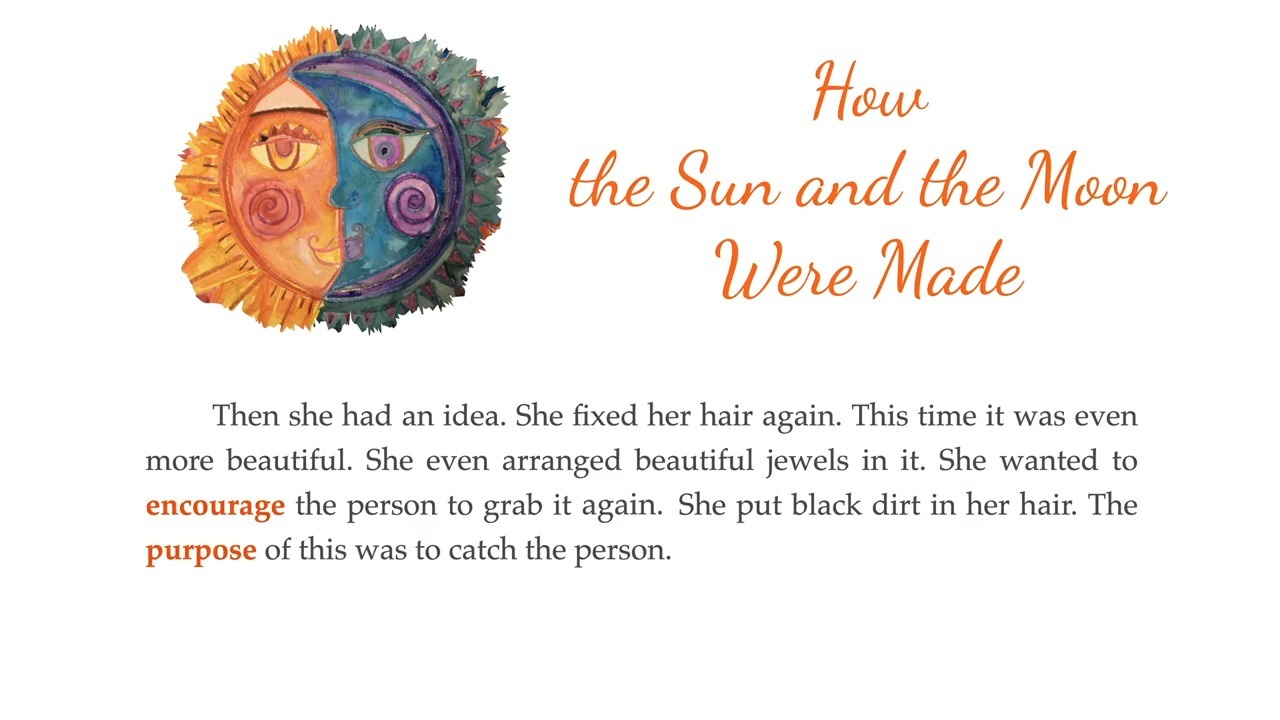
【4000核心词汇】 每天10分钟彻底提高您的英语词汇量 # 图文解析、完整例句、真实情景! p08 7. 4000 Essential English Words(第一版) (P8)
发布于 2026-07-16 · 时长 57:26字幕摘录
| 时间 | 英文 | 中文 |
|---|---|---|
| 0:00 | The Lion and the Rabbit A cruel lion lived in the forest. | 狮子和兔子 残酷的狮子住在森林里 |
| 0:10 | Every day he killed and ate a lot of animals. | 每天他杀死和吃了很多动物。 |
| 0:15 | The other animals were afraid the lion would kill them all. | 其他动物都害怕狮子会把他们全部杀死. |
| 0:20 | The animals told the lion, Let's make a deal. | 动物告诉狮子,让我们做个交易。 |
| 0:23 | If you promise to eat only one animal each day, then one of us will come to you every | 如果你答应每天只吃一只,那么我们中就会有一个来找你 |
| 0:30 | day. | 日报. |
| 0:31 | Then you don't have to hunt and kill us. | 那你不用猎杀我们 |
| 0:35 | The plan sounded well thought out to the lion, so he agreed, but he also said, If you don't | 这个计划听来狮子很深思熟虑,所以他同意,但他也说,如果你不 |
| 0:42 | come every day, I promise to kill all of you the next day. | 每天来,我保证在第二天杀了你们所有人。 |
| 0:47 | Each day after that, one animal went to the lion so that the lion could eat it. | 之后的每一天,都有一只动物前往狮子那里,让狮子可以吃掉它. |
展开字幕全文(1051 条)
| 序号 | 英文 | 中文 |
|---|---|---|
| 1 | The Lion and the Rabbit A cruel lion lived in the forest. | 狮子和兔子 残酷的狮子住在森林里 |
| 2 | Every day he killed and ate a lot of animals. | 每天他杀死和吃了很多动物。 |
| 3 | The other animals were afraid the lion would kill them all. | 其他动物都害怕狮子会把他们全部杀死. |
| 4 | The animals told the lion, Let's make a deal. | 动物告诉狮子,让我们做个交易。 |
| 5 | If you promise to eat only one animal each day, then one of us will come to you every | 如果你答应每天只吃一只,那么我们中就会有一个来找你 |
| 6 | day. | 日报. |
| 7 | Then you don't have to hunt and kill us. | 那你不用猎杀我们 |
| 8 | The plan sounded well thought out to the lion, so he agreed, but he also said, If you don't | 这个计划听来狮子很深思熟虑,所以他同意,但他也说,如果你不 |
| 9 | come every day, I promise to kill all of you the next day. | 每天来,我保证在第二天杀了你们所有人。 |
| 10 | Each day after that, one animal went to the lion so that the lion could eat it. | 之后的每一天,都有一只动物前往狮子那里,让狮子可以吃掉它. |
| 11 | Then all the other animals were safe. | 然后其他动物都安全了 |
| 12 | Finally it was the rabbit's turn to go to the lion. | 最后轮到兔子去狮子。 |
| 13 | The rabbit went very slowly that day, so the lion was angry when the rabbit finally arrived. | 那天兔子走得很慢,所以当兔子终于到达时狮子很生气. |
| 14 | The lion angrily asked the rabbit, Why are you late? | 狮子愤怒地问兔子, 你为什么迟到了? |
| 15 | I was hiding from another lion in the forest. | 我在森林里躲着另一头狮子 |
| 16 | That lion said he was the king, so I was afraid. | 那头狮子说他是国王 所以我很害怕 |
| 17 | The lion told the rabbit, I am the only king here. | 狮子告诉兔子,我是这里唯一的国王。 |
| 18 | Take me to that other lion and I will kill him. | 带我去另一头狮子那里 我会杀了他 |
| 19 | The rabbit replied, I will be happy to show you where he lives. | 兔子回答说 我很乐意告诉你他住在哪里 |
| 20 | The rabbit led the lion to an old well in the middle of the forest. | 兔引狮子到林间老井. |
| 21 | The well was very deep with water at the bottom. | 井底有水,井很深。 |
| 22 | The rabbit told the lion, Look in there. | 兔子告诉狮子,看看里面。 |
| 23 | The lion lives at the bottom. | 狮子住底. |
| 24 | When the lion looked in the well, he could see his own face in the water. | 当狮子在井里看时,他可以看到自己在水里的脸. |
| 25 | He thought that was the other lion. | 他认为那是另一头狮子。 |
| 26 | Without waiting another moment, the lion jumped into the well to attack the other lion. | 狮子没有再等待一刻,就跳进井里攻击另一头狮子. |
| 27 | He never came out. | 他从来没有出来。 |
| 28 | All of the other animals in the forest were very pleased with the rabbit's clever trick. | 森林里的所有其他动物都对兔子的聪明把戏感到非常满意. |
| 29 | The Jackal and the Sun Child | 小丑和太阳的孩子 |
| 30 | A jackal is a wild dog with a big black back. | 野狼是一只黑色的野狗 |
| 31 | It resides in the desert. | 它住在沙漠里。 |
| 32 | But how did the jackal get his black back? | 但狼怎么把他的黑皮带回来的? |
| 33 | This was how it happened. | 事情就是这样发生的。 |
| 34 | One day, the jackal saw a girl. | 一日胡狼见一女. |
| 35 | She was sitting upon a rock. | 她坐在石头上 |
| 36 | She was not a normal child. | 她不是一个正常的孩子。 |
| 37 | She was a rare and beautiful sun child. | 她是一个稀有和美丽的太阳孩子。 |
| 38 | She was bright and warm like the sun. | 她像太阳一样灿烂温暖 |
| 39 | The child saw the jackal and smiled. | 子见胡狼而笑. |
| 40 | She said, Jackal, I have been relaxing on this rock for too long. | 她说,杰克,我在这石头上放松太久了 |
| 41 | I must get home soon. | 我必须马上回家 |
| 42 | But I am slow and you are fast. | 但我很慢,你动作很快 |
| 43 | You will likely get me home more quickly. | 你可能会更快地送我回家 |
| 44 | Then she requested, Will you carry me home? | 然后她问我,你能带我回家吗? |
| 45 | If you do, I'll give you a gift. | 汝若得此,我当赐汝. |
| 46 | This necklace belongs to me, but I will give it to you. | 这项链属于我 但我会给你的 |
| 47 | The wild jackal agreed. | 野狼答应了 |
| 48 | So the sun child sat on the dog's back. | 所以太阳孩子坐在狗背上 |
| 49 | They started to walk, but soon the jackal felt ill. | 他们开始走路,但很快狼人感到不舒服. |
| 50 | The sun child was very hot on his back. | 太阳孩子背上很热 |
| 51 | The heat was hurting his back very badly. | 他的背被热伤得很重 |
| 52 | I made a terrible error in judgment, he thought. | 他认为我犯了一个可怕的错误 |
| 53 | He shouldn't have agreed to carry her, so he asked her to get off. | 他不应该同意背着她 所以他让她下车 |
| 54 | But she did not. | 但她没有。 |
| 55 | The jackal's back continued to get hotter and hotter. | 胡狼的背部不断变热. |
| 56 | He had to get away from the sun child, so he made a plan. | 他不得不远离太阳的孩子, 所以他做了一个计划。 |
| 57 | First he ran as fast as he could. | 首先他跑得越快越好 |
| 58 | He hoped the sun child would fall off, but she did not. | 他希望太阳孩子会掉下来 但她没有 |
| 59 | So when the sun child was looking at the sky, not aware of the jackal's next plan, he jumped | 所以当太阳孩子看着天空, 不知道狼的下一个计划, 他跳了起来 |
| 60 | into a field of flowers. | 变成一片花朵 |
| 61 | As a result, the child rolled off his back. | 结果,孩子从背上滚下来。 |
| 62 | The jackal ran away. | 胡狼逃了出来. |
| 63 | But the sun child left a mark on the jackal's back, a visible black mark. | 但太阳孩子在胡狼背上留下了一个标记,一个明显的黑色标记. |
| 64 | Ever since his experience with the sun child, the jackal has had a black back. | 自从他和太阳孩子交往后,胡狼就一直背着黑色. |
| 65 | The Friendly Ghost | 友善的幽灵 |
| 66 | A nice woman lived by a large river. | 一个好女人住在大河边 |
| 67 | She loved children. | 她爱孩子。 |
| 68 | She wanted to help them in any way. | 她想以任何方式帮助他们。 |
| 69 | She loved her community. | 她爱她的社区。 |
| 70 | And everyone in the community loved her. | 社区里每个人都爱她 |
| 71 | She lived a very long time, and became very wise. | 她活了很久 变得非常聪明 |
| 72 | When she died, she became a ghost. | 死后成为鬼魂. |
| 73 | She was dead, but every night she returned to her community. | 她死了,但每晚都回到自己的社区. |
| 74 | She wanted to help children, and not to cause them fright. | 她想帮助孩子们,而不是让他们害怕。 |
| 75 | But she had a scary voice. | 但她的声音很恐怖 |
| 76 | Children were afraid of her. | 孩子们都怕她 |
| 77 | But the ghost was a good one. | 但幽灵是个好人 |
| 78 | She only scared them to help them. | 她只是吓唬了他们 |
| 79 | One night, some children and a dog were playing by the river. | 一天晚上,一些孩子和一只狗在河边玩耍. |
| 80 | They were having fun with their pet. | 他们和他们的宠物玩得很开心 |
| 81 | But they were far from home. | 但他们离家很远 |
| 82 | Then the weather became bad. | 之后天气变得糟糕. |
| 83 | 雨ed而ed. | |
| 84 | The river was rising. | 河水正在上升。 |
| 85 | It was very dark. | 当时很黑 |
| 86 | The children knew they were lost. | 孩子们知道他们迷路了 |
| 87 | They needed to go north, but they didn't know which direction it was. | 他们需要北上,但他们不知道它的方向。 |
| 88 | When the moon came out, they saw a ghost by the river. | 月出后,见河边有鬼. |
| 89 | The ghost said, | 鬼说 |
| 90 | GO AWAY! | 走开! |
| 91 | The children felt great fright. | 孩子们感到恐惧 |
| 92 | They knew it was a ghost. | 他们知道那是鬼魂 |
| 93 | Then the ghost moved closer. | 后鬼神移近. |
| 94 | She yelled again, | 她又大喊大叫, |
| 95 | GO AWAY! | 走开! |
| 96 | The children became very upset. | 孩子们很不高兴 |
| 97 | Some of them began to cry. | 其中一些人开始哭泣. |
| 98 | The children knew they had a choice. | 孩子们知道他们有选择 |
| 99 | They could escape, or they could stay and face this scary individual in the dark. | 他们可以逃跑,或者留在黑暗中面对这个可怕的人。 |
| 100 | The children ran a long distance away. | 孩子们跑得很远 |
| 101 | The ghost followed them all the way. | 鬼神一直跟着他们 |
| 102 | Finally the children reached home. | 孩子们终于到了家。 |
| 103 | The ghost was very happy. | 鬼极欢喜. |
| 104 | Soon the river rose higher and higher. | 不久,河水越涨越高. |
| 105 | It was very dangerous. | 这是非常危险的。 |
| 106 | The ghost had helped the children survive. | 鬼帮了孩子们活下来 |
| 107 | She had saved them from the rising water. | 她从上升的水中救了他们。 |
| 108 | She also used her power to lead them home. | 她也利用她的力量带领他们回家. |
| 109 | Sometimes, meeting a ghost has advantages. | 有时候,遇到鬼有优势。 |
| 110 | A ghost can save your life. | 鬼能救汝众生. |
| 111 | PRINCESS ROSE AND THE CREATURE | 原则作用和痛苦 |
| 112 | There was once a beautiful princess named Rose. | 曾经有一个美丽的公主 叫玫瑰。 |
| 113 | Her mother, the queen, however, was not as beautiful as the princess. | 然而,她的母亲,王后并没有像公主那样美丽. |
| 114 | The queen felt bad that she was not the most beautiful woman in the kingdom anymore. | 王后觉得很不好 她不再是王国里最美丽的女人了 |
| 115 | She was tired of competing with her daughter. | 她厌倦了与女儿竞争. |
| 116 | She made a decision. | 她做了一个决定。 |
| 117 | She prepared a drink for the princess. | 她为公主准备了饮料. |
| 118 | After the princess drank it, she fell asleep. | 公主喝完后就睡着了. |
| 119 | Then the queen took the princess to the forest. | 后来王后把公主带到林中. |
| 120 | She left the princess there. | 她把公主丢在那里了 |
| 121 | It was a very serious thing to do. | 这是一件非常严重的事情。 |
| 122 | Either she will be killed by animals or she will get lost in the forest, the queen thought. | 要么被动物杀死 要么在森林里迷路 女王认为 |
| 123 | The princess had a dream. | 公主有梦. |
| 124 | She dreamed about a man with brown hair and brown eyes. | 她梦见一个棕色头发和棕色眼睛的男人. |
| 125 | It was the man she would wed. | 是她会娶的男人 |
| 126 | The princess woke up. | 公主醒来了 |
| 127 | She saw a strange creature on the ground. | 她看到一个奇怪的生物在地上。 |
| 128 | It looked like a man, but he was hairy and green. | 它看起来像一个男人, 但他有毛和绿色。 |
| 129 | He had horns on his head and a pig's nose. | 他头上有角,还有一只猪的鼻子. |
| 130 | The creature said, | 那个怪物说 |
| 131 | Did I scare you? | 我吓到你了吗? |
| 132 | I hope not. | 希望不会 |
| 133 | Let me introduce myself. | 让我自我介绍一下 |
| 134 | I am Henry. | и琌』 |
| 135 | I am not scared. | 我没有害怕。 |
| 136 | To tell you the truth, I think you are cute, said Rose. | 说实话,我觉得你很可爱,罗斯说。 |
| 137 | Rose and Henry spent the day together. | 罗斯和亨利一起度过了一天. |
| 138 | They collected berries, caught fish, and had lunch. | 他们收集了浆果、鱼和午餐。 |
| 139 | They had a very good day filled with nice conversations. | 他们今天聊得很开心 |
| 140 | Rose, I have to go home, said Henry. | 罗斯 我得回家了 亨利说 |
| 141 | My ship will sail home soon. | 我的船很快就会启程回家了 |
| 142 | I can't leave you here in the forest alone. | 我不能把你一个人留在森林里 |
| 143 | Will you come with me? | 你会跟我走吗? |
| 144 | Rose was very happy. | 罗斯非常高兴。 |
| 145 | She gave Henry a kiss right on his pig nose. | 她吻了亨利的猪鼻子 |
| 146 | As soon as she kissed Henry, he began to change. | 她一吻亨利,他就开始变了. |
| 147 | His pig nose turned into a man's nose. | 他的猪鼻子变成了人的鼻子. |
| 148 | His horns and green hair went away. | 他的角和绿色的头发消失了。 |
| 149 | Standing in front of her was the man Rose had dreamt about. | 站在她面前的是罗丝梦见的那个人 |
| 150 | Rose and Henry were married, and they lived happily. | 罗斯和亨利结婚了,他们过着幸福的生活. |
| 151 | THE FARMER AND THE CATS | 壁炉和鲸鱼 |
| 152 | Arthur was a responsible farmer, and Maria was a nice lady. | 亚瑟是个负责任的农夫,玛丽亚是个好女人. |
| 153 | But they were poor. | 但他们很穷 |
| 154 | They owed the town lord money for their land. | 他们欠镇主的钱 因为他们的土地。 |
| 155 | One summer their farm burned. | 一个夏天 他们的农场被烧毁了 |
| 156 | One structure caught fire, and most of the animals ran away. | 一个结构着火,大多数动物都跑了. |
| 157 | Only the cats stayed. | 只有猫留下来了 |
| 158 | So Arthur and Maria had to bring in their crops without an animal's help. | 所以亚瑟和玛利亚不得不在没有动物帮助的情况下把庄稼带来了. |
| 159 | On a fall day, the lord demanded his money. | 秋天,领主要他的钱 |
| 160 | Arthur asked if the lord could wait until he brought in his crops. | 亚瑟问领主能否等到他把庄稼带来了之后再去. |
| 161 | The lord was angry. | 领主大怒. |
| 162 | He raised his hands high and yelled, | 他举起手来大喊大叫, |
| 163 | Pay me by the end of the week. | 周终付我. |
| 164 | If you don't, I will increase the money you have to pay. | 如果你不这样做,我会增加你必须支付的钱。 |
| 165 | I might put you in a jail cell. | 我可能会把你关进监狱 |
| 166 | So Arthur and Maria worked until there was blood on their hands. | 所以亚瑟和玛利亚一直工作 直到他们手上有血 |
| 167 | They finished four lines of corn and went to bed. | 他们完成了四行玉米,然后上床睡觉。 |
| 168 | But the next morning, eight lines were finished. | 但第二天早上,八行完成. |
| 169 | Maria, didn't we stop in this spot here? | 玛利亚,我们不是停在这里吗? |
| 170 | Arthur asked. | 亚瑟问. |
| 171 | Yes, that is correct, and the tools were in a different position, too, Maria said. | 是的,这是正确的, 和工具处于不同的位置, 玛丽亚说。 |
| 172 | They were surprised and happy. | 他们感到惊讶和高兴。 |
| 173 | That day, they worked hard and finished five lines. | 当天,他们努力工作,完成了五行. |
| 174 | But in the morning, ten lines were done. | 但于晨朝修行十行经. |
| 175 | Each day, they did a lot of work. | 每天,他们都做了很多工作。 |
| 176 | Each night, someone else did an equal amount of work. | 每晚都有别人做同样多的工作. |
| 177 | In a week, the whole field was finished. | 一周后,整个球场完成. |
| 178 | Tomorrow, I will sell the crops and pay the lord, Arthur said. | 亚瑟说,明天我会卖掉庄稼 付钱给领主 |
| 179 | But that morning, the crops were gone. | 但那天早晨,庄稼不见了. |
| 180 | A bag was in the middle of the field. | 一个袋子在田间 |
| 181 | It contained money. | 里面有钱 |
| 182 | Maria, let's see who has helped us work. | Maria 看看是谁帮我们工作的 |
| 183 | Through a hole in the wall, they saw a funny sight. | 通过墙上的洞,他们看到了一个有趣的景象. |
| 184 | The cats were dancing in the field and eating corn. | 猫在野外跳舞 吃玉米 |
| 185 | Now Arthur knew what had happened. | 亚瑟知道发生了什么 |
| 186 | The cats had worked at night. | 猫在晚上工作。 |
| 187 | After that, Arthur was very nice to his cats and fed them lots of corn. | 之后,亚瑟对猫非常友善,并喂了它们很多玉米. |
| 188 | The Little Red Chicken | 小红鸡 |
| 189 | A little red chicken had a store in a small town. | 一只小红鸡在一个小镇上开了家店. |
| 190 | She sold many different items to people in the town. | 她向镇上的人出售了许多不同的物品. |
| 191 | The people loved her products. | 人们喜欢她的产品。 |
| 192 | One day, a cat came to her property. | 有一天,一只猫来到了她的财产。 |
| 193 | He saw the sign that indicated where the chicken's store was located. | 他看见显示鸡店所在地的标志. |
| 194 | He wanted to purchase bread. | 他想买面包 |
| 195 | But the chicken's store was almost empty. | 但鸡店几乎是空的. |
| 196 | She had only a bag of wheat. | 她只有一袋小麦 |
| 197 | You can use the wheat to make bread, the chicken said. | 你可以用小麦做面包,鸡说。 |
| 198 | No, I don't want to work, the cat said. | 不,我不想工作,猫说。 |
| 199 | I just want to buy bread. | 我只是想买面包。 |
| 200 | The cat became angry and left the store. | 猫怒而出店. |
| 201 | Later, the Little Red Chicken saw the cat in a crowd. | 后来,小红鸡在人群中看到猫. |
| 202 | I will help you make the bread, she said. | 她说我会帮你做面包的 |
| 203 | But the cat treated her badly. | 但猫对她不好 |
| 204 | He did not even communicate with her. | 他甚至没有和她沟通。 |
| 205 | He did not want to do any work. | 他不想做任何工作。 |
| 206 | So the chicken decided to make the bread. | 于是鸡决定做面包. |
| 207 | She selected the exact amount of wheat to make fresh bread. | 她选择了麦子的确切数量来制作新鲜面包. |
| 208 | She used a stone to pound the wheat to get it ready. | 她用石头把小麦打成一团 |
| 209 | Soon, her bread was ready. | 很快,她的面包就准备好了。 |
| 210 | The cat came and saw the bread on a dish. | 猫来了,看见盘子上的面包. |
| 211 | Give me some of your bread, he said. | 他说,给我一些面包 |
| 212 | No, said the Little Red Chicken. | 不,是小红鸡说的 |
| 213 | You did not help me make the bread. | 你没帮我做面包 |
| 214 | So you shall not have any to eat, the cat argued with the chicken. | 所以,你不应该吃任何东西, 猫与鸡争吵。 |
| 215 | He tried to offer a price for it. | 他想为此付出代价 |
| 216 | But the Little Red Chicken did not want to sell her bread. | 但是小红鸡不想卖她的面包 |
| 217 | Don't depend on others to do work for you, said the Little Red Chicken. | "小红鸡"说:"不要靠别人为你做事. |
| 218 | Then how will I get bread? | 那我怎么买面包? |
| 219 | The cat asked. | 猫问. |
| 220 | I recommend doing some work, said the Little Red Chicken. | 我建议做一些工作, 小红鸡说。 |
| 221 | Use a tool to plant your own wheat. | 使用工具种植自己的小麦. |
| 222 | When it grows big, you can gather it and make your own bread. | 当它变大时,你可以收集它,自己做面包. |
| 223 | You need to learn to do work for what you want. | 你要学会为所欲为 |
| 224 | How the World Got Light | 如何世界获得光明 |
| 225 | The president of Darkland was a pig, a very bad pig. | 达克兰的总裁是头猪,非常坏的猪. |
| 226 | He was a pig of major importance. | 他是个非常重要的猪 |
| 227 | He was rich and he had a lot of strength. | 其人富贵,力气旺盛. |
| 228 | But he was mean to all the animals in Darkland. | 但他对达克兰的所有动物都很刻薄 |
| 229 | He kept all of the world's light in a bag. | 他把世界的灯光都放在袋子里 |
| 230 | He preferred to keep the world cool and dark. | 他更喜欢保持世界的凉爽和黑暗. |
| 231 | He wanted to stop the progress of the city. | 他想阻止城市的发展 |
| 232 | The animals couldn't work in the dark. | 动物无法在黑暗中工作。 |
| 233 | He didn't have any respect for them. | 他根本不尊重他们 |
| 234 | Light is too good for them, he said. | 他说光对她们太好 |
| 235 | Only I should have light. | 只有我应该有光。 |
| 236 | But the animals needed light, so they decided to hold a competition. | 但动物需要光,所以决定举行比赛. |
| 237 | They wanted to find the smartest animal in Darkland. | 他们想找到达克兰最聪明的动物 |
| 238 | That animal had to steal light from the president. | 那畜生必须偷总统的光 |
| 239 | They advertised the competition everywhere. | 他们到处宣传比赛 |
| 240 | All the animals came. | 所有动物都来了 |
| 241 | The animals all showed off their skills. | 动物们都表现出了他们的本领 |
| 242 | The audience watched and then voted for the animal with the most knowledge. | 观众观看后投票给了解最多的动物. |
| 243 | The winner was a tall bird named Raven. | 获胜者是一只叫雷文的高大鸟. |
| 244 | They assigned him the job of getting light. | 他们派他去取光 |
| 245 | The next morning, Raven ate breakfast and then left his home. | 第二天早上,雷文吃了早餐,然后离开了家. |
| 246 | How will I gain light from the president, thought Raven. | 我如何从总统那里获得光明, 认为雷文。 |
| 247 | He needed to trick the president somehow. | 他需要欺骗总统 |
| 248 | Then Raven had an idea. | 然后雷文有个主意 |
| 249 | Raven could make his voice sound like anything. | 雷文能让他的声音像任何东西。 |
| 250 | Raven walked up to the president's door. | 雷文走到总统的门前 |
| 251 | He made the sound of a crying baby. | 他发出哭宝宝的声音。 |
| 252 | He cried very loudly. | 他哭得很大声。 |
| 253 | Soon the president opened the door. | 很快,总统打开了大门。 |
| 254 | Be quiet, the president yelled. | 安静 总统大喊大叫 |
| 255 | Right then, Raven quickly made his move. | 此时,雷文迅速采取行动. |
| 256 | He flew by the pig and found the soft bag. | 他飞过猪,发现了软包. |
| 257 | He took it outside. | 他把它带到外面。 |
| 258 | The sun was inside the bag. | 太阳在袋子里 |
| 259 | Raven flew high and put the sun in the sky. | 雷文高飞,将太阳放入天空. |
| 260 | The president was very mad. | 总统非常生气 |
| 261 | Raven tricked him. | 雷文骗了他 |
| 262 | But the other animals were very happy. | 但其他动物都很开心 |
| 263 | At last they had light, all because of Raven's smart thinking. | 他们终于有光了 都是因为雷文的聪明思维 |
| 264 | The Dragon | 龙 |
| 265 | An evil dragon lived in a castle in the remote southern mountains. | 一只邪恶的龙住在偏远的南部山区的城堡里. |
| 266 | One day the monster landed in a town. | 有一天,怪物降落在一个小镇。 |
| 267 | The dragon commanded the people. | 龙令众生. |
| 268 | Give me food now or I will eat you. | 快给我吃 不然我就吃了你 |
| 269 | The dragon lifted its wings so that its lungs could be completely filled with hot steam | 龙抬起翅膀,让肺完全充满热蒸汽 |
| 270 | and breathed it upon the people. | 并把它吹到人民身上。 |
| 271 | A man turned into a stone statue. | 一人化为石像. |
| 272 | The people submitted and brought food. | 人民屈服并带来了食物。 |
| 273 | The dragon ate all of it and left. | 龙吞尽而去. |
| 274 | The people sent a boy to ask for help from a wise old man. | 众人送了个童子向智老求救. |
| 275 | He resided in a temple. | 他住在一座寺庙里。 |
| 276 | The boy told the old man about the dragon. | 童子告老人曰龙. |
| 277 | And the old man counseled the boy. | 而老人劝童子. |
| 278 | A meteor will fall in the northern sky. | 一颗陨石会坠落在北天. |
| 279 | It will make a huge explosion. | 它会引发巨大的爆炸 |
| 280 | Find the meteor and bring it to me. | 找到陨石并把它带到我这里。 |
| 281 | I will use it to make a sword for you. | 我会用它给你做一把剑 |
| 282 | The boy did as the old man said. | 男孩照老人说的做了 |
| 283 | Soon, the sword was ready. | 很快,剑就准备好了. |
| 284 | Use this to kill the dragon. | 用此杀龙. |
| 285 | But be careful. | 但当心. |
| 286 | You must cover yourself with weeds that smell bad. | 你必须用臭味难闻的杂草遮住自己 |
| 287 | That will ensure that he does not smell you, the man said. | 那会保证他不会闻到你的味道,那个人说。 |
| 288 | The boy traveled for many days to find the castle. | 男孩旅行了好几天寻找城堡. |
| 289 | He went to the upper level and opened a door. | 他去了上层,打开了一扇门。 |
| 290 | He could see the dragon's tail. | 他能看到龙的尾巴 |
| 291 | It was sleeping. | 它睡着了。 |
| 292 | So the boy killed it. | 所以男孩杀了它。 |
| 293 | Then he took the dragon's gold and jewelry and returned to his town. | 之后他拿了龙的黄金和首饰,回到了他的镇上. |
| 294 | The people were happy. | 众生欢喜. |
| 295 | THE FROG PRINCE | 弗罗格原则 |
| 296 | A lovely princess sat by the pool and played with a sculpture of a bear. | 可爱的公主坐在游泳池边,用熊的雕塑演奏. |
| 297 | Suddenly, she dropped it. | 突然,她把它丢了。 |
| 298 | And it rolled away. | 并滚开。 |
| 299 | She chased it, but it fell into the water. | 她追着它,但它掉进水里了。 |
| 300 | She began to cry. | 她开始哭。 |
| 301 | A large ugly frog asked, | 一只丑青蛙问 |
| 302 | Why are you crying? | 你为什么哭? |
| 303 | After the princess told him, the frog said, | 公主告诉他后 青蛙说 |
| 304 | I can get the sculpture. | 我可以得到雕塑。 |
| 305 | What will you give me in exchange for the favor? | 你愿意给我什么作为交换条件? |
| 306 | I can pay you a fee in gold, she said. | 她说我可以付你金子费 |
| 307 | But the frog protested, | 但青蛙抗议, |
| 308 | I want to sleep in your bed. | 我想在你床上睡觉 |
| 309 | And you must kiss me in the morning. | 你必须早上吻我 |
| 310 | He'd die without water. | 没有水他会死的 |
| 311 | So I don't have to keep my promise, she thought. | 所以她认为我不必信守诺言 |
| 312 | The frog dove for a brief moment and got the sculpture. | 青蛙鸽短暂的一瞬间得到了雕塑. |
| 313 | Then the princess ran away with it. | 后来公主带着它逃走了. |
| 314 | Later, the frog went to the palace. | 后来,青蛙入宫. |
| 315 | The king told her to keep her promise. | 国王让她遵守诺言 |
| 316 | This put the princess in a bad mood. | 这让公主心情不好. |
| 317 | She permitted the frog to sleep on her pillow. | 她允许青蛙睡在枕头上. |
| 318 | In the morning, she gave him a kiss. | 早晨,她亲吻了他. |
| 319 | Suddenly, he turned into a guy. | 突然,他变成了一个男人。 |
| 320 | He said, | 他说, |
| 321 | I'm from a kingdom abroad. | 我来自国外的王国 |
| 322 | In my youth, I angered a tribe of cruel witches who turned me into a frog. | 年轻时,我激怒了一个残酷的女巫部落,他们把我变成了青蛙. |
| 323 | The princess asked him, | 公主问他, |
| 324 | Can I be your bride and stay with you forever? | 我可以做你的新娘 永远和你在一起吗? |
| 325 | The prince said, | 王子说, |
| 326 | No, you disappointed me. | 不 你让我失望了 |
| 327 | You didn't keep your promise. | 你没有遵守诺言 |
| 328 | The Tale of Bartleby O'Boyle | 巴特比·奥博伊尔的故事 |
| 329 | Long ago, there was a clever man by the name of Bartleby O'Boyle. | 很久以前,有一个叫巴特比·奥博伊尔的聪明人。 |
| 330 | As a boy, he was kept as a slave by the royal family. | 童年时被皇室保存为奴隶. |
| 331 | He saw other children play, but he always had to work. | 他看到其他孩子玩耍,但他总是要工作. |
| 332 | This frustrated him very much. | 这让他很沮丧。 |
| 333 | But he was not stupid, and he wanted to change things. | 但他并不愚蠢,他想改变一切。 |
| 334 | Then one day, there was a struggle for authority in the kingdom. | 后来有一天,王国中发生了争夺权威的斗争. |
| 335 | There was a division of the people, and one group fought against another group to see | 人民分裂了,一个集团对抗另一个集团 |
| 336 | which would govern the kingdom. | 将统治王国。 |
| 337 | There was disorder in the kingdom. | 王国内部秩序混乱. |
| 338 | Bartleby ran away. | 巴特比逃走了,他已经走了 |
| 339 | He saw much fighting and destruction. | 他看到了许多战斗和破坏。 |
| 340 | Many people had nothing to eat. | 很多人没有吃的 |
| 341 | Bartleby decided to aid them. | 巴特比决定援助他们. |
| 342 | He would help them get food. | 他会帮助他们得到食物。 |
| 343 | But how? | 怎么会呢? |
| 344 | Bartleby went to the capital to find an answer. | 巴特比前往首都寻找答案. |
| 345 | There, he met a man named Gilliam. | 在那里,他遇到了一个叫吉列姆的人. |
| 346 | A group of men attempted to hurt Gilliam. | 一群人试图伤害吉利亚姆. |
| 347 | Bartleby defended him. | 巴特比为他辩护 |
| 348 | Then he gave Gilliam some food to relieve his hunger. | 后来他给吉利亚姆一些食物来缓解他的饥饿. |
| 349 | After that, the two became friends. | 之后,两人成为朋友. |
| 350 | They took food from the rich and gave it to the poor. | 他们从富人那里拿食物给穷人. |
| 351 | Soon, other people cooperated with them. | 很快,其他人也与他们合作. |
| 352 | Working together enabled them to take more food. | 一起工作使他们可以吃更多的食物。 |
| 353 | But they only took food from people who had plenty, and they always gave it to those who | 但是他们只从有钱人那里拿食物 他们总是把食物送给那些 |
| 354 | had none. | 没有。 |
| 355 | Because of this, Bartleby gained a reputation across the kingdom. | 由于这个原因,巴特比在整个王国获得了声誉. |
| 356 | Even today, many people admire him for helping the poor. | 即使在今天,许多人都钦佩他帮助穷人. |
| 357 | Sam | 萨姆 |
| 358 | Sam's mother cooked at the royal palace. | 山姆的母亲在皇家宫殿做饭. |
| 359 | One day, he went to work with her. | 有一天,他去和她一起工作。 |
| 360 | She emphasized that he should stay in the kitchen. | 她强调他应该留在厨房。 |
| 361 | But Sam was bored. | 但山姆很无聊 |
| 362 | Thus, he decided to look around. | 因此,他决定四处看看。 |
| 363 | He went around a corner. | 他绕了个角落 |
| 364 | It shocked him to see a boy who had a strong likeness to him. | 看到一个男孩对他有强烈的相似性,这让他感到震惊. |
| 365 | Sam soon recovered. | 萨姆很快康复了. |
| 366 | The other boy stared at him. | 另一个男孩看着他。 |
| 367 | Then he spoke. | 然后他说话 |
| 368 | Come with me. | 跟我来 |
| 369 | He needed to be rational. | 他必须理智 |
| 370 | But he couldn't deny that he wanted to go. | 但他不能否认他想去 |
| 371 | So he followed the boy to a chamber. | 于是随童子至一室. |
| 372 | I am Prince Bertram, the boy said. | 我是贝特拉姆王子,男孩说。 |
| 373 | Sam felt shy talking to a prince. | Sam觉得羞于和王子说话 |
| 374 | I am Sam. | 我是萨姆。 |
| 375 | Trade places with me, the prince said. | 王子说跟我交换地方 |
| 376 | We can't. | 我们不能。 |
| 377 | My mother will kill me. | 我妈妈会杀了我的 |
| 378 | Moreover, I don't know anything about being a prince. | 此外,我对做王子一无所知. |
| 379 | No one will find out, the prince interrupted. | 没人会发现,王子中断了 |
| 380 | We look the same. | 我们看起来是一样的。 |
| 381 | And even our gestures are the same. | 甚至我们的姿态也是一样的。 |
| 382 | It will only last for a week. | 它只会持续一个星期。 |
| 383 | Sam said okay. | 山姆说好的 |
| 384 | Soon, Sam's perspective on being a prince changed. | 不久,萨姆对成为王子的看法发生了变化. |
| 385 | He spent most of his day signing royal documents. | 他花了大部分时间签署皇家文件. |
| 386 | At night, the prince's chamber was cold. | 夜来太子室冷. |
| 387 | He thought he was going to freeze or get sick with a fever of the flu. | 他以为自己会冻死或患上流感的发烧. |
| 388 | He was happy when the week ended. | 周末的时候他很开心 |
| 389 | So was the prince. | 王子也一样 |
| 390 | I didn't know how to do anything, the prince said. | 王子说我不知道该怎么做 |
| 391 | I've always relied on my servants to do everything for me. | 常倚臣仆为我作一切事. |
| 392 | I think I like being a regular person, Sam said. | Sam说我喜欢做一个普通人 |
| 393 | Being a prince isn't fun. | 当王子不好玩 |
| 394 | So, they both returned to their normal positions and enjoyed their lives more than before. | 因此,他们都回到了正常位置,比以前更享受生活. |
| 395 | Mrs. May and the Green Girl | 梅夫人和绿姑娘 |
| 396 | One morning, people from a small town found a little girl by a stream. | 一天早上,一个小镇的人在溪边发现了一个小女孩. |
| 397 | She seemed to be wearing a green costume. | 她似乎穿着绿色的服装。 |
| 398 | As the people got closer, they saw that the girl's skin was green. | 随着人们的接近,他们看到女孩的皮肤是绿色的. |
| 399 | Oh my, the people exclaimed. | 哦,我的上帝,人们赞叹。 |
| 400 | What if her motive for coming to our town is bad? | 如果她来我们镇的动机不好呢? |
| 401 | What if she has a strange origin? | 如果她有奇怪的出身呢? |
| 402 | An old woman kindly went to her. | 一个老妇人好心地去找她 |
| 403 | Look how scared she is. | 看她有多吓人 |
| 404 | Please, she begged. | 拜托,她求我帮忙 |
| 405 | Do not reject her. | 不要拒绝她。 |
| 406 | I will adopt her. | 我会收养她。 |
| 407 | There was silence until the judge spoke. | 在法官发言前一直保持沉默。 |
| 408 | I don't know, he said in a worried tone. | 我不知道,他用一种担心的语气说 |
| 409 | But we cannot forbid you. | 但我们不能禁止你 |
| 410 | I indeed hope you're not being a fool. | 我的确希望你别傻了 |
| 411 | Mrs. May extended her hand to the girl. | 夫人,请 May向女孩伸出她的手。 |
| 412 | Come with me. | 跟我来 |
| 413 | I won't hurt you. | 我不会伤害你的 |
| 414 | The girl spoke a language Mrs. May didn't know. | 那女孩会说梅太太不知道的语言 |
| 415 | But she was able to interpret what the girl was trying to say. | 但她能解释那个女孩想说什么 |
| 416 | Sometimes the girl drew pictures to illustrate what she meant. | 有时女孩画画来说明她的意思. |
| 417 | The green girl was from a place far beyond the sun. | 绿姑娘来自太阳以外的地方 |
| 418 | There, people lived in nests built in trees. | 在那里,人们住在树上的巢穴里。 |
| 419 | They only ate green leaves, which made their skin green. | 它们只吃绿叶,这使得它们的皮肤变得绿色. |
| 420 | Well, you can't just eat leaves, Mrs. May said. | 梅太太说 你不能只吃叶子 |
| 421 | She fed the green girl home-cooked meals, and soon the girl wasn't green anymore. | 她给绿姑娘吃家煮的饭,很快,这个女孩就不再绿色了. |
| 422 | The people had a huge reception to welcome her as a citizen of the town. | 民众盛大接待,欢迎她成为镇上的公民. |
| 423 | The Clever Thief | 聪明的小偷 |
| 424 | A new king inherited a lot of gold. | 新国王继承了大量黄金. |
| 425 | He loved his gold very much. | 他非常爱他的金子。 |
| 426 | He even wanted to keep it after he died. | 他死后甚至想留着它. |
| 427 | Therefore, he had a large tomb built for himself and his riches. | 因此,他有一个为自己和财富建造的大坟墓。 |
| 428 | However, the tomb's builder had a plan. | 然而,该墓的建造者有计划. |
| 429 | Most of the stones were solid, but he put one special stone on the roof. | 大部分石头是坚固的,但他在屋顶上放置了一块特殊的石头. |
| 430 | It was made of a lighter substance. | 它是用较轻的物质制成的。 |
| 431 | When the tomb was done, the king moved in his stock of gold. | 墓完后,国王将他的库存黄金搬走. |
| 432 | One night, the builder went to the tomb. | 某夜,建er师赴墓. |
| 433 | His excitement mounted. | 他的兴奋情绪上升了 |
| 434 | Because all the stones looked alike, he had left a distinct mark on the artificial block. | 由于所有石头都长得一模一样,他在人造区块上留下了明显的印记. |
| 435 | The mark helped him distinguish the difference in the architecture. | 该标记帮助他区分了建筑的不同. |
| 436 | The builder lifted the stone. | 造者举石. |
| 437 | Using a chain, he climbed into the tomb. | 他用链子爬进坟墓里 |
| 438 | He filled his pockets with gold. | 他用黄金填满口袋 |
| 439 | The builder followed this manner night after night. | 建造者夜复一夜地遵循这种方式. |
| 440 | Soon, the king noticed a shortage in his gold. | 不久,国王注意到他的黄金短缺. |
| 441 | This annoyed the king. | 这惹恼了国王 |
| 442 | At last he hired a guard to hide inside the tomb. | 最后他雇了一名警卫躲在坟墓里 |
| 443 | When the builder entered the tomb, the guard wounded him. | 建造者进入墓室时,警卫将他打伤. |
| 444 | He climbed a pole to the roof. | 他爬到屋顶上 |
| 445 | The builder left drops of blood in the dust. | 造者遗血于尘. |
| 446 | The guard followed them and caught him. | 警卫跟随他们,抓住了他. |
| 447 | When the builder healed, he explained to the king that he didn't keep any of the gold. | 建造者痊愈后,向国王解释他没有保存任何黄金. |
| 448 | He had given it all away to the poor. | 他把一切都给了穷人。 |
| 449 | The Criminal | 罪犯 |
| 450 | A man had been in jail because he stole things. | 一个人因为偷东西而入狱。 |
| 451 | The criminal never felt bad. | 罪犯从来没有感到不好。 |
| 452 | One day, he escaped and ran into the woods. | 一天,他逃脱,跑到树林里. |
| 453 | He found a cabin with a fence. | 他发现了一个有栅栏的小屋. |
| 454 | The cabin was very neat. | 船舱很整洁 |
| 455 | Inside the criminal found a bowl of fruit, a bottle of milk, and a dozen eggs. | 罪犯内部发现一碗水果,一瓶牛奶,还有十几个鸡蛋. |
| 456 | He ate the fruit and drank the milk. | 他把水果吃了,喝牛奶。 |
| 457 | But the eggs smelled funny, so he put them in the trash bin. | 但鸡蛋闻起来很滑稽 所以他把它们放进垃圾桶 |
| 458 | Soon he heard the sound of a vehicle's motor. | 不久,他听到汽车发动机的声音. |
| 459 | An old man came in and saw the criminal. | 一个老人进来看见罪犯 |
| 460 | The old man yelled, | 那个老家伙大喊大叫 |
| 461 | ''Why are you in my house?'' | '"你为什么来我家? |
| 462 | The criminal lied. | 罪犯撒谎了 |
| 463 | ''I am a policeman.'' | '我是一个警察' |
| 464 | The old man replied, | 老头子回答说 |
| 465 | ''I am your elder. | '我是你的长辈. |
| 466 | You cannot fool me. | 你骗不了我 |
| 467 | You are the criminal.'' | 你是那个罪犯" |
| 468 | The criminal's facial expression became very sad. | 罪犯的面部表情变得非常悲伤. |
| 469 | He admitted that he was a criminal. | 他承认自己是罪犯。 |
| 470 | He said, | 他说, |
| 471 | ''I'm sorry. | 对不起 |
| 472 | It was rude for me to come into your home. | 我走进你家太无礼了 |
| 473 | Please take the cash from my wallet. | 请从我的钱包拿现金 |
| 474 | It is a mere amount, but it will settle our problem.'' | 这只是一笔钱,但它会解决我们的问题。 |
| 475 | The old man said, | 老头子说: |
| 476 | ''I do not want your money. | 我不想要你的钱 |
| 477 | I just want to inspire you to be good. | 我只是想让你好起来 |
| 478 | There will be no penalty for taking my food.'' | 拿走我的食物是没有惩罚的。 |
| 479 | On this occasion, the criminal realized that he had been bad. | 这次,罪犯意识到他很坏。 |
| 480 | He listened to the old man and never stole from anyone ever again. | 他听了老汉的话,再也没有偷过别人的东西. |
| 481 | Tiny Tina | 细蒂娜 |
| 482 | In a distant land, there was a kingdom where fairies lived. | 在一个遥远的土地上,有一个小仙子居住的王国. |
| 483 | Tina was a fairy. | 蒂娜是个仙女 |
| 484 | She had yellow curls and wore a dress made of wool. | 她有黄色卷发 穿着羊毛做的裙子 |
| 485 | She always moved with grace. | 她总是带着优雅感动 |
| 486 | However, because of her compact size, she was scared of mankind. | 然而,由于体型紧凑,她害怕人类. |
| 487 | One day, there was an eclipse of the sun. | 一日有日蚀. |
| 488 | The fairies didn't know what was happening. | 仙人不知所终. |
| 489 | They were scared, so they ran away. | 他们害怕,于是逃走了. |
| 490 | Tina looked for a place to hide. | 蒂娜找地方躲起来 |
| 491 | She found a garden with flowers blooming. | 她发现一个花园里开着花 |
| 492 | Tina had a passion for flowers. | 蒂娜热衷于花 |
| 493 | She decided to hide there. | 她决定躲在那里 |
| 494 | She became sleepy and made a pillow with some leaves. | 她睡了,用一些叶子做枕头. |
| 495 | She whistled happily as she worked, and she fell asleep. | 她工作时吹口哨很快乐,睡着了. |
| 496 | Suddenly, somebody sneezed. | 突然有人打喷嚏 |
| 497 | The sound woke Tina up. | 声音唤醒了蒂娜。 |
| 498 | She saw a very big face looking at her. | 她看到一个非常大的脸看着她。 |
| 499 | Tina was so scared that she couldn't move. | 蒂娜害怕得动不了 |
| 500 | She could feel her pulse going very fast. | 她能感觉到她的脉搏发展很快 |
| 501 | The big woman went into her house. | 大妇入其家. |
| 502 | When she came back, she gave Tina a cup. | 回来后,她给了蒂娜一杯. |
| 503 | The woman sat on the ground among some decaying leaves. | 这名妇女坐在一些腐烂的叶子中。 |
| 504 | Tina dipped a finger in the cup and tasted it. | 蒂娜在杯子里浸了一根手指 尝到了 |
| 505 | It was tea with all kinds of delicious spices in it. | 里面有各种美味的香料 |
| 506 | Tina felt refreshed after drinking the tea. | 蒂娜喝茶后感觉很爽 |
| 507 | I'm Wilma, the lady said. | 我是威尔玛,小姐说。 |
| 508 | I spend all my leisure time in my garden cutting flowers. | 我花所有的闲暇时间在我的花园 切花。 |
| 509 | Would you like some dessert? | 你想吃点甜点吗? |
| 510 | Tina said yes. | 蒂娜答应了 |
| 511 | She was hungry, and she wasn't frightened anymore. | 她饿了, 她不再害怕了。 |
| 512 | She took a bite of cake and relaxed. | 她吃了点蛋糕然后放松了 |
| 513 | How did you get to my garden? | 你是怎么到我花园的? |
| 514 | Tina told Wilma how she got lost. | 蒂娜告诉威尔玛她是怎么迷路的. |
| 515 | That's terrible. | 这太可怕了 |
| 516 | Let us take you home. | 让我们带你回家。 |
| 517 | Actually, I think that I want to stay with you, Tina said. | 蒂娜说我想和你在一起 |
| 518 | She wasn't scared of big people anymore. | 她已经不再害怕大人物了 |
| 519 | Wilma and Tina lived happily ever after. | 威尔玛和蒂娜从此过着幸福的生活. |
| 520 | Peter and the Dwarf | 彼得和矮人 |
| 521 | Peter was a hunter. | 彼得是一个猎人。 |
| 522 | One day, he was in pursuit of a deer and became lost. | 一日,追 a鹿,遂败. |
| 523 | He usually carried a compass with him | 他通常带着指南针 |
| 524 | when he went into the wilderness. | 当他进入荒野的时候, |
| 525 | But that day, he left it at home. | 但是那天,他把它留在了家里。 |
| 526 | As he walked, the forest began to look different. | 当他行走时,森林开始变得不同. |
| 527 | He didn't see any bamboo. | 他没有看到任何竹子。 |
| 528 | Instead, there were bushes with long leaves. | 相反,还有长叶灌木丛。 |
| 529 | The ecosystem was now very abnormal. | 生态系统现在非常异常。 |
| 530 | Peter knew he was in the magic marsh. | 彼得知道他在魔法沼泽。 |
| 531 | Now he was tired and thirsty. | 现在他又累又渴 |
| 532 | He was afraid. | 他当时很害怕 |
| 533 | Being lost in the marsh could be fatal. | 在沼泽中迷失可能是致命的。 |
| 534 | When people entered it, they never came out. | 当人们进入它,他们从来没有出来。 |
| 535 | At last, he found a pond. | 他终于找到了一个池塘 |
| 536 | Flowers grew around it. | 花朵围绕它生长. |
| 537 | The blossoms smelled like the best perfume. | 花开香味最胜香水. |
| 538 | He felt relaxed, so he drank some water and fell asleep. | 他感到放松,于是喝了些水然后睡着了. |
| 539 | When he awoke, he saw an evil dwarf staring at him. | 当他醒来时,他看见一个邪恶的侏儒盯着他. |
| 540 | What are you doing here, it asked. | 你在这里做什么,它问。 |
| 541 | The dwarf spoke in a strange dialect. | 矮人用奇怪的方言说话. |
| 542 | I'm lost, said Peter. | 我迷路了,彼得说。 |
| 543 | Can you help me? | 你能帮我吗? |
| 544 | Yes, it said, but Peter didn't know it was dishonest. | 是的,它说,但彼得不知道 这是不诚实的。 |
| 545 | The dwarf took an old manuscript from his pocket. | 侏儒从口袋里拿走了一本旧手稿. |
| 546 | It was a magic map. | 那是一张神奇的地图 |
| 547 | Just recite the words at the bottom, the dwarf explained. | 只要背诵底部的话,侏儒解释. |
| 548 | It will show you how to get home. | 它会告诉你如何回家。 |
| 549 | Good, Peter said. | 很好,彼得说。 |
| 550 | He was impatient and quickly grabbed the map. | 他不耐烦,迅速抢走了地图. |
| 551 | He recited the magic words, and a line appeared on the map. | 他背诵了魔语,地图上出现了一句台词. |
| 552 | He walked for many days, but never left the marsh. | 他走了好几天,但从未离开过沼泽. |
| 553 | Finally, the map led him back to the pond. | 最后,地图将他带回池塘. |
| 554 | He walked in a circle. | 他走在一个圆圈。 |
| 555 | The dwarf was still there. | 矮人还在那里。 |
| 556 | Here's a proverb for you to think about, it said. | 这是一句谚语 让你考虑一下 上面说 |
| 557 | When patience is lost, then so are you. | 当忍耐丧失的时候,你也是。 |
| 558 | The Old Man with a Bump | 有个大胖子的老人 |
| 559 | An old man had a large bump on his face. | 一个老人脸上有大块头 |
| 560 | He went to the best physician in town. | 他去了城里最好的医生那里 |
| 561 | He gave the old man tragic news. | 他给老人带来了悲惨的消息. |
| 562 | I can't do anything, you'll have to get accustomed to it. | 我什么都做不了,你得习惯了 |
| 563 | One day the old man went into the forest. | 一日老汉入林. |
| 564 | Suddenly the light became dim. | 突然灯光变暗了 |
| 565 | It was going to rain. | 本来要下雨的 |
| 566 | So he found a hollow tree to sit under. | 所以他发现一棵空心的树坐下. |
| 567 | It leaked a little, but there was no other place he could wait. | 它漏了一点,但是没有别的地方他可以等待。 |
| 568 | When the rain stopped, his joints felt stiff from sitting. | 当雨停了,他的关节 感觉僵硬从坐。 |
| 569 | Suddenly he heard a tune coming from far away. | 突然他听到一首从远处传来的曲调. |
| 570 | Many fables said monsters lived in the forest. | 许多寓言说怪物住在森林里. |
| 571 | No one could affirm that the stories were true, though. | 但没有人能证实这些故事是真的。 |
| 572 | Still his instincts told him that there was something out there. | 他的直觉还是告诉他那里有东西 |
| 573 | He walked farther into the forest. | 他走进了森林 |
| 574 | Then he saw a fire glowing. | 后见火光照耀. |
| 575 | He was astonished to see a clan of monsters. | 看到一群怪物 他感到惊讶 |
| 576 | They were having a great feast and banging on drums. | 他们有一个伟大的宴会 和敲击鼓。 |
| 577 | He stood behind a tree, spying on them. | 他站在树后面,监视他们。 |
| 578 | Then the leader asked, Who's the best dancer here? | 然后领导问,谁是这里最好的舞者? |
| 579 | Me, the man yelled, coming from behind the tree. | 我,那人大喊大叫,从树后面来. |
| 580 | He started to dance. | 他开始跳舞了 |
| 581 | When he was finished, the leader said, I want you to dance every night. | 当他完成,领导说, 我要你每天晚上跳舞。 |
| 582 | In order to make sure you return, I'm going to keep something you love. | 为了保证你回来 我会保留你爱的东西 |
| 583 | Please don't take my bump, he begged. | 求你别把我撞伤,他求我 |
| 584 | Can't sacrifice it. | 不能牺牲 |
| 585 | It's good luck, he exclaimed, pointing at it for emphasis. | 这是好运,他赞叹,指着它强调。 |
| 586 | The monsters agreed that they had to take his bump. | 怪物们同意他们必须抢走他的撞伤. |
| 587 | After they did, the man stroked his face to make sure it was gone. | 之后,那人打他的脸,以确保它不见了。 |
| 588 | He had tricked them. | 他骗了他们 |
| 589 | He never went back, and he never had to worry about his bump again. | 他从不回去 他再也不需要担心他的撞伤了 |
| 590 | The Bremen Town Musicians | 不来梅镇音乐家 |
| 591 | Larry the Cow, Harry the Rooster, and Lester the Duck lived on a widow's farm. | 牛的拉里,蟑螂的哈利和鸭的莱斯特住在寡妇的农场里. |
| 592 | They dreamed of playing music in a parade. | 他们梦想在游行中演奏音乐. |
| 593 | One day, the widow went to the lawn where her herd of cattle was grazing. | 一天,寡妇去草坪上牧牛. |
| 594 | I'll eat him tomorrow, she said, pointing to Larry. | 她说我明天会吃掉他 指着拉里 |
| 595 | Larry wanted to flee, but he didn't have the nerve to go by himself. | 拉里想逃走,但他没有勇气自己去. |
| 596 | Then his friends Lester and Harry showed him a poster. | 后来他的朋友莱斯特和哈利给他看了一张海报. |
| 597 | It's for a parade in Bremen. | 是为不来梅游行. |
| 598 | We'll go with you, and we can perform our symphony there, Lester said. | 莱斯特说,我们和你一起去 在那里表演我们的交响乐 |
| 599 | The animals put together a small bundle that held a drum, a flute, and a portable microphone. | 动物们用手提鼓、笛子和手提式麦克风捆住一小捆。 |
| 600 | Then they took their baggage and initiated their long journey. | 然后他们带走了行李,开始了漫长的旅程. |
| 601 | They walked down a paved lane all day. | 他们走了一整天的铺路。 |
| 602 | That night, they looked in the window of a house. | 当晚,他们看了一栋房子的窗户. |
| 603 | They saw a group of thieves. | 他们看到一群小偷 |
| 604 | They were eating a large dinner and telling stories about their greed and the people they | 他们吃了一大顿晚饭 讲述了他们的贪婪和人们 |
| 605 | stole from. | 偷来的 |
| 606 | Lester was an optimist. | 莱斯特是一个乐观主义者。 |
| 607 | He said, I think we can scare them away. | 他说 我们可以把他们吓走 |
| 608 | Soon, the animals came up with a plan. | 不久,动物们想出了一个计划. |
| 609 | Harry flew inside and knocked over the lamp. | 哈利飞进去,把灯砸了. |
| 610 | What was that? screamed a thief as the bulb broke. | 你说什么? 在灯泡破碎时尖叫着一个小偷 |
| 611 | They could barely see now. | 他们现在几乎看不到了。 |
| 612 | Then Larry stood on two feet, and Lester flew to the top of his head. | 之后拉里站了两脚,莱斯特飞到头顶. |
| 613 | They looked very big. | 他们看起来很大。 |
| 614 | All three of the animals made scary noises. | 三个动物都发出可怕的声音. |
| 615 | The thieves tried to hit the animals, but Harry flew over them and scratched them. | 盗贼试图打动物,但哈利飞过它们并抓了它们. |
| 616 | It's a phantom! yelled one thief. | 灵虚子! 骂一贼. |
| 617 | The thieves ran away. | 贼众奔走. |
| 618 | The animals ate and rested. | 动物们吃东西休息 |
| 619 | The next morning, Larry said, Why go to Bremen? | 第二天早上,拉里说,为什么要去不来梅? |
| 620 | We can stay here and make music. | 我们可以留在这儿做音乐 |
| 621 | And so they remained there and were quite happy. | 于是他们就一直呆在那里,很快乐。 |
| 622 | The Tricky Fox | 狡猾的狐狸 |
| 623 | There was a fox that lived in the forest. | 时有一狐居林中. |
| 624 | Fox loved to play mean tricks on the other animals. | 福克斯喜欢对其他动物玩恶作剧. |
| 625 | One day, he used the sharp rim of a bottle to dig a pit in the ground. | 一天,他用瓶子的锋利的轮圈在地上挖坑. |
| 626 | He hid in a tree until Rabbit came to the pit's edge. | 他躲在树上直到兔子来到坑边. |
| 627 | Then, he jumped out and pushed Rabbit into the pit. | 后来,他跳出来,把兔子推进坑里. |
| 628 | Fox laughed and ran away. | 福克斯大笑,逃跑了. |
| 629 | The angry Rabbit climbed out and told the other animals what happened. | 愤怒的兔子爬出来,告诉其他动物发生了什么. |
| 630 | The others said, That is typical behavior for Fox. | 其他人说,这是福克斯的典型行为。 |
| 631 | He does mean things all the time. | 他一直都是真心话 |
| 632 | Sometimes, he is completely immoral. | 有时候,他完全不道德 |
| 633 | We all disapprove of his actions, so we should teach him a lesson. | 我们都不赞成他的行为,所以我们应该教训他. |
| 634 | Tomorrow, we'll push Fox into that pit. | 明天我们将把福克斯推进那个坑里 |
| 635 | The next day, all of the animals hid near the pit and waited for Fox. | 第二天,所有的动物都躲在坑附近等待福克斯. |
| 636 | Fox was oblivious to the hidden animals. | 狐狸对隐蔽的动物视而不见. |
| 637 | He walked up to the pit to see if Rabbit was still trapped. | 他走到坑里看兔子是否还被困住 |
| 638 | Just then, the other animals ran up to Fox and pushed him in. | 刚刚,其他动物跑到福克斯,把他推进去. |
| 639 | All the animals laughed and cheered, except Fox, of course. | 所有的动物都笑了起来欢呼,当然除了福克斯之外. |
| 640 | Fox couldn't get out. | 狐狸出不来. |
| 641 | The walls of the pit were covered in damp ivy. | 坑壁覆盖着潮湿的常青藤. |
| 642 | It was too slippery for him to climb out. | 他爬出来太滑了 |
| 643 | He was utterly helpless. | 他完全无助。 |
| 644 | He moaned and began to weep. | 他呻吟并开始哭泣. |
| 645 | At last, he saw Eagle watching him from her roost. | 最后,他看到老鹰从她的屁股看着他. |
| 646 | He yelled, Eagle, please help me! | 他大吼大叫,老鹰,求你帮帮我! |
| 647 | If I don't get out of here, I will perish! | 如果我不离开这里,我会死! |
| 648 | Eagle said, You may think your tricks are trivial, but you hurt others when you do mean | 老鹰说,你可能觉得你的把戏是微不足道的, 但你伤害了别人,当你真的意思 |
| 649 | things. | 东西。 |
| 650 | I'll help you if you promise to be nice. | 我帮你,如果你答应要好。 |
| 651 | Fox said, I promise! | 福克斯说,我保证! |
| 652 | Eagle began her flight to the bottom of the pit. | 鹰开始飞向坑底. |
| 653 | She picked up Fox with her beak and soared out of the pit. | 她带着她的喙捡起福克斯,从坑里飞出来. |
| 654 | She dropped Fox safely on the ground. | 她把福克斯安全地扔到地上. |
| 655 | Fox thanked Eagle and kept his promise. | 福克斯感谢老鹰并信守承诺. |
| 656 | He was nice to the other animals. | 他对其他动物都很好 |
| 657 | The animals even became fond of Fox, and the forest was a happy place. | 动物们甚至开始喜欢福克斯,森林也是一个快乐的地方. |
| 658 | Jack Frost and the Pudding | 杰克・弗罗斯特和普丁 |
| 659 | Every winter, a magical boy with a wild spirit named Jack Frost arrives in town. | 每年冬天,一个神奇的男孩和一个叫杰克·弗罗斯特的野生精神来到了城镇. |
| 660 | He wears a white cape, and his role is to cover everything with frost and ice. | 他穿着白色披风,他的角色是用霜和冰覆盖一切. |
| 661 | But Jack Frost also gets pleasure from playing tricks on common folks. | 但杰克·弗罗斯特也因为玩弄普通人而获得乐趣. |
| 662 | One dark winter evening, he was sitting on the rail of a fence near a river, pointing | 一个黑暗的冬天晚上 他坐在河边的栅栏上 |
| 663 | at some trees. | 在一些树。 |
| 664 | When he did so, there was a pop, and the trees were evenly covered in frost. | 当他这样做的时候,有一个流行,树被霜雪均匀地覆盖. |
| 665 | Then old Tom Muggins came along the path. | 后来老汤姆·穆金斯走过这条路. |
| 666 | He was carrying a basket of ingredients for his wife's cake recipe. | 他为妻子的蛋糕配方带了一篮原料. |
| 667 | I'll have some fun with him, said Jack Frost. | 我会和他玩玩的,杰克·弗罗斯特说。 |
| 668 | He pointed, and suddenly there was a patch of ice on the path. | 他指着,忽然有一块冰块在路上. |
| 669 | Poor Tom slipped and fell into the river. | 可怜的汤姆滑倒在河里 |
| 670 | The bags of flour, fruit, and sugar fell open and got wet. | 面粉、水果和糖袋都开了,湿了。 |
| 671 | A couple of eggs broke, and a stick of butter shrank in the water. | 几枚鸡蛋断了, 和一根黄油在水中缩小。 |
| 672 | Tom gathered the ingredients and climbed out of the river. | 汤姆收集原料后爬出河中. |
| 673 | The food made an absolute mess of the path. | 食物把道路搞得一团糟 |
| 674 | Alas, he cried, there'll be no cake for me. | 唉,他哭了,不会有蛋糕给我。 |
| 675 | Jack Frost laughed at poor Tom because his nice suit got soaked as well. | 杰克·弗罗斯特嘲笑可怜的汤姆,因为他的漂亮西装也湿了. |
| 676 | Are you cold? he said. | 你冷吗? 他说。 |
| 677 | Don't worry, I'll make you warm. | 别担心,我会让你暖和的 |
| 678 | He pointed at the mess in Tom's basket. | 他指着汤姆篮子里的乱七八糟. |
| 679 | Suddenly there was a spark. | 突然间就出现了火花 |
| 680 | What was left of the food caught fire. | 剩下的食物着火了 |
| 681 | Jack Frost ran off laughing. | 杰克·弗罗斯特笑了起来 |
| 682 | Poor Tom sat by the fire. | 可怜的汤姆坐在火边 |
| 683 | He could only envision how angry his wife would be. | 他只能想象他妻子会有多生气 |
| 684 | He wished he had been more attentive and noticed that Jack was around. | 他希望他更加关注,并注意到杰克在身边. |
| 685 | Suddenly a pleasant smell came from the basket. | 篮子里突然有股愉快的味道 |
| 686 | Tom looked inside. | 汤姆看着里面。 |
| 687 | The butter was melting, and the eggs were starting to cook. | 黄油融化了 鸡蛋也开始煮了 |
| 688 | Even the fruit began to simmer. | 乃至果开始沉浸. |
| 689 | Soon there was a fat brown pudding in the basket. | 很快篮子里就出现了一块肥棕色布丁. |
| 690 | Tom tasted it. | 汤姆尝过 |
| 691 | It was delicious. | 这是美味的。 |
| 692 | He happily took it home for dessert. | 他高兴地带回家吃甜点 |
| 693 | Although Jack Frost had tried to make Tom's life difficult, Jack had actually made Tom | 虽然杰克·弗罗斯特曾试图让汤姆的生活变得艰难,但杰克实际上却让汤姆 |
| 694 | a wonderful pudding. | 一张很棒的布丁 |
| 695 | Kara Goes Camping | 卡拉去露营 |
| 696 | Kara, would you like to go camping with my family? asked Tracy. | 卡拉,你想和我家人去露营吗? 问崔西。 |
| 697 | Kara had never been camping before, but she decided to go anyway. | 卡拉以前从未露营过,但她还是决定去. |
| 698 | That weekend they drove to Estes Park. | 那周末他们开车去埃斯特斯公园 |
| 699 | When they arrived, Kara looked around. | 当他们到达时,卡拉四处看看. |
| 700 | She felt so far from civilization. | 她觉得远离文明 |
| 701 | After they set up the camp, they went for a walk. | 在他们建立营地后,他们去散步. |
| 702 | Tracy's father, Mr. Greaves, showed them the native plants and animals. | 崔西的父亲格里维斯先生向他们展示了当地的动植物. |
| 703 | Look, he said, that's a fox's den. | 他说那是狐狸的巢穴 |
| 704 | Do you see that bunch of mushrooms next to it? | 你看到旁边那群蘑菇了吗? |
| 705 | Don't touch them. | 别碰他们 |
| 706 | They contain poison. | 含有毒药 |
| 707 | Kara was bored. | 卡拉很无聊 |
| 708 | She didn't care about nature. | 她不关心大自然。 |
| 709 | As the day went on, mighty clouds soon loomed in the distance. | 随着一天的到来,强大的云很快在远处降临。 |
| 710 | It looks like stormy weather, said Tracy. | 崔西说,天气很暴风 |
| 711 | We should go back. | 我们应该回去。 |
| 712 | It suddenly began to rain. | 它突然开始下雨。 |
| 713 | They used an umbrella to shield them from the rain. | 他们用雨伞来挡雨 |
| 714 | Back at the camp, they ate cold sandwiches for dinner and went to sleep. | 回到营地,他们吃冷三明治吃饭,然后睡觉. |
| 715 | By morning, the rain had stopped. | 到了早上,雨已经停止了。 |
| 716 | It was a drastic change from the previous day's weather. | 这与前一天的天气相比发生了剧烈变化。 |
| 717 | They folded their sleeping bags and put them in a box. | 他们把睡袋叠起来放进盒子里 |
| 718 | Tracy closed the lid and told Kara, today will be fun, I promise. | 崔西关上盖子告诉卡拉 今天会很有趣 我保证 |
| 719 | Kara didn't believe her. | 卡拉并不相信她。 |
| 720 | She missed her convenient life in the city. | 她错过了自己在城里的便利生活. |
| 721 | She was used to an urban lifestyle. | 她习惯了城市的生活方式。 |
| 722 | After breakfast they went for a walk. | 早餐后,他们去散步。 |
| 723 | The grass was covered with dew and it gleamed in the sunlight. | 草被露水覆盖 阳光照耀 |
| 724 | Finally they reached a lake. | 他们终于到了一个湖。 |
| 725 | Kara and Tracy waded into the water. | 卡拉和崔西被水淹没了 |
| 726 | The reeds swayed in the wind and a flock of birds flew above. | 芦苇在风中摇摆,群鸟飞上天. |
| 727 | Kara felt very peaceful. | 卡拉很平静 |
| 728 | That night they made a fire. | 那晚他们生了火 |
| 729 | They sat around it while Mr. Greaves told scary stories. | 他们围着它坐着 格里维斯先生讲恐怖的故事 |
| 730 | Kara had a lot of fun. | 卡拉玩得很开心 |
| 731 | Camping was a good way for friends to spend time together, she realized. | 她意识到露营是朋友一起度过时光的好方法 |
| 732 | The next day it was time for them to leave. | 第二天 他们该走了 |
| 733 | She felt sad while they exited the park. | 当他们离开公园时,她感到悲伤. |
| 734 | She didn't like camping at first, but she learned how fun it could be over the weekend. | 起初她并不喜欢露营,但得知周末会有多好玩. |
| 735 | The Betrayal | 背叛 |
| 736 | A king lived in a fort with his daughter Clara. | 一个国王和女儿克拉拉住在堡垒里. |
| 737 | The king had founded a great empire, but his land was rife with enemies who wanted to take | 国王建立了大帝国 但是他的土地充满了敌人 他们想夺取 |
| 738 | over the kingdom. | 在王国之上 |
| 739 | Because there was so much civil unrest, the king told Clara not to trust anyone. | 由于内乱频繁,国王告诉克拉拉不要相信任何人. |
| 740 | One day, Clara was walking outside when she saw girls sweeping the path. | 有一天,克拉拉看到女孩们扫荡道路时,正走出去. |
| 741 | Clara crossed the garden and they started talking. | 克拉拉穿过花园,他们开始说话. |
| 742 | The girl's name was Susie. | 女名苏西. |
| 743 | Clara felt sorry for Susie because she was very poor. | 克拉拉为苏西感到难过,因为她非常贫穷. |
| 744 | And Clara gave her a bracelet. | 克拉拉给了她一个手镯 |
| 745 | After that, Susie and Clara met every day. | 之后,苏西和克拉拉每天都见面. |
| 746 | Once the king saw them talking, he told Clara, don't talk to that girl, she could be an enemy. | 一旦国王看到他们说话,他告诉克拉拉,不要和那个女孩说话,她可能是敌人. |
| 747 | You can't distrust everyone, commented Clara. | 你不能不信任每个人, 评论克拉拉。 |
| 748 | She is my sole friend, it's okay to be friendly to people. | 她是我唯一的朋友,对人友好是正常的 |
| 749 | The king said, don't argue with me, stay inside from now on and talk to no one. | 国王说,不要和我争辩,从今以后留在里面,不和任何人说话. |
| 750 | Clara felt lonely in the fort, but one day she saw Susie outside. | 克拉拉在堡垒中感到孤独,但有一天她看到外面的苏西. |
| 751 | She wrote her a note with a map showing a secret entrance to the fort. | 她给她写了一张纸条,上面有一张地图,上面显示一个通往要塞的秘密入口. |
| 752 | Clara wrote, come at night and we can talk together. | 克拉拉写了信,晚上来,我们可以一起谈谈。 |
| 753 | Don't show anybody this note. | 别给别人看这张纸条 |
| 754 | She threw the note to Susie and Susie tucked it in the lining of her dress. | 她把纸条扔给苏西 苏西把纸条塞在裙子的衬里 |
| 755 | That night Clara waited for Susie. | 当晚克拉拉等苏西. |
| 756 | But she heard something ticking and then a loud blast. | 但是她听到有东西在滴答 然后响了一声 |
| 757 | She ran into the hall and it was full of smoke which made her choke. | 她冲进大厅,满是烟雾,使她窒息。 |
| 758 | A mass of soldiers were there fighting. | 大批士兵在那里战斗。 |
| 759 | Clara realized that Susie had betrayed her and given the map to her father's enemies. | 克拉拉意识到苏西背叛了她,并将地图交给了她父亲的敌人. |
| 760 | Clara prayed that everyone in the castle would be safe from her friend's treachery. | 克拉拉祈祷城堡里的每个人都能免于她朋友的背叛. |
| 761 | At last the fighting ceased. | 战斗终于停止。 |
| 762 | Clara found her father in the hall with his soldiers. | 克拉拉带着士兵在大厅里发现了她的父亲. |
| 763 | They had defeated their enemies, but there were dents in their armor from the heavy fighting. | 他们击败了敌人,但从激烈的战斗中他们的盔甲有凹痕. |
| 764 | Clara told her father what she had done and promised never to disobey him again. | 克拉拉告诉她父亲她的所作所为,并保证不再违抗他. |
| 765 | The Traveler and the Innkeeper | 旅行家和酒店管理员 |
| 766 | A traveler stopped at an inn. | 一个旅行者在一家客栈停了下来. |
| 767 | He sat and watched people closely, like a predator. | 他像掠食者一样,坐着密切监视着人们. |
| 768 | He heard the old innkeeper talking to a young man in the core of the inn. | 他听到老客栈老板在客栈核心与一位年轻人交谈. |
| 769 | I just need to borrow some money. | 我只想借点钱 |
| 770 | I swear that I'll spend it in moderation and my friend will pay you back tomorrow, the | 我发誓,我会花在温和 我的朋友会还你明天,the |
| 771 | man said. | 男人说。 |
| 772 | The innkeeper gave his consent and pulled out some money. | 客栈老板同意并拿出了一些钱. |
| 773 | The traveler knew that this was a trick. | 旅行者知道这是个诡计 |
| 774 | The man was going to leave with the poor innkeeper's money and never return. | 那人要带着那可怜的店主的钱离开,再也没有回来. |
| 775 | He felt compassion for the nice innkeeper and did not want him to be tricked. | 他同情那个好客栈管理员,不想让他被骗. |
| 776 | The cunning traveler decided to teach the innkeeper a lesson. | 狡猾的旅行者决定给客栈管理员一个教训. |
| 777 | The traveler walked over to the innkeeper and sat down. | 旅行者走到客栈里坐下。 |
| 778 | The innkeeper had started to grind coffee beans to make coffee. | 店主开始磨咖啡豆做咖啡. |
| 779 | He made the coffee and handed the traveler a saucer and a cup. | 他煮了咖啡,把旅行者递了个碟子和一个杯子. |
| 780 | The two started talking. | 两人开始说话. |
| 781 | After a while, the traveler yawned and then growled like a wolf. | 过了一段时间,旅行者打哈欠,然后像狼一样咆哮. |
| 782 | Are you not sane? | 你不理智吗? |
| 783 | I thought I just heard you growl, said the innkeeper. | 我想我刚刚听到你咆哮, 说客栈管理员。 |
| 784 | I did. | 没错 |
| 785 | I am cursed. | 我被诅咒了 |
| 786 | Every time I yawn three times in a row, I turn into a wolf and attack people. | 每次连续三次打哈欠,我变成狼并攻击人. |
| 787 | The innkeeper became tense. | 客栈管理员变得紧张. |
| 788 | Then the traveler yawned again. | 然后旅行者又打哈欠语. |
| 789 | As the traveler started to yawn a third time, the innkeeper turned to run outside. | 随着旅行者第三次开始打哈欠,客栈管理员转而跑到外面. |
| 790 | As he ran, the traveler snatched his coat. | 当他跑的时候,旅行者抢了他的外套。 |
| 791 | The scared innkeeper staggered outside and tumbled into the street. | 被吓坏了的客栈管理员在外头交错,掉进街上. |
| 792 | The traveler followed him out because he did not want to withhold the truth any longer. | 旅行者跟踪他,因为他不想再隐瞒真相。 |
| 793 | He just wanted to foster happiness and restore the innkeeper's emotional equilibrium. | 他只是想促进幸福,恢复客栈的情绪平衡. |
| 794 | The innkeeper was dizzy and he stumbled. | 客栈老板头晕,摔倒了. |
| 795 | The traveler helped him stand up. | 旅行者帮助他站起来. |
| 796 | That was a trick, the traveler said as he returned the coat. | 那是个诡计,旅行者说,当他还了外套。 |
| 797 | Oh good, I cherish this coat, responded the innkeeper. | 哦,好极了,我珍惜这件外套, 回应客栈管理员。 |
| 798 | Well hopefully this will teach you that you shouldn't believe every story that you hear. | 希望这能教你 你不应该相信 你听到的每一个故事 |
| 799 | The Forest People | 森林人民 |
| 800 | Colonel Wilbur and his wife Mary were flying over the tropics in their private plane. | 威尔伯上校和他的妻子玛丽正乘坐私人飞机飞越热带地区. |
| 801 | But suddenly the engine caught fire. | 但突然发动机着火了 |
| 802 | It was impossible to extinguish the fire so they were forced to land in the forest. | 无法扑灭大火,所以他们被迫降落在森林中. |
| 803 | What are we going to do? said Mary. | 我们该怎么办? 玛丽说。 |
| 804 | Can you fix the plane? | 你能修好飞机吗? |
| 805 | Wilbur said, that's impossible, I am not a technician and the plane is out of gasoline. | 威尔伯说,这不可能,我不是技术员 飞机没汽油了。 |
| 806 | We'll have to find help. | 我们必须找到帮助。 |
| 807 | Wilbur and Mary walked through the forest. | 威尔伯和玛丽穿过森林. |
| 808 | It was difficult to find a path through the trees. | 很难找到穿过树的路 |
| 809 | Mary even tore her dress on sharp thorns. | 玛丽甚至把裙子撕成两半 |
| 810 | Suddenly they saw some huts and lots of miniature people cooking and making weapons with flint. | 突然间,他们看到一些小屋和许多小型人用火药烹饪和制造武器. |
| 811 | I'll ask them for help, said Wilbur. | 我会叫他们帮忙的 威尔伯说 |
| 812 | No, don't go, they are deformed, said Mary, they'll harass us. | 别走,他们变形了 玛丽说他们会骚扰我们 |
| 813 | They may have a contagious virus that will make us sick. | 他们可能有一个传染性病毒 会让我们生病。 |
| 814 | We won't know how to cure it. | 我们不知道如何治愈它。 |
| 815 | We'll surely end up as corpses. | 我们一定会变成尸体 |
| 816 | Wilbur tried to persuade Mary to go to the Forest People. | 威尔伯试图说服玛丽去森林人民. |
| 817 | But she refused to integrate with them. | 但她拒绝与他们融合. |
| 818 | She had the assumption that the small people were dangerous. | 她猜想这些小人很危险 |
| 819 | Let's keep walking, we're sure to find someone sooner or later. | 我们继续走 我们迟早会找到人 |
| 820 | For three days the couple searched, but they found no one who could help them in their | 这对夫妇搜了三天 但是他们发现没人能帮他们 |
| 821 | crisis. | 危机。 |
| 822 | It was uncomfortable and they were hungry without any source of nutrition. | 感觉很不舒服,他们饥饿,没有任何营养来源。 |
| 823 | Plus, the forest was filled with dangerous beasts. | 此外,森林里充满了危险的野兽. |
| 824 | Finally, Mary agreed to return to the Forest People. | 最后,玛丽同意回归森林人民. |
| 825 | When Wilbur and Mary arrived at the village, the Forest People immediately welcomed them. | 当威尔伯和玛丽到达村庄时,森林人民立即欢迎他们. |
| 826 | They gave them bread made from barley to eat and a place to sleep. | 他们给了他们用大麦做的面包来吃和睡觉的地方. |
| 827 | The next day, the Forest People led Wilbur and Mary through the trees, and they promptly | 第二天,森林人带领威尔伯和玛丽穿过树,他们迅速 |
| 828 | arrived at a small town. | 到达一个小镇。 |
| 829 | From there they took a bus to the city, where they found an embassy. | 他们从那里坐公交车到城里,在那里找到了一个大使馆。 |
| 830 | Mary was sorry that she had not trusted the Forest People sooner. | 玛丽很抱歉她没早点相信森林人 |
| 831 | She learned the value of not discriminating against people who are different. | 她学会了不歧视不同人的价值。 |
| 832 | The Little Mice Beth was a very resourceful and conservative | 小老鼠贝丝是个非常有才智和保守的人 |
| 833 | mouse. | 鼠标 |
| 834 | She knew that winter was coming, and that there would soon be a dearth of food. | 她知道冬天即将到来,很快就有食物短缺. |
| 835 | So she decided to make gathering food for winter her primary job. | 所以她决定把冬食做为她的主要工作. |
| 836 | Gathering food was a grueling and mundane activity, but Beth made a deliberate effort | 收集食物是令人发指的 平庸的活动 但贝丝是故意的 |
| 837 | because she knew that it was important. | 因为她知道这很重要 |
| 838 | She allotted herself a few hours every day to collect beans. | 她每天给自己分配几个小时来收集豆子。 |
| 839 | By winter she had collected a massive pile and hid them in a cache. | 到了冬天,她收集了一大堆东西,把它们藏在一个缓存处。 |
| 840 | Beth had a sister named Mary. | 贝丝有一个妹妹叫玛丽. |
| 841 | Mary lacked ambition. | 玛丽缺乏野心。 |
| 842 | She had fanciful ideas about how she would survive winter. | 她有幻想的想法 关于她如何过冬。 |
| 843 | She thought that food would just come to her and that she could work at her own convenience. | 她认为食物会直接送到她身边,她可以在自己方便的情况下工作. |
| 844 | She opted to spend the days playing and dancing, instead of gathering beans. | 她选择整天玩耍跳舞,而不是收集豆子。 |
| 845 | When the final hours of autumn elapsed, Mary had only a paltry amount of food stored away. | 当秋天的最后几小时, 玛丽只储存了少量的食物。 |
| 846 | Mary realized that her food supply was too small to last through winter. | 玛丽意识到她的食物供应太少,无法持续到冬天. |
| 847 | She visited her sister. | 她拜访了她妹妹。 |
| 848 | Mary said, | 玛丽说, |
| 849 | Beth, I am in a dire situation. | 贝丝,我的处境很糟糕 |
| 850 | I didn't gather enough food for winter. | 我没有收集足够的食物过冬. |
| 851 | Will you let me share your beans? | 你能让我分享你的豆子吗? |
| 852 | Please have some empathy for your sister. | 请同情你妹妹 |
| 853 | Beth thought for a moment. | 贝丝想了一会儿 |
| 854 | Then she replied, | 然后她回答说 |
| 855 | Mary, I am truly sorry for you, but I will not give you any of my beans. | 玛丽 我真的很抱歉 但我不会给你任何我的豆子 |
| 856 | Instead, I will let you have my empty bag. | 相反,我会给你我的空包。 |
| 857 | You can still work hard and gather enough food for the winter. | 仍然可以努力工作,收集足够的食物过冬. |
| 858 | It will be tedious, but you will learn the value of hard work. | 这将是乏味的,但你会学习 辛苦工作的价值。 |
| 859 | Beth's words appalled Mary. | 贝丝的话震惊了玛丽. |
| 860 | Mary cried with outrage. | 玛丽愤怒地哭了起来. |
| 861 | There is too much work. | 还有很多工作要做。 |
| 862 | I won't have any time to dance or play. | 我没时间跳舞或玩了 |
| 863 | Beth said, | 贝丝说, |
| 864 | It is crucial that you gather enough food. | 关键是要收集足够的食物 |
| 865 | You must have sustenance before you have fun. | 在你玩得开心之前 一定有吃的 |
| 866 | Go now and rectify your situation. | 现在去纠正你的处境 |
| 867 | Mary griped some more, but she knew that her sister was right. | 玛丽抓了一些, 但她知道她的妹妹是正确的。 |
| 868 | She took the bag and went to work gathering her own beans for the winter. | 她拿着包,去工作,收集自己的豆子过冬. |
| 869 | A Bet | 赌注 |
| 870 | Russell finished running a relay and joined his friend Becky in the cafeteria. | 罗素完成了一个接力,与他的朋友贝基一起在食堂. |
| 871 | He asked, | 他问, |
| 872 | What's for lunch? | 午饭吃什么? |
| 873 | Sesame chicken. | 芝麻鸡. |
| 874 | It's okay except the meat's charred. | 除了肉被烧焦了,没事 |
| 875 | Oh, and watch out for the chili peppers, Becky said. | 哦,小心辣椒,贝琪说。 |
| 876 | Chilies don't bother me, said Russell. | 罗素说,奇利丝不会打扰我 |
| 877 | My stepmother says you should be careful with them, replied Becky. | 我的继母说你要小心,回答贝琪 |
| 878 | An argument ensued about eating chilies. | 之后有人争吵要吃辣椒 |
| 879 | Chilies aren't so bad. | 奇利丝没那么坏 |
| 880 | I bet I can take more bites of this chili than you, Russell said. | 我敢打赌,我可以吃更多的 这辣椒比你,罗素说。 |
| 881 | Becky was wary of eating the pepper. | 贝琪很担心吃胡椒 |
| 882 | Despite her reluctance, she didn't want to say no to the bet. | 尽管她不愿意,她还是不想拒绝赌注. |
| 883 | She wavered about whether to do it or not. | 她动摇了是否做。 |
| 884 | She negotiated the details. | 她商量了细节 |
| 885 | What will the winner get? she asked. | 胜者会得到什么? 她问。 |
| 886 | The loser has to carry the winner's books for a year. | 败者得持胜书一年. |
| 887 | I'll even let you go first, Becky replied. | 我甚至会让你先走 贝琪回答 |
| 888 | Fine, but to clarify, you'll carry my books for the entire school year, right? | 好吧,但为了澄清, 你会背着我的书 整个学年,对不对? |
| 889 | Russell restated the agreement. | 罗素重申了协议. |
| 890 | That's right. | 没错 |
| 891 | I'll carry your books all year if you win, which you won't. | 如果你赢了,我会全年都带着你的书,你不会赢的 |
| 892 | His dogged persuasion convinced her. | 他执着的说服她 |
| 893 | The chili looked benign, but Becky knew it could cause a lot of pain. | 辣椒看起来是良性的,但贝琪知道这可能会引起很多痛苦. |
| 894 | She bit the bottom of the pepper. | 她咬了胡椒的底部。 |
| 895 | Surprisingly, she felt nothing. | 令人惊讶的是,她什么感觉也没有。 |
| 896 | My turn, said Russell. | 轮到我了 罗素说 |
| 897 | He bit the middle of the chili. | 他咬了辣椒的中间。 |
| 898 | Immediately, he seemed to be in distress. | 立即,他似乎陷入困境。 |
| 899 | He gasped, and his face alternated between brave and pained expressions. | 他气喘吁吁的,他的脸在勇敢和痛苦的表情之间交替. |
| 900 | He experienced an overdose of spice. | 他经历了过量的香料。 |
| 901 | He was on the verge of tears and finally let out a horrible cry. | 他濒临泪水,终于放出了可怕的哭声. |
| 902 | Take this, said Becky, handing him her drink. | 拿着这个,贝琪说,把酒递给他 |
| 903 | That was awful, he said, continuing to sip from the glass. | 他说,这太可怕了,继续从玻璃杯中吸一口。 |
| 904 | That night, Becky researched chilies. | 当晚,贝琪研究了"辣椒". |
| 905 | The next day she said in an apologetic voice, I read that the hot part of chilies is in | 第二天,她用一个古老的声音说, 我读到,辣椒热的部分在 |
| 906 | the middle, where the seeds are. | 中间,种子在哪里。 |
| 907 | I'm sorry, I feel like I cheated by going first. | 对不起,我感觉自己先出轨了 |
| 908 | Russell was relieved. | 罗素被松了一口气. |
| 909 | Not only did he learn something new about chilies, but he learned that Becky was a good | 他不仅对辣椒学了点新知识 而且他知道贝琪是个好人 |
| 910 | friend. | 哥们儿 |
| 911 | The Tenacious Inventor | 顽强的发明家 |
| 912 | A young student of meteorology was having a difficult time with an experiment. | 一位气象学的年轻学生在实验中度过了一段困难时期. |
| 913 | He was attempting to duplicate lightning in clouds. | 他试图在云中重复闪电. |
| 914 | He had made a device that could simulate lightning. | 他制造了一个能模拟闪电的设备. |
| 915 | It worked by releasing an electromagnetic pulse into the cloud. | 它通过向云中释放电磁脉冲而起作用. |
| 916 | This pulse in turn stimulated the electrons in the cloud's particles. | 这种脉冲反过来刺激了云颗粒中的电子. |
| 917 | Then the electrons produced lightning. | 后来电子产生了闪电. |
| 918 | But his meteorological experiment had a major defect. | 但他的气象实验存在重大缺陷. |
| 919 | He couldn't get the device into the sky. | 他不能把装置放进天空 |
| 920 | He had tied it to balloons, but they had burst. | 他把它绑在气球上 但气球都爆了 |
| 921 | He had shot the device from a cannon, but the force of the cannon had damaged it. | 他从一个大炮上射出了这个装置,但大炮的兵力已经损坏了它. |
| 922 | You should give up, his friends told him. | 你应该放弃,他的朋友告诉他。 |
| 923 | You'll never get that thing into the air. | 你永远也不会让那个东西飞起来的 |
| 924 | But his friends' criticisms only spurred him to try again. | 但他的朋友的批评只是促使他再次尝试. |
| 925 | The student was very innovative, and at last, he thought that he had an innovation that | 学生非常创新 最后,他认为他有一个创新 |
| 926 | would work. | 会工作。 |
| 927 | He attached wings to the device, and on one dreary day when clouds blocked the light of | 他把翅膀固定在装置上, 在一个沉闷的一天, 云挡住了光 |
| 928 | the sun, he started his experiment anew. | 他重新开始了他的实验 |
| 929 | He placed the device on a rocket and launched it into the sky. | 他把装置放在火箭上,并将其发射到天空. |
| 930 | The propulsion of the rocket carried the device high into the air. | 火箭的推进将装置高空携带. |
| 931 | The rocket accelerated into the clouds and then released the device. | 火箭加速进入云层,然后释放装置. |
| 932 | It glided on its wings through the clouds, and when it penetrated the center of a large | 它从云中滑翔在翅膀上 当它穿透了大云的中心 |
| 933 | black cloud, it emitted the electromagnetic pulse. | 黑云,它释放出电磁脉冲 |
| 934 | And just as he had predicted, lightning shot from the cloud. | 正如他所预言的 从云中闪电射杀 |
| 935 | He called his professors, and the next day they came to watch. | 他打电话给他的教授,第二天他们来观看。 |
| 936 | He successfully duplicated the experiment. | 他成功地复制了实验. |
| 937 | His teachers were extremely impressed and called the student and his invention ingenious. | 他的老师印象极深,称学生和他的发明才智. |
| 938 | The student was given many awards and became a famous inventor. | 该学生曾获得许多奖项,并成为著名的发明家. |
| 939 | He had not given up. | 他没有放弃。 |
| 940 | He had remained tenacious and succeeded. | 他一直坚韧不拔,取得了成功。 |
| 941 | The Greedy Bee | 贪婪的蜜蜂 |
| 942 | A young bee had passed his intermediate level exams. | 一只年轻的蜜蜂通过了中级考试。 |
| 943 | He now knew everything about flowers. | 他现在知道关于花的一切 |
| 944 | He understood how they used photosynthesis to make oxygen, and which ones produced the | 他明白他们是如何利用光合作用来制造氧气的, 以及哪个生产氧气的。 |
| 945 | best pollen. | 最好的花粉。 。 。 |
| 946 | Bees had an important dependency on pollen. | 蜜蜂对花粉有重要的依赖性. |
| 947 | From the beginning of time, bees' eternal task was to gather pollen and make honey with | 从一开始,蜜蜂的永恒任务 就是收集花粉 和蜂蜜 |
| 948 | it. | 这个 |
| 949 | Since he passed his exams, the little bee had earned his inclusion in the swarms that | 自从他通过考试后,小蜜蜂 已经赢得了他融入群 |
| 950 | gathered pollen. | 收集的花粉。 |
| 951 | He was excited because he was finally allowed to leave the hive. | 他兴奋是因为他最终被允许离开蜂巢. |
| 952 | He left with the next swarm and was determined to find the perfect flower. | 他带着下一群人离开,决心找到完美的花朵. |
| 953 | Then he saw a large, vibrant flower full of pollen. | 后来他看到一朵盛满花粉的大花,充满活力. |
| 954 | He landed on a petal and walked toward the pollen at the flower's center. | 他降落在花瓣上 走向花粉中心 |
| 955 | Immediately he began rolling in the pollen, gathering it on his legs and wings. | 他马上开始在花粉中滚滚,在腿和翅膀上收集. |
| 956 | The fine texture of the pollen tickled when it stuck to his body. | 当花粉粘在他身上时 花粉的细微纹理会发痒 |
| 957 | It was the best experience the little bee had ever had. | 这是小蜜蜂最好的体验 |
| 958 | He gathered as much as he could. | 悉皆集众. |
| 959 | But when he was flying back home, he realized that all the pollen had an adverse effect. | 但当他飞回家时,他意识到所有的花粉都产生了不利影响. |
| 960 | He had no control over his flight. | 他无法控制他的飞行。 |
| 961 | The intermittent wind fluctuated in power. | 断断续续的风力波动. |
| 962 | He was blown to and fro. | 他被炸飞了 |
| 963 | One minute he was flying straight, and the next minute the wind had reversed his course. | 一分钟他正直飞,次分钟风将他的航线倒转. |
| 964 | He tried to dump some of the pollen, but it acted as an adhesive. | 他试图倾倒一些花粉,但起到粘合作用. |
| 965 | He couldn't get it off. | 他拿不下来 |
| 966 | He became tired and fell to the ground. | 他变得很疲惫,倒在地上。 |
| 967 | What am I going to do now, he thought. | 他觉得我现在该怎么办? |
| 968 | Just then his mentor landed next to him and began cleaning the excess pollen off the little | 刚刚他的导师降落在他旁边 并开始清理多余的花粉 从小 |
| 969 | bee. | 蜜蜂 蜜蜂 蜜蜂 蜜蜂 |
| 970 | You shouldn't have taken so much, his mentor said. | 他的导师说,你不应该吃那么多 |
| 971 | Finally, with the pollen off of him, the bee easily regained his strength. | 最后,随着他的花粉脱落,蜜蜂很容易重新获得力量. |
| 972 | And like a phoenix, the young bee flew back into the air. | 像凤凰一样 小蜂飞回空中 |
| 973 | When he returned to the hive, he turned to his mentor and said, I learned an important | 当他回到蜂巢时,他转向他的导师说, 我学到了一个重要的 |
| 974 | lesson today. | 今日课. |
| 975 | I will never be greedy again. | 我不会再贪婪了 |
| 976 | THE EARL OF SHINING | 闪电之声 |
| 977 | In the village of Hampton there was an old soldier named Michael, but he was known to | 在汉普顿村有个叫迈克尔的老兵 但他知道 |
| 978 | the world as the Earl of Shining. | 世界就像光之伯爵一样 |
| 979 | Michael was once an expert archer and a great fighter. | 迈克尔曾经是一名专家射箭手和伟大的战士. |
| 980 | In fact, his skills seemed to be hereditary. | 事实上,他的技巧似乎是遗传性的. |
| 981 | All the people in his ancestry were famous warriors. | 他的祖先所有的人都是著名的战士. |
| 982 | However, he was getting old and no longer wished to fight. | 然而,他老了,不想再战斗了。 |
| 983 | One day he was in the forest hunting prey when he saw a beautiful prophet singing a | 有一天他在森林猎物中 看到一个美丽的先知唱歌 |
| 984 | hymn. | 颂曰. |
| 985 | She said, Michael, an evil army is involved in a conspiracy to take over Hampton. | 她说,迈克尔,一个邪恶的军队 卷入了一个阴谋 接管汉普顿。 |
| 986 | You're the only one who can defeat them and stop the tyranny. | 只有你能打败他们 阻止暴政 |
| 987 | The village needs you. | 村里需要你们 |
| 988 | Michael replied, But I'm too old to fight. | 迈克尔回答,但我太老了,不能参战. |
| 989 | I'm not confident that I can do it. | 我不确定我能做到这一点。 |
| 990 | The prophet said, You must try. | 先知说 你必须试试 |
| 991 | I will even make a potion to increase your strength. | 我甚至会做一个药剂来增强你的力量。 |
| 992 | The prophet took out a bottle and a funnel. | 先知取出瓶子和漏斗. |
| 993 | She poured some vinegar and garlic into the bottle. | 她把一些醋和大蒜倒进瓶子里. |
| 994 | Next she added some seasoning and sodium and shook it up. | 接下来她加了一些调味料和钠,然后摇动起来. |
| 995 | Michael smelled the potion. | 弥勒闻药已. |
| 996 | Wow, this is fragrant, he said in a sarcastic tone. | 哇,这太香了,他说的很讽刺 |
| 997 | He inverted the bottle and drank the whole potion. | 他颠倒了瓶子,喝了整瓶药. |
| 998 | He immediately felt stronger. | 他立刻感觉更强壮 |
| 999 | I'll try my best, he promised. | 他保证我会尽力的 |
| 1000 | Michael rode his horse to a hilltop where he could see the village of Hampton below. | 迈克尔骑着他的马到一个山顶,在那里他可以看到下面的汉普顿村. |
| 1001 | He saw the evil tyrant and his men marching in a procession through the town. | 他看到邪恶的暴君和他的手下在游行队伍中穿过小镇. |
| 1002 | Michael charged down the hill and into the village. | 迈克尔向山下冲进村里 |
| 1003 | An enemy deputy officer shouted, He looks as strong as an ox. | 一个敌副官大喊,他看起来像牛一样强壮. |
| 1004 | It was an apt analogy. | 这是一个恰当的类比。 |
| 1005 | Michael grabbed the officer and threw him across the street with one arm. | 迈克尔抓住警官,用一只手臂把他扔到街对面. |
| 1006 | The rest of the officers screamed and rode away and their army followed. | 其余军官大喊大叫,骑马离开,他们的军队随行. |
| 1007 | The prophet reappeared. | 先知复现. |
| 1008 | Michael said, It's a good thing you gave me the potion. | 迈克尔说 幸好你给了我药 |
| 1009 | She replied, But Michael, the potion was fake. | 她回答说,但迈克尔,那药是假的。 |
| 1010 | Your strength really came from having confidence. | 你的力量真的来自自信 |
| 1011 | Michael realized he really was still great. | 迈克尔意识到他还是很棒的 |
| 1012 | He just needed to believe in himself. | 他只需要相信自己 |
| 1013 | The Mad Hatter | 疯帽子 |
| 1014 | One morning, Lucas sat outside with his grandfather. | 一天早晨,卢卡斯和祖父一起坐在外边. |
| 1015 | They looked past the gravel road that led to a natural reservoir on the delta. | 他们望过三角洲上天然水库的砾石路 |
| 1016 | On the other side of the water there was a cottage. | 在水的另一边有一个小屋。 |
| 1017 | Does a ghost live there? | 幽灵住在那里吗? |
| 1018 | Lucas asked. | 卢卡斯问. |
| 1019 | No, a Mad Hatter lives there, said his grandfather. | 不,一个疯帽子住在那里, 他说他的祖父。 |
| 1020 | Lucas didn't know what a Mad Hatter was, but the image of a scary man haunted him. | 卢卡斯并不知道什么是疯帽子,但是一个可怕的人的形象让他困扰. |
| 1021 | Later, Lucas went for a walk in the forest. | 后来,卢卡斯去森林散步. |
| 1022 | He collected pieces of amber and granite that he found on the ground. | 他收集了他在地面上发现的琥珀和花岗岩的碎片. |
| 1023 | He looked at the moss on the trees and watched a bird peck at the ground. | 他看着树上的苔藓,看着一只鸟啄在地上. |
| 1024 | But the forest was like a maze. | 但森林就像迷宫 |
| 1025 | Soon, Lucas was lost. | 不久,卢卡斯迷路. |
| 1026 | Lucas heard somebody behind him. | 卢卡斯听到有人在他身后。 |
| 1027 | He wanted to run away, but he fell. | 他想逃跑,但摔倒了 |
| 1028 | He had a streak of blood on his shirt and some pebbles stuck in his skin. | 他的衬衫上有血迹 皮肤里有石块 |
| 1029 | Then a man appeared. | 然后出现了一个人 |
| 1030 | I will take you home. | 我会带你回家。 |
| 1031 | First, let's get you cleaned up, he said. | 首先,我们让你清理一下,他说。 |
| 1032 | Lucas followed him. | 卢卡斯跟着他 |
| 1033 | When they arrived at the cottage, he realized the man was the Mad Hatter. | 当他们到达小屋时,他意识到这个人是疯帽子. |
| 1034 | He sat down inside. | 他坐进去了 |
| 1035 | It smelled like charcoal, but it looked like a normal house. | 它闻起来像木炭,但它看起来像一个正常的房子。 |
| 1036 | The man brought Lucas back some medicine. | 那人给卢卡斯带回了药 |
| 1037 | It's a bit old, but it's not expired, the man said. | 有点老了 但还没过期 那个人说 |
| 1038 | While Lucas cleaned his cut, the man washed the blood out of his shirt with detergent. | 在卢卡斯清理他的伤口时,那人用洗涤剂洗掉了衬衫上的血. |
| 1039 | Lucas asked, Are you a Mad Hatter? | 卢卡斯问,你是疯帽子吗? |
| 1040 | The man laughed and replied, That's a euphemism for a crazy person. | 那人笑着回答说,那对疯子是委婉的. |
| 1041 | Actually I'm pretty normal. | 其实我很正常 |
| 1042 | I'm a columnist for a newspaper, said the man. | 我是报纸的专栏作家 那个人说 |
| 1043 | He pointed to his credentials which hung on the wall. | 他指出他挂在墙上的证书。 |
| 1044 | Lucas could hear the crickets outside. | 卢卡斯能听到外面的板球声 |
| 1045 | It was getting dark, so he asked, Could you take me home now? | 天快黑了,他问,你能带我回家吗? |
| 1046 | The man said yes. | 那人答应了 |
| 1047 | Lucas was surprised that people thought the man was crazy. | 卢卡斯感到惊讶的是,人们觉得这个人是疯子. |
| 1048 | He was actually very courteous. | 他其实很礼貌 |
| 1049 | Maybe Lucas should have a more liberal attitude. | 也许卢卡斯应该有更自由的态度. |
| 1050 | Next time, Lucas wouldn't make judgments about people without getting to know them | 下次Lucas不会在认识别人之前 评判别人 |
| 1051 | first. | 先说 |
该视频共有字幕 1051 条。解锁更多字幕为会员功能,请移动到 价格