【40集全】牛津官方语法课 # 外教精讲,最后一次搞定语法,
共 41 集
剧集目录
| 集 | 标题 | 时长 |
|---|---|---|
| P1 | 【40集全】牛津官方语法课 # 外教精讲,最后一次搞定语法, | 21:05 |
| P3 | 【40集全】牛津官方语法课 # 外教精讲,最后一次搞定语法, | 17:02 |
| P4 | 【40集全】牛津官方语法课 # 外教精讲,最后一次搞定语法, | 16:32 |
| P5 | 【40集全】牛津官方语法课 # 外教精讲,最后一次搞定语法, | 17:11 |
| P6 | 【40集全】牛津官方语法课 # 外教精讲,最后一次搞定语法, | 11:20 |
| P7 | 【40集全】牛津官方语法课 # 外教精讲,最后一次搞定语法, | 15:27 |
| P8 | 【40集全】牛津官方语法课 # 外教精讲,最后一次搞定语法, | 14:06 |
| P9 | 【40集全】牛津官方语法课 # 外教精讲,最后一次搞定语法, | 17:04 |
| P10 | 【40集全】牛津官方语法课 # 外教精讲,最后一次搞定语法, | 15:23 |
| P11 | 【40集全】牛津官方语法课 # 外教精讲,最后一次搞定语法, | 13:43 |
| P12 | 【40集全】牛津官方语法课 # 外教精讲,最后一次搞定语法, | 13:48 |
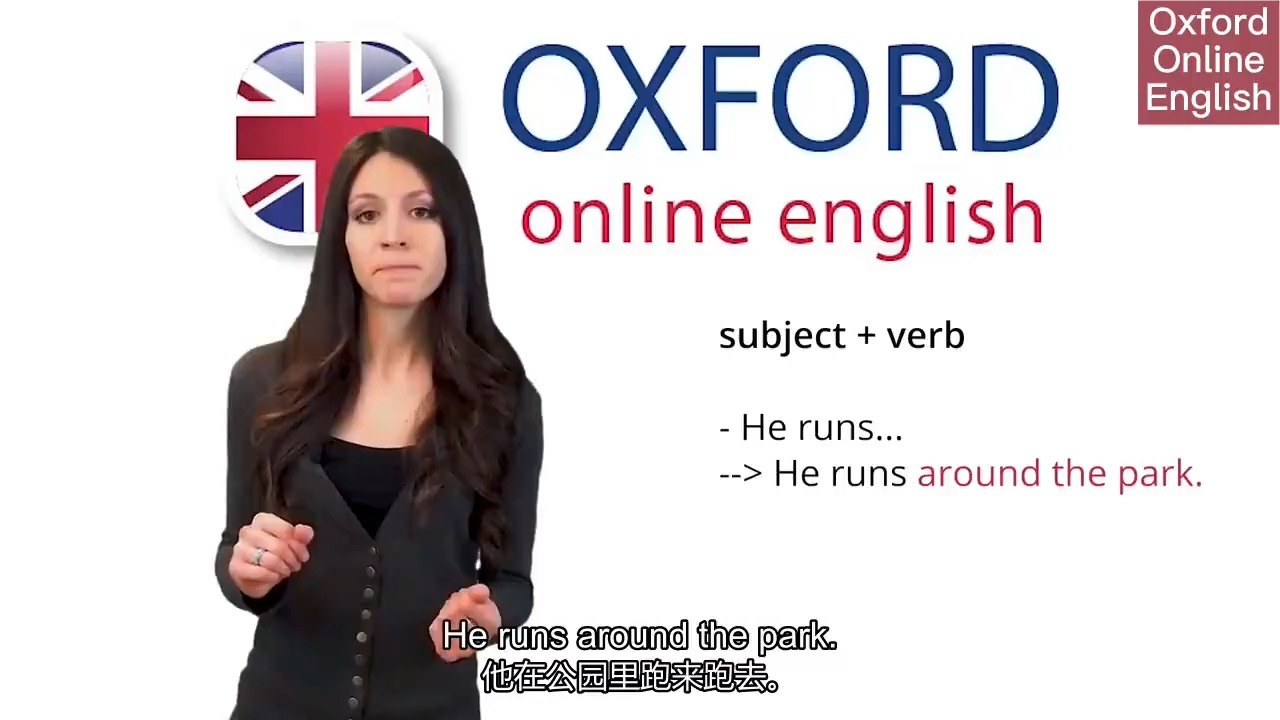
| P13 | 【40集全】牛津官方语法课 # 外教精讲,最后一次搞定语法, | 7:27 |
| P14 | 【40集全】牛津官方语法课 # 外教精讲,最后一次搞定语法, | 17:08 |
| P15 | 【40集全】牛津官方语法课 # 外教精讲,最后一次搞定语法, | 16:31 |
| P2 | 【40集全】牛津官方语法课 # 外教精讲,最后一次搞定语法, | 24:13 |
| P16 | 【40集全】牛津官方语法课 # 外教精讲,最后一次搞定语法, | 13:43 |
| P17 | 【40集全】牛津官方语法课 # 外教精讲,最后一次搞定语法, | 8:01 |
| P18 | 【40集全】牛津官方语法课 # 外教精讲,最后一次搞定语法, | 14:15 |
| P19 | 【40集全】牛津官方语法课 # 外教精讲,最后一次搞定语法, | 19:20 |
| P20 | 【40集全】牛津官方语法课 # 外教精讲,最后一次搞定语法, | 15:30 |
| P21 | 【40集全】牛津官方语法课 # 外教精讲,最后一次搞定语法, | 10:07 |
| P22 | 【40集全】牛津官方语法课 # 外教精讲,最后一次搞定语法, | 14:27 |
| P23 | 【40集全】牛津官方语法课 # 外教精讲,最后一次搞定语法, | 16:09 |
| P24 | 【40集全】牛津官方语法课 # 外教精讲,最后一次搞定语法, | 12:55 |
| P25 | 【40集全】牛津官方语法课 # 外教精讲,最后一次搞定语法, | 15:44 |
| P26 | 【40集全】牛津官方语法课 # 外教精讲,最后一次搞定语法, | 13:15 |
| P27 | 【40集全】牛津官方语法课 # 外教精讲,最后一次搞定语法, | 14:05 |
| P28 | 【40集全】牛津官方语法课 # 外教精讲,最后一次搞定语法, | 15:37 |
| P29 | 【40集全】牛津官方语法课 # 外教精讲,最后一次搞定语法, | 14:43 |
| P30 | 【40集全】牛津官方语法课 # 外教精讲,最后一次搞定语法, | 16:11 |
| P31 | 【40集全】牛津官方语法课 # 外教精讲,最后一次搞定语法, | 14:50 |
| P32 | 【40集全】牛津官方语法课 # 外教精讲,最后一次搞定语法, | 20:15 |
| P33 | 【40集全】牛津官方语法课 # 外教精讲,最后一次搞定语法, | 15:57 |
| P34 | 【40集全】牛津官方语法课 # 外教精讲,最后一次搞定语法, | 12:33 |
| P35 | 【40集全】牛津官方语法课 # 外教精讲,最后一次搞定语法, | 14:25 |
| P36 | 【40集全】牛津官方语法课 # 外教精讲,最后一次搞定语法, | 16:31 |
| P37 | 【40集全】牛津官方语法课 # 外教精讲,最后一次搞定语法, | 17:19 |
| P38 | 【40集全】牛津官方语法课 # 外教精讲,最后一次搞定语法, | 15:21 |
| P39 | 【40集全】牛津官方语法课 # 外教精讲,最后一次搞定语法, | 16:36 |
| P40 | 【40集全】牛津官方语法课 # 外教精讲,最后一次搞定语法, | 15:29 |
| P41 | 【40集全】牛津官方语法课 # 外教精讲,最后一次搞定语法, | 17:56 |
P1 · 【40集全】牛津官方语法课 # 外教精讲,最后一次搞定语法,学语法看这个就够了 p01 1. 1. English Grammar 01.English Sentence Structure (P1)
【40集全】牛津官方语法课 # 外教精讲,最后一次搞定语法,学语法看这个就够了 p01 1. 1. English Grammar 01.English Sentence Structure (P1)
发布于 2026-07-18 · 时长 21:05字幕摘录
| 时间 | 英文 | 中文 |
|---|---|---|
| 0:00 | Hi, I'm Olivier. Welcome to Oxford Online English. In this lesson, you can learn about | 嗨,我是奥利维尔。 欢迎来到牛津在线英语。 在这个课中,你可以学习 |
| 0:07 | sentence structure in English. You'll learn how to construct all kinds of sentences | 英语中的句子结构。 你会学会如何构建各种句子 |
| 0:13 | in English, from the simplest possible sentences to long, complex sentences, which contain | 在英语中,从最简单的句子到长而复杂的句子,包含 |
| 0:20 | many different ideas. To begin, a question. What's the simplest sentence you can make in | 许多不同的想法。 开始,一个问题。 你最简单的句子是什么? |
| 0:29 | English? What does every sentence in English need? Every sentence needs a verb. The simplest | 英语? 英文的每个句子都需要什么? 每个句子都需要一个动词. 最简单的 |
| 0:41 | sentence is an imperative, which means when you tell someone to do something. For example, | 句子是必须的, 这意味着当你告诉别人做什么。 举例来说, |
| 0:49 | run, leave, work. These are the simplest complete sentences you can make in English. They're | 运行,离开,工作。 这些是最简单的完整句子 你可以用英语。 他们是 |
| 0:58 | just one word long. Of course, most sentences are longer than this. | 就一个字长。 当然,大多数的句子都比这长. |
| 1:05 | Most sentences that are longer than one word also need a noun before the verb. The noun | 大多数超过一个词的句子在动词之前也需要一个名词. 名词 |
| 1:12 | is the subject. With the subject plus a verb, you can make simple sentences like he runs. | 主题。 用主题加上动词,可以像他运行一样做简单的句子. |
展开字幕全文(150 条)
| 序号 | 英文 | 中文 |
|---|---|---|
| 1 | Hi, I'm Olivier. Welcome to Oxford Online English. In this lesson, you can learn about | 嗨,我是奥利维尔。 欢迎来到牛津在线英语。 在这个课中,你可以学习 |
| 2 | sentence structure in English. You'll learn how to construct all kinds of sentences | 英语中的句子结构。 你会学会如何构建各种句子 |
| 3 | in English, from the simplest possible sentences to long, complex sentences, which contain | 在英语中,从最简单的句子到长而复杂的句子,包含 |
| 4 | many different ideas. To begin, a question. What's the simplest sentence you can make in | 许多不同的想法。 开始,一个问题。 你最简单的句子是什么? |
| 5 | English? What does every sentence in English need? Every sentence needs a verb. The simplest | 英语? 英文的每个句子都需要什么? 每个句子都需要一个动词. 最简单的 |
| 6 | sentence is an imperative, which means when you tell someone to do something. For example, | 句子是必须的, 这意味着当你告诉别人做什么。 举例来说, |
| 7 | run, leave, work. These are the simplest complete sentences you can make in English. They're | 运行,离开,工作。 这些是最简单的完整句子 你可以用英语。 他们是 |
| 8 | just one word long. Of course, most sentences are longer than this. | 就一个字长。 当然,大多数的句子都比这长. |
| 9 | Most sentences that are longer than one word also need a noun before the verb. The noun | 大多数超过一个词的句子在动词之前也需要一个名词. 名词 |
| 10 | is the subject. With the subject plus a verb, you can make simple sentences like he runs. | 主题。 用主题加上动词,可以像他运行一样做简单的句子. |
| 11 | He left. They're working. You can see that the verb can be in different forms, past | 他离开了。 他们在工作 你可以看到动词可以 不同的形式,过去 |
| 12 | or present, simple or continuous. The verb form doesn't change the structure of the sentence. | 或现,简单或连续. 动词形式不会改变句子的结构. |
| 13 | These are all the same. Subject plus verb. Of course, these sentences aren't very interesting. | 这些都是相同的。 主体加动词. 当然,这些句子不是很有趣. |
| 14 | You can't say much with short sentences like these. Let's add a little more information. | 这样的短句不能多说. 我们再补充一点信息 |
| 15 | Take the sentence he runs. What could you add after runs to make it longer? | 接受他的判决吧 跑步后你能加什么来延长时间? |
| 16 | You could add an adverb of place. He runs around the park. You could add an adverb of time. | 你可以添加一个副词的地方。 他绕着公园跑 你可以加上时间副词 |
| 17 | He runs every morning. You could add both. He runs around the park every morning. | 他每天早上跑来跑去 你可以加上两者 他每天早上绕着公园跑 |
| 18 | You could add an adverb of manner. He runs slowly. You can see that you have many choices, | 你可以添加一个副词 礼貌。 他运行缓慢。 你可以看到你有很多选择 |
| 19 | but your choices are also limited. In this case, you can use different kinds of adverbs, | 但你的选择也是有限的 在这种情况下,你可以使用不同的副词, |
| 20 | but there are also things you can't use. | 但也有一些事情你无法使用。 |
| 21 | For example, you can't use another verb after run. You can't use an adjective. You can't | 例如,运行后不能使用另一个动词. 不能用形容词. 你不能这样 |
| 22 | use a noun, or at least you can't use a noun with this meaning of run. | 使用名词,或者至少不能使用这种运行含义的名词. |
| 23 | This is an important point. Let's look at it in more detail. | 这一点很重要。 更详观之. |
| 24 | To build grammatically complete sentences in English, there's one important question. What | 要用英语构建语法完整的句子,有一个重要问题. 什麽? |
| 25 | needs to come next? For example, you saw the sentence he runs. That's a complete sentence. | 下一个要来吗? 例如,你看到了他所执行的判决。 即是满句. |
| 26 | He can put a full stop after runs, and it's correct. It's very basic, but it's correct. | 跑完后他可以全停,这是正确的. 它非常基本,但是正确的. |
| 27 | What about these? She likes. He wants. We go. These aren't complete sentences. Can you explain | 这些呢? 她喜欢。 稱璶 我们走了。 这些不是完整的句子。 你能解释一下吗 |
| 28 | why not? They aren't complete, very simply, because they aren't finished. Look at the | 为什么? 它们不是完整的,非常简单, 因为它们还没有完成。 看这个 |
| 29 | first sentence. She likes. She likes what? She has to like something. He wants. What does | 初句总. 她喜欢。 她喜欢什么? 她必须喜欢的东西。 稱璶 怎么样? |
| 30 | he want? You can't just want. You have to want something. We go. Where? At this point, | 他要吗? 你不能就这么想 你必须要想要的东西。 我们走了。 哪里? 哪里来的? 此时此刻 |
| 31 | we want to teach you a word. Compliment. The compliment is the thing you add after a verb | 我们想教你一个字。 赞曰. 赞美是你在动词后面加的 |
| 32 | to make a sentence complete. A compliment can have many different forms. It can be a noun, | 来完成一句 赞美可以有多种不同的形式. 它可以是名词, |
| 33 | a verb, an adjective, or an adverb. These things can be single words or phrases. For example, | 动词,形容词,或副词. 这些东西可以是单词或短语. 举例来说, |
| 34 | when we say noun, we also mean noun phrases. So, table is a noun, and the wooden table, | 当我们说名词时,我们也是指名词短语. 所以,桌子是一个名词, 和木桌, |
| 35 | which my grandmother gave me, is also a noun. Both nouns refer to one object, one table. | 我祖母给我的 也是名词 两个名词都指一个对象,一个表. |
| 36 | For this lesson, a noun can be one word or a phrase. Okay, let's practice. Look at the | 对于这一课,名词可以是单词或短语. 好吧,让我们练习。 看这个 |
| 37 | first sentence. She likes. How could you finish this? What are the possible compliments? Pause | 初句总. 她喜欢。 你怎么能完成这一切? 什么是可能的恭维? 暂停 |
| 38 | the video and write down three endings for your sentence. Try to use different ideas and | 视频 写下三个结尾 尝试使用不同的想法和 |
| 39 | structures. Ready? Let's look at some possible answers. These are just our suggestions. Of course, | 结构。 准备好了吗? 让我们看看一些可能的答案。 这些只是我们的建议。 当然 |
| 40 | there are many possibilities. She likes strawberries. She likes swimming. She likes getting up before the | 有许多可能性。 她喜欢草莓 她喜欢游泳。 她喜欢起床之前 |
| 41 | sun rises. She likes to listen to music while she works. You can see that there's more than one | 太阳升起。 她喜欢在工作时听音乐. 你可以看到不止一个 |
| 42 | possible compliment. You can use a noun, a gerund with a verb, i.n.g., which acts like a noun, | 可能是恭维 你可以使用名词, 老年的动词, 即,n. g. |
| 43 | a gerund phrase, or an infinitive verb with two. So you have many choices. However, like before, | 老年词组,或带有两个的无限动词. 所以你有很多选择 不过,和以前一样, |
| 44 | your choices are also limited. Only certain structures are possible. The idea of compliments isn't just | 您的选择也是有限的。 只有某些结构是可能的。 恭维的念头不只是 |
| 45 | for the first verb in the sentence. Many words need a compliment. For example, look at one of the | 为句中第一动词. 许多话都需要赞美。 举例来说,看看其中一个 |
| 46 | sentences you just saw. She likes getting up before the sun rises. Technically, you can say she likes | 你刚刚看到的句子。 她喜欢在太阳升起前起床. 严格来说,你可以说她喜欢 |
| 47 | getting up. It's a grammatically complete sentence. But you would never say it. Why not? | 起来 这是一个语法上完整的句子. 但你绝不会说 为什么不呢? |
| 48 | Because it doesn't make any sense. You need more information. She likes getting up. When? Why? How? You need | 因为它没有任何意义。 你需要更多的资料。 她喜欢起床。 什么时候? 为什么? 怎么会? 惠璶 |
| 49 | a compliment after getting up to complete the idea. She likes getting up before. Before also needs a | 在完成这个想法之后, 赞美。 她喜欢起床之前。 之前还需要一个 |
| 50 | compliment. You can't stop there. Before what? She likes getting up before the sun. This also | 赞美。 你不能停下来。 之前怎样? 她喜欢在太阳之前起床 还有这个 |
| 51 | doesn't work because it doesn't make sense. It doesn't make sense because the sun needs a compliment. | 不起作用,因为它没有意义。 因为太阳需要赞美,所以没有道理. |
| 52 | Before the sun does what? She likes getting up before the sun rises. Okay, finally, we have a | 太阳会做什么? 她喜欢在太阳升起前起床. 好吧,终于,我们有一个 |
| 53 | sentence which is both grammatically correct and which communicates meaning. What should you | 句子既在语法上正确,又能表达意义。 你该做什么? |
| 54 | remember from this? Remember that when you use a particular word, you have limited choices in | 还记得这个吗? 记住,当你使用一个特定的单词, 你的选择有限 |
| 55 | what kind of word you can use next. To speak or write in clear correct English, you don't just need | 接下来用什么词? 要用清楚正确的英语说话或写作,你并不只需要 |
| 56 | to know English words. You need to know what can come next. For example, with a verb like like | 要知道英语单词。 你需要知道接下来会发生什么 例如,用类似动词 |
| 57 | or want, it's not enough to know the verb. You also need to know whether the verb needs a compliment | 或欲,不足以知动词. 你还需要知道动词是否需要赞美 |
| 58 | and what compliments are or aren't possible. This is why it's good to learn vocabulary in full | 和什么是和不可能的恭维。 所以才好学词汇 |
| 59 | phrases and sentences. That way, you'll know how to use the words you learn to make sentences | 短语和句子。 这样,你会知道如何使用 你学会的词来做句子 |
| 60 | you can use in your spoken or written English. Using what you've seen up to now, you can build many | 您可使用英语或书面英语。 利用你现在所看到的,你可以建造很多 |
| 61 | simple English sentences. Let's see how you can add more information and more detail to these simple | 简单的英语句子。 让我们来看看,你怎样能增加更多的信息 和更多的细节 这些简单的 |
| 62 | sentences. You can add information to a simple sentence in two ways. You can add adjectives or | 句号。 可以在简单句子中以两种方式添加信息. 您可以添加形容词或 |
| 63 | adverbs. Let's look at an example using a sentence we started before but we didn't finish. He wants. | 副词. 我们用我们之前开始的句子来举一个例子,但我们没有完成。 稱璶 |
| 64 | Actually, you should do some work. Pause the video and finish this sentence in three different | 实际上,你应该做一些工作。 暂停录像,然后用三个不同的句子结束 |
| 65 | ways. Start again when you have your answers. Ready? Here's our suggestion. He wants to buy a car. | 办法 等你找到答案再说 准备好了吗? 这是我们的建议 他想买车 |
| 66 | Now, let's add some description using adjectives and adverbs. Can you see how you could add adjectives | 现在,让我们用形容词和副词来补充一些描述. 你可以看到如何添加形容词 |
| 67 | to this sentence? You could add adjectives before the word car like this. He wants to buy a new car. | 对这句话? 你可以在汽车这个词之前加上形容词 他想买辆新车 |
| 68 | He wants to buy a second hand car. He wants to buy a bright red car. | 他想买辆二手车 他想买一辆明亮的红车 |
| 69 | What about adverbs? Could you add adverbs to these sentences to add some details? | 副词呢? 你能在这些句子中添加副词来添加一些细节吗? |
| 70 | There are many possibilities. For example, apparently he wants to buy a new car. | 有许多可能性。 例如,他显然想买辆新车。 |
| 71 | He wants to buy a second hand car next month. He wants to buy a bright red car for his new girlfriend. | 他想下个月买辆二手车 他想为他的新女友买辆明亮的红色汽车. |
| 72 | You can see that the adverbs can be single words or phrases. Adjectives can go before the | 可以看到副词可以是单词或短语. 形容词可以在 |
| 73 | noun they describe or after some verbs. Adverbs are more complicated and can go in many different | 名词它们描述或后面的一些动词。 副词比较复杂,可以去很多不同的 |
| 74 | positions. However, this is the important point. Using adjectives and adverbs like this | 职位。 然而,这是重要的一点。 使用形容词和这样的副词 |
| 75 | doesn't change whether a sentence is complete or not. If you say he wants to buy a car, | 句子是否完整并不改变. 如果你说他想买车 |
| 76 | that's a complete sentence. You can add adjectives and adverbs to make it more detailed. | 这是句完整的句子 可以增加形容词和副词,使其更加详细. |
| 77 | Apparently, he wants to buy a second hand car for his new girlfriend. | 很明显,他想给他的新女友买辆二手车. |
| 78 | However, if a sentence is incomplete, then you can't make it complete by adding adjectives or adverbs. | 然而,如果一个句子不完整,那么你就不能通过添加形容词或副词来完成. |
| 79 | He wants to buy. This sentence is incomplete. Adding adjectives and adverbs won't make it complete. | 他想买。 此句未详. 添加形容词和副词不会使其完整. |
| 80 | So, at this point you can build a simple sentence. You also hopefully understand something about | 因此,现在你可以建立一个简单的句子。 也希望你能够明白 |
| 81 | compliments and why are they important for making complete sentences and now you can also add | 恭维和他们为什么对做出完整的句子很重要 现在你也可以加上 |
| 82 | description to a complete sentence using adjectives and adverbs. Let's look at how you can combine | 使用形容词和副词描述完整的句子。 让我们看看你如何结合 |
| 83 | these simple sentences into complex ones. First, let's define some words. A conjunction is something | 这些简单的句子变成复杂的句子。 首先,让我们定义一些词。 连结是一种东西 |
| 84 | 将两句或两句合并在一起。 {\fn黑体\fs22\bord1\shad0\3aHBE\4aH00\fscx67\fscy66\2cHFFFFFF\3cH808080}比如说 {\fn黑体\fs22\bord1\shad0\3aHBE\4aH00\fscx67\fscy66\2cHFFFFFF\3cH808080}如果 | |
| 85 | because or which are conjunctions, a complex sentence contains two or more parts joined with a | 因为或两者是结合的,一个复杂的句子包含两个或两个以上的部分,与一个 |
| 86 | conjunction. These parts are called clauses. An independent clause expresses a complete idea | 连接。 这些部分称为条款。 独立条款表达一个完整的想法 |
| 87 | and could stand by itself. A dependent clause wouldn't make sense if it were by itself. A | 并且可以自己站出来。 依赖性条款如果本身就毫无意义。 页:1 |
| 88 | dependent clause depends on an independent clause in the same sentence in order to have meaning. | 依赖性条款取决于同一句中的独立条款才能有意义。 |
| 89 | Don't worry if this is new. You don't need to remember everything right now. | 别担心,如果这是新的。 你不需要记住一切 |
| 90 | You'll see lots of examples of these ideas in this section and in the next section too. | 你们将在本节和下节看到许多这些想法的例子。 |
| 91 | In this section you're going to learn about complex sentences with two independent clauses. | 在这一节中,你将学习两个独立条款的复杂句子. |
| 92 | Okay, enough abstract talk. Let's see some examples. He runs around the park every morning so he's in | 好吧,够了抽象的谈话。 让我们看看一些例子。 他每天早上绕着公园跑 所以他进来了 |
| 93 | pretty good shape. She likes strawberries but she hardly ever eats them. You should write to her and | 形状不错 她喜欢草莓 但很少吃 你应该写信给她 |
| 94 | thank her for the present. These are simple examples of complex sentences. | 感谢她的礼物。 这些是复杂句子的简单例子. |
| 95 | Here's your recipe. Independent clause plus conjunction plus independent clause. | 这是你的食谱 独立条款加结合条款加独立条款。 |
| 96 | You generally need a comma at the end of the first clause before the conjunction but comma rules | 一般在连接规则前的第一条结尾处需要逗号但逗号规则 |
| 97 | are quite flexible in English so you won't always need a comma. Look at the first example. | 英语很灵活,所以你不需要逗号 观第一譬. |
| 98 | He runs around the park every morning so he's in pretty good shape. | 他每天早上都在公园里跑 所以他身体还不错 |
| 99 | Which word is the conjunction? The conjunction is so. You can split this sentence into two | 哪个词是连结的? 络脉如此. 这句话可以分为两句 |
| 100 | four meaningful sentences. Let's look at one more. She likes strawberries but she hardly ever eats them. | 四句有意义的句子。 让我们再看看一个。 她喜欢草莓 但很少吃 |
| 101 | Again, you can split this into two full sentences. | 再说一次,你可以把这分为两句 |
| 102 | You might think that the second sentence here isn't complete or doesn't make sense by itself. | 你可能认为这里的第二句并不完整或本身不合理. |
| 103 | As it is, you'd be right. However, you can change them to strawberries and then it's a complete | 你说得对 不过,你可以把它们换成草莓 然后它就是一个完整的 |
| 104 | meaningful sentence. But she hardly ever eats strawberries. | 有意义的句子。 但她很少吃草莓。 |
| 105 | You can keep adding conjunctions and clauses for as long as you want. She likes strawberries but | 你可以继续加合和条款,只要你想。 她喜欢草莓,但是... |
| 106 | she hardly ever eats them and she doesn't earn much money so she has to be careful how much she | 她很少吃,也赚不到多少钱 所以她要小心多好 |
| 107 | spends on groceries and fresh food is generally more expensive than canned or frozen produce. So | 花在杂货店和新鲜食品上的费用一般比罐头或冷冻产品要高。 这么说 |
| 108 | of course, just because you can, it doesn't mean it's a good idea. | 当然,只是因为你可以, 这并不意味着这是一个好主意。 |
| 109 | Sentences with too many clauses are difficult to follow. So it's generally better to limit your | 条款过多的句子很难执行。 所以总而言之 限制你 |
| 110 | complex sentences to two maximum three clauses. Now you know how to build a complex sentence using | 复杂句子最多有两个三条。 现在你知道如何用 |
| 111 | independent clauses. What about dependent clauses? Do you remember the definition of a dependent clause? | 独立条款。 附属条款怎么办? 你还记得依赖条款的定义吗? |
| 112 | A dependent clause is a part of a sentence which would not make sense by itself. Let's see | 附属条款是句子的一部分,其本身没有意义。 让我看看 |
| 113 | an example. She's taller than I am. This short sentence has two clauses. Can you see where the | 一个例子。 她比我还高 这一短句有两个条款。 你能看见哪里 |
| 114 | two clauses start and end and which one is dependent? The two clauses are she's taller and | 两项条款的开始和结束,以及哪一项取决于哪一项? 这两条是她更高, |
| 115 | than I am. They're linked with a conjunction than. The second clause than I am is dependent. | 比我还强 他们和连结有联系 第二项条款比我还重要 |
| 116 | It doesn't make sense by itself. Let's see some other ways to build complex sentences with | 其义不自在. 让我们看看其他方法 构建复杂的句子与 |
| 117 | dependent clauses. You can add a dependent clause with conjunctions like if, because, although | 附属条款。 您可以添加一个附属条款, 并加连带, 因为, 虽然 |
| 118 | unless or wherever, for example, if you're late, I'll leave without you. | 除非或任何地方,例如,如果你迟到了, 我会离开没有你。 |
| 119 | He's broke because he spent all his money on beer. Although she spends a lot of time at work, | 他破产了,因为他把钱都花在啤酒上. 虽然她花了很多时间工作, |
| 120 | she doesn't get much done. I won't do it unless you come with me. | 她没有做很多事情 除非你跟我来 否则我不会这么做的 |
| 121 | We can meet wherever you want. Often, you can change the order of the two clauses if you want. | 我们可以在任何地方见面 通常,如果需要,可以更改两条的顺序. |
| 122 | So you can say, if you're late, I'll leave without you. Or, I'll leave without you if you're late. | 所以,你可以说,如果你迟到, 我会离开没有你。 或者,我会离开 没有你,如果你迟到。 |
| 123 | Notice that there's a comma between the two clauses if the dependent clause is first, | 通知,如果附属条款是第一位的,这两个条款之间就有一个逗号, |
| 124 | but not if the independent clause is first. What's the difference between these complex sentences | 但如果独立条款是第一,则不是。 这些复杂的句子有什么区别 |
| 125 | and the ones you saw in part four? Here, you can't split the sentence in two. Well, you can, | 还有你看到的第四部的那些? 在这里,你不能把句子分成两部分. 你当然可以 |
| 126 | but one of the two parts won't make sense. If you're late, I'll leave without you. | 但其中一部分说不通 如果你迟到,我会离开你。 |
| 127 | I'll leave without you is an independent clause, so it makes sense by itself. But the other | 我会离开你是一个独立条款, 所以它本身是有道理的。 但另一个 |
| 128 | clause, if you're late, is dependent, and it doesn't make sense by itself. It needs something more | 条款,如果你迟到,是依赖性的,它本身是没有意义的。 更需要点什么 |
| 129 | to make it complete. What other common ways are there to build complex sentences with dependent | 让它完成。 还有哪些其他常见的方法可以用来构建有依赖性的复杂句子? |
| 130 | clauses? Another common structure is relative clauses, using relative pronouns like who, | 条款? 另一个常见的结构是相对条款,使用相对代词如谁, |
| 131 | which, or what, to link two clauses, for example. That's the guy who shouted at me. I have no idea | 例如,将哪些条款或什么条款联系起来。 就是那个对我大吼大叫的家伙 我不知道,我还不知道 |
| 132 | what's going on. They gave us a cake which was made from dry and beetroot. In these cases, | 发生什么事了? 他们给了我们一个蛋糕 由干和甜菜做的。 在这种情况下, |
| 133 | the dependent clause goes after the independent clause. Let's review what you've learned in this | 附属条款在独立条款之后。 让我们回顾一下你在这学到了什么 |
| 134 | lesson. You can build a very simple sentence with just a verb. Work. You can add a subject and | 教训 你可以用一个动词来构建一个非常简单的句子. 工作时 您可以添加一个主题 |
| 135 | complement to make a simple sentence. She works in a zoo. You can use adjectives and adverbs to add | 补充一个简单的句子。 她在动物园工作 您可以使用形容词和副词添加 |
| 136 | description. Apparently, she works in a private zoo. You can make a complex sentence by adding a | 说明。 显然,她在私人动物园工作。 通过添加一个 |
| 137 | second independent clause with a conjunction. Apparently, she works in a private zoo, so she must know | 第二独立条款加连带。 显然,她在私人动物园工作 所以她必须知道 |
| 138 | a lot about animals. You can also make a complex sentence by adding a dependent clause, or even | 很多关于动物。 您也可以通过添加一个依赖条款来做出一个复杂的句子,甚至 |
| 139 | several dependent clauses. Again, using conjunctions to connect them. | 几个附属条款。 再一次,用连结连接它们. |
| 140 | Apparently, she works in a private zoo, so she must know a lot about animals, which surprises me | 显然,她在私人动物园工作, 所以她一定知道很多关于动物的事, 这让我惊讶 |
| 141 | because, as far as I know, she studied economics at university. Although, I guess I could be wrong. | 因为据我所知 她在大学学习经济学 虽然,我想我可能错了。 |
| 142 | This is a big topic, and it will take you time to learn everything about these points. | 这是一个大话题,需要时间来了解这些要点。 |
| 143 | Studying conjunctions and how they work can help you to build complex sentences which are clear | 研究组合及其工作方式可以帮助你构建清晰的复杂句子 |
| 144 | and correct. Relative clauses are another useful topic if you want to improve your sentence grammar. | 和正确的。 相对条款是另一个有用的话题,如果你想改进句子语法的话. |
| 145 | Learning about relative clauses can help you to connect your ideas in complex sentences. | 学习相对条款可以帮助您在复杂的句子中连接您的想法. |
| 146 | It's also a good idea to study verb compliments and learn what structures you can or can't use | 研究动词的恭维性,学习什么结构可以或者不能使用,也是个好主意. |
| 147 | after a verb. Remember that a lot of sentence structure is being able to answer the question, | 在动词之后。 记住很多句子结构 能够回答问题, |
| 148 | what needs to come next? We hope this lesson was useful for you. | 接下来要做什么? 我们希望这一课对你有用。 |
| 149 | 看看我们的网站 更免费的英语课程。 OxfordOnline English.com. (原始内容存档于2018-09-29). | |
| 150 | Thanks for watching. See you next time. | 谢谢你的观看。 下次见 |
该视频共有字幕 150 条。解锁更多字幕为会员功能,请移动到 价格
P3 · 【40集全】牛津官方语法课 # 外教精讲,最后一次搞定语法,学语法看这个就够了 p03 2. 2. English Grammar 02.How to Improve English Grammar (P3)
【40集全】牛津官方语法课 # 外教精讲,最后一次搞定语法,学语法看这个就够了 p03 2. 2. English Grammar 02.How to Improve English Grammar (P3)
发布于 2026-07-18 · 时长 17:02字幕摘录
| 时间 | 英文 | 中文 |
|---|---|---|
| 0:00 | Hi. I'm Olivier. Welcome to Oxford Online English. In this lesson, you can learn how to | 顿 我是奥利维尔。 欢迎来到牛津在线英语。 在这个教训中,你可以学会如何 |
| 0:08 | improve your English grammar. To some people, grammar is kind of a dirty word. It probably | 改进你的英语语法。 对有些人来说,语法是一种脏话. 也许吧 |
| 0:15 | makes you think of boring textbooks, boring exercises, and boring lessons. Maybe you | 让你想到无聊的教科书,无聊的练习和无聊的课。 也许你 |
| 0:21 | think, why do I need grammar? I just want to communicate. But here's the thing. Grammar | 为什么我需要语法? 我只想沟通一下 但问题是 语法 |
| 0:28 | isn't just something in a book. Grammar is how you connect words into phrases and phrases | 不只是一本书里的东西 语法就是把词和句子联系起来 |
| 0:35 | into sentences. Every time you connect two words, you are using grammar. Even now, you | 成为句子。 每次连接两个字,你都使用语法. 即使现在,你 |
| 0:43 | are using grammar to understand what we're saying. We think there's a better way to learn | 用语法来理解我们在说什么 我们认为有更好的方法去学习 |
| 0:49 | English grammar than just doing endless exercises. In this lesson, you'll see a step-by-step | 英语语法不只是做无休止的练习 这个课,你会看到一步一步 |
| 0:57 | practical plan to improve your English grammar in any area. | 在任何领域改进英语语法的实用计划。 |
| 1:03 | To work on grammar, it's a good idea to have a book for reference. One of the most popular | 为了研究语法,有一本书供参考,这是个好主意. 最受欢迎的 |
展开字幕全文(141 条)
| 序号 | 英文 | 中文 |
|---|---|---|
| 1 | Hi. I'm Olivier. Welcome to Oxford Online English. In this lesson, you can learn how to | 顿 我是奥利维尔。 欢迎来到牛津在线英语。 在这个教训中,你可以学会如何 |
| 2 | improve your English grammar. To some people, grammar is kind of a dirty word. It probably | 改进你的英语语法。 对有些人来说,语法是一种脏话. 也许吧 |
| 3 | makes you think of boring textbooks, boring exercises, and boring lessons. Maybe you | 让你想到无聊的教科书,无聊的练习和无聊的课。 也许你 |
| 4 | think, why do I need grammar? I just want to communicate. But here's the thing. Grammar | 为什么我需要语法? 我只想沟通一下 但问题是 语法 |
| 5 | isn't just something in a book. Grammar is how you connect words into phrases and phrases | 不只是一本书里的东西 语法就是把词和句子联系起来 |
| 6 | into sentences. Every time you connect two words, you are using grammar. Even now, you | 成为句子。 每次连接两个字,你都使用语法. 即使现在,你 |
| 7 | are using grammar to understand what we're saying. We think there's a better way to learn | 用语法来理解我们在说什么 我们认为有更好的方法去学习 |
| 8 | English grammar than just doing endless exercises. In this lesson, you'll see a step-by-step | 英语语法不只是做无休止的练习 这个课,你会看到一步一步 |
| 9 | practical plan to improve your English grammar in any area. | 在任何领域改进英语语法的实用计划。 |
| 10 | To work on grammar, it's a good idea to have a book for reference. One of the most popular | 为了研究语法,有一本书供参考,这是个好主意. 最受欢迎的 |
| 11 | is English grammar and use by Raymond Murphy. You can find a link under the video. So, let's | 是英语语法 由雷蒙德·墨菲使用 您可以在视频下找到链接。 所以,让我们 |
| 12 | start. You want to improve your English grammar. What should you do first? | 开始 你想改进你的英语语法。 你该先做什么? |
| 13 | English grammar is not just one topic. It's tens of major topics and each of those contain | 英语语法不仅仅是一个话题. 有几十个大题 每一个都包含 |
| 14 | tens of smaller topics. So you need to know where to begin. You need to set goals and | 几十个小话题 所以你需要知道从哪里开始。 你需要设定目标 |
| 15 | establish priorities for your studies. How can you do that? | 确定您学习的优先次序。 你怎么能这么做? |
| 16 | Let's start with five things. Make a list of five errors or grammar problems you have. | 先举五事. 列出五个错误或语法问题。 |
| 17 | Maybe you already know some errors you make. Maybe your teacher corrects you or your | 也许你已经知道自己犯了什么错误 也许你的老师会纠正你或你的 |
| 18 | classmates often and you have an idea. A good way to do this is through writing. Write | 同学经常,你有一个想法。 一个很好的方法是通过写作。 写入 |
| 19 | something for your teacher and ask them to highlight and correct your grammar mistakes. | 给老师的东西,请他们突出 和纠正你的语法错误。 |
| 20 | See which mistakes you make most often. If you aren't studying with a teacher, what | 看看你经常犯什么错误 如果你不和老师一起学习,怎么办? |
| 21 | can you do? This can be more difficult. One suggestion, use a grammar book which has | 你会吗? 这可能更困难。 一个建议是用一本文法书 |
| 22 | exercises and an answer key. Choose five topics which you think you will find difficult. | 练习和答案键。 选择您认为会遇到困难的五个主题 。 |
| 23 | Do the exercises and check your answers. If you made a lot of mistakes, then you know | 做练习,检查你的答案。 如果你犯了很多错误,那么你知道 |
| 24 | you need to do more work on these topics. Here's another suggestion. Find a reading | 您需要在这些主题上做更多的工作。 还有个建议 找到读数 |
| 25 | text. For example, a news article online. Make sure the text is not too difficult for | 语句。 例如网上的新闻文章. 确保文本不会太难 |
| 26 | you. Read the text two to three times. Next, try to rewrite the text without looking at | 你们 诵此文二三遍. 接着,尝试不看就重写文本 |
| 27 | it. Don't worry about getting it perfect. Just do your best. Afterwards, compare your | 这个 不用担心要完美 尽力而为吧 然后,比较一下你的 |
| 28 | text with your original. Where did you make mistakes? Did you make mistakes with verb | 文本与您的原件。 你在哪里犯过错? 你用动词犯错了吗? |
| 29 | forms with adverbs, word order? This should show you where some of your grammar mistakes | 带有副词的表单,单词顺序? 这应该可以让你知道 你的一些语法错误 |
| 30 | are. Okay, hopefully now you have a list of five grammar errors or weaknesses. It could | 对 好吧,希望现在你有一个列表 五个语法错误或弱点。 可能会 |
| 31 | look like this. Using the present perfect. Word order in questions. Using commas correctly. | 看起来像这样。 使用现在的完美。 问讯语序. 正确使用逗号 。 |
| 32 | Using up adjectives and adverbs. Prepositions after adjectives. Be as specific as you can | 使用形容词和副词. 形容词后的预设. 尽量具体 |
| 33 | with your list. Writing something like verbs or prepositions isn't really helpful. Now, | 还有你的名单 写动词或预设等东西并不真正有用. 现在, |
| 34 | you have your list. What's next? If you have a problem with a grammar topic, there | 你有你的名单。 接下来呢? 如果你对语法题有问题,那 |
| 35 | can be two basic reasons. Form or function. The first possibility is that you don't know | 可以成为两个基本原因。 形式或功能。 第一个可能性是,你不知道 |
| 36 | how to form a structure correctly. For example, think about the present perfect verb. I have | 如何正确形成一个结构。 例如,考虑一下目前的完美动词. 我见过 |
| 37 | done. To form the present perfect, you need to know several things such as use have or | 结束了。 要形成现在的完美,你需要知道一些事情,如用途有或有 |
| 38 | has plus the past participle. Make negatives with haven't or hasn't. Make questions by | 加上过去的聚会 做负面的没有或者没有。 问话由 |
| 39 | moving have or has before the subject. If you don't know these rules well, you might | 移动有或有 在主体之前。 如果你不知道这些规矩,你可能会 |
| 40 | make mistakes like these. She have been to Cambodia. I don't have finished. How long | 犯这样的错误。 她去过柬埔寨。 我没说完 多长时间 |
| 41 | they have lived here. Can you correct these mistakes? Often, problems with form are habits. | 他们住在这里。 你能纠正这些错误吗? 形式问题往往是习惯。 |
| 42 | You say and write the wrong sentence hundreds of times and then it's hard to change it. | 你说和写错句子几百次,然后很难改变. |
| 43 | The only way to correct these habits is to repeat and review the correct form many, many | 纠正这些习惯的唯一办法是重复和审查正确的形式,许多,许多 |
| 44 | times. The best way to do that? Use a flashcard app like Quizlet. We'll talk more about this | 时间。 最好的办法? 使用类似Quizlet的闪卡应用. 我们再谈这个 |
| 45 | in detail later. Or maybe you don't know the correct form. If so, use your grammar book | 稍后详细介绍。 或许你不知道正确的形式 如果是的话,用语法书 |
| 46 | to check. Problems with form are simpler to understand, but sometimes they take a long | 检查。 形式上的问题比较简单,但有时需要很长时间 |
| 47 | time to fix, especially if your mistakes have become deep habits. You heard before that | 时间来修正,特别是如果你的错误 已经变成了深刻的习惯。 你之前听说的 |
| 48 | there are two basic reasons you could have problems with a grammar topic. What's the | 语法主题有两种基本原因 怎么样 |
| 49 | other? The other possibility is that you don't understand the function. What does that mean? | 其他吗? 另一种可能性是,你不明白这个功能. 这是什么意思? |
| 50 | Function means how a grammar structure is used and what meaning it has. For example, think | 函数是指语法结构如何使用以及它的含义. 比如说,思考 |
| 51 | again about the present perfect verb tense. To use the present perfect correctly, you need | 再次谈到目前完美的动词时态。 要正确使用现在的完美,你需要 |
| 52 | to know things light. Use the present perfect to talk about states which started in the | 以了解事物轻。 利用现在的完美 来谈论始于 |
| 53 | past and are still true now. Don't use the present perfect to talk about finished times | 过去,现在仍然是真实的。 不要用现在的完美 来谈论结束的时间 |
| 54 | in the past. Use the present perfect to talk about life experiences when you don't specify | 过去 用现在的完美 来谈论生活经历 当你没有具体说明 |
| 55 | a time. Of course, there are more. These are just examples. | 一个时间。 当然,还有更多的。 这些只是例子。 |
| 56 | If you don't understand these rules, you might make mistakes like these. I am living | 如果你不理解这些规则, 你可能会犯这样的错误。 我活着 |
| 57 | here since four years. We've had lunch three hours ago. Have you ever been to Japan | 四年来就在这里 我们三个小时前吃过午饭了 你去过日本吗? |
| 58 | last year? Can you correct these mistakes? | 去年吗? 你能纠正这些错误吗? |
| 59 | Often, problems with function are problems with translation. Maybe your language doesn't | 功能上的问题往往是翻译上的问题. 也许你的语言不会 |
| 60 | have this grammar structure or maybe your language expresses these ideas in a different | 有这种语法结构 或者你的语言用不同的语言表达这些想法 |
| 61 | way. If you have problems with the function, all of a grammar structure, what can you | 就是这样 如果你的功能有问题,所有 语法结构,你有什么办法 |
| 62 | do? First, check the rules in your grammar book and try to find example sentences. Think | 是吗? 首先,检查你语法书中的规则,并尝试找到示例句子. 考虑一下 |
| 63 | about how you would express the same ideas in your language. Secondly, think about how | 你如何用你的语言表达同样的想法。 第二,考虑一下如何 |
| 64 | this grammar works in your language. Do you have the same structure? Do you use it in | 这个语法用你的语言 你有相同的结构吗? 你用过吗? |
| 65 | the same way? | 同样的方式? |
| 66 | The more difficult grammar topics will often be things which don't exist in your language. | 比较困难的语法话题,常常是语言中不存在的东西. |
| 67 | For example, many languages don't have an exact equivalent to the present perfect in | 例如,许多语言没有精确的等效于现在的完美 |
| 68 | English, which is why so many English learners find this verb tense particularly difficult. | 英语,这就是为什么很多英语学习者认为这种动词紧张特别困难的原因. |
| 69 | However, thinking about the differences between your language and English can help to make | 但是,思考你的语言和英语的差异,可以帮助 |
| 70 | things clearer. Okay, so now you found your mistakes and thought about where they come | 事情变得更清楚了 好吧,现在你发现你的错误 并思考他们来的地方 |
| 71 | from. | 从. |
| 72 | Next, you're going to see one of the most powerful learning tools you can use. Even better, | 接下来,你会看到一个最强大的学习工具 你可以使用。 更厉害 |
| 73 | it's simple. Anyone can use it. It's called templating. Templating means you take a part | 很简单 任何人都可以使用它。 名为调伏. 温柔意味着你参加 |
| 74 | of a sentence and finish it in different ways. Let's stick with the example of the present | 并用不同的方式完成它。 让我们以现在为例 |
| 75 | perfect. Here's an unfinished sentence. I have never. Your job is to finish this sentence | 完美无缺 下一句未尽. 我从来没有。 你的工作就是说完这句话 |
| 76 | in five different ways. Make them as different as possible. Here's one example. I have never | 在五种不同的方式。 让他们尽可能不同。 这里有一个例子。 我从来没有 |
| 77 | eaten snake. Can you make one or two more? Think about it now. | 吃过蛇 你能再做一两个吗? 现在想想吧 |
| 78 | You could make sentences like I have never been to New Zealand. I have never seen Titanic. | 你可以做出像我从未去过新西兰那样的判决 我从没见过泰坦尼克号 |
| 79 | Try to make sentences which are true for you. This way, they'll be more meaningful and | 试着做出对你真实的句子 这样,他们会更有意义和 |
| 80 | easier to remember. Remember, you need five sentences for each template. That means | 更容易记住。 记住,每个模板需要5句. 就是说 |
| 81 | you need to think of at least two more. Think of two more things you've never done and | 你至少要再考虑两个 再想想你从没做过的两件事 |
| 82 | write them down. Let's look at some more templates you could use to practice the present perfect. | 写下来。 让我们看看更多的模板 你可以用来练习现在的完美。 |
| 83 | I have this week. I haven't yet today. Have or has been living for? I've been recently. | 我这周有 我今未发. 曾经或一直活着? 我最近去过 |
| 84 | My has since. Can you see how you could use these templates? Think about it. Pause the video | 从那时起,我一直这样 你能看看这些模板是怎么用的吗? 考虑一下 暂停视频 |
| 85 | if you want more time. Let's see some possibilities. I've watched this video three times this week. | 如果你想要更多的时间。 让我们看看一些可能性。 这周我看了三次录像 |
| 86 | I haven't had coffee yet today. My sister has been living in Milan for three years. I've | 我还没喝咖啡呢 我妹妹在米兰住了三年了 我见过 |
| 87 | been reading a lot of check off recently. My wife has been a doctor since 2005. Of course, | 最近读了很多支票 我妻子从2005年起成为一名医生。 当然 |
| 88 | these are just suggestions. You should write sentences which are true for you. Also, remember | 这些只是建议。 你应该写出对你真实的句子 还有,记住 |
| 89 | that you should try to write five sentences for each template. If you can't think of five right | 您应该尝试为每个模板写五句。 如果你不能想到五个正确的 |
| 90 | as many as you can, you can use this to practice any grammar topic. For example, here are three | 尽量多用这个来练习任何语法话题. 比如说,这里有三个 |
| 91 | templates you could use to practice using must have to and should. At work, we mustn't. Tomorrow, | 可以用来练习的模板必须而且应该使用。 在工作的时候,我们不能。 明日,. |
| 92 | I have to. If you want to learn English quickly, you should. Here are three templates you could use | 我必须去 I have to. 如果你想尽快学习英语,你应该。 这里有三个模板,你可以使用 |
| 93 | to practice talking about the future. Tonight, I'm for my next vacation, we're going to | 来练习谈论未来 今晚,我要下个假期,我们要去 |
| 94 | do next year. I hope I'll. You see, you can use this to practice anything. Why should you use | 明年开始吧 我希望我会。 你看,你可以用这个练习任何东西。 为什么要用 |
| 95 | this method? What makes it so powerful? It's powerful because you're learning grammar through | 这种方法? 是什么使它如此强大? 是因为你正在学习语法 |
| 96 | real life examples. Also, you're learning grammar in full sentences. Finally, this lets you practice | 现实生活的例子。 而且,你正在学习语法 在完整的句子。 最后,这让你练习 |
| 97 | your vocabulary too. You have one more thing to do here. You need to make sure your template | 你的词汇也一样。 你还有一件事要做 您需要确定您的模板 |
| 98 | sentences are correct. You're going to use these templates to practice and learn. If you have | 判决是正确的。 你要用这些模板来练习和学习. 如果你有的话 |
| 99 | any mistakes in your sentences, you'll just create bad habits which will be difficult to change | 任何错误的句子,你只会制造不良的习惯 很难改变 |
| 100 | in the future. So, ask your teacher, ask a friend, or ask an online forum. Make sure your | 未来 所以,问你的老师,问一个朋友, 或者问一个在线论坛。 保证你 |
| 101 | sentences are correct. Now, you're ready for step four. Flashcard apps, like Quizlet or Enki, | 判决是正确的。 现在,你准备好第四步。 闪卡应用,像Quizlet或Enki, |
| 102 | are a great way to review and remember grammar when you're learning English. Both of these apps | 你学英语的时候,是审查和记住语法的好方法. 这两个应用 |
| 103 | are mostly free to use, although the Enki app for iOS costs money. Our staff and our students | 虽然Enki的iOS应用需要花钱, 我们的员工和学生 |
| 104 | have had good results with both these apps. There are others available and you should probably try | 这两个应用软件都取得了良好效果。 还有别的,你最好试试 |
| 105 | different ones and see which one you like best. You can find links underneath the video. So, | 看看你最喜欢哪个 您可以在视频下面找到链接 。 这么说 |
| 106 | why do you need an app like this? Using a flashcard app will help you to remember more | 你为什么需要这样的应用? 使用闪卡程序可以帮助你记住更多 |
| 107 | of what you study and practice. How can you do this? First, you can make questions using your | 你们所学的和所学的, 你怎么能这么做? 首先,你可以用你的 |
| 108 | template sentences. Put one or two gaps in a sentence and make a question like this. | 模板句子。 在句中放一两个缺口,并做出这样的问题. |
| 109 | Do you remember the answer? You can also make a question with a mistake which you make frequently. | 你还记得答案吗? 你也可以用你经常犯的错误来提问。 |
| 110 | The answer is the corrected sentence. For example, correct the mistake. I just have had a shower. | 答案是改正的句子。 例如,改正错误. 我刚洗过澡 |
| 111 | Can you correct the mistake? I've just had a shower. The word order was wrong. | 你能改正错误吗? 我刚洗过澡 字令错. |
| 112 | So, there are two kinds of cards that you can make. Gapped sentences and error correction. | 所以,可以制作两种牌. 装入的句子和错误校正 。 |
| 113 | You can make gapped sentences, cards easier or harder by leaving out different number of words. | 可以通过省去不同的字数,使空隙的句子,牌变得容易或难. |
| 114 | For example, my sister has in Milan for three years or my sister three years. | 例如,我妹妹在米兰呆了三年,或者姐姐呆了三年。 |
| 115 | You might be thinking this sounds like a lot of work. Do I really have to make my own cards? | 你可能会觉得这听起来像很多工作。 我真的要自己打牌吗? |
| 116 | Do I have to do this for every grammar topic I study? | 我一定要为我研究的每个语法题做这个吗? |
| 117 | No, you don't have to, but you should. Here's why. First, you should make your own cards so that | 不,你不必,但你应该。 这是为什么。 首先,你应该自己打牌,这样 |
| 118 | you're using your own examples. Your own examples should mean something to you. They're real. They're | 你用你自己的例子。 你自己的例子对你很重要 他们是真的 他们是 |
| 119 | about you and your life. This makes them easier to remember. Secondly, you should spend the time | 关于你和你的生活。 这使得他们更容易记住。 第二,你应该花点时间 |
| 120 | to make your own cards because it will save you time later. If you review efficiently, you can | 来制作自己的卡片,因为它会节省你的时间。 如果你能有效地审查,你可以 |
| 121 | remember 70 to 80 percent of what you learn. If you don't, you'll forget most of what you study | 记住你学到的70%到80% 如果你不这样做,你会忘记你学习的大部分东西 |
| 122 | and then you'll have to do it again in the future. So, spending time now will save you a lot more | 然后将来再做一次 所以,现在花点时间,能救你很多 |
| 123 | time in the future. Not only that, isn't it frustrating when you can't remember something you've | 未来的时间。 不仅如此,你不记得自己做过的事 是不是很沮丧? |
| 124 | studied tens of times? It's demotivating and that's a problem. You need to be motivated to | 学习了几十次? 情绪低落而成问题. 你需要有动机 |
| 125 | learn English. Using flashcards and templating will help you to remember more of what you study. | 学英语。 使用闪卡和诱导会帮助你记住更多你研究的东西. |
| 126 | This will give you more motivation because you'll feel that you're making more progress. | 这将给你更多的动力 因为你会觉得 你正在取得更多的进步。 |
| 127 | Finally, make sure you review your cards every day or as often as possible. | 最后,确保您每天或尽可能频繁地审查您的卡片. |
| 128 | Review your cards when you have a spare moment during the day. For example, | 白天有空的时候检查牌 举例来说, |
| 129 | do them before you get up in the morning or on the subway to work or during a break. | 在你早上起床或坐地铁上班前或在休息期间做 |
| 130 | Now you have a four-step process to improve your English grammar. Step one, identify and write | 现在有四个步骤来改进你的英语语法。 第一步,识别并写入 |
| 131 | down your weaknesses. Start with five topics maximum. The topics you write down should be as | 减少你的弱点。 从5个话题开始 最大 你写下来的主题应该是 |
| 132 | specific as possible. Step two, identify the mistakes you make and the problems you have. | 尽可能具体。 第二步 找出你犯的错误和问题 |
| 133 | Do you have problems with the form or the function or both? Use a grammar book to check or ask a | 您对表格或功能有问题吗? 使用语法书检查或询问 |
| 134 | teacher. Step three, make templates and write five full sentences for each template. The sentences | 老师 第三步,制作模板,并为每个模板写出五个完整的句子. 刑期 |
| 135 | should be real. Write true sentences about you and your life. Check your sentences carefully | 应该是真的 写真实的句子 关于你和你的生活。 仔细检查你的句子 |
| 136 | and make sure they're correct. Step four, take your sentences and make them into flashcards. | 并确保他们是正确的。 第四步,拿上你的句子,把它们变成闪卡. |
| 137 | You can make gap sentences or error correction questions. Review your cards regularly. | 您可以作出漏洞句或错误更正问题。 定期检查您的卡片 。 |
| 138 | And that's all. Use these tools and you can learn anything you want to efficiently. Tell us, | 且道个甚么. 使用这些工具,你就可以学到任何你想学得有效率的东西. 告诉我们 |
| 139 | what's the first grammar topic you're going to review? Let us know in the comment | 你要审查的第一个语法话题是什么? 在评论中告诉我们 |
| 140 | and we can see if you have similar ideas or not. You can find more of our free English lessons | 我们可以看到你是否有类似的想法。 你可以找到更多的免费英语课程 |
| 141 | 我们的网站,Oxford OnlineEngish.com。 谢谢你的观看。 下次见 |
该视频共有字幕 141 条。解锁更多字幕为会员功能,请移动到 价格
P4 · 【40集全】牛津官方语法课 # 外教精讲,最后一次搞定语法,学语法看这个就够了 p04 3. 3. English Grammar 03.Grammar Lesson #1 - Tips to Improve Your Sentence Struc (P4)
【40集全】牛津官方语法课 # 外教精讲,最后一次搞定语法,学语法看这个就够了 p04 3. 3. English Grammar 03.Grammar Lesson #1 - Tips to Improve Your Sentence Struc (P4)
发布于 2026-07-18 · 时长 16:32字幕摘录
| 时间 | 英文 | 中文 |
|---|---|---|
| 0:00 | Hi, I'm Daniel. Welcome to Oxford Online English. In this lesson, you can learn the most | 嗨,我是丹尼尔。 欢迎来到牛津在线英语。 在这个课中,你可以学到最多 |
| 0:06 | important grammar rule in English. | 重要的英语语法规则。 |
| 0:10 | Of course, you need to know many things to use grammar correctly in English. However, | 当然,你需要知道很多事情才能正确使用英语的语法. 不过, |
| 0:16 | there's one tip that can dramatically improve your English grammar, especially in writing. | 有一个提示可以大大改进你的英语语法,特别是写作. |
| 0:22 | First, don't forget to check our website, Oxford Online English dot com. We have many | 首先,不要忘记检查我们的网站,牛津在线英语点点com。 我们有很多 |
| 0:29 | free lessons to help you improve your English. There's also a level test, which can show | 免费学习帮助您改进英语。 还有一个水平测试,可以显示 |
| 0:35 | you how good your grammar is now. | 你现在的语法有多好 |
| 0:38 | But you want to hear the grammar tip, right? What is it? Let's see. | 但你想听语法提示,对不对? 这是什么? 让我看看。 |
| 0:42 | Here's the basic idea. Make sure your sentence has a subject and a verb, and that you know | 这是基本的想法。 确保你的句子有一个主题和一个动词,你知道 |
| 0:53 | what the subject and the main verb are. Every sentence needs a verb, and unless your sentence | 主题和主动词是什么. 每个句子都需要动词 除非你的句子 |
展开字幕全文(127 条)
| 序号 | 英文 | 中文 |
|---|---|---|
| 1 | Hi, I'm Daniel. Welcome to Oxford Online English. In this lesson, you can learn the most | 嗨,我是丹尼尔。 欢迎来到牛津在线英语。 在这个课中,你可以学到最多 |
| 2 | important grammar rule in English. | 重要的英语语法规则。 |
| 3 | Of course, you need to know many things to use grammar correctly in English. However, | 当然,你需要知道很多事情才能正确使用英语的语法. 不过, |
| 4 | there's one tip that can dramatically improve your English grammar, especially in writing. | 有一个提示可以大大改进你的英语语法,特别是写作. |
| 5 | First, don't forget to check our website, Oxford Online English dot com. We have many | 首先,不要忘记检查我们的网站,牛津在线英语点点com。 我们有很多 |
| 6 | free lessons to help you improve your English. There's also a level test, which can show | 免费学习帮助您改进英语。 还有一个水平测试,可以显示 |
| 7 | you how good your grammar is now. | 你现在的语法有多好 |
| 8 | But you want to hear the grammar tip, right? What is it? Let's see. | 但你想听语法提示,对不对? 这是什么? 让我看看。 |
| 9 | Here's the basic idea. Make sure your sentence has a subject and a verb, and that you know | 这是基本的想法。 确保你的句子有一个主题和一个动词,你知道 |
| 10 | what the subject and the main verb are. Every sentence needs a verb, and unless your sentence | 主题和主动词是什么. 每个句子都需要动词 除非你的句子 |
| 11 | is an imperative, meaning that you're giving someone a command, then your sentence needs | 这是必须的,意味着你给某人 命令,然后你的句子需要 |
| 12 | a subject, too. | 一个主题,太。 |
| 13 | Each clause in your sentence should have one subject and one main verb, and only one | 句子中的每个条款应该有一个主题和一个主要动词,只有一个 |
| 14 | subject and one main verb. It sounds simple. Maybe you're thinking, this is too easy. | 主题和一个主要动词。 这听起来很简单。 也许你在想,这太容易了 |
| 15 | I know this already. However, we see students make mistakes with this all the time, especially | 我知道这一点。 然而,我们看到学生总是犯错误,尤其是 |
| 16 | in writing. | 以书面表示。 |
| 17 | Mistakes with this point are serious, because they often make it hard to understand what | 这一点上的错误是严重的,因为它们往往使人们难以理解 |
| 18 | you want to say. Even if your meaning is clear, sentences with this problem are often | 你想说。 即使你的意思很明确 这个问题的句子也常常 |
| 19 | difficult to read. In any situation, that's a problem. It's especially serious if you're | 很难看 在任何情况下,这是一个问题。 这特别严重 如果你是 |
| 20 | taking an exam like IELTS. | 参加IELTS这样的考试. |
| 21 | Let's look at the most basic point. Your sentence needs a subject, which should be a noun | 让我们看看最基本的点。 您的句子需要一个主题, 它应该是名词 |
| 22 | or noun phrase, like they, everybody, or my math teacher from high school. | 或名词短语, 就像他们,大家, 或我的数学老师 从高中。 |
| 23 | Then you need a main verb, which generally goes after the subject. With this, you can make | 然后需要主动词,一般在主题之后. 有了这个,你就能 |
| 24 | simple sentences like these. They have a nice house. Everybody agreed. | 简单的句子像这样。 他们的房子不错 每个人都同意。 |
| 25 | My math teacher from high school was really good at explaining complicated things. | 我高中的数学老师非常善于解释复杂的事情。 |
| 26 | After the main verb, you might have a simple complement, like a nice house. You might have | 在主动词之后,你可能会有一个简单的补充,像一个漂亮的房子。 你也许有 |
| 27 | nothing at all. Your sentence might finish after the verb, like everybody agreed. Or you | 什么都没有。 你的句子可能会在动词之后完成 就像大家同意的那样 还是你 |
| 28 | might have a longer complement, possibly including other verbs. As in, my math teacher | 可能包括其他动词。 就像我的数学老师 |
| 29 | from high school was really good at explaining complicated things. So, you're probably still | 高中时很擅长解释复杂的事情 所以,你可能还是 |
| 30 | thinking that this is easy. And so far, it is. Let's see how it can go wrong. Look at | 认为这很容易。 到目前为止,它是。 让我们看看它怎么会出错。 看着 |
| 31 | five sentences. | 五释. |
| 32 | By the way, these sentences are all real examples from our students writing. Most of them | 顺便说一句,这些句子都是我们的学生写作的真正例子. 他们大多数 |
| 33 | come from IELTS writing practice. All these sentences break the basic rule we mentioned | 来源于IELTS写作练习. 所有这些句子都打破了我们提到的基本规则 |
| 34 | above. Can you see how? Pause the video, read the sentences, and try to find the problems. | 页:1 你看得到吗? 暂停录影带,阅读句子,努力找出问题. |
| 35 | Start again when you're ready. | 准备好了再开始 |
| 36 | In the first sentence, there's no main verb. Will is a modal verb, but a modal verb can't | 在第一句中,没有主动词. Will是一个模式动词,但模式动词不能 |
| 37 | be a main verb. You need a main verb after it. For example, we will go back home next Friday. | 成为主动词. 之后需要主动词. 例如,我们下周五回家。 |
| 38 | The second sentence has two subjects. Imposing higher taxes on fast food and it. One clause | 第二句有二门. 对快餐和它征收更高的税 一条 |
| 39 | can't have two subjects. To correct this sentence, remove it. Imposing higher taxes on fast | 不能有两科. 为纠正这句话,删除. 征收高额的速税 |
| 40 | food is a good idea. The third sentence has a main verb, but no subject. What affects | 食物是个好主意。 第三句有主动词,但没有主题. 什么影响 |
| 41 | individuals' lives directly? This is difficult to correct because it's impossible to know what the | 个人直接的生活? 这很难纠正 因为不可能知道是什么 |
| 42 | writer wanted to say. You would need to add a noun before the verb affects to make it understandable. | 作家想说 在动词影响之前,您需要添加一个名词,以便理解。 |
| 43 | The fourth sentence has a fragment at the end, which includes a subject and a verb. This means the | 第四句结尾处有一个片段,包括一个主题和一个动词. 这意味着 |
| 44 | sentence has too many subjects and verbs. Each clause can only have one subject and one main verb. | 句子有太多的主题和动词. 每个条款只能有一个主题和一个主要动词. |
| 45 | What's the solution? There are many possibilities, but the easiest way to correct this is to break the | 有什么办法? 有很多可能性 但最容易纠正的方法就是打破 |
| 46 | two sentences into two parts. You can do this by changing the comma after Alexandria to a semi-colon. | 二句成两部分. 可以通过将亚历山大港之后的逗号改为分号来做到这一点. |
| 47 | Finally, what about the fifth sentence? It's difficult to understand, right? | 最后,第五句怎么办? 这很难理解,对不对? |
| 48 | Again, it's difficult to correct this sentence because it's hard to see the writer's ideas. | 再说一遍,这句很难改正,因为很难看到作家的想法. |
| 49 | The problem is that this sentence has several parts with several subjects and verbs, | 问题是,这句话有几个部分,有几个主题和动词, |
| 50 | and it is not clear what refers to what. For example, each society is a subject, | 不清楚什么是何谓 例如,每个社会都是一个主题, |
| 51 | but then forced medical treatment is also a subject. Later in the sentence, we have a verb, | 但强制医疗也是一个课题。 在句子后面,我们有一个动词, |
| 52 | avoid, and it isn't clear which subject goes with it. On a more practical level, | 回避, 不清楚是哪一个主体。 在更实际的层面上, |
| 53 | it just isn't clear what this sentence is about. Does the writer want to say something about | 这句子的用意还不清楚 编剧想说什么吗? |
| 54 | each society, or about large sets of people, or about forced medical treatment? We don't know. | 或者说强迫医疗? 我们不知道。 |
| 55 | This is why subject verb structure is so important. If it isn't clear, it will be hard to understand | 这就是为什么主题动词结构如此重要. 如果还不清楚,就很难理解 |
| 56 | what your sentence is about. Sometimes, this might mean that your ideas aren't clear in your mind. | 你的句子是关于什么的 有时候,这也许意味着你的想法 在你的脑海里并不清楚。 |
| 57 | Next, let's expand this basic rule and see how you can use it to make a wider range of sentences. | 接下来,让我们扩展这个基本规则,看看如何用它来作出更广泛的句子. |
| 58 | You heard before that both subjects and verbs can be words or phrases. | 你之前听说,主题和动词都可以是词语或短语. |
| 59 | Sometimes, your subject or verb might be a longer phrase. This often leads to mistakes, | 有时候,你的主体或动词可能是一个更长的短语. 这往往导致错误 |
| 60 | because when your subject and verb are multiple words, it's more difficult to keep track of your | 因为当你的主题和动词是多个词时, 更难跟踪你的 |
| 61 | sentence structure. Let's do an example together. Take a sentence you saw before. | 句子结构。 举个例子 取一句前所见. |
| 62 | Everybody agreed. You can make the subject everybody into a phrase. For example, | 每个人都同意。 你可以把话题变成一个短语 举例来说, |
| 63 | everybody who was at the meeting agreed. You can make the verb into a phrase like this. | 在场的每个人都同意了 你可以把动词变成这样的短语. |
| 64 | Everybody who was at the meeting agreed to change the office dress code. | 在场的每个人都同意改变办公室的着装规范. |
| 65 | You can make each phrase even longer. For example, everybody who was at the board meeting held | 你可以让每个短语更长。 例如,参加董事会会议的每个人 |
| 66 | last Tuesday evening agreed to change the existing office dress code to something more informal. | 上周二晚上 同意把 现有的办公室服饰代码改为 更非正式的。 |
| 67 | Even though we've added lots of new words and ideas, this sentence has the same basic structure | 虽然我们添加了许多新词和新思想,但这句话的基本结构是一样的. |
| 68 | as before. It still has one subject and one main verb. Although we've added a complement | 和以前一样 它仍然有一个主题和一个主要动词. 虽然我们增加了一个补充 |
| 69 | after the verb, the verb doesn't have a direct object. We haven't added anything grammatically | 在动词之后,动词没有直接对象. 我们没有在语法上添加什么 |
| 70 | new to the sentence. We've simply expanded the existing parts. Let's do one more example of this. | 新到句子处. 我们只是扩展了现有的部分。 再举个例子 |
| 71 | This time, we want you to try. Here's a basic sentence. My sister called. | 这次我们要你试试 以下为基本句子. 我姐姐打电话来 |
| 72 | Can you make this sentence longer by changing the subject and verb to longer phrases? | 你能通过将主题和动词改为更长的短语来延长这句话吗? |
| 73 | For this exercise, there are a couple of rules. You can't add a noun after called because | 对于这项练习,有几条规则. 调用后不能加名词,因为 |
| 74 | that would change the structure. You also can't use conjunctions like although or because. | 这会改变结构。 你也不能像使用连接,或者因为。 |
| 75 | The idea is to keep the basic structure the same so that the sentence has one subject and one verb, | 想法是保持基本结构不变 使句子有一个主题和一个动词, |
| 76 | which doesn't have a direct object. Pause the video and try it now. | 它没有直接的物体。 暂停录像,试试看 |
| 77 | How did you do? Of course, there are many ways to do this. Let's look at three possibilities. | 你好吗? 当然,有许多方法可以做到这一点。 让我们看看三种可能性。 |
| 78 | My sister Mandy called last night. My sister, who I haven't spoken to for ages, | 我妹妹曼迪昨晚打过电话 我姐姐,我好久没跟她说话了 |
| 79 | called to tell me about her new job. You can see that you can do this in a simpler way | 打电话告诉我她的新工作 你可以看到,你可以以简单的方式做到这一点 |
| 80 | or you can make the sentence much more complicated by adding relative clauses, adjectives, adverbs, | 或者通过增加相对条款,形容词,副词,使句子更为复杂, |
| 81 | and so on. However, remember the basic idea. All of these sentences have the same basic structure, | 诸如来. 然而,记住基本的想法. 所有这些判决都有相同的基本结构, |
| 82 | one subject and one main verb. Let's move on and talk about one more important point. | 一个主题和一个主要动词。 让我们继续讨论一个更重要的问题。 |
| 83 | As you heard before, almost all sentences need a subject. Only imperatives like come here don't | 正如你之前听到的,几乎所有的句子都需要一个话题. 光是来这里就不行了 |
| 84 | need a subject. Interjections like wow also don't need a subject. But many linguists, including us, | 需要一个话题。 像哇一样的拦截 也不需要一个话题。 但是很多语言学家,包括我们, |
| 85 | would say that these are not sentences. However, sometimes there isn't a clear, | 将说这些不是句子。 然而,有时, 没有明确, |
| 86 | noun subject. In this case, you need to use a word like it or there. For example, | 名词主题 。 在这种情况下,你需要使用一个类似这个词或者那里。 举例来说, |
| 87 | it won't take long to get there. It's worth going. There's a mosquito on your nose. | 很快就到 这值得去。 鼻间有蚊子. |
| 88 | There have been several developments since the last time we spoke. | 自上次发言以来,出现了若干事态发展。 |
| 89 | In these sentences, the words it and there are empty subjects. They don't refer to a specific | 在这些句子中,其词和有空题. 他们不是指一个特定的 |
| 90 | noun or a thing. You use them only because the sentence needs a subject. They don't add any | 名词什么的。 你使用它们只是因为句子需要一个话题. 他们不添加任何 |
| 91 | meaning to the sentence. So what's the difference? When do you need to use it? And when do you need to | 意为句子. 那有什么区别? 什么时候用? 当你需要 |
| 92 | use there? Use it to talk about distances and times. For example, it's not far to the metro. | 用这里? 用它来谈论距离和时间。 譬如地铁不远. |
| 93 | How long will it take you to finish everything? It's 6.30. You often use it to talk about the | 你要花多久才能完成这一切? 这是6.30。 你经常用它来谈论 |
| 94 | weather too. For example, it's sunny. It'll be cold tomorrow. It was really wet last month. | 天气也一样。 比如说,阳光灿烂 明天会很冷的 上个月湿透了 |
| 95 | You also use it to talk about situations. And in a number of phrases like it's worth, | 你也用它来谈情况 而在很多像它的价值的短语中, |
| 96 | for example, it's safe to walk around at night here. It's good that you could join us. | 比如说,晚上走来走去是安全的 很高兴你能加入我们 |
| 97 | It's really cozy in here. | 这里真的很舒适 |
| 98 | What about there? Use there to say that something exists or doesn't exist. Usually, when you use | 那边怎么样? 用它来表示存在或不存在的东西. 通常,当你使用时 |
| 99 | there, it's the first time you're mentioning something. For example, there's some salad in the fridge. | 这是你第一次提到一些事情 例如,冰箱里有一些沙拉. |
| 100 | There are several reasons why I have to say no to this idea. There didn't used to be so many | 有几个原因我不得不拒绝这个想法。 以前没有这么多人 |
| 101 | homeless people here. Let's practice together. Look at five sentences. Do you need to add it or there? | 这里无家可归的人。 一起练习吧 观五句. 你需要加吗? |
| 102 | Pause the video and think about your answers. Ready? Here they are. | 暂停录像 想想你的答案 准备好了吗? 他们来了 |
| 103 | Finally, we have one more thing to show you. | 最后,我们还有一件事要告诉你。 |
| 104 | In general, the subject of your sentence goes immediately before the main verb. You can see this | 一般来说,你句子的主题紧接着主动词. 你可以看到这个 |
| 105 | in the sentences you've already seen in this lesson. Sometimes, the main verb also has an auxiliary | 这句话你已经看过了 有时,主动词也有辅助词 |
| 106 | verb, like have, has, do, does, will, can, and so on. In positive sentences, the auxiliary verb and | 动词,如有,有,有,有,有,有,有,有,有,有,可以等等. 在正句中,辅动词和 |
| 107 | the main verb almost always go together. For example, they have bought a nice house. | 主动词几乎总是在一起。 例如,他们买了一间好房子。 |
| 108 | My sister, Mandy, will call tonight. | 我妹妹曼迪今晚会打电话 |
| 109 | However, there's one case where the main verb goes before the subject. Questions with B. | 然而,有一个案例是主动词先于主体. 与乙问. |
| 110 | For example, are you ready? Were there many people there? | 例如,你准备好了吗? 那里有很多人吗? |
| 111 | In some cases, the auxiliary verb needs to come before the subject. This is most common in | 在某些情况下,辅助动词需要出现在主体之前. 这在 |
| 112 | questions. For example, can you help me? What time does she arrive? | 问题。 比如 你能帮我吗? 她几点到? |
| 113 | How many pieces of cake have you had already? It's also possible in certain structures which are | 你已经吃了多少蛋糕了? 在某些结构中也有可能 |
| 114 | mostly used in formal writing, like at no time did I suspect that he was the thief. | 大部分都用在正式的写作中,就像我从来没有怀疑过他是小偷一样. |
| 115 | At this point, let's review the most important points that you should take away from this lesson. | 现在,让我们回顾一下你应该从这个教训中吸取的最重要点。 |
| 116 | One, make sure every sentence has a subject and a main verb in each clause. Don't put more than | 一,确保每一句在每一条款中都有主题和主动词. 别放太多 |
| 117 | one subject or main verb in one clause. Two, if your subject and main verb are longer phrases, | 在一个条款中有一个主题或主要动词。 第二,如果你的主题和主动词是更长的短语, |
| 118 | or if you add a lot of adverbs or subordinate clauses to your sentence, it might be harder to | 或者如果你在句子中加入许多副词或从属条款,那么就更难 |
| 119 | keep track of this structure. Before you write a sentence, think about this question. | 跟踪这个结构。 在写句子之前,想想这个问题. |
| 120 | What are you talking about and what are you saying about this thing? | 你在说什么 你在说什么? |
| 121 | Decide what you're talking about, the subject, and what you're saying about it, the main verb. | 决定所言,论题,及所言,主动词. |
| 122 | Keep these in your head. Three, study the difference between main verbs and auxiliary verbs. | 把这些放在脑海里 三,研究主动词与辅助动词的区别. |
| 123 | Remember that auxiliary verbs can't generally be used alone. Make sure every auxiliary verb has | 记住辅助动词一般不能单独使用. 确保每个辅助动词都有 |
| 124 | a main verb attached. Learn the cases when the auxiliary verb needs to come before the subject. | a 主动词附后。 当辅助动词需要出现在主体之前时学习案例. |
| 125 | If you can follow these simple steps, your writing will be clearer, better organized, and more | 如果你能遵循这些简单的步骤,你的写作会更清晰,更有条理,更有条理. |
| 126 | accurate. Do you have any tips to help other English learners improve their grammar? | 准确 你有帮助其他英语学习者改进语法的提示吗? |
| 127 | Please share your suggestions in the comments. Thanks for watching. See you next time. | 请在评论中分享你的建议。 谢谢你的观看。 下次见 |
该视频共有字幕 127 条。解锁更多字幕为会员功能,请移动到 价格
P5 · 【40集全】牛津官方语法课 # 外教精讲,最后一次搞定语法,学语法看这个就够了 p05 4. 4. English Grammar 04.English Verb Tenses Guide (P5)
【40集全】牛津官方语法课 # 外教精讲,最后一次搞定语法,学语法看这个就够了 p05 4. 4. English Grammar 04.English Verb Tenses Guide (P5)
发布于 2026-07-18 · 时长 17:11字幕摘录
| 时间 | 英文 | 中文 |
|---|---|---|
| 0:00 | Hi, I'm Martin. Welcome to Oxford Online English. In this lesson, you can learn about English | 嗨,我是马丁。 欢迎来到牛津在线英语。 这个课,你可以学英语 |
| 0:11 | verb tenses. Are you confused about simple perfect and continuous tenses? Do you know how | 动词紧张. 你对简单的完美和持续的紧张感到困惑吗? 你知道怎样 |
| 0:18 | many verb tenses there are in English? In this lesson, you can get a big picture understanding | 有很多动词有英语的? 在这个课中,你可以得到一个大局的理解 |
| 0:24 | of English verb tenses. You'll learn what connects English verb forms which will make | 英文动词时态。 你会知道什么是连接英语动词表 |
| 0:30 | it easier for you to learn and understand verb tenses in English. Let's start with an | 用英语学习和理解动词时态比较容易. 我们从一个开始 |
| 0:36 | overview of the topic so that you understand what you're dealing with. Every English verb | 对这个话题的概括 让你明白自己在处理什么 每个英语动词 |
| 0:44 | form has two parts. The first part is the time, past, present or future. The second part is | 形式有两个部分。 第一部分是时间、过去、现在或未来。 第二部分是: |
| 0:56 | the aspect. Simple, continuous, perfect or perfect continuous. So, there are three times | 这个方面。 简单,连续,完美或完美的连续. 所以,有3次了,我说 |
| 1:09 | and four aspects. You can combine them in 12 different ways. Pause the video if you want | 以及四个方面。 你可以以12种不同的方式结合它们. 暂停视频, 如果您想要的话 |
| 1:20 | more time to look at the table. Let's do a quick test. Can you recognize these three | 更多的时间看桌子。 让我们做一个快速测试。 你认得这三个吗? |
展开字幕全文(120 条)
| 序号 | 英文 | 中文 |
|---|---|---|
| 1 | Hi, I'm Martin. Welcome to Oxford Online English. In this lesson, you can learn about English | 嗨,我是马丁。 欢迎来到牛津在线英语。 这个课,你可以学英语 |
| 2 | verb tenses. Are you confused about simple perfect and continuous tenses? Do you know how | 动词紧张. 你对简单的完美和持续的紧张感到困惑吗? 你知道怎样 |
| 3 | many verb tenses there are in English? In this lesson, you can get a big picture understanding | 有很多动词有英语的? 在这个课中,你可以得到一个大局的理解 |
| 4 | of English verb tenses. You'll learn what connects English verb forms which will make | 英文动词时态。 你会知道什么是连接英语动词表 |
| 5 | it easier for you to learn and understand verb tenses in English. Let's start with an | 用英语学习和理解动词时态比较容易. 我们从一个开始 |
| 6 | overview of the topic so that you understand what you're dealing with. Every English verb | 对这个话题的概括 让你明白自己在处理什么 每个英语动词 |
| 7 | form has two parts. The first part is the time, past, present or future. The second part is | 形式有两个部分。 第一部分是时间、过去、现在或未来。 第二部分是: |
| 8 | the aspect. Simple, continuous, perfect or perfect continuous. So, there are three times | 这个方面。 简单,连续,完美或完美的连续. 所以,有3次了,我说 |
| 9 | and four aspects. You can combine them in 12 different ways. Pause the video if you want | 以及四个方面。 你可以以12种不同的方式结合它们. 暂停视频, 如果您想要的话 |
| 10 | more time to look at the table. Let's do a quick test. Can you recognize these three | 更多的时间看桌子。 让我们做一个快速测试。 你认得这三个吗? |
| 11 | verb forms? I was having dinner this time yesterday. He's been sitting there for hours. | 动词表? 我昨天正吃晚饭呢 他坐在那里好几个小时了 |
| 12 | Where will you be next week? Do you know the answers? Let's check. | 你下周要去哪儿? 下个礼拜? 你知道答案吗? 让我们检查一下。 |
| 13 | In the first sentence, the time is past and the aspect is continuous. It's past continuous. | 在第一句中,时间已经过去,方面是连续的. 这是过去连续。 |
| 14 | In the second sentence, the time is present and the aspect is perfect continuous. It's | 在第二句中,时间是存在的,其方面是完美的连续. 这是 |
| 15 | present, perfect, continuous. In the third sentence, the time is future and the aspect | 现在,完美,连续。 第三句,时间是未来和方面 |
| 16 | is simple. It's future simple. You don't need to remember all of this now. What you | 很简单。 这是未来的简单。 你不需要记住这一切了。 你怎么样? |
| 17 | should remember, all English verb forms are made of these two parts. Time plus aspect. | 应该记住,所有的英语动词表都是由这两个部分构成的. 时间加方面。 |
| 18 | One more point. Different teachers, books and courses. Sometimes use different words | 再来一点 不同的教师,书籍和课程. 有时用不同的词 |
| 19 | for these things. For example, some books use the word progressive instead of continuous. | 这些东西。 例如,一些书籍使用进步一词而不是连续. |
| 20 | So instead of present continuous, they say present progressive. Other words have the same | 因此,他们不说现在的连续性,而是说现在的渐进性。 其他的词也一样 |
| 21 | problem. For example, the words tense and aspect are used in different ways by different | 问题。 例如,紧张和侧面的词被不同的方式使用 |
| 22 | people. Our advice? Don't think too much about the words. Focus on the ideas. Understand | 人们 我们的建议? 不思议言. 专心思惟. 明白吗 |
| 23 | it can be confusing, but this is really not your problem that people don't use these | 这可能会让人困惑, 但这不是你的问题 人们不使用这些 |
| 24 | words consistently. Next, let's talk more about time. I said we're going to talk about | 语句一致. 接下来,我们来谈谈时间 我说我们要谈谈 |
| 25 | past, present and future, but really we're mostly going to talk about the future. Why? | 过去,现在和未来, 但实际上,我们大部分会谈论未来。 为什么? |
| 26 | Why is the future different? English verbs have passed and present forms. | 未来为何不同? 英语动词已经通过并呈现形式. |
| 27 | For example, B was. Do. Did. Want. Wanted. So to make a present form passed, just change | 例如,B就是这样。 是的,没错 想要吗? 被通缉了 所以,为了让现在的形式通过, 只是改变 |
| 28 | the present verb to the past verb. Like this. I go shopping once a week. I went shopping | 现在的动词到过去的动词。 像这样 我每周去购物一次 我去购物了 |
| 29 | once a week. She's running in the park. She was running in the park. We haven't seen | 每周一次 每周一次 她在公园里跑 她在公园里跑步 我们没见过 |
| 30 | it yet. We hadn't seen it yet. It doesn't matter if the aspect is simple, continuous, perfect | 还没有 我们还没有看到它。 简单、连续、完美都无所谓 |
| 31 | or perfect continuous. Using a present or a past verb decides whether the meaning is present | 或完美的连续。 使用当前或过去的动词来决定含义是否存在 |
| 32 | or past. That's almost too simple, right? But what about the future? | 或过去。 这几乎太简单了,对不对? 但未来呢? |
| 33 | There are no future verb forms. You can't change the verb to make it future. So you have | 没有未来的动词形式. 不能改动词以示未来. 所以,你已经 |
| 34 | to add something before the verb. For example, I'll be waiting for you outside the station. | 在动词之前添加一些东西。 例如,我在车站外等你 |
| 35 | When are you going to tell her? He might join us later. Now you can see why the future | 你打算什么时候告诉她? 他可能晚点加入我们 现在你可以看到为什么未来 |
| 36 | is more complicated. There are many things you can add before the verb to give it a future | 更复杂。 动词之前可以添加很多东西 给它一个未来 |
| 37 | meaning. You saw examples with will. Be going to and might, but there are other possibilities. | 意义 你用遗嘱看到了例子。 但还有其他可能 |
| 38 | It's also very common to use present verb forms with a future meaning. Like this. What | 使用具有未来含义的现时动词形式也非常常见. 像这样 什麽? |
| 39 | are you doing this weekend? Class starts at 10. So talking about the future is more complex. | 你周末要来吗? 课从十开始 所以谈论未来更为复杂. |
| 40 | There isn't one way to give a verb a future meaning in English. And there's also a large | 在英语中没有一种方法给动词一个未来的含义. 还有一个大 |
| 41 | overlap between the present and the future. What should you remember from all this? | 与现在和未来重叠。 这一切你应该记得什么? |
| 42 | Remember that every verb has only one past form and only one present form. But there are | 记住每个动词只有一个过去的形式,只有一个现在的形式. 但还有 |
| 43 | many possible future forms. There isn't one future tense in English. Now let's talk | 许多可能的未来形式。 英语没有未来的紧张 现在让我们谈谈 |
| 44 | about aspect. Look at three sentences. I went to Rome last year. I go to work by bus. I'll | 关于方面。 观三句. 去年我去罗马了 我坐公交车上班 我会的 |
| 45 | go with you. Where are these three verb forms? They're all simple. Past simple, present | 跟着你 这三种动词形式在哪里? 都很简单 过去简单, 现成 |
| 46 | simple, and future simple. You can see that the past and present simple, you just use the | 很简单,未来也很简单。 你可以看到,过去和现在的简单, 你只是使用 |
| 47 | present or past form of the verb without adding anything. For the future simple, you need | 当前或过去动词的形式,而不添加任何内容。 对于未来来说,你需要 |
| 48 | to add something like will or going to. In general simple verb forms describe two things. | {\fn黑体\fs20\shad2\2aH82\3aH20\4aH33\fscx95\3cH592001\be1}加入某种意愿或意愿 一般来说,简单的动词形式描述了两件事. |
| 49 | One, single actions, two repeated actions or states. So I went to Rome or I'll go with you | 一,单项行动,两个重复的行动或状态. 所以我去了罗马,不然我跟你一起去 |
| 50 | describe single actions in the past or the future. I go to work by bus. Describes a repeated | 描述过去或未来的单一行动。 我坐公交车上班 描述重复的 |
| 51 | action in the present. The present simple can't generally be used to talk about single actions. | 目前的行动。 目前的简单一般不能用来谈论单项行动. |
| 52 | The present simple generally expresses repeated actions or states. The past and future simple | 目前的简单一般表示重复的行动或状态。 过去和未来 |
| 53 | can be used to talk about single actions, repeated actions or states. For example, I went to Rome | 可用于谈论单项行动,重复行动或状态. 比如我去罗马 |
| 54 | every year until 2012. I'll go with you on Tuesday and Wednesday, but I can't on Thursday. | 每年到2012年为止。 周二和周三我都会跟你去 但我不能在周四 |
| 55 | So what about continuous verb forms? Let's start with three examples. I was eating dinner at seven | 那么连续动词形式呢? 先举三例. 我七点吃晚饭 |
| 56 | o'clock last night. I'm eating a tuna sandwich. This time next week I'll be eating fresh seafood | 昨天晚上一点 我在吃金枪鱼三明治 下星期我吃新鲜海鲜 |
| 57 | on an island. These three sentences are all continuous. Bath continuous, present continuous, | 在一个岛上。 此三句皆为连续. 持续洗澡 持续洗澡 |
| 58 | and future continuous. Can you see what connects them? First, all continuous forms use the verb | 和未来的持续。 你能看到他们之间有什么联系吗? 首先,所有连续形式都使用动词 |
| 59 | B together with an I-N-G verb. So to make a continuous form, take the verb B in the past, present, | B与I-N-G动词并列. 因此,为了做出一个连续的形式, 采取动词B在过去,现在, |
| 60 | or future then add your main verb with I-N-G on the end. For example, she was telling me a really | 或未来,然后在结尾处加上你的主要动词I-N-G. 比如,她告诉我一个真正的 |
| 61 | interesting story. They aren't helping at all. It'll be getting dark at five o'clock. | 有趣的故事。 他们一点帮助都没有。 五时会天黑. |
| 62 | What about the meaning of continuous forms? Can you see what connects these examples? | 连续形式的意义如何? 你可以看到这些例子有什么联系吗? |
| 63 | Continuous forms describe things which are incomplete. Generally, continuous forms are used to | 连续形式描述不完全的东西. 一般使用连续形式 |
| 64 | talk about one moment in time. So you say I was eating dinner at seven o'clock last night | 谈谈一分钟的时间。 你说我昨晚七点吃晚饭 |
| 65 | because you're talking about a moment in time, seven o'clock, and something incomplete. You hadn't | 因为你说的是时间的一刻,七点钟, 和一些不完整的东西。 你没有 |
| 66 | finished your dinner at that moment. In the sentence, she was telling me a really interesting story. | 那时你吃完了晚餐 在句子里,她告诉我一个非常有趣的故事。 |
| 67 | You're talking about a moment in time when she was in the middle of her story. You use a continuous | 你在说她正在故事中的时刻 您使用连续 |
| 68 | form because at that moment she hadn't finished her story. Okay, but what about perfect verb forms? | 因为当时她还没有完成她的故事 好吧,但是完美的动词形式呢? |
| 69 | Again, let's start with some examples. He hadn't finished speaking. She's finished all her homework. | 我们再举几个例子。 他还没说完呢 她的功课都完成了 |
| 70 | We'll have finished everything by Friday. What do you notice? | 我们周五之前就搞定了 你注意到什么了吗? |
| 71 | All perfect tenses use the verb have in the past, present, or future form. After have, you use a | 所有完美的时态都使用动词在以往,现在,或未来的形式中都有的. 吃完后,你用一个 |
| 72 | {\fn黑体\fs22\bord1\shad0\3aHBE\4aH00\fscx67\fscy66\2cHFFFFFF\3cH808080}过去的派对 {\fn黑体\fs22\bord1\shad0\3aHBE\4aH00\fscx67\fscy66\2cHFFFFFF\3cH808080}做完美的形式 所以,举例来说,为了让过去完美, 你拿 | |
| 73 | past form of have, which is had, and add a past participle. For example, we hadn't thought about it. | 过去的形式,它已经存在, 并添加一个过去的participle。 比如,我们没想过 |
| 74 | I had never tried miso soup before. For the future perfect, take the future form of have, | 我从来没有尝试过米苏汤之前。 为了未来的完美, 采取未来的形式有, |
| 75 | which could be will have, and add a past participle, like this. I'll have finished all my exams | 并添加一个过去的聚会,像这样。 我会完成所有考试 |
| 76 | by this time next year. What about the meaning of perfect forms? Can you see anything which connects | 明年这个时候 那完美形式的意义呢? 你能看见任何连接的东西 |
| 77 | these three sentences? Perfect verb forms connect two points in time. | 这三句? 完美的动词形式在时间上连接了两点. |
| 78 | For example, he hadn't finished speaking is past perfect. This connects two different times or | 比如说,他还没说完话就过去了 此连接两个不同的时间或 |
| 79 | actions in the past. To understand this, you need a longer sentence with more information. | 过去的行动。 要了解这一点,你需要更长的句子 更多的信息。 |
| 80 | For example, he hadn't finished speaking when everybody started to leave. The perfect form | 例如,当每个人都开始离开的时候,他还没有说完话. 完美的形式 |
| 81 | connects the two different actions. This is the best way to think about perfect verb forms. Perfect | 连接两个不同的动作。 这是思考完美动词形式的最佳方法. 不错 |
| 82 | verb forms connect two points in time. How does this work in the present? This is present perfect. | 动词形式在时间上连接两个点. 这在目前是怎么做的? 这是现在的完美。 |
| 83 | What two points in time does this connect? It connects the present and the past. She's finished | 这在时间上有什么关联? 它连接了现在和过去. 她结束了 |
| 84 | her homework in the past, before now, and now her homework is done and ready to be checked in the | 她的功课过去, 之前,现在,她的功课 已经完成,准备接受检查 |
| 85 | present. What about the future? This is the future perfect. In this case, it connects the present | 现在。 那未来呢? 这是未来的完美。 在这种情况下,它连接现在 |
| 86 | to a point in the future. When you say, we'll have finished everything by Friday, you mean | 到未来某一点。 当你说,我们将完成 所有在星期五,你是说 |
| 87 | that you will finish everything sometime between now and Friday. You don't know exactly when | 从现在到周五,你会完成一切 你不知道什么时候 |
| 88 | you'll finish everything, but you know that it will be somewhere in this period between now and the | 你会完成一切,但你知道 它会是在某处 从现在到现在 |
| 89 | future. Finally, let's look at perfect continuous forms. Here are three examples to begin. | 未来 最后,让我们看看完美的连续形式。 下面是三个例子。 |
| 90 | She's been feeling much better. We've been waiting for ages. By the end of the day, we will have | 她感觉好多了 我们等了很久了 到最后,我们将有 |
| 91 | been working without a break for 14 hours. What do you notice? You can see that perfect continuous | 14小时没休息 你注意到什么了吗? 你可以看到完美的连续 |
| 92 | forms are a mix of the perfect and the continuous, which is logical, right? They're perfect forms | 形式是完美和连续的组合,这是逻辑的,对不对? 他们是完美的形式 |
| 93 | because they use a form of have, plus a past participle, which in a perfect continuous verb form | 因为他们使用一种有,加上一个过去的配方 一种完美的连续动词 |
| 94 | is always the same, being. They're continuous forms because they use b plus a main verb with i, | 总是一样的,是的。 他们是连续的形式,因为他们使用 b + 一个主动词与i, |
| 95 | and g. How do you set the time of a perfect continuous form? | 页:1 如何设定完美连续形式的时间? |
| 96 | You set the time by changing the form of have. Use a past, present, or future form of have | 你通过改变拥有的形式来设定时间. 使用过去、现在或未来形式的 |
| 97 | plus bin plus a verb with i and g. Let's practice. Here's a sentence in the present simple. | 加上bin加上一个带有i和g的动词. 让我们练习。 今简中此句. |
| 98 | I walk through the forest. Can you change the sentence into the three perfect continuous forms, | 我穿过森林 你能把句子改成三种完美的连续形式吗? |
| 99 | past, present, and future? Pause the video and try it. Ready? Let's check your answers. | 过去、现在和未来? 暂停录像,试试看 准备好了吗? 让我们检查你的答案。 |
| 100 | I had been walking through the forest. I've been walking through the forest. I will have been | 我穿过森林 常行经林. 我会一直 |
| 101 | walking through the forest. Did you get them right? Next, let's talk about the meaning of perfect | 穿过森林 你弄对了吗? 接下来,我们谈谈完美的意义 |
| 102 | continuous forms. Again, the meaning is a combination of the two aspects perfect and continuous. | 连续形式。 同样,含义是两个方面完美和连续的结合。 |
| 103 | So, the meaning is perfect because these forms connect two points in time. I had been walking through | 因此,意义是完美的,因为这些形式在时间上连接了两点. 我走过去 |
| 104 | the forest when something else happened. For example, I'd been walking through the forest for hours | 森林,当其他事情发生。 比如说,我穿过森林好几个小时了 |
| 105 | before I realised I was lost. Like you saw before, the perfect aspect is used to connect two points | 在我意识到自己迷失之前 就像你以前看到的 完美的一面用来连接两点 |
| 106 | in the past. What about the continuous side? What meaning does that add? | 过去 那连续的一面呢? 这是什么意思? |
| 107 | It adds the idea of something incomplete or temporary. If you say she'd been feeling much better, | 它增加了不完全或暂时性的想法. 如果你说她感觉好多了 |
| 108 | this suggests she was feeling ill either before or after she was feeling better. | 这说明她不舒服 无论是在她感觉好些之前还是之后。 |
| 109 | If you say we've been waiting for ages, you mean that you're still haven't got what you came for. | 如果你说我们已经等了好几年了 你是说你还没找到想要的东西 |
| 110 | The action waiting isn't complete. If you say by the end of the day we will have been working | 等待动作还没完成 如果你说,到最后,我们会一直工作 |
| 111 | without a break for 14 hours, you mean that your works still won't be finished at the end of the day. | 没有休息14小时,你的意思是 你的作品仍然不会在一天结束时完成。 |
| 112 | The past and future perfect continuous forms are rare, but you still need them sometimes. | 过去和未来的完美连续形式很少见,但有时你还是需要它们. |
| 113 | Okay, so now you've seen an overview of all the English verb forms. First of all, | 好了,现在你看到了所有英语动词表的概述。 首先,我们... |
| 114 | remember that this lesson is meant to give you the big picture. You've seen what connects | 记住这个教训是为了给你大局 你看到什么联系了 |
| 115 | different English verb tenses and how verb forms are different from each other. | 不同的英语动词时态以及动词形式如何彼此不同. |
| 116 | However, you've seen the most general connections and differences. This can help you to understand | 然而,你看到了最普遍的联系和差异. 这能帮助你理解 |
| 117 | English verb forms, but remember that every English verb has its own specific uses and meanings. | 英语动词形式,但记住每个英语动词都有自己的特定用途和含义. |
| 118 | One more practice with this topic. Make sure you check out the full version of this lesson | 再来一次这个专题的实践。 请检查这个课的完整版本 |
| 119 | on our website. It includes a quiz to help you review and practice what you've learned in this class. | 在我们的网站。 它包括一个测验来帮助你审查和实践你在这个班学到的知识. |
| 120 | That's all from us. Thanks for watching. See you next time. | 这都是来自我们。 谢谢你的观看。 下次见 |
该视频共有字幕 120 条。解锁更多字幕为会员功能,请移动到 价格
P6 · 【40集全】牛津官方语法课 # 外教精讲,最后一次搞定语法,学语法看这个就够了 p06 5. 5. English Grammar 05.Modal Verbs - How to Use Must, Have to and Should (P6)
【40集全】牛津官方语法课 # 外教精讲,最后一次搞定语法,学语法看这个就够了 p06 5. 5. English Grammar 05.Modal Verbs - How to Use Must, Have to and Should (P6)
发布于 2026-07-18 · 时长 11:20字幕摘录
| 时间 | 英文 | 中文 |
|---|---|---|
| 0:00 | Hi, I'm Kasia. Welcome to Oxford Online English. In this lesson, you can learn about the | 嗨,我是卡西亚。 欢迎来到牛津在线英语。 在这个课上,你可以学习 |
| 0:07 | modal verbs must, have to and should. Do you know the difference between must, have | 模式动词必须、必须而且应该。 你知道这之间的区别吗? |
| 0:15 | to and should? English learners often mix these three verbs. In this lesson, you can learn | 和应该吗? 英语学习者经常混合这三种动词. 在这个教训中,你可以学会 |
| 0:20 | how to use must, have to and should correctly in English. | 如何使用必须、必须而且应该正确使用英文。 |
| 0:29 | Must and have to are both used to talk about obligations. Things you cannot choose not to | 必须而且必须习惯于谈论义务。 你无法选择的事物 |
| 0:36 | do. For example, we must talk to her before she leaves. I have to go into work early tomorrow. | 说吧 例如,我们必须在她离开之前和她谈谈。 我明天要早点上班 |
| 0:48 | If you say we must talk to her before she leaves, you mean that you think this is very important | 如果你说我们必须在她离开之前和她谈谈, 你是说你认为这很重要 |
| 0:54 | and you need to do it. When you say I have to go into work early tomorrow, you mean that | 而你需要做到这一点。 你说我明天要早点上班,你是说... |
| 1:02 | you have no choice. These are both obligations, but they're slightly different. Can you see how | 你别无选择。 这两项义务虽然都是义务,但略有不同. 你能看见如何 |
| 1:11 | they're different? The first obligation is more personal, which is why you use must. You feel | 他们不一样? 第一个义务是个人的,这就是为什么你必须使用。 你觉得 |
展开字幕全文(83 条)
| 序号 | 英文 | 中文 |
|---|---|---|
| 1 | Hi, I'm Kasia. Welcome to Oxford Online English. In this lesson, you can learn about the | 嗨,我是卡西亚。 欢迎来到牛津在线英语。 在这个课上,你可以学习 |
| 2 | modal verbs must, have to and should. Do you know the difference between must, have | 模式动词必须、必须而且应该。 你知道这之间的区别吗? |
| 3 | to and should? English learners often mix these three verbs. In this lesson, you can learn | 和应该吗? 英语学习者经常混合这三种动词. 在这个教训中,你可以学会 |
| 4 | how to use must, have to and should correctly in English. | 如何使用必须、必须而且应该正确使用英文。 |
| 5 | Must and have to are both used to talk about obligations. Things you cannot choose not to | 必须而且必须习惯于谈论义务。 你无法选择的事物 |
| 6 | do. For example, we must talk to her before she leaves. I have to go into work early tomorrow. | 说吧 例如,我们必须在她离开之前和她谈谈。 我明天要早点上班 |
| 7 | If you say we must talk to her before she leaves, you mean that you think this is very important | 如果你说我们必须在她离开之前和她谈谈, 你是说你认为这很重要 |
| 8 | and you need to do it. When you say I have to go into work early tomorrow, you mean that | 而你需要做到这一点。 你说我明天要早点上班,你是说... |
| 9 | you have no choice. These are both obligations, but they're slightly different. Can you see how | 你别无选择。 这两项义务虽然都是义务,但略有不同. 你能看见如何 |
| 10 | they're different? The first obligation is more personal, which is why you use must. You feel | 他们不一样? 第一个义务是个人的,这就是为什么你必须使用。 你觉得 |
| 11 | that it's necessary and important to talk to her before she leaves. The obligation comes from | 在她离开之前和她谈谈是必要和重要的 义务来自 |
| 12 | you and your feelings. What about have to? The second obligation is more situational, which is why you | 你和你的感觉。 那必须怎么办? 第二项义务是更符合情境,这就是为什么你 |
| 13 | use have to. It's necessary to go into work early tomorrow, maybe because you have to be | 使用必须。 明天要早点上班 也许是因为你必须 |
| 14 | the client or you have some important work to finish. The obligation comes from the situation, | 或者你还有重要的工作要完成 义务来自情况, |
| 15 | not from you. Let's see some examples. I must pay him back like I promised. You made a promise, | 不是从你。 让我们看看一些例子。 我必须照我的承诺还他 你答应过我的 |
| 16 | now it's important to you personally to keep your promise and pay him back. He has to do a lot | 现在对你个人来说 重要的是要信守诺言 还给他 他必须做很多事情 |
| 17 | of homework every week. He needs to do a lot of homework because the school gives him a lot of | 每周做功课 他需要做很多功课 因为学校给他很多 |
| 18 | homework. It's rare to use must to talk about obligations in spoken English. Native English | 功课. 用英语讲义务是很罕见的. 本地英语 |
| 19 | speakers use have to much more in conversation. However, you can use must to talk about obligations | 演讲者在交谈中必须更多地使用。 不过,你也可以用来谈义务 |
| 20 | in formal or written English. For example, all passengers must have a valid ticket. Candidates | 正式或书面英语。 例如,所有乘客必须持有有效票. 候选人 |
| 21 | must arrive no later than five minutes before the scheduled start time. Once a newsy answer | 必须在预定的开始时间之前五分钟内到达。 一次新闻般的回答 |
| 22 | to this. Here's an easy answer. Use have to when you speak. Using must to talk about obligations | 这个 这里有一个简单的答案。 说话的时候一定要用 使用必须谈论义务 |
| 23 | can sound very formal and strange in spoken English. If you use have to when you speak, you'll | 用英语来说,这听起来非常正式和奇怪。 如果你说话的时候必须用,你会 |
| 24 | never be wrong. You can use must to talk about obligations in your written English if you write | 永远不要错 写作时可以使用书面英语谈论义务 |
| 25 | in something more formal. This doesn't mean that you won't hear must in conversation. Actually, | 更正式一点 这并不意味着你不会在谈话中听到 其实 |
| 26 | you'll hear it a lot. Why is this? Didn't we just tell you not to use must in spoken English? | 你会听到很多。 为什么? 我们不是叫你不要用英语吗? |
| 27 | It's because must has many other meanings too. Using must to talk about obligations is rare in | 因为肯定还有其他许多意义 使用必须谈论义务是罕见的 |
| 28 | spoken English, but you can use it for many other things. Okay, you've seen how must and have to | 说英语,但你可以用它 许多其他事情。 好吧,你已经看到如何 必须和必须 |
| 29 | are different. What about mustn't and don't have to. Wait, what? We just talked about must | 不一样 千万不能 也不必这样 等等,什麽? 我们刚刚讨论过必须 |
| 30 | and have to. Isn't this the same? Not at all. Must and have to aren't exactly the same, but they | 并且必须。 这不是一样吗? 一点也不 一定和他不一样,但他们 |
| 31 | are quite similar. However, the negatives mustn't and don't have to are completely different. Look at | 相当相似。 然而,底片不能,也不必完全不同. 看着 |
| 32 | two sentences. Visitors must not touch the paintings. You don't have to be here before 10. | 两句 访客不能碰画 10点之前你不必来 |
| 33 | Can you tell the difference? Must not means that something is forbidden. You are not allowed to do | 你能分辨出不同吗? 一定不是说有东西被禁止 你不允许这么做 |
| 34 | this. If you're in a museum and the sign says visitors must not touch the paintings, then don't | 这个 如果你在博物馆里 牌子上写着游客不能碰画 就不要 |
| 35 | touch the paintings. Don't have to means that something is not necessary. You can choose to do | 抚摸画作. 不必说有东西是不必要的 你可以选择做 |
| 36 | something or not. If we have plans and I tell you, you don't have to be here before 10, then you | 不管有没有 如果我们有计划,我告诉你, 你不必在十点前到这里,那么你 |
| 37 | can be here before 10 if you want. You can come at 9, at 8, or whenever you want. It's your choice. | 如果你愿意的话,10点前可以在这里。 你可以在9点,8点,或者任何你想要的时间。 这是你的选择。 |
| 38 | Let's see some more examples. Passengers must not talk to the driver while the bus is moving. It's | 更举诸例. 乘客在公交车行驶时不得与司机交谈. 这是 |
| 39 | forbidden to talk to the driver while the bus is moving. You aren't allowed to do this. You don't have | 禁止在公交车行驶时与司机交谈. 你不能这么做 你没有 |
| 40 | to finish it today. You can finish it today if you want to, but you can also leave it until later if | 今天要完成这个任务 如果你愿意,你可以今天完成它, 但你也可以离开它直到以后,如果 |
| 41 | you want. It's your choice. Like must, must not is more common in formal or written English. In | 你想吗? 这是你的选择。 与必须一样,在正式或书面的英语中,决不能更常见。 内 |
| 42 | spoken English, it's more common to use Kent. For example, you might see a sign saying mobile phones | 说英语,使用肯特语比较常见. 例如,你可能会看到一个标语 说手机 |
| 43 | must not be used while driving. But if you were talking, you'd probably say, you can't use your | 驾驶时不得使用。 但是如果你在说话,你可能会说,你不能用你的 |
| 44 | mobile phone while you're driving. On the other hand, don't have to is common in both spoken and written | 你开车的时候用手机 另一方面,不必在口头和书面上都是常见的 |
| 45 | English. So now you've seen the difference between must and have to. But what about should? | 英语。 所以,现在你已经看到了 区别是必须的。 但是应该怎么办? |
| 46 | Remember that must and have to can be used to talk about obligations. Should is different. You should | 记住这一点必须而且必须被用来谈论义务。 应该不同 你应该 |
| 47 | to give advice or express your opinion. For example, you should go to bed earlier. Then you wouldn't | 提供建议或发表意见。 比如,你应该早点上床睡觉。 那你就不会了 |
| 48 | feel so tired all the time. This is my advice. I think it's better for you to do this. But it isn't | 总是觉得很累 这是我的建议。 我认为这样对你更好 但事实并非如此 |
| 49 | necessary. It's not an obligation. So you still have a choice. He should do more work if he wants | 有必要。 这不是义务 所以你还有选择权 他应该做更多的工作,如果他想 |
| 50 | to get promoted. This is my opinion. I don't think he needs to do it and I don't necessarily care if he | 升职 这就是我的看法。 我觉得他不需要这么做 我也不一定在乎他 |
| 51 | does this or not. You can't use should to talk about obligations or rules. When you say, | 这样做或不这样做。 你不能用来谈论义务或规则。 当你说, |
| 52 | you should, you mean that the person has a choice. You're giving your opinion or some advice. | 你该,你是说 这个人有选择 你在发表意见或建议 |
| 53 | However, must can also be used to give advice. For example, you must try the fish. It's delicious. | 然而,也必须用来提供咨询意见。 例如,你必须尝试鱼。 这是美味的。 |
| 54 | Actually, you can also use half to give advice. You could also say, you have to try the fish. It's | 实际上,你也可以用一半的建议。 你可以说,你必须尝试鱼。 这是 |
| 55 | delicious. Can you tell the difference between using should to give advice and using must or have to? | 不错 你能分辨出使用应该提供咨询意见和必须还是必须提供咨询意见的区别吗? |
| 56 | Giving advice with must or have to is stronger and more emphatic than giving advice with should. If you | 与必须或必须提供咨询意见相比,提供咨询意见更为有力和有力。 如果你们 |
| 57 | say, you should try the fish. This sounds quite neutral. But if you say, you must try the fish or you | 你应该试试鱼 这听起来很中立。 但是如果你说,你必须尝试鱼或你 |
| 58 | have to try the fish. These sound much stronger. You're more excited about what you're saying. You | 得试试鱼 这些声音更强烈。 你对你说的更兴奋 你们 |
| 59 | really like that fish. So you can use must, have to or should to give advice or express opinions. | 真的很喜欢那条鱼 因此,您必须、必须或应当提供建议或发表意见。 |
| 60 | Using must or have to expresses stronger feelings than just using should. | 使用必须或必须表达比使用更强烈的感情。 |
| 61 | However, if you want to give negative advice, only shouldn't is possible. For example, you shouldn't | 但是,如果你想给出负面的建议,就不应该有. 比如,你不应该 |
| 62 | eat so much chocolate at once. You'll make yourself sick. You shouldn't take the job unless you're | 一次吃这么多巧克力。 你会生病的 你不该接受这份工作 除非你是 |
| 63 | sure it's what you want. In negative sentences, you can only use shouldn't to give advice or express | 当然,这是你想要的。 在负面的句子中,你只能使用不应该给出建议或表达 |
| 64 | your opinion. You can't use mustn't or don't have to with this meaning. At this point, you've seen | 你的意见。 你不能用,不能用,也不能用这个意思 此时此刻,你已经看到了 |
| 65 | how to use must have to and should to talk about obligations or advice. Let's put everything | 如何使用必须而且应该讨论义务或建议。 把东西都放好 |
| 66 | together by comparing all three verbs. Use must for obligations you feel strongly about. | 通过比较所有三个动词,一起进行. 必须用你强烈感受到的义务。 |
| 67 | I must remember to send him a birthday card. Obligations in formal, written English all employees | 我必须记得给他发张生日卡 正式的、书面的英语义务 |
| 68 | must wash hands. Strong advice. You must read it. It's an amazing story. | 必须洗手。 强建议. 你必须读它。 这是一个惊人的故事。 |
| 69 | Saying something is forbidden. If you use mustn't, children must not be left unattended. | 说甚么为禁. 如果你不能使用, 不能让孩子无人照顾。 |
| 70 | Remember, that mustn't or must not are more formal and in spoken English, it's more common to say can't. | 记住,这不能或不能是更正式的 用英语来说,说不能更常见. |
| 71 | Next, what about have to? You use have to for obligations which depend on rules or circumstances. | 接下来怎么办? 您必须履行取决于规则或情况的义务。 |
| 72 | I have to wear glasses because I can't see so clearly. Most obligations in spoken English, | 我必须戴眼镜 因为我看不清 大部分义务用英语讲 |
| 73 | do you have to work tomorrow? Saying something is not necessary. You don't have to do this if you don't | 你明天要上班吗? 说点什么是不必要的。 你不必这样做,如果你不这样做 |
| 74 | want to. Strong advice. You have to try this ice cream. Using have to for strong advice sounds | 欲为欲. 强建议. 你得尝尝这冰淇淋 利用强力建议的声音 |
| 75 | more conversational than using must. Finally, should. You can use should for giving advice. | 比必须使用更能说话 最后,应该。 你可以用来提供建议。 |
| 76 | You should try once more. I'm sure you can get it. Giving negative advice. You shouldn't | 你该再试一次 我敢肯定,你可以做到这一点。 提供负面建议。 你不应该 |
| 77 | work so hard. Take a break sometimes. Giving your opinion. If they make us work over time, | 工作这么辛苦。 有时歇歇. 提供你的意见。 如果他们让我们工作一段时间, |
| 78 | they should pay us for it. One last point. These three verbs can also be used to talk about | 他们应该付钱给我们 最后一点 这三种动词也可以用来谈论 |
| 79 | probability and certainty. In this video, we focused on talking about obligation and giving advice. | 概率和确定性。 在这部影片中,我们专注于谈论义务和提供建议. |
| 80 | But these verbs can also be used in other ways. So now you've seen how to use must, | 但是这些动词也可以以其他方式使用. 所以,现在你已经看到 如何使用必须, |
| 81 | have to and should in different ways. Want more practice with this topic? Check out the full | 必须而且应该以不同的方式。 还要练习这个话题吗? 检查出来的全部 |
| 82 | OxfordOnline English.com网站上的教训. 你可以用试题阅读脚本和练习. | |
| 83 | Thanks for watching. See you next time. | 谢谢你的观看。 下次见 |
该视频共有字幕 83 条。解锁更多字幕为会员功能,请移动到 价格
P7 · 【40集全】牛津官方语法课 # 外教精讲,最后一次搞定语法,学语法看这个就够了 p07 6. 6. English Grammar 06.Future in English - How to Talk about the Future (P7)
【40集全】牛津官方语法课 # 外教精讲,最后一次搞定语法,学语法看这个就够了 p07 6. 6. English Grammar 06.Future in English - How to Talk about the Future (P7)
发布于 2026-07-18 · 时长 15:27字幕摘录
| 时间 | 英文 | 中文 |
|---|---|---|
| 0:00 | Hi. I'm Martin. Welcome to Oxford Online English. In this lesson, you can learn how to talk | 顿 我是马丁。 欢迎来到牛津在线英语。 在这课里,你可以学会说话 |
| 0:09 | about the future in English. What are you doing this evening? What are your plans for | 关于未来用英语。 你今晚要干吗? 你的计划是什么? |
| 0:16 | next year? Who will win the next World Cup? In this class, you'll learn to answer these | 明年吗? 谁会赢得下届世界杯?. 在这班里,你会学会回答这些 |
| 0:23 | and other questions about the future in clear, natural, correct English. | 和其他关于未来的问题 用清晰,自然,正确的英语。 |
| 0:28 | You'll see many simple phrases which you can learn to help you talk about the future | 你会看到很多简单的句子 你可以学会帮助你谈论未来 |
| 0:34 | in English in any situation. Let's start with a simple question. What are you doing | 在任何情况下使用英语。 先简问. 你在干吗? |
| 0:42 | this weekend? What are you doing this weekend? I'm meeting some friends for lunch on Saturday | 这个周末? 这周末你在做什么? 我周六要见几个朋友吃午饭 |
| 0:50 | and then we're going to the theatre. Sounds good. What about Sunday? Not sure. Don't | 然后我们要去剧院 听起来不错 星期天怎么样? 还不确定 别 |
| 0:56 | have plans yet. What about you? Doing anything fun? I'm going away for the weekend. Really? | 有计划了 你怎么样? 有什么好玩的吗? 我要离开这周末 真的吗? |
| 1:03 | Nice. Where are you going? Berlin. I found some cheap flights. Let's look at some | 不错 你们要去哪? 柏林。 我找到一些廉价的航班。 让我们看看一些 |
展开字幕全文(129 条)
| 序号 | 英文 | 中文 |
|---|---|---|
| 1 | Hi. I'm Martin. Welcome to Oxford Online English. In this lesson, you can learn how to talk | 顿 我是马丁。 欢迎来到牛津在线英语。 在这课里,你可以学会说话 |
| 2 | about the future in English. What are you doing this evening? What are your plans for | 关于未来用英语。 你今晚要干吗? 你的计划是什么? |
| 3 | next year? Who will win the next World Cup? In this class, you'll learn to answer these | 明年吗? 谁会赢得下届世界杯?. 在这班里,你会学会回答这些 |
| 4 | and other questions about the future in clear, natural, correct English. | 和其他关于未来的问题 用清晰,自然,正确的英语。 |
| 5 | You'll see many simple phrases which you can learn to help you talk about the future | 你会看到很多简单的句子 你可以学会帮助你谈论未来 |
| 6 | in English in any situation. Let's start with a simple question. What are you doing | 在任何情况下使用英语。 先简问. 你在干吗? |
| 7 | this weekend? What are you doing this weekend? I'm meeting some friends for lunch on Saturday | 这个周末? 这周末你在做什么? 我周六要见几个朋友吃午饭 |
| 8 | and then we're going to the theatre. Sounds good. What about Sunday? Not sure. Don't | 然后我们要去剧院 听起来不错 星期天怎么样? 还不确定 别 |
| 9 | have plans yet. What about you? Doing anything fun? I'm going away for the weekend. Really? | 有计划了 你怎么样? 有什么好玩的吗? 我要离开这周末 真的吗? |
| 10 | Nice. Where are you going? Berlin. I found some cheap flights. Let's look at some | 不错 你们要去哪? 柏林。 我找到一些廉价的航班。 让我们看看一些 |
| 11 | useful language you saw in this dialogue. What are you doing this weekend? This is a very | 您在此对话框中看到的有用语言 。 这周末你在做什么? 这是非常 |
| 12 | common question. You can change it and use it in different situations like this. What | 共同的问题。 你可以改变它,在这样不同的情况下使用它. 什麽? |
| 13 | are you doing tomorrow? What are you doing tonight? What are you doing next when say evening? | 你明天去吗? 你今晚要干吗? 你接下来在晚上做什么? |
| 14 | How could you answer these three questions? Here are some possible answers. I'm working | 你怎么能回答这三个问题? 这里有一些可能的答案。 我在工作,我还在工作 |
| 15 | in the morning, then I'm playing football in the park with some friends. I'm going for | 明天早上,我和一些朋友在公园里玩橄榄球 我会的 |
| 16 | a beer with some people from work. Next Wednesday, no idea. I haven't made any plans yet. | 和一些同事一起喝啤酒 下个星期三 不知道 我还没计划好 |
| 17 | Can you see what verb form you need in these questions and answers? | 你能看到这些问答需要什么动词吗? |
| 18 | You often need the present continuous tense. You can use the present continuous to talk about | 你经常需要 当前的持续紧张。 你可以使用当前连续 谈论 |
| 19 | the future, even though it's a present tense. You can use the present continuous to talk | 未来,即使它是一个现在的紧张。 你可以使用当前连续的说话 |
| 20 | about plans if you know where or when something will happen. Usually, you use it to talk about | 关于计划,如果你知道在哪里或何时会发生什么。 通常你用它来谈论 |
| 21 | the near future. However, you can also use it for plans which are further in the future | 不久的未来 不过,你也可以用它来做将来的计划 |
| 22 | like holiday plans. Let's see some examples of this. Are you going anywhere next summer? | 喜欢节日计划。 举个例子吧 你明年夏天要去哪儿吗? |
| 23 | We're going to Cornwall. It's the same place we go every year. I've heard it's beautiful | 我们要去康沃尔 我们每年都去同一个地方 听说很美丽 |
| 24 | there. How long are you staying there? Just a week. Are you going in July? I'm thinking | 这里 你在这里待了多久? 就一个星期 你要去七月吗? и稱 |
| 25 | about going just for two or three days. No, we're going in August. Who are you going | 约只去两三天。 不,我们八月去。 你要去谁? |
| 26 | with? I'm going with two old college friends. Well, if you're coming in August, we can | 和谁? 我和两个大学老朋友一起去 如果你八月来,我们可以 |
| 27 | show you around. I'm working in August, unfortunately. Here, you heard useful questions to ask | 带你四处看看。 不幸的是,我在八月工作。 这里,你听到一些有用的问题 |
| 28 | someone about their vacation plans. Are you going anywhere this summer? How long are | 他们的假期计划 你今年夏天要去哪儿吗? 多长时间了 |
| 29 | you staying there? Who are you going with? Can you answer these three questions? Pause | 你呆在那里吗? 你和谁去? 你能回答这三个问题吗? 暂停 |
| 30 | the video and make your own answers. Now, put your answers together in one sentence | 视频和自己的答案。 现在,把答案放在一句话里 |
| 31 | like this. I'm going to use it for 10 days with a group of friends. Next, add some more | 像这样 与群友共用十日. 接下来,再加一些 |
| 32 | details about what you're planning to do. For example, I'm going to use it for 10 days | 详细介绍你打算做什么 比如说,我要用十天 |
| 33 | with a group of friends. We're planning to do some sightseeing around Cairo. Then we're | 与一群朋友。 我们计划在开罗周围观光 那我们是 |
| 34 | going to do a boat trip on the Nile. Can you see something different in this sentence? | 要去尼罗河旅行 你能看到不同的东西吗? |
| 35 | We said we're planning to do some sightseeing around Cairo. We're going to do a boat trip | 我们说要在开罗附近观光 我们要去旅行 |
| 36 | on the Nile. Here, you're using two verbs, planning to do and going to do. Do you know why? | 在尼罗河上。 在这里,你使用两个动词,计划做和去做. 你知道为什么吗? |
| 37 | Let's see the answer. You use the present continuous to talk about | 让我们来看看答案。 你用现在的连续 谈论 |
| 38 | plans if you know where or when something will happen. That means you often need the present | 计划,如果你知道在哪里或何时会发生什么。 也就是说你经常需要现在 |
| 39 | continuous to talk about plans in the near future. What about plans in the future if you | 在不远的将来继续谈论计划。 那未来的计划呢? |
| 40 | don't know exactly where or when things will happen? Is it true? You quit? Yes. I'm done | 不知道具体在哪里或何时发生? 真的吗? 你辞职了? 对 我受够了 |
| 41 | with this place and it feels great. What are you going to do now? You know, first of all, | 和这个地方,它感觉很好。 你现在打算怎么办? 你知道吗,首先, |
| 42 | I'm planning to take some time to rest and recover my energy. I've been so stressed | 我打算花点时间休息 恢复我的能量 我太紧张了 |
| 43 | the last few months. Sure, but then how are you going to find a new job? Actually, I'd like | 过去几个月 当然 但你要怎么找新工作? 其实,我想 |
| 44 | to start my own business. Tired of working for other people. Really? What kind of thing | 开始我自己的生意。 厌倦为他人工作. 真的吗? 什么样的事情 |
| 45 | are you thinking of doing? My dream is to have my own small marketing firm. I'm hoping | 你想做吗? 我的梦想是拥有自己的小营销公司. 我希望能这样 |
| 46 | to start with freelancing and then build up from there. Wow. Good luck. Here, you saw | 从自由舞开始,然后从那里开始。 珃 祝你好运 在这里,你看到了 |
| 47 | useful phrases to talk about plans if you don't know all the details yet. Do you remember | 如果你还不知道所有细节的话, 说说计划会很有用 你还记得 |
| 48 | any of the questions and phrases? Here's some of the key language you saw. What are | 有问题和短语吗? 这是你看到的一些关键语言。 这是什么 |
| 49 | you going to do now? I'm planning to take some time to rest. I'd like to start my own | 你准备现在做? 我打算花点时间休息 我想自己开始 |
| 50 | business. My dream is to have my own marketing firm. You can change these sentences to fit | 业务。 我的梦想是拥有自己的营销公司。 你可以把这些句子换成适合 |
| 51 | different situations. Like this. What are you going to do after you graduate? I'm planning | 不同情况 像这样 毕业后怎么办? 我在计划 |
| 52 | to buy an apartment next year. I'd like to learn to scuba dive one day. My dream is | 明年买房子 一日欲学潜水. 我的梦想是 |
| 53 | to live near the sea where it's sunny all year round. You can use these to talk about | 住在大海附近 年复一年阳光灿烂 你可以用这些来谈 |
| 54 | future plans, dreams and ideas. What about you? What are your plans, dreams and ideas for | 未来的计划,梦想和想法。 你怎么样? 你的计划,梦想和想法是什么? |
| 55 | the future? Use these templates and make four sentences about your life in your plans. | 未来? 使用这些模板,在你的计划中就你的生活做四句. |
| 56 | Say the sentences out loud or write them down or both. Now you know how to talk about all | 大声说出句子 或写下来 或两者兼有 现在你知道怎么谈了 |
| 57 | kinds of future plans in English. What other things do you need to talk about in the future? | 那种未来的计划 用英语。 将来你还要谈什么? |
| 58 | What time does the concert start? 8 o'clock. So we need to leave at 6.30. Is there a bus? Yeah, I think it | 音乐会什么时候开始? 8点 6点30分出发 有巴士吗? 是啊,我觉得 |
| 59 | leaves at 6.45 and it gets there around 7.30. What time does it finish? It's supposed to end at 10. | 6点45分离开 约7点30分到达 什么时候结束? 应该是10点结束的 |
| 60 | The last bus bag leaves at 10.15 so we'll have to hurry. Here, you saw us talking about schedules. | 最后一个公交包在10点15分离开 所以我们得快点 在这里,你看到我们谈论时间表。 |
| 61 | Do you remember what language you heard? You can use the present simple to talk about future | 你还记得你听到什么语言吗? 你可以用现在的简单来谈论未来 |
| 62 | schedules or timetables, for example. What time does the concert start? The bus gets there around 7.30. | 例如,时间表或时间表。 音乐会什么时候开始? 公交车7点30分左右到 |
| 63 | The last bus leaves at 10.15. You can use this to talk about public transport, class timetables, | 末班车于10:15出发. 你可以用这个来谈公交 班级时间表 |
| 64 | work schedules, events or anything else which runs on a timetable. For example, our class starts | 工作时间表、活动或其他任何在时间表上进行的活动。 举例来说,我们开始上课 |
| 65 | at 11.30. What time is your flight? The wedding is at 3. Now it's your turn. Think of three things | 第11时30分。 你的飞机几点? 婚礼在3点 现在轮到你了 想想这三件事 |
| 66 | in your life which run on a timetable. Make three sentences using the present simple. | 在你的生命中,它运行在一个时间表。 以今简故作三句. |
| 67 | Want an extra challenge? Make questions and answers like this. What time does the train leave? | 还要再挑战一下吗? 作此问答. 火车几点出发? |
| 68 | It leaves at 5.30. Pause the video and make your three sentences now. Again, write them down if you | 它在5点30分离开。 暂停录像,现在做三句。 再说一遍,记下来吧 |
| 69 | want some extra practice. Oh, we forgot something. A very important question. Oh, what's that? | 想要一些额外的练习。 哦,我们忘了一件事。 一个非常重要的问题 这是什么? |
| 70 | You don't remember? At the beginning, who's going to win the next World Cup? | 你不记得了? 一开始,谁会赢得下届世界杯?. |
| 71 | What do you think? Maybe you said something like Italy will win. I hope Russia will win but | 你觉得呢? 也许你说过意大利会赢 我希望俄罗斯能赢 |
| 72 | I don't think they actually will. England definitely won't win it. To make predictions about | 我觉得他们真的不会 英国绝对不会赢 来预测 |
| 73 | the future, you can use will or won't. You can also use going to. You generally use going to | 未来,你可以使用意志或不会。 你也可以用来。 你通常会用 |
| 74 | for predictions that are not so far in the future. It's going to rain. Look at those clouds. | 未来不远的预测 会下雨的。 看那些云头. |
| 75 | What do you think is going to happen next? He's going to be unhappy when he finds out about this. | 你觉得接下来会发生什么? 他会不高兴的 当他发现这一点。 |
| 76 | That said, don't worry about the difference between will and going to here. You can use both | 也就是说,不要担心 意志和去这里的区别。 你可以用两个 |
| 77 | freely. No one will notice. You can also use many other phrases to make predictions. Let's look. | 自由无边. 没人会发现的 也可以使用许多其他短语来作出预测. 让我们看看。 |
| 78 | So, do you think they'll do it? Michelle will definitely do it. There's no chance Andy is going to | 你觉得他们会这么做吗? 米歇尔一定会这么做的 安迪不会去的 |
| 79 | finish. It doesn't look like he can run to the bus stop. So I can't believe he'll run 26 miles. | 结束。 看起来他跑不了车站 我不敢相信他会跑26英里 |
| 80 | I don't know. He's been training hard. He's unlikely to get a fast time, but I'm pretty sure he'll | 师曰. 他一直在努力训练。 他不可能得到一个快速的时间, 但我很确定他会 |
| 81 | do it. Well, anyway, we can agree that Michelle is sure to be much faster. Yeah, of course. Do you | 做到这一点。 好吧,无论如何,我们可以同意 米歇尔肯定会更快。 当然 你会吗? |
| 82 | think she'll do it in under three hours? It's not likely that she'll do it that fast. Under three | 她三小时后会来吗? 她不会这么快就动手的 3岁以下 |
| 83 | hours for a marathon is quick, but she's bound to get under four hours. That's still a good time. | 马拉松要花几个小时,但她肯定不到四个小时 那还是个好时机 |
| 84 | There, we were talking about two people running a marathon and making predictions about | 在那里,我们谈论两个人 运行马拉松 和预测 |
| 85 | how they would do. Apart from will and going to, did you notice any other language we used | 他们会怎么做。 除了意志和去,你有没有注意到 我们使用的任何其他语言 |
| 86 | to make predictions about the future? Firstly, you can modify will or going to by adding an | 预测未来? 首先,您可以通过添加 |
| 87 | adverb like this. She'll definitely do it. There's no chance he's going to finish. I'm pretty sure | 副词像这样 她一定会的 他不可能结束的 и絋) |
| 88 | he'll do it. In this way, you can show that you're more or less sure about your prediction. | 他会做的。 这样,你可以显示你或多或少对你的预测很确定. |
| 89 | You also heard some other phrases you can use to make predictions in the future. He's unlikely to | 你也听到一些其他的短语,你可以用来预测未来. 他不会的 |
| 90 | get a fast time. She's sure to be much faster. It's not likely that she'll do it that fast. She's | 快一点 她肯定会更快。 她不会这么快就动手的 琌 |
| 91 | bound to get under four hours. Likely has a similar meaning to probable. Be careful because | 肯定会不到四个小时 可能与可能的含义相似。 小心点,因为 |
| 92 | likely isn't adjective, not an adverb. So if you say he's unlikely to get a fast time, you mean | 可能不是形容词 不是副词 所以,如果你说他不太可能 得到一个快的时间,你是说 |
| 93 | that he'll probably be quite slow. Sure to and bound to both mean that you're absolutely certain | 他可能会很慢 肯定的,和束缚 意味着你绝对确定 |
| 94 | about something. You can use them to emphasize how sure you are. These phrases are a little less | 关于什么。 你可以用它们来强调你有多确定 这些词有点少 |
| 95 | common. However, they are good to know. So you can provide variety to your spoken English. | 常见。 然而,他们很高兴知道。 这样你就可以提供多种语言的英语。 |
| 96 | Let's see how you can use these phrases in some other ways. They're unlikely to hire you if you | 让我们看看你如何用这些短语 在某些其他方式。 他们不可能雇你,如果你 |
| 97 | have so little experience. It's exactly your kind of film. You're sure to like it. It's not likely | 经验太少了 这正是你那种电影 你肯定会喜欢的 这不可能 |
| 98 | that I'll wake up before 9. He's a really good cook. Whatever he makes, it's bound to be delicious. | 我九点前醒来 他是个好厨师 不管他做的什么 一定好吃的 |
| 99 | Note also that likely can be used with both a positive and a negative meaning. You can say | 还请注意,可能同时具有正面和负面意义。 你可以说 |
| 100 | it's unlikely that or he's not likely to. However, sure to and bound to are always positive. | 这不可能 否则他不可能 然而,肯定而且必然是积极的。 |
| 101 | Now it's your turn. Pause the video and make four predictions about the future. | 现在轮到你了 暂停录像,并对未来作出4个预测. |
| 102 | You could make predictions about the weather, sport, your life, or anything you like. | 你可以预测天气,运动,你的生活,或者你喜欢的任何东西。 |
| 103 | Make four sentences, say them aloud, and write them down if you want extra practice. | 作四句,大声说,若欲加练,写下. |
| 104 | Done? Next, let's look at one more topic you need to talk about the future. | 说完了吗? 接下来,让我们再看看 一个你需要谈论未来的话题。 |
| 105 | Up to now, you've learned how to talk about things in the future that you are certain about. | 到现在为止,你已经学会了如何在未来谈论你肯定的事情. |
| 106 | However, the future is often uncertain. How can you express this when you speak English? | 然而,未来往往是不确定的。 你讲英语的时候怎么表达这个? |
| 107 | Let's look. So do you have any idea when you'll have finished everything? | 让我们看看。 你知道你什么时候能完成一切吗? |
| 108 | It really depends. It may be ready next week. If everything goes well. We really need it | 这真的取决于。 下个星期可能就绪了 若一切如来. 我们真的需要它 |
| 109 | done sooner. The thing is, it's possible that we'll have to replace some of the artwork. | 早点完成 问题是,我们可能要更换一些艺术品。 |
| 110 | That could take a few days. Okay, I have to ask, why are you making such big changes so late? | 这可能需要几天时间。 好吧,我不得不问,你为什么这么晚才做出这么大的改变? |
| 111 | For a project like this, those details should be finalised by now. | 对于这样一个项目,这些细节现在应该完成。 |
| 112 | We had some issues. But anyway, let's focus on what we can do now. Perhaps we won't need to change | 我们有一些问题。 但无论如何,让我们集中精力,我们现在能做什么。 也许我们不需要改变 |
| 113 | anything. In that case, it'll definitely be finished by the end and next week. | 任何东西。 这样的话,到下星期 一定能完成 |
| 114 | Even that's too late. Look, you need to sort this out. | 连这都太晚了。 听着,你需要解决这个问题。 |
| 115 | Maybe I'll work overtime this weekend. That might help. | 也许我周末会加班 这也许有帮助。 |
| 116 | Just do what you have to. | 做你该做的 |
| 117 | In this dialogue, I was an employee, and I wasn't very sure about a lot of things. | 在这场对话中,我是一名雇员,我对很多事情并不十分肯定. |
| 118 | I used different words and phrases to show that I wasn't sure. Do you remember any of them? | 我用不同的词和短语来表示我不确定. 你还记得他们吗? |
| 119 | You can use a motel verb like may, might or could. For example, it may be ready next week. | 你可以使用汽车旅馆动词 像可能,可能或可能。 例如,下周可能就绪。 |
| 120 | That could take a few days. That might help. You can also use will with an adverb like perhaps or maybe. | 这可能需要几天时间。 这也许有帮助。 你也可以用遗嘱 副词像也许或者也许。 |
| 121 | This has the same meaning as using verbs like might or could. For example, perhaps we won't need to change | 这与使用诸如威力或能力等动词具有相同的含义. 比如,也许我们不需要改变 |
| 122 | anything. Maybe I'll work overtime this weekend. Finally, you can use the phrase, it's possible that, | 任何东西。 也许我周末会加班 最后,你可以使用短语, 这是可能的, |
| 123 | like this. It's possible that we'll have to replace some of the artwork. | 像这样 有可能我们不得不更换一些艺术品。 |
| 124 | As with all of these sentences, you can change them to express your own ideas. | 和所有这些句子一样,你可以改变它们来表达你自己的想法. |
| 125 | For example, I may be away next week. Taking a warm coat might be a good idea. | 举例来说,我下周可能要离开。 换件暖和的大衣也许是个好主意 |
| 126 | Perhaps I'll go to the park for a walk this afternoon. It's possible that she didn't see your message. | 也许我今天下午会去公园散步 她可能没看到你的留言 |
| 127 | Now, you hopefully understand many different ways to talk about the future in English. | 现在,你希望能够理解很多不同的方式 来用英语谈论未来。 |
| 128 | And that includes a quiz to help you practice these ideas. Thanks for watching. | 包括一个测试来帮助你实践这些想法。 谢谢你的观看。 |
| 129 | See you next time. | 下次见 |
该视频共有字幕 129 条。解锁更多字幕为会员功能,请移动到 价格
P8 · 【40集全】牛津官方语法课 # 外教精讲,最后一次搞定语法,学语法看这个就够了 p08 7. 7. English Grammar 07.Using Would Have, Could Have, Should Have (P8)
【40集全】牛津官方语法课 # 外教精讲,最后一次搞定语法,学语法看这个就够了 p08 7. 7. English Grammar 07.Using Would Have, Could Have, Should Have (P8)
发布于 2026-07-18 · 时长 14:06字幕摘录
| 时间 | 英文 | 中文 |
|---|---|---|
| 0:00 | Oh, I should have prepared for this lesson and I guess now I don't know what to say. | 哦,我本该准备上这个课的 现在我想我不知道该说什么了 |
| 0:16 | Whoops. | 呜呼. |
| 0:17 | Martin, you could have at least warned me. | 马丁,你至少可以警告我 |
| 0:20 | Now what are we going to do? | 现在怎么办? |
| 0:23 | I would have done it, but I was just so busy. | 我本想这么做的 但我太忙了 |
| 0:28 | I could have done it if you told me. | 如果你告诉我,我本可以做到的 |
| 0:30 | Don't you have some notes or something we can use? | 你没有笔记吗? |
| 0:34 | I had some notes, but I can't find them. | 我有一些笔记 但我找不到 |
| 0:38 | Well, think about it. | 考虑一下吧 |
| 0:40 | Where could they be? | 他们在哪里? |
展开字幕全文(213 条)
| 序号 | 英文 | 中文 |
|---|---|---|
| 1 | Oh, I should have prepared for this lesson and I guess now I don't know what to say. | 哦,我本该准备上这个课的 现在我想我不知道该说什么了 |
| 2 | Whoops. | 呜呼. |
| 3 | Martin, you could have at least warned me. | 马丁,你至少可以警告我 |
| 4 | Now what are we going to do? | 现在怎么办? |
| 5 | I would have done it, but I was just so busy. | 我本想这么做的 但我太忙了 |
| 6 | I could have done it if you told me. | 如果你告诉我,我本可以做到的 |
| 7 | Don't you have some notes or something we can use? | 你没有笔记吗? |
| 8 | I had some notes, but I can't find them. | 我有一些笔记 但我找不到 |
| 9 | Well, think about it. | 考虑一下吧 |
| 10 | Where could they be? | 他们在哪里? |
| 11 | Ah, not sure. | 啊,还不确定。 |
| 12 | I could have left them on the bus. | 我本可以把他们留在巴士上 |
| 13 | I should have never agreed to do this video. | 我本不该同意拍这个视频的 |
| 14 | Hi, I'm Martin. | 嗨,我是马丁。 |
| 15 | Welcome to Oxford Online English. | 欢迎来到牛津在线英语。 |
| 16 | In this lesson, you can learn how to use would have, should have, and could have. | 在这个教训中,你可以学会如何使用,应该使用,也可以使用。 |
| 17 | These verbs would, should, could, etc. | 这些动词应该,可以等等. |
| 18 | are modal verbs, so they don't have past forms, like normal verbs do. | 是模式动词,所以它们没有过去的形式,像普通动词一样. |
| 19 | Instead, you can talk about the past by adding have plus a past participle after the verb. | 取而代之的是,你可以通过在动词后面加上一个过去participle来谈论过去. |
| 20 | In this lesson, you'll learn to use those modal verbs to talk about the past in English, | 在这个课程中,你会学会用这些模式动词来用英语来谈论过去, |
| 21 | what they mean, and how they're different. | 他们是什么意思, 他们是如何不同的。 |
| 22 | Sometimes you have moments when your life could go in very different ways. | 有时候,你有些时候 你的生活会变得非常不同 |
| 23 | For example, maybe you take an important exam, and your results decides where you can | 举例来说,也许你参加过一次重要的考试,结果决定你在哪里可以 |
| 24 | go to university. | 上大学。 |
| 25 | You're thinking about moving to another country. | 尔时世尊思惟迁彼国. |
| 26 | Do you stay where you are, or do you leave? | 你留在原地 还是离开? |
| 27 | Perhaps you're in a relationship, and things aren't going so well. | 也许你们在交往 事情不太顺利 |
| 28 | Do you stay, and try to make it work, or do you move on? | 你留下来,试着让它发挥作用 还是继续前进? |
| 29 | Life is full of these important moments and decisions. | 生活充满了这些重要的时刻和决定. |
| 30 | Try to think of something like this from your past. | 从你的过去想出这样的想法 |
| 31 | Now ask yourself, you made the choices you made. | 现在问问你自己 你做出了选择 |
| 32 | You passed the exam, or you failed it. | 你通过了考试,或者失败了 |
| 33 | You moved to another country, or you didn't. | 你搬到了别的国家,或者你没有。 |
| 34 | That's reality, but what if things had gone the other way? | 这就是现实 但如果事情变了怎么办? |
| 35 | This is the imaginary past. | 这是想象中的过去。 |
| 36 | You're imagining a different version of the past. | 你想象的是一个不同的过去版本。 |
| 37 | You're asking yourself questions like, what if I had worked a bit harder and passed | 你问自己问题,比如, 如果我工作得更努力,过世了呢? |
| 38 | that exam? | 那个考试? |
| 39 | What if I had taken that job and moved to Italy? | 如果我接受了那份工作 搬到意大利怎么办? |
| 40 | What if I had told her how I feel? | 如果我告诉她我的感受呢? |
| 41 | This is where you use would have. | 这就是你用过的地方 |
| 42 | Use would have to talk about the imaginary past. | 使用会不得不谈论想象中的过去。 |
| 43 | For example, if I had got better exam results, I would have got into Harvard. | 例如,如果我有更好的考试成绩,我就会进入哈佛大学。 |
| 44 | I wouldn't have met my wife if I had moved to Italy seven years ago. | 如果我7年前搬到意大利 我就不会见到我妻子了 |
| 45 | If I hadn't forgotten my pen that day, I wouldn't have asked to borrow yours, and we | 要不是我那天忘了我的笔 我就不会借你的了 |
| 46 | wouldn't have become friends. | 不会成为朋友的 |
| 47 | Think about your important moment from the past when your life could have gone in two | 想想你的重要时刻 从过去,当你的生活 可能已经走了两个 |
| 48 | very different directions. | 非常不同的方向。 |
| 49 | What would have happened if things had gone the other way? | 如果事情变了怎么办? |
| 50 | So you can use would have to talk about the imaginary past. | 所以,你可以使用 不得不谈论想象中的过去。 |
| 51 | What about our other verbs? | 我们的其他动词呢? |
| 52 | Where do you suppose they are? | 你觉得他们在哪儿? |
| 53 | I don't know. | 师曰. |
| 54 | They're usually so reliable. | 他们通常如此可靠. |
| 55 | I guess they could have mixed up the date. | 我猜他们可能把约会搞混了 |
| 56 | Shall we try calling them again? | 要不要再打一次电话? |
| 57 | We can't wait forever. | 我们不能等到永远。 |
| 58 | When will it be ready? | 什么时候准备好? |
| 59 | I think next Thursday. | 我想下个星期四。 |
| 60 | You said you'd have it finished by the end of this week. | 你说你本周末就能完成 |
| 61 | Now what am I going to do? | 我该怎么办? |
| 62 | Sorry. | 对不起 |
| 63 | You could have told me sooner that you weren't going to finish on time. | 你本可以早点告诉我 你不会准时完成的 |
| 64 | Doctor, is it serious? | 医生,你是认真的吗? |
| 65 | No, it's just a scratch, but be more careful next time. | 不 只是擦伤 但下次要小心 |
| 66 | You could have really hurt yourself. | 你可能真的会伤到自己 |
| 67 | You can also use could have to talk about the imaginary past. | 你也可以用 不得不谈论想象中的过去。 |
| 68 | If I'd had more time, I could have finished everything. | 如果我有更多的时间,我可以完成一切。 |
| 69 | He could have won it if he hadn't slipped at the start. | 如果他一开始没滑倒的话 他本可以赢的 |
| 70 | When you use could have to talk about the imaginary past, you're talking about possibilities. | 当你不得不谈论想象中的过去时, 你说的是可能性。 |
| 71 | You're talking about opportunities and chances, which you didn't have in reality, but in | 你说的是机会和机会,你并没有在现实中,但... |
| 72 | your imaginary version of the past, you would have had these chances. | 你想象中的过去 你会有机会的 |
| 73 | However, could have can also have different meanings. | 然而,也可能有不同的含义。 |
| 74 | Let's look. | 让我们看看。 |
| 75 | Here, you saw three more ways to use could have. | 在这里,你看到了 三种方法可以使用。 |
| 76 | Remember that you can go back and review the dialogues if you need to. | 记住,如果需要,你可以回去审查对话。 |
| 77 | Can you explain how could have is used in each of these dialogues? | 你能解释一下这些对话如何使用吗? |
| 78 | Could have can mean that you aren't sure about something in the past. | 可能意味着你对过去的事并不确定 |
| 79 | You're talking about a possibility. | 你说的是一个可能性。 |
| 80 | They could have mixed up the date. | 他们可能把约会搞混了 |
| 81 | I've lost my keys. | 钥匙丢了 |
| 82 | I could have left them at work. | 我本可以把他们留在工作上 |
| 83 | What are they? | 他们是什么? |
| 84 | I guess they could have missed the train. | 我猜他们可能错过了火车 |
| 85 | In these examples, you aren't sure about something that happened in the past. | 在这些例子中,你不确定过去发生过什么。 |
| 86 | You use could have to make a guess about what happened. | 你用它来猜测发生了什么 |
| 87 | You can also use could have to criticize someone. | 你也可以用来批评某人。 |
| 88 | You could have told me sooner. | 你可以早点告诉我 |
| 89 | You could have tidied up a bit. | 你本来可以整理一下的 |
| 90 | You could have worn something a bit nicer. | 你可以穿得更好一点 |
| 91 | In these examples, you want to criticize the other person for something they didn't | 在这些例子中,你想批评另一个人 他们没有的东西 |
| 92 | do. | 说吧 |
| 93 | Finally, you can use could have to mean that somebody was lucky to avoid a bad situation | 最后,你可以使用 可能意味着有人幸运 避免一个坏的情况 |
| 94 | in the past. | 过去 |
| 95 | It's just a scratch, but you could have really hurt yourself. | 只是擦伤,但你可能真的伤到自己了 |
| 96 | You were really late and we could have missed our plane, but luckily we just made it. | 你来得真晚 我们本来可以错过飞机的 但幸运的是我们还是赶到了 |
| 97 | Let's review quickly. | 让我们快速审查。 |
| 98 | Could have has four different meanings. | 可能有四个不同的含义。 |
| 99 | Can you remember them? | 你还记得吗? |
| 100 | You can use could have to talk about the imaginary past. | 你可以用 不得不谈论想象中的过去。 |
| 101 | To guess about something in the past which you aren't sure about. | 猜猜过去你不确定的事 |
| 102 | To criticize someone for something they didn't do. | 批评某人没有做的事. |
| 103 | And to say that someone was lucky to avoid a bad situation. | 并说有人幸运地避免了糟糕的局面. |
| 104 | Next, what about should have? | 接下来,应该有什么呢? |
| 105 | You just saw that could have can be used to criticize someone. | 你刚刚看到,这可以用来批评某人。 |
| 106 | Should have is similar, but you can use it in a wider variety of ways. | 应该有相似的, 但你可以用更广泛的方式。 |
| 107 | Like could have, you can use it to criticize something that someone didn't do in the past. | 你可以用它来批评过去没有做的事 |
| 108 | You should have called me like you promised. | 你应该按照你的承诺打电话给我 |
| 109 | He should have checked the recipe before he started cooking. | 在他开始做饭前,他应该先检查食谱. |
| 110 | They should have practiced penalties before the match. | 他们应该在比赛前实施处罚。 |
| 111 | You can also use it to criticize something that someone did. | 你也可以用它来批评某人所做的事. |
| 112 | You shouldn't have drunk so much at the wedding. | 你不该在婚礼上喝太多酒 |
| 113 | She shouldn't have left everything to the last minute. | 她不该把一切都留到最后一刻 |
| 114 | You can even use it to criticize yourself. | 你甚至可以用它来批评自己. |
| 115 | If you regret something which you did in the past. | 如果你后悔过去的事 |
| 116 | I should have realized what was going on. | 我早该意识到发生了什么 |
| 117 | I shouldn't have said that. | 我不应该这么说的 |
| 118 | You can also use should have to apologize to someone. | 也可以使用,应当向他人道歉. |
| 119 | If you say I shouldn't have said that. | 如果你说我不该这么说 |
| 120 | You're admitting that you made a wrong choice. | 你承认你做错了选择 |
| 121 | And that you regret it. | 让你后悔 |
| 122 | This is the most common use of should have. | 这是最常用的用途。 |
| 123 | Cretacizing others or yourself. | 伤害别人或你自己 |
| 124 | And talking about things you regret in the past. | 谈论你过去后悔的事 |
| 125 | However, it has one more meaning. | 然而,它还有一个意义。 |
| 126 | Look at three examples. | 观三例. |
| 127 | Can you work out what should have means here? | 你能想出办法吗? |
| 128 | You use should have to talk about something | 你该说点什么 |
| 129 | which you expected to happen, but it didn't happen. | 这是你预期的, 但并没有发生。 |
| 130 | They should have been here by now. | 他们应该已经在这里了。 |
| 131 | Means that you expected them to have arrived before now. | 也就是说你预期他们已经到了 |
| 132 | But you're still waiting. | 但你还在等呢 |
| 133 | It should have been ready an hour ago. | 一小时前就应该准备好了 |
| 134 | Means that you expected everything to be ready earlier. | 意味着你期望一切能早点准备好 |
| 135 | Maybe you're cooking something. | 也许你在做点什么 |
| 136 | And it's taking much longer than you thought it would. | 比你想象的要长得多 |
| 137 | The plane should have landed at 7.30. | 飞机应该在7点30分降落 |
| 138 | Means you expected the plane to land then, but it didn't. | 意思是你当时想让飞机降落 但飞机没有 |
| 139 | Probably you mean that the plane is late | 可能你是说飞机晚了 |
| 140 | and you're still waiting for it. | 你还在等着呢 |
| 141 | Now, you should have learned two different ways to use should have. | 现在,你应该学会两种不同的使用方式。 |
| 142 | Let's practice using would have, could have, and should have together. | 我们一起练习吧,可以,应该一起练习 |
| 143 | You should have told me your friends were coming. | 你应该告诉我你的朋友会来 |
| 144 | I want to make some extra food. | 我想做点额外的食物 |
| 145 | Sorry, I would have called you, but I had no phone credit. | 抱歉,我本来会给你打电话的 但我没有电话信用卡 |
| 146 | I should have topped up before we went out. | 出门前我早该爬上去的 |
| 147 | What are we going to eat? | 我们吃什么? |
| 148 | We don't have much in the fridge. | 冰箱里没多少 |
| 149 | I should have stopped and got to take away on the way. | 我本该停下来的 路上得带走的 |
| 150 | Not to worry. | 别担心 |
| 151 | We'll order something. | 我们会点点东西。 |
| 152 | Where's the food? | 食物呢? 食物呢? 东西呢? |
| 153 | I'm so hungry. | 我饿了 |
| 154 | They should have come by now, right? | 他们应该已经来了,对不对? |
| 155 | They're probably just busy. | 他们可能只是很忙。 |
| 156 | They could have forgotten. | 他们本可以忘记的 |
| 157 | They would have called if there was a problem, don't you think? | 如果有问题他们会打电话的 你不觉得吗? |
| 158 | Relax. | 放松点 |
| 159 | You should have had a snack when you got in. | 你进来的时候应该吃点零食的 |
| 160 | It'll be here soon. | 它会在这里很快。 |
| 161 | That was delicious. | 这是美味的。 |
| 162 | I've never had such a good meal. | 我从来没有吃过这么好的饭 |
| 163 | You could have left some for me. | 你可以留一些给我。 |
| 164 | What am I supposed to eat? | 我该吃什么? |
| 165 | Oh, I'm sorry. | 对不起 |
| 166 | I would have left some if I'd no need wanted some. | 如果我不需要的话 我会留下一些的 |
| 167 | I should have asked. | 我应该问的 |
| 168 | Yeah, you should have. | 是啊,你应该有。 |
| 169 | Oh well, there's half a cucumber in the fridge, I think. | 冰箱里有半个黄瓜 |
| 170 | Look at three sentences from the dialogues. | 从对话中看三句. |
| 171 | Can you explain what they mean? | 你能解释他们是什么意思吗? |
| 172 | The first sentence is talking about the imaginary past. | 初句说虚空过去. |
| 173 | It means that if I had known you were bringing guests, | 意思是如果我知道你带了客人 |
| 174 | I would have made some more food. | 我会做一些更多的食物。 |
| 175 | But in reality, I didn't know, | 但实际上,我不知道, |
| 176 | so I didn't make enough food. | 所以我没有做足够的食物。 |
| 177 | The second sentence is talking about something | 第二句在说些什么 |
| 178 | you aren't sure about in the past. | 你过去还不确定 |
| 179 | Do you remember the situation? | 你还记得情况吗? |
| 180 | We were waiting for our takeaway to arrive. | 我们在等我们的外卖到来 |
| 181 | It was late and we didn't know what happened. | 很晚了,我们不知道发生了什么 |
| 182 | You used could have here | 你曾经在这里 |
| 183 | to make a guess about something in the past | 来猜测过去的事 |
| 184 | when you don't know what happened. | 当你不知道发生了什么。 |
| 185 | The third sentence is a criticism | 第三句是批评 |
| 186 | or an expression of regret. | 或表示遗憾。 |
| 187 | If you say this, you mean that you made a mistake in the past. | 如果你这么说,你是说你在过去犯了一个错误。 |
| 188 | Think back to the dialogues. | 回想一下对话 |
| 189 | Did we use should have or could have in any other ways? | 我们是否应该或可以用任何其他方式? |
| 190 | Look at two more sentences. | 又看两句. |
| 191 | They should have come by now. | 他们应该已经来了。 |
| 192 | You could have left some for me. | 你可以留一些给我。 |
| 193 | What do should have and could have mean here? | 这里应该有什么,可能意味着什么? |
| 194 | Here should have means that something didn't happen | 这里应该能说明事情没有发生 |
| 195 | the way you expected. | 就像你预期的那样 |
| 196 | You expected the food to be here by now, | 你早就料到食物会在这里了 |
| 197 | but it isn't. | 但事实并非如此。 |
| 198 | Could have is used to criticize something | 可以用来批评什么 |
| 199 | which someone else didn't do. | 别人没有这么做 |
| 200 | Now, hopefully you understand how to use | 现在,希望你明白如何使用 |
| 201 | would have, could have, and should have. | 曾经,可能,并且应该。 |
| 202 | Get more practice with the full version of this lesson, | 更多的练习 与这个课程的完整版本, |
| 203 | which includes a quiz to help your understanding of this topic. | 包括一个测验来帮助你理解这个话题。 |
| 204 | There's a link underneath the video. | 视频下面有个链接 |
| 205 | You can also find many more free English lessons | 还可以找到更多免费英语课程 |
| 206 | (原始内容存档于2018-09-21). Oxfordonlineenglish.com. | |
| 207 | Finally, a question. | 最后,有一个问题。 |
| 208 | Did you learn anything new about using would have, | 你是否学到了新的使用方法 |
| 209 | could have, or should have? | 可以,还是应该? |
| 210 | What was new for you in this lesson? | 这课对你有什么新意? |
| 211 | Please let us know in the comments. | 请在评论中告诉我们。 |
| 212 | Thanks for watching. | 谢谢你的观看。 |
| 213 | See you next time. | 下次见 |
该视频共有字幕 213 条。解锁更多字幕为会员功能,请移动到 价格
P9 · 【40集全】牛津官方语法课 # 外教精讲,最后一次搞定语法,学语法看这个就够了 p09 8. 8. English Grammar 08.Adverbs in English - Learn All About English Adverbs (P9)
【40集全】牛津官方语法课 # 外教精讲,最后一次搞定语法,学语法看这个就够了 p09 8. 8. English Grammar 08.Adverbs in English - Learn All About English Adverbs (P9)
发布于 2026-07-18 · 时长 17:04字幕摘录
| 时间 | 英文 | 中文 |
|---|---|---|
| 0:00 | Hi, I'm Stephanie. Welcome to Oxford Online English. In this lesson you can learn about adverbs. | 嗨,我是史蒂芬妮。 欢迎来到牛津在线英语。 在这个教训中,你可以学习副词. |
| 0:08 | What do adverbs do? What's the difference between adjectives and adverbs? How do you | 副词是做什么的? 形容词和副词有什么区别? 你好吗? |
| 0:15 | use adverbs in English? You can learn the answers to these questions in this lesson. | 用英语副词? 你可以在这个课中学习这些问题的答案. |
| 0:20 | Let's start with a challenge. Can you write down five English adverbs? Pause the video | 我们先挑战一下 你能写下五个英文副词吗? 暂停视频 |
| 0:27 | and do it now. Ready? I'm guessing you wrote down words ending with L-Y. For example, | 现在就做 准备好了吗? 我猜你写了L -Y的词 举例来说, |
| 0:37 | quickly, slowly or clearly. These are all adverbs. However, there are many other adverbs. | 快速,慢或清晰。 这些都是副词。 然而,还有其他许多副词. |
| 0:48 | Many of them don't end with L-Y, like these. Fast, two or often. | 很多人不会像L -Y那样结束 快,两个或经常。 |
| 0:56 | Many adverbs aren't just one word. Adverbs can be two words or even whole phrases. For | 许多副词不仅仅是一个词. 副词可以是两个词,甚至整个短语. 对于 |
| 1:03 | example, last week, in a very strange way for the last six years. So you might be thinking, | 比如说,上周,在过去六年里, 以一种非常奇怪的方式。 所以,你可能会想, |
| 1:13 | what do adverbs actually do? What are adverbs? Adverbs are describing words. They add information | 副词实际上做什么? 副词是什么? 副词在描述词. 他们增加了信息 |
展开字幕全文(123 条)
| 序号 | 英文 | 中文 |
|---|---|---|
| 1 | Hi, I'm Stephanie. Welcome to Oxford Online English. In this lesson you can learn about adverbs. | 嗨,我是史蒂芬妮。 欢迎来到牛津在线英语。 在这个教训中,你可以学习副词. |
| 2 | What do adverbs do? What's the difference between adjectives and adverbs? How do you | 副词是做什么的? 形容词和副词有什么区别? 你好吗? |
| 3 | use adverbs in English? You can learn the answers to these questions in this lesson. | 用英语副词? 你可以在这个课中学习这些问题的答案. |
| 4 | Let's start with a challenge. Can you write down five English adverbs? Pause the video | 我们先挑战一下 你能写下五个英文副词吗? 暂停视频 |
| 5 | and do it now. Ready? I'm guessing you wrote down words ending with L-Y. For example, | 现在就做 准备好了吗? 我猜你写了L -Y的词 举例来说, |
| 6 | quickly, slowly or clearly. These are all adverbs. However, there are many other adverbs. | 快速,慢或清晰。 这些都是副词。 然而,还有其他许多副词. |
| 7 | Many of them don't end with L-Y, like these. Fast, two or often. | 很多人不会像L -Y那样结束 快,两个或经常。 |
| 8 | Many adverbs aren't just one word. Adverbs can be two words or even whole phrases. For | 许多副词不仅仅是一个词. 副词可以是两个词,甚至整个短语. 对于 |
| 9 | example, last week, in a very strange way for the last six years. So you might be thinking, | 比如说,上周,在过去六年里, 以一种非常奇怪的方式。 所以,你可能会想, |
| 10 | what do adverbs actually do? What are adverbs? Adverbs are describing words. They add information | 副词实际上做什么? 副词是什么? 副词在描述词. 他们增加了信息 |
| 11 | to something else in your sentence. Adverbs can describe many different things. You can | 对你句子里的别的东西 副词可以描述许多不同的事物. 你当然可以 |
| 12 | use an adverb to describe a verb like this. He speaks very loudly. Does everyone drive that | 用副词来形容这样的动词. 他说话很大声 大家都开着吗? |
| 13 | fast in the city? I think I sound better than I did the first time. The adverbs add information | 市里快吗? 我听起来比第一次好 副词添加信息 |
| 14 | to the verbs. These adverbs all describe the verbs by saying how someone did something. For example, | 对动词。 这些副词都通过说有人做了什么来形容动词. 举例来说, |
| 15 | look at the first sentence. He speaks very loudly. The adverb loudly tells you how he speaks. You can | 观初句. 他说话很大声 副词大声地告诉你他怎么说 你当然可以 |
| 16 | also use adverbs to add information to verbs in other ways. For example, I kind of enjoyed it, | 还用副词在动词中以其他方式添加信息. 例如,我很喜欢它, |
| 17 | but it could have been better. We talked a little, but we didn't have time to discuss everything. | 但本来会更好 我们聊了一会,但是我们没有时间讨论一切。 |
| 18 | What else? Well, you can use an adverb to show when, where, or how often something happens. | 还有什么? 你可以用副词来说明 何时、何地或发生什么的频率 |
| 19 | For example, let's meet at eight o'clock. She moved overseas after she graduated. I don't often | 譬如八时相见. 她毕业后移居海外. 我不常这样 |
| 20 | have time to cook for myself. Remember that adverbs can be phrases. Adverbs aren't always single words. | 有时间自己做饭 记住副词可以是短语. 副词并不总是单词. |
| 21 | Another point. Adverbs can add information to adjectives or even to other adverbs. How does this | 又说一句. 副词可以在形容词甚至其他副词中添加信息. 怎么会这样 |
| 22 | work? Can you think of any examples of this? Here are some examples. It was a really exciting trip. | 工作吗? 你能想到这个例子吗? 以下是一些例子。 这是一个非常令人兴奋的旅行。 |
| 23 | It's too hot in here. She works incredibly hard. You can see two examples where an adverb describes | 这里太热了 她很努力地工作着 您可以看到两个副词描述 |
| 24 | an adjective. And one example where an adverb describes another adverb. Remember that hard here | 形容词 一个副词描述另一个副词的例子。 记住,这里很辛苦 |
| 25 | is an adverb because it describes a verb. Works. Is that everything? No, not quite. Adverbs can do one | 是一个副词,因为它描述了一个动词。 有用吗? 就这样吗? 不,不尽然。 副词可以做一个 |
| 26 | more thing. Adverbs can also express your opinion about a situation. Look at three sentences. | 更多东西。 副词也可以表达你对某种情况的看法. 观三句. |
| 27 | She's obviously the best of the candidates we've seen so far. Apparently, they're not sure they | 她显然是最好的候选人 我们见过到目前为止。 显然,他们不知道他们 |
| 28 | want to get married anymore. Fortunately, we were able to recover most of the files. | 想再结婚。 幸运的是,我们找到了大部分文件。 |
| 29 | These adverbs are different because they don't just add information to one word. They add | 这些副词之所以不同,是因为它们不只是将信息添加到一个词中. 他们加了 |
| 30 | information to the whole sentence. So you can see that adverbs can do many, many different things. | 整个句子的信息。 所以,你可以看到副词可以做很多,很多不同的事情. |
| 31 | They can describe verbs, adjectives, other adverbs, or even whole sentences. But there's a connection. | 它们可以描述动词,形容词,其他副词,甚至整个句子. 但有脉络. |
| 32 | Do you remember what we said at the start of this section? Adverbs describe other things. They add | 你还记得我们在这节开头说的话吗? 副词描述其他事物. 他们加了 |
| 33 | information to something else in your sentence. Now let's look at our next question. How do you form | 给句子里其他东西的信息 现在让我们看看我们的下一个问题。 如何形成 |
| 34 | adverbs? Actually, this question isn't always relevant. For most English adverbs, you don't need to | 副词? 其实,这个问题并不总是相关的. 对于大多数英语副词,你不需要 |
| 35 | form them. They just exist. For example, two very sometimes always here and soon are all adverbs. | 组成他们。 他们只是存在。 例如,两个有时总是在这里,很快都是副词. |
| 36 | You don't need to do anything to them. So why ask the question at all? | 你不需要对他们做任何事情。 那为什么要问这个问题呢? |
| 37 | For some adverbs, you can form them from adjectives. This is mostly true for adverbs which | 对于一些副词,可以从形容词中形成. 这对副词来说也是 |
| 38 | describe verbs. Adverbs which describe how someone does something. For example, slow is an adjective. | 描述动词。 形容别人做事方式的副词 例如,慢是形容词. |
| 39 | How can you make an adverb from it? Look at a sentence and complete the missing word. He eats | 你怎么能用它做副词? 看一句,补缺字. 他吃东西 |
| 40 | very ss. Do you know the answer? The answer is slowly. You add LY to an adjective to make an adverb. | 非常特别 你知道答案吗? 答案是缓慢的。 在形容词中加入LY来做副词. |
| 41 | This is the same for many adverbs which describe verbs. For example, quiet, quietly. Nice, | 对许多形容动词的副词来说也是如此. 比如,安静,安静。 不错 |
| 42 | nicely. Clear, clearly. Can you use these adverbs in a sentence? Pause the video and write down | 不错 安全,显然。 你能用这些副词在句子里吗? 暂停视频并记录 |
| 43 | three sentences using these adverbs. Of course, there are many possibilities. Here are some suggestions. | 3句使用这些副词. 当然,有许多可能性。 以下是一些建议。 |
| 44 | Everyone was sitting quietly and reading. He sings very nicely. You clearly told me that you | 每个人都静静地坐着看书 他的歌唱非常不错。 你明确告诉我,你 |
| 45 | would be here at 10.30. However, even here, you can't just think, add LY to an adjective. It doesn't | 10点30分来 然而,即使在这里,你不能只是思考,在形容词中加入LY. 没有 |
| 46 | always work. First, if an adjective ends with Y, you need to change the Y to an ILY to make it | 总是工作。 首先,如果形容词以Y结尾,你需要将Y改为ILY才能做到. |
| 47 | an adverb. For example, healthy, healthily, lazy, lazily. Happy, happily. Secondly, some words don't | 副词 例如健康,健康,懒惰,懒惰. 快乐,快乐。 第二,有些话不说 |
| 48 | change their form. The same word can be either an adjective or an adverb. For example, he's a really | 改变他们的形态。 同一个词可以是形容词,也可以是副词. 举例来说,他是一个真正的 |
| 49 | fast worker. He works really fast. You're a better dancer than you used to be. You dance better | 快速的工人。 他动作真快 你比以前更会跳舞 你跳得更好点 |
| 50 | than you used to. Fast and better can be used as adjectives or adverbs and the form of the word | 比你以前还厉害 快速和更好的可以用作形容词或副词以及单词的形式 |
| 51 | doesn't change. Thirdly, some adjectives already end in LY, like ugly, friendly, likely, or oily. | 没有改变。 第三,一些形容词已经以LY结尾,如丑陋,友好,可能,或油腻. |
| 52 | These adjectives can't be made into adverbs. Finally, some adverbs are irregular. Words which | 这些形容词不能制成副词. 最后,一些副词是不规则的. 单词 |
| 53 | don't change, like fast or better, are examples of irregular adverbs. There's one more important | 不要改变,像快速或更好的, 是不规则副词的例子。 还有一个更重要的 |
| 54 | one. What's the adverb for the adjective good? The answer is well. For example, she's a good writer, | 一个 形容词好的副词是什么? 答案是不错的。 比如说 她是个好作家 |
| 55 | she writes well. Now, you know how to form adverbs from adjectives. Remember that you don't | 她写得很好 现在,你知道如何从形容词中形成副词. 记住你没有 |
| 56 | need to form most adverbs. Most adverbs are ready for you to use and you don't have to do anything | 需要形成大多数副词。 大多数副词都准备好了 让你使用,你不必做任何事情 |
| 57 | to them. So, now seems like a good time to ask a new question. What's the difference between | 给他们。 所以,现在看来是问一个新问题的好时机。 有什么区别 |
| 58 | adjectives and adverbs? Hopefully you have enough information from parts one and two to answer | 形容词和副词? 希望你有足够的信息 从第一部分和第二部分回答 |
| 59 | this question. Do you know the answer? Adjectives and adverbs both describe other words. | 这个问题。 你知道答案吗? 形容词和副词都描述了其他词. |
| 60 | Adjectives describe nouns. For example, are you a good cook? He has a loud voice. My computer is so | 形容词描述名词. 比如,你厨艺好吗? 他的声音很响亮 我的电脑真厉害 |
| 61 | slow. Adverbs describe everything else. Verbs, adjectives, adverbs and whole sentences. | 慢点 副词描述其他一切. 动词,形容词,副词和整句. |
| 62 | That sounds easy, right? So, let's test your skills. Look at four sentences. Is the word in red | 这听起来很简单,对不对? 所以,让我们测试你的技能。 观四句. 是红色的词 |
| 63 | an adjective or an adverb? It's unlikely that we'll be there on time. I found the exam really hard. | 形容词还是副词? 我们不可能准时赶到 我发现考试很困难 |
| 64 | I worked really hard preparing for the exam. He hardly studied at all, but he got a high score. | 我非常努力地准备考试 他几乎没有学习,但他得到了很高的分数. |
| 65 | What do you think? Pause the video if you want more time to think about it. | 你觉得呢? 如果你想多考虑一下的话 暂停录像 |
| 66 | Unlikely and hard are adjectives. Hard and hardly are adverbs. Did you get the right answers? | 不同且硬是形容词. 硬的和几乎没有副词。 你得到正确的答案了吗? |
| 67 | There are two things to pay attention to here. One, the form of the word doesn't tell you if it's an | 这里有两个问题需要注意。 一,字的形式不告诉你是 |
| 68 | adjective or an adverb. Unlikely ends in LY, but it's not an adverb, it's an adjective. Hard | 形容词或副词. 不太可能在LY中结束,但它不是副词,而是形容词. 难 |
| 69 | in the third sentence doesn't end in LY, but it's an adverb, which describes a verb. | 第三句中不以LY结尾,而是副词,形容动词. |
| 70 | Two, the same word can be an adjective or an adverb in different sentences. Like hard, | 二,同一词可以是形容词,也可以是不同句子中的副词. 喜欢硬, |
| 71 | which is an adjective in the second sentence, but an adverb in the third sentence. | 它在第二句中是一个形容词,但在第三句中是一个副词. |
| 72 | So, what can you do here? You can't depend on memory. If you think something like | 那你能在这里做什么? 你不能依赖记忆。 如果你觉得 |
| 73 | hard as an adjective, that won't work all the time. | 作为形容词 很难用 |
| 74 | Don't look at the form of the word. Look at what the word does in the sentence. Does the word | 别看字形. 观此语在句中作甚么. 这个词 |
| 75 | describe a noun? It's an adjective. Does it describe something else? A verb? An adjective? | 形容名词? 谓之形容. 还能描述别的吗? 动词? 形容词? |
| 76 | Another adverb or the whole sentence? It's an adverb. Next, look at one more important question. | 另一个副词还是整个句子? 副词. 接下来,看看另一个重要问题。 |
| 77 | How do you use adverbs in a sentence? More specifically, where should you put the adverb? | 在句子中如何使用副词? 更具体地说,你应该把副词放在哪里? |
| 78 | Let's start with a simple point. Word-order rules for adverbs in English are complicated. | 先简说. 英语副词的词序规则很复杂. |
| 79 | There are many rules, and as usual, the rules don't work all of the time. | 规矩很多,照常,规矩不能始终有效. |
| 80 | So, if you want to use an adverb and you're not sure where it should go in the sentence, | 所以,如果你想使用副词 而且你不确定 它应该在哪里 在句子, |
| 81 | trust your instinct first. If it sounds right, it probably is. If you want to understand | 先相信你的直觉 如果这听起来是正确的, 它可能是。 如果你想了解的话 |
| 82 | word-order rules in depth, you need to divide adverbs into five different categories. | 词序规则的深度,需要将副词分为五个不同的类别. |
| 83 | You already saw these categories in part one. Although, we didn't give them names. | 你已经在第一部分看过这些类别了。 虽然,我们没有给他们名字。 |
| 84 | Let's review now. Adverbs of manner describe a verb. They describe how someone does something. | 让我们现在回顾一下。 方式的副词描述一种动词. 他们描述某人如何做事。 |
| 85 | For example, fast, lazily, or well. Adverbs of time and place describe where or when something | 例如,快速,懒惰,或者良好. 时间和地点的副词描述某物在哪里或何时 |
| 86 | happens. For example, yesterday, here, or in five minutes. Adverbs of frequency describe how often | 发生。 例如,昨天,在这里,或五分钟后。 频率的副词描述频率 |
| 87 | something happens. For example, often, sometimes, or never. Adverbs of degree mostly add information | 有事发生。 例如,经常,有时,或永远。 学位副词大多添加信息 |
| 88 | to other adjectives or adverbs. For example, vary to or a little. | 其他形容词或副词。 例如,变化或一点点。 |
| 89 | Comment adverbs describe a whole sentence or situation. For example, unfortunately, | 注释副词描述整个句子或情况. 例如,不幸的是, |
| 90 | basically or obviously. Here, you have five categories of adverb. Mostly, where you put the adverbs | 基本上或很明显 这里,你有五类副词。 主要是你把副词放哪 |
| 91 | depends on the type of adverb it is. So, for example, comment adverbs follow different rules | 取决于它是什么副词。 例如,评论副词遵循不同的规则 |
| 92 | to adverbs of manner. Mostly, why mostly? Of course, there are exceptions. Remember, trust your | 以副词的方式。 主要是为什么? 当然,也有例外。 记住,相信你 |
| 93 | instinct when you can. Now, let's look at how to use these different types of adverbs in an | 直觉,当你可以。 现在,让我们来看看如何使用 这些不同类型的副词在一个 |
| 94 | English sentence. Adverbs of manner go after the verb or verb phrase which they describe. For example, | 英语句子. 方式的副词在他们描述的动词或动词短语之后进行. 举例来说, |
| 95 | he drives slowly. She sings well. Here, you have very simple examples of verb followed by an | 他开得慢 她唱得不错 在这里,你有一个非常简单的动词例子,然后是 |
| 96 | adverb. Remember that adverbs of manner can also follow a verb phrase. For example, she didn't handle | 副词. 记住,礼貌的副词也可以跟随动词短语. 比如,她不处理 |
| 97 | a situation well. Adverbs of time and place usually go at the end of a sentence or phrase, like this. | 情况不错 时间和地点的辅词通常在句子或短语的结尾,像这样. |
| 98 | Let's leave in half an hour. Is there a bank nearby? If you have both, then adverbs of place go | 我们半小时后离开 附近有银行吗? 如果两者都有,那么地方的副词就去 |
| 99 | before adverbs of time. She was here ten minutes ago. Adverbs of frequency usually go before the | 在时间副词之前。 她十分钟前就在这里了 频率的副词通常在 |
| 100 | main verb. For example, I usually get up early. They hardly ever talk to each other. | 主动词. 例如,我通常早起。 他们很少互相交谈 |
| 101 | There's one important exception here. If the main verb is B, adverbs of frequency go | 这里有个重要的例外 如果主动词是B, 频率副词去 |
| 102 | after it. He isn't often so talkative. Adverbs of degree go before the word they describe. | 后结. 他经常不说话 学位的副词在他们描述的词之前进行. |
| 103 | It's absolutely freezing in here. She took the news very calmly. | 这里好冷 她很冷静地接受这个消息。 |
| 104 | Comment adverbs usually go at the beginning of the sentence. Basically, you've got two options. | 注释副词通常在句首. 基本上你有两种选择 |
| 105 | Eventually, we had to admit that things weren't going how we expected. That's a lot of rules. | 最终,我们不得不承认事情没有我们预期的那样发展. 这是很多规则。 |
| 106 | It's good to have an idea of the rules or nowhere to find them in case you want to look something up. | 如果你想查点什么的话 最好能了解一下规则 或者无处可寻 |
| 107 | However, you don't need to carry all of these in your head all of the time. Remember that you can | 不过,你不用一直把这些东西都放在脑海里 记住,你可以 |
| 108 | and should use your instinct. Finally, here are two important points which you can carry in your | 应该用你的直觉。 最后,这里有两个要点 你可以携带在你的 |
| 109 | head and which you should remember. One, if the verb has two parts, most adverbs will go in the middle | 你该记得的头 第一 如果动词有两个部分 大部分副词会放在中间 |
| 110 | before the main verb. Try it. Look at five sentences and put the adverb in the right place. | 在主动词之前。 试试 观五句而置副词于正处. |
| 111 | Pause the video and start again when you think you have the answers. | 暂停录像,当你觉得自己有答案时再开始 |
| 112 | Ready? Let's look at the answers. One, they didn't even tell us they'd be late. Two, I've just | 准备好了吗? 让我们来看看答案。 第一,他们甚至没有告诉我们他们会迟到。 二,我刚刚 |
| 113 | spoken to her. Three, he's quickly becoming one of our most valuable team members. Four, I can | 和她说话。 三,他很快成为我们最宝贵的团队成员之一. 四个,我可以 |
| 114 | probably do it by next Wednesday. Five, she hasn't always been like that. | 下个礼拜三就可以了 5,她不是一直这样。 |
| 115 | Did you get them all right? This is a useful rule and many of the mistakes that English learners | 你把它们都弄好了吗? 这是一个有用的规则 和很多错误 英国学习者 |
| 116 | make with adverb word order are related to this rule. So remember it. We said before that there | 用副词单词顺序制作与本规则有关。 故记之. 我们之前说过 |
| 117 | are two important points. What's the second? There can be more than one possible position for an adverb. | 有两点很重要。 何等为第二. 副词可以有一个以上可能的位置. |
| 118 | For example, he can be very moody sometimes. Sometimes he can be very moody. Both of these are | 例如,他有时会很情绪化. 有时他会很情绪化 两者都是 |
| 119 | possible. The first is more common but the second is also correct and you might use this if you want | 也许吧 第一种比较常见,但第二种也是正确的,如果你愿意,你可能会使用这个 |
| 120 | to emphasize the word sometimes. So if you have two choices and you aren't sure which is right, | 以强调这个词有时。 所以如果你有两种选择 却不确定哪一种是正确的 |
| 121 | maybe they both are. Hopefully this lesson helped you understand English adverbs and how to use | 也许他们都是 希望这个课能帮助你理解英语副词以及如何使用 |
| 122 | 他们。 还要练习吗? 请在OxfordOnline English.com上查阅此课的完整版本. | |
| 123 | You can check your understanding of this lesson with a quiz. Thanks for watching. See you next time. | 你可以用测验来检查你对这个课的理解. 谢谢你的观看。 下次见 |
该视频共有字幕 123 条。解锁更多字幕为会员功能,请移动到 价格
P10 · 【40集全】牛津官方语法课 # 外教精讲,最后一次搞定语法,学语法看这个就够了 p10 9. 9. English Grammar 09.How to Talk About the Past in English (P10)
【40集全】牛津官方语法课 # 外教精讲,最后一次搞定语法,学语法看这个就够了 p10 9. 9. English Grammar 09.How to Talk About the Past in English (P10)
发布于 2026-07-18 · 时长 15:23字幕摘录
| 时间 | 英文 | 中文 |
|---|---|---|
| 0:00 | Hi, I'm Martin. Welcome to Oxford Online English. In this lesson, you can learn how to talk | 嗨,我是马丁。 欢迎来到牛津在线英语。 在这课里,你可以学会说话 |
| 0:10 | about the past in English. | 关于过去,英语。 |
| 0:14 | Talking about the past includes many things. Do you want to talk about interesting experiences | 谈论过去包括很多事情。 你想谈谈有趣的经历吗? |
| 0:19 | you've had, telephony story, or talk about something that you regret in the past? | 你有过电话故事 或者说你过去后悔的事? |
| 0:25 | In this lesson, you'll see the words, phrases, and structures. You need to talk about the past | 在这个课中,你会看到文字,短语和结构. 你得谈谈过去的事 |
| 0:32 | in clear, fluent English. | 以清晰,流利的英语。 |
| 0:35 | Let's start by seeing how you can talk about your experiences in the past. | 让我们先看看你如何能谈论你过去的经历. |
| 0:44 | Have you ever been bungee jumping? | 你跳过蹦极吗? |
| 0:46 | No, I haven't. I've been skydiving, though. What about you? Have you ever done any | 没有 我跳伞了,虽然。 你怎么样? 你做过什么吗? |
| 0:51 | extreme sports like that? | 像这样的极端运动? |
展开字幕全文(135 条)
| 序号 | 英文 | 中文 |
|---|---|---|
| 1 | Hi, I'm Martin. Welcome to Oxford Online English. In this lesson, you can learn how to talk | 嗨,我是马丁。 欢迎来到牛津在线英语。 在这课里,你可以学会说话 |
| 2 | about the past in English. | 关于过去,英语。 |
| 3 | Talking about the past includes many things. Do you want to talk about interesting experiences | 谈论过去包括很多事情。 你想谈谈有趣的经历吗? |
| 4 | you've had, telephony story, or talk about something that you regret in the past? | 你有过电话故事 或者说你过去后悔的事? |
| 5 | In this lesson, you'll see the words, phrases, and structures. You need to talk about the past | 在这个课中,你会看到文字,短语和结构. 你得谈谈过去的事 |
| 6 | in clear, fluent English. | 以清晰,流利的英语。 |
| 7 | Let's start by seeing how you can talk about your experiences in the past. | 让我们先看看你如何能谈论你过去的经历. |
| 8 | Have you ever been bungee jumping? | 你跳过蹦极吗? |
| 9 | No, I haven't. I've been skydiving, though. What about you? Have you ever done any | 没有 我跳伞了,虽然。 你怎么样? 你做过什么吗? |
| 10 | extreme sports like that? | 像这样的极端运动? |
| 11 | Does windsurfing count? I've tried windsurfing, although that was a long time ago. | 风扇算不算? 我尝试过风土人情 虽然那是很久以前的事了 |
| 12 | I think windsurfing definitely counts. I've seen people doing it, and they were going | 我觉得风力冲锋绝对算数 我见过有人这样做, 他们去 |
| 13 | at crazy speeds. I've never done anything like that myself. | 以疯狂的速度。 我从未做过这种事 |
| 14 | Skydiving sounds very extreme to me. Where did you do it? | Skydiving听起来非常极端我。 你从哪弄来的? |
| 15 | It wasn't Spain. I did a tandem jump. It was fun, but I'm not sure I'd do it again. | 这不是西班牙。 我跳过一跳 很有趣,但我不确定我会再次这样做。 |
| 16 | You probably know already that English has different past verb forms to talk about the past | 你可能已经知道,英语有不同的过去动词表 来谈论过去 |
| 17 | in different ways. | 在不同的方面。 |
| 18 | However, you often need a present verb form to talk about the past. | 然而,你常常需要一种现在的动词表来谈论过去. |
| 19 | You saw an example in the dialogue you just heard. Use the present perfect to talk or | 你在刚才听到的对话中看到了一个例子。 用现在的完美来说话或 |
| 20 | ask about experiences in the past, but only if you don't say a time. | 问过去的经历,但前提是你不说一个时间。 |
| 21 | For example, I've tried windsurfing. I've never been bungee jumping. | 比如,我尝试过风力冲刺 我从来没有跳过蹦极 |
| 22 | Have you ever been skydiving? | 你跳伞过吗? |
| 23 | Of course. You can change these to talk about different things, like this. I've read the | 当然 你可以改变这些来谈论不同的事情,像这样。 我读过 |
| 24 | idiot. I've never drunk whiskey. Have you ever grown your own vegetables? | 蠢货 我从没喝过威士忌 你自种过蔬菜吗? |
| 25 | However, as soon as you mention a time, you need to switch to a past tense. | 然而,一旦你提到一个时间,你需要切换到过去时态. |
| 26 | For example, I went windsurfing three years ago. I didn't drink a lot last year. Did | 比如说,我三年前去野餐了 我去年没喝太多 已经 |
| 27 | you eat a lot of sushi when you were in Japan? | 你在日本的时候吃了很多寿司? |
| 28 | For this reason, when you're talking about life experiences, you often start with the | 为此,当你谈论生活经历时,你常常从 |
| 29 | present perfect and then switch to the past tense when you mention a specific time. | 呈现完美的状态,然后在您提到特定时间时切换到过去的时态。 |
| 30 | For example, someone might ask you, have you ever been to Australia? You might answer, | 例如,有人可能会问你, 你有没有去过澳大利亚? 你可能会回答, |
| 31 | yes. I went there two years ago for my friends wedding. | 对 我两年前去参加我朋友的婚礼 |
| 32 | The question is in present perfect because it's asking about experiences without mentioning | 这个问题现在很完美,因为它问 的经验,没有提及 |
| 33 | a time. The answer mentions a time two years ago, and so you need the past simple. | 一个时间。 答案提到了两年前的一次 所以你需要简单的过去 |
| 34 | Next, let's see how you can talk about differences between the past and the present. | 接下来,让我们看看,你如何谈论过去和现在之间的差异。 |
| 35 | Wow, you used to have a beard? You look so different. | 你以前有胡子吗? 你看起来很不一样 |
| 36 | Yeah, that was during my punk rock phase. | 是啊,那是在我的朋克摇滚阶段。 |
| 37 | Really? Did you used to be an abandoned or something? | 真的吗? 你以前是被遗弃的还是什么的? |
| 38 | Yes, but it wasn't anything big. There were a few of us who were all mates, and we | 是的,但没什么大不了的 我们几个都是朋友,我们 |
| 39 | play in pubs or small clubs. So what were you, singer, guitar? | 在酒吧或小俱乐部里玩 那么,你是什么,歌手,吉他吗? |
| 40 | Drama. I used to play the drums. And now, you don't play anymore? | 戏剧。 我以前打过鼓 现在 你不玩了? |
| 41 | No, I gave up. In English, there are past structures which you can use to show a difference | 不,我放弃了。 在英语中,有些过去的结构可以用来显示差异 |
| 42 | between the past and the present. Can you remember any of these from the dialogue? | 过去与现在之间. 你还记得对话中的这些吗? |
| 43 | You can use used to to talk about something which was true in the past, but it isn't true | 你可以习惯于谈论一些过去的事,但不是真的 |
| 44 | now. For example, he used to have a beard. He had a beard in the past, but he doesn't have | 现在 例如,他曾经有胡子. 他过去有胡子 但他没有 |
| 45 | one now. I used to live in Berlin. I lived in Berlin in the past, but I don't live there | 现在一个。 我曾经住在柏林 过去我住在柏林 但我不住在那里 |
| 46 | now. | 现在 |
| 47 | I can also use the negative form, didn't use to, to talk about things that weren't true | 我也可以用阴性表,没有用, 来谈论一些不真实的事情 |
| 48 | in the past, but are true now. For example, they didn't use to get on so well. They didn't | 过去,但现在是真的。 比如说,他们用不着这么好。 他们没有 |
| 49 | get on in the past, but they do now. I didn't use to wear glasses. I wear glasses now, but | 继续过去,但他们现在做到了。 我没有戴眼镜 我现在戴眼镜,但是 |
| 50 | I didn't in the past. | 过去未曾有. |
| 51 | You can also make questions. Did you use to play a musical instrument? Didn't he use to | 你也可以提问 你以前玩过乐器吗? 他用不着 |
| 52 | work here? | 在这里工作? |
| 53 | You can also use wood to talk about actions or habits which you did in the past, but you | 你也可以用木头 来谈论你过去的行为或习惯 但你 |
| 54 | don't do now. For example, when we got home Mum would make us beans on toast and then | 现在别这样 比如,我们回家后,妈妈会给我们做面包豆 然后 |
| 55 | we'd watch cartoons. There was this bakery near the office where I would go every lunchtime | 我们会看漫画。 办公室附近有个面包店 每次午餐我都去 |
| 56 | to get a sandwich and to chat to other regulars. | 去找个三明治 和普通人聊天 |
| 57 | Finally, you can also use a present verb plus anymore. This is a similar meaning to | 最后,也可以使用现在的动词+. 这个意思和 |
| 58 | used to. Let's look. She doesn't live here anymore. She lived here in the past, but she | 曾经是这样 让我们看看。 她不住在这里了。 她以前住在这里,但她 |
| 59 | doesn't live here now. I don't have time to listen to music anymore. I had time in | 现在不住在这里了 我没时间听音乐了 我有时间进去 |
| 60 | the past, but now I don't. | 过去,但现在我不。 |
| 61 | What about you? How is your life different now? Let's practice. Pause the video and make | 你怎么样? 你现在的生活有什么不同吗? 让我们练习。 暂停录像制作 |
| 62 | three sentences about how your life is different to the past. Try to use all of the language | 三句说汝生如何与过去不同. 尝试使用全部语言 |
| 63 | from this section, used to, wood and anymore. You can say your sentences out loud or write | 从这一节,过去,木头和现在。 你可以大声说出来 或者写 |
| 64 | them down. Pause the video and do it now. In the next two sections, you're going to | 他们下来。 暂停录像,现在就做 在接下来的两节,你会 |
| 65 | use useful language for telling a story. | 用有用的语言讲故事。 |
| 66 | Oh, have I told you what happened to us on our trip? No, what happened? It's a really | 哦,我告诉过你 我们旅行时发生了什么吗? 不,发生了什么事? 这是真的 |
| 67 | crazy story. So, we were sitting on the bus ready to leave. Where were you going? | 疯狂的故事。 我们坐在巴士上准备离开 你们要去哪? |
| 68 | Sophia. Anyway, the weather was awful. It was raining so hard you couldn't even see | 索菲亚 无论如何,天气很糟糕。 雨下得那么大,你都看不见 |
| 69 | at the window. Who were you traveling with? With my wife. We were planning to visit some | 在窗户。 你和谁一起旅行? 与吾妇. 我们打算去拜访一下 |
| 70 | old friends. Who? Where was the bus leaving from? | 老朋友们 谁? 公交车从哪里走? |
| 71 | Athens. Look, can I tell my story or not? Oh, sorry. When you tell a story, you need | 雅典 雅典 亚历山德拉 听着,我可以讲我的故事吗? 对不起 当你讲一个故事, 你需要 |
| 72 | to set the scene. What does set the scene mean? It means you need to describe the background | 来设定场景。 场景是什么? 这意味着你需要描述背景 |
| 73 | of the story. What was happening at the start of the story? Who was there and what were | 故事的情节。 故事开始时发生了什么? 谁在那里,什么是 |
| 74 | the people in your story doing at the start? | 你故事里的人在开始的时候做了什么? |
| 75 | To give background to a story, you used the past continuous. For example, we were sitting | 为了给一个故事提供背景, 你用过去连续。 例如,我们坐着 |
| 76 | on the bus ready to leave. It was raining so hard you couldn't even see out of the window. | 在巴士上准备离开。 雨下得那么大,你连窗外都看不到 |
| 77 | If you're telling a story from your own life, you'll often start with one or two sentences | 如果你从自己的生活中讲一个故事, 你经常从一两句开始 |
| 78 | in the past continuous to set a scene. You might say, I was living in a small apartment | 在过去的连续 设置一个场景。 你可能会说,我住在一个小公寓里 |
| 79 | at the time. I was driving home after work. This isn't just useful when you're telling | 在当时。 我下班后开车回家 这不只是有用的 当你告诉 |
| 80 | long stories. You can use this any time you're giving a slightly longer answer about the past. | 长篇小说 你可以随时用这个来回答过去的事 |
| 81 | For example, in a job interview or an IELTS exam. However, if you do want to tell a longer | 例如,在工作面试或IELTS考试中. 不过,如果你真的想告诉更多 |
| 82 | story, there are some other things you'll need to know. | 故事,还有一些其他的 你需要知道。 |
| 83 | Did I tell you about my driving test? No, what happened? I passed. You know, I took it | 我跟你说过我的驾驶考试吗? 不,发生了什么事? 我通过了 你知道吗,我拿了 |
| 84 | last week and I hadn't taken any lessons, not one. No way, but you must have practiced | 上周,我没有上过任何课,没有上过 不行,你一定练过 |
| 85 | at least. No, and I had only driven a car twice in my life. How on earth did you pass? | 起码 不,我这辈子只开过两次车 你怎么通过? |
| 86 | It was rush hour. We drove out of the test center and then we sat in a traffic jam. All | 是高峰时间 我们开车离开测试中心 然后我们坐在堵车里 全体 |
| 87 | the streets were totally stuck. I made three left turns and finally we arrived back at | 街道完全卡住了。 我左转三圈 终于回到了这里 |
| 88 | the test center. I just drove around the block once. | 测试中心。 我刚刚开车绕过街区一次。 |
| 89 | And that can'ts as a pass. Hey, I didn't make any mistakes. | 这不能作为传球 嘿 我没有犯错 |
| 90 | So what happened next? Did you drive home? Well, what happened? | 接下来发生了什么? 你开车回家吗? 那么,发生了什么事? |
| 91 | I tried and I had a very small accident. I mean, I don't think it even counts as an accident. | 我尝试了,我有一个非常小的事故。 我觉得这不算是意外 |
| 92 | Maybe you should take some driving lessons. Very funny. | 也许你应该去学开车 很有趣,你觉得呢? |
| 93 | When you start a story, you usually say when these things took place. You'll say something | 当你开始一个故事的时候,你通常会说这些事情发生的时间. 你会说些什么 |
| 94 | like last week. This happened two years ago in summer. So yesterday I was walking down | 就像上周一样 这发生在两年前的夏天。 昨天我走下来了 |
| 95 | the street. This time reference fixes the time when your story starts. What does this mean? | 街边 此时间参考可以修正您的故事开始时间 。 这是什么意思? |
| 96 | Well think about the story you heard in the dialogue. The time reference was last week. | 想想你在对话中听到的故事 时间参考是上周。 |
| 97 | During the story, I talked about things that happened before the start of the story. Even | 故事期间,我讲述了故事开始前发生的事情. 连 |
| 98 | further in the past. I also talked about the things that happened in the story. Meaning | 更在过去。 我还谈到了故事中发生的事情。 含义 |
| 99 | they happened after the start of the story. Do you know how to talk about these two different | 他们发生在故事开始之后。 你知道怎么谈论这两个不同的 |
| 100 | ideas? Do you remember from the dialogue? | 点子? 你还记得对话吗? |
| 101 | To talk about things that happened before the start of the story, use the past perfect | 说说故事开始前发生的事 用过去的完美 |
| 102 | had done. For example, I hadn't taken any driving lessons. I had only driven a car twice | 已经做了。 例如,我没有上任何驾驶课程。 我只开过两次车 |
| 103 | in my life. The story was about taking a driving test. You need to use the past perfect | 在我的生命中,我曾经是 故事是关于驾驶考试. 你需要用过去的完美 |
| 104 | to talk about things that had happened before the start of the story. Let's see another example. | 谈谈故事开始前发生的事 再举个例子 |
| 105 | When I was 25, I quit my job and decided to train as a pilot. I had always wanted to learn | 25岁时辞去工作,决定接受飞行员培训. 我一直想学 |
| 106 | to fly. Here you have a time reference which fixes the start of the story. Then you use | 飞起来 这里有一个时间参考 来决定故事的开始。 那你就用这个 |
| 107 | the past perfect to talk about things which happened before that time. Further in the past. | 之前发生的事 更往过去. |
| 108 | If you're talking about the events of your story, just use the past simple like this. | 如果你在谈论你的故事中的事件, 就用过去这样简单。 |
| 109 | We drove out of the test center. We sat in a traffic jam for ages. I had a small accident | 我们开车离开测试中心 我们坐车堵了好几年 我出了点小意外 |
| 110 | on the way home. Using these verb tenses, you can make it clear when things happened in | 回家的路上,我们走了 使用这些动词时的时态,你可以清楚地说明当事情发生在 |
| 111 | the past and whether something happened before or after something else. Do you have a funny | 以及之前或之后发生了什么 你有一个有趣的 |
| 112 | story you'd like to share? Let us know in the comments. Let's look at one more topic. | 你想分享的故事吗? 在评论中告诉我们。 让我们再看看一个话题。 |
| 113 | Do you speak any other languages? Not really. I used to speak Spanish but I haven't used | 你会说其他语言吗? 没有 我以前会说西班牙语 但我没有用过 |
| 114 | it for years. I wish I'd started learning other languages when I was younger. So much easier | 已经好几年了 我希望我年轻时开始学习其他语言. 这么容易 |
| 115 | if you start earlier. Yeah, I know what you mean. If only I'd kept my Spanish going. | 如果你早点开始的话 对,我知道你的意思 如果我能继续说西班牙语就好了 |
| 116 | Why don't you pick it up again? It'd come back. Maybe. Do you know what though? I wish | 何不再捡. 会回来的 也许 你知道吗? 我希望这样 |
| 117 | I'd spend some time in Latin America when I had the chance. I could have lived there | 我会在拉丁美洲度过一段时间 当我有机会。 我本来可以住在那里的 |
| 118 | for a year or two and my Spanish would have gotten really good. Well, you could still do | 一两年,我的西班牙语会变得非常好。 你还是可以的 |
| 119 | it, right? In the dialogue, you saw three different forms you can use to talk about regrets | 是吗? 在对话中,你看到三种不同的形式 你可以用来谈论遗憾 |
| 120 | in the past. Do you remember them? First, you can use wish plus the past perfect to talk | 过去 你记得他们吗? 首先,你可以用愿望 加上过去完美的谈话 |
| 121 | about something you regret. For example, I wish I'd learned other languages when I was younger. | 关于你后悔的事 例如,我希望我年轻时能学其他语言. |
| 122 | I wish I hadn't said that. Remember that here you're talking about the opposite of what | 我真希望我没这么说 记住,你在这里说的是相反的 |
| 123 | really happened. If you say I wish I hadn't said that, you did something in reality and | 真的发生了。 如果你说我希望我没有说, 你做了什么在现实中, |
| 124 | now you regret it. You can also use if only plus the past perfect | 现在你后悔了 你也可以使用,只要加上过去的完美 |
| 125 | like this. If only I'd kept my Spanish going. If only I hadn't wasted so much time. The | 像这样 如果我能继续说西班牙语就好了 如果我没有浪费这么多时间的话 那个 |
| 126 | meaning is very similar to wish. You did something or you didn't do something in the past and | 意思与愿望非常相似。 你做了什么 或者你过去没有做什么 |
| 127 | now you regret it. Finally, you can sometimes use could have to express regrets in the past. | 现在你后悔了 最后,你有时可能不得不在过去表示歉意。 |
| 128 | Often as part of a longer if sentence. For example, I could have tried harder. If I hadn't left | 通常作为更长刑期的一部分。 举例来说,我本可以更努力的 如果我没有离开 |
| 129 | things to the last minute, I could have passed easily. Let's do one more practice. Think of three | 事情到最后一刻,我本可以轻松通过。 我们再练习一次 想想三个 |
| 130 | regrets that you have. Make three sentences using the language from this section. Try to use all | 很遗憾你已经后悔了 以本节语言作三句. 尝试全部使用 |
| 131 | three forms. Wish if only and could have. Pause the video and make your sentences now. You can say | 三个表。 但愿只有这样 暂停录影,现在做你的句子。 你可以说 |
| 132 | them aloud or write them down. Done? Great. Now you've learned many different ways to talk about the | 他们大喊大叫,或写下来。 说完了吗? 不错 现在,你学到了很多不同的方法来谈论 |
| 133 | past in English. Which English past form do you find the most difficult to use? Let us know in | 过去的英语。 您认为哪一种英文过去的形式最难使用? 告诉我们 |
| 134 | the comments and maybe you'll get some useful tips. Remember to check out our website to see more | 评论,也许你会得到一些有用的提示。 记得去我们的网站看看更多 |
| 135 | free English lessons. Oxford Online English dot com. Thanks for watching. See you next time. | 免费英语课程。 牛津在线英语点数com. 谢谢你的观看。 下次见 |
该视频共有字幕 135 条。解锁更多字幕为会员功能,请移动到 价格
P11 · 【40集全】牛津官方语法课 # 外教精讲,最后一次搞定语法,学语法看这个就够了 p11 10. 10. English Grammar 10.English Modal Verbs - May, Might, Could, Can (P11)
【40集全】牛津官方语法课 # 外教精讲,最后一次搞定语法,学语法看这个就够了 p11 10. 10. English Grammar 10.English Modal Verbs - May, Might, Could, Can (P11)
发布于 2026-07-18 · 时长 13:43字幕摘录
| 时间 | 英文 | 中文 |
|---|---|---|
| 0:00 | Hi, I'm Mikey and welcome to Oxford Online English. In this lesson you can learn how to use | 嗨,我是迈克 欢迎收看牛津在线英语节目 在这个课中你可以学会如何使用 |
| 0:08 | the English modal verbs may, might, can and could. You'll learn how to use these modal | 英语模式动词可能、可能、能够、也可能。 你会学会如何使用这些模式 |
| 0:15 | verbs to talk about possibilities in English. | 动词用英语谈论可能性. |
| 0:18 | Modal verbs are powerful because you can use them to express many different ideas and | Modal动词很强,因为可以用它来表达许多不同的想法和 |
| 0:24 | complex nuances of meaning. However, they are also difficult to use well. Each modal | 含义的复杂细微差别。 然而,它们也很难很好地使用。 每个模式 |
| 0:31 | verb can be used in many different ways. | 动词可以用许多不同的方式. |
| 0:37 | You can use might, could or may to say that something is possible in the present or in | 你可以使用 可能或可能 说一些东西是可能的 在现在或 |
| 0:43 | the future. For example, they could be brothers, they look so alike. I think it's possible | 未来 比如说,他们可能是兄弟,看起来很像. 我觉得有可能 |
| 0:53 | that they're brothers. Where are my keys? They might still be in the car. I think it's | 他们是兄弟 我的钥匙呢? 他们可能还在车里 我觉得 |
| 1:02 | possible that your keys are still in the car. It's raining here but it may be sunny there. | 可能你的钥匙还在车里 这里下雨了 但那里可能很晴朗 |
展开字幕全文(115 条)
| 序号 | 英文 | 中文 |
|---|---|---|
| 1 | Hi, I'm Mikey and welcome to Oxford Online English. In this lesson you can learn how to use | 嗨,我是迈克 欢迎收看牛津在线英语节目 在这个课中你可以学会如何使用 |
| 2 | the English modal verbs may, might, can and could. You'll learn how to use these modal | 英语模式动词可能、可能、能够、也可能。 你会学会如何使用这些模式 |
| 3 | verbs to talk about possibilities in English. | 动词用英语谈论可能性. |
| 4 | Modal verbs are powerful because you can use them to express many different ideas and | Modal动词很强,因为可以用它来表达许多不同的想法和 |
| 5 | complex nuances of meaning. However, they are also difficult to use well. Each modal | 含义的复杂细微差别。 然而,它们也很难很好地使用。 每个模式 |
| 6 | verb can be used in many different ways. | 动词可以用许多不同的方式. |
| 7 | You can use might, could or may to say that something is possible in the present or in | 你可以使用 可能或可能 说一些东西是可能的 在现在或 |
| 8 | the future. For example, they could be brothers, they look so alike. I think it's possible | 未来 比如说,他们可能是兄弟,看起来很像. 我觉得有可能 |
| 9 | that they're brothers. Where are my keys? They might still be in the car. I think it's | 他们是兄弟 我的钥匙呢? 他们可能还在车里 我觉得 |
| 10 | possible that your keys are still in the car. It's raining here but it may be sunny there. | 可能你的钥匙还在车里 这里下雨了 但那里可能很晴朗 |
| 11 | I think it's possible that it's sunny there. | 我觉得那里很阳光 |
| 12 | These sentences are all about the present. There's no difference between could, might and | 这些句子都是关于现在的. 能够,可能和 |
| 13 | may here. You can use any of these modal verbs in any of these sentences. It doesn't matter. | 也许在这里。 您可以在这些句子中使用其中任何一种模式动词. 没关系 |
| 14 | Could and might are more common than may but you can choose which modal verb you use. | 可能和可能比可能更常见,但您可以选择您使用的哪一种动词。 |
| 15 | Be careful with may be two words and maybe one word. May be two words is a modal verb | 要小心,也许有两个词,也许一个词。 说不定两个字就是动词 |
| 16 | plus the verb B. Maybe one word is an adverb. They aren't the same. | 加上动词B 也许一个词就是副词 他们不一样 |
| 17 | You can also talk about possibilities in the future. It could cost more than you expect. | 你也可以谈论未来的可能性。 它可能花费比你预期的还要多。 |
| 18 | I think it's possible that it will cost more than you expect. You might miss the train | 我认为它可能花费 比你预期的更多。 你可能会错过火车 |
| 19 | unless you leave now. I think it's possible that you'll miss the train if you don't leave now. | 除非你现在就走 我认为如果你现在不离开,你可能会错过火车. |
| 20 | I may be around five minutes late. I think it's possible that I'll be a little late. | 我大概要迟到五分钟 我觉得我可能会迟到 |
| 21 | It doesn't matter if you're talking about the present or the future. You can use these | 说现在或未来无碍. 你可以用这些 |
| 22 | modal verbs in the same way. People will understand if you're talking about the present | 模式动词相同. 人们会明白,如果你在谈论现在 |
| 23 | or the future from the context. For example, she might be there already. She might be there | 或未来从上下文。 例如,她可能已经在那里了。 她可能还在 |
| 24 | tomorrow. Here, the first sentence is about the present and the second is about the future. | 明天见 在这里,第一句是关于现在的,第二句是关于未来的. |
| 25 | You can understand this from the meaning, not from the modal verb. | 您可以从意义中理解这一点,而不是从模式动词中理解. |
| 26 | You can also make negatives by adding not after the modal verb. Use negatives to say you | 也可以通过在模式动词之后不添加来做负数. 用底片来形容你 |
| 27 | think it's possible that something is not true or that something will not happen in the | 可能有些事情不是真的 也可能不会发生 |
| 28 | present or the future. In this case, you can only use may or might. You can't use could | 现在或未来。 在这种情况下,你只能使用或可能使用。 没用的 |
| 29 | to talk about negative possibilities. For example, they might not be ready. I think it's | 谈论负面的可能性。 例如,它们可能还没有准备好。 我觉得 |
| 30 | possible that they aren't ready. This could be in the present or in the future. You can't | 可能他们还没准备好 这可能是在目前或将来。 你不能这样 |
| 31 | tell just from this sentence. He may not be able to help you. I think it's possible | 从句子上说 他可能帮不了你 我觉得有可能 |
| 32 | that he won't be able to help you. There's no difference between using may or might | 他没法帮你 使用可能和可能没有区别 |
| 33 | here. But remember that there's no way to use could in these sentences. | 在这里。 但记住,在这些句子中不可能使用. |
| 34 | What about can? We haven't mentioned can until now because can behaves differently. Let's | 那罐头呢? 我们直到现在才提到可以,因为可以改变行为。 让我们 |
| 35 | see how. Look at an example that you just saw. She might be there tomorrow. This is | 见如何. 看看你刚刚看到的一个例子。 她明天可能会去 这是 |
| 36 | a specific possibility. You're talking about one person, one place and one time. Let's | 一个特殊的可能性。 你说的是一个人,一个地方和一个时间 让我们 |
| 37 | add some more details to make it easier to see this. Sarah might be at the party tomorrow. | 增加一些细节,以便更容易看到这一点。 莎拉可能在明天的派对。 |
| 38 | You can use might, may or could to express specific possibilities. You use can to express | 你可以使用、可能或可能表达具体的可能性。 你用它来表达 |
| 39 | general possibilities. You've seen what a specific possibility is. What does general | 一般可能性。 你已经看到了什么是特定的可能性。 何谓一般 |
| 40 | possibility mean? Can you explain it? A general possibility is something which is true for many | 可能意味着? 你能解释一下吗? 一种普遍的可能性对许多人来说是真实的 |
| 41 | people in many places at many times. For example, it can take two hours to get to the airport | 很多时候,很多地方的人 例如,去机场需要两个小时 |
| 42 | if the traffic's bad. This possibility doesn't apply to one person at one time. It applies | 如果交通不便的话 这种可能性一次不适用于一个人. 适用 |
| 43 | to anyone who tries to get to the airport when the traffic's bad. Let's look at some more | 给那些在交通不便时 想到机场的人 我们再看看 |
| 44 | examples. It can be very wet and cold in spring here. This is possible every year, not just | 实例。 这里春季会很湿冷 每年都有可能 不仅仅是 |
| 45 | in one year. He can be very difficult to deal with when he's in a bad mood. This is | 一年之内。 心情不好时,他可能很难应付. 这是 |
| 46 | possible every time he's in a bad mood. Not just one time. Moving countries can be a stressful | 可能是每次他心情不好的时候 不止一次,你应该知道 移动的国家可能是一个压力 |
| 47 | experience. It's possible that moving countries is stressful whoever you are, wherever you | 经验 无论你是谁,无论你在哪里,迁移的国家都可能充满压力 |
| 48 | move to and whenever you do it. If you're talking about general possibilities, you can only | 动起来 动起来 如果你说的是一般的可能性,你只能 |
| 49 | use can. You can't use could, might or may. General possibilities refer to both the present | 使用库。 你不能使用 可能或者可能。 一般可能性是指目前两种情况。 |
| 50 | and the future together. For example, if you say it can be very wet and cold in spring | 以及未来 比如说,如果说春天会很湿很冷 |
| 51 | here. You mean that this is possible this year in the present and next year in the future | 在这里。 你是说今年和明年都有可能 |
| 52 | and the year after that and so on. Also, general possibilities are only positive. There's | 和之后的一年等等。 而且,一般的可能性只是积极的。 还有 |
| 53 | no such thing as a negative general possibility. Let's practice. Look at four sentences. For | 绝对不可能是负面的普遍可能性 让我们练习。 观四句. 对于 |
| 54 | each one, decide if it expresses a general possibility or a specific possibility. Which | 确定它是否表示一般可能性或具体可能性。 哪个 |
| 55 | modal verbs could you use in each case? Pause the video and think about your answers. If | 模式动词在每种情况下都可以使用吗? 暂停录像 想想你的答案 若为 |
| 56 | it's difficult, review this part and the previous part of the video. | 很难,请审查 这部分和视频的前部分。 |
| 57 | Ready? Let's look at the answers. In the first sentence, the word tomorrow makes it specific. | 准备好了吗? 让我们来看看答案。 第一句中明日字令其具体. |
| 58 | Tomorrow is one day. That means you can use could, might or may in this sentence. In the | 明日为一日. 也就是说你可以用 可能或可能在这个句子。 在那个 |
| 59 | second sentence, in July in the south is a general idea. You're talking about one place, but | 第二句,南方七月是总思想. 你说的是一个地方 但是 |
| 60 | you're also talking about every year. So you should use can. In the third sentence, you're | 你也在谈论 每年。 所以你应该用罐头 第三话,你 |
| 61 | talking about a general tendency which she has. She can get angry anytime when people don't | 说她总的趋势 别人不生气,她随时会生气 |
| 62 | listen to her. Not just one time. So you need to use can. The fourth sentence is talking about | 听着她。 不止一次,你应该知道 所以你需要用罐头 第四句是说 |
| 63 | one reaction to one thing. The words when she finds out refers to one piece of news which she will | 一个对一件事的反应。 当她发现后,这些词 提到一个消息,她会 |
| 64 | find out at a specific time in the future. So you need to use could, might or may. Now you've | 将来在某个特定时刻发现. 所以,你需要使用 可能,或者可能。 现在你已经 |
| 65 | seen how to use might, may, could and can to talk about possibility in the present or the future. | 认为如何使用可能、可能和能够谈论当前或未来的可能性。 |
| 66 | But what about the past? Let's start with some examples. Look at three sentences and try to work | 那过去呢? 先举一些例子。 看这三句,努力工作 |
| 67 | out how to talk about possibilities in the past. Where is he? I guess he might have missed the train. | 如何谈论过去的可能性。 他现在在哪? 我想他可能错过了火车 |
| 68 | I don't know where the tickets are. I may have left them in the hotel. What was that noise? | 我不知道门票在哪 我可能把它们留在旅馆了 那是什么声音? |
| 69 | I suppose it could have been the wind. To talk about possibilities in the past, use could, might | 我想可能是风 说到过去的可能性,可能 |
| 70 | or may plus have plus a past participle. Again, it doesn't matter if you use could, may or might | 或者可能加上一个过去的派对 再说一遍,如果用得上,可能用,也可能用 |
| 71 | hear. There's no difference in meaning. You can't use can in these sentences. There's no way | 听着 义无分别. 你不能用罐子在这些句子。 没门 |
| 72 | to use can to express possibility in the past. What do these sentences mean? Can you explain | 用来表达过去的可能性。 这些句子是什么意思? 你能解释一下吗 |
| 73 | what they're saying in other words? First sentence means that you think it's possible that he | 他们在说什么? 第一句意味着你认为他有可能 |
| 74 | missed the train. You're waiting for him. You don't know where he is or why he's late. | 错过了火车。 你在等他吗? 你不知道他在哪里 也不知道他为什么迟到了 |
| 75 | In the second sentence, you're saying that it's possible that the tickets are in the hotel. | 在第二句中,你说门票有可能在酒店里. |
| 76 | You don't know where the tickets are. In the third sentence, you heard a noise and you | 你不知道门票在哪 第三句,你听到一个声音,你 |
| 77 | aren't sure what it was. You're saying that it's possible that it was the wind. | 不知道这是什么 你说可能是风 |
| 78 | You can also talk about negative possibilities in the past. Like this, he might not have heard | 过去也可以谈论负面的可能性. 像这样,他可能没听说过 |
| 79 | you. It's possible that he didn't hear you. Their plane may not have arrived yet. It's possible | 你们 他可能没听见你说话 他们的飞机可能还没到 这有可能 |
| 80 | that their plane hasn't arrived yet. As before, you can only use may or might to talk about negative | 他们的飞机还没到 和以前一样,你只能用 或可能谈论负面 |
| 81 | possibilities. You can't use could in these sentences. There's another way in which could behave | 各种可能性。 你不能用这些句子。 还有另一种方式可以表现 |
| 82 | differently. Let's look. All the examples you saw in the last section, positive and negative, | 不一样 让我们看看。 你上一节所看到的 所有正面和负面的例子 |
| 83 | you're talking about situations where you don't know what happened in the past. For example, | 你指的是你不知道过去发生的事 举例来说, |
| 84 | if you say their plane may not have arrived yet, you don't know if their plane has arrived or not. | 如果你说他们的飞机可能还没到 你不知道他们的飞机是否已经到来 |
| 85 | You aren't sure. What about this sentence? You could have heard yourself. Be more careful next time. | 你还没确定呢 这句话呢? 你本可以听到你自己的声音的 下次小心点 |
| 86 | This example is different. Can you see how? If you don't know, here's a clue. In this sentence, | 这个例子不同。 你看得到吗? 如果你不知道,这里有一个线索。 此句中说. |
| 87 | do you know what happened or not? Did the person you're talking to hurt themselves or not? | 你知道发生了什么事吗? 你说的那个人到底有没有伤害自己? |
| 88 | In this sentence, you know what happened. The person didn't hurt themselves. You're saying that | 于此句中知诸法. 这个人没有伤害自己 你说的 |
| 89 | getting hurt was a possibility, but luckily, it didn't happen. So, there were two kinds of | 受伤是有可能的 但幸运的是 它没有发生 所以,有两种 |
| 90 | possibility in the past. One, you don't know what happened and you're making a guess. Two, | 过去的可能性。 一,你不知道发生了什么,你在猜测。 二号 |
| 91 | you know what happened and you're talking about a possibility which didn't occur. In the first | 你知道发生了什么,你在说一个没有发生的可能性。 在第一个 |
| 92 | case, you can use any of the three verbs may, might or could. In the second case, you can only use | 可使用三种动词中的任意一种。 在第二种情况下,你只能使用 |
| 93 | could. You often need this when you're talking about something bad which didn't happen. | 说得没错 你经常需要这个 当你谈论一些不好的事情,没有发生。 |
| 94 | Let's see some more examples of this second case. They were very unlucky. They could easily have one. | 我们再看看第二个案子的更多例子 他们非常不幸。 他们很容易就有一个。 |
| 95 | They didn't win, but it was close, so winning was a possibility. She could have lost all of her money | 他们虽然没有赢,但已经很接近了,所以赢是可能的. 她可能会失去所有的钱 |
| 96 | when the company went under. She didn't lose all of her money, but it was a possibility. | 当公司倒闭时 她没有失去所有的钱,但这是可能的。 |
| 97 | Of course, being in an accident was scary, but it could have been much worse. | 当然,在事故中是可怕的,但它可能更糟糕。 |
| 98 | The accident wasn't serious, but worse results were a possibility. In all of these sentences, | 事故并不严重,但结果更糟糕是有可能的. 在所有这些句子中, |
| 99 | you know what happened in the past and you're talking about a past possibility which didn't actually | 你知道过去发生的事 你说的是过去的可能性 其实不是 |
| 100 | happen. Now you've seen how to use the modal verbs might, may, can and could, to talk about | 发生。 现在,你已经看到如何使用 模式动词可能,可能,能够,可以,谈论 |
| 101 | possibilities in English. Let's put everything you've learned together. | 可能使用英语。 把你们学到的一切都放在一起 |
| 102 | Might, could or may, can be used to talk about specific possibilities in the present or the future. | 可能、可能或可能被用来谈论目前或未来的具体可能性。 |
| 103 | Take a jumper. It might be cold outside. It could be a good game tomorrow. | 取一跃者. 外面也许很冷 明天可能会是一场好比赛 |
| 104 | You can use can to talk about general possibilities. Using a credit card can be an expensive way to | 你可以用来谈论一般的可能性。 使用信用卡可能是一个昂贵的方法 |
| 105 | buy things. You can use could, may or might, plus have, plus a past participle to talk about | 买东西。 你可以使用, 可能或可能, 加上有, 加上一个过去的聚会谈论 |
| 106 | possibilities in the past. They may have got lost. I'll call them and find out where they are. | 过去的可能性。 他们可能迷路了 我会打电话给他们 找出他们在哪里。 |
| 107 | You can use may or might to talk about negative possibilities, meaning there's a possibility | 你可以使用或可能 谈论负面的可能性, 这意味着有可能性 |
| 108 | that something won't happen or didn't happen. It might work, but it might not. He may not have seen | 事情不会发生或没有发生。 可能有用,但也许不行。 他可能没看见 |
| 109 | the message yet. Finally, you can use could to talk about two kinds of possibilities in the past. | 消息还没有。 最后,你可以用来谈论 过去两种可能性。 |
| 110 | Situations where you know what happened and situations where you don't know what happened. | 情况你知道发生了什么 以及你不知道发生了什么 |
| 111 | You could have missed the plane. Don't be late next time. | 你可能错过了飞机 下次别迟到 |
| 112 | I'm not sure why he isn't here. I guess he could have missed the plane. | 我不知道他为什么没来 我猜他可能错过了飞机 |
| 113 | 你需要练习这个话题吗? 访问 oxwoodonlineenglish.com 全面上课, | |
| 114 | including a quiz to help you check your understanding of English modal verbs. | 包括一个测验来帮助您检查您对英语模式动词的理解. |
| 115 | Thanks for watching. See you next time. | 谢谢你的观看。 下次见 |
该视频共有字幕 115 条。解锁更多字幕为会员功能,请移动到 价格
P12 · 【40集全】牛津官方语法课 # 外教精讲,最后一次搞定语法,学语法看这个就够了 p12 11. 11. English Grammar 11.Present Simple Verb Form in English - English Verb Te (P12)
【40集全】牛津官方语法课 # 外教精讲,最后一次搞定语法,学语法看这个就够了 p12 11. 11. English Grammar 11.Present Simple Verb Form in English - English Verb Te (P12)
发布于 2026-07-18 · 时长 13:48字幕摘录
| 时间 | 英文 | 中文 |
|---|---|---|
| 0:00 | Hello, I'm Oli, welcome to Oxford Online English. | 你好,我是奥利 欢迎来到牛津在线英语频道 |
| 0:06 | In this lesson, you can learn about the present simple verb tense in English. | 在这个课中,你可以学习英语中目前简单的动词紧张. |
| 0:11 | How many ways do you know to use the present simple? | 你知道多少种方法使用现在的简单? |
| 0:15 | The present simple doesn't just have one or two uses, there are at least eight common | 现在的简单不只是一个或两个用途,至少有八个常见的 |
| 0:21 | uses and many more special cases. | 使用和更多的特殊案例。 |
| 0:25 | In this lesson, you can learn all about the present simple tense. | 在这个课中,你可以学习所有关于目前简单的紧张状态. |
| 0:29 | Beginners can learn simple ways to use this verb form and more advanced students can | 初学者可以学习使用这种动词形式的简单方法,更高级的学生可以 |
| 0:35 | learn about more complex uses of the present simple. | 了解目前简单的更复杂的用途。 |
| 0:39 | Ready? | 准备好了吗? |
| 0:40 | Okay, let's start. | 好了,开始吧 |
展开字幕全文(201 条)
| 序号 | 英文 | 中文 |
|---|---|---|
| 1 | Hello, I'm Oli, welcome to Oxford Online English. | 你好,我是奥利 欢迎来到牛津在线英语频道 |
| 2 | In this lesson, you can learn about the present simple verb tense in English. | 在这个课中,你可以学习英语中目前简单的动词紧张. |
| 3 | How many ways do you know to use the present simple? | 你知道多少种方法使用现在的简单? |
| 4 | The present simple doesn't just have one or two uses, there are at least eight common | 现在的简单不只是一个或两个用途,至少有八个常见的 |
| 5 | uses and many more special cases. | 使用和更多的特殊案例。 |
| 6 | In this lesson, you can learn all about the present simple tense. | 在这个课中,你可以学习所有关于目前简单的紧张状态. |
| 7 | Beginners can learn simple ways to use this verb form and more advanced students can | 初学者可以学习使用这种动词形式的简单方法,更高级的学生可以 |
| 8 | learn about more complex uses of the present simple. | 了解目前简单的更复杂的用途。 |
| 9 | Ready? | 准备好了吗? |
| 10 | Okay, let's start. | 好了,开始吧 |
| 11 | First question, how can you form the present simple? | 第一个问题,你怎么能组成现在的简单? |
| 12 | To use the present simple, you need to remember three things. | 要使用现在的简单,需要记住三件事. |
| 13 | First, add an S or E S to the verb in the third person singular. | 首先,在第三人称单数的动词中加入一个S或E S. |
| 14 | For example, after he, she or it. | 例如,在他之后,她或它。 |
| 15 | Make negatives using don't or doesn't. | 使用不使用或不使用阴性. |
| 16 | Use use doesn't again for the third person singular, he, she or it. | 对于第三人称单数,他,她或它,使用使用不再使用. |
| 17 | You make questions with do or does. | 你总是问问题 |
| 18 | For example, I visit them once a week. | 例如,我每周拜访他们一次。 |
| 19 | She visits them once a week. | 她每周去看他们一次 |
| 20 | We add an S to the verb after he, she, it. | 在他,她,它之后,我们在动词中加上一个S. |
| 21 | I have a lot of things to do, I don't have a lot of things to do. | 我有很多事情要做,我没有太多的事情要做. |
| 22 | We make negatives with don't. | 我们用不着做底片 |
| 23 | I don't have much time, he doesn't have much time. | 我没有太多的时间, 他没有太多的时间。 |
| 24 | We make negatives with doesn't after he, she or it. | 我们做底片时没有追他,她或它。 |
| 25 | You have a big family. | 你有一个大家庭。 |
| 26 | Do you have a big family? | 你有大家庭吗? |
| 27 | We make questions with do. | 我们做问题。 |
| 28 | Do you live in this building? | 你住在这栋楼里吗? |
| 29 | Does she live in this building? | 她住在这里吗? |
| 30 | For the third person, we make questions with does. | 对于第三人来说,我们提出问题与做。 |
| 31 | You can see that when we use does or doesn't, we don't add S to the verb. | 你可以看到,当我们使用或不使用时,我们不会在动词中加入S. |
| 32 | Okay, that shows you how to form the present simple, but how can you use it? | 好吧,这说明你如何 形成现在的简单, 但你如何使用它? |
| 33 | Let's look at the different ways you can use this verb form, but two, talking about | 让我们来看看你可以用这种动词形式的不同方式, 但第二,谈论 |
| 34 | a regular action. | 常规行动。 |
| 35 | This is one of the most common uses of the present simple. | 这是目前简单的最常用的用途之一. |
| 36 | Let's just look at some examples. | 让我们看看一些例子。 |
| 37 | She calls her parents every week. | 她每周给父母打电话 |
| 38 | I don't often go to the gym or do you always eat so quickly? | 我不常去健身房 或者你总是这么快吃东西? |
| 39 | In all of these sentences, we're talking about actions which happen or don't happen regularly. | 在所有这些句子中,我们说的是经常发生或不发生的行动. |
| 40 | These actions are not happening at this moment. | 这些行动目前没有发生。 |
| 41 | This is a simple use of the present simple, which you maybe knew already, but we've only | 这是一个简单的使用 现在的简单, 你也许已经知道, 但我们只有 |
| 42 | just started. | 刚刚开始。 |
| 43 | How else can you use the present simple? | 不然怎么用现在的简单? |
| 44 | Do you know any other ways? | 你知道其他方法吗? |
| 45 | Let's look, part three, talking about general truths. | 让我们来看看,第三部分,谈论一般的真理。 |
| 46 | If you want to talk about something which is generally true, you will also need the present | 如果你想谈一些一般都是真实的事,你还需要现在 |
| 47 | simple. | 很简单 |
| 48 | For example, the moon goes around the earth. | 如月绕地. |
| 49 | The nail is the longest river in the world, or elephants live for 60 or 70 years on average. | 钉子是世界上最长的河流,或者大象平均活60年或70年. |
| 50 | These things are generally true because they aren't just true at one moment. | 这些事情一般是真实的,因为它们在某一时刻并不仅仅是真实的. |
| 51 | They were true 100 years ago. | 这都是一百年前的事了 |
| 52 | They're true today and they'll be true 100 years in the future. | 他们今天是真的,将来也会是一百年的真人. |
| 53 | Compare this to the previous idea, talking about regular actions. | 与之前的想法相比,谈的是常规行动. |
| 54 | In both cases, we use the present simple to talk about something which is true not | 在这两种情况下,我们用现在的简单 来谈论一些不真实的事情 |
| 55 | just at this moment, but also in the future and the past. | 此时此刻 未来和过去也一样 |
| 56 | This idea is an important part of the meaning of the present simple. | 这个想法是目前简单意义的重要组成部分. |
| 57 | We'll see it again. | 师复见之. |
| 58 | Part four, talking about states and situations. | 第四部分 谈论国家与情况. |
| 59 | The following is an action. | 以下为动作. |
| 60 | It's something which can be happening at one moment. | 这是可以发生的时刻。 |
| 61 | A question, are all verbs actions? | 一个问题,所有动词都行动了吗? |
| 62 | Think about a verb like seam. | 想想动词像缝合。 |
| 63 | Is seaming an action? | 缝合是一种动作吗? |
| 64 | Can you say you're seeming very quiet today? | 你能说你今天看起来很安静吗? |
| 65 | No and no. | 没有,也没有。 |
| 66 | Verbs like seam describe states, not actions. | 诸如接合的动词描述的是状态,而不是动作. |
| 67 | We use the present simple to talk about all states in the present. | 我们用现在的简单来谈论现在的所有国家。 |
| 68 | For example, you seem a bit quiet today. | 比如,你今天看起来有点安静。 |
| 69 | He has a lot of experience in his subject, or why does this one cost more than the others? | 他在他的题材上经验丰富,或者为什么这个题材比其他题材要贵? |
| 70 | Many verbs which describe states like seam or cost can only be used in simple tenses. | 许多描述诸如缝合或成本等状态的动词只能用于简单的紧张状态. |
| 71 | They don't exist in continuous tenses. | 它们在持续的紧张状态中并不存在. |
| 72 | Again, you can see the same idea of something which is true not just now at this moment, | 再说一遍,你可以看到同样的想法 某件事是真实的,不是现在 |
| 73 | but also in the future and the past. | 未来和过去 |
| 74 | If you say he has a lot of experience in his subject, that means that he had a lot of experience last week | 如果你说他有丰富的经验 在他的课题, 这意味着他有很多的经验 上周 |
| 75 | and he'll have a lot of experience next week too. | 他下周也会有很多经验 |
| 76 | It's not just about this moment. | 这不仅仅是这个时刻。 |
| 77 | Part five, using the present simple with verbs of sensing, feeling, thinking, or speaking. | 第五部分,用目前简单的动词来表达感知,感受,思考,或说话. |
| 78 | With many verbs of sensing like here, see, or smell, feeling like love or hate, | 有很多感官动词 像这样,看到,或闻, 感觉像爱或恨, |
| 79 | thinking like no realize or remember, or speaking like promise, admit, or advise, | 妄想自己既未觉悟,也未觉悟,或象承诺、承认或劝告一样说话, |
| 80 | we use the present simple. | 我们用现在的简单。 |
| 81 | This is because many of these verbs describe states and the present simple is used to talk about states | 这是因为许多这些动词描述状态,而现在的简单用来谈论状态. |
| 82 | as we talked about just now. | 就像刚才说的 |
| 83 | Let's look at some more examples. | 让我们看看更多的例子。 |
| 84 | This cheese smells a bit strange. | 这奶酪闻起来有点奇怪 |
| 85 | I don't like going shopping. | 我不喜欢去购物 |
| 86 | Do you realize what you're doing? | 你知道自己在做什么吗? |
| 87 | I promise it won't happen again. | 我保证不会再发生这种事了 |
| 88 | In all of these sentences, only the present simple is possible. | 在所有这些句子中,只有现在的简单是可能的. |
| 89 | You can't say, are you realizing what you're doing, or I'm promising it won't happen again. | 你不能说,你意识到你在做什么, 或者我保证它不会再发生。 |
| 90 | Part six, talking about long lasting situations. | 第六部分,讨论长期存在的局势。 |
| 91 | If you say she lives with her friend, or she's living with her friend, | 如果你说她和朋友住在一起 或者她和朋友住在一起 |
| 92 | are they the same? | 他们是一样的吗? |
| 93 | If not, what's the difference? | 如果不是,有什么区别? |
| 94 | They are different. | 两者不同 |
| 95 | If you say she lives with her friend, with the present simple, this suggests that the situation is permanent, | 如果你说她和她的朋友住在一起, 以现在的简单, 这说明情况是永久的, |
| 96 | or at least long lasting. | 或至少长久。 |
| 97 | She's not just staying with her friend for a few days. | 她不只是和朋友住几天 |
| 98 | She lives there with her friend, permanently. | 她和朋友永远住在那里 |
| 99 | If you say she's living with her friend, with the present continuous, this suggests that the situation is temporary. | 如果你说她和她朋友住在一起, 与现在的持续, 这说明情况是暂时的。 |
| 100 | Maybe she's just staying with her friend while she looks for her own place. | 也许她只是和朋友住在一起 一边找自己的地方 |
| 101 | When we use the present simple to talk about a situation, it suggests that the situation has continued for a long time. | 当我们用现在的简单来谈论一个局势时,它表明局势已经持续了很长时间。 |
| 102 | The same idea again. | 又是同一个想法 |
| 103 | Or that we expect the situation to continue for a long time into the future. | 或者,我们期望局势将长期持续下去。 |
| 104 | In some cases, it's possible to use either the present simple or the present continuous in the same sentence, | 在某些情况下,可以在同一句中使用现在的简单或现在的连续, |
| 105 | but the meanings would be different. | 但意义不同 |
| 106 | Using the present simple shows a situation as long lasting or permanent while using the present continuous shows that a situation is just temporary. | 使用目前的简单说明一种长期或永久的情况,而使用目前的连续情况则表明一种情况只是暂时的。 |
| 107 | For example, he works for a small design company. | 例如,他为一家小型设计公司工作. |
| 108 | This is his career. | 这是他的事业 |
| 109 | This is his job. | 这是他的工作。 |
| 110 | You'll probably stay there for a long time. | 你可能会在那里呆很长时间 |
| 111 | He's working for a small design company. | 他为一家小型设计公司工作. |
| 112 | He works there at the moment. | 他现在在那里工作。 |
| 113 | He might change jobs soon. | 他可能很快会换工作 |
| 114 | Another example. | 另一个例子。 |
| 115 | I go to the gym every week. | 我每周去健身房 |
| 116 | That means I do this every week, every month, all year. | 这意味着我每周、每个月、一年都这样做。 |
| 117 | Next month, I'll still be going to the gym. | 下个月我还是要去健身房 |
| 118 | I'm going to the gym every week. | 我每周都要去健身房 |
| 119 | That means I'm just doing this at the moment. | 也就是说我现在就这么做 |
| 120 | Next month, you won't see me there. | 下个月,你不会在那里看到我。 |
| 121 | In all of these sentences, both forms are possible, simple or continuous, | 在所有这些句子中,两种形式都是可能的,简单或连续的, |
| 122 | but the present simple shows that these situations are long lasting. | 但目前的简单情况表明,这些情况是长期存在的。 |
| 123 | Using the present continuous shows that these situations probably won't continue for a long time. | 使用目前的连续显示,这些情况可能不会持续很长时间. |
| 124 | Okay, part seven, lots of parts. | 好吧,第七编,很多部分。 |
| 125 | Use the present simple to tell stories or jokes in conversational English. | 用现在的简单来用对话英语讲故事或笑话. |
| 126 | Imagine you're telling a story to your friends. | 想象一下你在跟你的朋友讲故事 |
| 127 | What verb form would you use? | 你用什么动词形式? |
| 128 | You should use the past, right? | 你应该用过去,对不对? |
| 129 | After all, you're talking about a story, something which happened in the past. | 毕竟,你说的是一个故事, 过去发生过的事情。 |
| 130 | Shouldn't you use the past verb form? | 难道你不应该用过去的动词形式吗? |
| 131 | That's logical, but it's not always true. | 这是合乎逻辑的,但并不总是真实的. |
| 132 | We often use the present simple to tell stories or jokes, even for things which happened in the past. | 我们经常用现在的简单来讲述故事或笑话,即使是过去发生的事情。 |
| 133 | This is only possible in conversational English. | 这只能用英语说话 |
| 134 | Why do we do this? | 我们为什么要这么做? |
| 135 | Using the present simple instead of the past makes the story sound more direct, more exciting. | 使用现在的简单而非过去,使得故事听起来更直接,更令人兴奋. |
| 136 | For example, so I see this guy who looks just like Johnny Depp and I go up to talk to him, | 比如说,我看到一个像Johnny Depp的人 我上去跟他谈谈 |
| 137 | but then I trip and I throw my drink all over him. | 然后我就把酒泼在他身上 |
| 138 | He gives me this look like I'm a complete idiot and just walks away. | 他让我看起来像我是个白痴 然后就走了 |
| 139 | Similarly, the present simple is often used in newspaper headlines, | 同样的,现在的简单 经常用于报纸头条, |
| 140 | even for things which happened in the past. | 即使是过去发生的事 |
| 141 | For example, you might see headlines like, | 比如,你可能会看到头条新闻, |
| 142 | Prime Minister resigns, | 首相辞职, |
| 143 | scientists discover new elements. | 科学家发现新的元素。 |
| 144 | Next, we also use the present simple in commentary. | 其次,我们还在评注中使用目前的简单。 |
| 145 | What's commentary? | 什么是评论? |
| 146 | Commentary means describing something as it's happening, | 评论意味着描述正在发生的事情, |
| 147 | usually on TV or on the radio. | 通常在电视或广播上。 |
| 148 | For example, sports matches have commentators who describe the match to listeners or viewers. | 例如,体育比赛有评论家向听众或观众描述比赛内容. |
| 149 | Commentators use the present simple to talk about shorter actions happening at that moment. | 评论者使用现在的简单来谈论当时发生的较短的行动. |
| 150 | For example, he passes, he shoots, he hits the post. | 例如,他通过,射击,击中哨所. |
| 151 | She serves, but Williams makes a great return. | 她服务,但威廉姆斯 是一个伟大的回报。 |
| 152 | The prince waits at the altar while the princess walks slowly up the aisle. | 王子在祭坛上等待,而公主则慢慢走上过道. |
| 153 | This might seem strange. | 这似乎很奇怪。 |
| 154 | Commentary describes something which is happening now. | 评注描述了正在发生的事情。 |
| 155 | So you might think we should use the present continuous. | 所以,你可能会认为 我们应该使用目前的连续。 |
| 156 | Commentary does use the present continuous, but mostly for longer actions. | 评注的确使用了目前的连续法,但主要用于更长的行动。 |
| 157 | For example, he's warming up and getting ready to come on the pitch. | 例如,他正在热身,准备来投球. |
| 158 | The players are taking a break while the medic treats her leg. | 球员休息时,医生会治疗她的腿。 |
| 159 | Normally, we use the present simple for longer actions | 通常,我们用现在的简单 行动更长 |
| 160 | and the present continuous for shorter actions, | 以及目前为缩短行动而持续的行动, |
| 161 | but in commentary, the opposite is true. | 但是,在评注中,恰恰相反。 |
| 162 | The present simple describes shorter actions, | 目前简单描述的是较短的行动, |
| 163 | the continuous is used for longer actions. | 连续用于更长的动作。 |
| 164 | Okay, you're nearly finished. | 好吧,你快结束了。 |
| 165 | We have one more use of the present simple. | 我们再用一次现在的简单。 |
| 166 | What is it? | 这是什么? |
| 167 | Let's look. | 让我们看看。 |
| 168 | Part 9, we use the present simple for future schedules. | 第九部分 我们用现在的简单来做未来的时间表 |
| 169 | So you can use the present simple to talk about the future. | 你可以用现在的简单来谈论未来。 |
| 170 | How? | 怎么会? |
| 171 | Well, we use the present simple to talk about things in the future | 我们用现在的简单来谈论未来的事情 |
| 172 | which are on a timetable or a schedule. | 在时间表或时间表上。 |
| 173 | This includes things like trains, planes and other public transport, | 包括火车、飞机和其他公共交通工具 |
| 174 | meetings and appointments, classes, and so on, things like this. | 开会、预约、上课等等 像这样的事情 |
| 175 | For example, class starts at 10. | 例如,课从10开始。 |
| 176 | The plane arrives at 12.20 at night. | 飞机于夜间12时20分抵达. |
| 177 | What time does the meeting start? | 会议什么时候开始? |
| 178 | In all of these sentences, we're talking about the future, | 在所有这些句子中,我们谈论的是未来, |
| 179 | but because we're talking about timetables or schedules, | 但是,因为我们谈论的时间表或时间表, |
| 180 | we use the present simple. | 我们用现在的简单。 |
| 181 | Okay, let's review. | 好吧,让我们回顾一下。 |
| 182 | Wow, lots of information in this lesson. | 哇,很多信息 在这个教训。 |
| 183 | Don't worry if you don't remember it all. | '么则不记也. |
| 184 | You can always review the video if you need to. | 需要的话随时可以审查录像. |
| 185 | It will still be here. | 它还会在这里。 |
| 186 | I hope you can see that the present simple | 我希望你能看到现在的简单 |
| 187 | is actually a very flexible and powerful verb form. | 实际上是一种非常灵活和强大的动词形式。 |
| 188 | You can use it to express many, many different ideas. | 你可以用它来表达许多,许多不同的想法. |
| 189 | However, if you want to use the present simple in these ways, | 不过,如果你想用这些简单的方式 |
| 190 | you need to understand the different meanings. | 你需要理解不同的含义。 |
| 191 | There isn't one answer to the question. | 这个问题没有一个答案。 |
| 192 | What does the present simple do? | 现在的简单是做什么的? |
| 193 | There are many answers. | 有许多答案。 |
| 194 | Okay, that's the end of the lesson. | 好吧,这是结束的教训。 |
| 195 | Thanks very much for watching. | 非常感谢你的观看。 |
| 196 | I hope you found it useful. | 我希望你觉得有用 |
| 197 | You can see more of our free lessons on our website, | 你可以在网站上看到更多的免费课程 |
| 198 | www.oxfordonlineenglish.com,但仅此而已. | |
| 199 | Thanks very much. | 非常感谢 |
| 200 | See you next time. | 下次见 |
| 201 | Bye-bye. | 再见 |
该视频共有字幕 201 条。解锁更多字幕为会员功能,请移动到 价格
P13 · 【40集全】牛津官方语法课 # 外教精讲,最后一次搞定语法,学语法看这个就够了 p13 12. 12. English Grammar 12.How to Use To Be in English (P13)
【40集全】牛津官方语法课 # 外教精讲,最后一次搞定语法,学语法看这个就够了 p13 12. 12. English Grammar 12.How to Use To Be in English (P13)
发布于 2026-07-18 · 时长 7:27字幕摘录
| 时间 | 英文 | 中文 |
|---|---|---|
| 0:00 | Hi, my name is Rieden. Welcome to Oxford Online English. Today, you can learn about the | 嗨,我的名字是里登。 欢迎来到牛津在线英语。 今天,你可以学习 |
| 0:08 | most important verb in English. To be, you'll learn how to use be in simple sentences | 英语中最重要的动词. 你会学会用在简单的句子上 |
| 0:15 | and questions. The verb be is everywhere in English. We use it all the time so you need | 和问题。 动词在英语中无处不在. 我们总是用它,所以你需要 |
| 0:21 | to know how to use be correctly. Do you know the sentence to be or not to be? That | 要知道如何正确使用。 你知道句子是或不是吗? 那个 |
| 0:29 | is the question. It's from Shakespeare's Hamlet. It's only ten words long and uses the | 问题是。 这是来自莎士比亚的哈姆雷特。 它只有十个字的长度,使用 |
| 0:36 | verb to be three times. So if you want to speak well, practicing the verb to be will help | 动词为三乘. 所以,如果你想好说话, 练习动词会有所帮助 |
| 0:43 | your English. How to use different forms of be? Be has different forms. Let's look. We | 你的英语。 如何使用不同形式的存在? Be有不同的形式。 让我们看看。 我们 |
| 0:51 | say, I am, you are, he, she, it is, we are, you are, they are. Do you know these forms? | 说,我是,你是, 他,她,它是,我们是,你是,他们是。 你知道这些表格吗? |
| 1:05 | If not, repeat them again and again until you know them perfectly. Let's do it one more | 如果不行,你再重复一遍 直到你完全了解他们为止 再来一次 |
| 1:11 | time. I am, you are, he, she, it is, we are, you are, they are. What about my brother? | 时间。 我,你,他,她,这是,我们,你,他们是。 我弟弟怎么办? |
展开字幕全文(46 条)
| 序号 | 英文 | 中文 |
|---|---|---|
| 1 | Hi, my name is Rieden. Welcome to Oxford Online English. Today, you can learn about the | 嗨,我的名字是里登。 欢迎来到牛津在线英语。 今天,你可以学习 |
| 2 | most important verb in English. To be, you'll learn how to use be in simple sentences | 英语中最重要的动词. 你会学会用在简单的句子上 |
| 3 | and questions. The verb be is everywhere in English. We use it all the time so you need | 和问题。 动词在英语中无处不在. 我们总是用它,所以你需要 |
| 4 | to know how to use be correctly. Do you know the sentence to be or not to be? That | 要知道如何正确使用。 你知道句子是或不是吗? 那个 |
| 5 | is the question. It's from Shakespeare's Hamlet. It's only ten words long and uses the | 问题是。 这是来自莎士比亚的哈姆雷特。 它只有十个字的长度,使用 |
| 6 | verb to be three times. So if you want to speak well, practicing the verb to be will help | 动词为三乘. 所以,如果你想好说话, 练习动词会有所帮助 |
| 7 | your English. How to use different forms of be? Be has different forms. Let's look. We | 你的英语。 如何使用不同形式的存在? Be有不同的形式。 让我们看看。 我们 |
| 8 | say, I am, you are, he, she, it is, we are, you are, they are. Do you know these forms? | 说,我是,你是, 他,她,它是,我们是,你是,他们是。 你知道这些表格吗? |
| 9 | If not, repeat them again and again until you know them perfectly. Let's do it one more | 如果不行,你再重复一遍 直到你完全了解他们为止 再来一次 |
| 10 | time. I am, you are, he, she, it is, we are, you are, they are. What about my brother? | 时间。 我,你,他,她,这是,我们,你,他们是。 我弟弟怎么办? |
| 11 | My brother M, my brother R, my brother is, which is correct. My brother, he, my brother is. | 我的兄弟M,我的兄弟R,我的兄弟是,这是正确的。 我的兄弟,他,我的兄弟是。 |
| 12 | What about the cups? The cups M, the cups R, the cups is, which is correct. The cups, | 杯子怎么样? 杯子M,杯子R,杯子是,这是正确的. 这些杯子, |
| 13 | they, the cups are. Next, let's look at how to make simple sentences with be. How can we | 他们,杯子是。 接下来,让我们来看看 如何做简单的句子与存在。 我们怎么能 |
| 14 | use be? There are many ways. We can use be with a number. I am 29 years old. You are 190 | 用吗? 有许多方法。 我们可以用一个数字。 我29岁了 你是190岁 |
| 15 | meters tall. It is 5 o'clock. We can use be with a noun to say what something is. He is a doctor. | 高一米. 师曰. 5点了 我们可以用名词来形容什么 他是个医生 |
| 16 | She is a student. It is a cookbook. You can use be with an adjective like hungry or quiet. We | 她是一个学生。 这是一本烹饪手册。 你可以用一个形容词 像饥饿或安静。 我们 |
| 17 | are hungry. You are very quiet. They are German. Okay, what if you want to make a negative sentence? | 饿了 你很安静 他们是德国人 好吧,如果你想做一个负面的句子? |
| 18 | It's easy to make negative sentences with be. Just add not after the verb. I am 29 years old. I am | 以是故方便作负面句. 只要在动词之后添加不. 我29岁了 对 |
| 19 | not 29 years old. Sarah is a student. Sarah is not a student. We are hungry. We are not hungry. | 不是29岁 莎拉是个学生 莎拉不是一个学生。 我们饿了。 我们不饿。 |
| 20 | What about he is a doctor? Can you make it negative? | 那他是医生呢? 你能做负面的吗? |
| 21 | He is not a doctor. Easy, right? Good. Let's look at how to make short forms, contractions with be. | 他不是医生 放松点,对吧? 不错 让我们看看如何做 短的形态, 与收缩。 |
| 22 | When we speak, we often make short forms, also called contractions with be. What am I talking about? | 当我们说话时,我们常常做一些简短的形式, 也叫收缩。 我在说什么? |
| 23 | You saw the example. I am 29 years old. We don't usually say this. We usually say I am 29 | 你看见了这个例子。 我29岁了 我们通常不会这么说 我们通常说我29岁 |
| 24 | years old. I'm is a short form or contraction. We take two words and put them together. This is | 岁. 我是一个短暂的形式或收缩。 我们用两个词把它们拼凑起来。 这是 |
| 25 | easier to say. Let's look at some more short forms with the verb be. I am I'm you are your. He is | 说起来容易 让我们看看一些简短的表格 与动词是。 и琌 没错 |
| 26 | He is. She is. She is. It is. It's. We are. We're. They are. They're. You can also make | 没错 没错 没错 没错 这是。 我们是。 我们是。 他们是。 他们是。 你们也可以做 |
| 27 | short forms with nouns. Sarah is a student. Sarah is a student. My camera is Japanese. My camera is | 带有名词的简短表格。 莎拉是个学生 莎拉是个学生 我的摄影机是日本的 我的摄影机 |
| 28 | Japanese. What about short forms with negatives? Let's look. I am not. I'm not. You are not. You | 日语. 有底片的短表格怎么办? 让我们看看。 我没有。 我没有。 你没有。 你们 |
| 29 | aren't. You're not. He is not. He isn't. He's not. She is not. She isn't. She's not. It is not. | 没有。 你没有。 他没有。 他没有。 他没有。 她没有。 她没有。 她没有。 事实并非如此。 |
| 30 | It isn't. It's not. We are not. We aren't. We're not. They are not. They aren't. They're not. Let's | 这不是。 这不是。 我们不是。 我们没有。 我们没有 We're not. 他们不是。 他们不是。 他们不是。 让我们 |
| 31 | look at some examples. I am not 29. I'm not 29. He is not a doctor. He isn't a doctor. Or | 举几个例子。 我不是29岁。 我不是29岁。 他不是医生。 他不是医生。 或者说 |
| 32 | he's not a doctor. Okay. Your turn. It is not a cookbook. What are the two short forms? | 他不是医生 摆 该你了 这不是一本烹饪手册。 两种简短的形式是什么? |
| 33 | It isn't a cookbook or it's not a cookbook. Let's do one more. They are not German. Can you make | 这不是烹饪本,也不是烹饪本 让我们再做一个。 他们不是德国人。 你能做到吗? |
| 34 | the short forms? They aren't German. Or they're not German. When you speak English remember to use | 简短的表格? 他们不是德国人 或者他们不是德国人 说英语的时候记得要用 |
| 35 | short forms with B. You'll sound more natural. Let's learn to do one more thing with B. Let's see | 与B的短表,你会听起来更自然。 让我们学着跟B再做一件事 |
| 36 | how to use B to make simple yes-no questions. Look at the sentence. He is a doctor. Can you make a | 如何用B来做简单的是-否问题. 观此句. 他是个医生 你能做一个 |
| 37 | yes-no question from the sentence? Is he a doctor? What happened? We moved the verb B to the beginning. | 这句话没有问题吗? 他是医生吗? 发生了什么事? 我们把动词B移到了开头. |
| 38 | Let's look at another example. Sarah is a student. Can you make the question? Is Sarah a student? | 再举个例子 莎拉是个学生 你能提出问题吗? 莎拉是学生吗? |
| 39 | Okay. One more. A bit different. You are Italian. Can you make the question? Are you Italian? | 摆 再来一次 有点不一样 你是意大利人吗? 你能提出问题吗? 你是意大利人吗? |
| 40 | The same thing happens. Just move B to the beginning. What about they are German? Can you make the question? | 同样的事情发生。 把B移到开头 那他们是德国人呢? 你能提出问题吗? |
| 41 | Are they German? Same idea again. Not too difficult, right? Okay. Let's review what we've studied in | 他们是德国人吗? 又是一样的想法 不会太难吧? 摆 让我们回顾一下我们研究过什么 |
| 42 | this class. Can you remember what you learned in this lesson? We saw how to make simple sentences | 这个班级 你能记得你在这课上学到了什么吗? 我们看到如何做简单的句子 |
| 43 | with B. How to make short forms with B. And how to make simple questions with B. Remember you can | 与B. 如何与B. 制作短表格. 和如何做简单的问题 与B。 记住你可以 |
| 44 | watch the video again to review the topic if you want to. Want more practice? Look at the full | 若您愿意, 请再次观看此视频以审查话题 。 还要练习吗? 看满了 |
| 45 | OxfordOnline English.com网站上的教训. 师於此毕. 非常感谢 | |
| 46 | for watching. I hope you found it useful. See you next time. | 为了观看。 我希望你觉得有用 下次见 |
该视频共有字幕 46 条。解锁更多字幕为会员功能,请移动到 价格
P14 · 【40集全】牛津官方语法课 # 外教精讲,最后一次搞定语法,学语法看这个就够了 p14 13. 13. English Grammar 13.Complete Guide to English Modal Verbs (P14)
【40集全】牛津官方语法课 # 外教精讲,最后一次搞定语法,学语法看这个就够了 p14 13. 13. English Grammar 13.Complete Guide to English Modal Verbs (P14)
发布于 2026-07-18 · 时长 17:08字幕摘录
| 时间 | 英文 | 中文 |
|---|---|---|
| 0:00 | Hi, I'm Stephanie. Welcome to Oxford Online English. In this lesson, you can learn about English | 嗨,我是史蒂芬妮。 欢迎来到牛津在线英语。 这个课,你可以学英语 |
| 0:07 | modal verbs. What are modal verbs? What do they do? Why do you need them? You'll see | 模式动词. 模式动词是什么? 他们做什么的? 你为什么需要他们? 你会明白的 |
| 0:14 | answers to all these questions in this class. Before we start, you should check out our | 回答所有这些问题 在这个班。 在我们开始之前,你应该检查一下我们的 |
| 0:19 | website, OxfordOnlineEnglish.com. You can find all our free English lessons. We also offer | 网站, OxfordOnline English.com. 请检查url=值 (帮助). 你可以找到我们所有的免费英语课程。 我们还提议 |
| 0:25 | online classes with professional teachers where you can study speaking, prepare for | 有专业教师的在线课程,可以学习演讲,准备 |
| 0:29 | ills, improve your pronunciation, or whatever else you want. Let's get back to our topic. | 疾病,提高你的发音, 或任何你想要的。 让我们回到我们的话题。 |
| 0:36 | With some basic points, you should know to use modal verbs correctly. Shall we start? | 有一些基本点,你应该知道正确使用模式动词. 我们开始吧? |
| 0:44 | Yeah, we probably should. So, can you tell me something about modal verbs? | 是啊,我们也许应该。 你能告诉我一些关于模式动词吗? |
| 0:48 | Sure. What would you like to know? I must know everything about them. | 当然 你想知道什么吗? 我必须了解他们的一切 |
| 0:53 | That might take a long time. You'll help me, though, right? | 这可能需要很长时间。 你会帮我的,对吧? |
展开字幕全文(153 条)
| 序号 | 英文 | 中文 |
|---|---|---|
| 1 | Hi, I'm Stephanie. Welcome to Oxford Online English. In this lesson, you can learn about English | 嗨,我是史蒂芬妮。 欢迎来到牛津在线英语。 这个课,你可以学英语 |
| 2 | modal verbs. What are modal verbs? What do they do? Why do you need them? You'll see | 模式动词. 模式动词是什么? 他们做什么的? 你为什么需要他们? 你会明白的 |
| 3 | answers to all these questions in this class. Before we start, you should check out our | 回答所有这些问题 在这个班。 在我们开始之前,你应该检查一下我们的 |
| 4 | website, OxfordOnlineEnglish.com. You can find all our free English lessons. We also offer | 网站, OxfordOnline English.com. 请检查url=值 (帮助). 你可以找到我们所有的免费英语课程。 我们还提议 |
| 5 | online classes with professional teachers where you can study speaking, prepare for | 有专业教师的在线课程,可以学习演讲,准备 |
| 6 | ills, improve your pronunciation, or whatever else you want. Let's get back to our topic. | 疾病,提高你的发音, 或任何你想要的。 让我们回到我们的话题。 |
| 7 | With some basic points, you should know to use modal verbs correctly. Shall we start? | 有一些基本点,你应该知道正确使用模式动词. 我们开始吧? |
| 8 | Yeah, we probably should. So, can you tell me something about modal verbs? | 是啊,我们也许应该。 你能告诉我一些关于模式动词吗? |
| 9 | Sure. What would you like to know? I must know everything about them. | 当然 你想知道什么吗? 我必须了解他们的一切 |
| 10 | That might take a long time. You'll help me, though, right? | 这可能需要很长时间。 你会帮我的,对吧? |
| 11 | Of course, even though it may be challenging. There are nine modal verbs in English. You | 当然,尽管它可能具有挑战性。 英语有9种模式动词. 你们 |
| 12 | just heard a dialogue with nine lines. Each line contains one modal verb. Can you name | 刚刚听到一个对话 与九行。 每行包含一个模式动词. 请注明 |
| 13 | the nine modal verbs in English? Maybe you know them already. But if not, you can go | 九式动词在英语中? 也许你已经认识他们了 但是,如果没有,你可以去 |
| 14 | back and try and find them in the dialogue. | 在对话中找到它们 |
| 15 | The nine modal verbs are can, could, may, might, will, would, shall, should, and must. | 九式动词可以,可以,可以,可以,可以,可以,可以,应该,必须. |
| 16 | What do modal verbs do and how are they different from other verbs? Also, why are they so important? | 模式动词做什么,与其他动词有什么不同? 而且,为什么它们如此重要? |
| 17 | Modal verbs add information to other verbs. That's their job. They can add ideas like | Modal动词将信息添加到其他动词中. 这是他们的工作。 他们可以添加一些想法,比如 |
| 18 | possibility, uncertainty, or obligation to another verb. | 可能、不确定性或对另一动词的义务。 |
| 19 | Grammatically, modal verbs follow their own rules. Let's see what this means. | 在语法上,模式动词遵循自己的规则. 让我们看看这意味着什么。 |
| 20 | Rule number one. A modal verb is followed by an infinitive verb without two. For example, | 规则一。 模式动词后面是无2的无限动词. 举例来说, |
| 21 | she can speak fluent Spanish. We shouldn't do anything until we know more. They won't | 她会说流利的西班牙语 我们不应该做任何事情 直到我们知道更多。 他们不会的 |
| 22 | be here before ten. You can't put a noun after a modal verb, or an i and g verb, or | 10点前到这里 不能在模式动词之后加上名词,或者i和g动词,或者 |
| 23 | anything else, only an infinitive verb without two. | 其他的,只有一个无限动词 没有两个。 |
| 24 | Rule number two. Modal verbs can't be used in different times or tenses. Modal verbs | 规则二。 modal动词不能在不同时间或紧张时使用. 模块动词 |
| 25 | don't have past, perfect, or future tenses like regular verbs do. There are some cases | 没有过去,完美, 或未来紧张 像常规动词做的。 有些情况 |
| 26 | where this isn't 100% true. For example, could is the past tense of can in some cases? | 这不是真的 例如,在某些情况下,罐头的过去是否紧张? |
| 27 | Would sometimes act like a past version of will? However, could can also have a present | 有时会像过去版本的意志一样吗? 然而,也可以有礼物 |
| 28 | or future meaning. It's better to think about each modal verb individually. | 或未来意义. 最好单独考虑每个模式动词. |
| 29 | Rule number three. Modal verbs are auxiliary verbs. That means you can make negatives by | 规则三。 modal动词为辅助动词. 也就是说你可以通过 |
| 30 | adding not to the end of the verb. For example, can, can't, would, wouldn't, might, | 在动词结尾处添加不. 例如,可以,不能,不会,不会,可能, |
| 31 | might not. Negative modal verbs are often contracted, although might not and may not | 也许不会。 消极模式动词常常是订约的,尽管可能不是,也可能不是 |
| 32 | are usually written fully without contractions. For will and shall, the spelling changes in | 通常完全写而不收缩。 为了意志和意志,拼写变化 |
| 33 | the negative. Will, won't, shall, shant. To make a question, move the modal verb before | 阴性。 威尔,不会的,会的,先生。 要提问,请将动词移动到前面 |
| 34 | the subject. For example, should I tell him? What would you do? | 主题。 比如,我该告诉他吗? 你会怎么做? |
| 35 | What about the other question, why are modal verbs important? Modal verbs can express | 另一个问题,为什么模式动词很重要? 模块动词可以表达 |
| 36 | many basic concepts which you will need regularly in any situation. Modal verbs are used to | 在任何情况下你都需要很多基本概念。 模块动词用于 |
| 37 | express obligation, give advice, talk about possibility and probability, ask for permission | 明确义务、提供建议、谈论可能性和概率、征求许可 |
| 38 | and more. Next, let's look at the meanings which modal verbs can express in more detail. | 还有更多 接下来,让我们来看看模式动词可以更详细地表达的意义. |
| 39 | Can I ask you something? Sure. I'm thinking I might ask for a transfer | 我能问你件事吗? 当然 我想我可以要求调职 |
| 40 | to the Singapore office. I've always wanted to live abroad and I think now's the right | 去新加坡办公室 我一直想住在国外 我觉得现在是对的 |
| 41 | time. What do you think? I think if you thought about it, then you should try it. Better | 时间。 你觉得呢? 我想如果你考虑一下, 那你应该试试。 好点了 |
| 42 | to regret something you did than something you didn't do. That's my view. | 后悔你做的事 而不是你没有做的事 这就是我的观点。 |
| 43 | Will they agree, though? You don't know till you ask. Anyway, I'm sure they'll agree. | 他们同意吗? 汝等未问如何. 无论如何,我相信他们会同意的。 |
| 44 | You have a good track record here. And if you come back later, you'll have a lot of | 你的成绩不错 如果你回来以后,你会有很多 |
| 45 | valuable experience. So they should say yes. I'm just worried because I know that Olga | 宝贵的经验。 他们应该答应的 我担心是因为我知道奥尔加 |
| 46 | asked for a transfer to Canada and they wouldn't let her. That's a totally different situation. | 要求转会加拿大 他们不让她去 情况完全不同 |
| 47 | Olga's a tax specialist. She's irreplaceable. I wanted to ask one more thing. Will you write | 奥尔加是税务专家 她是不可替代的。 我想再问一件事 你会写 |
| 48 | a reference for me? No problem. I'd be happy to. There's one more thing you must do | 一个参考给我? 没问题 我很乐意 还有一件事你必须做 |
| 49 | before you apply. What's that? Talk to the Singapore office. I can put you in contact | 在你申请之前 这是什么? 与新加坡办事处谈话. 我可以联系你 |
| 50 | if you need. That's great. Thanks so much for helping me out. | 如果你需要的话。 赞曰. 谢谢你帮我 |
| 51 | You can use modal verbs to express nine fundamental ideas. Maybe you're thinking, that's nice | 可以使用模式动词表达九种基本思想. 也许你在想,那很好 |
| 52 | and easy. There are nine modal verbs and nine meanings. So each verb must have one meaning, | 和轻松。 有九种模式动词和九种含义. 所以每个动词必须有一个意义, |
| 53 | right? Nope. Unfortunately, it's more complicated than that. | 对吧? 没有 不幸的是,它比这更复杂。 |
| 54 | First, the nine meanings are broad. Each contains several smaller ideas. Secondly, every modal | 先九义广. 每一个都包含几个较小的想法. 第二,每个模式 |
| 55 | verb can have more than one meaning. Anyway, we'll worry about that later. For now, let's | 动词可以有多个含义. 无论如何,我们以后会担心的。 现在,让我们 |
| 56 | look at the nine fundamental ideas which modal verbs can express. | 观察模式动词可以表达的九个基本思想. |
| 57 | Expressing permission? Expressing possibility or impossibility when you think something | 表示同意? 表示可能或不可能 当你想到什么 |
| 58 | could be true or not. Giving advice or suggestions. Expressing certainty or uncertainty when | 说不定是真的 提供咨询意见或建议。 在下列情况下表示确定性或不确定性: |
| 59 | you're sure something is true or not. Expressing probability when you think one result is | 你确信事情是真实的还是虚的 当你认为一个结果 |
| 60 | more likely than another. Expressing willingness or refusal. For example, when someone | 比另一个更可能。 表示意愿或拒绝。 比如当有人 |
| 61 | lets or doesn't let someone else do something. Making a request or an offer. | 让我们或不 让别人做一些事情。 求或约. |
| 62 | Expressing an obligation when it's necessary to do something. Expressing ability when | 表达一项义务 当需要做一些事情的时候。 表达能力 |
| 63 | someone has the capacity to do something or not. | 有人有能力做点什么 |
| 64 | In the dialogue, there's at least one example of each of these nine basic meanings. Can | 在对话中,这九种基本意义中,至少有一个例子. 可以吗? |
| 65 | you find them? If you want to challenge, go back and listen to the dialogue again. Try | 你找到他们了吗? 如果你想挑战,就回去再听对话。 试试 |
| 66 | to find one sentence with a modal verb which expresses each of the nine basic meanings. | 找到一个表达九个基本含义的动词。 |
| 67 | Let's look together. Here are nine sentences from the dialogue. The first sentence is asking | 让我们一起看看。 以下是对话中的九句. 第一句是问 |
| 68 | permission. You use can to ask, is this okay? | 权限。 你可以问,这样可以吗? |
| 69 | Sentence 2 is talking about possibility. You're saying something is possible, but not certain. | 第2句说的是可能性。 你说有些事是有可能的 但不确定 |
| 70 | The third sentence is giving advice. | 第三句劝请. |
| 71 | Number 4 is expressing certainty. You're sure that something is true now or that something | 4号正在表达确定性。 你确定现在事情是真的 还是什么 |
| 72 | will happen in the future. In case you're wondering, possibility and certainty are closely | 未来将会发生 如果你想知道, 可能性和确定性是紧密的 |
| 73 | related. We're separating them, but you could also see them as two sides of the same idea. | 相关。 我们把它们分开了, 但你也可以把它们看作是同一个想法的两面。 |
| 74 | However, probability as in sentence 5 is different. Here's a question. What's the difference | 然而,第5句中的概率不同。 问曰. 有什么区别 |
| 75 | between probability and possibility? Probability has different levels. Something can be 90% | 在概率和可能性之间? 概率不同。 东西可以是90% |
| 76 | probable or 50% or 20% or whatever. Possibility is binary. Either something is possible or | 可能或者50%或者20%或者什么的。 可能性为二进制. 要么有办法,要么 |
| 77 | it isn't. It doesn't make sense to say that something is 50% possible. This might sound | 事实并非如此。 说某事有50%的可能是没有道理的. 这也许听起来 |
| 78 | abstract, but it's relevant to using modal verbs. Here should expresses probability. The | 抽象,但与使用模式动词有关. 这里应表示概率。 那个 |
| 79 | sentence they should say yes means it's more likely they'll say yes than no. | 他们应该答应的句子 意味着他们更有可能答应而不是拒绝 |
| 80 | The sixth sentence expresses refusal. Wouldn't here has a similar meaning to refuse to? | 第六句表示拒绝. 这里没有拒绝的类似意思吗? |
| 81 | Number 7 is a request when you ask someone to do something for you. | 七号是要求别人为你做点什么 |
| 82 | The eighth sentence expresses an obligation. Must here means that it's necessary to do something. | 第八句表达了一项义务。 这里必须意味着有必要做点什么 |
| 83 | Finally, the ninth sentence expresses ability. So there's a lot of information here. What should | 最后第九句表达能力. 所以这里有很多信息。 什么应该 |
| 84 | you take away? Let's look at two key points. First, not every modal verb was used in these | 你带走了? 我们来谈谈两个要点。 首先,并非每个动词都用于这些 |
| 85 | nine sentences. There's no could, no shall, and no may. What does this tell you? It shows you | 九句经. 没有,没有,没有,没有可能。 这告诉你什么? 它显示你 |
| 86 | what we told you before. Every modal verb can have more than one meaning. Also, it shows you that | 我们之前跟你说的 每个模式动词可以有多个含义. 而且,它显示你 |
| 87 | every idea, like obligation, certainty, and so on, can be expressed by more than one modal verb. | 每一种想法,如义务,确定性等等,都可以用一个以上的模式动词来表达. |
| 88 | Let's look at this point in more detail. Can you look at something for me? | 让我们更详细地审视这一点。 你能帮我看点东西吗? |
| 89 | Sure. What's up? It's my laptop. It's acting weirdly. I know you're good with these things, so... | 当然 这是怎么回事? 这是我的笔记本电脑 它的表现很奇怪。 我知道你擅长这些 所以... |
| 90 | What's the problem, exactly? It keeps freezing, and I can't do anything for a while. Sometimes it's | 到底有什么问题? 它一直冷, 我无法做任何事情一段时间。 有时候 |
| 91 | just a few seconds, but sometimes it goes on for half an hour. It's really annoying. | 只是几秒钟, 但有时它会持续半小时。 这真的很烦人。 |
| 92 | Older laptops can get like that sometimes. But I only bought it six months ago. | 旧手提电脑有时会这样 但我六个月前才买的 |
| 93 | Do you have an antivirus program? Yes, and I do scans regularly. It can't be a virus. | 你有抗病毒程序吗? 是的,我经常做扫描 这不可能是病毒 |
| 94 | I'm not so good with technology, but I'm pretty security conscious. | 我不太擅长科技 但我很安全 |
| 95 | That's probably not the problem then. Can I take it for an hour or so? I'll need your login | 那可能不是问题所在 我能用一小时吗? 我需要你的登录 |
| 96 | password too. That way I can take a proper look. Okay, here. Thank you so much. | 还有密码 这样我可以好好看看 好吧,在这里。 非常感谢 |
| 97 | In this dialogue, there were five different sentences using the modal verb can. Do you remember them? | 在这个对话中,有五个不同的句子使用模式动词罐. 你记得他们吗? |
| 98 | Here they are. In each sentence, can has a different meaning. Think about the nine basic meanings | 他们来了 每句中,可以有不同的含义. 想想九种基本意义 |
| 99 | of modal verbs, which you saw in the section two. Can you explain the meaning of can in each of | 模式动词,你在第二节中看到。 你能解释一下罐头的意义吗? |
| 100 | these sentences? Can you see how they're different? Can you look at something for me? It's a request. | 这些句子? 你能看到他们有什么不同吗? 你能帮我看点东西吗? 乃请. |
| 101 | I can't do anything for a while. Expresses ability. Older laptops can get like that sometimes. | 一时无作. 表达能力。 旧手提电脑有时会这样 |
| 102 | Expresses a general possibility. It's like saying it's common for older laptops to get like that. | 表示普遍的可能性。 就像说老式笔记本电脑很常见 |
| 103 | It can't be a virus. Expresses certainty. It's like saying I'm sure it isn't a virus. | 这不可能是病毒 表示确定性。 这就像说,我确定这不是病毒。 |
| 104 | Can I take it for an hour or so? Is asking permission to do something? | 我能用一小时吗? 请求允许做点什么吗? |
| 105 | This is just one modal verb. Can is an extreme example because most modal verbs don't have | 这只是一种模式动词。 Can是一个极端的例子,因为大多数模式动词没有 |
| 106 | five different meanings. Actually, can has a sixth meaning. It can be used to make an offer | 五种不同义. 其实,可以有第六义. 它可以用来发价 |
| 107 | as in, can I help you with anything? However, every modal verb has at least two different | 需要帮忙吗? 不过,每种模式动词至少有两种不同 |
| 108 | meanings and most have three or four. So, what's the point here? Point one. Really, don't try and | 意思和大多数有三或四个。 那么,这有什么意义呢? 第一点 真的,不要试图 |
| 109 | understand modal verbs by translating them into your language. Of course, this is true generally, | 理解模式动词,将其翻译成你的语言。 当然,这是事实, |
| 110 | but it is especially important with modal verbs because they don't translate cleanly between | 但对于模式动词来说尤为重要 因为它们不会在 |
| 111 | languages. If you think that can in English translates to one verb in your language, | 语言。 如果你认为这可以用英语 翻译为您语言的一个动词, |
| 112 | you'll create problems for yourself. Point two. To understand a modal verb in a sentence, | 你会给自己制造麻烦 第二点 要理解句子中的一种模式动词, |
| 113 | you need to understand the context. Again, this is general advice, but again, it's especially | 您需要了解背景。 再说一遍,这是一般建议,但是... |
| 114 | important with modal verbs. The meaning of a modal verb can be completely different in different | 对模式动词很重要。 模式动词的含义在不同时会完全不同 |
| 115 | contexts. Point three. The different meanings of a modal verb are unconnected. Look at two sentences | 环境。 点三. 模式动词的不同含义是互不相连的. 看两句子 |
| 116 | with must. It must be late. It's dark outside. You must read this article. It's so interesting. | 与必须。 已经很晚了 户外黑. 你必须读这篇文章。 这很有趣。 |
| 117 | What does must mean in these two sentences? In the first sentence, must expresses certainty. | 此二句中何谓. 在第一句中,必须表示确定性。 |
| 118 | You're saying, I'm sure it's late because it's dark outside. In the second sentence, must | 你说,我肯定很晚了 因为外面很黑 在第二句中,必须 |
| 119 | expresses strong advice. Most English learners will first learn must to express obligation | 表达强烈的建议。 多数英语学习者首先要学会表达义务 |
| 120 | in sentences like employees must keep records of all expenses. Often, they'll think about must | 雇员必须保存所有开支的记录。 他们常常会考虑的 |
| 121 | by translating it into their language. Then, when they see the word must, they think about the verb | 把它翻译成他们的语言 然后,当他们看到这个词, 他们思考动词 |
| 122 | in their language. If you do this, you might think that other meanings of must are somehow connected | 他们的语言。 如果你这样做,你可能会认为 其他的意义 一定有某种联系 |
| 123 | to the idea of obligation or whatever you learned first. But there's no connection. | 以义务或你学到的一切为重 但无联系. |
| 124 | It's just coincidence that you use the word must in these sentences. The meaning is completely | 只是巧合你必须用这个词来表达这些句子. 意义是完全的 |
| 125 | different in each case. There's no connection except that the word is the same. Now, let's look | 每个案例都不同。 唯言无相. 现在,让我们看看 |
| 126 | at one more thing you should know about modal verbs. What time are we supposed to be there? | 还有一个你应该知道的方式动词。 我们几点到? |
| 127 | 10, I think. But I think we ought to aim to arrive at least 15 minutes before. | 10岁吧 但我认为我们应该争取在15分钟前到达。 |
| 128 | So that means we have to leave here at what? 9. We'd better leave earlier. There's a metro | 所以,这意味着我们必须离开这里 在什么? 9. 我们最好早点离开。 有一个地铁 |
| 129 | strike tomorrow so the traffic will be terrible. Are we going to drive or take a taxi? | 明天就罢工 交通会很不方便 我们要开车还是坐出租车? |
| 130 | I'm not sure we'll be able to find a taxi. So I think driving is best. | 我不确定我们能找到出租车 所以我认为驾驶是最好的。 |
| 131 | In the dialogue, you heard several examples of semi-modal verbs. Do you know what these are? | 在对话中,你听到了几个半模式动词的例子. 你知道这些是什么吗? |
| 132 | Here are the sentences you heard. So, what are semi-modal verbs? | 这是你听到的句子。 那么,什么是半模式动词? |
| 133 | Semi-modals have some of the features of modal verbs, but not all. Most importantly, semi-modal | 半模式有模式动词的一些特征,但不是全部. 最重要的是,半模式 |
| 134 | verbs do the same thing as modal verbs. They add information to other verbs. They can express many | 动词与模式动词相同. 他们在其他动词中添加信息. 他们可以表达很多 |
| 135 | of the same ideas like obligation or giving advice. They don't follow all the grammar rules of | 义务或提供咨询意见等相同想法。 他们没有遵守所有的语法规则 |
| 136 | regular modal verbs. For example, have to is a semi-modal and you can use it in different tenses. | 常规模式动词。 例如,必须是一种半模式,可以在不同的时态中使用. |
| 137 | It has a past tense, had to. You can use it in present perfect, I have had to, and so on. | 不得不这样 你可以用在现在的完美, 我不得不,等等。 |
| 138 | Often, models and semi-modals can be used with the same meaning. Look at two sentences. It'll | 通常,模型和半模式可以具有相同的含义. 看两句. 它会 |
| 139 | rain this afternoon. It's going to rain this afternoon. Here, you use going to, which is a semi-modal | 今天下午会下雨 今午雨'. 在这里,你使用去, 这是一个半模式 |
| 140 | to express certainty in the same way that you can use will. It doesn't matter which verb you use | 以同样的方式表达你的意愿。 你用的哪个动词不重要 |
| 141 | in this case. However, in some cases, semi-modal verbs have their own specific meaning. For example, | 在这种情况下。 然而,在某些情况下,半模式动词有自己的具体含义. 举例来说, |
| 142 | supposed to is similar to should, but not the same. Look at two sentences. We are supposed to be there | 应该是应该的 但不一样 看两句. и莱赣ê |
| 143 | at 10. We should be there at 10. The basic meaning is similar, but not the same. If you use should, | 10点 我们10点到 基本含义相似,但并不相同. 如果你应该使用, |
| 144 | you're saying that you think this is important. If you use supposed to, you mean that other people | 你是说你觉得这很重要 如果你用它,你是说其他人 |
| 145 | think that this is important. We're supposed to be there at 10, suggests that someone else has | 认为这很重要。 我们10点就到了 暗示别人有 |
| 146 | told you to be there at 10, and maybe it's not so important to you. Maybe you're thinking at this | 告诉你10点到那里 也许这对你来说不重要 也许你在想这个 |
| 147 | point, how many semi-modal verbs are there? Can you give us a list? Not really, because it's not | 点,有多少半模式动词? 你能给我们一份名单吗? 没有,因为它不是 |
| 148 | entirely clear what makes something a semi-modal verb. Many textbooks will say that need or dare | 完全清楚什么是半模式动词 许多教科书会说 需要或敢 |
| 149 | are semi-modals, but they're rarely used in this way in modern English. The most common semi-modals | 是半模式的,但现代英语中很少使用这种方式. 最常见的半模式 |
| 150 | are all in the dialogue at the beginning of this section. If you understand how to use these | 在本节开头的对话中。 如果你懂得如何使用这些 |
| 151 | six semi-modals, you are doing well. Finally, a question. Which modal verb is most difficult | 6个半模式,你做得很好。 最后,有一个问题。 哪种动词最为困难 |
| 152 | for you to understand and use in English? Why do you think that is? Please share your thoughts | 你懂英语吗? 为什么? 请分享你的想法 |
| 153 | in the comments. Thanks for watching. See you next time. | 在评论中。 谢谢你的观看。 下次见 |
该视频共有字幕 153 条。解锁更多字幕为会员功能,请移动到 价格
P15 · 【40集全】牛津官方语法课 # 外教精讲,最后一次搞定语法,学语法看这个就够了 p15 14. 14. English Grammar 14.9 Parts of Speech in English (P15)
【40集全】牛津官方语法课 # 外教精讲,最后一次搞定语法,学语法看这个就够了 p15 14. 14. English Grammar 14.9 Parts of Speech in English (P15)
发布于 2026-07-18 · 时长 16:31字幕摘录
| 时间 | 英文 | 中文 |
|---|---|---|
| 0:00 | Hi, I'm Kasia. Welcome to Oxford Online English. In this lesson, you can learn about parts | 嗨,我是卡西亚。 欢迎来到牛津在线英语。 在这个课中,你可以学习部分 |
| 0:07 | of speech in English. How many parts of speech are there in English? Can you name them and | 以英语发言。 英语里有几部分? 你能给他们起个名字吗? |
| 0:13 | explain what they do? Understanding parts of speech, nouns, verbs, adjectives and so | 解释他们做什么? 理解部分语音,名词,动词,形容词等 |
| 0:20 | {\fn黑体\fs22\bord1\shad0\3aHBE\4aH00\fscx67\fscy66\2cHFFFFFF\3cH808080}可以帮助你理解英语句子的结构 以及英语语法是如何运作的 | |
| 0:27 | In this class, you'll learn the basic information about parts of speech. You'll see some ways | 在这个班级里,你会学习关于部分言论的基本信息. 你会看到一些方法 |
| 0:33 | that parts of speech can be more complicated than you might expect and you'll have several | 说话的部分会比你想象的复杂 并且你会有一些 |
| 0:38 | chances to practice. So, first question. How many parts of speech are there? | 有机会练习。 所以,第一个问题。 演说有几段. |
| 0:45 | Well, I did a Google search and many of the top results said eight. So there must be eight | 我做了一个谷歌搜索, 并且很多最高结果都说八。 一定有八个 |
| 0:51 | parts of speech in English. Wrong. There are nine. Ah. What? Are they? | 以英语发言的部分内容。 错. 有九门. 或 是吗? |
| 1:01 | Number one, nouns. Nouns can be things, animals or people like Dr. Pencil, Tree or Cat. Nouns can | 第一,名词. 名词可以是事物,动物或人,如Pencil博士,树或猫. 名词可以 |
展开字幕全文(125 条)
| 序号 | 英文 | 中文 |
|---|---|---|
| 1 | Hi, I'm Kasia. Welcome to Oxford Online English. In this lesson, you can learn about parts | 嗨,我是卡西亚。 欢迎来到牛津在线英语。 在这个课中,你可以学习部分 |
| 2 | of speech in English. How many parts of speech are there in English? Can you name them and | 以英语发言。 英语里有几部分? 你能给他们起个名字吗? |
| 3 | explain what they do? Understanding parts of speech, nouns, verbs, adjectives and so | 解释他们做什么? 理解部分语音,名词,动词,形容词等 |
| 4 | {\fn黑体\fs22\bord1\shad0\3aHBE\4aH00\fscx67\fscy66\2cHFFFFFF\3cH808080}可以帮助你理解英语句子的结构 以及英语语法是如何运作的 | |
| 5 | In this class, you'll learn the basic information about parts of speech. You'll see some ways | 在这个班级里,你会学习关于部分言论的基本信息. 你会看到一些方法 |
| 6 | that parts of speech can be more complicated than you might expect and you'll have several | 说话的部分会比你想象的复杂 并且你会有一些 |
| 7 | chances to practice. So, first question. How many parts of speech are there? | 有机会练习。 所以,第一个问题。 演说有几段. |
| 8 | Well, I did a Google search and many of the top results said eight. So there must be eight | 我做了一个谷歌搜索, 并且很多最高结果都说八。 一定有八个 |
| 9 | parts of speech in English. Wrong. There are nine. Ah. What? Are they? | 以英语发言的部分内容。 错. 有九门. 或 是吗? |
| 10 | Number one, nouns. Nouns can be things, animals or people like Dr. Pencil, Tree or Cat. Nouns can | 第一,名词. 名词可以是事物,动物或人,如Pencil博士,树或猫. 名词可以 |
| 11 | also be ideas or abstract things like happiness, time or money. Number two, verbs. Verbs can be | 也是一些想法或抽象的东西 比如幸福 时间或金钱 第二,动词. 动词可以是 |
| 12 | actions like do, run, fly or win. Verbs can also describe states like be, love, believe or understand. | 动作像做,跑,飞或者赢。 动词也可以描述状态,如是,爱,相信或理解. |
| 13 | Number three, adjectives. Adjectives describe nouns. For example, red, big, metal or beautiful. | 第三,形容词. 形容词描述名词. 例如红,大,金属或美丽. |
| 14 | Number four, adverbs. Adverbs can describe verbs. Meaning they describe how someone does | 第四,副词. 副词可以描述动词. 意思是,他们描述一个人是如何做的 |
| 15 | something. For example, quickly, loudly, angrily or well. Adverbs can also describe adjectives, | 东西。 例如,迅速,大声,愤怒或好. 副词也可以描述形容词,, |
| 16 | other adverbs or even whole sentences. For example, very is an adverb which can describe an adjective, | 其他副词甚至整个句子。 例如,非常是一个副词 可以描述形容词, |
| 17 | very slow or another adverb, very slowly. Unfortunately, or sometimes are adverbs which can be used | 非常慢或另一个副词 非常慢 不幸的是,有时是副词,可以使用 |
| 18 | ad information to a whole sentence. For example, unfortunately, they missed the train and were late | 加上整个句子的信息。 例如,很不幸,他们错过了火车,迟到了 |
| 19 | to their own wedding. Sometimes I wish I'd made different choices in life. So adverbs are a little | 他们自己的婚礼。 有时我希望自己在生活中做出不同的选择. 所以副词有点 |
| 20 | more complicated. Here's a good way to remember it. Adjectives and adverbs both describe other words. | 更复杂。 以此妙法能记. 形容词和副词都描述了其他词. |
| 21 | They are both used to add information to something else. Adjectives describe nouns and adverbs describe | 它们都用来给其他东西添加信息。 形容词描述名词和副词描述 |
| 22 | everything else. Verbs, adjectives, adverbs and whole sentences. Number five, pronouns. | 其他一切诸法. 动词,形容词,副词和整句. 第五 代词. |
| 23 | Pronails replace or represent nouns. For example, I, you, she or they are pronouns which represent | Pronails取代或代表名词. 例如,我,你,她或他们是代名词代表 |
| 24 | different people. You use pronouns to avoid repeating the same word or to refer to something | 不同的人。 不同的人。 您使用代名词来避免重复同一个词或者指什么 |
| 25 | when it's obvious what you mean. For example, how was the weather there? There is a pronoun | 当你明白你的意思时 例如,那里的天气怎么样? 有一个代词 |
| 26 | which refers to a place. If you've already mentioned the place you're talking about, you don't need | 指的是一个地方。 如果你已经提到你所说的地方, 你不需要 |
| 27 | to say it again. Another example. Give me two, please. Two is a pronoun which refers to a quantity | 再说一遍 另一个例子。 请给我两杯 二是代词,指数量 |
| 28 | of something which has already been mentioned. The person you're talking to already knows what | 已经提到的东西。 你说话的人已经知道 |
| 29 | you're talking about. Number six, prepositions. Prepositions usually go before a noun or a noun phrase. | 你说的是。 第六 预设. 预设通常在名词或名词短语之前进行. |
| 30 | What's their job? Prepositions can do two basic things. First, they can add an idea of time, | 他们的工作是什么? 预设可以做两个基本的事情. 首先,他们可以增加一个时间的概念, |
| 31 | place or movement to a noun. For example, on Wednesday, in the corner towards the door. Secondly, | 地点或移动到名词。 譬如周三在角向门. 第二,我们... |
| 32 | prepositions can connect other words to a noun or a pronoun. For example, think about the verb | 预置可以将其他单词连接到名词或代词. 例如,考虑动词 |
| 33 | depend on. The preposition on connects the verb depend to the object of the verb. For example, | 取决于。 连接动词上的前置位置取决于动词的对象. 举例来说, |
| 34 | it depends on the cost. Usually the noun or noun phrase goes after the preposition. However, | 这取决于成本。 通常名词或名词短语会先于预设. 不过, |
| 35 | sometimes the preposition can link to a noun or pronoun earlier in the sentence. For example, | 有时前置位置可以链接到句子早期的名词或代词. 举例来说, |
| 36 | what does it depend on? Here on links to the pronoun what? Conjunctions. Conjunctions connect | 这取决于什么? 这里的链接到代词什么? 结集. 连接 |
| 37 | two things. A conjunction can connect two words. I like cake and ice cream. A conjunction can connect | 两件事 组合可以连接两个词. 我喜欢蛋糕和冰淇淋 组合可以连接 |
| 38 | two phrases. Do you want to go now or wait till this afternoon? You can also use a conjunction to | 两句 你想现在去还是等到今天下午? 您也可以使用连接到 |
| 39 | connect two clauses. Although I've been trying to learn for years, I'm still really bad at drawing. | 连接两个条款。 虽然我多年来一直在努力学习,但我仍然非常不擅长绘画. |
| 40 | Number eight. Determiners. Determiners go before a noun. They include words like A, the, this, | 八号 决者. 确定者在名词之前去。 包括像A,这个, |
| 41 | or that, which help to specify which noun you're talking about. Words like my, your, | 或者说,这可以帮助 具体你所说的名词。 就像我,你,我,我,我,我,我,我,我,我,我,你, |
| 42 | his, her, etc. are also determiners. They specify which noun you're talking about by saying who | 他的,她的,等等 也是决定者。 他们通过说出谁来 来说明你们在说什么名词 |
| 43 | something belongs to. Determiners can also tell you how many of something there are. Look at | 东西属于。 确定者还可以告诉你有多少东西。 看着 |
| 44 | three examples. Ten bananas. Some people. Both of my brothers. The words ten, some, and both | 三个例子。 10个香蕉。 某些人,我说... 我的两个兄弟。 词十,一些,和两个 |
| 45 | are determiners. Number nine. Interjections. Interjections are different | 是决定者。 九号 截击. 截击不同 |
| 46 | because they aren't normally part of a sentence. Interjections are words or phrases which show | 因为它们通常不是句子的一部分 截断是显示 |
| 47 | how you feel. For example, wow, a crap. No way. So now you know about the nine parts of speech in | 感觉如何? 比如,哇,一个废话。 不会吧 所以,现在你知道 说话的九部分 |
| 48 | English. Let's practice. Look at three sentences. Each sentence has five words. Well, they told me | 英语。 让我们练习。 观三句. 每句各有五语. 他们告诉我 |
| 49 | about it. Two. Look in the big cupboard. Three. Put it in there, but carefully. Can you identify which | 关于它。 两个 看看大橱柜里 三个 把它放在那里,但仔细。 你能确定哪个 |
| 50 | part of speech each word is? Pause the video and think about your answers. | 每个词是语音的一部分吗? 暂停录像 想想你的答案 |
| 51 | How did you do? Could you identify the parts of speech correctly? Let's look at one more. | 你好吗? 你能正确识别说话的部分吗? 让我们再看看一个。 |
| 52 | I'm staying in this evening. What part of speech are these words? Think about it. | 我今夜住此经. 这些话是讲什么的? 考虑一下 |
| 53 | So, I as a pronoun, am as a verb, and staying is also a verb. What about in? Did you say it's a | 因此,我作为代词,是动词,停留也是动词. 进去怎么样? 你说这是个 |
| 54 | preposition? It's not a preposition. It's an adverb. How does this work? We had the word in | 预备? 这不是一个预设。 副词. 怎么会这样? 我们说过 |
| 55 | in one of the sentences you saw before, and it was a preposition. So, what's going on? | 在你之前看到的一句话中, 这是一个预设。 发生什么事了? |
| 56 | Some words can only be one thing. For example, the words independence or hair can only be nouns. | 有些话只能是一件事 例如,单词独立或发型只能是名词. |
| 57 | Believe and destroy can only be verbs. However, many words can be more than one part of speech. | 相信和毁灭只能是动词. 然而,许多词可以不止是语音的一部分. |
| 58 | There are two things happening here. First, a word can be two different things, which have the | 这里发生了两件事。 首先,一个词可以是两种不同的事物,它们具有 |
| 59 | same written form and the same pronunciation. Think about the word win. Is it a noun or a verb? | 相同的书面形式和发音. 思惟胜义. 是名词还是动词? |
| 60 | It can be both. I'm sure they'll win the game this weekend. We'll be hoping for a win in the | 既能为二. 我相信他们会赢得这个周末的比赛。 我们希望能赢 |
| 61 | big game this weekend. Many words are like this. Red can be an adjective or a noun. | 这个周末的大型游戏。 许多文字都是这样的. 红色可以是形容词或名词. |
| 62 | What do you think about this red for the kitchen? I like that red top she was wearing. | 你觉得厨房的红色怎么样? 我喜欢她穿的红色上衣 |
| 63 | This is very common. Very often, a word with one written form can be two or more different | 这很常见。 通常情况下,一个书面形式的词可以有两个或两个以上不同 |
| 64 | parts of speech. We told you there are two things happening here. What's the other? | 说话的部分。 我们告诉过你这里有两件事 另一个是什么? |
| 65 | Sometimes, a word can be different parts of speech, depending on its function in the sentence. | 有时,一个单词可以是语音的不同部分,这取决于其在句子中的功能. |
| 66 | Look at two sentences. I have a few photos of my grandparents. Sure, you can have a few. | 看两句. 我有几张我祖父母的照片 当然,你可以有一些。 |
| 67 | Here's the question. What part of speech is few in these sentences? | 问曰. 在这些句子中,言论的哪一部分是很少的? |
| 68 | In the first sentence, few is a determiner. In the second, it's a pronoun. Can you explain why this is? | 初句中少为定者. 于第二义中作是说. 你能解释为什么吗? |
| 69 | Think about what few does in these two sentences. In the first sentence, few adds a quantity to the | 思惟此二句中少有所作. 在第一句中,很少有人增加了数量。 |
| 70 | noun photos. It tells us how many photos you have. This makes it a determiner. | 名词照片。 它告诉我们你有多少照片。 这使得它成为一个决定者。 |
| 71 | In the second sentence, few replaces a noun, which noun it replaces, but in context, | 在第二句中,很少有人取代名词,它取代名词,但在上下文中, |
| 72 | you would understand what the person meant. Maybe it was a few biscuits or a few pieces of paper. | 你会明白这个人的意思 可能是几块饼干或几块纸 |
| 73 | We don't know, but you do know that few replaces a noun, which makes it a pronoun. | 我们不知道,但你知道 很少有人能代替名词, 这使得它是一个代词。 |
| 74 | Another example is the sentence we saw before. I'm staying in this evening. | 另一个例子是我们之前看到的句子。 我今夜住此经. |
| 75 | Prepositions go with nouns and connect nouns to other words in the sentence. In here doesn't go | 预设与名词并列,将名词与句中的其他词联系起来. 这儿不走 |
| 76 | with a noun, so it can't be a preposition. In here means at home, and it adds information to the | 以名词,故不能为先位. 在这里意味着在家里, 它增加了信息 |
| 77 | verb stay. What kind of words add information to verbs? Adverbs. So, in is an adverb. Wait a minute. | 动词停留. 什么样的词会在动词中添加信息? 辅词. 所以,这是副词。 等一会 |
| 78 | Did we ever finish explaining what parts of speech are in this sentence? You're right. We didn't. | 我们有没有解释过 这句话里讲到什么? 你说得对 我们没有。 |
| 79 | Let's do it now. You need to say what parts of speech the words this evening are. Can you do it? | 现在就做 你得说出今晚的演讲内容 你能做到吗? |
| 80 | Maybe you said that this is a determiner, and evening is a noun. That's technically correct, | 也许你说这是决定者 晚上是名词 这技术上是正确的, |
| 81 | but it's not the best answer. The best answer is that this evening is an adverb. How do you explain that? | 但这不是最好的答案 最好的答案是 今晚是一个副词。 你怎么解释? |
| 82 | Until now, you've seen single words, and how single words can be nouns, verbs, etc. | 直到现在,你已经看到单词,单词如何可以成为名词,动词等. |
| 83 | However, when you're thinking about parts of speech, you can't just think about single words. | 然而,在考虑部分语音时,不能只考虑单词. |
| 84 | phrases can also be nouns, verbs, adjectives, and so on. Let's do an example. Add a small spoonful | 短语也可以是名词,动词,形容词等. 举个例子吧 添加一个小勺子 |
| 85 | of brown sugar, then turn the heat down, and stir the mixture gently. Think about the first part of | 并轻轻地搅拌混合物。 考虑一下第一部分 |
| 86 | this sentence. Add a small spoonful of brown sugar. What parts of speech do we have here? | 这句话。 添加一小勺棕糖. 我们这里的演讲内容是什么? |
| 87 | Of course, you can go through it word by word. You can say add is a verb, | 当然,你可以逐字逐句地通过它. 你可以说添加是一个动词, |
| 88 | ah, is a determiner, small is an adjective, and so on. But is that the most useful way of looking at | 啊,是决定者,小是形容词,等等. 但是,这是最有用的方法 看待 |
| 89 | it? It makes more sense to see this as a verb add and a noun, a small spoonful of brown sugar. | 是吗? 将此视为动词加词和名词,小勺棕糖,更有意义. |
| 90 | The noun is made of several parts of speech. Determiners, adjectives, | 名词由语音的多个部分组成. 确定者,形容词, |
| 91 | prepositions, and nouns. But together, they have one meaning. These words refer to one thing. | 和名词。 但是,它们在一起,有一个意义。 这些话提到一件事。 |
| 92 | You can analyze a sentence in several different layers, so you can see a small spoonful of brown | 你可以分析一个句子的几层 所以可以看到一个小勺子的棕色 |
| 93 | sugar as six individual words, or one noun phrase. You can also see as three parts, a determiner, | 糖作为六个单词,或者一个名词短语. 你也可以看见三部分,一个决定者, |
| 94 | a small spoonful, a preposition of, and a noun, brown sugar. Confused? We understand. You want | 一个小勺子, 预置,和名词,棕色糖。 困惑? 我们理解 稱 |
| 95 | to know the answer. You want to know which way is correct. There isn't one correct way to say | 来了解答案 你想知道哪条路是正确的 没有一个正确的说法 |
| 96 | this. There are different perspectives. A better question is, which perspective makes more sense? | 这个 观点不同。 一个更好的问题是,哪个观点更有意义? |
| 97 | In the sentence, a small spoonful of brown sugar refers to one thing in the world, | 在句子中,一小勺棕色糖 指的是世界上的一件事, |
| 98 | so it makes sense to think of it as one part of speech in the sentence. What about the second part | 因此,把它看作是句子中发言的一部分是合理的。 第二部分怎么办? |
| 99 | of the sentence? How do you analyze the parts of speech? As you saw before, there isn't one | 那句话呢? 你如何分析语言的部分? 正如你以前看到的,没有 |
| 100 | right answer, but here's a suggestion. The sentence contains a conjunction then, and then two verb | 正确答案,但有一个建议。 句子包含一个组合,然后两个动词 |
| 101 | phrases linked with the conjunction and this makes sense because the sentence is telling you to do | 与连结相连的语句,这有道理,因为句子让你这样做 |
| 102 | two things. Turn the heat down and stir the mixture gently. So it makes sense to see turn the heat | 两件事 把热量调低 轻轻地搅拌混合物 所以,它有道理 看到转热 |
| 103 | down as one part of speech because it's telling you to do one thing. Let's put these ideas together. | 因为它让你做一件事 让我们把这些想法集中起来。 |
| 104 | First, when you think about parts of speech, you can't just memorize information. | 首先,当你想到部分的演讲时,你不能仅仅记住信息. |
| 105 | You have to look at each sentence individually and think about what each word is doing. | 你必须逐个审视每个句子,思考每个词的用意. |
| 106 | Secondly, always think about what the sentence means in the real world. | 第二,始终思考句子在现实世界的意义. |
| 107 | Sentences aren't abstract things. They refer to real people, real things, and real actions. | 句子不是抽象的东西。 他们指的是真实的人,真实的东西,以及真实的行动. |
| 108 | There is always more than one way to analyse the parts of speech in a sentence. | 在句子中总是有不止一种方法来分析语音的部分. |
| 109 | Choose the way that makes sense based on what the sentence is telling you about real life. | 根据句子对现实生活的看法,选择合理的方式. |
| 110 | Let's do a more challenging practice exercise, so you can see these ideas in action. | 让我们做一个更具挑战性的练习, 这样你可以看到这些想法在行动中。 |
| 111 | Look at three sentences. Amazing. It's way better than I ever thought it would be. | 观三句. 厉害 这比我想象的要好 |
| 112 | She was an amazing clinician who came up with many innovative ways to treat patients. | 她是一个惊人的临床医生,他想出了许多创新的方法来治疗病人. |
| 113 | I don't believe it. How would you analyse the parts of speech in these sentences? | 不可思议. 你会如何分析这些句子中的语音部分? |
| 114 | Think about the ideas we talked about in the last section. Does it make sense to break the | 想想我们在最后一节中谈到的想法。 打破这道门有道理吗? |
| 115 | sentences into individual words? Or is it better to group words into phrases? Pause the video | 将句子写成单词? 还是最好把词语组合成短语? 暂停视频 |
| 116 | and think about your ideas. Ready? Here are our answers. You can pause the video again | 考虑一下你的想法 准备好了吗? 这是我们的答案。 你可以再暂停录像 |
| 117 | to look at these in more detail. Notice how the same word can be different parts of speech | 更详细地审视这些。 注意同一个词如何是语音的不同部分 |
| 118 | in different sentences. For example, amazing is an interjection in one sentence and an adjective | 在不同的句子中, 例如,惊人就是一句话中的插句和形容词 |
| 119 | in another. Notice also the different layers of analysis. For example, look at the phrase | 在另一个。 还注意不同层次的分析。 例如,看看这个短语 |
| 120 | many innovative ways. You can see this as one noun phrase or as a determiner plus a noun phrase | 许多创新方式。 您可以将此视为一个名词短语, 或者作为决定者加名词短语 |
| 121 | or as three individual parts, a determiner, an adjective and an noun, which is correct. They all | 或作为三个单独部分,一个决定者,一个形容词和一个名词,这是正确的. 他们都是 |
| 122 | are. Choose the perspective which makes more sense to you. Once more practice with this topic, | 对 选择对您更有意义的视角。 再一次练习这个话题, |
| 123 | 校对:Soup | |
| 124 | You can practice with a quiz to check your understanding of part of speech in English. | 您可以通过考试练习,以检查您对部分英语演讲的理解。 |
| 125 | Thanks for watching. See you next time. | 谢谢你的观看。 下次见 |
该视频共有字幕 125 条。解锁更多字幕为会员功能,请移动到 价格
P2 · 【40集全】牛津官方语法课 # 外教精讲,最后一次搞定语法,学语法看这个就够了 p02 2. 英语本质连锁法,1天搞定6000词 (P2)
字幕摘录
| 时间 | 英文 | 中文 |
|---|---|---|
| 0:00 | The light of light is yellow, and today we are going to talk about a simple word. | 光亮的光芒是黄色的,今天我们要谈论一个简单的词. |
| 0:04 | Everyone knows that the number of single words is very important. | 每个人都知道单词的数量非常重要. |
| 0:07 | For example, if you want to use four words, you have to use four thousand words. | 譬如欲用四字须用四千字. |
| 0:11 | And the number of six is the number of six thousand words. | 而六经数为六千字. |
| 0:13 | Do you think the name of the test is very coincidence? | 你觉得测试的名字很巧吗? |
| 0:15 | Six thousand words are enough to use the high-end, and the high-end is enough to buy. | 六千字足以用高端,高端足以买. |
| 0:19 | And for the test, the test is just five thousand five hundred words. | 而为考证,考证不过五千五百字. |
| 0:22 | Six thousand words are enough to test the number of words. | 六千言足试数字. |
| 0:24 | So a lot of people can say that it is in a short period of time. | 所以很多人可以说,这是在很短的时间内。 |
| 0:26 | Take six thousand words. | 取六千语. |
展开字幕全文(638 条)
| 序号 | 英文 | 中文 |
|---|---|---|
| 1 | The light of light is yellow, and today we are going to talk about a simple word. | 光亮的光芒是黄色的,今天我们要谈论一个简单的词. |
| 2 | Everyone knows that the number of single words is very important. | 每个人都知道单词的数量非常重要. |
| 3 | For example, if you want to use four words, you have to use four thousand words. | 譬如欲用四字须用四千字. |
| 4 | And the number of six is the number of six thousand words. | 而六经数为六千字. |
| 5 | Do you think the name of the test is very coincidence? | 你觉得测试的名字很巧吗? |
| 6 | Six thousand words are enough to use the high-end, and the high-end is enough to buy. | 六千字足以用高端,高端足以买. |
| 7 | And for the test, the test is just five thousand five hundred words. | 而为考证,考证不过五千五百字. |
| 8 | Six thousand words are enough to test the number of words. | 六千言足试数字. |
| 9 | So a lot of people can say that it is in a short period of time. | 所以很多人可以说,这是在很短的时间内。 |
| 10 | Take six thousand words. | 取六千语. |
| 11 | Then we will introduce you to this method today. | 然后我们今天介绍这个方法。 |
| 12 | This is the method of my own. | 这是我自己的方法 |
| 13 | You can help everyone. | 你可以帮助每个人。 |
| 14 | The first day will be decided by six thousand words. | 初一日以六千言为定. |
| 15 | The first day will be a few days. | 初一日将数日. |
| 16 | It will not be a few months in a few weeks. | 几周内不会是几个月。 |
| 17 | Even if someone has spent a few years, six thousand words will be enough for him. | 虽有一人,数年之劳,六千言,足以为他. |
| 18 | So what is the method? | 那这个方法是什么? |
| 19 | We will take a few single words first. | 我们首先要讲几句话。 |
| 20 | Because today we will talk about one hundred and fifty words of the test. | 因为今天我们将讨论150个字的测试。 |
| 21 | So we will let everyone control the rules of the method and the background. | 因此,我们将让每个人控制方法的规则和背景。 |
| 22 | And the six thousand words in the back are the same method in the same way. | 而后六千字亦同法门. |
| 23 | We have already helped everyone to get better. | 我们已经帮助每个人康复。 |
| 24 | So everyone should be better and better. | 因此,每个人都应该更好和更好。 |
| 25 | You can only have only ten or twenty minutes of the test. | 你只能有10或20分钟的测试。 |
| 26 | But you have missed the test. | 但你错过了测试 |
| 27 | It may be Zheng Wuqiong. | 可能是郑武秋. |
| 28 | For example, | 举例来说, |
| 29 | There are a lot of people who are busy with the wood. | 时有众生忙于柴胡. |
| 30 | Is this all wood? | 这都是木头吗? |
| 31 | It is a machine. | 这是一个机器。 |
| 32 | But the problem is that these two single words are not suitable for writing and reading. | 但问题是这两个单词不适合写作和阅读. |
| 33 | Then when you are back, you will find a lot of pain. | 等你回来 你会发现很多痛苦 |
| 34 | We are now changing a habit. | 我们现在正在改变习惯。 |
| 35 | Let the wood and wood put together. | 使木木合为一. |
| 36 | Look. | 听着 |
| 37 | 林木 wood. | |
| 38 | It is not like that. | 不是那样的。 |
| 39 | It is very comfortable. | 这是非常舒适的。 |
| 40 | Because there is a relationship between them. | 因为他们之间的关系。 |
| 41 | And reading and reading is obvious. | 而读诵明了. |
| 42 | At least it is like a war. | 至少这就像一场战争 |
| 43 | This is the essence of a single word. | 这是单一词的本质。 |
| 44 | At the beginning, you may think it is a coincidence. | 一开始,你可能认为这是巧合。 |
| 45 | Let's take a look at the details. | 详览之. |
| 46 | The front of the wood and wood are there. | 木头木头前立. |
| 47 | Is there a character? | 有角色吗? |
| 48 | The character is Wei Yange. | 人物为魏阳. |
| 49 | I think it is a bit of a bad idea. | 我觉得这是个坏主意 |
| 50 | I believe that there must be a strong point. | 我认为,必须有一个强有力的观点。 |
| 51 | But when I turn my hand, | 但当我转手时 |
| 52 | Look. | 听着 |
| 53 | The front of the wood is called Wei Yange's work. | 木头的正面称为魏阳的作品. |
| 54 | And it is quite reasonable. | 这是相当合理的。 |
| 55 | Look. It is also a very good example. | 听着 这也是一个很好的例子。 |
| 56 | That is right. | 没错 |
| 57 | If it is Wei Yange's work, | 如果是魏杨的功劳 |
| 58 | How can a woman or how can a woman be wrong? | 妇人何以误? |
| 59 | The choice of the character is so clear. | 人物的选择如此明确. |
| 60 | It should be the logic of the war. | 这应该是战争的逻辑。 |
| 61 | Let's continue looking at it. | 让我们继续看它。 |
| 62 | The wood and wood are not allowed to be together. | 木与木不得相合. |
| 63 | Because it means it does not work. | 因为这意味着它不起作用。 |
| 64 | What should we do? | 我们该怎么办? |
| 65 | The wood and wood are connected. | 木木相连. |
| 66 | It can be seen in the eyes. | 能见于眼. |
| 67 | It is called eyes. | 这叫眼睛 |
| 68 | So what is the difference? | 有什么区别? |
| 69 | If the rain or fire are blowing, | 如果雨或火在吹着 |
| 70 | You can't put it together. | 不可集为一. |
| 71 | Because the fire and rain are not okay. | 因为火和雨不好 |
| 72 | Who has the fire and who has the fire? | 谁有火,谁有火? |
| 73 | There is really a single word in the test. | 测试中确实有一个单词。 |
| 74 | The fire and wind are a word called Chenyin. | 火与风为一字,名曰陈年. |
| 75 | We should have a good summary. | 我们应该有一个很好的总结。 |
| 76 | Look. | 听着 |
| 77 | Chenyin, Chenyin, Chenyin, Chenyin, Chenyin. | 陈毅,陈毅,陈毅,陈毅. |
| 78 | The two words of the two words are the wind and wind. | 二句中二句为风雨. |
| 79 | They have a common meaning. | 他们有共同的含义。 |
| 80 | What is the difference? | 有什么区别? |
| 81 | 意思是Chenyin很自在 | |
| 82 | For example, when you go to the tailor, | 例如,当你去裁缝, |
| 83 | The law is called chain reaction. | 定律称为连锁反应. |
| 84 | The law is easy for the chain to choose. | 法性方便於连锁选择. |
| 85 | If you were willing to learn from us. | 如果你愿意向我们学习。 |
| 86 | We are never a family. | 我们从来不是一家人。 |
| 87 | We are actually single. | 我们是单身的 |
| 88 | Even the simple ones. | 即使是简单的。 |
| 89 | There are times when we have this kind of the roughness. | 有时,我们有这种粗糙。 |
| 90 | Because we often think of it when we have this kind of roughness. | 因为我们经常想到它 当我们有这种粗糙。 |
| 91 | You have to find it so that your playback is reproduced. | 你必须找到它 这样你的回放被复制。 |
| 92 | And you all know it. | 你们都知道 |
| 93 | It seems like when we were learning the law, | 看来我们学习法律的时候 |
| 94 | Do you have to learn how to solve the problem? | 你要学着如何解决问题吗? |
| 95 | You can add a word to the difficulty. | 可以加一字为难. |
| 96 | If you don't know the difficulty, | 如果你不知道困难 |
| 97 | you have to reflect on whether it's your difficulty, | 你得考虑一下这是否是你的困难 |
| 98 | or the difficulty is not good. | 或者困难是不好的。 |
| 99 | It's very obvious that the difficulty is not good. | 十分明显的是,困难不妙. |
| 100 | For example, if you want to chase the difficulty of such a relationship, | 例如,如果你想追寻这种关系的难度, |
| 101 | or you have the chance to get out of your eyes, | 或者你有机会走出你的眼睛, |
| 102 | at least 70% or even 80% of the time, | 至少70%甚至80%的时间, |
| 103 | at least at least 70% or even 80% of the time, | 至少70%甚至80%的时间, |
| 104 | you have the chance to get out of your eyes. | 你有机会走出你的眼睛。 |
| 105 | These are the points of the difficulty. | 这就是困难所在。 |
| 106 | Let's look at the results now. | 让我们来看看结果。 |
| 107 | If you only have one word, | 如果你只有一个词 |
| 108 | then it must not be related with the purpose. | 因此,它不能与目的有关。 |
| 109 | But it is related with the discontent. | 但它与不满有关。 |
| 110 | You let the discontent go as a discontent. | 你把不满当作不满 |
| 111 | 5 | 页:1 |
| 112 | Why is the discontent of the discontent | 为什么不满是不满 |
| 113 | was the result of woman's physical injury, | 这是妇女身体伤害的结果, |
| 114 | and also related to your discontent. | 也和你的不满有关 |
| 115 | So we went into the relationship with the two girls | 我们和两个女孩谈恋爱 |
| 116 | and came out with the discontent of two groups. | 并带着两个团体的不满而出来. |
| 117 | After that, | 在那之后,我们... |
| 118 | when is the present? | 什么时候是现在? |
| 119 | The present is the man's gift. | 今为人所赐. |
| 120 | Put both of them together. | 把两个都放在一起 |
| 121 | and then C is out. | 然后C出来了。 |
| 122 | And the death of the paper is also本質, which is its connection. | 而论文的死也是QQ,这就是它的联系. |
| 123 | This is the last one. | 这是最后一个了。 |
| 124 | C's paper, the line of the V, the line of the R. | C的纸,V的线,R的线. |
| 125 | And the line of the R is the line of the line of the line of the line of the line of the line. | 而R线则是 the线. |
| 126 | These three words are divided into 1,553,553. | 这三个字分为1,553,553个字. |
| 127 | How can you put them together? | 你怎么能把它们拼在一起? |
| 128 | Even if you put them together, you can't find them. | 即使你把它们拼在一起,你也无法找到它们。 |
| 129 | So, Li Kuer is in the topic. | 因此,李库尔在话题中. |
| 130 | You can't use any Cultural fakism. | 你不能用任何文化法西斯主义。 |
| 131 | You have to use these words first. | 你得先用这些话 |
| 132 | And find the main contact, | 找到主要联系人 |
| 133 | and then read the world. | 然后念世间. |
| 134 | Your passion is full of confidence. | 你的激情充满信心 |
| 135 | Are you saying that? | 你是这么说的吗? |
| 136 | And even the word of the word of the word. | 乃至言语. |
| 137 | If you don't think it's相似, | 如果你不认为这是121, |
| 138 | then you don't know that this word means the term. | 那你就不知道这个词的意思了 |
| 139 | And from the word not, it's a word. | 且从字不从字. |
| 140 | A word, a child. | 一个词 一个孩子 |
| 141 | So browser is your partner or brother, | 所以浏览器是你的搭档或兄弟, |
| 142 | or you, whose mother is a child. | 或者你,她的母亲是个孩子。 |
| 143 | They have three words. | 他们有三个字。 |
| 144 | So this is a group. | 这是一群人 |
| 145 | This is a set of two sets of two, no other options. | 这是一套两套两套,没有其他选择。 |
| 146 | Do you understand this? | 你明白吗? |
| 147 | The English is not a theory. | 英国人不是理论 |
| 148 | The language is not very good. | 语言不妙. |
| 149 | The basic is not bad. | 基本情况不坏。 |
| 150 | The middle is the direction and the direction. | 中间是方向和方向. |
| 151 | When you learn this word like Wei, | 你学了这个字,就跟小魏一样 |
| 152 | you go to Hecheng, for example, | 举例来说,你去赫城 |
| 153 | the sea in the grass, the sea in the grass, the sea in the west. | 草中之海, grass西之海. |
| 154 | Then you will immediately get it. | 然后你会立即得到它。 |
| 155 | The direction is just like this. | 方向就像这样 |
| 156 | Look, no smoking. | 你看,不吸烟。 |
| 157 | Is it forbidden to enter the west? | 禁入西域吗? |
| 158 | The smoke added. | 烟雾增加。 |
| 159 | Smoke added. | 烟加之. |
| 160 | How does it come up? | 怎么会这样? |
| 161 | It's called smoke. | 名为烟. |
| 162 | For example, cars added. | 例如,增加了汽车。 |
| 163 | The ice cream. | 冰激凌(原变种). |
| 164 | Motor added. | 汽车加。 |
| 165 | It's good. | 不错 |
| 166 | The ride on the train is called the motorcycle. | 列车上的车次称为摩托车. |
| 167 | The meaning of this word is that learning is not taught. | 此语之义,谓学非教也. |
| 168 | The learning may be taught by the light and the wind. | 学人或以光和风为教. |
| 169 | The middle is called the wind and the wind. | 中间名为风雨. |
| 170 | This type of street is called ice cream. | 这种类型的街道被称为冰淇淋. |
| 171 | For example, ice cream added to the milk and ice cream. | 例如,冰淇淋加入牛奶和冰淇淋. |
| 172 | It is called ice cream. | 这叫冰激凌 |
| 173 | For example, the blackboard. | 比如说黑板 |
| 174 | For the area below, we call it a family. | 对于下面的地区,我们称之为家庭. |
| 175 | But the school didn't tell us the fourth and the fifth class. | 但学校没有告诉我们第四期和第五期. |
| 176 | For example, the third class. | 譬如三业. |
| 177 | Then why is it the third class? | 那为什么是三等舱? |
| 178 | I can see the foot, but where is the third? | 我可以看到脚,但在哪里是第三? |
| 179 | Tri is the third. | Tri是第三个。 |
| 180 | You see, the bicycle is a 2-wheel drive. | 你看,自行车是二轮驱动。 |
| 181 | That is, we call it a bicycle. | 也就是说,我们称之为自行车。 |
| 182 | Tri is the third class called 3-wheel drive. | Tri是三等车,叫做三轮驱动. |
| 183 | By the way, the third class is called 3-wheel drive. | 顺便说一句,三等车称为三轮驱动. |
| 184 | Then the TRI is the same as the 3-wheel drive. | 然后TRI和三轮驱动相同. |
| 185 | You see, if you remove the foot, you leave the foot. | 你看,如果你去除脚,你离开脚。 |
| 186 | It becomes a single-wheel drive with a double-wheel drive. | 它成为单轮驱动,带有双轮驱动. |
| 187 | Then a single-wheel drive becomes a single-wheel drive. | 然后单轮驱动变为单轮驱动. |
| 188 | And the fifth one, for example, greed. | 而第五如贪欲. |
| 189 | It is called greed. | 这叫做贪婪。 |
| 190 | greed is a demand for growth. | 贪欲是增长需求. |
| 191 | It is a demand for growth. | 这是对增长的需求。 |
| 192 | It is possible to create a single-wheel drive. | 可以创建单轮驱动器. |
| 193 | Many people don't know how to do it. | 人多不识. |
| 194 | They think that it is related to the green. | 他们认为这与绿色有关。 |
| 195 | This kind of feeling is particularly like what? | 这种感觉特别像什么? |
| 196 | In the law, we often say that there is a single-wheel drive. | 在法律中,我们常说有单轮驱动. |
| 197 | Many people say that there is a single-wheel drive. | 许多人说有单轮驱动. |
| 198 | And I found the fifth one. | 我发现了第五个 |
| 199 | But this one means that it is顯然. | 但是,这个意味着它是有根据的。 |
| 200 | You can't change the story. | 你不能改变故事。 |
| 201 | The fifth one means that it is顯然. | 第五意谓是修行. |
| 202 | This is not right. | 这是不对的。 |
| 203 | You are obviously related to顯然. | 很明显你和治疗有关 |
| 204 | Then there is an example called a pier called顯然. | 有个例子叫做码头 叫做修补工场 |
| 205 | 顯然 can be顯然. | 分期付款可以分期付款。 |
| 206 | So this part is actually a pier called顯然. | 这部分其实是一座码头,叫做修补。 |
| 207 | It seems that in Clarify, you have to remove the rear-wheel drive. | 看来在Clarify 你得去掉后轮驱动器 |
| 208 | The front part is actually | 前面的部分其实是 |
| 209 | clearly clear. | 很明显。 |
| 210 | So you are called Chengxing. | 你叫成星吗? |
| 211 | Then like this, we will not talk about Changnanzi. | 然后像这样,我们不会谈论长南子。 |
| 212 | Look, the story is very clear. | 你看,这个故事非常清楚。 |
| 213 | From Clarify to Clarify. | 从澄清到澄清. |
| 214 | And if it is clear, it is clear. | 且如是清净. |
| 215 | Then again, it is not clear. | 再说一遍,还不清楚。 |
| 216 | It is not clear. | 这还不清楚。 |
| 217 | It is confused. | 这是困惑的。 |
| 218 | It is because you are blind. | 是因为你瞎了 |
| 219 | It is confused because you are wrong. | 这很困惑 因为你错了 |
| 220 | It is confused. | 这是困惑的。 |
| 221 | We all will talk about it. | 我们都会讨论的 |
| 222 | Okay, let's take a look. | 好吧,让我们来看看。 |
| 223 | For Changnanzi, we are usually looking for her number. | 对于常南子,我们通常寻找她的电话号码。 |
| 224 | Or later, we are related to the distance. | 或以后,我们与距离有关。 |
| 225 | Today, we only need to go to the front and the rear. | 今天,我们只需要去前面和后面。 |
| 226 | She has become a simple word. | 她已经成为一个简单的词。 |
| 227 | And the simple word. | 而简字. |
| 228 | We are in the case of a single word. | 我们只谈一个字。 |
| 229 | We are going to put out her本身和單詞之間的連鎖. | 我们要干掉她 |
| 230 | Okay, now we are going to talk about | 好吧,现在我们要谈谈 |
| 231 | another thing called字母层面. | 还有一件叫"字母层面"的事 |
| 232 | Because in the case of a single word, | 因为就一个词来说, |
| 233 | it turns into字母. | 变成... . |
| 234 | So what is the word字母之間? | 怎么说? |
| 235 | In fact, it is actually a sign or a sign. | 事实上,它其实是一个标志或标志. |
| 236 | Or a sign. | 或示众. |
| 237 | And the writing in the Mamma 1995. | 和1995年"妈妈"的写作. |
| 238 | It might be similar to write this word. | 写这个字可能很相似 |
| 239 | It may be similar to written in the form of a text. | 可能与文字形式的书写类似. |
| 240 | I put two字母 in the back. | 我在后面放了两把 |
| 241 | Look. | 听着 |
| 242 | Doesn't it look like a bird dog's tail? | 岂不似鸟狗尾? |
| 243 | This word is only in the back. | 此语只在后. |
| 244 | The score on the bottomend is a small Music Video, | 下端的乐谱是小音乐视频 |
| 245 | which is under a little tune in the littleうわуהeye. | 它在小眼睛里有点曲调 |
| 246 | What is the name of this word? | 此语何名. |
| 247 | The time. | 时间 |
| 248 | Between the sit-belيل are two cr�-slio Italy. | 坐在座位中间的是两个意大利人 |
| 249 | And the sit-bel kullan is a tree called cycle. | 而坐椅kullan是一棵叫做循环的树. |
| 250 | It's fast, because the tool is fast. | 速度快,因为工具速度快. |
| 251 | Rapid, rapid. | 快点,快点。 |
| 252 | Then you add an error to do an error. | 然后添加一个错误来做一个错误. |
| 253 | Isn't that easy? | 这不简单吗? |
| 254 | So the words and words can only be applied to the sky. | 故言语唯能应用于天. |
| 255 | Look, from clean to clean, clean, clean, who won't? | 你看,从干净到干净,干净,干净,谁不会呢? |
| 256 | There is only contact with the flow and the flow. | 只有接触流和流。 |
| 257 | That's what the students send. | 诸弟子所寄. |
| 258 | But this is basically a little bit different. | 但这基本上是有点不同。 |
| 259 | So what they are talking about, I don't want to talk about it. | 所以,他们在谈论什么, 我不想谈论它。 |
| 260 | Of course, we want to talk about words. | 当然,我们想谈谈文字。 |
| 261 | But the school is not talking about it. | 但学校不是在谈论它。 |
| 262 | We want to explain it to you more clearly. | 我们要更清楚地向你解释 |
| 263 | We see that the animals often have some physical relations | 我们看到动物们经常有肉体上的关系 |
| 264 | or some special relations. | 或一些特殊的关系。 |
| 265 | For example, dogs open the door. | 例如,狗打开门。 |
| 266 | The cat is holding the monkey. | 猫抱猕猴. |
| 267 | The monkey is running. | 猕猴奔走. |
| 268 | So the monkey's self is running. | 故猕猴自在运行. |
| 269 | It's the same as the monkey running. | 与猕猴奔走同. |
| 270 | The soldier is like a tiger. | 兵马如虎. |
| 271 | The back is AT. | 背部是AT(美国空军). |
| 272 | Why did the front use the force? | 为什么前线会动用武力? |
| 273 | Because the soldier can fly like a bird. | 因为士兵可以像鸟一样飞行. |
| 274 | So don't look at the egg very short. | 所以不要看 鸡蛋非常短。 |
| 275 | But every child doesn't have it. | 但是每个孩子都没有 |
| 276 | This is the second teacher, Maus. | 此是第二师毛斯. |
| 277 | He is the mouth of the coffin. | 他是棺材的口号。 |
| 278 | Because the teacher has the mouth of the mouth. | 因师有口. |
| 279 | His parents Maus, the official is Dami called | 他的父母毛斯,官员叫达米 |
| 280 | Rice, the master of the Aida Mi. | 稻,爱达美之师. |
| 281 | So that's the end. | 故曰终. |
| 282 | You can see Snake. | 你可以看见蛇。 |
| 283 | He is the mother of the child who is a master. | 他是孩子的母亲 一个主人。 |
| 284 | The mother of the child who is a master. | 子之母为师. |
| 285 | He is the mother of the child who is a master. | 他是孩子的母亲 一个主人。 |
| 286 | He is called Liu Go and Hua. | 他叫刘高和华 |
| 287 | Later, he helped you walk faster. | 后来他帮你走得更快 |
| 288 | He added a back seat, a back seat, a back seat. | 他增加了后座,后座,后座. |
| 289 | One is a thing. | 一个是东西。 |
| 290 | Because one is not only human back seat, | 因为一个不只是人类的后座, |
| 291 | but also a back seat. | 也有一个后座。 |
| 292 | It is human back seat. | 这是人类的后座。 |
| 293 | For example, he is a tower. | 举个例子,他是一个塔。 |
| 294 | Even though he is an over art, | 虽然他是一个超艺术, |
| 295 | such as a traitor, | 像一个叛徒, |
| 296 | you can't say he is a human. | 你不能说他是人 |
| 297 | One of the things you can walk faster. | 其中一个你可以走得更快。 |
| 298 | That's also a private class. | 这也是私人课 |
| 299 | That is, your study. | 这就是你的书房 |
| 300 | It's very simple. | 很简单 |
| 301 | Okay, what I just said is the image of the Japanese. | 好吧,我刚才说的是日本人的形象。 |
| 302 | This image is original. | 这个图像是原创的。 |
| 303 | Actually, we have seen it just now. | 实际上,我们刚刚看到了。 |
| 304 | It's not like a girl. | 与女不类. |
| 305 | A mother and a mother. | 一母一母无. |
| 306 | Why do you say that all the choices are | 你为什么说所有的选择都是 |
| 307 | OWs? | 欧文斯? |
| 308 | Is it just a search? | 这只是一个搜索? |
| 309 | Of course not. | 当然不是。 |
| 310 | You may have already found it. | 你可能已经找到了 |
| 311 | These two are words. | 此二是语. |
| 312 | And W is the characteristics of the words. | 而W是词的特征. |
| 313 | O is the characteristics of a real human under the eyes. | O是真人眼下的特征. |
| 314 | If W is put in front of the front, | 如果把W放在前面, |
| 315 | that is the same. | 这是相同的。 |
| 316 | For a Witcher, | 对于女巫, |
| 317 | it's a married man who has such a characteristic. | 是个有这种特征的已婚男人 |
| 318 | Of course, he is a woman. | 当然,他是一个女人。 |
| 319 | So, last time I tie W to a M. | 上次我把W和M绑在一起 |
| 320 | Mom, mother and mother | 妈妈,妈妈和妈妈 |
| 321 | Is not all right to explain. | 这不是所有的权利 解释。 |
| 322 | And mother and mother are behind the door, | 母亲和母亲都在门后 |
| 323 | learning to go in and out and learn to go out and out. | 学进进退退. |
| 324 | Where are these words? | 这些话在哪里? |
| 325 | Where are they? | 他们在哪? |
| 326 | Because this D. | 因为这个D. |
| 327 | He is the brother of the brother of the brother. | 他是他哥哥的弟弟,他是一个兄弟的弟弟. |
| 328 | Look, this is the brother. | 你看,这是兄弟。 |
| 329 | I can't imagine that I understand this. | 我无法想象我能理解这一点。 |
| 330 | This is called the dad. | 这叫爸爸 |
| 331 | If he reaches him, he becomes a piece. | 如果他碰到他 他就会变成一块 |
| 332 | And a piece, he is called the father of another father. | 和一块,他被称作 另一个父亲的父亲。 |
| 333 | Someone may ask, what happened to the father? | 有人会问,父亲怎么了? |
| 334 | If there is a mother, then the father is not the mother's father. | 如果有母亲,那么父亲不是母亲的父亲. |
| 335 | I don't say it. | 我不说。 |
| 336 | In fact, the relationship between the logic of the logic | 事实上,逻辑逻辑之间的关系 |
| 337 | is often seen in the life of the sentient. | 常见于使者之生. |
| 338 | For example, the tiger, the mother of the tiger. | 例如虎,虎的母亲. |
| 339 | At this time, there is no need to find a ball in the direction of the image. | 此时无需在画面的方向上找到球. |
| 340 | We directly add a precious tiger. | 我们直接增加一只珍贵的老虎。 |
| 341 | Then the tiger is the mother of the tiger. | 则虎为虎母. |
| 342 | The fourth one is the actor. | 第四为演员. |
| 343 | Then the front screen is the screen. | 然后,前屏幕是屏幕。 |
| 344 | The back screen is the tiger. | 后屏为虎. |
| 345 | Actress is the female actor. | 女演员是女演员. |
| 346 | In fact, you don't draw, you can also draw the tiger. | 其实不画,也可以画虎. |
| 347 | The tiger is obvious. | 虎明显. |
| 348 | This kind of drawing is often seen. | 这种画经常被看到. |
| 349 | Look, the center is called the center of the center. | 看,中心叫做中心中心. |
| 350 | Then the center, three Finally, the one called the center of the center. | 然后是中心,三个最后,一个叫中心中心. |
| 351 | It may be used as a symbol of nature. | 它可能被用作自然的象征. |
| 352 | For example, mild | 例如,轻度 |
| 353 | The personality is gentle and廣 Yet. | 个性温柔,有一百三 还没有 |
| 354 | If it's nice, then the evil call. | 若善则恶召. |
| 355 | The voice you draw is called voice. | 你画的声音叫做声音 |
| 356 | The image you draw is noisy. | 你画的画面很吵 |
| 357 | Noise | 噪声 |
| 358 | It is not a mystery. | 这不是一个谜。 |
| 359 | It's called chili fish. | 俗称辣椒鱼. |
| 360 | It's already a rose. | 已经是玫瑰了 |
| 361 | Then which day is the most rose? | 那哪天是玫瑰最红的? |
| 362 | You may not guess it, but if you think it's the last day of the world, you think it's very reasonable. | 你可能猜不到,但如果你认为这是世界的最后一天,你认为这是非常合理的. |
| 363 | If I change the number of words of the book, it becomes the last word of the 26 words, | 如果我改变书中的字数,它成为26个字的最后一个字, |
| 364 | is it a bit of a hole-in-the-ish feeling, a bit of a dream-like feeling? | 是有点洞里的感觉,有点像梦的感觉吗? |
| 365 | So this word can be used to take it. | 故此语能取. |
| 366 | Of course, the word of the word is in the sentence of the letter, | 当然,这个词在字母的句子里, |
| 367 | which means, it doesn't matter if it's the book, it's a phallal language. | 意思是,如果是书,那就无所谓了,它是一种法式语言. |
| 368 | But we have to find the line, | 但我们得找到线 |
| 369 | Blum is a flower. | 布卢姆是花 |
| 370 | Blossom is a flower. | 百花为花. |
| 371 | In the middle of the two S, | 在两个S中间, |
| 372 | I will tell you not only a flower, | 我会告诉你不只是一朵花, |
| 373 | but also a Blum. | 还有一个布卢姆 |
| 374 | You will find that it is a flower-like name. | 你会发现它是一个类似花儿的名字。 |
| 375 | When we change the name of a flower, | 当我们换了花的名字, |
| 376 | it appears to be the name of a flower. | 这似乎是花的名字。 |
| 377 | It is the name of a flower. | 这是花的名字。 |
| 378 | So Blum is a good example. | 因此,布卢姆是一个很好的例子。 |
| 379 | In addition to the name of a flower, | 除了花的名字以外,还有... |
| 380 | the name of a flower is also possible. | 花的名称也是可能的。 |
| 381 | For example, | 举例来说, |
| 382 | Beres is a pine bar. | 贝雷斯是一个松树棒。 |
| 383 | You can search it. | 你可以搜出来。 |
| 384 | In order to create this kind of position | 为了创造这种职位 |
| 385 | that exists in Changnan-Bansi, | 在长南班西, |
| 386 | of course, it contains a commodity and money. | 当然,它包含一种商品和金钱。 |
| 387 | The size of the flower is now | 花的大小已经到了 |
| 388 | one or two thousand times the size of the flower. | 花大小一两千倍. |
| 389 | But the size of the flower is 12 thousand times the size of the flower. | 但是花的大小是花的12000倍. |
| 390 | The large number of boards is called powder. | 大量的板子被称为粉末. |
| 391 | So P is a kind of animation in the hole | 所以P是洞里的一种动画 |
| 392 | You see, it's a little short, just went to a line | 你看,它有点短,只是走在一条线 |
| 393 | B and P, it's the mouth of a bird, it's the point of the mountain | B和P 是鸟的嘴 是山的点 |
| 394 | One is the direction of the sword | 一个是剑的方向 |
| 395 | Except for the neck and the neck | 除了颈部和颈部 |
| 396 | For example, the neck is a little bit smaller, let's take a look | 比如说,脖子有点小,让我们看看 |
| 397 | Over here | 在这里 |
| 398 | The neck is a little bit smaller, for example, it's called burst | 颈部有点小,比如说,它叫破裂 |
| 399 | Including the small buns that came out are called buns | 包括小包子出来的时候叫小包子 |
| 400 | Wait, we're all going to talk | 等等,我们都要谈谈 |
| 401 | If it turns into an F, it turns into an F from a tree | 如果变成F,它变成F 从树上 |
| 402 | Then the furnace is actually a burned place | 那炉子其实是烧焦的地方 |
| 403 | It's a dragon river | 龙河 |
| 404 | What do you mean? | 你说什么? |
| 405 | A small place called the dragon river and the dragon | 一个叫龙河和龙的小地方 |
| 406 | Isn't it particularly reasonable? | 这难道不特别合理吗? |
| 407 | In fact, there is also a river | 事实上,还有一条河 |
| 408 | For example, father is a painter | 例如,父亲是画家 |
| 409 | Both of them are parents | 他们都是父母 |
| 410 | Then mother is a painter | 那妈妈是画家 |
| 411 | Look, it's mom | 看,是妈妈 |
| 412 | So you see, when we study the Han and P, we don't even have the option of taking care of the child | 所以,当我们学习汉字和P字的时候, 我们甚至没有照顾孩子的选择 |
| 413 | It's called a ghost car | 叫做鬼车 |
| 414 | Look, there must be a ghost in front of it | 你看,肯定有鬼在它前面,我看见了 |
| 415 | Because the fire car is a ghost | 因为火车是鬼 |
| 416 | 鬼车叫TRA | |
| 417 | It seems to be related to ghosts | 似乎和鬼有关 |
| 418 | It's related to them | 和他们有关 |
| 419 | In fact, there is also a car like a fire car | 事实上,还有一辆车像消防车 |
| 420 | Look, the fire car is a car | 你看,消防车是一辆车 |
| 421 | The chain is a car | 铁链是汽车 |
| 422 | What about the car? | 那车呢? |
| 423 | It's a car chain | 是车链 |
| 424 | The chain is a car | 铁链是汽车 |
| 425 | It's just like a balloon and a balloon | 就像气球和气球一样 |
| 426 | It's like a flower | 这就像一朵花 |
| 427 | But the car didn't have the TRA | 但车没有TRA |
| 428 | It only got a TRA | 它只得了TRA药 |
| 429 | Speaking of this, you have found out | 说到这个 你已经知道了 |
| 430 | The core of the ghost car is related to the problem of the word between the word and the word within | 鬼车的内核与字与字之间的问题有关 |
| 431 | The two搞定 | 这两款 |
| 432 | The reason why the chain is connected with the river is when the combination of the word and the word or the word is parallel and independent | 连锁与河流相连的原因是当词和词或词的结合是平行的,独立的 |
| 433 | The word is very easy | 这个词很简单 |
| 434 | So we quickly entered our first | 所以,我们很快进入我们的第一 |
| 435 | Use the first word to verify our learning process | 用第一个词来验证我们的学习过程 |
| 436 | Brother | 师兄 |
| 437 | This is our core called the brother | 这是我们的核心,叫兄弟 |
| 438 | In fact, what is the brother? | 事实上,他弟弟是什么? |
| 439 | The brother is the other person born together with you | 哥哥是另一个跟你一起出生的人 |
| 440 | 这是Boran Ronghe的另一个 | |
| 441 | This is the time of the word | 此时此刻 |
| 442 | Let's take a look at the word between | 让我们看看这词 |
| 443 | There is Boran's word called the word Boran | 有波兰的话叫波兰 |
| 444 | Because Boran's word means that everyone is a child | 因为Boran的话意味着每个人都是孩子 |
| 445 | Then it's obviously your brother | 很明显是你哥哥 |
| 446 | Later, because of the word Dong Wu | 后来,因为东吴语 |
| 447 | It means that the word is not difficult | 意思是这个词不难 |
| 448 | You call this word like the mother | 你叫这个字像妈妈 |
| 449 | It's called the son | 这叫儿子 |
| 450 | When he was living in a tree, there was a tree | 当他住在一棵树里时,有棵树 |
| 451 | Then the mother was born in a tree | 母亲生在树上 |
| 452 | There was a tree, a tree, a tree, a tree, a tree | 有一棵树 一棵树 一棵树 一棵树 |
| 453 | She was born in a tree, a tree, a tree, a tree, a tree, a tree | 她出生在一棵树,一棵树,一棵树,一棵树 |
| 454 | It's very reasonable | 这很合理 |
| 455 | For example, the word called the word of the fire is called the spring | 譬如说火之言谓之春 |
| 456 | It also has the meaning of training | 还有训练的意义 |
| 457 | How will it happen? | 怎么会这样? |
| 458 | Let's take a word again | 再说一遍 |
| 459 | Look, called the word of the fire | 你看,叫火之辞 |
| 460 | This word is called the wound of a car | 这个词叫做汽车的伤口 |
| 461 | But at the same time, it has influence | 但与此同时,它也有影响 |
| 462 | Maybe there are many people who brought the fire | 也许有很多人带火来 |
| 463 | Like a coach with a lot of people | 像教练和很多人 |
| 464 | That sometimes feels like a coach and a private teacher | 有时感觉像教练和私人老师 |
| 465 | Therefore, because the language is not because of the usage of the words | 因此,因为语言不是因为用词 |
| 466 | There are so many different meanings in the language. | 语言中有许多不同的含义. |
| 467 | For example, Breed is called Yang-Yu and Yun-Yu. | 例如,布利德被称为杨柳和云Y. |
| 468 | This is his movement. | 这是他的行动。 |
| 469 | Look, Breed. | 听着,布瑞德 |
| 470 | The actual movement is called food feed. | 实际运动称为食物饲料. |
| 471 | The blood is the flow of blood. | 血为血之流动. |
| 472 | So, you can do this. | 所以,你可以做到这一点。 |
| 473 | The two versions of the movement. | 运动的两个版本. |
| 474 | The two O versions of the movement. | 运动的两个O版本. |
| 475 | This is his name. | 这是他的名字。 |
| 476 | If the two versions of the movement are a single number, | 如果移动的两个版本是单数, |
| 477 | the two O versions of the movement. | 两个O版本的运动。 |
| 478 | This is his single number. | 这是他的单数。 |
| 479 | But you can't go back to the middle. | 但你不能回到中间。 |
| 480 | The result is the opposite. | 结果恰恰相反。 |
| 481 | If you go back to the middle, you're wrong. | 若回中道则错. |
| 482 | The two O versions of the movement. | 运动的两个O版本. |
| 483 | The reason is that the blood and the logic of the expression is very important. | 原因是表达的血和逻辑非常重要. |
| 484 | We can't force this. | 我们不能强迫它。 |
| 485 | Okay, let's see. | 好吧,让我看看。 |
| 486 | Breed is called the non-vegetarian movement. | 育种被称为非植物运动. |
| 487 | BreedIt in advantages and disadvantages are divided into two O versions. | BreedIt在优缺点中分为两个O版本. |
| 488 | The positive and positive factors were value-honoured. | 积极和积极的因素具有价值。 |
| 489 | The positive factors were value-honoured. | 积极因素具有价值。 |
| 490 | The negative factors were value-honoured poick. | 负面因素是价值高尚的poick。 |
| 491 | The consequences were value-honoured pock. | 后果是价值高昂的鸡巴。 |
| 492 | The consequence was value-orientated. | 其结果是注重价值。 |
| 493 | A word known as F coast supremely means added value-e thing. | 一个叫做F海岸的词 绝对意味着增值 |
| 494 | A word known as F coast supremely means added value-in two先生 methods. | 一个叫做F海岸的词 绝对意味着增加值 在2 120 方法。 |
| 495 | The first part is called the snake-cow. | 第一部分称为蛇牛. |
| 496 | The front part of the flower is actually the same. | 花的前面部分实际上是一样的. |
| 497 | Let's continue. | 让我们继续。 |
| 498 | A word related to Breed is called breast. | 一个与Breed有关的词叫做乳房. |
| 499 | This word means the root. | 此词意为根. |
| 500 | It's a different relationship. | 关系不同. |
| 501 | The same word is called the chest. | 同一语名为胸. |
| 502 | It's called chest. | 名为胸. |
| 503 | The brain is the same. | 脑亦复如是. |
| 504 | Breasted can also be related to a word. | 乳ed也可以与一个字有关. |
| 505 | That's called breathing with the chest. | 这叫做呼吸与胸部。 |
| 506 | Because when you breathe, your chest has a clear effect. | 因为呼吸时,胸口有明显的效果. |
| 507 | Breath. | 饮之. |
| 508 | Is the poison very similar to that? | 毒药和它很相似吗? |
| 509 | And its movement is called breeze. | 它的运动被称为微风. |
| 510 | And it is related to the wave breeze. | 和波风有关 |
| 511 | This is TH and Z's voice. | 这是TH和Z的声音。 |
| 512 | Of course, it is similar to that of its voice. | 当然,它与其声音类似。 |
| 513 | Breathless. | 气绝. |
| 514 | It is added as a consequence. | 由此而加. |
| 515 | It is certain. | 这是肯定的。 |
| 516 | It is a very good understanding. | 这是一个非常好的理解。 |
| 517 | This is very good understanding. | 这是非常好的理解。 |
| 518 | Okay, now we have a wave called breeze. | 好吧,现在我们有一个叫做微风的浪。 |
| 519 | It immediately changes the wave to F. | 它立即将波浪改为F. |
| 520 | It is called freeze. | 这是所谓的冻结。 |
| 521 | It is obvious that the wave is slightly cold. | 显然,波浪有点冷。 |
| 522 | And the freeze is very cold. | 而冰冻极寒. |
| 523 | And then we are going to freeze. | 然后我们要冻结。 |
| 524 | It is called ice. | 这叫冰 |
| 525 | And it is called freeze. | 这叫冷冻 |
| 526 | It is called freeze. | 这是所谓的冻结。 |
| 527 | This is a place called ice. | 这里叫冰 |
| 528 | And we are going to remove the first part of the wave. | 我们要移除波浪的第一部分。 |
| 529 | Remove the second part of the wave, meaning the middle part. | 删除第二段波段,意为中间部分. |
| 530 | And then return it to theadin. | 然后还给席丁. |
| 531 | Svr is eher the Assadize. | 斯弗就是阿萨迪兹 |
| 532 | A similar medication, of course. | 当然是类似药物 |
| 533 | Of course, this can take advantage of it. | 当然,这可以利用它。 |
| 534 | It is called freezing since it is called freezing. | 它被称为冻结,因为它被称为冻结。 |
| 535 | It is called freeze. | 这是所谓的冻结。 |
| 536 | Freeze is called freezing place. | 冻结叫做冻结的地方。 |
| 537 | Itsoles 상 pourrait hai be laser. | 喷发是激光 |
| 538 | Frozen is called ice. | 冻名冰. |
| 539 | Needs the electrodes brought as frost. | 需要电极作为霜带 |
| 540 | And frost. | 及结霜. |
| 541 | So how much is the result? | 结果是多少? |
| 542 | The other thing is that the ice is very icy, so the ice is frozen. | 另一件事是冰很冰,所以冰是冰冻的。 |
| 543 | Let's talk about the ice level. | 谈冰平. |
| 544 | So you see, the simple memory is so simple. | 所以,你可以看到,简单的记忆是如此简单。 |
| 545 | In short time, there are 100 simple words. | 在短时间内,有100个简单的词. |
| 546 | Of course, there are some super simple words. | 当然,有些超简单的词。 |
| 547 | Let me explain. | 让我解释一下 |
| 548 | For example, from brother to brother. | 例如从兄至弟. |
| 549 | This simple word is more common. | 这个简单的词比较常见. |
| 550 | Use N to solve the consequences. | 用N来解决后果. |
| 551 | Because ordinary people read such a simple word. | 因为普通人读得这么简单 |
| 552 | It is easy to translate. | 这很容易翻译。 |
| 553 | It is the first time that the ice is frozen. | 这是第一次冰冻。 |
| 554 | It is almost 60 years old. | 它将近60年的历史。 |
| 555 | It is 80 years old. | 这是80岁。 |
| 556 | This is not good. | 这可不妙 |
| 557 | So it is just a simple translation. | 所以这只是一个简单的翻译。 |
| 558 | It does not have a phrase. | 它没有短语。 |
| 559 | If it is a phrase, it is very similar to brother. | 如果是一个短语,它与兄弟非常相似. |
| 560 | It can be called father. | 可以称父. |
| 561 | This is a phrase. | 这是一个短语。 |
| 562 | It becomes a phrase. | 它变成了一个短语。 |
| 563 | Then I, brother, can it be a phrase? | 那我,兄弟,能说一句吗? |
| 564 | It is the same. | 这是相同的。 |
| 565 | And also, it is more like this. | 而且,它更是这样。 |
| 566 | This is what we are talking about. | 这就是我们所说的。 |
| 567 | It is 3. | 这是3。 |
| 568 | This simple word has been removed. | 这个简单的单词已被删除. |
| 569 | It is a little weak. | 有点弱。 |
| 570 | You see, right? | 你看,对不对? |
| 571 | The word A is very similar to the word A. | A字与A字非常相似. |
| 572 | So it is very long. | 所以这是很长的。 |
| 573 | It is a Korean exam. | 这是韩国考试 |
| 574 | It is a Chinese exam. | 这是中国考试 |
| 575 | It is known as the simplest simple word related to us. | 它被称为与我们有关的最简单的词。 |
| 576 | It is called the word of brother. | 这叫兄弟之言 |
| 577 | It is called fraternity. | 这叫博爱 |
| 578 | Of course, there are some other features. | 当然,还有一些其他特征。 |
| 579 | It is called the name of the Chinese. | 名曰华严. |
| 580 | For example, if you don't watch the video, how will you do it? | 例如,如果你不看视频,你会怎么做? |
| 581 | This is the change of neck and neck. | 此是颈部变化. |
| 582 | And its complete version is called pornography. | 而其完整的版本被称为色情. |
| 583 | Just like freezes. | 就像冷冻。 |
| 584 | The complete version is called refrigerator. | 完整的版本称为冰箱. |
| 585 | The same. | 一样 |
| 586 | It is a combination. | 这是一个组合。 |
| 587 | For example, there is an O2 in front of us. | 例如,我们面前有一个O2. |
| 588 | We haven't talked about it yet. | 我们还没说呢 |
| 589 | It is called the name of the mouth. | 名为口. |
| 590 | It is called the mouth. | 这叫嘴 |
| 591 | It is called the chest. | 这叫胸口 |
| 592 | It is called the mouth. | 这叫嘴 |
| 593 | What is this? | 这是什么? |
| 594 | It is called the mouth. | 这叫嘴 |
| 595 | It is call the mouth. | 这叫嘴 |
| 596 | It is called the längre area. | 它被称为längre地区. |
| 597 | It is called the leggostmmm. | 这叫腿痛 |
| 598 | So, this is the phrase of our, | 所以,这是我们的短语, |
| 599 | Not difficult at all. | 一点都不难 |
| 600 | Moving on. | 继续 |
| 601 | Because of its本質. | 因为它... |
| 602 | But you have to know, | 但你必须知道, |
| 603 | You can't just listen to what he says. | 你不能只听他说的 |
| 604 | So, it should be written as the first word of the word, | 所以,它应该写成第一个字, |
| 605 | and then read it as the first word. | 然后诵为第一义. |
| 606 | But now, you have the method of understanding the word, | 但是现在,你有 理解这个词的方法, |
| 607 | you can solve the problem in one or two days, | 你可以在一两天内解决问题, |
| 608 | by 10 to 20 years. | 10到20岁 |
| 609 | Just like that. | 就是这样 |
| 610 | It's a high-end, and it's a plane. | 高端 and,亦为飞机. |
| 611 | And it's a long-awaited one. | 亦复如是等诸众生. |
| 612 | You can read it as the first word of the word, | 你可以读它作为第一个字, |
| 613 | and the second word of the word of the word, | 和第二话, |
| 614 | and the second word of the word, | 和第二个字, |
| 615 | and the second word of the word of the word, | 和第二话, |
| 616 | can be open-minded. | 可以开明. |
| 617 | But this is a collusion, | 但这是串通 |
| 618 | all your statements have probably been recovered, | 你所有的口供都可能已经找到 |
| 619 | but you have to pause for this. | 但你得暂停一下 |
| 620 | So you have to pause for this. | 所以你得暂停一下 |
| 621 | Either no matter how you try to analyze it. | 不管你怎么分析都行 |
| 622 | Or you have to decide it. | 或须决定. |
| 623 | Then someone might ask you, | 然后有人可能会问你, |
| 624 | why so many cablers, | 为什么这么多电缆工, |
| 625 | and the method behind this, | 及其背后的方法, |
| 626 | won't come out easily. | 不会轻易出来的 |
| 627 | Is that right or not? | 是吗? |
| 628 | Think about it. | 考虑一下 |
| 629 | All of you have to research | 你们都要研究 |
| 630 | and research the function of the number, | 研究数字的功能, |
| 631 | the state of which defines it, | 它的状态, |
| 632 | whether it's a search index, | 无论是搜索索引, |
| 633 | What to say? | 说什么? |
| 634 | The car is difficult, but the car is easy. | 车难,但车易. |
| 635 | So you follow the speed of light, listen to the state of the car, learn the day, and then start to use it. | 故循光之速,听车之状态,学日而后用. |
| 636 | It is a tough game, and it is a tough game. | 这是一个艰难的游戏,也是一个艰难的游戏。 |
| 637 | The speed is very limited, let's meet again next time. | 速度非常有限,下次再见面 |
| 638 | See you next time. | 下次见 |
该视频共有字幕 671 条。解锁更多字幕为会员功能,请移动到 价格
P16 · 【40集全】牛津官方语法课 # 外教精讲,最后一次搞定语法,学语法看这个就够了 p16 15. 15. English Grammar 15.How to Use Should, Ought to, Supposed to and Had Bett (P16)
【40集全】牛津官方语法课 # 外教精讲,最后一次搞定语法,学语法看这个就够了 p16 15. 15. English Grammar 15.How to Use Should, Ought to, Supposed to and Had Bett (P16)
发布于 2026-07-14 · 时长 13:43字幕摘录
| 时间 | 英文 | 中文 |
|---|---|---|
| 0:00 | Hi, I'm Martin. Welcome to Oxford Online English. In this lesson, you can learn how to use | 嗨,我是马丁。 欢迎来到牛津在线英语。 在这个课中,你可以学会如何使用 |
| 0:10 | the modal and semi-modal verbs should, ought to, had better and supposed to. We use these | 模式和半模式动词应该更好而且应该更好。 我们用这些 |
| 0:21 | verbs to give advice, express opinions, to give warnings or to criticize someone. These | 动词指给予建议,发表意见,警告或者批评他人. 这些 |
| 0:28 | verbs are similar in meaning, but not exactly the same. That means you need to understand | 动词在含义上相似,但并不完全相同. 这意味着你需要理解 |
| 0:34 | exactly what each verb means to use them correctly when you speak. Let's start with | 每一个动词在说话时都正确使用它们的意思。 先说 |
| 0:43 | a basic introduction. Part 1. How to use should. Let's look quickly at the different ways | 基本介绍。 第一部分 如何使用。 让我们快速看 不同的方式 |
| 0:52 | you can use should in English. For this lesson, we'll use should as our base verb. You'll | 您可以使用英语。 对于这个教训,我们应当作为我们的基词. 你会 |
| 1:00 | learn about the other verbs, like supposed to or had better, by comparing them to should. | 通过比较其他动词来了解其他动词,比如应该或有更好的动词. |
| 1:07 | This means you need to have a good understanding of should. First, you can use should to give | 这意味着你需要 一个很好的理解应该。 首先,你可以用来给 |
| 1:16 | advice. You should buy the green one. It suits you. I advise you to do this. You shouldn't go | 建议。 你应该买绿色的 这适合你。 我建议你这样做。 你不该去的 |
展开字幕全文(80 条)
| 序号 | 英文 | 中文 |
|---|---|---|
| 1 | Hi, I'm Martin. Welcome to Oxford Online English. In this lesson, you can learn how to use | 嗨,我是马丁。 欢迎来到牛津在线英语。 在这个课中,你可以学会如何使用 |
| 2 | the modal and semi-modal verbs should, ought to, had better and supposed to. We use these | 模式和半模式动词应该更好而且应该更好。 我们用这些 |
| 3 | verbs to give advice, express opinions, to give warnings or to criticize someone. These | 动词指给予建议,发表意见,警告或者批评他人. 这些 |
| 4 | verbs are similar in meaning, but not exactly the same. That means you need to understand | 动词在含义上相似,但并不完全相同. 这意味着你需要理解 |
| 5 | exactly what each verb means to use them correctly when you speak. Let's start with | 每一个动词在说话时都正确使用它们的意思。 先说 |
| 6 | a basic introduction. Part 1. How to use should. Let's look quickly at the different ways | 基本介绍。 第一部分 如何使用。 让我们快速看 不同的方式 |
| 7 | you can use should in English. For this lesson, we'll use should as our base verb. You'll | 您可以使用英语。 对于这个教训,我们应当作为我们的基词. 你会 |
| 8 | learn about the other verbs, like supposed to or had better, by comparing them to should. | 通过比较其他动词来了解其他动词,比如应该或有更好的动词. |
| 9 | This means you need to have a good understanding of should. First, you can use should to give | 这意味着你需要 一个很好的理解应该。 首先,你可以用来给 |
| 10 | advice. You should buy the green one. It suits you. I advise you to do this. You shouldn't go | 建议。 你应该买绿色的 这适合你。 我建议你这样做。 你不该去的 |
| 11 | to bed so late. It's bad for you. This is my advice. You can use should to express your opinion. | 睡觉这么晚。 尔时阿难. 这是我的建议。 你可以用来表达你的意见。 |
| 12 | Everyone should see that film. It's amazing. I'm giving you my opinion about the film. The | 每个人都应该看那部电影。 不可思议. 我对这部电影的看法 那个 |
| 13 | government should raise taxes on the rich. This is my opinion. What I think should happen. | 政府应该提高富人的税收。 这就是我的看法。 我认为应该发生什么 |
| 14 | Obviously, advice and opinion are similar. Often, they're the same thing. You can also use should | 显然,咨询意见和意见相似。 通常,它们是一样的。 您还可以使用 |
| 15 | often in the past to criticize someone else. You shouldn't have said that. I think you did the | 过去经常批评别人 你不该这么说的 我觉得你做了 |
| 16 | wrong thing. He should have studied harder for his exams. I don't think he studied hard enough. | 错了 他应该更努力地学习他的考试。 我觉得他学得不够好 |
| 17 | What connects all of these cases? In all these uses of should, you use should to express what | 这些案件有什么关联? 在所有这些用途中,你应当用来表达 |
| 18 | you think is the best thing to do. If I say you should, I mean I think it's best if you | 你觉得这是最好的事情 如果我说你应该,我的意思是,我觉得最好你 |
| 19 | do. Now, let's look at ought to. Part two should versus ought to. In meaning ought to is | 说吧 现在,让我们看看应该。 第二部分应与之相对。 意思应该是 |
| 20 | exactly the same as should. If you can use should in a sentence, you can also use ought to. | 完全一样应该。 如果你能在句子里使用,你也可以使用。 |
| 21 | For example, you can say you should buy the green one or you ought to buy the green one. | 例如,你可以说,你应该买绿色的 或者你应该买绿色的。 |
| 22 | You can say everyone should see that film or everyone ought to see that film. There's no | 你可以说每个人都应该看电影 或者每个人都应该看电影。 没有 |
| 23 | difference in meaning. In both cases, the two sentences with should and ought to have the same | 不同的意义。 在这两种情况下,两个句子应该而且应该有相同的 |
| 24 | meaning. However, there are a couple of differences in how you use ought to. First, ought to is more | 意义 然而,你应该如何使用有一些不同之处。 首先,应该更多 |
| 25 | formal, more old fashioned and less common in modern spoken English. That means you probably | 在现代口语英语中,形式性,较古老和少见. 这表示你可能 |
| 26 | won't use ought to unless you're writing or you want to sound very formal. Secondly, ought to | 除非你在写,否则就不用了 或者你想听得非常正式 第二,应该 |
| 27 | has a slightly different form. Obviously, you need to add two. Also, the negative form is not | 其形式略有不同。 显然,你需要增加两个。 而且,负面形式不是 |
| 28 | generally contracted. So, you can say you shouldn't have said that. With should not, you can | 一般合同。 所以,你可以说你不该这么说。 不应该,你可以 |
| 29 | contract it to shouldn't. However, with ought to, you need to use the full form. You ought not to have | 约它不应该。 不过,你需要使用完整的表格。 你不应该有 |
| 30 | said that. Again, with ought to, the sentence sounds very formal and it's unlikely that you would | 说。 再说一遍 这句话听起来很正式 你不可能 |
| 31 | actually say this. With should, you can make questions like this. What time should I get there? | 其实是这样说的。 和应该的,你可以提出这样的问题。 我什么时候去? |
| 32 | With ought to, you can technically make questions, but they sound ridiculously formal. What time ought I | 应该是的,你技术上可以提出问题, 但听起来很正式。 我该什么时候去? |
| 33 | to get there? This sounds really old fashioned and unnatural. So, I advise you that you don't use | 到达那里? 这听起来很老套,很不自然 我建议你别用 |
| 34 | ought to in this way. So, to review ought to has the same meaning as should, but a different form. | 应该这样 因此,审查应具有同样的含义,但形式不同。 |
| 35 | It's also more formal and less common. Let's look at our next verb. Part three. How to use | 也比较正式和少见. 让我们看看我们的下一个动词。 第三编. 如何使用 |
| 36 | supposed to. Supposed to is similar to should, but there's an important difference. Look at these | 应该的 应该是和应该相似的,但有重要的区别. 你看这些 |
| 37 | two sentences. I should be there at nine. I'm supposed to be there at nine. Can you see the difference | 两句 我九点就到 我九点就到了 你可以看到区别 |
| 38 | in meaning? If not, here's a clue. Both sentences mean that someone thinks it's important for you to be | 这是什么意思? 如果没有,这里有一个线索。 两句都意味着有人认为你很重要 |
| 39 | there at nine. The important question is, who thinks so? The first sentence. I should be there at nine. | 在9点 重要的是,谁这么认为? 初句颂. 我九点就到 |
| 40 | Means you think this is important. It's important for you personally to be there at nine. The second | 意味着你认为这是重要的。 九点亲自到场很重要 第二个 |
| 41 | sentence. I'm supposed to be there at nine. Means someone else thinks it's important for you to be | 句号。 我九点就到了 意味着别人认为你很重要 |
| 42 | there at nine. You might not care. And using supposed to suggests you probably don't. For example, | 在9点 你也许不在乎 并用本该 暗示你可能没有。 举例来说, |
| 43 | imagine your boss organizes a meeting for nine, one morning. You know the meeting is going to be a | 想象一下你老板在九点,一个早上安排了一个会议 你知道这个会议将是一个 |
| 44 | waste of time. People will talk about a load of pointless stuff and the meeting will go on much longer | 浪费时间 人们会谈论一堆毫无意义的东西 并且会议会持续更长的时间 |
| 45 | than it needs to. However, your boss thinks it's important that everyone attends. So you might say, | 比它需要的还要多 不过,你老板认为每个人都要出席 所以你可以说, |
| 46 | I'm supposed to go to the meeting at nine. In this case, the meeting is not important to you, but it is | 九时应赴会. 在这种情况下,会议对你们来说并不重要,但它是 |
| 47 | important to someone else, your boss. This is a good example of when you might use supposed to. Let's do one more | 对别人很重要,你的老板 这是一个很好的例子,你可能应该使用。 再来一次 |
| 48 | example. Imagine we're at a wedding and I'm wearing jeans and an old t-shirt. You say you should have | 实例。 想象一下我们在婚礼上 我穿着牛仔裤和旧T恤 你说你应该 |
| 49 | won something more formal. You were supposed to wear something more formal. Can you tell the difference | 赢得了更正式的东西。 你应该穿更正式的 你能分辨出来吗? |
| 50 | now? In the first sentence with should, you're criticising me directly. You think I look too | 现在? 在第一句中 你直接批评我 你以为我看起来也一样 |
| 51 | scruffy and that I made a mistake by dressing too informally. In the second sentence with supposed to, | 我穿得太非正式了 在第二句中,应该 |
| 52 | you're suggesting that you don't personally care about my appearance, but other people might expect me | 你是说你并不关心我的外表 但其他人可能会期待我 |
| 53 | to dress more formally. There's one more way to use supposed to. Look at an example. I was supposed to | 穿得更正式一点 还有一种方法可以使用 观一譬喻. 我应该 |
| 54 | finish this essay yesterday. Can you tell what this means? It means that you didn't finish your essay and you | 昨天写完这篇文章 你明白这意味着什么吗? 意思是你没有写完你的论文 而你 |
| 55 | don't really want to finish your essay. This shows you another common way to use supposed to. Use it to talk | 不想完成你的论文。 这显示了另一种常见的用法 用它说话 |
| 56 | about things you don't want to do or things which you aren't planning to do. For example, I shouldn't come with | 关于你不想做的事 或者你不打算做的事 比如说,我不该跟他们一起去 |
| 57 | you to the cinema. I'm supposed to be revising. I'm not revising and I don't want to. In fact, maybe I | 你到电影院。 我应该修订。 我不是在修订,我也不想修订 其实,也许我 |
| 58 | will come to the cinema. I'm supposed to wear a tie, but hardly anyone in the office actually does. I | 将来到电影院。 我本来要打领带的 但办公室里几乎没人会打领带 一、导 言 |
| 59 | don't want to wear a tie. I don't care about wearing one. To review, supposed to has a similar meaning | 不想穿领带。 亦不着一身. 来回顾一下,应该有类似的含义 |
| 60 | to should, but while should expresses what you think is the right thing to do, supposed to expresses what other people | 应该,但应该表达什么 你认为是正确的事情做, 应该表达什么其他人 |
| 61 | think is the right thing to do. Let's move on. Part four. How to use had better. Again, let's start with a pair of | 认为这样做是正确的。 让我们继续前进。 第四编. 如何使用有更好的。 再来一对 |
| 62 | sentences. You should finish everything today. You'd better finish everything today. Can you tell the difference? Here's a clue. Using had better gives | 句号。 你今天应该把一切都做完 你最好今天把一切都做完 你能分辨出不同吗? 这里有一个线索。 使用更好的回报 |
| 63 | more information than just using should. What extra information am I communicating if I use had better instead of should? | 更多的信息 不只是使用应该。 如果我用得更好,我还能传递什么额外信息? |
| 64 | Had better expresses a warning or a threat. Like should, you're giving advice or expressing your opinion about the right thing to do. | 最好发出警告或威胁 应该的,你给 忠告或表达你的意见 对于正确的事情做。 |
| 65 | However, with had better, you're also saying that something bad will happen if the other person doesn't listen to you. So, if I say, you should finish everything today. | 然而,有了更好的,你还在说,如果对方不听你的话,坏事就会发生. 所以,如果我说,你应该 完成今天的一切。 |
| 66 | Using should suggests that you have a choice. I think it's better if you finish everything today, but I don't think it's necessary. | 使用应该说明你有选择 我认为你今天最好把一切都做完 但我不认为有必要 |
| 67 | But, if I say, you'd better finish everything today. I'm suggesting you don't really have a choice, because if you don't do what I say, something bad will happen. | 但是,如果我说,你最好今天完成一切。 我建议你别无选择 因为如果你不照我说的做 就会有坏事发生 |
| 68 | With had better, you can even put the bad consequences into your sentence. Like this. You'd better finish everything today, or the boss won't be happy. | 有了更好的,你甚至可以把 坏后果在你的刑期。 像这样 你最好今天完成一切 否则老板会不高兴的 |
| 69 | Let's look at some more examples. You'd better leave now, or you'll miss your train. He'd better apologise, or I'll never talk to him again. | 让我们看看更多的例子。 你最好马上离开 否则会错过火车的 他最好道歉 否则我再也不和他说话了 |
| 70 | Sometimes, the bad consequence is a kind of threat. Like this. You'd better be on time, or you could lose your job. | 有时,不良后果是一种威胁。 像这样 你最好准时 否则你可能会失业 |
| 71 | However, it can just be a way to motivate the other person, to do what you say. You'd better finish everything today, because you won't have time tomorrow. | 然而,它可以只是一种激励他人的方式, 做你说的。 你最好今天完成一切 因为你明天没有时间了 |
| 72 | But, even if you don't put the bad consequences into your sentence, the idea is still there. If I say, you'd better be on time. | 但是,即使你没有把坏后果放在你的句子里,这个想法仍然存在. 如果我说, 你最好准时。 |
| 73 | You would still understand that something bad will happen, if you're not on time, even though I'm not saying what the bad thing is. | 你仍然会明白 坏事会发生, 如果你不准时, 虽然我不是说 什么是坏事。 |
| 74 | Let's do a review. We use the verbs should, ought to, supposed to, and had better, to say what you or other people think is the right thing to do. | 做个回顾 我们使用动词应该,应该,应该,并且应该,并且更好, 说出你或其他人认为正确的事情。 |
| 75 | This means these verbs express advice, opinion, criticism, or, for had better, warnings or threats. Should and ought to have the same meaning, although ought to is much more formal. | 这意味着这些动词表达建议、意见、批评,或者说更好的是警告或威胁。 应该而且应该具有同样的含义,尽管应该更加正式。 |
| 76 | And is not commonly used in spoken English. Supposed to refers to what other people think is right, while should expresses what you think is right. | 而且不常用于口语英语. 应该是指别人认为对的东西, 同时应该表达你认为对的东西。 |
| 77 | Had better expresses the idea that something bad will happen if you don't do what I say. This is why had better can also be used to make threats, or to give someone a warning. | 最好表达一个想法,如果你不照我说的做 坏事就会发生 这就是为什么最好也可以用来进行威胁或给人警告。 |
| 78 | That's the end of the lesson. I hope it was helpful. | 师於此毕. 我希望这有帮助。 |
| 79 | 还要练习这个话题吗? 请检查access-date=中的日期值 (帮助) Oxford Online English bot com网站上的完整版课目. | |
| 80 | Thanks for watching. See you next time. | 谢谢你的观看。 下次见 |
该视频共有字幕 80 条。解锁更多字幕为会员功能,请移动到 价格
P17 · 【40集全】牛津官方语法课 # 外教精讲,最后一次搞定语法,学语法看这个就够了 p17 16. 16. English Grammar 16.Adjective Order in English (P17)
【40集全】牛津官方语法课 # 外教精讲,最后一次搞定语法,学语法看这个就够了 p17 16. 16. English Grammar 16.Adjective Order in English (P17)
发布于 2026-07-14 · 时长 8:01字幕摘录
| 时间 | 英文 | 中文 |
|---|---|---|
| 0:00 | Oh, hello. I'm Oli. Welcome to Oxford Online English. Sorry, I'm just standing here. I'm | 哦,哈罗。 我是奥利。 欢迎来到牛津在线英语。 对不起,我只是站在这里。 и琌 |
| 0:08 | drinking a cup of strong Italian black coffee. Oh, wait, is it black Italian strong coffee? | 喝杯意大利浓黑咖啡 哦,等等,是黑色的意大利浓咖啡吗? |
| 0:17 | Hmm, that doesn't sound right. Italian black strong coffee? Hmm. Anyway, in this lesson | 嗯,这听起来不对。 意大利黑浓咖啡? 是吗? 总之,在这个课上 |
| 0:25 | you can learn how to put adjectives in the right order. Let's go back to the example I was | 可以学习如何将形容词按正确的顺序排列. 让我们回到我以前的例子 |
| 0:33 | having so many problems with. You want to use the words coffee, black, Italian and strong | 有这么多的问题。 你想用咖啡、黑、意大利和强壮的词 |
| 0:40 | altogether. They can go in many different orders, which is correct. Strong black Italian | 完全没有。 他们可以按照许多不同的顺序进行,这是正确的. 强壮的意大利黑人 |
| 0:48 | coffee? Strong Italian black coffee? Black strong Italian coffee? Black Italian strong coffee? | 咖啡吗? 意大利浓黑咖啡? 黑色的意大利咖啡吗? 意大利黑浓咖啡? |
| 0:58 | Italian black strong coffee? Or Italian strong black coffee? What do you think? Is there only one | 意大利黑浓咖啡? 还是意大利浓黑咖啡? 你觉得呢? 只有一个 |
| 1:06 | possibility or is there more than one right answer? Think about it. There is only one possibility. | 有可能还是不止一个正确的答案? 考虑一下 只有一个可能性。 |
| 1:15 | Strong black Italian coffee? Do you know why this is the right answer? In English, when we use | 意大利浓黑咖啡? 你知道为什么这是正确的答案吗? 用英语,当我们使用 |
展开字幕全文(61 条)
| 序号 | 英文 | 中文 |
|---|---|---|
| 1 | Oh, hello. I'm Oli. Welcome to Oxford Online English. Sorry, I'm just standing here. I'm | 哦,哈罗。 我是奥利。 欢迎来到牛津在线英语。 对不起,我只是站在这里。 и琌 |
| 2 | drinking a cup of strong Italian black coffee. Oh, wait, is it black Italian strong coffee? | 喝杯意大利浓黑咖啡 哦,等等,是黑色的意大利浓咖啡吗? |
| 3 | Hmm, that doesn't sound right. Italian black strong coffee? Hmm. Anyway, in this lesson | 嗯,这听起来不对。 意大利黑浓咖啡? 是吗? 总之,在这个课上 |
| 4 | you can learn how to put adjectives in the right order. Let's go back to the example I was | 可以学习如何将形容词按正确的顺序排列. 让我们回到我以前的例子 |
| 5 | having so many problems with. You want to use the words coffee, black, Italian and strong | 有这么多的问题。 你想用咖啡、黑、意大利和强壮的词 |
| 6 | altogether. They can go in many different orders, which is correct. Strong black Italian | 完全没有。 他们可以按照许多不同的顺序进行,这是正确的. 强壮的意大利黑人 |
| 7 | coffee? Strong Italian black coffee? Black strong Italian coffee? Black Italian strong coffee? | 咖啡吗? 意大利浓黑咖啡? 黑色的意大利咖啡吗? 意大利黑浓咖啡? |
| 8 | Italian black strong coffee? Or Italian strong black coffee? What do you think? Is there only one | 意大利黑浓咖啡? 还是意大利浓黑咖啡? 你觉得呢? 只有一个 |
| 9 | possibility or is there more than one right answer? Think about it. There is only one possibility. | 有可能还是不止一个正确的答案? 考虑一下 只有一个可能性。 |
| 10 | Strong black Italian coffee? Do you know why this is the right answer? In English, when we use | 意大利浓黑咖啡? 你知道为什么这是正确的答案吗? 用英语,当我们使用 |
| 11 | several adjectives before a noun, the adjectives have to go in a particular order. Of course, your | 名词前的几个形容词,形容词必须按照特定的顺序进行. 当然,你的 |
| 12 | meaning will still be clear if you make a mistake with adjective order. It's not a big problem. | 如果用形容词顺序出错,意义仍将是明确的。 这不是一个大问题。 |
| 13 | However, it is very noticeable, especially to native speakers, if someone makes a mistake with | 然而,如果有人犯了错误,这尤其对讲母语的人来说是非常明显的。 |
| 14 | adjective order. So, if you want your English to sound correct and natural, you need to learn | 形容词顺序. 所以,如果你想要你的英语听起来正确和自然, 你需要学习 |
| 15 | how to use adjectives in the correct order. Let's start with a simple rule that you can use. | 如何按正确的顺序使用形容词. 让我们从一个简单的规则开始,你可以使用。 |
| 16 | Rule number one, opinions go first, facts go second. The full rules for adjective order, | 第一条 意见优先,事实优先。 形容词顺序的全部规则, |
| 17 | which you'll see in a minute, are complicated and not very practical. However, there is a simple | 你马上就会看到,很复杂,不太实用。 然而,有一个简单的 |
| 18 | rule which you can use. Adjectives which describe an opinion go before adjectives which describe | 规则,你可以使用。 描述意见的形容词放在描述意见的形容词之前 |
| 19 | a fact. For example, adjectives like nice, beautiful, useful, or delicious, or describe opinions. | 一个事实。 例如,形容词如美,美,有用,或美味,或描述观点. |
| 20 | Just because you describe something as delicious, it doesn't mean that everybody will agree with you. | 只是因为你形容的东西是美味的, 这并不意味着每个人都会同意你。 |
| 21 | Adjectives like big, new, green, or silk describe facts. Think a second, try to think of some more | 形容词如大,新,绿,或丝描述事实. 考虑一下,再想想 |
| 22 | adjectives which describe opinions or facts. Think about it. Now, let's see our rule in action with | 描述观点或事实的形容词。 考虑一下 现在,让我们看看我们的规则与 |
| 23 | some examples. They live in a beautiful old house on the edge of the city. We have some delicious | 一些例子。 他们住在城市边缘的一个美丽的老房子里. 我们有些好吃的 |
| 24 | Korean food with some friends. Why are you wearing those ugly purple trousers? She has an | 和一些朋友一起吃韩国菜. 你为什么穿那些丑陋的紫色裤子? 她有一个 |
| 25 | interesting new perspective on the economic situation. In all of these sentences, we use two | 关于经济形势的有趣新观点。 在所有这些句子中,我们使用两个 |
| 26 | adjectives before and now and you can see that the adjective of opinion goes first and the adjective | 形容词之前和现在,你可以看到, 意见的形容词先走 和形容词 |
| 27 | of fact goes second. Rule two, general ideas go before specific ideas. There's another general | 事实是第二。 规则二,一般思想先于具体思想. 还有另一个将军 |
| 28 | rule which works well if you don't know the correct word order. Adjectives which describe a general | 规则,如果你不知道正确的字序,那就很好。 描述一般的形容词 |
| 29 | idea go before adjectives which describe a specific idea. For example, if you say a long, | 在描述具体想法的形容词之前, 例如,如果你说很长, |
| 30 | wooden table, the word long is more general. Many things can be long in many different ways, | 木台,字长更通. 许多事情可以 在许多不同的方式, |
| 31 | a street can be long, a story or a speech can be long, you can have a long day and so on. | 街道可以是长的,故事或演讲可以是长的,也可以有长的一天等等. |
| 32 | Wooden is more specific. Generally speaking, something can only be wooden if it's actually made | 木头更具体. 一般来说,只有真正制作的东西才能是木制的 |
| 33 | of wood. So we put long first and we say a long wooden table. Can you think of any other adjectives | 木头 所以我们先放一个长的木板 你能想到其他形容词吗? |
| 34 | which have a general meaning? Adjectives like old, hot or small all have a general meaning because | 何谓通义? 形容词像旧的,热的或小的都具有一般意义,因为 |
| 35 | they can be used with many different meanings to describe many different things. On the other hand, | 它们可以用许多不同的含义来描述许多不同的事物. 另一方面, |
| 36 | adjectives like green, French or striped are more specific. If something is green, that's quite | 形容词如绿色,法语或条纹更为具体. 如果有东西是绿色的,那是相当的 |
| 37 | a specific idea. Okay, let's see this rule in action with some examples. He works for a small | 一个具体的想法。 好吧,让我们看看这个规则 与一些例子。 他为一个小公司工作 |
| 38 | Canadian company. I love these old black and white films. We bought a new leather sofa for the | 加拿大公司。 我喜欢这些老黑白电影 我们买了一个新的皮革沙发 |
| 39 | living room. I need to buy a really warm, woolly hat. Again, we use two adjectives with each | 客厅。 我要买一顶温暖的羊毛帽 我们用两个形容词 |
| 40 | noun. In each case, the adjective with a more general meaning goes first and the adjective | 名词 在每种情况下,具有较一般含义的形容词先行,形容词先行. |
| 41 | with a more specific meaning goes second. Okay, point three, let's look at the full rule. We said | 更具体的含义是第二 好吧,第三点,让我们看看完整的规则。 我们说过 |
| 42 | before that the full rule for adjective order is quite complicated. I'm showing you just for your | 在此之前,形容词顺序的完整规则相当复杂. 我给你看,只是为了你 |
| 43 | interest. Are you ready? The full rule is opinion, size, other qualities, age, color or pattern, | 利息 你准备好了吗? 完整的规则是意见,大小, 其他品质,年龄,颜色或模式, |
| 44 | nationality and then material. Okay, so we could say, for example, she bought a beautiful long, | 国籍,然后是物质的。 好吧,所以我们可以说, 例如,她买了一个美丽的长, |
| 45 | warm new black and white striped Italian silk scarf. We have opinion, beautiful, a size, long | 温暖的新黑白条纹意大利丝绸围巾. 我们有观点,美丽,大小,长 |
| 46 | and other quality, warm, an age, new, a color, black and white, a pattern, striped, nationality, | 和其他品质,温暖,一个年龄,一个新的,一个颜色,黑白,一个图案,条纹,国籍, |
| 47 | Italian and the material, silk. So, do you need to know this rule? No, not really. First of all, | 意大利语和材料,丝绸。 所以你需要知道这个规则吗? 不,没有。 首先,我们... |
| 48 | it's too complicated. You can't carry this around in your head and use it when you speak. | 这太复杂了。 你不能在脑子里拿着这个 说话的时候用它 |
| 49 | Secondly, it's very rare that we use more than two or three adjectives with a noun. It almost | 第二,我们很少使用带有名词的二三个以上的形容词. 差点 |
| 50 | never happened. And three, native speakers don't always follow these rules, especially when there are | 从来没有发生过。 第三,讲母语的人并不总是遵守这些规则, 特别是当有 |
| 51 | more than two or three adjectives. So, it doesn't matter so much what you do in those cases. | 超过两三个形容词. 所以,你做这些事情并不重要 |
| 52 | However, this doesn't mean that adjective order doesn't matter. It does. If you make a mistake | 然而,这并不意味着形容词顺序不重要. 没错 如果你犯了错 |
| 53 | like she has black, straight, short hair, this sounds a bit strange, a bit wrong and native speakers | 就像她有黑色的,直的,短的头发, 这听起来有点奇怪, 有点错和母语 |
| 54 | will hear and notice mistakes like these. Okay, part four, let's look at some advice you can use and | 会听到和注意这样的错误。 好吧,第四部分,让我们来看看一些建议 你可以使用和 |
| 55 | let's review what we've talked about. Point one, trust your instinct. If it sounds right, | 让我们回顾一下我们讨论过的事 第一点,相信你的直觉。 如果这听起来正确, |
| 56 | it probably is. If it sounds wrong, it probably is. Point two, remember the basic rules. | 也许吧 如果这听起来不对,它可能是。 第二点 记住基本规则 |
| 57 | General before specific, opinion before fact, these rules can help you in most of the situations | 一般先具体,先意见后事实,这些规则在多数情况下可以帮助你. |
| 58 | you will meet in everyday speaking. That's the end of the lesson. Thanks very much for watching. | 你们每天都会见面 师於此毕. 非常感谢你的观看。 |
| 59 | I hope you found it useful. Do you want some more practice with this? Well, check out the full | 我希望你觉得有用 你想再练习一下吗? 好吧,看看满 |
| 60 | OxfordOnline English.com网站上的教训。 您也可以看到其他许多免费英语 | |
| 61 | lessons. That's all for today. Thanks again. I'll see you next time. Bye-bye. | 教训 今天就到这里吧 再次感谢。 下次见 再见 |
该视频共有字幕 61 条。解锁更多字幕为会员功能,请移动到 价格
P18 · 【40集全】牛津官方语法课 # 外教精讲,最后一次搞定语法,学语法看这个就够了 p18 17. 17. English Grammar 17.Present Perfect Verb Tense (P18)
【40集全】牛津官方语法课 # 外教精讲,最后一次搞定语法,学语法看这个就够了 p18 17. 17. English Grammar 17.Present Perfect Verb Tense (P18)
发布于 2026-07-14 · 时长 14:15字幕摘录
| 时间 | 英文 | 中文 |
|---|---|---|
| 0:00 | Hi, I'm Maria. Welcome to Oxford Online English. In this lesson, you can learn about the | 嗨,我是玛利亚。 欢迎来到牛津在线英语。 在这个课上,你可以学习 |
| 0:07 | present perfect verb tense in English. Hey Daniel, how long have you been a teacher? | 以英语呈现完美的动词 丹尼尔,你当老师多久了? |
| 0:13 | I've been a teacher for four years now. Have you taught many lessons on the present | 我今当师四年. 你以前学过很多东西吗? |
| 0:18 | perfect? Of course, I've taught hundreds. How many have you taught this week? I haven't | 完美吗? 当然,我教过几百个 这星期你教了多少? 我没有 |
| 0:23 | taught any this week yet. This is the first one. | 这周都教书了 这是第一个。 |
| 0:28 | Does your language have anything like the present perfect? Many languages don't have a similar | 你的语言有像现在这样完美的吗? 许多语言没有类似的 |
| 0:33 | verb form. This can make it more difficult to use the present perfect correctly in English. | 动词形式. 这可以使现在的完美在英语中正确使用更加困难. |
| 0:40 | In this lesson, you'll learn how to use the present perfect verb form in different ways. | 在这个课中,你会学习如何以不同的方式使用目前完美的动词形式. |
| 0:46 | Let's start with two basic but important points. Try to keep these in mind as you watch. | 我们先谈两个基本但重要的要点。 尽量记住,当你看。 |
| 0:53 | First, the present perfect connects the past and the present. Secondly, think about the name | 第一,目前的完美将过去和现在联系在一起。 第二,想想这个名字 |
展开字幕全文(116 条)
| 序号 | 英文 | 中文 |
|---|---|---|
| 1 | Hi, I'm Maria. Welcome to Oxford Online English. In this lesson, you can learn about the | 嗨,我是玛利亚。 欢迎来到牛津在线英语。 在这个课上,你可以学习 |
| 2 | present perfect verb tense in English. Hey Daniel, how long have you been a teacher? | 以英语呈现完美的动词 丹尼尔,你当老师多久了? |
| 3 | I've been a teacher for four years now. Have you taught many lessons on the present | 我今当师四年. 你以前学过很多东西吗? |
| 4 | perfect? Of course, I've taught hundreds. How many have you taught this week? I haven't | 完美吗? 当然,我教过几百个 这星期你教了多少? 我没有 |
| 5 | taught any this week yet. This is the first one. | 这周都教书了 这是第一个。 |
| 6 | Does your language have anything like the present perfect? Many languages don't have a similar | 你的语言有像现在这样完美的吗? 许多语言没有类似的 |
| 7 | verb form. This can make it more difficult to use the present perfect correctly in English. | 动词形式. 这可以使现在的完美在英语中正确使用更加困难. |
| 8 | In this lesson, you'll learn how to use the present perfect verb form in different ways. | 在这个课中,你会学习如何以不同的方式使用目前完美的动词形式. |
| 9 | Let's start with two basic but important points. Try to keep these in mind as you watch. | 我们先谈两个基本但重要的要点。 尽量记住,当你看。 |
| 10 | First, the present perfect connects the past and the present. Secondly, think about the name | 第一,目前的完美将过去和现在联系在一起。 第二,想想这个名字 |
| 11 | present perfect. It's a present verb form. It tells you something about now, even though you | 现成完美。 现时动词形式. 它告诉你一些东西 现在,即使你 |
| 12 | often use the present perfect to talk about things. In the past, it's still a present form. | 经常用现在的完美来谈论事物. 过去仍现形. |
| 13 | It gives you some information about the present. Let's start by looking at how to form | 它给你一些关于现在的信息。 我们先看看如何形成 |
| 14 | the present perfect tense. Present perfect is formed with have or have plus a past | 目前最紧张的状态 现在的完美是和过去一起形成的 |
| 15 | participle. Have and has are often contracted, for example. I finished everything. She's just left. | 派对 例如,过去和现在经常签订合同。 我完成了一切。 她刚刚离开。 |
| 16 | We've been here for hours. Past participles usually look the same as the past tense. For example, | 我们已经在这里好几个小时了。 过去的participles 通常看起来与过去的紧张。 举例来说, |
| 17 | finish, finished, finished. Leave, left, left. However, many common verbs are irregular. | 完成, 完成, 完成 。 左边,左边,左边 然而,许多常见的动词是不规则的. |
| 18 | That means you need to know irregular verbs to use the present perfect. | 这意味着你需要知道不规则的动词来使用现在的完美. |
| 19 | There's also a continuous form of the present perfect, with bean plus a verb with | 现在的完美也有连续的形式,用豆子加一个动词 |
| 20 | in. For example, I've been cleaning the house all morning. He's been acting very strangely lately. | 进去 例如,我整个早上都在打扫房子. 他最近表现得很怪异 |
| 21 | However, in this lesson, we're going to focus on the simple verb form. | 然而,在这个课中,我们要专注于简单的动词形式. |
| 22 | Make negatives by adding not after have or has. Again, this form is often contracted. | 通过在有或有之后不添加来做负数. 同样,这种表格常常是订约的。 |
| 23 | For example, I haven't seen anything like that before. He hasn't helped at all. | 比如说,我以前从未见过这样的事情. 他一点帮助都没有 |
| 24 | They haven't given me much information. Make questions by moving have or has before the subject. | 他们没有给我多少信息。 通过移动提出问题 或有在主题之前。 |
| 25 | Have you booked the tickets yet? How long has your sister been a vet? How many people have you | 你订票了吗? 你姐姐当兽医多久了? 你们有多少人? |
| 26 | told about this? Next, let's look at how to actually use the present perfect and what it means. | 告诉你的? 接着,让我们来看看如何真正使用现在的完美以及它的含义. |
| 27 | Have you ever been to Argentina? No, I've never even been to South America, but I'd love to go. | 你去过阿根廷吗? 不,我从来没有去过南美, 但我很想去。 |
| 28 | Have you ever been skydiving? Yeah, actually, it was amazing. Have you tried kangaroo | 你跳伞过吗? 是的,其实,这是惊人的。 你试过袋鼠吗? |
| 29 | before? No, never. What's it like? How many times have you seen this film? More than once. | 以前吗? 没有,从来没有。 怎么样? 你看过多少次这部电影? 复次无量. |
| 30 | So, twice, three times? Okay, okay. I've seen it eight times. Eight! You can use the present perfect | 那么,两次,三次? 好,好,好,我们走 已见八遍. 八个! 你可以用现在的完美 |
| 31 | to talk about life experiences. You've just heard different examples of this. Do you remember the | 谈谈生活经历 你们刚听到不同的例子 你还记得 |
| 32 | questions we asked? This is common with questions like, have you ever did it? | 我们问的问题? 你做过吗? |
| 33 | Have you did it before? How many times have you did it? For example, have you ever seen a ghost? | 你以前做过吗? 你做过多少次了? 比如,你见过鬼吗? |
| 34 | Have you met Amit before? How many times have you bought something and never worn it? | 你以前见过阿米特吗? 你买过多少件东西,从没穿过? |
| 35 | In all these questions, you don't say when. You don't use a time reference like this year or recently. | 在所有这些问题中,你不说什么时候。 你不使用时间参考 像今年或最近。 |
| 36 | That's because all these questions are asking about your whole life. You don't say it, but the | 这是因为所有这些问题 都在问你的整个生活。 你不说,但 |
| 37 | meaning is there. Try something now. Pause the video and write down three questions. Use your own | 意义就在这里。 现在试试看 暂停录像,写下三个问题。 使用你自己的 |
| 38 | ideas. Then write your own answers. Pause the video and do it now. Now, let's look at another way | 点子。 那就自己写答案 暂停录像,现在就做 现在,让我们看看另一种方式 |
| 39 | to use the present perfect. Have you called about the internet yet? I haven't. I'm sorry. I've been | 用现在的完美。 你打过电话吗? 我没有。 对不起 我去过 |
| 40 | so busy all day. You said you'd do it today. I haven't been able to do any work since Monday. | 整天忙着呢 你说你今天会做 周一以后我再也无法工作了 |
| 41 | I've tried to call several times this week, but they always say that they can only talk to the | 我本周好几次打过电话 但他们说只能跟 |
| 42 | account holder. That's you. I know. I'm sorry. I just haven't had time all week. | 账户持有人。 这就是你。 我知道,我记得 对不起 我只是整个星期都没有时间 |
| 43 | So, what can I help you with? Well, I haven't been feeling well recently. What are your symptoms? | 有什么需要帮忙的吗? 最近感觉不太好 你的症状是什么? |
| 44 | I've had a really bad cough for a couple of weeks now. This week, I've started to feel really | 我已经咳嗽了几个星期了 这个星期,我开始感觉真的 |
| 45 | slow and tired, and I haven't had much appetite. Have you had any nausea headaches? No, not really. | 慢和疲倦, 我没有太多的胃口。 你头痛吗? 不,没有。 |
| 46 | We'll do some tests and see what we can do. You can use the present perfect to talk about a time | 我们会做一些测试 看看我们能做些什么 你可以用现在的完美来谈一个时间 |
| 47 | period, which is unfinished. Remember that the present perfect connects the present and the past. | 周期,未完成。 记住,现在的完美 连接现在和过去。 |
| 48 | For example, take today. Today is an unfinished time period. It started, but it hasn't finished yet. | 譬如今日摄受. 今天是一个未完成的时期。 它开始,但还没有完成。 |
| 49 | You heard several other unfinished time periods in the dialogues. Can you remember any? | 你在对话中听到其他几个未完成的时间。 你还记得吗? |
| 50 | Here are some examples. I've been so busy all day. I haven't been able to do any work since Monday. | 以下是一些例子。 我一整天都这么忙 周一以后我再也无法工作了 |
| 51 | I haven't been feeling well recently. This week, I've started to feel really slow and tired. | 最近感觉不太好 这周,我开始觉得 真的很慢和累了。 |
| 52 | Other unfinished time periods include things like this week, this month, this year, and so on. | 其他未完成的时间段包括本周,本月,今年等. |
| 53 | So, if you're talking about an unfinished time period, you can use the present perfect. | 所以,如果你说的是一个未完成的时间段,你可以使用现在的完美. |
| 54 | To make this clear, compare unfinished time with finished time. I've been so busy all day. | 为明确这一点,将未完成时间与已完成时间进行比较. 我一整天都这么忙 |
| 55 | I was so busy yesterday. I haven't been able to do any work since Monday. I wasn't able to do any work last week. | 我昨天忙得要命,我还不知道 周一以后我再也无法工作了 上周我无法做任何工作。 |
| 56 | I haven't felt well recently. I didn't feel well last weekend. | 最近我感觉不太好 我上周感觉不舒服 |
| 57 | I've had a really bad cough for a couple of weeks now. I had a really bad cough last year. | 我已经咳嗽了几个星期了 去年我咳嗽严重 |
| 58 | When you talk about a finished time period like last year or yesterday, you need to use the past simple. | 当你谈论一个像去年或昨天一样的结束的时期时,你需要使用过去的简单. |
| 59 | You can't use the present perfect to talk about finished time periods. | 你不能用现在的完美 来谈论完成的时间段。 |
| 60 | Sometimes you can choose to use the present perfect or the past simple with an unfinished time period. | 有时你可以选择使用现在的完美或过去的简单,有一个未完成的时间段. |
| 61 | For example, I've worked hard today. I've worked hard today. These are both possible, | 譬如我今勤劳. 我今勤劳. 这些都是可能的, |
| 62 | but there's a small difference in meaning. Do you know what? | 但是在意义上还是有小的不同. 你知道吗? |
| 63 | The first sentence with the present perfect suggests that today is not finished yet. | 第一句用现在的完美说明今天还没有结束。 |
| 64 | Maybe you have more work to do. The second sentence with the past simple | 也许你还有工作要做 第二句与过去的简单 |
| 65 | suggests that today is finished. It's the evening and you're relaxing after a long day. | 说明今天已经结束了 今天是晚上,你一天过后就放松了 |
| 66 | Let's practice. Look at three incomplete sentences. I haven't did it today. I've did it a lot this week. | 让我们练习。 观三句不全. 我今未办. 这周我做了很多 |
| 67 | I haven't did it enough recently. Can you complete the sentences to make them true about you? | 我最近做得还不够 你能完成句子 让他们对你真实吗? |
| 68 | For example, you could say something like, I haven't eaten any fruit today. | 比如,你可以说,我今天没有吃水果。 |
| 69 | I haven't watched TV today. I haven't had a shower today. Pause the video and write down three sentences. | 我今天没看电视 我今天没洗澡 暂停视频并写下三句. |
| 70 | Okay, how was that? Let's look at one more way to use the present perfect tense. | 好吧,怎么样? 让我们再看看一个方法 用现在的完美紧张。 |
| 71 | How long have you lived here? For about a year. Have you two known each other long? | 你住在这里多久了? 大约一年。 你们认识很久了吗? |
| 72 | Yes, since we were at primary school. How long have they been married? | 是的,因为我们在小学。 他们结婚多久了? |
| 73 | I'm not sure. I think for a couple of years, maybe not even that long. | 我不太确定 说不定 我想有几年了,也许没有那么长。 |
| 74 | Nice jacket. Is it new? This. No, I've had it for years. You can use the present perfect to talk | 不错的外套。 新的吗? 这个 不,我受够了 你可以用现在的完美说话 |
| 75 | about something which started in the past and is still true now. For example, how long have you | 是关于过去开始的 现在仍然是真实的 比如说,你多久了? |
| 76 | lived here? This means that you still live here now. Have you two known each other long? | 住在这里? 这意味着你现在仍然住在这里。 你们认识很久了吗? |
| 77 | You still know each other now. How long have they been married? They're still married now. | 你们现在还认识 他们结婚多久了? 他们现在还结婚了 |
| 78 | I've had this jacket for years. I still have it now. Be careful. There's a common | 我穿这件外套好几年了 我现在还有这个 小心点 有一个常见的 |
| 79 | mistake which English learners make here. It looks like this. I've thought this jacket for three | 错误的英语学习在这里。 看起来像这样 我想这件外套是三件 |
| 80 | years. Can you explain why this is wrong? It's wrong because the action of buying the jacket is | 岁月 你能解释为什么这样不对吗? 这是错误的 因为买夹克的动作是 |
| 81 | finished and in the past. You could say, I bought this jacket three years ago. | 完成和过去。 你可以说 我三年前买了这件外套 |
| 82 | The action of having the jacket is not finished. It started in the past when you bought it | 穿外套的动作还没完成 你买它的时候就从过去开始的 |
| 83 | and it's still true now because you still have the jacket now. Again, it's useful to compare the | 现在还是真的 因为你现在还有外套 同样,比较一下 |
| 84 | present perfect and the past simple. I've lived here for about a year. I still live here now. | 现在的完美和过去的简单。 我在这里住了大约一年。 我现在还住在这里 |
| 85 | I lived there for about a year. I don't live there now. How long have they been married? | 我在那里住了大约一年。 我现在不住在那里。 他们结婚多久了? |
| 86 | They're still married now. How long were they married? They're not married now. | 他们现在还结婚了 他们结婚多久了? 他们还没有结婚 |
| 87 | Okay, your turn to practice. Look at three incomplete sentences. I've had four. I've lived in since. | 好吧,轮到你练习。 观三句不全. 我有过四个。 从此入住. |
| 88 | I've been. Your job is to complete these sentences so that they're true for you. Pause the video, | 我去过 你的工作就是完成这些句子 这样它们才是真的 暂停录像 |
| 89 | think about what you could say and write down three sentences. If you aren't sure, review this section | 想想你能说什么 然后写下三句 如果你不确定,请检查这个部分 |
| 90 | and use the examples you've seen to help you. How was that? Hopefully easy. Let's look at one more | 用你看到的例子来帮助你 怎么样? 希望很简单 我们再看看 |
| 91 | way you can use the present perfect. What's wrong with you? I've eaten too many cakes and | 你可以用现在的完美。 What(? 我吃过太多蛋糕了 |
| 92 | now I feel terrible. How many did you have? I had six or seven. That was smart. But they were so | 现在我感觉糟透了 你有多少个? 我吃了六七个 真聪明 但是,他们是如此 |
| 93 | tasty. Have you lost something? Yeah, I've lost my phone. I put it down somewhere and now I can't | 不错 你丢了什么吗? 是啊,我丢了手机。 我把它放在某个地方 现在不行了 |
| 94 | find it. When did you last use it? I don't know. I had it last night for sure. Can you call me? | 找到这个。 你最后一次使用是什么时候? 师曰. 我昨晚肯定吃过了 你能给我打电话吗? |
| 95 | Oh no, the cat's been sick on the couch. Again, that's the third time this week. Can you clean it up? | 哦,不,猫生病在沙发上。 这又是本周第三次了 你能清理干净吗? |
| 96 | I cleaned it last time. You can use the present perfect to talk about things in the past | 我上次清理过了 你可以用现在的完美 来谈论过去的事情 |
| 97 | if there's still a result in the present. For example, I've eaten too many cakes and now I feel | 如果现在还有结果的话 比如说,我吃太多蛋糕了,现在感觉 |
| 98 | terrible. I ate the cakes in the past, but the result feeling terrible is still true now. | 糟糕透顶了 过去我吃过蛋糕 但结果还是很可怕 |
| 99 | I've lost my phone. I lost my phone sometime in the past, but the result. I can't find my | 我手机丢了 过去某天我手机丢了,但结果 我找不到我的东西 |
| 100 | phone. It's still true now. The cat's been sick on the couch. The cat was sick on the couch | 电话 今还如是. 猫病在沙发上. 猫在沙发上生病了 |
| 101 | in the past, but the result. The sofa needs cleaning is still true now. You can also see something | 过去,但结果。 沙发需要清洁 现在仍然是真实的。 你也能看到一些东西 |
| 102 | useful in these dialogues. Often you start a conversation using the present perfect and then switch | 用于这些对话。 经常用现在的完美开始对话,然后切换 |
| 103 | to the past simple. For example, I've eaten too many cakes. How many did you have? | 简而言之, 比如说,我吃太多蛋糕了 你有多少个? |
| 104 | I've lost my phone. When did you last use it? This is a very common pattern in English conversations. | 我手机丢了 你最后一次使用是什么时候? 这是英语对话中非常常见的规律. |
| 105 | Again, let's compare the present perfect to the past simple. I've lost my phone. I can't | 再次,让我们比较一下现在的完美 和过去的简单。 我手机丢了 我不能这样 |
| 106 | find it now. I lost my phone. Maybe I found it again or maybe I gave up and had to get a new phone. | 现在找到它。 我手机丢了 也许我又找到它了 或者我放弃了 不得不换个电话 |
| 107 | This sentence only tells you about the past, so you can't be sure what happened. | 这个句子只讲过去的事,所以不能确定到底发生了什么. |
| 108 | The cat's been sick on the couch. The couch needs cleaning and maybe the cat needs to go to the vet. | 猫病在沙发上. 沙发需要清洗 也许猫需要去兽医那里 |
| 109 | Cat was sick on the couch. It's safe to sit on the couch again. | 猫生病在沙发上。 又安住沙发. |
| 110 | Now you know the most common ways to use the present perfect tense in English. | 现在你知道最常用的方法 用现在的完美紧张的英语。 |
| 111 | We have a question for you. Can you name all the other verb tenses in English? | 我们有一个问题要问你。 你能用英语说出其他所有动词吗? |
| 112 | Which one do you find the most difficult to understand? Let us know in the comments. | 你觉得哪一个最难理解? 在评论中告诉我们。 |
| 113 | 还要练习吗? 请检查access-date=中的日期值 (帮助) OxfordOnline English.com网站上的问答. | |
| 114 | There's a link before the video if you're watching on YouTube. | 如果你在YouTube上观看,视频之前有一个链接. |
| 115 | Thanks for watching. See you next time! | 谢谢你的观看。 下次见! |
| 116 | You | 你们 |
该视频共有字幕 116 条。解锁更多字幕为会员功能,请移动到 价格
P19 · 【40集全】牛津官方语法课 # 外教精讲,最后一次搞定语法,学语法看这个就够了 p19 18. 18. English Grammar 18.How to Talk About Time in English (P19)
【40集全】牛津官方语法课 # 外教精讲,最后一次搞定语法,学语法看这个就够了 p19 18. 18. English Grammar 18.How to Talk About Time in English (P19)
发布于 2026-07-14 · 时长 19:20字幕摘录
| 时间 | 英文 | 中文 |
|---|---|---|
| 0:00 | Hi, I'm Ali. Welcome to Oxford Online English. In this lesson, you can learn how to talk | 嗨,我是艾丽。 欢迎来到牛津在线英语。 在这课里,你可以学会说话 |
| 0:07 | about time in English. You'll learn how to use prepositions, conjunctions, and other | 大约是英语时间。 你会学会如何使用预设,组合, 和其他 |
| 0:14 | useful words and phrases to talk about time. If you're watching on YouTube, don't forget | 有用词和短语来谈论时间。 如果你在YouTube上看 别忘了 |
| 0:21 | 请访问Oxford Online English.com网站的完整版本。 | |
| 0:28 | The full lesson contains the script and the quiz to help you practice what you've learned. | 完整的课中包含剧本和试题,以帮助你练习你学到的东西. |
| 0:35 | Go to Oxford Online English.com and try it. | 去牛津在线英语. com试试看. |
| 0:40 | The things you'll learn in this lesson will help you in many situations, telling stories, | 在这个课上你会学到的东西 会帮助你 在许多情况下,讲故事, |
| 0:45 | saying when things happen, talking about the future, describing how long something | 说当事情发生,谈论未来, 描述多久的东西 |
| 0:50 | lasted, and many more. Let's start with one of the most basic ways to talk about time. | 持续了,还有更多的。 我们先说说时间的最基本的方法之一 |
| 0:57 | When's Her birthday? How many times have you asked me that? It's in December. | 她的生日是什么时候? 你问过我多少次了? 十二月'. |
展开字幕全文(149 条)
| 序号 | 英文 | 中文 |
|---|---|---|
| 1 | Hi, I'm Ali. Welcome to Oxford Online English. In this lesson, you can learn how to talk | 嗨,我是艾丽。 欢迎来到牛津在线英语。 在这课里,你可以学会说话 |
| 2 | about time in English. You'll learn how to use prepositions, conjunctions, and other | 大约是英语时间。 你会学会如何使用预设,组合, 和其他 |
| 3 | useful words and phrases to talk about time. If you're watching on YouTube, don't forget | 有用词和短语来谈论时间。 如果你在YouTube上看 别忘了 |
| 4 | 请访问Oxford Online English.com网站的完整版本。 | |
| 5 | The full lesson contains the script and the quiz to help you practice what you've learned. | 完整的课中包含剧本和试题,以帮助你练习你学到的东西. |
| 6 | Go to Oxford Online English.com and try it. | 去牛津在线英语. com试试看. |
| 7 | The things you'll learn in this lesson will help you in many situations, telling stories, | 在这个课上你会学到的东西 会帮助你 在许多情况下,讲故事, |
| 8 | saying when things happen, talking about the future, describing how long something | 说当事情发生,谈论未来, 描述多久的东西 |
| 9 | lasted, and many more. Let's start with one of the most basic ways to talk about time. | 持续了,还有更多的。 我们先说说时间的最基本的方法之一 |
| 10 | When's Her birthday? How many times have you asked me that? It's in December. | 她的生日是什么时候? 你问过我多少次了? 十二月'. |
| 11 | Are you sure? I thought it was in January. No, it's definitely in December on the 23rd. | 你确定吗? 以为一月. 不,肯定是在12月23号 |
| 12 | But that can't be right. Her birthday was on a Saturday last year, and this year the | 但是,这不可能是正确的。 她的生日是去年的星期六 今年是 |
| 13 | Wednesday. You're thinking of her birthday party. She had it on the weekend before her birthday. | 礼拜三 你在考虑她的生日派对 她生日前的周末有这个 |
| 14 | Don't you remember? Our car broke down and we got there at 11. Oh yeah, and then we had to | 你不记得了吗? 我们的车坏了,我们11点到达那里。 哦,是的,然后我们不得不 |
| 15 | stay the night that because we couldn't drive back. That's right. Then in the morning, remember | 留下来的夜晚,因为我们不能开车回去。 没错 然后在早晨,记住 |
| 16 | that we had to try to call a tow truck and we couldn't find anyone who was working. Of course, | 我们不得不打电话给拖车 我们找不到工作的人 当然 |
| 17 | what a nightmare. What time did we get home in the end? Five, six. It was in the evening, | 真是个噩梦 我们什么时候回家的? 五六门. 当时是晚上, |
| 18 | but not too late. Maybe at six? Yeah. Was that the second time we went? No, we've been three times. | 但还不算太晚 也许6点? 对 那是我们第二次去吗? 不,我们去过三次。 |
| 19 | The first was in 2015. We were away in 2016. And then we went in 2017 and 2018. So if we go | 第一个是在2015年。 我们在2016年离开。 之后又在2017年和2018年上演. 所以,如果我们去 |
| 20 | this year, it'll be the fourth time. Has she invited us? Yeah. She's having her party on the | 今年,这将是第四次。 她邀请我们了吗? 对 她的派对上 |
| 21 | Friday before her birthday. So on the 18th? That's right. In the dialogue, you heard many examples | 在她生日前的周五,我记得她 那18号呢? 没错 在对话中,你听到了很多例子 |
| 22 | of using at on and in to talk about when things are. Can you remember any? Do you know any rules | 利用时间和时间来谈论事情。 你还记得吗? 你知道任何规则 |
| 23 | about using at on and in to talk about time? Use in for months and years. For example, in December | 利用时间和时间? 数月用之. 例如在12月 |
| 24 | in January in 2016 or in 1999, you can also use in for parts of the day in the morning | 在2016年或1999年的1月,您也可以在早晨的部分时间使用 |
| 25 | in the afternoon or in the evening. Use on with days and dates. For example, on Saturday, | 在下午或晚上, 使用天数和日期。 例如,星期六, |
| 26 | on Friday, on the third or on the 20th of November. Use at with times, for example, at six o'clock, | 周五,11月3日或20号 以时间为例,六点钟 |
| 27 | at 530 or at 1245. There are a few exceptions and flexible cases. In British English, you say | 时间为530或1245。 有一些例外和灵活的情况。 你说英国英语 |
| 28 | at the weekend and at Christmas. But in American English, you say on the weekend and on Christmas. | 在周末和圣诞节。 但用美国英语,你说在周末和圣诞节。 |
| 29 | Also, although you say in the morning, in the afternoon and in the evening, you also say at night. | 另外,虽然你说在早晨,下午和晚上,你也说在晚上. |
| 30 | It's an exception. Let's practice quickly. We're going to ask you four questions. | 这是例外。 我们快点练习吧 '四问. |
| 31 | After each question, pause the video and answer with a full sentence. Ready? When's your birthday? | 每问后,暂停视频,以满句回答. 准备好了吗? 你的生日是什么时候? |
| 32 | What time did you get up this morning? When's the last time you went on vacation? | 你早上几点起床的? 你最后一次度假是什么时候? |
| 33 | When's your next day off? How was that? Could you answer all the questions? Of course, | 你第二天什么时候放假? 怎么样? 你能回答所有的问题吗? 当然 |
| 34 | there are many possible answers, but here are some suggestions. You could say my birthdays on the | 有许多可能的答案,但这里有一些建议。 你可以说我的生日 |
| 35 | 8th of June. You could say I got up at half past seven. You could say the last time I went | 六月八日th. 你可以说我七点半起床了 你可以说我上次去的时候 |
| 36 | on vacation was in May. You could say my next day off is on Saturday. Could you answer all the | 度假的时候是五月 你可以说我的第二天休息是星期六。 你能回答所有的问题吗? |
| 37 | questions? Remember that you can go back and review this section if you need to. | 问题? 记住,如果需要,你可以回去审查这一节。 |
| 38 | Let's move on to our next point. I can't work like this. This is ridiculous. | 我们继续讲下一个问题。 我不能这样工作 这太荒谬了 |
| 39 | What's the problem now? The network's not working again. I've spent the whole morning dealing with | 现在有什么问题? 网络又不工作了. 我花了整个早上 处理 |
| 40 | this. I can't even log in. How am I supposed to work? Have you called the IT department? | 这个 我甚至不能登录。 我该怎么工作? 你给IT部门打电话了吗? |
| 41 | Of course, they're useless. They told me it'd be fixed in an hour, but it wasn't. I called again | 当然,他们是没用的。 他们告诉我一个小时后就修好了 但是没有 我又打电话了 |
| 42 | and they promised that it'd be done by mid-day at the latest, but now it's nearly two, and so far | 他们答应过最晚在中午完成 但现在差不多有两件了 |
| 43 | nothing seems to have happened. Well, I'm sure it'll be fixed in the next few hours. Can't you do | 似乎什么都没有发生。 嗯,我相信它会固定 在接下来的几个小时。 你不能这样做 |
| 44 | some other work in the meantime? I need the image files, which are in a shared folder. I promised my | 在此期间还有其他工作吗? 我需要在共享文件夹里的图像文件 我答应过我的 |
| 45 | client this would be done by the end of today. Now I'm going to have to look bad because we can't | 客户端将在今天结束前完成。 现在,我不得不看起来不好,因为我们不能 |
| 46 | make our computer systems work. You should take this more seriously. I am taking it seriously, | 让我们的计算机系统发挥作用。 你应该更认真点 我是认真的, |
| 47 | but we don't have these problems all the time. Until recently, everything worked pretty well, right? | 但我们不是一直有这些问题 直到最近,一切都很顺利,对吧? |
| 48 | I wouldn't say that. We've had at least five days this month when things weren't available for | 我不会这么说的 我们这个月至少有五天时间了 那时我们没有时间 |
| 49 | an hour or more. In the long run, the lost time adds up. I agree. It's not ideal, but look, | 一小时或更长时间。 从长远来看,失去的时间会增加。 и種 这不是理想,但你看, |
| 50 | in the short term, there's not much I can do. I'll talk to the IT department and try to move things | 在短期内,我无能为力。 我会跟IT部门谈谈 试着搬东西 |
| 51 | along. I can also call your client to explain the situation and apologize if you like. How does that | 跟着 我可以给你的委托人打电话 解释情况 并道歉,如果你愿意。 怎么会这样 |
| 52 | sound? Sounds good. Okay, so we'll talk in an hour and I'll give you an update. Sure. | 声音? 听起来不错 好吧,那我们一小时后再谈 我会给你一个最新消息 当然 |
| 53 | In this section, you're going to learn how to use the prepositions in, by and until. In the | 在这个节中,你将学会如何使用 预先位置,通过和直到。 在那个 |
| 54 | dialogue, you saw a different way to use in. Do you remember what you heard? You heard, they told me | 对话框中,您看到了不同的使用方式。 你还记得你听到的吗? 你听到了,他们告诉我 |
| 55 | it would be fixed in an hour and we'll talk in an hour. What does in mean here? | 一小时后修好,我们再谈 这是什么意思? |
| 56 | You can use in plus a time period to say when something will happen. It's most often used to talk | 你可以用加时段来表示什么时候会发生什么. 它最常用来说话 |
| 57 | about the future, although you might use it in the past if you're talking about what someone said. | 关于未来,虽然你可能在过去用它 如果你在谈论别人说的话。 |
| 58 | For example, we'll arrive in three days. This means that we'll arrive three days from now. | 例如,我们将在三天内到达。 这意味着我们三天后就会到 |
| 59 | If today is Tuesday, I mean we'll arrive on Friday. Here's another example. Your car will | 如果今天是星期二,我们周五就到 这是另一个例子。 你的车会的 |
| 60 | be ready in 30 minutes. That means if it's one o'clock now, your car will be ready at 130. | 30分钟后准备好 这意味着如果现在1点,你的车将在130点准备好. |
| 61 | There are also phrases within like in the short term or in the long run. In the short term means | 也有类似短期或长期内的短语. 在短期内意味着 |
| 62 | you're talking about the near future. In the long run has the opposite meaning. You're talking | 你说的是最近的将来 从长远来看,含义恰恰相反。 你在说话 |
| 63 | about the distant future. For example, in the short term, you need to focus on getting out of debt. | 关于遥远的未来。 例如,在短期内,你需要专注于摆脱债务。 |
| 64 | This means that in the near future, paying off his debt should be his priority. Next, let's think | 这意味着在最近的将来,偿还他的债务应该是他的优先事项。 接下来,让我们想想 |
| 65 | about buy and until. Do you know the difference between these two prepositions? Look at two sentences. | 买到最后 你知道这两个预设的区别吗? 看两句. |
| 66 | She'll be here by Friday. She'll be here until Friday. What's the difference? | 她星期五会来 她会在这里直到星期五。 有什么区别? |
| 67 | Buy Friday means anytime before Friday. If you say she'll be here by Friday, you mean that she's | 买周五的意思是星期五之前的任何时候 如果你说她周五会来 你是说她现在 |
| 68 | not here now and she'll arrive sometime between now and Friday. You don't know exactly | 现在不在这里,她会在现在到星期五的某个时候到达。 你根本不知道,我说不准 |
| 69 | when she'll arrive, but you're sure that you won't arrive later than Friday. | 她会来的时候, 但你肯定你不会迟于星期五。 |
| 70 | Until Friday means continuously from now up to Friday. If you say she'll be here until Friday, | 直到星期五意味着从现在开始一直持续到星期五。 如果你说她会一直待到星期五 |
| 71 | you mean that she's here now, but she'll leave on Friday. So the two sentences have very | 你是说她现在在这 但她星期五就走 所以两句非常 |
| 72 | different meaning. Does your language have different words for buy and until with these meaning? | 不同的意义。 你的语言有不同的词 买 直到有这些含义? |
| 73 | Some languages use one preposition for both meanings. If this is the case in your language, | 有些语言对两种含义都使用一个前置位置. 如果你的语言是这样的话 |
| 74 | you'll need to be careful using buy and until in English. Let's do a quick test. Look at four sentences. | 需要小心使用购买 直到英语。 让我们做一个快速测试。 观四句. |
| 75 | Pause the video if you need more thinking time. Ready? Let's look at the answers. | 如果你需要更多的思考时间,请暂停视频. 准备好了吗? 让我们来看看答案。 |
| 76 | Did you get them all right? If so, well done. If not, remember that you can review each section as | 你把它们都弄好了吗? 如果是这样,那么做得好。 如果没有,请记住,您可以将每个章节作为 |
| 77 | many times as you need to. What's next? Where's Georgia when you're meeting her at the airport? | 需要多少次吗? 接下来呢? 乔治娅在哪里 当你在机场和她见面? |
| 78 | Oh, it's a nightmare. Uh-oh. What happened? I was waiting for her in the arrivals hall, | 哦,这是一个噩梦。 额,哦。 发生了什么事? 我在抵达大厅等她 |
| 79 | but I needed the toilet. I guess while I was in there, she came out, didn't see me, and went outside. | 但我需要厕所。 我猜当我在那里, 她出来,没有看到我,然后出去。 |
| 80 | What do you think happened? Anyway, I went back and waited for a while. Then I realized that she | 你觉得发生了什么? 总之,我回去等了一会儿 然后我意识到她 |
| 81 | must have arrived already, so I went outside to look for her. You won't believe this. As I was going | 一定已经到了 所以我出去找她 你不会相信的 我本来要去的 |
| 82 | down the elevator, she was going up in the elevator on the other side trying to find me. How do you | 在电梯下,她正在上电梯 在另一边试图找到我。 你好吗? |
| 83 | know? She called me later. We'll get to that. So, I looked around for her near the train station, | 知道吗? 她后来打电话给我。 我们会去的。 我在火车站附近找她 |
| 84 | but I couldn't see her. Just as I was going to go back to arrival, she called me. | 但我看不见她 就像我打算回去的时候 她打电话给我 |
| 85 | Um? The signal was really bad, so I couldn't really hear her. I ran outside to get a better signal, | 是吗? 信号很坏,所以我听不到她的声音 我跑出去得到一个更好的信号, |
| 86 | and at the exact moment I got out the door, my battery died. That's bad luck. So I went back | 在我走出门的那一刻 我的电池就死了 岂不吉祥. 所以我就回去了,我回来啦 |
| 87 | up to arrivals, but it turns out she was going down at the same time, so we missed each other again. | 但结果发现她同时下楼 所以我们又错过了对方 |
| 88 | It's like a comedy film. I wasn't laughing at the time. I figured that she'd catch the train | 如喜剧片. 我当时没有笑 我想她会赶上火车 |
| 89 | into the city, so I decided to just go to her hotel and wait for her there. So, did you meet her? | 所以我决定去她的旅馆等她 你见过她吗? |
| 90 | No, but I did find somewhere to charge my phone, so I called her. She was still at the airport. | 没有,但我确实找了个地方充电 所以我打给她了 她还在机场 |
| 91 | And where is she now? She said she'd take the train into the center, so she'll call me as soon as | 她现在在哪? 她说她会把火车开进中心 所以她会尽快给我打电话 |
| 92 | she arrives. I hope she doesn't fool asleep during the journey and miss her stop. Don't even joke | 她来了 我希望她不要在旅途中愚弄睡着了,错过了停站. 别开玩笑了 |
| 93 | about it. Look at two sentences you heard in the dialogue. Here's a question. What's the difference | 关于它。 看看你在对话中听到的两句 问曰. 有什么区别 |
| 94 | between during and while? Both words are used to say when something happened. Specifically, | 期间和期间? 两个词都用来表示事物发生时. 具体来说, |
| 95 | you use them to talk about two things which happened at the same time, or something that happened | 你用他们来谈论两件事 同时发生的,或发生的事情 |
| 96 | in the middle of something else. However, they're used in different ways. After during, use a noun. | 在中间的东西。 然而,它们的使用方式不同. 期间结束后,使用名词. |
| 97 | For example, my phone rang during the film. During my presentation, there was a power cut. | 比如,我的手机在电影期间响了 在我介绍期间,发生了断电事件。 |
| 98 | I just met my husband during my trip to Corsica. | 我刚在科西嘉旅行中遇见我丈夫 |
| 99 | After while, use a clause, that means you use a subject and a verb. For example, I wasn't paying | 之后,用一个条款,即你使用一个主题和一个动词. 比如,我没付钱 |
| 100 | attention while he was explaining what to do. While I'm out, can you tidy up the living room? | 当他解释该怎么做时 注意了 我出去的时候 你能收拾一下客厅吗? |
| 101 | I like listening to music while I'm working. You can also use at to talk about things which | 我喜欢一边听音乐一边工作 你也可以用来谈论一些事情 |
| 102 | happened at the same time. For example, at the exact moment I got out of the door my battery guy. | 发生在同一时间。 比如说,我刚刚走出门的时候 我的电池手 |
| 103 | I went back up to arrivals, but it turns out she was going down at the same time. | 我回去了,但结果发现她要同时下楼 |
| 104 | You could use these in different ways. For example, at the exact moment the train left, | 你可以用这些不同的方式。 例如,在火车离开的确切时刻, |
| 105 | I saw her running into the station. You can't study and watch TV at the same time. | 我看到她跑进车站 不能同时学习和看电视. |
| 106 | Finally, you can use as to talk about the moment when something happened. In the dialogue you heard | 最后,你可以用来谈论事情发生的那一刻。 在你听到的对话中 |
| 107 | these. As means at the moment when. So, the first sentence means that at the moment when I was going | 这些 如是说时. 所以,第一句的意思是,当我去的时候 |
| 108 | down the elevator, she was going up in the other elevator. Just as has the same meaning, but it's | 在电梯里,她正上另一部电梯 同样的意义,但它 |
| 109 | more emphatic. Use just as to mean that two things happened at exactly the same time. | 更强烈。 用它来表示两件事是同时发生的 |
| 110 | As soon as also has the same meaning, but it's used to talk about the future, | 只要有同样的含义, 但它用来谈论未来, |
| 111 | you use it to say that two things will happen at the same time. | 你用它来表示两件事会同时发生 |
| 112 | You can make more examples with this language like this. As I was walking down the street, | 你可以用这种语言做更多的例子. 当我走在街上时 |
| 113 | I heard thunder in the distance. I got to the airport just as they close the gate for my flight. | 遥闻雷声. 我赶到机场了 就在他们给我的航班关门的时候 |
| 114 | We'll leave as soon as you're ready. So, in this section, you saw how to use during, while, at, | 你准备好了我们就走 所以,在这个部分,你看到了如何使用 在,而,在, |
| 115 | and at to talk about things which happen at the same time. | 谈论同时发生的事情 |
| 116 | Note that during and at our prepositions here, whereas while and as our conjunctions. | 注意,在我们这里和这里的预设位置上, 以及作为我们的结合。 |
| 117 | Let's look at one more thing. | 让我们再看看一件事。 |
| 118 | Can we stop for something to eat? I didn't have lunch. I'm starving. | 我们能停下来吃点东西吗? 我没有吃午饭。 我饿了。 |
| 119 | I've been waiting for you for ages. We're already going to be late. I think we should go straight | 我等了你好几年了,我一直等着你 我们已经迟到了 我觉得我们应该直走 |
| 120 | there. Come on, it won't take long. You always say that and then you take forever. That's not | 这里 拜托,不会太久的 你总是这么说,然后你永远。 这不是 |
| 121 | flat. Well, hey, you should have been on time. It's not my fault you're always late. | 平缓。 你该准时到的 你总是迟到不是我的错 |
| 122 | I'm really punctual these days. This is the first time I've been late for a while. Are you serious? | 这些天我真的很准时 这是我第一次迟到 你是认真的吗? |
| 123 | Every time I met you over the summer, you were at least half an hour late. Yeah, but since then, | 每次夏天我遇见你 你至少晚了半小时 是的,但从那时起, |
| 124 | I've been mostly on time, right? You've been less late. During the last few weeks, I've really been | 我大部分时间是准时的,对吧? 你来不及了 在过去的几周里,我真的 |
| 125 | trying to be on time. I know it's a bad habit to turn up late everywhere, but it's a tough habit to | 尽量准时 我知道每个地方迟到都是个坏习惯,但很难习惯 |
| 126 | break. Anyway, I don't want to be even later than we already are. Everyone will be wondering what's | 中断。 总之,我不想比我们晚到 每个人都会想知道什么是 |
| 127 | happened. Let's just go and you can get some food there. But I haven't eaten anything since | 发生了 我们走吧,你可以在那里得到一些食物。 但我从那时起就没吃过东西了 |
| 128 | this morning. Just stop at a shop and let me buy a snack or something. It'll take less than five | 今天早上,我们一起来 到店里买点零食什么的 不到五个就够了 |
| 129 | minutes. I promise. Oh, all right. If you want to describe how long something continued, | 几分钟 我保证 哦,没事。 如果你想描述一下 事情持续了多久 |
| 130 | what can you use? Can you remember any of the examples you heard in the dialogue? | 你能用点什么? 你还记得对话中听到的例子吗? |
| 131 | Often, to describe a period of time, you use the preposition 4. For example, I've been waiting | 通常在描述一段时期时,会使用前置位置4. 比如说,我一直在等 |
| 132 | for you for ages. You can use this in many different ways in the past, present and future. | 为了你很多年了 过去、现在和将来,你可以以许多不同的方式利用这一点。 |
| 133 | For example, I've worked here for 10 years. I'll be staying here for six weeks. | 例如,我在这里工作了十年. 我在这待六周 |
| 134 | She lived in Paris for several months. There are also many common phrases with four, | 她在巴黎居住了几个月. 也有很多常见的短语 有四个, |
| 135 | like for ages or for a while. For ages means for a long time. For a while means for some time. | 喜欢一些年或一段时间。 对于年龄意味着很长一段时间。 有一段时间意味着有一段时间。 |
| 136 | A while means a time period which is not very short and not very long. It's not very specific | 一段时间意味着时间不很短,也不很长。 不太具体 |
| 137 | but it's useful and common in spoken English. Here's a question. Can you complete the missing verb | 但它有用 常见于口语英语。 问曰. 你能完成缺失的动词 |
| 138 | in this sentence? The missing verb is take. You can use take to say how long something will continue. | 这句话? 缺少的动词是取. 你可以用时间来说 事情会持续多久 |
| 139 | In the dialogue, you also heard it won't take long. It'll take less than five minutes. I promise. | 在对话中,你还听说不会花很长时间. 时间不到五分钟 我保证 |
| 140 | You can use take in many different situations. For example, how long does it take you to get to work? | 你可以在很多不同的情况下使用。 例如,你需要多长时间才能开始工作? |
| 141 | Getting to the airport takes about 45 minutes if the traffic's not too bad. | 如果交通不差,前往机场大约需要45分钟. |
| 142 | If you want to talk about something which happened within a longer period of time, you can use over. | 如果你想谈在更长的时间内发生的事情, 你可以使用。 |
| 143 | In the dialogue you heard, every time I met you over the summer, you were at least half an hour late. | 在你听到的对话中, 每一次我遇到你 在夏天,你至少迟到半小时。 |
| 144 | Over the last few weeks, I've been really trying to be on time. | 过去几周,我一直很努力地准时 |
| 145 | Over has a similar meaning to during, but it's more conversational and you use it only with longer | Over有着与期间相似的含义,但它是比较对话的,你只用更长的时间 |
| 146 | time periods. You might also see the phrase over time which means gradually. For example, over time | 时间段。 你可能也会看到这个短语 随着时间的推移,这意味着逐步。 例如,随着时间的推移 |
| 147 | cars are getting more efficient and therefore cheaper to run. This is a big topic and there's a lot | 汽车运行效率越来越高,因此成本也越来越低。 这是一个大话题,有很多 |
| 148 | we weren't able to fit into this video. Are there other time prepositions or phrases you'd like | 我们无法融入这个视频。 是否有其他时间预设 或短语,你想 |
| 149 | to know more about? Please leave your suggestions in the comments. Thanks for watching. See you next time. | 要知道更多吗? 请在评论中留下你的建议。 谢谢你的观看。 下次见 |
该视频共有字幕 149 条。解锁更多字幕为会员功能,请移动到 价格
P20 · 【40集全】牛津官方语法课 # 外教精讲,最后一次搞定语法,学语法看这个就够了 p20 19. 19. English Grammar 19.How to Use Have and Get in English (P20)
【40集全】牛津官方语法课 # 外教精讲,最后一次搞定语法,学语法看这个就够了 p20 19. 19. English Grammar 19.How to Use Have and Get in English (P20)
发布于 2026-07-14 · 时长 15:30字幕摘录
| 时间 | 英文 | 中文 |
|---|---|---|
| 0:00 | Hi, I'm Kasia. Welcome to Oxford Online English. And this lesson you can learn about the verbs | 嗨,我是卡西亚。 欢迎来到牛津在线英语。 这个教训你可以学到动词 |
| 0:08 | have and get. You'll see 10 different meanings of have and 10 different meanings of get. | 拥有和得到。 汝等见有十种不同义及得十种义. |
| 0:15 | You'll also see examples. So you can learn to use the verbs have and get in different ways. | 你也会看到例子。 这样你就可以学会使用动词有和得到不同的方式. |
| 0:23 | This lesson has five parts. Each part starts with a short dialogue. In each dialogue, there | 此课有五部分. 每个部分从简短的对话开始。 在每次对话中, |
| 0:30 | are two different ways to use have and two different ways to use get. | 是两种不同的使用方式 两种不同的使用方式 |
| 0:35 | We suggest that you watch each dialogue two or three times. Before you continue, try | 我们建议你们看两三次对话。 在你继续之前,试试 |
| 0:42 | to hear the different sentences with have and get. Think about what they mean. Then watch | 听到不同的句子 有和得到。 想想他们是什么意思 然后看着 |
| 0:49 | the explainer section after the dialogue. You can check if you are right. | 对话框后的解释器部分。 你可以检查你是否正确。 |
| 0:54 | 在开始前,我们真的认为你应该查看我们的网站,Oxford Online English.com. | |
| 1:01 | You can find free English lessons and you can also take online classes with one of our many | 你可以免费上英语课, 也可以上网上课,我们有很多 |
展开字幕全文(111 条)
| 序号 | 英文 | 中文 |
|---|---|---|
| 1 | Hi, I'm Kasia. Welcome to Oxford Online English. And this lesson you can learn about the verbs | 嗨,我是卡西亚。 欢迎来到牛津在线英语。 这个教训你可以学到动词 |
| 2 | have and get. You'll see 10 different meanings of have and 10 different meanings of get. | 拥有和得到。 汝等见有十种不同义及得十种义. |
| 3 | You'll also see examples. So you can learn to use the verbs have and get in different ways. | 你也会看到例子。 这样你就可以学会使用动词有和得到不同的方式. |
| 4 | This lesson has five parts. Each part starts with a short dialogue. In each dialogue, there | 此课有五部分. 每个部分从简短的对话开始。 在每次对话中, |
| 5 | are two different ways to use have and two different ways to use get. | 是两种不同的使用方式 两种不同的使用方式 |
| 6 | We suggest that you watch each dialogue two or three times. Before you continue, try | 我们建议你们看两三次对话。 在你继续之前,试试 |
| 7 | to hear the different sentences with have and get. Think about what they mean. Then watch | 听到不同的句子 有和得到。 想想他们是什么意思 然后看着 |
| 8 | the explainer section after the dialogue. You can check if you are right. | 对话框后的解释器部分。 你可以检查你是否正确。 |
| 9 | 在开始前,我们真的认为你应该查看我们的网站,Oxford Online English.com. | |
| 10 | You can find free English lessons and you can also take online classes with one of our many | 你可以免费上英语课, 也可以上网上课,我们有很多 |
| 11 | professional teachers. Now, let's see our first dialogue. Are you going out? | 专业教师。 现在,让我们看看我们的第一个对话。 你要出去吗? |
| 12 | I have judo class. It's the first one after the holidays. Oh yeah, I remember. Are you walking? | 我有柔道课 是假期后的第一个. 哦,是的,我记得。 你在走路吗? |
| 13 | I need to get there before seven, so I think I'll get a taxi. I'll be late otherwise. | 我需要在7点前赶到 所以我想我去找辆出租车 不然我会迟到 |
| 14 | Okay, well, have a good time. Did you hear the four phrases with have and get? | 好吧,祝你玩得开心 你听到那四句话了吗? |
| 15 | Let's see them. Can you explain the meaning of have and get here? | 让我们看看他们。 你能解释一下拥有和来到这里的意义吗? |
| 16 | Have can mean take part in an event as in I have judo class. You could also say I have a meeting | 可以指参加一个活动 就像我在柔道课。 你也可以说我有个会议 |
| 17 | tomorrow morning. She has a tennis tournament on Saturday. What time do you have your Spanish lesson? | 明天一早,我们一起来 她星期六有网球比赛 你什么时候上西班牙语课? |
| 18 | You can use this with meetings, classes, social events and more. In have a good time, what do you | 你可以用它开会,上课, 社交活动等等。 玩得开心点,你怎么样? |
| 19 | think have means? Have can also mean experience. For example, we had a lot of fun at their wedding. | 认为有手段吗? 也有经验 例如,我们在他们的婚礼上玩得很开心. |
| 20 | He's having a lot of problems at school at the moment. I've been having a stressful time at work | 他现在在学校遇到很多问题. 工作压力很大 |
| 21 | recently. With this meaning of have, the phrase have a time is useful. Put an adjective in the space, | 近来. 有了这个意义,这个短语有时间是有用的。 把形容词放进空间 |
| 22 | have a good time, have a bad time, have a difficult time and so on. What about the phrases with get? | 玩得开心,玩得不开心,玩得不开心等等. 那用Get的语句呢? |
| 23 | Get can mean arrive or reach. You can say things like what time do you think you'll get there? | 得到可以指 到达或到达。 你能说出你什么时候能到那里? |
| 24 | The train gets to Berlin at four o'clock. In the dialogue you also heard I'll get a taxi. | 列车在四点钟方向到达柏林. 在对话中,你还听说我会叫辆出租车。 |
| 25 | You can also use get like catch or take meaning to use a form of transport. So you can use get | 也可以使用像捕获一样的获取或具有意义来使用某种运输方式. 这样你就可以利用了 |
| 26 | the metro, get a bus, get a taxi and so on. For example, if we get the subway, we will be on time. | 地铁,搭公交车,搭出租车等等. 例如,如果我们得到地铁,我们将准时。 |
| 27 | It's not worth spending so much money for such a short flight. Let's get the boat. | 这么短时间的飞行不值得花这么多钱 让我们得到船。 |
| 28 | Have you seen the email I sent you? No. My PC's got some kind of a problem. I can't connect to the | 你看过我寄给你的邮件吗? 没有 我的电脑有问题 我不能连接到 |
| 29 | Internet. Can't you look on your phone? Yes. I suppose I can. Yep. Got it. I'll look at it right now. | 互联网. 你不能看手机吗? 对 我想我会的。 对 明白吗? 我现在就看 |
| 30 | Great. Let me know what you think. We'll do. I need to get someone to fix my computer though. I | 不错 告诉我你的想法 我们会做的。 我需要找人来修我的电脑 一、导 言 |
| 31 | don't like using my phone for work stuff. This dialogue was a little different. Can you see how? | 不喜欢用手机工作 这种对话略有不同。 你看得到吗? |
| 32 | In the dialogue, one of the uses of have was an auxiliary verb. Have you seen the email I sent? | 在对话中,其中一个用途是辅助动词. 你看见我发的邮件了吗? |
| 33 | What was the other usage of have? It was my PC's got some kind of problem. We use have got as a form | 还有什么用? 是我的电脑有问题 我们得到了一个表格 |
| 34 | of have. We'll come back to this in a minute. So have can be an auxiliary verb, especially in perfect | 已经。 我们一会儿再谈这个 所以可以做一个辅助动词,特别是完美的 |
| 35 | tenses. In this case have doesn't have its own meaning. Instead, it's a grammar word. It's used to | 紧张 在这种情况下,没有它自己的意义。 取而代之的是语法词. 习惯了 |
| 36 | make a verb form. Look at three examples of this. I haven't seen her all day. We hadn't realized | 制作动词形式。 观此三例. 我一整天没见她了 我们还没意识到 |
| 37 | that we needed to bring our passports. She'll have finished all her exams by the end of July. | 我们要带上护照 她将在7月底前完成所有考试. |
| 38 | And all three sentences have is not the main verb. The main verbs are see, realize, and finish. | 而三句皆有非主动词. 主要动词有见,觉,和完. |
| 39 | Have is used to form the perfect tense. The sentences are present perfect, past perfect, | 习惯了形成完美的紧张。 现在的句子是完美的,过去的完美的, |
| 40 | and future perfect respectively. Again, have doesn't have its own meaning here. When have is an | 和未来的完美。 再说一遍 这里没有它的意义 什么时候是 |
| 41 | auxiliary verb, it adds meaning to other words. It doesn't mean anything by itself. Actually have | 辅助动词,它增加了其他词的含义. 自身无量义. 其实有 |
| 42 | is an auxiliary verb in have got too. Have got is easy. It means the same as have in the most | 是一个辅助动词 已经得到了。 得到的很简单。 意思和现在一样 |
| 43 | basic sense. You can say I have a new phone or I've got a new phone. You can say they have three | 基本感觉。 你可以说我有新手机 或者我有新手机。 你可以说他们有三个 |
| 44 | children or they've got three children. There's no difference in meaning and it doesn't matter which you say. | 孩子或者他们有三个孩子。 义无分别亦不思议汝所说. |
| 45 | But be careful. You can't use have got to replace all other meanings of have. What about get in the | 但当心. 你不能用它来取代其他所有的东西 进去吧 |
| 46 | dialogue? You heard these phrases. Any ideas? Got it here means I received your email. Get can | 对话? 你听到这些话了 有什么想法吗? 我收到你的邮件了 去拿罐头 |
| 47 | mean receive so you can get an email, get a text message, get a present and so on. For example, | 接收邮件、短信、礼物等 举例来说, |
| 48 | I got a new tablet for my birthday. Did you get my message? In the second phrase get means to ask | 我生日有块新牌匾 你收到我的消息了吗? 在第二个短语中,有办法问 |
| 49 | someone to do something for you. Generally, you use the phrase get plus a person plus two plus verb. | 有人为你做点什么。 一般情况下,你使用短语得到一个+一个人+两个+动词. |
| 50 | You could also say she's too old to look after the garden so I got someone to help her once a month. | 你也可以说她太老了,不能照顾花园 所以我找了个人帮她一个月一次 |
| 51 | I'm no good at DIY so I got someone to paint my living room. Did you get everything for tonight? | 我不擅长DIY 所以我找人来画我的客厅 你得到今晚的一切吗? |
| 52 | Let's see. I've got stuff for sandwiches, nachos, dips and veggies for dipping. If people are still | 让我看看。 我有三明治、玉米片、水泡和蔬菜等东西 如果还有人 |
| 53 | hungry later we can order pizzas. I guess they can also have the curry I made last night if they | 晚点再点披萨吧 我想他们也可以吃我昨晚做的咖喱 |
| 54 | really want. What about drinks? I'm guessing people will bring drinks but there's some wine and | 痷稱璶 喝点什么? 我猜人们会带酒来 但有些酒... |
| 55 | a few beers which people can have. Plus there's juice for anyone who isn't drinking. Did you get a | 几杯啤酒,人们可以喝。 还有果汁给不喝酒的人 你得到一个 |
| 56 | birthday card? Oh crap. I knew I'd forgotten something. It's getting late. Do you think there's time | 生日卡吗? 哦,该死。 我知道我忘了点事 渐渐迟. 你认为有时间 |
| 57 | to go out and get one now? Maybe. We'll have to leave right now. We? You forgot. Okay, okay, I'm going. | 出去买一个? 也许 我们马上离开 我们? 你忘记了 好吧,好吧,我这就去。 |
| 58 | This time let's start with get. You heard these phrases. Actually you heard one or two more | 这次让我们从得到开始。 你听到这些话了 其实你又听到一两个 |
| 59 | but in most of these phrases get has one meaning. Do you know what? In the first three phrases get | 但大多数这些短语都有一个意义。 你知道吗? 在前三句话里 |
| 60 | means buy. This is very common. What about the last phrase? It's getting late. | 意思是买 这很常见。 那最后一句话呢? 渐渐迟. |
| 61 | This is another common use of get. Here get means become. Let's see some more examples. | 这是另一种常用的获取。 这里有各种手段 更举诸例. |
| 62 | My water bottle came open in my bag so my book's got wet. Can we turn on the heating? It's getting | 我的水瓶打开在我的包里 所以我的书湿了。 我们能打开暖气吗? 它越来越 |
| 63 | really cold in here. Renting an apartment is getting ridiculously expensive. What about have | 这里真冷 租公寓越来越贵了 怎么样 |
| 64 | the dialogue? Have can mean eat or drink. You can have lunch. Have a snack. Have a cup of coffee | 对话? 吃还是喝? 你可以吃午饭。 吃点零食吧 喝点咖啡 |
| 65 | and so on. You also heard we'll have to leave right now. Have to is a kind of mogul verb. | 诸如来. 你也听说我们现在就得离开 得是种摩诃衍义. |
| 66 | It means that something is necessary. The main thing to remember is that have to | 意思是有必要的东西。 要记住的主要是必须 |
| 67 | doesn't have a connection with have. They look similar but they're completely different verbs. | 与有关系。 它们看起来相似,但它们是完全不同的动词. |
| 68 | They don't have the same meaning and they don't follow the same rules. You look exhausted. Is | 二者无有同义亦不依此法. 你看起来很累 已经 |
| 69 | everything okay? I'm all right. Just a bit ill. I got a cold or a virus of some kind a few days | 一切都好吗? 我没事 只是有点不舒服 几天来我感冒或病毒 |
| 70 | ago. There's something going around. A lot of people in my office had something similar last week. | 刚才 有东西在绕. 我办公室的很多人上星期也有类似的事情 |
| 71 | I think it might be stress related too. I've been working a lot and I'm not getting enough sleep. | 我想这也可能与压力有关 我经常工作,睡不着觉 |
| 72 | Have you been to the doctors? No I'm just going to stay at home and rest. It's a shame I was | 你去看医生了吗? 不,我只是要 留在家里休息。 可惜我曾经是 |
| 73 | planning to visit Sarah on Saturday. You're not going? I can't. She's just had her baby boy. She got | 计划周六拜访莎拉 你不走吗? 我没办法 她刚生了孩子 她来了 |
| 74 | home from the hospital two days ago. Oh yes of course. Both have and get can be used to talk | 两天前从医院回家 当然 两者都有,而且都能用来说话 |
| 75 | about illness. In the dialogue you heard of these. I got a cold or a virus of some kind a few days | 关于疾病。 在对话中你听说过这些。 几天来我感冒或病毒 |
| 76 | ago. A lot of people at my office had something similar last week. What do you think? What's the | 刚才 我办公室的很多人上星期也有类似的事情 你觉得呢? 怎么样 |
| 77 | difference between getting an illness and having an illness? Get ill is similar to catch an illness. | 生病和生病之间的区别? 生病跟生病一样 |
| 78 | You use it to talk about the start of an illness. Often you can use both words. You can say I got a | 你用它来谈论一个疾病的开始。 通常可以使用两个词. 你可以说我有一个 |
| 79 | cold or I caught a cold. There's no difference. Have an illness is similar to be ill. You use it to | 凉了,不然我感冒了 无有分别. 有病与病相似. 你用它来 |
| 80 | describe the state of being ill. In this case you can also use have got. You can say I have a cold | 描述病情。 在这种情况下,你也可以使用 已经得到了。 你可以说我感冒了 |
| 81 | or I've got a cold. You also heard I'm not getting enough sleep. She's just had her baby boy. | 否则我感冒了 你也听说我睡得不够 她刚生了孩子 |
| 82 | Can you explain this? This might sound confusing but yet can mean something similar to have, | 你能解释一下吗? 这听起来可能很混乱,但可能意味着类似的东西, |
| 83 | especially when you're talking about lifestyle habits like sleep, diet, exercise and so on. | 尤其是当你在谈论睡眠,饮食,运动等生活方式时. |
| 84 | So you can say he doesn't get enough fruit and vegetables in his diet. I definitely don't get enough | 所以你可以说他的饮食中没有足够的水果和蔬菜. 我绝对不够 |
| 85 | exercise. I get about seven hours of sleep every night. The meaning of get here is something between | 运动。 我每晚都睡七小时 来这的意义在于 |
| 86 | have and do. What about the second sentence with have? Have can mean to give birth. If you say | 拥有和拥有。 第二句用得着吗? 生子可以有义. 如果你说 |
| 87 | she had a baby last week you mean that she gave birth. What did you think? I didn't like it. Plus | 她上周生了一个孩子 你是说她生了孩子 你觉得呢? 我不喜欢这样 加号 |
| 88 | the rent was way too high for such a small place. I don't get it. Why should people in | 对于这么小的地方来说 房租太高了 I么则不解. 为什么人们在 |
| 89 | apartment in such a bad state? Yeah I know. I guess it's the seller's market. Did you have a | 这么糟糕的公寓? 对,我知道。 我想这是卖家的市场 你有一个 |
| 90 | look at the bathroom? Yes it was gross. You need to have the whole place redecorated and even then | 看看厕所? 是的,这是恶心的。 你需要重新装修整处房子 即便如此 |
| 91 | it wouldn't be a good deal. Do you think they'll actually get a thousand a month for it? It seems | 这不会是一个很好的交易。 你觉得他们每月能赚一千块吗? 看起来 |
| 92 | way too high. Salaries around here are pretty high. People get a lot of money even for basic jobs. | 这么高。 这里的薪水很高 即使是基本工作,人们也会得到很多钱. |
| 93 | I agree it's not a good deal but I imagine someone will probably take it. | 我同意这不是个好交易 但我想有人会接受的 |
| 94 | Anyway how many more places are we looking at today? Look at four phrases from the dialogue. | 总之,我们今天还要看多少地方? 从对话中看四个短语. |
| 95 | Do you know what get and have meaning these sentences? Get can mean understand. I don't get it means | 你知道这些句子有什么意义吗? 得到可以意味着理解。 我不明白这是什么意思 |
| 96 | I don't understand. You could also say do you get what I mean? Which means do you understand me? | 我不懂,我不懂你说什么 你也可以说你懂我的意思吗? 也就是说你明白我的意思吗? |
| 97 | Have can be used in certain phrases to mean do an action. You can have a look, have a shower, | 在某些短语中,可以用来表示采取行动。 你可以看看,洗个澡 |
| 98 | have a walk or have a nap. For example you might say we had a short walk before dinner. | 散步或睡觉。 举例来说,你可能会说我们在晚餐前走了一小段路。 |
| 99 | I wish I could have a nap than the afternoon I get so sleepy after lunch. | 真希望我午后能睡个午觉 午饭后睡得那么困 |
| 100 | In the third sentence have is used in the structure have something done. This means usually that you | 在第三句中,在结构中使用了某些东西。 这通常意味着你 |
| 101 | pay someone else for a service. For example you can have your hair cut, have your house painted | 给别人服务。 比如你可以剪头发,画房子 |
| 102 | or have your car repaired. In all of these the idea is the same. You pay someone else to do the work | 或者修车 所有这些想法都是一样的。 你付钱给别人做这个工作 |
| 103 | for you. You can also use get in these phrases with the same meaning although it's slightly more | 给你的 你也可以使用这些短语 具有相同的含义,虽然它稍多一些 |
| 104 | informal. So you can say get your haircut, get your house painted or get your car repaired. | 非正式。 所以,你可以说得到你的发型, 得到你的房子涂漆或得到你的车修复。 |
| 105 | Finally, get can be used to mean earn money or make money. You can use it to talk about salaries | 最后,获得可以用来指赚钱或赚钱. 你可以用它来谈工资 |
| 106 | as in plumbers can get over 3k a month around here. You can also use it for other things. For example | 水管工一个月可以超过3千元 也可以用来做别的事情. 比如说 |
| 107 | I got 1500 pounds for my old car. This means you sold your old car and you made 1500 pounds from | 我老车有1500磅 这说明你卖了旧车 还赚了1500磅 |
| 108 | the sale. Of course there are other ways to use have and get. We couldn't fit every meaning of | 销售。 当然还有其他方法可以使用和获得。 我们无法适应所有的意义 |
| 109 | these verbs into one lesson. Here's a question. Can you find any common meanings of have or get? | 这些动词变成一个课。 问曰. 你能找到有还是有的共同含义吗? |
| 110 | If you can post a meaning and an example in the comments. You can learn more about these verbs | 如果您可以在注释中张贴一个意义和示例. 你可以更多地了解这些动词 |
| 111 | from other viewers and check if your eyes are correct or not. Thanks for watching. See you next time. | 从其他观众那里,检查你的眼睛是否正确。 谢谢你的观看。 下次见 |
该视频共有字幕 111 条。解锁更多字幕为会员功能,请移动到 价格
P21 · 【40集全】牛津官方语法课 # 外教精讲,最后一次搞定语法,学语法看这个就够了 p21 20. 20. English Grammar 20.How to Use Should in English - English Modal Verbs (P21)
【40集全】牛津官方语法课 # 外教精讲,最后一次搞定语法,学语法看这个就够了 p21 20. 20. English Grammar 20.How to Use Should in English - English Modal Verbs (P21)
发布于 2026-07-14 · 时长 10:07字幕摘录
| 时间 | 英文 | 中文 |
|---|---|---|
| 0:00 | Hi, I'm Oli. Welcome to Oxford Online English. In this lesson, you can learn about using | 嗨,我是奥利。 欢迎来到牛津在线英语。 在这个课中,你可以学习如何使用 |
| 0:08 | the modal verb should in English. Do you know how to use should in English? Like most | 模式动词应使用英语。 你知道怎么用英语吗? 像大多数 |
| 0:16 | modal verbs, should has many different meanings and can be used in many different ways. | 模式动词,应该有多种不同的含义,并且可以用多种不同的方式使用. |
| 0:23 | In this lesson, you can learn how to use should correctly and naturally in different | 在这个课中,你可以学会如何使用 正确和自然地在不同的 |
| 0:28 | situations. Let's start with a simple question. What does should mean? This question sound | 情况 先简问. 这是什么意思? 这个问题的声音 |
| 0:37 | simple, but when you think about it, it's not so easy to answer. Look at a sentence. You | 很简单,但当你想到它, 它不是那么容易回答。 观一句. 你们 |
| 0:46 | shouldn't work so hard. Could you change this sentence so that you keep the same meaning | 不应该这么努力 你能否改变这句话 这样你就能保持同样的意义 |
| 0:53 | without using should? Think about it. There's more than one possible answer. Here's one. | 不使用应该? 考虑一下 有不止一个可能的答案。 这里有一个。 |
| 1:03 | I think it would be better for you not to work so hard. Here's another. I don't think | 我想你最好别这么努力 这里还有一个。 我不觉得 |
| 1:10 | it's a good idea for you to work so hard. These are not the only two. There are more possibilities. | 你这么努力工作是个好主意 这些不是唯一的两个。 还有更多的可能性。 |
展开字幕全文(81 条)
| 序号 | 英文 | 中文 |
|---|---|---|
| 1 | Hi, I'm Oli. Welcome to Oxford Online English. In this lesson, you can learn about using | 嗨,我是奥利。 欢迎来到牛津在线英语。 在这个课中,你可以学习如何使用 |
| 2 | the modal verb should in English. Do you know how to use should in English? Like most | 模式动词应使用英语。 你知道怎么用英语吗? 像大多数 |
| 3 | modal verbs, should has many different meanings and can be used in many different ways. | 模式动词,应该有多种不同的含义,并且可以用多种不同的方式使用. |
| 4 | In this lesson, you can learn how to use should correctly and naturally in different | 在这个课中,你可以学会如何使用 正确和自然地在不同的 |
| 5 | situations. Let's start with a simple question. What does should mean? This question sound | 情况 先简问. 这是什么意思? 这个问题的声音 |
| 6 | simple, but when you think about it, it's not so easy to answer. Look at a sentence. You | 很简单,但当你想到它, 它不是那么容易回答。 观一句. 你们 |
| 7 | shouldn't work so hard. Could you change this sentence so that you keep the same meaning | 不应该这么努力 你能否改变这句话 这样你就能保持同样的意义 |
| 8 | without using should? Think about it. There's more than one possible answer. Here's one. | 不使用应该? 考虑一下 有不止一个可能的答案。 这里有一个。 |
| 9 | I think it would be better for you not to work so hard. Here's another. I don't think | 我想你最好别这么努力 这里还有一个。 我不觉得 |
| 10 | it's a good idea for you to work so hard. These are not the only two. There are more possibilities. | 你这么努力工作是个好主意 这些不是唯一的两个。 还有更多的可能性。 |
| 11 | From these examples, you can see that when you use should, you're talking about what | 从这些例子中,你可以看到当你使用应该, 你在谈论什么 |
| 12 | you think is right or what you think is the best idea for someone. For example, if I say, | 你觉得对 还是你认为对某人最好的主意 比如,如果我说, |
| 13 | you shouldn't eat mushrooms if you don't know what kind they are. I mean that it's best | 你不应该吃蘑菇 如果你不知道它们是什么样的。 我的意思是,这是最好的 |
| 14 | for you not to eat mushrooms if you aren't sure what they are. After all, they might | 如果你不确定蘑菇是什么 就不会吃 毕竟,他们可能 |
| 15 | be poisonous. Now, we're going to look at different meanings of should in more detail. Keep | 毒药 现在,我们将更详细地研究不同的意义。 保留 |
| 16 | the ideas from this section in mind through this lesson. Hopefully, they'll make it easier | 通过这一课来思考本节的想法。 希望他们能轻松一点 |
| 17 | to connect the different ideas you're about to see. Part two. Using should to give advice. | 连接你即将看到的各种想法。 第二编. 利用它来提供建议。 |
| 18 | This is one of the most common ways to use should, giving advice to other people. For | 这是最常用的方法之一,向其他人提供咨询意见。 对于 |
| 19 | example, you shouldn't eat pizza for dinner every night. You should watch madmen. It's | 举个例子,你不能每晚吃披萨吃饭 你应该看着疯子 这是 |
| 20 | an interesting show. In these cases, I'm giving you advice. Telling you what I think is a good | 一个有趣的节目。 在这种情况下,我给你建议。 告诉你我的想法是好的 |
| 21 | idea for you to do. Easy enough, right? Try to think of your own examples. What kind of | 对你的想法。 很简单,对吧? 试着想想你自己的例子。 什么样的 |
| 22 | things do we give advice about? Many things. Work, study, hobbies, dating, lifestyle. Pause | 我们有什么建议吗? 很多东西 工作,学习,爱好,约会,生活方式. 暂停 |
| 23 | the video and practice. Give yourself one piece of advice. Okay, let's move on. Part | 视频和练习。 给自己一个忠告 好吧,让我们继续前进。 编 |
| 24 | three. Using should to express your opinion. You can use should to say what you think is | 三个。 应该用来表达你的意见。 你可以用它来表达你的想法 |
| 25 | the right thing for someone else to do. For example, you should tell her how he feels. | 别人应该做的 比如 你应该告诉她他的感受 |
| 26 | I think she should apply for that job. This is quite similar to giving advice, except | 我觉得她应该申请这份工作 这与提供建议相当相似,但 |
| 27 | that you're talking about a third person. You can also use should in this way to talk | 你在说第三个人 你也可以用这种方式说话 |
| 28 | about more general subjects. For example, the government should raise taxes on the rich. | 更一般的话题 例如,政府应该提高富人的税收. |
| 29 | Only who works should get four weeks paid holiday a year. Do you agree with these ideas? | 只有工作的人每年才有四周带薪假期。 你同意这些想法吗? |
| 30 | Try to think of one more example on a different topic. What subjects do you have strong opinions | 试着再想一个不同主题的例子 你们有什么意见? |
| 31 | on? Pause the video and make a sentence with should. Say it out loud. | 继续? 暂停录影带 并做出句子与should。 大声说出来。 |
| 32 | Up to here, we've seen how to use should to talk about the present or the future. However, | 到这里,我们已经看到如何用它来谈论现在或未来. 不过, |
| 33 | you can also use should to talk about the past. Let's see how. | 你也可以用来谈论过去。 让我们看看如何。 |
| 34 | Part four. Using should to criticize past mistakes. Do you know how to use should in the past? | 第四编. 应该用它来批评过去的错误 你知道过去该怎么用吗? |
| 35 | What do you have to add after the verb? Let's see an example. You should have asked | 动词后加什么?. 举个例子 你应该问的 |
| 36 | me for help. You can see that to use should in the past, you need to add half plus a | 我寻求帮助。 你可以看到,过去应该使用, 你需要加半加一 |
| 37 | past participle after the verb should. Let's practice this quickly. Can you complete | 动词之后的过去participle应该。 快点练习吧 你能完成吗? |
| 38 | these two sentences to make them past? You should book the tickets earlier. They shouldn't | 这两句让他们过去? 你应该早点订票 他们不应该 |
| 39 | spend so much money on a car. Think about your answers. Pause the video if you need time. | 花这么多钱买车。 考虑一下你的答案 需要时间就暂停录像 |
| 40 | Let's check. You should have booked the tickets earlier. They shouldn't have spent so much | 让我们检查一下。 你应该早点订票的 他们不该花这么多钱 |
| 41 | money on a car. Next, let's think about what should means in these sentences. We use | 钱在车上。 接着,让我们想想这些句子应该意味着什么. 我们用 |
| 42 | should in this way to talk about mistakes in the past. Often, we use should in this way | 应该用这种方式谈论过去的错误。 我们经常用这种方式 |
| 43 | to criticize ourselves or other people. For example, you should have studied harder for | 批评自己或其他人。 举例来说,你应该努力学习 |
| 44 | your exam. Meaning, you didn't study hard for your exam and I think this was a mistake. | 你的考试 意思是,你没有努力学习 你的考试 我认为这是一个错误。 |
| 45 | I shouldn't have told her. Meaning, I told her, but I wish I hadn't. It was a mistake | 我不应该告诉她。 意思是,我告诉她, 但我希望我没有。 那是个错误 |
| 46 | to tell her. What about you? Can you think of something you should have done differently | 告诉她。 你怎么样? 你能想出你本该做的吗? |
| 47 | in the past? Try to make your own example sentences. For extra practice, you could even write | 过去? 试着做你自己的例子句子。 作为额外练习,你甚至可以写 |
| 48 | your sentences down. Now, we have one more meaning of should to look at. Part five, using | 你的句子下来。 现在,我们还有一点意义需要研究。 第五编,使用 |
| 49 | should to talk about probability. We said at the beginning that you use should to talk | 应该谈谈概率。 我们一开始说,你应该说话 |
| 50 | about the right thing to do. That's true for all the meanings of should we've seen | 关于正确的事情。 对一切意义来说都是如此 |
| 51 | until now. However, there's one exception. One meaning of should which doesn't fit this | 直到现在 然而,有一个例外. 一个不符合这个要求的意义 |
| 52 | pattern. Look at two sentences. Can you see what should means? There should be some milk | 模式。 看两句. 你明白这是什么意思吗? 应该有牛奶 |
| 53 | left. He should be here soon. Remember, should here has a completely different meaning to | 左边 他应该马上就到 记住,这里的意义应该完全不同 |
| 54 | everything we've seen so far. Can you work it out? In these sentences, should express | 至今所见一切. 你能解决吗? 在这些句子中,应表明 |
| 55 | his probability? If I say there should be some milk left, I mean that I think there's | 他的概率吗? 如果我说应该有 一些牛奶,我的意思是,我认为有 |
| 56 | probably some milk left. I probably, I mean more than 50% chance. So, I might say this | 可能还有牛奶 我可能是指50%以上的机会 所以,我可以说 |
| 57 | if I remember buying milk a few days ago and I think there's some left, but I'm not | 如果我记得几天前买牛奶了 我觉得还有一些, 但我没有 |
| 58 | 100% certain. I think there's probably still some milk in the fridge. In our other | 百分百的肯定。 我想冰箱里可能还有牛奶 在另一个 |
| 59 | example, if I say he should be here soon, I mean that he'll probably get here soon. For | 举个例子,如果我说他应该马上来, 我的意思是他可能很快就会来。 对于 |
| 60 | example, imagine your friend is coming to visit you. You know that his train arrives at | 举个例子 想象你的朋友会来看你 你知道,他的火车到达 |
| 61 | 12 o'clock and it takes 20 minutes to get to your house from the station. The time now | 12点,从车站到你家需要20分钟. 现在 |
| 62 | is 12.20. You could say he should be here soon. How do you know if should means I think this | 为12.20。 你可以说他应该马上到 你怎么知道,如果应该意味着 我想这个 |
| 63 | is the right thing or I think this is probable? It depends on the context. Usually it'll be obvious. | 正确还是我认为这是可能的? 这取决于背景。 通常会很明显 |
| 64 | For example, if I say you should definitely go to the British Museum if you're in London. | 比如,如果我说,如果你在伦敦,你一定要去大英博物馆。 |
| 65 | It's really worth a visit. It's clear here that it should means I think it's a good idea for | 这真的值得一看 这里很清楚,这应该意味着 我认为这是一个好主意 |
| 66 | you to go to the British Museum and not I think you'll probably go to the British Museum. That just | 你去大英博物馆,但我不认为 你会去大英博物馆。 刚刚 |
| 67 | doesn't make sense. Similarly, if I say it should take about 30 minutes to get there by car, then | 没道理 同样,如果我说它需要大约30分钟 开车到达那里,那么 |
| 68 | should clearly express his probability. There's no way for this sentence to be advice or criticism | 应该明确表达他的概率。 这句子不可能是建议或批评 |
| 69 | or anything like that. Now you've seen all the possible meanings of should. Finally, let's review | 或任何类似的东西。 现在你已经看到了所有可能的意义,应该。 最后,让我们回顾一下 |
| 70 | what you've learned in this class. Should is mostly used to express what you think is right or what | 你在本班学到的 应该主要用来表达你认为正确或什么 |
| 71 | you think is the best thing. So you can use should to give advice or to express your opinion about | 你觉得最好的事情。 因此,你可以利用 提供建议或表达你的意见 |
| 72 | different topics. Remember that should is not the same as must or have to. When you use should, | 不同的话题。 记住,这不应该是必须或必须的。 当你使用时, |
| 73 | you aren't talking about obligations or things which are necessary. You're talking about what you | 你不是在谈论义务或必要的事情。 你在说什么? |
| 74 | think is best. You can also use should plus have plus past participle to talk about the past. | 认为是最好的。 你也可以使用加 加上过去的聚会 来谈论过去。 |
| 75 | We use should in this way to criticise past mistakes, yours or other peoples. | 我们应该用这种方式批评过去的错误,批评你或其他民族的错误。 |
| 76 | There's one way to use should which doesn't fit this pattern. Should can mean that something is | 有一种方法应该 不符合这个模式。 应该能说明什么是 |
| 77 | probable. You need to use the context to work out what should means, although it's quite obvious | 也许吧 你需要用上下文来决定应该意味着什么 虽然很明显 |
| 78 | in most cases. Remember that probable here has a specific meaning. It means the chance of something | 在大多数情况下。 记住,可能在这里有具体的意义。 意思是有机会 |
| 79 | happening is higher than 50%. That's the end of the lesson. I hope you learned something new | 发生在50%以上。 师於此毕. 我希望你学到一些新东西 |
| 80 | about what should means and how to use it. You can find more great free English lessons on our | 关于应该意味着什么以及如何使用它。 你可以在我们的英语课上找到更多的免费课 |
| 81 | 网站, OxfordOnline English.com. 请检查url=值 (帮助). 谢谢你的观看。 下次见 |
该视频共有字幕 81 条。解锁更多字幕为会员功能,请移动到 价格
P22 · 【40集全】牛津官方语法课 # 外教精讲,最后一次搞定语法,学语法看这个就够了 p22 21. 21. English Grammar 21.How to Use Must in English - English Modal Verbs (P22)
【40集全】牛津官方语法课 # 外教精讲,最后一次搞定语法,学语法看这个就够了 p22 21. 21. English Grammar 21.How to Use Must in English - English Modal Verbs (P22)
发布于 2026-07-14 · 时长 14:27字幕摘录
| 时间 | 英文 | 中文 |
|---|---|---|
| 0:00 | Hi, I'm Oli. Welcome to Oxford Online English. In this lesson, you can learn about the verb | 嗨,我是奥利。 欢迎来到牛津在线英语。 在这个课上,你可以学习动词 |
| 0:08 | must. Must can have many different meanings in English. In this video, you can learn about | 必须 在英语中一定有很多不同的含义. 在这个视频中,你可以学习 |
| 0:15 | the different meanings of must and how to use the verb must in English. Okay, part one, | 必须的不同含义以及如何使用英文的动词。 好吧,第一部分, |
| 0:24 | must to talk about obligations. You can use must to talk about obligations and rules. For example, | 必须谈论义务。 你可以用来谈论义务和规则。 举例来说, |
| 0:33 | I must remember to call her. It's her birthday. This is an obligation. It's something important to | 我必须记得给她打电话 这是她的生日。 这是一项义务。 这很重要 |
| 0:41 | me. I feel it's necessary. All passengers must hold a valid ticket. This is a rule. You can't | 来啊 我觉得有必要 所有乘客必须持有有效车票. 这是规则 你不能这样 |
| 0:50 | choose to travel without a ticket. These are things that it's necessary or important to do. If you | 选择无票旅行。 这些都是必须做的或者很重要的事。 如果你们 |
| 0:58 | must do something, you have no choice. When you use must for obligations, it can mean that the | 一定要做点什么,你别无选择。 当你必须承担义务时,它可能意味着 |
| 1:05 | obligation is important to you personally. It's not just a rule that someone else made. Using must | 义务对您本人很重要。 这不只是别人制定的规矩 使用必须 |
| 1:13 | means that something matters to you. For example, you must be here on time. Otherwise, we'll miss | 意思是有些事对你很重要 举例来说,你必须准时来 不然的话,我们就会失手 |
展开字幕全文(107 条)
| 序号 | 英文 | 中文 |
|---|---|---|
| 1 | Hi, I'm Oli. Welcome to Oxford Online English. In this lesson, you can learn about the verb | 嗨,我是奥利。 欢迎来到牛津在线英语。 在这个课上,你可以学习动词 |
| 2 | must. Must can have many different meanings in English. In this video, you can learn about | 必须 在英语中一定有很多不同的含义. 在这个视频中,你可以学习 |
| 3 | the different meanings of must and how to use the verb must in English. Okay, part one, | 必须的不同含义以及如何使用英文的动词。 好吧,第一部分, |
| 4 | must to talk about obligations. You can use must to talk about obligations and rules. For example, | 必须谈论义务。 你可以用来谈论义务和规则。 举例来说, |
| 5 | I must remember to call her. It's her birthday. This is an obligation. It's something important to | 我必须记得给她打电话 这是她的生日。 这是一项义务。 这很重要 |
| 6 | me. I feel it's necessary. All passengers must hold a valid ticket. This is a rule. You can't | 来啊 我觉得有必要 所有乘客必须持有有效车票. 这是规则 你不能这样 |
| 7 | choose to travel without a ticket. These are things that it's necessary or important to do. If you | 选择无票旅行。 这些都是必须做的或者很重要的事。 如果你们 |
| 8 | must do something, you have no choice. When you use must for obligations, it can mean that the | 一定要做点什么,你别无选择。 当你必须承担义务时,它可能意味着 |
| 9 | obligation is important to you personally. It's not just a rule that someone else made. Using must | 义务对您本人很重要。 这不只是别人制定的规矩 使用必须 |
| 10 | means that something matters to you. For example, you must be here on time. Otherwise, we'll miss | 意思是有些事对你很重要 举例来说,你必须准时来 不然的话,我们就会失手 |
| 11 | the start. Using must shows that you care about whatever you're going to see. Maybe you're going to | 开始。 使用必须显示你关心你将要看到的一切。 也许你会 |
| 12 | see a concert that you've been looking forward to for ages and you'll be really unhappy if you miss | 看一个你期待已久的音乐会 如果你错过,你会很不高兴的 |
| 13 | even a minute of it. I must finish this work today. Again, this means that I feel strongly about | 甚至一分钟。 我今天必须完成这项工作。 这又意味着我对 |
| 14 | this. You can probably hear it in my voice. I say I must finish this today. Maybe I promised | 这个 你也许能听到我的声音。 我说我今天必须完成这个 也许我答应过 |
| 15 | someone that I would finish it by today. And it's important to me that I keep my promise. When | 一个人,我会完成它到今天。 对我很重要,我必须信守诺言 何时 |
| 16 | talking about rules, we mostly use must in formal or written English. For example, all candidates must | 说到规则,我们主要使用正式或书面的英语。 例如,所有候选人必须 |
| 17 | show valid ID. This is a rule probably in an examination hall, which of course is a formal setting. | 显示有效的ID。 这也许是在考试大厅里的一个规则,这当然是一个正式的场合. |
| 18 | Employees must wash their hands before working with food. This could be from a sign in a restaurant | 职工在用餐前必须先洗手. 可能是餐厅的标志 |
| 19 | or a cafe. Again, this is more likely to be written than spoken. In informal English, we | 或咖啡馆。 再说一遍,这很可能是书面的,而不是口头的。 非正式英语 |
| 20 | mostly use the verb have to to talk about rules and obligations. To review, you can use must to express | 大多使用动词必须谈论规则和义务. 复议时,可以使用表示 |
| 21 | an obligation if the obligation is important to you personally or if you want to sound more formal. | (a) 一项义务,如果该义务对您本人很重要,或者如果您想表达更为正式的话。 |
| 22 | Part two, using must to talk about prohibition. You can use mustn't to say that something is not | 第二部分,使用必须谈论禁止。 你用不着说事情不是 |
| 23 | allowed or forbidden. This is the opposite of using must to talk about obligations or rules and | 允许或禁止。 这与使用必须谈论义务或规则和 |
| 24 | it's similar in meaning. Look at some examples. You mustn't smoke here. That means smoking is forbidden. | 意思是类似的 看看一些例子。 你不能在这里抽烟。 这意味着禁烟。 |
| 25 | It's against the rules to smoke here. Mobile phones must not be used while the plane is flying. | 这里吸烟违反规定. 飞机飞行时不得使用移动电话。 |
| 26 | Again, this means that it's forbidden to use phones. Must expresses the idea that you don't have | 这又意味着禁止使用电话。 必须表达你没有 |
| 27 | a choice like we saw before. If you mustn't smoke here, then it's not okay to smoke. You don't | 就像我们以前看到的一样 如果你不能在这里抽烟 那抽烟就不行了 你没有 |
| 28 | have a choice. Must isn't with this meaning is similar to Kant. With obligations and rules, | 有选择。 一定跟康德不一样 有义务和规则, |
| 29 | we mostly use must in formal or written English and have to in informal English, as we said before. | 我们主要使用正式或书面的英语,必须使用非正式的英语,正如我们以前说过的。 |
| 30 | However, you can use mustn't in both formal and informal English. | 不过,您不能使用正式和非正式的英语。 |
| 31 | Part three, using must to give strong advice. Must can be used to give someone advice or a | 第三部分 使用必须提供强有力的建议。 一定可以用来给人建议 |
| 32 | recommendation. Let's look at some examples. You must read this book. It's amazing. If you go to | 建议。 让我们看看一些例子。 你必须读这本书。 不可思议. 狦 |
| 33 | Paris, you must take a walk by the river at night. It's so beautiful. We must hire some new staff | 巴黎,你必须晚上在河边散步 妙绝. 我们要雇些新员工 |
| 34 | as soon as possible. In these examples, must has a strong meaning. If I say, you must read this book. | 尽快 在这些例子中,必须有强烈的意义。 如果我说 你必须读这本书 |
| 35 | It's amazing. I don't mean that you have an obligation to read it. I mean that I really recommend | 不可思议. 我不是说你有义务读它 我是说我真的推荐 |
| 36 | this book. In the same way, if I say, if you go to Paris, you must take a walk by the river at night. | 这本书。 同样的,如果我说,如果你去巴黎, 你必须在晚上在河边散步。 |
| 37 | This is advice or a recommendation. It doesn't mean that it's a rule or an obligation. | 这是建议或建议。 这并不意味着这是一条规则或义务. |
| 38 | Sometimes, the meaning of must depends on the context. For example, we must hire some new staff | 有时,必须的含义取决于上下文. 例如,我们必须雇用一些新的工作人员。 |
| 39 | as soon as possible. Must here could mean that hiring new staff is necessary and it's an obligation | 尽快 这里必须意味着雇用新工作人员是必要的,也是一项义务 |
| 40 | or it could be a strong recommendation. How do you know what must means in a sentence like this? | 也可能是一个强有力的建议。 你怎么知道这样的句子必须意味着什么? |
| 41 | Well, in a sentence like this, in a lesson where there's no context, you can't say exactly what | 在这样的句子里 在没有上下文的课里 你不能说出什么 |
| 42 | must means. In real life, the meaning would depend on the context, who's speaking what the situation | 一定意味着。 在现实生活中,意义取决于背景, 谁在谈论什么情况 |
| 43 | is and so on. When you use must in this way, you can't use the negative. There's no way to use | 就是这样 使用时必须这样,不能使用阴性. 没用的 |
| 44 | mustn't to give advice or make recommendations. Only the positive form must can have this meaning. | 不得提供建议或建议。 只有正面形式才能有这种意义。 |
| 45 | Part four, using must to talk about logical necessity. Finally, we can use must to make deductions. | 第四部分 使用必须谈论逻辑必要性。 最后,我们可以利用这些方法进行扣减。 |
| 46 | What are deductions? Well, look at some examples and then I'll explain what this means. | 什么是扣减? 好吧,看看一些例子 然后我会解释这是什么意思。 |
| 47 | They must be rich. Their house is huge. Or it must be a difficult exam. Only 10% of candidates pass. | 他们一定很有钱 他们的房子很大 或必难考. 只有10%的候选人通过考试。 |
| 48 | Or it must have rained last night. Take the first sentence. They must be rich. | 还是昨晚一定下雨了 初句颂. 他们一定很有钱 |
| 49 | Their house is huge. Do we know they're rich? No. We don't know for a fact. But we do know that | 他们的房子很大 我们知不知道他们有钱? 没有 我们不知道一个事实。 但我们知道 |
| 50 | they have a huge house. Huge houses cost a lot of money. Therefore, they must be rich. We're sure | 他们的房子很大 豪宅要花很多钱 因此,他们必须富有。 我们确定 |
| 51 | that they're rich because otherwise they couldn't afford such a big house. Compare. They must be rich. | 他们有钱 因为否则他们买不起这么大的房子 比较。 他们一定很有钱 |
| 52 | They're rich. What's the difference? Their rich is a fact. We know they're rich. Maybe you're | 二者富贵. 有什么区别? 他们的财富是事实 我们知道他们很有钱 也许你是 |
| 53 | they're accountant and you know all about their financial situation. Maybe they told you how much | 他们是会计,你知道他们的财务状况 也许他们告诉你多少 |
| 54 | money they have directly. Anyway, however you know, you know they're rich. They must be rich | 他们有直接的钱。 无论如何,无论你知道, 你知道他们很有钱。 他们一定有钱 |
| 55 | is a deduction. You don't actually know that they're rich. You know something else. You know | 是一种扣减。 你不知道他们很有钱 你知道别的事 你知道吗 |
| 56 | that they have a huge house and this makes you sure that they're rich. Okay, let's look at another | 他们有一个巨大的房子, 这让你确定 他们富有。 好吧,让我们看看另一个 |
| 57 | example. It must be a difficult exam. Only 10% of candidates pass. Again, using must expresses | 实例。 考试一定很困难 只有10%的候选人通过考试。 同样,使用必须表示 |
| 58 | of deduction. If you say this, you haven't actually taken the exam. You don't know for yourself | 扣除额。 如果你这么说,你实际上没有参加考试。 你连自己都不知道 |
| 59 | that it's difficult. However, again, you do know something else. You know that only 10% of | 这很难。 不过,你还是知道别的事 你知道,只有10% |
| 60 | candidates pass this exam. And this makes you sure that it's a difficult exam. In our last example, | 考生通过本考试. 这让你确定这是个困难的考试 在我们最后的例子中, |
| 61 | it must have rained last night. Did you see it rain? Well, no, you didn't, but you're sure it | 一定是昨晚下过雨了 你看到下雨了吗? 嗯,不,你没有,但你确定 |
| 62 | rained. Probably you can see that the ground is wet. You didn't see or hear the rain, but you can | 雨过. 也许你可以看到地面是湿的。 你没有看到或听到雨声, 但你可以 |
| 63 | make a deduction from what you see. What you see makes you sure that it rained last night. | 你们应当从你们所见的事物中扣除一部分。 你所看到的 让你确定昨晚下雨了 |
| 64 | You can also use must-not with this meaning, but you can't use the short form mustn't | 你也可以用这个意思,但不能用简表 |
| 65 | in standard English to express the idea of deduction. mustn't is only used to say that something | 在标准英语中表达扣除的想法。 不能只用来说这些 |
| 66 | is forbidden. Okay, that's a strange point. So let's look at our next topic, which is negative, | 禁止进入 好吧,这是一个奇怪的点。 接下来的话题是负面的 |
| 67 | part five. It's important to remember that when you use must with different meanings, the negative | 第五编. 一定要记住,当你使用 不同的含义,负 |
| 68 | or the opposite word is also different. Okay, let's look at this. So if must is used for | 或者相反的词也是不同的。 好吧,让我们看看这个。 因此,如果必须用于 |
| 69 | obligation, the opposite would be mustn't or maybe can't. The opposite of mustn't for prohibition | 义务,反之则不能或也许不能。 绝对不能禁止 |
| 70 | would be must or have to. The opposite of must for strong advice is shouldn't and for making | 必须是或必须。 与强势建议相反的 不应该做 |
| 71 | deductions, the opposite of must would be can't, couldn't or maybe must not. For example, | 推理,相反的必须是不能,不能或也许不能. 举例来说, |
| 72 | passengers must place bags above the seats. Here must expresses an obligation. The opposite | 乘客必须在座椅上方放置行李。 在此必须表明一项义务。 恰恰相反 |
| 73 | would be passengers must not place their bags above the seats. Or if you wanted to explain this | 乘客不能把行李放在座位上方 或者你想解释一下 |
| 74 | rule in spoken English, you might say you can't put your bag above your seat. Another example, | 用英语讲规则,你可以说 你不能把你的包放在座位上方。 另一个例子是, |
| 75 | you mustn't say anything to her. Here must expresses prohibition. The opposite is you must say | 你不能跟她说什么。 在此必须表示禁止。 恰恰相反,你必须说 |
| 76 | something to her. Or you have to say something to her. Finally, if you say he must be awake, | 给她的东西。 或者你得跟她说点什么 最后,如果你说他必须醒着, |
| 77 | it's two o'clock in the afternoon. Here must expresses a deduction. The opposite could be he | 现在是下午两点 这里必须表示一种扣减。 恰恰相反,他也许 |
| 78 | can't be awake. He never gets up before the late afternoon. Or perhaps he must not be awake. | 不能是醒着。 他下午很晚才起床 也许他不能醒过来 |
| 79 | He never wakes up early. It's important to remember that these opposites are not all the same. | 他从不早起 必须记住,这些对立面并非都是相同的. |
| 80 | For example, if you use must to express prohibition, the possible opposites are must and have to. | 例如,如果用它来表示禁止,那么可能的对立就是必须的和必须的。 |
| 81 | This doesn't mean that must and have to have the same meaning. Modal verbs are complicated. | 这并不意味着必须而且必须具有同样的含义。 modal动词比较复杂. |
| 82 | For now, you need to remember one important point. Different meanings of must have different negatives. | 现在,你需要记住一点。 不同的含义必须有不同的负数. |
| 83 | Okay, good. Let's look at one more point. Part six. Past forms. Like with negatives, | 好吧,不错。 让我们再看看一点。 第六编. 过去表. 像负数, |
| 84 | if you want to use must to talk about the past, the past form depends on the meaning of must. | 如果你想用来谈论过去,过去的形式取决于必须的意义。 |
| 85 | Often, you need to use a different verb. Take a look. So must for obligation, the past form is had to. | 通常需要使用不同的动词. 看看这个。 义务必须如此,过去的形式必须如此。 |
| 86 | Must for prohibition, the past form is couldn't. Must for strong advice or recommendations, | 必须禁止, 过去的形式是不可能的。 必须有强有力的建议或建议, |
| 87 | the past form is should have. And for making deductions, the past form is must of. | 过去的形式应该有。 而对于做扣除,过去的形式是必须的。 |
| 88 | Using must with a past meaning is only possible if you're using must to make deductions. | 使用具有过去意义的必须 只有在使用必须 作出扣减。 |
| 89 | In all other cases, you need to use a different verb to talk about the past. | 在所有其他情况下,都需要使用不同的动词来谈论过去. |
| 90 | Let's look at some examples. We must be there at 9 o'clock tomorrow. This is an obligation. | 让我们看看一些例子。 我们明天九点到 这是一项义务。 |
| 91 | In the past, you'd say, we had to be there at 9 o'clock yesterday. We mustn't smoke in the | 过去,你会说, 我们必须在昨天9点到那里。 我们不应该抽烟 |
| 92 | restaurant. As prohibition, the past, we couldn't smoke in the restaurant. | 餐厅。 作为禁止,过去,我们不能在餐厅抽烟。 |
| 93 | You must try the stew. It's delicious. This is advice, the past form. You should have tried | 你必须尝试炖肉。 这是美味的。 这是建议,过去的形式。 你应该试试的 |
| 94 | the stew. It was delicious. They must be on the subway. I can't get through on the phone. | 炖汤 这是美味的。 他们一定是在地铁上 我无法通过电话。 |
| 95 | That's a deduction. The past form, they must have been on the subway. I couldn't get through on | 那是个推理 过去的形式,他们一定是在地铁上。 我无法通过 |
| 96 | the phone. You can see how you need to use different verbs to talk about the past, | 电话。 你可以看到你需要用不同的动词来谈论过去, |
| 97 | depending on the meaning of must. Okay, finally, let's do a review. Let's review what we've studied | 取决于必然的意义。 好吧,最后,让我们做一个审查。 让我们回顾一下我们研究过的东西 |
| 98 | in this lesson. Must can be used to express obligation and prohibition to give strong advice | 在这个教训。 必须用来表达提供有力建议的义务和禁令 |
| 99 | and to make deductions. In some cases, must is similar to other verbs. For example, must used to | 并进行扣除。 在某些情况下,必须与其他动词相似. 例如,必须习惯 |
| 100 | express prohibition is similar to can't. However, remember that similar does not mean the same. | 明文禁止类似于不能禁止. 然而,要记住,类似的含义并不相同。 |
| 101 | Must is unique, and no modal verb is ever exactly the same as must. Different meanings of must | 必须是独一无二的,没有模式动词永远是完全相同的. 必须有不同的含义 |
| 102 | have different negative and past forms. In other words, the way you use must depends on the meaning | 有不同的负面和过去的形式。 换句话说,你使用的方式必须取决于意义 |
| 103 | of must. You can't just use must in the same way in every sentence. You need to think about what | 必须的。 你不能只是用 以同样的方式 在每一个句子。 你需要考虑什么 |
| 104 | must means in each case. Do you want more practice with this topic? Check out the full version of | 在每种情况下必须意味着。 你想更多练习这个话题? 请检查url=值 (帮助) |
| 105 | this lesson on our website, www.ogsfordonlineenglish.com. The full lesson includes notes and exercises to | 校对:Soup 全部经验教训包括说明和演习 |
| 106 | help you practice what you've learned in this class. That's the end of the lesson. Thanks very | 帮你练习你在本班学到的 师於此毕. 谢谢 |
| 107 | much for watching. I hope it was useful for you. I'll see you next time. Bye bye. | 非常值得观看。 我希望对你有用 下次见 再见 |
该视频共有字幕 107 条。解锁更多字幕为会员功能,请移动到 价格
P23 · 【40集全】牛津官方语法课 # 外教精讲,最后一次搞定语法,学语法看这个就够了 p23 22. 22. English Grammar 22.How to Use Will, Would and Might - English Modal Verb (P23)
【40集全】牛津官方语法课 # 外教精讲,最后一次搞定语法,学语法看这个就够了 p23 22. 22. English Grammar 22.How to Use Will, Would and Might - English Modal Verb (P23)
发布于 2026-07-14 · 时长 16:09字幕摘录
| 时间 | 英文 | 中文 |
|---|---|---|
| 0:00 | Hi. I'm Stephanie. Welcome to Oxford Online English. In this lesson, you can learn about | 顿 我是史蒂芬妮,你好吗? 欢迎来到牛津在线英语。 在这个课中,你可以学习 |
| 0:09 | will, might and would. Do you know the difference between will and would? What about the difference | 意志,力量和意志。 你知道意志和意志之间的区别吗? 那区别呢? |
| 0:17 | between might and would? In this lesson, you'll learn what these modal verbs mean and | 强与强之间? 在这个课程中,你会学到这些模式动词的意思是什么 |
| 0:24 | how to use them correctly. One point, when we say might, we also mean may. Might and may | 如何正确使用它们。 有一点,当我们说可能的时候,我们也是指可能。 可能也可能 |
| 0:33 | are used in the same way, so almost everything you hear about might is also true about may. | 几乎你所听到的关于权力的一切 也都是关于可能 |
| 0:41 | In the few cases where might and may are used differently, we'll make it clear. | 在少数可能和可能使用不同的情况下,我们会澄清. |
| 0:47 | Let's start by looking at the difference between will and might. | 先观愿力差别. |
| 0:55 | Look at a pair of sentences. I'll go to yoga class tonight. I might go to yoga class tonight. | 观一对句. 我今晚要上瑜伽课 我今晚可能会上瑜伽课 |
| 1:03 | What's the difference? The first sentence with will expresses certainty. You're 100% sure about | 有什么区别? 第一句以意志表示确定性。 你百分百确定这一点 |
| 1:11 | your plans. The second sentence with might expresses possibility. You're not 100% sure about your | 你的计划。 第二句可能表示可能性。 你对你的不完全肯定 |
展开字幕全文(141 条)
| 序号 | 英文 | 中文 |
|---|---|---|
| 1 | Hi. I'm Stephanie. Welcome to Oxford Online English. In this lesson, you can learn about | 顿 我是史蒂芬妮,你好吗? 欢迎来到牛津在线英语。 在这个课中,你可以学习 |
| 2 | will, might and would. Do you know the difference between will and would? What about the difference | 意志,力量和意志。 你知道意志和意志之间的区别吗? 那区别呢? |
| 3 | between might and would? In this lesson, you'll learn what these modal verbs mean and | 强与强之间? 在这个课程中,你会学到这些模式动词的意思是什么 |
| 4 | how to use them correctly. One point, when we say might, we also mean may. Might and may | 如何正确使用它们。 有一点,当我们说可能的时候,我们也是指可能。 可能也可能 |
| 5 | are used in the same way, so almost everything you hear about might is also true about may. | 几乎你所听到的关于权力的一切 也都是关于可能 |
| 6 | In the few cases where might and may are used differently, we'll make it clear. | 在少数可能和可能使用不同的情况下,我们会澄清. |
| 7 | Let's start by looking at the difference between will and might. | 先观愿力差别. |
| 8 | Look at a pair of sentences. I'll go to yoga class tonight. I might go to yoga class tonight. | 观一对句. 我今晚要上瑜伽课 我今晚可能会上瑜伽课 |
| 9 | What's the difference? The first sentence with will expresses certainty. You're 100% sure about | 有什么区别? 第一句以意志表示确定性。 你百分百确定这一点 |
| 10 | your plans. The second sentence with might expresses possibility. You're not 100% sure about your | 你的计划。 第二句可能表示可能性。 你对你的不完全肯定 |
| 11 | plans. It's possible that you'll go to a yoga class, but it's also possible that you'll do | 计划 可能你会上瑜伽课,但也有可能 |
| 12 | something else. That's the difference between will and might. Both modal verbs are used to talk | 还有别的 这就是意志和力量的区别. 两种动词都用来说话 |
| 13 | about the future. Will expresses certainty about the future, while might expresses possibility, | 关于未来 将对未来表示确定,而可能表明可能, |
| 14 | which in a way is the opposite of certainty. Possibility means that you're not certain about | 这与确定性相反。 可能意味着你不确定 |
| 15 | something. Think about the negative forms. I won't go to yoga class tonight. I might not go to | 东西。 想想消极的形式。 我不会去瑜伽课今晚。 我可能不会去 |
| 16 | yoga class tonight. Can you see the difference here? The answer is the same. Using will or won't | 瑜伽课今晚。 你能看到这里的不同吗? 答如来. 使用意志或不使用 |
| 17 | shows that you're 100% sure about what will happen. Using might or might not shows that you | 显示你百分之百地确定会发生什么 使用或可能不显示你 |
| 18 | aren't 100% sure about what will happen. Let's see some more examples of this. It will be hot | 不确定会发生什么 再举几个例子 会很热的 |
| 19 | next week. You're sure about this. It might be hot next week. It's possible that it'll be hot, | 下礼拜 你确信这一点。 下周会很热 可能会很热 |
| 20 | but you aren't sure. He won't come unless you tell him several weeks beforehand. You're sure | 但你还不确定 他不会来的 除非你提前几周告诉他 当然 |
| 21 | about this. He might not come unless you tell him several weeks beforehand. It's possible that he | 关于这个。 他可能不会来,除非你提前几个星期告诉他。 有可能,他会... |
| 22 | won't come in this case, but you aren't sure. Next, let's think about the difference between will | 这个案子不会来的 但你不确定 接下来,让我们想想意志的区别 |
| 23 | and would. When you say it will be hot next week, or it might be hot next week, | 并会。 如果你说下周会很热 或者下周会很热 |
| 24 | you're talking about the real future. You think it's possible that it will be hot next week. | 你说的是真正的未来 你觉得下周会很热吗? |
| 25 | Even if you're not sure, it's still a real possibility. What do you mean real future? Is there | 即使你不确定,这还是个真正的可能. 你说真正的未来是什么意思? 有没有 |
| 26 | another kind? Glad you asked. Yes, there is. In English, you can also talk about the imaginary future. | 另一种? 很高兴你问。 是的,这是有的。 在英语中,也可以谈论想象中的未来. |
| 27 | Let's see how. If I could go anywhere, I'd go to Nepal. Who would you choose if it was up to you? | 让我们看看如何。 如果我能去任何地方,我会去尼泊尔。 如果由你决定,你会选谁? |
| 28 | I'd never speak to you again if you told her. Look at these examples. Do you know what imaginary | 你告诉她我再也不会跟你说话了 看看这些例子。 你知道什么是虚构的 |
| 29 | future means? It means you're imagining something in the future, but you don't think it will actually | 未来意味着什么? 意思是你在想象未来的事情 但你并不认为真的 |
| 30 | happen in reality. If I could go anywhere, I'd go to Nepal. I can't go anywhere, so I won't | 发生在现实中。 如果我能去任何地方,我会去尼泊尔。 我不能去任何地方,所以我不会 |
| 31 | go to Nepal. I'm just imagining it. Who would you choose if it was up to you? It's not up to you, | 去尼泊尔 我只是幻想着 如果由你决定,你会选谁? 不由你决定 |
| 32 | so you can't choose. I'm just asking you to imagine that it's your decision. I'd never speak to you | 所以你不能选择。 我只是要你想象这是你的决定 我从不跟你说话 |
| 33 | again if you told her. I don't think you'll tell her, so I don't think it's realistic that I'll | 如果你再告诉她 我想你不会告诉她的 所以我不认为我会 |
| 34 | never speak to you again. Of course, I could be wrong. So, when you use will, you're talking about | 别再和你说话了 当然,我可能错了。 所以,当你使用意志, 你在谈论 |
| 35 | the real future. You're certain about something that is a real possibility. When you use would, | 真实的未来。 你确信一些事情 是一个真正的可能。 当你使用时, |
| 36 | you're also certain, but about the imaginary future. You're imagining a future, and you're sure | 你也很确定,但关于想象中的未来 你在想象未来,你肯定 |
| 37 | about what would happen in that imaginary future. But you don't think that imaginary future will | 想象未来会发生什么 但你不认为想象中的未来会 |
| 38 | ever actually become reality. Okay, now we'd like you to think about something. Look at three sentences. | 成为现实 好吧,现在我们想请你考虑一下 观三句. |
| 39 | Even if you ask, I won't help you. Even if you asked, I wouldn't help you. If you ask, I would help you. | 即使你问,我也不会帮你 即使你问,我也不会帮你 如果你问,我会帮助你。 |
| 40 | A question. Which of these sentences means that I will help you in the future? Think about it. | 问曰. 这些句子中哪句意味着我将来会帮你? 考虑一下 |
| 41 | Actually, that was a trick question. All three sentences mean that I won't help you in the real future. | 其实,这是一个骗局问题。 三句皆谓我于真实未来不助汝. |
| 42 | Did you get it right? In our experience, many students get this question wrong. | 你说对了吗? 根据我们的经验,很多学生都搞错了这个问题. |
| 43 | Either way, let's explain the answer. Even if you ask, I won't help you. This one is hopefully | 不管怎样,我们解释一下答案 即使你问,我也不会帮你 希望这个 |
| 44 | obvious. If you say, I won't, you're talking about the real future. Even if you ask in reality, | 很明显 如果你说,我不会,你说的是真正的未来。 即使你问在现实中 |
| 45 | I won't help you in reality. Even if you asked, I wouldn't help you. What's the difference between | 在现实中我不会帮你 即使你问,我也不会帮你 有什么区别 |
| 46 | this and the first sentence? The only difference is that I don't think you'll ask me to help you. | 这个和第一句? 唯一的区别在于,我不认为你会要求我帮你. |
| 47 | You won't ask me to help you. So I won't help you. But even if you asked, I still wouldn't help you. | 你不会要我帮你的 所以我不会帮你 就算你问了 我也不会帮你 |
| 48 | Nice at me, right? If you asked, I would help you. This is a sentence that can cause problems. | 不错吧? 如果你问,我会帮你。 这个句子可以引起问题. |
| 49 | Can you explain why this means that I won't help you in reality in the future? | 你能解释为什么这意味着我将来不会帮助你吗? |
| 50 | This sentence is about the imaginary future. Using wood means that you don't think this situation | 此句论虚空未来. 使用木头意味着你不认为这种情况 |
| 51 | will happen. If you asked, I would help you. But I don't think you'll ask. So I don't think I will | 将会发生。 如果你问,我会帮你。 但我不认为你会问。 所以,我不认为我会 |
| 52 | help you. This is an important point. And it can cause misunderstandings. We've seen it happen | 帮你 这一点很重要。 而且这会引起误解。 我们见过的 |
| 53 | many times. Let's look at this in more detail. | 许多次。 更详观此经. |
| 54 | Look at two sentences. She won't agree. She would agree. What's the difference between them? | 看两句. 她不会同意的 她会同意的 他们有什么区别? |
| 55 | Hopefully, now you can answer that question. The most important point is that in both sentences, | 希望现在你能回答这个问题了 最重要的一点是 两句, |
| 56 | you mean that she won't agree in reality. In the first sentence, that's all you're saying. | 你是说她不会同意现实 初句中说一切法. |
| 57 | You're saying that she won't agree in the future. And you're sure about that. | 你是说她以后不会同意的 你确信这一点。 |
| 58 | In the second sentence, you're talking about an imaginary future situation, | 在第二句中,你说的是一种想象中的未来情况, |
| 59 | which exists in your head. You're not talking about what you think will happen in reality. | 它存在于你脑中 你不是在谈论你认为现实中会发生的事 |
| 60 | So the basic meaning is similar. She won't agree in reality. | 因此基本含义相似. 她不会同意现实。 |
| 61 | So abstract. Why are we making you think about this? | 如此抽象. 我们为什么要让你考虑这个? |
| 62 | If you don't understand this, you can very easily misunderstand quite important points | 如果你不明白这一点, 你很容易误解相当重要的观点 |
| 63 | when you're speaking to someone in English. For example, imagine you invite someone to your birthday | 当你用英语跟别人说话时 比如说你邀请别人来参加你的生日 |
| 64 | dinner. The other person says, well, I would come. You think, great, this person's coming. | 晚饭。 另一个人说,嗯,我会来。 你认为,伟大的,这个人来了。 |
| 65 | You walk away and continue making your birthday plans. | 你走开,继续做你的生日计划。 |
| 66 | Except, as you hopefully understood, they're not coming. They left part of their sentence unsaid. | 但正如你所希望的 他们不会来了 他们把部分刑期置之不理。 |
| 67 | The full sentence might be something like, I would come if I wasn't so busy. | 整个句子可能有点像, 如果我不这么忙,我会来。 |
| 68 | I would come if I was free. I would come, but I don't want to spend any money on buying you a present. | 如果我有空我会来 我本想来的 但我不想花任何钱给你买礼物 |
| 69 | You don't know. The point is the other person won't come to your birthday dinner in reality. | 汝不识. 重点是另一个人不会来参加你的生日晚餐 |
| 70 | And reality is probably more important to you, right? Of course, this wouldn't be a problem if | 现实对你来说可能更重要,对吧? 当然,如果 |
| 71 | everybody was direct and said exactly what they meant. But in the real world, people are often | 每个人都是直接的,并说出他们的意思。 但是在现实世界,人们常常 |
| 72 | indirect and they don't say exactly what they mean. Also, people usually speak with contractions, | 间接的,他们不说 确切的他们的意思。 而且人们通常用收缩来说话, |
| 73 | owl, eye, shield, sheet, etc. It can be hard to hear the difference, but the meaning can be | 猫头鹰,眼睛,盾牌,床单等. 很难听到区别 但意义是 |
| 74 | totally opposite. If you're listening and you're not sure if someone said owl or eyed, here's our | 完全相反。 完全相反。 如果你在听,你不确定 有人说猫头鹰或眼睛,这里是我们的 |
| 75 | advice. Ask. It's important because you could completely misunderstand the situation. | 建议。 问. 这很重要,因为你可以完全误解情况 |
| 76 | We've talked a lot about will and wood here, but what about might? Can you use might to talk about | 我们在这里谈了很多关于遗嘱和木头的事, 但是,也许呢? 你可以用 可能谈论 |
| 77 | the imaginary future? You can use might to talk about the real future or the imaginary future. | 想象中的未来? 你可以用来谈论真正的未来 或者想象中的未来 |
| 78 | Look at three sentences. It might snow next week. He might have a different suggestion. | 观三句. 下周可能会下雪 他可能另有建议 |
| 79 | Taking the bus might not be the best way to get there. Are these sentences about the real future | 搭公交车可能不是去那的最好办法 这些句子是关于真实未来的 |
| 80 | or not? Is it possible that it will snow next week or not? These sentences are about the real future. | 还是没有? 下周会不会下雪? 这些句子是关于真实的未来. |
| 81 | They all describe real future possibilities that you aren't 100% sure about. | 他们都描述了你不确定的 真正的未来可能性 |
| 82 | In a simple sentence like this, might is always about real future possibilities. | 在这样简单的句子中,可能总是关于真正的未来可能性. |
| 83 | However, you could also use might to talk about the imaginary future too. Do you know how? | 然而,你也可以利用可能 谈论想象中的未来。 你知道怎么做吗? |
| 84 | Here are some examples. If I had more energy, I might join you. | 以下是一些例子。 如果我有更多的精力,我可能会加入你。 |
| 85 | He might not pay you back if you let him the money. Can you see the difference? | 他可能不会还你 如果你让他的钱。 你能看出区别吗? |
| 86 | You can use might to talk about the imaginary future only in a sentence with if. | 你可以用一个句子来谈论想象中的未来 |
| 87 | You also need to use a past tense verb after if. Think about something. What do these sentences mean? | 您还需要使用过去紧张的动词 。 想想办法 这些句子是什么意思? |
| 88 | The first sentence means that I don't have more energy, so I won't join you. | 初句意我无余力故不入. |
| 89 | But I'm imagining a future in which I have more energy and even in that imaginary future, | 但我想象着未来,我拥有更多的精力, 即使在想象中的未来, |
| 90 | I'm not 100% sure that I would join you. Clearly, whatever you're inviting me to isn't very exciting. | 我不百分之百确定我会加入你们 显然,无论你邀请我做什么都不是很刺激 |
| 91 | He might not pay you back if you let him the money. I don't think you'll actually | 他可能不会还你 如果你让他的钱。 我想你不会真的 |
| 92 | lend him the money in reality, but I'm imagining a future where you do lend him the money. | 我想象着一个你借给他钱的未来 |
| 93 | And in that imaginary future, I'm not 100% sure whether he would pay you back or not. | 在那个想象中,我不确定他是否会还你钱 |
| 94 | Finally, this is one case where might and may are different. | 最后,这是一个可能和可能有所不同的情况。 |
| 95 | You can't use may and be sentenced to talk about the imaginary future. Only might is possible. | 你不能利用 和被判刑 谈论想象中的未来。 只有可能,才有办法 |
| 96 | Up to now, you've seen how to use will, might, and would to talk about the future. | 直到现在,你已经看到了如何使用意志,可能,并且会谈论未来. |
| 97 | But what about the past? | 那过去呢? |
| 98 | First of all, you can't generally use will to talk about the past. There are one or two cases where | 首先,一般不能用意志来谈论过去. 有一两个案例: |
| 99 | you can, but it's rare. Generally, will is about the future or sometimes the present. | 你可以,但这是罕见的。 一般来说,意志是关于未来的,有时是现在的。 |
| 100 | You can use would or might to talk about imaginary past situations. | 你可以利用或可能 谈论想象中过去的情况。 |
| 101 | What does imaginary past mean? | 想象中的过去是什么意思? |
| 102 | Like the imaginary future, it means you imagine a past which didn't happen. | 和想象中的未来一样 这意味着你想象过去没有发生 |
| 103 | For example, let's say that you studied history at university. | 比如说你在大学学习历史 |
| 104 | You want to imagine a past where you studied medicine instead. | 你想想象一下你曾经学习过医学 |
| 105 | You might say something like, if I studied medicine, I would have become a doctor. | 你可能会说, 如果我学习医学, 我会成为一个医生。 |
| 106 | I might have been more interested in my studies if I studied medicine. | 如果我学习医学,我可能更有兴趣学习。 |
| 107 | In these cases, you're imagining a different past. | 在这种情况下,你想象着不同的过去。 |
| 108 | You didn't study medicine. You studied history. | 你没学过医学 你研究过历史 |
| 109 | But what if you had studied medicine? | 但如果你学过医学呢? |
| 110 | Imagine it. That's the situation these sentences are describing. | 试想一下 这就是这些句子所描述的情况. |
| 111 | A question. What do you need to add afterward or might to make the meaning past? | 问曰. 之后你需要添加什么 或可能让意义过去? |
| 112 | You need to add half and past participle verb. | 你需要加入半个和过去 participle动词。 |
| 113 | Also, when talking about the imaginary past, you almost always use an ift sentence. | 而且,在谈论虚构的过去时, 你几乎总是用一句句子。 |
| 114 | Let's see some more examples. I would have bought you a present if I'd known it was your birthday. | 更举诸例. 如果我知道这是你的生日 我会给你买礼物的 |
| 115 | If I hadn't missed the train, we might never have met. | 如果我没有错过火车, 我们可能从来没有见过。 |
| 116 | Next question. Can you explain what these sentences mean? | 下问. 你能解释这些句子是什么意思吗? |
| 117 | Let's look together. The first sentence is imagining a different past. | 让我们一起看看。 第一句想象着不同的过去。 |
| 118 | In reality, I didn't know it was your birthday and I didn't buy you a present. | 事实上,我不知道这是你的生日 我没有给你买礼物 |
| 119 | But I'm imagining a different past, where I knew it was your birthday. | 但我想象着不同的过去 我知道那是你的生日 |
| 120 | In that imaginary past, I'm 100% sure I would have bought you a present. | 在那个虚构的过去里 我百分之百肯定会给你买礼物 |
| 121 | The second sentence is also imagining a different past. | 第二句也想象着不同的过去。 |
| 122 | In reality, I didn't miss the train, so we did meet. | 实际上,我没有错过火车,所以我们确实相遇了. |
| 123 | However, in my imaginary past, I missed the train. | 然而,在我的想象中,我错过了火车。 |
| 124 | In this imaginary situation, I'm not 100% sure whether we would have met or not. | 在这种想象中,我不确定我们会不会见面 |
| 125 | Maybe we would have met somewhere else or on another day, but maybe not. | 也许我们会在别的地方或另一天见面 但也许不会 |
| 126 | You can see that these sentences contain a lot of information. | 你可以看到这些句子包含了许多信息. |
| 127 | However, you only really need to think about two or maybe three things. | 不过,你只需要考虑两三件事 |
| 128 | One, are you 100% sure or not 100% sure? | 一,你百分百确定还是不百分百确定? |
| 129 | If you're 100% sure, use will or would. | 如果你百分之百肯定,使用意志或会。 |
| 130 | If not, use might. | 如果不是,使用可能会。 |
| 131 | Two, are you talking about real life or an imaginary situation? | 第二,你是在说现实生活还是想象中的情况? |
| 132 | If you're talking about real life, use will or might. | 如果你说的是现实生活, 使用意志或可能。 |
| 133 | If you're talking about an imaginary situation, use would or might. | 如果你说的是想象中的情况, 使用会或可能。 |
| 134 | The final thing. You need to think about whether you're talking about the future or the past. | 最后一点 你需要考虑你说的是未来还是过去 |
| 135 | However, this doesn't change which verb you should use. | 不过,这不会改变你应该使用的动词. |
| 136 | It changes how you should use them. | 它改变了你如何使用它们。 |
| 137 | You can practice this topic more with a quiz on our website, | 你可以用我们网站上的测验来练习这个话题, |
| 138 | OxfordOnline English.com. (原始内容存档于2018-09-29). | |
| 139 | Check the link in the video description. | 请检查access-date=中的日期值 (帮助) 视频描述中的链接. |
| 140 | See you next time. | 下次见 |
| 141 | Thanks for watching. | 谢谢你的观看。 |
该视频共有字幕 141 条。解锁更多字幕为会员功能,请移动到 价格
P24 · 【40集全】牛津官方语法课 # 外教精讲,最后一次搞定语法,学语法看这个就够了 p24 23. 23. English Grammar 23.How to Use the Present Continuous (P24)
【40集全】牛津官方语法课 # 外教精讲,最后一次搞定语法,学语法看这个就够了 p24 23. 23. English Grammar 23.How to Use the Present Continuous (P24)
发布于 2026-07-14 · 时长 12:55字幕摘录
| 时间 | 英文 | 中文 |
|---|---|---|
| 0:00 | Hello, I'm Jack and welcome to Oxford Online English. | 你好,我是杰克 欢迎来到牛津在线英语节目 |
| 0:07 | In this lesson, you can learn about the present continuous verb tense in English. | 在这个课中,你可以学习英语中目前持续的动词紧张. |
| 0:13 | We'll talk about all the possible meanings of the present continuous, whether you're | 我们来谈谈所有可能的含义 目前的连续,无论你是 |
| 0:18 | a beginner or an advanced learner, you're sure to find something new. | 初学者或高级学者,你肯定能找到新的东西。 |
| 0:24 | So, let's get into it. | 所以,让我们开始吧。 |
| 0:28 | First, how can you form the present continuous? | 首先,如何形成目前的连续? |
| 0:33 | To form the present continuous, you use b plus a verb plus i n g. | 要形成当前连续,请使用b+一个动词+i ng. |
| 0:42 | For example, he's washing his car. | 例如,他在洗车. |
| 0:48 | They're watching a film. | 他们在看电影 |
| 0:52 | What about negatives and questions? | 负面和问题呢? |
展开字幕全文(187 条)
| 序号 | 英文 | 中文 |
|---|---|---|
| 1 | Hello, I'm Jack and welcome to Oxford Online English. | 你好,我是杰克 欢迎来到牛津在线英语节目 |
| 2 | In this lesson, you can learn about the present continuous verb tense in English. | 在这个课中,你可以学习英语中目前持续的动词紧张. |
| 3 | We'll talk about all the possible meanings of the present continuous, whether you're | 我们来谈谈所有可能的含义 目前的连续,无论你是 |
| 4 | a beginner or an advanced learner, you're sure to find something new. | 初学者或高级学者,你肯定能找到新的东西。 |
| 5 | So, let's get into it. | 所以,让我们开始吧。 |
| 6 | First, how can you form the present continuous? | 首先,如何形成目前的连续? |
| 7 | To form the present continuous, you use b plus a verb plus i n g. | 要形成当前连续,请使用b+一个动词+i ng. |
| 8 | For example, he's washing his car. | 例如,他在洗车. |
| 9 | They're watching a film. | 他们在看电影 |
| 10 | What about negatives and questions? | 负面和问题呢? |
| 11 | To make negatives, add not after b. | 要做出负数,请不要在b之后添加. |
| 12 | She isn't doing anything. | 她什么也没做 |
| 13 | I'm not working on that right now. | 我现在不做这个 |
| 14 | Now, to make questions, move the verb b before the subject. | 现在,为了提出问题,将动词b移动到主题之前. |
| 15 | Is he doing anything? | 他在做什么吗? |
| 16 | Are you talking to me? | 你在跟我说话吗? |
| 17 | The same rule works if you ask a question with a question word like what? | 同样的规则,如果你问一个问题 一个字像什么? |
| 18 | Why or how? Simply move the verb b before the subject. | 为什么还是怎么? 把动词b移动到主题之前 |
| 19 | What are you watching? | 你们在看什么? |
| 20 | Where are they going? | 他们要去哪? |
| 21 | Now, you can see that to make questions in the present continuous, you don't add anything. | 现在,你可以看到,为了不断提问, 你什么都不加。 |
| 22 | So, don't add words like do or did. | 所以,不要添加像做或做这样的词. |
| 23 | Just change the order of the words. | 即改语序. |
| 24 | So, now you know how to form sentences and questions with the present continuous. | 所以,现在你知道如何用目前的连续法 来形成句子和问题。 |
| 25 | But, how do you use it? | 但是,你如何使用它吗? |
| 26 | One use is the something happening right now. | 一个用途就是现在发生的事情。 |
| 27 | This is the most basic use of the present continuous. | 这是目前连续性的最基本用途. |
| 28 | He's washing his car. | 他在洗车 |
| 29 | They're watching a film. | 他们在看电影 |
| 30 | These sentences are talking about something which is happening at this moment. | 这些句子讲的是此刻正在发生的事情。 |
| 31 | Now, we can also use the present continuous to talk about | 现在,我们也可以用现在的连续 谈论 |
| 32 | something which has started but not finished. | 一些已经开始但尚未完成的东西。 |
| 33 | Now, this sounds familiar to the last point. | 现在,这听起来熟悉到最后一点。 |
| 34 | If we say he's washing his car, | 如果我们说他在洗车 |
| 35 | this means he started washing his car but he hasn't finished yet. | 这意味着他开始洗车,但他还没有完成。 |
| 36 | So, what's the difference? | 那么,有什么区别? |
| 37 | Why is this separate to the last point? | 为什么这和最后一点分开? |
| 38 | It's different because we can also use the present continuous in this way | 这不一样,因为我们也可以用现在的连续方式 |
| 39 | to talk about things which are not happening right now. | 谈谈现在没有发生的事 |
| 40 | For example, I'm reading a good book at the moment. | 譬如我今时念善本. |
| 41 | She's looking for a new apartment. | 她在找一个新的公寓。 |
| 42 | If I say I'm reading a good book at the moment, | 如果我说我现在读一本好书 |
| 43 | I don't mean that I'm reading right now at this minute. | 我不是说我现在在看书 |
| 44 | I mean that I've started a book and I haven't finished it yet. | 我的意思是,我已经开始一本书 我还没有完成它。 |
| 45 | In the same way, she's looking for a new apartment | 同样,她正在寻找一个新的公寓 |
| 46 | doesn't mean that she's out looking for an apartment this minute. | 不代表她现在要出去找房子 |
| 47 | It means she's started looking for an apartment | 意思是她开始找房子了 |
| 48 | but she hasn't found one yet. | 但她还没找到 |
| 49 | In these examples, we use the present continuous | 在这些例子中,我们使用目前的连续 |
| 50 | to talk about things happening around this moment, | 谈谈这时候发生的事 |
| 51 | not necessarily at this specific moment. | 不一定在这个特定的时刻。 |
| 52 | Next, describing a picture. | 接下来,描述一张照片。 |
| 53 | If you have a picture or a photo and you want to describe it to someone, | 如果你有照片或照片 想给别人描述 |
| 54 | you use the present continuous. | 您使用当前连续。 |
| 55 | A picture or a photo is like a moment in time. | 图片或照片就像时间的瞬间. |
| 56 | That's why we use the continuous form to talk about it. | 故用连续形论. |
| 57 | For example, here, we can use the present continuous | 例如,在这里,我们可以使用当前连续 |
| 58 | to talk about what we see. | 谈谈我们所看到的 |
| 59 | They are sitting on a beam high above the city. | 他们坐在高架上 |
| 60 | The two men on the left are smoking. | 左边两个男人在抽烟 |
| 61 | Some of them are eating sandwiches. | 他们中有些人在吃三明治 |
| 62 | It doesn't matter that the picture was taken a long time ago. | 照片是很久以前拍的,这不重要 |
| 63 | We can still use the present continuous to describe it. | 我们仍然可以利用目前的连续来描述它。 |
| 64 | Next, talking about something temporary | 接下来,谈一些暂时的事 |
| 65 | or different from usual. | 或与平时不同. |
| 66 | So another use of the present continuous | 所以,另一种使用 目前的连续 |
| 67 | is to show that something is temporary. | 以显示是暂时的 |
| 68 | Look at these two sentences. | 观此二句. |
| 69 | He lives with his parents. | 随父母住. |
| 70 | He's living with his parents. | 与父母同住. |
| 71 | What's the difference? | 有什么区别? |
| 72 | Why would you use the present continuous here? | 为什么你要用现在的连续? |
| 73 | In these sentences, the present continuous | 在这些句子中,目前的连续 |
| 74 | shows that the situation is temporary. | 表明情况是暂时的。 |
| 75 | If you say he lives with his parents, | 如果你说他和父母住在一起 |
| 76 | you mean that this is permanent. | 你是说这是永久的 |
| 77 | If you say he's living with his parents, | 如果你说他和父母住在一起 |
| 78 | you mean that this is a temporary situation. | 你是说这是暂时的 |
| 79 | Maybe he's living with his parents | 也许他和父母住在一起 |
| 80 | while he saves enough money to get his own place. | 而他却存了足够的钱 以获得自己的地方。 |
| 81 | Let's look at one more example here. | 让我们再看看一个例子。 |
| 82 | She works in the marketing department. | 她在营销部门工作. |
| 83 | She's working in the marketing department. | 她在营销部工作 |
| 84 | Is the difference clear now? | 区别现在清楚了吗? |
| 85 | If you say she works in the marketing department, | 如果你说她在营销部门工作 |
| 86 | you mean that this is her permanent job. | 你是说这是她的永久工作 |
| 87 | If you say she's working in the marketing department, | 如果你说她在营销部门工作 |
| 88 | you mean that she normally works somewhere else. | 你是说她通常在别的地方工作 |
| 89 | She's just working in the marketing department temporarily. | 她只是暂时在营销部门工作 |
| 90 | Next, talking about a changing situation. | 接下来,谈论一个不断变化的情况。 |
| 91 | I understand there are a lot of ways to use the present continuous. | 我知道有很多方法 使用目前的连续。 |
| 92 | Remember that you don't have to learn all of this at once. | 记住,你不必马上学习这一切。 |
| 93 | This video will still be here so you can take a break | 这段录像还在这里,你休息一下 |
| 94 | and review what we've done so far if you need to. | 并审查我们迄今所做的,如果你需要。 |
| 95 | Now you can also use the present continuous | 现在你也可以使用当前连续 |
| 96 | to talk about a situation which is changing over time. | 谈论一个随时间而变化的局面。 |
| 97 | For example, the population of our city | 例如,我们城市的人口 |
| 98 | is growing by around 5% a year. | 每年增长5%左右。 |
| 99 | My English is slowly getting better. | 我的英语慢慢好起来 |
| 100 | The river used to be really polluted, but it's getting cleaner. | 这条河曾经被污染过 但越来越干净了 |
| 101 | In all of these examples, we're talking about a change | 在所有这些例子中,我们说的是改变 |
| 102 | which is happening over time and which will probably continue | 并可能继续下去 |
| 103 | into the future. | 进入未来 |
| 104 | If I say the population of our city is growing | 如果我说我们城市的人口在增加 |
| 105 | by around 5% a year, this means that I expect the population | 大约每年5%,这意味着我期望人口 |
| 106 | to continue growing at least for the next few years. | 今后至少几年继续增长。 |
| 107 | Okay, so you've seen how the present continuous | 好吧,所以你已经看到 如何当前连续 |
| 108 | can be used to talk about things happening now, | 可以用来谈论现在发生的事情, |
| 109 | things which have started but not finished, | 已经开始但还没有完成的事情, |
| 110 | describing pictures, talking about temporary situations, | 描述图片,谈论暂时的情况, |
| 111 | and talking about changing situations. | 并谈论改变局势。 |
| 112 | All of the meanings we've seen so far are similar. | 至今所见一切义相相似. |
| 113 | They're all about something happening around a moment in time. | 他们都是关于 发生在某一时刻的事情。 |
| 114 | However, there are also some other ways to use the present continuous | 然而,还有其他一些方法可以使用目前的连续方式。 |
| 115 | which are completely different. Let's look at a very important one. | 两者完全不同 让我们看看一个非常重要的。 |
| 116 | Talking about arrangements in the future. | 谈论未来的安排。 |
| 117 | Many English learners use will to talk about the future, | 许多英语学习者用意志来谈论未来, |
| 118 | but will can't be used for everything. | 但不能用于一切 |
| 119 | Actually, the present continuous is one of the most common ways | 实际上,目前的连续是最常见的方法之一 |
| 120 | to talk about the future in English. | 用英语谈论未来 |
| 121 | If you have a solid plan or arrangement, meaning you know where, | 如果你有一个可靠的计划或安排, 这意味着你知道在哪里, |
| 122 | and or when, something will happen, | 或何时,某事会发生, |
| 123 | you can use the present continuous to talk about it. | 您可以使用当前连续来谈论它。 |
| 124 | Here's some examples. | 下面是一些例子。 |
| 125 | We're meeting outside a cinema at 8 o'clock. | 我们八点钟在电影院外面见面 |
| 126 | They're coming to ours for dinner on Saturday. | 他们星期六来我们家吃晚饭 |
| 127 | What are you doing next weekend? | 你下个周末要做什么? |
| 128 | It's very common to use the present continuous | 经常使用现在的连续 |
| 129 | when you talk about plans for the near future | 当你谈到近期的计划 |
| 130 | and social plans and so on. | 社会计划等等 |
| 131 | Talking about something strange or annoying. | 说着奇怪或烦人的事 |
| 132 | Now, we're getting to something more specialized | 现在,我们得到的东西更专业 |
| 133 | and a less common use of the present continuous. | 并且较少使用目前的连续性。 |
| 134 | Using the present continuous together with adverbs like always, | 使用目前的连续 与副词一样, |
| 135 | constantly or continually, can show that you find a repeated action | 持续或持续地,可以显示您找到了重复的动作 |
| 136 | annoying or strange. For example, | 讨厌或奇怪。 举例来说, |
| 137 | he's always forgetting to bring the things he needs. | 他总是忘记带他需要的东西 |
| 138 | They're constantly gossiping about me behind my back. | 他们总是背着我说起我 |
| 139 | My boss is continually interrupting me while I'm trying to work. | 我老板一直打断我工作 |
| 140 | So if you say he's always forgetting to bring the things he needs, | 所以如果你说他总是忘了带他需要的东西 |
| 141 | you mean that he often forgets to bring things | 你是说他经常忘记带东西 |
| 142 | and you find this strange or annoying. | 你会觉得这奇怪或烦人。 |
| 143 | This use of the present continuous is unusual | 这种使用目前的连续是不寻常的 |
| 144 | because we're using the present continuous to talk about | 因为我们用现在的连续 来谈论 |
| 145 | a repeated action or a habit. | 重复行动或习惯。 |
| 146 | And we don't normally do that. | 而我们通常不这样做。 |
| 147 | So you must use an adverb in these sentences. | 所以你必须在这些句子中使用副词. |
| 148 | You can't say he's forgetting to bring the things he needs. | 你不能说他忘了带他需要的东西 |
| 149 | To give it the meaning of something which you find strange | 赋予它一些你觉得奇怪的东西的意义 |
| 150 | or annoying, you need an adverb. | 或者烦人 你需要副词 |
| 151 | So always is the most common adverb to use in these sentences. | 所以永远是这些句子中最常见的副词. |
| 152 | Okay, we're nearly there one more to go. | 好了,我们快有一个了。 |
| 153 | And the last use is talking about feelings | 最后的用处是谈感情 |
| 154 | which you are starting to be aware of. | 这是你们所知道的。 |
| 155 | Now again, this is a very specialized, | 再说一遍,这是一个非常专业的, |
| 156 | less common way to use the present continuous. | 使用当前连续的不太常见的方法。 |
| 157 | What does it mean? Think about these two sentences. | 这是什么意思? 思惟此两句. |
| 158 | I realize I made the wrong decision. | 我知道我做错了决定 |
| 159 | I'm realizing I made the wrong decision. | 我意识到我做错了决定 |
| 160 | Now they're both possible, but what's the difference? | 现在他们都有可能了 但有什么区别? |
| 161 | In the first sentence, I realize I made the wrong decision. | 在第一句中,我意识到我做了错误的决定。 |
| 162 | Your realization is not a new feeling. | 你的意识不是一种新的感觉 |
| 163 | However, when you say I'm realizing I made the wrong decision, | 然而,当你说我意识到 我做了错误的决定, |
| 164 | you mean that you're just starting to think about this. | 你是说你刚刚开始想这个 |
| 165 | The feeling that you made the wrong decision | 你做错决定的感觉 |
| 166 | is still growing on you. | 还在成长中 |
| 167 | Let's do one more example. | 再举一个例子 |
| 168 | I find it difficult to work with him. | 我觉得很难跟他合作 |
| 169 | I'm finding it difficult to work with him. | 我觉得很难跟他合作 |
| 170 | Can you see the difference? | 你能看出区别吗? |
| 171 | Again, if you say I find it difficult to work with him, | 再说一次,如果你说我很难跟他合作 |
| 172 | this isn't something new for you. | 这对你来说不是新鲜事 |
| 173 | It means you generally find him difficult | 也就是说你一般都觉得他很困难 |
| 174 | and you dislike working with him. | 你不喜欢和他合作 |
| 175 | If you say I'm finding it difficult to work with him, | 如果你说我很难跟他合作 |
| 176 | this means that you're just starting to realize | 这意味着你刚刚意识到 |
| 177 | how difficult he is and how you dislike working with him. | 他有多难 和你不喜欢和他合作 |
| 178 | These feelings are new to you, I guess. | 这些感觉对你来说是新的,我想。 |
| 179 | Okay, well that's the end of the lesson. | 好吧,这是结束的教训。 |
| 180 | There's a lot of information in this video, | 这段视频有很多信息 |
| 181 | so you might find it useful to review some parts of this video again. | 所以,你可能会发现它有用 它再次审查这个视频的一些部分。 |
| 182 | If you want to practice this some more, | 如果你想多练习一下 |
| 183 | check out the full version of the lesson on our website. | 查看我们网站上的完整课程版本。 |
| 184 | The full lesson contains notes, the full script, | 完整的课本包括笔记 完整的剧本 |
| 185 | and the quiz to help you practice this topic. | 和测试来帮助您练习这个话题。 |
| 186 | That's all for now, thanks very much for watching | 现在就到此为止,谢谢你的观看 |
| 187 | and we'll see you next time. | 下次见 |
该视频共有字幕 187 条。解锁更多字幕为会员功能,请移动到 价格
P25 · 【40集全】牛津官方语法课 # 外教精讲,最后一次搞定语法,学语法看这个就够了 p25 24. 24. English Grammar 24.How to Use The - Articles in English Grammar (P25)
【40集全】牛津官方语法课 # 外教精讲,最后一次搞定语法,学语法看这个就够了 p25 24. 24. English Grammar 24.How to Use The - Articles in English Grammar (P25)
发布于 2026-07-14 · 时长 15:44字幕摘录
| 时间 | 英文 | 中文 |
|---|---|---|
| 0:00 | Hi, I'm Justin. | 嗨,我是贾斯汀。 |
| 0:03 | Welcome to Oxford Online English. | 欢迎来到牛津在线英语。 |
| 0:06 | In this lesson, you can learn about using the. | 在这个课中,你可以学习如何使用。 |
| 0:10 | What language do you speak? | 你讲什么语言? |
| 0:12 | If your language has a word like the, then the isn't too difficult. | 如果你的语言有类似词的话,那就不是太难了. |
| 0:17 | There are some small differences, but you don't have to think about it too much. | 有一些小的区别,但是你不必过多考虑. |
| 0:21 | However, if you speak a language which doesn't have a word like the, then learning how to | 但是,如果你会说一个语言 没有一个词像那个, 那么学习如何 |
| 0:26 | use the is a nightmare. | 用这个做噩梦 |
| 0:28 | This lesson is made more for people whose native language doesn't have a word like the. | 对于那些母语没有类似词的人来说,这个教训更加丰富. |
| 0:34 | Although we hope that speakers of all languages will find it helpful. | 虽然我们希望所有语言的发言者都认为这是有益的。 |
展开字幕全文(317 条)
| 序号 | 英文 | 中文 |
|---|---|---|
| 1 | Hi, I'm Justin. | 嗨,我是贾斯汀。 |
| 2 | Welcome to Oxford Online English. | 欢迎来到牛津在线英语。 |
| 3 | In this lesson, you can learn about using the. | 在这个课中,你可以学习如何使用。 |
| 4 | What language do you speak? | 你讲什么语言? |
| 5 | If your language has a word like the, then the isn't too difficult. | 如果你的语言有类似词的话,那就不是太难了. |
| 6 | There are some small differences, but you don't have to think about it too much. | 有一些小的区别,但是你不必过多考虑. |
| 7 | However, if you speak a language which doesn't have a word like the, then learning how to | 但是,如果你会说一个语言 没有一个词像那个, 那么学习如何 |
| 8 | use the is a nightmare. | 用这个做噩梦 |
| 9 | This lesson is made more for people whose native language doesn't have a word like the. | 对于那些母语没有类似词的人来说,这个教训更加丰富. |
| 10 | Although we hope that speakers of all languages will find it helpful. | 虽然我们希望所有语言的发言者都认为这是有益的。 |
| 11 | Learning about articles and the is the only grammar topic I've seen which regularly makes | 学文章,我只看过文法专题 |
| 12 | students angry. | 学生愤怒。 |
| 13 | Anytime I have to teach someone about articles, I know that they're going to go through | 无论何时我都要教别人关于文章,我知道他们要经历 |
| 14 | an angry stage. | 一个愤怒的舞台。 |
| 15 | Why is this? | 为什么? |
| 16 | Just because there are hundreds of rules about using the. | 只是因为有上百的规则 关于使用。 |
| 17 | Every rule has exceptions. | 每个规则都有例外。 |
| 18 | Of course, it's English. | 当然是英语 |
| 19 | Sometimes the rules overlap and you don't know which one to use. | 有时规则重叠,你不知道该用哪一个. |
| 20 | We're not going to try to cover all of the rules in this class. | 我们不会试图涵盖这个班的所有规则。 |
| 21 | If you really want a headache, you can find a grammar book and try to read and learn | 如果你真的想头痛,你可以找到一本文法书 试着读和学习 |
| 22 | all of them. | 他们全部。 |
| 23 | Instead of giving you rules which you can read in a grammar book, we're going to give | 而不是给你在文法书里可以读到的规则, 我们要给 |
| 24 | you some practical tips that we've used with students and which work. | 你的一些实用提示 我们用在学生和工作。 |
| 25 | We'll see six tips and one simple technique you can use in your written English. | 我们会看到六个提示和一个简单的技巧 你可以用在你的书面英语。 |
| 26 | These tips and tricks are easy to remember in use. | 这些提示和伎俩在使用中很容易记住. |
| 27 | You won't need to study for hours to memorize lots of complex rules. | 你几小时都不用学习 就能记住很多复杂的规则 |
| 28 | Watch the video to the end and you can start using these ideas today. | 看着录像到最后 你可以开始使用这些想法。 |
| 29 | Let's start with the general question. | 先总问. |
| 30 | What does the mean? | 这是什么意思? |
| 31 | Have you ever thought about this? | 你有没有想过这个? |
| 32 | What does the mean? | 这是什么意思? |
| 33 | What does it do? | 这有什么用? |
| 34 | If I say to you, show me the book. | 如果我告诉你, 让我看看这本书。 |
| 35 | What does the mean? | 这是什么意思? |
| 36 | Why do I say the book and not a book? | 为什么我要说这本书而不是一本书? |
| 37 | The in this sentence shows that you, the listener, know which book I'm talking about. | 这句话表明,你,听者,知道我说的是哪本书. |
| 38 | It shows that I'm talking about a specific book and I know you know which one I mean. | 这说明我说的是一本特定的书 我知道你知道我的意思 |
| 39 | That's what the means. | 这才是手段 |
| 40 | It shows that you're talking about something specific. | 这表明你说的是具体的事 |
| 41 | You can think of the as a pointing word like this or that. | 你可以把这个词当成一个尖端的词 这样或那样。 |
| 42 | When you use the before and now, you're pointing to a specific thing and saying that one. | 当你使用之前和现在, 你指着一个特定的事情 并说一个。 |
| 43 | So that's the basic meaning of the. | 这就是基本的意义。 |
| 44 | Keep this in mind because it's useful to remember these basic points if things get confusing. | 记住这一点是因为如果事情变得混乱,记住这些基本点是有用的. |
| 45 | Let's see how you can use these ideas. | 让我们看看你如何利用这些想法。 |
| 46 | Let's start with some examples. | 先举一些例子。 |
| 47 | Can you open the window please? | 你能打开窗户吗? |
| 48 | Is that the woman you were telling me about? | 是你告诉我的那个女人吗? |
| 49 | The Taj Mahal is really worth going to see. | 泰姬陵真的值得一看 |
| 50 | When you look at these sentences, they look completely different, right? | 当你看这些句子, 它们看起来完全不同,对不对? |
| 51 | But there is a connection. | 但有一个联系。 |
| 52 | Can you see the connection? | 你能看到联系吗? |
| 53 | Think about why you use the in these sentences. | 想想你为什么要用这些句子 |
| 54 | If I'm talking to you in all of these three situations, you know which one I mean. | 如果我在这三种情况下跟你说话 你知道我的意思是什么 |
| 55 | For example, if you say can you open the window please, then we're in the same room. | 例如,如果你说你能打开窗户,那我们就在同一间屋子里。 |
| 56 | And it will be obvious which window you mean. | 很明显你指的是哪扇窗 |
| 57 | Sure, there are many windows in the world. | 当然,世界上有很多窗户 |
| 58 | But if we're in the same room, then we know which window you're talking about. | 但是,如果我们在同一间房, 那么,我们知道哪个窗口 你在谈论。 |
| 59 | You can see the same idea in these sentences. | 这些句子中可以看到同样的想法. |
| 60 | Where's the bathroom? | 厕所在哪? |
| 61 | I'm going to the shop. | 我要去店里买东西 |
| 62 | In both of these cases, we use the because it's obvious which one you mean. | 在这两种情况下,我们使用 因为它是显而易见的 你指的是哪一个。 |
| 63 | If you're at someone's house and you ask, where's the bathroom? | 如果你在别人家问,浴室在哪里? |
| 64 | We know which bathroom you mean. | 我们知道你指的是哪个浴室 |
| 65 | The bathroom in the house where you are. | 你家里的卫生间 |
| 66 | If you say, I'm going to the shop. | 如果你说, 我要去商店。 |
| 67 | Again, you mean that whoever you're talking to will understand which shop you mean. | 再说一次,你的意思是,无论你跟谁说话 都会明白你的意思 |
| 68 | Probably you mean the local shop when you go too often. | 你是指经常去的地方商店 |
| 69 | Let's look at our second sentence. | 观二句. |
| 70 | If I ask you, is that the woman you were telling me about? | 如果我问你,是你告诉我的那个女人吗? |
| 71 | You know who I mean. | 你知道我的意思是谁。 |
| 72 | But here, the reason is different. | 但在这里,原因不同。 |
| 73 | You know who I mean because we were talking about her before. | 你懂我的意思,因为我们之前在谈论她。 |
| 74 | You were telling me about her. | 你刚才跟我说她的事 |
| 75 | So, this is our second idea. | 所以,这是我们的第二个想法。 |
| 76 | You can use the if the person you're talking to will remember which one you mean. | 你可以使用 如果你说话的人 会记得你指的是哪一个。 |
| 77 | Here are a couple more examples of this. | 这里还有几个例子。 |
| 78 | What did you think of the film? | 你觉得电影怎么样? |
| 79 | Do you remember the hotel we stayed at in Berlin? | 你还记得我们在柏林的酒店吗? |
| 80 | In both of these examples, you're referring to some kind of shared experience. | 在这两个例子中,你指的是某种共享的经验. |
| 81 | What did you think of the film? | 你觉得电影怎么样? |
| 82 | Why do you use the? | 你为什么用这个? |
| 83 | Because you're either talking about a film we saw together | 因为你不是说我们一起看的电影 |
| 84 | or a film we've talked about before. | 或者我们之前讨论过的电影 |
| 85 | Either way, when you ask this, you use the | 不管怎样,当你问这个,你用 |
| 86 | because the person you're talking to will know which film you mean. | 因为你正在跟谁说话 会知道你指的是哪部电影 |
| 87 | Do you remember the hotel we stayed at in Berlin? | 你还记得我们在柏林的酒店吗? |
| 88 | We both stayed at the same hotel, so you know which hotel I mean. | 我们都住在同一家酒店,所以你知道我的意思是哪家酒店。 |
| 89 | Okay. | 摆 |
| 90 | Let's come back to our third original sentence. | 复说初三句. |
| 91 | If you say the Taj Mahal is really worth going to see, | 如果你说泰姬陵真的值得看看 |
| 92 | why do you use the? | 你为什么用那个? |
| 93 | It's because there's only one Taj Mahal. | 因为只有一个泰姬陵. |
| 94 | We know which one you mean because there's only one. | 我们知道你的意思 因为只有一个 |
| 95 | Let's see some more examples of this idea. | 让我们再看看这个想法的一些例子. |
| 96 | The moon was so beautiful tonight. | 今晚的月亮如此美丽 |
| 97 | It was the happiest day of my life. | 那是我一生中最快乐的一天 |
| 98 | In both of these examples, you use the | 在这两个例子中,你都使用 |
| 99 | because you're talking about one of something. | 因为你说的是一件事 |
| 100 | The person you're talking to will know which one you mean | 你说话的人会知道你指的是哪一个 |
| 101 | because the thing you're talking about is unique. | 因为你所说的是独一无二的 |
| 102 | The earth only has one moon, so we say the moon. | 地球只有一个月,所以我们说月亮。 |
| 103 | You can have many happy days in your life, | 你可以有很多快乐的日子 |
| 104 | but only one can be the happiest, so you say the happiest day of my life. | 但只有一个人能成为最幸福的一天 所以你说我生命中最幸福的一天 |
| 105 | So you've seen three important ideas about using the in this section. | 所以,你看到了三个重要的想法 关于使用在本节。 |
| 106 | Use the for things around you, where it's obvious which thing you mean. | 用你周围的东西, 在那里它很明显,你的意思是什么。 |
| 107 | Use the to refer to shared experiences, | 利用这些经验, |
| 108 | things you've talked about before or done together. | 你之前说过的事 或者一起做的事 |
| 109 | Use the when something is unique. | 用独有之物时. |
| 110 | These are practical general ideas, | 这些是实用的一般想法, |
| 111 | which will help you to use the correctly in English. | 帮助您正确使用英语。 |
| 112 | Next, let's look at another simple rule that can help you. | 接下来,让我们看看 另一种简单的规则 可以帮助你。 |
| 113 | Here's a good rule you can use, especially in your written English. | 这是一个很好的规则 你可以使用, 特别是在你的书面英语。 |
| 114 | If a noun is singular and countable, | 如果一个名词是单数的 |
| 115 | it needs some kind of determiner. | 它需要某种决定者。 |
| 116 | A singular, countable noun can't stand by itself. | 一个单数的名词不能自己站立. |
| 117 | Okay, this isn't specifically about using the, | 好吧,这不是关于使用, |
| 118 | because a determiner could be something else. | 因为一个决定者可能是别的东西。 |
| 119 | Maybe A, or this, or that, or something else. | 也许,A,或这个,或那个,或别的什么。 |
| 120 | But it's often helpful if you're trying to decide whether to use the or not. | 但是,如果你想决定是否使用,往往会有帮助. |
| 121 | Let's look at an example. | 举个例子 |
| 122 | Manager told us more about plan for New Year's party. | 经理告诉我们更多关于新年派对的计划. |
| 123 | Maybe you can already see that this sentence doesn't look right. | 也许你已经看到这句话看起来不对了 |
| 124 | Let's apply our rule. | 让我们应用我们的规则。 |
| 125 | Can you remember it? | 你还记得吗? |
| 126 | If a noun is singular and countable, | 如果一个名词是单数的 |
| 127 | then it needs some kind of determiner, | 然后它需要某种决定者, |
| 128 | like the, uh, this, that, and so on. | 像,呃,这个,那个,等等。 |
| 129 | So let's look at our sentence. | 因此,让我们看看我们的句子。 |
| 130 | How many nouns are there? | 有多少名词? |
| 131 | The first noun is manager. | 第一个名词是经理. |
| 132 | Is this singular? | 这是单数吗? |
| 133 | Yes. | 对 |
| 134 | Is it countable? | 可以数吗? |
| 135 | Let's see. | 让我看看。 |
| 136 | One manager, two managers, three managers. | 1名经理,2名经理,3名经理. |
| 137 | Yes, it's countable. | 是的,这是可数的。 |
| 138 | So it needs a determiner. | 所以它需要一个决定者。 |
| 139 | It can't stand by itself. | 其不能自立. |
| 140 | Probably whoever says this sentence knows which manager they're talking about. | 说这句话的人可能知道他们说的是哪个经理 |
| 141 | That means we can use the. | 这意味着我们可以使用。 |
| 142 | What about plan? | 那计划呢? |
| 143 | Is it singular? | 是单数吗? |
| 144 | Is it countable? | 可以数吗? |
| 145 | Yes and yes. | 对,对 |
| 146 | So again, it can't stay like this. | 再说一遍,它不能再这样下去了 |
| 147 | Here, we say that the manager told us more. | 在这里,我们说经理告诉我们更多。 |
| 148 | That means you already knew something about this plan. | 也就是说你已经知道这个计划了 |
| 149 | That means you can use the. | 这意味着你可以使用。 |
| 150 | You know which plan the manager is talking about. | 你知道经理在说什么计划 |
| 151 | What about New Year's party? | 新年派对怎么办? |
| 152 | Is it singular? | 是单数吗? |
| 153 | Is it countable? | 可以数吗? |
| 154 | Yes and yes. | 对,对 |
| 155 | So you need something. | 所以你需要的东西。 |
| 156 | How many New Year's parties can there be each year? | 每年有多少个新年派对? |
| 157 | I mean, technically you could have more than one. | 我的意思是,从技术上讲,你可以有一个以上。 |
| 158 | But generally, one company will just have one New Year's party. | 但一般说来,一家公司只办一个新年派对. |
| 159 | If there's just one, then you know which one the manager is talking about. | 如果只有一个 你知道经理在说哪个 |
| 160 | So again, you can use the. | 所以,你也可以使用这个。 |
| 161 | The manager told us more about the plan for the New Year's party. | 经理告诉我们更多关于新年派对的计划. |
| 162 | Let's do one more example. | 再举一个例子 |
| 163 | Government should do more to help elderly people. | 政府应当做更多的工作来帮助老年人。 |
| 164 | Think about this sentence. | 想想这句. |
| 165 | Where are the nouns? | 名词呢? |
| 166 | Do they need determiners or articles? | 他们需要确定者或文章吗? |
| 167 | Let's use our test. | 我们用我们的测试。 |
| 168 | The first noun is government. | 第一个名词是政府. |
| 169 | Is it singular? | 是单数吗? |
| 170 | Yes. | 对 |
| 171 | Is it countable? | 可以数吗? |
| 172 | One government, two governments? | 一个政府,两个政府? |
| 173 | Yeah, it is. | 是的,这是。 |
| 174 | So it needs a determiner. | 所以它需要一个决定者。 |
| 175 | Should we use the or something else? | 我们该用这个还是别的? |
| 176 | There aren't many governments in the world. | 世界上没有太多的政府 |
| 177 | But whenever you talk about the government, | 但每当你谈论政府 |
| 178 | you mean the government in your country. | 你是指你国家的政府 |
| 179 | So, it's clear which government you mean. | 所以,很明显你指的是哪个政府。 |
| 180 | That means you can use the. | 这意味着你可以使用。 |
| 181 | There's one more noun, elderly people. | 还有一个名词,老年人。 |
| 182 | Is it singular? | 是单数吗? |
| 183 | No. | 没有 |
| 184 | So it doesn't need a determiner. | 所以它不需要一个决定者。 |
| 185 | It can stand by itself. | 它可以自己站着。 |
| 186 | However, just because it doesn't need one, | 然而,仅仅因为它不需要一个, |
| 187 | doesn't mean it shouldn't have one. | 这并不意味着它不应该有一个。 |
| 188 | You still need to think. | 你还需要思考 |
| 189 | Should you say the elderly people? | 你该说老年人吗? |
| 190 | Here, you're talking about elderly people in general. | 在这里,你说的是一般的老年人。 |
| 191 | When you talk about things in general, | 当你谈论一般的事情, |
| 192 | you don't use the. | 你不使用这个。 |
| 193 | So the sentence is now correct. | 故此句今为正. |
| 194 | The government should do more to help elderly people. | 政府应该做更多的工作来帮助老年人. |
| 195 | The test that you've seen in this section is an magic spell. | 你在本节中看到的测试是魔法咒语. |
| 196 | You still need to think about where to use the or not. | 你还需要考虑用到哪里 |
| 197 | However, it's simple and it does help. | 然而,它很简单,确实有帮助。 |
| 198 | Use this in your written English | 在您的书面英语中使用这个 |
| 199 | and you will make fewer mistakes with the. | 你会少犯一些错误 |
| 200 | Trust me, we've seen this work for many students. | 相信我,我们见过很多学生的作品 |
| 201 | Okay, so now you've seen some simple | 好吧,现在你看到了一些简单的 |
| 202 | but important ideas to help you decide | 但重要的想法 帮助你决定 |
| 203 | when to use the. | 何时使用。 |
| 204 | But part of using the correctly | 但使用正确的一部分 |
| 205 | is knowing when not to use the. | 是知道什么时候不使用。 |
| 206 | So, let's talk about that. | 所以,让我们谈谈。 |
| 207 | We just mentioned one case where you shouldn't use the. | 我们刚提到一个你不该用这个案子 |
| 208 | Do you remember? | 你记得吗? |
| 209 | Don't use that if you're talking about things in general. | 若总论事时别用. |
| 210 | For example, | 举例来说, |
| 211 | Greek food is both healthy and tasty. | 希腊菜既健康又美味. |
| 212 | You're talking about all Greek food in general. | 你说的都是希腊菜 |
| 213 | I hate shopping for clothes. | 我讨厌买衣服 |
| 214 | I hate shopping for all clothes all the time. | 我讨厌买衣服 |
| 215 | I'm not talking about some specific clothes. | 我不是在说具体的衣服 |
| 216 | Football is more popular than basketball in most countries. | 在大多数国家,足球比篮球更受欢迎. |
| 217 | Again, everything here is general. | 再说一遍 这里的一切都是一般的 |
| 218 | You're talking about football in general, | 你说的是橄榄球 |
| 219 | basketball in general and countries in general. | 篮球一般和一般国家. |
| 220 | Nothing is specific here. | 这里没什么特别的 |
| 221 | So that's your first important rule. | 所以这是你的第一个重要规则 |
| 222 | Don't use the if you're talking about things in general. | 别用一般说的东西 |
| 223 | This is a really solid rule. | 这是一个非常坚实的规则。 |
| 224 | It works well. | 效果不错。 |
| 225 | So you should definitely remember it. | 所以,你绝对应该记住它。 |
| 226 | There's another useful point here. | 这里还有一个有用的问题。 |
| 227 | Don't use the with most names. | 别用大多数名字 |
| 228 | When we say names, | 当我们说出名字, |
| 229 | we mean nouns that you'd write with a capital letter. | 我们是指你用大写字母写的名词 |
| 230 | This works most of the time. | 大部分时间都这样 |
| 231 | There are a lot of exceptions. | 有许多例外。 |
| 232 | But if you remember, | 但是如果你记得 |
| 233 | don't use the with names. | 别用名字 |
| 234 | You'll be right more often than not. | 你会经常说对的 |
| 235 | Obviously, | 显然 |
| 236 | if you know the detailed rules, | 如果你知道详细的规定, |
| 237 | then that's better. | 这样更好 |
| 238 | However, | 不过, |
| 239 | if you're in a situation where you don't know | 如果你处于一个你不知道的情况 |
| 240 | whether to use the or not, | 无论是否使用, |
| 241 | then use this rule. | 然后使用此规则。 |
| 242 | It works most of the time. | 大部分时间都有效. |
| 243 | So this means don't use the with people's names. | 因此,这意味着不要用人名. |
| 244 | I met Jamie. | 我遇见了杰米 |
| 245 | Don't use the with names of cities or countries. | 别用城市或国家的名字 |
| 246 | Stockholm is a capital of Sweden. | 斯德哥尔摩是瑞典的首都. |
| 247 | Don't use the with names of streets or other city features. | 不要用街道或其他城市特征的名称。 |
| 248 | Queens Park is near Broad Street. | 皇后公园位于宽街附近. |
| 249 | Don't use the with the names of schools, | 不要用学校的名字, |
| 250 | companies, universities, or other institutions. | 公司、大学或其他机构。 |
| 251 | Bill Gates dropped out of Harvard to start Microsoft. | 比尔·盖茨退出哈佛大学开始微软. |
| 252 | I know what some of you are thinking. | 我知道你们有些人在想什么 |
| 253 | What about the United States? | 美国呢? |
| 254 | What about the Hilton? | 那希尔顿号呢? |
| 255 | What about, | 怎么样, |
| 256 | yes, of course. | 当然 |
| 257 | There are exceptions. | 有一些例外。 |
| 258 | There are exceptions to everything. | 凡事都有例外. |
| 259 | That's not the point. | 这不是重点。 |
| 260 | Remember what we are trying to do here. | 记住我们想做什么 |
| 261 | This is a simple trick that you can carry in your head | 这是一个很简单的把戏,你可以带着在你的头上 |
| 262 | and which is easy to use. | 且易于使用, |
| 263 | It will work most of the time. | 大部分时间都行 |
| 264 | There's one more simple tip here. | 这里还有一个简单的提示 |
| 265 | Don't use that with another determiner. | 别用这个和另一个决定者。 |
| 266 | Determiners include this, | 确定者包括这一点, |
| 267 | that, | 那个, |
| 268 | these, | 这些, |
| 269 | those possessive adjectives like | 这些占有式形容词如: |
| 270 | my, | 我亲爱的 |
| 271 | | |
| 272 | his, | 他的 他的 他的吗 |
| 273 | | |
| 274 | as well as quantifiers like many, | 以及许多比喻者, |
| 275 | much, | 许多 |
| 276 | a lot of each, | 每个都很多 |
| 277 | every, | 每个 |
| 278 | and so on. | 诸如来. |
| 279 | So you can't use the, | 所以你不能用那个... |
| 280 | in examples like, | 例如, |
| 281 | I like this one more than that one. | 我更喜欢这个 |
| 282 | Is this your bag or is it hers? | 这是你的包还是她的包? |
| 283 | I want to spend lots of time with every person here. | 我想花很多时间和这里的每一个人在一起 |
| 284 | Okay, quick review. | 好吧,快速检讨。 |
| 285 | Don't use the, | 别用这个 |
| 286 | if you're talking about things in general. | 如果你说的是一般的事情。 |
| 287 | Don't use the with most names, | 不要用大多数的名字, |
| 288 | but remember, | 但记住, |
| 289 | there are many exceptions to this. | 这有许多例外。 |
| 290 | Don't use the with another determiner. | 不要用另一个决定者。 |
| 291 | From this lesson, | 从这个教训, |
| 292 | you've got six rules. | 你有六条规矩 |
| 293 | Three rules about when to use the, | 3条关于何时使用, |
| 294 | and three rules about when not to use the. | 和三条关于何时不使用。 |
| 295 | You also saw a simple test to check if a noun needs | 您还看到一个简单的测试来检查名词是否需要 |
| 296 | an article or not. | 不管有没有文章 |
| 297 | Is the noun singular? | 是名词单数吗? |
| 298 | Is it countable? | 可以数吗? |
| 299 | If yes and yes, | 如果有,有, |
| 300 | it needs a determiner, possibly the. | 它需要一个决定者,可能。 |
| 301 | If you find it difficult to use the correctly, | 如果你觉得很难正确使用 |
| 302 | take these six rules and this test | 接受这六条和这个考验 |
| 303 | and try using them. | 尝试使用它们。 |
| 304 | We hope these tips are simple enough | 我们希望这些小费足够简单 |
| 305 | that you can remember them | 你可以记住他们 |
| 306 | and start using them right now. | 现在就开始使用 |
| 307 | If you do, | 如果你这样做, |
| 308 | you will use the more accurately | 您将更准确地使用 |
| 309 | and you will make fewer mistakes. | 你会犯更少的错误。 |
| 310 | Remember, | 记住 |
| 311 | these tips have helped many of our students | 这些小费帮助了很多学生 |
| 312 | and they can help you too. | 他们也能帮你 |
| 313 | Also, if you want more practice, | 还有,如果你想要更多的练习, |
| 314 | check out the full version of this lesson on our website, | 看看我们网站上这课的完整版本 |
| 315 | OxfordOnline English.com. (原始内容存档于2018-09-29). | |
| 316 | There's also a quiz to help you practice using the. | 还有一个测试 帮助你练习使用。 |
| 317 | Thanks for watching. | 谢谢你的观看。 |
该视频共有字幕 317 条。解锁更多字幕为会员功能,请移动到 价格
P26 · 【40集全】牛津官方语法课 # 外教精讲,最后一次搞定语法,学语法看这个就够了 p26 25. 25. English Grammar 25.How to Use the Past Perfect Tense in English (P26)
【40集全】牛津官方语法课 # 外教精讲,最后一次搞定语法,学语法看这个就够了 p26 25. 25. English Grammar 25.How to Use the Past Perfect Tense in English (P26)
发布于 2026-07-14 · 时长 13:15字幕摘录
| 时间 | 英文 | 中文 |
|---|---|---|
| 0:00 | Hi, I'm Oli. Welcome to Oxford Online English. In this lesson, you can learn about the | 嗨,我是奥利。 欢迎来到牛津在线英语。 在这个课上,你可以学习 |
| 0:06 | past perfect verb form. What does the past perfect mean? When do you need to use the past | 通过完美的动词形式。 过去的完美意味着什么? 什么时候用过去 |
| 0:13 | perfect? How do you use the past perfect verb tense correctly in a conversation? You'll | 完美吗? 你怎么在谈话中正确使用过去完美的动词紧张? 你会 |
| 0:21 | see the answers to these questions in this lesson. If you're watching on YouTube, remember | 参见本课中这些问题的答案. 如果你在YouTube上看,请记住 |
| 0:27 | (原始内容存档于2018-09-21). Oxford Online English.com. 我们有视频课,考试 帮助你练习 | |
| 0:33 | the topics in our videos and free listening lessons. You can also take classes with one of our teachers | 视频里的主题 免费听课 你也可以和老师一起上课 |
| 0:40 | in case you need extra help with your English. One more thing, turn on subtitles now if you need | 如果你需要额外的帮助 与你的英语。 还有一件事,现在打开字幕 如果你需要的话 |
| 0:47 | them. Click CC in the bottom right of the video player if you need English subtitles. Also, | 他们。 在视频播放器的右下角点击 CC , 如果您需要英文字幕 。 还有, |
| 0:54 | you can adjust the speed up or down if you need to. Click on the settings button to change the | 如果需要,您可以上下调整速度。 点击设置按钮更改 |
| 1:01 | playback speed. Ready? Let's see how to use the past perfect verb form. | 播放速度 。 准备好了吗? 让我们看看如何使用过去完美的动词形式. |
展开字幕全文(102 条)
| 序号 | 英文 | 中文 |
|---|---|---|
| 1 | Hi, I'm Oli. Welcome to Oxford Online English. In this lesson, you can learn about the | 嗨,我是奥利。 欢迎来到牛津在线英语。 在这个课上,你可以学习 |
| 2 | past perfect verb form. What does the past perfect mean? When do you need to use the past | 通过完美的动词形式。 过去的完美意味着什么? 什么时候用过去 |
| 3 | perfect? How do you use the past perfect verb tense correctly in a conversation? You'll | 完美吗? 你怎么在谈话中正确使用过去完美的动词紧张? 你会 |
| 4 | see the answers to these questions in this lesson. If you're watching on YouTube, remember | 参见本课中这些问题的答案. 如果你在YouTube上看,请记住 |
| 5 | (原始内容存档于2018-09-21). Oxford Online English.com. 我们有视频课,考试 帮助你练习 | |
| 6 | the topics in our videos and free listening lessons. You can also take classes with one of our teachers | 视频里的主题 免费听课 你也可以和老师一起上课 |
| 7 | in case you need extra help with your English. One more thing, turn on subtitles now if you need | 如果你需要额外的帮助 与你的英语。 还有一件事,现在打开字幕 如果你需要的话 |
| 8 | them. Click CC in the bottom right of the video player if you need English subtitles. Also, | 他们。 在视频播放器的右下角点击 CC , 如果您需要英文字幕 。 还有, |
| 9 | you can adjust the speed up or down if you need to. Click on the settings button to change the | 如果需要,您可以上下调整速度。 点击设置按钮更改 |
| 10 | playback speed. Ready? Let's see how to use the past perfect verb form. | 播放速度 。 准备好了吗? 让我们看看如何使用过去完美的动词形式. |
| 11 | How is the wedding? A disaster. I've never seen anything go so wrong. Why? What happened? First, | 婚礼怎么样? 一场灾难 我从未见过什么事情会这么糟糕 为什么? 发生了什么事? 首先,我们... |
| 12 | they'd booked a hall for the ceremony, but it was much too small. Only 30 people could go in, | 他们为典礼订了大厅 但太小了 只有30个人可以进去 |
| 13 | and everyone else had to wait outside. Really? That's weird. I know. Surely they knew how many people | 其他人不得不在外面等着 真的吗? 这很奇怪。 我知道,我记得 他们的确知道有多少人, |
| 14 | they'd invited. I guess not. Sounds bad. Yes, but that's not all. They'd booked a restaurant for | 他们邀请。 我想没有。 听起来很糟 是的,但还不止这些 他们订了一家餐厅 |
| 15 | the reception, but they hadn't told them how many people were coming, so there wasn't enough food | 但是他们没有告诉他们有多少人会来 所以没有足够的食物 |
| 16 | either. That's not good. And then, as if that wasn't enough, there were so many long boring | 也一样。 这可不好 然后,好像这还不够, 有这么多长的无聊 |
| 17 | speeches. You could tell that no one had prepared their speeches, and they were just trying to improvise. | 演讲。 你可以告诉大家,没有人准备他们的演讲,他们只是想即兴表演。 |
| 18 | It just went on and on. So you're hungry and listening to boring speeches for hours. | 一直这样 所以,你饿了 并听 无聊的发言几个小时。 |
| 19 | Doesn't sound like much fun. It wasn't. In the dialogue, you heard five examples of the past | 听起来没什么乐趣。 事实并非如此。 在对话中,你听到了五个过去的例子 |
| 20 | perfect. Can you remember them? Here they are. Pause the video to read if you need more time. | 完美无缺 你还记得吗? 他们来了 需要更多时间时暂停视频读取. |
| 21 | Think about two questions. One, how do you form the past perfect? | 考虑两个问题。 一,如何形成过去的完美? |
| 22 | Two, what's the difference between the past perfect and the past simple? | 二,过去完美与过去简单有什么区别? |
| 23 | First, how do you form the past perfect? You need had or hadn't, plus a past participle. For example, | 首先,你是如何形成过去的完美? 你需要或者没有, 加上一个过去的聚会。 举例来说, |
| 24 | had gone, hadn't prepared, and so on. Had can be contracted to apostrophe D. Be careful, | 已经走了,没有准备好,等等。 如果可以承包给Aposrophe D. 小心点, |
| 25 | because wood can also be contracted to apostrophe D. In spoken language and in informal writing, | 因为木材也可以被承包到Aposrope D. 用口语和非正式写作 |
| 26 | you should generally use contractions. This is important because if you don't use the contractions, | 您通常应该使用收缩。 这很重要,因为如果你不使用收缩, |
| 27 | you won't hear them when other people use them. What about the second question? What's the | 别人用的时候你听不到 第二个问题呢? 怎么样 |
| 28 | difference between the past perfect and the past simple? To answer this, let's look at an example | 过去完美和过去简单之间的区别? 回答这个问题,让我们看看一个例子 |
| 29 | from the dialogue. They had booked a hall for the ceremony, but it was much too small. | 从对话。 他们为仪式预定了一个大厅,但太小了。 |
| 30 | Here, you have the past perfect and the past simple in the same sentence. Can you explain why? | 在这里,你有过去的完美 和过去的简单在同一句。 你能解释为什么吗? |
| 31 | In the dialogue, we were talking about two different times in the past. First, | 在对话中,我们曾经谈到过两个不同的时代。 首先,我们... |
| 32 | Kasha was telling me about a wedding she went to, but she also talked about things which | 卡莎告诉我她去的婚礼 但她也谈了些事情 |
| 33 | happened or didn't happen before the wedding. She used the past simple to talk about the | 婚礼之前发生或没有发生 她用过去 简单谈论 |
| 34 | wedding itself. I used the past simple to ask questions. For example, I used the past perfect | 婚礼本身。 我用过去简单 问问题。 比如说,我用过去的完美 |
| 35 | to talk about things which happened before the wedding. Look at the examples you saw before. | 谈谈婚礼前的事 看看你之前看到的例子 |
| 36 | These are all things related to the preparations for the wedding, which took place earlier. | 这些都与之前举行的婚礼的筹备有关. |
| 37 | So that's the basic idea. You used the past perfect when you're talking about the past, | 这就是基本的想法。 你用过去的完美 当你谈论过去的, |
| 38 | and you need to talk about something which happened or didn't before the time in the past, | 你需要谈谈过去发生或没有发生的事 |
| 39 | which you're talking about. Let's look at this idea in more detail. | 你在说什么? 让我们更详细地研究这个想法. |
| 40 | I'm going to tell you a story. This happened to me when I was 12 years old. I was on holiday with | 我要告诉你一个故事。 这发生在我12岁的时候。 我当时在度假 |
| 41 | my family and we were walking in a forest. My dad had told me that there were bears in the forest, | 我的家人和我们在森林里散步 我爸告诉我森林里有熊 |
| 42 | but I didn't really take him seriously. I was walking in front. I turned a corner and there was a | 但我没有认真对待他 我在前面走着 我转了个弯,有一个 |
| 43 | bear. I had never seen such a big animal in the wild before. I remembered something I had read | 熊头 我从来没有见过这样大的动物 在野外。 我记得我读过的东西 |
| 44 | about bears. You should stay calm and try to move away slowly. So I walked backwards very slowly. | 关于熊。 你应该保持冷静 试着慢慢离开 所以我慢慢地往后走 |
| 45 | Luckily, the bear didn't seem to care that I was there. Later, I felt scared, but at the same time, | 幸好熊似乎不在乎我在那里 后来,我感到害怕,但与此同时, |
| 46 | I didn't feel anything. I guess because everything happened so quickly. | 我什么都没感觉到 我想是因为一切都发生得太快了 |
| 47 | When you tell a story, you need to talk about several things that happened in a sequence. | 当你讲一个故事, 你需要谈论一些事情 发生在一个顺序。 |
| 48 | For this, everything is simple. Use the past simple if you're talking about things which happened | 为此,一切很简单。 说到发生的事就用过去简单 |
| 49 | one after another. For example, I bought a new car. I took it for a drive. I crashed it into a tree. | 一个接一个 例如,我买了一辆新车。 我把它作为兜风。 我把它撞到树上 |
| 50 | However, you might want to talk about things which happened before the time of your story. | 然而,你也许想谈谈在你的故事之前发生的事情。 |
| 51 | This is where you use the past perfect. Look at the text of the story. | 这就是你使用过去完美。 观此经文. |
| 52 | There are three examples of past perfect verbs. Can you find them? Pause the video if you want time to look. | 过去完美动词有三种例子. 你能找到他们吗? 想看就暂停录像 |
| 53 | Here are the three past perfect verbs. They all refer to things which happened or didn't happen | 这是过去三个完美的动词 他们都提到发生过或没有发生的事 |
| 54 | before the time of the story. So this is a common reason to use the past perfect. | 在故事发生之前 因此,这是利用过去完美的共同理由。 |
| 55 | You're telling a story and you need to refer back to times or events which happened before the time | 你讲一个故事,你需要追溯到时代之前发生的时间或事件 |
| 56 | of the story. Next, let's look at when you might need the past perfect in an English conversation. | 故事的情节。 接下来,让我们来看看你什么时候 可能需要过去的完美 在英语对话中。 |
| 57 | When did you start teaching? Actually, it was kind of an accident. It was 2005. I had just graduated | 你什么时候开始教书的? 其实,那是意外 这是2005年。 我刚刚毕业 |
| 58 | and I wasn't sure what I wanted to do. So I took a six months teaching job mostly because I wanted | 我当时还不知道自己想做什么 所以我花了半年的时间教书 主要是因为我想 |
| 59 | to live abroad and travel a bit. So you didn't want to teach? Not really. I had never considered it | 住到国外 旅行一点。 所以你不想教书? 没有 我从没想过 |
| 60 | as a career. Where did you move to? Russia. I had studied a little bit of Russian at university but | 作为事业. 你搬到哪里去了? 你搬到哪里去了? 哪里去了? Where did you move to? 俄罗斯. 我在大学学过一点俄语 |
| 61 | not enough to really be able to do anything. So I wanted to learn more and also just experience | 不足以真正能够做任何事情。 所以我想学习更多 也只是经验 |
| 62 | living in Russia. Had you ever lived abroad before? Briefly. I'd spend some time in Canada but this | 住在俄罗斯 你以前在国外住过吗? 简曰. 我本来会在加拿大待一段时间 但是这个 |
| 63 | was more challenging. In the dialogue, there were five examples with the past perfect. Did you hear them? | 更具有挑战性。 在对话中,有五个与过去完美的例子。 你听见了吗? |
| 64 | Remember, you can go back and listen to the dialogue again if you want. Often, when you have a | 记住,如果你愿意,你可以回去再听对话。 通常,当你有一个 |
| 65 | conversation or tell a story, you'll see something which fixes the time of the story. | 谈话或讲故事,你会看到一些东西 来修正故事的时间。 |
| 66 | In the dialogue, the first question fixes the time. When did you start teaching? | 在对话中,第一个问题决定时间。 你什么时候开始教书的? |
| 67 | In Ollie's answer, there's a more specific time reference in 2005. | 在奥利的回答中,2005年有更具体的时间参考. |
| 68 | That means that the conversation is about the time I started teaching, 2005. But we also | 这意味着对话是2005年我开始教书的时间。 但我们也 |
| 69 | mentioned things that happened before that time. Let's practice this together. Look at four sentences | 提到在那之前发生的事 我们一起练习吧 看四句话 |
| 70 | from the dialogue. A question. Do these things refer to 2005 or before 2005? | 从对话。 问曰. 这些东西是指2005年还是2005年之前? |
| 71 | Sentences 2 and 3 refer to the time we were discussing, 2005, when he started teaching. | 第2和第3句提到我们讨论的时间,2005年,他开始教学。 |
| 72 | Sentences 1 and 4 refer to an earlier time before 2005. | 第1和第4句提到在2005年之前较早的时间。 |
| 73 | You use the past perfect to talk about things which happened before the past time which you're | 你利用过去的完美 来谈论过去发生的事情 |
| 74 | talking about. When you're telling a story or having a conversation, you might refer to several | 谈论。 当你讲故事或谈话时 你可能指的是几个 |
| 75 | different points which happened at different times. So it's common to jump between the past simple | 在不同时间发生的不同点。 所以,跳跃过去是常见的 |
| 76 | and the past perfect, like you saw in the dialogue. Here's a good way to remember it. The past perfect | 和过去的完美,就像你在对话中看到的。 以此妙法能记. 过去完美 |
| 77 | is the past in the past. You use it when you're already talking about the past and you want to | 过去是过去。 你用它 当你已经谈论过去 你想 |
| 78 | refer to something which is further in the past. Many English learners understand these points, | 指过去更进一步的东西。 许多英语学习者理解这些观点, |
| 79 | but they still have difficulties using the past perfect correctly. In the next section, | 但他们仍然很难正确使用过去 在下一节, |
| 80 | let's see why that is. Were you late for work again? Yeah. What happened? My alarm clock | 让我们看看这是为什么。 你又迟到了吗? 对 发生了什么事? 我的闹钟 |
| 81 | didn't go off this morning. So what time did you get there? Around 11. | 今早没走 你什么时候到的? 11点左右 |
| 82 | 11? Why did you wake up so late? I couldn't fall asleep last night. I probably got four hours | 11号 你为什么这么晚醒来? 我昨晚睡不着 我大概有四个小时 |
| 83 | of sleep. Did you go to bed late? Not really. I think it was around 12. Did you hear the past perfect | 睡觉 你睡得很晚吗? 没有 我想是12点左右 你听到过去完美 |
| 84 | verb forms in the dialogue? Trick question. There were no past perfect forms, but why not? | 对话中的动词形式? 诡计问题。 没有过去完美的形式,但为什么不呢? |
| 85 | In the dialogue, we refer to different time periods. We start by talking about being late for work, | 在对话中,我们提到不同的时期。 我们首先谈的是上班迟到 |
| 86 | but then we talk about earlier time periods, the morning when casual woke up and the previous | 但后来我们谈论了更早的时期, 早晨,当 临时醒来和之前 |
| 87 | evening. So again, why not use the past perfect? There are places in the dialogue where | 边 那么,为什么不利用过去完美? 对话中有些地方 |
| 88 | it is possible to use the past perfect, but it's better not to. The most important point is that | 利用过去的完美是可能的 但最好不要这样 最重要的一点是 |
| 89 | the order of events and when things happened is clear. For example, look at four lines from the dialogue. | 事情的顺序和发生时间是清楚的。 例如,从对话中看四行。 |
| 90 | You could say, why had you woken up so late? And I had probably only got four hours of sleep, | 你可以说 你为什么这么晚才醒过来? 我可能只睡了四个小时 |
| 91 | but it's not necessary. It's better not to. It sounds unnatural. It's not necessary because the | 但没必要 不如别. 这听起来很不正常。 没必要 因为... |
| 92 | order of events is clear from the context. Obviously, I woke up before I went to work. Equally, | 从上下文来看,事件的顺序是明确的。 显然,我在上班前就醒了 同样, |
| 93 | obviously, I was asleep before I woke up. When the order that things happened is clear, you don't | 显然,我醒来前就睡着了 当事情发生的顺序是明确的,你不会 |
| 94 | need to use the past perfect. Another point, using the past perfect is generally less common in | 需要用过去的完美。 另一种观点是,利用过去的完美,一般在 |
| 95 | US English. So, if you're not sure whether to use the past perfect or not, ask yourself whether | 美国英语. 所以,如果你不确定 是否使用过去完美, 问自己 |
| 96 | it's necessary to make it clear what happened when. If not, use the past simple. Sometimes using | 有必要说明什么时候发生了什么 如果没有,就用过去简单。 有时使用 |
| 97 | the past perfect is necessary. Let's see an example. Look at two sentences. When I move to the US | 过去的完美是必需的。 举个例子 看两句. 当我搬到美国 |
| 98 | A, I found a job. When I moved to the USA, I had found a job. These two sentences have different | A,我找到工作了。 我搬到美国后找到了工作 这两句不同 |
| 99 | meanings. What's the difference? The first sentence means you moved to the USA first and then you found | 意义 有什么区别? 第一句意味着你先搬到美国 然后发现 |
| 100 | a job after you moved. The second sentence means you found a job before you moved. In this case, | 你搬家后的工作。 第二句指你搬家前找到工作. 在这种情况下, |
| 101 | it's important to use the past perfect because using the past simple changes the meaning. | 使用过去的完美很重要 因为使用过去的简单会改变意义 |
| 102 | That's all. Thanks for watching. See you next time. | 就这样 谢谢你的观看。 下次见 |
该视频共有字幕 102 条。解锁更多字幕为会员功能,请移动到 价格
P27 · 【40集全】牛津官方语法课 # 外教精讲,最后一次搞定语法,学语法看这个就够了 p27 26. 26. English Grammar 26.How to Use the Passive Voice in English (P27)
【40集全】牛津官方语法课 # 外教精讲,最后一次搞定语法,学语法看这个就够了 p27 26. 26. English Grammar 26.How to Use the Passive Voice in English (P27)
发布于 2026-07-14 · 时长 14:05字幕摘录
| 时间 | 英文 | 中文 |
|---|---|---|
| 0:00 | Hi, I'm Olivia. Welcome to Oxford Online English. In this lesson, you can learn about the | 嗨,我是奥利维亚。 欢迎来到牛津在线英语。 在这个课上,你可以学习 |
| 0:07 | passive voice in English. You can see what it is, how to form it, and how to use it. | 英语中被动的声音. 你可以看到它是什么,如何形成,如何使用它。 |
| 0:14 | 在开始前,不要忘记查看我们的网站,Oxford Online English.com. | |
| 0:21 | You can find many other free English lessons. You can also take online classes with one | 你可以找到许多其他免费英语课程. 您也可以参加在线课程,其中之一 |
| 0:26 | of our qualified teachers. But now, let's start with the basics. What is the passive voice? | 我们的合格教师。 但现在,让我们从基础开始。 什么是被动的声音? |
| 0:34 | Look at these sentences. This dish is made with eggs and cheese. The car was badly damaged | 看看这个句子。 这盘菜是用鸡蛋和奶酪做的. 车严重受损 |
| 0:43 | in the accident. Their house looks like it hasn't been cleaned for months. | 在车祸中。 他们的房子好像几个月没清理了 |
| 0:50 | All of these examples use the passive voice. Can you see how? And why? Let's look. | 所有这些例子都使用了被动的声音. 你看得到吗? 为什么? 让我们看看。 |
| 1:02 | In a regular active sentence, you start with a subject, then you add a verb, which often | 在普通的活性句子中,你先从一个主题开始,然后添加一个动词,这个动词往往 |
| 1:07 | has an object. For example, a dog bit me when I was five. Can you find the subject verb | 有对象。 例如,我五岁时,一只狗咬了我. 你能找到主题动词 |
展开字幕全文(113 条)
| 序号 | 英文 | 中文 |
|---|---|---|
| 1 | Hi, I'm Olivia. Welcome to Oxford Online English. In this lesson, you can learn about the | 嗨,我是奥利维亚。 欢迎来到牛津在线英语。 在这个课上,你可以学习 |
| 2 | passive voice in English. You can see what it is, how to form it, and how to use it. | 英语中被动的声音. 你可以看到它是什么,如何形成,如何使用它。 |
| 3 | 在开始前,不要忘记查看我们的网站,Oxford Online English.com. | |
| 4 | You can find many other free English lessons. You can also take online classes with one | 你可以找到许多其他免费英语课程. 您也可以参加在线课程,其中之一 |
| 5 | of our qualified teachers. But now, let's start with the basics. What is the passive voice? | 我们的合格教师。 但现在,让我们从基础开始。 什么是被动的声音? |
| 6 | Look at these sentences. This dish is made with eggs and cheese. The car was badly damaged | 看看这个句子。 这盘菜是用鸡蛋和奶酪做的. 车严重受损 |
| 7 | in the accident. Their house looks like it hasn't been cleaned for months. | 在车祸中。 他们的房子好像几个月没清理了 |
| 8 | All of these examples use the passive voice. Can you see how? And why? Let's look. | 所有这些例子都使用了被动的声音. 你看得到吗? 为什么? 让我们看看。 |
| 9 | In a regular active sentence, you start with a subject, then you add a verb, which often | 在普通的活性句子中,你先从一个主题开始,然后添加一个动词,这个动词往往 |
| 10 | has an object. For example, a dog bit me when I was five. Can you find the subject verb | 有对象。 例如,我五岁时,一只狗咬了我. 你能找到主题动词 |
| 11 | an object in this sentence? To make the sentence passive, the subject and object | 此句中的物体 ? 使句子被动,主体和对象 |
| 12 | change places. I was bitten by a dog when I was five. When you make a sentence passive, | 换地方 我五岁时被狗咬了 当你使句子被动, |
| 13 | you only change the subject, verb, and object. Everything else stays the same. In this example, | 您只更改主题、动词和对象。 其他一切不变. 在这个例子中, |
| 14 | when I was five, isn't part of the subject, verb, object, structure. So it's the same | 我五岁的时候,不是主题的一部分,动词,对象,结构. 所以还是一样 |
| 15 | whether the sentence is active or passive. Next, let's see how to form the passive voice. | (b) 无论该句是主动的还是被动的。 接下来,让我们看看如何形成被动的声音. |
| 16 | Look at three sentences from the start of the lesson again. They look different, but | 复观三句从初教起. 他们看起来不一样,但是 |
| 17 | they all contain the passive. What are the sentences having common? | 他们都包含被动。 判决有什么共同点? |
| 18 | All three sentences contain the verb B and the past participle, also called the third form. | 这三个句子都包含动词B和过去的participle,也称为第三形式. |
| 19 | This is what you need to form passive sentences. Let's do some practice. Can you add the missing | 这就是你需要形成被动的句子。 让我们做一些练习。 你能添加缺失的 |
| 20 | verbs to these three sentences? If you're not sure, remember the rule from before. You | 这三句的动词? 如果你不确定,记住以前的规则。 你们 |
| 21 | need B plus the past participle. Here, you need to put the verbs into the past participle | 需要B 加上过去的派对 在这里,你需要把动词 在过去的participle |
| 22 | form. Pause the video and think about your answers. Ready? Here are the four sentences. | 表单。 暂停录像 想想你的答案 准备好了吗? 以下为四句. |
| 23 | Here's a question. These sentences contain the verb B, but it's different in each sentence. | 问曰. 这些句子包含动词B,但在每个句子中都是不同的. |
| 24 | Do you know why? Let's look together. What do you do if you want to make a passive sentence | 你知道为什么吗? 让我们一起看看。 你要是想做出被动判决怎么办? |
| 25 | passed, or future, or present perfect? What changes? Look at our last three examples | 还是未来,还是现在的完美? 什么变化? 看看我们最后三个例子 |
| 26 | again. Remember that the passive is made of two parts, B plus the past participle. What | 再来 记住被动由两个部分组成,B加上过去的participle. 什麽? |
| 27 | changes and what stays the same? The answer? You can change the verb B to use different | 变化和什么保持不变? 答案吗? 可以将动词B更改为使用不同的 |
| 28 | sentences and times. The past participle never changes. Whether you're talking about | 句与时. 过去的派对从未改变过 不管你在说什么 |
| 29 | the past, the present, or the future, the past participle stays the same. Let's see | 过去,现在,或未来, 过去participle保持不变。 让我看看 |
| 30 | how this works. Past? The letters were sent to all of our customers last week. Present? | 如何做到这一点。 过去? 信是上周寄给我们所有顾客的 现在? |
| 31 | The letters are sent to all our customers every week. Present perfect? The letters have | 信每星期都会寄给我们的顾客 现成完美? 这些信件 |
| 32 | been sent to all our customers this week. Future? With will. The letters will be sent | 这周我们所有客人都收到 未来? 带着意志 信件会寄出去 |
| 33 | to all our customers next week. Of course, there are other possible forms, but the idea | 下周给所有顾客 当然,还有其他可能的形式, 但想法 |
| 34 | stays the same. There are also passive infinitives with two. The letters need to be sent to all | 保持不变。 也有被动无穷有二. 信件必须发给所有人 |
| 35 | our customers. And there are passive ING forms. Many customers like being sent regular | 我们的客户。 也有被动的ING形式. 许多顾客喜欢被定期派去 |
| 36 | newsletters. You can see the same pattern every time. B plus the past participle and the | 通讯. 你每次都能看到同样的图案 B 加上过去的聚会和 |
| 37 | verb B can change to show different times or forms. The past participle never changes | 动词B可以更改以显示不同的时间或形式. 过去的派对从未改变 |
| 38 | in any form of the past. Let's do a quick test. Look at a sentence. This | 以任何形式的过去。 让我们做一个快速测试。 观一句. 这个 |
| 39 | problem be solved by our IT team. Your job is to write five different versions of this | 问题由我们的信息技术团队来解决。 你的工作就是写五个不同的版本 |
| 40 | sentence. One, write the sentence in the present simple. Two, make it present continuous. | 句号。 一,将句子写在本简. 二,使其持续进行. |
| 41 | Three, make it past simple. Four, make it present perfect. Five, make it future. We've | 三,让过去简单。 四,使其现成完美. 五,使其未来. 我们已经 |
| 42 | gone to. Pause the video and write your sentences. You'll see the answers in a few seconds. | 去过了。 暂停录像 写句子 几秒钟后你会看到答案的 |
| 43 | Ready? Here are the answers. How did you do? Could you write the five sentences correctly? | 准备好了吗? 以下是答案。 你好吗? 你能正确写下这五句吗? |
| 44 | If you could, then well done. If not, then you can review this section and try to work | 如果你可以的话 那就做得好 如果不是,那么你可以审查本节,尝试工作 |
| 45 | out why you made mistakes. Okay, now you know the most important points about how the | 你为何犯错? 好吧,现在你知道最重要的点 关于如何 |
| 46 | passive is formed. But why do you use the passive? There are three common reasons to use | 被动是形成的。 但你为什么要用被动? 有三个共同的理由 |
| 47 | the passive voice. One, you want to change the emphasis of your sentence. Two, the subject | 被动的声音。 一,要改变句子的强调. 二,主题 |
| 48 | of your sentence is unknown or unimportant. Three, you want to sound more impersonal or indirect. | 你的判决是未知的或不重要的 3,你想听起来更不个人或间接。 |
| 49 | Let's look at these one by one. First, use the passive voice to change the emphasis of | 让我们逐个看看这些 首先,用被动的声音来改变 |
| 50 | your sentence. Look at two sentences. Leonardo da Vinci painted the moguliza. The moguliza | 你的话。 看两句. 莱昂纳多·达·芬奇描绘了莫古利扎. 摩古里萨 |
| 51 | was painted by Leonardo da Vinci. The first sentence is active and the second is passive. | 是莱昂纳多·达芬奇画的 第一句为主动,第二句为被动. |
| 52 | What's the difference? If you're not sure, think about this, which is the most important | 有什么区别? 如果你不确定,想想,这是最重要的 |
| 53 | idea in each sentence. In the first sentence, you're more interested in | 每个句子中的想法。 在第一句中,你对 |
| 54 | Leonardo da Vinci. In the second sentence, you're more interested in the moguliza. In | 莱昂纳多·达芬奇. 次二句中更依摩诃迦叶. 内 |
| 55 | English, putting an idea at the beginning of a sentence shows that it's more important. | 英语,在句子开头加上一个想法,说明它更重要. |
| 56 | You can use the passive to change the emphasis of a sentence and show what you think is the | 你可以用被动来改变句子的重心 并显示你所认为的 |
| 57 | most important idea. Secondly, use the passive when the subject is unknown or unimportant. | 最重要的点子 第二,当主体不明或不重要时使用被动. |
| 58 | What does that mean? Let's look. My bike was stolen. The kitchen has been clean today. | 这是什么意思? 让我们看看。 我的自行车被偷了。 厨房今天很干净 |
| 59 | She was arrested for shoplifting. Why do you think you use the passive in these three | 她因偷东西被捕。 为什么你会用这三部曲中的被动 |
| 60 | cases? In these examples, you either don't know or don't care who did the action. My | 案子吗? 在这些例子中,你要么不知道,要么不在乎是谁干的。 и |
| 61 | bike was stolen. By who? I don't know and it doesn't matter. What matters is the fact | 自行车被偷了。 谁? 我不知道,这不重要。 重要的是事实 |
| 62 | that it was stolen. I don't have my bicycle anymore. The kitchen has been clean today. | 是被偷来的 我没有自行车了 厨房今天很干净 |
| 63 | By who? Here, it doesn't matter. You only care about the fact that kitchen is now clean. | 谁? 在这里,这不重要。 你只关心厨房现在干净了 |
| 64 | She was arrested. By whom? By the police, of course. You don't care exactly who arrested | 她被捕了,她已经被捕了。 谁? 当然是警察干的 你根本不在乎是谁抓的 |
| 65 | her. You know that the police arrested her because it's obvious from the context. No one | 你知道警察逮捕她 是因为从背景来看很明显 没有人 |
| 66 | else can arrest people. In these sentences, you only care about the action of itself. | 也可以逮捕别人 在这些句子中,你只关心自己的行为. |
| 67 | You don't know or care who did it. There's one more common reason to use the passive | 你不知道也不在乎是谁干的 还有一个常见的理由 使用被动 |
| 68 | to sound impersonal. Here's a question. What's the difference between these two examples? | 听起来很不私人 问曰. 这两个例子有什么区别? |
| 69 | You need to do this by the end of the week. This needs to be done by the end of the week. | 你得在周末完成这个任务 这需要在本周末完成。 |
| 70 | If someone says this to you, the basic meaning is the same. So what's the difference? The | 如果有人对你这么说,基本意义是一样的. 那有什么区别? 那个 |
| 71 | second sentence with the passive is more indirect and impersonal. This is because it avoids | 第二句与被动者比较间接和不个人. 这是因为它避免 |
| 72 | the words you need to, which appear in the first sentence. Using the passive in this way | 第一句中的词语。 这样用被动 |
| 73 | can help you sound more formal and polite. Same, you need to do this by the end of the week | 可以帮助你 听起来更正式和礼貌。 同样的,你必须在周末完成 |
| 74 | is very direct. It sounds like an order, which could be rude in some situations. Now you | 是很直接的。 这听起来像命令,在某些情况下可能很无礼。 现在你 |
| 75 | know how to form the passive and the most common ways to use it, but there's one more important | 知道如何形成被动和最常见的使用方式, 但还有一个更重要的 |
| 76 | point. Many problems English learners have with the passive happen because they overuse it. | 点。 英国学习者遇到很多与被动现象有关的问题,因为他们过度使用. |
| 77 | Here's the important point. Don't use the passive if you don't have a good reason to use it. | 这一点很重要。 若用无上正法故不得用被动. |
| 78 | If you use the passive, especially when you're writing, think about why you're using it. | 如果使用被动语,特别是写作时,考虑一下为什么使用. |
| 79 | Do you need to use it to change the emphasis of your sentence? Do you need to sound more formal | 要用它来改变句子的重心吗? 您是否需要听起来更正式 |
| 80 | or impersonal? Do you want to focus on the action instead of whoever did the action? | 还是不讲人性? 你想把注意力集中在行动上,而不是由谁做? |
| 81 | If not, don't use the passive. Using the passive makes your sentences longer and more complicated. | 如果不是,不要用被动。 使用被动使你的句子更长,更复杂. |
| 82 | This isn't good unless it's necessary. First, it's inefficient because you'll need more words | 除非有必要 否则这可不好 首先,效率低下,因为你需要更多的词 |
| 83 | to express the same ideas. Second, it makes your writing harder to read. Let's do some quick | 表达同样的想法。 第二,这让你的写作更难阅读. 我们快点做吧 |
| 84 | practice. You're going to see five sentences. For each one, you should decide if it's necessary to | 实践。 令见五句. 对于每一个,你应该决定 是否有必要 |
| 85 | use the passive or not. Here are the five sentences. We were asked by our friends to bring a dessert | 使用被动与否。 此为五句. 朋友请我们带甜点来 |
| 86 | for the party. The proposed policy is strongly supported by conservative voters. | 为党。 拟议的政策得到保守派选民的大力支持。 |
| 87 | It was decided not to follow the recommended outline in the report. | 委员会决定不采用报告中建议的提纲。 |
| 88 | A variety of measures could be taken to diminish the detrimental effects of global warming. | 可以采取各种措施,减少全球变暖的不利影响。 |
| 89 | The website will be finished and ready to launch by the end of the month. | 该网站将完工,并准备在月底前启动。 |
| 90 | What do you think? Are these good examples of using the passive or not? | 你觉得呢? 这些是使用被动的好例子吗? |
| 91 | Remember that to use the passive, you need a good reason. If there's no reason, don't use it. | 记住,用被动, 你需要一个好的理由。 若无因缘故别用. |
| 92 | Pause the video if you want more time to look at these. Otherwise, let's look at the sentences. | 如果你想多看这些,请暂停录像。 否则,让我们看看句子。 |
| 93 | In the first sentence, there's no good reason to use the passive. Using the passive here only makes | 初句中说无上正理用被动. 用这里的被动 |
| 94 | the sentence longer and more inefficient. The sentence should be active and direct. Our friends | 刑期更长,效率更高 判决应主动且直接. 我们的朋友 |
| 95 | asked us to bring a dessert for the party. In the second sentence, you probably shouldn't use | 给我们带点甜点来 在第二句,你也许不应该使用 |
| 96 | the passive. You could argue that you use the passive here to emphasize the idea of | 被动的 你可以说,你用被动在这里强调 |
| 97 | proposed policy, but the words proposed policy are vague. If you haven't defined the idea, | 拟议政策,但拟议政策措辞含糊不清。 如果你还没有定义这个想法, |
| 98 | then why emphasize it? Again, this sentence should almost certainly be active. | 那为什么要强调它呢? 同样,这一句几乎肯定应该有效。 |
| 99 | In 70 voters, strongly support the proposed policy. | 在70名选民中,坚决支持拟议的政策。 |
| 100 | In the third sentence, there's one possible reason to use the passive, | 在第三句,有一个可能的理由 使用被动, |
| 101 | to make the sentence more impersonal. Perhaps you don't want to say exactly who decided to do this. | 使句子更无私 也许你不想说到底是谁决定这么做的 |
| 102 | In this case, using the passive is appropriate. The fourth sentence is a good example of passive misuse. | 在这种情况下,使用被动是适当的。 第四句是被动滥用的好例子. |
| 103 | The problem is that it's easy to use the passive voice to make unclear empty sentences. | 问题在于很容易使用被动的声音来制造不清的空句子. |
| 104 | In this sentence, what exactly is the right to say? A variety of measures is so vague that it could | 此句中究竟有甚么权说. 各种措施非常模糊,以至于可能 |
| 105 | mean anything. Making this sentence active won't solve the problem. Instead, you need to be more | 意味着什么。 让这句话生效不会解决问题. 相反,你需要更多 |
| 106 | specific and explain your ideas more precisely. By the way, this is common in Iouts essays. | 具体地解释你的想法 顺便说一句,这在Iouts散文中很常见. |
| 107 | Again, it's not a language problem, it's an idea's problem. It's possible to construct long, | 再说一遍,这不是语言问题,而是思想问题. 可以建造长的, |
| 108 | complicated sentences using the passive, which don't say anything. But this is bad writing, | 复杂的句子使用被动, 它什么都不说。 但写作不好 |
| 109 | and it certainly won't help you in an exam like Iouts. | 这肯定不会帮助你 在考试 像Iouts。 |
| 110 | The fifth sentence is a good example of using the passive. In this case, it's not important who will | 第五句善用被动法. 在这种情况下,谁愿意不重要 |
| 111 | finish the website. It's important that this work will be finished by the end of the month. | 结束网站。 这项工作必须在月底前完成. |
| 112 | Don't forget to check out the full version of this lesson on our website, | 别忘了看看我们网站上的完整版本 |
| 113 | and try the quiz to see how much you've understood. Thanks for watching. See you next time. | 试一下测试 看看你们了解多少 谢谢你的观看。 下次见 |
该视频共有字幕 113 条。解锁更多字幕为会员功能,请移动到 价格
P28 · 【40集全】牛津官方语法课 # 外教精讲,最后一次搞定语法,学语法看这个就够了 p28 27. 27. English Grammar 27.Complex Sentences in English Writing (P28)
【40集全】牛津官方语法课 # 外教精讲,最后一次搞定语法,学语法看这个就够了 p28 27. 27. English Grammar 27.Complex Sentences in English Writing (P28)
发布于 2026-07-14 · 时长 15:37字幕摘录
| 时间 | 英文 | 中文 |
|---|---|---|
| 0:00 | Hi, I'm Gina, welcome to Oxford Online English. | 嗨,我是吉娜 欢迎来到牛津在线英语节目 |
| 0:04 | In this lesson, you can learn how to make different types of complex sentences in English. | 在这个课中,你可以学习如何用英语制作不同类型的复杂句子. |
| 0:13 | Making complex sentences will help your English writing. | 做复杂的句子会帮助你的英语写作. |
| 0:18 | By using a variety of complex sentence forms, your writing will become more versatile and | 通过使用各种复杂的句子形式,你的写作将变得更加多功能, |
| 0:25 | elegant. | 优雅无比 |
| 0:27 | Using a range of complex sentences in your writing is also important if you're preparing | 在你的写作中使用一系列复杂的句子也很重要 如果你准备的话 |
| 0:32 | 用于英语写作考试,如IELTS,TOEFL或FCE. | |
| 0:38 | Before we start, two things. | 在开始前,有两件事 |
| 0:41 | One, have you visited our website yet? | 第一,你访问过我们的网站了吗? |
| 0:45 | If not, why not? | 如果不是,为什么不呢? |
展开字幕全文(179 条)
| 序号 | 英文 | 中文 |
|---|---|---|
| 1 | Hi, I'm Gina, welcome to Oxford Online English. | 嗨,我是吉娜 欢迎来到牛津在线英语节目 |
| 2 | In this lesson, you can learn how to make different types of complex sentences in English. | 在这个课中,你可以学习如何用英语制作不同类型的复杂句子. |
| 3 | Making complex sentences will help your English writing. | 做复杂的句子会帮助你的英语写作. |
| 4 | By using a variety of complex sentence forms, your writing will become more versatile and | 通过使用各种复杂的句子形式,你的写作将变得更加多功能, |
| 5 | elegant. | 优雅无比 |
| 6 | Using a range of complex sentences in your writing is also important if you're preparing | 在你的写作中使用一系列复杂的句子也很重要 如果你准备的话 |
| 7 | 用于英语写作考试,如IELTS,TOEFL或FCE. | |
| 8 | Before we start, two things. | 在开始前,有两件事 |
| 9 | One, have you visited our website yet? | 第一,你访问过我们的网站了吗? |
| 10 | If not, why not? | 如果不是,为什么不呢? |
| 11 | We have free video lessons, listening lessons, quizzes, and also many professional English | 我们有免费的视频课、听课、测验 还有许多专业英语 |
| 12 | teachers who offer online lessons. | 提供在线课程的教师。 |
| 13 | (原始内容存档于2018-09-21). Except it out, oxfordonlineenglish.com. | |
| 14 | Two, we want to tell you about this lesson, who it's for, what's in it, and what isn't. | 二,我们想告诉你这个教训,它是为了谁,里面有什么,什么不是. |
| 15 | This lesson will focus on grammar structures for forming complex sentences without using | 这个课程将侧重于形成复杂句子的语法结构,而不使用 |
| 16 | conjunctions. | 连接。 |
| 17 | If you want to learn about using conjunctions to form complex sentences, you can watch | 如果你想学习使用组合来形成复杂的句子,你可以观看 |
| 18 | our video about linking words for IELTS writing. | 我们的视频 连接单词 为IELTS写。 |
| 19 | There's a link in the video description. | 视频描述中有链接. |
| 20 | Also, using these structures requires that you have at least an intermediate knowledge | 另外,使用这些结构需要你至少拥有中级知识 |
| 21 | of English grammar. | 英语语法。 |
| 22 | This lesson assumes that you know how to form different verb forms and use relative clauses | 这个教训假设你知道如何形成不同的动词形式和使用相对条款 |
| 23 | among other things. | 还有其他的 |
| 24 | This lesson is technical and contains a lot of information. | 这个教训是技术性的,包含许多信息. |
| 25 | You might need to watch it in sections and repeat sections several times. | 你可能需要在片段观看 重复片段多次。 |
| 26 | Finally, a warning. | 最后,一个警告。 |
| 27 | Some complex sentences can enhance your writing, but only if you have complex, coherent ideas | 一些复杂的句子可以增强你的写作能力,但只有你有复杂,连贯的想法 |
| 28 | behind them. | 在他们后面 |
| 29 | If your ideas are basic or incoherent, using what you think our advanced grammar structures | 如果你的想法是基本或不一致的, 用你认为我们先进的语法结构 |
| 30 | won't help. | 没用的 |
| 31 | Okay, let's start. | 好了,开始吧 |
| 32 | Here's how this lesson will work. | 接下来的课会如何进行. |
| 33 | First, look at four sentences. | 先观四句. |
| 34 | For the video, read the sentences, and look up any words you don't know. | 对于视频,读出句子,并浏览任何你不知道的词. |
| 35 | If you want to read more about tulip mania, there's a link to a Wikipedia article in the | 若要多读郁金香,请访问维基百科中的相关条目: 郁金香 |
| 36 | video description. | 视频描述。 |
| 37 | Ready? | 准备好了吗? |
| 38 | These sentences are all grammatically simple, meaning that they each have one main verb. | 这些句子在语法上都是简单的,意味着它们各自有一个主动词. |
| 39 | Now, you'll see four different grammatical tools you can use to combine and add to these | 现在,你会看到四个不同的语法工具 你可以用来结合和加入这些 |
| 40 | sentences to make them richer and more complex. | 句子使其更加丰富和复杂。 |
| 41 | Do you know what ING participle clauses are and how you can use them? | 你知道什么是 ING Participle条款 以及如何使用它们? |
| 42 | If not, don't worry. | 如果没有,不用担心。 |
| 43 | Look at an example based on our first sentence. | 从我们的第一句来看一个例子。 |
| 44 | Here, use a participle clause to connect two ideas. | 在这里,使用一个participle条款来连接两个想法. |
| 45 | 您可以使用 ING participle 条款 连接两个想法, | |
| 46 | or to show cause and effect. | 或显因果. |
| 47 | In this case, you could express the same idea using because, like this. | 在这种情况下,你可以表达 同样的想法使用 因为,像这样。 |
| 48 | ING participle条款没有主题. | |
| 49 | In a sentence like this, with two clauses, the ING clause can only refer to the subject | 在这样的句子中,有两条,ING条款只能指主题 |
| 50 | in the second clause. | 在第二个条款中。 |
| 51 | You can't have two subjects. | 不能有二门. |
| 52 | In writing, make sure your sentence has a clear subject. | 在书面中,确保你的句子有明确的主题. |
| 53 | Don't write something like this. | 别写这种东西 |
| 54 | Here, it isn't clear what it refers to. | 这里,不清楚它指的是什么。 |
| 55 | Let's practice. | 让我们练习。 |
| 56 | Here are two ideas. | 这里有两个想法。 |
| 57 | 你能用 ING participle 条款连接他们吗? | |
| 58 | Pause the video and think about your answer. | 暂停录像 想想你的答案 |
| 59 | Your answer should be quite similar to the example you saw before. | 你的回答应该和你以前看到的事例相当相似 |
| 60 | Ready? | 准备好了吗? |
| 61 | Here's the answer. | 答此经. |
| 62 | There's one more way to use ING clauses. | 还有一种方法可以使用ING条款. |
| 63 | You can use a perfect ING form with having plus a past participle to show that one thing | 你可以用一个完美的ING形式 加上一个过去的聚会来证明一件事 |
| 64 | happened before another. | 发生在另一个人之前。 |
| 65 | For example, quick review. | 例如,快速审查。 |
| 66 | 你可以用ING participle条款做三件事。 | |
| 67 | Do you remember them? | 你记得他们吗? |
| 68 | One, use them to show that two actions happened at the same time. | 一,用它们来显示两个动作同时发生. |
| 69 | Two, use them to show cause and effect. | 二,用之以显因果. |
| 70 | Three, use them with having plus a past participle to show that one thing happened after another. | 3,用它们加上一个过去的聚会 来证明一件事情又一件又一件 |
| 71 | Remember, you can always review a section if you need more time to work on it. | 记住,如果你需要更多的时间来研究,你随时可以审查一个部分. |
| 72 | Let's move on to our next point. | 我们继续讲下一个问题。 |
| 73 | There are two kinds of participle clauses, ING clauses and ED clauses. | 部分条款有两种,即ING条款和ED条款。 |
| 74 | Look at an example of two ideas linked with an ED participle clause. | 举个例子,说明与ED participle条款有关的两个想法。 |
| 75 | This links two ideas. | 这把两个想法联系起来。 |
| 76 | You can use ED participle clauses when you have two clauses with the same subject and | 您可以使用 ED participle 条款, 当您有两条相同的主题和 |
| 77 | one of the clauses has a passive verb. | 其中一个条款有一个被动动词。 |
| 78 | Like ING clauses, ED participle clauses do not have a subject in the participle clause. | 与ING条款一样,ED编组条款在编组条款中没有主题。 |
| 79 | Let's look at another example. | 再举个例子 |
| 80 | This time, you can try to make the complex sentence. | 这一次,你可以尝试 做出复杂的句子。 |
| 81 | When you combine these two sentences with an ED participle clause, pause the video | 当将这两句与 ED participle 条款合并时,暂停视频 |
| 82 | if you need time to make your answer. | 如果你需要时间来回答 |
| 83 | Ready? | 准备好了吗? |
| 84 | Here's the answer. | 答此经. |
| 85 | Because the ED clause doesn't have a main verb, the verb tense information had been cultivated | 因为ED条款没有主动词,所以动词紧张的信息已经栽培了. |
| 86 | disappears in the ED clause. | 在ED条款中消失。 |
| 87 | However, no meaning is lost. | 然而,并没有失去意义。 |
| 88 | In these two sections, you've seen how to use ING and ED participle clauses to link two | 在这两节中,你可以看到如何使用 ING 和 ED participle 条款 连接两个 |
| 89 | full independent clauses. | 完全独立条款。 |
| 90 | However, there's another way to use them. | 然而,还有另一种方法使用它们. |
| 91 | Look at an example. | 观一譬喻. |
| 92 | Can you see how this is different? | 你看这有什么不同吗? |
| 93 | In this case, you're using the ED participle clause not to replace an independent clause, | 在这种情况下,你使用ED participle条款 不取代一个独立条款, |
| 94 | but instead to replace a relative clause. | 但改为取代相对条款。 |
| 95 | Relative clauses are one of the most powerful ways to add and combine ideas in complex sentences. | 相对条款是在复杂句子中添加和结合思想的最有力方法之一. |
| 96 | Let's look in more detail. | 更详观之. |
| 97 | Relative clauses can do two things. | 相对条款可以做两件事。 |
| 98 | One, you can use a relative clause to add information to a noun or noun phrase. | 一,可以使用相对条款在名词或名词短语中添加信息. |
| 99 | Two, you can use a relative clause with which to add information to a sentence or idea. | 二,您可以使用相对条款,在句子或想法中添加信息. |
| 100 | Let's look at an example of the first case, using a relative clause to add information | 让我们看看第一个案例的例子, 使用相对条款添加信息 |
| 101 | to a noun. | 给一个名词 |
| 102 | Here, you use a relative clause which occurred in Holland to add information to the noun | 在这里,您使用荷兰发生的相对条款在名词中添加信息 |
| 103 | phrase, tulip mania. | 语句 郁金香 |
| 104 | Relative clauses used like this can only describe the noun they come after. | 这样使用的相对条款只能描述它们之后的名词. |
| 105 | Don't write something like this. | 别写这种东西 |
| 106 | If you're using a relative clause to add information to a noun, the clause must come directly | 如果使用相对条款在名词中添加信息,该条款必须直接来 |
| 107 | after the noun or noun phrase. | 在名词或名词短语之后。 |
| 108 | You can use multiple relative clauses in the same sentence. | 在同一句中可以使用多个相对条款. |
| 109 | For example, here, you add a second relative clause with when to add more information about | 例如,在此,您会添加第二个相对条款,并注明何时添加更多关于 |
| 110 | the noun 1637. | 名词1637。 |
| 111 | Using multiple relative clauses like this allows you to structure your ideas in different | 使用这样的多个相对条款,您可以在不同的结构中构建您的想法 |
| 112 | ways. | 办法 |
| 113 | For example, you could also write this. | 例如,你也可以写这个。 |
| 114 | This might be useful if you want to add more information about Holland later in the | 如果您想在后面增加更多有关荷兰的信息,这可能会有所帮助。 |
| 115 | sentence. | 句号。 |
| 116 | Let's practice. | 让我们练习。 |
| 117 | Look at two ideas. | 看看两个想法。 |
| 118 | Can you connect these two ideas using a relative clause? | 你能用相对条款把这两个想法联系起来吗? |
| 119 | There are two possible answers, pause the video and make your answer. | 有两种可能的答案, 暂停视频 并做出你的答案。 |
| 120 | Ready? | 准备好了吗? |
| 121 | Here are the two possibilities. | 这是两种可能性。 |
| 122 | Did you get the right answer? | 你得到了正确的答案吗? |
| 123 | And better, did you get both? | 更好的,你得到了两者? |
| 124 | For an extra challenge, can you add a third idea? | 对于额外的挑战,你能添加第三个想法吗? |
| 125 | Here's a hint. | 这里有个提示 |
| 126 | 1637 appears twice and you need to link the two instances. | 1637出现两次,你需要将这两个例子联系起来. |
| 127 | Here's the best way to do it. | 以此为最胜法. |
| 128 | Let's look at one more point here. | 我们再看一点 |
| 129 | You can also use a relative clause to add information or explanation to a whole idea. | 也可以使用相对条款为整个想法添加信息或解释. |
| 130 | Look at an example. | 观一譬喻. |
| 131 | Here, you're using the relative clause to explain the whole idea of the first clause. | 在这里,你用相对条款来解释第一个条款的整个想法. |
| 132 | You're not just adding information to one noun phrase. | 你不只是在名词短语中添加信息 |
| 133 | To use relative clauses in this way, you need to do two things. | 要这样使用相对条款,你需要做两件事. |
| 134 | One, you can only use which as the relative pronoun. | 首先,你只能用这个作为相对代词. |
| 135 | Two, your relative clause must add an explanation or an opinion related to the idea before | 二,您的相对条款必须先添加与该想法相关的解释或意见. |
| 136 | the relative clause. | 相对条款。 |
| 137 | You can't add factual information or details in this way. | 不能以这种方式添加事实信息或细节. |
| 138 | Now, let's look at one more way to form complex sentences. | 现在,让我们再看看一个方法 形成复杂的句子。 |
| 139 | To be a good writer, you should make it clear which ideas are more important. | 要成为一个好作家,你应该明确哪些思想更重要. |
| 140 | In English, ideas which are close to the beginning of the sentence are more important than | 在英语中,接近句子开头的想法比 |
| 141 | others. | 别人。 |
| 142 | So, if you want to emphasize an idea, you should find a way to move it to the beginning of | 所以,如果你想强调一个想法,你应该找到一个方法,把它转移到开始 |
| 143 | the sentence. | 这句话 |
| 144 | You can do this by using it. | 你可以用它来做到这一点。 |
| 145 | Like this. | 像这样 |
| 146 | Here, you're focusing on the year, 1637. | 在这里,你专注于一年,1637年。 |
| 147 | Often, you use this structure to focus on a factual detail, like a person, time, place, | 你经常用这种结构来关注一个事实细节 就像一个人,时间,地点, |
| 148 | and so on. | 诸如来. |
| 149 | You can also combine this with other structures you've seen in this lesson. | 也可以把这个与你在这个课中看到的其他结构结合起来. |
| 150 | For example, you could add a relative clause to the end of this sentence, like this. | 例如,您可以在句尾添加一个相对条款,比如这样. |
| 151 | Look at the sentence. | 观此句. |
| 152 | You want to emphasize the idea of Holland or the idea of 1593. | 你想强调荷兰的想法或1593年的想法. |
| 153 | And you write two different sentences, starting with it to emphasize these two ideas. | 你写了两句不同的句子,首先强调这两个想法。 |
| 154 | Pause the video and do it now. | 暂停录像,现在就做 |
| 155 | Did you get your answers? | 你得到答案了吗? |
| 156 | Take a look. | 看看这个。 |
| 157 | In the first sentence, you'll probably need to change the structure a little by separating | 在第一句中,你可能需要通过分离来改变结构 |
| 158 | in 1593 from the main clause using a comma. | 在1593年从主要条款中使用逗号. |
| 159 | Now you've seen several ways to form complex sentence structures in English. | 现在,你已经看到几种方法 形成复杂的句子结构 用英语。 |
| 160 | What should you do if you want more practice? | 你想多练习怎么办? |
| 161 | First, you can use a grammar book or other resources to practice the topics you've seen | 首先,你可以使用语法书或其他资源 练习你见过的主题 |
| 162 | in this lesson. | 在这个教训。 |
| 163 | Work for chapters and exercises on ING participle clauses, ED participle clauses, relative clauses, | 编写有关《京都议定书》缔约方条款、《京都议定书》缔约方条款、 |
| 164 | and cleft sentences. | 和断句。 |
| 165 | Cleft sentences are also called focusing clauses in some books and materials. | 左句在一些书籍和材料中也被称为重点条款. |
| 166 | Secondly, remember that the ideas in this lesson are not the only way to connect ideas | 第二,记住,这个教训中的思想不是连接思想的唯一方法 |
| 167 | into complex sentences. | 变成复杂的句子。 |
| 168 | You should also learn how to use a range of conjunctions and linking phrases to build | 您也应该学会如何使用一系列的组合和连接短语来构建 |
| 169 | sentences. | 句号。 |
| 170 | Finally, practice writing and try to use some of these ideas in your writing. | 最后,练习写作,尝试在你的写作中使用一些这些想法. |
| 171 | Get good quality feedback to make sure that your writing is clear, well organized, and | 获得高质量的反馈,以确保您的写作清晰,组织良好, |
| 172 | accurate. | 准确 |
| 173 | If you need help from a teacher, then our teachers can work with you to improve your | 如果你需要老师的帮助,那么我们的老师可以 与你合作改善你的 |
| 174 | English writing. | 英语写作. |
| 175 | You can take a discounted trial lesson on our website, look for the link under the video, | 你可以在我们的网站上接受一个折扣的审判课, 寻找视频下的链接, |
| 176 | or visit Oxford Online English dot com and click to get started. | 或访问牛津在线英语点数com并点击开始. |
| 177 | That's all. | 就这样 |
| 178 | Thanks for watching. | 谢谢你的观看。 |
| 179 | See you next time. | 下次见 |
该视频共有字幕 179 条。解锁更多字幕为会员功能,请移动到 价格
P29 · 【40集全】牛津官方语法课 # 外教精讲,最后一次搞定语法,学语法看这个就够了 p29 28. 28. English Grammar 28.How to Use Adjectives in English - English Grammar Co (P29)
【40集全】牛津官方语法课 # 外教精讲,最后一次搞定语法,学语法看这个就够了 p29 28. 28. English Grammar 28.How to Use Adjectives in English - English Grammar Co (P29)
发布于 2026-07-14 · 时长 14:43字幕摘录
| 时间 | 英文 | 中文 |
|---|---|---|
| 0:00 | Hi, I'm Daniel. Welcome to Oxford Online English. In this lesson, you can learn about using | 嗨,我是丹尼尔。 欢迎来到牛津在线英语。 在这个课中,你可以学习如何使用 |
| 0:07 | adjectives in English. You'll see basic information about English | 英语中的形容词. 你会看到关于英语的基本信息 |
| 0:12 | adjectives, what they do, and how you can use them. Then, you'll see some more details | 形容词,它们做什么,你如何使用它们。 然后,你会看到更多的细节 |
| 0:19 | about different types of adjectives and what they mean. | 关于不同类型形容词及其含义。 |
| 0:24 | 在我们开始之前 你访问过我们的网站OxfordOnline English.com了吗? 如果你们 | |
| 0:29 | want to improve your English, there are three video lessons, as well as listening lessons. | 想要改进你的英语, 有三个视频课, 以及听课。 |
| 0:35 | We also have a large selection of professional teachers who can help you improve your | 我们还有大批专业教师 可以帮助你改善你的生活 |
| 0:39 | English in online classes. But now, let's get back to the lesson. | 在线课堂英语. 但现在,让我们回到教训。 |
| 0:46 | First, a question. What do adjectives do? Adjectives describe nouns. They add information | 首先,一个问题。 形容词做什么? 形容词描述名词. 他们增加了信息 |
| 0:58 | to a noun or a noun phrase. For example, the C was blue and clear. The adjectives | 到名词或名词短语。 例如,C是蓝色和清晰的。 形容词 |
展开字幕全文(114 条)
| 序号 | 英文 | 中文 |
|---|---|---|
| 1 | Hi, I'm Daniel. Welcome to Oxford Online English. In this lesson, you can learn about using | 嗨,我是丹尼尔。 欢迎来到牛津在线英语。 在这个课中,你可以学习如何使用 |
| 2 | adjectives in English. You'll see basic information about English | 英语中的形容词. 你会看到关于英语的基本信息 |
| 3 | adjectives, what they do, and how you can use them. Then, you'll see some more details | 形容词,它们做什么,你如何使用它们。 然后,你会看到更多的细节 |
| 4 | about different types of adjectives and what they mean. | 关于不同类型形容词及其含义。 |
| 5 | 在我们开始之前 你访问过我们的网站OxfordOnline English.com了吗? 如果你们 | |
| 6 | want to improve your English, there are three video lessons, as well as listening lessons. | 想要改进你的英语, 有三个视频课, 以及听课。 |
| 7 | We also have a large selection of professional teachers who can help you improve your | 我们还有大批专业教师 可以帮助你改善你的生活 |
| 8 | English in online classes. But now, let's get back to the lesson. | 在线课堂英语. 但现在,让我们回到教训。 |
| 9 | First, a question. What do adjectives do? Adjectives describe nouns. They add information | 首先,一个问题。 形容词做什么? 形容词描述名词. 他们增加了信息 |
| 10 | to a noun or a noun phrase. For example, the C was blue and clear. The adjectives | 到名词或名词短语。 例如,C是蓝色和清晰的。 形容词 |
| 11 | blue and clear add information to the noun, C. Adjectives can be used in many ways, but | 蓝色和清晰在名词中添加信息,C.形容词可以在许多方面使用,但 |
| 12 | there were two common patterns. First, you can put adjectives directly before the noun | 有两个共同的模式。 首先,你可以直接在名词之前加上形容词 |
| 13 | they describe, like this. Red, high heel shoes. A reliable friend. He gave me an expensive | 他们描述,像这样。 红色高跟鞋 一个可靠的朋友。 他给了我一大笔钱 |
| 14 | Italian leather wallet. Secondly, you can use a linking verb | 意大利皮革钱包. 第二,可以使用链接动词 |
| 15 | plus an adjective after a noun, like this. She felt happy. It's sunny. He seems quiet | 加上名词后的形容词 像这样 她觉得很高兴。 阳光灿烂 他看起来很安静 |
| 16 | today. By the way, what are linking verbs? | 今时. 顺便说一下,什么是连接动词? |
| 17 | Linking verbs add information to a subject. Common linking verbs include B, C, become, feel, | 链接动词会给一个主题添加信息. 常见的连接动词包括B,C,成为,感觉, |
| 18 | and appear, although there are many others. You don't need to worry about this right now. | 并出现,虽然还有许多其他。 你现在不必担心这个 |
| 19 | Remember the basic point. Adjectives can go before a noun or after it. This will become | 记住基本点 形容词可以在名词之前或之后进行. 这将成为 |
| 20 | more important later in the lesson. Keep watching to find out why. Here's another question | 以后在课上更重要 继续注意找出原因 还有个问题 |
| 21 | for you. How can you find the adjectives in a sentence? What do adjectives look like? | 给你的 句中如何找到形容词? 形容词是什么样子的? |
| 22 | There's no simple answer to this question. With all parts of speech, it's better to look at | 这个问题没有简单的答案. 说话的方方面面 最好看看 |
| 23 | full sentences and think about context and meaning. Let's do a quick test. Here are five sentences | 完全句子,思考上下文和意义。 让我们做一个快速测试。 这里有五句 |
| 24 | Can you find the adjective or adjectives in each one? Pause the video if you need more time to | 你能在每一个词里找到形容词或形容词吗? 如果您需要更多时间, 请暂停视频 |
| 25 | think. You'll see the answers in a few seconds. Ready? Here are the answers. | 以为. 几秒钟后你会看到答案的 准备好了吗? 以下是答案。 |
| 26 | You can see a few useful points here. Firstly, adjectives don't look similar to each other. | 这里可以看到一些有用的要点。 首先,形容词看起来并不相似. |
| 27 | Adjectives can have many different endings and they can even end with | 形容词可以有很多不同的结尾,甚至可以用 |
| 28 | Lee like most adverbs do. Secondly, adjectives also have different forms. For example, many adjectives | 李喜欢大多数副词 第二,形容词也有不同的形式. 例如,许多形容词 |
| 29 | have comparative forms like good, better, or superlative forms like hard, hardest. | 有比较的形式,如好,更好, 或超级的形式,如硬,最难。 |
| 30 | Thirdly, some adjectives are compound, meaning they're made from two or more other words. | 第三,一些形容词是复合词,意思是它们是由两个或两个以上其他词组成的. |
| 31 | This is common with numbers as in a 25-year-old man. Now, you know some of the basics about adjectives | 这与25岁男子的数字一样常见。 现在,你知道一些 关于形容词的基本 |
| 32 | and how to use them. Let's go into more detail about different types of adjectives. | 和如何使用它们。 让我们更详细地谈谈不同类型的形容词. |
| 33 | Look at four sentences. Two are right and two are wrong. | 观四句. 二是对是二是错. |
| 34 | Can you see which sentences are correct? Do you know why the other two sentences are incorrect? | 你能看到哪个句子是正确的吗? 你知道其他两句为什么不正确吗? |
| 35 | Pause the video if you need more time to think about it. | 如果你需要更多时间考虑,请暂停录像. |
| 36 | Ready? Let's look together. Sentences one and four are correct. Two and three are incorrect. | 准备好了吗? 让我们一起看看。 一四句对. 二三不实. |
| 37 | Did you get the right answers? And can you explain why sentences two and three are incorrect? | 你得到正确的答案了吗? 你能解释为什么第二句和第三句不正确吗? |
| 38 | To explain this, you need to know about an important idea. Great ability. | 为了解释这一点,你需要知道 一个重要的想法。 伟大的能力。 |
| 39 | Some adjectives are gradable. That means they can have different levels. For example, | 一些形容词是可降解的. 这意味着他们可以有不同的水平。 举例来说, |
| 40 | nice and interesting are gradable. Something can be more interesting or less interesting. | 有趣和有趣的是可升级的。 有些东西可能更有趣或更少有趣. |
| 41 | There are different levels of interesting. Some adjectives are ungradable. That means they're | 有趣的程度不同。 一些形容词是不可降解的. 这意味着他们是 |
| 42 | binary either yes or no. For example, unique is ungradable. Either something is unique or it isn't. | 二进制是或不是。 例如,独一无二是无法降解的. 要么是独一无二 要么不是 |
| 43 | You can't have different levels of uniqueness. It's a yes or no property. | 不能有不同层次的独特性. 是或无财产. |
| 44 | Ungradable adjectives have two types. Firstly, there are words with a strong meaning like | 不可降解的形容词有两种类型. 首先,有些词有很强的含义 |
| 45 | delicious, exhausted or furious. Secondly, there are words with an absolute meaning like unique, | 美味,精疲力竭或愤怒。 第二,有些词有绝对的含义 像独特的, |
| 46 | true or possible. When we talk about ungradable adjectives, we mean both of these types. | 真实或可能。 当我们谈论不可升级的形容词时,我们指的是这两种类型. |
| 47 | What does this mean for you? Well, there are two important rules you should know. | 这对你意味着什么? 嗯,有两个重要规则 你应该知道。 |
| 48 | First, you can't make comparatives from ungradable adjectives. You can't say more delicious. | 首先,不能用无法升级的形容词来进行比较. 你不能说更美味。 |
| 49 | You can't say true or most possible. Secondly, if you want to emphasize an adjective by adding a | 你不能说真话 或最有可能。 第二,如果你想通过增加一个形容词来强调一个形容词 |
| 50 | word like very, really or absolutely before it, you need to use different words for gradable and | 单词像它之前的非常,真正或绝对的, 你需要使用不同的词 对于可分级和 |
| 51 | ungradable adjectives. Very is used with gradable adjectives, so you can say very beautiful. | 不可降解的形容词. Very用的是可分级的形容词,所以可以说非常美丽. |
| 52 | Very cold or very funny, but you can't say very gorgeous, very freezing or very hilarious. | 非常冷或者非常好笑, 但你不能说非常华丽, 非常冷或者非常好笑。 |
| 53 | You can't say very freezing, but what can you say? | 你不能说非常冷, 但你能说什么? |
| 54 | With ungradable adjectives, use absolutely. You can say absolutely freezing, absolutely exhausted | 带有无法升级的形容词,绝对使用. 你可以说绝对冷,绝对精疲力竭 |
| 55 | or absolutely unique. What if you're not sure? Use really, which can be used with both | 或绝对独特的。 如果你不确定怎么办? 真正使用, 可以同时使用 |
| 56 | gradable and ungradable adjectives, so you can say really cold or really freezing. They're both | 可分级和不可分级的形容词,所以可以说真的冷还是真的冷. 他们都是 |
| 57 | fine. Understanding the difference between gradable and ungradable adjectives is important | 还好 理解可分级词和不可分级词的区别很重要 |
| 58 | if you want to use adjectives correctly in English. There's also one more important point you | 如果您想在英语中正确使用形容词。 还有一点很重要的 |
| 59 | should know. Let's look. You heard in part one that adjectives can go before the noun | 应该知道。 让我们看看。 你听到在第一部分 形容词可以在名词之前 |
| 60 | or after the noun if you use a linking verb. So, are these sentences correct or not? | 如果使用链接动词,则在名词之后。 那么,这些句子是否正确? |
| 61 | As always, pause the video if you want to think about it for longer. | 和往常一样,如果你想多思考,请暂停录像. |
| 62 | Ready? Here's the answer. All three sentences are incorrect. None of them are possible. Do you know why? | 准备好了吗? 答此经. 三句皆不实. 这些都不可能。 你知道为什么吗? |
| 63 | Many adjectives can be used either before or after the noun they describe. For example, | 许多形容词可以在其描述的名词前后使用. 举例来说, |
| 64 | you can say the car is new or the new car, both are possible and it doesn't change the meaning. | 你可以说这辆车是新车或者新车, 两者都是可能的, 它不会改变意义。 |
| 65 | However, some adjectives can only be used in one position either before or after the noun. | 然而,一些形容词只能用于名词前后的一个位置. |
| 66 | That's the problem with the three sentences you saw just now. A sleep can only be used | 这就是你刚才看到的三句的问题. 睡觉只能用 |
| 67 | after the noun it describes. You can say the cat is a sleep on the wall but you can't say | 在它描述的名词之后 你可以说猫在墙上睡觉 但你不能说 |
| 68 | an asleep cat. Main and elder are examples of adjectives which can only go before the noun. | 一只睡着了的猫。 主和长者是形容词的例子,这些形容词只能在名词之前进行。 |
| 69 | So you could say this is the main problem or he is my elder brother. Now, let's do a test. Look at | 所以你可以说这是主要问题 或者他是我的哥哥 现在,让我们做一个测试。 看着 |
| 70 | six adjectives. Here's the question. Can these adjectives be used before the noun after the | 6个形容词. 问曰. 这些形容词是否可以在之后的名词之前使用 。 |
| 71 | noun for in both positions? To do this, try making sentences with the six adjectives or go to an | 两个位置的名词? 要做到这一点,尝试用六个形容词做出句子或者去一个 |
| 72 | online dictionary such as the Cambridge dictionary or Longman and find example sentences. | 在线词典如剑桥词典或Longman并找到例子句. |
| 73 | When you make sentences, try saying them out loud. Use your instinct. Does it sound strange or wrong? | 当你做出判决时 试着大声说出来 用你的直觉。 听起来奇怪还是不对? |
| 74 | It probably is. Pause the video and do the test. You'll see the answers in a few seconds. | 也许吧 暂停录像并做测试。 几秒钟后你会看到答案的 |
| 75 | Ready? Let's check together. Alone can only be used after the noun it describes. For example, | 准备好了吗? 让我们一起检查。 只有在它描述的名词之后才能单独使用. 举例来说, |
| 76 | he was alone for most of the summer. Il is also generally used after the noun it describes. | 夏天大部分时间他都是一个人 在它描述的名词之后,Il也一般被使用. |
| 77 | For example, I didn't work yesterday because my daughter was Il. | 比如,我昨天没有工作 因为我的女儿是Il。 |
| 78 | Complete can be used in both positions. For example, it was a complete disaster or the first | 完整可用于两个位置。 比如说,这是一场完全的灾难或者第一次 |
| 79 | stage of the work is now complete. Only is used before the noun. For example, the only way to do it | 工作阶段现已完成。 只用在名词之前. 例如,唯一的办法 |
| 80 | is to do it yourself. Unhappy can be used in both positions. For example, they had an unhappy | 就是自己来 不高兴可用于两个位置. 比如说他们不开心 |
| 81 | marriage or he didn't enjoy the last year of school and was often unhappy. Finally, afraid is only | 或者他没有享受 最后一年的学校 并且经常不高兴。 最后,恐惧只是 |
| 82 | used after the noun. For example, I was afraid of the dark when I was a child. | 名词后使用。 例如,我小时候害怕黑暗. |
| 83 | So you're probably thinking how do I know? How do I know whether an adjective can be used before | 所以你大概在想我怎么知道吗? 我怎么知道形容词能用到之前 |
| 84 | or after a noun? It's a good question. Unfortunately, there isn't a simple answer. Dictionaries | 或者在名词之后? 善问. 不幸的是,没有一个简单的答案。 词典 |
| 85 | don't usually include this information. However, we have good news. Most adjectives can be used | 通常不包含此信息. 然而,我们有好消息。 大部分形容词可以使用 |
| 86 | in both positions. Also, for most adjectives which can't, you already know the answer. For example, | 在两个位置。 而且,对于大多数形容词,不能,你已经知道答案了。 举例来说, |
| 87 | remember the sentence, the problem is main. Most of you knew that this sentence sounded wrong. | 记住句子,问题主要。 你们大多知道这句话听起来不对劲 |
| 88 | Your instincts can be helpful. Anyhow, now you know about gradability and adjective position. | 你的直觉可以帮助。 无论如何,现在你知道 升级和形容位置。 |
| 89 | There's a reason we've shown you these two topics because our last idea depends on these points. | 我们给你们看这两个话题是有原因的,因为我们最后的想法取决于这些要点. |
| 90 | You know that adjectives can be gradable or ungradable or that they can go before or after | 形容词可以是可分级的,也可以是不可分级的,也可以在前后进行. |
| 91 | the noun. But in some cases, the same adjective can be used in different ways with different | 名词 但是,在某些情况下,同样的形容词可以用不同的方式与不同的 |
| 92 | meanings. For example, look at these two sentences. She handled the situation in a very professional | 意义 譬如观此二句. 她很专业地处理这个情况 |
| 93 | way. She's a professional tennis player. Both these sentences use the adjective professional | 就是这样 她是职业网球运动员. 这两个句子都用形容词专业 |
| 94 | but in different ways. Can you see the difference? In the first sentence, professional is used as | 但以不同的方式。 你能看出区别吗? 在第一句中,专业是: |
| 95 | a gradable adjective and it means something like effective or competent. In the second sentence, | 一种可升级的形容词,意思是类似有效或胜任的东西。 在第二句中, |
| 96 | professional is ungradable. It means that playing tennis is her job and she makes money from it. | 专业是无法升级的。 意思是打网球是她的工作,她从中赚钱. |
| 97 | Let's do another example. Jerome was present at the meeting. The present situation looks more | 再举个例子 杰罗姆出席会议。 目前的情况看起来更严重 |
| 98 | hopeful than it has for several months. What about here? Can you explain the difference | 几个月来比以前充满希望 这里呢? 你能解释一下区别吗? |
| 99 | between these two uses of present? In the first sentence, present is used after the noun | 这两种现在的用途之间? 第一句中,在名词之后使用现值 |
| 100 | with the linking verb and means that Jerome was there. In the second sentence, present is used | 和连结动词 并意味着杰罗姆在那里。 在第二句中,使用现值 |
| 101 | before the noun and it means relating to noun. So in this case, the adjective has different | 和名词有关 这样的话 形容词就不一样了 |
| 102 | meanings in different positions. To be clear, this isn't flexible. You can't choose to use present | 意为不同位置. 说清楚,这不是灵活的。 无法选择使用当前 |
| 103 | before a noun to mean there. If you use present before a noun, then it means relating to now. | 之前的名词的意思是那里。 如果你在名词之前用到礼物 那意味着现在 |
| 104 | So, what should you take away from this? What do you need to focus on? | 那么,你应该从这拿走什么? 你要专心做什么? |
| 105 | We aren't showing you these points because you need to learn lists of all the gradable and | 我们不给你们看这些分数 因为你需要学习所有可升级和 |
| 106 | ungradable adjectives. This lesson gives you tools to help you understand adjectives more deeply. | 不可降解的形容词. 这个教训给了你帮助你更深刻地理解形容词的工具. |
| 107 | The most important point is that adjectives don't follow one simple set of rules. Like with | 最重要的一点是形容词不遵循一套简单的规则. 喜欢 |
| 108 | all vocabulary, you need to use context to understand what an adjective means in a sentence. | 所有词汇,你需要使用上下文来理解形容词在句子中的含义. |
| 109 | Next, and this is also a general point. One word doesn't have one meaning. With adjectives, | 接着,这也是一个一般性问题。 一字无一义. 用形容词, |
| 110 | whether a word is gradable or not can make a difference. Where an adjective is used can make a | 单词是否可分级 。 在使用形容词时,可以 |
| 111 | difference. You can't simply rely on a dictionary or a translator. Again, you need to understand | 差别。 不能简单地依靠词典或翻译. 再说一遍,你要明白 |
| 112 | the context to understand the words. Do you find anything especially confusing about using | 用于理解文字的背景。 你是否发现任何特别令人困惑的 使用 |
| 113 | English adjectives and adverbs? We're sure you aren't alone. Share your ideas in the comments | 英文形容词和副词? 我们确定你不是一个人 在评论中分享你的想法 |
| 114 | and maybe you'll get some help. Thanks for watching. See you next time. | 也许你会得到一些帮助。 谢谢你的观看。 下次见 |
该视频共有字幕 114 条。解锁更多字幕为会员功能,请移动到 价格
P30 · 【40集全】牛津官方语法课 # 外教精讲,最后一次搞定语法,学语法看这个就够了 p30 29. 29. English Grammar 29.How to Use To, In, and At - Prepositions in English G (P30)
【40集全】牛津官方语法课 # 外教精讲,最后一次搞定语法,学语法看这个就够了 p30 29. 29. English Grammar 29.How to Use To, In, and At - Prepositions in English G (P30)
发布于 2026-07-14 · 时长 16:11字幕摘录
| 时间 | 英文 | 中文 |
|---|---|---|
| 0:00 | Hi, I'm Eve and welcome to Oxford Online English. | 嗨,我是Eve 欢迎来到牛津在线英语节目 |
| 0:06 | In this lesson, we're going to look at the prepositions to, in, and at. | 在此课中,我们将研究各种预设,进,进. |
| 0:14 | Have you ever asked yourself why there doesn't seem to be any rules for prepositions in | 你曾经问过自己 为什么似乎没有 任何规则的预设 |
| 0:18 | English? | 英语? |
| 0:20 | If you have problems with these small words, don't worry, you're not the only one. | 如果你对这些小字有问题,别担心,你不是唯一的一个. |
| 0:27 | A good way to understand and learn the difference between prepositions is to look at them in groups. | 理解和了解前置位置的区别的一个好方法就是分组地看待它们. |
| 0:35 | That way, you can compare and contrast them. | 这样,你可以比较和对比它们。 |
| 0:40 | We're going to look at two in and up together because they can be used to talk about place. | 我们一起看两个进上 因为他们可以用来谈论地方 |
| 0:49 | First, look at a picture. | 首先,看一张照片。 |
| 0:53 | Listen to three sentences. | 谛听三句. |
展开字幕全文(200 条)
| 序号 | 英文 | 中文 |
|---|---|---|
| 1 | Hi, I'm Eve and welcome to Oxford Online English. | 嗨,我是Eve 欢迎来到牛津在线英语节目 |
| 2 | In this lesson, we're going to look at the prepositions to, in, and at. | 在此课中,我们将研究各种预设,进,进. |
| 3 | Have you ever asked yourself why there doesn't seem to be any rules for prepositions in | 你曾经问过自己 为什么似乎没有 任何规则的预设 |
| 4 | English? | 英语? |
| 5 | If you have problems with these small words, don't worry, you're not the only one. | 如果你对这些小字有问题,别担心,你不是唯一的一个. |
| 6 | A good way to understand and learn the difference between prepositions is to look at them in groups. | 理解和了解前置位置的区别的一个好方法就是分组地看待它们. |
| 7 | That way, you can compare and contrast them. | 这样,你可以比较和对比它们。 |
| 8 | We're going to look at two in and up together because they can be used to talk about place. | 我们一起看两个进上 因为他们可以用来谈论地方 |
| 9 | First, look at a picture. | 首先,看一张照片。 |
| 10 | Listen to three sentences. | 谛听三句. |
| 11 | Which one fits the picture? | 哪个符合照片? |
| 12 | I'm driving to the airport. | 我开车去机场 |
| 13 | I'm at the airport. | 我在机场 |
| 14 | I'm in the airport. | 我在机场 |
| 15 | Which sentence fits? | 哪个句子合适? |
| 16 | The first one. | 初一颂. |
| 17 | I'm driving to the airport. | 我开车去机场 |
| 18 | A good way to understand English prepositions is to look at the words that go before and after them. | 理解英语预言的好方法,是看其前后的词. |
| 19 | Which words go before and after the preposition to? | 预言之前和之后 都说些什么? |
| 20 | For example, which verb comes before to in our sample sentence? | 例如,我们抽样句子中哪一个动词出现? |
| 21 | The verb drives. | 动词驱动. |
| 22 | Drive is a verb of movement. | 驱动是一种动词. |
| 23 | Two expresses movement. | 二表示动静. |
| 24 | So before two, we need a verb that expresses movement. | 因此,在两个之前,我们需要一个表达运动的动词. |
| 25 | So let's think. | 所以,让我们想想。 |
| 26 | Can you think of any other verbs which express movements? | 你能想到任何其他表达动作的动词吗? |
| 27 | Go is an obvious example. | Go是一个明显的例子。 |
| 28 | Maybe you thought of verbs like run, walk, or come. | 也许你想到了动词 比如跑,走,或者来。 |
| 29 | For example, you ran to the end of the road. | 例如,你跑到路的尽头。 |
| 30 | We walk to school every day. | 我们每天都在上学 |
| 31 | Do you want to come to my house for dinner? | 你想来我家吃饭吗? |
| 32 | These verbs are all about people and how they move. | 这些动词都是关于人和如何移动的. |
| 33 | You can also move things. | 你也可以移动东西。 |
| 34 | For example, you sent a letter to France. | 例如,你给法国寄了一封信。 |
| 35 | When you think of any more verbs related to moving things, good examples. | 当你想到任何与移动事物相关的动词时,就是好的例子. |
| 36 | I take or move, but there are many more. | 我接受或移动,但还有更多。 |
| 37 | For example, I took my bike to the shop to get it repaired. | 例如,我把我的自行车带到商店去修理. |
| 38 | We moved it so far to the other side of the room. | 我们搬到了房间的另一边 |
| 39 | I have another tip for you. | 我还有一个小费给你。 |
| 40 | You can also use two after nouns that express movements. | 也可以使用两个在名词后表达动作. |
| 41 | What do I mean by that? | 这是什么意思? |
| 42 | What's the missing word in this sentence? | 此句所缺字何为. |
| 43 | I'm planning a to China this summer. | 我打算今年夏天去中国 |
| 44 | Do you know? | 你知道吗? |
| 45 | The missing word is trip. | 缺字为行. |
| 46 | I'm planning a trip to China this summer. | 我打算今年夏天去中国 |
| 47 | Can you think of any other nouns like trip where you can use two after the noun? | 你能想到其他的名词吗 比如旅行 名词之后你可以使用两个? |
| 48 | You can also use two after nouns like holiday, invitation, or a way. | 也可以在名词后使用两个如节假日,邀请,或一种方式. |
| 49 | For example, we went on holiday to Egypt last year. | 例如,我们去年去埃及度假。 |
| 50 | We sent us an invitation to the Housewomen party. | 我们发了邀请函 来参加女房客派对 |
| 51 | You know the way to the Botanical Gardens. | 你知道去植物园的路 |
| 52 | There is an exception to these rules. | 这些规则有一个例外。 |
| 53 | You know what it is. | 你知道这是什么。 |
| 54 | It's a very common word, which I'm sure you all know. | 这是一个非常常见的词,我相信你们都知道. |
| 55 | The place home does not use the preposition to. | 家不使用预置位置。 |
| 56 | You cannot say I'm going to home. | 你不能说我要回家了 |
| 57 | The correct sentence is I'm going home. | 正确的句子是我要回家。 |
| 58 | Also don't use two with the pronouns here or there. | 也不要用两个 与代名词在这里或那里。 |
| 59 | For example, bring it here. | 例如,把它带到这里。 |
| 60 | Let's go there and see what we can find. | 我们去看看能找到什么 |
| 61 | So now you know how to use two. | 所以现在你知道如何使用两个。 |
| 62 | Use two after verbs or nouns which express movements. | 在动词或名词后使用两个来表达运动. |
| 63 | So what about in? | 进来怎么样? |
| 64 | How would you describe this picture? | 你会如何描述这张照片? |
| 65 | There's a woman, where is she? | 有一个女人,她在哪里? |
| 66 | You can say she's in the library. | 你可以说她在图书馆里 |
| 67 | Why do you use in? | 你为什么用在? |
| 68 | Use in to describe being surrounded by walls or other things. | 用来描述被墙或其他东西包围 |
| 69 | Let's look at some more examples. | 让我们看看更多的例子。 |
| 70 | The Empire State Building is in New York. | 帝国大厦位于纽约. |
| 71 | These stayed in a small town in the South of England. | 他们留在了英格兰南部的一个小镇。 |
| 72 | My cousin lived in China. | 我表妹住在中国 |
| 73 | Remember, to understand prepositions you should look at the words before and after the | 记住,为了理解前置位置,你应该先看后面的文字 |
| 74 | preposition. | 预设。 |
| 75 | Let's look at the verbs you can use before and in. | 让我们看看您可以使用的动词 前后。 |
| 76 | You can see the verbs be, stay and live. | 你可以看到动词是,停留和生活。 |
| 77 | Do these verbs express movements? | 这些动词有表现动作吗? |
| 78 | No, they describe states without movement. | 不,它们描述的是没有运动的状态。 |
| 79 | Can you think of other examples of verbs which don't express movements? | 你能想到动词中没有表达动作的其他例子吗? |
| 80 | There are many. | 还有很多 |
| 81 | You could use stand, sleep or study. | 你可以站着、睡觉或学习 |
| 82 | For example, why is he standing in the corner like that? | 比如他为什么站在角落里? |
| 83 | If he was sleeping in the car in the way here, do you prefer to study in your room or in | 如果他在这路上睡在车里 你喜欢在房里学习吗? |
| 84 | the library? | 图书馆? |
| 85 | Now let's look at the nouns. | 现在看名词. |
| 86 | All of these nouns, New York, China, a small town, the corner, the car, your room, the | 所有这些名词,中国纽约,一个小镇,角落,汽车,你的房间, |
| 87 | library. | 图书馆。 |
| 88 | What connects them? | 他们之间有什么联系? |
| 89 | There are all places which surround you. | 你身边到处都是地方 |
| 90 | You can use in for cities, countries and buildings which you are inside. | 可以在您所在的城市、国家和建筑物中使用。 |
| 91 | Is there a direct physical ways to use in? | 有没有直接的物理方法来使用? |
| 92 | Can you think of other things which you can use after in? | 进去后你能想出其他东西吗? |
| 93 | You can also use in in more indirect ways. | 也可以以更间接的方式使用. |
| 94 | For example, is that even the picture? | 比方说,这甚至就是照片? |
| 95 | She works in the finance department. | 她在财务部工作 |
| 96 | I read about it in a newspaper. | 我在报纸上看过 |
| 97 | So use in with verbs which don't express movement like be, stay or live and use in with | 所以用动词来表达 动词不表现 动作像是,停留或生活 与使用 |
| 98 | places or things which surround you. | 包围你的地方或东西。 |
| 99 | So what about act? | 那演戏呢? |
| 100 | Look at some examples with act. | 举几个例子 |
| 101 | She wasn't at the bus stop when the bus came. | 公交车来的时候她不在场 |
| 102 | I'm waiting for you at the end of the road. | 临终时等. |
| 103 | We'll meet you at the subway exit. | 地铁出口见. |
| 104 | Which verbs do we use with act? | 我们用什么动词来演戏? |
| 105 | We have be, wait and meet. | 我们有,等待和见面。 |
| 106 | These verbs do not express movement. | 这些动词不表示运动. |
| 107 | This sounds very similar to in. | 这听起来非常相似英寸 |
| 108 | So what's the difference? | 那有什么区别? |
| 109 | Let's look at the words after the preposition. | 先标后文. |
| 110 | You have the bus stop, the end of the road and the subway exit. | 设有公交车站,路尾和地铁出口. |
| 111 | Why act the bus stop? | 为什么要做公交车站? |
| 112 | Why not in the bus stop? | 为什么不在巴士站? |
| 113 | You can use act for bus stop because you're not surrounded by it. | 你可以在公交车站表演 因为你没有被它包围 |
| 114 | Think about it. | 考虑一下 |
| 115 | The bus stop could just be a pole by the road with a sign on it. | 巴士站可能只是路边的柱子,上面有标志. |
| 116 | In this case, you can't be in the bus stop, right? | 在这种情况下,你不能在公交车站,对不对? |
| 117 | There's nothing to be inside. | 内无所着. |
| 118 | Similarly, you say at the end of the road or at the subway exit because it's a specific | 同样,你说在路的尽头 或者在地铁出口 因为这是一个特定的 |
| 119 | place. | 地点。 |
| 120 | But you're not surrounded by anything. | 但你没有被什么包围 |
| 121 | So then why do we say things like she's studying microbiology at university? | 那么我们为什么说象她在大学研究微生物学? |
| 122 | I saw it at the cinema. | 我在电影院看到的 |
| 123 | We can get something to eat at the supermarket. | 我们可以去超市吃点东西 |
| 124 | Why do we say at the cinema and not in the cinema? | 为什么我们说在电影院而不是在电影院? |
| 125 | After all, the cinema is a place which surrounds you. | 毕竟电影院是包围着你的地方 |
| 126 | It's because you use at to talk about why you go to a particular place. | 是因为你经常说为什么去某个地方 |
| 127 | If you say she's studying microbiology at university, you use at because you talk about what | 如果你说她在大学里学微生物 你用它是因为你谈论什么 |
| 128 | she's doing at university and why she's there. | 她在上大学,为什么她在那里。 |
| 129 | She's there because she's a student. | 她在那里是因为她是一个学生。 |
| 130 | Similarly, if you say I saw it at the cinema, what are you talking about? | 同样,如果你说我在电影院看到它, 你在说什么? |
| 131 | What is it? | 这是什么? |
| 132 | I hope it's obvious it is a film. | 我希望这是一部电影。 |
| 133 | You say at the cinema because you're going to the cinema to watch a film. | 你说在电影院 因为你要去电影院看电影 |
| 134 | You're not focusing on the place as a place. | 你没有把注意力放在一个地方 |
| 135 | You're focusing on why you go there. | 你专注于你为什么去那里。 |
| 136 | Let's look at another slightly different example. | 让我们看看另一个略有不同的例子。 |
| 137 | Did you meet Anne at the party? | 你在派对上见过安妮吗? |
| 138 | Okay. | 摆 |
| 139 | What about party? | 那派对呢? |
| 140 | That's not exactly a physical location. | 这不是一个物理地点。 |
| 141 | So why do you use at? | 那你为什么要用? |
| 142 | You can also use at for events. | 您也可以在活动中使用。 |
| 143 | For example, he met his wife at a speed metal concert. | 例如,他在一次速度金属音乐会上遇到了他的妻子. |
| 144 | There are so many people at the wedding. | 婚礼上有很多人 |
| 145 | So like in, you can use at to describe where something is. | 所以像在,你可以用来描述 东西在哪里。 |
| 146 | Unlike in, use at to talk about specific places where you're not surrounded by anything. | 不同的地方,用在谈论特定的 地方,你没有被任何包围。 |
| 147 | You can also use at when you want to focus on why you go to a place. | 你也可以在想专心去一个地方的时候使用. |
| 148 | Other than focusing on the place are the place. | 除专注地方外,别处是地方. |
| 149 | Finally, you can use at for events. | 最后,你可以用于活动。 |
| 150 | So now we've looked at each preposition individually. | 所以现在我们逐个研究了每个预设位置。 |
| 151 | Let's compare and contrast them. | 比较一下,比较一下 |
| 152 | Okay. | 摆 |
| 153 | So can you remember the difference between two in and at in English? | 所以,你能记得两个在英语和英语中的区别吗? |
| 154 | Two expresses movement. | 二表示动静. |
| 155 | That means you need a verb which expresses movement before two. | 这意味着你需要一个动词 表达动静之前2。 |
| 156 | And a place after two. | 及二后处. |
| 157 | At and in both express where something is. | 在和两个快递 在哪里的东西。 |
| 158 | There are some places which can only be used with one preposition. | 有些地方只能使用一个前置位置. |
| 159 | For example, are you still in bed? | 比如,你还在床上吗? |
| 160 | There's still some sauce in the fridge. | 冰箱里还有酱汁 |
| 161 | You sat at the end of the table. | 你坐在桌子的尽头 |
| 162 | What did you do at work today? | 你今天在工作时做了什么? |
| 163 | In these cases, you can't choose. | 在这种情况下,你不能选择。 |
| 164 | There's only one possibility. | 只有一个可能性。 |
| 165 | However, sometimes you can use either at or in with no difference in meaning. | 然而,有时你可以使用 无论是在或者在没有区别的含义。 |
| 166 | I can't talk right now. | 我现在不能说话 |
| 167 | I'm in a meeting. | 我在开会 |
| 168 | I can't talk right now. | 我现在不能说话 |
| 169 | I'm out of meeting. | 我出去开会了 |
| 170 | Then sometimes at and in are both possible but with slightly different meanings. | 那么有时在时间和时间上都是可能的,但含义略有不同。 |
| 171 | For example, I'm at the bank. | 例如,我在银行。 |
| 172 | I'm in the bank. | 我在银行里 |
| 173 | Can you tell the difference? | 你能分辨出不同吗? |
| 174 | Now, these two sentences could have the same meaning. | 现在,这两句可以有同样的含义. |
| 175 | They aren't necessarily different. | 它们不一定不同。 |
| 176 | However, they could be different. | 然而,它们可能有所不同。 |
| 177 | I'm in the bank, focuses on the bank as a physical place. | 我在银行里,把注意力放在银行上 |
| 178 | Maybe it started raining really hard and you just run into the bank so you wouldn't get wet. | 也许它开始下雨 真的很辛苦,你只是跑进银行 这样你就不会弄湿。 |
| 179 | I'm at the bank, focuses on the bank as a bank. | 我在银行 专心于银行作为银行 |
| 180 | If you say I'm at the bank, you have some banking to do there. | 如果你说我在银行, 你有一些银行工作在那里。 |
| 181 | Let's see one more example like this. | 再举个例子 |
| 182 | We were at Mike's apartment last night. | 我们昨晚在迈克的公寓 |
| 183 | We were in Mike's apartment last night. | 我们昨晚在迈克的公寓里 |
| 184 | Can you tell the difference this time? | 这次你能分辨出不同吗? |
| 185 | This time, the sentences are definitely different and you probably wouldn't want to use one of them. | 这一次,句子绝对是不同的 你可能不想使用其中之一。 |
| 186 | We were at Mike's apartment last night, focuses on why you were there. | 我们昨晚在迈克的公寓里 专注于你为什么在那里 |
| 187 | Why were you there? | 你为什么在那里? |
| 188 | You were visiting Mike probably. | 你可能去拜访麦克了 |
| 189 | Maybe you went over to Mike's for dinner or something like that. | 也许你去迈克家吃晚饭什么的 |
| 190 | We were in Mike's apartment last night, focuses on Mike's apartment as a place. | 我们昨晚在迈克的公寓 专注于迈克的公寓作为一个地方。 |
| 191 | This suggests that you were in Mike's apartment, but Mike wasn't. | 这说明你当时在迈克的公寓 但迈克没有 |
| 192 | So what were you doing there? | 你当时在那里干什么? |
| 193 | This is why you probably wouldn't say in Mike's apartment. | 这就是为什么你可能不会说 在迈克的公寓。 |
| 194 | I hope some of these rules have helped you understand the difference between these prepositions. | 我希望其中一些规则有助于你理解这些预设的区别. |
| 195 | I strongly recommend that when you're learning vocabulary, don't just learn one word, | 我强烈建议,当你学习词汇时, 不要只学习一个词, |
| 196 | but learn the words on either side too. | 但要学习两边的文字 |
| 197 | For example, if you want to learn the word bus stop, learn a full phrase like wait at the bus stop. | 例如,如果想学习公交车站这个词,就学习一个完整的短语,比如在公交车站等待. |
| 198 | That way, it's easier to remember the correct preposition. | 这样就更容易记住正确的前置位置. |
| 199 | If you enjoyed this lesson, you can find more of our free lessons at Oxfordour9English.com. | 如果你喜欢这个课程,你可以在Oxfordour9 English.com找到更多的免费课程. |
| 200 | Thanks for watching. | 谢谢你的观看。 |
该视频共有字幕 200 条。解锁更多字幕为会员功能,请移动到 价格
P31 · 【40集全】牛津官方语法课 # 外教精讲,最后一次搞定语法,学语法看这个就够了 p31 30. 30. English Grammar 30.Should You Use TO or FOR- - 5 Levels of English Gramm (P31)
【40集全】牛津官方语法课 # 外教精讲,最后一次搞定语法,学语法看这个就够了 p31 30. 30. English Grammar 30.Should You Use TO or FOR- - 5 Levels of English Gramm (P31)
发布于 2026-07-14 · 时长 14:50字幕摘录
| 时间 | 英文 | 中文 |
|---|---|---|
| 0:00 | Hi, I'm Kasia. Welcome to Oxford Online English. | 嗨,我是卡西亚。 欢迎来到牛津在线英语。 |
| 0:05 | This is a 5-level lesson. The lesson has 5 parts. Each section will give you a challenge. | 这是五级课程。 课有五部分. 每节都会给你一个挑战。 |
| 0:13 | Each section is designed to be more difficult than the previous ones. | 每节设计难度比前节要大. |
| 0:18 | You'll probably find different parts easier or more difficult. This will help you to understand | 你可能会发现不同的部分 更容易或更困难。 这能帮助你理解 |
| 0:25 | where you have problems. In each section, we'll give you an idea of what you need to know | 在有问题的地方 在每一节,我们会给你一个想法 你需要知道什么 |
| 0:31 | in order to understand the challenge fully. | 为了充分理解挑战。 |
| 0:35 | Level 1 is beginner. So if you're not a beginner, you should skip to level 2. Ready? Let's go. | 1级是初学者. 所以,如果你不是初学者, 你应该跳到2级。 准备好了吗? 我们走吧。 |
| 0:46 | Look at 5 sentences. Complete each sentence with either 2 or 4. Pause the video and do | 观五句. 每句以2或4结尾。 暂停录像然后做 |
| 0:55 | it now. Ready? Let's look at the answers. | 现在 准备好了吗? 让我们来看看答案。 |
| 1:01 | 2 and 4 both have many different uses in English. Some are simple. You use 2 to talk about | 2和4在英语中都有许多不同的用途. 有些很简单。 你用两个来谈 |
展开字幕全文(102 条)
| 序号 | 英文 | 中文 |
|---|---|---|
| 1 | Hi, I'm Kasia. Welcome to Oxford Online English. | 嗨,我是卡西亚。 欢迎来到牛津在线英语。 |
| 2 | This is a 5-level lesson. The lesson has 5 parts. Each section will give you a challenge. | 这是五级课程。 课有五部分. 每节都会给你一个挑战。 |
| 3 | Each section is designed to be more difficult than the previous ones. | 每节设计难度比前节要大. |
| 4 | You'll probably find different parts easier or more difficult. This will help you to understand | 你可能会发现不同的部分 更容易或更困难。 这能帮助你理解 |
| 5 | where you have problems. In each section, we'll give you an idea of what you need to know | 在有问题的地方 在每一节,我们会给你一个想法 你需要知道什么 |
| 6 | in order to understand the challenge fully. | 为了充分理解挑战。 |
| 7 | Level 1 is beginner. So if you're not a beginner, you should skip to level 2. Ready? Let's go. | 1级是初学者. 所以,如果你不是初学者, 你应该跳到2级。 准备好了吗? 我们走吧。 |
| 8 | Look at 5 sentences. Complete each sentence with either 2 or 4. Pause the video and do | 观五句. 每句以2或4结尾。 暂停录像然后做 |
| 9 | it now. Ready? Let's look at the answers. | 现在 准备好了吗? 让我们来看看答案。 |
| 10 | 2 and 4 both have many different uses in English. Some are simple. You use 2 to talk about | 2和4在英语中都有许多不同的用途. 有些很简单。 你用两个来谈 |
| 11 | going somewhere. For example, go to the shop. Go to London. Go to China and so on. There's | 某处去. 譬如去店内. 去伦敦 去华严等. 还有 |
| 12 | one common exception. You say go home without 2. Use 4 when you do something for someone | 一个常见的例外 你说2号就回家 给别人做点什么的时候用4 |
| 13 | else. For example, you can hold something for someone, carry something for someone, buy | 别的 例如,你可以为某人持有一些东西,为某人携带一些东西,购买 |
| 14 | something for someone, and so on. Use 2 when you're talking about an endpoint in time or space. | 给某人的东西,等等。 在谈论时间或空间的终点时使用2. |
| 15 | In these cases, you often use from 2. For example, I'll be here from Monday to Friday. | 在这种情况下,你经常使用从2。 譬如我周一至周五来此. |
| 16 | The new road runs from the capital city to the south coast. | 新路自京城至南岸. |
| 17 | You can also use 2 with verbs of giving, like in sentence 4. However, with these verbs, | 也可以使用带有给出动词的2,如第4句. 然而,有了这些动词, |
| 18 | it's common to use a structure without 2. For example, with give, you can give someone | 常用结构无二. 比如说,通过赠与,你可以给某人 |
| 19 | something or give something to someone. Both structures are possible, but the first is | 东西或给别人的东西。 两个结构都是可能的,但第一个是 |
| 20 | more common. So you can say give the bottle to me or give me the bottle. | 更常见。 所以你可以说把瓶子给我 或者把瓶子给我 |
| 21 | Both are possible, but the second is more common. These are some of the most common ways | 两者都是可能的,但第二种更为常见. 这些是最常见的方法 |
| 22 | to use 2 and 4. Let's move on to level 2, where you'll see another important use of these | 用于2和4。 我们继续到第二层,在那里你会看到另一个重要的用途 |
| 23 | 2 prepositions. Here are your sentences for level 2. In each sentence, you need to choose | 2预设. 这是你2级的句子 在每一句中,你需要选择 |
| 24 | 2 or 4. Pause the video and think about your answers. Are you ready? Here are the answers. | 2或4个。 暂停录像 想想你的答案 你准备好了吗? 以下是答案。 |
| 25 | You can use 2 and 4 to give a reason for doing something or to explain the function of something. | 可以使用2和4来给出做某件事的理由或解释某件事的功能. |
| 26 | In sentences 1 and 2, you're talking about your reason for doing something. Why did you | 第1句和第2句中,你说的是你做事的理由. 你为什么 |
| 27 | stop on the way home to get a coffee or for a coffee? Look at two more examples. We need | 回家喝咖啡还是喝咖啡? 再看两个例子。 我们需要 |
| 28 | to go to the shop to buy some batteries. We need to go to the shop for some batteries. | 去商店买电池 我们得去商店买电池 |
| 29 | Again, we're talking about why you're going to the shop. In this case, you can use 2 plus | 再说一遍,我们在谈论你为什么去商店 这样的话,你可以用2加 |
| 30 | an infinitive verb or 4 plus a noun. In sentences 3 and 4, you're talking about the function | 无限动词或4加名词. 在句子3和句子4中,你说的是功能 |
| 31 | of something. What does this little metal thing do? It's used to open bottles or for opening | 有些东西 这个金属小东西做什么? 用来打开瓶子或打开 |
| 32 | bottles. Look at two more examples like this. She developed a tool to analyse data collected | 瓶子 瓶子 瓶子 瓶子 瓶子 再看两个这样的例子。 她开发了一个工具来分析收集的数据 |
| 33 | at different times and places. She developed a tool for analysing data collected at different | 在不同的时间和地点。 她开发了一个工具,用于分析在不同地点收集的数据。 |
| 34 | times and places. So, we're talking about reason and function. Are these ideas the same? | 时间和地点。 因此,我们谈论的是理性和功能. 这些想法是一样的吗? |
| 35 | No, they're different. Let's see how. Reason tells you why someone does something. Here, you | 不,他们是不同的。 让我们看看如何。 理由告诉你为什么有人做一些事情。 给你 |
| 36 | can use 2 plus an infinitive or 4 plus a noun. Don't use 4 plus an ING verb. Function tells | 可以使用2加一个无限或4加一个名词. 别用4加一个ING动词. 函数告诉 |
| 37 | you what something is used for. For example, a tool. Here, you can use 3 structures. 2 plus | 你什么是用来。 例如,一个工具。 在这里,你可以使用三个结构. 2 + 个 |
| 38 | an infinitive verb. 4 plus an ING or 4 plus a noun. If you're not sure whether to use 2 or 4 | 无限动词。 4加一个ING或4加一个名词. 如果你不确定是2还是4 |
| 39 | in sentences like this, what can you do? If you're not sure whether a sentence is about reason or | 在这样的句子,你能做什么? 如果你不确定一个句子 是关于理性还是 |
| 40 | function, then try to use 2 plus an infinitive if you can, because you can use this in both cases. | 函数,然后在可以时尝试使用 2 + 无限值,因为在两种情况下都可以使用。 |
| 41 | Review this section if you need to and think about the difference between reason and function. It's a | 如果需要并思考理性与功能的区别,请审查本节. 这是一个 |
| 42 | common mistake to use 4 plus an ING when talking about reason. For example, we stopped on the way | 在谈论理性时常用4加1ING的常见错误. 举例来说,我们在路上停下来了 |
| 43 | home for getting a coffee. Remember, this is not correct, but it's a common mistake. Let's move on | 回家买咖啡。 记住,这不是正确的,但这是一个常见的错误。 继续前进吧 |
| 44 | to level 3, where you'll see more mistakes which English learners often make with 2 and 4. | 到第3级,你会看到更多的错误 英国学习者经常用2和4。 |
| 45 | Level 3 is a little different. 4 sentences are incorrect, only 1 is correct. You have 2 jobs. | 三级稍异. 4句不正确,只有1句正确. 你有两份工作 |
| 46 | First, find the correct sentence. Second, correct the mistakes in the other 4 sentences. | 首先,找到正确的句子。 第二,纠正其他4句的错误. |
| 47 | Got it? Pause the video and find your answers. Take as long as you need. | 明白了吗? 暂停录像 找到答案 随你需要多久 |
| 48 | Could you do it? Which sentence do you think is correct? Let's see. | 你能做到吗? 你觉得哪个句子是对的? 让我看看。 |
| 49 | 2 and 4 are used after many verbs, adjectives and nouns. Many of these are fixed phrases, | 2和4在许多动词,形容词和名词之后使用. 其中许多是固定的短语, |
| 50 | meaning you just need to remember them as you learn. Good for your health is one expression | 这意味着你只需要记住他们 当你学习。 对你的健康有好处 就是一种表达方式 |
| 51 | like this. You can also say good for you, which has the same meaning, and is more natural sounding, | 像这样 你也可以说对你有好处, 意思是一样的, 而且更自然的声音, |
| 52 | especially in conversational English. So you could say jogging 2 or 3 times a week is good for you. | 特别是英语 所以你可以说每周慢跑两三次对你有好处 |
| 53 | There are some verbs like phone, call, ask or answer, which are used with 2 or a similar idea | 有一些动词如电话,电话,询问或回答,用2或类似的想法. |
| 54 | in many other languages, but not in English. Is this true for your language? Do you say phone to | 在许多其他语言中,但不是英语。 你的语气是真的吗? 你说电话 |
| 55 | someone or phone someone? If, in your language, you say phone to someone, you need to be careful | 别人还是打电话? 如果你用你的语言对别人说电话,你需要小心 |
| 56 | with mistakes like in sentence 2. In English, you phone someone, call someone, ask someone, | 有错误,如第2句。 用英语,你打电话给某人,打电话给某人,问某人, |
| 57 | and answer someone without 2. What about sentence 3? You heard about this in level 2. This sentence | 并回答一个人没有2。 第3句怎么办? 你从2级听说的 这句话 |
| 58 | expresses reason. Why did you go to the post office? To express reason, don't use 4 plus an | 说明理由。 你为什么去邮局? 要表达理由,不要用4加1 |
| 59 | ING verb. Here, because there's a verb, send, you need to use 2 plus an infinitive verb. | ING动词. 在这里,因为有一个动词,发送, 你需要使用2加一个无限动词. |
| 60 | Sentence 4 has the same problem. You're talking about reason. Why are you taking a break? And there's | 第4句也有同样的问题. 你在说理性 你为什么休息? 还有 |
| 61 | a verb, eat, so you can only use 2 plus an infinitive. Sentence 5 is correct. Do you find it strange? | 一个动词,吃,所以只能使用2加一个无限. 第5句是正确的。 你觉得奇怪吗? |
| 62 | Normally, we use 2 to talk about the destination or endpoint of a journey. However, with verbs like | 一般情况下,我们用2来谈论旅行的目的地或终点. 然而,用动词来说 |
| 63 | leave, depart, or set out, you use 4 instead. Remember, there's a lot of information and different | 离开,离开,或者出发, 你用4代替。 记住,有很多信息 和不同的 |
| 64 | topics in this lesson. If you want more examples, go to a good online dictionary. We recommend | 本课的主题。 如果您想要更多实例,请访问好在线词典. 我们建议 |
| 65 | Lexico,可在www.lexico.com上查阅。 查一下2或4,你可以找到许多例子 | |
| 66 | different ways to use these 2 prepositions. This time, there are 2 gaps in each sentence. Put either | 使用这两个前置位置的不同方式. 这次,每句有2个空隙. 随便 |
| 67 | 2 or 4 in each gap. Do you have the answers? No? Pause the video and think about your answers. | 每个缺口2或4。 你有答案吗? 是吗? 暂停录像 想想你的答案 |
| 68 | Don't just wait for us to tell you. Ready now? Okay. Here are the answers. | 别等我们告诉你 准备好了吗? 摆 以下是答案。 |
| 69 | With some verbs, nouns, and adjectives, it's possible to use either 2 or 4 to express different ideas. | 用一些动词,名词,和形容词,可以用2或4来表达不同的想法. |
| 70 | This means you can sometimes use both 2 and 4 after a verb, such as wait. You can wait for something, | 这意味着有时可以在动词后同时使用2和4,例如等待. 你可以等待的东西, |
| 71 | wait for someone, or wait to do something. If you combine these, you can also wait for something to | 等待某人, 或者等待做一些事情。 如果你把这些结合起来,你也可以等待一些东西 |
| 72 | happen, or wait for someone to do something. When it's possible to use both 2 and 4 here, | 发生,或等待某人做一些事情。 当可能同时使用 2和4, |
| 73 | and with other words 2, the order is not flexible. You wait for someone to do something, | 换句话说,2, 顺序不灵活。 你等着别人做点什么 |
| 74 | you can't put the 2 phrase before the 4 phrase. In sentence 2, you could change the order of the 2 | 你不能把两句放在四句之前 第2句,你可以改变2的顺序 |
| 75 | and 4 phrases, but in the other 4 sentences, you can't. In such cases, you need to learn the exact | 和4句,但在其他4句,你不能。 在这种情况下,你需要学习准确的 |
| 76 | patterns which can follow each verb, noun, or adjective. For example, apologize to someone, | 模式可以跟随每个动词,名词,或形容词. 例如,向某人道歉, |
| 77 | apologize for something, and apologize to someone for something. This is more of a vocabulary problem | 为某事道歉,并为某事向某人道歉. 这更是一个词汇问题 |
| 78 | than a grammar one. If you have problems with this, then learning grammar rules isn't the best | 比一个语法。 如果你有问题的话 学习语法规则不是最好的 |
| 79 | solution. Learn and practice specific phrases and try to use them in natural speech or writing, | 解决方案。 学习并实践具体的短语,并尝试在自然的语音或写作中使用, |
| 80 | like you would with other new vocabulary. Are you ready for the toughest challenge? Let's see the | 就像你会用其他的新词汇。 你准备好迎接最艰难的挑战了吗? 让我看看 |
| 81 | sentences. Each sentence has three spaces. In each space, you can put 2, 4, or nothing. | 句号。 每句有三处空位. 每个空间,你可以放2,4,或者什么都没有。 |
| 82 | You should put 2 or 4 if possible. Pause the video and think about your answers now. We tried to | 可能的话你应该放2或4 暂停录像,想想你的答案 我们试图 |
| 83 | make these sentences as challenging as we could, so take your time. Ready? Let's look together. | 让这些句子充满挑战 慢慢来 准备好了吗? 让我们一起看看。 |
| 84 | In this lesson, you've seen different ways to use 2 and 4. There are other meanings of | 在这个课中,你看到了不同的方式使用2和4. 还有其他意义 |
| 85 | 2 and 4, which we haven't covered. Here's a test. Can you remember three different ways to use | 2和4,我们没有覆盖。 这是测试 你能记住三种不同的使用方式 |
| 86 | 2 and three different ways to use 4? Pause the video for a few seconds and think about it. | 2和3种不同的使用方式4? 暂停录像几秒钟,好好想想. |
| 87 | Could you do it? If not, don't worry. You don't need to memorize every single | 你能做到吗? 如果没有,不用担心。 你不需要记住每一个 |
| 88 | way to use 2 and 4. However, you should understand that if you're asking questions like, | 如何使用 2 和 4 。 但是,你应该明白 如果你问的问题喜欢, |
| 89 | how do I use 2 and 4, or what's the difference between 2 and 4? Then you're not asking one question. | 我怎么用2和4 或者2和4有什么区别? 那你就别问了 |
| 90 | There are many ways to use 2 and 4, and many differences between them. | 使用2和4的方法很多,它们之间也有许多不同. |
| 91 | In level 5, you needed to combine different uses of 2 and 4 in a single sentence. | 在5级,你需要将2和4的不同用途合并到一个单句中. |
| 92 | This is common in real-world English use. You may need to use 2 and or 4 in different ways | 这在现实世界英语使用中很常见. 您可能需要用不同的方式 2 和 4 |
| 93 | in the same sentence. This is where things get complicated. So, what can you do? | 在同一个句子。 这就是事情变得复杂的地方。 那你能怎么办? |
| 94 | Here are two tips. One, learn about using 2 and 4 to talk about purpose and function, | 这里有两个提示。 一,学习用2和4来谈目的和功能, |
| 95 | which we covered in levels 2 and 3. This causes the most problems for English learners. | 我们被分为二级和三级 这给英语学习者造成了最大的问题. |
| 96 | Two, if you find it difficult to use 2 and 4, try to find the reason why, which meaning of 2 or 4 | 第二 如果你觉得很难使用2和4 试着找出原因 2或4的含义 |
| 97 | is giving you problems. Do you just need to learn more fixed phrases using 2 and 4? | 让你有麻烦了 你只需要学习更多使用2和4的固定短语吗? |
| 98 | Are you having problems because you're trying to translate a structure from your language directly | 你有问题是因为 你试图直接从语言翻译一个结构 |
| 99 | into English? Remember that English might use different structures to your native language. | 学英语? 记住英语可能会用不同的结构来表达你的母语. |
| 100 | Before we finish, a question. What difficulties do you have with 2 and 4? Can you think of other | 在我们结束之前,有一个问题。 2和4有什么困难? 你能想到别的吗? |
| 101 | common ways to use 2 and 4 that we haven't mentioned in this video? That's it. | 使用我们在这段视频中没有提到的 2 和 4 的常见方法? 就这样 |
| 102 | Thanks for watching. See you next time! | 谢谢你的观看。 下次见! |
该视频共有字幕 102 条。解锁更多字幕为会员功能,请移动到 价格
P32 · 【40集全】牛津官方语法课 # 外教精讲,最后一次搞定语法,学语法看这个就够了 p32 31. 31. English Grammar 31.Uncountable Nouns (P32)
【40集全】牛津官方语法课 # 外教精讲,最后一次搞定语法,学语法看这个就够了 p32 31. 31. English Grammar 31.Uncountable Nouns (P32)
发布于 2026-07-14 · 时长 20:15字幕摘录
| 时间 | 英文 | 中文 |
|---|---|---|
| 0:00 | Hi, I'm Martin. Welcome to Oxford Online English. In this lesson, you can learn about countable | 嗨,我是马丁。 欢迎来到牛津在线英语。 在这个教训中,你可以学会数数 |
| 0:11 | and uncountable nouns in English. What's the difference between paper and a paper? Why | 和不可计的英语名词. 纸和纸有什么区别? 为什么 |
| 0:21 | do we say trousers are but news is? Why can't you say can you give me an advice? You'll | 我们是不是说裤子只是新闻? 为什么你不能说 你能给我一个建议? 你会 |
| 0:31 | learn the answers to all these questions in this lesson. Where should we start? Some nouns | 在这个课程中学习所有这些问题的答案。 我们从哪里开始? 一些名词 |
| 0:42 | are countable. You can count them. For example, pens are countable. You can count them. One | 可计数。 你可以数数 例如,笔是可数的. 你可以数数 一个 |
| 0:53 | pen, two pens, three pens and so on. Some nouns are uncountable. You can't count them. | 笔,二笔,三笔等. 一些名词是无法统计的. 你不能数他们。 |
| 1:06 | For example, water is uncountable. One water, two waters. No, that doesn't work. You can't | 例如,水是无法计算的。 一水两水. 不,这行不通。 你不能这样 |
| 1:19 | count water. Do you know any other uncountable nouns? You'll see more examples in the next | 数水. 你知道其他不可统计的名词吗? 接下来你会看到更多的例子 |
| 1:33 | section. But here are three. Money, rice and knowledge are all uncountable nouns. Countable and | 节。 但此为三. 钱,米和知识都是不可计数的名词. 可计及 |
| 1:45 | uncountable nouns behave differently. They follow different rules. First, uncountable nouns can't | 无法计数的名词行为不同. 他们遵守不同的规则。 首先,不可计算的名词不能 |
展开字幕全文(106 条)
| 序号 | 英文 | 中文 |
|---|---|---|
| 1 | Hi, I'm Martin. Welcome to Oxford Online English. In this lesson, you can learn about countable | 嗨,我是马丁。 欢迎来到牛津在线英语。 在这个教训中,你可以学会数数 |
| 2 | and uncountable nouns in English. What's the difference between paper and a paper? Why | 和不可计的英语名词. 纸和纸有什么区别? 为什么 |
| 3 | do we say trousers are but news is? Why can't you say can you give me an advice? You'll | 我们是不是说裤子只是新闻? 为什么你不能说 你能给我一个建议? 你会 |
| 4 | learn the answers to all these questions in this lesson. Where should we start? Some nouns | 在这个课程中学习所有这些问题的答案。 我们从哪里开始? 一些名词 |
| 5 | are countable. You can count them. For example, pens are countable. You can count them. One | 可计数。 你可以数数 例如,笔是可数的. 你可以数数 一个 |
| 6 | pen, two pens, three pens and so on. Some nouns are uncountable. You can't count them. | 笔,二笔,三笔等. 一些名词是无法统计的. 你不能数他们。 |
| 7 | For example, water is uncountable. One water, two waters. No, that doesn't work. You can't | 例如,水是无法计算的。 一水两水. 不,这行不通。 你不能这样 |
| 8 | count water. Do you know any other uncountable nouns? You'll see more examples in the next | 数水. 你知道其他不可统计的名词吗? 接下来你会看到更多的例子 |
| 9 | section. But here are three. Money, rice and knowledge are all uncountable nouns. Countable and | 节。 但此为三. 钱,米和知识都是不可计数的名词. 可计及 |
| 10 | uncountable nouns behave differently. They follow different rules. First, uncountable nouns can't | 无法计数的名词行为不同. 他们遵守不同的规则。 首先,不可计算的名词不能 |
| 11 | be plural. That means you can't say money, rice is or knowledge is. These forms don't exist. | 复数。 这意味着你不能说钱,米是或知识是。 这些形式并不存在. |
| 12 | Secondly, you need to use a singular verb with uncountable nouns. For example, this rice doesn't | 其次,您需要使用一个带有不可计数名词的单词动词. 比方说,这米饭不会 |
| 13 | taste right. Your money is on the table. His knowledge of this subject has improved significantly. | 味道不错 你的钱在桌上 他对这个主题的知识有了很大的提高. |
| 14 | Next, you can't use a or an with an uncountable noun. You can't say a rice, a money or a knowledge. | 接下来,您不能使用一个或一个不可计算的名词. 不可说米,钱或知识. |
| 15 | However, you can use some or any. For example, is there any rice left? You'll need some money for the bus. | 不过,你可以使用一些或任何。 例如,还有米吗? 公交车需要钱 |
| 16 | Finally, we use different words to talk about quantities with countable and uncountable nouns. With | 最后,我们用不同的词来谈论数量,用可数和不可计数的名词。 与 |
| 17 | countable nouns, we use many to talk about large quantities and few to talk about small quantities. | 数不清的名词,我们用很多来谈论大量,很少来谈论少量. |
| 18 | With uncountable nouns, we use much and little. You can use a lot of or lots of with both countable and | 名词不计数,我们用得不多 你可以用很多或很多 与数和 |
| 19 | uncountable nouns. For example, there isn't much rice left, but there aren't many potatoes left. | 不可计数名词. 例如,米饭不多,但马铃薯不多. |
| 20 | There's a little money in my pocket, but there are a few coins in that small box. | 我口袋里有一小笔钱 但那个小盒子里有几枚硬币 |
| 21 | Okay, so now you know the basics about uncountable nouns and how to use them. | 好了,现在你知道关于不可计算的名词的基本原理 以及如何使用这些名词。 |
| 22 | Next, an important question. Many uncountable nouns are words for food and drink, such as pasta, | 接下来是一个重要的问题。 许多不可计数的名词是用于食物和饮料的词,例如意大利面, |
| 23 | meat, fruit, coffee, beer or milk. Be careful because fruit is uncountable, but vegetables are | 肉,水果,咖啡,啤酒或牛奶。 要小心,因为水果是不计数的, 但蔬菜是 |
| 24 | countable. Many collective nouns are uncountable. Collective nouns are nouns which describe a group of | 数数. 许多集体名词是无法统计的. 集体名词是名词,用来形容一群人 |
| 25 | objects altogether. For example, furniture, equipment, luggage or traffic. Finally, abstract nouns are | 整个物体。 例如,家具、设备、行李或交通。 最后,抽象名词是 |
| 26 | often uncountable. For example, knowledge, information, advice or progress. Okay, I have a challenge for you. | 经常无法计算。 例如,知识、信息、建议或进展。 好吧,我有一个挑战给你。 |
| 27 | You have three groups of nouns here. Food and drink, collective nouns and abstract nouns. I want you to | 这里有三组名词 食物和饮料,集体名词和抽象名词. 我想让你 |
| 28 | pause the video and find one more uncountable noun to add to each group. That means you need to | 暂停视频并找到一个无法计算的名词来添加到每个组中 。 这意味着你需要 |
| 29 | find one uncountable food or drink. One uncountable collective noun and one uncountable abstract noun. | 找到一种无法统计的食物或饮料。 一个无法统计的集体名词和一个无法统计的抽象名词. |
| 30 | Write down your answers. Why are you still here? Pause the video and find your answers. Okay, | 写下你的答案。 你为什么还在这里? 暂停录像 找到答案 |
| 31 | finished? But there's a problem. There are many possible answers you could have here. How can you check? | 结束了吗? 但有一个问题。 这里有很多可能的答案 你怎么能检查? |
| 32 | Easy. Find a dictionary. You can use an online dictionary such as Longman or a paper dictionary | 慢点 寻一字典. 您可以使用在线词典如Longman或纸质词典 |
| 33 | if you're feeling a bit old school. Look up the words you wrote down in the dictionary. It should | 如果你感觉有点老了 查查字典上写的字 应该 |
| 34 | tell you if they're countable or uncountable. Some dictionaries do this by adding a U for uncountable | 告诉你是数数还是数数不清 一些字典通过为无法统计的用户添加 U来做到这一点 |
| 35 | or a C for countable after the noun. Different dictionaries have different styles. | 或名词后可计C. 不同的词典有不同的风格. |
| 36 | So now you can check your answers. Were they correct? Now things get more complicated. If nouns | 所以,现在你可以检查你的答案。 是吗? 现在事情变得更加复杂了。 如果名词 |
| 37 | could only be countable or uncountable, this topic would be very simple. However, many nouns can | 这个问题可能只能算数或不能算数,因此非常简单。 然而,许多名词可以 |
| 38 | be both countable and uncountable with different meanings. For example, paper can be countable or uncountable. | 既可数又不可数,含义不同。 例如,纸张可以计数,也可以不计数. |
| 39 | Do you know the difference? What's the difference between paper and a paper? | 你知道区别吗? 纸和纸有什么区别? |
| 40 | Paper is the material that you write on. | 纸是你写的材料。 |
| 41 | A paper is another way to say a newspaper. Let's look at some more examples like this. Think about | 报纸是说报纸的另一种方式。 让我们再看看这些例子。 考虑一下 |
| 42 | it. What's the difference between fish and a fish? Glass and a glass. Time and a time. | 这个 鱼和鱼有什么区别? 玻璃和杯子。 玻璃和杯子。 时和一时. |
| 43 | Ready? Let's look at the answers. Fish uncountable means the food you eat fish. A fish countable means | 准备好了吗? 让我们来看看答案。 鱼不可计数是指你吃鱼的食物. 一条鱼可以数 |
| 44 | one whole animal, either living or dead. Compare, we eat a lot of fish. We eat a lot of fish in general. | 一个完整的动物,无论是活着还是死去。 比起来,我们吃了很多鱼。 我们经常吃鱼 |
| 45 | There's a fish in the toilet. One living fish. He ate three whole fish, three whole animals. | 马桶里有鱼. 一条活鱼 他吃了3条整条鱼,3条整条动物. |
| 46 | What about glass and a glass? Glass is a material. A glass is something you drink out of. For example, | 玻璃和一杯怎么样? 玻璃是一种材料。 一杯酒是你们喝的 举例来说, |
| 47 | the sculpture was made of glass. Would you like a glass of water? Finally, how about time and a time? | 雕塑是由玻璃制成的 要喝点水吗? 最后,时间和时间如何? |
| 48 | Time is the general meaning of time. It's such a basic idea. I can't really explain it in more simple terms. | 时间是时间的一般含义. 这真是个基本的想法 我无法用更简单的说法解释 |
| 49 | A time has a similar meaning to an occasion or a period. Look at some examples. I don't have much | 时间的含义与某个场合或某个时期类似. 看看一些例子。 我没什么 |
| 50 | free time. How much time will you need to finish this? There have been many times when I wanted to give up. | 自由时间。 你需要多少时间来完成这个? 我曾经想放弃很多次 |
| 51 | We're at a good time at their barbecue. Can you see the difference now? | 我们玩得很开心 你现在能看出区别了吗? |
| 52 | So, there are many nouns which can be both countable and uncountable, often with different meanings. | 因此,有许多名词既可以计数又不能计数,往往有不同的含义. |
| 53 | There are too many examples to explain them all here, but I will give you one general idea, | 这里有太多的例子可以解释 但我会给你们一个总的想法 |
| 54 | which might be helpful. Often, when a noun can be countable or uncountable, the uncountable noun | 这也许有帮助。 经常,当一个名词可以计数或无法计数时,不可计数名词 |
| 55 | has a general or collective meaning. The countable noun has a specific meaning. For example, | 具有一般或集体意义。 可数名词有具体含义. 举例来说, |
| 56 | think about the word hair. It can be countable or uncountable. Hair uncountable has a general meaning. | 想想头发这个词 可数而不可数. 头发不可计有一般含义. |
| 57 | It means, for example, the stuff that grows on your head. Hair countable has a more specific meaning. | 意思是,比如说,你头上生长的东西。 头发可数有更具体的含义. |
| 58 | Have you ever made the mistake in English where you say something like, | 你曾经犯过英语错误吗? |
| 59 | my friend Jacob has a long hair? If you say this, you mean that your friend has one long hair. | 我朋友雅各的头发很长? 如果你这么说,你是说你的朋友有一根长发 |
| 60 | That's probably not what you meant to say, right? | 你可能不是这个意思吧? |
| 61 | Instead, say, my friend Jacob has long hair. To really understand countable and uncountable nouns, | 我的朋友雅各的头发很长 要真正理解数不清的名词 |
| 62 | you'll have to remember a lot of information. However, this basic idea can help you. | 你要记住很多信息 然而,这个基本想法可以帮助你. |
| 63 | Uncountable nouns are more general and abstract. | 不可统计的名词比较笼统和抽象. |
| 64 | Countable nouns are more specific. In this lesson, we've talked about countable nouns, | 可计数名词比较具体. 在这个课上,我们讨论过数不清的名词 |
| 65 | uncountable nouns, and nouns which can be both. There are a few strange nouns which don't fit | 无法统计的名词, 和名词可以同时存在。 有几个奇怪的名词不合适 |
| 66 | cleanly into any of these categories. For example, we said at the beginning that uncountable | 完全归入任何一类 例如,我们一开始曾说过, |
| 67 | nouns can't be plural. You can't say, rices or knowledges. That's generally true, | 名词不能是复数. 不能说,米饭或知识. 说得没错 |
| 68 | but there are some uncountable nouns which can only be plural. They are police. | 但有一些不可计算的名词只能是复数. 他们是警察。 |
| 69 | Clothes, trousers, scissors. You can't make these nouns singular. You can't say one police, | 衣服 裤子 剪刀 你不能让这些名词单数。 你不能说一个警察 |
| 70 | or one trouser. Remember to use a plural verb with these nouns. For example, | 或者一个拖鞋 记住使用这些名词的复数动词. 举例来说, |
| 71 | the police have interviewed all the witnesses. These trousers don't fit well. | 警方已经询问了所有证人 这些裤子不适合穿 |
| 72 | Careful with the scissors. They're sharp. Another strange word is news. It's uncountable and singular | 当心剪刀。 他们很锋利。 另一个奇怪的词是新闻。 这是无法统计和单数的 |
| 73 | even though it ends with an S. So don't say the news are depressing at the moment. | 尽管它以S结尾。 所以不要说新闻 压抑在目前。 |
| 74 | Instead, say the news is depressing at the moment. | 相反,说新闻目前令人沮丧。 |
| 75 | Finally, there are some collective nouns like staff, team, or crew. Some of these are uncountable | 最后,有一些集体名词,如工作人员,团队,或船员. 其中一些是无法计算的 |
| 76 | like staff. Others can be countable like team or crew. These nouns are generally made plural | 和员工一样 其他人可以像团队或船员一样计算. 这些名词一般是复数 |
| 77 | in British English. In the UK we say the staff aren't happy with the new uniform. The team | 英国英语。 在英国,我们说员工对新制服不满意. 团队 |
| 78 | are playing well at the moment. However, in the US, these collective nouns are often singular. | 现在表现很好 然而,在美国,这些集体名词往往是单数的. |
| 79 | In the US, you might hear the staff isn't happy with the new uniform. The team is playing well | 在美国,你可能会听到员工对新制服不满意. 球队表现不错 |
| 80 | at the moment. Both are possible, but try to be consistent. If you make these nouns plural, | 现在 两者都有可能,但力求一致。 如果你让这些名词复数, |
| 81 | then they should always be plural. If you make them singular, you should always make them singular. | 那么它们应该总是复数。 如果你把它们变成单数, 你总是应该把它们变成单数。 |
| 82 | That said, native speakers aren't always consistent. Don't worry about it too much and don't | 话虽如此,本地话并不总是一致的. 不要太担心,不要担心 |
| 83 | be surprised if you hear both forms. Okay, we have one more thing to do. The point of uncountable | 听到两种形式就惊讶吧 好吧,我们还有一件事要做。 不可计算点 |
| 84 | nouns is that you can't count them, but sometimes you need to. What can you do? | 名词是指不能数,但有时需要数. 你能怎么办? |
| 85 | Taken on countable known, you saw earlier. Rice. There's no way to count rice directly. | 你早点就知道了 饭曰. 不可直接数米. |
| 86 | Rice can never be countable. You can never say three races. But sometimes you need to count things, | 大米永远无法计数. 不可说三种. 但有时你需要数一些东西, |
| 87 | even if they're uncountable. How can you count rice? Actually, there are many ways to do it. | 即使他们无法统计。 何以数米. 实际上,有许多方法可以做到。 |
| 88 | Rice is made up of single grains of rice. Here is one grain of rice. You can also have a bag of | 大米由单粒大米组成. 这是一粒米 你也可以有一个包 |
| 89 | rice, a packet of rice, or a portion of rice. By adding a noun plus off, you can make an uncountable | 大米,一包大米,或部分大米. 通过添加名词加值,可以使不计数 |
| 90 | noun, countable. Let's see how this works in some example sentences. There was a single grain of | 名词,可数. 让我们看看这在一些例子句子中是如何运作的. 有一粒 |
| 91 | rice left at the bottom of his bowl. Can you get two of those big bags of rice? We'd like three | 饭饭落在碗底. 你能买两袋大米吗? 我们要三个 |
| 92 | portions of rice, please. Like with rice, there are often many different nouns you can add to make | 请给我部分米饭 就像米饭一样,你常常会加入很多不同的名词 |
| 93 | an uncountable noun, countable. That's the good news. The bad news is that you need to add different | 一个不可计数的名词,可计数. 这是好消息。 坏消息是,你需要添加不同的 |
| 94 | nouns, depending on the uncountable noun you're using. Let's practice this so you can see what I | 名词,取决于您使用的不可计算的名词. 让我们练习一下,这样你就能看见我 |
| 95 | mean. Here are five uncountable nouns. How could you make them countable? Think about your answers. | 恶心。 这里有五个不可计算的名词. 你怎么能让他们数起来? 考虑一下你的答案 |
| 96 | Ready? Let's look together. You can give someone a piece of advice or two pieces of advice if you're | 准备好了吗? 让我们一起看看。 你可以给别人一个建议 或者两个建议 如果你是 |
| 97 | feeling generous. Add a piece of to make advice countable. A piece of is very useful because you can use | 感觉很慷慨 加上一点建议就可以数了 一块很有用的,因为你可以用 |
| 98 | it to make many uncountable nouns countable. You can also have a piece of bread. With bread, you have | 它可以使许多无法统计的名词可以计数. 也可以吃一块面包. 用面包,你已经 |
| 99 | other possibilities, a loaf of bread, or a slice of bread. What about money? You can have a sum of money | 其他可能,一面包,或面包片。 钱呢? 你可以有一笔钱 |
| 100 | or an amount of money. For example, you could say he's lost a large amount of money trying to play | 或一笔钱。 比如,你可以说他失去了一大笔钱 试图玩 |
| 101 | the stock market. For furniture, you could say a piece of furniture or possibly an item of furniture, | 股票市场。 对于家具,你可以说一个家具 或可能是家具的一部分, |
| 102 | although this is very formal and not common. Finally, what about coffee? You can have a cup of coffee, | 虽然这非常正式,并不常见。 最后,咖啡怎么办? 你可以喝杯咖啡了, 来杯咖啡, |
| 103 | a packet of coffee, a spoonful of coffee, or a pot of coffee. In all these cases, there are other | 一包咖啡,一勺咖啡,或一壶咖啡。 在所有这些案件中,还有其他情况: |
| 104 | possible answers. However, these are the most common ones. So that's it for this class. Check out the | 可能的问题 然而,这些是最常见的。 所以,这就是这个班级。 检查一下 |
| 105 | full version of this lesson on our website, Oxford Online English dot com. You can read the text | 牛津在线英语点数com. 你可以读到文本 |
| 106 | and practice with our quiz. Thanks for watching and see you next time. | 用我们的测验练习 谢谢你下次来看你 |
该视频共有字幕 106 条。解锁更多字幕为会员功能,请移动到 价格
P33 · 【40集全】牛津官方语法课 # 外教精讲,最后一次搞定语法,学语法看这个就够了 p33 32. 32. English Grammar 32.How to Use Make and Do in English (P33)
【40集全】牛津官方语法课 # 外教精讲,最后一次搞定语法,学语法看这个就够了 p33 32. 32. English Grammar 32.How to Use Make and Do in English (P33)
发布于 2026-07-14 · 时长 15:57字幕摘录
| 时间 | 英文 | 中文 |
|---|---|---|
| 0:00 | Hi, I'm Martin. Welcome to Oxford Online English. In this lesson, you can learn how to use | 嗨,我是马丁。 欢迎来到牛津在线英语。 在这个课中,你可以学会如何使用 |
| 0:10 | the verbs make and do in different ways. | 动词以不同的方式制作和做. |
| 0:14 | You'll see the differences between make and do and all of the meanings of each verb. | 汝等见造作差别及各动词一切义. |
| 0:21 | You'll also see phrasal verbs and collocations with make and do. | 你也会看到词性动词和与造物和做物的合位. |
| 0:27 | Here's a question. Have you visited our website yet? If you want to learn English, we have | 问曰. 你访问过我们的网站了吗? 如果你想学英语,我们有 |
| 0:33 | many resources to help you, as well as teachers you can take online lessons with if you want. | 许多资源可以帮助你, 以及老师,你可以在线上课,如果你想的话。 |
| 0:40 | Oxford Online English dot com. | 牛津在线英语点数com. |
| 0:44 | Let's look at our lesson. What's the difference between make and do? | 让我们看看我们的教训。 造与作何分别. |
| 0:54 | What are you doing? | 你在干吗? |
| 0:55 | I'm making a shopping list. I need some stuff to make dinner. | 我在做购物单 我需要一些东西做晚餐。 |
展开字幕全文(135 条)
| 序号 | 英文 | 中文 |
|---|---|---|
| 1 | Hi, I'm Martin. Welcome to Oxford Online English. In this lesson, you can learn how to use | 嗨,我是马丁。 欢迎来到牛津在线英语。 在这个课中,你可以学会如何使用 |
| 2 | the verbs make and do in different ways. | 动词以不同的方式制作和做. |
| 3 | You'll see the differences between make and do and all of the meanings of each verb. | 汝等见造作差别及各动词一切义. |
| 4 | You'll also see phrasal verbs and collocations with make and do. | 你也会看到词性动词和与造物和做物的合位. |
| 5 | Here's a question. Have you visited our website yet? If you want to learn English, we have | 问曰. 你访问过我们的网站了吗? 如果你想学英语,我们有 |
| 6 | many resources to help you, as well as teachers you can take online lessons with if you want. | 许多资源可以帮助你, 以及老师,你可以在线上课,如果你想的话。 |
| 7 | Oxford Online English dot com. | 牛津在线英语点数com. |
| 8 | Let's look at our lesson. What's the difference between make and do? | 让我们看看我们的教训。 造与作何分别. |
| 9 | What are you doing? | 你在干吗? |
| 10 | I'm making a shopping list. I need some stuff to make dinner. | 我在做购物单 我需要一些东西做晚餐。 |
| 11 | What are you going to make? | 你准备做什么? |
| 12 | I think some kind of stir fry. I have to do some work too, so I need something quick. | 我想是有点刺激 我得做一些工作, 所以我需要的东西快。 |
| 13 | Sounds tasty. Why do you have to work? | 听起来不错 你为什么要工作? |
| 14 | I have to make a presentation for our meeting tomorrow and I need to check through what | 我得为我们明天的会议做个介绍 我需要检查一下 |
| 15 | I've written and maybe change a few things. | 我写过,也许可以改变一些事情。 |
| 16 | By the way, can you do the washing up before I get back? I'd like to start cooking as soon | 顺便说一句,你能在我回来之前洗洗吗? 我想尽快开始做饭 |
| 17 | as I get in. I need to do everything and get to bed early. | 我进去的时候 我需要做所有的事 早点上床睡觉 |
| 18 | Sure. I'll do it now. | 当然 我现在就去 |
| 19 | Here you saw three ways to use do and three ways to use make. Can you remember them? | 在这里,你看到了三种方法使用 三种方法使用 你还记得吗? |
| 20 | Imagine you're an English teacher. Could you explain the basic difference between do | 想象一下你是英文老师 你能解释一下 做的基本区别 |
| 21 | and make to someone? How would you do it? Think about it. | 和别人? 你会怎么做? 考虑一下 |
| 22 | Do means to perform an activity or task. For example, you do work. Do the washing up or | 执行某项活动或任务。 举例来说,你的工作。 洗个澡 |
| 23 | do everything. Make means to create something and or produce a result. | 尽一切法. 创造某种东西或产生某种结果。 |
| 24 | If you make a shopping list, make dinner or make a presentation, then you create something. | 制作购物列表,做晚饭或做演示,然后创造一些东西. |
| 25 | There's a result at the end of the process. That's the basic difference between do and | 过程末端有结果. 那就是做和做的基本区别 |
| 26 | make. In the rest of this lesson, you'll learn about do and make in more detail, but | 做起来。 接下来的课,你会学到怎么做 并且更详细,但 |
| 27 | keep this basic idea in your head. | 把这个基本想法放在脑海里 |
| 28 | What's up? I'm making a card for Sasha's leaving party. I thought it would be nicer to | 这是怎么回事? 我在为萨莎的离家派对做名片 我觉得这样更好 |
| 29 | make it myself rather than just buy something. It's a lot harder than I thought it would | 而不是只买东西 这比我想象的要难得多 |
| 30 | be. This is my second attempt. I made a lot of mistakes the first time and I had to | 将。 这是我第二次尝试。 我第一次犯了很多错误,我不得不 |
| 31 | throw it away, but now I think I'm making progress. | 扔掉它,但现在我想我正在进步。 |
| 32 | What happened in the kitchen? Did you make all that mess? | 厨房里发生了什么? 你弄得一团糟? |
| 33 | Yeah. I need to make a cake too. I mean, I've started making a cake. | 对 我也要做个蛋糕 我开始做蛋糕了 |
| 34 | Let me guess. Harder than you thought it would be. | 让我猜猜 比你想的还难 |
| 35 | Yeah. A little. I'm trying to make an orange and chocolate sponge. | 对 有一点 我想做一个橙色和巧克力海绵。 |
| 36 | There's chocolate all over the walls. What happened? | 墙上全是巧克力 发生了什么事? |
| 37 | Well, the mixer was making a strange noise, so I took the lid off to see if there was | 搅拌机发出奇怪的声音 所以我把盖子脱了 看看有没有 |
| 38 | a problem, but I forgot to turn it off. So the chocolate mixture went everywhere. Don't | 有个问题,但我忘了关了 巧克力混合物随处可见。 别 |
| 39 | worry. I'll clean it up. | 担心。 吾当清净. |
| 40 | You can use make when you create a result. You can use make for things with a physical | 生成结果时可以使用制作. 你可以用身体做东西 |
| 41 | result, like make a card, make a cake, or make dinner. You can also use make for non-physical | 结果,像做牌,做蛋糕,或者做晚餐。 也可以用来做非物理的 |
| 42 | results, like make a mistake, make progress, or make a noise. | 结果,如犯错误,进步,或发出声音。 |
| 43 | Here's the question. Can you think of more examples like this? Pause the video and try | 问曰. 你能想出更多这样的例子吗? 暂停视频并尝试 |
| 44 | to find three more examples of phrases with make which describe physical results, and | 找到另外三个描述物理结果的短语例子, |
| 45 | three which describe non-physical results. Can't think of three? Try to find one or two. Pause | 三个描述非物理结果。 想不出三个? 试寻一两. 暂停 |
| 46 | the video and do it now. Ready? What did you get? For physical results, | 视频,现在做。 准备好了吗? 你得到什么了吗? 对于物理结果, |
| 47 | it's common to use make with food and drink, like make a sandwich, make a cup of coffee, | 常见的是用食物和饮料制作,比如做三明治,煮咖啡, |
| 48 | or make pizza. | 或者做披萨。 |
| 49 | You can also make a toy, make a chair, or make a shelf if you can do it yourself. You can | 也可以做玩具,做椅子,也可以自己做架子. 你当然可以 |
| 50 | say that companies make things. For example, Apple makes the iPhone, or Honda makes cars. | 说公司制造的东西。 例如苹果制造iPhone,或本田制造汽车. |
| 51 | For non-physical results, there are many possibilities. You could say make a joke, make a suggestion, | 对于非物理结果,有很多可能性. 你可以说开个玩笑 提个建议 |
| 52 | make a friend, or make an appointment. | 交朋友,或预约。 |
| 53 | It's also common to use make with money words, like make money, make a profit, or make an | 也常见于用钱作词,如赚钱,赚钱,或赚钱. |
| 54 | investment. Did you get any of these phrases? Did you find examples that we didn't? | 投资。 你听到这些话了吗? 你找到我们没有的例子了吗? |
| 55 | Perhaps, share your ideas in the comments. Next, let's look at a slightly different way to use make. | 也许,在评论中分享你的想法。 接下来,让我们看看一个稍微不同的方法 使用制作。 |
| 56 | What's wrong? Did something happen? What? No, nothing. You look sad. It's my allergies. | 有什么不对吗? 发生什么事了吗? 你说什么? 没什么 你看起来很伤心。 这是我的过敏症。 |
| 57 | This time of year, they really make my face puffy. Plus, they make my eyes water. | 每年这个时候,他们真的让我脸发臭。 而且,他们让我的眼睛水。 |
| 58 | Are you taking anything? Yeah, I take antihistamines, but they don't help that much. You make me sleepy. | 你要吃什么吗? 是啊,我服用抗己胺药, 但是它们没有多大帮助。 你让我困。 |
| 59 | What are you allergic to, pollen? I think so, but it makes me sensitive to other things too, like dust. | 你对什么过敏,花粉? 我想是的,但它让我敏感 其它的东西,如灰尘。 |
| 60 | It's bad, but it only lasts four weeks or so. You can use make to mean produce a reaction in someone. | 虽然不好,但只持续四周左右. 你可以用制造 产生反应的人。 |
| 61 | Similar to the last section, this could be a physical reaction. As in, they make my face really puffy. | 与上一节类似,这可能是物理反应. 就像那样,他们让我的脸很臭 |
| 62 | They make my eyes water. The antihistamines make me sleepy. | 他们让我的眼睛水。 抗组织胺药让我很困 |
| 63 | You could also use it for emotional reactions. For example, the news made him angry. | 你也可以用它来做情绪反应 例如,消息令他愤怒. |
| 64 | Thinking about what he said made me happy. | 想想他说的话让我高兴 |
| 65 | Finally, you can use make for reactions which are both physical and emotional. Like this. | 最后,你可以用来做出 无论是身体还是情感的反应。 像这样 |
| 66 | It was such a sad film. It made me cry for hours. It's so funny. He makes me laugh all the time. | 这部电影太悲哀了 这让我哭了几个小时。 这太好笑了。 他总是让我笑 |
| 67 | Okay, here's a task for you. Look at three questions. | 好吧,这是你的任务。 观三问. |
| 68 | Can you answer these three questions for yourself? Pause the video and make your answers. | 你能自己回答这三个问题吗? 暂停录像,然后回答 |
| 69 | You can write them down, say them out loud, or both. | 你可以写下来,大声说出来,或者两者兼有 |
| 70 | Okay, could you do it? Of course, everyone's answers will be different, but here are three suggestions. | 好吧,你可以做到这一点? 当然,每个人的答案都会不同,但这里有三个建议. |
| 71 | Being outside on a beautiful day makes me really happy. | 在美丽的一天外面 让我真的很开心。 |
| 72 | The last thing that made me laugh was a joke my colleague made in a meeting this morning. | 最后让我笑的是我的同事在今天上午的一次会议上开的玩笑。 |
| 73 | Someone not telling the truth could make me angry. | 不说实话的人会让我生气 |
| 74 | Were your answers similar or not? | 你们的答案是否相似? |
| 75 | Feel free to post your answers in the comments and share them with other learners. | 请在评论中张贴答案,并与其他学习者分享。 |
| 76 | Now, you've seen many ways to use make. What about do? | 现在,你已经看到很多方法可以使用。 怎么办? |
| 77 | Have you done the report for our sales meeting tomorrow? | 你为明天的销售会议做了报告吗? |
| 78 | No, I won't be here. Did you not get my email? | 不,我不会在这里。 你没收到我的邮件吗? |
| 79 | What email? | 什么邮件? |
| 80 | I sent it to you last week. I've been doing a course on digital marketing, and tomorrow, | 我上周寄给你的 我一直在做一个关于数字营销的课程, 明天, |
| 81 | I have to do the final exam. So, who do the report? | 我得参加期末考试 那么,是谁做的报告? |
| 82 | I don't know. Is there no way you can do it? | 师曰. 你办不到吗? |
| 83 | Sorry. No. I've done most of my work for today, and then I'm going straight home to do some last | 对不起 不,我今天做了大部分工作 然后直接回家做最后一次 |
| 84 | minute revision. Remember that do means that you perform a task or an activity. | 分钟修订版。 记住,这确实意味着你执行某项任务或活动。 |
| 85 | You often use it to talk about things you do at work or school. Look at three examples you heard | 你经常用它来谈论你的工作或学校里的事情. 看看你听到的三个例子 |
| 86 | in the dialogue. Can you remember how to complete the missing words? | 在对话中。 你还记得怎么补完缺的字吗? |
| 87 | Can you get the answers? You'll see them in a second. | 你能得到答案吗? 你马上会见到他们的 |
| 88 | So, you can do work, do business, do a deal, do a report, and so on. | 因此,你可以做工作,做生意,做交易,做报告等等. |
| 89 | You can also use do with other kinds of work, like do housework or do homework. | 您也可使用其他工作方式,例如做家务或做功课。 |
| 90 | Also, you can use do for many things connected with school and education. | 另外,你还可以做许多与学校和教育有关的事情。 |
| 91 | You do research, do exams, do a course, do revision, and do a subject. | 你做研究,做考试,做课程,做审校,做科目. |
| 92 | With some of these, you can use other verbs too. For example, you can do an exam or take an exam. | 有了这些,也可以使用其他动词. 例如,您可以参加考试或者参加考试. |
| 93 | You can also use take with course or subject. | 您也可使用课程或科目。 |
| 94 | For example, you can say, I have to take four subjects in my first year of university, | 比如说,我大学一年级要学四个科目, |
| 95 | or I have to do four subjects in my first year. There's no difference in meaning. It doesn't matter | 或者我第一年就得做四个科目 义无分别. 没关系 |
| 96 | which you use. Let's look at one more common way to use do. | 你用这个 让我们看看另一种常用的方法。 |
| 97 | Have you done anything about the washing machine? No, not yet. | 你对洗衣机做了什么吗? 不,还没有。 |
| 98 | Well, when are you going to do something? It's been a week. I'm running out of clean clothes. | 你什么时候才能做点什么? 已礼拜. 净衣奔走. |
| 99 | You could do it too, you know. Can't do everything around here. | 你也可以做到这一点,你知道的。 不能做所有的一切在这里。 |
| 100 | What do you mean do everything? You've done nothing all day. You spent the morning | 你什么意思 做一切吗? 你一整天都没做什么 你花了早上的时间 |
| 101 | watching cartoons in your underwear. Fine. I'll do it tomorrow. | 穿着内衣看卡通 还好 我明天来 |
| 102 | You can use do as a general verb in phrases, like do something. You heard three more phrases | 你可以在短语中做一个一般的动词,比如做点什么. 你又听到三句话 |
| 103 | like this in the dialogue. Can you remember them? You heard do anything. Do everything. And do | 像这样在对话中。 你还记得吗? 你听到做任何事情。 尽一切法. 还有 |
| 104 | nothing. You can use these phrases in different ways. For example, I need to do something about | 没什么 你可以以不同的方式使用这些短语. 比如,我需要做点什么 |
| 105 | my hair. It's a mess. Do you want to do anything this weekend? | 我的头发。 乱成一团. 这周末你想做什么吗? |
| 106 | She's so lazy. She sits in her office all day long doing nothing. | 她太懒了 她整天坐在办公室里什么都不做 |
| 107 | They're a very close couple. They do everything together. | 他们是一对非常亲密的夫妇. 他们一起做任何事。 |
| 108 | Easy, right? To practice, try to make your own examples too. | 放松点,对吧? 练习时,也尝试做你自己的例子. |
| 109 | Let's do one more thing. In our last section, you'll see some common collocations and phrases | 让我们再做一件事。 在我们的最后一节,你会看到一些常见的合体和短语 |
| 110 | using make and do. What did you make of the play? It was interesting, but you could see that they're | 使用制造和做。 你对这部剧有什么看法? 很有趣,但你可以看到他们 |
| 111 | on a tight budget. They could have done with better lighting for one thing. I could hardly see | 预算紧张 他们可以用更好的照明做一件事。 我几乎看不见 |
| 112 | sometimes. I know what you mean. I thought they did a good job of making do with what they had, | 有时 我知道你在说什么。 我以为他们做得很好 做他们有, |
| 113 | but obviously it would have been better if they'd had more resources. Yeah. They did their best. | 但是很明显,如果他们有更多的资源,那会更好。 对 他们尽力了 |
| 114 | Look at some phrasal verbs and collocations with make and do. Which you heard. | 看一下一些词性动词和与制作和做合位. 你听说了 |
| 115 | Can you remember how they were used? Could you explain what they meant? | 你还记得他们是如何使用的吗? 你能解释他们是什么意思吗? |
| 116 | Make of is mostly used in questions when you want to ask someone for their opinion. | 制作大多用于问问题时征求别人的意见. |
| 117 | If someone asks you, what did you make of it? They want to know what you thought. | 如果有人问你,你有什么想法? 他们想知道你的想法 |
| 118 | For example, if I ask you, what did you make of the concert? I'm asking you for your opinion. | 比如,如果我问你,你对演唱会做了什么? 我问你的意见。 |
| 119 | Did you like it or not? Did you think it was good or not? | 你喜欢吗? 你觉得好还是不好? |
| 120 | Do with means want or need. It's conversational. You might say, I could do with a cup of tea, meaning | 做手段 想要或需要。 其语曰. 你可以说 我可以喝杯茶 意思是 |
| 121 | I want a cup of tea. Do a good job is easier to guess. If you do a good job, you do something well. | 来杯茶 做一个好的工作是容易猜测的。 如果你做一个好的工作, 你做一些好的东西。 |
| 122 | Doesn't have to be about work. You could use it about many things. You can also use different | 没必要谈工作 你可以用它在很多方面。 也可以使用不同的语言 |
| 123 | adjectives. For example, do a bad job, do an adequate job, and so on. | 形容词. 例如做坏事,做适当工作等等. |
| 124 | Make do is harder to explain. Look at an example. I didn't have time to cook, | 做起来更难解释 观一譬喻. 我没有时间做饭, |
| 125 | so we may do with some snacks and small things. | 所以我们可以做一些小吃和小东西。 |
| 126 | Does this help? If you make do with something, you don't have what you want. | 这有用吗? 如果你做了一些事情, 你没有你想要的。 |
| 127 | So you have to find a way to use something else. Here's another example. | 所以你得想办法用别的东西 这是另一个例子。 |
| 128 | After we moved, the furniture didn't arrive for a week, so for a bed, we had to make do with a | 搬家后,家具一周没到,所以为了一张床,我们不得不做一个 |
| 129 | mattress on the floor. This means that you didn't have the thing you wanted. You're bed, so you had | 床垫在地板上。 这意味着你没有你想要的东西。 你在睡觉,所以你有 |
| 130 | to use something else. Do your best means to try as hard as you can. It's often used when you | 用别的东西。 尽其所能尽其所能. 你经常用它 |
| 131 | didn't get the result you wanted. For example, they did their best, but in the end, they lost | 没有得到你想要的结果。 举例来说,他们尽了最大的努力,但最后却输了 |
| 132 | three now. I did my best, but there was no way I could manage everything alone. | 现在三个。 我尽力了 但我不可能独自管理一切 |
| 133 | There are many more phrasal verbs and collocations with make and do. | 与制和制的合用词和合用词还有许多. |
| 134 | Can you think of any more? If so, share your ideas in the comments and make some examples | 你能再想想吗? 如果是,请在评论中分享你的想法,并举几个例子 |
| 135 | to share your ideas with other learners. Thanks for watching. See you next time. | 与其他学习者分享你的想法。 谢谢你的观看。 下次见 |
该视频共有字幕 135 条。解锁更多字幕为会员功能,请移动到 价格
P34 · 【40集全】牛津官方语法课 # 外教精讲,最后一次搞定语法,学语法看这个就够了 p34 33. 33. English Grammar 33.Using the Verb Be - 5 Levels of English Grammar (P34)
【40集全】牛津官方语法课 # 外教精讲,最后一次搞定语法,学语法看这个就够了 p34 33. 33. English Grammar 33.Using the Verb Be - 5 Levels of English Grammar (P34)
发布于 2026-07-14 · 时长 12:33字幕摘录
| 时间 | 英文 | 中文 |
|---|---|---|
| 0:00 | Hi, I'm Oli. Welcome to Oxford Online English. In this lesson, you can learn about using | 嗨,我是奥利。 欢迎来到牛津在线英语。 在这个课中,你可以学习如何使用 |
| 0:07 | the verb B and test your English grammar skills. Are you a beginner or are you a high level | 动词B 测试你的英语语法能力 你是初学者还是高官 |
| 0:14 | English learner who's been studying for years? This lesson will have something for you | 学过几年的英语的? 这个课会给你一些东西 |
| 0:19 | whatever your English level is. You'll see many ways to use the verb B from the most basic | 不管你的英语水平是什么 你会看到许多方法 使用动词B 从最基本的 |
| 0:25 | uses to complex structures. One more free English lessons? Check out our website, | 用于复杂结构。 再来一次免费英语课程? 看看我们的网站 |
| 0:32 | OxfordOnlineEnglish.com. You can also book English classes with our fully qualified teachers | OxfordOnline English.com. (原始内容存档于2018-09-29). 你也可以和完全合格的老师订英语课 |
| 0:38 | who can help you with your English speaking, writing, IELTS preparation or whatever else | 谁可以帮助你 英语,写作,IELTS准备或其它 |
| 0:43 | you need. One more thing, do you want to watch this video with subtitles? You can. Turn | 你需要帮助。 还有,你想用字幕观看这段视频吗? 你当然可以 转弯 |
| 0:50 | them on now by clicking the CC button in the bottom right. Here's how this lesson works. | 点击右下方的 CC 按钮即可打开 。 这个课是这样的 |
| 0:58 | There are five levels. Each level is more difficult than the previous one. Level one is | 有五关. 每一级都比上一级更困难. 一级是 |
展开字幕全文(99 条)
| 序号 | 英文 | 中文 |
|---|---|---|
| 1 | Hi, I'm Oli. Welcome to Oxford Online English. In this lesson, you can learn about using | 嗨,我是奥利。 欢迎来到牛津在线英语。 在这个课中,你可以学习如何使用 |
| 2 | the verb B and test your English grammar skills. Are you a beginner or are you a high level | 动词B 测试你的英语语法能力 你是初学者还是高官 |
| 3 | English learner who's been studying for years? This lesson will have something for you | 学过几年的英语的? 这个课会给你一些东西 |
| 4 | whatever your English level is. You'll see many ways to use the verb B from the most basic | 不管你的英语水平是什么 你会看到许多方法 使用动词B 从最基本的 |
| 5 | uses to complex structures. One more free English lessons? Check out our website, | 用于复杂结构。 再来一次免费英语课程? 看看我们的网站 |
| 6 | OxfordOnlineEnglish.com. You can also book English classes with our fully qualified teachers | OxfordOnline English.com. (原始内容存档于2018-09-29). 你也可以和完全合格的老师订英语课 |
| 7 | who can help you with your English speaking, writing, IELTS preparation or whatever else | 谁可以帮助你 英语,写作,IELTS准备或其它 |
| 8 | you need. One more thing, do you want to watch this video with subtitles? You can. Turn | 你需要帮助。 还有,你想用字幕观看这段视频吗? 你当然可以 转弯 |
| 9 | them on now by clicking the CC button in the bottom right. Here's how this lesson works. | 点击右下方的 CC 按钮即可打开 。 这个课是这样的 |
| 10 | There are five levels. Each level is more difficult than the previous one. Level one is | 有五关. 每一级都比上一级更困难. 一级是 |
| 11 | beginner. Levels two to four are intermediate. Level five is high intermediate to advanced. | 初学者 二级至四级为中间级. 五级为高中间层至高级层. |
| 12 | If you're not a beginner, start at level two. At each level, you can see what you need | 如果你不是初学者,从二级开始 每个级别,你可以看到你需要什么 |
| 13 | to focus on if you have difficulties. Ready? Let's start. Here are five sentences. Complete | 如果有困难,请集中精神。 准备好了吗? 让我们开始。 此为五句. 完成 |
| 14 | the sentences with one word. Pause the video and think about your answers. If you want | 一句话 暂停录像 想想你的答案 如果你想的话 |
| 15 | extra practice, say your answers aloud. Ready? Here are the answers. | 多练习,大声回答 准备好了吗? 以下是答案。 |
| 16 | Did you get all five right? You should probably fast forward to level two. Did you make | 5个都对吗? 你也许应该快到二级 你有没有做 |
| 17 | a mistake? Here's what you need. One, you need to know the positive forms of B, including | 一个错误? 这是你需要的。 第一,你需要知道B的积极形式,包括 |
| 18 | the past forms, was and were. Here they are. Pause the video to look if you need more time. | 过去的形式,过去和现在。 他们来了 暂停录像,如果你需要更多的时间。 |
| 19 | You also need to know the negative forms of B. Here they are. Again, pause if you need | 你还需要知道B的阴性形式,他们在这里。 再来一次,如果需要请暂停 |
| 20 | time to look. You can see that most negatives have a contraction or sometimes two. You should | 是时候看看了。 你可以看到,大多数的负数都有收缩,有时有两种. 你应该 |
| 21 | use the contraction most of the time when you're speaking. It doesn't matter which contracted | 用收缩的大部分时间 当你说话。 哪个合同不重要 |
| 22 | form you use. Ready? Let's go to level two. Here are your five sentences. Complete each | 您使用的表格。 准备好了吗? 入二关. 汝等五句请. 完成每个 |
| 23 | sentence with one word. Contractions like isn't count as one word. Again, pause the video | 一句话。 收缩不等于一个字 再次暂停录像 |
| 24 | to think about your answers if you need time. Ready? Here are the answers. What's the point | 想想你的答案 如果你需要时间。 准备好了吗? 以下是答案。 有什么意义 |
| 25 | here? You can use B to make continuous forms. Continuous forms have many uses. For example, | 这里? 你可以使用B来制作连续的表格. 连续形式有许多用途。 举例来说, |
| 26 | you use continuous forms to talk about something happening at one moment in time. For all continuous | 您使用连续的表格 谈论某一时刻发生的事情。 所有连续 |
| 27 | forms, you need to remember one rule. B plus I-N-G verb. All continuous forms need both | 表格,需要记住一条规则。 B加上I-N-G动词. 所有连续形式都需要两者 |
| 28 | things. B and a verb with I-N-G. There are other continuous forms. You'll see some of them | 东西。 B与I-N-G的动词. 还有其他连续形式。 你会看到一些他们 |
| 29 | later. Let's see all of the forms for the present continuous, past continuous, and future | 等会 让我们看看所有的形式 对于当前连续,过去连续, 和未来 |
| 30 | continuous. You'll see forms with the verb go as an example. Each list will appear for | 连续。 你会看到表 与动词去作为一个例子。 每个列表将显示为 |
| 31 | three seconds. Pause the video if you need more time to look. Also, don't forget that | 三秒钟。 如果你需要更多时间看,请暂停录像。 还有 别忘了 |
| 32 | you can see all this information on the free lesson page on our website. If you're | 您可以在我们网站上的免费课页上看到所有这些信息。 如果你喜欢 |
| 33 | watching on YouTube, you can find the link in the video description. | 在YouTube上观看,可以在视频描述中找到链接. |
| 34 | What about sentence number five? Did you get it right? Do you find it strange? You can | 那第五话呢? 你说对了吗? 你觉得奇怪吗? 你当然可以 |
| 35 | use B in the continuous normally to talk about people. You use it when someone is behaving | 在连续中使用B来正常地谈论人。 你用它当有人的行为 |
| 36 | in a way which is not normal for them. For example, if you say she's being so impatient | 对他们来说是不正常的 举个例子,如果你说她这么不耐烦 |
| 37 | at the moment, you mean that she's generally a patient person, but she's behaving impatiently | 现在,你是说她一般是个有耐心的人, 但她的行为很不耐烦 |
| 38 | now. Maybe she's under a lot of stress and it's having an influence on her. When you | 现在 也许她承受了很大的压力 对她有影响 当你 |
| 39 | use B in the continuous, you have the verb B twice, like she's B. This might look strange, | 在连续中使用B,你有两次动词B,就像她B. 这可能看起来很奇怪, |
| 40 | but B follows the same rules as every other verb. You make a continuous form by using the | 但B跟其他动词一样 使用 |
| 41 | verb B plus an I and G verb. That's the end of level two. Remember that you can always | 动词B加上一个I和G动词. 二层的终点 记住你永远可以 |
| 42 | review a section if you need to. Here are five more sentences. This time, you need to | 如果需要,请审查一节。 复有五句颂曰. 这一次,你需要 |
| 43 | complete each sentence with two words. One word should be a form of B. Remember that contractions | 以两个字完成每一句。 一个字应该是B的一种形式 记住收缩 |
| 44 | like isn't count as one word. Ready? Here are the answers. So, what's the idea here? | 就像不算是一个词。 准备好了吗? 以下是答案。 所以,这是什么想法? |
| 45 | You can use B in different times and tenses like any other verb. B has perfect forms like | 可以在不同的时段使用B,与其他动词一样紧张. B有完美的形态,比如 |
| 46 | have been, has been and had been. B doesn't behave differently to other verbs here. Sometimes | 曾经、过去和过去。 B在这里与其他动词没有不同的行为. 有时 |
| 47 | we hear questions like, how do you use have been and has been? What's the difference between | 我们听到的问题 比如,你是如何使用 一直和一直? 有什么区别 |
| 48 | have been and have been? These aren't questions about using B. If you're asking these questions, | 曾经和曾经? 这些不是关于使用B的问题。 如果你问这些问题, |
| 49 | you need to learn more about perfect tenses. B can also be used in the future with verbs | 你需要多了解一些完美的紧张 B也可以在未来使用动词 |
| 50 | like will or going to. Like you saw in level two, you can have the verb B twice in one sentence. | 像意志或要去。 就像你在第二级看到的一样,在一句话中可以有两次动词B. |
| 51 | If you use a verb like B going to, which contains B. In number three, the first B isn't, is | 如果使用B类的动词,其中包含B. 第三,第一个B不是,是 |
| 52 | part of the verb B going to, which you use to talk about the future. The second B is the | 动词B的一部分,你用来谈论未来。 第二个B是 |
| 53 | main verb. It goes with the word late. If you've got everything right so far, you know a lot about | 主动词. 和晚点的字一样 如果你现在一切都好,你知道很多 |
| 54 | English verb forms and how to use B. Ready for level four? This time, let's do something different. | 英语动词表和如何使用B. 准备进入第四级? 这次我们做点别的吧 |
| 55 | Here are five sentences like before. This time, there's a mistake in each sentence. Can you correct | 此为前五句. 这一次,每句都有错误. 你能纠正吗? |
| 56 | the mistakes? Pause the video and think about the corrections. Write your answers down if you want. | 错误? 暂停录像 考虑一下更正 如果你想写你的答案 |
| 57 | Ready? Here are the answers. Can you see what connects these five sentences? | 准备好了吗? 以下是答案。 你能看到这五句有什么联系吗? |
| 58 | They all involve the passive voice. To make the passive voice, you need two things. B plus a | 它们都涉及到被动的声音。 要让被动的声音, 你需要两件事。 B加a 数字 |
| 59 | past participle. Often, English learners make mistakes like these. Sometimes, they forget to use B | 过去的聚会。 英语学习者经常犯这样的错误. 有时,他们忘记使用B |
| 60 | in a passive sentence, like in sentence number one. Sometimes, they add B where it isn't needed, | 在被动的句子, 像在第一句。 有时,他们增加B 在那里它不需要, |
| 61 | like in sentences two and five. Be careful, because remember that B is also used to make continuous | 就像第二句和第五句一样 要小心,因为记住,B 也用来使持续 |
| 62 | forms and there are passive continuous forms. Do you mix these up? It's not always easy, | 形式和有被动连续形式。 你把这些混在一起了吗? 这并不总是容易的, |
| 63 | but there are simple rules which work. Continuous forms use B plus an I and G verb. This rule has no | 但有一些简单的规则是可行的。 连续形式使用B加一个I和G动词. 这个规则没有 |
| 64 | exceptions. Passive forms use B plus a past participle. This rule also has no exceptions. | 例外情况。 被动形式使用B+一个过去的participle. 这一规则也没有例外。 |
| 65 | So, in sentence four, you have a continuous form, was being, and the passive form being cleaned. | 所以,在第四句,你有一个连续的形式, 是,和被动的形式被清理。 |
| 66 | They overlap, but they follow the rules. B plus an I and G verb, and then plus past participle. | 他们互相重叠,但他们遵守规则。 B加上一个I和G动词,然后加上过去的participle. |
| 67 | If you have difficulties here, then study continuous forms and the past voice. | 如果你在这里有困难,那么学习连续的形式和过去的声音. |
| 68 | Pay attention to passive continuous forms so that you can avoid mistakes with B like you saw in | 注意被动连续的表格,这样你就可以避免与 B 一样的错误了 |
| 69 | our examples. Okay, let's move on to our last level. Here are your sentences. | 我们的榜样。 好吧,让我们继续我们的最后一个关卡。 这是你的句子。 |
| 70 | You need to complete the missing words. This time, you can use one or two words. At least one | 你需要完成缺漏的词。 这一次,你可以用一两个字。 至少一个 |
| 71 | word in each gap must be a form of B. How did you do? Here are the full sentences. | 每个空白的字必须是一种B形式。 你好吗? 这里有完整的句子。 |
| 72 | So, what's this about? Like every verb, B has infinitive and gerund forms. | 所以,这是什么? 和每个动词一样,B也有无限和古老的形式. |
| 73 | You can see this in sentence number one. The sentence is passive, so you need, remember? | 在第一话中可以看到这一点. 判决是被动的,所以你需要,记得吗? |
| 74 | B plus a past participle, but you're using the verb like, which needs a gerund. | B加上一个过去的participle, 但你使用的动词类似, 这需要一个老年。 |
| 75 | So, talk is passive, but also a gerund, being talked. Usually, we talk about infinitives and | 所以,说话是被动的, 但也是一种深层的,被谈论。 通常,我们谈论无限和 |
| 76 | gerunds like their single things, but there are different infinitives. There's an infinitive | 但有不同的无限数。 有一个无限 |
| 77 | with two and an infinitive without two. There are also continuous infinitives. B being and perfect | 有两个,一个没有两个的无限。 也有连续无限. B 完美无缺 |
| 78 | infinitives have been. The gerund, being also has a perfect form, having B. You often need different | 无穷无尽 成熟的, 也有一个完美的形态, 有B。 你经常需要不同的 |
| 79 | infinitives with modal verbs. modal verbs don't have past forms, so if you want to express a past | 带有模式动词的无限值。 模式动词没有过去的形式,所以如果你想表达过去 |
| 80 | meaning, you need to use a perfect infinitive after the verb. For example, look at sentence number | 意思是,你需要使用一个完美的无限 之后动词。 例如,看句号 |
| 81 | two. Think about the difference between these two sentences. Wood is a modal verb, so it doesn't | 两个 想想这两句的区别. 木头是一种模式动词,所以它不 |
| 82 | have a past form. I would like to be there, could mean now or in the future. To talk about the past, | 有过去的形式。 我想在那里,可能意味着现在或未来。 说到过去 |
| 83 | you need a perfect infinitive. I would like to have been there. You can see a continuous infinitive | 你需要一个完美的无限。 我本来想去的 你可以看到一个连续的无限 |
| 84 | in sentence three. The room is in the process of being redecorated now, so you use a continuous form. | 在第三句中,将 " . 房间正在重新装修,所以你使用连续形式。 |
| 85 | It's also passive, so you need the verb B twice, once for the continuous form, and once for the | 它也是被动的,所以你需要动词B两次,一次用于连续形式,一次用于持续形式. |
| 86 | passive form. Sentence four uses a perfect gerund and is also passive. Perfect forms need a past | 被动形式。 第4句使用完美的老年,也是被动的. 完美的形式需要过去 |
| 87 | participle and passive forms also need a past participle. This means you have two past participles | participle和被动形式也需要过去的participle. 也就是说你有两个过去的聚会 |
| 88 | in a row. Been involved. Confused? It might take time to get comfortable with. However, if you could | 一连串 参与过 困惑? 也许需要时间来适应 不过,如果你能 |
| 89 | understand the previous parts of this lesson, then you have the tools you need to understand and form | 了解这课的前几部分,然后你有工具 你需要理解和形成 |
| 90 | sentences like this. These sentences don't require new rules or ideas. They require you to combine | 像这样的句子。 这些句子不需要新的规则或想法. 他们要求你结合 |
| 91 | rules because they combine multiple verbs. However, each step follows a simple, predictable rule. | 规则,因为它们结合了多个动词. 然而,每一步骤都遵循一项简单、可预测的规则。 |
| 92 | What about sentence five? This looks like a gerund, although technically it's a participle. | 那第五句怎么办? 这看起来像一个老人, 虽然技术上它是一个participle。 |
| 93 | Participle clauses like this are a way to add extra information to a noun. In this case, | 像这样的Participle条款是一种在名词中添加额外信息的方法. 在这种情况下, |
| 94 | the subject of the sentence is he, and the participle clause gives us extra information about him. | 判决的主题是他, 和participle条款给我们 关于他的额外信息。 |
| 95 | You use a perfect participle because you're talking about the past as well as the present. | 你用一个完美的配角 因为你在谈论过去和现在 |
| 96 | If you want more practice on this topic, check out the full version of this lesson on our website, | 如果你想在这个话题上做更多的练习, 请看看我们网站上的这个课的完整版本, |
| 97 | OxfordOnline English.com. (原始内容存档于2018-09-29). 如果你在YouTube上观看,视频描述中有链接. | |
| 98 | You'll find a quiz to help you practice the use of B, including basic and more advanced uses. | 你会找到一个测试来帮助你练习B的使用,包括基本的和更先进的使用. |
| 99 | Thanks for watching. See you next time. | 谢谢你的观看。 下次见 |
该视频共有字幕 99 条。解锁更多字幕为会员功能,请移动到 价格
P35 · 【40集全】牛津官方语法课 # 外教精讲,最后一次搞定语法,学语法看这个就够了 p35 34. 34. English Grammar 34.Present Simple and Present Continuous Tenses - 5 Leve (P35)
【40集全】牛津官方语法课 # 外教精讲,最后一次搞定语法,学语法看这个就够了 p35 34. 34. English Grammar 34.Present Simple and Present Continuous Tenses - 5 Leve (P35)
发布于 2026-07-14 · 时长 14:25字幕摘录
| 时间 | 英文 | 中文 |
|---|---|---|
| 0:00 | Hi, I'm Liam. Welcome to Oxford Online English. In this lesson, you can learn about using | 嗨,我是利亚姆。 欢迎来到牛津在线英语。 在这个课中,你可以学习如何使用 |
| 0:07 | the present simple and present continuous verb forms. You'll see many different ways | 当前简单和当前连续动词形式。 你会看到很多不同的方式 |
| 0:12 | to use these verb tenses from basic meanings to more advanced uses. | 来使用这些动词的时态,从基本含义到更先进的用途. |
| 0:17 | A question for you. Do you want to watch this video with subtitles? You can, it's easy. | 问曰. 你想用字幕观看这段视频吗? 你可以的,这很简单。 |
| 0:23 | Turn them on now by clicking the CC icon in the bottom right. Or, on your phone, use | 点击右下方的 CC 图标打开它们 。 或者,在你的电话,使用 |
| 0:29 | the settings icon at the top of the video player. Here's how this lesson works. There are | 视频播放器顶部的设置图标。 这个课是这样的 还有 |
| 0:35 | five levels. Each level is more difficult than the previous one. Level one is beginner. | 5级. 每一级都比上一级更困难. 一级是初学者。 |
| 0:42 | Levels two to four are intermediate. Level five is high intermediate to advanced. If you're | 二级至四级为中间级. 五级为高中间层至高级层. 如果你喜欢 |
| 0:50 | not a beginner, start at level two. At each level, you can see what you need to focus | 不是初学者,从二级开始 在每一个级别,你可以看到 你需要聚焦 |
| 0:56 | on if you have difficulties. Ready? Let's start. You'll see five sentences which | 如果你有困难的话 准备好了吗? 让我们开始。 你会看到五句 |
展开字幕全文(121 条)
| 序号 | 英文 | 中文 |
|---|---|---|
| 1 | Hi, I'm Liam. Welcome to Oxford Online English. In this lesson, you can learn about using | 嗨,我是利亚姆。 欢迎来到牛津在线英语。 在这个课中,你可以学习如何使用 |
| 2 | the present simple and present continuous verb forms. You'll see many different ways | 当前简单和当前连续动词形式。 你会看到很多不同的方式 |
| 3 | to use these verb tenses from basic meanings to more advanced uses. | 来使用这些动词的时态,从基本含义到更先进的用途. |
| 4 | A question for you. Do you want to watch this video with subtitles? You can, it's easy. | 问曰. 你想用字幕观看这段视频吗? 你可以的,这很简单。 |
| 5 | Turn them on now by clicking the CC icon in the bottom right. Or, on your phone, use | 点击右下方的 CC 图标打开它们 。 或者,在你的电话,使用 |
| 6 | the settings icon at the top of the video player. Here's how this lesson works. There are | 视频播放器顶部的设置图标。 这个课是这样的 还有 |
| 7 | five levels. Each level is more difficult than the previous one. Level one is beginner. | 5级. 每一级都比上一级更困难. 一级是初学者。 |
| 8 | Levels two to four are intermediate. Level five is high intermediate to advanced. If you're | 二级至四级为中间级. 五级为高中间层至高级层. 如果你喜欢 |
| 9 | not a beginner, start at level two. At each level, you can see what you need to focus | 不是初学者,从二级开始 在每一个级别,你可以看到 你需要聚焦 |
| 10 | on if you have difficulties. Ready? Let's start. You'll see five sentences which | 如果你有困难的话 准备好了吗? 让我们开始。 你会看到五句 |
| 11 | use the present simple or present continuous. You need to complete each sentence with one | 使用当前简单或当前连续。 你需要用一个来完成每一句 |
| 12 | word. The verb you need to use is given at the end of the sentence. Here are your sentences. | 词 您需要使用的动词在句尾给出. 这是你的句子。 |
| 13 | Pause the video and think about your answers. | 暂停录像 想想你的答案 |
| 14 | Ready? Let's look. What do you need to know here? You need to know how to form the present | 准备好了吗? 让我们看看。 你在这里需要知道什么? 你需要知道如何形成现在 |
| 15 | simple and present continuous. For example, you need to know rules like add S to the verb | 简单且持续。 例如,你需要知道诸如在动词中添加S之类的规则 |
| 16 | in the present simple after he, she, or it. You need to know that you make the present | 在现在的简单 他,她,或者它。 你需要知道,你做现在 |
| 17 | continuous with the verb B plus an ING verb. You should also know how to make negatives | 与动词B加一个ING动词连续。 你也该知道如何做底片 |
| 18 | and questions with these two tenses. Easy? Maybe. But even advanced English learners sometimes | 和问这两个紧张。 轻点? 也许 但有时甚至是高级英语学习者 |
| 19 | make mistakes with these points. Practice them carefully so you don't form bad habits. | 犯这些错误。 仔细练习,以免形成不良习惯. |
| 20 | In this section, you need to choose the correct form in each sentence. Look at your questions. | 在本节中,需要在每个句子中选择正确的形式. 看看你的问题 |
| 21 | Pause the video and find your answers. Did you do it? Let's check. Here you need to think | 暂停录像 找到答案 是你干的吗? 让我们检查一下。 在这里,你需要思考 |
| 22 | about the meaning of these two verb forms. Use the present simple for habits or things | 关于这两个动词形式的含义。 使用当前简单的习惯或东西 |
| 23 | you do regularly like in sentence one. Use the present continuous for things which are | 你经常喜欢第一句 使用当前连续 。 |
| 24 | happening right now, like in sentence two. You also use the present continuous for things | 就像第二句一样 您也使用当前连续的 。 |
| 25 | which are unfinished, like in sentence three. For facts and things which are generally | 和第三句一样 对于一般的事实和事物 |
| 26 | true, use the present simple, like in sentence four. If you're describing a photo or a picture | 真,用现在的简单, 就像句子四。 如果你在描述一张照片或一张照片 |
| 27 | and want to say what's happening, use the present continuous, like in sentence five. | 并想说出发生了什么, 使用目前的连续, 像在句子5。 |
| 28 | If you understand these ideas, you'll be able to use the present simple and the present | 如果你理解这些想法, 你就可以使用现在的简单和现在 |
| 29 | continuous in many everyday sentences. However, there are many more things you need to know | 在很多日常的句子中持续。 不过,你还需要知道很多事情 |
| 30 | to use these verb forms well. Here we have a different challenge for you. Some of these | 用这些动词形式。 在这里,我们有一个不同的挑战给你。 其中一些 |
| 31 | sentences are correct, some are incorrect. Your job is to find the correct sentences and | 句子正确,有些不正确。 你的任务是找到正确的句子 |
| 32 | correct the mistakes in the others. Pause the video and do it now. | 纠正其他错误 暂停录像,现在就做 |
| 33 | What do you think? How many correct sentences do you think there are? Could you correct the | 你觉得呢? 你认为有多少句子正确? 你能纠正 |
| 34 | mistakes in the others? Let's look together. Sentences two and five are correct. The others | 其他人的错误? 让我们一起看看。 第二句和第五句是正确的。 其他人 |
| 35 | all have mistakes. Now, you can see the mistakes and the corrections. Can you explain the problems | 他们都有错误 现在,你可以看到错误和改正。 你能解释一下问题吗? |
| 36 | with sentences one, three and four? Why are they wrong? | 一、三和四句吗? 为什么他们错了? |
| 37 | Verbs of sensing, like smell, sea or here, are not generally used in the present continuous. | 感知的动词,如嗅觉,海或这里,一般不用于目前的连续. |
| 38 | In sentence one, even though you're talking about something which is just true now, you | 在第一句中,尽管你说的 是真的,现在,你 |
| 39 | use the present simple because you're using a verb of sensing. Smell. | 使用现在的简单,因为你正在使用感知动词. 闻曰. |
| 40 | Sentence two is correct. Use the present continuous to talk about arrangements in the future. This | 第二句对 利用目前的连续性来讨论今后的安排。 这个 |
| 41 | is common for talking about social plans. You can also use the present simple to talk | 在谈论社会计划时很常见。 也可以用现在的简单说话 |
| 42 | about the future, like in sentence three. Do you know why you use the present simple | 关于未来, 就像第三句。 你知道为什么你用现在的简单 |
| 43 | here? Use the present simple to talk about future events which follow a timetable. This | 这里? 使用现在的简单来谈论按照时间表进行的未来事件. 这个 |
| 44 | includes things like trains, planes, meetings, appointments and lessons. | 包括火车、飞机、会议、预约和课程。 |
| 45 | Words of thinking or speaking, like promise, aren't generally used in the present continuous. | 思考或说话的语句,像承诺一样,一般不用于现在的连续. |
| 46 | Can you think of other verbs like this? There are many, but no, realize, remember, admit | 你能想到其他这样的动词吗? 有很多,但是没有,意识到,记住,承认 |
| 47 | and state are almost always used in the present simple. Even if you're talking about something | 和状态几乎总是使用 在目前的简单。 就算你在说些什么 |
| 48 | which is happening now. In general, you can divide verbs into two types, action verbs | 现在正在发生 一般可以将动词分为两类,动作动词 |
| 49 | and state verbs. Action verbs, like run, do or cook, can be either simple or continuous. | 和州动词. 动作动词,如运行,做或烹饪,可以是简单或连续的. |
| 50 | State verbs, like be, no or love, cannot normally be used in the present continuous. There | 国家动词,如是,否或爱,通常不能用于目前的连续. 那边 |
| 51 | are exceptions to this, but it's a useful general rule to remember. | 这些都是例外 但记住这是一条有用的通则 |
| 52 | Finally, in sentence five, can you explain why you need to use the present continuous? Use | 最后,在第五句中,你能解释为什么你需要使用目前的连续? 使用 |
| 53 | the present continuous to describe changing situations or to talk about trends. This is | 以描述不断变化的局势或谈论趋势。 这是 |
| 54 | useful if you need to talk about statistics. For example, sales are falling by an average | 如果您需要谈论统计数据,则有用。 例如,销售额平均下降 |
| 55 | of 2% annually. There's a lot of information in this video. Remember, you can always review | 每年2%。 这段视频中有很多信息. 记住,你随时可以检讨 |
| 56 | a section if you need to. Or take a break and come back later. Now, let's move on to | 如果需要的话,请提供一节。 或休歇后复来. 现在,让我们继续 |
| 57 | level four. Level four is a little different again. Look at your sentences. | 四级 第四层又有点不一样了. 观汝句. |
| 58 | This time you have two jobs. First, are both forms possible. In some sentences you can | 这次你有两个工作 首先,这两种形式都是可能的。 在某些句子中,你可以 |
| 59 | use either the present simple or the continuous. In at least one sentence you can't use both. | 使用当前简单或连续的。 在至少一句话中,你无法使用两者。 |
| 60 | Where can you or can't you use both forms? Secondly, where you can use both forms is there | 你在哪里可以或不能使用两种表格? 第二,可以使用两种表格的地方有 |
| 61 | a difference in meaning. If so, can you explain it? Pause the video and think about these | 不同的意义。 如果是,你能解释一下吗? 暂停录像,想想看 |
| 62 | questions now. Take your time. Ready? Let's check. In sentence one, both forms are possible. | 问题现在。 慢慢来 准备好了吗? 让我们检查一下。 在第一句中,这两种形式都是可能的。 |
| 63 | Using the present simple suggests that this is a permanent situation. She works there | 使用目前的简单说明,这是一种永久的情况。 她在那边工作 |
| 64 | because this is her long term job and she'll probably continue to work there. Using the | 因为这是她的长期工作 她可能会继续在那里工作 使用 |
| 65 | present continuous suggests that this is something temporary. She's working there for a | 目前持续显示,这是暂时的。 她在那里为一个 |
| 66 | short time and she'll probably be working somewhere else soon. In sentence two, both forms | 时间很短 她可能很快就会去别的地方工作了 在第二句中,两种形式 |
| 67 | are also possible. Using the present continuous expresses that you find this habit annoying | 这也是可能的。 使用目前的连续表达,你觉得这种习惯很烦人 |
| 68 | or strange. You can do this with adverbs like always or constantly. The adverb is necessary. | 或怪异的。 。 。 你可以用副词来做 总是这样或不断。 副词是必需的. |
| 69 | You can only use the present continuous to talk about a habit if you use an adverb, | 你只能用现在的连续 来谈论一个习惯 如果你使用副词, |
| 70 | like always. Using the present simple here is neutral. It doesn't have any extra meaning. | 像往常一样 使用目前的简单是中立的。 无有余义. |
| 71 | It just expresses that he has this habit. In sentence three, using the continuous expresses | 它只是表示他有这种习惯。 在第三句中,使用连续表达 |
| 72 | that you're just starting to understand this idea. In level three, you saw that verbs | 你刚刚开始理解这个想法 在三级,你看到动词 |
| 73 | of thinking, like realize, aren't generally used in the present continuous. That's true, | 思考,像意识到, 通常不使用 在目前的连续。 没错 |
| 74 | but there's an important exception. Use the present continuous to express feelings which | 但有一个重要的例外。 使用当前连续来表达 |
| 75 | you are just starting to be aware of. When a feeling is coming to you and you're still processing | 你刚刚开始意识到。 当一种感觉降临到 你仍在处理 |
| 76 | your thoughts, you can use the present continuous to talk about it. Here, it means that you've | 你的思想,你可以用现在的连续 谈论它。 在这里,这意味着你有 |
| 77 | just started to understand that he's been lying to you or you've recently found out that | 刚开始明白 他一直在骗你 或者你最近发现 |
| 78 | he's dishonest. You're still processing those thoughts. Using the present simple suggests | 他是不诚实的。 你还在处理这些想法 使用目前的简单建议 |
| 79 | that this is not a new feeling. It suggests that you understood that you were wrong to trust | 这不是一种新的感觉。 这说明你明白你不该相信 |
| 80 | him. Sometime ago. | 他,他是谁? 不久前 |
| 81 | Sentence four is similar to sentence one. Both forms are possible. Using the present simple | 第四句与第一句相似. 这两种形式都是可能的。 使用当前简单 |
| 82 | suggests that this is a more permanent situation, while using the present continuous suggests | 认为这是一个更长期的情况,同时利用目前的持续建议 |
| 83 | something more temporary. For example, if they've only just started playing tennis and | 更暂时的 比如说 如果他们刚刚开始打网球 |
| 84 | they're both really lazy and you're sure they'll give up soon, then you probably use | 他们都很懒,你确定他们会很快放弃 然后你可能用 |
| 85 | the continuous here. But if they've been playing tennis on Fridays for years and you know | 持续在这里。 但如果他们周五打网球很多年了 |
| 86 | they're both really enthusiastic about it and are likely to continue for a long time, | 他们都非常热衷于这个 并有可能持续很长时间 |
| 87 | then you'd use the present simple. | 然后用现在的简单。 |
| 88 | Sentence five is different. Why? Because there isn't a difference in meaning. There's | 句第五别. 为什么? 因为意思没有区别 还有 |
| 89 | another point. Well, it's possible to say, my English gets better year after year using | 还有一点 可以说 我的英语年复一年地使用 |
| 90 | the continuous sounds better. You're talking about a changing situation like you saw in | 持续听起来更好。 你在说一个变化中的情况 就像你看到的一样 |
| 91 | level three and it's more common to use the continuous in this case. Up to now, you've | 三级,在这种情况下更常用连续. 到现在为止 |
| 92 | seen many different ways to use the present simple and continuous. Are you ready for the | 在使用目前的简单和连续方法方面,已看到许多不同的方式。 你准备好了吗? |
| 93 | hardest challenge? Here are your sentences. Your task is simple. Put the verbs into either | 最大的挑战? 这是你的句子。 你的任务很简单 把动词都放进去 |
| 94 | the present simple or the present continuous. You know what to do. Pause the video and | 当前简单或持续。 你知道该怎么做。 暂停视频和 |
| 95 | find your answers. Ready? Let's see how you did. Did you get them all right? If so, great | 找到答案 找到答案 找到答案 准备好了吗? 让我们看看你是如何做的。 你把它们都弄好了吗? 如果是这样,伟大的 |
| 96 | job. If not, don't worry. These sentences test some more difficult and specialized uses | 任务。 如果没有,不用担心。 这些句子测试了一些更难和专门化的用途 |
| 97 | of the present simple and continuous. In sentence one, do you know why you use the present | 简洁而持续。 第一句,你知道为什么你用现在 |
| 98 | simple? A question. What is this sentence? Who's saying it? This sentence sounds like live | 简单? 问曰. 这是什么句子? 谁说的? 这句话听起来像活的 |
| 99 | commentary on a football match. When commenting on live events, it's common to use the present | 关于足球比赛的评论. 当评论现场事件时,常用的是现在 |
| 100 | simple, even for things which are happening right now, when you would usually expect | 简单,即使是现在发生的事情, 当你通常期望 |
| 101 | to hear the continuous. In sentence two, did you think it might be correct to use the continuous? | 听到连续。 在第二句中,你是否认为使用连续字是正确的? |
| 102 | The first part of the sentence, he never listens. Sounds like an annoying habit. You | 初句中他从不听. 听起来很烦人 你们 |
| 103 | saw in level four that you can use the continuous to talk about strange or annoying habits. | 在四级中看到,你可以使用连续 谈论奇怪或烦人的习惯。 |
| 104 | But you can't use it here. Why not? It's because you can only use the present continuous | 但你不能用在这里。 为什么不呢? 因为你只能用现在的连续 |
| 105 | in this way with specific adverbs. Always is the most common. And you can't do this with | 以这种方式使用特定的副词。 总是最常见的。 你不能这样 |
| 106 | never. In sentence three, you can use present | 从来没有。 在第三句,你可以使用现成 |
| 107 | tenses to tell a story, especially an informal conversation. In most cases, you'd use past | 紧张地讲述一个故事, 尤其是非正式的对话。 在多数情况下,你会用过去 |
| 108 | tenses to tell a story, but you can also move the past tenses into the present. Past | 说出一个故事的紧张, 但你也可以把过去的紧张 移到现在。 过去 |
| 109 | continuous becomes present continuous. Past simple becomes present simple and so on. | 持续成为持续存在。 过去的简单变成现在的简单等等。 |
| 110 | This can make your story sound more vivid as if it's taking place now. | 这可以让你的故事听起来更生动 仿佛它正在发生。 |
| 111 | For sentence four, where do you think this sentence comes from? Notice the capital letters | 对于第四句,你认为这句话来自何处? 注意大写字母 |
| 112 | and the fact that it doesn't have a full stop at the end. It's a newspaper headline. | 以及它最后没有全站。 报业头条. |
| 113 | Headlines are written in a specific style and often use the present simple to talk about | 标题以特定的风格写成, 并经常使用当前简单来谈论 |
| 114 | events in the recent past. What about sentence five? Can you explain what's going on here? | 最近发生的事件。 那第五句怎么办? 你能解释一下这是怎么回事吗? |
| 115 | The key here is that C has different meanings. The first C means understand. This is a | 这里的关键是C有不同的含义. 第一个C就是理解 这个是 |
| 116 | state verb so it can't be continuous. The second C means meet or have a relationship | 状态动词,所以不能是连续的. 第二C就是见面或有关系 |
| 117 | with. It's an action verb so it can be continuous. There are other verbs like this where there | 带。 这是一种动作动词,所以可以连续. 那儿还有其他这样的动词 |
| 118 | are multiple meanings, some of which are actions and some of which are states. Other common | 是多重含义,有些是行动,有些是状态. 其他常见 |
| 119 | verbs like this are have think expect or look. How did you do on this lesson? Which points | 这种动词有思想期望或外观. 这个课你表现如何? 几点 |
| 120 | did you find most difficult or confusing? Let us know how you did in the comments and | 你觉得最困难还是最困惑? 让我们知道你在评论和 |
| 121 | what was most difficult for you. Thanks for watching. See you next time. | 对你来说最困难的事 谢谢你的观看。 下次见 |
该视频共有字幕 121 条。解锁更多字幕为会员功能,请移动到 价格
P36 · 【40集全】牛津官方语法课 # 外教精讲,最后一次搞定语法,学语法看这个就够了 p36 35. 35. English Grammar 35.Understand English Grammar and Sentence Structure - S (P36)
【40集全】牛津官方语法课 # 外教精讲,最后一次搞定语法,学语法看这个就够了 p36 35. 35. English Grammar 35.Understand English Grammar and Sentence Structure - S (P36)
发布于 2026-07-14 · 时长 16:31字幕摘录
| 时间 | 英文 | 中文 |
|---|---|---|
| 0:00 | Hi, I'm Marie. Welcome to Oxford Online English. In this lesson, you're going to see 9 strange sentences. | 嗨,我是玛丽。 欢迎来到牛津在线英语。 此课中见九种奇句. |
| 0:09 | Have you seen the 9 sentences yet? If not, look below the video and read them. | 你看过九句了吗? 如果不是,请看下面的视频并阅读. |
| 0:15 | What do you think? Which ones are correct? | 你觉得呢? 哪个对? |
| 0:19 | Actually, all 9 sentences are correct, but we're sure at least some of these sentences look weird to you. | 实际上,所有9句都是对的,但我们确信至少这些句子中有些对你来说是很奇怪的. |
| 0:26 | In this video, we'll analyze each of these sentences so that you can understand how they work. | 在这个视频中,我们将分析这些句子中的每一个,这样你就可以了解它们是如何工作的. |
| 0:35 | Look at our first three sentences. Have you ever had to have a tooth extracted? | 观前三句. 你曾经用牙拔过吗? |
| 0:43 | I would have had to stay longer if I hadn't had to go to have my car repaired. | 如果我不用去修理我的车 我就得多待一会 |
| 0:50 | All the medicine he had had had little effect. | 他所有的药都没什么作用 |
| 0:55 | What connects these three sentences? | 这三句有什么联系? |
| 0:59 | All three sentences play with different ways to use have. | 所有三句游戏用法各有不同. |
展开字幕全文(116 条)
| 序号 | 英文 | 中文 |
|---|---|---|
| 1 | Hi, I'm Marie. Welcome to Oxford Online English. In this lesson, you're going to see 9 strange sentences. | 嗨,我是玛丽。 欢迎来到牛津在线英语。 此课中见九种奇句. |
| 2 | Have you seen the 9 sentences yet? If not, look below the video and read them. | 你看过九句了吗? 如果不是,请看下面的视频并阅读. |
| 3 | What do you think? Which ones are correct? | 你觉得呢? 哪个对? |
| 4 | Actually, all 9 sentences are correct, but we're sure at least some of these sentences look weird to you. | 实际上,所有9句都是对的,但我们确信至少这些句子中有些对你来说是很奇怪的. |
| 5 | In this video, we'll analyze each of these sentences so that you can understand how they work. | 在这个视频中,我们将分析这些句子中的每一个,这样你就可以了解它们是如何工作的. |
| 6 | Look at our first three sentences. Have you ever had to have a tooth extracted? | 观前三句. 你曾经用牙拔过吗? |
| 7 | I would have had to stay longer if I hadn't had to go to have my car repaired. | 如果我不用去修理我的车 我就得多待一会 |
| 8 | All the medicine he had had had little effect. | 他所有的药都没什么作用 |
| 9 | What connects these three sentences? | 这三句有什么联系? |
| 10 | All three sentences play with different ways to use have. | 所有三句游戏用法各有不同. |
| 11 | Have can be a main verb which describes a state like I have a new computer or which describes an action like I'm having lunch right now. | 可以说是主要动词 形容我的新电脑 或描述我吃午饭的动作 |
| 12 | Have can also be an auxiliary verb which is used in perfect verb forms. | Have也可以是一种辅助动词,以完美的动词形式使用. |
| 13 | There's the verb have to which you use to talk about obligations and rules. | 这里有你用来谈论义务和规则的动词. |
| 14 | Finally, there are some fixed phrases with have, like have something done which you use when you pay someone else to do something for you. | 最后,有一些固定的短语 有,比如有 做的东西,你使用 当你支付别人为你做的东西。 |
| 15 | For example, you could say I had my hair cut yesterday meaning that you paid someone else to cut your hair. | 比如说昨天我剪了头发 意思是你付钱给别人剪你的头发 |
| 16 | When you use many of these forms of have in one sentence, you can get strange results like have you ever had to have a tooth extracted? | 当你在一句话里用很多这种形式 就能得到奇怪的结果 就像你曾经用牙拔过一样? |
| 17 | Here you use have in three different ways. | 这里你使用的有三种不同的方式。 |
| 18 | The first have is an auxiliary verb because the question is present perfect. | 第一种是辅助动词,因为问题现在很完美. |
| 19 | The second have is part of the verb have to to talk about an obligation. | 第二个是动词的一部分,必须谈论义务。 |
| 20 | Finally, the third have is part of the phrase have a tooth extracted. | 最后,第三种说法是其中的一部分,它提取了一颗牙齿。 |
| 21 | What does this mean? Do you remember? | 这是什么意思? 你记得吗? |
| 22 | It means that you're paying someone else to do something for you. | 这意味着你付钱给别人 为你做一些事情。 |
| 23 | Here it means that you're paying a dentist to pull your tooth out. You're not trying to do it yourself. | 这里意味着你付钱给牙医来拔牙. 你不会想自己动手的 |
| 24 | So, can you explain the meaning of the full sentence? | 所以,你能解释 整个句子的意义吗? |
| 25 | The question is asking about your past experience and whether you've ever needed to go to the dentist to have a tooth pulled out. | 问题在于你过去的经历 以及你是否需要去看牙医 才能把牙拔出来 |
| 26 | Does this make sense now? If not, remember that you can always go back and review parts of the video which are difficult for you. | 这有道理吗? 如果不是,请记住,你总是可以回去,回顾一段对于你来说很困难的录像。 |
| 27 | Let's look at our next sentence. I would have had to stay longer if I hadn't had to go to have my car repaired. | 观下句. 如果我不用去修理我的车 我就得多待一会 |
| 28 | Can you work out what's going on here? | 你能想清楚这是怎么回事吗? |
| 29 | Here's a clue. It's similar to the last sentence you saw but a little more complicated. | 这里有一个线索。 这和你看到的最后一句相似 但有点复杂 |
| 30 | The first have is an auxiliary. You use have after would to show that you're talking about the past. | 第一个是辅助的 你用它来证明你在谈论过去 |
| 31 | In this case, you're talking about the imaginary past. Something which didn't really happen. | 在这种情况下,你指的是想象中的过去. 事情没有真正发生。 |
| 32 | Then, you use have to to talk about an obligation. | 然后,你不得不谈论义务。 |
| 33 | The third have after if is another auxiliary. Again, you use have here to show that you're talking about the past. | 第三个有后 如果是另一个辅助。 再说一遍,你用这里来表明你说的是过去 |
| 34 | In this case, the imaginary past. | 在这种情况下,想象中的过去。 |
| 35 | There's another have to. Again, expressing an obligation. | 还有另一个必须。 再一次,表达一种义务。 |
| 36 | The final have is part of the phrase have my car repaired, meaning that you're paying someone else to repair your car for you. | 最后一段内容是 把我的车修好 意思是你付钱给别人帮你修理车 |
| 37 | Now, you should be able to explain the overall meaning of the sentence. Can you do it? | 现在,你应该能够解释这句话的总体含义. 你能做到吗? |
| 38 | The sentence means that you needed to take your car to be repaired. | 这句话意味着你需要坐车去修理. |
| 39 | But if you hadn't needed to do this, you would have needed to stay longer at the meeting or event or whatever you're talking about. | 但如果你不需要这么做的话 你就得在会议或活动上多待一段时间 或者你所说的一切 |
| 40 | What about our last sentence? | 我们的最后一句呢? |
| 41 | All the medicine he had had had little effect. | 他所有的药都没什么作用 |
| 42 | This one is a little different. Can you see what's happening here? | 这个有点不一样 你能看到这是怎么回事吗? |
| 43 | Two of the heads are auxiliary verbs and two are main verbs. | 其中两个头是辅助动词,两个是主动词. |
| 44 | This sentence is talking about some time in the past and it says that all of the medicine he had taken before that time hadn't worked. | 这个句子讲的是过去的一段时间,上面写着,他之前吃过的所有药都没有用. |
| 45 | The sentence uses two meanings of have. Have medicine meaning to take medicine and have an effect which is a fixed collocation like have a result or have an influence. | 句用有二义. 药有吃药的意义 并产生一种效果 一种固定的同乡 类似一个结果或有影响。 |
| 46 | This sentence looks very confusing when it's written down, but in speech it hopefully sounds more logical. | 这个句子在写下来时看起来非常混乱,但是在说话时希望听起来更符合逻辑. |
| 47 | Let's try once more. All the medicine he had had had little effect. | 我们再试一次 他所有的药都没什么作用 |
| 48 | The two auxiliary verbs are pronounced weekly meaning that the H sound either partly or completely disappears and the vowel sound is reduced to a schwa. | 两个辅助动词是每周发音,意思是H音部分或完全消失,元音降为schwa. |
| 49 | The main verbs have the full pronunciation with the H and the full vowel sound had. | 主动词带有H的完整发音,并有完整的元音音. |
| 50 | Also, the sentence is very grammatically simple. There's a subject, all the medicine he had had, a verb had had and a complement little effect. | 另外,句子在语法上非常简单. 有一个主题,他所有的药, 一个动词有和补充的小效果。 |
| 51 | You can hear that there's a short pause between the subject and the verb. This helps to make all of the heads clear to your listener. | 可以听到主题和动词之间有一个短暂的停顿. 这有助于让你的听众清晰地看到所有的脑袋。 |
| 52 | This is an important point, especially for your listener. Have as an auxiliary verb needs to be reduced and pronounced weekly in most cases, while have in main verbs keeps its full pronunciation. | 这是一个重要的问题,特别是对于你的听众。 作为辅助动词,大多数情况下需要减少并每周发音,而主动词则保持其完整的发音. |
| 53 | And if you're thinking pronounced weekly, what's he talking about? Learn about week forms. There's at least one video on our channel which will explain it to you and it's a really useful pronunciation topic to study. | 如果你每周考虑一次 他在说什么? 学习周表。 我们的频道里至少有一个视频 可以解释给你听 并且是一个非常有用的发音话题 |
| 54 | Okay, let's move on and look at our next group of sentences. | 好吧,让我们继续看 下一组句子。 |
| 55 | Let's read the sentences together. The party was almost over at around 10.30. | 共念诸句. 晚会几乎在10点30分左右结束. |
| 56 | The cat jumped out from behind the sofa. She gets in in the morning. | 猫从沙发后面跳出来 她早上就进来了 |
| 57 | Before we look at these, we want to ask you a question. What do prepositions do? | 在我们看这些之前 我们想问你个问题 预设会做什么? |
| 58 | Prepositions can do many things. They can be used to express time, like it starts at a top. They can be used to express where something is. For example, it's in the cupboard on the bottom shelf. | 预设能作种种事. 它们可以用来表达时间,就像它从顶部开始. 它们可以用来表达东西的位置. 例如,它位于底架上的橱柜中. |
| 59 | They can express motion as if she walked towards the lake. | 他们可以表达运动 就像她走向湖边 |
| 60 | Prepositions can be used in combination with nouns, verbs, or adjectives. They can also be used in phrasal verbs like get up. | 预设可以与名词,动词,或形容词结合使用. 它们也可以用在起身等词性动词中. |
| 61 | Finally, prepositions can also function as adjectives in some cases. For example, the preposition over can be used to mean finished. | 最后,前置也可以在某些情况下作为形容词发挥作用. 例如,前置位置可以用来表示已完成. |
| 62 | Like you saw with the different meanings of have, when you combine all of these different ways to use prepositions in one sentence, you can get some strange looking results. | 就像你用不同的含义所看到的, 当你把这些不同的方式结合到一个句子中使用前置位置时, 你可以得到一些奇怪的外观结果. |
| 63 | Let's look at our first sentence. The party was almost over at around 10.30. This sentence contains three prepositions altogether. What are they all doing? | 观初句. 晚会几乎在10点30分左右结束. 此句共包含三个前言. 他们都在干什么? |
| 64 | The first over technically isn't a preposition. It's an adjective which describes the noun party and it means finished. | 技术上的第一个不是预设 这是一个形容词,它描述了名词派对,意思是完成. |
| 65 | Then you have two prepositions describing when the party finished at around 10.30. | 然后,你有两个预告 描述当晚10点30分左右结束。 |
| 66 | The second sentence is similar. The word out is technically an adverb. It adds information to the verb jumped. | 第二句相类. 这个词在技术上是一个副词。 它增加了动词跳动的信息. |
| 67 | Then you have two prepositions in a row. Let's look. The cat jumped out from behind the sofa. | 之后连续有两个预设位置. 让我们看看。 猫从沙发后面跳出来 |
| 68 | Can you explain what the prepositions are doing here? | 你能解释一下这些预言在这里干什么吗? |
| 69 | Out, which remember is an adverb, goes with the verb jump. The cat jumped out meaning that the cat wasn't visible before it jumped. | 出,记作副词,随动词跳. 猫跳出来的意思是猫跳出来前没有露面. |
| 70 | Then the two prepositions describe the movement and position of the cat. They tell you where the cat was before it jumped out. It was behind the sofa. | 之后两个前身描述了猫的动作和位置. 他们告诉你猫跳出来之前在哪 在沙发后面 |
| 71 | Overall the sentence means that the cat was hidden behind the sofa and then it jumped out and you saw it. | 总的来说,这句话意味着猫藏在沙发后面,然后它跳出来,你看到了. |
| 72 | Finally, let's look at our last sentence which is possibly the most confusing. She gets in in the morning. Can you see what's happening here? | 最后,让我们看看我们的最后一句 这可能是最混乱的。 她早上就进来了 你能看到这是怎么回事吗? |
| 73 | Although it looks strange to have the word in twice in a row. It's both logical and quite common in English. | 虽然连续两次使用这个词看起来很奇怪. 这在英语中既是逻辑上的,也是相当常见的. |
| 74 | Like the other sentences in this section, one of the in's isn't actually a preposition. The first in is an adverb and it's part of the phrasal verb get in meaning to arrive. | 和本节其他句子一样,其中之一其实不是预设. 第一个是副词,它是词性动词的一部分 得到意义到达。 |
| 75 | Then the second in is a preposition of time. It tells you when she arrives. | 那么第二个是时间的预设 它告诉你,当她到达。 |
| 76 | So the meaning of this sentence is she arrives in the morning. | 所以这句话的意思是 她早上就到了 |
| 77 | There's something which connects all the sentences you've seen. These sentences can be confusing because the same word in English can do many different jobs. | 有一些东西可以连接所有你看到的句子. 这些句子可能令人困惑,因为英语中的同一个词可以做许多不同的工作. |
| 78 | For example, have can be a main verb or an auxiliary verb. In can be an adverb or a preposition. | 例如,已经可以是主动词或辅助动词. 里面可以是副词,也可以是预设词. |
| 79 | If you understand parts of speech and how these sentences are constructed, you'll see that all of these sentences follow the rules even if they look weird. | 如果你理解部分的言语和这些句子是如何构建的,你会看到所有这些句子都遵循规则,即使看起来很奇怪. |
| 80 | Next, let's look at our last group of sentences. | 接下来,让我们看看我们的最后一组句子。 |
| 81 | Let's read the sentences together. That said, that article that I read argues that that interpretation is incorrect. | 共念诸句. 尽管如此,我读的那篇文章认为,这种解释是不正确的。 |
| 82 | If it's like that, then that's it. There are their bags over there. | 若如是则即是. 那里有他们的包 |
| 83 | Again, these sentences are confusing because the same word like that or there can do more than one job. | 再说一遍,这些句子令人困惑,因为这样的词或者有的可以做一个以上的工作. |
| 84 | Also, in one sentence, you have to deal with homophones, words which have the same pronunciation but a different meaning. | 另外,在一句话中,你必须处理同声词,这些单词的发音相同,但含义不同. |
| 85 | Let's start with a question. What does that mean? How many ways can you think of to use that? | 先问. 这是什么意思? 你能想出多少方法来使用它? |
| 86 | First, that can be used as a determiner like this or these. You can use that to point to one thing which is distant from you. | 首先,这可以用来做这样的或这样的决定者. 你可以用它来指 一件事是远离你。 |
| 87 | You can use that as a conjunction. For example, she told me that I had a nice voice. | 你可以用它来配合。 例如,她告诉我,我有一个好的声音。 |
| 88 | That can be a relative pronoun similar to who or which. Finally, that is used in many fixed phrases like that's it, which means that something is finished. | 这可以是一个相对的代词 类似于谁或谁。 最后,这在许多固定的短语中被使用,比如说,这意味着某事已经完成了. |
| 89 | With this information, can you understand what's going on in our sentences? | 有了这个信息,你能理解 我们的句子是怎么回事吗? |
| 90 | If not, don't worry. We'll look together. Look at the first sentence. That said, that article that I read argues that that interpretation isn't correct. | 如果没有,不用担心。 我们一起看 观初句. 我读的那篇文章 认为这种解释是不正确的 |
| 91 | First, you have that said, which is a linking phrase. That said introduces a contrasting idea. It's similar to words like, however, although it's more colloquial. | 首先,你已经说过了,这是一个连接短语。 也就是说,这提出了一种相反的想法。 然而,它与类似词类似,尽管它更具有口语性. |
| 92 | The second that goes with the word article, it means that you referred to this article before. The third that is a relative pronoun. It has the same meaning as which and you could also use which in this sentence without changing the meaning. | 第二篇与"文章"同义,表示您之前曾提到过这篇文章. 第三是相对代词. 它的意义与哪个相同,你也可以在这个句子中使用哪个而不改变意义. |
| 93 | Then, the fourth that is a conjunction which goes with the verb argue. It's not necessary. You could leave it out of the sentence and it would still be correct. | 第四个是和动词的结合 没必要 你可以把它放在句子之外 并且它仍然是正确的。 |
| 94 | Finally, the fifth that specifies the word interpretation. Like that article, this means that you've mentioned this before and now you're referring back to it. | 最后,第五个具体指明了单词解释. 和那篇文章一样,这意味着你以前提到过这个,现在又提到这个. |
| 95 | For this sentence, pronunciation is also very important if you're reading it aloud. That used as a relative pronoun or conjunction is often pronounced weekly. That, when you use that as a determiner or in phrases like that said, it has its full pronunciat | 对于这个句子,发音如果大声读出来也是非常重要的. 用作相对代名词或连结语的常为每周发音. 当你用它来做决定 或用这样的短语来表达时, 它有完整的发音。 那,听着,试着听到区别。 |
| 96 | That said, that article that I read argues that that interpretation is incorrect. Using the weak and strong pronunciations correctly helps your listener to understand the grammatical structure of the sentence. | 尽管如此,我读的那篇文章认为,这种解释是不正确的。 使用弱而强的发音正确帮助你的听者理解句子的语法结构. |
| 97 | What about our second sentence? Let's read it together. If it's like that, then that's it. | 我们的第二句呢? 共诵此经. 若如是则即是. |
| 98 | This sentence is hard to understand not only because of the different uses of that but because it has no context. First, let's try to understand the end of the sentence. That's it. | 这句话很难理解,不仅因为其用途不同,而且因为它没有上下文. 初,试解句末. 就这样 |
| 99 | Have you seen this phrase before? Do you know what it means? That's it means something is finished. For example, imagine you're ordering some food in a cafe. You order some sandwiches, some muffins, some coffee and so on. | 你以前见过这句话吗? 你知道这意味着什么吗? 意思是有些事结束了 比如,想象你在咖啡馆里点吃的 你点三明治,松饼,咖啡等等 |
| 100 | The server asks you would you like anything else? You answer no. No, no, no, that's it. Meaning you finished your order. The first fact in this sentence refers to something which has been mentioned before but without context, there's no way to know what i | 服务器问你还需要什么吗? 你回答没有。 不,不,不,就是这样。 意味着你完成了你的订单。 此句中的第一个事实是指以前已经提到过,但没有上下文的事物,没有办法知道它的含义. |
| 101 | Let's try to give the sentence some context. Imagine you have a car and your car breaks down. You have to take it to the garage to have it repaired. | 让我们试着给这句话一些上下文。 想象一下你有车 你的车坏了 你必须把它带到车库去修理 |
| 102 | They call you and tell you that the car needs a new engine and that the new engine will cost more than the car is worth. | 他们打电话给你并告诉你,这辆车需要一台新引擎,而新引擎的成本将超过这辆车的价值. |
| 103 | What would you do in this situation? Would you pay for the new engine? Probably not. | 在这种情况下你会怎么做? 你会付新引擎的费用吗? 也许不是。 |
| 104 | You might say if it's like that, then that's it. Meaning that if the situation is like this, then your car is junk. And there's no point trying to repair it. | 你可能会说,如果它是这样, 那么就是这样。 意思是如果情况是这样的话 你的车就是垃圾 也没什么好修的 |
| 105 | So this sentence is probably quite pessimistic. It's the kind of thing you might say to admit defeat. You're saying if that's the way things are, then there's no point trying anymore. | 因此这句话可能相当悲观. 你可能会说这种话来承认失败 你是说如果事情是这样的话 那就没必要再尝试了 |
| 106 | What about our last sentence? This one is slightly different. There are their bags over there. | 我们的最后一句呢? 这个有点不同 那里有他们的包 |
| 107 | There are two points to think about here. First, there has more than one meaning. There can be used to say that something exists as in, there's a snake in the toilet. | 这里有两点需要考虑。 第一,有不止一种含义。 可以指: 某物存在如在马桶中,有蛇. |
| 108 | There can also refer to a place which is distant from you. | 也可以指远离你的地方. |
| 109 | Secondly, words can have the same pronunciation with different spellings and different meanings, like their th-e-r-e and their th-e-i-r. | 其次,单词可以具有不同的拼音和不同含义的相同的发音,如其th-e-r-e和th-e-i-r. |
| 110 | In this sentence, the first there is used to say that something exists. The second there is used to refer to a place. Over there means a place which you can see but which is not close to you. | 此句中,第一种是用来表示存在的东西. 第二有用指一处. 在那里,你可以看到的地方, 但并不接近你。 |
| 111 | Their bags explains who the bags belong to. | 他们的包可以解释这些包是谁的 |
| 112 | So this sentence could be an answer to the question, where are their bags? They've lost their bags and someone wants to know where they are. | 所以这句话可以回答问题 他们的包呢? 他们的行李丢了 有人想知道他们在哪儿 |
| 113 | You see them somewhere, so you answer, there are their bags and then you point to the bags as you say, over there. | 你看到他们的地方,你回答,有他们的包, 然后按你说的指向包,在那里。 |
| 114 | What about you? Can you think of any examples of weird sentences which you find really confusing? Let us know in the comments. | 你怎么样? 你能想到你觉得很困惑的奇怪句子吗? 在评论中告诉我们。 |
| 115 | Thanks for watching. | 谢谢你的观看。 |
| 116 | See you next time. | 下次见 |
该视频共有字幕 116 条。解锁更多字幕为会员功能,请移动到 价格
P37 · 【40集全】牛津官方语法课 # 外教精讲,最后一次搞定语法,学语法看这个就够了 p37 36. 36. English Grammar 36.How to Use Do in English - 5 Levels of English Gramma (P37)
【40集全】牛津官方语法课 # 外教精讲,最后一次搞定语法,学语法看这个就够了 p37 36. 36. English Grammar 36.How to Use Do in English - 5 Levels of English Gramma (P37)
发布于 2026-07-14 · 时长 17:19字幕摘录
| 时间 | 英文 | 中文 |
|---|---|---|
| 0:00 | Hi, I'm Martin. Welcome to Oxford Online English. In this lesson, you can learn all about | 嗨,我是马丁。 欢迎来到牛津在线英语。 在这个课中,你可以学到一切 |
| 0:08 | how to use the verb do. Do you want to see more free English lessons? You should visit | 如何用动词做. 你想看更多的免费英语课程吗? 你应该去看看 |
| 0:15 | 我们的网站 OxfordOnline English.com。 你也可以和我们的专业订英语课 | |
| 0:22 | teachers who can help you with your English speaking, writing, IELTS preparation or whatever | 教师可以帮助您的英语语言,写作,IELTS准备等 |
| 0:30 | else you need. One more thing. Do you want to watch this video with subtitles? You can. Turn | 别的你需要。 还有一件事 你想用字幕观看这段视频吗? 你当然可以 转弯 |
| 0:38 | them on now by clicking the CC button in the bottom right. This is a five levels lesson. That | 点击右下方的 CC 按钮即可打开 。 这是五级课程。 那个 |
| 0:47 | means you'll see five sections. Each section will give you a challenge. Each section is more difficult | 即见五部. 每节都会给你一个挑战。 每一节都比较难 |
| 0:55 | than the previous ones. The early sections will focus mostly on grammar. Higher levels will test | 比前诸经. 早期的章节将主要侧重于语法. 更高级会测试 |
| 1:02 | your grammar and vocabulary skills. Level one is beginner, so if you're not a beginner, you should | 您的语法和词汇技能。 一级是初学者,所以如果你不是初学者,你应该 |
| 1:10 | skip to level two. Ready? Let's go. Look at five sentences. Complete each sentence with one word. | 跳转到二级。 准备好了吗? 我们走吧。 观五句. 以一个字完成每一句. |
展开字幕全文(112 条)
| 序号 | 英文 | 中文 |
|---|---|---|
| 1 | Hi, I'm Martin. Welcome to Oxford Online English. In this lesson, you can learn all about | 嗨,我是马丁。 欢迎来到牛津在线英语。 在这个课中,你可以学到一切 |
| 2 | how to use the verb do. Do you want to see more free English lessons? You should visit | 如何用动词做. 你想看更多的免费英语课程吗? 你应该去看看 |
| 3 | 我们的网站 OxfordOnline English.com。 你也可以和我们的专业订英语课 | |
| 4 | teachers who can help you with your English speaking, writing, IELTS preparation or whatever | 教师可以帮助您的英语语言,写作,IELTS准备等 |
| 5 | else you need. One more thing. Do you want to watch this video with subtitles? You can. Turn | 别的你需要。 还有一件事 你想用字幕观看这段视频吗? 你当然可以 转弯 |
| 6 | them on now by clicking the CC button in the bottom right. This is a five levels lesson. That | 点击右下方的 CC 按钮即可打开 。 这是五级课程。 那个 |
| 7 | means you'll see five sections. Each section will give you a challenge. Each section is more difficult | 即见五部. 每节都会给你一个挑战。 每一节都比较难 |
| 8 | than the previous ones. The early sections will focus mostly on grammar. Higher levels will test | 比前诸经. 早期的章节将主要侧重于语法. 更高级会测试 |
| 9 | your grammar and vocabulary skills. Level one is beginner, so if you're not a beginner, you should | 您的语法和词汇技能。 一级是初学者,所以如果你不是初学者,你应该 |
| 10 | skip to level two. Ready? Let's go. Look at five sentences. Complete each sentence with one word. | 跳转到二级。 准备好了吗? 我们走吧。 观五句. 以一个字完成每一句. |
| 11 | Each word is a form of the verb do. Contractions like don't count as one word. Pause the video and do it | 每个词都是动词的一种形式. 收缩像不算一个字 暂停录像,然后拍 |
| 12 | now. Ready? Here are the answers. What do you need to know here? Use do to make negatives and | 现在 准备好了吗? 以下是答案。 你在这里需要知道什么? 用于制造负数和 |
| 13 | questions in the present simple and the past simple. For example, take a positive sentence. I like | 问题在目前简单和过去简单。 譬如说正句. 我喜欢 |
| 14 | bananas. Make a negative. I don't like bananas. Make a question. Do you like bananas? | 香蕉(英语:Banaks). 做一个负数。 我不喜欢香蕉 问曰. 你喜欢香蕉吗? |
| 15 | If you're talking in the third person, he, she or it, use does and doesn't. Take a positive | 如果你在第三人称中说话,他,她或者它,使用是和不是. 来个正面的 |
| 16 | sentence. She likes bananas. Make a negative. She doesn't like bananas. Make a question. Does she | 句号。 她喜欢香蕉。 做一个负数。 她不喜欢香蕉 问曰. 难道她 |
| 17 | like bananas? In the past simple, use didn't to make negatives and did to make questions. Take | 像香蕉一样? 过去简单,用不着做负面的,也的确做问题. 拿着 |
| 18 | a positive sentence. They arrived early. Make a negative. They didn't arrive early. Make a question. | 一个积极的句子。 他们早到了。 做一个负数。 他们没早到 问曰. |
| 19 | Did they arrive early? There's one exception. Don't use do, don't, did, or didn't with the verb | 他们早到了吗? 只有一个例外 不要用,不要,有,或者没有用动词 |
| 20 | or with modal verbs like can. Verbs like B and can make their own negatives and questions | 或用模式动词如罐. 类似B的动词 可以做自己的负面和问题 |
| 21 | without using do. Clear? If not, you can review this section again. If you think it's difficult, | 无需使用。 明白吗? 如果没有,你可以再次审查本节。 如果你觉得很困难 |
| 22 | you should study the present simple and past simple verb tenses. Focus on how to form negative | 您应该研究当前简单的和过去的简单的动词时态。 注重如何形成负面 |
| 23 | sentences and questions. If everything's okay, then let's move on to level two. | 句子和问题。 如果一切都好 那我们继续到第二层 |
| 24 | Here's your challenge for level two. Your job is to put the words in order to make a question. | 这是你的挑战 二级。 你的工作是把话说出来 问个问题 |
| 25 | That's important. You need to make a question, not a sentence. Pause the video and think about your | 这很重要 你需要提出一个问题,而不是句子。 暂停录像,想想你 |
| 26 | answers now. Ready? Let's look. What does the first question, what do you do mean? | 现在回答 准备好了吗? 让我们看看。 第一个问题是什么意思? |
| 27 | It means, what's your job? It's common in spoken English. In level one, you saw that you | 这意味着,你的工作是什么? 常见于口语英语. 在一级,你看到了你 |
| 28 | used do to make questions in the present and past simple. There are different kinds of question | 用来提出现在和过去的问题。 有不同的问题 |
| 29 | you can make, but there's another point here. Do can be two things. It can be a main verb, | 你可以做, 但还有另一个要点在这里。 作能为二事. 它可以是一个主动词, |
| 30 | which has a real meaning. It can also be an auxiliary verb, which you use to make negatives | 这有真正的意义。 也可以是辅助动词,用来做负数 |
| 31 | and questions. It can also do both things in the same sentence. All these questions use do, | 和问题。 亦能于同句中作两事. 所有这些问题都使用, |
| 32 | twice, once as a main verb, and once as an auxiliary verb. This is extremely common in English. | 两次,一次作为主动词,一次作为辅助动词. 这在英语中极为常见. |
| 33 | Anyway, let's look at some different ways you can use do to make questions. You can make yes-no | 总之,让我们看看 你可以用不同的方式 来提问。 你可以答应 -不 |
| 34 | questions, which start with the word do, does, and so on. For example, see question three. | 问题,从这个词开始,是的,等等。 例如,见问题三。 |
| 35 | You can make questions with a question word like what, where, who, and so on. See question one | 你可以用提问词来提问 比如说,在哪里,谁,等等。 见问题一 |
| 36 | for an example. You can also make questions with a question tag like numbers two and five. | 举个例子。 也可以使用二号,五号这样的问号来提问. |
| 37 | This can have several different meanings. You can use a tag question to check something | 这可以有几种不同的含义. 您可以使用标签问题来检查什么 |
| 38 | when you think you know the answer already. You can also use it to show surprise or interest. | 当你认为你知道答案的时候 您也可以使用它来显示惊喜或兴趣. |
| 39 | Here's a question. In number two, the question tag is negative. Don't you? But in number five, | 问曰. 第二,问号牌为负数. 是吗? 但是,在第五号, |
| 40 | the tag is positive. Do you? Do you know why? If you want to check information, meaning | 标记为正数 。 是吗? 你知道为什么吗? 如果你想检查信息,意思是 |
| 41 | that you want to ask a question, but you think you know the answer already, then the question tag | 你想问一个问题,但你认为你知道 答案已经,然后问题标签 |
| 42 | should be the opposite of the main verb. That means if the main verb is positive, the tag should be | 应该与主动词相反。 这意味着如果主动词是正的,标记应该是 |
| 43 | negative. And if the main verb is negative, the tag should be positive. So you do yoga, don't you? | 负. 而如果主动词是负的,标记应该是正的. 所以你做瑜伽,不是吗? |
| 44 | means that I think you do yoga. And I'm asking to confirm my idea. Use a positive sentence | 意味着我认为你做瑜伽。 而我要求确认我的想法。 使用正句 |
| 45 | plus a positive question tag to show interest. You do take one, though, do you? | 加一个正题标签以显示兴趣。 你确实吃过,是吗? |
| 46 | Looks like a question, but it isn't really a question. It shows politeness and interest in the | 看起来像一个问题,但它不是真的一个问题。 它表现出礼貌和对 |
| 47 | person you're talking to. This form is common when making small talk. You can also make | 你说话的人。 这种形式在小谈时很常见. 你们也可以做 |
| 48 | negative questions, starting with don't, doesn't, or didn't. You use these to express surprise | 负面的问题,从没有,没有,或者没有。 你用这些来表达惊喜 |
| 49 | or frustration. Question four is an example of this. Like number five, this isn't a real question. | 或沮丧。 问四即是例. 就像第五,这不是一个真正的问题。 |
| 50 | You use it to express an emotion. When you use negative questions, intonation is important. | 你用它来表达情感 当使用负面问题时,内化很重要. |
| 51 | Didn't you do the dishes? Let's move on to level three. | 你没洗碗吗? 进三层. |
| 52 | This time we'll do something a little different. Each of these five sentences contains a mistake. | 这次我们做点不同的事 此五句各含一误. |
| 53 | Your job is to find the mistake and correct it. Pause the video and do it now. Think carefully | 你的工作是找出错误并纠正它。 暂停录像,现在就做 仔细想想 |
| 54 | about your answers. Do you need to add a word? Remove a word or change a word? | 关于你的答案。 你需要添加一个字吗? 删除一个字还是更改一个字? |
| 55 | Here are the answers. Sentence one is an indirect question. An indirect question starts with a | 以下是答案。 第一句话是一个间接问题。 间接问题始于 |
| 56 | polite phrase like can you tell me or do you know? You use indirect questions when you want to sound | 就像你能告诉我还是你知道? 您想要声音时使用间接问题 |
| 57 | more polite. Indirect questions don't use do, does and so on as an auxiliary verb. This is a common | 更礼貌一点 间接问题不使用 do, dos等作为辅助动词. 这是常见的 |
| 58 | mistake. In question two, you need to use does as an auxiliary verb to refer to another verb like | 错误 在第二题中,您需要作为辅助动词来指代另一个动词,比如: |
| 59 | which you used earlier. In most cases, the auxiliary verb you need depends on the verb tense, | 你之前用过这个 在大多数情况下,你需要的辅助动词取决于动词的时态, |
| 60 | not on the original verb. The exception is verbs like be, can and so on which can be their own | 不在原动词上. 例外的是动词,像,可以等等 哪些可以是他们自己的 |
| 61 | auxiliary verbs. Here the verb like is present simple so it uses the auxiliary verb do, does. | 辅助动词. 这里的动词类似现在的简单,所以它使用辅助动词做,做. |
| 62 | In number three, you have a verb ask which needs to be followed by an infinitive with two. | 第三,你有一个动词 问,哪个需要后面 一个无限与两个。 |
| 63 | Here, the infinitive is negative. You make negative infinitives by adding not. You don't use | 在这里,无限是负的. 你通过不添加来做负面的无限。 你没有用 |
| 64 | don't, doesn't or any other form of do. In number four, you need to know something about how to use | 不,不,不或任何其他形式的行为。 第四,你需要知道一些如何使用 |
| 65 | do and make. This is more of a vocabulary point. In many cases, you need to remember whether a word | 做和制作。 这更是一个词汇点。 在许多情况下,你需要记住 是否一个字 |
| 66 | like progress goes with do or make. Number five is also a vocabulary point. There are many fixed | 像进步随处可见 第五号也是一个词汇点. 有许多固定的 |
| 67 | phrases with do, like do someone a favour. After do, you need a person, do me a favour, do you a | 和别人的帮助一样 之后你需要一个人 帮我个忙 |
| 68 | favour and so on. So, to review the topics covered in level three are indirect questions, do as an | 喜欢等等。 因此,为了审查第三级中涵盖的专题是间接问题,做一个 |
| 69 | auxiliary verb negative infinitives do versus make and fixed phrases with do. Where will you | 辅助动词阴性无穷对称制和固定的词组. 你将在哪里 |
| 70 | stronger or weaker? Think about what you know and what you need to focus on to improve. | 强还是弱? 想想你所知道的 以及你需要专注于改进的东西 |
| 71 | Anyway, time for level four. Here are your sentences for level four. | 无论如何,第四层的时间。 这是第四级的句子 |
| 72 | You need to complete each sentence with two words. One word is a form of do. | 须以二句结此句. 一个词是一种行为形式。 |
| 73 | Remember, you must use exactly two words. Let's see the answers. So, what do you need to know here? | 记住,你必须用两个字 让我们来看看答案。 所以,你需要在这里知道什么? |
| 74 | In level three, you saw that there are negative infinitive forms. There are also negative | 在第三层,你看到有 负面的无限形式。 还有负面的 |
| 75 | ING forms. Like negative infinitives, you just add not to make the sentence negative. You can see | ING形式。 和负无限一样,你只是添加不要使句子负. 你看见了 |
| 76 | this in sentence one. Number two is a participle clause. The meaning is similar to because I hadn't done | 这个在第一句。 第二条是部分条款。 意思和我没做一样 |
| 77 | anything similar before. What about three? Can you explain what's going on there? | 以前类似的东西 三个呢? 你能解释一下这是怎么回事吗? |
| 78 | Remember that do can be both an auxiliary verb and a main verb and it can also do both things in | 记住,这样做既可以是一个辅助动词,也可以是一个主动词,它也可以同时在 |
| 79 | one sentence. Or auxiliary verbs can be used to add emphasis. For example, if you want to contradict | 一句话 或者辅助动词可以用来增加强调. 例如,如果您想要相矛盾 |
| 80 | what someone else says, here did is an auxiliary verb which adds emphasis and do is a main verb | 别人说,这里有一个辅助动词, 增加强调, 做是一个主动词 |
| 81 | verb. So, if someone asked you why didn't you do it, you might answer them like this. | 动词. 所以,如果有人问你为什么不这样做, 你可以这样回答他们。 |
| 82 | I did do it. I just forgot to send it to you. You use the auxiliary verb did to add emphasis | 我确实做到了。 我只是忘了寄给你。 您使用辅助动词添加了强调 |
| 83 | and contradict the other person. Four and five are vocabulary points. Do your best is a fixed phrase | 和另一个人相矛盾。 四五是词汇点. 尽量用固定的句子 |
| 84 | meaning try as hard as you can. For example, you could say we did our best but we didn't have | 意思是尽量努力 例如,你可以说我们尽力了 但我们没有 |
| 85 | four of our best players. So it's not surprising. We lost three nil. Do with is a conversational | 四位我们最好的球员 故曰无惊. 我们输了三个零。 做一个对话 |
| 86 | way to say want. I could do with a long holiday means I really want a long holiday. Right now. | 可以说是欲望 我可以做一个漫长的假期 意味着我真的想要一个漫长的假期。 现在 |
| 87 | Remember, you can review any section of this video as many times as you need. | 记住,你可以审查这段视频的任何部分,只要你需要多少次。 |
| 88 | Here's a tip. A big difficulty with do is that it has so many different uses. It can be a main verb | 这里有一个提示。 一个很大的困难是它有这么多不同的用途。 可以是主动词 |
| 89 | an auxiliary verb or it can be used in fixed phrases and phrasal verbs. So when you see do in a sentence | 一个辅助动词或者它可以在固定短语和词组动词中使用. 所以,当你看到 在句子中做 |
| 90 | ask yourself which thing it is. Is it a main verb an auxiliary verb or part of a longer phrase. | 问自是甚么. 是主动词是辅助动词还是更长短语的一部分. |
| 91 | Getting this clear will help you to understand how to use do more accurately. | 搞清楚这一点有助于你了解如何更准确地使用。 |
| 92 | Now, are you ready for level five? Let's try. | 现在,你准备好第五层了吗? 让我们试试。 |
| 93 | Ready for the hardest challenge? Here are five of the hardest sentences we could make. | 准备好迎接最艰难的挑战了吗? 这里有五个最难的句子 |
| 94 | Your job is to complete them with one or two words. One of the words must be a form of do. | 你的工作是用一个或两个字来完成它们. 其一言必为作形. |
| 95 | Contractions like don't count as one word. Could you do it? Let's see the answers. | 收缩像不算一个字 你能做到吗? 让我们来看看答案。 |
| 96 | Most of the sentences here test vocabulary points. For example, take sentence one. In conversational | 这里的大多数句子测试词汇点. 举一句为例. 在谈话中 |
| 97 | English do can have the meaning of be enough but not very good. If you say it'll do you mean that | 英语确实有足够但不太好的意义。 如果你说,它会做你的意思 |
| 98 | it's not great but it's enough for you. Sentence two tests a grammar point. Hopefully you know | 这不是伟大的,但它足够你。 句子两个测试一个语法点. 希望你们知道 |
| 99 | already that you can use do as an auxiliary verb to refer back to a verb or verb phrase you used | 已经可以用作辅助动词来引用您所用的动词或动词短语 |
| 100 | earlier. If you didn't use do here you would have to repeat the full phrase. His chances of | 刚才 如果你不在这里用,你必须重复整个短语。 他的机会 |
| 101 | working for the EU which would be repetitive. However here you also need an i-n-g verb. When you | 在欧盟工作,这将是重复的。 但是在这里你还需要一个i -n -g动词。 当你 |
| 102 | want to use do as an auxiliary verb to replace an earlier verb and you want to use an i-n-g form | 想要作为辅助动词来替换较早的动词,而您想要使用i-n-g形式 |
| 103 | or two plus infinitive you should use do so. Do so is formal. In spoken or informal English you'd | 或两个加无限,你应该这样做。 这样做是正式的。 用口语或非正式英语 |
| 104 | probably say do it or do that. Three four and five all test your vocabulary. In three get it done | 也许说做或者做。 三个四和五个都测试你的词汇。 三分钟后完成 |
| 105 | is a conversational way to say finish something. In number four doing well for themselves means that | 说完话是说话的方式 第四,为自己做得很好,意味着 |
| 106 | they're making a lot of money so they have a comfortable lifestyle. In sentence five it hasn't | 他们赚了很多钱 所以他们有舒适的生活方式。 在第五句里没有 |
| 107 | done me much good is a semi-fixed phrase. If you want to make the phrase positive say it's done | 我做了很多好事,是半固定的短语。 如果你想让这句话正面地说,它已经完成了 |
| 108 | a lot of good. Of course you can also use this to talk about other people. For example she looks | 不错 当然你也可以用这个来谈别人 比如说她看起来 |
| 109 | so much happier these days. Switching to part-time work seems to have done her a lot of good. | 这些天我很高兴 换做兼职似乎对她很有帮助. |
| 110 | So how did you do? Which topics did you find the hardest? We think level five is the hardest | 你怎么样? 你发现哪一个话题最难? 我们认为五级最难 |
| 111 | because it tests a lot of fixed and conversational phrases. Do you agree? Please share your thoughts | 因为它测试了很多固定和对话的短语. 你同意吗? 请分享你的想法 |
| 112 | in the comments. That's all for now. See you next time. | 在评论中。 仅此而已 下次见 |
该视频共有字幕 112 条。解锁更多字幕为会员功能,请移动到 价格
P38 · 【40集全】牛津官方语法课 # 外教精讲,最后一次搞定语法,学语法看这个就够了 p38 37. 37. English Grammar 37.Using Conditional Sentences in English - 5 Levels of (P38)
【40集全】牛津官方语法课 # 外教精讲,最后一次搞定语法,学语法看这个就够了 p38 37. 37. English Grammar 37.Using Conditional Sentences in English - 5 Levels of (P38)
发布于 2026-07-14 · 时长 15:21字幕摘录
| 时间 | 英文 | 中文 |
|---|---|---|
| 0:00 | Hi, I'm Stephanie. Welcome to Oxford Online English. In this lesson, you can learn about | 嗨,我是史蒂芬妮。 欢迎来到牛津在线英语。 在这个课中,你可以学习 |
| 0:07 | conditional sentences. | 有条件判决。 |
| 0:09 | Conditional sentences are sentences with the word if. You can use conditional sentences | 有条件的句子是带有单词的句子如果. 你可以使用有条件的句子 |
| 0:15 | to talk about many different situations. There are also sentences which don't use the word | 谈论许多不同的情况。 还有句子不用 |
| 0:20 | if, but which follow similar rules. By the way, do you want English subtitles while | 如果,但遵循类似的规则。 顺便说一句,你要英文字幕吗? |
| 0:27 | watching this video? Click the CC button in the bottom right corner of the screen to turn | 看这视频? 点击屏幕右下角的 CC 按钮转动 |
| 0:32 | on English subtitles if you need them. | 在英文字幕上,如果你需要的话。 |
| 0:35 | This is a five-level lesson. That means you'll see five sections. Each section you get | 此五等经. 即见五节. 你得到的每一节 |
| 0:42 | a challenge. Each section is more difficult than the previous one. If you're a more advanced | 一个挑战。 每节比上节更难. 如果你更先进 |
| 0:48 | English speaker, you should probably skip to level two. Ready? Let's go! | 说英语的人,你应该跳到二级 准备好了吗? 我们走! |
展开字幕全文(126 条)
| 序号 | 英文 | 中文 |
|---|---|---|
| 1 | Hi, I'm Stephanie. Welcome to Oxford Online English. In this lesson, you can learn about | 嗨,我是史蒂芬妮。 欢迎来到牛津在线英语。 在这个课中,你可以学习 |
| 2 | conditional sentences. | 有条件判决。 |
| 3 | Conditional sentences are sentences with the word if. You can use conditional sentences | 有条件的句子是带有单词的句子如果. 你可以使用有条件的句子 |
| 4 | to talk about many different situations. There are also sentences which don't use the word | 谈论许多不同的情况。 还有句子不用 |
| 5 | if, but which follow similar rules. By the way, do you want English subtitles while | 如果,但遵循类似的规则。 顺便说一句,你要英文字幕吗? |
| 6 | watching this video? Click the CC button in the bottom right corner of the screen to turn | 看这视频? 点击屏幕右下角的 CC 按钮转动 |
| 7 | on English subtitles if you need them. | 在英文字幕上,如果你需要的话。 |
| 8 | This is a five-level lesson. That means you'll see five sections. Each section you get | 此五等经. 即见五节. 你得到的每一节 |
| 9 | a challenge. Each section is more difficult than the previous one. If you're a more advanced | 一个挑战。 每节比上节更难. 如果你更先进 |
| 10 | English speaker, you should probably skip to level two. Ready? Let's go! | 说英语的人,你应该跳到二级 准备好了吗? 我们走! |
| 11 | Look at the five sentences. Your job is to put the verb in brackets into the correct | 观五句. 你的工作是把动词放在括号里 放在正确的 |
| 12 | form. Pause the video and do it now. Ready? Here are the answers. So, what do you need | 表单。 暂停录像,现在就做 准备好了吗? 以下是答案。 ┮惠璶ぐ或 |
| 13 | to know here? | 要知道在这里? |
| 14 | These sentences are called first conditionals. They talk about things which could happen | 这些句子被称为第一条件句. 他们谈论可能发生的事情 |
| 15 | in the future. All conditional sentences have two parts. They have an if clause and they | 未来 所有有条件的刑期有两部分. 他们有一个条款,他们 |
| 16 | have a result clause. You need to know three basic things to make first conditional sentences. | 有结果条款。 你要知道三个基本问题 才能做出第一个有条件的句子 |
| 17 | One, after if, use a present tense. Here, you use the present simple. Other present | 一个人,如果,使用当前时态。 在这里,你使用现在的简单。 其他出席者 |
| 18 | sentences are sometimes possible, but you can almost always use the present simple. Even | 句子有时是可能的,但几乎可以总是使用现在的简单. 连 |
| 19 | though you're talking about the future, you generally can't use a future form after | 虽然你说的是未来,你一般不能使用未来的形式 |
| 20 | if. You use a present verb tense to talk about the future. | 狦 你用现在的动词来谈论未来. |
| 21 | Two, and the result clause, meaning the other part of the sentence, use a future form. You | 二,结果条款,意为句子的另一部分,使用未来形式. 你们 |
| 22 | can use different future forms like will, going to, or the present continuous. | 可以使用不同的未来形式,如意志,去,或目前的连续. |
| 23 | Three, you can change the order of the clauses. You can put the if clause at the start of | 三,可以改变条款的顺序. 您可以将条款放在 |
| 24 | the sentence, or you can start with the result clause, and the if clause goes afterwards. | 的句子,或者您可以从结果条款开始,如果条款在后面去。 |
| 25 | With these three points, you can make first conditional sentences to talk about things | 有了这三点,你就可以做第一个有条件的句子来谈事情 |
| 26 | which might happen in the future. However, there are many other kinds of conditional sentences. | 未来可能会发生 然而,还有许多其他类型的有条件判决。 |
| 27 | Let's move on to level two. Look at your sentences for level two. Here, you have a different | 进二层. 看看你的第二关句子 给,你不一样 |
| 28 | task. Some of these sentences are correct, but some are not. Your job is to find the mistakes | 任务。 其中一些句子是正确的,但有些句子并非如此。 你的工作就是找出错误 |
| 29 | and correct them. Pause the video and think about it. Take as much time as you need. | 并纠正他们。 暂停录像,想想看 需要多少时间都行 |
| 30 | Could you do it? Let's look together. Sentence is one and two are correct. These are called | 你能做到吗? 让我们一起看看。 判决为一,二正确. 这些叫做 |
| 31 | zero conditionals, and zero conditional uses the present simple in both halves of the sentence. | 零条件,零条件在句子的两半都使用现在的简单. |
| 32 | Use zero conditionals to talk about things which are generally true. | 用零条件来谈论一般真实的东西. |
| 33 | Sentence three is incorrect, but four is correct. Can you explain why? | 第3句不正确,但第4句正确。 你能解释为什么吗? |
| 34 | Unless means if not, you can't use a negative verb after unless because you can't have two | 除非不是,否则以后不能使用阴性动词,除非因为不能有两个 |
| 35 | negatives together in English. So sentence three should be unless you have further questions. | 阴性一起用英语。 因此,第三句应该是除非你还有问题要问。 |
| 36 | Let's move on to the next point. Finally, sentence five is also incorrect. There are many words | 复次说下. 最后,第5句也是不正确的。 有很多话 |
| 37 | which behave similarly to if. Until is one such word, others include as soon as when, in case, | 它的行为类似如果。 在这样一个词出现之前,其他词语包括: |
| 38 | and unless. Like with if, you can't generally use a future form after these words. Instead, | 和除非。 。 。 就像如果,你一般不能使用这些词之后的未来形式. 相反, |
| 39 | you use a present verb, usually the present simple, to refer to the future. So sentence five should | 您使用现在的动词,通常是现在的简单,来指未来。 所以第五句应该 |
| 40 | be I can't do any work until my computer is fixed. Did you get everything right? If so, great. | 在电脑修好之前 我无法做任何工作 你一切都对吗? 如果是这样,伟大的。 |
| 41 | If not, don't worry. Remember that you can always review a section if you need to. | 如果没有,不用担心。 记住,如果需要,你可以随时检讨一节。 |
| 42 | Here are your sentences. This time you have to put both verbs into the correct form. | 这是你的句子。 这一次你必须把两种动词都放入正确的形式. |
| 43 | Here's a tip. Not all the sentences follow the same pattern. Think carefully. For one verb, | 这里有一个提示。 并不是所有的句子都遵循同样的模式. 仔细想想 对于一个动词, |
| 44 | there are two possible answers. Pause the videos and make your answer now. Done? Take a look. | 有两个可能的答案。 暂停录像,现在就回答 说完了吗? 看看这个。 |
| 45 | How did you do? Did you get them all right? If not, what do you need to study? | 你好吗? 你把它们都弄好了吗? 如果没有,你需要学习什么? |
| 46 | These sentences are all second and third conditionals. Second and third conditionals are | 这些判决都是第二和第三个条件。 第二和第三个条件 |
| 47 | unreal conditionals. That means you use them to talk about imaginary situations. Situations that | 不真实的条件。 这意味着你用他们来谈论想象中的情况。 情况 |
| 48 | didn't really happen or won't happen. For example, look at sentence two. If I were president, | 没有真的发生或不会发生。 譬如观二句. 如果我是总统 |
| 49 | I'd send everyone a cake on their birthday. But I'm not president and I'm not going to be. | 生日时我会给大家送蛋糕 但我不是总统,也不会是总统 |
| 50 | It's an unreal imaginary situation. So no cake for you. You use second conditionals to talk | 这是一种不真实的假想状态. 所以,没有蛋糕给你。 你用第二个条件说话 |
| 51 | about unreal situations in the present or future. You use third conditionals to talk about | 有关当前或未来不真实的情况。 你用第三个条件来谈 |
| 52 | unreal situations in the past. Look at the five sentences again. Which ones are second conditionals | 过去不真实的情况 又观五句. 哪些是第二个条件 |
| 53 | and which are third conditionals? One, two and four are second conditionals. They refer to | 第三个条件是什么? 一,二,四是第二个条件. 他们提到: |
| 54 | the present or future. Three and five refer to the past. So they're third conditionals. | 现在或未来。 三五指过去. 所以他们是第三个条件 |
| 55 | If you find this difficult, start by reviewing second conditional sentences. | 如果您觉得这很困难, 请从第二个条件句开始 。 |
| 56 | Also, study the difference between real and unreal conditionals. Many languages don't make a | 另外,研究真假条件的区别. 很多语言不会 |
| 57 | difference between real and unreal situations like English does. If your language doesn't do this, | 真实和不真实的区别 就像英语一样 如果你的语言不这样做, |
| 58 | then you'll need to pay extra attention to these unreal sentences when you are speaking English. | 那你在说英语的时候 需要多加注意这些不真实的句子 |
| 59 | When you feel that you understand second conditionals well, then learn and practice third conditionals. | 当你觉得你很清楚第二个条件时, 然后学习和练习第三个条件。 |
| 60 | So is that it? Have we seen all the possible types of conditional sentences? Not quite yet. | 就这样? 我们见过所有可能的有条件判决吗? 还不行 |
| 61 | In level four, let's do something a little different. Look at the sentences to begin. | 在第四层,我们做点不同的 观诸句初. |
| 62 | You have two jobs here. One, are both verb forms possible? If not, which one is right? | 你在这里有两个工作。 一,两种动词形式都有可能吗? 如果没有,哪一个是正确的? |
| 63 | Two, if both are possible, is there any difference in meaning? If so, what? | 二,如果两者都有可能,在意义上是否有区别? 如果是的话,什么? |
| 64 | Pause the video now. You know what to do. | 暂停录像 你知道该怎么做。 |
| 65 | Okay, before we look at the answers, here's a clue. There's only one sentence where both | 好吧,在我们看答案之前,这里有一个线索。 只有一个句子 |
| 66 | verb forms are possible. If that's news to you, then feel free to pause and take more time to think | 动词形式是可能的. 如果这对你来说是新闻,那就随便停一下,多花点时间思考 |
| 67 | about it. Ready now? Let's check. | 关于它。 准备好了吗? 让我们检查一下。 |
| 68 | Like in level three, all these sentences are unreal conditionals. They're talking about things | 和三级一样,这些句子都是不真实的条件. 他们在谈论事情 |
| 69 | which didn't happen or won't happen in reality. But these are mixed conditionals. That means | 它没有发生或不会发生 在现实中。 但这些是混合条件。 就是说 |
| 70 | the one part of the sentence is about the present or future and the other part is about the past. | 句子的一个部分是关于现在或未来的,另一个部分是关于过去的. |
| 71 | For example, in sentence two, the first clause, which is here, the result clause, is about the | 例如,在第二句中,此处的第一句话,即结果条款,是关于 |
| 72 | present and the if clause is about the past. In sentence three, the result clause is about the | 如果条款与过去有关,则属于当前。 在第三句中,结果条款涉及 |
| 73 | future and the if clause is about the past. In sentence one, both forms are possible. | 未来,如果条款与过去有关。 在第一句中,这两种形式都是可能的。 |
| 74 | Sentence one can also be a third conditional referring to the past. However, it can also be a | 第1句也可以是提及过去的第三个条件。 然而,它也可能是一个 |
| 75 | mixed conditional with the if clause referring to the present and the result clause referring to | 与提及当前条款和提及结果条款的混合条件 |
| 76 | the past. Here's the question you probably want an answer to. What's the difference between | 过去 你可能想要一个答案 有什么区别 |
| 77 | using the two forms in sentence one? Can you explain it? If you use wasn't and say, | 用第一句中的两种形式? 你能解释一下吗? 如果你用不着说 |
| 78 | if she wasn't so shy, then you're referring to the present. This suggests that she's generally shy. | 如果她没有那么害羞 那你指的是现在 这说明她很害羞 |
| 79 | This is a part of her personality. If you say if she hadn't been so shy, then you're referring to | 这是她人格的一部分 如果你说 如果她没有这么害羞 那你指的是 |
| 80 | the past. This suggests that she was shy during her stay here, but maybe she's not shy all the time. | 过去 这表明她在这里呆期间很害羞,但也许她并不总是害羞. |
| 81 | This is a small difference, but it is a difference nonetheless. Another question, how do you know there's | 这是一种小的区别,但还是不同。 另一个问题, 你怎么知道有 |
| 82 | only one possibility for sentences two to five? It's because all these sentences contain a time | 只有2到5个判决的可能吗? 因为所有这些句子都包含一个时间 |
| 83 | marker. For example, sentences two and four include the word no. So they must be about the present. | 标记。 例如,第二句和第四句包括了"否"一词. 因此,他们必须是关于现在。 |
| 84 | Sentences three and five contain time markers which clearly refer to the past. | 第三句和第五句包含明确提及过去的时间标记。 |
| 85 | So what should you do if you find this difficult? First, review second and third conditionals and | 如果你觉得这很困难,你该怎么办? 第一,审查第二和第三个条件 |
| 86 | how to form them. If you have difficulties with the formation of second or third conditional sentences, | 如何形成它们。 如果在第二或第三有条件判决的形成方面有困难, |
| 87 | then you'll struggle with mixed conditionals too. Then try to make some mixed conditional | 那你也会和混血儿争吵 然后尝试让一些混合条件 |
| 88 | sentences about your life. Think of things you did or didn't do in the past which could have made a | 关于你生命的句子。 想想你过去做过或没有做过的事 本来可以做一个 |
| 89 | difference in your life now. Or think about your personality traits and how your past might have | 现在生活的不同 想想你的个性特征 想想你的过去 |
| 90 | been different if you had a different personality. If you want extra practice, add examples in the | 如果你有不同的个性,那就不一样了 如果您需要额外练习, 请在 |
| 91 | comments. Okay, there's one more section. Are you ready for the toughest challenge? | 评论。 好 还有一节 你准备好迎接最艰难的挑战了吗? |
| 92 | Look at your level five sentences. Your job is to complete each sentence with one word. There's | 看看你的等级五句。 你的工作就是用一个字来完成每一句. 还有 |
| 93 | only one answer that makes sense except for number five with at least two possible answers. Pause | 只有一个有道理的答案 除了5号 至少有两个答案 暂停 |
| 94 | the video and find your answers. Could you do it? These sentences test some extremely specific | 视频 找到答案 你能做到吗? 这些句子测试一些非常具体的 |
| 95 | grammar knowledge. Let's see the answers. So can you explain what's happening here? Some of these | 语法知识. 让我们来看看答案。 你能解释一下这里发生了什么吗? 其中一些 |
| 96 | sentences might look strange or wrong but they're all correct. By the way, in sentence five, | 句子可能看起来奇怪或错误,但它们都是正确的。 顺便说一句 在第五句 |
| 97 | would is we think the most likely answer but will and could are also possible. | 我们认为最有可能的答案,但意志和可能也是可能的。 |
| 98 | In sentence one, using the present perfect instead of the present simple means that the person | 在第一句中,使用现在的完美而不是现在的简单意味着: |
| 99 | has already taken their English exam but doesn't know the results yet. Usually in first conditional | 已经参加过英语考试了,但还不知道成绩 通常以第一个条件 |
| 100 | sentences you might be able to use other present tense but you could always use the present simple. | 句子可能可以使用其他当前时态,但总是可以使用当前简单。 |
| 101 | However, there's one case where you must use a present perfect. If you're talking about the | 然而,有一个案例,你必须使用一个现在的完美。 如果你说的是 |
| 102 | future consequences of something which happened in the past, you need the present perfect after if. | 未来的后果 过去发生的事情, 你需要现在的完美后,如果。 |
| 103 | In this case, the event, the exam, is in the past but the consequences meaning the results are in | 在这种情况下, 事件, 考试, 已经过去, 但后果意味着结果是在 |
| 104 | the future. Sentence two is a more formal or literary style. The more common pattern would be | 未来 第二句是比较正式或文学的风格. 比较常见的模式是 |
| 105 | if you had told us sooner. You can use this formal style if the first verb after if is had | 如果你早点告诉我们的话 如果使用第一个动词,则可以使用这种形式样式 |
| 106 | should or were. To form the sentence you do two things. One, you omit if. Two, you move the | 应该是或曾经是。 要形成句子 你做两件事。 一,你省略。 二,你移动 |
| 107 | auxiliary verb had should or were before the subject. It's never necessary to use this pattern. | 辅助动词应该或是在主题之前。 没必要用这种模式 |
| 108 | You can always use a regular conditional with if instead. | 您可以使用常规条件 。 |
| 109 | What about sentence three? In second conditional sentences, if the verb after if describes an | 第三句怎么样? 在第二个有条件的句子中,如果动词在描述后 |
| 110 | action, you can add were two before the verb. This emphasizes that the situation is very | 动作,您可以在动词前加上两个。 这突出表明,情况非常严峻。 |
| 111 | distant or unlikely. When you use this, you're saying, I really don't think this will happen. | 遥远或不可能 当你使用这个,你说, 我真的不认为会发生。 |
| 112 | In this case, the interviewer is probably not very positive about this candidate. | 在这种情况下,面试者对这个候选人可能不是很积极. |
| 113 | Again, you never need to use this structure. You could make a regular second conditional. | 再说一遍 你再也不用用用这个结构了 你可以做一个常规的第二个条件。 |
| 114 | If we decided to hire you. | 如果我们决定雇用你。 |
| 115 | In sentence four, what do you think is happening? You might be thinking you can't use will after | 第四句,你认为会发生什么? 你可能会认为你不能使用 意志之后 |
| 116 | if in a conditional sentence. That's generally true but this sentence isn't really a conditional. | 如果在有条件的句子。 这话一般是真实的,但这句话其实并不是有条件的. |
| 117 | If here does not express a condition, it's a similar meaning to in case. You can understand the | 如果此处不表达一个条件,则其含义与情况类似. 你明白的,你懂的,你懂的,你懂的,你懂的,你懂的 |
| 118 | sentence as you can take it because it might help you. So, the regular rules about first | 你可以接受的句子 因为它可能帮助你。 所以,常规规则 关于第一 |
| 119 | conditionals don't apply here and you can and should use will after if. | 条件在此不适用, 您可以, 并且应该在之后使用 。 |
| 120 | Sentence five might also look weird to some of you. Can you explain it? Why is there only one part? | 第5句对有些人来说也很奇怪 你能解释一下吗? 为什么只有一部分? |
| 121 | Don't conditionals need to have two parts? Like with number four, this isn't a conditional. | 条件不需要两个部分? 和第四一样,这不是一个条件。 |
| 122 | It's a formal way of making a request. The meaning is equivalent to, would you please follow me? | 具足正法请. 意思是,请跟我来 |
| 123 | Because it isn't a conditional, it doesn't need a result clause. You can just use an if clause | 因为它不是有条件的,不需要结果条款. 你可以只用一个条款 |
| 124 | by itself. Remember that this is a formal style and you're not likely to hear it or use it often. | 独自一人 记住,这是一种正式的风格,你不太可能听到或经常使用. |
| 125 | Now, we have one final question for you. What topic from this lesson would you like to learn more about? | 现在我们还有最后一个问题要问你 你想从这个课上学到什么? |
| 126 | Please let us know in the comments. Thanks for watching. See you next time. | 请在评论中告诉我们。 谢谢你的观看。 下次见 |
该视频共有字幕 126 条。解锁更多字幕为会员功能,请移动到 价格
P39 · 【40集全】牛津官方语法课 # 外教精讲,最后一次搞定语法,学语法看这个就够了 p39 38. 38. English Grammar 38.How to Use the Present Perfect Simple and Present Per (P39)
【40集全】牛津官方语法课 # 外教精讲,最后一次搞定语法,学语法看这个就够了 p39 38. 38. English Grammar 38.How to Use the Present Perfect Simple and Present Per (P39)
发布于 2026-07-14 · 时长 16:36字幕摘录
| 时间 | 英文 | 中文 |
|---|---|---|
| 0:00 | Hi, I'm Kasha. Welcome to Oxford Online English. In this lesson, you can learn about the | 嗨,我是卡莎,你好吗? 欢迎来到牛津在线英语。 在这个课上,你可以学习 |
| 0:07 | present perfect simple and present perfect continuous verb forms. | 呈现完美的简单和当前完美的连续动词形式。 |
| 0:13 | What's the difference between I have done and I have been doing? When should you use | 我所作所为与所作所为有何差别. 什么时候用? |
| 0:18 | the present perfect continuous? You'll see the answers to these questions in this lesson. | 现在的完美连续? 你会从这个课中看到这些问题的答案. |
| 0:25 | Before we start, do you find it difficult to listen to English for long periods? No problem. | 在我们开始之前,你觉得很难听英语长时间? 没问题 |
| 0:32 | Use the English subtitles to help yourself understand. Turn them on now. Just click on | 使用英文字幕帮助自己理解. 现在打开 点击 |
| 0:39 | this CC button in the bottom right of your video player or if you're watching on a smartphone, | 在你的视频播放器右下方的这个CC按钮, 或者如果你在智能手机上观看, |
| 0:45 | tap the settings button. | 点击设置按钮。 |
| 0:48 | But now, let's start with the basic point. What is the present perfect continuous verb | 但现在,让我们从基本点开始。 什么是目前完美的连续动词 |
| 0:54 | tense? Hey, sorry I'm late. Where have you been? I've been trying to call you all morning. | 紧张? 抱歉我迟到了 你去哪了? 来 我整个早上都在给你打电话 |
展开字幕全文(124 条)
| 序号 | 英文 | 中文 |
|---|---|---|
| 1 | Hi, I'm Kasha. Welcome to Oxford Online English. In this lesson, you can learn about the | 嗨,我是卡莎,你好吗? 欢迎来到牛津在线英语。 在这个课上,你可以学习 |
| 2 | present perfect simple and present perfect continuous verb forms. | 呈现完美的简单和当前完美的连续动词形式。 |
| 3 | What's the difference between I have done and I have been doing? When should you use | 我所作所为与所作所为有何差别. 什么时候用? |
| 4 | the present perfect continuous? You'll see the answers to these questions in this lesson. | 现在的完美连续? 你会从这个课中看到这些问题的答案. |
| 5 | Before we start, do you find it difficult to listen to English for long periods? No problem. | 在我们开始之前,你觉得很难听英语长时间? 没问题 |
| 6 | Use the English subtitles to help yourself understand. Turn them on now. Just click on | 使用英文字幕帮助自己理解. 现在打开 点击 |
| 7 | this CC button in the bottom right of your video player or if you're watching on a smartphone, | 在你的视频播放器右下方的这个CC按钮, 或者如果你在智能手机上观看, |
| 8 | tap the settings button. | 点击设置按钮。 |
| 9 | But now, let's start with the basic point. What is the present perfect continuous verb | 但现在,让我们从基本点开始。 什么是目前完美的连续动词 |
| 10 | tense? Hey, sorry I'm late. Where have you been? I've been trying to call you all morning. | 紧张? 抱歉我迟到了 你去哪了? 来 我整个早上都在给你打电话 |
| 11 | Have you been waiting long? No, not so long. I just didn't know where you were. I've been preparing | 你等了很久了吗? 不,不会太久的。 我只是不知道你在哪里,我还不知道你在哪里。 我一直在准备 |
| 12 | for this lesson for the last few hours. I just lost track of time. So let's start. Look at the | 过去几个小时的教训 我刚失去时间 所以,让我们开始。 看这个 |
| 13 | three sentences you heard in the dialogue. Do you know how to complete them? Look at the full sentences. | 三句你在对话中听到的。 你知道怎么完成吗? 看满句. |
| 14 | These all use the same verb form, the present perfect continuous. Some questions. One, how do you make | 这些都使用了相同的动词形式,即现在的完美连续. 有些问题 一,你怎样做 |
| 15 | positive and negative sentences and questions? Two, what does the verb for mean? We'll spend the rest | 正面和负面的句子和问题? 第二,动词是什么意思? 剩下的我们用完 |
| 16 | of this lesson answering question two, but let's look at the first question now. | 但让我们看看第一个问题 |
| 17 | Form the present perfect continuous with three things. Firstly, have or has. Then add beam. | 形成目前完美的连续 与三件事。 首先,曾经或曾经有过。 后加am梁. |
| 18 | Then add an ING verb. Let's try it now. Look at three sentences. Can you make them using the present perfect continuous? | 然后加入一个ING动词. 现在试试看 观三句. 你能用现在的完美连续进行吗? |
| 19 | Pause the video and say the sentences out loud using the present perfect continuous verb form. | 暂停视频,用当前完美的连续动词形式大声地说出句子. |
| 20 | Could you do it? Let's check the answers. | 你能做到吗? 让我们检查答案。 |
| 21 | Does she get them right? Next, to make a negative, just add not after have or has. For example, I have | 她弄对了吗? 接下来,做一个否定的,只是加不 之后有或有。 比如说,我有 |
| 22 | been working all morning. I have not been working all morning. She has been waiting there for hours. | 整个早上都在工作 我整个早上都没工作过 她在那里等了几个小时 |
| 23 | She has not been waiting there for hours. Actually, we're emphasizing the word not so you can hear | 她在那里等了几个小时。 其实我们强调这个词 不是为了让你听到 |
| 24 | it, but in natural speech you should use contractions like haven't or hasn't. I haven't been working | 但是在自然的言语中 你应该使用收缩 喜欢没有或者没有。 我没有工作 |
| 25 | all morning. She hasn't been waiting there for hours. What about the last sentence? Can you make it | 整个早上 她已经等了好几个小时了 后一句如何. 师曰. 你能做到吗? |
| 26 | negative? Make the negative form and say it out loud. Use a contraction. | 阴性? 作阴形而大声说. 用收缩法. |
| 27 | The answer is it hasn't been raining. Did you get it? Finally, make questions in the present | 答案是没下雨 你拿到了吗? 最后,现在提问 |
| 28 | perfect continuous by moving hers or have before the subject. For example, has she been waiting there | 完美连续 通过移动她的 或在主体之前。 比如说,她在那等了很久了 |
| 29 | for hours? Has it been raining? These rules will help you to form the present perfect continuous | 几个小时? 下雨了吗? 这些规则会帮助你 形成目前完美的连续 |
| 30 | verb tense, but how do you use it? What does it mean? Let's start to answer that question. | 动词紧张,但如何使用它? 这是什么意思? 让我们开始回答这个问题。 |
| 31 | How long have you been doing this? This, you mean making this video? I mean teaching. How long | 你这样做多久了? 你是说录影带? 我是说教书 多长时间 |
| 32 | have you been teaching? For over 10 years now. Should we take a break? We've been working for hours. | 你在教书吗? 十年多来 我们该休息一下吗? 我们工作了好几个小时了 |
| 33 | Sure. Want to get a donut or something from the bakery? Better not. I've been trying to cut down | 当然 想从面包店买个甜甜圈吗? 最好别 我一直在试图削减 |
| 34 | on how much sugar I eat. Well, how about a coffee instead? Good idea. Look at four examples of the | 关于我吃多少糖。 来杯咖啡怎么样? 不错 4个实例 |
| 35 | present perfect continuous which you heard. Can you see what connects them? In all four sentences, | 以你们所听到的,为连续的。 你能看到他们之间有什么联系吗? 所有四句中说. |
| 36 | you're talking about something which started in the past and continues in the present. | 你说的是过去开始的 以及现在继续的 |
| 37 | This can be a continuous action. Something which started before now and continued without a break | 这可以是一个持续的行动。 之前开始的 一直没有休息 |
| 38 | until now. For example, if you say we've been working for hours, you mean that we started working | 直到现在 比如说,如果你说我们已经工作了几个小时, 你是说我们已经开始工作了。 |
| 39 | several hours ago and we've continued working from then until now. You can also use the present | 几个小时前,我们继续工作 从那时到现在。 您也可以使用当前 |
| 40 | perfect continuous for repeated or regular actions. For example, if I say I've been teaching for over | 完美连续的重复或常规行动。 比如说,如果我说我已经教了很久 |
| 41 | 10 years now. I mean that this is something I've been doing regularly, starting over 10 years | 10年过去了 我的意思是,这是我经常做的事情, 从10年多开始 |
| 42 | ago and continuing now. So, to use the present perfect continuous in this way, three things need | 继续 因此,为了以这种方式使用目前完美的连续,需要三件事 |
| 43 | to be true. One, the action must have started in the past. Two, the action must be something | 真实的。 第一,行动必须是过去开始的。 二,动作一定有效果 |
| 44 | continuous or repeated regularly. Three, you must be still doing this thing now in the present. | 连续或定期重复。 三,你现在一定还在做这个 |
| 45 | Let's practice. Look at three questions. Pause the video and try to answer the questions using | 让我们练习。 观三问. 暂停视频并尝试用 |
| 46 | the present perfect continuous. Say your answers out loud. If it's difficult, repeat your answers | 现在的完美连续。 大声回答 如果有困难,你再说一遍 |
| 47 | until you can pronounce them fluently. Try it now. Could you do it? Was it easy or difficult? | 直到你能够轻而易举地发音 试试看 你能做到吗? 是容易还是困难? |
| 48 | Of course, there are many possibilities, but let's look at three sample answers. For question one, | 当然,有很多可能性,但让我们看看三个样本答案. 第一问题 |
| 49 | you could say I've been cleaning my room and doing a little bit of English study. | 你可以说我在打扫房间 做英语研究 |
| 50 | For question two, you could say I've been watching a show called Dark on Netflix. | 第二题,你可以说我一直在看一个节目 叫做《Netflix》 |
| 51 | For question three, you could say, so far this week, I've mostly been hanging out at home and | 第三个问题,你可以说,到目前为止,这周, 我大部分 挂在家里, |
| 52 | reading. I have a good book I want to finish. This is the most basic way to use the present perfect | 阅读。 我有本好书想写完 这是最基本的方法 使用现在的完美 |
| 53 | continuous. But there's another important use of this verb tense. Let's look now. | 连续。 但这种动词紧张还有另一个重要用途. 让我们看看现在。 |
| 54 | Why happen to your hands? They're filthy. I've been working on my bike. Well go and wash them. | 为什么你的手会发生? 他们肮脏。 我在修自行车 去洗个澡吧 |
| 55 | I don't want you getting everything dirty. Why are you in such a bad mood? I've been working on | 我不想你把一切都弄脏了 你为什么心情这么不好? 我一直在努力着 |
| 56 | my website. Not going well? No. Look at the first two lines from the dialogue. | 我的网站。 情况不妙? 没有 看看对话的前两行。 |
| 57 | A question. Is she working on her bike now? | 问曰. 她现在在修自行车吗? |
| 58 | The answer is no, so why use the present perfect continuous here? The action has finished. | 答案是否定的,所以为什么用现在的完美连续? 行动已经结束。 |
| 59 | It's in the past. Shouldn't we use a past tense verb? | 于过去世. 我们不该用过去紧张的动词吗? |
| 60 | We use the present perfect continuous here for a continuous action which finished recently | 我们利用目前完美的连续 持续的行动,最近结束了 |
| 61 | and which has visible results now. Or more simply, use the present perfect continuous | 现在已经取得了明显的成果。 或者更简单的说,用现在的完美连续 |
| 62 | to explain why things look the way they look now. For example, why are you so sweaty? | 来解释为什么事情看起来现在的样子。 例如,你为什么这么出汗? |
| 63 | I've been jogging. Why is the kitchen in such a mess? I've been cooking all afternoon. | 我在慢跑 慢跑 慢跑 慢跑 为什么厨房这么乱? 我整个下午都在做饭 |
| 64 | You look tired. Yeah, I've been working too much this week. | 你看起来很累 是啊,我这个星期工作太多了。 |
| 65 | Okay, now you know the two basic ways to use the present perfect continuous. | 好了,现在你知道两个基本的方法 使用目前完美的连续。 |
| 66 | Next, another important question. How do you know when to use the present perfect continuous | 接下来是另一个重要问题。 你怎么知道什么时候使用现在的完美连续 |
| 67 | and when to use the simple form? Did you hear gens getting married? | 什么时候用简单的形式? 你听说基因要结婚了吗? |
| 68 | Really? That's good news, I guess. I guess? | 真的吗? 我想这是个好消息 是吗? |
| 69 | Well, how long have they been together? I saw her three months ago and she didn't say anything | 他们在一起多久了? 我三个月前见过她 她什么都没说 |
| 70 | about being in a relationship. I think they've been going out for a couple of months. | 谈恋爱 我想他们已经出去几个月了 |
| 71 | That's not long. Maybe not, but I think they've known each other for longer. | 时间不长 也许不是,但我想他们认识很久了 |
| 72 | Anyway, she seems really happy. She's so excited about the wedding. She's been talking about it | 无论如何,她看起来真的很开心。 她对婚礼很兴奋 她一直在谈论它 |
| 73 | non-stop for weeks. I bet. Let's look at two sentences you heard. | 连续数周不停 我敢打赌。 让我们看看你听到的两句。 |
| 74 | These are describing similar situations. So why use different verb forms? | 这些都描述了类似的情况。 那么为什么使用不同的动词形式? |
| 75 | The verb in the first sentence go out is an action. But in the second sentence, the verb | 第一句中的动词出场是动作. 但在第二句中,动词 |
| 76 | no describes a state, not an action. What does this mean? Knowing someone is a state. It's not | 没有描述一个国家,不是行动。 这是什么意思? 知某甲为州. 这不是 |
| 77 | something you do. If you know someone, then you know them. You know them today and you'll know | 做点什么 如果你认识一个人 那你就认识他们 今天你认识他们,你会知道的 |
| 78 | them tomorrow too. State verbs include be, like, understand or seem. Many verbs which relate to | 他们明天也一样。 国家动词包括类似、理解或似乎。 许多动词涉及: |
| 79 | feelings or mental states are state verbs. State verbs aren't generally used in continuous forms. | 感情或精神状态是状态动词. 国家动词一般不以连续形式使用. |
| 80 | If you're using a state verb like B, you should use the present perfect simple tense, not the | 如果你使用B这样的状态动词,你应该使用现在的完美简单的时态,而不是 |
| 81 | continuous. Let's test this quickly. Look at two more sentences from the dialogue. | 连续。 我们快测试一下 再看两句对话. |
| 82 | Do these verbs refer to states or actions? Should they be present perfect simple | 这些动词是指国家还是行动? 他们应该在场 完美的简单 |
| 83 | or continuous? Try to remember or work out the answers. Pause the video if you need more time to think. | 还是连续? 试着记住或找出答案。 如果你需要更多的时间思考,请暂停录像. |
| 84 | Let's check. B is a state verb. So it should be present perfect simple. Talk is an action. It's | 让我们检查一下。 B是状态动词. 因此,它应该非常简单。 谈话是一种行动。 这是 |
| 85 | something you do. So it should be present perfect continuous here. There's one exception to this | 做点什么 因此,它应该是 完美的连续在这里。 有个例外 |
| 86 | rule. Want is a state verb, but you can use it in the present perfect continuous. For example, | 规则。 想要是一个状态动词, 但你可以使用它 在目前完美的连续。 举例来说, |
| 87 | I've been wanting to see this film for ages. Actually, I've been wanting to talk to you about this | 我一直想看这部电影 其实,我一直想和你谈谈这个 |
| 88 | for some time. You could also use the simple form here. I've wanted. It doesn't matter which you | 有一段时间。 您也可以使用简单的表格。 и稱璶 哪个你不重要 |
| 89 | use. In this section, you've learned a basic way to tell the difference between the simple and | 使用时使用。 在这一节中,你学到了一种基本的方法来区分简单和简单之间的区别. |
| 90 | continuous present perfect forms. In our final section, you'll see one more important difference | 连续的完美形式 在我们的最后一节,你会看到另一个重要的区别 |
| 91 | between these two verb tenses. Haven't you started cooking yet? Everyone will be here in less than | 这两种动词之间。 你还没开始做饭吗? 每个人都会在这里不到 |
| 92 | an hour. I have started. I mean, I've chopped all the vegetables. But the stew will take at least | 一个小时 我已经开始了 我的意思是,我已经砍了所有的蔬菜。 但炖肉至少需要时间 |
| 93 | two hours to cook. There's no way it will be ready in time. Well, you could have helped me. | 两个小时做饭。 不可能及时准备好的 你本可以帮我的 |
| 94 | I've been doing everything myself and it's a lot of work. Yeah, you know what else is a lot of work? | 我自作一切功德广大. 是啊,你知道还有什么是 很多工作? |
| 95 | Cleaning the whole house. I've been vacuuming, mopping, dusting. I've cleaned both bathrooms. | 清净一切众生. 我一直在吸尘 扫尘 擦尘 我打扫了两个浴室 |
| 96 | I haven't just been sitting around all day. Okay. Well, have you finished? Can you give me a hand now? | 我没有整天坐着 摆 好了,你完成了吗? 你能帮我一把吗? |
| 97 | Sure. I'm free now. What need to do? Actually, you know what? We've run out of milk. Could you pop | 当然 我现在自由了 怎么办? 其实,你知道吗? 我们没有牛奶了 你能开一下吗? |
| 98 | out and get some? Yeah. Okay. Look at a sentence you heard. Let's add another one. | 出去拿点吗? 对 摆 看看你听到的一句话 再来一个 |
| 99 | These are both possible, but they have slightly different meanings. Can you explain the difference? | 这些都有可能,但它们的含义略有不同。 你能解释一下区别吗? |
| 100 | The first sentence with the present perfect simple focuses on the result of the action. | 第一句用现在的完美简单集中了动作的结果. |
| 101 | Using this simple form shows that you have finished this and there is a result. In this case, | 使用这个简单的表单显示您已经完成了此任务, 并有结果 。 在这种情况下, |
| 102 | the vegetables are chopped and ready to go in the stew. The second sentence with the present | 蔬菜被切碎 准备去炖肉。 第二句与现在 |
| 103 | perfect continuous focuses on the process. If you say I've been chopping the vegetables, | 完美连续的专注于过程。 如果你说我在切蔬菜 |
| 104 | there's no clear result. Using the continuous form simply shows that you've spent time on this | 没有明显的结果。 使用连续的表单就说明你花了时间 |
| 105 | thing and you're probably not finished. Let's practice this point. Look at four sentences. | 事情,你可能还没有完成。 让我们练习这一点。 观四句. |
| 106 | Here's a task for you. In these sentences, can you use the present perfect simple or the | 这是给你的任务 在这些句子中,你能使用现在的完美简单或者 |
| 107 | continuous or both? If both are possible, is the meaning the same or different? | 还是两者兼而有之? 如果两者都有可能,意思是相同还是不同? |
| 108 | Pause the video and think about your ideas. Take your time. Start again when you're ready. | 暂停录像 想想你的想法 慢慢来 准备好了再开始 |
| 109 | Okay. Let's look together. In number one, only the simple form is possible. | 摆 让我们一起看看。 第一,只有简单的形式是可能的。 |
| 110 | This is because there's a number you've called five times which shows a clear result. | 这是因为你打了五次电话,结果很明显。 |
| 111 | In sentence two, both are possible, but the continuous is more likely. There's no difference in meaning. | 在第二句中,两者都是可能的,但连续性的可能性更大. 义无分别. |
| 112 | This is because you still haven't arrived so there's no result. Probably you want to focus on the | 这是因为你还没来 所以没有结果 也许你想专注于 |
| 113 | process meaning how much time you've spent driving. In sentence three, both are possible with little | 过程意味着你花了多少时间开车。 在第三句中,两者都有可能 |
| 114 | difference in meaning. This is because you can focus on the result, you finish watching many | 不同的意义。 这是因为你可以专注于结果, 你完成观看很多 |
| 115 | documentaries or you can focus on the process. You've spent time watching nature documentaries. | 记录片,或者你可以专注于进程。 你一直在看自然纪录片 |
| 116 | Confusing? Don't worry about it. Here, the basic meaning is the same whichever form you use. | 困惑吗? 别着急 这里,基本含义与你使用的形态相同. |
| 117 | In sentence four, both are possible, but here the meaning would be different. | 在第四句中,两者都是可能的,但这里的含义是不同的。 |
| 118 | If you say I've made a soup for lunch, then you've finished cooking and the soup is ready to eat. | 如果你说我做了一个汤做午餐,那么你已经完成了烹饪,汤已经准备好吃. |
| 119 | If you use the continuous form, then you probably haven't finished. I've spent some time cooking, | 如果你使用连续形式,那么你可能还没有完成. 我花了点时间做饭 |
| 120 | but there's probably no result, meaning no soup. Maybe you're thinking why probably? It's a good question. | 但可能没有结果,意味着没有汤。 也许你在想为什么? 善问. |
| 121 | It's because the sentence just doesn't contain that information. If you say I've been making soup | 是因为这句话没有包含这个信息 如果你说我煮了汤 |
| 122 | for lunch, there's no information about whether you've finished or not. But if you have finished, | 午餐时,没有关于你是否完成的信息。 但是,如果你已经完成, |
| 123 | you'd almost certainly use the present perfect simple. I've made a soup. So using the continuous | 你几乎肯定会用现在的完美简单。 我煮了汤 所以利用连续 |
| 124 | strongly suggest that you haven't finished. That's all. Thanks for watching. See you next time. | 强烈暗示你还没有完成。 就这样 谢谢你的观看。 下次见 |
该视频共有字幕 124 条。解锁更多字幕为会员功能,请移动到 价格
P40 · 【40集全】牛津官方语法课 # 外教精讲,最后一次搞定语法,学语法看这个就够了 p40 39. 39. English Grammar 39.Adjectives and Adverbs in English - 5 Levels of Diffi (P40)
【40集全】牛津官方语法课 # 外教精讲,最后一次搞定语法,学语法看这个就够了 p40 39. 39. English Grammar 39.Adjectives and Adverbs in English - 5 Levels of Diffi (P40)
发布于 2026-07-14 · 时长 15:29字幕摘录
| 时间 | 英文 | 中文 |
|---|---|---|
| 0:00 | Hi, I'm Liam. Welcome to Oxford Online English. In this lesson, you can learn about using adjectives | 嗨,我是利亚姆。 欢迎来到牛津在线英语。 在这个课中,你可以学习使用形容词 |
| 0:09 | and adverbs in English. You'll see how to use different types of adjectives or adverbs | 和英语副词. 你会看到如何使用 不同类型的形容词或副词 |
| 0:14 | in an English sentence. | 在英语句子中。 |
| 0:17 | To see more free English lessons, visit our website oxfordonlineenglish.com. You can also | 欲见更多免费英语课,请访问我们的网站oxfordonlineenglish.com. 你也可以这样 |
| 0:23 | book English classes with our fully qualified teachers who can help you with your English | 与我们完全合格的老师一起学习英语,他们可以帮助你学习英语 |
| 0:27 | speaking, writing, IELTS preparation, or whatever else you need. | 说,写,IELTS准备, 或其他你需要的。 |
| 0:33 | This is a five levels lesson. That means you'll see five sections. Each section will give | 这是五级课程。 即见五节. 每节将给出 |
| 0:38 | you a challenge. Each section is more difficult than the previous ones. Level one is beginner, | 你是一个挑战。 每节比前节更难. 一级是初学者, |
| 0:44 | so if you're not a beginner, you should skip to level two. Ready? Let's go. | 所以如果你不是初学者 你应该跳到第二级 准备好了吗? 我们走吧。 |
| 0:53 | Look at five sentences. Each sentence contains one adjective and one adverb. Can you find | 观五句. 每句包含一个形容词和一个副词. 你能发现 |
展开字幕全文(121 条)
| 序号 | 英文 | 中文 |
|---|---|---|
| 1 | Hi, I'm Liam. Welcome to Oxford Online English. In this lesson, you can learn about using adjectives | 嗨,我是利亚姆。 欢迎来到牛津在线英语。 在这个课中,你可以学习使用形容词 |
| 2 | and adverbs in English. You'll see how to use different types of adjectives or adverbs | 和英语副词. 你会看到如何使用 不同类型的形容词或副词 |
| 3 | in an English sentence. | 在英语句子中。 |
| 4 | To see more free English lessons, visit our website oxfordonlineenglish.com. You can also | 欲见更多免费英语课,请访问我们的网站oxfordonlineenglish.com. 你也可以这样 |
| 5 | book English classes with our fully qualified teachers who can help you with your English | 与我们完全合格的老师一起学习英语,他们可以帮助你学习英语 |
| 6 | speaking, writing, IELTS preparation, or whatever else you need. | 说,写,IELTS准备, 或其他你需要的。 |
| 7 | This is a five levels lesson. That means you'll see five sections. Each section will give | 这是五级课程。 即见五节. 每节将给出 |
| 8 | you a challenge. Each section is more difficult than the previous ones. Level one is beginner, | 你是一个挑战。 每节比前节更难. 一级是初学者, |
| 9 | so if you're not a beginner, you should skip to level two. Ready? Let's go. | 所以如果你不是初学者 你应该跳到第二级 准备好了吗? 我们走吧。 |
| 10 | Look at five sentences. Each sentence contains one adjective and one adverb. Can you find | 观五句. 每句包含一个形容词和一个副词. 你能发现 |
| 11 | them? Pause the video and find the adjective and the adverb in each sentence. Do it now. | 他们? 暂停视频,在每个句子中找到形容词和副词. 现在就做 |
| 12 | Ready? Let's check. | 准备好了吗? 让我们检查一下。 |
| 13 | Adjectives often come before a noun, as in old town or Italian bakery. Adjectives can | 形容词经常出现在名词之前,如旧城或意大利面包店. 形容词可以 |
| 14 | also come after a noun, often after a verb like B, as in it was cloudy. | 也出现在名词之后,经常出现在像B这样的动词之后,如其中的云. |
| 15 | You could also put an adjective after a noun using other linking verbs like get, become | 也可以在名词之后加上形容词,使用其他连结动词,如得到,成为 |
| 16 | or look. For example, it's getting dark. Adjectives only do one thing. They describe | 或看着。 譬如天渐黑. 形容词只做一件事. 他们描述 |
| 17 | nouns. An adjective always links to a noun. Adverbs can be harder to find because they | 名词. 形容词总是链接到名词. 副词可能更难找到,因为它们 |
| 18 | do many different jobs. Many adverbs end in LY like probably or lightly. However, many | 做许多不同的工作。 许多副词都以LY为结尾,如可能或轻微. 然而,许多 |
| 19 | adverbs don't like well or ever. Also, adverbs do many different jobs. They can describe verbs, | 副词不喜欢或永远不喜欢. 另外,副词做许多不同的工作. 他们可以描述动词, |
| 20 | adjectives or situations. To use adjectives and adverbs well in English, you should know how to | 形容词或情况。 要在英语中很好地使用形容词和副词,你应该知道如何 |
| 21 | recognize them in a sentence. If that's clear, then let's move on to level two. Here's your challenge | 在句子里认出他们 如果说得很清楚,那我们继续到第二级 这是你的挑战 |
| 22 | for level two. Here, your job is to put the adjectives and adverbs in the right places. You can't | 为二级。 在这里,你的工作是把形容词和副词放在合适的地方. 你不能这样 |
| 23 | add any punctuation. That means there's only one possible answer for each sentence. Except | 添加任意标注。 这意味着每个句子只有一个可能的答案. 除外 |
| 24 | sentence five, where there's at least one more possibility. Pause the video and think about it now. | 第5句,至少还有一种可能 暂停录像 现在考虑一下 |
| 25 | Could you do it? Let's take a look. So, what do you need to know here? There are rules for word | 你能做到吗? 让我们来看看。 所以,你需要在这里知道什么? 有文字规则 |
| 26 | order for both adjectives and adverbs. The rules for adjectives are simpler because adjectives | 用于形容词和副词的顺序。 形容词的规则比较简单,因为形容词 |
| 27 | always link to a noun. As you saw in level one, the adjective either goes before the noun or after | 总是链接到名词。 正如您在一级看到的,形容词要么在名词之前,要么在之后 |
| 28 | the noun with a linking verb like B. Rules for adverbs are more complicated because different | B 这样的连结动词的名词比较复杂,因为不同 |
| 29 | kinds of adverbs need to go in different positions. Sometimes an adjective and an adverb can have | 各种副词需要用不同的姿势 有时形容词和副词可以 |
| 30 | the same form. For example, enough can be an adjective or an adverb. If it's an adjective, | 同样的形式。 例如,足够的可以是形容词或副词. 如果是形容词的话 |
| 31 | it goes before the noun, as in we don't have enough time. If it's an adverb, it goes after the | 它在名词之前进行, 因为我们没有足够的时间。 如果是一个副词,它去后面 |
| 32 | verb or verb phrase. For example, he didn't run fast enough. This is a useful rule for adverb word | 动词或动词短语. 例如他跑得不够快. 这是副词的有用规则 |
| 33 | order. If an adverb describes a verb, then it normally goes after the verb or verb phrase. | 秩序。 秩序。 如果副词描述一个动词,则通常在动词或动词短语之后进行. |
| 34 | You can see this in sentences two and three. If this is confusing for you, you should learn about | 可见此二三句. 如果你觉得很困惑,你应该知道 |
| 35 | the different types of adverb and where to put them in a sentence. It's also important that you | 不同类型的副词 以及把它们放在哪里的句子。 也对你很重要 |
| 36 | can tell the difference between adjectives and adverbs. Remember that the same word like fast | 可以分辨形容词和副词的区别. 记住,同一个词像快 |
| 37 | or enough could be an adjective or an adverb in different sentences. You can't tell just by looking | 或足以成为不同句子中的形容词或副词. 看一看就看不出来 |
| 38 | at the word. You have to look at the whole sentence and understand the meaning. Now, let's go to level | 在字边。 得观一切句义解. 现在,让我们去水平 |
| 39 | three. Here are your sentences. Your job is simple. Choose the correct word in each sentence. | 三个。 这是你的句子。 你的工作很简单 在每一句中选择正确的单词 。 |
| 40 | Pause the video now and find your answers. | 暂停录像,找到答案 |
| 41 | Did you do it? Even if it's difficult, spend some time thinking about it. Take more time if you need. | 是你干的吗? 即使困难,也要花点时间去思考. 需要的话多花点时间 |
| 42 | Okay, let's see the answers now. Did you get the right answers? Is anything confusing? | 好吧,让我们看看答案。 你得到正确的答案了吗? 有什么问题吗? |
| 43 | Let's see what's going on here. First point, not all adverbs end in LY and sometimes a word can | Let么则见. 首先,并不是所有的副词都以LY结尾,有时一个词可以 |
| 44 | have two forms like hard and hardly or direct and directly and both of them are adverbs. | 有两种形式,如硬的、几乎不直接的或直接的,两者都是副词。 |
| 45 | In sentence one, hard and hardly are both adverbs but they have different meanings. Do you know what they | 在第一句中,硬的和几乎都是副词,但它们的含义不同。 你知道他们是什么 |
| 46 | mean? Hardly means almost never. If you say she hardly ever raises her voice, you mean that she | 怎么说? 几乎就是永远 如果你说她几乎不提高 她的声音,你是说她 |
| 47 | almost never raises her voice. Hard as an adverb means intensely. What about direct and directly? | 几乎从来没有提高她的声音。 硬作为副词的意思是强烈的. 直接和直接怎么样? |
| 48 | Here it's slightly different. Both mean that you go somewhere without stopping but they're used | 这里稍有不同. 两者都意味着你无所不至地去某处,但都被利用了 |
| 49 | in different contexts. In most contexts you say directly. For example, I walked directly over to | 在不同背景下。 在大多数情况下你直接说。 比如,我直接走过去 |
| 50 | him and told him to stop. But if you're talking about public transport then you use direct without | 并告诉他停止。 但如果你说的是公交 那你直接使用没有 |
| 51 | LY. For example, if you take a train from Berlin to Moscow without changing trains then you can say | 丽。 例如,如果你搭乘从柏林到莫斯科的列车而不换火车,你可以说 |
| 52 | you went direct from Berlin to Moscow. In sentence three, is sickly an adjective or an adverb? | 你直接从柏林到莫斯科 在第三句中,病态是形容词还是副词? |
| 53 | It's an adjective. Adjectives can also end in LY. Sick and sickly are both adjectives but they have | 谓之形容. 形容词也可以在LY中结束. 病态和病态都是形容词 |
| 54 | different meanings. Sick means ill. As in, I can't come to work today, I feel sick. | 不同的意义。 病即为病. 就像今天我不能上班,我感觉很不舒服 |
| 55 | Sickly describes someone who is unhealthy and who gets ill easily. For example, she was a very sickly | 病态地描述一个不健康、容易生病的人。 比如说 她病得很重 |
| 56 | child. She seemed to get ill every month. In sentence four, late is an adverb meaning the opposite | 孩子们 她似乎每个月都会生病。 在第四句中 迟到是一个副词 意思相反 |
| 57 | of early. Lately is also an adverb but it means recently and it doesn't fit here. | 这么早 近来也是副词 但意思是最近 不适合这里 |
| 58 | In sentence five, flatly and straight are both adverbs. What's the point here? The most important thing | 在第五句中,平和直均是副词. 这里有什么意义? 最重要的东西 |
| 59 | is that you can't tell by looking at a word whether it's an adjective or an adverb. Many words can | 即是看一个词是形容词还是副词都分不清. 许多词可以 |
| 60 | be both. Adjectives and adverbs can have the same form. Sometimes words which look like they should | 都一样 形容词和副词可以有相同的形式. 有时,看起来应该说的话 |
| 61 | be related, like hard and hardly, can have completely different meanings. Don't focus on the words, | 像硬的和几乎不相关的一样,可以有完全不同的含义。 别把注意力放在那些话上 |
| 62 | focus on the sentences and what they mean. The same word in a different sentence could have a | 专注于句子及其含义. 同一个词在不同的句子中可能有一个 |
| 63 | completely different meaning. Ready to move on? Remember, you can always review a level if you need to. | 完全不同的意义。 准备好了吗? 记住,如果需要,你可以随时检讨一个关卡. |
| 64 | So, what's happening here? Can you guess? Do these sentences look right to you? They aren't. | 发生什么事了? 你能猜到吗? 这些句子看起来对吗? 他们不是。 |
| 65 | Each sentence has one mistake. The mistakes relate to adjective or adverb use. Your job is to find | 每句话都有一个错误。 错误涉及形容词或副词的使用. 你的工作是寻找 |
| 66 | the mistakes and correct them. Try to think about why these sentences are wrong. Could you explain | 错误并纠正它们。 试着想想为什么这些句子是错误的. 你能解释一下吗 |
| 67 | the problem? Anyway, pause the video now and think about your ideas. Take your time. | 问题? 总之,暂停录像 想想你的想法。 慢慢来 |
| 68 | Okay, let's look together. In sentence one, amazing is a strong adjective. You can't use | 好吧,让我们一起看看。 在第一句中,惊人是一个强烈的形容词. 你用不着 |
| 69 | very with a strong adjective. You can use really or absolutely, so you could also say it was an | 非常强壮的形容词 你可以用真的或绝对的, 所以你也可以说这是一个 |
| 70 | absolutely amazing experience. Do you know any other strong adjectives? There are many, but you | 非常惊人的经历。 你知道其他强词组吗? 还有很多,但你 |
| 71 | could say adjectives like freezing, incredible or delighted. In sentence two, if you have more than | 可以说形容词 像冰冻, 不可思议或高兴。 在第二句中,如果你有超过 |
| 72 | one adjective before a noun, then the adjectives need to go in a specific order. The most important | 一个名词之前的形容词,然后形容词需要按照特定的顺序进行. 最重要的一个 |
| 73 | rule to remember is that adjectives which give an opinion go before adjectives which describe a | 记住的规则是,给人以意见的形容词要先于形容词,形容词要描述一种 |
| 74 | fact. That's why lovely needs to go before small. In sentence three, there's a useful rule which | 事实。 这就是为什么可爱需要去 在小之前。 第三句中有一条有用的规则 |
| 75 | you can use. If you're deciding where an adverb like sometimes can go and the verb has two parts | 你可以用这个 如果你在决定 副词有时可以去哪里 而动词有两个部分 |
| 76 | like can be, then the adverb always goes in the middle. In sentence four, can you explain the problem? | 就像可以,然后副词总是在中间。 第四句 你能解释一下问题吗? |
| 77 | Let's change the sentence a little. This sentence is fine. You don't need to add people to make it | 略改句号. 此句无碍. 你不需要加人来做 |
| 78 | correct. Why not? Some adjectives can also be used as nouns. Egyptian can be an adjective or a | 没错 为什么不呢? 一些形容词也可以用作名词. 埃及语可以是形容词,也可以是 |
| 79 | noun. Spanish is only an adjective, so it needs a noun after it. With words for nationalities, | 名词 西班牙语只是形容词,所以之后需要名词. 说到国籍 |
| 80 | words which end in AN can be used as adjectives or nouns, German, Russian, | 在AN中结束的词可以用作形容词或名词,德语,俄语, |
| 81 | Australian, Brazilian, and so on. There are a few other words which don't fit this pattern, | 分布于澳大利亚,巴西等地. 还有几个字不符合这个模式 |
| 82 | but can also be used as adjectives or nouns like Greek or Kazakh. So you can say there are many | 但也可以作为形容词或名词如希腊语或哈萨克语. 所以你可以说有很多 |
| 83 | Greeks living in Australia. If you aren't sure whether a word can be used as a noun or not, | 生活在澳大利亚的希腊人. 如果你不确定一个词是否能用作名词 |
| 84 | then just add a noun afterwards. You can also say there are many Greek people living in Australia. | 之后再加一个名词 也可以说有许多希腊人生活在澳大利亚. |
| 85 | It's totally correct. In sentence five, you have a compound adjective, | 这是完全正确的。 在第五句,你有一个复合形容词, |
| 86 | two-year-old, which is made by combining other words. Compound adjectives are often made with a | 二岁,通过结合其他词来制作. 复合形容词往往用 |
| 87 | number like a six-hour flight or a $300 ticket. If you make a compound adjective with a number, | 号码像6小时的航班 或者300元的机票 如果你用数字做复合形容词 |
| 88 | don't add S to the other parts of the adjective. It's a common mistake. | 不要在形容词的其他部分加上S. 常见误. |
| 89 | Now, let's look at the hardest challenge. Level five. | 现在,让我们看看最严峻的挑战。 五级. |
| 90 | Level five will test everything you've seen so far. Area sentences. | 5级会测试你迄今看到的一切. 区句. |
| 91 | Only one of these sentences is correct. Four-half problems, possibly just one mistake or maybe more | 只有一句话是正确的。 四点半的问题,可能只有一个错误,或者更多 |
| 92 | than one. Your job is to find the correct sentence and correct the mistakes in the other four. | 不止一个 你的工作是找到正确的句子,纠正其他四个错误. |
| 93 | Pause the video and do your best. | 暂停录像,尽力而为 |
| 94 | Ready? How did you do? Which sentence do you think is correct? | 准备好了吗? 你好吗? 你觉得哪个句子是对的? |
| 95 | Sentence two is correct. The other four have problems. | 第二句对 余四有烦恼. |
| 96 | Surprised? Some people might tell you that sentence two is wrong because you should use an adverb | 惊讶吗? 有人可能会告诉你,第二句是错误的 因为你应该使用副词 |
| 97 | I'm doing well. However, in colloquial speech, it's common to say I'm doing good. | 我做得不错。 然而,在口头演讲中,常说我做得很好. |
| 98 | What about the other four? Let's look. In sentence one, you should say we went deep into the forest. | 其他四个呢? 让我们看看。 在第一句中,你应该说 我们深入森林。 |
| 99 | Deep and deeply are both adverbs. | 深和深都是副词. |
| 100 | But if you're talking about a place, you can only use deep meaning far into. | 但是,如果你在谈论一个地方, 你只能使用深刻的意义 远入。 |
| 101 | Deeply describes how you do something. Here, you're talking about a place because you're | 深刻地描述你怎么做事情。 在这里,你说的地方 因为你是 |
| 102 | saying where you went or more specifically how far into the forest you went. | 说你去了哪里 或者更具体地说 你去了多远的森林。 |
| 103 | In sentence three, you need to say a lone criminal, not a lone. Some adjectives change | 在第三句,你需要说一个孤独的罪犯,而不是孤独。 一些形容词变化 |
| 104 | form depending on whether they're used before or after the noun they describe. | 形式取决于它们描述的名词前后是否使用. |
| 105 | Lone and alone have the same meaning, but you can only use lone before a noun and alone after a | 孤独和孤独有相同的含义, 但你只能使用孤独 在名词之前, |
| 106 | noun. In sentence four, rather, cannot be used in this way. You could say completely | 名词 相反,在第四句中,不能这样使用。 你可以完全说 |
| 107 | wrong, utterly wrong, totally wrong. There are other possibilities. Rather, expresses a medium level | 完全错误,完全错误,完全错误。 还有其他的可能性。 相反,表示中等水平 |
| 108 | of something. For example, if you say it's rather cold, you mean that it's medium cold. | 有些东西 例如,如果你说它相当冷,你的意思是它是中度冷. |
| 109 | However, wrong is ungradable. It's a binary idea. Either something is wrong or it isn't. | 然而,错误是无法纠正的。 二义智. 要么有错要么没有 |
| 110 | You can't have different levels of wrong. | 你不能有不同程度的错误。 |
| 111 | Finally, in sentence five, the first problem is with word order and adverb position. | 最后,在第五句中,第一个问题在于词序和副词位置. |
| 112 | The second problem is that there's a double negative. Hardly means almost not, | 第二个问题是出现双重负差. 几乎没有意思, |
| 113 | so it includes a logical negative. You can't use hardly and didn't together. | 包括逻辑负数 你不能几乎不使用 没有在一起。 |
| 114 | The most likely correct sentence is, unfortunately, they hardly prepared for the presentation | 不幸的是,最可能正确的句子是,他们几乎无法准备发言。 |
| 115 | and unsurprisingly, it was an utter disaster. There are other possible positions for the adverbs. | 毫不奇怪,这是一场灾难。 副词还有其他可能的位置. |
| 116 | For example, unsurprisingly, it could go at the end of the sentence. | 例如,毫不奇怪,它可能在句子的结尾处进行. |
| 117 | How did you do? Using adjectives and adverbs correctly is complex and there are many things you | 你好吗? 正确使用形容词和副词很复杂,你有很多事情 |
| 118 | need to think about to use this language to a high level. If this lesson was hard for you, | 需要考虑使用高层次的语言。 如果这课对你来说很困难 |
| 119 | don't worry. In each level, we mention topics which you need to know to understand the sentences | 别担心 在每一级别,我们提到你需要知道的问题 来理解句子 |
| 120 | and the exercises. Choose one or two topics and work on them. Don't try to do everything at once. | 和练习。 选择一两个话题并进行工作. 别一时一切法. |
| 121 | That's all. Thanks for watching. See you next time. | 就这样 谢谢你的观看。 下次见 |
该视频共有字幕 121 条。解锁更多字幕为会员功能,请移动到 价格
P41 · 【40集全】牛津官方语法课 # 外教精讲,最后一次搞定语法,学语法看这个就够了 p41 40. 40. English Grammar 40.Articles in English - 5 Levels of Difficulty (P41)
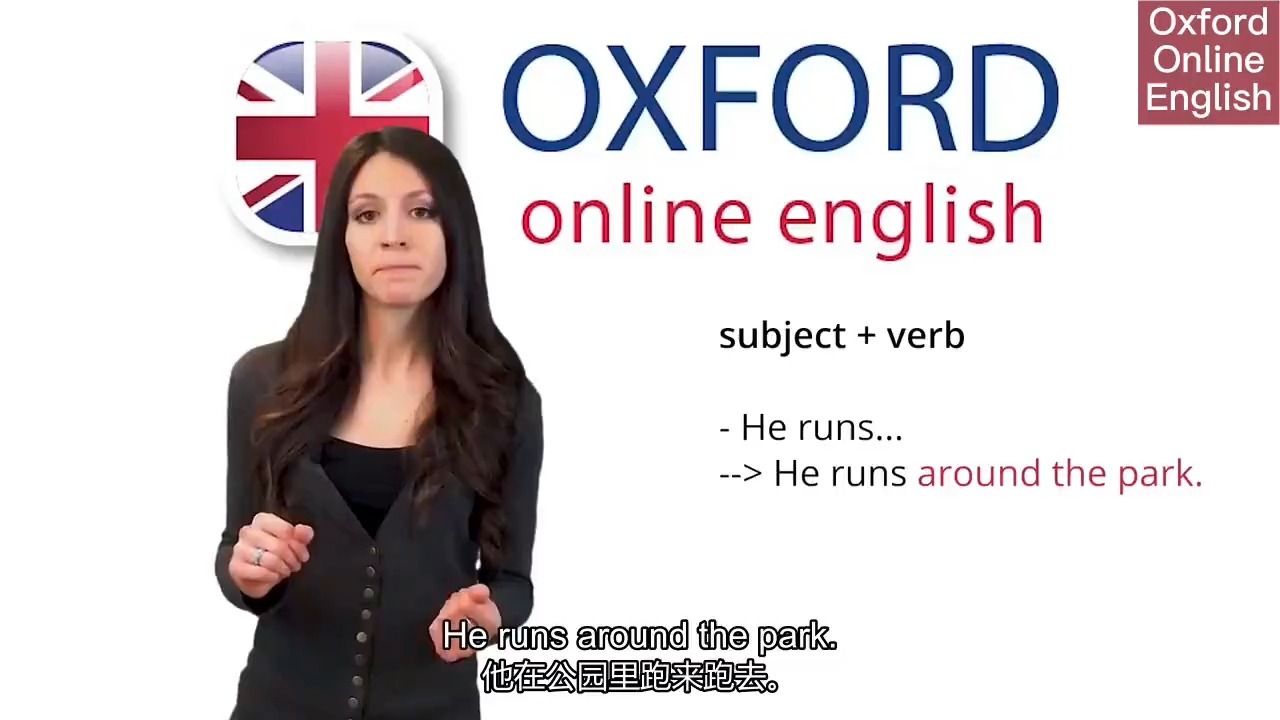
【40集全】牛津官方语法课 # 外教精讲,最后一次搞定语法,学语法看这个就够了 p41 40. 40. English Grammar 40.Articles in English - 5 Levels of Difficulty (P41)
发布于 2026-07-14 · 时长 17:56字幕摘录
| 时间 | 英文 | 中文 |
|---|---|---|
| 0:00 | Hi, I'm Molly. Welcome to Oxford Online English. In this lesson, you can test your ability | 嗨,我是莫莉,你好吗? 欢迎来到牛津在线英语。 这个课,你可以测试你的能力 |
| 0:08 | to use articles A and A. Here's how this lesson works. There are five levels. Each level | 使用A条和A条。 有五关. 每一级 |
| 0:19 | is more difficult than the previous one. Level 1 is beginner. Levels 2 to 4 are intermediate | 比前一个更难。 1级是初学者. 2至4级为中间级 |
| 0:29 | and level 5 is high intermediate to advanced. If you're not a beginner, start at level 2. At | 5级是高级到高级 如果你不是初学者 从2级开始 时 |
| 0:37 | each level, you can see what you need to focus on if you have difficulties. Got it? Let's | 每个关卡,你可以看到你需要专注于什么 如果你有困难。 明白了吗? 让我们 |
| 0:44 | start with level 1. Look at five sentences. Each sentence has a gap. You can put A, An, | 从一级开始。 观五句. 每句有间隙. 你可以把A,安, |
| 0:57 | the or nothing in the gap. Pause the video and find your answers now. Ready? Let's see the | 或空隙里什么都没有 暂停录像,现在找到答案 准备好了吗? 让我看看 |
| 1:10 | answers together. Use A or An after there is when you're talking about one thing. Use A or | 一起来回答 用A或A 后面有 当你谈论一件事。 使用 A 或 |
| 1:24 | An to say what someone is. For example, to say someone's job. Remember that you can't | 说一个人是什么 比如说某人的工作 记住,你不能 |
| 1:33 | use A or An with a plural name. Use nothing. Don't use A or A to talk about things in general. | 使用带有复数名的 A 或 A 。 别用什么 不要用A或A来一般地谈论事物. |
展开字幕全文(121 条)
| 序号 | 英文 | 中文 |
|---|---|---|
| 1 | Hi, I'm Molly. Welcome to Oxford Online English. In this lesson, you can test your ability | 嗨,我是莫莉,你好吗? 欢迎来到牛津在线英语。 这个课,你可以测试你的能力 |
| 2 | to use articles A and A. Here's how this lesson works. There are five levels. Each level | 使用A条和A条。 有五关. 每一级 |
| 3 | is more difficult than the previous one. Level 1 is beginner. Levels 2 to 4 are intermediate | 比前一个更难。 1级是初学者. 2至4级为中间级 |
| 4 | and level 5 is high intermediate to advanced. If you're not a beginner, start at level 2. At | 5级是高级到高级 如果你不是初学者 从2级开始 时 |
| 5 | each level, you can see what you need to focus on if you have difficulties. Got it? Let's | 每个关卡,你可以看到你需要专注于什么 如果你有困难。 明白了吗? 让我们 |
| 6 | start with level 1. Look at five sentences. Each sentence has a gap. You can put A, An, | 从一级开始。 观五句. 每句有间隙. 你可以把A,安, |
| 7 | the or nothing in the gap. Pause the video and find your answers now. Ready? Let's see the | 或空隙里什么都没有 暂停录像,现在找到答案 准备好了吗? 让我看看 |
| 8 | answers together. Use A or An after there is when you're talking about one thing. Use A or | 一起来回答 用A或A 后面有 当你谈论一件事。 使用 A 或 |
| 9 | An to say what someone is. For example, to say someone's job. Remember that you can't | 说一个人是什么 比如说某人的工作 记住,你不能 |
| 10 | use A or An with a plural name. Use nothing. Don't use A or A to talk about things in general. | 使用带有复数名的 A 或 A 。 别用什么 不要用A或A来一般地谈论事物. |
| 11 | If you say I like strawberries, you mean that you like all strawberries in general. Use A or | 如果你说我喜欢草莓 你是说你喜欢所有的草莓 使用 A 或 |
| 12 | An to mean one of many. This is a common way to use A or An, so it's useful to remember | 一个意思是很多。 这是使用A或A的常用方法,所以可以记住 |
| 13 | this idea. Here, there are many possible questions you could ask, but you just want to ask | 这个想法。 在这里,有很多问题 你可以问, 但你只是想问 |
| 14 | one. Use A when it's obvious which thing you mean. You often use A in this way to talk about | 一个 很明显你指的是什么时用A 你经常用这种方式说 |
| 15 | things around you which you can see and touch. There are many windows in the world, but if | 周围的东西,你可以看到和触摸。 世界上有很多窗户 但是如果 |
| 16 | someone asks you to close the window, you probably know which window they mean. Now, let's move | 有人叫你把窗户关上 你大概知道是哪个窗户 现在,我们走 |
| 17 | on to level two. Here are your sentences for level two. Here, we'll focus on when to use | 在二级。 这是第二级的句子 在这里,我们将专注于何时使用 |
| 18 | the or not. Some of these sentences are missing the, some are correct. Your job is to decide | 到底有没有 其中一些判决漏掉了,有些是正确的。 你的工作是决定 |
| 19 | which sentences are incorrect and add the where needed. Pause the video and think about it. | 哪些句子不正确,并在需要的地方添加。 暂停录像,想想看 |
| 20 | Could you do it? Take more time if you want. Okay, let's see the answers. | 你能做到吗? 如果你想的话,多花点时间 好吧,让我们来看看答案。 |
| 21 | In number one, fish is general. You aren't talking about some specific fish. However, | 以第一义中鱼为总. 你不是在说某些特定的鱼 不过, |
| 22 | you could say the smoked fish. Do you know when? You could say the smoked fish if you were | 你可以说烟熏鱼。 你知道什么时候吗? 你可以说烟鱼 如果你是 |
| 23 | talking about food from a menu. You often use this when ordering in a restaurant. For example, | 谈论食物 从菜单。 你经常在餐厅订餐时用这个 举例来说, |
| 24 | I'll have the salmon please. In this case, it's something specific. The smoked fish means | 我要三文鱼 在这种情况下,这是具体的事情. 烟熏鱼的意思是 |
| 25 | the smoked fish which is on your menu and which you serve here. | 烟熏的鱼 在你的菜单上,你在这里服务。 |
| 26 | Meals, breakfast, lunch and dinner don't usually have an article. Use the before a superlative | 饭,早餐,午餐和晚餐一般没有文章. 使用前一个叠加 |
| 27 | adjective like tallest, most or best. In many phrases, you just have to remember whether to use | 形容词像最高, 大部分或最好的。 在许多短语中,你只需要记住是否使用 |
| 28 | the or not. Why do you say on TV without the but on the internet with the? There's no real logic | 到底有没有 你为什么在电视上说,除了互联网之外 没有真正的逻辑 |
| 29 | to this. You just need to remember. Try to learn phrases like this as whole chunks so you don't | 这个 你只需要记住。 试着学习这样的短语 整个块,所以你不 |
| 30 | have to think about whether to use the or not when you're using them in speech. | 你说话的时候要考虑是否使用 |
| 31 | If you're talking about people in general, then you don't use the. For example, most people in | 若论一般人,则不用之. 例如,大多数人在 |
| 32 | the UK live in houses, not apartments. But if you're talking about a specific group of people, | 英国人住的房子,不是公寓。 但如果你说的是一组人 |
| 33 | then you need the. That's why you say most of the people in my class. You're talking about a | 那你需要那个 所以你才说大部分的人在我的班级。 你说的是一个 |
| 34 | specific limited group of people. When you're talking about transport, you need the. If you use | 特定的有限人群。 在谈论运输时,你需要的。 如果使用的话 |
| 35 | the verb take, take the bus, take the train, take the subway and so on. However, don't use the | 动词取用,乘公交车,乘火车,乘地铁等. 不过,不要用 |
| 36 | after-bye. Go by bus, get there by train, travel by subway and so on. | 后别. 坐公交车,乘火车到那里,乘坐地铁等. |
| 37 | Finally, you often need to use the with places in a city like shops, supermarkets, banks and so on. | 最后,你常常需要使用 与地方在一个城市 像商店,超市,银行等等。 |
| 38 | Let's think about something. Look at two sentences. Both are possible, but what's the difference? | 我们想想办法 看两句. 两者都是可能的,但有什么区别? |
| 39 | sentence number one with the means that you know which post office you're going to and where it is. | 第一句 说明你知道你要去哪个邮局 在哪里 |
| 40 | The second sentence with a means that there are many post offices and maybe you haven't | 第二句意味着邮局很多,也许你没有 |
| 41 | decided which one you're going to stop at. When you talk about places in a city, you have a specific | 决定了你要停哪一个 当你谈论一个城市的地方, 你有一个特定的 |
| 42 | place in mind. That's why you often need the. Got it? In the next two sections, you'll see more | 记住 这就是为什么你经常需要那个。 明白了吗? 接下来两节,你会看到更多 |
| 43 | details about when to use the and when not to. One of the biggest challenges with using the | 关于何时使用以及何时不使用的细节。 使用这些工具的最大挑战之一 |
| 44 | accurately is different kinds of name. There are many rules to remember and they aren't very | 准确的说是不同种类的名字。 有很多规则需要记住 而且它们并不非常 |
| 45 | consistent. Let's practice this now. Each sentence has two spaces. The question is do you | 一致。 让我们现在练习这个。 每句有两处空格. 问题是你是否 |
| 46 | need the or not? Pause the video and think about it. Ready? Let's check. | 需要还是不需要? 暂停录像,想想看 准备好了吗? 让我们检查一下。 |
| 47 | Many building names like cinemas, museums, theatres and other famous buildings have names with | 许多建筑名称如电影院、博物馆、剧院和其他著名建筑都带有 |
| 48 | the. The Odin is a well-known cinema chain. Street names don't use the. | 那个 奥丁是著名的电影连锁店. 街名不用那个 |
| 49 | There's a confusing rule with islands. If you're talking about a group of islands, you need the, | 与岛屿有混淆的规则. 如果你说的是一组岛屿 你需要... |
| 50 | but for an individual island, you don't use the. So you say the Philippines, but Luzon. You say | 但对于一个单独的岛屿, 你并不使用。 所以你说菲律宾,但吕宋。 你说 |
| 51 | the seashells, but Hawaii, without the. There's something similar with mountains and mountain | 贝壳,但夏威夷,没有。 山和山也有相似之处 |
| 52 | ranges. If you're talking about a mountain range, like the Himalayas, you need the, but for a | 范围。 如果你说的是山脉, 像喜马拉雅山脉, 你需要的,但为了一个 |
| 53 | single mountain, like Mount Everest, you don't use the. Use the with names of rivers, seas and oceans. | 单山,如珠穆朗玛峰,不使用. 使用河流、海洋的名称。 |
| 54 | What about lakes? Noether for lakes. This is the kind of time you might be feeling annoyed with the | 那湖怎么办? 诺瑟为湖泊. 这时候你可能会觉得烦恼 |
| 55 | English language. Why are there all these rules? Why don't they make sense? First, don't worry about | 英语。 为什么有所有这些规则? 为什么他们不合理呢? 先别担心 |
| 56 | these things too much. It's good to speak and write accurately, but it's also not the end of the | 这些东西太多了。 说话和写作都很好 但也不是结束 |
| 57 | world if you make a mistake with the in these situations. Second, learning language in chunks can | 如果你在这种情况下犯错的话 第二,用块学语言可以 |
| 58 | really help here. If you learn the sentence, Luzon is the second largest island in the Philippines, | 帮得上忙 如果你知道这句话 吕宋是菲律宾第二大岛屿 |
| 59 | and you remember the sentence. You don't have to think about when to use the, or not. | 你记得这句话 你不必考虑什么时候使用,或不使用。 |
| 60 | Here's a rule which is useful. If the name has a place as part of the name, it probably won't have the. | 这是一条有用的规则。 如果名字中有一个地方作为名字的一部分,它可能就没有了. |
| 61 | Stan's dead is a place, so the name Stan's dead airport doesn't have the. Like countries, | 斯坦死了是一个地方,所以斯坦死了的机场没有这个名字. 像各国一样, |
| 62 | names of counties, states, provinces and so on, mostly don't have the. Ethics is a county in the | 县,州,省等名称,大多没有. 道德是美国的一个县 |
| 63 | east of England. Then, if you learn in this way, you have many examples in your head of when to | 英格兰东部. 那么,如果你以这种方式学习, 你有很多例子在你的脑中 |
| 64 | use the, or not. This can build your instinct for what's correct, which makes it easier to decide | 使用,或不使用。 这可以建立你的本能 对于什么是正确的, 这使得更容易决定 |
| 65 | when to use the, or not, in new sentences. In number five, you can see another example of a | 何时使用,或不使用 新句子。 第五,你可以看到另一个例子 |
| 66 | name with a place, Edinburgh University. It doesn't use the. But if the name has of in it, | 爱丁堡大学地名。 它不使用这个。 但如果名字里写着 |
| 67 | it generally will need the, even if it includes a place name. And sometimes there are two names | 它一般需要这个,即使它包括一个地名。 有时有两个名字 |
| 68 | for the same thing. You can say Edinburgh University, or the University of Edinburgh. | 同样的事情。 可以指: 爱丁堡大学,或爱丁堡大学. |
| 69 | The first one is more common, but both are possible. Okay. Remember that you might need to review | 第一个更常见,但两者都有可能。 摆 记住,你可能需要审查 |
| 70 | a section more than once to get it. Also, remember that these five level lessons are designed to | a 一节不止一次才得到。 此外,请记住,这五个层面的教训旨在 |
| 71 | help you find out what you know and what you don't know. If you find a section difficult, | 帮助你找出你知道的和不知道的。 如果你觉得有困难 |
| 72 | that can help you to understand where your weaknesses are and what you need to do to spend more time | 帮助你了解你的弱点所在 以及你需要做什么 才能花更多的时间 |
| 73 | on. Here, you're going to see a topic, which is in our experience, one of the most confusing for | 继续 在这里,你会看到一个话题, 在我们的经验, 最令人困惑的 |
| 74 | English learners relating to using the. Before you see your sentences for level four, look at an | 与使用英语有关的英语学习者。 在你看到第四级的句子之前,看看 |
| 75 | example. Here, are we talking about one orangutan? No, here we mean all orangutans. We're talking | 实例。 这里,我们说的是一个猩猩? 不,在这里,我们是指所有的猩猩。 我们在说话 |
| 76 | about orangutans generally. So why use the singular noun with the? Why not use a plural noun and say | 有关猩猩的一般。 那为什么要用单词? 为什么不用复数名词说 |
| 77 | orangutans are found in Malaysia and Indonesia? Well, you can. Both sentences are possible. | 猩猩在马来西亚和印度尼西亚都有发现? 嗯,你可以做到这一点。 两句皆有可能. |
| 78 | Using the here means that you're talking about a group or category. It can be confusing because | 使用这里意味着你指的是一个团体或类别. 可能会让人困惑 因为 |
| 79 | usually you use the to talk about a specific thing, but here the has a general meaning. | 通常你用它来谈论一个特定的事情, 但在这里,它有一个一般性的意义。 |
| 80 | Let's practice this a little more. Look at your sentences for this level. | 让我们多练习一下 看看你这关卡的句子 |
| 81 | So what do you have to do? Focus on the highlighted phrases with the. Some of these phrases | 那你要怎么办? 专注于突出的短语与The。 其中一些短语 |
| 82 | can be replaced with a plural noun without the like in the example about orangutans you just saw. | 可以用复数名词代替,不用你刚才看到的猩猩的例子中的类似词. |
| 83 | Your job is to find the sentences where this is possible and change the noun phrase. | 您的工作是找到可能的句子并更改名词短语. |
| 84 | You might need to add some words pause the video take your time and think about it. | 你也许需要添加一些词 暂停视频 慢慢考虑一下。 |
| 85 | Ready? Confused? Let's do one together. Here's the answer for number one only. | 准备好了吗? 困惑? 让我们一起做一个。 这是第一的答案 |
| 86 | Done? Let's see the remaining answers. | 说完了吗? 让我们看看剩下的答案。 |
| 87 | In sentences two and three, rich and Swiss are adjectives. You can use the plus and adjective | 在第二句和第三句中,富人和瑞士人是形容词. 你可以使用加词和形容词 |
| 88 | to talk about a group or category in general. If you want to use a plural noun instead you need to | 讨论一个团体或类别。 如果您想要使用复数名词, 您需要 |
| 89 | add the noun people. In sentence five you can't use a plural noun. With musical instruments you | 增加名词人. 在第五句中,不能使用复数名词. 你带着乐器 |
| 90 | can only use the plus a singular noun to talk about the category in general. Again, if you're | 只能使用加号单数名词来谈论一般的类别. 再说一遍,如果你是 |
| 91 | questioning your life choices in watching this video don't worry about it. Many English learners | 质疑你的人生选择 观看这段视频 不用担心。 许多英语学习者 |
| 92 | find this difficult and need time to understand it in depth. On the other hand these aren't strange | 发现这一点很困难,需要时间来深入理解。 另一方面,这些并不奇怪 |
| 93 | sentences or rules that you only need sometimes. These rules and topics are relevant for speaking | 有时只需要句子或规则。 这些规则和议题与发言有关 |
| 94 | and writing in almost any situation. So they're worth spending time on if you want to communicate | 写在任何情况下。 所以,他们值得花时间 如果你想沟通 |
| 95 | accurately and clearly. Okay, you're nearly done. One more level to go. | 准确而明确。 好吧,你快结束了。 还有一层 |
| 96 | This is it. Level five. The hardest questions we could make. Here are five sentences. | 就是这样 五级. 我们最难问的问题 此为五句. |
| 97 | Four of these sentences have mistakes. One is correct. Can you find the correct sentence | 以上四句有误. 一个是正确的。 你能找到正确的句子吗? |
| 98 | and correct the mistakes in the other four? Pause the video and try it now. | 并纠正其他四个错误? 暂停录像,试试看 |
| 99 | Difficult. Here's a clue. You might need to forget about the rules you know. These sentences test | 难曰. 这里有一个线索。 你也许需要忘记你知道的规则 这些句子测试 |
| 100 | your knowledge of exceptions and unusual cases which don't fit the general rules about using articles. | 你对例外和不寻常情况的了解 不符合使用文章的一般规则 |
| 101 | Finished. Let's look together. | 结束了。 让我们一起看看。 |
| 102 | Sentence one is correct. How do you explain this? | 第一句是对的 你怎么解释? |
| 103 | Normally you don't use articles with people's names. However, here you're talking about | 通常不使用带有人名的文章. 然而,你在这里谈论 |
| 104 | multiple people who have the same name and contrasting them. The Jamie I was telling you about is | 多个同名并与之形成对比的人. 我告诉你的杰米是 |
| 105 | specific and needs the to show this. A Jamie in my class is one of many Jamie's but not the Jamie | 具体需要显示这一点。 我班上的一个杰米是杰米的,但不是杰米的 |
| 106 | we're interested in right now. In most cases, you say the future. In sentence two, you're talking | 我们感兴趣的现在。 在大多数情况下 你说未来 第二句,你说的是 |
| 107 | about one of many possible futures. So you use ah. This is common when you use an adjective with | 关于许多可能的未来之一。 这么说你用啊 这在您使用形容词时很常见 。 |
| 108 | future. A bright future. A difficult future. And so on. | 未来 光明未来. 一个艰难的未来。 及诸众生. |
| 109 | Again, sentence three shows you an exception to a rule. You don't usually use articles with days | 再说一遍,第三句是规则的例外 你通常不用日记文章 |
| 110 | of the week but if you're talking about which day a specific date falls on, then you can use ah. | 一周,但是如果你在谈论哪一天 一个特定的约会, 那么你可以使用啊。 |
| 111 | You also need an article with days of the week if you use certain adjectives like following | 如果使用某些形容词,例如: |
| 112 | or previous. Sentence four is a good example of how inconsistent the rules are here. You need the | 或先前。 第四句是这里规则不一致的好例子. 你需要那个 |
| 113 | for the hotel name and for the floor number but you don't use the with the room number. | 酒店名称和楼层号码 但你不用房间号码 |
| 114 | Don't try to look for the logic. There isn't any. | 不要试图寻找逻辑。 没有 |
| 115 | In sentence five, it would be easy to think that the two noun phrases first, second half of the year | 在句子五中,很容易想到两个名词句的第一,下半年. |
| 116 | should have the same article. However, in this case, there is some logic to why they're different. | 应该有相同的文章。 然而,在这种情况下,它们为何不同是有某种逻辑的. |
| 117 | In the first one, you say a terrible first half because although there's only one first half of the | 在第一个,你说一个可怕的上半部 因为虽然只有上半部 |
| 118 | year, there are many ways it could have gone. It could have been good or amazing or average or bad | 一年,有许多方法 它可能已经走了。 可能是好,是惊人的,是普通的,是坏的 |
| 119 | and so on. In the second one, there's no adjective. Here you use regular rules. There's only one | 诸如来. 第二句中无形容词. 在这里,你使用常规规则。 只有一个 |
| 120 | second half of the year so you use the. The adjective makes all the difference. | 下半年你用那个 形容词使一切差别. |
| 121 | That's all. We hope you found the lesson interesting. See you next time. | 就这样 我们希望你发现这个教训很有趣。 下次见 |
该视频共有字幕 121 条。解锁更多字幕为会员功能,请移动到 价格