TED演讲:如何避免被别人的带刺情绪影响?
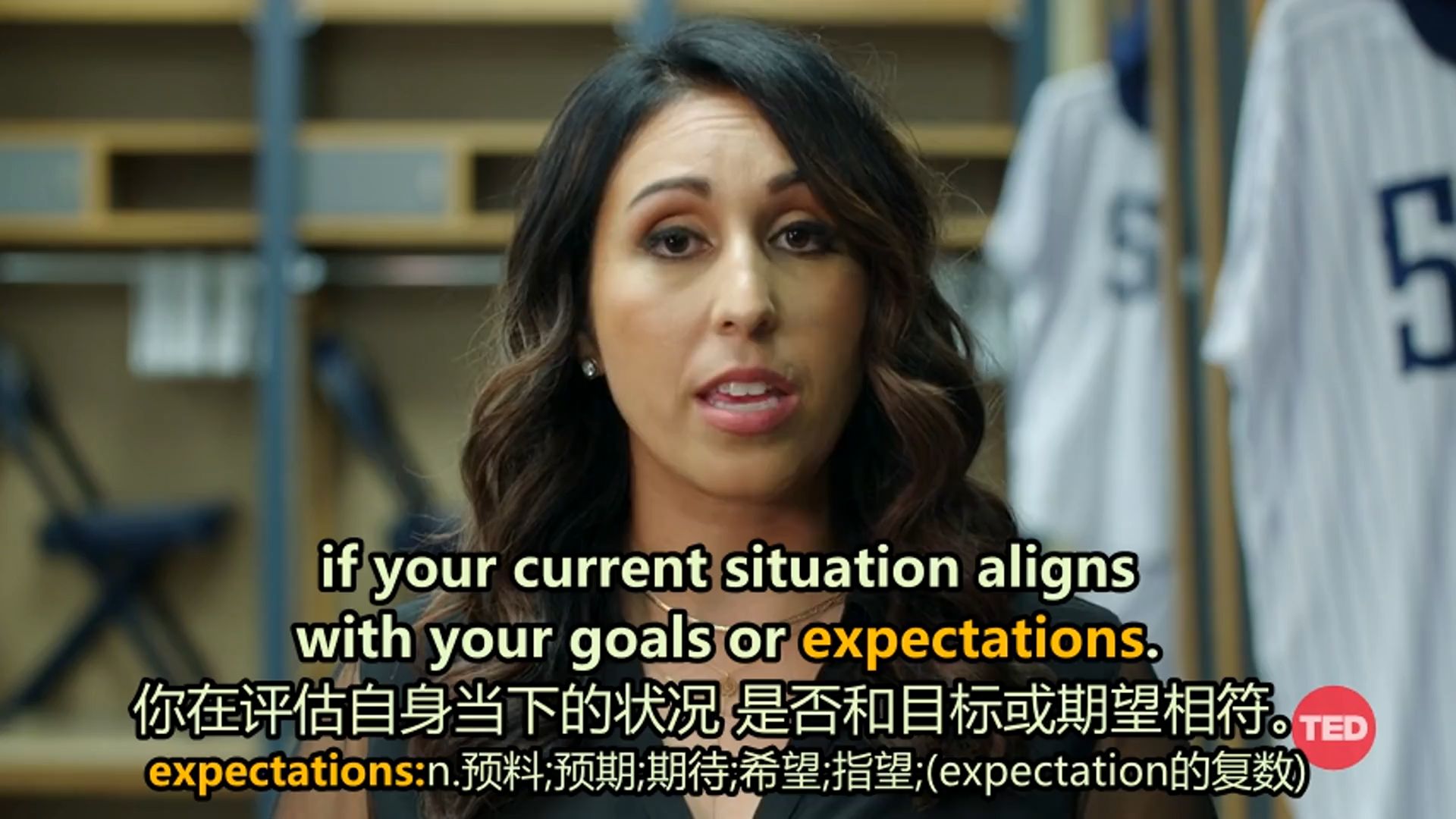
字幕摘录
| 时间 | 英文 | 中文 |
|---|---|---|
| 0:04 | So I'm a sports and performance psychologist, which means I get to work with a lot of people, | 所以我是个运动和表演心理学家 也就是说我和很多人一起工作 |
| 0:09 | like elite athletes, military professionals, and top government agencies, whose career | 像精英运动员、军事专业人士 以及政府高层机构 他们的职业生涯 |
| 0:14 | and safety depend on peak performance. | 安全取决于峰值性能 |
| 0:16 | And I'll never forget this one story a soldier told me about his time serving in Iraq. | 我永远不会忘记这个故事 一个士兵告诉我他在伊拉克服役的时间。 |
| 0:22 | It was around the early 2000s when the United States had military operations in both Iraq | 大约是2000年代初 美国在伊拉克的军事行动 |
| 0:27 | and Afghanistan. | 与阿富汗的关系。 |
| 0:29 | And during this time, many locals were encouraged to come forward and share information about | 在此期间,许多当地人被鼓励站出来分享有关 |
| 0:33 | potential threats. | 潜在威胁。 |
| 0:34 | So one day, this Iraqi man approaches the gate of a US outpost to share intelligence | 有一天,这个伊拉克人来到美国前哨的大门 分享情报 |
| 0:39 | about a possible threat. | 可能的威胁。 |
展开字幕全文(171 条)
| 序号 | 英文 | 中文 |
|---|---|---|
| 1 | So I'm a sports and performance psychologist, which means I get to work with a lot of people, | 所以我是个运动和表演心理学家 也就是说我和很多人一起工作 |
| 2 | like elite athletes, military professionals, and top government agencies, whose career | 像精英运动员、军事专业人士 以及政府高层机构 他们的职业生涯 |
| 3 | and safety depend on peak performance. | 安全取决于峰值性能 |
| 4 | And I'll never forget this one story a soldier told me about his time serving in Iraq. | 我永远不会忘记这个故事 一个士兵告诉我他在伊拉克服役的时间。 |
| 5 | It was around the early 2000s when the United States had military operations in both Iraq | 大约是2000年代初 美国在伊拉克的军事行动 |
| 6 | and Afghanistan. | 与阿富汗的关系。 |
| 7 | And during this time, many locals were encouraged to come forward and share information about | 在此期间,许多当地人被鼓励站出来分享有关 |
| 8 | potential threats. | 潜在威胁。 |
| 9 | So one day, this Iraqi man approaches the gate of a US outpost to share intelligence | 有一天,这个伊拉克人来到美国前哨的大门 分享情报 |
| 10 | about a possible threat. | 可能的威胁。 |
| 11 | But instead of being treated like an ally, he was met with hostility by the soldier | 但是他没有被当成盟友对待,反而遭到士兵的敌意 |
| 12 | who was debriefing him. | 谁在向他汇报。 |
| 13 | But that's likely because just days earlier, soldiers from another unit were killed in | 可能是因为几天前 另一支部队的士兵被杀了 |
| 14 | a surprise attack. | 突然袭击 |
| 15 | And so as the interview continued, so did the soldier's irritation. | 随着采访的继续,士兵的烦恼也随之而来. |
| 16 | And as a result, the Iraqi man became frustrated. | 也因此伊拉克人变得沮丧. |
| 17 | In the end, tempers were flaring so high that the interview was cut short. | 最终,脾气高涨,以致采访被缩短. |
| 18 | And the following day, two separate units were hit by roadside bombs. | 而第二天,两支独立的部队被路边炸弹击中. |
| 19 | Of course, we'll never know for sure if the attacks could have been stopped had the interview | 当然,我们永远也无法确定 如果采访的话 袭击是否会停止 |
| 20 | gone differently. | 变了 |
| 21 | But the reason why I'm telling you this story is because it's an excellent example of a | 但我告诉你这个故事的原因是 因为它是一个很好的例子 |
| 22 | super common problem that keeps so many of us from performing at our best. | 超常见的问题 使得我们很多人无法尽最大的努力 |
| 23 | And it's how well we're able to regulate our emotions, which is one of the most common | 这也是我们如何很好地调节我们的情绪, 这是最常见的之一 |
| 24 | drivers of a good and bad performance. | 开着好坏的车 |
| 25 | And it turns out how well you're able to regulate your emotions depends on how susceptible | 事实证明,你能否很好地调节你的情绪 取决于如何易感 |
| 26 | you are to a principle called emotional contagion. | 你遵循的原则是 情感传染。 |
| 27 | It's just like it sounds. | 犹如声闻. |
| 28 | It's how quickly you can catch the emotions of other people and then take them on as your | 这是你能有多快地抓住别人的情绪 然后把它们当作你的 |
| 29 | own. | 拥有。 |
| 30 | The problem is, though, most of us are highly susceptible to other people's emotions, which | 问题是,我们大多数人 都非常容易受到别人的情绪影响, |
| 31 | means even the smallest external factor can impact how we perform at work, on the field, | 意味着即使是最小的外部因素 也能影响我们如何在工作上,在现场, |
| 32 | and even at home. | 甚至在家中。 |
| 33 | But lucky for us, we can learn how to avoid other people's emotions by becoming better | 但幸运的是,我们可以学会如何通过变得更好来避免别人的情绪 |
| 34 | at regulating our own. | 管理我们自己的。 |
| 35 | So here's how I like to think about this. | 所以我喜欢这样想 |
| 36 | Take a look. | 看看这个。 |
| 37 | Now, at a glance, this looks like a giant teddy bear looking shrub, right? | 现在,看一眼,这看起来像一只巨大的泰迪熊 看起来像灌木,对不对? |
| 38 | I remember seeing one of these for the very first time while hiking in Arizona. | 我记得在亚利桑那州徒步旅行时 我第一次看到这个 |
| 39 | And because it looked soft, I reached out to touch it. | 因为它看起来很柔软,我伸手去摸它。 |
| 40 | But by the time my hand was close enough, the spines on the branches jumped and pricked | 但到了我的手足够近的时候 树枝上的脊椎就跳了起来刺伤了 |
| 41 | me. | 来啊 |
| 42 | Literally, my hand was covered. | 从字面上看,我的手被盖住了。 |
| 43 | And every time I tried to remove one, that little sucker would break off and it would | 每次我试图去除一个, 那个小傻瓜会断掉,它会 |
| 44 | burrow deeper into my skin, just like the guy in the video. | 就像录影带里那个家伙一样 |
| 45 | In this plant, it has the perfect name. | 在这个植物中,它有完美的名称. |
| 46 | It's called the jumping cholla. | 名为跳跃cho罗. |
| 47 | And it left a lasting impression, figuratively and literally, so much so that when I teach | 它留下了永恒的印象, 象征和字面上的, 如此之多,所以当我教 |
| 48 | people how to regulate their emotions and avoid catching the emotions of other people, | 人们如何调节自己的情绪 避免抓住别人的情绪, |
| 49 | I refer to the jumping cholla effect. | 我指的是跳跃性胆汁效应。 |
| 50 | And over the years, I have concluded that the jumping chollas are just like people. | 多年来,我的结论是 跳跃的舞蹈就像人一样 |
| 51 | They can be pricks. | 他们可能是刺。 |
| 52 | And if you're not careful, they can burrow deep into your skin. | 如果你不小心,他们可以深入你的皮肤。 |
| 53 | So to understand how this happens in real life, I think it's helpful to know what emotions | 所以,为了了解现实生活中发生的事情, 我认为了解什么是情感是有用的 |
| 54 | actually are. | 其实是的。 |
| 55 | And there's two popular theories about where emotions come from. | 还有两种流行的关于情绪来自何处的理论. |
| 56 | The first theory is called cognitive appraisal, which basically says that the experience of | 第一个理论叫做认知评估,它基本上说: |
| 57 | an emotion is actually you evaluating if your current situation aligns with your goals | 一个情感其实是您评估 如果你当前的情况符合您的目标 |
| 58 | or expectations. | 或期望。 |
| 59 | So let's say you're on your way home to share some exciting news with your significant other. | 因此,让我们假设你正在回家的路上 与你的重要的其他人分享一些令人兴奋的消息。 |
| 60 | You walk through the door, you find them sitting on the couch, but instead of a hello or how | 你走过门,你会发现他们坐在沙发上, 但代替一个问候或如何 |
| 61 | is your day, they leave the room without saying a word. | 今天是你们的日子,他们不说话就离开房间。 |
| 62 | Now, that's not how you expected your evening to go, which could lead to the emotion of | 现在,这不是你期待的 你的夜晚去, 这可能导致情绪 |
| 63 | feeling annoyed. | 感觉很烦恼 |
| 64 | Does that make sense? | 这有道理吗? |
| 65 | The other theory is called physiological perception, which is all about the emotions we subconsciously | 另一种理论叫做生理感知 这都是我们潜意识中的情感 |
| 66 | assign to the physical changes in our body. | 赋予我们身体的物理变化 |
| 67 | Public speaking is a great way to understand this. | 公开演讲是了解这一点的好办法。 |
| 68 | How perfect, right? | 多么完美,对不对? |
| 69 | Usually, right before I speak, I get butterflies in my stomach. | 平时,在我说话之前,我胃里有蝴蝶 |
| 70 | Now, if I have that same physical feeling the last time I spoke in public and the speech | 现在,如果我有同样的身体感觉 当我最后一次在公共演讲和演讲 |
| 71 | went well, I may interpret that situation or that sensation as the emotion of excitement. | 进展顺利,我可能会把这种情况 或那种感觉解释为兴奋的情感。 |
| 72 | But let's just say I bombed my last speech. | 假设我上次的演讲被炸了 |
| 73 | I may now interpret that butterfly feeling as nervousness or fear. | 我现在可以把蝴蝶的感觉解释为紧张或恐惧。 |
| 74 | Basically, we overlay our physiological perception from our past experiences onto our current | 基本上,我们从过去的经验中 将我们的生理认知 覆盖到现在 |
| 75 | situation. | 情况 |
| 76 | And what's interesting is that both of these theories also play into how we assess the | 有趣的是,这两个理论 也参与我们如何评估 |
| 77 | emotions of other people. | 别人的感情 |
| 78 | Because the part of the brain that processes emotion and memory, the limbic system, is | 因为大脑中处理情感和记忆的部分 即四肢系统 |
| 79 | considered to be an open loop system, which means it can be influenced by any external | 被认为是一个开放的循环系统,这意味着它可以受到任何外部影响 |
| 80 | factor. | 参数。 |
| 81 | Think about it. | 考虑一下 |
| 82 | Have you ever passed by someone and without saying a word, you could feel how annoyed | 你曾经经过过某个人,不说一句话, 你会觉得很生气 |
| 83 | or how excited they are? | 或者他们有多兴奋? |
| 84 | And then maybe you felt annoyed or excited too. | 也许你也觉得很烦恼或兴奋 |
| 85 | It's an interesting concept to think about because our brains are hardwired to pick up | 思考这个概念很有趣,因为我们的大脑很坚硬 |
| 86 | these subtle cues in our environment, which makes it possible for the other person's | 这些微妙的提示 在我们的环境, 它使得有可能 他人的 |
| 87 | emotions to jump and attach to you. | 情感的跳跃和附着于你。 |
| 88 | But what many people don't realize is that every human being is affected by our open | 但很多人没有意识到 每个人受到我们开放的影响 |
| 89 | loop system. | 循环系统。 |
| 90 | Many people at work or many people on the same team inevitably catch feelings from one | 很多人在工作 或许多人在同一团队 不可避免地抓住的感觉从一个 |
| 91 | another, sharing everything from jealousy to envy and worry to joy. | 另一个,分享一切 从嫉妒,嫉妒,担心,快乐。 |
| 92 | The more cohesive the group, the stronger the sharing of moods. | 群体越团结,分享情绪就越强. |
| 93 | And we see this play out in sports all the time. | 我们经常在运动中看到这种表演。 |
| 94 | And sometimes even in a good way. | 有时甚至以好的方式。 |
| 95 | Like if the team is getting beat, but the captain regulates his or her emotions and | 就像球队被击败, 但队长调节他或她的情绪和 |
| 96 | stays grounded and present, that can increase the likelihood that the rest of the team will | 留在原地 留在原地 这可以增加团队其他成员的可能性 |
| 97 | stay grounded and present as well, which is great when it happens. | 留在原地和现场,这是伟大的 当它发生。 |
| 98 | But all it takes is for one person on that team to express a negative emotion for the | 但需要的只是 团队中的一个人 表达一种负面情绪 |
| 99 | whole thing to fall apart. | 整个事情要崩溃。 |
| 100 | Now take a moment and think about how long you've held on to an irritation, especially | 想想你对刺激 坚持了多久 |
| 101 | after an encounter from a prickly person. | 遇到一个讨厌的人后 |
| 102 | Was it days? | 是几天吗? |
| 103 | Weeks? | 礼拜? |
| 104 | Months? | 几个月? |
| 105 | Man, I had this one boss who I let his negative emotions jump and attach to me. | 男人,我有一个老板 我让他的负面情绪跳跃 并附附在我身上。 |
| 106 | And I held on to them for a year, literally a year. | 我抱着他们一年,实际上一年。 |
| 107 | And when I think back now, I can't help but cringe because of all the productivity loss | 当我回想起来的时候 我忍不住因为生产力的丧失而相信自己 |
| 108 | and the amount of stress that I felt. | 以及我感受到的压力 |
| 109 | All because my boss and I caught each other's frustrations and couldn't escape the cycle | 都因为我和老板 彼此的挫折 无法逃脱循环 |
| 110 | of the jumping cholla effect. | 跳跃性胆汁效应 |
| 111 | But the ideal situation, which improves team and group dynamics as well as individual happiness, | 但是,理想的情况, 改善团队和团体动态 和个人幸福, |
| 112 | is for everyone to control their emotional state by sending back the other person's | 是每个人都可以控制自己的情绪状态 通过发送对方的 |
| 113 | emotions to them. | 他们的情绪。 |
| 114 | And research shows that there's two common emotion regulation strategies that can help. | 而研究表明,有两个共同的情绪调节策略可以帮助. |
| 115 | And I use both of these with my clients all the time. | 我总是用这两个 与我的客户。 |
| 116 | Do you remember cognitive appraisal, where you assign meaning to a situation based on | 你还记得认知评估吗? 你给基于 |
| 117 | your goals and expectations? | 你的目标和期望? |
| 118 | Well, the first strategy is called cognitive reappraisal, where you work to reframe how | 第一个策略叫做认知再评估 在那里你致力于重新定义 |
| 119 | you interpret the situation in order to regulate your emotions. | 你解释情况是为了控制你的情绪 |
| 120 | It's like taking active steps to reevaluate your hiking path in order to avoid the jumping | 这就像采取积极的步骤 重新评估你的徒步路径 以避免跳跃 |
| 121 | cho. | |
| 122 | Let me give you an example. | 让我举个例子。 |
| 123 | So I once had this soldier who was training to become an interrogator, and every time | 所以我曾经有个士兵在训练 成为审讯员 每次 |
| 124 | he got feedback, he immediately became defensive and then would justify his behavior. | 他得到了反馈,他立刻变得防守 然后会证明他的行为是正当的 |
| 125 | Eventually, he told me that he acted that way because he thought his instructor just | 最终,他告诉我,他这样做 因为他认为他的教练只是 |
| 126 | didn't like him. | 不喜欢他 |
| 127 | So with the use of cognitive reappraisal, he was taught to actively pause and reframe | 所以通过认知再评估 他被教导要积极暂停和重新塑造 |
| 128 | his interpretation and expectation of the situation. | 他对情况的解释和期望。 |
| 129 | So if he thought, my instructor hates me, he always looks upset. | 所以如果他觉得 我的教练讨厌我 他总是看起来很不高兴 |
| 130 | He would reframe that thought to, he may look upset, but he takes the time to walk me through | 他会重新塑造那些想, 他可能看起来很不高兴, 但他花时间陪我度过 |
| 131 | what I need to fix. | 我需要解决的 |
| 132 | Now, training your brain to reframe takes time. | 现在,训练你的大脑 重新塑造需要时间。 |
| 133 | And sometimes it's not easy because there's a hint of truth within each of our thoughts. | 有时也不容易,因为我们的每一个想法中都有一点真理的暗示. |
| 134 | But if you work consistently on reframing, you'll be able to engage quickly people without | 但是,如果你坚持不懈地努力 重建,你会 能够快速接触人们没有 |
| 135 | being negatively affected by the other person's mood. | 受到对方情绪的负面影响 |
| 136 | Acceptance is the other emotion regulation strategy. | 接受是另一种情绪调控策略. |
| 137 | It means what you think. | 意为汝所想. |
| 138 | It's learning to accept a moment for what it is and not for what you want it to be. | 它正在学习接受一个时刻 因为它是什么,而不是你想要的是什么。 |
| 139 | And when I teach people how to do this, I use a three-step framework. | 当我教人们如何做到这一点时,我使用一个三步框架。 |
| 140 | OK, so what, now what? | 好吧,那现在怎么办? |
| 141 | By saying OK, you hold any additional judgment to the person or to the situation. | 说好,你对人或情况 有任何额外的判断 |
| 142 | You then allow yourself space to accept your physiological responses and your perception | 那你就让自己接受你的生理反应和感觉 |
| 143 | to what's happening. | 对正在发生的事情。 |
| 144 | And once you distance yourself from your thoughts and your emotional state, well, then you can | 一旦你远离你的思想和情感状态, 那么,你可以 |
| 145 | say, so what? | 那又怎样? |
| 146 | Because this helps acknowledge what happened purely as an event. | 因为这能帮助人们承认 所发生的事件纯属事件 |
| 147 | And as you transition into now what, that means that you've gathered enough information | 当你过渡到现在,这意味着 你已经收集足够的信息 |
| 148 | to be able to respond to the event. | 能够对事件作出反应。 |
| 149 | Now, most people can get to OK, but struggle to get past so what? | 现在,大多数人可以到达OK, 但挣扎过去,那又怎样? |
| 150 | Because it can be difficult to detach our physiological perception from the situation. | 因为可能很难把我们的生理认知从局势中分离出来. |
| 151 | But here's what I tell people to keep in mind. | 但我告诉大家记住这一点。 |
| 152 | Acceptance doesn't mean that you're OK with what happened or that you even want it to continue. | 接受并不代表你对所发生的事情心满意足 或者你甚至希望它继续下去 |
| 153 | It means that you're able to take an aerial shot of the exchange and understand where | 意思是你可以对交换机进行空中拍摄 并了解在哪里 |
| 154 | the prickly spines are and if they're worth attaching to. | 刺骨的脊椎是, 如果他们值得附着。 |
| 155 | Now, both of these strategies are my favorite because they're so powerful, especially on | 现在,这两个策略都是我最喜欢的, 因为它们是如此的强大,特别是 |
| 156 | the effects that they have on how we approach life and relationships. | 他们对我们对待生活和关系的影响 |
| 157 | And one study even suggests that cognitive reappraisal tends to be associated with more | 一项研究甚至认为,认知再评估往往与更多 |
| 158 | immediate emotional relief in negative situations, whereas acceptance may be better suited | 在消极情况下立即给予情绪缓解,而接受则可能更合适 |
| 159 | for decreasing short-term physiological reactions in unpleasant situations. | 在不愉快的情况下减少短期生理反应。 |
| 160 | But the best part, both of these strategies don't have to be separate practices. | 但最好的部分是,这两种策略都不必是单独的做法. |
| 161 | Acceptance and cognitive reappraisal can be used interchangeably in order to maintain | 接受和认知重新评估可互换使用,以维持 |
| 162 | emotional self-control. | 情绪自控。 |
| 163 | The key, though, to implementing them is to become self-aware when you become emotionally | 但是,关键是,当你在情感上变得自我意识 |
| 164 | triggered by another person or event. | 由另一个人或事件触发。 |
| 165 | And once you consciously become aware of either your thoughts, emotions, or physical sensations, | 一旦你意识到 你的思想,情感, 或身体感觉, |
| 166 | well, then you can practice either technique. | 那么,你可以练习两种技术。 |
| 167 | These may be common concepts, but I'll tell you, they're definitely not commonly practiced. | 这些可能是常见的概念, 但我会告诉你,它们绝对不是通常采用的。 |
| 168 | So by remembering the jumping cholla effect, it will help you to be more self-aware and | 因此,通过记住跳跃的cholla效应,它会帮助你更加自觉和 |
| 169 | self-regulated. | 自我调节。 |
| 170 | And in turn, well, you avoid getting pricked by a prick. | 而反过来,你又避免被刺刺。 |
| 171 | Thank you. | 谢谢 |
该视频共有字幕 171 条。解锁更多字幕为会员功能,请移动到 价格