TED演讲:成年人的交友秘诀
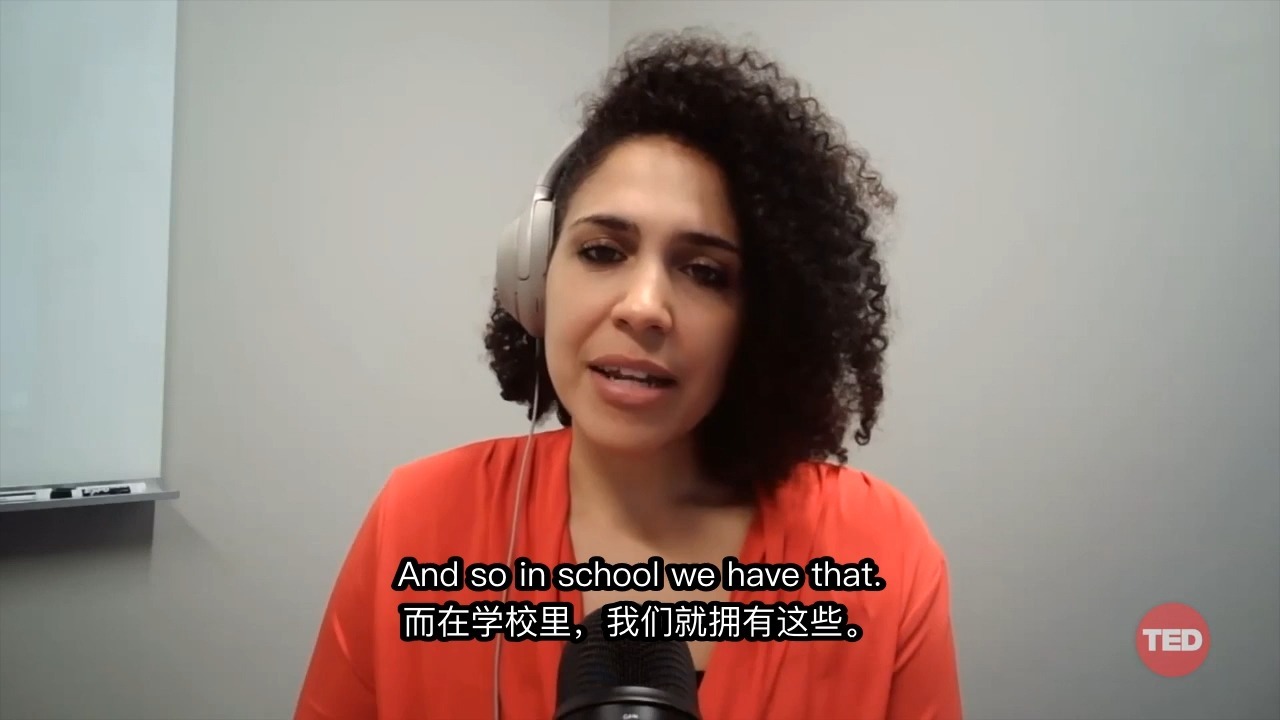
字幕摘录
| 时间 | 英文 | 中文 |
|---|---|---|
| 0:04 | Now, as an expert on friendship, I'm up against a lot because of the hierarchy that a lot | 现在,作为一个友谊专家, 我反对很多 因为等级,很多 |
| 0:11 | of our cultures place on love, right? | 我们的文化把爱情放在了首位,对吧? |
| 0:13 | With familial love at the top, with romantic love at the top, and with platonic love, friendship | 以家庭爱情为重,以浪漫爱情为重,以柏拉图爱情为重,以友谊为重. |
| 0:19 | love really at the bottom. | 爱真的在底部。 |
| 0:21 | And with so many countries, people feeling so lonely and so disconnected, I believe that | 随着这么多国家,人们 感到如此孤独和如此脱节,我相信 |
| 0:27 | if we leave friendship at the bottom of this hierarchy, it's like there's gold at our | 如果我们把友谊留在这个等级的底部, 它就像有黄金在我们身上 |
| 0:31 | feet that we're treating as concrete. | 脚,我们正在对待 混凝土。 |
| 0:33 | And so why are friendships so key? | 为什么友谊如此关键? |
| 0:37 | Well, our bodies have always known that we need an entire community to feel whole. | 我们的身体一直知道 我们需要一个完整的社区 |
| 0:42 | And just being around a spouse, for example, only surfaces one side of ourselves. | 和只是围绕一个配偶, 例如,只有表面我们自己。 |
展开字幕全文(572 条)
| 序号 | 英文 | 中文 |
|---|---|---|
| 1 | Now, as an expert on friendship, I'm up against a lot because of the hierarchy that a lot | 现在,作为一个友谊专家, 我反对很多 因为等级,很多 |
| 2 | of our cultures place on love, right? | 我们的文化把爱情放在了首位,对吧? |
| 3 | With familial love at the top, with romantic love at the top, and with platonic love, friendship | 以家庭爱情为重,以浪漫爱情为重,以柏拉图爱情为重,以友谊为重. |
| 4 | love really at the bottom. | 爱真的在底部。 |
| 5 | And with so many countries, people feeling so lonely and so disconnected, I believe that | 随着这么多国家,人们 感到如此孤独和如此脱节,我相信 |
| 6 | if we leave friendship at the bottom of this hierarchy, it's like there's gold at our | 如果我们把友谊留在这个等级的底部, 它就像有黄金在我们身上 |
| 7 | feet that we're treating as concrete. | 脚,我们正在对待 混凝土。 |
| 8 | And so why are friendships so key? | 为什么友谊如此关键? |
| 9 | Well, our bodies have always known that we need an entire community to feel whole. | 我们的身体一直知道 我们需要一个完整的社区 |
| 10 | And just being around a spouse, for example, only surfaces one side of ourselves. | 和只是围绕一个配偶, 例如,只有表面我们自己。 |
| 11 | So maybe the part of me that likes to garden or do yoga will begin to wither away if my | 所以,也许我的一部分喜欢花园 或做瑜伽会 开始消失,如果我 |
| 12 | spouse, for example, doesn't like these activities. | 例如,配偶不喜欢这些活动。 |
| 13 | But then when I'm around a friend, I can garden and plant my pothos with them. | 但当我在朋友身边时,我可以园艺 和他们一起种植我的大麻。 |
| 14 | And I'm around another friend that I can downward facing dog with. | 我和另一个朋友在一起 我可以面对狗 |
| 15 | And I feel my entire identity, accordion outward, unfold and fan out. | 我感觉到我的全部身份,手风琴 外向,外向,外向,外向 |
| 16 | And I experience the full richness and complexities of who I am when I have an entire | 我经历我拥有一个完整的 |
| 17 | community to bring that out in me. | 社区 把它带给我。 |
| 18 | And so that's one of the reasons why friendship is really important. | 这就是友谊真正重要的原因之一。 |
| 19 | But I think there's two reasons why we tend to really devalue it. | 但我认为有两个原因 我们倾向于真正贬低它的价值。 |
| 20 | One reason is because we just don't know how to make friends. | 原因之一是我们不知道如何交朋友 |
| 21 | So luckily, I'm going to help you with that a little bit today. | 幸运的是,我今天会帮你 |
| 22 | But the other reason has to do with something I like to call the paradox of people, that | 但另一个原因 与我所说的人之间的矛盾有关 |
| 23 | on the one hand, we need people. | 一方面,我们需要人。 |
| 24 | They make us feel healthy. | 他们让我们感觉健康。 |
| 25 | They make us feel connected. | 它们让我们觉得彼此有联系 |
| 26 | They make us feel like our very selves. | 它们让我们觉得自己很自在 |
| 27 | Right. | 对 |
| 28 | But on the other hand, people are really scary. | 但另一方面,人们真的很可怕。 |
| 29 | They can dismiss us. | 他们可以开除我们 |
| 30 | They can reject us. | 他们可以拒绝我们。 |
| 31 | They can actively harm us. | 它们会积极伤害我们。 |
| 32 | And so this sort of dilemma that we face, that the sort of entity that we need the most | 所以这种困境,我们面对, 我们最需要的实体 |
| 33 | is also the entity that can harm us the most. | 也是伤害我们最大的实体。 |
| 34 | And how we walk across this tightrope handling this paradox of people says a lot about our | 我们如何走过这个紧绳 处理这个悖论 人们说了很多关于我们 |
| 35 | ability to make and keep friends, because if we find ourselves stuck in the place where | 因为如果我们发现自己被困在 |
| 36 | we see people as mistrust people, where we see people as potentially rejecting us and | 我们把人看作是不信任的人, 在那里,我们把人看作是潜在的拒绝我们, |
| 37 | harming us, it's really hard to foster connection. | 伤害我们,这真的很难促进联系。 |
| 38 | And this really materialized for me one day when I had bought an apartment and I was really | 有一天,我买了公寓,我真的... |
| 39 | excited to make friends with my neighbors because I'm like, oh, my gosh, I'm going to | 很高兴能和邻居交朋友 因为我要... |
| 40 | be here for a while. | 在这儿待一会儿 |
| 41 | And I see a couple of my neighbors in the hallway when I'm walking home into my apartment | 我在走廊看到几个邻居 当我走回我的公寓 |
| 42 | with my ex at the time who was living with me. | 和我前男友住在一起的时候 |
| 43 | And I walk right past them, right, because paradox of people, I'm scared of them. | 我走过他们,对, 因为矛盾的人,我害怕他们。 |
| 44 | They might reject me. | 他们可能会拒绝我 |
| 45 | They might see me as weird if I try to introduce myself. | 如果我自我介绍,他们可能会认为我很奇怪 |
| 46 | So I scurry into my apartment and my ex, he pushes me back into the hallway to talk to | 所以我冲进我的公寓 和我的前任, 他推我回到走廊 说话 |
| 47 | my neighbors and says to me, you know, you're writing this book on friends. | 我的邻居对我说,你知道, 你写这本书的朋友。 |
| 48 | What would you tell other people who are in your situation? | 你会怎么跟别人说呢? |
| 49 | And so as I'm sort of stumbling back into the hallway, I'm thinking about a few things | 所以当我有点绊倒 回到走廊, 我想一些事情 |
| 50 | that I have learned through studying friendship so intensely. | 我通过如此激烈的友谊学习了 |
| 51 | And so two observations that I have on friendship and two takeaways for what we can do to | 因此,我有两个关于友谊的观察 和两个外卖 我们可以做什么 |
| 52 | make and keep friends. | 和保持朋友关系。 |
| 53 | First observation, friendship does not happen organically in adulthood, right. | 首先,友谊不会在成年时有机地发生,对吗? |
| 54 | And in fact, one study found that people that think that it happens based on luck are | 事实上,一项研究发现, 认为它发生于运气的人 |
| 55 | actually lonelier five years later, whereas people that see it as happening based on | 实际上更孤独 五年后, 而人们 认为它发生基于 |
| 56 | effort are less lonely five years later. | 五年后,努力不再那么孤独。 |
| 57 | So what did that tell me that if I was just there hoping that my friend, my neighbors | 那告诉我,如果我只是在那里 希望我的朋友,我的邻居 |
| 58 | would someday try to be my friend, it probably wouldn't happen. | 有一天会尝试成为我的朋友, 它可能不会发生。 |
| 59 | Right. | 对 |
| 60 | And so I would need to make that effort in order to be able to make friends. | 因此,我需要做出这一努力,以便能够交朋友。 |
| 61 | But second observation that I have based on reading all the research on friendship is | 但根据我对友谊研究的第二点观察 |
| 62 | something called the liking gap, which is a phenomenon wherein when strangers interact | 一种叫做喜好差距的现象 当陌生人互动时 |
| 63 | and predict how likely the other person is to like them, they underestimate how much | 并预测对方是多么可能喜欢他们, 他们低估了多少 |
| 64 | the other person likes them. | 其他人喜欢他们 |
| 65 | So this research really suggests that we're less likely to be rejected than we think, | 所以这个研究真的表明 我们被排斥的可能性比我们想象的要小 |
| 66 | which leads me to my first takeaway for making friends. | 这使我找到我的第一个外卖 交朋友。 |
| 67 | If you want to make friends, you have to assume that people like you. | 如果你想交朋友,就必须假设像你这样的人. |
| 68 | Right. | 对 |
| 69 | The reason is when researchers told people, hey, you're going to go into this group and | 原因是,当研究人员告诉人们, 嘿,你会进入这个小组, |
| 70 | based on your personality profile, we predict that you will be liked. | 根据你的个性特征 我们预测你会被喜欢 |
| 71 | This is completely bogus, a total lie. | 这是完全假的,一个谎言。 |
| 72 | But they found that when people went into this group of people, they became warmer, | 但是他们发现,当人们进入这群人, 他们变得温暖, |
| 73 | open, more friendly because they made this assumption. | 开放,更友好 因为他们做了这个假设。 |
| 74 | And so indeed, it became this self-fulfilling prophecy called the acceptance prophecy that | 所以事实上,它变成了一个自我实现的预言 叫做接受预言 |
| 75 | when we assume we'll be liked, we make it more likely that we actually will be liked. | 当我们假设我们会被喜欢, 我们使它更可能 我们实际上会被喜欢。 |
| 76 | Whereas other research finds that people that tend to assume that they're rejected, even | 而其他研究发现,人们倾向于 假设他们被拒绝,甚至 |
| 77 | when the circumstance is ambiguous, like my friend, maybe they're just like hungry or | 当情况模棱两可的时候, 就像我的朋友, 也许他们就像饿了或者 |
| 78 | something rather than that. | 而不是那样 |
| 79 | They hate me. | 他们恨我。 |
| 80 | Right. | 对 |
| 81 | Those people that go straight to maybe they don't like me. | 那些直接去找可能不喜欢我的人 |
| 82 | They actually become cold. | 他们实际上变得冷。 |
| 83 | They actually become withdrawn and they reject people and then they get rejected in | 他们实际上被撤回,他们拒绝 人们,然后他们被拒绝 |
| 84 | return. | 返回时。 |
| 85 | So I'm thinking of these things in the hallway, you know, right by my neighbors. | 所以我在走廊里想着这些东西, 你知道的,就在邻居旁边。 |
| 86 | I'm thinking that, you know, I can't wait for this to happen organically. | 我想,你知道,我不能等待 这一切有机发生。 |
| 87 | OK, I'm afraid they're going to reject me, but that's less likely to happen than I | 好吧,我怕他们会拒绝我, 但这不太可能发生比我 |
| 88 | actually think. | 实际思考。 |
| 89 | I'm thinking I should assume that they're going to like me. | 我想我应该假设他们会喜欢我 |
| 90 | And then one last thing I had to remind myself of was to overcome something called | 我最后要提醒自己一件事 就是克服所谓的 |
| 91 | covert avoidance, which is our tendency to show up around other people physically, but | 隐蔽的避避,这是 我们的倾向出现 周围其他人的身体,但 |
| 92 | check out mentally. | 心理检查。 |
| 93 | Right. | 对 |
| 94 | Like you're like hanging out with people and you're on your phone or that would look like | 就像你喜欢和人在一起 和你在你的手机上,或者那会看起来像 |
| 95 | me just standing in the hallway, hoping that my neighbors talk to me. | 我只是站在走廊上 希望我的邻居能跟我说话 |
| 96 | And so to make friends, you have to overcome covert avoidance by not just showing up. | 因此,为了交朋友,你必须克服隐蔽的避避,不光是露面。 |
| 97 | I showed up in that hallway. | 我在走廊里出现了 |
| 98 | Right. | 对 |
| 99 | But you also have to engage with people when you get there. | 但你也得和人们接触 当你到达那里。 |
| 100 | So I ended up approaching my neighbors and saying, hi, I'm Marissa. | 所以我最后接近我的邻居 说,嗨,我是玛丽莎。 |
| 101 | I just moved into 103. | 我刚搬进103号 |
| 102 | It's really great to meet you. | 很高兴见到你 |
| 103 | Can we start chatting? | 我们可以开始聊天吗? |
| 104 | And at some point, you know, I asked them, like, is there a group where we can keep in | 在某些时候,你知道,我问他们, 像,有一个小组,我们可以保持 |
| 105 | touch? | 触摸吗? |
| 106 | I'd love to chat further. | 我想再聊一会儿 |
| 107 | And they tell me about their cat group that they have for cat parents in the Drew. | 他们告诉我 他们的猫组 他们有猫的父母在德鲁。 |
| 108 | And I don't have a cat, but like I'll take connection when I could find it. | 我没有一只猫,不过我找到它时会联系 |
| 109 | So the cat group became half cat group, half social group. | 于是猫团变成了半猫团,半社会团. |
| 110 | And I think sometimes we think that, you know, a tiny act, something small like saying | 我觉得有时候我们觉得,你知道, 一个小的动作, 像说 |
| 111 | hello, can't have colossal consequences for our life. | 你好,不能给我们的生活带来巨大的后果。 |
| 112 | But when we can lean into the sort of positive side of the paradox of people, when we can | 但是,当我们可以倾斜 到那种积极的一面 人们的矛盾, 当我们可以 |
| 113 | initiate and assume people like us. | 发起并假设像我们这样的人。 |
| 114 | Right. | 对 |
| 115 | It can have colossal consequences because since I said that, hello, me and my | 后果可能很严重,因为自从我说,你好,我和我 |
| 116 | neighbors, we met up and we hung out every Friday, socially distanced of the pandemic | 邻居们,我们相遇了 我们每个星期五都出去逛逛 远离社会 |
| 117 | in the garden behind our apartment. | 在我们公寓后面的花园里 |
| 118 | Right. | 对 |
| 119 | And so I think that this experience really taught me the importance that while | 所以我认为,这种经历 真正教会了我 的重要性,虽然 |
| 120 | we all face this paradox of people, while we all face this dilemma, that if we want to | 我们都面临这种人之间的矛盾,而我们都面临这种两难境地,如果我们想 |
| 121 | make friends, if we want to connect with people, we have to be able to move away from the | 交朋友,如果我们想与人联系, 我们必须能够远离 |
| 122 | part of ourselves that is fearful, that is mistrustful, that assumes people will harm or | 恐惧 不信任 假设人会伤害或 |
| 123 | reject us and turn towards the part of ourselves that simply wants to love and connect with | 拒绝我们 转向我们自己 |
| 124 | people and can ready ourselves to engage in these new connections with optimism and with | 并能够以乐观精神和 |
| 125 | hope. | 愿见. |
| 126 | You know, my niece read my book, Platonic, and one thing that she took away from it | 你知道,我的侄女读了我的书,柏拉图, 和一件事,她拿走了它 |
| 127 | was that for friendship to happen, someone has to be brave. | 为了友谊,必须有人勇敢 |
| 128 | So be brave. | 所以要勇敢点 |
| 129 | Thank you. | 谢谢 |
| 130 | Thank you, all of that. | 谢谢,所有这一切。 |
| 131 | And I could see in the chat that a lot of the members also really loved some of the things | 我在聊天时看到 很多成员也很喜欢一些东西 |
| 132 | you shared there. | 你分享了这里。 |
| 133 | So thank you so much for that wonderful talk and for those tips, which we will dive into in | 所以,非常感谢你 精彩的谈话 和那些提示, 我们将潜入 |
| 134 | this conversation. | 这次谈话 |
| 135 | And I think just to sort of start, your line of work is just so | 我想只是有点开始, 你的工作就是如此 |
| 136 | interesting. | 有趣,你喜欢我 |
| 137 | Friendship is, it seems such a unique area to research. | 友谊是,它似乎是一个独特的研究领域。 |
| 138 | And I actually want to read something back to you from your book to help us understand | 我其实想从你的书里读给你听 帮助我们理解 |
| 139 | a little bit more about just the importance of this type of relationship. | 更多一点 仅仅关于这种关系的重要性。 |
| 140 | You say, friendship in releasing the relationship pressure valve infuses us with joy like no | 你说,友情释放 关系压力阀 给我们注入欢乐 像没有 |
| 141 | other relationship without needing to plan for retirement, fulfill each other's sexual | 其他关系 不需要计划退休, 满足彼此的性 |
| 142 | needs and work out who should be scrubbing the shower grime. | 需要,并找出谁应该 清洗淋浴的阴霾。 |
| 143 | We are free to make friendship territories of pleasure. | 我们可自由地把友谊领土变成欢乐之地。 |
| 144 | So can you talk a little bit more about this and just why friendship holds such an important | 所以,你可以多谈一点 关于这一点, 只是为什么友谊有这么重要 |
| 145 | role in all of our lives? | 我们一生中的角色? |
| 146 | Yeah. | 对 |
| 147 | Well, first of all, I'll take a step back and say clearly connection is so central | 首先,我退一步 说清楚的连接是如此中心 |
| 148 | to all of us. | 对我们所有人。 |
| 149 | The research finds that, for example, loneliness is more toxic for your | 研究发现,比如,孤独对于你来说 更有毒 |
| 150 | body than having a poor diet or not exercising. | 身体比饮食差或不运动。 |
| 151 | And these are things that we talk about in the public health conscious, but we don't talk about | 这些是我们在公众健康意识中谈论的, 但我们不谈论 |
| 152 | social connection enough. | 社会联系足够了 |
| 153 | Maybe for our UK folks, you all have a prime minister of loneliness. | 也许对我们英国人来说 你们都有孤独的首相 |
| 154 | So it's a little bit different, right? | 所以有点不一样,对吧? |
| 155 | But when we talk about the impact of loneliness, there's actually three different dimensions | 但当我们谈论孤独的影响时,实际上有三个不同的维度 |
| 156 | of loneliness. | 孤独 |
| 157 | There is intimate loneliness, which is the desire for someone to be very intimate with. | 有亲密的孤独,这就是 渴望一个人非常亲密。 |
| 158 | There's also relational loneliness, which is the desire for someone that feels as close | 也有感情上的孤独 也就是对一个感觉很亲近的人的渴望 |
| 159 | to us as a friend might. | 对我们来说是朋友 |
| 160 | And then there's collective loneliness, which means I desire to be part of a group working | 然后是集体孤独 也就是说我想成为团队的一员 |
| 161 | towards a common goal. | 实现共同目标。 |
| 162 | And this research on loneliness really suggests that just like I said, we really do need an | 对孤独的研究表明 我们确实需要一个 |
| 163 | entire community to feel whole because if we just focus on being very nuclear, just having | 整个社区都觉得自己是完整的 因为如果我们只专注于 极核,只是有 |
| 164 | a spouse and that being the center of all of our connections, that's maybe touching on our | 成为我们所有联系的中心 也许是我们 |
| 165 | intimate loneliness, but not our relational, not our collective. | 亲密的孤独,但不是我们的关系,不是我们的集体。 |
| 166 | And so I think a lot of us found this in the pandemic that we may have been home with a | 所以,我想我们很多人在这场大流行中 发现了这个,我们回家时可能有一个 |
| 167 | spouse or partner that we've really loved a lot, but we still ended up feeling lonely. | 我们真的很爱的配偶或伴侣 但我们还是感到孤独 |
| 168 | And that's because as social species, as social creatures, we just need an entire community | 这是因为作为社会物种,作为社会生物, 我们只需要一个完整的社区 |
| 169 | to fulfill us. | 满足我们。 |
| 170 | You touched on this a little bit in the talk. | 你在谈话中碰过这个 |
| 171 | And in the book, you separate the way you think about friendship into two categories. | 在书中,你将你思考友谊的方式分为两类. |
| 172 | You talk about a backward look at how we've traditionally experienced friendship. | 你谈论一个落后的看 我们如何在传统上体验友谊。 |
| 173 | And then you look forward at how we could build better platonic relationships. | 然后你展望我们如何建立更好的柏拉图关系。 |
| 174 | And so if we could just talk a little bit about that first section, | 所以,如果我们可以只是 谈一下第一节, |
| 175 | just diving into how we as a culture tend to think about friendship | 潜入我们作为文化 倾向于思考友谊 |
| 176 | and how does this really impact the way that we actually approach it? | 这真正如何影响我们实际处理的方法? |
| 177 | Yeah, so I'm reading all the research on friendship. | 是啊,所以我读 所有关于友谊的研究。 |
| 178 | And what sort of materializes before my eyes is that our personalities are fundamentally | 我眼中最能实现的就是 我们的个性 |
| 179 | a reflection of our experiences of connection or disconnection, right? | 反映我们连接或断线的经验,对吧? |
| 180 | Like in some ways, our personalities are coping mechanisms from the experiences of connection | 在某些方面,我们的人格 正在从连接的经验中应对机制 |
| 181 | or disconnection we've received. | 或断线 我们收到了。 |
| 182 | So whether you are friendly, open, warm, vulnerable, trusting, cynical, aggressive, | 所以无论你是否友好,开放,温暖,脆弱,信任,愤世嫉俗,攻击, |
| 183 | even violent, all of this is predicted by what your history of connection or lack thereof | 即使是暴力,所有这一切的预言 由你的关系历史或缺乏 |
| 184 | looks like. | 看起来像。 |
| 185 | So how we've connected really affects who we are. | 所以,我们的联系 真正影响我们是谁。 |
| 186 | But not only that, who we are really affects how we connect, right? | 不仅如此,我们是谁 真正影响着我们的联系,对不对? |
| 187 | Those people that have that history of healthy relationships, they have an internal set of | 那些有健康关系史的人 他们有一套 |
| 188 | beliefs within them that allows them to continue to facilitate healthy relationships. | 允许他们继续促进健康的关系。 |
| 189 | If people are familiar with attachment theory, securely attached people who think others can | 如果人们熟悉依恋理论, 安全依恋的人谁认为别人可以 |
| 190 | be trusted, who think they can be vulnerable, who think they can turn to people for support, | 相信,谁认为他们可以 脆弱,谁认为他们可以 转向人们的支持, |
| 191 | right? | 对吧? |
| 192 | And they go into new relationships with a set of beliefs and allows them to continue | 他们与一套信仰建立了新的关系 让他们继续 |
| 193 | to create these new relationships. | 创造这些新的关系。 |
| 194 | Whereas people who have had difficult previous relationships, those can be internalized as a | 以前有过困难关系的人可以被内化为 |
| 195 | belief system that then can impede their ability to foster further connections, right? | 信仰系统会妨碍他们建立进一步联系的能力,对吧? |
| 196 | Because they may think people are going to reject me, that I can't be vulnerable, that | 因为他们可能认为 人们会拒绝我, 我不能脆弱, |
| 197 | I can never feel safe around anybody, even when someone is safe, they're still holding | 我永远无法在任何人身边感到安全 即使有人是安全的,他们仍然持有 |
| 198 | that assumption and that judgment, right? | 假设和判断,对不对? |
| 199 | And so what I want Platonic to do, because I know some people hear this and they're like, | 所以我希望Platonic做, 因为我知道有些人听到这个 他们喜欢, |
| 200 | good for those people with healthy childhoods, you know, whatever for me, I guess. | 对那些有健康童年的人有好处, 你知道,无论对我,我想。 |
| 201 | I do. | 当然 |
| 202 | Absolutely not. | 绝对不是。 |
| 203 | Your work is focused specifically on adult friendships, which for a lot of the reasons | 你的工作主要集中在成人友谊上 因为很多原因 |
| 204 | you've already outlined seem like are just really challenging for us to develop. | 你所描述的 对我们的发展来说 似乎非常具有挑战性 |
| 205 | But I guess, can you talk about sort of why this breakdown happens and really when we | 但我想,你能不能谈谈 为什么这种崩溃发生 以及真正的当我们 |
| 206 | start to see that it becomes more difficult for people to make friends in the same way | 开始看到人们越来越难 以同样的方式交朋友 |
| 207 | as you do when you were kids? | 就像你小时候一样? |
| 208 | Yeah, so when I say friendship doesn't happen organically in adulthood, I don't mean that | 是啊,所以当我说友谊 不是有机地发生 在成年,我不是说 |
| 209 | friendship doesn't happen organically in childhood, because for children, it often does. | 友谊在童年时期并不有机地发生,因为对于儿童来说,它经常发生. |
| 210 | And they have certain ingredients in their environment that really foster friendship. | 他们的环境下有某些成分 真正促进友谊。 |
| 211 | So Rebecca G. Adams, she's a sociologist, and she says, you know, for friendship to | 所以Rebecca G. Adams, 她是一个社会学家, 她说,你知道,为友谊 |
| 212 | be fostered, you need to have organically, you need to have this repeated unplanned interaction | 被培养,你需要有机的, 你需要有这种反复的无计划的互动 |
| 213 | and the shared vulnerability, right? | 和共同的脆弱性,对不对? |
| 214 | And so in school, we have that. | 因此,在学校,我们有。 |
| 215 | We have that through our lunch period. | 我们的午餐时间都这样 |
| 216 | We have that through our gym. | 我们的健身房里有这个 |
| 217 | We have that through our recess, right? | 休庭时我们都有这个,对吧? |
| 218 | We're seeing our friends. | 我们在和朋友见面 |
| 219 | We see people every day. | 我们每天都看到人 |
| 220 | We're letting our guard down. | 我们放松警惕了 |
| 221 | We end up sort of just developing these friendships. | 我们最终只是发展了这些友谊。 |
| 222 | But when you think about adults going into the working world, you may have repeated unplanned | 但是当你想到成人进入工作世界时 你可能又重复了计划外的事情 |
| 223 | interaction with your colleagues, less so now that we're going more hybrid and remote | 和你的同事互动, 少了现在,我们正在去 更多的混合和远程 |
| 224 | workplace, right? | 工作场所,对不对? |
| 225 | But we're often not as vulnerable in the workplace. | 但我们在工作场所往往没有那么脆弱. |
| 226 | And that's why one study, and this again, this is caveat US context, one study found | 这就是为什么一个研究, 和这个,再次, 这是提醒美国的背景, 一个研究发现 |
| 227 | that the more time people spend together at work, the less close that they feel. | 人们一起工作的时间越多 就越不觉得自己很近 |
| 228 | And so we need to recognize that as adults, we don't have the same infrastructure we had | 因此我们需要认识到,作为成年人, 我们没有同样的基础设施 我们拥有 |
| 229 | as kids. | 作为孩子。 |
| 230 | So we can't rely on the same set of assumptions that, oh, this is just going to happen. | 所以我们不能依赖同样的假设, 哦,这只是会发生。 |
| 231 | I don't have to try. | 我不必尝试。 |
| 232 | I don't have to initiate. | 我不必主动 |
| 233 | Because as I shared from that previous research study, if we think that way for a lot of us, | 因为正如我从之前的研究中分享的 如果我们对很多人这样想 |
| 234 | it won't happen. | 不会的 |
| 235 | I mean, and I think also just in thinking about what friendship brings to the table | 我的意思是,我也在思考 友谊带来什么 |
| 236 | for you, what it actually, how it benefits you, you have this phrase in your book where | 对于你来说,什么是实际上, 它如何有利于你, 你有一个短语 在你的书中 |
| 237 | you say, connecting others makes us ourselves. | 你说,联系别人让我们自己。 |
| 238 | And it's about much more than just the pleasure of connection there. | 这不仅仅是 连接的乐趣。 |
| 239 | Can you explain a little bit about that? | 你能解释一下吗? |
| 240 | Yeah. | 对 |
| 241 | So Harry Stack Sullivan, he's a psychiatrist and he has this theory called the theory of | 所以哈利·斯塔克·沙利文 他是个心理医生 他有一个理论叫做 |
| 242 | chums, which is basically that our chums or our friends earlier in life, they provide | 乡巴佬,基本上我们乡巴佬 或我们的朋友,他们提供 |
| 243 | us with the sort of relationship template that we take on into our future. | 和我们的未来的关系模式 |
| 244 | So it allows us to continue to connect throughout life. | 因此,它使我们能够继续连接整个生命。 |
| 245 | And there is some research that finds that if we connect in childhood, we have good | 有一些研究发现 如果我们在童年时连接,我们就会有好的 |
| 246 | friends in childhood, we have higher self-esteem in adulthood. | 朋友在童年, 我们有更高的自尊 在成年。 |
| 247 | We're more empathic in adulthood. | 我们成年后比较有同情心 |
| 248 | Right. | 对 |
| 249 | And so he kind of argues that the therapy experience is similar to the chumship | 所以他提出 治疗经验 类似于cumship |
| 250 | experience in that with your friends, you share things that you feel like you should | 和朋友分享你应该分享的东西 |
| 251 | be ashamed of. | 丢脸吧 |
| 252 | Right. | 对 |
| 253 | And when you are ashamed of something, you're not integrating it into your entire | 当你对某件事感到羞耻的时候, 你并没有把它融入你的全部 |
| 254 | personality. | 个性。 |
| 255 | You're trying to push it away and suppress it and not make it who you are. | 你试图推开它,压制它,而不是制造你是谁。 |
| 256 | And the shame can really take over your whole personality because you're pushing | 羞耻能取代你的个性 因为你在推动 |
| 257 | away this part of who you are that you think is shameful. | 离开你认为可耻的部分 |
| 258 | But then so much of your personality is spent focusing on making sure nobody | 但你的个性却被花在 确保没有人 |
| 259 | finds out this thing. | 发现这个东西。 |
| 260 | Right. | 对 |
| 261 | And so that's why shame can be so encompassing and enveloping. | 这就是为什么羞耻可以如此包罗万象和包罗万象。 |
| 262 | But what Stax Sullivan argues is that when kids share the shame with their friends | 但Stax Sullivan认为 当孩子和朋友分享耻辱时 |
| 263 | and their friends are like, you know, we still love you. | 和他们的朋友一样, 你知道,我们仍然爱你。 |
| 264 | You know, this isn't a big deal for us. | 这对我们来说没什么大不了的 |
| 265 | Right. | 对 |
| 266 | And we still think you're amazing. | 我们还觉得你很棒 |
| 267 | And we accept that about you. | 我们接受你的说法 |
| 268 | Right. | 对 |
| 269 | We begin to be able to accept it in ourselves and to bring whatever we felt | 我们开始能够接受它 并带来我们的感觉 |
| 270 | shame about to see it as just part of our personalities rather than antithetical to | 将它视为我们人格的一部分 而不是与人对立 |
| 271 | the personality that we want to have. | 我们想要的个性 |
| 272 | And we are able to sort of relinquish all of the energies that we spent trying to | 而我们能够放弃我们花费的精力 |
| 273 | push this thing away. | 把这玩意推开 |
| 274 | And so in that way, the experience of experiencing that platonic love from our | 以这种方式,经历 从我们的柏拉图爱情 |
| 275 | friends, especially at that time in childhood, teenage years, we're very high | 朋友,特别是在那个时候, 在童年,少年时代, 我们非常高 |
| 276 | in shame. | 丢脸的 |
| 277 | We're like highest in shame than throughout the whole throughout our whole | 我们像最高的耻辱 比整个我们整个 |
| 278 | lifespan. | 寿命 |
| 279 | Right. | 对 |
| 280 | That our friends are there at that time when we're so high in shame to help us | 我们的朋友在那个时候, 当我们如此羞愧地帮助我们 |
| 281 | integrate that and to help us connect to all sides of ourselves so that we sort | 综合起来,帮助我们连接到我们自己的各个方面 这样我们就能整理 |
| 282 | of begin to become who we fully are. | 开始成为真正的我们 |
| 283 | It's just so interesting how much vulnerability and shame play into this. | 有趣的是,在这件事情中 有多少弱点和耻辱。 |
| 284 | And in a way, it seems like on the one hand, as you get more confident, you | 从某种意义上说,它似乎 一方面,随着你变得更加自信,你 |
| 285 | start to lose some of the ability to make new friends, but also using that | 开始失去一些 交新朋友的能力, 但也利用这个 |
| 286 | leading into it to actually make the friends is what you need. | 让朋友成为你所需要的 |
| 287 | So it's fascinating. | 所以这很迷人 |
| 288 | Well, I want to dive into some of the member questions we're receiving | 好吧,我想潜入一些 成员的问题,我们正在收到 |
| 289 | because they're also really interesting. | 因为他们也很有趣 |
| 290 | So Ted member Arnaldo, they ask, married people often complain about lack of | 所以Ted成员Arnaldo, 他们问,已婚的人经常抱怨缺乏 |
| 291 | time to cultivate friendships outside of the marital circle. | 在婚姻圈外培养友谊 |
| 292 | What insights have you gained in your research about the effect of outside | 你在研究外部效应时 学到了什么 |
| 293 | friendships and a couple's relationship? | 友谊和夫妻关系? |
| 294 | Ooh, I love this question. | 哦,我喜欢这个问题。 |
| 295 | I think that having outside friendships is necessary for having a healthy | 我认为要保持健康 就必须有外界的友谊 |
| 296 | marriage. | 结婚。 |
| 297 | I do. | 当然 |
| 298 | And this is where I'm coming from with that. | 我从这里开始 |
| 299 | The research basically finds that if I make a friend, I'm not only less | 研究基本上发现,如果我交朋友,我不只是更 |
| 300 | depressed, but my spouse is too. | 沮丧,但我的配偶也是。 |
| 301 | It also finds that when you get into conflict with your spouse, it negatively | 它还发现,当你与配偶发生冲突时,消极的 |
| 302 | impacts your release of a stress hormone cortisol. | 影响你释放压力激素皮质醇。 |
| 303 | Right. | 对 |
| 304 | But if you have quality connection outside of that marriage, that doesn't | 但是,如果你有质量 连接在婚外,那不是 |
| 305 | happen. | 发生。 |
| 306 | Your cortisol release is normal. | 你的皮质醇释放正常 |
| 307 | Other research that finds that particularly for women who tend to have | 其他研究发现,特别是对于往往有下列情况的妇女来说: |
| 308 | more close intimate relationships, when they go through difficulties within | 更亲密的亲密关系, 当他们在内部遇到困难时 |
| 309 | that partnership, they are more resilient to it when they have this outside | 那个伙伴关系,当他们有这个外在的时候, 他们更能适应它 |
| 310 | support. | 支助。 |
| 311 | Right. | 对 |
| 312 | And so it's just like, if I can access this other person to center me during | 所以它只是喜欢,如果我可以接触 这个另一个人 中心我期间 |
| 313 | times of stress in my marriage, I can return to that marriage in a centered | 我的婚姻压力很大 我可以回到婚姻的中心 |
| 314 | and grounded way. | 和被禁足的道路。 |
| 315 | And that's a resource for me. | 这对我来说是一种资源。 |
| 316 | And it's a resource for my spouse where we see that people that only have | 它是我配偶的资源 在那里我们看到人们只有 |
| 317 | that close connection with their spouse, they have high rates of what's called | 他们与配偶的密切关系, 他们的高比率 所谓的 |
| 318 | concordance, which means that however your spouse feels is kind of how you | 和谐,这意味着无论你的配偶感觉如何 |
| 319 | feel, their sort of energy affects you a lot more when they're the only person | 感觉,他们那种能量 影响你很多 当他们是唯一的人 |
| 320 | that you're looking to for support. | 你寻求支持。 |
| 321 | And so what happens is like the natural ebbs and flows that can happen in a | 所以,会发生什么 像自然的ebbs和流 可以在一个 |
| 322 | marriage, they're so much more impacted and they're so much more devastated | 婚姻,他们受到的影响更大,他们受到的打击更大 |
| 323 | during those times of ebbs because they don't have that support outside of the | 在那些Ebbs时代 因为他们没有这种支持 |
| 324 | relationship. | 关系。 |
| 325 | So I think sometimes we see, we think of like, oh, are my friends a threat to my | 所以,我想有时候我们看到,我们想 像,哦,是我的朋友 一个威胁我 |
| 326 | spouse? | 配偶? |
| 327 | My spouse is spending time with their friends. | 我的配偶和他们的朋友在一起 |
| 328 | They're not spending time with me. | 他们不花时间和我在一起。 |
| 329 | But if we understand more broadly the importance of friendship and how it | 但是,如果我们更广泛地理解友谊的重要性和如何 |
| 330 | makes every other relationship in our life better, we will see that there's | 改善我们生活中的所有其他关系 我们会看到 |
| 331 | actually synergy between these relationships. | 实际上这些关系之间的协同作用。 |
| 332 | That my friend having a, my spouse having friends outside of this | 我的朋友,我的配偶 有朋友在这之外 |
| 333 | relationship is what makes them the better spouse for me. | 关系是让他们成为我更好的配偶。 |
| 334 | So so much of it has to do with the way we just think about the role friendships | 这么多都和我们思考角色友谊的方式有关 |
| 335 | play in our life. | 玩我们的生活。 |
| 336 | Well, we have lots of questions that are coming in about sort of the steps to | 我们有很多问题要问 有关步骤 |
| 337 | actually making friends. | 实际上,交朋友。 |
| 338 | And I think before we get into some of those specific questions, I know you in | 我想在我们开始讨论这些具体问题之前 我知道你在 |
| 339 | the talk, you sort of shared, you started with two tips. | 谈话,你有点分享, 你从两个提示开始。 |
| 340 | This idea of first assuming that people like you and then overcoming what you | 先假设你这样的人 然后克服你 |
| 341 | call covert avoidance or that urge to sort of mentally check out when you're | 打个电话 隐蔽的避风港 或者那种精神检查的冲动 |
| 342 | meeting someone new. | 认识一个新人 |
| 343 | What are some of the other ways that you recommend people try to build use, | 你推荐人们尝试建立用途的其他方法是什么? |
| 344 | tools, excuse me, that people use to build new friendships? | 工具,对不起,人们用来建立新的友谊? |
| 345 | Yeah, so I can walk through my own experience of making a bunch of friends | 是啊,所以我可以走 通过我自己的经验 交一堆朋友 |
| 346 | and share this in a story. | 并分享这个故事。 |
| 347 | I went to Mexico City alone and was there for 10 days and was like, okay, if | 我一个人去了墨西哥城 在那里待了十天 然后... |
| 348 | I spend 10 days here and don't make any friends, I'm going to be very lonely. | 我在这里呆了10天,不交朋友,我会很孤独的. |
| 349 | So how did I make friends when I was there? | 我在那里时怎么交朋友的? |
| 350 | First, I went to a coffee shop. | 首先 我去了一家咖啡馆 |
| 351 | I heard another American there and I knew, you know, he's less likely to | 我听到另一个美国人在那里 我知道,你知道, 他不太可能 |
| 352 | reject me than I think. | 拒绝我,比我想象的要好 |
| 353 | I also knew the research on transitioners, right? | 我也知道关于过渡者的研究 对吧? |
| 354 | People that are in times of transition are most open to friendship. | 处于过渡时期的人对友谊最开放。 |
| 355 | So people that are traveling, people that have just moved to the city, people | 所以那些正在旅行的人, 那些刚刚搬到城市的人,人们 |
| 356 | that have just started school, people that have just retired, right? | 刚刚开始上学的人 刚刚退休的人 对吧 |
| 357 | Those are the people to try to connect with versus, you know, someone who's been | 这些人试图 连接与,你知道的,一个曾经 |
| 358 | here for a while and already has an established network. | 在这里呆了一阵子 已经有固定的网络了 |
| 359 | So I knew this guy's a transitioner and he's less likely to reject me than I | 所以我知道这家伙是个过渡者 他比我更不会拒绝我 |
| 360 | think. | 以为. |
| 361 | So I'm going to engage with him and I ask, you know, where are you from? | 所以我要和他接触 我问 你从哪里来? |
| 362 | I'm from the US too. | 我也来自美国 |
| 363 | We start chatting and I end up inviting him to a meetup that night. | 我们开始聊天 我最后邀请他去见他 |
| 364 | And it's like a language exchange meetup. | 亦如语言交换交会. |
| 365 | And at that language exchange meetup, I meet someone else who's cool and I say, | 在那场语言交流会上 我遇见了另一个很酷的人 我说 |
| 366 | you know, do you want to come to this Lucha Libre wrestling match with me? | 你想参加Lucha Libre和我摔跤比赛吗? |
| 367 | And he said yes. | 他答应了 |
| 368 | And I think, you know, what I realized too from the research on friendship, I | 我想,你知道, 我也从友谊研究中了解到,我 |
| 369 | used to think that making friends was about being interesting, being smart, | 曾经认为交朋友是为了有趣 聪明 |
| 370 | being insightful, being charismatic, being entertaining. | 有洞察力、魅力、娱乐性 |
| 371 | But in fact, people report that this entertainment factor is the least | 但事实上,人们报告说,这个娱乐因素最少 |
| 372 | important quality they look for in a friend. | 他们寻找朋友的重要品质 |
| 373 | And the most important quality that they look for is someone who makes them feel | 而他们寻找的最重要的品质 就是让自己感觉 |
| 374 | like they matter. | 像他们很重要。 |
| 375 | So for me, if I want to connect with someone, it's not about me trying to | 所以对我来说,如果我想和某人联系, 这与我试图 |
| 376 | impress them. | 给他们留下深刻印象。 |
| 377 | It's about me trying to make them feel valued and, you know, say hello to them | 我试图让他们觉得自己很受重视 和他们打个招呼 |
| 378 | and engage with them and tell them what I like about them and tell them what I | 和他们接触 告诉他们我喜欢什么 告诉他们我怎样 |
| 379 | appreciate about them, right? | 感谢他们,对不对? |
| 380 | You know, there's a study that looked at friendship, budding friendship groups | 你知道,有一个研究 看友谊, 萌芽的友谊团体 |
| 381 | for like 12 weeks, which of these pairs ended up becoming friends. | 12个星期后, 这两对最后成了朋友。 |
| 382 | And it was the ones that shared the most affirmation and affection towards each | 也是那些对每个人 都抱有最强烈的肯定和感情的人 |
| 383 | other, right? | 其他的,对不对? |
| 384 | And so it's just to go even deeper into the research rabbit hole, there's a | 因此,它只是去更深入的研究 兔子洞,有一个 |
| 385 | theory called risk regulation theory, which indicates that we decide how much | 理论称为风险调控理论,它表明我们决定了多少 |
| 386 | to invest in a relationship based on our view of how likely we are to get | 根据我们的观点 投资发展一种关系 |
| 387 | rejected. | 拒绝。 |
| 388 | So when we show people I like you, we're telling them, hey, you're not going to | 所以,当我们向人们展示 我喜欢你,我们告诉他们, 嘿,你不会 |
| 389 | get rejected if you try to be friends with me. | 你要是想跟我做朋友 就被拒之门外 |
| 390 | And that makes people really want to feel safe, really feel safe connecting | 这让人们真正想要 感到安全,真正感到安全连接 |
| 391 | with us, right? | 和我们,对不对? |
| 392 | So I was both engaging with these people and I was trying to make them feel loved | 所以我都和这些人在一起 我想让他们感到被爱 |
| 393 | and tell them how great I thought they were and how happy I am to meet them as | 告诉他们我认为他们有多伟大 我多么高兴见到他们 |
| 394 | I reached out to them. | 我联系了他们 |
| 395 | And then I went to my Spanish class, which if you don't have any friends, what | 然后我去了我的西班牙语课, 如果你没有朋友,什么 |
| 396 | I recommend is that you join something that's repeated over time. | 我建议你加入一些 随着时间的推移重复的东西。 |
| 397 | And remember, I said repeated unplanned interaction, shared vulnerability is | 记住,我说过 反复无计划的互动, 共同的脆弱性是 |
| 398 | that infrastructure that kids have for friends that we lack as adults. | 孩子们拥有的基础设施 朋友,我们缺少的成年人。 |
| 399 | So as adults, we really need to recreate that infrastructure. | 因此,作为成年人,我们真的需要 重建基础设施。 |
| 400 | And so if you join like a social group that's repeated over time, turn your | 所以,如果你像一个社会群体一样加入 随着时间的推移,你转身 |
| 401 | hobby into a community, right? | 爱好一个社区,对不对? |
| 402 | That's a really important way to make friends. | 这是交朋友的重要方法 |
| 403 | So for me, it's I want to take the Spanish class because I love learning | 所以对我来说 我想上西班牙课 因为我喜欢学习 |
| 404 | languages. | 语言。 |
| 405 | For you, it might be football team, improv team, hiking team, meditation | 对你来说,可能是足球队,即兴队,徒步队,冥想队 |
| 406 | group, but it's just finding something, finding a group that meets around this | 组,但它只是找到一些东西, 找到一个组 围绕这个 |
| 407 | hobby because when you find something that's repeated over time, what happens | 兴趣爱好,因为当你发现的东西 重复的时间,会发生什么 |
| 408 | is something called the mere exposure effect sets in the mere exposure effect | 就是所谓的光接触效应 仅仅在光接触效应中 |
| 409 | describes our tendency to unconsciously, completely unconsciously like people | 描述我们无意识、完全无意识地喜欢人的趋势 |
| 410 | just because they are familiar to us. | 只是因为他们对我们很熟悉 |
| 411 | For example, this researcher found that when he planted women into a large | 例如,这位研究员发现,当他把女性植入一个大型 |
| 412 | psychology lecture at the end of the semester, none of the students remembered | 学期结束时的心理学讲座 没有一个学生记得 |
| 413 | the woman, but they reported liking the woman who showed up to the most classes | 女的,但他们报告说喜欢 女的出现到大多数班级 |
| 414 | 20% more than the woman that didn't show up for any, right? | 比没有出现的女人多20% 对吧? |
| 415 | Nobody remembered her, but they liked her a lot because they had seen our face. | 没人记得她,但他们很喜欢她 因为他们看到我们的脸。 |
| 416 | This is our brain, right? | 这是我们的大脑,对不对? |
| 417 | And what I think the other implication of mere exposure effect is in the | 我认为仅仅暴露效应的另一个影响是 |
| 418 | beginning, mere exposure effect hasn't set in. | 一开始,光是暴露效果还没有形成 |
| 419 | It's going to be awkward. | 会很尴尬的 |
| 420 | It's going to be weary. | 将谓疲劳. |
| 421 | You're going to feel uncomfortable, right? | 你会觉得不舒服,对不对? |
| 422 | It may be a little distrusting. | 这可能是有点不信任。 |
| 423 | That's not a sign that you need to stop showing up. | 这不是你需要停止出现的迹象 |
| 424 | That's a sign you need to keep showing up because when you continue to show up, | 这是你需要继续出现的迹象 因为当你继续出现时 |
| 425 | they're going to like you more. | 他们会更喜欢你的 |
| 426 | You're going to like them more, right? | 你会更喜欢他们的 对吧? |
| 427 | So I joined that Spanish class. | 所以我加入了那个西班牙课。 |
| 428 | That was repeated over time. | 随着时间的推移,这种情况一再发生。 |
| 429 | Every day in Spanish class, I would ask people to go out to lunch with me. | 每天在西班牙课上,我都会请人们和我一起去吃午饭. |
| 430 | We'd go out to lunch together. | 我们一起去吃午饭 |
| 431 | 然后我们一起去Lucha Libre。 | |
| 432 | Of course, I was only there for 10 days, so I can only go so deep with folks. | 当然,我在那里只呆了十天, 所以我只能和人们去那么深。 |
| 433 | But in general, when you join this event that's repeated over time, you want to | 但总而言之,当你加入这个随时间而重复的事件时,你想 |
| 434 | start generating exclusivity with someone in that group. | 开始产生独家 与该组的人。 |
| 435 | Exclusivity means you develop memories and you develop experiences with one | 独断专行意味着你创造记忆, 与一个人发展经验 |
| 436 | person in the group that you don't have with other people. | 你和别人没有关系的人 |
| 437 | So pick whoever in the group that you really liked and ask them, oh, would | 所以选一个你真正喜欢的人 问他们,哦,会 |
| 438 | you be open to getting coffee, getting tea before or after our next group? | 你愿意在下一组之前或之后买咖啡喝茶吗? |
| 439 | I'd love to hang out. | 我很乐意出去玩 |
| 440 | And those are the budding stems of friendship. | 这些是友谊的发芽 |
| 441 | And luckily, if you're in this group, you don't have to put in as much effort. | 幸运的是,如果你是这群人, 你不必付出那么多努力。 |
| 442 | And you had your tea and now you're going to just continue to see them over time. | 你喝过茶了,现在你还要继续看到它们。 |
| 443 | And you have the wheel start moving for friendship and connection. | 你有方向盘开始移动 友谊和连接。 |
| 444 | So Ted member Celia actually is curious about virtual friendships and sort of how | 所以Ted成员Celia其实对虚拟友谊很好奇 也有点好奇 |
| 445 | all of this plays into it, especially to some of the points you're making earlier | 特别是你刚才说的几点 |
| 446 | about the pandemic. | 关于流行病。 |
| 447 | For people who have met on social media only as opposed to in real life, | 对于在社交媒体上遇到的人 而不是现实生活中的人 |
| 448 | they ask, is it possible to have a strong virtual friendship? | 他们问,是否可能有一个强大的虚拟友谊? |
| 449 | How important is in-person connection or getting together in real life? | 人际联系或现实生活中的聚会有多重要? |
| 450 | Yeah, so this is such a nuanced question in some ways, right? | 是啊,所以这是一个如此细微的问题 在某些方面,对不对? |
| 451 | Because it's such a both and. | 因为它是这样的一个同时和。 |
| 452 | We know from the research that in-person connections tend to be stronger than | 我们从研究中得知 人际关系往往比 |
| 453 | virtual connections, right? | 虚拟连接,对不对? |
| 454 | But I think that that research, it doesn't account for certain communities, | 但我认为那项研究 不代表某些社区 |
| 455 | like people with disabilities, people with severe social anxiety, even older | 像残疾人,有严重社会焦虑的人,甚至老人 |
| 456 | people that aren't as mobile who tend to find connections online. | 那些没有移动能力的人 往往在网上找到连接 |
| 457 | And even though the online connections tend to not be as deep as in person, | 虽然网上的连接 往往不像个人那么深 |
| 458 | they can get deep if you're practicing the same skills that you could practice | 他们可以深入 如果你正在练习 同样的技能 你可以练习 |
| 459 | in offline connection to establish deeper relationships. | 建立更深层的关系 |
| 460 | So for example, like the research finds that if you're just passively scrolling | 例如,研究发现 如果你只是被动地滚动 |
| 461 | on social media, doom scrolling, it makes you more lonely. | 在社交媒体,末日滚动, 它让你更加孤独。 |
| 462 | It negatively impacts your mental health and wellbeing. | 它会对你的精神健康和福祉产生负面影响。 |
| 463 | But if you're engaging actively on social media, I'm posting, I'm commenting | 但是如果你在社交媒体上很活跃 我在发帖 我在评论 |
| 464 | on something that you shared, I'm saying congratulations to you. | 在你分享的事情上 我向你表示祝贺 |
| 465 | That's actually linked to less loneliness and is something that actually makes us | 这实际上与减少孤独有关 并且是真正让我们 |
| 466 | feel more satisfied in our relationship. | 觉得我们的关系更满意 |
| 467 | So if we want to have deep virtual connections, it's certainly possible. | 所以,如果我们想要有深层的虚拟连接,那当然是可能的。 |
| 468 | But we have to bring those same principles that we use in offline | 但我们必须把那些 我们用在离线上的原则 |
| 469 | connections to create more intimacy, like things like being vulnerable with | 建立更亲近的纽带,比如 脆弱与 |
| 470 | someone, being generous with them or showing affection towards them. | 有人,对他们慷慨大方 或对他们表示爱意。 |
| 471 | That also works online. | 这也可以在网上使用。 |
| 472 | They feel like they like one another more. | 他们觉得他们更喜欢彼此 |
| 473 | But when you're vulnerable with someone who's avoidantly attached, that doesn't | 但当你与一个 避免附身的人处于弱势, |
| 474 | necessarily happen. | 一定要发生 |
| 475 | The avoidantly attached person doesn't like you more because you're vulnerable | 被爱的人不喜欢你,因为你很脆弱 |
| 476 | because they have their own wounds around vulnerability, right? | 因为他们有自己的伤口 围绕脆弱性,对不对? |
| 477 | They've learned that it's not good to be vulnerable. | 他们已经学会了 脆弱是不好的。 |
| 478 | I shouldn't be vulnerable. | 我不应该脆弱。 |
| 479 | That's the implicit message that they have that really inhibits their ability | 这就是隐含的信息 他们有 真正抑制他们的能力 |
| 480 | to connect. | 连接。 |
| 481 | So what the implications of this, I think, is that if you're vulnerable and it | 所以,我认为,这意味着 如果你是脆弱的,它 |
| 482 | doesn't go well, and it wasn't from a place of fear, remember that it's not | 情况不妙,不是来自恐惧的地方 记住,不是 |
| 483 | always your fault, that other people have their own issues that they're dealing | 总是你的错,别人有自己的问题 他们正在处理 |
| 484 | with, which may lead them to respond to your vulnerability negatively. | 他们可能会对你的脆弱性做出负面反应 |
| 485 | And that doesn't mean that you did anything wrong. | 这并不意味着你做错什么了 |
| 486 | I mean, I think if you continue to try to be vulnerable with this person who's | 我的意思是,我认为如果你继续尝试 脆弱与这个人谁是 |
| 487 | shown you that they can't handle it, then I think you should try to pivot, right? | 告诉你,他们不能处理它, 那么我想你应该尝试 支点,对不对? |
| 488 | But just because someone responded dismissingly to your vulnerability, it | 但因为有人对你的脆弱性不屑一顾 |
| 489 | might mean that they have their own issues to work out. | 可能意味着他们有自己的问题要解决。 |
| 490 | Well, you know, I think in sort of thinking about how to make friendships | 嗯,你知道,我想在某种 思考如何建立友谊 |
| 491 | work well or to be really good at the process of doing this, there's a | 做得很好,或者做得很好,有 |
| 492 | popular excerpt from your book that you shared in the Atlantic where you talked | 在大西洋上你分享的书中 流行的摘录 |
| 493 | about the concept of super friends. | 关于超级朋友的概念。 |
| 494 | So what makes someone a super friend and how can we all strive to be super | 所以,是什么使一个人 一个超级朋友,我们如何 努力成为超级 |
| 495 | friends? | 朋友们? |
| 496 | Yeah, secure friends, aka super friends. | 是的,安全的朋友,超级朋友。 |
| 497 | These people are secure with themselves, which means that they don't have to try | 这些人自己很安全 这意味着他们不必尝试 |
| 498 | to use other people as a tool to fulfill their sense of self or to help them | 利用他人作为实现自我意识或帮助他们的工具 |
| 499 | escape threatening emotions or feelings. | 逃离威胁情绪或感情。 |
| 500 | So they're able to really humanize other people fully. | 因此,他们能够真正人性化其他人。 |
| 501 | And the research on securely attached people find, and again, these are the | 对安全附着者的研究发现, 再一次,这些是 |
| 502 | people that have a history of healthy relationships, but there's also earned | 有健康关系的历史,但也有收入 |
| 503 | secure, which means you might not have had a history of healthy relationships, | 安全,这意味着你可能没有 健康关系的历史, |
| 504 | but you've done the work on yourself to develop a sense of security, right? | 但你为了培养安全感 做了很多工作 对吧? |
| 505 | Remember, nobody's doomed by their attachment style. | 记住,没有人会被他们的附身风格所迷惑 |
| 506 | But what qualities do we see in them? | 但我们从中看到了什么品质? |
| 507 | They're more likely to initiate friendships. | 他们更有可能发起友谊. |
| 508 | They're more likely to maintain friendships. | 他们更有可能保持友谊. |
| 509 | They're less likely to dissolve friendships. | 他们不太可能解除友谊 |
| 510 | They're more generous towards other people because, again, they fully humanize | 他们对其他人更慷慨 因为他们再次完全人性化 |
| 511 | other people. | 别人。 |
| 512 | Like insecurely attached people, they sometimes perceive other people through | 和没有安全感的人一样,他们有时会通过 |
| 513 | the lens of their own wounds, right? | 他们自己的伤口的镜头,对不对? |
| 514 | {\fn黑体\fs22\bord1\shad0\3aHBE\4aH00\fscx67\fscy66\2cHFFFFFF\3cH808080}你需要向我证明 {\fn黑体\fs22\bord1\shad0\3aHBE\4aH00\fscx67\fscy66\2cHFFFFFF\3cH808080}你很重视 | |
| 515 | me and you love me because I'm so afraid that you're going to abandon me. | 我和你爱我 因为我害怕你会抛弃我 |
| 516 | And then I can try to control you and make you do this, this, and this to show | 然后我可以试着控制你 让你这样做,这个,这个来显示 |
| 517 | me that you really, really love me, right? | 你真的很爱我,对吧? |
| 518 | And so they're not fully humanizing another person because they're almost | 所以他们并没有完全人性化另一个人 因为他们几乎 |
| 519 | seeing that person as a tool to fulfill their sense of self. | 将这个人视为实现自我意识的工具. |
| 520 | Avoidingly attached people, they just think everybody's out to harm them and | 他们只是觉得每个人都在伤害他们 |
| 521 | that everybody's sort of untrustworthy. | 每个人都有点不可信。 |
| 522 | So they almost see other people as threats. | 所以他们几乎把其他人视为威胁。 |
| 523 | So they don't fully humanize them, people for their beauty and the sort of | 因此,他们不完全人性化他们, 人们为他们的美丽和类型 |
| 524 | resources that connecting with another person can bring you. | 与他人联系的资源可以带给你。 |
| 525 | But these securely attached people, they tend to assume other people like them. | 但是,这些牢靠的人, 他们倾向于假设其他人 像他们一样。 |
| 526 | I talked about something called pronoia, which is the opposite of paranoia. | 我谈论了一种叫"空想"的东西,它与妄想相反. |
| 527 | It's the idea that the universe is commiserating for your success and for | 宇宙在为你们的成功和... |
| 528 | your wellbeing and that you can trust people. | 让你相信别人 |
| 529 | They're comfortable with vulnerability. | 他们很自在 |
| 530 | They're more empathic. | 他们比较有同情心 |
| 531 | They're comfortable sharing their needs, but also fulfilling the needs of other | 他们很自在地分享他们的需求,但也满足了其他人的需求。 |
| 532 | people. | 人们 |
| 533 | They're more responsive to the needs of other people. | 他们更能回应他人的需求. |
| 534 | When they engage in conflict, it's all about perspective taking. | 当他们卷入冲突时, 问题就在于取景。 |
| 535 | They're not like, you do this and otherwise I'm going to be pissed off. | 他们不喜欢你这么做 否则我会生气的 |
| 536 | They're like, these are my needs. | 他们喜欢,这是我的需要。 |
| 537 | What are your needs? | 有什么需要吗? |
| 538 | Let's figure out a way to collaborate and figure out something that will work for | 让我们想出一个方法 合作和找出一些可以工作 |
| 539 | both of us. | 我们俩 |
| 540 | So they tend to be quite healing friends. | 因此,他们倾向于相当治愈的朋友。 |
| 541 | They tend to be, I talked about avoidant being low effort, low reward. | 他们往往,我说避免 低努力,低赏。 |
| 542 | Anxious is high effort, low reward. | 愤怒是高努力,低赏。 |
| 543 | Secure is high effort, high reward when it comes to friendship. | 安全是高努力度,高回报度的友谊。 |
| 544 | And then what about friendships that where there's not necessarily a difference | 那友谊呢? 在没有区别的地方 |
| 545 | in value, but maybe a distance, whether that's a physical distance has been | 价值,但也许有距离, 是否这是物理距离 |
| 546 | created or some sort of emotional distance because your life has changed in | 创造或某种情感距离 因为你的生活改变了 |
| 547 | some way. | 某种方式。 |
| 548 | How do you suggest people go about maintaining and nurturing those types of | 你如何建议人们去 维持和培育这些类型的 |
| 549 | relationships? | 关系? |
| 550 | So there's research on long distance friends that finds that we are helped | 因此,有研究 长距离朋友发现我们得到了帮助 |
| 551 | when we perceive our friendships as flexible, not fragile. | 当我们认为我们的友谊是灵活的,而不是脆弱的。 |
| 552 | So when we perceive that, oh, I haven't talked to this person in a few months, | 所以,当我们意识到, 哦,我已经几个月没跟这个人说话了, |
| 553 | I'm going to assume that friendship's asleep, not that it's dead. | 我要假设友谊是睡着了 不是它死了 |
| 554 | So that I can reconvene this friendship at any time, right? | 这样我就可以在任何时间重新召集这种友谊,对吧? |
| 555 | So it's being able to recognize that our friendships ebb and flow. | 因此,它能够认识到, 我们的友谊 消失和流动。 |
| 556 | And when we're at an ebb, that doesn't mean, okay, I'm never going to contact | 当我们在一个ebb, 这并不意味着,好吧,我永远不会联系 |
| 557 | this person again because the friendship is officially over, right? | 这个人再次因为友谊正式结束,对不对? |
| 558 | We assume that this ebb is part of the normal process to flow again. | 我们假设,这个ebb是正常过程的一部分,以便再次流动。 |
| 559 | So that facilitates us being able to reengage in the friendship at any time. | 因此,这有利于我们在任何时候恢复友谊。 |
| 560 | So Whitney, basically this all goes back to, I really think this tip, right? | 所以惠特尼,基本上这一切都会回到, 我真的觉得这个提示,对不对? |
| 561 | It's such an all-encompassing tip, right? | 这是一个如此包罗万象的小费,对不对? |
| 562 | Because what I'm basically telling you is to assume people like you, right? | 因为我基本上告诉你的 是假设像你这样的人,对不对? |
| 563 | Like when you don't talk to your friend a while, assume that they're still | 就像你不跟你朋友说话的时候 假设他们还在 |
| 564 | interested in being friends with you. | 有兴趣跟你做朋友 |
| 565 | Again, this isn't about being delusional. | 再说一遍,这不是妄想症 |
| 566 | If someone's clearly indicating that they're not interested in a friendship | 如果有人明确表示对友谊不感兴趣 |
| 567 | with you, then move on. | 跟着你,然后继续前进。 |
| 568 | But if it's ambiguous and you're like, I'm not really sure. | 但是,如果这模棱两可 而你喜欢, 我不确定。 |
| 569 | We haven't talked for a while, but they haven't necessarily rejected me or they | 我们有一阵子没谈了 但他们也不一定拒绝我 |
| 570 | still are responsive when I reach out to them. | 我联系他们时 仍然有反应 |
| 571 | You want to make that your running assumption in response to ambiguity | 你想用这个假设来应对模糊 |
| 572 | because again, having that assumption really facilitates continued connection. | 因为同样的, 有了这个假设 真正有利于继续连接。 |
该视频共有字幕 573 条。解锁更多字幕为会员功能,请移动到 价格