TED演讲:如何利用森林和真菌的共生关系
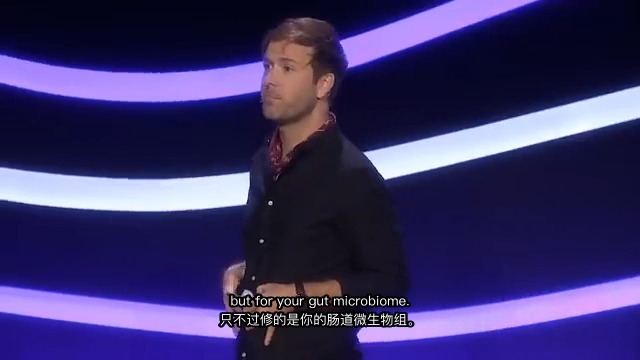
字幕摘录
| 时间 | 英文 | 中文 |
|---|---|---|
| 0:08 | So we know forests play an essential role in regulating the Earth's climate. | 因此,我们知道森林在调节地球气候方面发挥着至关重要的作用。 |
| 0:14 | However, most of what we know about those forests is actually based on things | 然而,我们对这些森林的了解 大部分其实是基于一些东西 |
| 0:18 | we can measure above ground. | 我们可以测量地面上。 |
| 0:20 | So historically, ecologists like myself would come to this place | 因此,历史上,象我这样的生态学家会来到这个地方 |
| 0:24 | and we'd count the number of tree stems we'd find, | 我们数下树根的数量 |
| 0:27 | we'd identify which species they are, | 我们会找出他们是什么物种, |
| 0:29 | and today we'd probably remotely sense features of this forest canopy from space. | 而今天,我们可能 遥感特征 这个森林树冠 从太空。 |
| 0:34 | And all of this absolutely makes sense. | 这一切是完全合理的。 |
| 0:36 | Above ground is where photosynthesis happens. | 地面上是光合作用的地方 |
| 0:40 | Photosynthesis is how carbon and energy enter forests. | 光合作用是碳和能源如何进入森林. |
展开字幕全文(191 条)
| 序号 | 英文 | 中文 |
|---|---|---|
| 1 | So we know forests play an essential role in regulating the Earth's climate. | 因此,我们知道森林在调节地球气候方面发挥着至关重要的作用。 |
| 2 | However, most of what we know about those forests is actually based on things | 然而,我们对这些森林的了解 大部分其实是基于一些东西 |
| 3 | we can measure above ground. | 我们可以测量地面上。 |
| 4 | So historically, ecologists like myself would come to this place | 因此,历史上,象我这样的生态学家会来到这个地方 |
| 5 | and we'd count the number of tree stems we'd find, | 我们数下树根的数量 |
| 6 | we'd identify which species they are, | 我们会找出他们是什么物种, |
| 7 | and today we'd probably remotely sense features of this forest canopy from space. | 而今天,我们可能 遥感特征 这个森林树冠 从太空。 |
| 8 | And all of this absolutely makes sense. | 这一切是完全合理的。 |
| 9 | Above ground is where photosynthesis happens. | 地面上是光合作用的地方 |
| 10 | Photosynthesis is how carbon and energy enter forests. | 光合作用是碳和能源如何进入森林. |
| 11 | Photosynthesis is how trees can remove carbon dioxide from the atmosphere. | 光合作用是树木如何从大气中去除二氧化碳. |
| 12 | However, we also know most trees are limited in some way by soil resources | 然而,我们也知道,大多数树木在某种程度上受到土壤资源的限制。 |
| 13 | like water or nutrients. | 像水或营养。 |
| 14 | And to access those resources, trees have to build roots. | 为了获取这些资源,树木必须建立根基。 |
| 15 | And trees build an incredible amount of roots. | 而树建立不可思议量根. |
| 16 | So in some forests, there can be as much or more biomass below ground | 在一些森林里, 地面下可能有同样多的生物量 |
| 17 | and root structures as above ground in stems and leaves. | 和地上的根状结构 在树干和叶子上 |
| 18 | Decades of research have now made very clear that below ground ecology, | 数十年的研究已经非常清楚地表明,在地面生态之下, |
| 19 | so what's going on in the soil, | 所以在土壤里发生了什么 |
| 20 | is really essential to understanding how these forest systems work. | 这对于了解这些森林系统如何运作至关重要。 |
| 21 | However, if you follow these root systems all the way out to their very terminal ends, | 但是,如果你跟随这些根系统 一直到他们的终点 |
| 22 | the finest tips in the root system, | 根系中最好的小费, |
| 23 | and you look closely, and I mean super closely like you're going to need a microscope closely, | 你仔细看,我的意思是超级紧密 就像你需要一个显微镜 |
| 24 | you discover a place where the tree stops being a plant | 你发现一个地方 树停止成为植物 |
| 25 | and starts becoming a fungus. | 开始变成真菌 |
| 26 | So most trees on earth form a partnership, | 所以地球上的大部分树木都形成了伙伴关系, |
| 27 | or what scientists call a symbiosis, with mycorrhizal fungi. | 或科学家称之为共生, 与 mycorrhizal真菌。 |
| 28 | So this, in my opinion, is one of the most remarkable images ever captured of these organisms. | 因此,我认为,这是有史以来捕捉到的这些生物中最显著的图像之一。 |
| 29 | So in the background at the top, you can see this dense network of fungal hyphae. | 因此在顶部的背景中,可以看到这个密集的真菌 网. |
| 30 | These are essentially like roots, but for fungi instead of plants. | 这些基本上就像根, 但对于真菌而不是植物。 |
| 31 | And in the foreground, you can see these incredible multi-nucleated fungal spores, | 在前景中,你可以看到 这些不可思议的多核真菌孢子, |
| 32 | which look totally unreal but absolutely are. | 它看起来完全不真实 但绝对是。 |
| 33 | These are the reproductive structures of the fungus. | 这些是真菌的生殖结构. |
| 34 | These have the potential to become entirely new fungal networks. | 它们有可能成为全新的真菌网络。 |
| 35 | Mycorrhizal fungi are essential to how basically all plants access limiting soil resources. | Mycorrhizal真菌对于基本上所有植物如何获得有限的土壤资源至关重要。 |
| 36 | There's actually evidence that when plants first made the evolutionary transition | 实际上有证据表明,当植物第一次进行进化过渡时 |
| 37 | from living in water to living on land, | 从在水中生活到在陆地上生活, |
| 38 | they evolved this symbiosis before they even evolved roots. | 他们进化了这种共生体 甚至还没进化出根 |
| 39 | And so this partnership between forests and their fungi is ancient, | 所以森林与真菌之间的这种合作关系是古老的 |
| 40 | and it stretches back hundreds of millions of years. | 它可以追溯到亿万年 |
| 41 | However, these roots don't have to be just fungi. | 然而,这些根不一定只是真菌. |
| 42 | They can also be, for instance, bacteria. | 例如,它们也可能是细菌。 |
| 43 | So these circular structures in this root network are called root nodules. | 因此这个根网中的这些圆形结构被称为根结核. |
| 44 | They house symbiotic nitrogen-fixing bacteria. | 它们存放着共生的固氮细菌. |
| 45 | And what these bacteria do is actually convert nitrogen gas in the atmosphere | 这些细菌所做的就是在大气中转换氮气 |
| 46 | into plant-usable forms, and in turn, they nurture plant growth. | 并进而培育植物生长 |
| 47 | And the complexity of soil biology just keeps going. | 土壤生物学的复杂性一直在持续。 |
| 48 | So these roots symbiotes are embedded in an even more complex network | 因此这些根系共生体 被嵌入一个更复杂的网络 |
| 49 | of free-living bacterial and fungal decomposers | 自由生活的细菌和真菌分解器 |
| 50 | and archaea and protists and microscopic soil animals and viruses. | 考古学家和实验学家 以及微生物和病毒 |
| 51 | The biodiversity of soil communities is astonishing. | 土壤社区的生物多样性令人吃惊。 |
| 52 | We now know a handful of soil can easily contain | 我们现在知道 少数土壤很容易被埋藏 |
| 53 | over a thousand coexisting microbial species. | 1000多种微生物物种共存。 |
| 54 | And so all of this, this is the soil microbiome. | 所以,所有这些, 这是土壤的微生物。 |
| 55 | This is the forest microbiome. | 这是森林微生物。 |
| 56 | This is the ecosystem microbiome. | 这是生态系统的微生物。 |
| 57 | So breakthroughs in DNA sequencing technology | DNA测序技术的突破 |
| 58 | have finally turned the lights on below ground. | 终于打开了地下的灯 |
| 59 | DNA has allowed us to see these microbial communities | DNA让我们看到了这些微生物群落 |
| 60 | in unprecedented detail and only recently at unprecedented scales. | 最近才以前所未有的规模出现。 |
| 61 | Yet despite these breakthroughs, I'd argue we still don't know the answers | 尽管有了这些突破,我还是觉得我们不知道答案 |
| 62 | {\fn黑体\fs22\bord1\shad0\3aHBE\4aH00\fscx67\fscy66\2cHFFFFFF\3cH808080}看似简单的问题 | |
| 63 | What does a healthy forest microbiome look like? | 一个健康的森林微生物是什么样子的? |
| 64 | We're far closer to answering a question like this for people than we are plants. | 我们比植物更接近于回答这样一个问题 |
| 65 | The human microbiome project has really led in this area. | 人类的微生物项目确实在这方面发挥了主导作用。 |
| 66 | So the human body is a microbial ecosystem. | 因此人体是一个微生物生态系统. |
| 67 | Each of us houses an incredibly biodiverse community of bacteria in our gut, | 我们每个人的肠胃里都有一个 生物多样化的细菌群体 |
| 68 | and that has a profound impact on our health. | 这对我们的健康有着深远的影响。 |
| 69 | This was discovered by medical microbiologists using DNA sequencing | 这是医学微生物学家利用DNA测序法发现的 |
| 70 | to characterize which bacteria live in hundreds of people's bodies, | 描述哪些细菌生活在数百人的体内, |
| 71 | and importantly, also noting health features of those same people. | 也注意到这些人的健康特征。 |
| 72 | So are they sick, and if so, with what? | 他们病了,如果病了,用什么? |
| 73 | What's their blood pressure, their digestive health, their mental health? | 他们的血压,消化能力,精神状况如何? |
| 74 | And by combining all of that information, | 通过综合所有的信息, |
| 75 | those microbiologists could begin to identify combinations of bacteria linked to health and disease. | 这些微生物学家可以开始识别与健康和疾病有关的细菌组合。 |
| 76 | And these analyses became a roadmap for the development of human microbiome transplant therapies, | 这些分析成为了开发人类微生物移植疗法的路线图, |
| 77 | which is essentially ecosystem restoration, but for your gut microbiome. | 这基本上是生态系统的恢复, 但对于你的肠道微生物。 |
| 78 | And these therapies are now on the road to market to treat some of these diseases today. | 现在这些疗法正在上市 治疗今天的一些疾病。 |
| 79 | And so drawing from this work, my team asked, | 从这个作品中,我的团队问, |
| 80 | what would it look like to take the human microbiome project approach, | 人类的微生物项目方法是什么样子的? |
| 81 | but apply it to the forest? | 把它应用到森林里? |
| 82 | What could we discover about the forest carbon cycle? | 森林碳循环有什么发现? |
| 83 | Could we identify places where we could actually do below ground microbial restoration, | 我们能否确定在地面微生物修复下可以做什么的地方, |
| 84 | and in the process combat climate change? | 在应对气候变化的过程中? |
| 85 | Over the past three years, we've been working with forest scientists across Europe to do exactly that. | 在过去的三年里, 我们一直与整个欧洲的森林科学家们合作 来做到这一点。 |
| 86 | In each of these locations, scientists have been documenting forest health for decades. | 在这些地方,科学家几十年来一直在记录森林健康情况。 |
| 87 | And so we asked our forest research partners to go out to each of these forests | 所以我们请我们的森林研究伙伴 去这些森林的每一处 |
| 88 | and collect a small sample of soil, which they then ship back to our lab in Zurich | 然后收集少量土壤样本 然后运回苏黎世的实验室 |
| 89 | so we could extract and sequence DNA, which allowed us to understand | 所以我们可以提取和排序DNA, 这让我们理解 |
| 90 | which microorganisms, and particularly fungi, live in each of these forests. | 这些微生物,特别是真菌 都生活在这些森林中 |
| 91 | And then finally, we use statistics and machine learning to relate | 最后,我们用统计和机器学习来联系 |
| 92 | which microorganisms live in a forest to a really important forest health metric, | 生活在森林中的微生物 是一个非常重要的森林健康指标, |
| 93 | tree growth rate and carbon capture rate above ground. | 树木生长率和地面上的碳捕获率。 |
| 94 | Now, once we controlled for the environmental drivers of tree growth, | 一旦我们控制了树木生长的环境驱动力 |
| 95 | so how warm and wet each of these places is, | 这些地方多温暖多湿润 |
| 96 | as well as other variables we know control background site fertility, | 以及其它变量 我们知道控制背景地点的生育率, |
| 97 | we discovered that particularly which fungi colonize the roots of these trees | 我们发现,特别是哪一种真菌 殖民这些树的根 |
| 98 | is linked to threefold variation in how fast these trees grow, | 与这些树木生长速度的三倍差异有关 |
| 99 | how fast they remove carbon dioxide from the atmosphere. | 它们从大气中清除二氧化碳的速度有多快. |
| 100 | So put another way, these correlations imply that you could have two pine forests | 换句话说,这些关联意味着 你可以有两个松林 |
| 101 | sitting side by side, experiencing the same climate, growing in the same soils. | 并肩而坐,经历同样的气候,生长在同一土壤中. |
| 102 | But if one of them was colonized by the right community of fungi on its roots, | 但是如果其中之一 被真菌的正确社区殖民 根, |
| 103 | it could be growing up to three times as fast as that adjacent forest. | 它的生长速度可能是邻近森林的三倍 |
| 104 | And furthermore, these patterns were not driven by the presence | 此外,这些模式并非由存在所驱动 |
| 105 | of particularly high performing species or strains, | 具有特别高性能的物种或菌株, |
| 106 | but instead they were driven by biodiverse | 但他们却被生物多样化所驱使 |
| 107 | and completely different communities of fungi. | 和完全不同的真菌群落 |
| 108 | And so these fungal signatures are super exciting to us | 所以这些真菌的签名 对我们来说非常刺激 |
| 109 | because they imply an opportunity to manage | 因为它们意味着有机会管理 |
| 110 | and in many cases actually rewild the forest fungal microbiome. | 在许多情况下 森林真菌微生物体被重新迷惑 |
| 111 | So for example, can we reintroduce fungal biodiversity | 例如,我们可以重新引入真菌生物多样性 |
| 112 | into a managed timber forestry landscape? | 变成有管理的木材林业景观? |
| 113 | And in the process, can we make those trees grow faster? | 在这个过程中,我们能让这些树生长得更快吗? |
| 114 | Can we make them capture more carbon in their tree stems and in their soils? | 我们可以让他们在树根和土壤中 捕捉更多的碳吗? |
| 115 | Can we rewild the soil and combat climate change? | 我们能重整土壤,应对气候变化吗? |
| 116 | And these aren't just rhetorical questions, we've actually started doing this. | 这些不仅仅是夸夸其谈的问题, 我们已经开始这样做。 |
| 117 | So this is one of our field trials in Wales in the United Kingdom. | 因此,这是我们在英国威尔士的实地试验之一。 |
| 118 | It's run in collaboration with a charity there called the Carbon Community. | 它与一个叫碳社区的慈善机构合作运作。 |
| 119 | It's 28 acres or 11 hectares, and it's set up as a block randomized controlled trial. | 占地28亩或11公顷,设置为区块随机控制试验. |
| 120 | This is analogous to how you would run a drug trial, | 这和你如何进行毒品审判类似 |
| 121 | but in this case it's for trees instead of people. | 但在这种情况下,它是树 而不是人。 |
| 122 | And here we do a pretty straightforward experiment. | 在这里我们做了一个非常直截了当的实验。 |
| 123 | We either plant trees business as usual, | 我们要么照常种树 |
| 124 | which is just direct planting of seedlings into the ground, | 那只是把幼苗直接植入地面, |
| 125 | or we plant trees and at the moment of planting we had a small handful of soil. | 或者种树 在播种的时候 我们只有少量的土壤 |
| 126 | But it's not just any soil. | 但它不仅仅是任何土壤。 |
| 127 | It's soil sourced from a forest our analyses have identified | 是从森林中找到的土壤 我们的分析发现 |
| 128 | as harboring potentially high performing fungi. | 藏着潜在的高性能真菌 |
| 129 | So since we reintroduced microbial biodiversity into some of these sites, | 所以自从我们把微生物生物多样性 重新引入其中一些地点后 |
| 130 | we've observed that where we actually did that, | 我们观察到,我们在哪里 这样做, |
| 131 | we've been able to accelerate tree growth and carbon capture in tree stems | 我们得以加速树木生长和树根的碳捕获 |
| 132 | by 30 to 70% depending on the tree species. | 依树种不同而增加30%至70%。 |
| 133 | Or put another way, where we've manipulated and rewilded | 或者用另一种方式 来操纵和重新迷惑 |
| 134 | the invisible microbiology of this place, | 这个地方的隐形微生物学, |
| 135 | we've begun to change how that entire place works. | 我们已经开始改变 整个地方的工作方式。 |
| 136 | Now it's important to emphasize that we're really excited about these findings, | 现在有必要强调 我们对这些发现非常兴奋 |
| 137 | but we also understand they're still early. | 但我们也知道他们还很早 |
| 138 | We want to see many more large scale field trials | 我们想看到更多的大规模实地审判 |
| 139 | and many more locations with many more years of data. | 以及更多有多年数据的地点。 |
| 140 | However, beyond just these carbon and climate outcomes, | 然而,除了这些碳和气候结果之外, |
| 141 | I think the most exciting thing here is that we can actually do this | 我觉得这里最令人兴奋的是 我们可以真正做到这一点 |
| 142 | with wild and native and biodiverse combinations of microorganisms. | 与野生、原生和生物的微生物结合。 |
| 143 | And while we pointed this approach at forestry, | 当我们把这个方法指向林业时 |
| 144 | in principle this kind of science has the potential to generalize | 原则上,这种科学有可能概括 |
| 145 | to all of our managed landscapes. | 我们所有的风景。 |
| 146 | We can begin asking questions like, | 我们可以开始问问题,比如, |
| 147 | what does a healthy agricultural microbiome look like? | 一个健康的农业微生物是什么样子的? |
| 148 | Thinking across both food and forest agriculture. | 既思考粮食农业,又思考森林农业. |
| 149 | And there's reason to think a biodiversity first approach | 也有理由先考虑生物多样性 |
| 150 | may be particularly powerful here. | 这里也许特别强大 |
| 151 | And that's because the history of agriculture has been an exercise in reductionism. | 这是因为农业的历史一直是一种减少主义的练习. |
| 152 | We've identified high-performing plant species and then strains, | 我们已经确定了高性能的植物物种 然后是菌株 |
| 153 | and then we've selectively bred them, and now we genetically modify them. | 然后我们有选择地培育它们, 现在,我们基因改造它们。 |
| 154 | And finally, we plant those organisms out in vast monocultures. | 最后,我们将这些生物 植入巨大的单一育种中。 |
| 155 | So a single plant species as far as you can see. | 至此可见的单一植物种. |
| 156 | And to be clear, this has produced very productive agroecosystems, | 很明显,这已经产生了非常有生产力的农业生态系统, |
| 157 | but it's also produced ecosystems we're coming to understand are remarkably fragile. | 但它也产生了生态系统 我们逐渐认识到是非常脆弱的。 |
| 158 | Systems increasingly sensitive to extreme climate events and novel pathogens, | 系统对极端气候事件和新的病原体越来越敏感, |
| 159 | systems incredibly reliant on chemical inputs we're coming to understand | 系统非常依赖化学投入 我们逐渐了解 |
| 160 | have really serious externalities. | 有非常严重的外在因素。 |
| 161 | So we now have the data, computational tools, | 现在我们有了数据 计算工具 |
| 162 | and the ecological theory to start going the other way, | 和生态理论开始走向另一条路, |
| 163 | to lean into biodiversity and complexity. | (c) 注重生物多样性和复杂性。 |
| 164 | And once we do, the question really becomes, | 而一旦我们这样做,问题真的变成了, |
| 165 | by rewilding our soils, can we make our managed food and forest landscapes | 通过重覆我们的土壤, 我们能否做我们管理的 食物和森林景观 |
| 166 | reservoirs of below-ground biodiversity? | 地下生物多样性库? |
| 167 | And in the process, can we enhance yields and carbon capture | 在这个过程中,我们能提高产量和碳捕获量吗? |
| 168 | and all the other services we ask of these ecosystems? | 还有我们要求的所有其他服务? |
| 169 | I think there's a lot of reason to be incredibly hopeful here. | 我认为有很多理由 令人难以置信的希望在这里。 |
| 170 | And I think we also shouldn't be so surprised that these microscopic organisms | 我认为我们也不应该这么惊讶 这些显微生物 |
| 171 | have the potential for such enormous ecosystem-scale effects. | 具有如此巨大的生态系统规模影响的潜力。 |
| 172 | And that's because we've known now, really for a long time, | 因为我们早就知道了 |
| 173 | that forests are fungi. | 森林是真菌。 |
| 174 | And there are incredibly biodiverse communities of bacteria | 并且有惊人的生物多样化的细菌群落 |
| 175 | and archaea and protists and microscopic soil animals and viruses. | 考古学家和实验学家 以及微生物和病毒 |
| 176 | Soils are the literal foundation of terrestrial ecosystems. | 土壤是陆地生态系统的字面基础。 |
| 177 | And the microbial life that inhabits soil represents some of the most complex | 生活在土壤中的微生物生命 代表着一些最复杂的生物 |
| 178 | and biodiverse communities of life on Earth. | 以及地球上生物多样化的生物群落 |
| 179 | For the first time, DNA sequencing is turning the lights on below-ground. | DNA测序首次开启地下灯光. |
| 180 | It's allowing us to see these organisms in unprecedented detail | 它让我们能以前所未有的细节看到这些生物 |
| 181 | and at unprecedented scales. | 和空前的规模。 |
| 182 | Imagine studying plant biology. | 想象一下研究植物生物学 |
| 183 | But you never really knew if you were looking at a sequoia tree | 但你从来没有真正知道 如果你在看 sequoia树 |
| 184 | or a sphagnum moss. | 或 a苔. |
| 185 | And then all of a sudden you did. | 然后突然间,你做到了。 |
| 186 | That's what's happening right now in global environmental microbiology. | 这就是目前全球环境微生物学中发生的情况. |
| 187 | And so we should expect this revolution in our understanding | 所以我们应该期待这场革命 |
| 188 | of these microscopic organisms, and particularly fungi, | 这些微生物,特别是真菌, |
| 189 | to transform how we understand and how we manage our ecosystems | 改变我们对生态系统的理解和管理方式 |
| 190 | in a foundational way. | 以基础的方式。 |
| 191 | Thank you. | 谢谢 |
该视频共有字幕 192 条。解锁更多字幕为会员功能,请移动到 价格