动物如何看待人类
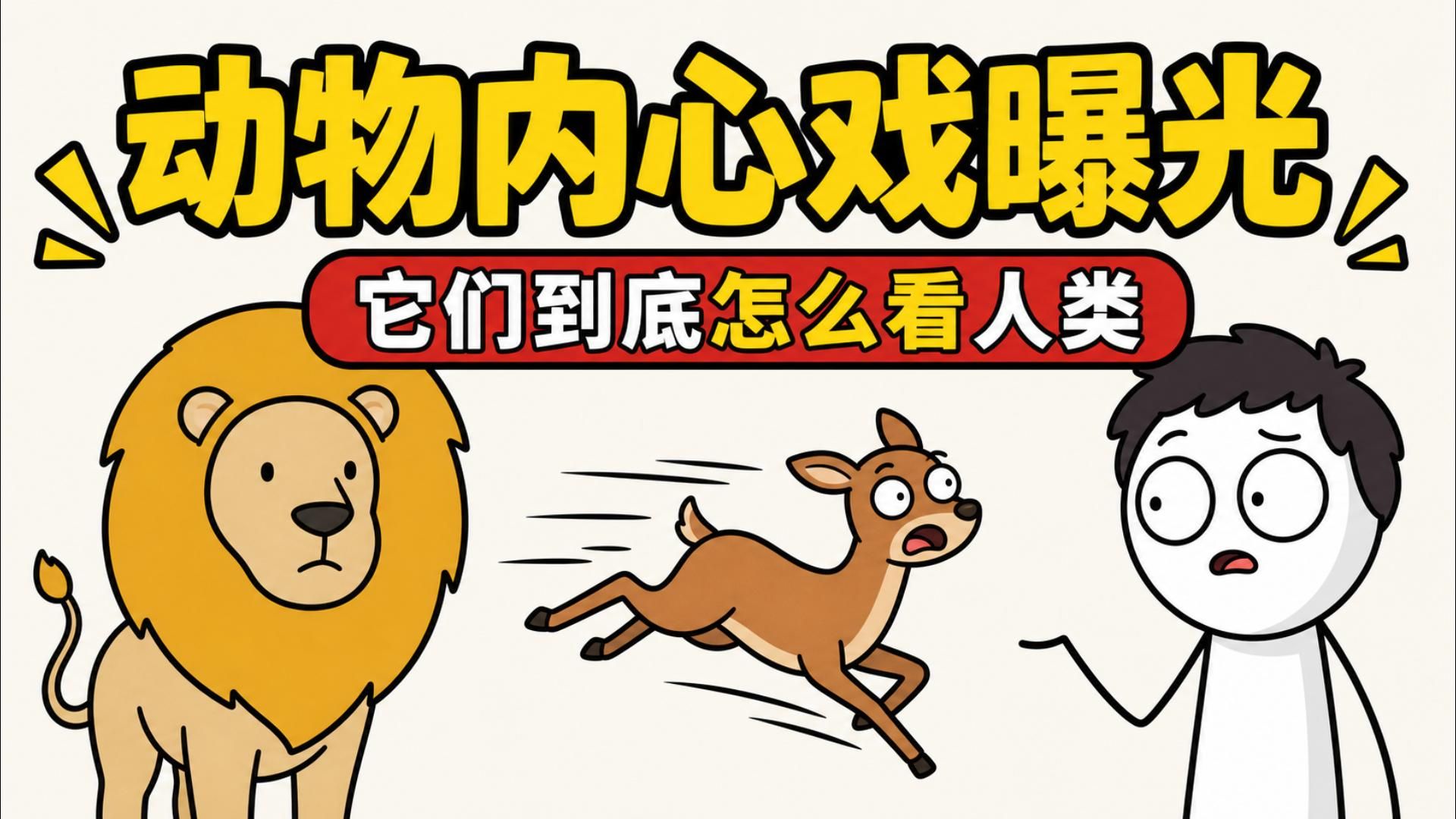
字幕摘录
| 时间 | 英文 | 中文 |
|---|---|---|
| 0:00 | You walked past a bird today. | 你今天走过一只鸟 |
| 0:01 | It flew away. | 它飞走了。 |
| 0:02 | You probably didn't think much of it. | 你可能没怎么想 |
| 0:03 | But that bird made a decision about you before you even got close. | 但那只鸟在接近你之前就决定了你 |
| 0:07 | It calculated your speed, your direction, whether you made eye contact, | 它计算你的速度,你的方向, 无论你与眼睛接触, |
| 0:11 | and it ran a threat assessment that took less than a second. | 并进行了威胁评估,评估不到一秒钟。 |
| 0:13 | It didn't guess. | 没想到 |
| 0:14 | It knew. | 它知道这一点。 |
| 0:15 | Most people assume animals just react to movement, or size, or noise, | 大多数人认为动物只是对运动的反应, 或大小,或噪音, |
| 0:19 | that they're basically living smoke detectors. | 他们基本上是活的烟雾探测器。 |
展开字幕全文(133 条)
| 序号 | 英文 | 中文 |
|---|---|---|
| 1 | You walked past a bird today. | 你今天走过一只鸟 |
| 2 | It flew away. | 它飞走了。 |
| 3 | You probably didn't think much of it. | 你可能没怎么想 |
| 4 | But that bird made a decision about you before you even got close. | 但那只鸟在接近你之前就决定了你 |
| 5 | It calculated your speed, your direction, whether you made eye contact, | 它计算你的速度,你的方向, 无论你与眼睛接触, |
| 6 | and it ran a threat assessment that took less than a second. | 并进行了威胁评估,评估不到一秒钟。 |
| 7 | It didn't guess. | 没想到 |
| 8 | It knew. | 它知道这一点。 |
| 9 | Most people assume animals just react to movement, or size, or noise, | 大多数人认为动物只是对运动的反应, 或大小,或噪音, |
| 10 | that they're basically living smoke detectors. | 他们基本上是活的烟雾探测器。 |
| 11 | Trigger a threshold, get a response. | 触发一个门槛,得到一个响应。 |
| 12 | That's not quite right. | 这不太对劲 |
| 13 | The real answer is far stranger. | 真正的答案是遥远的。 |
| 14 | Animals don't just notice you. | 动物们不只是注意到你。 |
| 15 | They have built a model of what you are, | 他们为你树立了榜样 |
| 16 | and what you are to almost every animal on Earth is the most dangerous thing that has ever existed. | 你对地球上几乎所有动物来说 都是有史以来最危险的事物 |
| 17 | Not metaphorically, scientifically. | 不是比喻,科学。 |
| 18 | In 2019, researchers from the University of California | 2019年,加州大学研究人员 |
| 19 | ran an experiment in the Santa Cruz Mountains. | 在圣克鲁斯山进行了实验 |
| 20 | They played sounds through hidden speakers to mountain lions, bobcats, deer, and smaller mammals. | 他们通过隐藏的扬声器演奏声音给山狮,海牛,鹿和较小的哺乳动物. |
| 21 | First, sounds of frogs. | 首先,青蛙的声音。 |
| 22 | Neutral. | 中立. |
| 23 | No reaction. | 没有反应 |
| 24 | Then, sounds of lions and wolves. | 然后,狮子和狼的声音。 |
| 25 | Animals fled. | 动物们逃跑了 |
| 26 | Then, sounds of humans talking. | 那么,人类说话的声音。 |
| 27 | The animals fled faster and stayed gone longer. | 动物们越逃越快,停留的时间越长. |
| 28 | The lead researcher, Justin Sorazzi, published the results in ecology letters. | 首席研究员贾斯汀·索拉齐(英语:Justin Sorazzi)在生态学字母中发表了研究成果. |
| 29 | The conclusion was direct. | 结论是直接的。 |
| 30 | Wild animals are more afraid of the human voice than the sound of apex predators. | 野生动物比最高掠食者的声音更怕人类的声音. |
| 31 | Not equally afraid. | 并不是一样害怕。 |
| 32 | More afraid. | 更加恐惧。 |
| 33 | Think about what that means. | 想想这是什么意思 |
| 34 | A mountain lion is at the top of its food chain. | 山狮位于其食物链的顶端. |
| 35 | It has no natural predators. | 它没有自然掠食动物. |
| 36 | It fears nothing that evolved alongside it. | 它不会害怕任何与它同时进化的东西。 |
| 37 | But the sound of a human conversation sends it running like prey. | 但人类对话的声音 让它像猎物一样奔跑 |
| 38 | Because over thousands of years, that's exactly what happened. | 因为几千年了 事情就是这样的 |
| 39 | Humans didn't just hunt. | 人类不只是狩猎 |
| 40 | Humans eliminated. | 人类被消灭了 |
| 41 | We didn't compete with apex predators. | 我们没有和顶级捕食者竞争 |
| 42 | We replaced them. | 我们取代了他们。 |
| 43 | And the animals that survived were the ones that learned to treat us differently from | 幸存下来的动物们 学会了不同的对待我们 |
| 44 | anything else that had ever walked the Earth. | 任何曾经走过地球的事物 |
| 45 | But it goes deeper than fear. | 但比恐惧更深 |
| 46 | Animals don't just react to you. | 动物们不只是对你作出反应 |
| 47 | They study you. | 他们研究你 |
| 48 | Crows are the clearest example. | 乌鸦是最明显的例子. |
| 49 | In 2008, John Marsloff at the University of Washington | 2008年,约翰·马斯洛夫在华盛顿大学 |
| 50 | ran a study where researchers wore rubber masks while trapping and banding crows on campus. | 研究人员在校园里抓乌鸦时 戴着橡皮面具 |
| 51 | The masks were specific. | 面具很特别 |
| 52 | Identifiable. | 可以确认 |
| 53 | After release, the crows began scolding anyone who wore that mask. | 释放后,乌鸦开始痛骂任何戴着面具的人. |
| 54 | Not people in general. | 普通人不会 |
| 55 | Not strangers. | 不是陌生人 也不是陌生人 不是陌生人 不是陌生人 不是陌生人 不是陌生人 |
| 56 | That specific face. | 那张特别的脸 |
| 57 | They remembered it. | 他们记得 |
| 58 | But here's where it gets uncomfortable. | 但这里很不舒服 |
| 59 | Over time, crows that had never been trapped, | 随时间流逝 从未被困住的乌鸦 |
| 60 | crows that weren't even alive during the original study, | 在最初的研究中甚至没有活着的乌鸦 |
| 61 | also began scolding the masked face. | 还开始骂蒙面人. |
| 62 | The knowledge transferred, parent to offspring, through behavior. | 知识通过行为转移到后代身上 |
| 63 | The crows didn't just recognize a face. | 乌鸦不只认得一张脸 |
| 64 | They built a cultural memory of a threat and passed it down like a warning. | 他们树立了一种威胁的文化记忆,并像警告一样传递下来. |
| 65 | Elephants do something similar, but with more information than crows. | 大象做类似的事情,但信息比乌鸦多. |
| 66 | Research by Karen McComb at the University of Sussex showed that elephants in Amboseli, | 卡伦·麦考姆布在萨塞克斯大学的研究表明 安博塞利的大象 |
| 67 | Kenya, could distinguish between two local groups purely by smell and the sound of their voices. | 肯尼亚可以纯粹通过嗅觉和声音区分两个当地群体。 |
| 68 | One group, the Maasai, had a history of occasional conflict with elephants. | 一个团体马赛人曾偶尔与大象发生冲突. |
| 69 | The other, the Kamba, did not. | 另一个是坎巴号,没有。 |
| 70 | When elephants heard a Maasai voice on a recording, | 当大象听到马赛的声音 在录音, |
| 71 | they bunched together, went quiet, and moved downwind. | 他们聚集在一起,安静下来,然后下风 |
| 72 | When they heard the Kamba voice, almost no reaction. | 当他们听到坎巴的声音时,几乎没有反应. |
| 73 | They weren't reacting to human. | 他们对人类没有反应 |
| 74 | They were reacting to that specific group of humans. | 他们正在对这群人作出反应。 |
| 75 | Based on cultural information they had learned and stored over time. | 根据他们长期学习和储存的文化信息。 |
| 76 | Now, think about what this adds up to. | 现在,想想这算什么 |
| 77 | Animals aren't just sensing you. | 动物不只是感知你 |
| 78 | They are categorizing you. | 他们给你分类了 |
| 79 | Building a file. | 建立文件。 |
| 80 | Running a continuous background process that asks a single question. | 运行一个持续的背景进程,其中提出一个单一的问题. |
| 81 | What kind of human is this, and what has that kind of human done before? | 这算什么人,以前是什么人? |
| 82 | The study that pulls all of this together came in 2018. | 将这一切拉在一起的研究于2018年完成. |
| 83 | Researchers from UC Berkeley and other institutions analyzed decades of data | 加州大学伯克利分校和其他机构的研究人员分析了几十年的数据 |
| 84 | on animal behavior across multiple continents, published in Science. | 关于跨多个大陆的动物行为,发表在Science上. |
| 85 | The finding was this. | 发现的就是这个 |
| 86 | Human presence alone, not hunting, not noise, not habitat destruction, | 人类单独存在,不狩猎,不噪声,不破坏栖息地, |
| 87 | just the presence of humans, caused animals to shift to nocturnal behavior. | 只是人类的存在 导致动物转向夜行 |
| 88 | Animals that were naturally active during the day moved their entire activity window tonight, | 白天自然活跃的动物们 今晚移动了整个活动窗口 |
| 89 | simply to avoid contact with humans. | 只是为了避免与人类接触 |
| 90 | The effect was three times stronger than the presence of actual predators. | 其效果比实际捕食者的存在要强三倍. |
| 91 | Three times. | 诵三遍. |
| 92 | We didn't just change the landscape, we changed time. | 我们不仅改变了地貌,也改变了时间。 |
| 93 | Animals restructured when they exist in the world because of us. | 动物在世界上生存时会因为我们而重组 |
| 94 | And they did it without being taught. | 却不曾受教. |
| 95 | Without any single traumatic event. | 没有单一的创伤事件。 |
| 96 | They did it because the information accumulated across enough generations | 他们这样做是因为 信息积累了足够世代 |
| 97 | that it became the default setting. | 它成为默认设置。 |
| 98 | So what do animals think about you? | 动物对你有什么看法? |
| 99 | It depends on the animal. | 这取决于动物。 |
| 100 | But the pattern is consistent. | 但规律一致. |
| 101 | They have assessed you. | 他们已经评估了你。 |
| 102 | They have filed you. | 他们已经申请你。 |
| 103 | And the verdict, for most species, is that you are something that has no equivalent in | 对大多数物种来说 判决是 你是没有同等价值的东西 |
| 104 | the 500 million years of predator-prey relationships that shaped life on this planet. | 5亿年的捕食者-猎物关系 塑造了地球上的生命 |
| 105 | You are not a predator to them. | 你对他们不是掠夺者 |
| 106 | Predators hunt to eat. | 捕食者猎食. |
| 107 | Predators have limits. | 捕食者有限度. |
| 108 | Hunger. | 饥饿。 |
| 109 | Territory. | 领土。 |
| 110 | Season. | 季节。 |
| 111 | Predators fit into the system. | 捕食者融入系统 |
| 112 | You don't. | 你没有。 |
| 113 | You alter the system. | 你改变系统。 |
| 114 | You change the rules. | 你改变规则。 |
| 115 | You show up and time itself shifts. | 你来了 时间本身也变了 |
| 116 | The bird that flew away from you today wasn't being skittish. | 今天从你身边飞走的鸟儿 并不是滑稽的 |
| 117 | It was being accurate. | 这是准确的。 |
| 118 | It had run the calculation that its ancestors encoded into it over thousands of years of | 它用它祖先在几千年中 编码的计算法 |
| 119 | contact with humans. | 与人类接触。 |
| 120 | And the answer it got was the same answer almost every animal gets. | 它得到的答案是 几乎每个动物都得到同样的答案。 |
| 121 | Give this one space. | 给这个空间 |
| 122 | Not because you're evil. | 不是因为你邪恶 |
| 123 | Not because you're cruel. | 不是因为你残忍 |
| 124 | But because you are the only thing on earth that every other living thing had to build | 但因为你是唯一的东西 在地球上,其他生物必须建造 |
| 125 | a new category for. | 新的类别。 |
| 126 | There was no template for us. | 没有我们的模板。 |
| 127 | We didn't fit predator. | 我们不适合捕食者。 |
| 128 | We didn't fit disaster. | 我们不适合灾难 |
| 129 | We didn't fit disease. | 我们不适合疾病。 |
| 130 | We were something new. | 我们是新的东西。 |
| 131 | And the animals that are still here are the ones that figured that out before it was too | 仍然在这里的动物 是那些在之前就已经意识到的动物 |
| 132 | late. | 迟了 |
| 133 | That's what they think about you. | 他们就是这么想你的 |
该视频共有字幕 133 条。解锁更多字幕为会员功能,请移动到 价格