你有没有想过古人每天都在吃什么?
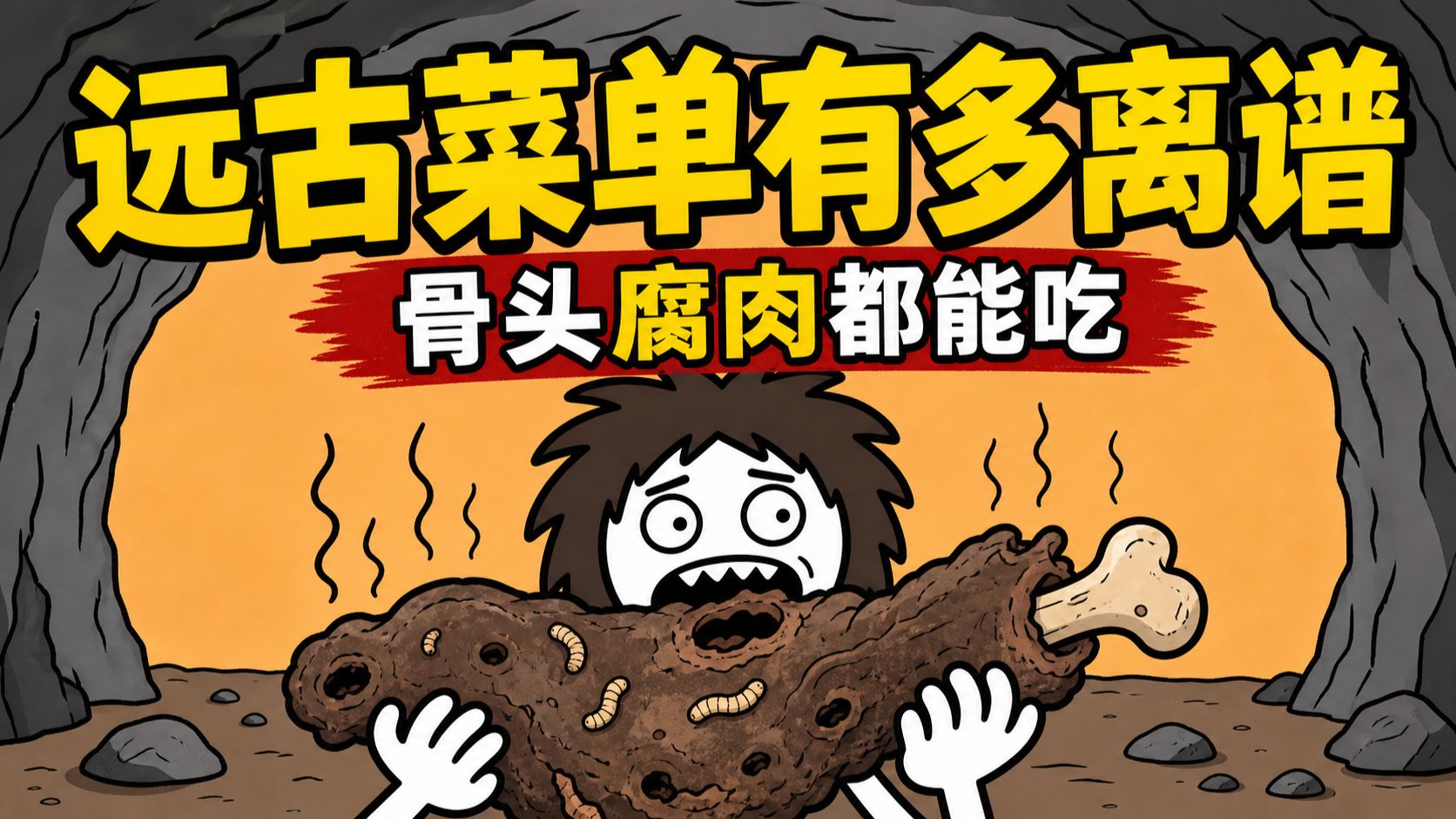
字幕摘录
| 时间 | 英文 | 中文 |
|---|---|---|
| 0:00 | Open your fridge right now. | 马上打开冰箱 |
| 0:01 | A can of soda, some yogurt, leftover pizza, | 一罐苏打水 酸奶 剩下的披萨 |
| 0:04 | and maybe some fruit flown in from the other side of the planet. | 也许有些水果是从地球另一边飞来的 |
| 0:06 | But to your ancestors, | 但对于你的祖先, |
| 0:08 | none of this is food. | 这些都不是食物。 |
| 0:09 | So what did they actually eat? | 他们到底吃了什么? |
| 0:10 | The answer would horrify most people alive | 答案会让大多数活着的人感到恐怖 |
| 0:13 | today. | 今时. |
| 0:13 | Scientists have found proof in caves around the world. | 科学家在世界各地的洞穴中发现了证据. |
| 0:16 | Proof that changes everything | 证明改变一切 |
展开字幕全文(253 条)
| 序号 | 英文 | 中文 |
|---|---|---|
| 1 | Open your fridge right now. | 马上打开冰箱 |
| 2 | A can of soda, some yogurt, leftover pizza, | 一罐苏打水 酸奶 剩下的披萨 |
| 3 | and maybe some fruit flown in from the other side of the planet. | 也许有些水果是从地球另一边飞来的 |
| 4 | But to your ancestors, | 但对于你的祖先, |
| 5 | none of this is food. | 这些都不是食物。 |
| 6 | So what did they actually eat? | 他们到底吃了什么? |
| 7 | The answer would horrify most people alive | 答案会让大多数活着的人感到恐怖 |
| 8 | today. | 今时. |
| 9 | Scientists have found proof in caves around the world. | 科学家在世界各地的洞穴中发现了证据. |
| 10 | Proof that changes everything | 证明改变一切 |
| 11 | we thought we knew about our own species. | 我们以为我们知道 我们自己的物种。 |
| 12 | But to understand it, we have to go back to the beginning, | 但是为了理解它,我们必须回到开始, |
| 13 | roughly three million years ago. | 大约300万年前。 |
| 14 | Your earliest ancestors were not hunters. | 你的祖先不是猎人 |
| 15 | They were scavengers. | 他们是扫荡者。 |
| 16 | When a lion killed an antelope on the African savanna, it ate the best parts first. | 当一只狮子在非洲草原上杀死一只羚羊时,它首先吃了最好的部分. |
| 17 | The muscle, | 肌肉, |
| 18 | the liver, the heart. | 肝脏,心脏。 |
| 19 | Then the hyenas came in for the rest, and they crunched through the ribs, | 土狼进来吃剩下的食物 然后从肋骨里挤出来 |
| 20 | the skin, and the smaller bones. | 皮肤和小骨头。 |
| 21 | By the time our ancestors got there, what was left was scraps. | 当我们的祖先到达那里时 剩下的是废墟 |
| 22 | Thick leg bones. | 细腿骨. |
| 23 | Bones too thick even for hyena jaws to break. | 骨头太厚了,连hy下巴都打不开 |
| 24 | And this is what our ancestors | 这就是我们的祖先 |
| 25 | ate. | 吃饭了 |
| 26 | Their signature meal was bone marrow. | 他们的标志性餐是骨髓 |
| 27 | Early humans would creep up to a stripped carcass, | 早期人类会爬到剥光的尸体上 |
| 28 | grab the thickest leg bones, and smash them open with stone flakes called oldowan tools. | 抓住最厚的腿骨 用石片打碎它们 叫做老工具 |
| 29 | Inside was marrow. | 里面是髓头 |
| 30 | Gray, slick, dripping fat. | 灰色 滑润 滴脂 |
| 31 | They scooped it out with their fingers and ate | 他们用手指挖出来吃 |
| 32 | it raw. | 生下来的 |
| 33 | For our ancestors, this was a feast. | 对我们的祖先来说,这是一场盛宴。 |
| 34 | No other animal could get at it. | 没有其他动物可以得到它。 |
| 35 | The marrow was | 髓是 |
| 36 | sealed inside thick thigh bones, and we had the one thing no other scavenger had. | 被封在厚厚的大腿骨里, 我们有一个东西,没有其他的拾荒者。 |
| 37 | Hands that could | 双手可以 |
| 38 | grip a rock hard enough to break them open. | 抓住一块足够坚硬的石头 把它打开 |
| 39 | They ate the brains too. | 他们也吃了大脑。 |
| 40 | A cracked skull holds almost | 一个破碎的头骨几乎 |
| 41 | a pound of solid fat, and fat is the most calorie-dense food in the animal. | 一磅固体脂肪,脂肪是动物中最热量密集的食物. |
| 42 | For an ancestor | 为了祖先 |
| 43 | living on scraps, a skull was a jackpot. | 活在废墟上,一个头骨是大奖。 |
| 44 | This is why your body still treats fat like treasure. | 这就是为什么你的身体仍然对待 脂肪像宝藏。 |
| 45 | It | 这个 |
| 46 | still remembers. | 还是记得 |
| 47 | We also ate insects. | 我们还吃昆虫。 |
| 48 | Termites. | 白蚁 |
| 49 | Grubs. | 格鲁布斯. |
| 50 | Beetles. | 贝子. |
| 51 | Fat white larvae the size of your | 肥白幼虫的体型 |
| 52 | thumb. | 拇指头。 |
| 53 | They crunched like shrimp. | 他们像虾一样挤 |
| 54 | For your deep ancestors, insects were not a last resort. | 对于你的祖先来说 昆虫不是最后的手段 |
| 55 | They | 他们 |
| 56 | were dinner. | 晚餐时 |
| 57 | This was life for over a million years. | 这是超过一百万年的生活。 |
| 58 | Day after day, generation after generation. | 日复一日,一代又一代. |
| 59 | But what came later is worse than you can imagine. | 但后来出现的情况比你想象的更糟糕. |
| 60 | First, fire. | 首先,开火。 |
| 61 | The oldest human fire we have ever | 人类最古老的火 |
| 62 | found is inside Wonderwork Cave in South Africa. | 在南非奇工洞发现的 |
| 63 | It is about a million years old. | 大约一百万年的历史。 |
| 64 | Once we had fire, | 一旦我们有火, |
| 65 | we had cooking. | 我们做了饭。 |
| 66 | Meat roasted over coals. | 肉烤过煤。 |
| 67 | Roots buried in hot ashes. | 根埋于热灰. |
| 68 | Marrow bones dropped in the | 细骨掉进 |
| 69 | em. | |
| 70 | Cooking is pre-digestion. | 烹调为前消化. |
| 71 | Raw meat and raw plants force your gut to do hours of chemical work | 生肉和生植物迫使你的肠胃 做几个小时的化学工作 |
| 72 | to break them down. | 把他们打碎 |
| 73 | Cooked food is already partly broken apart. | 烹饪食品已经部分断裂. |
| 74 | Your body spends less energy | 你的身体消耗的能量比较少 |
| 75 | digesting it and pulls more calories out of every bite. | 消化它,并从每口咬出更多的卡路里。 |
| 76 | And scientists believe that as our ancestors | 科学家们相信作为我们的祖先 |
| 77 | started cooking, their guts shrank. | 开始烹饪,他们的胆量缩小。 |
| 78 | That freed up huge amounts of energy. | 这释放了巨大的能量。 |
| 79 | And it all went to one | 都变成了一个 |
| 80 | place. | 地点。 |
| 81 | The brain. | 脑. |
| 82 | It is only 2% of your body weight but uses 20% of your body's calories. | 它只是你体重的2% 但使用你身体20%的卡路里。 |
| 83 | You cannot | 你不能这样 |
| 84 | run that machine on raw leaves and termites. | 运行机器在生叶和白蚁。 |
| 85 | You need cooked, fat-rich food. | 你需要熟食,富含脂肪的食物。 |
| 86 | Cooking gave us our | 烹饪给了我们 |
| 87 | brains. | 大脑。 |
| 88 | And our brains gave us everything else. | 我们的大脑给了我们一切 |
| 89 | That's when the menu exploded. | 这时菜单爆炸。 |
| 90 | By 300,000 years | 30万岁 |
| 91 | ago, your ancestors looked much like you do today. | 你祖先今天长得和你很像 |
| 92 | And they were eating almost everything they could | 他们几乎都吃光了 |
| 93 | catch, dig up, or reach. | 抓住,挖起来,或到达。 |
| 94 | Mammoth, bison, wild horse, and reindeer on the plains. | 哺乳动物 野牛 野马 平原上的驯鹿 |
| 95 | Fish and shellfish | 鱼类和贝类 |
| 96 | from the rivers and coasts. | 从河流和海岸。 |
| 97 | Roots, wild grains, berries, nuts, and mushrooms from the land itself. | 根,野谷物,浆果,坚果,以及来自陆地本身的蘑菇. |
| 98 | Eggs stolen from nests. | 巢里偷来的鸡蛋. |
| 99 | And honey. | 还有蜂蜜 |
| 100 | Especially honey. | 尤其是亲爱的 |
| 101 | The Hadza, a hunter-gatherer tribe in | 哈扎人,一个猎人 -采集部落,在 |
| 102 | Tanzania, still eat the way humans ate before farming existed. | 坦桑尼亚,仍然吃 人类吃之前,农业存在。 |
| 103 | About 15% of their calories | 大约15%的热量 |
| 104 | come from wild honey. | 来自野生蜂蜜。 |
| 105 | They climb dangerous trees, get stung hundreds of times, and keep going back | 他们爬上危险的树,被刺上几百次,然后继续回去 |
| 106 | because nothing else in the wild packs that many calories into one bite. | 因为野外没有其它东西能把卡路里 变成一口 |
| 107 | And here's what's strange. | 况此奇异. |
| 108 | That exact same craving is still alive in you today. | 同样的渴望今天还在你体内 |
| 109 | Sugar. | 苏糖. |
| 110 | Your brain is wired for it because | 你的大脑有线 因为 |
| 111 | for hundreds of thousands of years, sugar gave your body two things at once. | 数十万年来,糖 一次给了你两样东西 |
| 112 | Instant energy to | 即时能量到 |
| 113 | use right now. | 现在使用。 |
| 114 | And extra fuel your body stored as fat. | 并额外燃料 你的身体储存为脂肪。 |
| 115 | That fat was the only thing that kept you | 那个胖子是唯一能留住你的东西 |
| 116 | alive when food ran out. | 当食物耗尽时还活着 |
| 117 | A dripping honeycomb was the richest meal most of your ancestors ever | 一个滴水的蜂窝是你们祖先最富有的一餐 |
| 118 | This is the program running inside you right now. | 这是你体内运行的程序 |
| 119 | Your body cannot tell the difference between | 你的身体无法区分 |
| 120 | honey in a tree and a donut. | 树上的蜂蜜和甜甜圈 |
| 121 | Modern food took that ancient signal and turned it into a business. | 现代食物把古代的信号 变成生意 |
| 122 | Soda. | 苏打. |
| 123 | Candy. | 凯蒂。 |
| 124 | Cereal. | 谷物。 |
| 125 | Sauces. | 酱汁 |
| 126 | Even most bread. | 甚至大多数面包。 |
| 127 | Almost every packaged food on earth is sugar | 地球上几乎所有包装的食物都是糖 |
| 128 | wearing a different costume. | 穿着不同的服装。 |
| 129 | That is why you cannot stop eating it. | 这就是为什么你不能停止吃它。 |
| 130 | Your body is still trying to | 你的身体还在努力 |
| 131 | store fat for the next time food runs out. | 下次食物耗尽时储存脂肪。 |
| 132 | But sugar wasn't the only thing your body got hooked on. | 但糖不是你身体上瘾的唯一东西 |
| 133 | So, what else did your ancestors learn to crave? | 那么,你的祖先还学着什么渴望? |
| 134 | Meat. | 肉类。 |
| 135 | A single mammoth carcass could | 一只长毛的尸骨可以 |
| 136 | feed a tribe for weeks. | 养一个部落好几个星期。 |
| 137 | One big kill saved hundreds of hours that would otherwise have | 一个大杀手节省了数百个小时 否则会 |
| 138 | been spent picking berries and digging roots. | 用来采摘浆果和挖根 |
| 139 | That saved time, became time to raise children, | 这节省了时间, 成为了抚养孩子的时间, |
| 140 | teach skills, make better tools, tell stories around fires. | 传授技能,制作更好的工具,在火灾中讲述故事. |
| 141 | This is why your body still craves | 这就是为什么你的身体仍然渴望 |
| 142 | protein. | 蛋白质。 |
| 143 | Every craving you have today was shaped by what kept them alive. | 今天你所有的渴望 都是为了让他们活着 |
| 144 | But there was one craving | 但有一个渴望 |
| 145 | we still have trouble admitting. | 我们还是很难承认 |
| 146 | Each other. | 各各别. |
| 147 | In a cave in England called Gough's Cave, researchers | 在英国一个叫做Gough洞穴的洞穴里,研究人员 |
| 148 | found human bones from about 14,700 years ago. | 发现了大约14700年前的人类骨骼. |
| 149 | And the bones told a story no one wanted to read. | 骨头讲了一个没人想看的故事 |
| 150 | The skulls had been meticulously cleaned with stone tools. | 头骨被用石器精心清洗。 |
| 151 | The face and the base had been carefully | 面部和底部都很仔细 |
| 152 | removed. | 已删除。 |
| 153 | What was left was the top of the skull, shaped rim by rim into a cup. | 剩下的是头骨的顶部, 轮廓成一个杯子。 |
| 154 | The long bones had | 长骨有 |
| 155 | cracked open the same way your earliest ancestors cracked open antelope bones. | 和你们祖先一样 打开羚羊骨头 |
| 156 | For the marrow. | 为髓. |
| 157 | And here is where it gets worse. | 而这里是越来越糟糕的地方。 |
| 158 | This wasn't starvation. | 这不是饥饿。 |
| 159 | The same cave contains the remains | 同一个洞穴里有残骸 |
| 160 | of horses, deer, and other animals. | 马、鹿和其他动物 |
| 161 | There was plenty to eat. | 还有很多吃的 |
| 162 | A 2017 study calculated how many | 2017年的一项研究计算了多少 |
| 163 | calories a human body actually provides. | 人体提供的热量 |
| 164 | The answer is around 125,000. | 答案是大约125,000。 |
| 165 | A single bison holds | 一只野牛撑住 |
| 166 | 600,000. | 六十万 600,000. |
| 167 | A mammoth, 3 million. | 一只长毛象,三百万 |
| 168 | Humans weren't efficient food. | 人类不是高效的食物 |
| 169 | They were a choice. | 他们是一个选择。 |
| 170 | One forearm | 一个前臂 |
| 171 | bone found at Gough's Cave was carved with a zigzag pattern after the meat was gone. | 在戈夫洞穴发现的骨头在肉类消失后被刻上zigzag图案. |
| 172 | This wasn't | 这不是 |
| 173 | a last resort. | 不得已而为之 |
| 174 | This was a ritual. | 这是一个仪式。 |
| 175 | And Gough's Cave isn't the only site. | 而戈夫洞并非唯一的遗址. |
| 176 | Similar remains had been | 类似的遗骸曾 |
| 177 | found across Europe, at sites in Germany, France, Spain, and Croatia. | 在德国、法国、西班牙和克罗地亚等地发现。 |
| 178 | For hundreds of thousands of | 为数十万 |
| 179 | parts of the world, humans were doing this to each other. | 在世界的部分地区,人类在互相伤害。 |
| 180 | Not always to survive. | 并不总是生存。 |
| 181 | Because | 因为 |
| 182 | somewhere in our history, we decided it meant something. | 在我们历史上的某个地方, 我们决定它意味着什么。 |
| 183 | And it gets stranger. | 它变得陌生。 |
| 184 | Your ancestors | 你的祖先们 |
| 185 | didn't just eat fresh meat. | 不只是吃新鲜的肉。 |
| 186 | They ate rotten meat. | 他们吃了烂肉。 |
| 187 | When a hunter killed an animal, they couldn't eat | 当一个猎人杀了一只动物,他们不能吃 |
| 188 | the whole thing at once. | 整个事情马上。 |
| 189 | So they buried it. | 所以他们把它埋了 |
| 190 | Stashed it in caves. | 钉在洞穴里 |
| 191 | Hitted in cold streams. | 在寒冷的溪流中被击中。 |
| 192 | For days. | 数日. |
| 193 | For | 对于 |
| 194 | weeks. | 几个星期 |
| 195 | Sometimes months. | 有时几个月 |
| 196 | By the time they came back, the meat was crawling with maggots and | 当他们回来的时候, 肉已经爬行 蛆和 |
| 197 | reeked of decay. | 腐烂的臭味 |
| 198 | They ate it anyway. | 他们还是吃了它。 |
| 199 | Some researchers think they even preferred it that | 有些研究者认为他们更喜欢 |
| 200 | way. | 就是这样 |
| 201 | Rotting meat has already been partly broken down by bacteria, easier to chew, easier to | 腐烂的肉已经部分被细菌分解,更容易咀嚼,更容易 |
| 202 | absorb. | 吸收。 吸收。 |
| 203 | The bacteria even produce B vitamins your body needs. | 细菌甚至会产生你身体需要的B维他命 |
| 204 | Your body still remembers this. | 你的身体仍然记得这一点。 |
| 205 | Every | 每个 |
| 206 | fermented food you love is controlled rot. | 你爱的发酵食物被控制着腐烂 |
| 207 | Cheese. | 奶酪 奶酪 奶酪 奶酪 奶酪 奶酪 |
| 208 | 尤gu. | |
| 209 | 苏d. | |
| 210 | Beer. | 来杯啤酒 |
| 211 | Win酒. | |
| 212 | Soy sauce. | 酱油 |
| 213 | Pick菜. | |
| 214 | They are all rot. | 他们都腐烂。 |
| 215 | Slowed down and made safe. | 缓缓而安. |
| 216 | Your taste for cheese didn't develop in | 你对奶酪的品味没有发展 |
| 217 | a French dairy. | a 法国奶制品。 |
| 218 | It developed on a savanna a hundred thousand years ago, eating something far worse. | 它在十万年前的草原上发展, 吃的东西更糟糕。 |
| 219 | Every craving you have today, for fat, for salt, for sugar, for the richest thing you can find, | 今天的每一个渴望, 脂肪,盐,糖, 你能找到的最富有的东西, |
| 220 | is still running inside you right now. | 现在还在你体内跑 |
| 221 | Your body doesn't know about grocery stores or refrigerators. | 你的身体不知道杂货店和冰箱 |
| 222 | It only knows this. | 它只知道这一点。 |
| 223 | Eat what's rich. | 食其富贵. |
| 224 | Eat what's rare. | 吃甚么难得. |
| 225 | Eat while you can. | 趁机吃东西 |
| 226 | Because tomorrow, | 因为明天 |
| 227 | there might be nothing. | 可能什么都没有。 |
| 228 | At 11pm, when you open the fridge even though you're not hungry, | 晚上11点,你打开冰箱的时候 即使你不饿 |
| 229 | you're running a 3 million year old program. | 你正在运行一个300万年的节目。 |
| 230 | Still scanning, still trying to keep you alive. | 还在扫描 还在努力让你活着 |
| 231 | But the world it was built for is gone. | 但是它为之建造的世界却消失了. |
| 232 | If you took a modern human and dropped them into the | 如果你把一个现代人类扔进... |
| 233 | world of 50,000 years ago, they would probably die in days. | 5万年前的世界 他们可能在几天内死去 |
| 234 | You would not know how to find water. | 你不会知道怎么找水的 |
| 235 | Half the plants would be a mystery. | 一半的植物将是一个谜。 |
| 236 | And you would not be strong enough to run down an animal, | 你将不够强壮 跑下来的动物, |
| 237 | climb a tree for honey, or crack open a thigh bone for marrow. | 爬树取蜜,或裂开大腿骨取髓. |
| 238 | You would die staring at a landscape | 你看着风景会死 |
| 239 | full of food you could not see. | 充满你看不到的食物。 |
| 240 | But if you dropped a 50,000 year old human into your kitchen, | 但如果你把一个5万岁的老人扔进厨房 |
| 241 | they would think they had walked into a god's pantry. | 他们会认为他们走进神的储藏室 |
| 242 | They would not understand any of it. | 他们不会理解的 |
| 243 | A cold, sweet drink sealed in metal. | 冰冷甜美的饮料用金属密封 |
| 244 | Bread that someone else baked. | 面包,别人烤的。 |
| 245 | Milk that sat sealed | 密封的牛奶 |
| 246 | and fresh for weeks. | 和新鲜的几个星期。 |
| 247 | Fruit from places they had never heard of. | 他们从未听说过的地方的水果 |
| 248 | Food that nobody had to chase. | 食物,没有人可以追求。 |
| 249 | It would look like the richest place anyone had ever walked into. | 它会看起来像最富有的地方 任何人曾经走进。 |
| 250 | For 3 million years, | 300万年来 |
| 251 | every human who ever lived was hungry, cold, and tired. | 所有曾经活着的人类都饥饿,寒冷,疲惫. |
| 252 | You might be the first one who isn't. | 你可能是第一个没有 |
| 253 | And you have no idea how rare that is. | 你不知道这有多难得 |
该视频共有字幕 254 条。解锁更多字幕为会员功能,请移动到 价格