为什么以前的卡通都戴着白手套
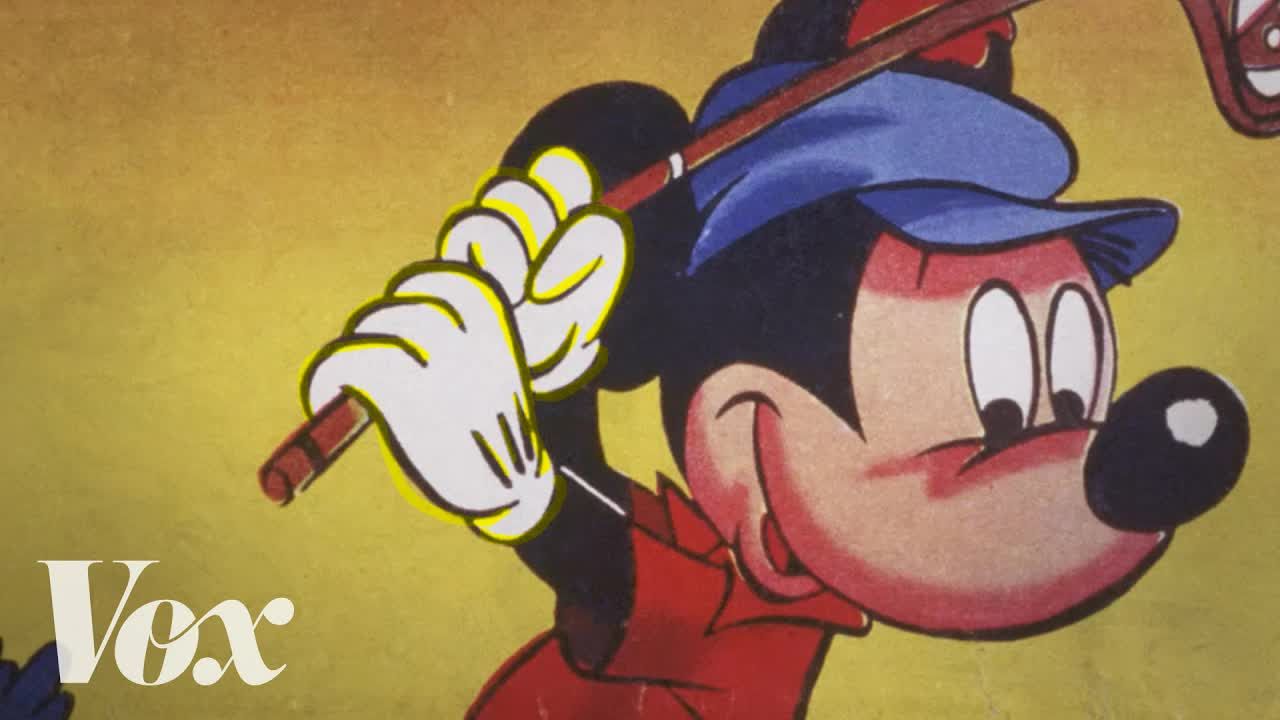
字幕摘录
| 时间 | 英文 | 中文 |
|---|---|---|
| 0:01 | This is the VHS for an extremely goofy movie. | 这是一部非常愚蠢的电影的VHS。 |
| 0:04 | It's a follow-up to the cult classic, A Goofy Movie, | 这是邪教经典的续集 《古菲电影》 |
| 0:06 | and it's one of my favorite animated films. | 这是我最喜欢的动画片之一 |
| 0:10 | Now, there's a moment in this movie | 现在,这部电影有一个时刻 |
| 0:11 | where Bobby Zemuruski, Max's stoner friend, | 在那里,鲍比泽穆鲁斯基, 麦克斯的石匠朋友, |
| 0:14 | you know the one that chucks cheese whiz? | 你知道那个吃奶酪的吗? |
| 0:16 | He says... | 他说... |
| 0:17 | Do you ever wonder why we're always, like, wearing gloves? | 你有没有想过我们为什么总是戴手套? |
| 0:21 | 问得好 Bobby | |
| 0:23 | Let's figure this out. | 让我们想想办法 |
展开字幕全文(108 条)
| 序号 | 英文 | 中文 |
|---|---|---|
| 1 | This is the VHS for an extremely goofy movie. | 这是一部非常愚蠢的电影的VHS。 |
| 2 | It's a follow-up to the cult classic, A Goofy Movie, | 这是邪教经典的续集 《古菲电影》 |
| 3 | and it's one of my favorite animated films. | 这是我最喜欢的动画片之一 |
| 4 | Now, there's a moment in this movie | 现在,这部电影有一个时刻 |
| 5 | where Bobby Zemuruski, Max's stoner friend, | 在那里,鲍比泽穆鲁斯基, 麦克斯的石匠朋友, |
| 6 | you know the one that chucks cheese whiz? | 你知道那个吃奶酪的吗? |
| 7 | He says... | 他说... |
| 8 | Do you ever wonder why we're always, like, wearing gloves? | 你有没有想过我们为什么总是戴手套? |
| 9 | 问得好 Bobby | |
| 10 | Let's figure this out. | 让我们想想办法 |
| 11 | Does the question, why do animated characters | 问,为什么动画人物 |
| 12 | wear gloves come up a lot for you? | 你经常戴手套吗? |
| 13 | The question rarely comes up, but when it does, | 这个问题很少出现,但当它出现时, |
| 14 | there are a number of answers to it. | 有许多答案。 |
| 15 | That's John Canemaker. | 这是约翰・坎梅克。 |
| 16 | He's an animation historian and professor at NYU. | 他是一名动画史学家和纽约大学的教授. |
| 17 | The most basic theory is that gloves save time. | 最基本的理论是手套可以节省时间. |
| 18 | Animation of any kind, even with computers, | 任何一种动画, 即使有电脑, |
| 19 | is a very work-intensive or labor-intensive process. | 是一个劳动密集型或劳动密集型的过程。 |
| 20 | Pardon me. | 对不起 |
| 21 | I've always wondered how they were made. | 我总是在想它们是怎么形成的 |
| 22 | At the dawn of animation, everything was hand-drawn | 在动画的黎明,一切都是手工的 |
| 23 | over and over and over again, | 一次又一次地, |
| 24 | and certain techniques to make the process more efficient | 以及提高程序效率的某些技术 |
| 25 | shaped the style of the cartoons. | 塑造了漫画的风格。 |
| 26 | Felix the cat, for example, | 比如说猫菲利克斯 |
| 27 | was a very boxy-looking character. | 是个非常帅的人物 |
| 28 | As Felix was becoming more popular, | 随着费利克斯越来越受欢迎, |
| 29 | the animator Bill Nolan decided to remove his snout | 动画师比尔·诺兰决定去掉他的鼻音 |
| 30 | and make him more circular overall. | 使他更加圆形。 |
| 31 | And that design, and what they called | 和那个设计,和他们所谓的 |
| 32 | the rubber hose and circle design, | 橡胶软管和圆圈设计, |
| 33 | very spaghetti-like arms of the characters, | 非常意大利面状的手臂 人物, |
| 34 | proceeded to the design of Mickey Mouse as well. | 开始设计米老鼠 |
| 35 | This rubber hose and circle aesthetic | 这个橡皮软管和圆形美学 |
| 36 | allowed animators to quickly draw arms, legs, and hands | 让动画师迅速画出手臂、腿和手 |
| 37 | without spending too much time developing | 不花太多时间开发 |
| 38 | realistic details of the character's body, | 人物身体的现实细节, |
| 39 | like elbows and knees. | 像肘和膝盖。 |
| 40 | A round edge was much faster to draw than an angle, | 圆边比角快得多 |
| 41 | and that certainly applied to hands | 这确是适用于手的, |
| 42 | with all those little fingers and knuckles. | 带着那些小手指和手指 |
| 43 | But hands posed another problem for animators | 但是手给动画师带来了另一个问题 |
| 44 | in the age of fuzzy black-and-white film. | 在模糊的黑白胶片时代 |
| 45 | Characters were, in black-and-white films, | 在黑白电影中, |
| 46 | difficult to see against their black bodies. | 很难看见他们的黑色身体。 |
| 47 | 看看Mickey mouse。 看着老鼠。 | |
| 48 | In 1927's Playing Crazy, | 在1927年的"疯狂游戏"中 |
| 49 | he had black hands and feet just like Felix. | 他有黑手黑脚 就像菲利克斯。 |
| 50 | He gained shoes in 1928's Steamboat Willie, | 他在1928年的蒸汽船威利公司 买了鞋 |
| 51 | and in 1929, he's wearing gloves in the Opry House. | 而在1929年,他在奥普里家戴手套. |
| 52 | The rubber hose style of animation is in full effect here. | 动画的橡胶软管风格在此全面生效. |
| 53 | Every character is exaggerated, round, and simple. | 每个角色都是夸张的,圆的,简单的. |
| 54 | And like many of the glove-wearing cartoon characters | 就像许多戴手套的卡通人物 |
| 55 | of his time, Mickey Mouse is a non-human | 他的时代,米老鼠是非人类 |
| 56 | doing very human things. | 做人类的事情 |
| 57 | In his 1968 biography, The Disney Version, | 在他的1968年传记,迪士尼版本, |
| 58 | Walt Disney addresses this very issue. | 华特迪士尼正讨论这个问题 |
| 59 | He says we didn't want him to have mouse hands | 他说我们不想让他有老鼠手 |
| 60 | because he was supposed to be more human, | 因为他应该是更人性的, |
| 61 | so we gave him gloves. | 所以我们给了他手套。 |
| 62 | So in addition to saving time and providing color contrast, | 所以除了节省时间和提供颜色对比之外 |
| 63 | gloves bring non-human things to life, | 手套给非人类的东西带来生命, |
| 64 | making their grand gestures stand out. | 他们的伟大姿态很突出 |
| 65 | These 1935 tea kettles from Van Buren Studios have them. | 这些来自范布伦工作室的1935年的茶壶都有. |
| 66 | This movie camera does too. | 这电影的相机也是 |
| 67 | When Pinocchio is a puppet, he wears gloves. | 皮诺曹当木偶时,会戴手套. |
| 68 | But when he becomes a boy, they disappear. | 但是当他变成男孩时 他们就会消失 |
| 69 | They're no longer needed. | 他们不再需要了。 |
| 70 | But there's another less practical influence | 但还有另一个不太实际的影响 |
| 71 | behind cartoon characters' white gloves. | 在卡通人物的白手套后面 |
| 72 | The Opry House is a film about Mickey | 奥普利之家是一部关于米奇的电影 |
| 73 | putting on a big vaudeville show. | 开个大音乐会 |
| 74 | That film and many of the animations that predated it | 那部电影和之前的许多动画 |
| 75 | 和Vudeville的表演息息相关 | |
| 76 | and the blackface minstrel shows of the time. | 以及那个时代的黑脸小展 |
| 77 | In fact, early animators often performed | 事实上,早期的动画师经常表演 |
| 78 | on vaudeville stages. | 在瓦德维尔阶段。 |
| 79 | Nicholas Salmon写道: | |
| 80 | that early animated characters like Felix the Cat, | 早期的动画人物 像菲利克斯猫, |
| 81 | Bimbo Bosco和Mickey Mouse 并不像小混混 | |
| 82 | they were minstrels. | 他们是小混混 |
| 83 | Both the cartoons and the stage characters | 漫画和舞台人物 |
| 84 | were portrayed as mischievous and rebellious, | 他们曾被描述为悖逆者, |
| 85 | yet good-natured. | 但却很善良 |
| 86 | They wore loose clothes, had painted faces, | 他们穿着松散的衣服 画了脸 |
| 87 | and they wore white gloves. | 他们戴着白手套 |
| 88 | In the 1930s, vaudeville and blackface minstrelsy declined. | 1930年代,华德维尔和黑脸混血儿衰落. |
| 89 | White gloves were no longer associated with vaudeville | 白手套不再与瓦德维尔有关 |
| 90 | to a new generation of viewers. | 给新一代观众 |
| 91 | Instead, they were just part of the cartoon style | 相反,它们只是卡通风格的一部分 |
| 92 | people came to expect. | 人们来期待。 |
| 93 | There was also in the band concert, you know that film? | 乐队的演唱会也有,你知道那部电影吗? |
| 94 | It's from 1935. | 产于1935年. |
| 95 | One of the characters is a cow character | 其中一个是奶牛角色 |
| 96 | called Clarabel Cow, and she plays the flute, | 她叫克拉拉贝尔·牛 她吹笛子 |
| 97 | and her glove gets stuck in the flute. | 她的手套被困在笛子里了 |
| 98 | So, really strange without the glove on it. | 所以,真的很奇怪,没有手套。 |
| 99 | 60 years later, Goofy takes off his gloves | 60年后,高菲脱掉手套 |
| 100 | before getting in a pool, and it's frankly really disturbing. | 在进泳池之前, 坦白地说,这是非常令人不安的。 |
| 101 | Now, what's really bothering me is why Daffy Duck | 现在,真正让我烦恼的是为什么达菲鸭 |
| 102 | and many other animated birds don't wear gloves. | 和许多其他动画鸟类不戴手套. |
| 103 | We might never know. | 我们可能永远不会知道。 |
| 104 | Look, let's not split hairs. | 听着,我们不要分开头发。 |
| 105 | Why do you even wear gloves? | 你为什么要戴手套? |
| 106 | Because I've always worn them, it's who I am. | 因为我总是穿它,它就是我是谁。 |
| 107 | Why do you wear that thing around your neck? | 你为什么戴在脖子上? |
| 108 | Touche, Bugs Bunny, touche. | 不错,Bugs兔子,不错 |
该视频共有字幕 108 条。解锁更多字幕为会员功能,请移动到 价格