动物能感知你的悲伤吗
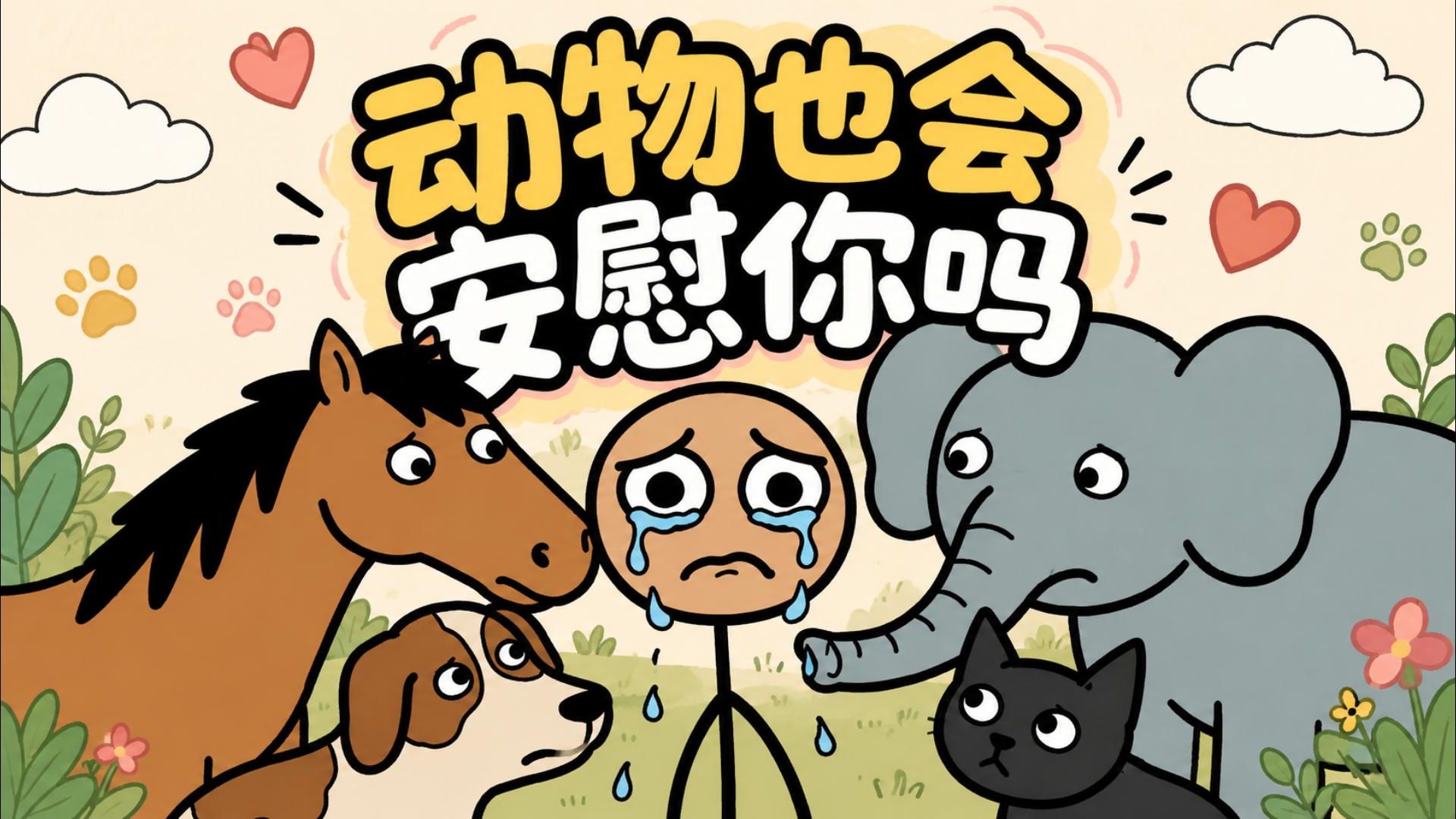
字幕摘录
| 时间 | 英文 | 中文 |
|---|---|---|
| 0:00 | You're having the worst day of your life. | 尔时世尊下最胜天子. |
| 0:02 | Maybe someone you loved died. | 也许你爱的人死了 |
| 0:04 | Maybe you just got news that changed everything. | 也许你刚刚得到的消息改变了一切。 |
| 0:06 | Maybe you're sitting on the kitchen floor at 2 a.m. for no reason you can explain, | 也许你在凌晨2点坐在厨房地板上 没理由解释 |
| 0:10 | and you can't stop crying. | 你无法停止哭泣。 |
| 0:12 | And your dog walks over, puts their head in your lap, and just stays there. | 你的狗走过来, 把他们的头放在你的腿上, 只是呆在那里。 |
| 0:16 | They didn't hear a phone call. | 他们没听到电话 |
| 0:18 | You didn't say a word. | 你什么都没说 |
| 0:19 | You were just falling apart quietly, and somehow they knew. | 你只是悄悄地崩溃,不知怎的他们知道。 |
| 0:22 | So the question is, did they actually know? | 问题是,他们真的知道吗? |
展开字幕全文(167 条)
| 序号 | 英文 | 中文 |
|---|---|---|
| 1 | You're having the worst day of your life. | 尔时世尊下最胜天子. |
| 2 | Maybe someone you loved died. | 也许你爱的人死了 |
| 3 | Maybe you just got news that changed everything. | 也许你刚刚得到的消息改变了一切。 |
| 4 | Maybe you're sitting on the kitchen floor at 2 a.m. for no reason you can explain, | 也许你在凌晨2点坐在厨房地板上 没理由解释 |
| 5 | and you can't stop crying. | 你无法停止哭泣。 |
| 6 | And your dog walks over, puts their head in your lap, and just stays there. | 你的狗走过来, 把他们的头放在你的腿上, 只是呆在那里。 |
| 7 | They didn't hear a phone call. | 他们没听到电话 |
| 8 | You didn't say a word. | 你什么都没说 |
| 9 | You were just falling apart quietly, and somehow they knew. | 你只是悄悄地崩溃,不知怎的他们知道。 |
| 10 | So the question is, did they actually know? | 问题是,他们真的知道吗? |
| 11 | Or did you just need them to? | 还是你只是需要他们? |
| 12 | Let's start with what dogs can physically detect, | 我们先说说狗能探测到什么 |
| 13 | because it's more unsettling than most people realize. | 因为它比大多数人意识到的更不安。 |
| 14 | When you cry, your body doesn't just produce tears. | 哭的时候,身体不只是产生眼泪. |
| 15 | Your breathing changes. | 你的呼吸会改变 |
| 16 | Your heart rate drops. | 你的心率下降。 |
| 17 | Cortisol, your primary stress hormone, floods your bloodstream, | 科蒂索尔,你的主要压力激素, 淹没你的血液, |
| 18 | and it exits your body through your sweat. | 它会从你的汗流出来 |
| 19 | To you, that's invisible. | 对你来说,那是无形的。 |
| 20 | To a dog, it's a smell. | 至犬,闻之. |
| 21 | A very specific, very detectable smell. | 一种非常具体,非常可探测的气味. |
| 22 | A dog's nose contains around 300 million olfactory receptors. | 一只狗的鼻子含有约3亿个嗅觉受体. |
| 23 | Humans have about 6 million. | 人类拥有约600万. |
| 24 | The part of their brain dedicated to analyzing smell is, proportionally, | 他们大脑中分析气味的部分 按比例来说是 |
| 25 | 40 times larger than yours. | 比你们大40倍 |
| 26 | Dogs can detect cancer cells in human tissue. | 狗可以检测人体组织中的癌细胞. |
| 27 | They can smell a change in blood sugar before a diabetic goes into a seizure. | 它们在糖尿病患者发作前可以闻到血糖的改变. |
| 28 | They can track a single person's scent trail through a city | 他们可以追踪一个人的气味 穿过一个城市 |
| 29 | days after that person walked through. | 几天后,那个人走过。 |
| 30 | So when your cortisol spikes because you're devastated, | 所以当你的皮质溶液因你伤心而激增时 |
| 31 | your dog isn't just vaguely sensing something is off. | 你的狗不只是模糊的感知 东西关闭。 |
| 32 | They are reading a chemical signature that is as clear to them as a flashing red light. | 他们正在读取一个化学特征 对他们来说就像闪耀的红灯 |
| 33 | They know something is wrong before you've even processed it yourself. | 在你亲自处理之前 他们知道出事了 |
| 34 | But smelling stress is one thing. | 但是嗅到压力是一回事。 |
| 35 | Actually caring about it is another. | 其实关心它是另一个。 |
| 36 | In 2012, researchers at the University of London ran a study where they had people | 2012年,伦敦大学的研究人员进行了一项研究,他们在那里有人 |
| 37 | either cry, hum, or talk normally in a room. | 要么哭 要么在房间里正常说话 |
| 38 | When people cried, almost every dog approached them. | 当人们哭泣时,几乎每条狗都接近他们. |
| 39 | Not their owner, specifically. | 不是他们的主人,具体来说。 |
| 40 | Any crying human. | 任何哭泣的人类。 |
| 41 | They approached, they made physical contact, | 他们接近,进行身体接触, |
| 42 | and they almost always oriented their body toward the person in distress. | 他们几乎总是把身体对准受难者 |
| 43 | When people hummed, the dogs were curious. | 当人们鸣叫时,狗很好奇。 |
| 44 | They went over to investigate, but they didn't do the same thing. | 他们过去调查,但他们没有做同样的事情. |
| 45 | There was something specifically different about how they responded to emotional pain | 他们对感情痛苦的反应 特别不同 |
| 46 | versus just an unusual sound. | 对一个不寻常的声音。 |
| 47 | And here's the part that matters. | 这是最重要的部分。 |
| 48 | The dogs that approached crying strangers showed submissive body language. | 接近哭泣的陌生人的狗们表现出顺从的身体语言. |
| 49 | Head low, tail low, slow movement. | 头低,尾低,运动缓慢. |
| 50 | That's not excitement. | 这不是刺激。 |
| 51 | That's not confusion. | 这不是混淆。 |
| 52 | Behavioral scientists describe it as an empathic response. | 行为科学家将其描述为感应反应. |
| 53 | Meaning the dog wasn't just reacting to something strange, | 意思是狗不只是对奇怪的事情作出反应 |
| 54 | they were reacting to something sad. | 他们正在对一些悲哀的事情作出反应。 |
| 55 | Now there's a version of this where we're still giving animals too much credit. | 现在有一个版本, 我们仍然给予动物太多的功劳。 |
| 56 | Your dog may have learned over years of living with you | 你的狗可能已经学会 与你生活多年 |
| 57 | that certain sounds and smells predict certain outcomes. | 某些声音和气味预示着某些结果 |
| 58 | You cry, then you're quieter, then you move slower, then everything is calmer. | 你哭,然后你更安静,然后你移动慢, 然后一切都更平静。 |
| 59 | Maybe they're not responding to your sadness. | 也许他们没回应你的悲伤 |
| 60 | Maybe they've just learned a sequence of events and they're following the pattern. | 也许他们刚刚学到了一系列事件 他们正在遵循规律 |
| 61 | That's the skeptic's argument. | 此是疑者辩才. |
| 62 | And it's fair. | 且道圆理. |
| 63 | Except it doesn't explain the strangers. | 只不过这并不能解释陌生人 |
| 64 | The dogs in that London study had never met those people before. | 伦敦研究中的狗们以前从未见过这些人. |
| 65 | There was no pattern to learn. | 没有规律可以学习。 |
| 66 | No history of outcomes. | 无成果史. |
| 67 | Just a human crying and a dog deciding to go be with them. | 只是人类的哭声 和一只狗决定和他们在一起 |
| 68 | Horses are harder to dismiss. | 马更难辞退. |
| 69 | In 2018, researchers at the University of Sussex showed horses photographs of human faces, | 2018年,苏塞克斯大学的研究人员展示了人类面部的马照片, |
| 70 | one angry, one happy, and then played a recording of a voice that didn't match the face. | 一个愤怒,一个快乐, 然后播放一个录音 一个声音不匹配的脸。 |
| 71 | A happy voice paired with an angry face. | 一个快乐的声音 与愤怒的脸。 |
| 72 | An angry voice with a happy face. | 愤怒的嗓子 和一张快乐的脸。 |
| 73 | The horses reacted. | 马匹的反应。 |
| 74 | Their heart rate went up. | 他们的心率上升了 |
| 75 | They turned their head to look with their left eye, | 他们以左眼转向视线, |
| 76 | which in horses is associated with processing threatening or negative stimuli. | 在马身上与加工 威胁或负刺激有关 |
| 77 | They could tell something was wrong, that the signals didn't match. | 他们可以发现有些不对劲 信号不匹配 |
| 78 | They weren't just seeing a face. | 他们不只是看到一张脸。 |
| 79 | They were reading it and cross-referencing it with sound in real time, | 他们正在读它 并交叉引用 它与声音实时, |
| 80 | trying to figure out what the human was actually feeling. | 试图找出人类的感受 |
| 81 | Horses have lived alongside humans for about 6,000 years, | 马跟人类生活了6000年 |
| 82 | long enough that some researchers believe they've developed a kind of emotional literacy | 足够长,一些研究者认为 他们已经发展出一种 情感素养 |
| 83 | specific to us. | 对我们来说是特别的 |
| 84 | The ability to read human expressions the way they'd read another horse. | 能够读懂人类的表达方式 读懂另一匹马 |
| 85 | They're not just detecting your mood. | 他们不只是在检测你的心情 |
| 86 | In some sense, they've learned to speak your language. | 从某种意义上讲,他们学会了说你的语言. |
| 87 | Cats are more complicated, and somehow more interesting. | 猫更复杂 更有趣 |
| 88 | The standard reputation is that cats don't care. | 标准声誉是猫不在乎. |
| 89 | Aloof. | 阿罗佛. |
| 90 | Self-serving. | 自在业. |
| 91 | And behaviorally, a lot of that is accurate. | 从行为上来说,很多是准确的。 |
| 92 | Cats didn't evolve in packs. | 猫没有进化成包。 |
| 93 | They don't have the same social wiring as dogs, | 他们和狗不一样 |
| 94 | and they're not going to sprint across the room to comfort a stranger. | 他们不会冲过房间去安慰陌生人 |
| 95 | But a 2015 study out of Oakland University found something that quietly rewrites the whole narrative. | 但奥克兰大学2015年的一项研究发现,有些东西悄悄地改写了整个叙事. |
| 96 | Researchers had cat owners display either positive or negative emotions. | 研究人员让猫主人 表现出积极或消极的情绪。 |
| 97 | Smiling, looking distressed, while either the owner or stranger sat in the room. | 微笑,看起来很痛苦,而主人或陌生人坐在房间里。 |
| 98 | When the owner smiled, the cats spent more time near them, purred more, | 当店主微笑时 猫们花更多的时间靠近他们 更纯洁 |
| 99 | and showed what researchers described as positive engagement. | 并展示了研究人员所说的积极接触。 |
| 100 | When the owner looked upset, the cats shifted. | 当店主看起来很不高兴时,猫们转了身. |
| 101 | Less engagement, more proximity-seeking, staying close, but quieter. | 较少接触,更接近,保持接近,但更安静. |
| 102 | With strangers showing the same emotions, the effect was much weaker. | 随着陌生人表现出同样的情感,效果要弱得多. |
| 103 | The cats weren't responding to human emotion in general. | 猫并没有对一般人的情感作出反应. |
| 104 | They were responding specifically to their person's emotion. | 他们专门回应自己的情绪 |
| 105 | That's a relationship. | 这是一种关系。 |
| 106 | And then there are elephants. | 后有象来. |
| 107 | In elephant society, when a member of the herd is distressed, injured, frightened, grieving, | 在大象社会,当一群人感到痛苦,受伤,害怕,悲伤时, |
| 108 | other elephants respond in ways that are almost hard to watch without feeling something yourself. | 其他大象的反应方式 几乎很难看 没有感觉的东西自己。 |
| 109 | They rumble softly. | 他们轻轻地鸣叫。 |
| 110 | They use their trunks to touch the distressed animal's face and mouth. | 他们用树干来触摸受苦的动物的脸和嘴. |
| 111 | They position their bodies around them. | 他们把尸体放在周围 |
| 112 | They stay. | 他们留下来。 |
| 113 | In 2014, a team of researchers in Thailand documented elephants doing something similar | 2014年,泰国的一组研究人员记录了大象在做类似的事情。 |
| 114 | in response to other elephants that appeared to be in emotional distress. | 以回应其他出现情绪困扰的大象. |
| 115 | The response was consistent, immediate, and it came from adults and young elephants alike. | 反应是一致的,即时的,来自成年人和年轻的大象。 |
| 116 | There was no learned behavior argument to make here. | 这里没有学过的行为论证 |
| 117 | Baby elephants were doing it too. | 婴儿大象也这么做了 |
| 118 | Some form of the instinct to recognize and respond to suffering appears to be built into them | 承认和应对痛苦的某种本能似乎已植入其中 |
| 119 | at a level that doesn't require experience to develop. | 在一个不需要经验发展的水平上 |
| 120 | So why would evolution do this? | 那么,为什么进化会做到这一点? |
| 121 | Caring about someone else's pain is expensive. | 关心别人的痛苦很贵 |
| 122 | It takes time. | 这需要时间。 |
| 123 | It pulls you toward potential danger. | 它把你引向潜在的危险。 |
| 124 | It uses energy. | 它使用能量。 |
| 125 | From a pure survival standpoint, it makes no sense to comfort something that isn't you. | 从纯粹的生存观点来看,安慰一些不是你的东西毫无意义. |
| 126 | But social animals, and almost all the animals we're talking about, | 但是社会动物 以及几乎所有我们谈论的动物 |
| 127 | depend on the group to survive. | 依赖群体生存。 |
| 128 | A herd with no awareness of each other's distress falls apart at the first sign of a real threat. | 一个对彼此的危难一无所知的牧群在第一次出现真正的威胁时就崩溃了. |
| 129 | A pack that can't detect when something is wrong with one of its members loses members it needs. | 当一个成员出事时 就会失去它所需要的成员 |
| 130 | Emotional sensitivity isn't softness. | 情感敏感性不是柔软 |
| 131 | It's infrastructure. | 这是基础设施。 |
| 132 | The ability to read pain in others, to respond to it, to stay. | 其能读他人之痛,应之,留之. |
| 133 | That's a survival tool. | 这是一个生存工具。 |
| 134 | And over millions of years, for certain species, it became as automatic as breathing. | 在数百万年的时间里,对某些物种来说, 它变得像呼吸一样自动。 |
| 135 | But here's where it gets hard to explain cleanly. | 但这里很难解释清楚 |
| 136 | Because none of that infrastructure theory tells us what it feels like to be the dog | 因为没有一种基础理论 告诉我们做狗的感觉 |
| 137 | with its head in your lap. | 它的头在你的腿上。 |
| 138 | We can measure cortisol. | 我们可以测量皮质醇。 |
| 139 | We can track behavioral responses. | 我们可以追踪到行为反应 |
| 140 | We can document that animals respond differently to sadness than to other stimuli. | 我们可以记录动物对悲伤的反应 不同于对其他刺激的反应 |
| 141 | What we can't do is get inside an animal's experience and find out whether something | 我们不能做的是 进入动物的体验 并找出什么 |
| 142 | is happening there that resembles what you feel when someone you love is hurting. | 发生在那里 像你的感觉 当你爱的人受到伤害。 |
| 143 | Some researchers think asking that question is pointless. | 一些研究者认为问这个问题毫无意义. |
| 144 | That we're projecting human experience onto creatures that are fundamentally different. | 我们把人类的经验投射到 根本不同的生物身上 |
| 145 | Others think refusing to ask it is its own kind of bias. | 其他人则认为拒绝要求是其本身的偏见. |
| 146 | An assumption that consciousness, that something like feeling, is exclusively ours. | 一个假设,即意识, 类似感觉的东西, 完全是我们的。 |
| 147 | The honest answer is that nobody knows. | 诚实的答案是 没人知道 |
| 148 | And the fact that nobody knows doesn't mean the answer is no. | 没有人知道并不意味着答案是否定的。 |
| 149 | What we do know is this. | 我们所知道的就是这个。 |
| 150 | The dog that walked over and put its head in your lap, processed your chemistry, | 狗走过来,把头放在你的腿上, 加工你的化学, |
| 151 | read your body language, crossed the room, and chose to stay with you. | 阅读身体语言,穿过房间,选择和你在一起。 |
| 152 | Whether that required anything that looks like empathy from the inside. | 这是否需要任何内在的同情 |
| 153 | Or whether it was a cascade of evolved reflexes that just happens to produce the same result. | 或者它是否是一个演化反射的级联 恰好产生同样的结果。 |
| 154 | The outcome was the same. | 结果是一样的。 |
| 155 | You were suffering. | 你当时很痛苦 |
| 156 | They came. | 他们来了。 |
| 157 | Maybe the more important question isn't whether they understand what sadness is. | 也许更重要的问题是 他们是否理解什么是悲伤 |
| 158 | Maybe it's what it means that, across dozens of species, across millions of years of evolution, | 也许这就是它意味着,跨越数十个物种, 跨越数百万年的进化, |
| 159 | the instinct to move towards something in pain rather than away from it kept getting passed down. | 直觉向痛苦中的东西移动 而不是远离它 不断被遗忘。 |
| 160 | It kept surviving. | 它一直活着。 |
| 161 | Whatever that is, it decided you were worth staying for. | 不管是什么 它决定你值得留下来 |
| 162 | Not a feeling you can prove. | 你无法证明 |
| 163 | Not a thought you can measure. | 没有一个想法你可以衡量。 |
| 164 | Just a choice made quietly to not walk away. | 只是悄悄地选择了不走 |
| 165 | Across every species that ever learned to do it. | 每一个物种 曾经学会这样做。 |
| 166 | That choice survived everything. | 这一选择在一切中幸存下来。 |
| 167 | And it's still here, sitting right next to you. | 还在这里,坐在你旁边 |
该视频共有字幕 168 条。解锁更多字幕为会员功能,请移动到 价格