【TED演讲】如何驾驭情绪
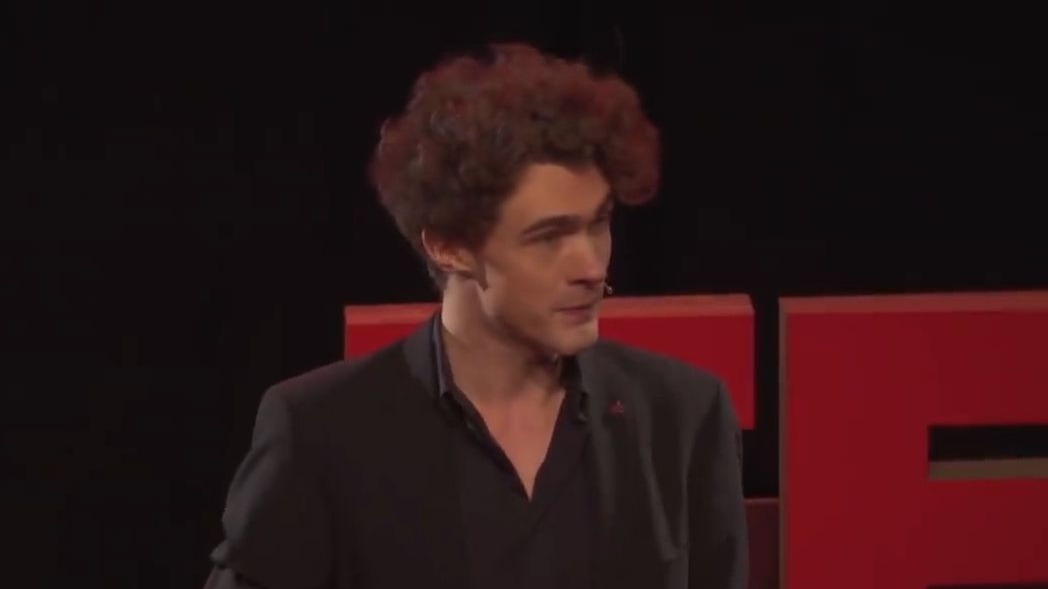
字幕摘录
| 时间 | 英文 | 中文 |
|---|---|---|
| 0:12 | Thank you so much. | 非常感谢 |
| 0:14 | It's really, really interesting to me that for every single speaker that you've | 这真的,真的很有趣 对于每一个发言者,你已经 |
| 0:18 | seen today, including me, as soon as we walked out on stage without anyone ever explicitly | 今天看到,包括我, 当我们走出舞台 没有任何人明确 |
| 0:24 | telling you to, you started applauding. | 告诉你,你开始鼓掌。 |
| 0:28 | And then it's also really interesting to me that | 对我来说也很有趣 |
| 0:30 | every single speaker, including me today, walking out on stage after you applauded, | 每一个发言者,包括今天的我, 走出舞台,在你鼓掌后, |
| 0:36 | said, thank you, again, without anyone explicitly telling us to. | 说,谢谢你,再次, 没有人明确告诉我们。 |
| 0:41 | It's almost like that's a | 这几乎就像一个 |
| 0:42 | conditioned response. | 有条件的反应。 |
| 0:44 | Now, a conditioned response means that a certain trigger or a certain | 现在,一个有条件的反应 意味着某个触发器或某个 |
展开字幕全文(485 条)
| 序号 | 英文 | 中文 |
|---|---|---|
| 1 | Thank you so much. | 非常感谢 |
| 2 | It's really, really interesting to me that for every single speaker that you've | 这真的,真的很有趣 对于每一个发言者,你已经 |
| 3 | seen today, including me, as soon as we walked out on stage without anyone ever explicitly | 今天看到,包括我, 当我们走出舞台 没有任何人明确 |
| 4 | telling you to, you started applauding. | 告诉你,你开始鼓掌。 |
| 5 | And then it's also really interesting to me that | 对我来说也很有趣 |
| 6 | every single speaker, including me today, walking out on stage after you applauded, | 每一个发言者,包括今天的我, 走出舞台,在你鼓掌后, |
| 7 | said, thank you, again, without anyone explicitly telling us to. | 说,谢谢你,再次, 没有人明确告诉我们。 |
| 8 | It's almost like that's a | 这几乎就像一个 |
| 9 | conditioned response. | 有条件的反应。 |
| 10 | Now, a conditioned response means that a certain trigger or a certain | 现在,一个有条件的反应 意味着某个触发器或某个 |
| 11 | stimulus, in this case, me walking out on stage, elicits a certain cue or a certain | 刺激,在这种情况下, 我走出舞台, 引领某个提示或某个 |
| 12 | response in you. | 回应你。 |
| 13 | We meet these responses everywhere in life all the time. | 我们经常在生活中遇到这些反应。 |
| 14 | I think one of the best | 我认为最好的之一 |
| 15 | examples that I could think of is when you walk down the street and a certain smell comes | 我所想到的例子就是 当你走在街上 和某种气味来了 |
| 16 | into your nose and it takes you right back to childhood. | 进入你的鼻子 它让你回到童年。 |
| 17 | Did you ever experience that? | 你有经历过吗? |
| 18 | Is that something you know about? | 你知道这些吗? |
| 19 | I think it is, right? | 我想是的,对吧? |
| 20 | It's a cue response system. | 这是一个提示响应系统。 |
| 21 | Today | 现在 |
| 22 | I'll talk about where we find these cue response systems, how they work, and more importantly, | 我会谈谈我们在哪里找到这些提示反应系统, 它们是如何工作的,更重要的是, |
| 23 | how we can make these cue response systems work for ourselves. | 我们如何让这些提示反应系统为自己服务。 |
| 24 | Now, before we get to | 现在,在我们到达之前 |
| 25 | that, I think it might be interesting and fun to actually do a quick demonstration concerning | 我认为做一个快速的演示 可能很有趣 |
| 26 | cue response systems. | 提示反应系统。 |
| 27 | So let's take a quick look. | 所以,让我们来看看。 |
| 28 | I think we're going to have to have somebody | 我想我们得找个人 |
| 29 | join us up on stage and that will be... What the fuck? | 和我们一起上台 这将是... 什么他妈的? |
| 30 | Fair enough. | 不错 |
| 31 | Somebody like in the | 有人喜欢在 |
| 32 | very, very back. | 非常,非常回来。 |
| 33 | Is that right? | 是吗? |
| 34 | Who is that? | 那是谁? |
| 35 | Oh, he's too needy, but that's fine. | 哦,他太穷了,但没关系。 |
| 36 | Let's | 让我们 |
| 37 | get him up on stage. | 让他上台 |
| 38 | Let's give him a round of applause. | 让我们给他掌声 |
| 39 | It's going to be a long way. | 将谓远矣. |
| 40 | It will be a long way. | 这将是很长的路要走。 |
| 41 | Get him up on stage. | 让他上台 |
| 42 | Long, long way. | 长,远也. |
| 43 | Fantastic. | 厉害 |
| 44 | It will take a | 这需要一个 |
| 45 | little while until he's... | 一小会儿,直到他... |
| 46 | Okay, he's coming from all the way in the back. | 好,他从后面走来 |
| 47 | At some point | 在某个时候 |
| 48 | I will be teaching you how to elicit cue response systems yourself at will. | 我会教你如何随意引领提示反应系统 |
| 49 | We will get to that | 我们会找到的 |
| 50 | in a moment. | 马上就来 |
| 51 | I will also talk about how they work and the neurological processes behind | 我还要谈谈他们是如何工作的 以及背后的神经过程 |
| 52 | cue response systems. | 提示反应系统。 |
| 53 | So let's see if that dude is already walking out. | 让我们看看那家伙是不是已经走了 |
| 54 | I think he's | 我觉得他 |
| 55 | coming. | 来了 |
| 56 | Yes, we have an ice rink in the backstage, and as soon as he comes, give him a round of | 是的,我们在后台有一个冰球, 一旦他来了,给他一回合 |
| 57 | applause. | 掌声 |
| 58 | Fantastic. | 厉害 |
| 59 | How are you? | 你好吗? |
| 60 | I'm Timon. | 我是蒂蒙,你好吗? |
| 61 | It's a pleasure to meet you. | 幸会 |
| 62 | Are you good? | 你还好吗? |
| 63 | Fantastic. | 厉害 |
| 64 | Tony, you're good? | 托尼,你好吗? |
| 65 | Amazing. | 厉害 |
| 66 | Did you enjoy the talk so far? | 你这么快就开心了吗? |
| 67 | Yes. | 对 |
| 68 | Really inspiring. | 非常令人振奋 |
| 69 | And did you have a good day today? | 你今天过得好吗? |
| 70 | Amazing. | 厉害 |
| 71 | Tony, can you do me a favour and maybe think | 托尼,你能帮我一个忙,也许想 |
| 72 | back to a moment from last week or the last few days that made you happy, something that | 回到上周或最后几天 让你高兴的那一刻 |
| 73 | made you feel really good? | 让你感觉很好? |
| 74 | When I was reading about marketing, the function of marketing | 当我读到市场营销的功能 |
| 75 | and the computer and the IE. | 还有电脑和IE |
| 76 | Fantastic. | 厉害 |
| 77 | That is already good enough. | 这已经足够好了。 |
| 78 | It's good enough for | 足够了 |
| 79 | me. | 来啊 |
| 80 | Now Tony, being a marketer, come up to the front. | 现在托尼,作为一个推销员, 来到前面。 |
| 81 | Being a marketer, you already obviously | 作为一个推销员,你已经很明显了 |
| 82 | know about conditioning, don't you? | 懂节奏,不是吗? |
| 83 | Conditioning? | 条件? |
| 84 | You might. | 也许吧 |
| 85 | I'll explain it to you. | 师解释曰. |
| 86 | I'm not | 我没有 |
| 87 | sure if you realise, but every time since you've been on stage and you smiled or said, | 当然,如果你意识到, 但每次当你在舞台上 你微笑或说, |
| 88 | yes, I touched your arm, did you notice this? | 是的,我摸过你的手臂,你注意到了吗? |
| 89 | It's strange, isn't it? | 这很奇怪,不是吗? |
| 90 | Put your hand out, | 把手伸出来 |
| 91 | Tony. | 东尼 |
| 92 | Put your hand out. | 把手伸出来 |
| 93 | Just realise what happens in your mind that you might go blank | 只要意识到你脑海中会发生什么 你可能会变成空白 |
| 94 | when we go back up there and the memory might be linked to the spot in your mind. | 当我们回到那里时 记忆可能与你脑海中的位置有关 |
| 95 | Just realise | 仅仅意识到 |
| 96 | what happens when we go up your arm and we touch that arm. | 我们爬上你的手臂 碰上你的手臂会怎样? |
| 97 | Can you feel that happiness | 你能感觉到幸福 |
| 98 | coming back in you? | 回来吗? |
| 99 | Does it feel good? | 感觉好吗? |
| 100 | It's a conditioned response. | 是有条件的反应 |
| 101 | It's a neurological | 这是一个神经系统 |
| 102 | response. | 反应。 |
| 103 | The cool thing, Tony, is that you can do this yourself as well. | 东尼,你也可以自己来 |
| 104 | Would you like | 你愿意吗? |
| 105 | me to show you? | 我给你看? |
| 106 | Extend your hands. | 伸开你的手。 |
| 107 | Perfect. | 不错 |
| 108 | Move your own hand up there. | 把手举起来 |
| 109 | Go ahead. | 来吧。 |
| 110 | And | 还有 |
| 111 | move it slowly up there. | 慢慢地往上移动。 |
| 112 | And just realise that when you touch that arm, it comes right | 只要意识到,当你触摸那条手臂, 它来的权利 |
| 113 | back to you, doesn't it? | 回到你身边,不是吗? |
| 114 | Just touch that arm. | 碰碰那条手臂 |
| 115 | How does that feel? | 感觉怎么样? |
| 116 | It feels weird, but good | 感觉很奇怪,但很好 |
| 117 | enough, yeah? | 够了,是吗? |
| 118 | I think that's good enough. | 我认为这已经足够了。 |
| 119 | Give him a round of applause. | 给他掌声 |
| 120 | Get your seat. | 请坐 |
| 121 | Thank you, Tony. | 谢谢你,托尼。 |
| 122 | Fantastic. | 厉害 |
| 123 | I think that was good for a quick demonstration. | 我认为这对快速演示很有帮助。 |
| 124 | Thank you, | 谢谢 |
| 125 | Tony. | 东尼 |
| 126 | Now I'm seeing some of you thinking, what the heck did we just see? | 现在我看到你们中有些人在想 我们刚才看到什么了? |
| 127 | What just happened? | 刚刚发生了什么? |
| 128 | What we just did was a very, very quick and very brief demonstration of conditioned response | 我们刚刚做的是一个非常,非常迅速,非常简短的 有条件反应的展示 |
| 129 | in action. | 行动中。 |
| 130 | The first time I got into investigating conditioned response was when I was 12 years | 我第一次调查有条件的反应是12岁的时候 |
| 131 | old, and I saw a hypnosis show being played at a holiday park. | 老了,我看到一个催眠节目 正在一个假日公园播放。 |
| 132 | And to me, seeing that | 对我来说,看到那 |
| 133 | hypnosis show was the most magical thing I had ever seen, and it was the moment that | 催眠术是我见过最神奇的一幕 |
| 134 | I decided that I wanted to become a hypnotist or a mentalist or a magician. | 我决定,我想成为一个催眠师 或心理医生 或魔术师。 |
| 135 | I went on that | 我接着说 |
| 136 | path. | 路径。 |
| 137 | I went to write some people to learn about hypnosis or mentalism or mind reading, | 我去给一些人写信 学习催眠术 心理或心智阅读 |
| 138 | and everybody thought that at 12 years old, I was too young to do that. | 所有人都认为12岁时,我太年轻了,不能这么做。 |
| 139 | So I did what | 所以我做了什麽 |
| 140 | any 12-year-old would do. | 任何12岁的孩子都会这么做 |
| 141 | I started teaching myself, and I copied exactly what I saw on | 我开始教自己,我抄袭我所看到的 |
| 142 | stage and took it from there. | 舞台,然后从那里拿走。 |
| 143 | I think there was more luck involved than actual skill, | 我认为运气比实际技能要好 |
| 144 | but I made it through. | 但我还是挺过来了 |
| 145 | At 16 years old, I went to New Zealand. | 16岁时前往新西兰. |
| 146 | I found a mentor. | 我找到一个导师。 |
| 147 | He | |
| 148 | helped me write my very first book on hypnosis, which got me in touch with people all around | 帮助我写了第一本催眠书 让我和周围的人有了联系 |
| 149 | the world. | 这个世界。 |
| 150 | I then got to be awarded the title of best European mentalist last year and finally | 然后去年我被授予欧洲最好的心理家称号 最后 |
| 151 | got to fulfill my dream to play in Las Vegas for the very first time last year as well, | 去年我第一次在拉斯维加斯演出的梦想也实现了 |
| 152 | and that was amazing. | 这是惊人的。 |
| 153 | It was really cool. | 这真的很酷。 |
| 154 | Now, I'm not going to talk to you about the | 现在,我不打算和你谈论 |
| 155 | drive or the inspiration or the love that I have for that, and it is a love. | 驱动器,或者灵感 或我拥有的爱, 这是一个爱。 |
| 156 | In fact, | 事实上, |
| 157 | so much of a love that I have my logo, which stands for the love for magic, tattooed onto | 这么多的爱,我有我的标志, 代表对魔法的热爱, 纹在身上 |
| 158 | my wrist because it's the one thing I love most in life, because I think there's people | 我的手腕,因为这是我一生中最爱的东西, 因为我认为有人 |
| 159 | that will talk about inspiration way better than I, but I will talk to you about the one | 比我更能谈灵感 但我会跟你谈那个 |
| 160 | tool that I have used that has done me well over the last 11 years, time and time again, | 我用过的工具 在过去的11年里 一次又一次地 |
| 161 | which is anchoring or conditioned response. | 正在锁定或附加条件的反应。 |
| 162 | I think the best definition I can give you | 我想我可以给你最好的定义 |
| 163 | of anchoring or conditioned response would be an anchor refers to any specific cue that | 定位或有条件的响应将是锁定,是指任何具体提示,即: |
| 164 | elicits a predictable response. | 引起可预测的反应。 |
| 165 | A predictable response means that it repeats itself. | 可预测的反应意味着它重复自己。 |
| 166 | Now, | 现在, |
| 167 | if I were to ask some of you if you feel like having a coffee right now, some of you might | 如果我问你一些人,如果你 想喝咖啡,现在, 你们有些人可能 |
| 168 | say yes, some of you might say no. | 说"是",你们有些人可能会说"不". |
| 169 | Ten minutes from now, this might be different. | 十分钟后 情况可能不一样 |
| 170 | It's not | 这不是 |
| 171 | a predictable response, it's not conditioned. | 一个可预测的反应, 它没有条件。 |
| 172 | But a person that's maybe hugely afraid of | 但一个人也许非常害怕 |
| 173 | spiders, as soon as they see the cue, the stimulus of a spider, their response will | 蜘蛛一看到提示 蜘蛛的刺激 他们的反应就会 |
| 174 | predictably be fear. | 可以预测是恐惧。 |
| 175 | That's what it means for it to be a predictable or conditioned | 这就是它可以预测或有条件的意义 |
| 176 | response. | 反应。 |
| 177 | When I first encountered this concept, I thought, great, it's good for me to know | 当我第一次遇到这个概念的时候, 我觉得,很好,我很高兴知道 |
| 178 | that there are specific cues that trigger specific responses, but what good does it | 有一些特定的提示引发具体的反应,但有什么好处 |
| 179 | if I can't control those cues? | 如果我不能控制这些提示? |
| 180 | I will let you in on two secrets about conditioning. | 我会告诉你两个关于调节的秘密 |
| 181 | The first one is that if you know the correct trigger, you can elicit any response in yourself | 第一个是,如果你知道正确的触发器, 你可以得到任何响应自己 |
| 182 | or others that you wish. | 或你所希望的别人。 |
| 183 | And some of you already know this. | 你们中有些人已经知道了这一点。 |
| 184 | I'm sure there must be people in | 我敢肯定,这里一定有人 |
| 185 | the audience right now maybe wearing a special piece of clothing that makes you feel sexy, | 现在的观众也许穿着一件特别的衣服 让你觉得性感, |
| 186 | and it makes you therefore feel confident. | 并由此使你感到自信。 |
| 187 | Or maybe some of you put on a piece of jewelry | 或者你们中有些人戴上首饰 |
| 188 | that you consider to be a lucky charm. | 你们认为这是一种幸运的符咒。 |
| 189 | I put on my lucky socks, they have pucks on them, | 我穿上我的幸运袜子, 他们有Pucks在他们身上, |
| 190 | because I love pucks, and they make me feel really happy. | 因为我喜欢巴克 他们让我感觉很快乐 |
| 191 | And all these things really | 这一切真的 |
| 192 | are are certain cues that trigger a specific response in you. | 它们是一定的提示 触发你的具体反应。 |
| 193 | Does that make sense? | 这有道理吗? |
| 194 | So | 这么说 |
| 195 | you already know that you can trigger these responses. | 您已经知道,你可以触发这些反应。 |
| 196 | The second secret, and this is | 第二个秘密,这是 |
| 197 | where it gets really cool, is that you can set up, create new trigger response systems | 在它变得非常酷,是 你可以设置,创建新的触发反应系统 |
| 198 | at will. | 随心所欲 |
| 199 | Again, I hear you thinking, that's great, but how do we do that? | 再次,我听到你的想法, 这是伟大的, 但我们怎么做? |
| 200 | Now, before | 现在,之前 |
| 201 | we get into the how that works, let's talk real quickly about why that works. | 我们进入了工作方式, 让我们快速地谈论它为什么工作。 |
| 202 | And it | 还有 |
| 203 | works due to two mental slides, if you want, two slides of minds that your brain is capable | 工作由于两个心理幻灯片, 如果你想,两个心理幻灯片 你的大脑有能力 |
| 204 | of doing, the first one of which being pattern recognition. | 首先是模式识别。 |
| 205 | Pattern recognition, we'll get | 模式识别,我们会得到 |
| 206 | to that in a moment, pattern recognition means that your brain is able to learn from past | 很快,模式识别意味着你的大脑能够从过去学习 |
| 207 | experiences and then to apply this learned behavior to new similar situations. | 经验,然后将这种学到的行为应用于新的类似情况。 |
| 208 | Basically, | 基本上说 |
| 209 | what this means is that pattern recognition helps us not make the same mistakes twice. | 这意味着模式识别 帮助我们不再犯同样的错误两次。 |
| 210 | There's a reason for this, it's an evolutionary reason. | 这有原因,是进化的原因. |
| 211 | When you think about maybe your caveman | 当你想到也许你的洞穴人 |
| 212 | ancestors running into a ferocious cat and they're barely escaping with their lives, | 祖辈们碰到一只凶猛的猫 他们的生命几乎无法逃脱 |
| 213 | it would now be good for the brain to make the leap that when next time they enter a | 现在对大脑来说 跳跃是好事 当他们下次进入时 |
| 214 | similar situation, they meet a similar cat, they don't want to go cuddle it, but they | 类似的情况,他们遇到一个相似的猫, 他们不想去抱它,但他们 |
| 215 | apply the learned knowledge and realize that it's not a good idea to go near. | 应用所学知识,意识到接近不是好主意. |
| 216 | That's what | 就这样 |
| 217 | pattern recognition is. | 模式识别是。 |
| 218 | It's also how anchoring or conditioning works. | 也是锚定或调节的原理. |
| 219 | In anchoring and conditioning, | 在锚和调节, |
| 220 | we enter a situation, we get a specific cue, and this cue will elicit a specific response. | 我们进入一个情况, 我们得到了一个特定的提示, 而这个提示会引起一个特定的响应。 |
| 221 | This cue could be anything, me saying something, it could be a smell, it could be a jewelry | 这个提示可以是任何东西,我说什么, 它可以是气味,可以是珠宝 |
| 222 | you put on. | 你穿上这个 |
| 223 | The list is a response, and depending on if that situation plays out well for you, | 名单是回应 取决于情况是否好转 |
| 224 | positive effect. | 积极效果。 |
| 225 | Next time around, you get a strengthened positive response to the same | 下一次,你得到 一个强化的正面反应 同样的 |
| 226 | or a similar cue, or if it plays out negatively, next time you get a reduced or weakened negative | 或者类似提示,或者如果它表现为负, 下次你得到一个减少或弱化的负 |
| 227 | response to the clue effectively driving you away from similar situations. | 对线索的反应 有效驱使你远离类似的情况。 |
| 228 | Does it make | 这是否使 |
| 229 | sense? | 感觉呢? |
| 230 | I think it does, yes? | 我想是的,是吗? |
| 231 | It's also the reason that at some point only imagining an | 这也是在某个时候 仅仅想象着一个 |
| 232 | anchor is enough, and we'll get to that. | 锚足够了,我们会得到的。 |
| 233 | The second slide of mind that our brain is capable | 我们的大脑有能力的第二度思维滑动 |
| 234 | of doing is called action imagery. | 行动图像。 |
| 235 | It's research, and I think this is one of the most fascinating | 这是研究,我想这是最迷人的 |
| 236 | pieces of research ever done by Dr. David Hamilton. | 大卫·汉密尔顿博士做过的一些研究 |
| 237 | Dr. David Hamilton had a group of | 大卫・汉密尔顿博士有一群 |
| 238 | people over the course of several weeks practice a very simple piano song. | 人们在几周的时间里练习了一首非常简单的钢琴曲。 |
| 239 | Once he was sure | 有一次他确定 |
| 240 | that these people had really hammered that song in there, he took them into his laboratory | 这些人真的敲响了那首歌 他把他们带到他的实验室 |
| 241 | and he took a brain scan while these people were playing their simple set of notes. | 他做了脑部扫描 这些人在演奏他们简单的笔记 |
| 242 | That's | 这是 |
| 243 | the boring part. | 无聊的部分。 |
| 244 | The fascinating part happened right after because he took another brain | 引人入胜的部分发生在他脑后 |
| 245 | scan, this time, however, asking the people to only imagine that they were playing the | 不过,这次的扫描 要求人们只想象他们在玩 |
| 246 | same thing. | 同样的事情。 |
| 247 | The really cool thing is that if you held up both brain scans next to each | 真正酷的是 如果你把两个脑部扫描都挡住了 |
| 248 | other just from looking at them, there was no way to distinguish which brain scan was | 无法区分哪个大脑扫描 |
| 249 | taken when they actually played the song and which brain scan was taken when they merely | 当他们真正演奏这首歌时 被拍到的大脑扫描时 |
| 250 | imagined playing the song. | 想象着演奏这首歌 |
| 251 | What this tells us is that in our brain there is no essential | 这告诉我们,在我们的大脑里,没有必需的 |
| 252 | difference between having an actual experience or vividly imagining it, and that's exactly | 区别于有实际经验或生动想象, 而这正是 |
| 253 | what will enable us to create anchors for ourselves. | 何以使我们能够为自己建立支柱。 |
| 254 | Let's get to that. | 让我们开始吧。 |
| 255 | Again, how do | 再次,怎么样 |
| 256 | we do that? | 我们这样做? |
| 257 | There's a simple plan I devised for you, a five-step anchoring plan to doing | 我为你设计了一个简单的计划 一个五步锚定计划 |
| 258 | this yourself. | 这是你自己。 |
| 259 | The first step that we will always want to take when we set up a new cue | 当我们设定新提示时 我们总是想迈出的第一步 |
| 260 | response system for ourselves is to decide on the stimulus and the state. | 我们的反应系统是决定刺激和状态。 |
| 261 | The state could | 国家可以 |
| 262 | be the emotion that you want to anchor, maybe happiness or confidence or focus or concentration. | 成为你所希望的情感, 也许是幸福或信心, 或集中或集中。 |
| 263 | For the sake of demonstration, we will do this together in a moment. | 为了展示起见,我们将在一瞬间共同这样做。 |
| 264 | Let's say that | 这么说吧 |
| 265 | the cue, the trigger that we will use is going to be this. | 我们使用的触发器就是这个 |
| 266 | Placing your thumb and your forefinger | 摆放你的拇指和食指 |
| 267 | together like this. | 像这样在一起 |
| 268 | Do it with me. | 跟我来 |
| 269 | Place your thumb and forefinger together. | 把拇指和指甲放在一起 |
| 270 | Fantastic. | 厉害 |
| 271 | Like you did it before. | 就像你以前那样 |
| 272 | Amazing technique. | 厉害的技巧 |
| 273 | Love it. | 喜欢它。 |
| 274 | Very well done. | 干得不错 |
| 275 | The response to this | 对这一问题的反应 |
| 276 | state, the response to this trigger will be I think happiness is a good one. | 状态,对这个触发器的反应是 我认为幸福是好的。 |
| 277 | That's generally | 这是一般的 |
| 278 | accepted to be a good state of mind to be in, isn't it? | 被接受为一个良好的状态 进入,不是吗? |
| 279 | I think that will be good. | 我认为这将是好的。 |
| 280 | Happiness | 快乐 |
| 281 | will be the response. | 这将是回应。 |
| 282 | The next step you will want to take is to vividly imagine the state. | 你接下来要做的是生动地想象国家 |
| 283 | And the simplest way I found of doing that is to find two or three better three memories | 我最简单的方法是找到两三个更好的回忆 |
| 284 | where that state is prominent. | 在那个状态很突出的地方 |
| 285 | We just did that when we had our volunteer on stage with | 我们刚刚做了 当我们的志愿者上台 |
| 286 | one single memory. | 一个记忆。 |
| 287 | Two or three memories are going to be better. | 两三个记忆会更好。 |
| 288 | If you're not already | 如果你还没有 |
| 289 | thinking about it, please start finding two or three memories where you felt happy. | 想想看,请开始 找到两三个你觉得快乐的回忆。 |
| 290 | They | 他们 |
| 291 | could be really prominent, they could be fresh, they could be spectacular, or it could | 可能是真正的突出, 它们可以是新鲜的, 它们可以是壮观的, 或者它可以 |
| 292 | be something as simple as that you really liked your sandwich this morning. | 做点简单的事情 就像你今天早上很喜欢三明治一样 |
| 293 | It could | 可能会 |
| 294 | be something very straightforward. | 做点直截了当的事 |
| 295 | But wherever the emotion of happiness is prominent, that's | 但无论快乐的情感如何突出 |
| 296 | going to be good for this. | 这将是很好的。 |
| 297 | Step number three is going to be to step inside this daydream. | 第三步要踏进这个梦里 |
| 298 | This is where you're going to utilise your brain's ability to imitate a real experience. | 这就是你利用你的大脑 来模仿真实经验的地方 |
| 299 | I'll walk you through the script in a moment. | 我一会儿就给你看剧本 |
| 300 | Once you're there and once by stepping inside | 一次你在那里,一次 踏进 |
| 301 | your daydream, you pump that emotion up to as high as you possibly can in that very moment, | 你的白日梦,你把情绪 提升到尽可能高的那一刻, |
| 302 | you will apply your stimulus, essentially training yourself to respond to this stimulus | 你将施展你的刺激, 本质上训练你自己来响应这种刺激 |
| 303 | with the state that you want to respond that way. | 与状态,你想 回应的方式。 |
| 304 | All that's left afterwards is to test, | 之后只剩下测试了 |
| 305 | use and enjoy your anchor. | 使用和享受你的锚。 |
| 306 | We'll do that together. | 我们一起来 |
| 307 | So if you're ready, if you found two or three | 所以,如果你准备好了,如果你找到两三个 |
| 308 | memories to do this with, let's go. | 和我们在一起的回忆,我们走吧。 |
| 309 | Close your eyes for me. | 帮我闭上眼睛 |
| 310 | I'm not going to punch you, | 我不会打你, |
| 311 | just close your eyes for a moment and trust me on this, okay? | 闭上眼睛,相信我,好吗? |
| 312 | Fantastic. | 厉害 |
| 313 | Take your first | 吃你的第一个 |
| 314 | memory and this could be the stronger memory or it could be the first one that comes up | 记忆和这可能是更强的记忆 或者可能是第一个出现 |
| 315 | in your mind. | 在你的脑海里。 |
| 316 | And when you have that, then focus on the visual aspect of that memory. | 当你有了它,然后专注于记忆的视觉方面。 |
| 317 | What do you see? | 你看见什么了? |
| 318 | Where are you? | 你们在哪? |
| 319 | Who's with you? | 谁和你在一起? |
| 320 | And try and go into the details a little | 试着去了解一些细节 |
| 321 | bit in your mind. | 在你的脑海里。 |
| 322 | And from there, shift your focus to the auditive aspect of that memory. | 从那里开始,把注意力转移到记忆的 审计方面。 |
| 323 | Listen to what you heard. | 谛听所闻. |
| 324 | Words, environmental sounds, your own heartbeat, breathing. | 语言 环境声音 心跳 呼吸 |
| 325 | And | 还有 |
| 326 | shift it again to what you smell. | 把它再转到你闻到的东西。 |
| 327 | There might have been good smells or bad smells, prominent | 可能有好气味或坏气味,突出 |
| 328 | smells, subtle smells. | 气味,细腻的气味. |
| 329 | And when you're already at it, go to what you could taste. | 当你已经做了的时候, 去尝尝你的味道。 |
| 330 | And maybe | 也许 |
| 331 | there was no specific taste in your mind right now. | 你脑子里没有特别的味道 |
| 332 | And if that's the case, then be aware | 如果是这样,那要知道 |
| 333 | of that as well. | 还有那个 |
| 334 | And from there, one more time, shift your focus to what you could feel, | 从那里,再一次, 把你的注意力转移到你能感觉到的, |
| 335 | just the physical feeling, position of your body, exhaustion, energy, touch, temperature, | 只是身体的感受 身体的位置 疲劳 能量 触摸 温度 |
| 336 | clothing, any of those things will do. | 衣服,任何那些东西都行 |
| 337 | And from there, shift your focus to what you could | 从那里开始,把注意力转移到你能做的 |
| 338 | feel inside, that emotion. | 感受内心的情感 |
| 339 | Notice where in your body it starts. | 注意你身体里从哪里开始的 |
| 340 | And allow it to grow | 让它成长 |
| 341 | stronger with every breath you take. | 你呼吸的每一口气都更强壮 |
| 342 | Give it a color if you can and make the color brighter. | 如果可以,就给它颜色,让颜色更亮. |
| 343 | Make it move through your body quicker and quicker. | 让它更快地穿过你的身体 |
| 344 | Allow it to grow into your hands, | 让它长在你手中, |
| 345 | your fingers, your legs, into your toes, up into the tips of your hairs, into your face. | 你的手指,你的腿, 进入你的脚趾, 升入你的毛尖, 进入你的脸。 |
| 346 | If you want to smile, you can smile. | 欲笑则能笑. |
| 347 | That's absolutely fine. | 这绝对是罚款。 |
| 348 | And in a moment, I'm going | 一会儿我就走 |
| 349 | to count from three to zero. | 从3到0。 |
| 350 | And with each number that I count, I'd like you to let that | 用我数的每个数字,我希望你让 |
| 351 | emotion grow stronger and stronger, as strongly as you possibly can. | 情感越来越强壮,尽可能强烈 |
| 352 | And once we are at zero, | 一旦我们到了零, |
| 353 | do your anchor movement, thumbs and forefingers for three seconds, then release and keep your | 做你的锚运动,拇指和前缀 3秒钟,然后释放和保持你的 |
| 354 | eyes closed. | 闭上眼睛 |
| 355 | We will do one more memory afterwards. | 我们之后再做一次回忆 |
| 356 | There will be three. | 必有三门. |
| 357 | Allow that memory to go | 让记忆消失 |
| 358 | stronger and stronger. | 更强壮 |
| 359 | Allow it to curse through your body. | 让它通过你的身体诅咒 |
| 360 | Allow that smile to spread onto | 让那个微笑传播到 |
| 361 | your face. | 你的脸 |
| 362 | There will be two, making it grow warmer and warmer, harder and harder throughout | 将有两个, 使它生长 温暖和温暖, 更加困难和困难 |
| 363 | your body. | 你的躯体。 |
| 364 | That will be one. | 这将是一个。 |
| 365 | Get ready to press and zero. | 准备按零 |
| 366 | Press your anchor together | 按住你的锚 |
| 367 | for three seconds. | 三秒钟。 |
| 368 | Two, one, release. | 二一释. |
| 369 | Close your eyes and let go. | 闭上眼睛放手 |
| 370 | Fantastic. | 厉害 |
| 371 | You're doing | 你这样做 |
| 372 | amazingly well. | 非常不错 |
| 373 | I can see so many of you smiling right now. | 我现在看到你们这么多人笑了 |
| 374 | It looks really good. | 看起来不错 |
| 375 | We'll go | 我们走吧 |
| 376 | to the second memory. | 到第二个记忆。 |
| 377 | We'll go through this one a little more quickly because you already | 我们很快就会通过这个 因为你已经 |
| 378 | know what's about to happen. | 知其将至. |
| 379 | Second memory. | 第二忆念. |
| 380 | Take a look at the visual aspect of your memory. | 看看你记忆的视觉方面 |
| 381 | What did you see? | 你看见什么了? |
| 382 | Where are you? | 你们在哪? |
| 383 | Day or night? | 白天还是晚上? |
| 384 | Details? | 细节? |
| 385 | People around you? | 你周围的人? |
| 386 | Location? | 地点? |
| 387 | Then | 礛 |
| 388 | go to what you heard. | 去你听到的东西。 |
| 389 | Maybe words being spoken, heartbeat, breathing, and what you smelled. | 也许说话,心跳,呼吸,还有你闻到的 |
| 390 | Good smells, bad smells, subtle smells, intrusive smells. | 气味好,气味不好,气味微妙,有侵扰性的气味. |
| 391 | From there, once again, shift to what | 从那里,再次转向什么 |
| 392 | you could taste. | 你可以尝尝 |
| 393 | If there's no specific taste, then be aware of that as well. | 如果没有具体品味,那也要注意这一点. |
| 394 | Once you've | 一旦你来了 |
| 395 | done all those things and you reconstructed your memory bit by bit, once you've done all | 做了所有这些事情,你重建了你的记忆 一点一点,一旦你做了所有 |
| 396 | those things, go to what you felt in your body, just a physical feeling, physical sensation | 那些东西,去你体内的感觉, 只是一种身体的感觉, 身体的感觉 |
| 397 | of temperature, movement, position. | 温度,运动,位置。 |
| 398 | Once you've got that, once again, notice where | 一旦你得到它,再次, 注意在哪里 |
| 399 | in your body that emotion of happiness is located. | 在你的身体中, 幸福的情感被定位。 |
| 400 | Notice where it starts and allow | 通知何时开始并允许 |
| 401 | it to grow stronger with each moment that you're listening to me, with each breath that | 它会随着你每时每刻都在听我说 每一口气 |
| 402 | you're taking, allowing it to curse through your body more and more. | 你正在服用, 让它诅咒 通过你的身体越来越多。 |
| 403 | Get ready. | 准备好 |
| 404 | In a moment, | 一会儿 |
| 405 | I'm again going to count from three to zero. | 复次数从三至零. |
| 406 | Again, with each number that you hear me count, | 再说一遍,你听到我数的每个数字 |
| 407 | allow that emotion to grow higher and higher. | 让你的情绪越来越高 |
| 408 | Once we arrive at zero, press your thumbs | 我们一到零就按你的拇指 |
| 409 | and your forefinger together once more to condition yourself to that stimulus and that | 和你的前辈再次在一起 以适应刺激和 |
| 410 | response. | 反应。 |
| 411 | That will be three. | 这将是三个。 |
| 412 | Allow that memory to grow stronger and stronger through your | 让你的记忆更加坚固 |
| 413 | body, into every aspect of your body and being. | 身体,进入身体的每一个方面 和存在。 |
| 414 | That will be two. | 这将是两个。 |
| 415 | Allow it to grow more and | 让它长得更多 |
| 416 | more, and one, and zero. | 更多,一个,零。 |
| 417 | Put your hands together. | 举手合掌. |
| 418 | Fantastic. | 厉害 |
| 419 | That's looking good. | 看起来不错 |
| 420 | 3,2, 3,2, 3,2, 3, 2, 3, 2, 3, 2, | |
| 421 | one, and release, and let go, and open your eyes, and shake it off. | 一,释之,释之,开目,摇之. |
| 422 | Fantastic. | 厉害 |
| 423 | It was | 这是 |
| 424 | already worth it to me to just do this for seeing so many of you smile. | 已经值得我这么做 因为看到这么多人笑 |
| 425 | Really cool. | 真的很酷,你觉得呢? |
| 426 | Very well done. | 干得不错 |
| 427 | We're missing one last step. | 我们错过了最后一步 |
| 428 | And by the way, if you want to do this at | 顺便说一句 如果你想在 |
| 429 | home for any other emotion than happiness, focus or concentration, on the TEDx website | 除了快乐、专注或专注之外,其他情感都留在家中,见TEDx网站 |
| 430 | or TEDxFriesland website, we have provided this very script for you to use and enjoy. | 或TEDxFriesland网站, 我们已经提供了这个脚本 让你使用和享受。 |
| 431 | You can do this with other people, you can do this with yourself, you can set more than | 你可以和别人一起做,你可以自己做,你可以设置更多 |
| 432 | one single anchor. | 一个主播。 |
| 433 | The last thing we need to do is to test and use the anchor. | 我们最后要做的是测试和使用锚. |
| 434 | So let's | 所以,让我们 |
| 435 | do a quick test for the anchor. | 快速测试锚。 |
| 436 | Maybe all of you, let your minds go blank and give yourself | 也许你们所有人,让你的头脑空白,给自己 |
| 437 | a scaling from one to ten at where you would rate your happiness right now. | 一个从1到10的缩放 以你现在的幸福度衡量 |
| 438 | Maybe one means | 也许一个意思 |
| 439 | I'm just about to leave, and ten means I'm really, really very happy. | 我正要离开 十个代表我真的很快乐 |
| 440 | Let your mind go | 放过你的思想 |
| 441 | blank. | 空无一物。 |
| 442 | It might be three or four. | 可能为三四. |
| 443 | It might be somewhere in the neutral, I'm happy every | 可能是在中立的某个地方 我很高兴 |
| 444 | day kind of vibe. | 一种白天的氛围。 |
| 445 | So give yourselves a rating for that. | 所以给自己一个评分 |
| 446 | How happy are you right now? | 你现在有多高兴? |
| 447 | And | 还有 |
| 448 | then in a moment, we're going to use the anchor together from three to zero. | 然后在一瞬间, 我们将使用锚一起从3到0。 |
| 449 | In a moment, | 一会儿 |
| 450 | we will use this together. | 我们一起用这个 |
| 451 | And at zero, you will press your anchor together. | 零点,你们要一起按锚 |
| 452 | You will | 你会的 |
| 453 | do this for ten seconds, and you will do your very best to bring that emotion of happiness | 做这十秒钟,你会尽你最大的努力 带来幸福的情感 |
| 454 | up again, and we will test it against where you are right now. | 再来一次,我们用你现在的位置来测试 |
| 455 | So if you have a rating | 所以,如果你有一个评分 |
| 456 | in mind, close your eyes, get ready to do your anchor. | 闭上眼睛 准备好做你的锚 |
| 457 | This is the test. | 这是测试。 |
| 458 | I will count | 我会数的 |
| 459 | from three to zero. | 从3到0。 |
| 460 | On the count of zero, put your anchor together. | 数到0,把锚放在一起 |
| 461 | You get ten seconds | 你有十秒钟 |
| 462 | to bring that emotion up as highly as you can. | 尽你所能提高你的情感 |
| 463 | That will be three, two, one, press your | 3,2,1,按键 |
| 464 | anchor together, and ten seconds. | 锚在一起,还有10秒。 |
| 465 | Nine, allow that emotion to grow, grow, grow, grow. | 九,让这种情感成长,成长,成长. |
| 466 | Seven, | 七个 |
| 467 | six, five, allow it to grow more and more throughout your body. | 6,5,让它在你的体内 越来越长。 |
| 468 | Four, three, two, one. | 四三两一. |
| 469 | Let go and release. | 放开你,放开你 |
| 470 | Fantastically done. | 干得不错 |
| 471 | The more often you do this, the stronger it will | 你越经常这样做,它就越强大 |
| 472 | actually get, and just test yourself against that. | 实际得到, 并只是测试你自己 以此。 |
| 473 | Check again on a scale from one to ten. | 从1到10再检查一次 |
| 474 | How happy are you? | 你有多高兴? |
| 475 | And if you are, after doing your anchor, even only one or two or three | 如果你是,做你的主播, 甚至只有一两个或三个 |
| 476 | points happier, raise your hand for me. | 分数更快乐,举起你的手给我。 |
| 477 | I want to see this. | 我想看看这个。 |
| 478 | Who feels happier? | 谁高兴了? |
| 479 | And that's | 这是 |
| 480 | quite a lot of you. | 你们很多人 |
| 481 | And that, for you, is how you create an emotion or happiness literally | 对你来说,这就是你如何创造情感或幸福 |
| 482 | at the push of a button. | 在按下按钮。 |
| 483 | Thank you very much. | 谢谢 |
| 484 | It's a pleasure to be with you. | 欢喜踊跃. |
| 485 | Thank you. | 谢谢 |
该视频共有字幕 485 条。解锁更多字幕为会员功能,请移动到 价格