如何培养高情商的孩子【TED演讲】
共 3 集
剧集目录
| 集 | 标题 | 时长 |
|---|---|---|
| P1 | 如何培养高情商的孩子【TED演讲】 中英双语 | 12:10 |
| P2 | 如何培养高情商的孩子【TED演讲】 英文字幕(注释+中文外挂 | 12:10 |
| P3 | 如何培养高情商的孩子【TED演讲】 无字幕(中英外挂) | 12:10 |
P1 · 如何培养高情商的孩子【TED演讲】 p01 中英双语 (P1)
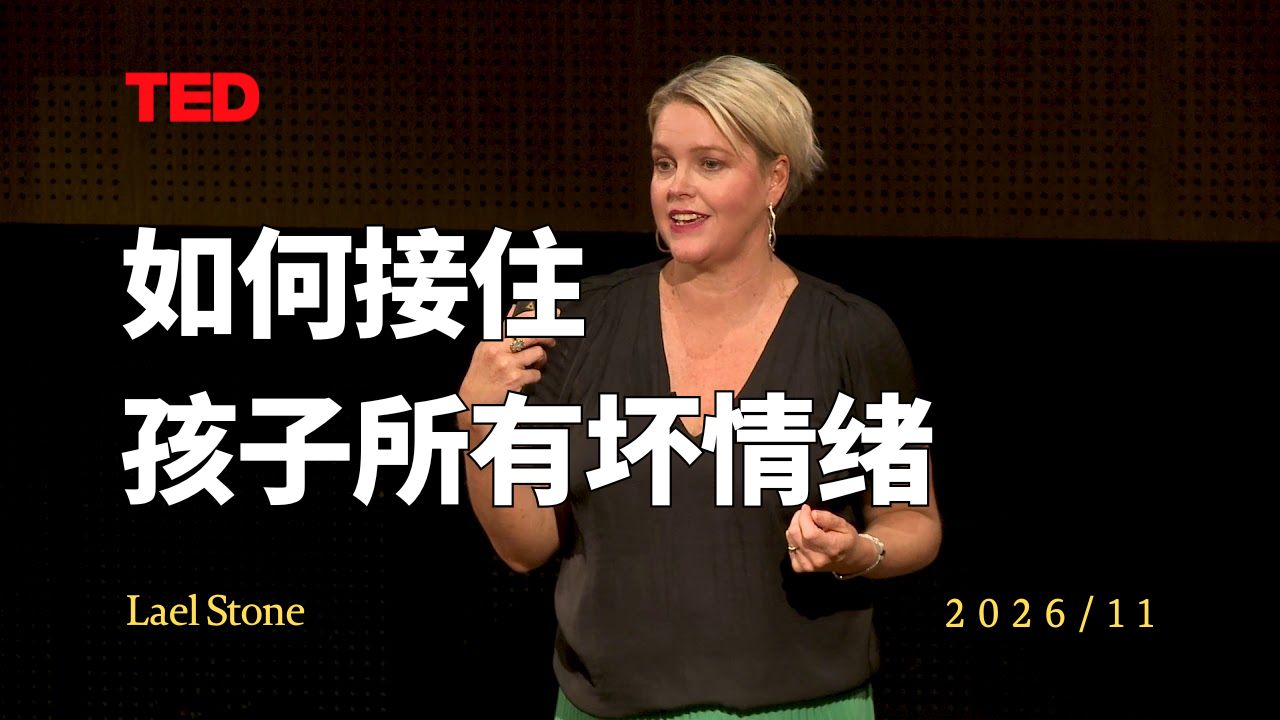
字幕摘录
| 时间 | 英文 | 中文 |
|---|---|---|
| 0:02 | Just for a moment, what I'd like you to do is I want you to imagine that you're four years old | 就一会儿,我想你做的是 我要你想象你已经四岁了 |
| 0:06 | and you're on the grounds and you're building a tower | 你站在地上,在建一座塔 |
| 0:09 | and you're really proud of this tower that you're building. | 你真的为你正在建造的这座塔感到骄傲 |
| 0:12 | And then the next minute, a kid comes running along, kicks over your tower | 然后,接下来一分钟,一个孩子跑过来,踢你的塔 |
| 0:16 | and you are outraged and you feel these feelings bubble inside you | 你感到愤怒,你感觉到你内心的这种感觉 |
| 0:21 | of hurt and panic and frustration and helplessness. | 痛苦、恐慌、沮丧和无助 |
| 0:25 | And just in that moment, an adult comes in close, gets down low and says, | 就在那一刻 一个成年人走近 低头说 |
| 0:30 | honey, what happened? | 亲爱的,发生了什么事? |
| 0:33 | And you see in their eyes, there's compassion. | 你从他们的眼睛里看到,有同情心。 |
| 0:35 | You feel that their body's calm and regulated. | 你感觉他们的身体是平静和调节的。 |
展开字幕全文(207 条)
| 序号 | 英文 | 中文 |
|---|---|---|
| 1 | Just for a moment, what I'd like you to do is I want you to imagine that you're four years old | 就一会儿,我想你做的是 我要你想象你已经四岁了 |
| 2 | and you're on the grounds and you're building a tower | 你站在地上,在建一座塔 |
| 3 | and you're really proud of this tower that you're building. | 你真的为你正在建造的这座塔感到骄傲 |
| 4 | And then the next minute, a kid comes running along, kicks over your tower | 然后,接下来一分钟,一个孩子跑过来,踢你的塔 |
| 5 | and you are outraged and you feel these feelings bubble inside you | 你感到愤怒,你感觉到你内心的这种感觉 |
| 6 | of hurt and panic and frustration and helplessness. | 痛苦、恐慌、沮丧和无助 |
| 7 | And just in that moment, an adult comes in close, gets down low and says, | 就在那一刻 一个成年人走近 低头说 |
| 8 | honey, what happened? | 亲爱的,发生了什么事? |
| 9 | And you see in their eyes, there's compassion. | 你从他们的眼睛里看到,有同情心。 |
| 10 | You feel that their body's calm and regulated. | 你感觉他们的身体是平静和调节的。 |
| 11 | And then all those feelings come bubbling out. | 然后,所有的这些感觉 浮出水面。 |
| 12 | Frustration, the anger, the helplessness. | 失意,怒,无助. |
| 13 | And this adult goes, oh, yeah, tell me all about it. | 而这个成年人去, 哦,是的,告诉我这一切。 |
| 14 | They don't try and fix it. | 他们不试图修复它。 |
| 15 | They don't say to you, don't worry, you can build another one. | 他们不说,不用担心, 你可以再建一个。 |
| 16 | They just let you feel all that you're feeling. | 他们只是让你感受所有你的感觉。 |
| 17 | And then they open their arms and you snuggle in, | 然后他们打开他们的手臂,你抚摸, |
| 18 | take another deep breath and then you feel better. | 再深呼吸,你就会好起来 |
| 19 | And then you get back to building your tower. | 然后你回到建造你的塔。 |
| 20 | Now, I'd like to see if you can remember what it was like when you were four years old | 现在,我想看看你能不能记得 你四岁时的情景 |
| 21 | and perhaps at a time when you felt angry or sad or scared | 或许是在你感到愤怒或悲伤或害怕的时候 |
| 22 | or you didn't understand what was going on. | 或者你不明白发生了什么 |
| 23 | And how did the adults in your life respond to you? | 你生活中的成年人怎么回应你的? |
| 24 | Now, if you were lucky, the adults in your life would have given you lots of space | 现在,如果你是幸运的, 你生活中的成年人会给你很多空间 |
| 25 | to express how you feel, to listen to those worries and hurts, | 来表达你的感受 倾听这些担忧和伤害 |
| 26 | not try and fix what was going on. | 而不是试图解决 发生了什么事。 |
| 27 | But for the majority of people, we had the opposite, | 但是对大多数人来说,我们有相反的情况, |
| 28 | which is that we would have been told, stop being so stupid. | 也就是我们本该被告知的 别傻了 |
| 29 | You don't need to cry. | 你没必要哭 |
| 30 | You might have been sent to your room, to the corner. | 你可能被送到你的房间,角落。 |
| 31 | You might have even been hit for making a mistake. | 你可能因为犯错而被打中了 |
| 32 | Now, why am I talking about children and feelings? | 为什么我要谈论孩子和感情? |
| 33 | It's because I want to talk about mental health. | 是因为我想谈谈心理健康 |
| 34 | Because our current mental health landscape | 因为我们目前的心理健康环境 |
| 35 | sees a steady increase in psychological distress. | 心理压力持续增加 |
| 36 | We see that one in eight Australians suffer from some form of anxiety disorder | 我们看到八分之一的澳大利亚人患有某种焦虑症 |
| 37 | and one in 10 Australians with depression. | 十分之一的澳大利亚人患有抑郁症。 |
| 38 | And even though we are doing better at understanding things like mindfulness, | 虽然我们更能理解一些事情,比如, |
| 39 | empathy, compassion, resilience and vulnerability, | 同情、同情、复原力和脆弱性, |
| 40 | I see that the increasing rates of distress in adults is deeply rooted | 我认为,成年人日益加剧的危难率根深蒂固。 |
| 41 | in the imprints we received as children around how to express feelings and emotions. | 我们童年时所接受的 如何表达感情和情感的印记 |
| 42 | Now, it would be very easy to blame our parents for what they did or didn't do, | 现在,这很容易 怪罪我们的父母 他们做了什么或不做什么, |
| 43 | but our parents were doing the best job they knew how. | 但是我们的父母做的是最好的 他们知道如何。 |
| 44 | They were either doing what was done to them | 他们不是在做那些对他们做的事 |
| 45 | or perhaps they swing so far in the other direction | 或可能他们摇摆到另一个方向 |
| 46 | and say, I'm going to do it the exact opposite. | 并说,我要这样做 恰恰相反。 |
| 47 | I see that the issue lies really in the lack of emotional literacy | 我发现问题确实在于 缺乏情感知识 |
| 48 | that we have in our culture. | 是我们文化中存在的 |
| 49 | We don't teach parents how to respond to children's feelings and emotions | 我们不教父母如何应对孩子的感情和情绪 |
| 50 | with empathy and compassion. | 带着同情心和同情心 |
| 51 | We don't teach it in our kindergartens, we don't teach it in our schools. | 我们的幼儿园不教它,学校也不教它. |
| 52 | Somehow we still value IQ far more than we value EQ. | 不知何故,我们仍然重视智商 远远超出我们重视的EQ。 |
| 53 | I wonder if from the beginning we were told that childhood defines adult mental health, | 不知道从一开始我们是否被告知 童年是成年人的精神健康 |
| 54 | whether we would take greater care to nurture a child's soul. | 我们是否更关心 养育一个孩子的灵魂。 |
| 55 | Now, my work over the last 16 years with families around attachment and trauma | 过去16年里我的工作 与家人的感情和创伤 |
| 56 | and connection has shown me that there's usually three ways | 联系告诉我 通常有三种方式 |
| 57 | that we learn as kids to deal with feelings and emotions. | 我们从小学会处理感情和情绪 |
| 58 | The first one is repression, which means that as a child, | 第一个是镇压,这意味着作为一个孩子, |
| 59 | if you learnt that it wasn't safe to express your feelings, | 如果你知道表达你的感受不安全 |
| 60 | perhaps you got shut down, you were told to stop crying, | 也许你被关闭了, 你被告知停止哭泣, |
| 61 | perhaps you were given a look that made you draw everything inside, | 或许你得到的外观 让你画出里面的一切, |
| 62 | then you were going to have to find a way to cope with all those feelings and emotions, | 然后,你将不得不找到一个方法 应付所有这些感情和情感, |
| 63 | and for most people they learned to repress them. | 对于大多数人来说,他们学会了镇压他们。 |
| 64 | They pushed them down deep, most of the times they disassociated. | 他们把他们推向了深渊,大多数时候他们都脱离了联系. |
| 65 | Now, the impact of that on a child is that those feelings stay there, | 现在,这对孩子的影响是 那些感觉停留在那里, |
| 66 | and then as adults those feelings can turn up again. | 成年后,这些感觉会再次出现 |
| 67 | When life throws us a curveball that's got similar themes to stuff that happened when we were a kid, | 当生活给我们扔一个曲线球, 有着相似的主题 当我们还是个孩子时发生的事情, |
| 68 | those same feelings come up, but this time our repression mechanisms look like this. | 但这次我们的镇压机制是这样 |
| 69 | They look like another glass of wine that we drink, | 他们看起来像又一杯酒 我们喝, |
| 70 | they look like hours mindlessly scrolling through Facebook, | 他们看起来就像在脸书上 漫无记念地滚动的时间, |
| 71 | or they look like making yourself so, so busy at work | 或者他们看起来像 让你自己如此,如此忙于工作 |
| 72 | that you don't actually have time to feel. | 你没有时间去感受 |
| 73 | The other thing that we might learn to do is move into aggression, | 我们可能学会的另外一件事 是进入侵略, |
| 74 | which means that as a child if we felt really powerless, if we felt scared, | 这意味着,作为一个孩子,如果我们觉得 真正无力,如果我们觉得害怕, |
| 75 | if we grew up in an authoritarian environment where we didn't have a voice, | 如果我们在一个没有发言权的专制环境中长大 |
| 76 | where we couldn't say how we felt, then those feelings again would bubble inside us, | 在那里,我们无法说出我们的感受, 然后那些感觉会再次泡在我们体内, |
| 77 | and at the point where they would tip over when we often felt frightened or threatened, | 当我们感到恐惧或受到威胁时 他们就会倾覆 |
| 78 | they would come out in aggression, in rage, in loud words, | 他们会在侵略、愤怒、大声的言语中出来, |
| 79 | and sometimes you might have been labelled as naughty, too much, or trouble, | 有时你被贴上调皮 太多麻烦或麻烦 |
| 80 | when really all you were doing was responding to your environment. | 当你所做的只是 回应你的环境。 |
| 81 | And then as adults those aggression tendencies turn up in bullying behaviour, | 成年后,这些侵略倾向 出现了欺凌行为, |
| 82 | they turn up in harsh critical thoughts about ourselves and others, | 他们对我们和其他人的严酷批评, |
| 83 | they turn up as violence. | 他们表现为暴力 |
| 84 | Then the third thing that we learn to do is expression, | 然后我们学会的第三件事就是表达 |
| 85 | which means that if we grew up with an imprint that said feelings are welcome, | 也就是说,如果我们在成长时 带着一个印记 说感情是受欢迎的, |
| 86 | it's okay for you to express how you are. | 你可以表达自己的样子 |
| 87 | I will accept all of you, the happy bits, the sad bits, the joyous bits, | 我会接受你们所有人,快乐的,悲伤的,快乐的, |
| 88 | the bits that are angry, all of you is welcome, | 愤怒的部分,欢迎你们所有人, |
| 89 | I'm not going to try and fix, I'm just going to hold. | 我不会试图修复,我只是要坚持。 |
| 90 | Well then what happens as adults when things feel hard, | 那么当事情变得艰难时 大人会怎样 |
| 91 | we reach for our journal, write down our thoughts, | 写下我们的想法 |
| 92 | we call a friend and say, hey, can you listen to me? | 我们给朋友打电话说 你能听我说吗? |
| 93 | We go for a run, we do some yoga, we speak to our therapist, | 我们去跑步 做瑜伽 跟治疗师说话 |
| 94 | we find a way to lean into the feelings, we feel them and then we let them go. | 我们想出一种方法, 倾斜的感情, 我们感受他们,然后我们放他们走。 |
| 95 | Now I am a mum to three big beautiful teenagers | 现在,我是一个妈妈 对于三个大漂亮的青少年 |
| 96 | and when I first became a parent, | 当我第一次成为父母, |
| 97 | like I'm sure many of you here as a first time parent, | 就像我敢肯定,这里的许多人 作为一个第一次的父母, |
| 98 | you have absolutely no clue what you're doing. | 你绝对不知道你在做什么。 |
| 99 | And when it came to understanding feelings and emotions, | 当它开始理解 感情和情感, |
| 100 | my game plan was going to be, I'll just keep them happy all the time, right, | 我的游戏计划是, 我会让他们一直快乐,对吗, |
| 101 | because it's really easy to keep kids happy all the time. | 因为让孩子们一直快乐是很容易的 |
| 102 | And if any of you know who have kids, that's a ridiculous thing to do. | 如果你们谁知道谁有孩子 那真是荒谬 |
| 103 | It is impossible, it's ridiculous, | 这是不可能的,这是荒谬的, |
| 104 | and it's incredibly exhausting trying to keep people happy all the time. | 它令人难以置信的疲惫 试图让人们快乐的所有时间。 |
| 105 | So I learnt pretty soon that that wasn't actually going to work. | 所以我很快得知这不会奏效。 |
| 106 | And I needed to find a way to help my children thrive emotionally | 我需要找到办法 帮助我的孩子在情感上成长 |
| 107 | and also create harmony in our homes. | 并创造和谐 我们的家园。 |
| 108 | So I was lucky enough to understand and study trauma | 所以我很幸运能理解和研究创伤 |
| 109 | and I began to see that what we need as humans is a safe place | 我开始看到我们人类需要的是一个安全的地方 |
| 110 | to unpack all of who we are. | 解开我们所有的身份 |
| 111 | We need boundaries and holding, | 我们需要边界和持有, |
| 112 | but we also need empathy and compassion for all those big feelings | 但我们也需要同情和怜悯 所有这些大感情 |
| 113 | that rise within. | 内在上升。 |
| 114 | So instead of trying to fix my kids' problems, | 而不是试图解决我的孩子的问题 |
| 115 | instead of trying to make them happy all the time, | 而不是一直让他们开心 |
| 116 | I just got down low and I said, tell me all about it. | 我只是低调下来 我说,告诉我一切。 |
| 117 | And I just listened. | 我只是听着 |
| 118 | Sometimes it was tears, sometimes it was rage, | 有时是眼泪 有时是愤怒 |
| 119 | there was a lot of complaining that happened, | 发生了很多抱怨 |
| 120 | but every time my only job was to sit there and just hold for them. | 但每次我的唯一工作就是坐在那里 紧紧抓住他们 |
| 121 | And what I began to see was this incredible emotional intelligence | 我开始看到这种令人难以置信的情感智慧 |
| 122 | developing in my children. | 在我的孩子中成长 |
| 123 | Now, I think the time where I realised that this was incredibly powerful | 现在,我想,当我意识到 这是惊人的强大 |
| 124 | was one evening when I was making dinner. | 那天晚上我做晚饭的时候 |
| 125 | I had to go and teach a class, | 我不得不去上课, |
| 126 | so I'm doing the hustle that most parents do, | 所以我在做大多数父母做的忙碌, |
| 127 | where you're trying to make dinner quickly | 在那里你试图 做晚饭快 |
| 128 | because I'm about to get out the door. | 因为我马上就要出去了 |
| 129 | And my youngest daughter, who was five at the time, | 我最小的女儿,当时才五岁, |
| 130 | comes into the kitchen and she's looking not happy, | 来到厨房 她看起来不高兴 |
| 131 | and I could see that she's got some feelings on board. | 我可以看到她身上有些感觉 |
| 132 | And I'm like, oh, I've got to do the dinner, I've got to get out the door. | 而我喜欢,哦,我必须做晚餐, 我必须走出门。 |
| 133 | And I actually turned to her and said, | 我转过身说 |
| 134 | honey, do you think you could hold onto your feelings for a few hours? | 亲爱的,你能不能保持你的感情 几个小时? |
| 135 | Which, of course, as you can imagine, she just looked at me like, | 当然,你可以想象, 她只是看着我像, |
| 136 | are you kidding? | 你在开玩笑吗? |
| 137 | And then at that moment, my middle daughter, who was ten, | 那时我十岁的女儿 |
| 138 | walked into the room and she said, I'll listen to her feelings. | 她走进房间说 我会听她的感受 |
| 139 | And I'm like, okay. | 而我喜欢,好吧。 |
| 140 | So my ten-year-old takes the five-year-old into the bedroom | 我的十岁小孩把五岁小孩带进卧室 |
| 141 | and I'm thinking, I'm going to be late for work. | 我在想 我上班要迟到了 |
| 142 | I need to see what happens here. | 我要看看这里发生了什么 |
| 143 | And I'm standing outside the door and this is what I'm hearing. | 我站在门外,这就是我听到的。 |
| 144 | I'm hearing my ten-year-old say, tell me all about it. | 闻我十岁之说,尽说其事. |
| 145 | And then the five-year-old starts crying | 然后五岁的孩子开始哭 |
| 146 | and she starts complaining about all the things that had happened at Kinder. | 她开始抱怨金德发生的一切 |
| 147 | And the ten-year-old's going, oh, that's hard. | 而十岁者去,哦,那难. |
| 148 | What else? | 还有什么? |
| 149 | And then there's more complaining and then there's more tears | 还有更多的抱怨,还有更多的泪水 |
| 150 | and then there's giggles and then there's laughter. | 然后有笑声,然后有笑声。 |
| 151 | And then they come out of the room and I see my ten-year-old | 然后他们走出房间 我看见我十岁的孩子 |
| 152 | and I say to her, honey, how was that for you? | 我告诉她,亲爱的,你怎么样? |
| 153 | And she looked at me and she said, well, mama, | 她看着我说 妈妈 |
| 154 | I just did to her what you do for me. | 我只是做了你为我做的事 |
| 155 | And in that moment, I realise children cannot be what they can't see. | 在那一刻,我意识到孩子不可能是他们看不到的。 |
| 156 | How do we expect children to have empathy and compassion | 我们如何期待儿童有同情心和同情心 |
| 157 | for other people if we don't show them how? | 如果我们不让他们知道怎么做? |
| 158 | How do we expect them to treat others with kindness and respect | 我们如何期待他们善待他人 尊重他人 |
| 159 | if they don't know what that feels like in their own bodies? | 如果他们不知道自己身上的感受是什么? |
| 160 | See, I wonder what it would be like | 你看,我不知道会是什么样子 |
| 161 | if we actually supported parents with tools and understanding | 如果我们真的支持 父母的工具和理解 |
| 162 | to listen compassionately to their children. | 同情地倾听他们的孩子 |
| 163 | I wonder what it would be like if we actually helped parents | 我想知道如果我们真的帮助父母会是什么样子 |
| 164 | unpack their own childhood so that they don't have to carry that baggage | 把自己的童年打包起来 这样他们就不用搬行李了 |
| 165 | and put it on their children's shoulders. | 放在孩子的肩膀上 |
| 166 | I wonder what it would be like if we supported | 我想知道如果我们支持,会是什么样子 |
| 167 | and encouraged boys to cry and be vulnerable | 并且鼓励男孩哭泣和变得脆弱 |
| 168 | and we encouraged girls to rage and find their voice | 我们鼓励女孩愤怒 寻找她们的声音 |
| 169 | and speak up for what they need. | 并说出他们需要什么。 |
| 170 | And I wonder if instead of harsh disciplines and punishments, | 我想知道,如果不是严苛的纪律和惩罚, |
| 171 | we replaced it with compassionate listening, loving limits, boundaries, | 我们用慈悲的倾听 爱的极限 界限来代替它 |
| 172 | and we learned to look behind the behaviour. | 我们学会了审视行为背后 |
| 173 | There is always a reason behind the behaviour. | 行为背后总是有原因的。 |
| 174 | And I wonder what it would look like if we took all of that | 我在想如果我们把这些都拿走 会是什么样子 |
| 175 | and we placed it in our education system. | 我们把它放在我们的教育系统。 |
| 176 | So it's because of those ideas that around about 18 months ago, | 大约在18个月前, |
| 177 | a colleague and I set out to create Woodline Primary School, | 一个同事和我开始创建伍德林小学, |
| 178 | a primary school set in the Geelong Hinterland | 吉隆内地的一所小学 |
| 179 | on a beautiful farm with abundant nature. | 在一个富饶的美丽农场里 |
| 180 | We have horses and chooks and veggie patches. | 我们有马和鸡 还有蔬菜补丁 |
| 181 | And the philosophy of our school is around fostering emotional wellbeing | 我们学校的理念是 培养情感幸福 |
| 182 | in a safe learning environment. | 在一个安全的学习环境中。 |
| 183 | So research actually shows that when children feel safe to learn, | 因此,研究表明,当孩子们感到安全 学习, |
| 184 | which means they feel free of judgement and criticism, | 这意味着他们觉得没有 判断和批评, |
| 185 | when they're treated with kindness and respect, | 当他们得到善待和尊重时 |
| 186 | where they have autonomy over their bodies and their learning | 身体和学习的自主性 |
| 187 | and they are given much love and celebration | 并赏赐他们许多爱和庆典, |
| 188 | about the unique differences in who they are, | 关于他们的独特区别, |
| 189 | then what happens is their neurological systems become fully operational | 然后发生的情况是 他们的神经系统完全运转 |
| 190 | and their capacity for growth and learning increases. | 并且其增长和学习能力得到提高。 |
| 191 | So our aim at Woodline is when children spend time with us at our school, | 所以,我们的目标 伍德林是 当孩子们 与我们一起在我们的学校, |
| 192 | not only do they learn about the world, but they develop critical life skills, | 他们不仅了解世界 而且发展了关键的生活技能 |
| 193 | such as emotional intelligence, growth mindset, critical thinking, | 情感智慧 成长思维 批判性思维 |
| 194 | a love of failure. | 爱失败。 |
| 195 | Because every time you fail, you just realise, | 因为每次你失败,你就会意识到 |
| 196 | oh, there's just so many more options I haven't yet explored. | 哦,还有这么多的选择 我还没有探索。 |
| 197 | And more than anything, they learn to become compassionate citizens of the earth. | 最重要的是,他们学会成为充满同情心的公民。 |
| 198 | We believe that if we support children's emotional wellbeing, | 我们相信,如果我们支持 儿童的情感福利, |
| 199 | then learning becomes effortless and infinite. | 然后学习变得无穷无尽 |
| 200 | The great Sir Ken Robinson said that the aims of education | 伟大的肯·鲁滨逊爵士说,教育的目的 |
| 201 | is to understand the world around us and understand the world within us. | 就是了解我们周围的世界 了解我们内心的世界 |
| 202 | But what if we prioritise the world within? | 但如果我们把世界放在优先位置呢? |
| 203 | Then surely the world around us would make so much more sense. | 那么,我们周围的世界肯定更有意义。 |
| 204 | How different could the world be if we place connection, heart | 如果我们把联系,心脏放在一起 这个世界会多么不同 |
| 205 | and compassionate listening at the centre of every relationship? | 和慈悲的倾听 在每一个关系的核心? |
| 206 | Thank you. | 谢谢 |
| 207 | APPLAUSE | 赞 诗 |
该视频共有字幕 207 条。解锁更多字幕为会员功能,请移动到 价格
P2 · 如何培养高情商的孩子【TED演讲】 p02 英文字幕(注释+中文外挂) (P2)
字幕摘录
| 时间 | 英文 | 中文 |
|---|---|---|
| 0:02 | Just for a moment, what I'd like you to do is I want you to imagine that you're four years old | 就一会儿,我想你做的是 我要你想象你已经四岁了 |
| 0:06 | and you're on the grounds and you're building a tower | 你站在地上,在建一座塔 |
| 0:09 | and you're really proud of this tower that you're building. | 你真的为你正在建造的这座塔感到骄傲 |
| 0:12 | And then the next minute, a kid comes running along, kicks over your tower | 然后,接下来一分钟,一个孩子跑过来,踢你的塔 |
| 0:16 | and you are outraged and you feel these feelings bubble inside you | 你感到愤怒,你感觉到你内心的这种感觉 |
| 0:21 | of hurt and panic and frustration and helplessness. | 痛苦、恐慌、沮丧和无助 |
| 0:25 | And just in that moment, an adult comes in close, gets down low and says, | 就在那一刻 一个成年人走近 低头说 |
| 0:30 | honey, what happened? | 亲爱的,发生了什么事? |
| 0:33 | And you see in their eyes, there's compassion. | 你从他们的眼睛里看到,有同情心。 |
| 0:35 | You feel that their body's calm and regulated. | 你感觉他们的身体是平静和调节的。 |
展开字幕全文(208 条)
| 序号 | 英文 | 中文 |
|---|---|---|
| 1 | Just for a moment, what I'd like you to do is I want you to imagine that you're four years old | 就一会儿,我想你做的是 我要你想象你已经四岁了 |
| 2 | and you're on the grounds and you're building a tower | 你站在地上,在建一座塔 |
| 3 | and you're really proud of this tower that you're building. | 你真的为你正在建造的这座塔感到骄傲 |
| 4 | And then the next minute, a kid comes running along, kicks over your tower | 然后,接下来一分钟,一个孩子跑过来,踢你的塔 |
| 5 | and you are outraged and you feel these feelings bubble inside you | 你感到愤怒,你感觉到你内心的这种感觉 |
| 6 | of hurt and panic and frustration and helplessness. | 痛苦、恐慌、沮丧和无助 |
| 7 | And just in that moment, an adult comes in close, gets down low and says, | 就在那一刻 一个成年人走近 低头说 |
| 8 | honey, what happened? | 亲爱的,发生了什么事? |
| 9 | And you see in their eyes, there's compassion. | 你从他们的眼睛里看到,有同情心。 |
| 10 | You feel that their body's calm and regulated. | 你感觉他们的身体是平静和调节的。 |
| 11 | And then all those feelings come bubbling out. | 然后,所有的这些感觉 浮出水面。 |
| 12 | Frustration, the anger, the helplessness. | 失意,怒,无助. |
| 13 | And this adult goes, oh, yeah, tell me all about it. | 而这个成年人去, 哦,是的,告诉我这一切。 |
| 14 | They don't try and fix it. | 他们不试图修复它。 |
| 15 | They don't say to you, don't worry, you can build another one. | 他们不说,不用担心, 你可以再建一个。 |
| 16 | They just let you feel all that you're feeling. | 他们只是让你感受所有你的感觉。 |
| 17 | And then they open their arms and you snuggle in, | 然后他们打开他们的手臂,你抚摸, |
| 18 | take another deep breath and then you feel better. | 再深呼吸,你就会好起来 |
| 19 | And then you get back to building your tower. | 然后你回到建造你的塔。 |
| 20 | Now, I'd like to see if you can remember what it was like when you were four years old | 现在,我想看看你能不能记得 你四岁时的情景 |
| 21 | and perhaps at a time when you felt angry or sad or scared | 或许是在你感到愤怒或悲伤或害怕的时候 |
| 22 | or you didn't understand what was going on. | 或者你不明白发生了什么 |
| 23 | And how did the adults in your life respond to you? | 你生活中的成年人怎么回应你的? |
| 24 | Now, if you were lucky, the adults in your life would have given you lots of space | 现在,如果你是幸运的, 你生活中的成年人会给你很多空间 |
| 25 | to express how you feel, to listen to those worries and hurts, | 来表达你的感受 倾听这些担忧和伤害 |
| 26 | not try and fix what was going on. | 而不是试图解决 发生了什么事。 |
| 27 | But for the majority of people, we had the opposite, | 但是对大多数人来说,我们有相反的情况, |
| 28 | which is that we would have been told, stop being so stupid. | 也就是我们本该被告知的 别傻了 |
| 29 | You don't need to cry. | 你没必要哭 |
| 30 | You might have been sent to your room, to the corner. | 你可能被送到你的房间,角落。 |
| 31 | You might have even been hit for making a mistake. | 你可能因为犯错而被打中了 |
| 32 | Now, why am I talking about children and feelings? | 为什么我要谈论孩子和感情? |
| 33 | It's because I want to talk about mental health. | 是因为我想谈谈心理健康 |
| 34 | Because our current mental health landscape | 因为我们目前的心理健康环境 |
| 35 | sees a steady increase in psychological distress. | 心理压力持续增加 |
| 36 | We see that one in eight Australians suffer from some form of anxiety disorder | 我们看到八分之一的澳大利亚人患有某种焦虑症 |
| 37 | and one in 10 Australians with depression. | 十分之一的澳大利亚人患有抑郁症。 |
| 38 | And even though we are doing better at understanding things like mindfulness, | 虽然我们更能理解一些事情,比如, |
| 39 | empathy, compassion, resilience and vulnerability, | 同情、同情、复原力和脆弱性, |
| 40 | I see that the increasing rates of distress in adults is deeply rooted | 我认为,成年人日益加剧的危难率根深蒂固。 |
| 41 | in the imprints we received as children around how to express feelings and emotions. | 我们童年时所接受的 如何表达感情和情感的印记 |
| 42 | Now, it would be very easy to blame our parents for what they did or didn't do, | 现在,这很容易 怪罪我们的父母 他们做了什么或不做什么, |
| 43 | but our parents were doing the best job they knew how. | 但是我们的父母做的是最好的 他们知道如何。 |
| 44 | They were either doing what was done to them | 他们不是在做那些对他们做的事 |
| 45 | or perhaps they swing so far in the other direction | 或可能他们摇摆到另一个方向 |
| 46 | and say, I'm going to do it the exact opposite. | 并说,我要这样做 恰恰相反。 |
| 47 | I see that the issue lies really in the lack of emotional literacy | 我发现问题确实在于 缺乏情感知识 |
| 48 | that we have in our culture. | 是我们文化中存在的 |
| 49 | We don't teach parents how to respond to children's feelings and emotions | 我们不教父母如何应对孩子的感情和情绪 |
| 50 | with empathy and compassion. | 带着同情心和同情心 |
| 51 | We don't teach it in our kindergartens, we don't teach it in our schools. | 我们的幼儿园不教它,学校也不教它. |
| 52 | Somehow we still value IQ far more than we value EQ. | 不知何故,我们仍然重视智商 远远超出我们重视的EQ。 |
| 53 | I wonder if from the beginning we were told that childhood defines adult mental health, | 不知道从一开始我们是否被告知 童年是成年人的精神健康 |
| 54 | whether we would take greater care to nurture a child's soul. | 我们是否更关心 养育一个孩子的灵魂。 |
| 55 | Now, my work over the last 16 years with families around attachment and trauma | 过去16年里我的工作 与家人的感情和创伤 |
| 56 | and connection has shown me that there's usually three ways | 联系告诉我 通常有三种方式 |
| 57 | that we learn as kids to deal with feelings and emotions. | 我们从小学会处理感情和情绪 |
| 58 | The first one is repression, which means that as a child, | 第一个是镇压,这意味着作为一个孩子, |
| 59 | if you learnt that it wasn't safe to express your feelings, | 如果你知道表达你的感受不安全 |
| 60 | perhaps you got shut down, you were told to stop crying, | 也许你被关闭了, 你被告知停止哭泣, |
| 61 | perhaps you were given a look that made you draw everything inside, | 或许你得到的外观 让你画出里面的一切, |
| 62 | then you were going to have to find a way to cope with all those feelings and emotions, | 然后,你将不得不找到一个方法 应付所有这些感情和情感, |
| 63 | and for most people they learned to repress them. | 对于大多数人来说,他们学会了镇压他们。 |
| 64 | They pushed them down deep, most of the times they disassociated. | 他们把他们推向了深渊,大多数时候他们都脱离了联系. |
| 65 | Now, the impact of that on a child is that those feelings stay there, | 现在,这对孩子的影响是 那些感觉停留在那里, |
| 66 | and then as adults those feelings can turn up again. | 成年后,这些感觉会再次出现 |
| 67 | When life throws us a curveball that's got similar themes to stuff that happened when we were a kid, | 当生活给我们扔一个曲线球, 有着相似的主题 当我们还是个孩子时发生的事情, |
| 68 | those same feelings come up, but this time our repression mechanisms look like this. | 但这次我们的镇压机制是这样 |
| 69 | They look like another glass of wine that we drink, | 他们看起来像又一杯酒 我们喝, |
| 70 | they look like hours mindlessly scrolling through Facebook, | 他们看起来就像在脸书上 漫无记念地滚动的时间, |
| 71 | or they look like making yourself so, so busy at work | 或者他们看起来像 让你自己如此,如此忙于工作 |
| 72 | that you don't actually have time to feel. | 你没有时间去感受 |
| 73 | The other thing that we might learn to do is move into aggression, | 我们可能学会的另外一件事 是进入侵略, |
| 74 | which means that as a child if we felt really powerless, | 这就是说,作为一个孩子,如果我们觉得 真正无能为力, |
| 75 | if we felt scared, if we grew up in an authoritarian environment | 如果我们感到害怕,如果我们在独裁的环境中长大 |
| 76 | where we didn't have a voice, where we couldn't say how we felt, | 在那里,我们没有声音, 在那里我们不能说我们的感受, |
| 77 | then those feelings again would bubble inside us, | 然后那些感觉又会冒泡在我们体内, |
| 78 | and at the point where they would tip over when we often felt frightened or threatened, | 当我们感到恐惧或受到威胁时 他们就会倾覆 |
| 79 | they would come out in aggression, in rage, in loud words, | 他们会在侵略、愤怒、大声的言语中出来, |
| 80 | and sometimes you might have been labelled as naughty, too much, or trouble, | 有时你被贴上调皮 太多麻烦或麻烦 |
| 81 | when really all you were doing was responding to your environment. | 当你所做的只是 回应你的环境。 |
| 82 | And then as adults those aggression tendencies turn up in bullying behaviour, | 成年后,这些侵略倾向 出现了欺凌行为, |
| 83 | they turn up in harsh critical thoughts about ourselves and others, | 他们对我们和其他人的严酷批评, |
| 84 | they turn up as violence. | 他们表现为暴力 |
| 85 | Then the third thing that we learn to do is expression, | 然后我们学会的第三件事就是表达 |
| 86 | which means that if we grew up with an imprint that said feelings are welcome, | 也就是说,如果我们在成长时 带着一个印记 说感情是受欢迎的, |
| 87 | it's okay for you to express how you are. | 你可以表达自己的样子 |
| 88 | I will accept all of you, the happy bits, the sad bits, the joyous bits, | 我会接受你们所有人,快乐的,悲伤的,快乐的, |
| 89 | the bits that are angry, all of you is welcome. | 愤怒的部分,欢迎你们所有人。 |
| 90 | I'm not going to try and fix, I'm just going to hold. | 我不会试图修复,我只是要坚持。 |
| 91 | Well then what happens as adults when things feel hard, | 那么当事情变得艰难时 大人会怎样 |
| 92 | we reach for our journal, write down our thoughts, | 写下我们的想法 |
| 93 | we call a friend and say, hey, can you listen to me? | 我们给朋友打电话说 你能听我说吗? |
| 94 | We go for a run, we do some yoga, we speak to our therapist, | 我们去跑步 做瑜伽 跟治疗师说话 |
| 95 | we find a way to lean into the feelings, we feel them and then we let them go. | 我们想出一种方法, 倾斜的感情, 我们感受他们,然后我们放他们走。 |
| 96 | Now I am a mum to three big beautiful teenagers | 现在,我是一个妈妈 对于三个大漂亮的青少年 |
| 97 | and when I first became a parent, | 当我第一次成为父母, |
| 98 | like I'm sure many of you here as a first-time parent, | 就像我敢肯定,你们中许多人在这里 作为第一次的父母, |
| 99 | you have absolutely no clue what you're doing. | 你绝对不知道你在做什么。 |
| 100 | And when it came to understanding feelings and emotions, | 当它开始理解 感情和情感, |
| 101 | my game plan was going to be, I'll just keep them happy all the time, right, | 我的游戏计划是, 我会让他们一直快乐,对吗, |
| 102 | because it's really easy to keep kids happy all the time. | 因为让孩子们一直快乐是很容易的 |
| 103 | And if any of you know who have kids, that's a ridiculous thing to do. | 如果你们谁知道谁有孩子 那真是荒谬 |
| 104 | It is impossible, it's ridiculous, | 这是不可能的,这是荒谬的, |
| 105 | and it's incredibly exhausting trying to keep people happy all the time. | 它令人难以置信的疲惫 试图让人们快乐的所有时间。 |
| 106 | So I learnt pretty soon that that wasn't actually going to work. | 所以我很快得知这不会奏效。 |
| 107 | And I needed to find a way to help my children thrive emotionally | 我需要找到办法 帮助我的孩子在情感上成长 |
| 108 | and also create harmony in our homes. | 并创造和谐 我们的家园。 |
| 109 | So I was lucky enough to understand and study trauma | 所以我很幸运能理解和研究创伤 |
| 110 | and I began to see that what we need as humans is a safe place | 我开始看到我们人类需要的是一个安全的地方 |
| 111 | to unpack all of who we are. | 解开我们所有的身份 |
| 112 | We need boundaries and holding, | 我们需要边界和持有, |
| 113 | but we also need empathy and compassion | 但我们也需要同情和同情 |
| 114 | for all those big feelings that rise within. | 对于所有那些大 情绪上升。 |
| 115 | So instead of trying to fix my kids' problems, | 而不是试图解决我的孩子的问题 |
| 116 | instead of trying to make them happy all the time, | 而不是一直让他们开心 |
| 117 | I just got down low and I said, tell me all about it. | 我只是低调下来 我说,告诉我一切。 |
| 118 | And I just listened. | 我只是听着 |
| 119 | Sometimes it was tears, sometimes it was rage, | 有时是眼泪 有时是愤怒 |
| 120 | there was a lot of complaining that happened, | 发生了很多抱怨 |
| 121 | but every time my only job was to sit there and just hold for them. | 但每次我的唯一工作就是坐在那里 紧紧抓住他们 |
| 122 | And what I began to see was this incredible emotional intelligence | 我开始看到这种令人难以置信的情感智慧 |
| 123 | developing in my children. | 在我的孩子中成长 |
| 124 | Now I think the time where I realised that this was incredibly powerful | 现在我想,当我意识到 这是惊人的威力 |
| 125 | was one evening when I was making dinner. | 那天晚上我做晚饭的时候 |
| 126 | I had to go and teach a class, | 我不得不去上课, |
| 127 | so I'm doing the hustle that most parents do, | 所以我在做大多数父母做的忙碌, |
| 128 | where you're trying to make dinner quickly | 在那里你试图 做晚饭快 |
| 129 | because I'm about to get out the door. | 因为我马上就要出去了 |
| 130 | And my youngest daughter, who was five at the time, | 我最小的女儿,当时才五岁, |
| 131 | comes into the kitchen and she's looking not happy, | 来到厨房 她看起来不高兴 |
| 132 | and I could see that she's got some feelings on board. | 我可以看到她身上有些感觉 |
| 133 | And I'm like, oh, I've got to do the dinner, I've got to get out the door. | 而我喜欢,哦,我必须做晚餐, 我必须走出门。 |
| 134 | And I actually turned to her and said, | 我转过身说 |
| 135 | honey, do you think you could hold onto your feelings for a few hours? | 亲爱的,你能不能保持你的感情 几个小时? |
| 136 | Which, of course, as you can imagine, she just looked at me like, | 当然,你可以想象, 她只是看着我像, |
| 137 | are you kidding? | 你在开玩笑吗? |
| 138 | And then at that moment, my middle daughter, who was ten, | 那时我十岁的女儿 |
| 139 | walked into the room and she said, I'll listen to her feelings. | 她走进房间说 我会听她的感受 |
| 140 | And I'm like, okay. | 而我喜欢,好吧。 |
| 141 | So my ten-year-old takes the five-year-old into the bedroom | 我的十岁小孩把五岁小孩带进卧室 |
| 142 | and I'm thinking, I'm going to be late for work. | 我在想 我上班要迟到了 |
| 143 | I need to see what happens here. | 我要看看这里发生了什么 |
| 144 | And I'm standing outside the door and this is what I'm hearing. | 我站在门外,这就是我听到的。 |
| 145 | I'm hearing my ten-year-old say, tell me all about it. | 闻我十岁之说,尽说其事. |
| 146 | And then the five-year-old starts crying | 然后五岁的孩子开始哭 |
| 147 | and she starts complaining about all the things that had happened at Kinder. | 她开始抱怨金德发生的一切 |
| 148 | And the ten-year-old's going, oh, that's hard. | 而十岁者去,哦,那难. |
| 149 | What else? | 还有什么? |
| 150 | And then there's more complaining and then there's more tears | 还有更多的抱怨,还有更多的泪水 |
| 151 | and then there's giggles and then there's laughter. | 然后有笑声,然后有笑声。 |
| 152 | And then they come out of the room and I see my ten-year-old | 然后他们走出房间 我看见我十岁的孩子 |
| 153 | and I say to her, honey, how was that for you? | 我告诉她,亲爱的,你怎么样? |
| 154 | And she looked at me and she said, well, mama, | 她看着我说 妈妈 |
| 155 | I just did to her what you do for me. | 我只是做了你为我做的事 |
| 156 | And in that moment, I realise children cannot be what they can't see. | 在那一刻,我意识到孩子不可能是他们看不到的。 |
| 157 | How do we expect children to have empathy and compassion | 我们如何期待儿童有同情心和同情心 |
| 158 | for other people if we don't show them how? | 如果我们不让他们知道怎么做? |
| 159 | How do we expect them to treat others with kindness and respect | 我们如何期待他们善待他人 尊重他人 |
| 160 | if they don't know what that feels like in their own bodies? | 如果他们不知道自己身上的感受是什么? |
| 161 | See, I wonder what it would be like | 你看,我不知道会是什么样子 |
| 162 | if we actually supported parents with tools and understanding | 如果我们真的支持 父母的工具和理解 |
| 163 | to listen compassionately to their children. | 同情地倾听他们的孩子 |
| 164 | I wonder what it would be like if we actually helped parents | 我想知道如果我们真的帮助父母会是什么样子 |
| 165 | unpack their own childhood so that they don't have to carry that baggage | 把自己的童年打包起来 这样他们就不用搬行李了 |
| 166 | and put it on their children's shoulders. | 放在孩子的肩膀上 |
| 167 | I wonder what it would be like if we supported | 我想知道如果我们支持,会是什么样子 |
| 168 | and encouraged boys to cry and be vulnerable | 并且鼓励男孩哭泣和变得脆弱 |
| 169 | and we encouraged girls to rage and find their voice | 我们鼓励女孩愤怒 寻找她们的声音 |
| 170 | and speak up for what they need. | 并说出他们需要什么。 |
| 171 | And I wonder if instead of harsh disciplines and punishments, | 我想知道,如果不是严苛的纪律和惩罚, |
| 172 | we replaced it with compassionate listening, loving limits, boundaries, | 我们用慈悲的倾听 爱的极限 界限来代替它 |
| 173 | and we learned to look behind the behaviour. | 我们学会了审视行为背后 |
| 174 | There is always a reason behind the behaviour. | 行为背后总是有原因的。 |
| 175 | And I wonder what it would look like if we took all of that | 我在想如果我们把这些都拿走 会是什么样子 |
| 176 | and we placed it in our education system. | 我们把它放在我们的教育系统。 |
| 177 | So it's because of those ideas that around about 18 months ago, | 大约在18个月前, |
| 178 | a colleague and I set out to create Woodline Primary School, | 一个同事和我开始创建伍德林小学, |
| 179 | a primary school set in the Geelong Hinterland | 吉隆内地的一所小学 |
| 180 | on a beautiful farm with abundant nature. | 在一个富饶的美丽农场里 |
| 181 | We have horses and chooks and veggie patches. | 我们有马和鸡 还有蔬菜补丁 |
| 182 | And the philosophy of our school is around fostering emotional wellbeing | 我们学校的理念是 培养情感幸福 |
| 183 | in a safe learning environment. | 在一个安全的学习环境中。 |
| 184 | So research actually shows that when children feel safe to learn, | 因此,研究表明,当孩子们感到安全 学习, |
| 185 | which means they feel free of judgement and criticism, | 这意味着他们觉得没有 判断和批评, |
| 186 | when they're treated with kindness and respect, | 当他们得到善待和尊重时 |
| 187 | where they have autonomy over their bodies and their learning | 身体和学习的自主性 |
| 188 | and they are given much love and celebration | 并赏赐他们许多爱和庆典, |
| 189 | about the unique differences in who they are, | 关于他们的独特区别, |
| 190 | then what happens is their neurological systems become fully operational | 然后发生的情况是 他们的神经系统完全运转 |
| 191 | and their capacity for growth and learning increases. | 并且其增长和学习能力得到提高。 |
| 192 | So our aim at Woodline is when children spend time with us at our school, | 所以,我们的目标 伍德林是 当孩子们 与我们一起在我们的学校, |
| 193 | not only do they learn about the world, | 他们不仅知道这个世界, |
| 194 | but they develop critical life skills such as emotional intelligence, | 但是他们培养了情感智能等关键生活技能, |
| 195 | growth mindset, critical thinking, a love of failure, | 增长思维 批判性思维 对失败的热爱 |
| 196 | because every time you fail you just realise, | 因为每当你失败的时候 你就会意识到 |
| 197 | oh, there's just so many more options I haven't yet explored. | 哦,还有这么多的选择 我还没有探索。 |
| 198 | And more than anything, they learn to become compassionate citizens of the earth. | 最重要的是,他们学会成为充满同情心的公民。 |
| 199 | We believe that if we support children's emotional wellbeing, | 我们相信,如果我们支持 儿童的情感福利, |
| 200 | then learning becomes effortless and infinite. | 然后学习变得无穷无尽 |
| 201 | The great Sir Ken Robinson said that the aims of education | 伟大的肯·鲁滨逊爵士说,教育的目的 |
| 202 | is to understand the world around us and understand the world within us. | 就是了解我们周围的世界 了解我们内心的世界 |
| 203 | But what if we prioritise the world within? | 但如果我们把世界放在优先位置呢? |
| 204 | Then surely the world around us would make so much more sense. | 那么,我们周围的世界肯定更有意义。 |
| 205 | How different could the world be if we place connection, heart | 如果我们把联系,心脏放在一起 这个世界会多么不同 |
| 206 | and compassionate listening at the centre of every relationship? | 和慈悲的倾听 在每一个关系的核心? |
| 207 | Thank you. | 谢谢 |
| 208 | APPLAUSE | 赞 诗 |
该视频共有字幕 208 条。解锁更多字幕为会员功能,请移动到 价格
P3 · 如何培养高情商的孩子【TED演讲】 p03 无字幕(中英外挂) (P3)
字幕摘录
| 时间 | 英文 | 中文 |
|---|---|---|
| 0:02 | Just for a moment, what I'd like you to do is I want you to imagine that you're four years old | 就一会儿,我想你做的是 我要你想象你已经四岁了 |
| 0:06 | and you're on the grounds and you're building a tower | 你站在地上,在建一座塔 |
| 0:09 | and you're really proud of this tower that you're building. | 你真的为你正在建造的这座塔感到骄傲 |
| 0:12 | And then the next minute, a kid comes running along, kicks over your tower | 然后,接下来一分钟,一个孩子跑过来,踢你的塔 |
| 0:16 | and you are outraged and you feel these feelings bubble inside you | 你感到愤怒,你感觉到你内心的这种感觉 |
| 0:21 | of hurt and panic and frustration and helplessness. | 痛苦、恐慌、沮丧和无助 |
| 0:25 | And just in that moment, an adult comes in close, gets down low and says, | 就在那一刻 一个成年人走近 低头说 |
| 0:30 | honey, what happened? | 亲爱的,发生了什么事? |
| 0:33 | And you see in their eyes, there's compassion. | 你从他们的眼睛里看到,有同情心。 |
| 0:35 | You feel that their body's calm and regulated. | 你感觉他们的身体是平静和调节的。 |
展开字幕全文(207 条)
| 序号 | 英文 | 中文 |
|---|---|---|
| 1 | Just for a moment, what I'd like you to do is I want you to imagine that you're four years old | 就一会儿,我想你做的是 我要你想象你已经四岁了 |
| 2 | and you're on the grounds and you're building a tower | 你站在地上,在建一座塔 |
| 3 | and you're really proud of this tower that you're building. | 你真的为你正在建造的这座塔感到骄傲 |
| 4 | And then the next minute, a kid comes running along, kicks over your tower | 然后,接下来一分钟,一个孩子跑过来,踢你的塔 |
| 5 | and you are outraged and you feel these feelings bubble inside you | 你感到愤怒,你感觉到你内心的这种感觉 |
| 6 | of hurt and panic and frustration and helplessness. | 痛苦、恐慌、沮丧和无助 |
| 7 | And just in that moment, an adult comes in close, gets down low and says, | 就在那一刻 一个成年人走近 低头说 |
| 8 | honey, what happened? | 亲爱的,发生了什么事? |
| 9 | And you see in their eyes, there's compassion. | 你从他们的眼睛里看到,有同情心。 |
| 10 | You feel that their body's calm and regulated. | 你感觉他们的身体是平静和调节的。 |
| 11 | And then all those feelings come bubbling out. | 然后,所有的这些感觉 浮出水面。 |
| 12 | Frustration, the anger, the helplessness. | 失意,怒,无助. |
| 13 | And this adult goes, oh, yeah, tell me all about it. | 而这个成年人去, 哦,是的,告诉我这一切。 |
| 14 | They don't try and fix it. | 他们不试图修复它。 |
| 15 | They don't say to you, don't worry, you can build another one. | 他们不说,不用担心, 你可以再建一个。 |
| 16 | They just let you feel all that you're feeling. | 他们只是让你感受所有你的感觉。 |
| 17 | And then they open their arms and you snuggle in, | 然后他们打开他们的手臂,你抚摸, |
| 18 | take another deep breath and then you feel better. | 再深呼吸,你就会好起来 |
| 19 | And then you get back to building your tower. | 然后你回到建造你的塔。 |
| 20 | Now, I'd like to see if you can remember what it was like when you were four years old | 现在,我想看看你能不能记得 你四岁时的情景 |
| 21 | and perhaps at a time when you felt angry or sad or scared | 或许是在你感到愤怒或悲伤或害怕的时候 |
| 22 | or you didn't understand what was going on. | 或者你不明白发生了什么 |
| 23 | And how did the adults in your life respond to you? | 你生活中的成年人怎么回应你的? |
| 24 | Now, if you were lucky, the adults in your life would have given you lots of space | 现在,如果你是幸运的, 你生活中的成年人会给你很多空间 |
| 25 | to express how you feel, to listen to those worries and hurts, | 来表达你的感受 倾听这些担忧和伤害 |
| 26 | not try and fix what was going on. | 而不是试图解决 发生了什么事。 |
| 27 | But for the majority of people, we had the opposite, | 但是对大多数人来说,我们有相反的情况, |
| 28 | which is that we would have been told, stop being so stupid. | 也就是我们本该被告知的 别傻了 |
| 29 | You don't need to cry. | 你没必要哭 |
| 30 | You might have been sent to your room, to the corner. | 你可能被送到你的房间,角落。 |
| 31 | You might have even been hit for making a mistake. | 你可能因为犯错而被打中了 |
| 32 | Now, why am I talking about children and feelings? | 为什么我要谈论孩子和感情? |
| 33 | It's because I want to talk about mental health. | 是因为我想谈谈心理健康 |
| 34 | Because our current mental health landscape | 因为我们目前的心理健康环境 |
| 35 | sees a steady increase in psychological distress. | 心理压力持续增加 |
| 36 | We see that one in eight Australians suffer from some form of anxiety disorder | 我们看到八分之一的澳大利亚人患有某种焦虑症 |
| 37 | and one in 10 Australians with depression. | 十分之一的澳大利亚人患有抑郁症。 |
| 38 | And even though we are doing better at understanding things like mindfulness, | 虽然我们更能理解一些事情,比如, |
| 39 | empathy, compassion, resilience and vulnerability, | 同情、同情、复原力和脆弱性, |
| 40 | I see that the increasing rates of distress in adults is deeply rooted | 我认为,成年人日益加剧的危难率根深蒂固。 |
| 41 | in the imprints we received as children around how to express feelings and emotions. | 我们童年时所接受的 如何表达感情和情感的印记 |
| 42 | Now, it would be very easy to blame our parents for what they did or didn't do, | 现在,这很容易 怪罪我们的父母 他们做了什么或不做什么, |
| 43 | but our parents were doing the best job they knew how. | 但是我们的父母做的是最好的 他们知道如何。 |
| 44 | They were either doing what was done to them | 他们不是在做那些对他们做的事 |
| 45 | or perhaps they swing so far in the other direction | 或可能他们摇摆到另一个方向 |
| 46 | and say, I'm going to do it the exact opposite. | 并说,我要这样做 恰恰相反。 |
| 47 | I see that the issue lies really in the lack of emotional literacy | 我发现问题确实在于 缺乏情感知识 |
| 48 | that we have in our culture. | 是我们文化中存在的 |
| 49 | We don't teach parents how to respond to children's feelings and emotions | 我们不教父母如何应对孩子的感情和情绪 |
| 50 | with empathy and compassion. | 带着同情心和同情心 |
| 51 | We don't teach it in our kindergartens, we don't teach it in our schools. | 我们的幼儿园不教它,学校也不教它. |
| 52 | Somehow we still value IQ far more than we value EQ. | 不知何故,我们仍然重视智商 远远超出我们重视的EQ。 |
| 53 | I wonder if from the beginning we were told that childhood defines adult mental health, | 不知道从一开始我们是否被告知 童年是成年人的精神健康 |
| 54 | whether we would take greater care to nurture a child's soul. | 我们是否更关心 养育一个孩子的灵魂。 |
| 55 | Now, my work over the last 16 years with families around attachment and trauma | 过去16年里我的工作 与家人的感情和创伤 |
| 56 | and connection has shown me that there's usually three ways | 联系告诉我 通常有三种方式 |
| 57 | that we learn as kids to deal with feelings and emotions. | 我们从小学会处理感情和情绪 |
| 58 | The first one is repression, which means that as a child, | 第一个是镇压,这意味着作为一个孩子, |
| 59 | if you learnt that it wasn't safe to express your feelings, | 如果你知道表达你的感受不安全 |
| 60 | perhaps you got shut down, you were told to stop crying, | 也许你被关闭了, 你被告知停止哭泣, |
| 61 | perhaps you were given a look that made you draw everything inside, | 或许你得到的外观 让你画出里面的一切, |
| 62 | then you were going to have to find a way to cope with all those feelings and emotions, | 然后,你将不得不找到一个方法 应付所有这些感情和情感, |
| 63 | and for most people they learned to repress them. | 对于大多数人来说,他们学会了镇压他们。 |
| 64 | They pushed them down deep, most of the times they disassociated. | 他们把他们推向了深渊,大多数时候他们都脱离了联系. |
| 65 | Now, the impact of that on a child is that those feelings stay there, | 现在,这对孩子的影响是 那些感觉停留在那里, |
| 66 | and then as adults those feelings can turn up again. | 成年后,这些感觉会再次出现 |
| 67 | When life throws us a curveball that's got similar themes to stuff that happened when we were a kid, | 当生活给我们扔一个曲线球, 有着相似的主题 当我们还是个孩子时发生的事情, |
| 68 | those same feelings come up, but this time our repression mechanisms look like this. | 但这次我们的镇压机制是这样 |
| 69 | They look like another glass of wine that we drink, | 他们看起来像又一杯酒 我们喝, |
| 70 | they look like hours mindlessly scrolling through Facebook, | 他们看起来就像在脸书上 漫无记念地滚动的时间, |
| 71 | or they look like making yourself so, so busy at work | 或者他们看起来像 让你自己如此,如此忙于工作 |
| 72 | that you don't actually have time to feel. | 你没有时间去感受 |
| 73 | The other thing that we might learn to do is move into aggression, | 我们可能学会的另外一件事 是进入侵略, |
| 74 | which means that as a child if we felt really powerless, if we felt scared, | 这意味着,作为一个孩子,如果我们觉得 真正无力,如果我们觉得害怕, |
| 75 | if we grew up in an authoritarian environment where we didn't have a voice, | 如果我们在一个没有发言权的专制环境中长大 |
| 76 | where we couldn't say how we felt, then those feelings again would bubble inside us, | 在那里,我们无法说出我们的感受, 然后那些感觉会再次泡在我们体内, |
| 77 | and at the point where they would tip over when we often felt frightened or threatened, | 当我们感到恐惧或受到威胁时 他们就会倾覆 |
| 78 | they would come out in aggression, in rage, in loud words, | 他们会在侵略、愤怒、大声的言语中出来, |
| 79 | and sometimes you might have been labelled as naughty, too much, or trouble, | 有时你被贴上调皮 太多麻烦或麻烦 |
| 80 | when really all you were doing was responding to your environment. | 当你所做的只是 回应你的环境。 |
| 81 | And then as adults those aggression tendencies turn up in bullying behaviour, | 成年后,这些侵略倾向 出现了欺凌行为, |
| 82 | they turn up in harsh critical thoughts about ourselves and others, | 他们对我们和其他人的严酷批评, |
| 83 | they turn up as violence. | 他们表现为暴力 |
| 84 | Then the third thing that we learn to do is expression, | 然后我们学会的第三件事就是表达 |
| 85 | which means that if we grew up with an imprint that said feelings are welcome, | 也就是说,如果我们在成长时 带着一个印记 说感情是受欢迎的, |
| 86 | it's okay for you to express how you are. | 你可以表达自己的样子 |
| 87 | I will accept all of you, the happy bits, the sad bits, the joyous bits, | 我会接受你们所有人,快乐的,悲伤的,快乐的, |
| 88 | the bits that are angry, all of you is welcome, | 愤怒的部分,欢迎你们所有人, |
| 89 | I'm not going to try and fix, I'm just going to hold. | 我不会试图修复,我只是要坚持。 |
| 90 | Well then what happens as adults when things feel hard, | 那么当事情变得艰难时 大人会怎样 |
| 91 | we reach for our journal, write down our thoughts, | 写下我们的想法 |
| 92 | we call a friend and say, hey, can you listen to me? | 我们给朋友打电话说 你能听我说吗? |
| 93 | We go for a run, we do some yoga, we speak to our therapist, | 我们去跑步 做瑜伽 跟治疗师说话 |
| 94 | we find a way to lean into the feelings, we feel them and then we let them go. | 我们想出一种方法, 倾斜的感情, 我们感受他们,然后我们放他们走。 |
| 95 | Now I am a mum to three big beautiful teenagers | 现在,我是一个妈妈 对于三个大漂亮的青少年 |
| 96 | and when I first became a parent, | 当我第一次成为父母, |
| 97 | like I'm sure many of you here as a first time parent, | 就像我敢肯定,这里的许多人 作为一个第一次的父母, |
| 98 | you have absolutely no clue what you're doing. | 你绝对不知道你在做什么。 |
| 99 | And when it came to understanding feelings and emotions, | 当它开始理解 感情和情感, |
| 100 | my game plan was going to be, I'll just keep them happy all the time, right, | 我的游戏计划是, 我会让他们一直快乐,对吗, |
| 101 | because it's really easy to keep kids happy all the time. | 因为让孩子们一直快乐是很容易的 |
| 102 | And if any of you know who have kids, that's a ridiculous thing to do. | 如果你们谁知道谁有孩子 那真是荒谬 |
| 103 | It is impossible, it's ridiculous, | 这是不可能的,这是荒谬的, |
| 104 | and it's incredibly exhausting trying to keep people happy all the time. | 它令人难以置信的疲惫 试图让人们快乐的所有时间。 |
| 105 | So I learnt pretty soon that that wasn't actually going to work. | 所以我很快得知这不会奏效。 |
| 106 | And I needed to find a way to help my children thrive emotionally | 我需要找到办法 帮助我的孩子在情感上成长 |
| 107 | and also create harmony in our homes. | 并创造和谐 我们的家园。 |
| 108 | So I was lucky enough to understand and study trauma | 所以我很幸运能理解和研究创伤 |
| 109 | and I began to see that what we need as humans is a safe place | 我开始看到我们人类需要的是一个安全的地方 |
| 110 | to unpack all of who we are. | 解开我们所有的身份 |
| 111 | We need boundaries and holding, | 我们需要边界和持有, |
| 112 | but we also need empathy and compassion for all those big feelings | 但我们也需要同情和怜悯 所有这些大感情 |
| 113 | that rise within. | 内在上升。 |
| 114 | So instead of trying to fix my kids' problems, | 而不是试图解决我的孩子的问题 |
| 115 | instead of trying to make them happy all the time, | 而不是一直让他们开心 |
| 116 | I just got down low and I said, tell me all about it. | 我只是低调下来 我说,告诉我一切。 |
| 117 | And I just listened. | 我只是听着 |
| 118 | Sometimes it was tears, sometimes it was rage, | 有时是眼泪 有时是愤怒 |
| 119 | there was a lot of complaining that happened, | 发生了很多抱怨 |
| 120 | but every time my only job was to sit there and just hold for them. | 但每次我的唯一工作就是坐在那里 紧紧抓住他们 |
| 121 | And what I began to see was this incredible emotional intelligence | 我开始看到这种令人难以置信的情感智慧 |
| 122 | developing in my children. | 在我的孩子中成长 |
| 123 | Now, I think the time where I realised that this was incredibly powerful | 现在,我想,当我意识到 这是惊人的强大 |
| 124 | was one evening when I was making dinner. | 那天晚上我做晚饭的时候 |
| 125 | I had to go and teach a class, | 我不得不去上课, |
| 126 | so I'm doing the hustle that most parents do, | 所以我在做大多数父母做的忙碌, |
| 127 | where you're trying to make dinner quickly | 在那里你试图 做晚饭快 |
| 128 | because I'm about to get out the door. | 因为我马上就要出去了 |
| 129 | And my youngest daughter, who was five at the time, | 我最小的女儿,当时才五岁, |
| 130 | comes into the kitchen and she's looking not happy, | 来到厨房 她看起来不高兴 |
| 131 | and I could see that she's got some feelings on board. | 我可以看到她身上有些感觉 |
| 132 | And I'm like, oh, I've got to do the dinner, I've got to get out the door. | 而我喜欢,哦,我必须做晚餐, 我必须走出门。 |
| 133 | And I actually turned to her and said, | 我转过身说 |
| 134 | honey, do you think you could hold onto your feelings for a few hours? | 亲爱的,你能不能保持你的感情 几个小时? |
| 135 | Which, of course, as you can imagine, she just looked at me like, | 当然,你可以想象, 她只是看着我像, |
| 136 | are you kidding? | 你在开玩笑吗? |
| 137 | And then at that moment, my middle daughter, who was ten, | 那时我十岁的女儿 |
| 138 | walked into the room and she said, I'll listen to her feelings. | 她走进房间说 我会听她的感受 |
| 139 | And I'm like, okay. | 而我喜欢,好吧。 |
| 140 | So my ten-year-old takes the five-year-old into the bedroom | 我的十岁小孩把五岁小孩带进卧室 |
| 141 | and I'm thinking, I'm going to be late for work. | 我在想 我上班要迟到了 |
| 142 | I need to see what happens here. | 我要看看这里发生了什么 |
| 143 | And I'm standing outside the door and this is what I'm hearing. | 我站在门外,这就是我听到的。 |
| 144 | I'm hearing my ten-year-old say, tell me all about it. | 闻我十岁之说,尽说其事. |
| 145 | And then the five-year-old starts crying | 然后五岁的孩子开始哭 |
| 146 | and she starts complaining about all the things that had happened at Kinder. | 她开始抱怨金德发生的一切 |
| 147 | And the ten-year-old's going, oh, that's hard. | 而十岁者去,哦,那难. |
| 148 | What else? | 还有什么? |
| 149 | And then there's more complaining and then there's more tears | 还有更多的抱怨,还有更多的泪水 |
| 150 | and then there's giggles and then there's laughter. | 然后有笑声,然后有笑声。 |
| 151 | And then they come out of the room and I see my ten-year-old | 然后他们走出房间 我看见我十岁的孩子 |
| 152 | and I say to her, honey, how was that for you? | 我告诉她,亲爱的,你怎么样? |
| 153 | And she looked at me and she said, well, mama, | 她看着我说 妈妈 |
| 154 | I just did to her what you do for me. | 我只是做了你为我做的事 |
| 155 | And in that moment, I realise children cannot be what they can't see. | 在那一刻,我意识到孩子不可能是他们看不到的。 |
| 156 | How do we expect children to have empathy and compassion | 我们如何期待儿童有同情心和同情心 |
| 157 | for other people if we don't show them how? | 如果我们不让他们知道怎么做? |
| 158 | How do we expect them to treat others with kindness and respect | 我们如何期待他们善待他人 尊重他人 |
| 159 | if they don't know what that feels like in their own bodies? | 如果他们不知道自己身上的感受是什么? |
| 160 | See, I wonder what it would be like | 你看,我不知道会是什么样子 |
| 161 | if we actually supported parents with tools and understanding | 如果我们真的支持 父母的工具和理解 |
| 162 | to listen compassionately to their children. | 同情地倾听他们的孩子 |
| 163 | I wonder what it would be like if we actually helped parents | 我想知道如果我们真的帮助父母会是什么样子 |
| 164 | unpack their own childhood so that they don't have to carry that baggage | 把自己的童年打包起来 这样他们就不用搬行李了 |
| 165 | and put it on their children's shoulders. | 放在孩子的肩膀上 |
| 166 | I wonder what it would be like if we supported | 我想知道如果我们支持,会是什么样子 |
| 167 | and encouraged boys to cry and be vulnerable | 并且鼓励男孩哭泣和变得脆弱 |
| 168 | and we encouraged girls to rage and find their voice | 我们鼓励女孩愤怒 寻找她们的声音 |
| 169 | and speak up for what they need. | 并说出他们需要什么。 |
| 170 | And I wonder if instead of harsh disciplines and punishments, | 我想知道,如果不是严苛的纪律和惩罚, |
| 171 | we replaced it with compassionate listening, loving limits, boundaries, | 我们用慈悲的倾听 爱的极限 界限来代替它 |
| 172 | and we learned to look behind the behaviour. | 我们学会了审视行为背后 |
| 173 | There is always a reason behind the behaviour. | 行为背后总是有原因的。 |
| 174 | And I wonder what it would look like if we took all of that | 我在想如果我们把这些都拿走 会是什么样子 |
| 175 | and we placed it in our education system. | 我们把它放在我们的教育系统。 |
| 176 | So it's because of those ideas that around about 18 months ago, | 大约在18个月前, |
| 177 | a colleague and I set out to create Woodline Primary School, | 一个同事和我开始创建伍德林小学, |
| 178 | a primary school set in the Geelong Hinterland | 吉隆内地的一所小学 |
| 179 | on a beautiful farm with abundant nature. | 在一个富饶的美丽农场里 |
| 180 | We have horses and chooks and veggie patches. | 我们有马和鸡 还有蔬菜补丁 |
| 181 | And the philosophy of our school is around fostering emotional wellbeing | 我们学校的理念是 培养情感幸福 |
| 182 | in a safe learning environment. | 在一个安全的学习环境中。 |
| 183 | So research actually shows that when children feel safe to learn, | 因此,研究表明,当孩子们感到安全 学习, |
| 184 | which means they feel free of judgement and criticism, | 这意味着他们觉得没有 判断和批评, |
| 185 | when they're treated with kindness and respect, | 当他们得到善待和尊重时 |
| 186 | where they have autonomy over their bodies and their learning | 身体和学习的自主性 |
| 187 | and they are given much love and celebration | 并赏赐他们许多爱和庆典, |
| 188 | about the unique differences in who they are, | 关于他们的独特区别, |
| 189 | then what happens is their neurological systems become fully operational | 然后发生的情况是 他们的神经系统完全运转 |
| 190 | and their capacity for growth and learning increases. | 并且其增长和学习能力得到提高。 |
| 191 | So our aim at Woodline is when children spend time with us at our school, | 所以,我们的目标 伍德林是 当孩子们 与我们一起在我们的学校, |
| 192 | not only do they learn about the world, but they develop critical life skills, | 他们不仅了解世界 而且发展了关键的生活技能 |
| 193 | such as emotional intelligence, growth mindset, critical thinking, | 情感智慧 成长思维 批判性思维 |
| 194 | a love of failure. | 爱失败。 |
| 195 | Because every time you fail, you just realise, | 因为每次你失败,你就会意识到 |
| 196 | oh, there's just so many more options I haven't yet explored. | 哦,还有这么多的选择 我还没有探索。 |
| 197 | And more than anything, they learn to become compassionate citizens of the earth. | 最重要的是,他们学会成为充满同情心的公民。 |
| 198 | We believe that if we support children's emotional wellbeing, | 我们相信,如果我们支持 儿童的情感福利, |
| 199 | then learning becomes effortless and infinite. | 然后学习变得无穷无尽 |
| 200 | The great Sir Ken Robinson said that the aims of education | 伟大的肯·鲁滨逊爵士说,教育的目的 |
| 201 | is to understand the world around us and understand the world within us. | 就是了解我们周围的世界 了解我们内心的世界 |
| 202 | But what if we prioritise the world within? | 但如果我们把世界放在优先位置呢? |
| 203 | Then surely the world around us would make so much more sense. | 那么,我们周围的世界肯定更有意义。 |
| 204 | How different could the world be if we place connection, heart | 如果我们把联系,心脏放在一起 这个世界会多么不同 |
| 205 | and compassionate listening at the centre of every relationship? | 和慈悲的倾听 在每一个关系的核心? |
| 206 | Thank you. | 谢谢 |
| 207 | APPLAUSE | 赞 诗 |
该视频共有字幕 207 条。解锁更多字幕为会员功能,请移动到 价格