成为更好的教师【TED演讲】
共 2 集
剧集目录
| 集 | 标题 | 时长 |
|---|---|---|
| P1 | 成为更好的教师【TED演讲】 中英双语 | 19:37 |
| P2 | 成为更好的教师【TED演讲】 英文字幕(中文外挂) | 19:37 |
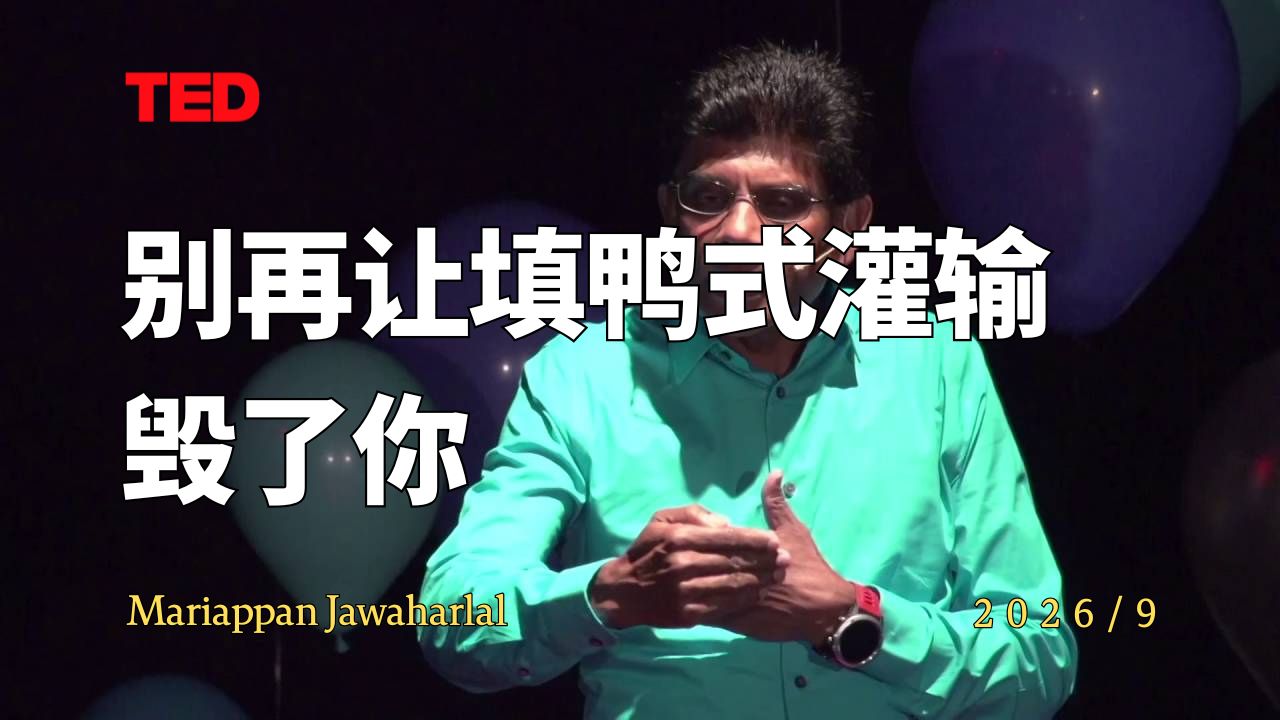
P1 · 成为更好的教师【TED演讲】 p01 中英双语 (P1)
字幕摘录
| 时间 | 英文 | 中文 |
|---|---|---|
| 0:02 | 22 years ago, I was offered a job as an assistant professor | 22年前,我被聘为助理教授 |
| 0:08 | at a university in the state of Michigan. | 在密歇根州的一所大学 |
| 0:11 | It was late summer, and I had a few weeks | 夏天很晚,我还有几个星期 |
| 0:13 | to go before I start teaching. | 在我开始教书之前去 |
| 0:17 | I was excited and terrified. | 我兴奋和害怕。 |
| 0:20 | Excited because I always wanted to teach, and I got the job. | 因为我一直想教书 我得到了这份工作 |
| 0:25 | Terrified because I was not sure if I | 害怕是因为我不确定自己是不是 |
| 0:30 | had the knowledge, language, and communication skills to teach. | 拥有传授的知识、语言和交流技能。 |
| 0:36 | I wasn't too worried about the knowledge | 我不太担心这些知识 |
| 0:37 | because I know students did not know that material, | 因为我知道学生不知道那些材料, |
展开字幕全文(419 条)
| 序号 | 英文 | 中文 |
|---|---|---|
| 1 | 22 years ago, I was offered a job as an assistant professor | 22年前,我被聘为助理教授 |
| 2 | at a university in the state of Michigan. | 在密歇根州的一所大学 |
| 3 | It was late summer, and I had a few weeks | 夏天很晚,我还有几个星期 |
| 4 | to go before I start teaching. | 在我开始教书之前去 |
| 5 | I was excited and terrified. | 我兴奋和害怕。 |
| 6 | Excited because I always wanted to teach, and I got the job. | 因为我一直想教书 我得到了这份工作 |
| 7 | Terrified because I was not sure if I | 害怕是因为我不确定自己是不是 |
| 8 | had the knowledge, language, and communication skills to teach. | 拥有传授的知识、语言和交流技能。 |
| 9 | I wasn't too worried about the knowledge | 我不太担心这些知识 |
| 10 | because I know students did not know that material, | 因为我知道学生不知道那些材料, |
| 11 | and that they don't know that I don't know the material either. | 他们也不知道我也不知道材料 |
| 12 | So that was OK. | 所以,这是好的。 |
| 13 | English was my third language, and I was not fluent. | 英语是我的第三语言,我没有流利。 |
| 14 | And I had an accent on top of that. | 我有一个口音在上面。 |
| 15 | I still have an accent. | 我还有口音 |
| 16 | So I wasn't sure if the students would understand me. | 所以我不知道学生们是否理解我。 |
| 17 | If I had a British accent, I would have kept it. | 如果我有英国口音,我会留着它。 |
| 18 | Anyhow, I was also worried about my language skills | 总之,我也担心我的语言能力 |
| 19 | and communication skills. | 还有沟通技巧 |
| 20 | See, when I talk about communication skills with students, | 你看,当我谈论 沟通技巧与学生, |
| 21 | I was terrified to be with them talking about skills | 我害怕和他们一起谈论技能 |
| 22 | that I didn't have. | 我没有 |
| 23 | So I was so terrified. | 所以我吓坏了。 |
| 24 | I was sitting that summer at home thinking, my god, I made a mistake. | 那个夏天我坐在家里 想着,我的上帝,我犯了一个错误。 |
| 25 | I should have continued myself to be an engineer. | 我应该继续当工程师 |
| 26 | Why would I quit my job and become a professor? | 我为什么要辞职成为教授? |
| 27 | I was depressed. | 我很沮丧。 |
| 28 | I was watching a movie with my daughters, a Disney movie. | 我和女儿们一起看电影 迪士尼电影 |
| 29 | Suddenly, I had a moment of revelation. | 突然间,我有了一点启示。 |
| 30 | I ran to my bathroom, stood in front of the mirror, | 我跑到我的浴室,站在镜子前, |
| 31 | and said, mirror, mirror on the wall, how can I | 并说,镜子,镜子 在墙上,我怎么能 |
| 32 | be a better teacher in the fall? | 秋天做个更好的老师? |
| 33 | And I waited. | 我等着呢 |
| 34 | The mirror didn't answer me. | 镜未答. |
| 35 | Then I got a phone call from the department chair who hired me. | 然后,我接到一个电话 从部门主席 谁雇用了我。 |
| 36 | And I understood from him how the teaching system works. | 我从他那里了解到教学系统是如何运作的。 |
| 37 | Basically, it works like this. | 基本上,它的工作是这样的。 |
| 38 | You are a new teacher. | 你是新老师了 |
| 39 | Your department chair or the school principal | 你的系主任或校长 |
| 40 | will give you a piece of paper called curriculum or syllabus. | 将给你一张名为课程或教学大纲的纸。 |
| 41 | And it has a list of topics that you are supposed to cover. | 它有一个主题列表 你应该覆盖。 |
| 42 | And you are expected to cover those topics | 并且你们要报道那些话题 |
| 43 | in a certain amount of time, such as one semester. | 在一定的时间,比如一个学期。 |
| 44 | That's it. | 就这样 |
| 45 | You don't have to do anything other | 你不必做别的事 |
| 46 | than to follow those topics. | 而不是跟随这些话题。 |
| 47 | What is expected from you is to give quizzes and exams | 你所期望的就是 考试和考试 |
| 48 | so it's harder for the students. | 所以学生们很难接受 |
| 49 | How you teach, how much of a topic you cover, | 你如何教书,你讲多少话题, |
| 50 | how less you cover, how fast you cover, doesn't matter. | 盖多少,盖多快,无所谓. |
| 51 | It's all up to you. | 皆由你决定. |
| 52 | That's how the teaching works. | 师以此法. |
| 53 | And that is interesting. | 这很有趣。 |
| 54 | So I got this syllabus. | 所以我得到了这个教学大纲。 |
| 55 | And I am ready to go and teach. | 我准备好去教书了 |
| 56 | And in traditional teaching, that's | 在传统教学中, |
| 57 | how you go on lecture in the classrooms. | 如何去课堂上讲课。 |
| 58 | So I am all ready. | 我准备好了 |
| 59 | I am going to go to teach the students. | 我要去教学生。 |
| 60 | And I prepared in the traditional way. | 我以传统的方式准备了 |
| 61 | And I prepared hard exams. | 我准备了严格的考试 |
| 62 | Exams are hard and unrealistic. | 考试既困难又不现实. |
| 63 | In fact, it was so hard and unrealistic, | 事实上,它是如此艰难和不现实, |
| 64 | I have no doubt Isaac Newton would fail the calculus | 我毫不怀疑艾萨克·牛顿会辜负计算 |
| 65 | class in high school. | 高中班级 |
| 66 | By the way, Isaac Newton invented calculus. | 顺便说一句,艾萨克·牛顿发明了微积分. |
| 67 | Now, can you imagine Isaac Newton with his long hair | 你能想象伊萨克·牛顿的长发 |
| 68 | sitting in the back row in somebody's calculus class? | 坐在后排的人的微积分课? |
| 69 | And that teacher is teaching calculus with PowerPoint. | 那个老师正在用PowerPoint教授微积分。 |
| 70 | Isaac 别睡着了 | |
| 71 | What(? | |
| 72 | Don't you know calculus is a tough subject? | 你难道不知道微积分是很难学的吗? |
| 73 | Pay attention, otherwise you'll fail AP calculus. | 注意,否则你会不及AP微积分. |
| 74 | That's what we are doing to our students today. | 这就是我们今天对我们的学生所做的。 |
| 75 | Isaaac Newton和Galileo的学校 已经不给我们上课了 | |
| 76 | It's so tough. | 如此坚固. |
| 77 | Unrealistic. | 不真实. |
| 78 | Anyhow, I go to my class. | 总之,我去上课 |
| 79 | I teach my students. | 我教我的学生。 |
| 80 | And I prepared hard. | 我努力准备了 |
| 81 | I work hard. | 我努力地工作着 |
| 82 | So my lectures come out all right. | 所以我的讲座就出来了 |
| 83 | My students like me. | 我的学生喜欢我。 |
| 84 | I get good student evaluation. | 我得到很好的学生评价。 |
| 85 | And I would have stayed there. | 我本来会呆在那里的 |
| 86 | But I felt something is missing, something | 但我觉得有些东西不见了,有些东西 |
| 87 | that students are not learning. | 学生不学习。 |
| 88 | I mean, they are doing better. | 我的意思是,他们做的更好。 |
| 89 | But I don't feel they're connected. | 但我觉得他们没有联系 |
| 90 | There is some kind of a disconnect. | 有点脱节 |
| 91 | Then I came across a quote by Phyllis Diller, who | 后来我发现了菲利斯·迪勒的一段话 |
| 92 | was a stand-up comedian. | 是一个站立的喜剧演员。 |
| 93 | We learn from comedians a lot. | 我们从喜剧演员那里学到了很多 |
| 94 | And her quote goes something like this. | 她的引用是这样的 |
| 95 | In the first 12 months, we teach our kids to walk and talk. | 前12个月,我们教孩子们走路说话. |
| 96 | And then we tell them, sit down and shut up. | 然后我们告诉他们,坐下,闭嘴。 |
| 97 | So our students, I prepare my lectures | 所以,我们的学生,我准备我的讲座 |
| 98 | and deliver all these lectures. | 并教授所有这些教诲。 |
| 99 | And I'm very excited about it. | 我很兴奋 |
| 100 | But the students are not responding, not learning enough. | 但学生们没有反应,学习不够. |
| 101 | They are not involved. | 他们不参与。 |
| 102 | They are not engaged. | 他们没有订婚。 |
| 103 | So I realize there's something I got to do. | 所以我意识到我有事要做 |
| 104 | So I start out my journey of figuring out | 所以我开始我的旅程 找出 |
| 105 | a way to engage students. | 一种吸引学生的方式 |
| 106 | I came up with a few things. | 我有些事情想出来 |
| 107 | So I'm going to share them with you. | 所以我要跟你们分享 |
| 108 | The first thing is, be original. | 第一件事是 要有原创性 |
| 109 | Why? | 为什么? |
| 110 | Well, I have 23 years of education | 我受过23年的教育 |
| 111 | in four different countries and three continents. | 在四个不同的国家和三个大陆。 |
| 112 | And I have hundreds of teachers. | 我还有上百个老师 |
| 113 | And I found one common thing among all bad teachers. | 我发现一个常见的事情 在所有坏老师。 |
| 114 | All bad teachers are boring. | 坏老师都无聊 |
| 115 | It doesn't matter. | 没关系 |
| 116 | They come from different cultural backgrounds. | 他们来自不同的文化背景。 |
| 117 | They have different styles. | 它们有不同的风格. |
| 118 | But they're all boring. | 但他们都很无聊 |
| 119 | They live in their own world. | 他们生活在自己的世界。 |
| 120 | They communicate to themselves. | 他们互相交流 |
| 121 | In other words, they talk to themselves. | 换句话说,他们自言自语。 |
| 122 | They don't communicate with the students. | 他们不与学生沟通。 |
| 123 | And that was an excite. | 那真是激动人心 |
| 124 | Then I looked at all the good teachers. | 然后我看了所有的好老师。 |
| 125 | I read books about teaching. | 我读过关于教学的书 |
| 126 | I listened to great teachers about teaching. | 我听了伟大的老师说教 |
| 127 | I watched even movies. | 我看过电影 |
| 128 | Then I saw all great teachers that I like | 之后我见到了我喜欢的优秀老师 |
| 129 | are very different. | 不一样 |
| 130 | They spoke different languages. | 他们讲不同的语言。 |
| 131 | Some of them spoke very loudly. | 其中一些人说话非常大声。 |
| 132 | Some of them were self-spoken. | 有的自言自语. |
| 133 | Some of them were very humorous. | 其中一些人非常幽默。 |
| 134 | Some of them were serious. | 其中一些人是认真的。 |
| 135 | Some of them were moving around a lot. | 其中一些人经常四处活动。 |
| 136 | And some of them were standing still. | 其中一些人还站着。 |
| 137 | In fact, I loved a teacher in Russia | 其实我很喜欢俄罗斯的老师 |
| 138 | who would stand still and talk softly. | 他将站着轻轻地说话。 |
| 139 | But he would tell stories | 但他会讲故事 |
| 140 | that we would be on the edge of our seat to listen to him. | 我们坐在座位边上听他的 |
| 141 | Such an engaging speaker. | 这么热心的演讲人 |
| 142 | But he wasn't loud. | 但他不大声。 |
| 143 | He was standing still. | 他站着不动 |
| 144 | I thought that's a fantastic way to teach. | 我觉得这是教书的好方法 |
| 145 | So I tried that out in my class. | 所以我在课堂上试过了 |
| 146 | In first 15 minutes, it was a disaster. | 在最初的15分钟,这是一个灾难。 |
| 147 | Because I am not him. | 因为我不是他。 |
| 148 | I gotta move around. | 我得走开 |
| 149 | I gotta be loud. | 我得大声点 |
| 150 | So I realized the good thing about good teaching is | 所以我意识到好的教学是 |
| 151 | you be original. | 你是原创的。 |
| 152 | Don't copy anybody else. | 不要复制别人。 |
| 153 | And that's easy. | 这很简单 |
| 154 | That means all you have to be is be yourself. | 这意味着你只需要做你自己 |
| 155 | So that's the first lesson I learned. | 这是我学到的第一个教训。 |
| 156 | Be yourself. | 做你自己。 做你自己。 |
| 157 | Be original. | 作原创. |
| 158 | And then the second important thing | 还有第二件事 |
| 159 | it occurred to me over a period of time of teaching | 我从教书的一段时间里想到 |
| 160 | is renounce teaching. | 放弃教书 |
| 161 | Now I'm not kidding. | 我不是在开玩笑 |
| 162 | It sounds silly and ridiculous. | 听起来很傻很可笑 |
| 163 | Renounce teaching. | 弃教. |
| 164 | Why? | 为什么? |
| 165 | Because teaching is not learning. | 因为教学不是学习。 |
| 166 | Think about it. | 考虑一下 |
| 167 | Renounce teaching means you are recognizing the fact | 放弃教学意味着你承认事实 |
| 168 | teaching is not learning. | 教学不是学习。 |
| 169 | First, let's talk about this. | 首先,让我们谈谈这个。 |
| 170 | Teaching is about teachers. | 教学内容为教师. |
| 171 | Learning is about students. | 学习是关于学生的. |
| 172 | In traditional teaching, teaching is like giving, | 在传统教学中,教学就像给予, |
| 173 | teachers giving a cup of water to the students | 老师给学生一杯水 |
| 174 | and learning is like students drinking | 学习就像学生喝酒 |
| 175 | that cup of water entirely. | 这杯水完全。 |
| 176 | That sounds more like a treatment than learning to me. | 这听起来更像是治疗 而不是学习给我。 |
| 177 | Now, if that worked, 100% of the knowledge | 现在,如果成功,100%的知识 |
| 178 | has been transferred to the student. | 已经转移给学生。 |
| 179 | Then everybody would be a student. | 然后每个人都会是一个学生。 |
| 180 | And that doesn't work. | 这行不通 |
| 181 | That means teaching is not a process of information | 也就是说教书不是信息的过程 |
| 182 | transfer like transferring through a high speed USB drive. | 转动就像转动 通过高速USB驱动。 |
| 183 | It's not like we can download something into our brain | 又不是我们能把东西下载到大脑里 |
| 184 | very quickly like in a movie like Matrix | 很快的,就像在电影中像母体 |
| 185 | and learn to fly a helicopter. | 学会驾驶直升机 |
| 186 | It's not. | 这不是。 |
| 187 | Second, learning occurs independent of teaching. | 第二,学习独立于教学。 |
| 188 | In fact, learning can occur independent of teaching | 事实上,学习可以独立于教学 |
| 189 | without teacher. | 没有老师 |
| 190 | Think about kids walking. | 想想孩子们走路 |
| 191 | Do we go and tell a kid, eight months old, | 我们要去告诉一个孩子,八个月大, |
| 192 | listen, I am going to tell you some pointers on how to walk. | 听着,我要告诉你一些如何走路的指针。 |
| 193 | Don't start the step. | 不要开始步。 |
| 194 | No, we don't do that. | 不,我们不这样做。 |
| 195 | Learning occurs without, | 学习没有, |
| 196 | and that's true for all essential life skills, | 对于所有必要的生活技能来说都是如此, |
| 197 | whether walking, talking, eating, | 不管是走路,说话,吃饭, |
| 198 | they learn by trial and error, experimenting. | 他们通过试验 错误 实验来学习 |
| 199 | We can support them, we can help them, | 我们可以支持他们,我们可以帮助他们, |
| 200 | but learning occurs without teaching. | 但学习是没有教义的 |
| 201 | And the third important part of understanding | 理解的第三个重要部分 |
| 202 | why teaching is not learning is your own beliefs. | 为什么教学不是学习是你自己的信仰. |
| 203 | Our personal beliefs control our actions, right? | 我们的个人信仰控制着我们的行动,对吧? |
| 204 | Religious beliefs or any other beliefs control our action. | 宗教信仰或任何其他信仰控制着我们的行动。 |
| 205 | If you think you are supposed to teach, | 如果你认为你应该教书 |
| 206 | then the focus is on you. | 那么重点就在你身上 |
| 207 | So what you are going to do is to focus on your presentation, | 所以,你要做的是 专注于你的介绍, |
| 208 | on your lecture, on your exams, on your methods, | 在你的讲座, 你的考试, 关于你的方法, |
| 209 | on your glory. | 在你的荣耀。 |
| 210 | Student learning doesn't even make that list. | 学生的学习甚至没有 列出名单。 |
| 211 | So the idea of teaching is not helping to learn. | 故教观无助学. |
| 212 | So it is very important you renounce teaching. | 所以你放弃教书很重要 |
| 213 | It's in a sense like alcohol anonymous. | 从某种意义上来说,它是酒匿名的. |
| 214 | If you are an alcoholic, | 如果你是个酒鬼 |
| 215 | and if you want to become sober, what do you do? | 如果你想戒酒,你会怎么做? |
| 216 | First, acknowledge you are an alcoholic. | 首先,承认你是个酒鬼。 |
| 217 | So first, acknowledge teaching is not learning. | 首先,承认教学不是学习。 |
| 218 | And once you recognize that you can move on | 一旦你意识到你可以继续前进 |
| 219 | to the next step of how you can help students to learn, | 下一步如何帮助学生学习, |
| 220 | and that would be getting to their I-level. | 这将会进入他们的I级。 |
| 221 | It's very easy to understand. | 甚为易解. |
| 222 | We have to get to the I-level of students. | 我们必须进入学生的I级. |
| 223 | How do you do that? | 你怎么做到的? |
| 224 | Well, we do that in our everyday life. | 我们在日常生活中就是这样 |
| 225 | Think about it. | 考虑一下 |
| 226 | You have a child. | 你有一个孩子。 |
| 227 | You want to communicate with the child. | 你想和孩子沟通 |
| 228 | You want to tell a story, maybe. | 你想讲故事,也许。 |
| 229 | You want to read a book or you want to sing a song. | 你想看书还是想唱歌 |
| 230 | What do you do? | 你们是做什么的? |
| 231 | You get on your knees. | 你给我跪下 |
| 232 | So you can be at their I-level. | 所以,你可以在他们的I级。 |
| 233 | Or you carry them, so you can be at their I-level. | 或者你带着它们, 这样你就可以处于它们的I级。 |
| 234 | That's how the communication takes place, | 沟通就是这样进行的 |
| 235 | not from the podium to the students. | 不是从讲台上对学生。 |
| 236 | So get onto their I-level in our context | 因此,进入他们的I级 在我们的背景中 |
| 237 | means understanding the subject matter | 表示理解主题事项 |
| 238 | from students' perspective. | 从学生的角度来说。 |
| 239 | And the students' perspective is very simple. | 学生的观点很简单。 |
| 240 | Quite often, they don't understand | 他们常常不明白 |
| 241 | why I am learning this. | 我为什么要学这个? |
| 242 | Is there a real meaning behind it? | 背后有真正的意义吗? |
| 243 | Or is it just to make their life harder? | 还是只是让他们的生活更加艰难? |
| 244 | Or is it, what is the real application? | 还是说,真正的应用是什么? |
| 245 | Why can't we upfront and tell that? | 为什么我们不能直接说出来? |
| 246 | So getting to their I-level is an important next step. | 因此,进入他们的I级是一个重要的下一步。 |
| 247 | And one way to practice that is, | 练习的方法之一是 |
| 248 | I always practice these days, | 这些天我总是练习 |
| 249 | is to ensure you can explain any difficult concept | 即确保您能够解释任何困难的概念 |
| 250 | to a fifth grader. | 给一个五年级。 |
| 251 | Trust me, any concept, | 相信我,任何概念, |
| 252 | whether it is thermodynamics or nuclear engineering, | 无论是热力学还是核工程, |
| 253 | can be explained to a fifth grader | 可以向五年级学生解释 |
| 254 | in simple terms in a broad way. | 简而言之,从广义上讲。 |
| 255 | So if you understand the subject matter, | 所以如果你理解这个主题 |
| 256 | you can explain to a fifth grader. | 你可以向五年级学生解释 |
| 257 | Today, I practice this. | 今天,我练习这个。 |
| 258 | Before I teach my first year, | 我一年级之前 |
| 259 | second year engineering classes, | 二年级工程课程, |
| 260 | I try these concepts in fifth grade, eighth grade, | 我尝试这些概念 在五年级,八年级, |
| 261 | or high school because I am part of an outreach program. | 或高中,因为我是外联方案的一部分。 |
| 262 | And if you can explain to a fifth grader, | 如果你能向五年级的学生解释 |
| 263 | that means you are communicating the concept | 这意味着你在传达这个概念 |
| 264 | in a simple language without technical jargon. | 在一个简单的语言中,没有技术术语。 |
| 265 | So students, if there are any here, | 学生们,如果这里有的话, |
| 266 | next time, if your professor says something | 下次,如果你的教授说些什么 |
| 267 | and you don't understand, ask them to explain again. | 你不明白 让他们再解释一遍 |
| 268 | If they can't explain you in a different way | 如果他们不能用另一种方式解释你 |
| 269 | or in a simpler way, | 或者以更简单的方式 |
| 270 | trust me, they don't understand the subject themselves. | 相信我,他们不理解这个话题 |
| 271 | You are better off leaving them alone | 你最好别管他们 |
| 272 | and go use Google or Wikipedia. | 并使用谷歌或维基百科。 |
| 273 | All right? | 好吗? |
| 274 | The next important aspect of teaching | 教学的下一个重要方面 |
| 275 | or learning is to help students make mistakes. | 或者学习是为了帮助学生犯错误。 |
| 276 | Now, this is something well-written. | 现在,这是写得很好的东西。 |
| 277 | Researchers have done that. | 研究人员已经这样做了。 |
| 278 | Without making mistakes, you cannot learn, | 不犯错,你就不能学 |
| 279 | but we don't let them make mistakes. | 但我们不让他们犯错误。 |
| 280 | We grade them poorly. | 我们给他们的分级差。 |
| 281 | Here's my analogy. | 这是我的类比。 |
| 282 | If you don't make small mistakes | 如果你不犯小错 |
| 283 | and understand the consequences in a controlled environment | 并了解在受控制环境中的后果 |
| 284 | in your classroom, | 在你的课堂上, |
| 285 | you are going to make big blunders in life later. | 你以后会犯大错的 |
| 286 | That's number one. | 即第一义. |
| 287 | Number two, if you avoid those blunders, | 第二 如果你能避免那些错误 |
| 288 | then you are not going to take any initiative. | 那你不会主动采取行动的 |
| 289 | You are never going to make any important decisions in life. | 你永远不会做出任何重要决定 |
| 290 | And that's why making mistakes is so important. | 这就是为什么犯错是如此重要。 |
| 291 | To do that, you can keep your classrooms | 要做到这一点,你可以保持你的教室 |
| 292 | like a basketball or a soccer practice sessions. | 像篮球或足球练习会。 |
| 293 | You work hard, you understand your mistakes, | 你努力工作,你明白你的错误 |
| 294 | you exercise, you fix your mistakes, | 你锻炼,修补你的错误, |
| 295 | you develop strategy, you work with your teammates, | 你制定策略,与你的队友合作, |
| 296 | so you prepare for a final game. | 所以你准备了最后一场比赛 |
| 297 | But what is happening in our classrooms | 但是我们教室里发生的事 |
| 298 | is every class session is becoming like a final game. | 每一个课都像最后一场比赛 |
| 299 | And that's stressful, all right? | 压力很大,好吗? |
| 300 | So you have to let them make mistakes. | 所以你得让他们犯错 |
| 301 | Now, once you can do that, | 现在,一旦你能做到这一点, |
| 302 | the next most important point in my approach for teaching | 我教学方法中的下一个最重要的点 |
| 303 | or helping students learn is to completely avoid the term, | 或帮助学生学习 是完全避免这个词, |
| 304 | what we call don't reinvent the wheel. | 我们所说的不要重塑方向盘 |
| 305 | How many times you hear, | 你听过多少次了 |
| 306 | don't reinvent the wheel, don't reinvent the wheel. | 别重塑方向盘 别重塑方向盘 |
| 307 | This is by far the most counterproductive statement | 这是迄今为止最适得其反的说法 |
| 308 | ever there is. | 永远有。 |
| 309 | If you want students to learn, | 如果你想让学生学习 |
| 310 | help them reinvent the wheel. | 帮助他们重塑方向盘。 |
| 311 | Every student must reinvent the wheel in their mind. | 每一个学生必须重塑他们心中的轮子。 |
| 312 | How can you understand something without experiencing? | 你怎么能不体验就明白? |
| 313 | If you want to learn to ride a bike, | 如果你想学骑自行车, |
| 314 | it's not a big deal, everybody rides a bike. | 没什么大不了的 每个人都骑自行车 |
| 315 | But still, balancing the bike is an individual action. | 但是,平衡自行车是个人行为。 |
| 316 | You got to experience it. | 你得体验一下 |
| 317 | Nobody can substitute that for you. | 没有人能代替你 |
| 318 | So you have to create that experience for students, all right? | 所以,你必须创造 学生的经验,好吗? |
| 319 | So reinvent the wheel means | 所以重塑方向盘意味着 |
| 320 | you have to reinvent Newton's law in your mind. | 你必须重塑牛顿的法则 |
| 321 | Otherwise, it is just an equation | 否则,这只是个方程式 |
| 322 | that you memorize without any understanding. | 以便你们觉悟。 |
| 323 | In fact, I have absolutely no shame in admitting | 其实,我完全没有羞耻的承认 |
| 324 | in first grade, I did not believe the earth is round | 一年级的时候,我不相信地球是圆的 |
| 325 | because it didn't make any sense. | 因为它没有任何意义。 |
| 326 | Does it make, how do you know the earth is round? | 难道你们知道大地是圆的吗? |
| 327 | Now you have pictures in the last 20, 30 years | 现在你有过去20,30年的照片 |
| 328 | from satellites and all that. | 从卫星和这一切。 |
| 329 | When I went to school, I didn't have even TV, we didn't know. | 我上学时连电视都没有 我们都不知道 |
| 330 | So I secretly harbored this notion that the earth is flat, | 所以我秘密地隐藏着地球是平坦的观念 |
| 331 | but I would answer always it's round | 但我总是会回答 它的圆 |
| 332 | because that's what I was told. | 因为这是我被告知的。 |
| 333 | And many students are doing this in engineering | 很多学生在工程学上都这样做 |
| 334 | and every discipline, they don't believe, | 他们不信任何纪律, |
| 335 | they do not understand, but they answer the questions. | 他们不明白,但他们回答了问题。 |
| 336 | So if you want to change that, | 所以,如果你想改变这一点, |
| 337 | you have to provide them that experience. | 你必须给他们提供这种经验。 |
| 338 | How do you provide? | 你如何提供? |
| 339 | One simple way to do that. | 很简单的方法 |
| 340 | Simple question, what do you think? | 简单的问题 你觉得呢? |
| 341 | This one simple question I stumbled on once | 这个简单的问题,我曾经碰过一次 |
| 342 | and I still use it in third grade, fifth grade, | 我仍然用它 在三年级,五年级, |
| 343 | high school, graduate school, I use it successfully. | 高中,研究生,我成功地使用它。 |
| 344 | Ask the students, what do you think? | 问学生,你觉得如何? |
| 345 | Any questions, you never answered. | 任何问题,你都没有回答。 |
| 346 | Most of the time I did this because I didn't know the answer. | 大多数时候我这样做是因为我不知道答案. |
| 347 | That's, I know it. | 这我知道 |
| 348 | I was teaching a third grade group of students robotics. | 我教了一个三年级的学生机器人组。 |
| 349 | This little girl comes to me and says, | 这个小女孩来找我说 |
| 350 | Dr. Jawa, my robot is not working. | 贾瓦博士 我的机器人不工作了 |
| 351 | I say, what do you think? | 我说,你觉得呢? |
| 352 | She thinks for a second and looks at me and says, | 她想一秒钟,看着我说, |
| 353 | Dr. Jawa, I think my wires are not properly plugged in, | 贾瓦博士,我想我的电线插不通 |
| 354 | connected. | 连接。 |
| 355 | I said, okay. | 我说,好吧。 |
| 356 | She tries it out a few minutes later. | 她几分钟后试出来。 |
| 357 | Dr. Jawa, my robot is still not working. | 贾瓦博士 我的机器人还没工作 |
| 358 | Say, what do you think? | 你说呢? |
| 359 | And she says, maybe my battery is not working. | 她说,也许我的电池坏了 |
| 360 | I said, okay. | 我说,好吧。 |
| 361 | Now, this is interesting. | 现在,这是有趣的。 |
| 362 | I thought she would just look at the battery level | 我以为她会看电池电位 |
| 363 | and say, it has enough. | 说,它有足够的。 |
| 364 | She looked at it. | 她看着它。 |
| 365 | It had one bar or two bars, not enough, I feel. | 它有一个酒吧或两个酒吧, 不够,我觉得。 |
| 366 | But she says, let me check. | 但她说,让我检查一下。 |
| 367 | And then she grabs another robot, changes the battery | 然后她抓住另一个机器人, 改变电池 |
| 368 | and finds the other robot is working. | 发现另一个机器人在工作 |
| 369 | So she says, Dr. Jawa, the battery is fine. | 她说,贾瓦医生,电池没问题 |
| 370 | I didn't even think of that solution, | 我甚至没有想到这个解决方案, |
| 371 | but she's figuring out. | 但是她想起来了 |
| 372 | I was thinking about teaching now, | 我现在在想教书 |
| 373 | how to use a multimeter to a third grader | 如何使用多米到三年级 |
| 374 | because she's ready. | 因为她准备好了 |
| 375 | She's ready. | 她准备好了 |
| 376 | The point is we went through these interactions a few times | 重点是我们经历了几次这些互动 |
| 377 | and she realized there is no problem with the hardware. | 她意识到硬件没有问题 |
| 378 | So finally it occurred to her, | 她终于想到了 |
| 379 | Dr. Jawa, it has to be my program. | 贾瓦博士 一定是我的节目 |
| 380 | Okay. | 摆 |
| 381 | I didn't do anything. | 我什么也没做 |
| 382 | She thanked me for helping her to solve the problem. | 她感谢我帮助她解决问题。 |
| 383 | All I did is, what do you think? | 我只是,你觉得呢? |
| 384 | I have done hundreds of these exercises in different classes | 我在不同的班级里做了几百次这样的练习 |
| 385 | just with the simple question, what do you think? | 简单的问题 你觉得呢? |
| 386 | It makes my life easier and it makes them to think | 这让我的生活变得轻松 让他们思考 |
| 387 | and they are discovering themselves what should be done. | 他们正在发现应该做什么。 |
| 388 | What a great joy of discovery for them | 发现他们的喜悦 |
| 389 | and less work for professors, right? | 少给教授工作,对吧? |
| 390 | So what do you think is an outstanding way to help our students? | 那么,你认为什么是杰出的方法 帮助我们的学生? |
| 391 | And the last part of reinventing the wheel is, | 发明轮子的最后一部分是, |
| 392 | I tell the students, don't take the students on a bus ride. | 我告诉学生,不要带学生坐公交车. |
| 393 | This is from an educator called Jay Cross. | 这是一位叫Jay Cross的教育家写的 |
| 394 | We always take our students on a bus ride. | 我们总是带学生搭公交车 |
| 395 | That means I am the driver, professor. | 这意味着我是司机,教授。 |
| 396 | I control where the bus goes. | 我控制着巴士去的地方 |
| 397 | I control its speed. | 我控制着它的速度。 |
| 398 | I stop where I want and the students are watching. | 我停在我想要的地方 学生们在看 |
| 399 | It may be fun for a few minutes, but they're going to fall asleep. | 可能好玩几分钟,但他们要睡着了 |
| 400 | What I feel is we got to take our students on a bike ride. | 我觉得我们得带学生骑自行车 |
| 401 | Now, if you are on a bike ride, you cannot fall asleep | 现在,如果你骑自行车, 你不能睡着了 |
| 402 | and you can stop anywhere you want | 和你可以停下来任何地方你想要的 |
| 403 | and you can make some digressions and learn more. | 你可以做一些分裂 和学习更多。 |
| 404 | And teacher becomes an active participant with the students. | 而老师成为学生们的积极参与者. |
| 405 | So you got to design your curriculum, | 所以你得设计你的课程 |
| 406 | design your activity for a bike tour. | 设计你的自行车旅行活动。 |
| 407 | That involves all the students. | 这涉及到所有的学生。 |
| 408 | If you do all this, you are going to engage the students. | 如果你做了这一切, 你会让学生参与。 |
| 409 | And when you engage the students, they learn automatically. | 当你与学生接触时,他们就会自动学习。 |
| 410 | That's what I have learned. | 这是我学到的。 |
| 411 | So my final thought is, in my opinion, real learning occurs | 所以我最后的想法是,在我看来, 真正的学习发生 |
| 412 | when you immerse the learner in a situation, | 当你使学习者陷入困境时, |
| 413 | allow them to perform, | 让他们表演, |
| 414 | give them feedback to change or adjust their behaviour. | 给他们反馈 改变或调整他们的行为。 |
| 415 | And that's how the real learning occurs. | 真正的学习就是这样发生的。 |
| 416 | And our job as educators is to create those situations. | 我们作为教育者的工作就是创造这些局面。 |
| 417 | Thank you. | 谢谢 |
| 418 | our job as educators is to create those situations. | 我们作为教育者的工作就是创造这种局面。 |
| 419 | Thank you. | 谢谢 |
该视频共有字幕 419 条。解锁更多字幕为会员功能,请移动到 价格
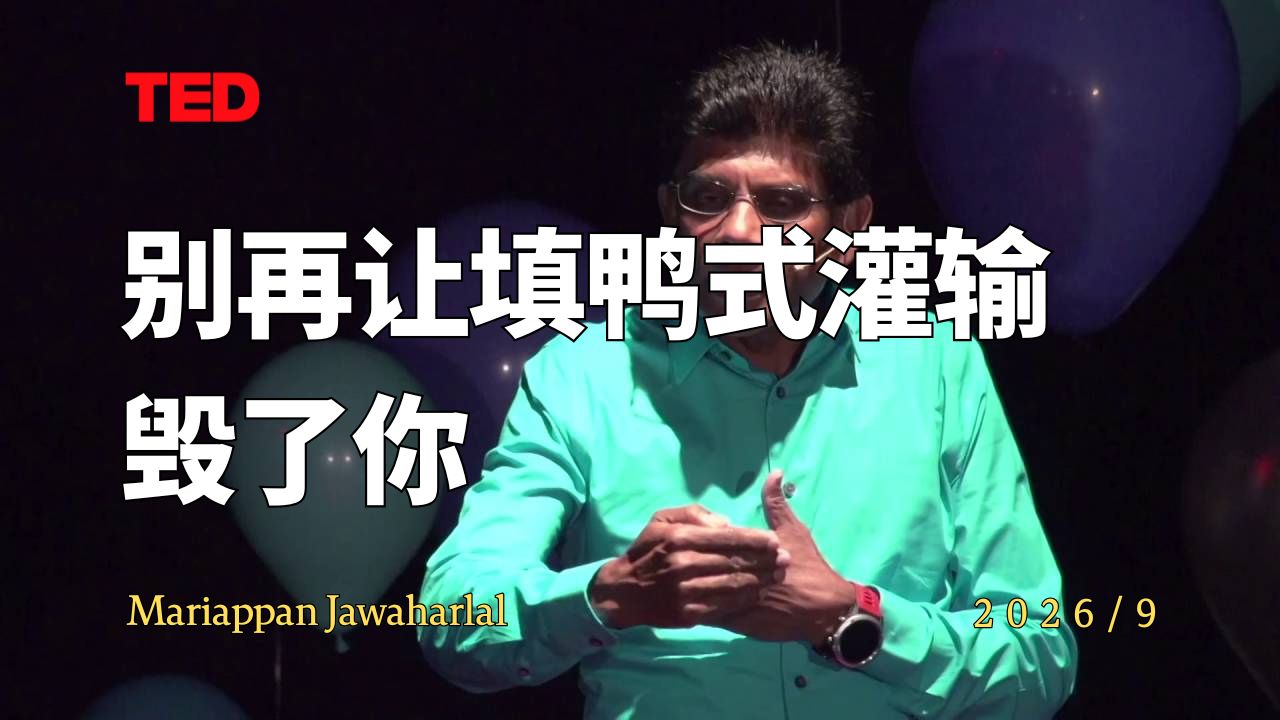
P2 · 成为更好的教师【TED演讲】 p02 英文字幕(中文外挂) (P2)
字幕摘录
| 时间 | 英文 | 中文 |
|---|---|---|
| 0:02 | 22 years ago, I was offered a job as an assistant professor | 22年前,我被聘为助理教授 |
| 0:08 | at a university in the state of Michigan. | 在密歇根州的一所大学 |
| 0:11 | It was late summer, and I had a few weeks | 夏天很晚,我还有几个星期 |
| 0:13 | to go before I start teaching. | 在我开始教书之前去 |
| 0:17 | I was excited and terrified. | 我兴奋和害怕。 |
| 0:20 | Excited because I always wanted to teach, and I got the job. | 因为我一直想教书 我得到了这份工作 |
| 0:25 | Terrified because I was not sure if I | 害怕是因为我不确定自己是不是 |
| 0:30 | had the knowledge, language, and communication skills to teach. | 拥有传授的知识、语言和交流技能。 |
| 0:36 | I wasn't too worried about the knowledge | 我不太担心这些知识 |
| 0:37 | because I know students did not know that material, | 因为我知道学生不知道那些材料, |
展开字幕全文(423 条)
| 序号 | 英文 | 中文 |
|---|---|---|
| 1 | 22 years ago, I was offered a job as an assistant professor | 22年前,我被聘为助理教授 |
| 2 | at a university in the state of Michigan. | 在密歇根州的一所大学 |
| 3 | It was late summer, and I had a few weeks | 夏天很晚,我还有几个星期 |
| 4 | to go before I start teaching. | 在我开始教书之前去 |
| 5 | I was excited and terrified. | 我兴奋和害怕。 |
| 6 | Excited because I always wanted to teach, and I got the job. | 因为我一直想教书 我得到了这份工作 |
| 7 | Terrified because I was not sure if I | 害怕是因为我不确定自己是不是 |
| 8 | had the knowledge, language, and communication skills to teach. | 拥有传授的知识、语言和交流技能。 |
| 9 | I wasn't too worried about the knowledge | 我不太担心这些知识 |
| 10 | because I know students did not know that material, | 因为我知道学生不知道那些材料, |
| 11 | and that they don't know that I don't know the material either. | 他们也不知道我也不知道材料 |
| 12 | So that was OK. | 所以,这是好的。 |
| 13 | English was my third language, and I was not fluent. | 英语是我的第三语言,我没有流利。 |
| 14 | And I had an accent on top of that. | 我有一个口音在上面。 |
| 15 | I still have an accent. | 我还有口音 |
| 16 | So I wasn't sure if the students would understand me. | 所以我不知道学生们是否理解我。 |
| 17 | If I had a British accent, I would have kept it. | 如果我有英国口音,我会留着它。 |
| 18 | Anyhow, I was also worried about my language skills | 总之,我也担心我的语言能力 |
| 19 | and communication skills. | 还有沟通技巧 |
| 20 | See, when I talk about communication skills with students, | 你看,当我谈论 沟通技巧与学生, |
| 21 | I was terrified to be with them talking about skills | 我害怕和他们一起谈论技能 |
| 22 | that I didn't have. | 我没有 |
| 23 | So I was so terrified. | 所以我吓坏了。 |
| 24 | I was sitting that summer at home thinking, my god, I made a mistake. | 那个夏天我坐在家里 想着,我的上帝,我犯了一个错误。 |
| 25 | I should have continued myself to be an engineer. | 我应该继续当工程师 |
| 26 | Why would I quit my job and become a professor? | 我为什么要辞职成为教授? |
| 27 | I was depressed. | 我很沮丧。 |
| 28 | I was watching a movie with my daughters, a Disney movie. | 我和女儿们一起看电影 迪士尼电影 |
| 29 | Suddenly, I had a moment of revelation. | 突然间,我有了一点启示。 |
| 30 | I ran to my bathroom, stood in front of the mirror, | 我跑到我的浴室,站在镜子前, |
| 31 | and said, mirror, mirror on the wall, how can I | 并说,镜子,镜子 在墙上,我怎么能 |
| 32 | be a better teacher in the fall? | 秋天做个更好的老师? |
| 33 | And I waited. | 我等着呢 |
| 34 | The mirror didn't answer me. | 镜未答. |
| 35 | Then I got a phone call from the department chair who hired me. | 然后,我接到一个电话 从部门主席 谁雇用了我。 |
| 36 | And I understood from him how the teaching system works. | 我从他那里了解到教学系统是如何运作的。 |
| 37 | Basically, it works like this. | 基本上,它的工作是这样的。 |
| 38 | You are a new teacher. | 你是新老师了 |
| 39 | Your department chair or the school principal | 你的系主任或校长 |
| 40 | will give you a piece of paper called curriculum or syllabus. | 将给你一张名为课程或教学大纲的纸。 |
| 41 | And it has a list of topics that you are supposed to cover. | 它有一个主题列表 你应该覆盖。 |
| 42 | And you are expected to cover those topics | 并且你们要报道那些话题 |
| 43 | in a certain amount of time, such as one semester. | 在一定的时间,比如一个学期。 |
| 44 | That's it. | 就这样 |
| 45 | You don't have to do anything other than to follow those topics. | 除了跟随这些话题,你别无他法. |
| 46 | What is expected from you is to give quizzes and exams | 你所期望的就是 考试和考试 |
| 47 | so it's harder for the students. | 所以学生们很难接受 |
| 48 | How you teach, how much of a topic you cover, | 你如何教书,你讲多少话题, |
| 49 | how less you cover, how fast you cover, doesn't matter. | 盖多少,盖多快,无所谓. |
| 50 | It's all up to you. | 皆由你决定. |
| 51 | That's how the teaching works. | 师以此法. |
| 52 | And that is interesting. | 这很有趣。 |
| 53 | So I got this syllabus. | 所以我得到了这个教学大纲。 |
| 54 | And I am ready to go and teach. | 我准备好去教书了 |
| 55 | And in traditional teaching, that's | 在传统教学中, |
| 56 | how you go on lecture in the classrooms. | 如何去课堂上讲课。 |
| 57 | So I am all ready. | 我准备好了 |
| 58 | I am going to go to teach the students. | 我要去教学生。 |
| 59 | And I prepared in the traditional way. | 我以传统的方式准备了 |
| 60 | And I prepared hard exams. | 我准备了严格的考试 |
| 61 | Exams are hard and unrealistic. | 考试既困难又不现实. |
| 62 | In fact, it was so hard and unrealistic, | 事实上,它是如此艰难和不现实, |
| 63 | I have no doubt Isaac Newton would fail the calculus | 我毫不怀疑艾萨克·牛顿会辜负计算 |
| 64 | class in high school. | 高中班级 |
| 65 | By the way, Isaac Newton invented calculus. | 顺便说一句,艾萨克·牛顿发明了微积分. |
| 66 | Now, can you imagine Isaac Newton with his long hair | 你能想象伊萨克·牛顿的长发 |
| 67 | sitting in the back row in somebody's calculus class? | 坐在后排的人的微积分课? |
| 68 | And that teacher is teaching calculus with PowerPoint. | 那个老师正在用PowerPoint教授微积分。 |
| 69 | Isaac 别睡着了 | |
| 70 | What(? | |
| 71 | Don't you know calculus is a tough subject? | 你难道不知道微积分是很难学的吗? |
| 72 | Pay attention, otherwise you'll fail AP calculus. | 注意,否则你会不及AP微积分. |
| 73 | That's what we are doing to our students today. | 这就是我们今天对我们的学生所做的。 |
| 74 | Isaaac Newton和Galileo的学校 已经不给我们上课了 | |
| 75 | It's so tough and realistic. | 坚固实相. |
| 76 | Anyhow, I go to my class. | 总之,我去上课 |
| 77 | I teach my students. | 我教我的学生。 |
| 78 | And I prepared hard. | 我努力准备了 |
| 79 | I work hard. | 我努力地工作着 |
| 80 | So my lectures come out all right. | 所以我的讲座就出来了 |
| 81 | My students like me. | 我的学生喜欢我。 |
| 82 | I get good student evaluation. | 我得到很好的学生评价。 |
| 83 | And I would have stayed there. | 我本来会呆在那里的 |
| 84 | But I felt something is missing, something | 但我觉得有些东西不见了,有些东西 |
| 85 | that students are not learning. | 学生不学习。 |
| 86 | I mean, they are doing better. | 我的意思是,他们做的更好。 |
| 87 | But I don't feel they're connected. | 但我觉得他们没有联系 |
| 88 | There is some kind of a disconnect. | 有点脱节 |
| 89 | Then I came across a quote by Phyllis Diller, who | 后来我发现了菲利斯·迪勒的一段话 |
| 90 | was a stand-up comedian. | 是一个站立的喜剧演员。 |
| 91 | We learn from comedians a lot. | 我们从喜剧演员那里学到了很多 |
| 92 | And her quote goes something like this. | 她的引用是这样的 |
| 93 | In the first 12 months, we teach our kids to walk and talk. | 前12个月,我们教孩子们走路说话. |
| 94 | And then we tell them, sit down and shut up. | 然后我们告诉他们,坐下,闭嘴。 |
| 95 | Ah ha. | 摆 |
| 96 | So our students, I prepare my lectures | 所以,我们的学生,我准备我的讲座 |
| 97 | and deliver all these lectures. | 并教授所有这些教诲。 |
| 98 | And I'm very excited about it. | 我很兴奋 |
| 99 | But the students are not responding, not learning enough. | 但学生们没有反应,学习不够. |
| 100 | They are not involved. | 他们不参与。 |
| 101 | They are not engaged. | 他们没有订婚。 |
| 102 | So I realize there's something I got to do. | 所以我意识到我有事要做 |
| 103 | So I start out my journey of figuring out | 所以我开始我的旅程 找出 |
| 104 | a way to engage students. | 一种吸引学生的方式 |
| 105 | I came up with a few things. | 我有些事情想出来 |
| 106 | So I'm going to share them with you. | 所以我要跟你们分享 |
| 107 | The first thing is, be original. | 第一件事是 要有原创性 |
| 108 | Why? | 为什么? |
| 109 | Well, I have 23 years of education | 我受过23年的教育 |
| 110 | in four different countries and three continents. | 在四个不同的国家和三个大陆。 |
| 111 | And I have hundreds of teachers. | 我还有上百个老师 |
| 112 | And I found one common thing among all bad teachers. | 我发现一个常见的事情 在所有坏老师。 |
| 113 | All bad teachers are boring. | 坏老师都无聊 |
| 114 | It doesn't matter. | 没关系 |
| 115 | They come from different cultural backgrounds. | 他们来自不同的文化背景。 |
| 116 | They have different styles. | 它们有不同的风格. |
| 117 | But they're all boring. | 但他们都很无聊 |
| 118 | They live in their own world. | 他们生活在自己的世界。 |
| 119 | They communicate to themselves. | 他们互相交流 |
| 120 | In other words, they talk to themselves. | 换句话说,他们自言自语。 |
| 121 | They don't communicate with the students. | 他们不与学生沟通。 |
| 122 | And that was an excite. | 那真是激动人心 |
| 123 | Then I looked at all the good teachers. | 然后我看了所有的好老师。 |
| 124 | I read books about teaching. | 我读过关于教学的书 |
| 125 | I listened to great teachers about teaching. | 我听了伟大的老师说教 |
| 126 | I watched even movies. | 我看过电影 |
| 127 | Then I saw all great teachers that I like | 之后我见到了我喜欢的优秀老师 |
| 128 | are very different. | 不一样 |
| 129 | They spoke different languages. | 他们讲不同的语言。 |
| 130 | Some of them spoke very loudly. | 其中一些人说话非常大声。 |
| 131 | Some of them were self-spoken. | 有的自言自语. |
| 132 | Some of them were very humorous. | 其中一些人非常幽默。 |
| 133 | Some of them were serious. | 其中一些人是认真的。 |
| 134 | Some of them were moving around a lot. | 其中一些人经常四处活动。 |
| 135 | And some of them were standing still. | 其中一些人还站着。 |
| 136 | In fact, I loved a teacher in Russia | 其实我很喜欢俄罗斯的老师 |
| 137 | who would stand still and talk softly, | 他将静静地站着,轻声地说话, |
| 138 | but he would tell stories that we would be | 但他会说出我们的故事 |
| 139 | on the edge of our seat to listen to him. | 在我们座位的边缘听他的。 |
| 140 | Such an engaging speaker. | 这么热心的演讲人 |
| 141 | But he wasn't loud. | 但他不大声。 |
| 142 | He was standing still. | 他站着不动 |
| 143 | I thought that's a fantastic way to teach. | 我觉得这是教书的好方法 |
| 144 | So I tried that out in my class. | 所以我在课堂上试过了 |
| 145 | In 15 minutes, it was a disaster. | 15分钟后,一场灾难。 |
| 146 | Because I am not him. | 因为我不是他。 |
| 147 | I gotta move around. | 我得走开 |
| 148 | I gotta be loud. | 我得大声点 |
| 149 | So I realized the good thing about good teaching | 所以我意识到好的教学是好事 |
| 150 | is you be original. | 你是原创的。 |
| 151 | Don't copy anybody else. | 不要复制别人。 |
| 152 | And that's easy. | 这很简单 |
| 153 | That means all you have to be is be yourself. | 这意味着你只需要做你自己 |
| 154 | So that's the first lesson I learned. | 这是我学到的第一个教训。 |
| 155 | Be yourself. | 做你自己。 做你自己。 |
| 156 | Be original. | 作原创. |
| 157 | And then the second important thing | 还有第二件事 |
| 158 | it occurred to me over a period of time | 一段时间内我想起了 |
| 159 | of teaching is renounce teaching. | 教学是放弃教学。 |
| 160 | Now I'm not kidding. | 我不是在开玩笑 |
| 161 | It sounds silly and ridiculous. | 听起来很傻很可笑 |
| 162 | Renounce teaching. | 弃教. |
| 163 | Why? | 为什么? |
| 164 | Because teaching is not learning. | 因为教学不是学习。 |
| 165 | Think about it. | 考虑一下 |
| 166 | Renounce teaching means you are recognizing the fact | 放弃教学意味着你承认事实 |
| 167 | teaching is not learning. | 教学不是学习。 |
| 168 | First, let's talk about this. | 首先,让我们谈谈这个。 |
| 169 | Teaching is about teachers. | 教学内容为教师. |
| 170 | Learning is about students. | 学习是关于学生的. |
| 171 | In traditional teaching, teaching is like giving, | 在传统教学中,教学就像给予, |
| 172 | teachers giving a cup of water to the students | 老师给学生一杯水 |
| 173 | and learning is like students drinking | 学习就像学生喝酒 |
| 174 | that cup of water entirely. | 这杯水完全。 |
| 175 | That sounds more like a treatment than learning to me. | 这听起来更像是治疗 而不是学习给我。 |
| 176 | Now, if that worked, 100% of the knowledge | 现在,如果成功,100%的知识 |
| 177 | has been transferred to the student. | 已经转移给学生。 |
| 178 | Then everybody would be a student. | 然后每个人都会是一个学生。 |
| 179 | And that doesn't work. | 这行不通 |
| 180 | That means teaching is not a process | 也就是说,教书不是一个过程 |
| 181 | of information transfer like transferring | 转让等信息转让 |
| 182 | through a high speed USB drive. | 通过高速USB驱动. |
| 183 | It's not like we can download something | 我们又不是可以下载什么 |
| 184 | into our brain very quickly, | 很快进入我们的大脑, |
| 185 | like in a movie like Matrix and learn to fly a helicopter. | 就像在电影中像Matrix一样 学会驾驶直升机 |
| 186 | It's not. | 这不是。 |
| 187 | Second, learning occurs independent of teaching. | 第二,学习独立于教学。 |
| 188 | In fact, learning can occur independent | 事实上,学习可以独立进行 |
| 189 | of teaching without teacher. | 没有老师的教学。 |
| 190 | Think about kids walking. | 想想孩子们走路 |
| 191 | Do we go and tell a kid eight months old, | 我们去告诉一个8个月大的孩子, |
| 192 | listen, I am going to tell you some pointers on how to walk. | 听着,我要告诉你一些如何走路的指针。 |
| 193 | Don't start the step. | 不要开始步。 |
| 194 | Now, we don't do that. | 现在,我们不这样做。 |
| 195 | Learning occurs without, | 学习没有, |
| 196 | and that's true for all essential life skills, | 对于所有必要的生活技能来说都是如此, |
| 197 | whether walking, talking, eating, | 不管是走路,说话,吃饭, |
| 198 | they learn by trial and error, experimenting. | 他们通过试验 错误 实验来学习 |
| 199 | We can support them, we can help them, | 我们可以支持他们,我们可以帮助他们, |
| 200 | but learning occurs without teaching. | 但学习是没有教义的 |
| 201 | And the third important part of understanding | 理解的第三个重要部分 |
| 202 | why teaching is not learning is your own beliefs. | 为什么教学不是学习是你自己的信仰. |
| 203 | Our personal beliefs control our actions, right? | 我们的个人信仰控制着我们的行动,对吧? |
| 204 | Religious beliefs or any other beliefs control our action. | 宗教信仰或任何其他信仰控制着我们的行动。 |
| 205 | If you think you are supposed to teach, | 如果你认为你应该教书 |
| 206 | then the focus is on you. | 那么重点就在你身上 |
| 207 | So what you are going to do is to focus on your presentation, | 所以,你要做的是 专注于你的介绍, |
| 208 | on your lecture, on your exams, on your methods, | 在你的讲座, 你的考试, 关于你的方法, |
| 209 | on your glory. | 在你的荣耀。 |
| 210 | Student learning doesn't even make that list. | 学生的学习甚至没有 列出名单。 |
| 211 | So the idea of teaching is not helping to learn. | 故教观无助学. |
| 212 | So it is very important you renounce teaching. | 所以你放弃教书很重要 |
| 213 | It's in a sense like alcohol anonymous. | 从某种意义上来说,它是酒匿名的. |
| 214 | If you are an alcoholic, | 如果你是个酒鬼 |
| 215 | and if you want to become sober, what do you do? | 如果你想戒酒,你会怎么做? |
| 216 | First, acknowledge you are an alcoholic. | 首先,承认你是个酒鬼。 |
| 217 | So first, acknowledge teaching is not learning. | 首先,承认教学不是学习。 |
| 218 | And once you recognize that, | 一旦你意识到这一点, |
| 219 | you can move on to the next step | 你可以继续前进到下一步 |
| 220 | of how you can help students to learn. | 如何帮助学生学习。 |
| 221 | And that would be getting to their I-level. | 这将是进入他们的I级。 |
| 222 | It's very easy to understand. | 甚为易解. |
| 223 | We have to get to the I-level of students. | 我们必须进入学生的I级. |
| 224 | How do you do that? | 你怎么做到的? |
| 225 | Well, we do that in our everyday life. | 我们在日常生活中就是这样 |
| 226 | Think about it. | 考虑一下 |
| 227 | You have a child, you want to communicate with the child. | 你有一个孩子,你想与孩子沟通。 |
| 228 | You want to tell a story maybe, | 你想说一个故事,也许, |
| 229 | you want to read a book or you want to sing a song. | 想看书还是想唱歌? |
| 230 | What do you do? | 你们是做什么的? |
| 231 | You get on your knees. | 你给我跪下 |
| 232 | So you can be at their I-level or you carry them. | 所以,你可以在他们的I级 或者你携带他们。 |
| 233 | So you can be at their I-level. | 所以,你可以在他们的I级。 |
| 234 | That's how the communication takes place, | 沟通就是这样进行的 |
| 235 | not from the podium to the students. | 不是从讲台上对学生。 |
| 236 | So get onto their I-level in our context means | 因此,进入他们的I级 在我们的背景意味着 |
| 237 | understanding the subject matter from students' perspective. | 从学生的角度理解主题。 |
| 238 | And the students' perspective is very simple. | 学生的观点很简单。 |
| 239 | Quite often, they don't understand why I am learning this. | 他们常常不明白我为什么要学这些 |
| 240 | Is there a real meaning behind it | 背后有什么意义吗? |
| 241 | or is it just to make their life harder? | 还是让他们的生活更加艰难? |
| 242 | Or is it, what is the real application? | 还是说,真正的应用是什么? |
| 243 | Why can't we upfront and tell that? | 为什么我们不能直接说出来? |
| 244 | So getting to their I-level is an important next step. | 因此,进入他们的I级是一个重要的下一步。 |
| 245 | And one way to practice that is, | 练习的方法之一是 |
| 246 | I always practice these days, | 这些天我总是练习 |
| 247 | is to ensure you can explain any difficult concept | 即确保您能够解释任何困难的概念 |
| 248 | to a fifth grader. | 给一个五年级。 |
| 249 | Trust me, any concept, | 相信我,任何概念, |
| 250 | whether it is thermodynamics or nuclear engineering, | 无论是热力学还是核工程, |
| 251 | can be explained to a fifth grader | 可以向五年级学生解释 |
| 252 | in simple terms in a broad way. | 简而言之,从广义上讲。 |
| 253 | So if you understand the subject matter, | 所以如果你理解这个主题 |
| 254 | you can explain to a fifth grader. | 你可以向五年级学生解释 |
| 255 | Today, I practice this. | 今天,我练习这个。 |
| 256 | Before I teach my first year, second year | 在我一年级,二年级之前 |
| 257 | engineering classes, I try these concepts | 工程课,我试试这些概念 |
| 258 | in fifth grade, eighth grade or high school | 五年级、八年级或高中 |
| 259 | because I am part of an outreach program. | 因为我是外联计划的一部分。 |
| 260 | And if you can explain to a fifth grader, | 如果你能向五年级的学生解释 |
| 261 | that means you are communicating the concept | 这意味着你在传达这个概念 |
| 262 | in a simple language without technical jargon. | 在一个简单的语言中,没有技术术语。 |
| 263 | So students, if there are any here, | 学生们,如果这里有的话, |
| 264 | next time, if your professor says something | 下次,如果你的教授说些什么 |
| 265 | and you don't understand, ask them to explain again. | 你不明白 让他们再解释一遍 |
| 266 | If they can't explain you in a different way | 如果他们不能用另一种方式解释你 |
| 267 | or in a simpler way, trust me, | 或者更简单一点 相信我 |
| 268 | they don't understand the subject themself. | 他们自己不懂这个话题 |
| 269 | You are better off leaving them alone | 你最好别管他们 |
| 270 | and go use Google or Wikipedia, all right? | 去用谷歌或维基百科,好吗? |
| 271 | The next important aspect of teaching | 教学的下一个重要方面 |
| 272 | or learning is to help students make mistakes. | 或者学习是为了帮助学生犯错误。 |
| 273 | Now, this is something well-written. | 现在,这是写得很好的东西。 |
| 274 | Researchers have done that. | 研究人员已经这样做了。 |
| 275 | Without making mistakes, you cannot learn, | 不犯错,你就不能学 |
| 276 | but we don't let them make mistakes. | 但我们不让他们犯错误。 |
| 277 | We grade them poorly. | 我们给他们的分级差。 |
| 278 | Here's my analogy. | 这是我的类比。 |
| 279 | If you don't make small mistakes | 如果你不犯小错 |
| 280 | and understand the consequences | 并了解后果 |
| 281 | in a controlled environment in your classroom, | 在你教室的受控环境中 |
| 282 | you are going to make big blunders in life later. | 你以后会犯大错的 |
| 283 | That's number one. | 即第一义. |
| 284 | Number two, if you avoid those blunders, | 第二 如果你能避免那些错误 |
| 285 | then you are not going to take any initiative. | 那你不会主动采取行动的 |
| 286 | You are never going to make any important decisions in life. | 你永远不会做出任何重要决定 |
| 287 | And that's why making mistakes is so important. | 这就是为什么犯错是如此重要。 |
| 288 | To do that, you can keep your classrooms | 要做到这一点,你可以保持你的教室 |
| 289 | like a basketball or a soccer practice sessions. | 像篮球或足球练习会。 |
| 290 | You work hard, you understand your mistakes, | 你努力工作,你明白你的错误 |
| 291 | you exercise, you fix your mistakes, | 你锻炼,修补你的错误, |
| 292 | you develop strategy, you work with your teammates, | 你制定策略,与你的队友合作, |
| 293 | so you prepare for a final game. | 所以你准备了最后一场比赛 |
| 294 | But what is happening in our classrooms | 但是我们教室里发生的事 |
| 295 | is every class session is becoming like a final game. | 每一个课都像最后一场比赛 |
| 296 | And that's stressful, all right? | 压力很大,好吗? |
| 297 | So you have to let them make mistakes. | 所以你得让他们犯错 |
| 298 | Now, once you can do that, | 现在,一旦你能做到这一点, |
| 299 | the next most important point in my approach for teaching | 我教学方法中的下一个最重要的点 |
| 300 | or helping students learn | 或者帮助学生学习 |
| 301 | is to completely avoid the term | 是完全避免术语 |
| 302 | what we call don't reinvent the wheel. | 我们所说的不要重塑方向盘 |
| 303 | How many times you hear, don't reinvent the wheel, | 你听到多少次了 别重塑车轮 |
| 304 | don't reinvent the wheel? | 不重塑车轮吗? |
| 305 | This is by far the most counterproductive statement | 这是迄今为止最适得其反的说法 |
| 306 | ever there is. | 永远有。 |
| 307 | If you want students to learn, help them reinvent the wheel. | 如果你想让学生学习,请帮助他们重塑方向盘. |
| 308 | Every student must reinvent the wheel in their mind. | 每一个学生必须重塑他们心中的轮子。 |
| 309 | Can you, how can you understand something | 你能理解什么吗? |
| 310 | without experiencing? | 没有经历? |
| 311 | If you want to learn to ride a bike, it's not a big deal. | 欲学骑自行车,不为大计. |
| 312 | Everybody rides a bike. | 每个人都骑自行车。 |
| 313 | But still, balancing the bike is an individual action. | 但是,平衡自行车是个人行为。 |
| 314 | You got to experience it. | 你得体验一下 |
| 315 | Nobody can substitute that for you. | 没有人能代替你 |
| 316 | So you have to create that experience for students, all right? | 所以,你必须创造 学生的经验,好吗? |
| 317 | So reinvent the wheel means you have to reinvent | 所以重塑方向盘意味着你必须重塑 |
| 318 | Newton's law in your mind. | 牛顿的法律在你脑海里。 |
| 319 | Otherwise, it is just an equation that you memorize | 否则,这只是一个公式 你记住 |
| 320 | without any understanding. | 没有任何理解。 |
| 321 | In fact, I have absolutely no shame in admitting | 其实,我完全没有羞耻的承认 |
| 322 | in first grade, I did not believe the earth is round | 一年级的时候,我不相信地球是圆的 |
| 323 | because it didn't make any sense. | 因为它没有任何意义。 |
| 324 | Does it make, how do you know the earth is round? | 难道你们知道大地是圆的吗? |
| 325 | Now you have pictures in the last 20, 30 years | 现在你有过去20,30年的照片 |
| 326 | from satellites and all that. | 从卫星和这一切。 |
| 327 | When I went to school, I didn't have even TV. | 我上学时连电视都没有 |
| 328 | We didn't know. | 我们不知道。 |
| 329 | So I secretly harbored this notion that the earth is flat, | 所以我秘密地隐藏着地球是平坦的观念 |
| 330 | but I would answer always it's round | 但我总是会回答 它的圆 |
| 331 | because that's what I was told. | 因为这是我被告知的。 |
| 332 | And many students are doing this in engineering | 很多学生在工程学上都这样做 |
| 333 | and every discipline, they don't believe, | 他们不信任何纪律, |
| 334 | they do not understand, but they answer the questions. | 他们不明白,但他们回答了问题。 |
| 335 | So if you want to change that, | 所以,如果你想改变这一点, |
| 336 | you have to provide them that experience. | 你必须给他们提供这种经验。 |
| 337 | How do you provide? | 你如何提供? |
| 338 | One simple way to do that. | 很简单的方法 |
| 339 | Simple question, what do you think? | 简单的问题 你觉得呢? |
| 340 | This one simple question I stumbled on once | 这个简单的问题,我曾经碰过一次 |
| 341 | and I still use it in third grade, fifth grade, | 我仍然用它 在三年级,五年级, |
| 342 | high school, graduate school, I use it successfully. | 高中,研究生,我成功地使用它。 |
| 343 | Ask the students, what do you think? | 问学生,你觉得如何? |
| 344 | Any questions, you never answer. | 任何问题,你都不回答。 |
| 345 | Most of the time I did this because I didn't know the answer. | 大多数时候我这样做是因为我不知道答案. |
| 346 | That's, I know it. | 这我知道 |
| 347 | I was teaching a third grade group of students robotics. | 我教了一个三年级的学生机器人组。 |
| 348 | This little girl comes to me and says, Dr. Jawa, | 这个小女孩来找我说,贾瓦博士, |
| 349 | my robot is not working. | 我的机器人没有工作。 |
| 350 | I say, what do you think? | 我说,你觉得呢? |
| 351 | She thinks for a second and looks at me and says, | 她想一秒钟,看着我说, |
| 352 | Dr. Jawa, I think my wires are not properly plugged in, | 贾瓦博士,我想我的电线插不通 |
| 353 | connected. | 连接。 |
| 354 | I said, okay. | 我说,好吧。 |
| 355 | She tries it out a few minutes later. | 她几分钟后试出来。 |
| 356 | Dr. Jawa, my robot is still not working. | 贾瓦博士 我的机器人还没工作 |
| 357 | Say, what do you think? | 你说呢? |
| 358 | And she says, maybe my battery is not working. | 她说,也许我的电池坏了 |
| 359 | I said, okay. | 我说,好吧。 |
| 360 | Now, this is interesting. | 现在,这是有趣的。 |
| 361 | I thought she would just look at the battery level | 我以为她会看电池电位 |
| 362 | and say, it has enough. | 说,它有足够的。 |
| 363 | She looked at it, it had one bar or two bars, | 她看着它,它有一个酒吧或两个酒吧, |
| 364 | not enough, I feel. | 我觉得还不够 |
| 365 | But she says, let me check. | 但她说,让我检查一下。 |
| 366 | And then she grabs another robot, changes the battery | 然后她抓住另一个机器人, 改变电池 |
| 367 | and finds the other robot is working. | 发现另一个机器人在工作 |
| 368 | So she says, Dr. Jawa, the battery is fine. | 她说,贾瓦医生,电池没问题 |
| 369 | I didn't even think of that solution, | 我甚至没有想到这个解决方案, |
| 370 | but she's figuring out. | 但是她想起来了 |
| 371 | I was thinking about teaching now, | 我现在在想教书 |
| 372 | how to use a multimeter to a third grader | 如何使用多米到三年级 |
| 373 | because she's ready. | 因为她准备好了 |
| 374 | She's ready. | 她准备好了 |
| 375 | The point is we went through these interactions a few times | 重点是我们经历了几次这些互动 |
| 376 | and she realized there is no problem with the hardware. | 她意识到硬件没有问题 |
| 377 | So finally it occurred to her, | 她终于想到了 |
| 378 | Dr. Jawa, it has to be my program. | 贾瓦博士 一定是我的节目 |
| 379 | Okay. | 摆 |
| 380 | I didn't do anything. | 我什么也没做 |
| 381 | She thanked me for helping her to solve the problem. | 她感谢我帮助她解决问题。 |
| 382 | All I did is, what do you think? | 我只是,你觉得呢? |
| 383 | I have done hundreds of these exercises in different classes | 我在不同的班级里做了几百次这样的练习 |
| 384 | just with the simple question, what do you think? | 简单的问题 你觉得呢? |
| 385 | It makes my life easier. | 这让我的生活更容易。 |
| 386 | And it makes them to think. | 这让他们思考。 |
| 387 | And they are discovering themselves what should be done. | 他们发现自己应该做什么。 |
| 388 | What a great joy of discovery for them | 发现他们的喜悦 |
| 389 | and less work for professors. | 少给教授工作 |
| 390 | So what do you think is an outstanding way | 所以,你认为什么是杰出的方法 |
| 391 | to help our students? | 帮助我们的学生? |
| 392 | And the last part of reinventing the wheel is, | 发明轮子的最后一部分是, |
| 393 | I tell the students, | 我告诉学生, |
| 394 | don't take the students on a bus ride. | 别让学生坐公交车 |
| 395 | This is from an educator called Jay Cross. | 这是一位叫Jay Cross的教育家写的 |
| 396 | We always take our students on a bus ride. | 我们总是带学生搭公交车 |
| 397 | That means I'm the driver, professor. | 这意味着我是司机,教授。 |
| 398 | I control where the bus goes. | 我控制着巴士去的地方 |
| 399 | I control its speed. | 我控制着它的速度。 |
| 400 | I stop where I want. | 我停在我想要的地方。 |
| 401 | And the students are watching. | 而诸弟子皆观之. |
| 402 | It may be fun for a few minutes, | 几分钟后可能会很有趣 |
| 403 | but they're going to fall asleep. | 但是他们会睡着的 |
| 404 | What I feel is, | 我的感觉是, |
| 405 | we got to take our students on a bike ride. | 我们要带学生骑自行车 |
| 406 | Now, if you are in a bike ride, you cannot fall asleep. | 现在,如果你在骑自行车, 你不能睡着了。 |
| 407 | And you can stop anywhere you want. | 你也可以随便停 |
| 408 | And you can make some digressions and learn more. | 你可以做一些偏差 并学习更多。 |
| 409 | And teacher becomes an active participant with the students. | 而老师成为学生们的积极参与者. |
| 410 | So you got to design your curriculum, | 所以你得设计你的课程 |
| 411 | design your activity for a bike tour. | 设计你的自行车旅行活动。 |
| 412 | That involves all the students. | 这涉及到所有的学生。 |
| 413 | If you do all this, you're going to engage the students. | 如果你做了这一切, 你要去接触学生。 |
| 414 | And when you engage the students, | 当你与学生接触, |
| 415 | they learn automatically. | 他们自动学习。 |
| 416 | That's what I have learned. | 这是我学到的。 |
| 417 | So my final thought is, in my opinion, | 所以我最后的想法是 在我看来 |
| 418 | real learning occurs when you immerse the learner | 真正的学习发生 当你浸润学习者 |
| 419 | in a situation, allow them to perform, | 在某种情况下,允许他们履行, |
| 420 | give them feedback to change or adjust their behavior. | 给他们反馈以改变或调整他们的行为。 |
| 421 | And that's how the real learning occurs. | 真正的学习就是这样发生的。 |
| 422 | And our job as educators is to create those situations. | 我们作为教育者的工作就是创造这些局面。 |
| 423 | Thank you. | 谢谢 |
该视频共有字幕 423 条。解锁更多字幕为会员功能,请移动到 价格