【TED演讲】如何为自己和他人挺身而出
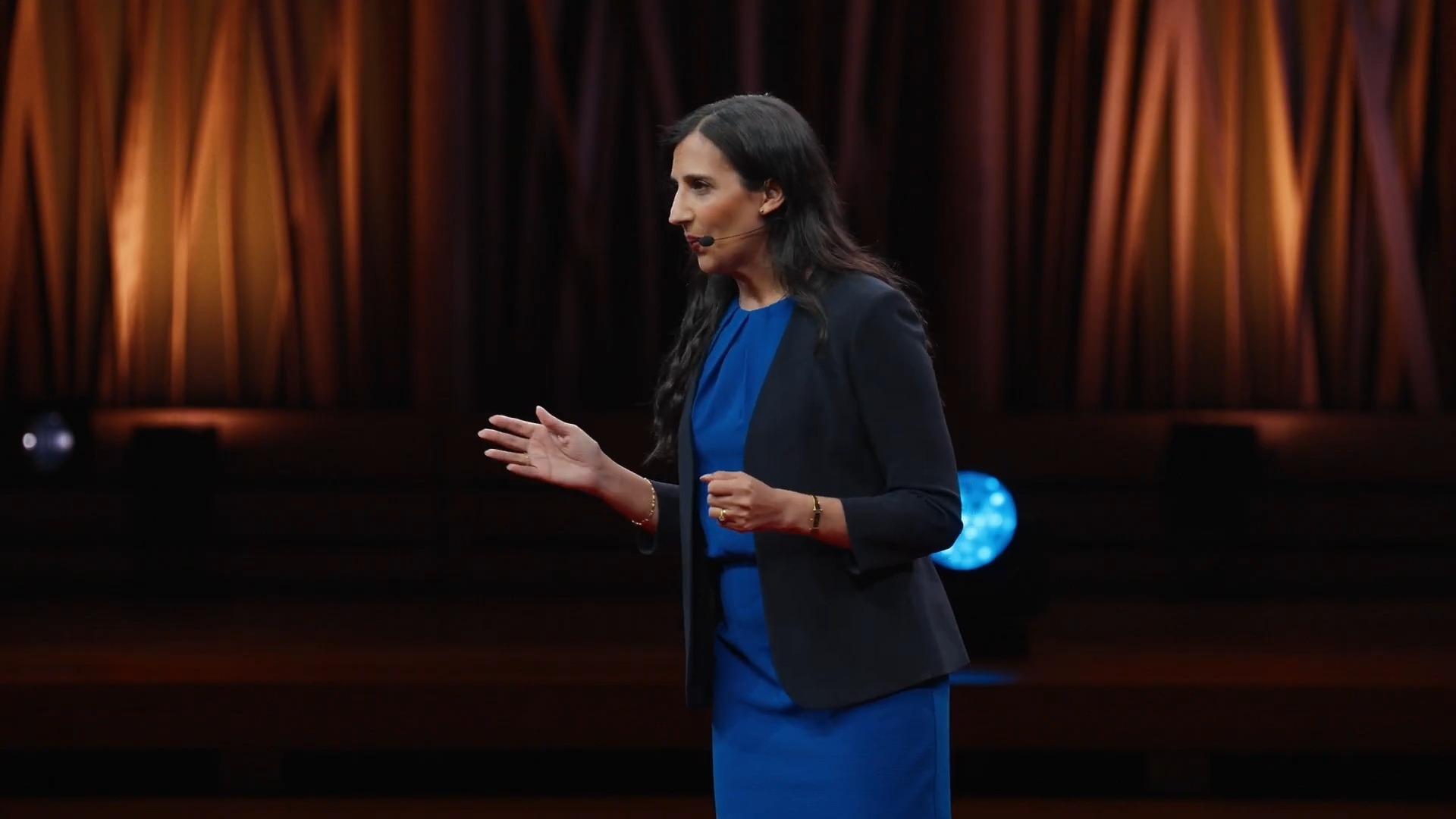
字幕摘录
| 时间 | 英文 | 中文 |
|---|---|---|
| 0:11 | My mother was the most obedient, compliant person I knew. | 我母亲是我认识的最听话的 |
| 0:17 | She was the type of woman who apologized when someone stood on her foot. | 当有人站在她的脚上时 她就是那种道歉的女人 |
| 0:23 | Petite, barely four foot ten, she was quiet, gentle, and conflict-avoiding, always putting | 矮小,只有4英尺10, 她安静,温柔,和避免冲突,总是放 |
| 0:30 | everybody else's needs above her own. | 其他人的需要都高于她自己的需要 |
| 0:33 | She did the cooking, the cleaning, the grocery shopping, everything. | 她做了烹饪 清洁 杂货店购物 一切 |
| 0:39 | And for most of my childhood, I thought, this is what goodness looks like. | 在我童年的大部分时间里,我想,这就是善良的样子。 |
| 0:44 | Being agreeable, pleasant, non-confrontational, being compliant, not defiant. | 讨人喜欢,愉快,非对抗,服从,不悖逆. |
| 0:54 | I thought defiance was something for other people. | 我以为违抗是别人的事 |
| 0:57 | It was loud, aggressive, bold, definitely not me, and certainly not her. | 声音大,攻击性强,大胆,绝对不是我,当然也不是她。 |
| 1:05 | Until one day when I was seven years old, and everything changed. | 直到有一天我七岁时 一切都变了 |
展开字幕全文(242 条)
| 序号 | 英文 | 中文 |
|---|---|---|
| 1 | My mother was the most obedient, compliant person I knew. | 我母亲是我认识的最听话的 |
| 2 | She was the type of woman who apologized when someone stood on her foot. | 当有人站在她的脚上时 她就是那种道歉的女人 |
| 3 | Petite, barely four foot ten, she was quiet, gentle, and conflict-avoiding, always putting | 矮小,只有4英尺10, 她安静,温柔,和避免冲突,总是放 |
| 4 | everybody else's needs above her own. | 其他人的需要都高于她自己的需要 |
| 5 | She did the cooking, the cleaning, the grocery shopping, everything. | 她做了烹饪 清洁 杂货店购物 一切 |
| 6 | And for most of my childhood, I thought, this is what goodness looks like. | 在我童年的大部分时间里,我想,这就是善良的样子。 |
| 7 | Being agreeable, pleasant, non-confrontational, being compliant, not defiant. | 讨人喜欢,愉快,非对抗,服从,不悖逆. |
| 8 | I thought defiance was something for other people. | 我以为违抗是别人的事 |
| 9 | It was loud, aggressive, bold, definitely not me, and certainly not her. | 声音大,攻击性强,大胆,绝对不是我,当然也不是她。 |
| 10 | Until one day when I was seven years old, and everything changed. | 直到有一天我七岁时 一切都变了 |
| 11 | I remember it vividly. | 我清楚地记得 |
| 12 | We were walking home from the grocery store in West Yorkshire, England, dragging our rickety | 我们从英国西约克郡的杂货店走回家 拖着我们的小货车 |
| 13 | shopping cart behind us. | 我们后面的购物车。 |
| 14 | My mom was wearing her blue-green sari, and she had her hair in a single, long, neat plait | 我妈妈穿着蓝绿色的莎丽, 她有她的头发在一个单一,长,整齐的花纹 |
| 15 | at the back. | 后面那个 |
| 16 | We took a shortcut through a narrow alleyway, a snicket, as we call it in West Yorkshire. | 我们从一条狭窄的小巷走捷径, 一条短裤,就像我们在西约克郡所说的。 |
| 17 | And that's when we saw them, a group of teenage boys who blocked our path. | 这时我们看到他们,一群十几岁的男孩 挡住了我们的道路。 |
| 18 | One of them yelled, go back home, and the others laughed. | 其中一人大叫,回家去,其他人大笑. |
| 19 | In that moment, my training kicked in. | 那一刻,我的训练开始。 |
| 20 | I did what I'd been taught to do, say nothing, keep quiet, keep the peace. | 我做了我所教的,什么都不说,保持安静,保持平静。 |
| 21 | I looked down, averted my gaze, and I just wanted to manoeuvre as fast as possible through | 我低头看 避开我的目光 我只是想尽可能快地通过 |
| 22 | the boys. | 孩子们。 |
| 23 | I grabbed my mom's arm, urging her to move with me, but she didn't move. | 我抓住了我妈的手臂 劝她跟我走 但她没动 |
| 24 | My quiet, deferential, never-confrontational mother didn't move. | 我安静 顺从 永不对抗的母亲没有动静 |
| 25 | This time, she did something completely different. | 这次她做了完全不同的事 |
| 26 | I was stunned. | 我被吓坏了。 |
| 27 | My mother, who always kept her head down, stopped, turned, and looked at those boys | 我妈妈一直低着头,停下来,转身,看着那些男孩 |
| 28 | straight in the eye. | 直冲眼睛 |
| 29 | And then she said calmly but firmly, what do you mean? | 然后她冷静但坚定地说, 什么意思? |
| 30 | My heart started to race, and I grabbed her arm even tighter and whispered, come on, Ma, | 我的心开始奔跑, 我抓住她的手臂更紧 并低声说,来吧,妈妈, |
| 31 | and tried to pull her away. | 并试图把她拉走。 |
| 32 | I was scared, embarrassed. | 我很害怕,尴尬。 |
| 33 | I wanted us to disappear, but she didn't move. | 我希望我们消失, 但她没有移动。 |
| 34 | She said no to me and shook off my arm, pulling the shopping cart up vertical, and with one | 她对我说不,并握起我的手臂, 拉起购物车垂直,和一个 |
| 35 | hand on her hip, she stood taller than I'd ever seen her, still only four foot ten, but | 手放在她的臀部,她站得比我见过的要高, 仍然只有4英尺10,但是, |
| 36 | somehow towering. | 不知何故高举. |
| 37 | Her voice sharpened. | 她的声音变尖了 |
| 38 | What do you mean? | 你说什么? |
| 39 | She said again to the boys. | 她再次对孩子们说。 |
| 40 | It wasn't a shout. | 这不是喊叫。 |
| 41 | It wasn't aggressive, but it was unmistakably defiant, and in that moment, everything I | 它不是攻击性的,但它是 无可置疑的违抗, 在那一刻,一切我 |
| 42 | thought I knew about who defies and who doesn't began to unravel. | 我以为我知道谁自欺欺人 谁会开始崩溃 |
| 43 | You see, I was raised to be good. | 你看,我长大了好。 |
| 44 | In fact, when I was little, my father told me that my name, Sunita, means good in Sanskrit, | 事实上,当我很小的时候,我父亲告诉我, 我的名字,Sunita,在梵语中的意思是好的, |
| 45 | and I tried to live up to it. | 我试着做到这点 |
| 46 | I was obedient at home, agreeable at school, a classic people pleaser at work. | 我在家很听话 在学校很受欢迎 工作上很讨人喜欢 |
| 47 | Compliance had been my training, and I was an excellent student. | 遵守是我的训练,我是一个优秀的学生。 |
| 48 | I did get five degrees after all. | 我毕竟得到了五度。 |
| 49 | Society doesn't just reward compliance. | 社会不只是奖励遵守. |
| 50 | It teaches it. | 其教化之义. |
| 51 | We're praised for going along, for keeping quiet, for not making trouble. | 我们被赞美 一起走, 保持安静, 没有制造麻烦。 |
| 52 | So I complied. | 所以我服从了 |
| 53 | I followed the script. | 我跟踪剧本 |
| 54 | I did what was expected of me. | 我做了我该做的事 |
| 55 | I became a physician. | 我成为一名医生。 |
| 56 | But even in medicine, with its principle of informed consent, I saw how deep compliance ran. | 但是,即使在医学领域,基于知情同意的原则,我看到了遵守的程度有多深。 |
| 57 | I watched patients comply with treatments and procedures that doctors told them to have, | 我看着病人遵守医生要求的治疗和程序, |
| 58 | but they didn't necessarily want. | 但他们不一定想要 |
| 59 | I saw nurses hesitate to speak up about errors. | 我看见护士在谈论错误时犹豫不决。 |
| 60 | I watched junior doctors like me follow orders which we questioned in private, | 我看着像我这样的初级医生 遵守我们私下询问的命令 |
| 61 | but never challenged out loud. | 但从不大声挑战 |
| 62 | I did it myself, and I became obsessed with one question. | 我自己做的, 我迷上了一个问题。 |
| 63 | Why do we go along with things that go against what we really want or even what we know is right? | 为什么我们和那些 违背我们真正想要的东西 甚至是我们所知道的东西是对的? |
| 64 | At first, I studied in medicine, then finance, then the criminal justice system. | 起初,我学习医学,然后是金融,然后是刑事司法制度。 |
| 65 | I'm now an organizational psychologist and professor at Cornell University. | 我现在是康奈尔大学的组织心理学家和教授. |
| 66 | I've spent decades studying compliance and defiance, influence and authority, | 我花了几十年研究遵守和藐视 影响和权威 |
| 67 | bad advice, and what it really takes to speak up. | 坏建议, 和真正需要如何说话。 |
| 68 | And the more that I looked, the more that I found this pattern of compliance everywhere. | 我越看越看, 我发现这种遵守模式的地方。 |
| 69 | High-stake situations like with patients and nurses, but also more mundane ones, | 像病人和护士那样高调 但也更普通 |
| 70 | like not correcting the wrong coffee order, | 喜欢不纠正错误的咖啡订单, |
| 71 | or not telling your hairdresser to stop when they tell you to trust them with a new cut. | 或者不让你的理发师停止 当他们叫你信任他们 用新的切口。 |
| 72 | I've been there, frozen in my seat, thinking, | 我去过那里, 冻在我的座位上,想, |
| 73 | Stop, stop, stop, but not saying anything. | 停,停,停,但不说任何事情。 |
| 74 | I've conducted studies across the UK and the US, | 我在英国和美国进行了研究 |
| 75 | two countries that pride themselves on independence, free thinking and agency. | 两个为独立、自由思维和代理而自豪的国家。 |
| 76 | And yet, even in the simplest of experiments, people comply at shockingly high rates. | 然而,即使在最简单的实验中,人们也以惊人的高率遵守. |
| 77 | Here's one example. | 这里有一个例子。 |
| 78 | Imagine you're choosing between two different lotteries, A and B. | 想象一下,你在选择两个不同的彩票,A和B。 |
| 79 | It's obvious that option A is clearly superior. | 很明显,选择A明显优越. |
| 80 | It's more than two times the expected value of B, | 这是B的两倍多的预期值 |
| 81 | and more than 95% of people will take it when given both options. | 95%以上的人会接受这两种选择。 |
| 82 | But someone, a stranger, recommends B. | 但有人,一个陌生人,推荐B。 |
| 83 | There's no consequences for disagreeing. | 异议无果. |
| 84 | Now, I find up to 85% of people follow the bad advice and take the worst option. | 现在,我发现多达85%的人 遵循坏的建议, 采取最坏的选择。 |
| 85 | Why? | 为什么? |
| 86 | Because saying no, however justified, | 因为说不,无论多么合理, |
| 87 | feels uncomfortable, awkward, confrontational, | 感觉不舒服,尴尬,对抗, |
| 88 | and we've never been taught how to do it. | 而且我们从来没有被教过怎么做。 |
| 89 | We spend so much time fearing what might happen if we speak up. | 我们花了这么多时间 担心我们说话会发生什么事 |
| 90 | We forget to ask, what is the cost of staying silent? | 我们忘了问,保持沉默的代价是什么? |
| 91 | And that cost, it's real. | 那笔钱是真的 |
| 92 | Regret, harm, stress, burnout, anxiety, | 遗憾,伤害,压力,燃烧,焦虑, |
| 93 | depression, dissatisfaction, chronic inflammation. | 抑郁症 不满症 慢性炎症 |
| 94 | But here's what's so human. | 但这里是如此人性. |
| 95 | Most of us want to speak up when it matters. | 我们大多数人都想当事情重要时说出来。 |
| 96 | We want to say no, to push back, to do the right thing, but we don't. | 我们想说不,推倒,做正确的事情,但我们没有. |
| 97 | And then we carry the weight of what we didn't say, | 然后我们承担了我们没有说的重量, |
| 98 | especially when we don't feel brave or powerful or ready, | 特别是当我们没有感到勇敢、强大或准备的时候, |
| 99 | especially when we think of ourselves as the compliant type. | 特别是当我们认为自己是顺从型。 |
| 100 | We believe defiance is for other people, not us. | 我们认为,藐视是针对其他人,而不是我们。 |
| 101 | But what if that belief is wrong? | 但如果这种信念是错误的呢? |
| 102 | What if defiance isn't a personality trait at all, but a practice? | 如果违抗不是个性特质 而是一种实践呢? |
| 103 | What if defiance isn't something you're born with, | 如果违抗不是你天生的 |
| 104 | but something you build, a skill set? | 但是,你创造的东西,一个技能集? |
| 105 | My studies revealed a great disconnect between people's private preferences | 我的研究显示人们的私人喜好之间 有很大的脱节 |
| 106 | and their public compliance. | 和他们公开遵守。 |
| 107 | In private, when no one was watching, they chose what they truly wanted. | 在私下里,当没有人在看的时候,他们选择了他们真正想要的东西. |
| 108 | But in public, under pressure, they comply. | 但是在公开场合,在压力下,他们服从. |
| 109 | It wasn't that they didn't know what they wanted, | 不是他们不知道自己想要什么 |
| 110 | they just didn't know how to act on it. | 他们只是不知道如何行动 |
| 111 | And they misinterpreted what saying no means. | 他们误解了什么是无谓的。 |
| 112 | So after decades of research and observation, I came to a revelation. | 因此经过几十年的研究和观察,我终于找到了一个启示。 |
| 113 | We have misunderstood what it means to defy. | 我们误解了反抗的意义。 |
| 114 | The Oxford English Dictionary defines defiance | 牛津英语词典定义了藐视 |
| 115 | as challenging the power of another person openly and boldly. | 公开和大胆地挑战他人的权力。 |
| 116 | I'm not one to usually disagree with the Oxford English Dictionary. | 我不是一个通常不同意 牛津英语词典。 |
| 117 | I grew up in the UK after all. | 我毕竟是在英国长大的 |
| 118 | But I think this definition is too narrow and it doesn't honour our agency. | 但我认为这个定义太狭隘了,不尊重我们的机构. |
| 119 | Defiance isn't just dominance or disruption. | 失败不仅仅是统治或破坏 |
| 120 | It's not rebellion for rebellion's sake. | 不为叛逆而叛逆. |
| 121 | It's not boldness or aggression, nor does it require superhuman courage. | 这既不是大胆,也不是侵略,也不需要超人的勇气. |
| 122 | My definition of defiance is simply acting in accordance with your true values, | 我对藐视的定义只是按照你真正的价值观行事 |
| 123 | especially when there is pressure to do otherwise. | 特别是有其他压力时 |
| 124 | It's not always aggressive. | 并非总有攻击性. |
| 125 | It's not always bold, but it is deliberate and it is powerful. | 它并不总是大胆的,但它是故意的,是强大的. |
| 126 | And when we redefine defiance in this way, | 当我们以这种方式重新定义藐视 |
| 127 | we move it from something negative, rare and risky, | 我们把它从 负面的,稀有的和危险的, |
| 128 | to something positive, accessible, meaningful and even pro-social. | 给一些积极、可及、有意义甚至有利于社会的东西。 |
| 129 | Something that changes not just our character, but also our communities. | 不仅改变我们的性格,也改变我们的社区。 |
| 130 | So the question becomes, how do we know when to defy? | 所以问题就变成,我们怎么知道什么时候可以反抗? |
| 131 | And just as importantly, how do we build the capacity to do it? | 同样重要的是,我们如何建立这样做的能力? |
| 132 | That's what led me to develop what I call the Defiance Compass. | 所以我才研制出所谓的"叛逆指南针" |
| 133 | It's a tool to help us find our way in those difficult situations. | 这是帮助我们在这些困难情况下找到出路的工具. |
| 134 | In my research and book, Defy, | 在我的研究和著作中,德菲 |
| 135 | I bring together three questions into a simple, actionable guide. | 我将三个问题合并为一个简单、可操作的指南。 |
| 136 | Because when we make these questions explicit, | 因为当我们明确这些问题时 |
| 137 | we can start to defy with clarity, not confusion. | 我们可以明确地开始反抗,而不是混淆。 |
| 138 | The first question is, who am I? | 第一个问题是,我是谁? |
| 139 | This grounds us in our values. | 这使我们有理由接受我们的价值观。 |
| 140 | It helps us remember what matters most. | 它帮助我们记住最重要的。 |
| 141 | Next, we can ask, what type of situation is this? | 接下来,我们可以问,这是什么情况? |
| 142 | This helps us figure out if it's safe to speak up. | 这能帮助我们弄清楚 说话是否安全 |
| 143 | Will it be effective? | 它会有效吗? |
| 144 | Will it have a positive impact? | 会产生积极影响吗? |
| 145 | Finally, we can face the question, what does a person like me do | 最后,我们可以面对一个问题, 像我这样的人做什么 |
| 146 | in a situation such as this? | 在这样的情况下? |
| 147 | This is the bridge between identity and action. | 这是身份和行动之间的桥梁。 |
| 148 | It helps us connect who we are with what we do. | 它帮助我们把我们的身份与我们的行为联系起来。 |
| 149 | And here's the key. | 这是关键 |
| 150 | That third question circles right back to the first. | 第三个问题就回到第一个 |
| 151 | Who am I? | 我是谁? |
| 152 | Because how we act again and again becomes who we are. | 因为我们如何一次又一次地行动 变成我们自己 |
| 153 | That's why the Defiance Compass isn't just a decision-making tool. | 所以"败坏的指南针"不仅仅是一个决策工具. |
| 154 | It's a practice, a loop, a way to become more of ourselves, | 这是一个练习,一个循环, 成为我们自己的方式, |
| 155 | one choice at a time. | 一次一个选择 |
| 156 | I realized that's exactly what my mom did in the alley that way. | 我意识到这正是我妈妈在巷子里做的 |
| 157 | Looking back, I believe she asked herself those three questions, | 回想起来 我相信她问了自己这三个问题 |
| 158 | maybe not consciously, but deeply. | 也许不是自觉的,而是深深的。 |
| 159 | Who am I? | 我是谁? |
| 160 | She was a mother, an immigrant, a woman who had endured years of slights. | 她是一个母亲,一个移民,一个经历过多年轻微经历的女人. |
| 161 | And on that day, her identity aligned with her values. | 在那一天,她的身份与她的价值观一致。 |
| 162 | Dignity, respect, equality. | 尊严 尊重 平等 |
| 163 | What type of situation is this? | 这是什么情况? |
| 164 | She saw that those boys were just boys. | 她看到那些男孩只是男孩。 |
| 165 | Loud, posturing, maybe even scared themselves. | 大声,装姿势,也许甚至吓着自己了 |
| 166 | It wasn't safe exactly, but it was possible. | 虽然不安全,但还是有可能的 |
| 167 | What does a person like me do in a situation like this? | 像我这样的人在这样的情况下会做什么? |
| 168 | She chose to act, not because she was fearless, but because she was ready. | 她选择行动,不是因为她无所畏惧,而是因为她已经准备好了. |
| 169 | And maybe because I was watching, she wanted to show me what defiance looked like. | 也许是因为我在看 她想给我看看什么是违抗 |
| 170 | So she stopped, turned, and looked at those boys in the eye. | 于是她停下来,转身, 看着那些男孩的眼睛。 |
| 171 | And she said, what do you mean? | 她说,你是什么意思? |
| 172 | And she said it again. | 她又说了一遍 |
| 173 | What do you mean? | 你说什么? |
| 174 | The boys didn't answer. | 男孩没有回答。 |
| 175 | So she continued, oh, yes, you think you're so clever. | 所以她继续,哦,是的,你觉得你很聪明。 |
| 176 | Big, strong, tough boys, right? | 大,强,强的男孩,对不对? |
| 177 | Still silence. | 还是寂静. |
| 178 | Until finally, one of the boys muttered, let's go. | 直到最后,一个男孩 哑巴,让我们去。 |
| 179 | And just like that, they dispersed. | 就这样,他们散开了。 |
| 180 | My mother, four foot ten in a sari, hair in a single plait, | 我的母亲,四英尺十英寸在莎丽, 头发在一个单格, |
| 181 | grabbed the shopping cart and moved forward briskly, head high, sari flowing behind her. | 抢走购物车,向前冲,头高,莎丽在她身后流淌。 |
| 182 | No fanfare, no victory speech, just a woman who'd chosen to act in alignment with who she was. | 没有粉丝,没有胜利演讲, 只是一个女人谁选择 行动与她是谁。 |
| 183 | That single moment changed everything for me. | 那一刻改变了我的一切 |
| 184 | It cracked open the idea that defiance belonged only to a certain kind of person. | 它打开了一个想法,即藐视只属于某种人。 |
| 185 | Sometimes the people you think are the least likely to defy | 有时你认为最不可能反抗的人 |
| 186 | surprises most because they've been quietly practicing. | 最令人惊讶的是 他们一直在悄悄练习 |
| 187 | Even Rosa Parks, before she gave her famous no on that bus in Montgomery, Alabama, | 甚至罗莎·帕克斯 在阿拉巴马州蒙哥马利的公交车上 |
| 188 | had complied with segregation laws many times. | 多次遵守隔离法。 |
| 189 | Each defiant moment is often preceded by hundreds of moments of compliance. | 每一次违抗的时刻往往都有数百个遵守的时刻。 |
| 190 | So I realized, you don't need to be a certain type of person to defy. | 所以我意识到,你不需要 成为某种类型的人来反抗。 |
| 191 | You just have to be connected to what matters. | 你只需要和重要的事情联系起来 |
| 192 | And our values define what matters most to us, who we are and who we want to be. | 我们的价值观决定了什么对我们最重要,我们是谁,我们想成为什么样的人。 |
| 193 | And when we abandon them, we abandon ourselves. | 而当我们抛弃他们, 我们抛弃自己。 |
| 194 | We think we are staying safe, | 我们认为我们的安全, |
| 195 | but we're actually drifting from who we are. | 但实际上我们正从我们的身份中漂移 |
| 196 | The most painful moments in life aren't when others betray us. | 生活中最痛苦的时刻 不是别人背叛我们的时候 |
| 197 | They're when we betray ourselves. | 是我们背叛自己的时候 |
| 198 | If we think defiance is only for the brave, we excuse ourselves from doing the work. | 如果我们认为违抗只是为了勇敢者,我们就原谅自己不做这项工作. |
| 199 | Understanding that it is a skill and something we can train for, | 理解它是一种技能 和我们可以训练的东西, |
| 200 | just like we train for anything else, is crucial. | 就像我们训练其他一切一样 至关重要 |
| 201 | So what can you do today if you find yourself caught in that moment? | 那么,如果你发现自己陷在那个时刻,你今天能做什么? |
| 202 | Pause. | 暂停 |
| 203 | Don't slide into your automatic compliance or default silence. | 不要滑入你的自动遵守或默认沉默。 |
| 204 | Connect. | 连线. |
| 205 | Connect with your values, who you are and who you want to be. | 联系你的价值观,你是谁,你想成为谁。 |
| 206 | Ask yourself, what does a person like me do in a situation like this? | 问问你自己,像我这样的人 在这样的情况下会做什么? |
| 207 | Because this matters, to know that we have a choice in how we act. | 因为这很重要,知道我们在如何行动方面有选择权。 |
| 208 | When we make decisions from a place of values, | 当我们从价值的地方做决定时, |
| 209 | not just once but repeatedly, we become someone we recognize, | 不只是一次,而且一再, 我们成为一个我们认识的人, |
| 210 | someone others can depend on, someone who lives with integrity. | 一个人可以依赖, 一个正直的生活。 |
| 211 | Defiance isn't a personality trait. | 失败不是个性特征 |
| 212 | It's a muscle, a compass, a practice. | 这是肌肉,指南针,练习。 |
| 213 | And every single one of us has the power to practice it. | 我们每个人都有这个能力 |
| 214 | That one moment of defiance didn't just change my mother, it changed me. | 那一刻的蔑视不仅改变了我母亲,也改变了我。 |
| 215 | Because I didn't inherit a personality, | 因为我没有继承人格 |
| 216 | I acquired a practice. | 我得到了一个练习。 |
| 217 | This is what I call the defiance domino effect, | 这就是我所说的 藐视多米诺效应, |
| 218 | a single act that reverberates often quietly through others. | 单一的行为经常悄悄地影响他人 |
| 219 | It shapes those who witness it and it ripples forward in ways that we may never see. | 它塑造了见证它的人,它以我们永远看不到的方式波及我们。 |
| 220 | Years after that day in the alley, I learned something striking about Rosa Parks. | 在那之后的几年里,在巷子里,我学到了罗莎·帕克斯的惊人之处. |
| 221 | Before she ever made history with her famous snow on the bus, | 在她用她著名的雪在巴士上创造历史之前 |
| 222 | she once witnessed as a child her own mother defy. | 她小时候曾亲眼目睹她母亲的反抗 |
| 223 | As the story goes, the bus driver told her mother | 事情是这样的,巴士司机告诉她妈妈 |
| 224 | she'd have to move for a white passenger or be thrown off. | 她得为一名白人乘客搬家 或者被扔下去 |
| 225 | Her mother calmly said, I don't think you will do that. | 她妈妈冷静地说,我不认为你会这样做。 |
| 226 | It wasn't loud or dramatic, but it must have stayed with Rosa. | 声音和戏剧性都不大 但肯定和罗莎在一起 |
| 227 | Just like that moment in the alley stayed with me. | 就像巷子里的那一刻一样 和我在一起 |
| 228 | It planted something. | 它植入了一些东西。 |
| 229 | And my hope is this. | 我希望是这样。 |
| 230 | If we can practice defiance, if we can role model it, train for it, parent for it, | 如果我们能进行藐视,如果我们能 树立榜样,训练它,父母为它, |
| 231 | then one day, one day in that same alleyway, one of the teenage boys will speak up. | 然后有一天 在同一条小巷里 有个十几岁的男孩会说出来 |
| 232 | He'll turn to his friends and say, that's not okay. | 他会去找朋友说,这不行 |
| 233 | Let them pass. | 让他们通过。 |
| 234 | So that my immigrant mother or somebody else's won't have to carry it alone. | 这样我移民母亲或其他人就不用独自携带了 |
| 235 | Because every single act of consent, of compliance and dissent | 因为每一个同意、遵守和异议的行为 |
| 236 | changes not just our story, but the stories of our society. | 不仅改变了我们的故事 也改变了我们社会的故事 |
| 237 | It affects our lives, our workplaces, our communities. | 它影响我们的生活、工作场所和社区。 |
| 238 | It creates the world we live in. | 它创造了我们生活的世界。 |
| 239 | We change ourselves. | 我们改变自己。 |
| 240 | We change the people around us. | 我们改变周围的人。 |
| 241 | We change the culture. | 我们改变文化。 |
| 242 | And maybe, just maybe, we can change the world. | 也许,也许,只是也许, 我们可以改变世界。 |
该视频共有字幕 242 条。解锁更多字幕为会员功能,请移动到 价格