【TED演讲】成瘾的力量与权力的成瘾
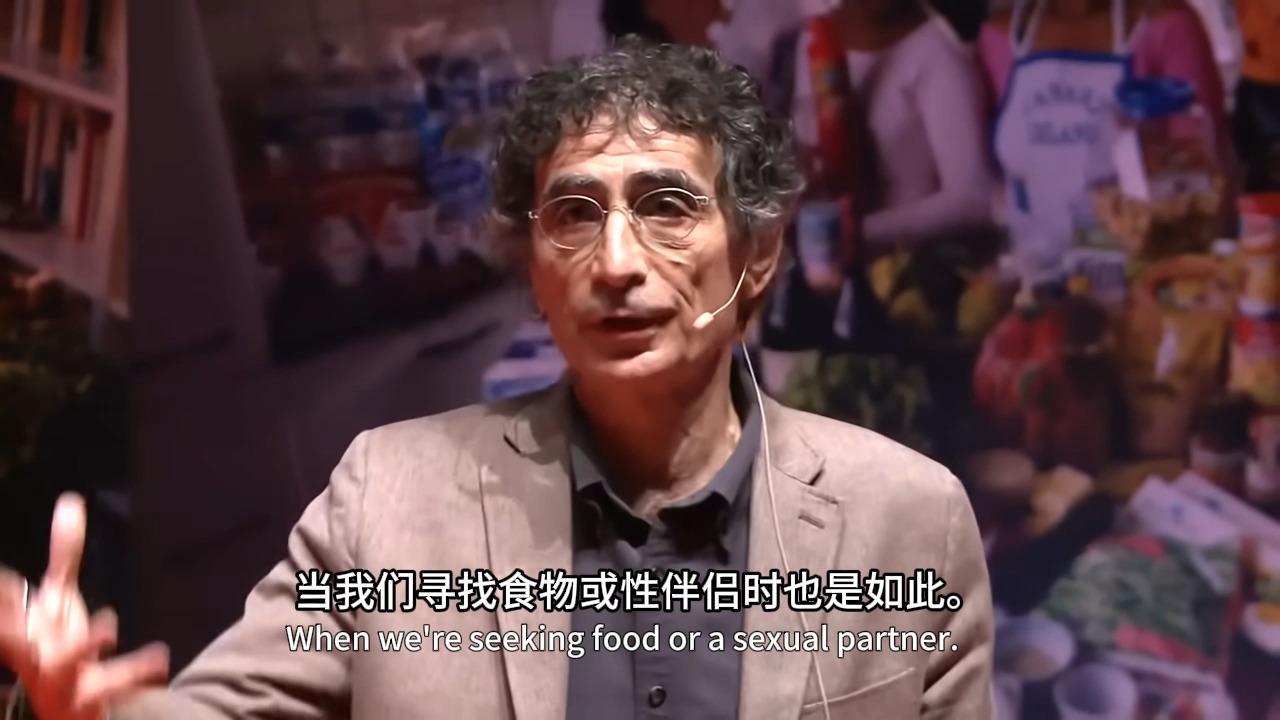
字幕摘录
| 时间 | 英文 | 中文 |
|---|---|---|
| 0:10 | I've come to talk to you about addiction, the power of addiction, but also addiction | 我是来跟你谈瘾君子 瘾君子的力量 还有瘾君子 |
| 0:15 | to power. | 对权力。 |
| 0:16 | As a medical doctor, I work in Vancouver, Canada, and I've worked with some very, very | 作为一名医生,我在加拿大温哥华工作, 我和一些非常,非常 |
| 0:21 | addicted people, people who use heroin, they inject cocaine, they drink alcohol, crystal | 瘾君子 海洛因使用者 可卡因注射者 酗酒者 水晶者 |
| 0:28 | meth, and every drug known to man. | 冰毒,还有人类所知道的每一种药物 |
| 0:31 | And these people suffer. | 这些人受苦受难。 |
| 0:33 | If the success of a doctor is to be measured by how long his patients live, then I'm a | 如果一个医生的成功是衡量 他的病人的寿命,那么我是一个 |
| 0:39 | failure because my patients die very young, relatively speaking. | 失败是因为我的病人死得很年轻 相对而言 |
| 0:44 | They die of HIV, they die of hepatitis C, they die of infections of their heart valves, | 他们死于HIV,他们死于丙肝,他们死于心脏瓣膜感染, |
| 0:50 | they die of infections of their brains, of their spine, of their hearts, of their bloodstream. | 他们死于脑部感染 脊椎感染 心脏感染 血液感染 |
展开字幕全文(292 条)
| 序号 | 英文 | 中文 |
|---|---|---|
| 1 | I've come to talk to you about addiction, the power of addiction, but also addiction | 我是来跟你谈瘾君子 瘾君子的力量 还有瘾君子 |
| 2 | to power. | 对权力。 |
| 3 | As a medical doctor, I work in Vancouver, Canada, and I've worked with some very, very | 作为一名医生,我在加拿大温哥华工作, 我和一些非常,非常 |
| 4 | addicted people, people who use heroin, they inject cocaine, they drink alcohol, crystal | 瘾君子 海洛因使用者 可卡因注射者 酗酒者 水晶者 |
| 5 | meth, and every drug known to man. | 冰毒,还有人类所知道的每一种药物 |
| 6 | And these people suffer. | 这些人受苦受难。 |
| 7 | If the success of a doctor is to be measured by how long his patients live, then I'm a | 如果一个医生的成功是衡量 他的病人的寿命,那么我是一个 |
| 8 | failure because my patients die very young, relatively speaking. | 失败是因为我的病人死得很年轻 相对而言 |
| 9 | They die of HIV, they die of hepatitis C, they die of infections of their heart valves, | 他们死于HIV,他们死于丙肝,他们死于心脏瓣膜感染, |
| 10 | they die of infections of their brains, of their spine, of their hearts, of their bloodstream. | 他们死于脑部感染 脊椎感染 心脏感染 血液感染 |
| 11 | They die of suicide, of overdose, of violence, of accidental deaths. | 他们死于自杀、过量、暴力、意外死亡。 |
| 12 | And if you look at them, you call to mind the words of the great Egyptian novelist, | 如果你看看他们,你呼吁 记住伟大的埃及小说家的话, |
| 13 | Naguib Mahfouz, who wrote, nothing records the effects of a sad life as graphically as | 写作的纳吉布·马赫福兹(Naguib Mahfouz) 没有任何东西能以图形化的方式记录悲惨生活的效果,如: |
| 14 | the human body, because these people lose everything. | 因为这些人失去了一切 |
| 15 | They lose their health, they lose their beauty, they lose their teeth, they lose their wealth, | 失去健康 失去美貌 失去牙齿 失去财富 |
| 16 | they lose human relationship, and in the end, they often lose their lives. | 他们失去了人际关系,最后,他们常常失去生命。 |
| 17 | And yet nothing shakes them from their addiction, nothing can force them to give up their addiction. | 然而,没有什么能让他们摆脱毒瘾, 没有什么能迫使他们放弃毒瘾。 |
| 18 | The addictions are powerful, and the question is why? | 上瘾者强,而问其故? |
| 19 | And as one of my patients said to me, I'm not afraid of dying, he said, I'm more afraid | 正如我的一位病人对我说 我不怕死 他说 我更害怕 |
| 20 | of living. | 活下来 |
| 21 | And the question we have to ask is, why are people afraid of life? | 我们要问的问题是 人们为什么害怕生命? |
| 22 | And if you want to understand addiction, you can't look at what's wrong with the addiction, | 如果你想了解上瘾 就不能看上瘾有什么问题 |
| 23 | you have to look at what's right about it. | 你必须看看什么是正确的。 |
| 24 | In other words, what is the person getting from the addiction? | 换句话说,从瘾君子身上得到什么? |
| 25 | What are they getting that otherwise they don't have? | 他们得到的是什么 否则他们没有? |
| 26 | And what addicts get are relief from pain, what they get is a sense of peace, a sense | 瘾君子得到的就是远离痛苦, 他们得到的是一种和平感,一种感觉 |
| 27 | of control, a sense of calmness, very, very temporarily. | 一种平静的感觉 非常非常短暂 |
| 28 | And the question is, why are these qualities missing from their lives? | 问题是,为什么这些品质会从他们的生活中消失? |
| 29 | What happened to them? | 他们怎么了? |
| 30 | Now if you look at the drugs like heroin, like morphine, like codeine, if you look at | 现在如果你看看毒品 像海洛因, 像吗啡, 像可待因,如果你看 |
| 31 | cocaine, if you look at alcohol, these are all painkillers. | 可卡因,如果你看酒精, 这些都是止痛药。 |
| 32 | One way or another, they all soothe pain, and that's where the real question in addiction | 不管是哪种方式,他们都 舒缓疼痛, 这就是真正的问题 在上瘾 |
| 33 | is not why the addiction, but why the pain. | 不是为什么上瘾 而是为什么痛苦 |
| 34 | 我刚刚读完Keith Richards的传记 吉他手 | |
| 35 | Stones, and as you probably know, everybody's still surprised that Richards is still alive | 斯通斯,你可能也知道, 每个人都感到惊讶 理查德斯还活着 |
| 36 | today because he was a heavy duty heroin addict for a long time, and in his biography he writes | 今天,因为他是个很长一段时间的重职海洛因瘾君子 在他的传记中,他写 |
| 37 | that the addiction was all about looking for oblivion, looking for forgetting. | 瘾君子只是寻找遗忘 寻找遗忘 |
| 38 | He said the contortions that we go through just not to be ourselves for a few hours, | 他说,我们经历的轮廓 只是不做我们自己几个小时, |
| 39 | and I understand that very well myself because I know that discomfort with myself, I know | 我自己也非常明白 因为我知道自己很不舒服 |
| 40 | that discomfort being in my own skin, I know that desire to escape from my own mind. | 那种不愉快的 在我的皮肤, 我知道的欲望 从我自己的心灵。 |
| 41 | The great British psychiatrist R.D. | 伟大的英国心理医生R. D. |
| 42 | Lang said that there are three things that people are | 朗说,有三件事是人 |
| 43 | afraid of. | 恐惧。 |
| 44 | They're afraid of death, of other people, and their own minds. | 他们害怕死亡,害怕别人,害怕自己的思想. |
| 45 | And for a long time in my life I wanted to distract myself from my own mind because I | 在我生命的很长一段时间里 我想分散我的注意力 因为我 |
| 46 | was afraid to be alone with it. | 害怕独自一人 |
| 47 | And how would I distract myself? | 我怎么会分心呢? |
| 48 | Well, I've never used drugs, but I've distracted myself through work and throwing myself into | 好吧,我从来没有吸毒, 但我分心 通过工作,并把自己投入 |
| 49 | activity, and I've distracted myself through shopping, in my case for classical compact | 我从购物中分心了 就我而言 古典的紧凑 |
| 50 | music, classical compact discs. | 音乐 古典光盘 |
| 51 | But I've been a real addict that way. | 但我是个瘾君子 |
| 52 | One week I spent $8,000 on the classical compact discs, not because I wanted to, but because | 一个星期我花了8000美元在古典光盘上 不是因为我想,而是因为 |
| 53 | I couldn't help going back to the store. | 我忍不住要回店里了 说吧 |
| 54 | And as a medical doctor I used to deliver a lot of babies, and once I left a woman in | 作为一名医生,我曾经接生过很多婴儿, 一旦我离开一个女人在 |
| 55 | the hospital to get a classical piece of music. | 医院去买古典音乐 |
| 56 | And I still could have made it back to the hospital on time, but once you're in the store | 我仍然可以及时赶回医院 但你一到店里 |
| 57 | you can't leave because there are these evil classical music dealers in the aisles, you | 你不能离开 因为走廊里有那些邪恶的古典音乐商 |
| 58 | know, who, hey buddy, have you listened to the latest Mozart symphony cycle? | 你知道,谁,嘿,伙计, 你听了最新的莫扎特交响乐周期? |
| 59 | You haven't? | 你没有吗? |
| 60 | Well, so I missed the delivery of that baby. | 我错过了孩子的分娩 |
| 61 | And I'd come home and I'd lie to my wife about it, like any addict, I would lie about it. | 我回家后会骗我妻子, 像任何瘾君子一样,我会骗她 |
| 62 | And I would ignore my own children because of my obsession with work and with music. | 因为我对工作和音乐的痴迷,我会忽略我自己的孩子。 |
| 63 | So I know what that escape from the self is like. | 所以我知道那种逃避自我的感觉 |
| 64 | And my definition of addiction is any behavior that gives you temporary relief, temporary | 我对成瘾的定义是任何让你暂时 暂时 |
| 65 | pleasure, but in the long term causes harm, has some negative consequences, and you can't | 快乐,但从长远来看,伤害, 有一些消极的后果,你不能 |
| 66 | give it up despite those negative consequences. | 尽管有这些负面后果,还是放弃吧。 |
| 67 | And from that perspective you can understand that there's many, many addictions. | 从这个角度看,你可以理解, 有很多,很多的成瘾。 |
| 68 | Yes, there's the addiction to drugs, but there's also the addiction to consumerism, there's | 是的,有瘾 药物,但也有瘾 消费主义,有 |
| 69 | the addiction to sex, to the internet, to shopping, to food. | 性瘾 互联网 购物 食物 |
| 70 | The Buddhists have this idea of the hungry ghosts. | 诸佛子有饿鬼之意. |
| 71 | The hungry ghosts are creatures with large empty bellies and small scrawny necks and | 饥饿的鬼是有着大空腹和小瘦颈的生物 |
| 72 | tiny little mouths, so they can never get enough, they can never fill this emptiness | 小嘴,所以他们永远得不到足够的, 他们永远不能填满这个空虚 |
| 73 | on the inside. | 在内部。 |
| 74 | And we all hungry ghosts in this society, we all have this emptiness, and so many of | 我们在这个社会中都饿鬼, 我们都有这种空虚,如此之多 |
| 75 | us are trying to fill that emptiness from the outside, and the addiction is all about | 我们试图填补 空虚的外部, 和毒瘾是所有 |
| 76 | trying to fill that emptiness from the outside. | 试图填补外面的空虚 |
| 77 | Now if you want to ask the question of why people are in pain, you can't look at their | 现在如果你想问 为什么人们痛苦, 你不能看他们 |
| 78 | genetics, you have to look at their lives. | 遗传学,你得看看他们的生活。 |
| 79 | And in the case of my patients, my highly addicted patients, it's very clear why they're | 对于我的病人, 我的高度上瘾的病人, 很清楚为什么他们 |
| 80 | in pain, because they've been abused all their lives, they began life as abused children. | 在痛苦中,因为他们被虐待 一生,他们开始生命 作为受虐待的儿童。 |
| 81 | All the women I worked with over a 12 year period, hundreds of them, they had all been | 所有与我共事过12年的女人, 数百个,她们都曾经 |
| 82 | sexually abused as children. | 儿童时遭受性虐待。 |
| 83 | And the men had been traumatized as well, the men had been sexually abused, neglected, | 男人们也受到了创伤 男人们受到性虐待 被忽视 |
| 84 | physically abused, abandoned, and emotionally hurt over and over again. | 身体受到虐待,被遗弃,感情上也不断受到伤害. |
| 85 | And that's why the pain. | 故曰痛处. |
| 86 | And there's something else here too, the human brain. | 这里还有别的东西,人类的大脑。 |
| 87 | The human brain itself, as you heard already, develops an interaction with the environment. | 正如你已经听到的那样,人类的大脑本身 发展了与环境的相互作用。 |
| 88 | It's not just genetically programmed. | 不只是转基因程序 |
| 89 | So the kind of environment that a child has will actually shape the development of the | 因此,儿童拥有的环境 将实际塑造发展 |
| 90 | brain. | 大脑。 |
| 91 | Now, I can tell you about two experiences with mice. | 现在,我可以告诉你两个关于老鼠的经历。 |
| 92 | You take a little mouse, and you put food in his mouth, and he'll eat it and enjoy | 你拿一只小老鼠,你把食物在他的嘴, 他会吃它,享受 |
| 93 | it and swallow it, but if you put the food down a few inches away from his nose, he will | 吞下它,但如果你把食物 放下几英寸的鼻子,他会 |
| 94 | not move to eat it. | 不要动吃它。 |
| 95 | He will actually starve to death rather than eat. | 他实际上会饿死而不是吃。 |
| 96 | Why? | 为什么? |
| 97 | Because genetically they knocked out the receptors for a chemical in the brain called dopamine. | 因为在基因上,他们把大脑中一种叫做多巴胺的化学物质的受体打掉了. |
| 98 | Dopamine is the incentive motivation chemical. | 多巴胺是激励性化学物质. |
| 99 | Dopamine flows whenever we're motivated, excited, vital, vibrant, curious about something. | 多巴胺会随时间而流动, 只要我们有动机,兴奋, 至关重要,充满活力,对某种事物好奇. |
| 100 | When we're seeking food or a sexual partner. | 当求食或性伴侣. |
| 101 | Without the dopamine, we have no motivation. | 没有多巴胺 我们没有动机 |
| 102 | Now, what do you think the addict gets? | 你觉得瘾君子会得到什么? |
| 103 | When the addicts shoot cocaine, the addict shoots crystal meth, or almost any drug, they | 当瘾君子注射可卡因时 瘾君子会注射冰毒 或几乎任何药物 |
| 104 | get a hit of dopamine in their brain. | 在他们的大脑里注射多巴胺 |
| 105 | And the question is, what happened to their brains in the first place? | 问题是,他们的大脑到底怎么了? |
| 106 | Because it's a myth that drugs are addictive. | 因为它是一个迷信 毒品是上瘾。 |
| 107 | Drugs are not by themselves addictive, because most people who try most drugs never become | 毒品本身不是上瘾的 因为大多数尝试毒品的人 永远不会变成 |
| 108 | addicted. | 上瘾了 |
| 109 | So the question is, why are some people vulnerable to be addicted? | 所以问题是,为什么有些人容易上瘾? |
| 110 | Just like food is not addictive, but to some people it is, shopping is not addictive, but | 就像食物不会上瘾 但对于有些人来说 购物不会上瘾 但是 |
| 111 | to some people it is, television is not addictive, but to some people it is. | 对有些人来说,电视不是上瘾的,而是一些人上瘾的。 |
| 112 | So the question is, why the susceptibility? | 问题是,为什么易感? |
| 113 | There's another little experiment with mice where infant mice, if they're separated from | 还有一个小实验是小鼠 如果它们分开 |
| 114 | the mothers, will not cry for their mothers. | 母亲们不会为母亲哭泣 |
| 115 | Now, what would that mean in the wild? | 野外有什么意义? |
| 116 | It means that they would die, because only the mother protects the child's life and nurtures | 这意味着他们会死 因为只有母亲能保护孩子的生命 并抚养孩子 |
| 117 | the child. | 孩子们 |
| 118 | And why? | 为什么? |
| 119 | Because genetically, they knocked out the receptors, the chemical binding sites in the | 因为基因上,他们把受体, 化学结合点都打掉了 |
| 120 | brain, for endorphins. | 大脑,用于内啡素。 |
| 121 | And endorphins are our indigenous morphine-like substances. | 而内啡素是我们本地的吗啡类物质。 |
| 122 | Endorphins are our own natural painkillers. | 肾上腺素是我们的天然止痛药 |
| 123 | But morphine, or what endorphins also do, they make possible the experience of love. | 但吗啡,或者内啡素也这样做,它们使得爱的经历成为可能. |
| 124 | They make possible the experience of attachment to the parent and the parent's attachment | 它们使亲子关系和亲子关系成为可能 |
| 125 | to the child. | 给孩子 |
| 126 | So these little mice without endorphin receptors in their brains will actually not call for | 所以这些小鼠脑部没有内啡素受体 实际上不会要求 |
| 127 | their mothers. | 他们的母亲。 |
| 128 | In other words, the addiction to these drugs, and of course the heroin and the morphine, | 换句话说,这些药物的成瘾 当然还有海洛因和吗啡 |
| 129 | what they do is they act on the endorphin system. | 他们做的是利用内啡素系统 |
| 130 | That's why they work. | 这就是为什么他们工作。 |
| 131 | And so the question is, what happens to people that they need these chemicals from the outside? | 所以问题在于,人们需要这些化学物质时会怎样? |
| 132 | Well, what happens to them is when they're abused as children, those circuits don't develop. | 他们的下场是 当他们小时候被虐待时 那些电路不会发展 |
| 133 | When you don't have love and connection in your life, when you're very, very young, then | 当你的生活中没有爱和联系, 当你非常,非常年轻,然后 |
| 134 | those important brain circuits just don't develop properly. | 那些重要的脑电路 只是发展不当。 |
| 135 | And under conditions of abuse, things just don't develop properly. | 而在虐待的条件下,事情就是发展不当. |
| 136 | And their brains then are susceptible when they do the drugs, now they feel normal, now | 他们的大脑在服用药物时会变得脆弱 现在他们觉得正常了 |
| 137 | they feel pain relief, now they feel love. | 他们感到痛苦,现在他们感到爱。 |
| 138 | And as one patient said to me that when I first did heroin, she said, it felt like a | 正如一位病人对我说 当我第一次做海洛因时 她说,感觉就像一种 |
| 139 | warm, soft hug, just like a mother hugging a baby. | 温暖,柔软的拥抱, 就像母亲拥抱婴儿。 |
| 140 | Now, I've had that same emptiness, not to the same degree as my patients. | 现在,我也有同样的空虚, 不像我的病人。 |
| 141 | What happened to me? | 我发生了什么事? |
| 142 | What happened to me is that I was born in Budapest, Hungary in 1944 to Jewish parents | 我1944年出生在匈牙利布达佩斯 父母是犹太人 |
| 143 | just before the Germans occupied Hungary. | 就在德国人占领匈牙利之前 |
| 144 | And you know what happened to the Jewish people in Eastern Europe. | 你知道东欧犹太人的遭遇 |
| 145 | And I was two months old when the German army moved into Budapest, the Wehrmacht, and the | 当德国军队进入布达佩斯时,我只有两个月大, |
| 146 | day after they did, my mother phoned the pediatrician and she said, would you please come and see | 我妈妈打电话给儿科医生 她说,请你过来看看 |
| 147 | Gabor because he's crying all the time. | 盖伯因长哭. |
| 148 | And the pediatrician said, of course I will come to see him, but I should tell you, all | 儿科医生说 我当然会来看他 但我应该告诉你 |
| 149 | my Jewish babies are crying. | 我的犹太宝宝在哭 |
| 150 | Now why? | 为什么? |
| 151 | What do babies know about Hitler or genocide or war? | 婴儿们对希特勒 种族灭绝或战争了解多少? |
| 152 | Nothing. | 没什么 |
| 153 | What we're picking up on is the stresses and the terrors and the depression of our mothers. | 我们得到的是我们母亲的压力、恐怖和萧条。 |
| 154 | And that actually shapes the child's brain. | 这实际上塑造了孩子的大脑。 |
| 155 | That actually shapes the child's brain. | 这实际上塑造了孩子的大脑。 |
| 156 | And of course, what happens then is I get the message that the world doesn't want me. | 当然,会发生什么是 我得到的信息是 世界并不想要我。 |
| 157 | Because if my mother's not happier on me, she must not want me. | 因为如果我母亲不高兴的话 她一定不想要我 |
| 158 | Why do I become a workaholic later? | 为什么我以后会变成一个工作狂? |
| 159 | Because if they don't want me, at least they're going to need me. | 因为如果他们不想要我 至少他们会需要我 |
| 160 | Now I'll be an important doctor, and they're going to need me. | 现在我要成为一位重要的医生 他们需要我 |
| 161 | And that way I can make up for the feeling of not being wanted in the first place. | 这样我就能弥补最初不被通缉的感觉. |
| 162 | And what does that mean? | 这是什么意思? |
| 163 | It means that I'm working all the time, and when I'm not working, I'm consumed by buying music. | 这意味着我一直在工作,当我不工作的时候,我被购买音乐所消耗. |
| 164 | What message do my kids get? | 我的孩子有什么消息吗? |
| 165 | My kids get the same message that they're not wanted. | 我的孩子得到同样的信息 他们不被通缉。 |
| 166 | And this is how we pass it on. | 这就是我们如何传递它。 |
| 167 | We pass on the trauma and we pass on the suffering unconsciously from one generation to the next. | 我们把创伤传给别人,把痛苦从一代传给下一代。 |
| 168 | So obviously, there are many, many ways to fill this emptiness. | 所以很明显,有很多种方法可以填补这种空虚。 |
| 169 | And for each person, there's a different way of filling the emptiness. | 而为人各有补虚之法. |
| 170 | But the emptiness always goes back to what we didn't get when we were very small. | 但空虚总是回到我们很小的时候没有得到的. |
| 171 | What we didn't get when we were very small. | 我们小时候没有得到的 |
| 172 | And then we look at the drug addict. | 然后我们看看瘾君子 |
| 173 | And we say to the drug addict, how can you possibly do this to yourself? | 我们告诉瘾君子 你怎么能这样对自己? |
| 174 | How can you possibly inject this terrible substance into your body that may kill you? | 你怎么可能把这种可怕的物质 注入你的身体 可能会杀了你? |
| 175 | But look at what we're doing to the earth. | 但观诸众生所行. |
| 176 | Rejecting all kinds of things into the atmosphere and the oceans and the environment | 拒绝各种事物进入大气层、海洋和环境 |
| 177 | that is killing us, that's killing the earth. | 那会害死我们,那会害死地球 |
| 178 | Now, which addiction is greater? | 现在,哪个瘾是更大的? |
| 179 | The addiction to oil or to consumerism? | 对石油或消费主义的毒瘾? |
| 180 | Which causes the greater harm? | 是什么造成更大的伤害? |
| 181 | And yet, we judge the drug addict because we actually see that they're just like us. | 然而,我们判断瘾君子 是因为我们看到他们跟我们一样 |
| 182 | And we don't like that. | 我们不喜欢这样 |
| 183 | So we say, you're different from us. | 所以我们说 你跟我们不一样 |
| 184 | You're worse than we are. | 你比我们更坏。 |
| 185 | On the plane to São Paulo and Rio de Janeiro, I was reading the New York Times on June the 9th. | 在飞往圣保罗和里约热内卢的飞机上,我在6月9日阅读了"纽约时报". |
| 186 | And it was an article about Brazil. | 这是一篇关于巴西的文章。 |
| 187 | And the article was about a man called Nizio Gomes, a leader of the Guarani people in the Amazon | 这篇文章是关于一个叫尼齐奥·戈梅斯的人 亚马逊瓜拉尼人的领导人 |
| 188 | who was killed last November. | 他去年十一月被杀了 |
| 189 | And you probably heard about him. | 你可能听说过他 |
| 190 | And he was killed because he was protecting his people from the big farmers and companies | 他被杀是因为他在保护人民免受大农民和大公司的伤害 |
| 191 | that are taking over the rainforest and destroying the rainforest | 占据了雨林 摧毁了雨林 |
| 192 | and destroying the habitat of the native Indian people here in Brazil. | 摧毁了巴西本地印第安人的栖息地 |
| 193 | And I can tell you that coming from Canada, the same thing has happened over there. | 我可以告诉你,从加拿大来的, 也发生了同样的事情。 |
| 194 | And many of my patients were actually First Nations Indian people, native Indian people in Canada. | 我的许多病人实际上是原住民印第安人, 加拿大的原住民。 |
| 195 | And they are heavily addicted. | 他们严重上瘾。 |
| 196 | They make up a small percentage of the population. | 它们占人口的一小部分。 |
| 197 | But they make up a large percentage of the people in jail, the people who are addicted, | 但他们占监狱里 瘾君子的很大一部分 |
| 198 | the people who are mentally ill, the people who commit suicide. | 精神病患者 自杀者 |
| 199 | Why? | 为什么? |
| 200 | Because the lands were taken away from them. | 因为土地被夺走 |
| 201 | And because they were killed and abused for generations and generations and generations. | 也因为他们世代相传被杀害和虐待。 |
| 202 | But the question I ask is, if you can understand the suffering of these native people | 但我问的问题是 如果你能理解这些原住民的痛苦 |
| 203 | and how that suffering makes them seek relief from pain in their addictions, | 和那痛苦如何使他们 寻求免于痛苦的毒瘾, |
| 204 | what about the people who are perpetrating it? | 那些犯下这种罪行的人呢? |
| 205 | What are they addicted to? | 他们对什么上瘾? |
| 206 | Well, they're addicted to power. | 他们对权力上瘾了 |
| 207 | They're addicted to wealth. | 他们沉迷于财富 |
| 208 | They're addicted to acquisition. | 他们沉迷于收购。 |
| 209 | They want to make themselves bigger. | 他们想让自己变大 |
| 210 | And when I was trying to understand the addiction to power, | 当我试图理解对权力的依赖时, |
| 211 | I looked at some of the most powerful people in history. | 我看过一些历史上最有权势的人。 |
| 212 | I looked at Alexander the Great. | 我看着亚历山大大帝。 |
| 213 | I looked at Napoleon. | 我看着拿破仑。 |
| 214 | I looked at Hitler. | 我看着希特勒。 |
| 215 | I looked at Genghis Khan. | 我看着成吉思汗 |
| 216 | I looked at Stalin. | 我看着斯大林。 |
| 217 | It's very interesting when you look at these people. | 当你看着这些人时,这很有趣。 |
| 218 | First of all, why did they need power so much? | 首先,为什么他们如此需要权力? |
| 219 | Interestingly enough, physically, they were all very small people. | 有趣的是,在身体上,他们都是非常小的人。 |
| 220 | My size. | 我的尺寸 |
| 221 | Or smaller, actually smaller. | 或者更小,实际上更小。 |
| 222 | They came from outsiders. | 他们来自外人。 |
| 223 | They were not part of the major population. | 他们不是主要人口的一部分。 |
| 224 | Stalin was a Georgian, not a Russian. | 斯大林是格鲁吉亚人,不是俄罗斯人. |
| 225 | Napoleon was a Corsican, not a Frenchman. | 拿破仑是科西甲人,不是法国人. |
| 226 | Alexander was a Macedonian, not a Greek. | 亚历山大是马其顿人,而不是希腊人. |
| 227 | And Hitler was an Austrian, not a German. | 希特勒是奥地利人 不是德国人 |
| 228 | So a real sense of insecurity and inferiority. | 因此,真正的不安全感和自卑感。 |
| 229 | And they needed power to feel okay in themselves, | 他们需要力量来感受自己 |
| 230 | to make themselves bigger. | 让自己变大 |
| 231 | And in order to get that power, | 为了获得这种力量 |
| 232 | they're quite willing to fight wars and to kill a lot of people, | 他们很愿意打仗 杀死很多人 |
| 233 | just to maintain that power. | 为了保持这种力量 |
| 234 | I'm not saying that only small people can be power-hungry, | 我不是说只有小人才会渴望权力 |
| 235 | but it's interesting to look at these examples. | 但看看这些例子很有趣。 |
| 236 | Because power, the addiction to power, | 因为权力,对权力的上瘾, |
| 237 | is always about the emptiness that you try and fill from the outside. | 总是关于你试图从外面填补的空虚。 |
| 238 | And Napoleon, even in exile on the island of Saint Helena, | 而拿破仑,甚至流亡在圣赫勒拿岛, |
| 239 | after he lost power, he said, | 在他失去权力后 他说 |
| 240 | I love power. | 我爱权力。 |
| 241 | He couldn't think of himself without power. | 没有力量他无法想象自己 |
| 242 | He had no sense of himself without being powerful externally. | 他没有自我意识,没有外部的力量。 |
| 243 | And that's very interesting when you compare it to people like the Buddha or Jesus. | 这非常有趣 当你把它比作像佛教徒或耶稣这样的人。 |
| 244 | Because if you look at the story about Jesus and Buddha, | 因为如果你看看关于耶稣和佛的故事 |
| 245 | both of them were tempted by the devil. | 两人都受到魔鬼的诱惑 |
| 246 | And one of the things that the devil offers them is power, | 魔鬼给他们的一件事是力量 |
| 247 | earthly power. | 地球的力量。 |
| 248 | And they both say no. | 他们都说不。 |
| 249 | Now, why do they say no? | 为什么他们拒绝? |
| 250 | They say no because they have the power inside of themselves. | 他们拒绝是因为他们有内在的力量 |
| 251 | They don't need it from the outside. | 他们不需要外援 |
| 252 | And they both say no because they don't want to control people. | 他们都拒绝,因为他们不想控制别人。 |
| 253 | They want to teach people. | 欲教众生. |
| 254 | They want to teach people by example and by soft words and by wisdom. | 他们想用榜样和柔软的言语以及智慧来教人. |
| 255 | Not through force. | 不是通过武力。 |
| 256 | So they refuse power. | 所以他们拒绝权力。 |
| 257 | And it's very interesting what they say about that. | 他们这么说很有意思 |
| 258 | Jesus says that the power and the reality is not outside of yourself, | 耶稣说,权力和现实 不在你自己之外, |
| 259 | but inside. | 但内心 |
| 260 | He says the kingdom of God is within. | 他说上帝的王国就在其中 |
| 261 | And the Buddha, before he dies and his monks are mourning and crying | 菩萨临终前 僧侣在哀悼和哭泣 |
| 262 | and they're all upset, he says, don't mourn me. | 他们都心烦意乱 他说 别哀悼我 |
| 263 | He says, and don't worship me. | 他说,不要崇拜我。 |
| 264 | Find a lamp inside yourself. | 自己找根灯 |
| 265 | Be a lamp unto yourselves. | 自己做个灯光 |
| 266 | Find a light within. | 找一盏灯在里面。 |
| 267 | And so as we look at this difficult world with the loss of the environment | 当我们面对这个困难的世界 环境的损失 |
| 268 | and the global warming and the depredations in the oceans, | 以及全球变暖和海洋的侵蚀, |
| 269 | let's not look to the people in power to change things. | 我们不要指望当权者改变一切 |
| 270 | Because the people in power, I'm afraid to say, | 因为当权者不敢说 |
| 271 | are very often some of the emptiest people in the world. | 经常是世界上最空荡荡的人 |
| 272 | And they're not going to change things for us. | 他们不会为我们改变一切 |
| 273 | We have to find that light within ourselves. | 我们必须在自己内部找到光线。 |
| 274 | We have to find the light within communities. | 我们必须在社区内找到光线。 |
| 275 | And in our own wisdom, in our own creativity, | 在我们自己的智慧和创造力中 |
| 276 | we can't wait for the people in power to make things better for us | 我们不能等掌权的人们 来改善我们的生活 |
| 277 | because they're never going to. | 因为他们永远不会去。 |
| 278 | Not unless we make them. | 除非我们制造它们。 |
| 279 | Now, they say that human nature is competitive, | 现在,他们说,人性是竞争, |
| 280 | that human nature is aggressive, | 人性是侵略性的, |
| 281 | that human nature is selfish. | 人类的本性是自私的 |
| 282 | It's just the opposite. | 正好相反. |
| 283 | Human nature is actually cooperative. | 人性其实是合作性的. |
| 284 | Human nature is actually generous. | 人性其实是慷慨的. |
| 285 | Human nature is actually community-minded. | 人性其实是社区意识. |
| 286 | What we see here at this conference with people sharing information, | 我们在这里看到的人 分享信息, |
| 287 | people receiving information, people committed to the better world, | 接受信息的人 致力于更美好世界的人 |
| 288 | that's actually human nature. | 这其实是人性。 |
| 289 | And what I'm saying to you is, if we find that light within, | 我要告诉你的是 如果我们发现里面有光 |
| 290 | if we find our own nature, then we'll be kinder to ourselves, | 如果我们找到我们自己的本性, 那么我们将更加亲切, |
| 291 | and we'll also be kinder to nature. | 我们也会更亲近大自然 |
| 292 | Thank you. | 谢谢 |
该视频共有字幕 293 条。解锁更多字幕为会员功能,请移动到 价格