【TED演讲】呼吸以疗愈
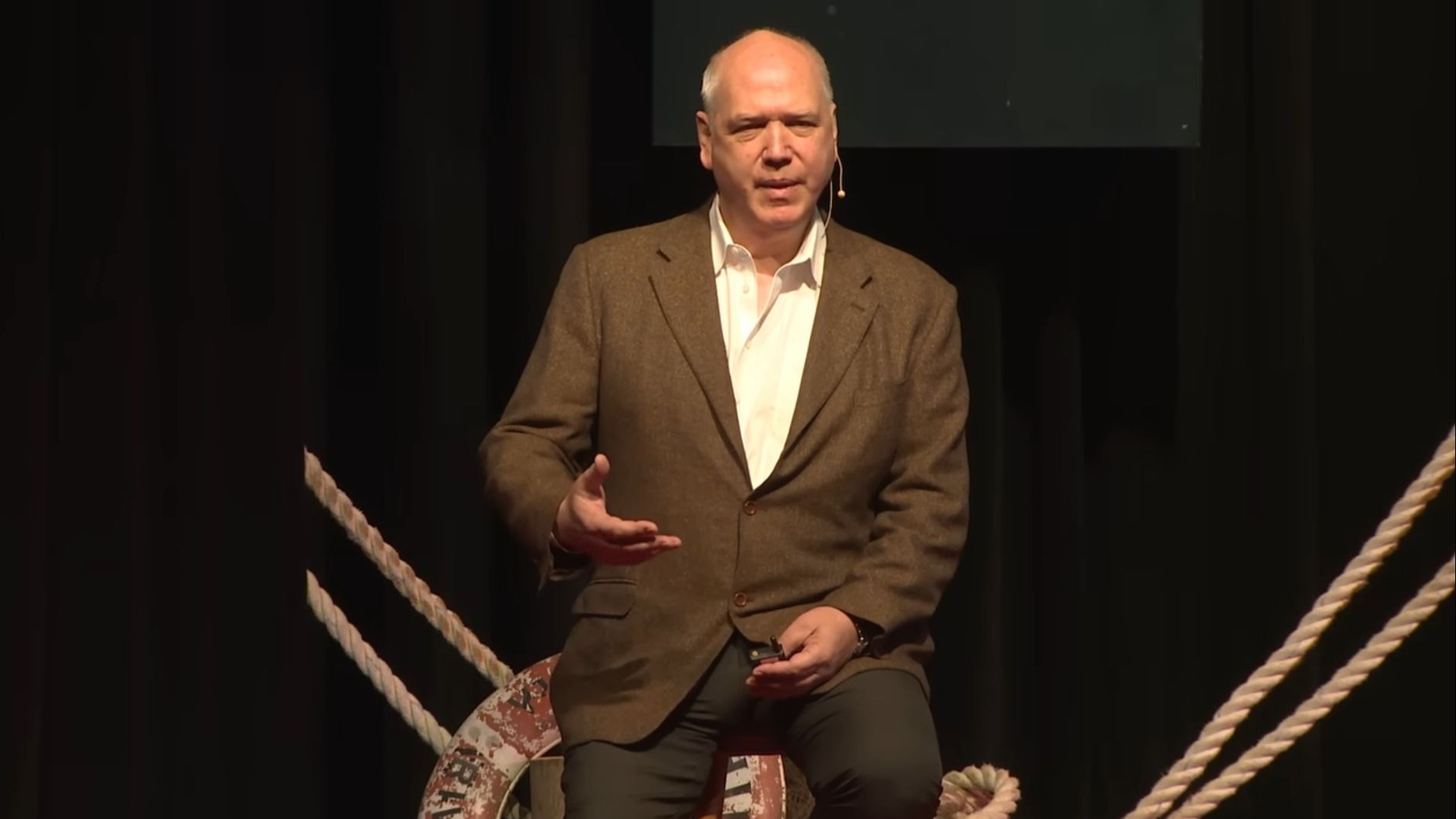
字幕摘录
| 时间 | 英文 | 中文 |
|---|---|---|
| 0:29 | Speaking about breathing is one of the most counterintuitive subjects you could possibly | 说到呼吸,这是你最能反感的科目之一 |
| 0:34 | talk about, because normally people don't think about it as we don't think about blinking | 说说看,因为通常人们不考虑 我们不考虑眨眼 |
| 0:39 | our eyes, digesting our food, these are not things we think you need to work on. | 我们的眼睛,消化我们的食物, 这些不是我们认为你需要工作的东西。 |
| 0:45 | They just occur from the autonomic nervous system. | 它们只是来自自体神经系统。 |
| 0:48 | But breathing is different because there are also ways to breathe intentionally, certain | 但呼吸是不同的 因为也有方法 有意呼吸,肯定 |
| 0:54 | patterns of breathing that change how you feel internally. | 呼吸模式改变了你内心的感受 |
| 1:00 | I wouldn't travel the world teaching breathwork if it were simply to help people relax. | 如果只是帮助人们放松的话,我就不会在世界上旅行 |
| 1:07 | The reason I travel to teach people how to breathe is because we now live in a digitally | 我旅行是为了教人们如何呼吸 是因为我们现在生活在数字化的 |
| 1:13 | obsessed, escape-based society, as you know, and we want to call it the new normal, and | 沉迷于逃逸的社会,你知道, 我们想称之为新的正常, |
| 1:20 | there seems to be a big push to accept it, however, we aren't happy. | 接受它似乎有很大的推动, 但是,我们不高兴。 |
展开字幕全文(240 条)
| 序号 | 英文 | 中文 |
|---|---|---|
| 1 | Speaking about breathing is one of the most counterintuitive subjects you could possibly | 说到呼吸,这是你最能反感的科目之一 |
| 2 | talk about, because normally people don't think about it as we don't think about blinking | 说说看,因为通常人们不考虑 我们不考虑眨眼 |
| 3 | our eyes, digesting our food, these are not things we think you need to work on. | 我们的眼睛,消化我们的食物, 这些不是我们认为你需要工作的东西。 |
| 4 | They just occur from the autonomic nervous system. | 它们只是来自自体神经系统。 |
| 5 | But breathing is different because there are also ways to breathe intentionally, certain | 但呼吸是不同的 因为也有方法 有意呼吸,肯定 |
| 6 | patterns of breathing that change how you feel internally. | 呼吸模式改变了你内心的感受 |
| 7 | I wouldn't travel the world teaching breathwork if it were simply to help people relax. | 如果只是帮助人们放松的话,我就不会在世界上旅行 |
| 8 | The reason I travel to teach people how to breathe is because we now live in a digitally | 我旅行是为了教人们如何呼吸 是因为我们现在生活在数字化的 |
| 9 | obsessed, escape-based society, as you know, and we want to call it the new normal, and | 沉迷于逃逸的社会,你知道, 我们想称之为新的正常, |
| 10 | there seems to be a big push to accept it, however, we aren't happy. | 接受它似乎有很大的推动, 但是,我们不高兴。 |
| 11 | If you look at studies on the level of happiness now, especially the medications that we use, | 如果你看看关于幸福程度的研究, 尤其是我们使用的药物, |
| 12 | we are not a happy society. | 我们不是一个快乐的社会。 |
| 13 | We should be ecstatic. | 我们应该很兴奋 |
| 14 | We have a rectangle in our pocket that has access to all the world's knowledge, that | 我们口袋里有一个矩形 能够获取世界所有的知识 |
| 15 | has any entertainment you possibly want. | 有你可能想要的任何娱乐。 |
| 16 | So why aren't we ecstatic? | 为什么我们不兴奋? |
| 17 | The World Health Organization has stated that by 2020, worldwide, depression and anxiety | 世界卫生组织指出,到2020年,全世界都出现了抑郁症和焦虑症。 |
| 18 | will be the number one disability. | 这将是头号残疾。 |
| 19 | That's only four and a half years from now. | 离现在只有四年半了 |
| 20 | In the United States, 25% of women are now taking antidepressant medication, anti-anxiety | 在美国,25%的妇女正在服用抗抑郁药、抗焦虑药 |
| 21 | or both, men are close behind, and the CDC has declared that sleep dysfunction is now | 或者两者兼而有之 男人都跟在后面 疾控中心宣布 睡眠功能障碍是现在 |
| 22 | at an epidemic level, and again, this is not an American problem, this is a global problem. | 在流行病一级, 再说一遍,这不是美国的问题, 这是一个全球性的问题。 |
| 23 | From Beijing to Berlin to Tel Aviv to Cape Town, it's the same problem. | 从北京到柏林到特拉维夫到开普敦,问题是一样的. |
| 24 | So there are things we can do about it, and one of the things is to create a daily practice | 所以有些事情我们可以做, 一件事是创造 日常练习 |
| 25 | of breathwork, which is free once you learn it and has no side effects, unlike a lot of | 呼吸,一旦你学会了它就自由了 并且没有副作用,不像很多 |
| 26 | the medications we see on television where you see people wearing white, running down | 我们从电视上看到的药物 你看到人们穿白衣服,跑下来 |
| 27 | the beach with billowing white fabric over their head, laughing with the dogs chasing | 沙滩上满是白色的布料 与狗一起追逐 |
| 28 | them, always golden Labrador, as somebody has talked about side effects including bleeding | 他们总是金色的拉布拉多, 有人谈到副作用,包括流血 |
| 29 | from the eyes, coma, permanent impotence and things like that. | 从眼睛,昏迷, 永久性的无能和类似的东西。 |
| 30 | This is a worldwide problem, we need to take action in our own life because yes, we need | 这是一个世界性的问题,我们需要采取行动 在我们自己的生活中,因为是的,我们需要 |
| 31 | a sustainable world, I agree, but we also need a sustainable life. | 我同意一个可持续的世界,但我们也需要可持续的生活。 |
| 32 | We need a sustainable home, and we need a sustainable body. | 我们需要一个可持续的家园,我们需要一个可持续的机构。 |
| 33 | When I deal with executives, I talk to groups of executives, CEOs, marketing people, and | 当我和高管打交道时, 我和高管,CEO,营销人员, |
| 34 | even corporations, the entire corporation, it's quite fascinating because most of them | 甚至连公司,整个公司, 都相当迷人,因为大多数公司 |
| 35 | say they can't sleep, they have panic attacks, they are chronically oppressed, they get | 说他们睡不着 恐慌症发作 长期受压迫 |
| 36 | flus and colds all the time, what can they do? | 感冒和感冒 总是,他们能做什么? |
| 37 | And when I privately meet with the CEOs, they say the same thing, they don't want to admit | 当我私下和首席执行官见面时 他们也这么说 他们不想承认 |
| 38 | it in front of their workers, but the CEOs complain about exactly the same things. | 但首席执行官们抱怨的完全一样 |
| 39 | People feel alone more than they've ever felt in their life, and this is counterintuitive | 人们的孤独感比他们一生中所感受的要强 这是自相矛盾的 |
| 40 | because supposedly we're all connected now, through the internet, through social media, | 因为据说我们现在通过互联网 社交媒体连接起来 |
| 41 | we're all connected, but are we? | 我们都是有联系的,但是我们是么? |
| 42 | Or are we actually less connected at a deep level? | 还是我们在深层的联系较少? |
| 43 | You know, there are statistics now that we like having these tremendous kitchens, everybody | 现在有统计数据显示 我们喜欢这些巨大的厨房,每个人 |
| 44 | wants the granite countertop, the island in the middle, the stainless steel refrigerator, | 要花岗岩柜台 中间的小岛 不锈钢冰箱 |
| 45 | but we actually dine with our friends, we host people 50% approximately less than 10 years ago. | 但是我们和朋友一起吃饭 大约不到10年前就接待了50%的人 |
| 46 | So we have these fantastic kitchens, and we just use the microwave. | 因此,我们有这些奇妙的厨房, 我们只是用微波炉。 |
| 47 | Intimacy is something we need to develop again, and the only way you can do it is to actually | 亲密是我们需要再发展的东西, 你唯一可以做的是实际 |
| 48 | be in people's presence, and this is one of the powers of TED Talks, where we actually | 这是TED会谈的力量之一 在那里我们实际上 |
| 49 | get together in person again, it's different than online, isn't it? | 和网上的不一样,不是吗? |
| 50 | I mean, videos are great, you can learn from them, I learn from them, but it's not the | 我的意思是,视频是伟大的, 你可以从他们学习, 我从他们学习, |
| 51 | same as looking into someone's eyes and hearing their voice, and we determine whether or not | 我们决定是否... |
| 52 | we can trust people by how they look at us, how they stand. | 我们可以信任人们 通过他们如何看待我们, 他们如何站立。 |
| 53 | If you're going to hire a babysitter, you want to meet the person face to face. | 如果你想雇个保姆 你想见见面的人 |
| 54 | So for those of you who are doing well, I want to ask you a question. | 所以对于你们中表现良好的人,我想问你一个问题. |
| 55 | Will you survive your success? | 你能活下来吗? |
| 56 | This is a question that is very far-reaching, because so many of us, if we were very honest | 这是一个非常深远的问题, 因为这么多我们,如果我们非常诚实 |
| 57 | with ourselves, we'd realize, I wouldn't teach my children to live the way I am. | 与我们自己,我们会意识到, 我不会教我的孩子 生活的方式我。 |
| 58 | I wouldn't say, go to the best school, get a great job, live on sleep medication and | 我不会说,去最好的学校, 得到一个伟大的工作, 住在睡眠药物和 |
| 59 | anti-anxiety drugs. | 抗焦虑药物。 |
| 60 | That's the path I want you to take, son or daughter. | 这就是我要你走的道路,儿子或女儿。 |
| 61 | It isn't. | 这不是。 |
| 62 | It's not what we want to do, it's not what we want to teach our children, but through | 不是我们想做的,不是我们想教孩子,而是通过 |
| 63 | our actions, that is what we're teaching them. | 我们的行动,这就是我们教他们。 |
| 64 | It's quite incredible. | 真不可思议 |
| 65 | Now there has been some studies done recently on breathing. | 现在,最近对呼吸进行了一些研究。 |
| 66 | Stanford Research Institute had a great one about two years ago, where they took people | 斯坦福研究所两年前有一个很棒的一次 他们把人带到那里 |
| 67 | with post-traumatic stress syndrome, combat veterans who had been to Afghanistan and Iraq, | 创伤后应激综合征,曾赴阿富汗和伊拉克作战的退伍军人, |
| 68 | and taught them yoga and breathing. | 教授他们瑜伽和呼吸。 |
| 69 | And the facilitator, Emma Sapella, who's a Stanford scholar, said it was mostly the breathing | 主持人艾玛·萨佩拉(Emma Sapella)是斯坦福的学者,他说这主要是呼吸 |
| 70 | that affected them. | 影响了他们。 |
| 71 | We had them do this program for three months, and their symptoms, post-traumatic stress | 我们让他们做这个手术三个月, 和他们的症状,创伤后应激 |
| 72 | symptoms, symptoms were gone, and they didn't return even a year later. | 症状,症状已经消失,甚至一年后都没有恢复. |
| 73 | This is groundbreaking, because as you know, the sad fact in the United States is we lose | 这是突破性的,因为你知道, 美国的可悲事实是,我们输了 |
| 74 | 20 veterans a day to suicide. | 每天有20名退伍军人自杀. |
| 75 | So the way we have been treating them through mainly medication and therapy hasn't really | 所以我们治疗的方法 主要是药物和治疗 没有真正 |
| 76 | been working. | 一直工作着 |
| 77 | And so this is a big step, and the Defense Department is now advocating breath and yoga | 所以这是一大步 国防部现在提倡呼吸和瑜伽 |
| 78 | for veterans. | 为退伍军人。 |
| 79 | The Defense Department, just take that in for a second, is advocating breathing and | 国防部只是接受一下 正在提倡呼吸 |
| 80 | yoga for veterans, the Defense Department. | 退伍军人瑜伽 国防部 |
| 81 | Navy SEALs use breath work to help them focus and calm before they go into battle. | 海军海豹突击队在投入战斗前,利用呼吸工作来帮助他们集中精神和冷静. |
| 82 | Now Navy SEALs are not new age cuddly people. | 现在,海军海豹突击队不是新时代可爱的人。 |
| 83 | Navy SEALs only use technologies that work. | 海豹突击队只使用有效的技术. |
| 84 | They will not use anything else. | 他们不会用其他任何东西。 |
| 85 | So benefits of breathing, as you may have heard, and when I say breathing I don't mean | 呼吸的好处,你可能听说过, 当我说呼吸,我不是说 |
| 86 | what we're doing now, I mean intentional breath work, are focus, calm, non-reactiveness, | 我们现在在做什么,我的意思是 有意的呼吸工作, 是焦点,冷静,不反应, |
| 87 | which we could all use. | 我们能利用的 |
| 88 | Do any of these things sound useful? | 这些东西有用吗? |
| 89 | So when I meet with people in groups or individually, I try to help them create a sustainable life, | 所以,当我与人群或个人见面时, 我试图帮助他们创造一个可持续的生活, |
| 90 | and one of the first things I teach them is breath work. | 我首先教给他们的就是呼吸工作 |
| 91 | In mindfulness programs across America we have, I think 25% of corporations have mindfulness | 在美国,有25%的公司 心智不清醒 |
| 92 | programs. | 程序。 |
| 93 | They unfortunately often teach meditation first. | 不幸的是,他们常常先教冥想。 |
| 94 | Now meditation is a fantastic technology. | 现在冥想是一个奇妙的技术。 |
| 95 | I use it, I teach it, no question. | 我用它,我教它,毫无疑问。 |
| 96 | But if you take someone who's stressed out of their mind and say, you know, now sit down | 但如果你把压力太大的人 带走说,现在坐下 |
| 97 | and close your eyes and don't think about anything, it's not going to happen. | 闭上眼睛,不要想任何事,它不会发生的。 |
| 98 | They will sit down and close their eyes and think about their project. | 他们会坐下来闭上眼睛 想一想他们的计划 |
| 99 | So meditation is not wrong to teach, but I think it's more advanced. | 故冥想不误于教化,而以为更进. |
| 100 | If you teach people to breathe first, this calms the nervous system, this triggers fight | 如果你教人先呼吸,这能镇定神经系统, 这触发战斗 |
| 101 | or flight to switch off and rest and digest to switch on. | 或飞行关闭 休息和消化 开关。 |
| 102 | Then people can sit and meditate without a problem. | 然后人们可以坐下来冥想,没有问题. |
| 103 | Now I've learned something fascinating about human beings through teaching breathing, because | 现在我通过教授呼吸学 学到了人类的魅力 |
| 104 | I could talk to you now about oxygen and CO2. | 我现在可以跟你谈谈氧气和二氧化碳 |
| 105 | I could talk to you about chi, or as they say in Japan or Korea, ki, the life force | 我可以跟你谈谈CIE, 或者在日本或韩国,KI,生命力 |
| 106 | energy that moves through us and can be regulated through breath, but there's something more | 能量通过我们移动 并可以通过呼吸调节, 但还有更多的 |
| 107 | interesting that I've found. | 有趣的是我发现。 |
| 108 | Teaching people how to breathe led me to a discovery. | 教人如何呼吸 让我发现了一个发现 |
| 109 | There's a tremendous relationship between breath, the lungs, and grief. | 呼吸,肺和悲伤之间有着巨大的关系. |
| 110 | So I want to tell you a story. | 所以我想告诉你一个故事。 |
| 111 | This happened last year. | 这发生在去年。 |
| 112 | I gave a talk to about 50 CEOs about happiness, breath, anxiety, etc. | 我和大约50位CEO谈了幸福,呼吸,焦虑等等. |
| 113 | And after the talk, I left the building, went down to the sidewalk to wait for a taxi. | 谈话结束后,我离开了大楼, 下到人行道上等待出租车。 |
| 114 | One of the CEOs followed me out. | 一个CEO跟踪我出去了 |
| 115 | And he said, look, I'm 58 years old, and I've started having panic attacks for the first | 他说,你看,我58岁, 我开始恐慌症 第一次 |
| 116 | time in my life. | 我生命中的时间 |
| 117 | And when you're a CEO, having panic attacks doesn't work. | 当你是首席执行官的时候 恐慌症不会起作用的 |
| 118 | You can't sit in a board meeting and suddenly feel your neck get stiff and a splitting headache | 你不能坐板会议 突然觉得脖子僵硬 头痛 |
| 119 | come on and you want to run screaming out of the room. | 来吧,你想跑 尖叫出房间。 |
| 120 | He says, I can't have this. | 他说,我不能拥有这个。 |
| 121 | What should I do? | 我该怎么办? |
| 122 | And I said, well, when did these panic attacks start? | 我说 这些恐慌症什么时候开始的? |
| 123 | He said, six months ago. | 他说,六个月前。 |
| 124 | So what was my next logical question? | 那么,我的下一个逻辑问题是什么? |
| 125 | Exactly. | 没错 |
| 126 | What happened six months ago? | 六个月前发生了什么? |
| 127 | He said, my brother died. | 他说,我弟弟死了。 |
| 128 | And you were close, I said. | 我说你很亲近 |
| 129 | He said, yes, very. | 他说,是的,非常。 |
| 130 | And you're a workaholic, aren't you? | 你是个工作狂,不是吗? |
| 131 | And he smiled and said, yes. | 他笑着说,是的。 |
| 132 | And after the funeral, you went right back to work, didn't you? | 葬礼结束后,你又回去工作了,不是吗? |
| 133 | And he said, yes. | 他说,是的。 |
| 134 | I said, you don't have an anxiety issue. | 我说你没有焦虑问题 |
| 135 | You don't have a panic attack issue. | 你没有恐慌症 |
| 136 | You have a grief issue. | 你有一个悲伤的问题。 |
| 137 | You haven't grieved the death of your brother. | 你没有为你哥哥的死而悲伤 |
| 138 | Now when you suppress grief, which you've learned to do and you and I have learned to | 当你压制悲伤,你学会了做,你和我学会了 |
| 139 | do, if you keep suppressing it and you layer it as new grief events happen in your life, | 做,如果你继续压制它, 你分层它 随着新的悲伤事件发生 在你的生活中, |
| 140 | it comes out in another way. | 它以另一种方式出来。 |
| 141 | It comes out as anxiety. | 其出为烦恼. |
| 142 | I said, your anxiety, your panic attacks are because of your grief. | 我说,你的焦虑,你的恐慌 是因为你的悲伤。 |
| 143 | He said, what should I do? | 他说,我该怎么办? |
| 144 | I said, come to my workshop tomorrow downtown, I'll show you some breathing exercises. | 我说,明天到市中心我的工作室来, 我给你看一些呼吸练习。 |
| 145 | He said, breathing exercises? | 他说,呼吸练习? |
| 146 | I said, just come. | 我说了,就来 |
| 147 | So he did. | 所以他这样做了。 |
| 148 | He wrote me two months later and he said, no panic attacks. | 两个月后他写信给我 他说不要惊慌 |
| 149 | They've stopped completely. | 他们已经完全停止。 |
| 150 | But I have been feeling grief. | 但我一直感到悲伤。 |
| 151 | And I realized you were right, I did need to grieve my brother. | 我意识到你是对的,我确实需要哀悼我的兄弟。 |
| 152 | So by allowing himself to feel the grief, which we're terrified of, the anxiety was | 所以,通过让自己 感受到悲伤, 我们害怕, 焦虑是 |
| 153 | gone. | 不见了。 |
| 154 | I see this all the time. | 我经常看到这些 |
| 155 | The people that have the most anxiety that learn breathing exercises almost immediately | 那些最焦虑的人 几乎立刻学会呼吸练习 |
| 156 | start to weep. | 开始哭泣。 |
| 157 | You can time it. | 你可以计时。 |
| 158 | It usually takes three to five minutes, sometimes 30 seconds. | 通常需要3-5分钟,有时需要30秒. |
| 159 | And if we ask ourselves, why is this? | 如果我们问自己 为什么? |
| 160 | Why do so many of us suppress grief? | 为什么我们这么多人要压制悲伤? |
| 161 | It's because we're taught to. | 以是因缘受教. |
| 162 | Mostly in an unspoken way, we're taught that expressing grief is socially unacceptable. | 主要是以未说的方式,教导我们表达悲伤是社会无法接受的. |
| 163 | If you think about it, we'll express anger much more readily than grief. | 如果你考虑一下,我们会比悲伤更容易表达愤怒。 |
| 164 | We'll shout at the TV screen if our team is losing. | 如果我们的球队输了 我们就在电视屏幕上大喊大叫 |
| 165 | We'll yell at another car and not apologize to the passengers in our car. | 我们会对另一辆车大喊大叫,不向车上的乘客道歉. |
| 166 | But if you start crying when you're talking to someone, you'll wipe the tears away quickly | 但是,如果你开始哭 当你与某人说话, 你会擦掉眼泪 |
| 167 | and say, I'm sorry, I don't know where that came from. | 并说,对不起,我不知道这是从哪里来的。 |
| 168 | I'm sorry. | 对不起 |
| 169 | And especially men, we're taught, never let them see you cry. | 特别是男人,我们被教导, 永远不要让他们看到你哭。 |
| 170 | It's a sign of weakness and failure. | 示现虚弱无功德. |
| 171 | So that's what we've been taught. | 故此经教. |
| 172 | And on top of that, no one ever taught us what to do when our friends are grieving. | 除此之外,没人教过我们 当朋友伤心时该做什么 |
| 173 | So we avoid them. | 所以我们避开他们。 |
| 174 | So on top of going through the grief event, our friends scatter. | 因此,除了经历悲伤事件, 我们的朋友分散。 |
| 175 | They don't know what to do. | 他们不知道该怎么办。 |
| 176 | They've never been taught. | 其人从未受教. |
| 177 | They think they'll make us feel awkward. | 他们以为会让我们觉得尴尬 |
| 178 | So they avoid us. | 所以他们避开我们 |
| 179 | And so now we're isolated as well. | 现在我们也被孤立了 |
| 180 | So I think that if we came together, we would build stronger bridges of friendship. | 因此,我认为,如果我们走到一起,我们将建立更牢固的友谊桥梁。 |
| 181 | We would create more intimacy. | 我们将创造更多的亲密关系。 |
| 182 | And you don't have to say anything to someone who's grieving. | 也不必对悲伤的人说什么 |
| 183 | Don't try to cheer them up. | 别让他们高兴 |
| 184 | Just say it's going to hurt really bad for a while. | 只要说会很痛一阵子 |
| 185 | And I'm not going anywhere. | 我哪儿也不会去 |
| 186 | I'm here. | 我在这里。 |
| 187 | This year it's your turn. | 今年轮到你了 |
| 188 | Next year it might be my turn. | 明年该轮到我了 |
| 189 | We'll all get through this together. | 我们一起度过难关 |
| 190 | That's one of the chief things I think we need to do as a society. | 这是最重要的事情之一 我认为我们需要做作为一个社会。 |
| 191 | And second, is learn breathing exercises because it makes a difference right away, not someday. | 第二,学习呼吸练习 因为它会立刻改变,而不是有一天。 |
| 192 | When I go into a corporation, believe me, if it didn't work, they'd say, I say, we're | 当我进入一个公司, 相信我, 如果它没有工作, 他们会说,我说,我们 |
| 193 | going to do breathing work. | 将做呼吸工作。 |
| 194 | It's going to make you feel better within 10 minutes, 10 minutes. | 10分钟内就能让你感觉好点了 |
| 195 | So I have about one minute left. | 所以我还有一分钟 |
| 196 | I'd like to try to teach you one very simple breathing exercise. | 我想教你一个非常简单的呼吸运动 |
| 197 | Please sit up straight. | 请师直坐. |
| 198 | Take your back off the backrest. | 背从背st. |
| 199 | And if you can, put your hands on your side ribs. | 如果你可以,把手放在侧肋上。 |
| 200 | Make sure they're on your side ribs, not your hips. | 确保他们在你的肋骨上,而不是你的臀部。 |
| 201 | Ladies think bra strap. | 女士们认为胸罩带。 |
| 202 | Men bra strap. | 男人胸罩带。 |
| 203 | About that high. | 这么高 |
| 204 | Not the front, the sides. | 不是正面,是侧面。 |
| 205 | I know you're packed in close together. | 我知道你们很亲密 |
| 206 | Now when you inhale, inhale any way you like, make your ribs go out to the sides. | 现在,当你吸气,吸气 任何你喜欢的方式, 让你的肋骨出到侧面。 |
| 207 | Fill your chest. | 满胸曰. |
| 208 | So your ribs stretch out to the sides, not out front, out to the sides. | 所以,你的肋骨伸到侧面,而不是在前面,伸到侧面. |
| 209 | Then exhale, sit taller. | 然后呼气,坐高点 |
| 210 | Again, sit taller, exhale. | 再次,坐高,呼气。 |
| 211 | Bigger, inhale, sit up and make your ribs grow out to the sides. | 大一点,吸气,坐起来 让你的肋骨长到侧面。 |
| 212 | Hold your breath. | 屏息气息. 师曰. |
| 213 | Exhale. | 呼气声。 |
| 214 | Good. | 不错 |
| 215 | You can relax your arms, but keep imagining that your hands are there. | 你可以放松你的手臂, 但继续想象你的手在那里。 |
| 216 | And this is a very simple exercise. | 这是一个非常简单的练习。 |
| 217 | It's an old yoga exercise, and Dr. Andrew Weil is promoting it quite heavily now. | 这是一个古老的瑜伽锻炼, 安德鲁·魏尔博士正在大力推广它。 |
| 218 | It's fantastic you can do it before you're going into a difficult situation or after. | 在你陷入困境之前或之后 你能做到这一点是太棒了 |
| 219 | So it's called the 4-7-8 breath. | 故名为四七八气. |
| 220 | You inhale for four, you hold for seven, you exhale for eight. | 你吸4,你握7,你呼8。 |
| 221 | So we'll do one round now. | 所以,我们现在做一回合。 |
| 222 | We're going to go at this speed. | 我们要以这个速度前进. |
| 223 | So make sure you're sitting up off your back rest. | 所以,确保你坐起你的后休息。 |
| 224 | You're going to inhale into your ribs. | 你会吸入你的肋骨。 |
| 225 | But to prepare, quickly exhale. | 但为了准备,快呼气 |
| 226 | Now through your nose, inhale to the count of four, one, two, deeper, four, hold, one, | 现在通过你的鼻子,吸入数 四,一,二,更深,四,持有,一, |
| 227 | two, three, four, five, six, seven, exhale eight, one, two, three, four, five, six, seven, eight. | 2,3,4,5,6,7,呼气8,1,2,3,4,5,6,7,8. |
| 228 | Inhale four, one, two, three, four, more, hold, one, two, three, four, five, six, seven, | 吸气4,1,2,3,4,更多,持有,1,2,3,4,5,6,7, |
| 229 | exhale, one, two, three, four, five, six, seven, eight. | 呼气,一,二,三,四,五,六,七,八 |
| 230 | Inhale four, one, two, three, expand your ribs, hold, one, two, three, four, five, six, seven, | 吸气4,1,2,3, 扩大你的肋骨,1,2,3,4,5,6,7, |
| 231 | exhale eight, one, two, three, four, five, six, seven, eight. | 呼八,一,二,三,四,五,六,七,八。 |
| 232 | Inhale four, one, deeper, three, expand, hold, one, two, three, four, five, six, seven, exhale eight, | 吸气4,1,更深,3,扩张,持有,1,2,3,4,5,6,7,呼气8, |
| 233 | one, two, three, four, five, six, seven, eight, relax, quick breath in and out, in and out, relax. | 一,二,三,四,五,六,七,八,放松,呼吸迅速进出,出入,放松. |
| 234 | So that's one of many exercises you can do. | 所以这是你能做的很多练习之一。 |
| 235 | Once you learn them, | 一旦你学会了它们, |
| 236 | you can do this at your desk. | 你可以在桌子上做这个 |
| 237 | People take cigarette breaks. | 人们抽根烟休息。 |
| 238 | You can take a breathing break. | 你可以休息一段时间 |
| 239 | Some doors only open from the inside. | 有些门只从里面打开 |
| 240 | Breath is a way of accessing that door. | 呼吸是进入那扇门的方法 |
该视频共有字幕 240 条。解锁更多字幕为会员功能,请移动到 价格