【双语音+文稿】普鲁士如何训练军官思考(服从命令同时保持独立
共 1 集
剧集目录
| 集 | 标题 | 时长 |
|---|---|---|
| P1 | 【双语音+文稿】普鲁士如何训练军官思考(服从命令同时保持独立 | 3:30 |
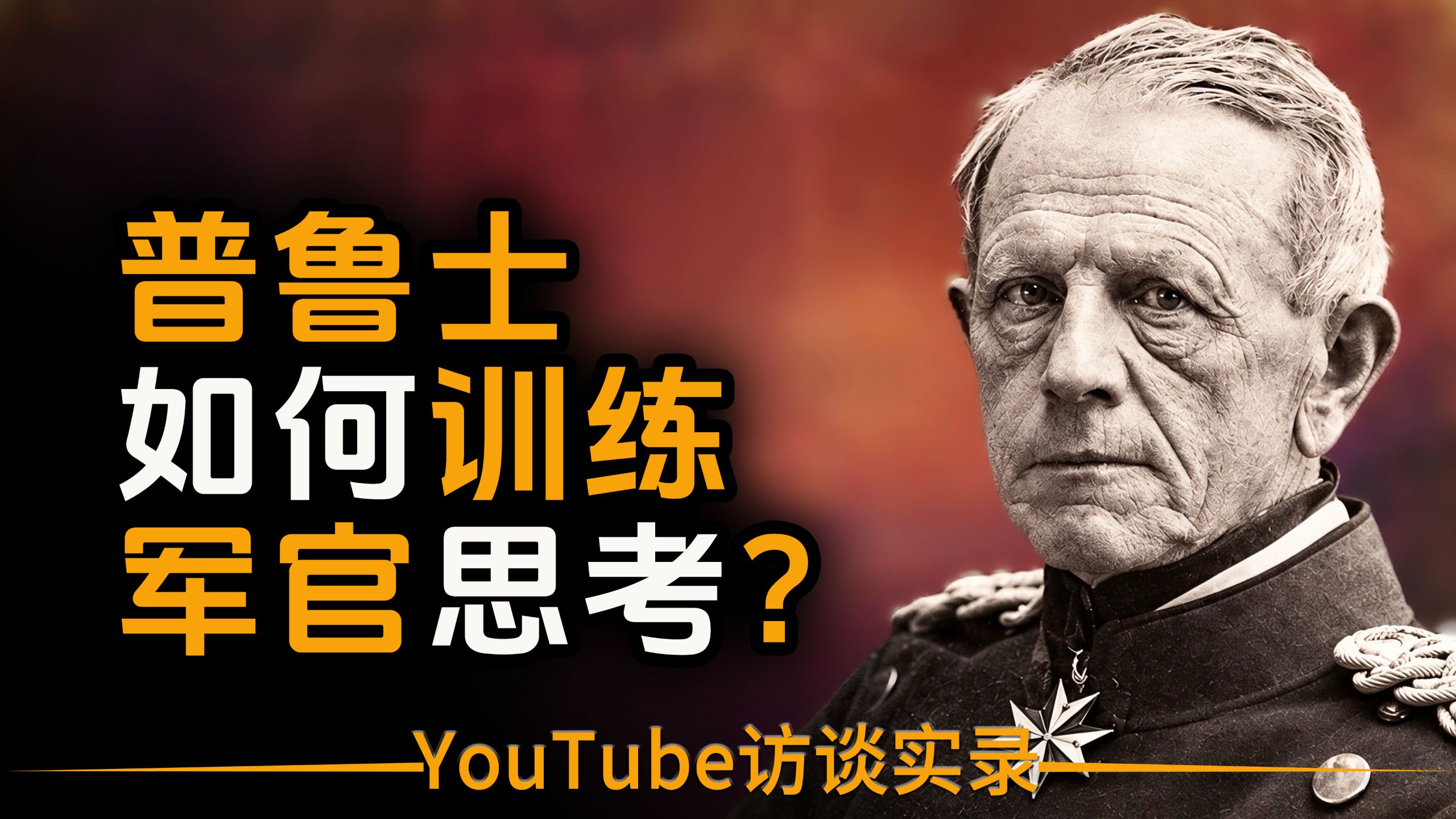
P1 · 【双语音+文稿】普鲁士如何训练军官思考(服从命令同时保持独立思考) p01 英文版 (P1)
字幕摘录
| 时间 | 英文 | 中文 |
|---|---|---|
| 0:00 | You're expected to follow instructions. | 你应该遵守指示的 |
| 0:02 | You're also expected to think for yourself. | 你也会为自己着想 |
| 0:04 | What do you do when the instructions no longer fit the situation? | 当指令不再符合情况时,你会怎么做? |
| 0:07 | The Prussian army was famous for discipline and obedience, but it had to deal with this problem too. | 普鲁士军队以纪律和服从著称,但也必须解决这个问题. |
| 0:13 | By the time an officer received an order, the situation might already have changed. | 当军官收到命令时,情况可能已经改变。 |
| 0:18 | So how did they prepare him to decide what to do? | 那么他们是如何让他决定怎么做的? |
| 0:21 | In the first two videos of this trilogy, we looked at Prussia's defeat by Napoleon and how Napoleon himself learned. | 在这部三部曲的前两部影片中,我们观察了普鲁士被拿破仑击败,以及拿破仑自己是如何学习的. |
| 0:28 | Now we're looking at what Prussia changed. | 现在我们看看普鲁士改变了什么 |
| 0:31 | Today we'll look at four methods Prussia trained officers to make those decisions. | 今天我们将研究四种方法 普鲁士训练军官做出这些决定 |
| 0:36 | These methods didn't appear overnight. | 这些方法并没有在一夜之间出现. |
展开字幕全文(49 条)
| 序号 | 英文 | 中文 |
|---|---|---|
| 1 | You're expected to follow instructions. | 你应该遵守指示的 |
| 2 | You're also expected to think for yourself. | 你也会为自己着想 |
| 3 | What do you do when the instructions no longer fit the situation? | 当指令不再符合情况时,你会怎么做? |
| 4 | The Prussian army was famous for discipline and obedience, but it had to deal with this problem too. | 普鲁士军队以纪律和服从著称,但也必须解决这个问题. |
| 5 | By the time an officer received an order, the situation might already have changed. | 当军官收到命令时,情况可能已经改变。 |
| 6 | So how did they prepare him to decide what to do? | 那么他们是如何让他决定怎么做的? |
| 7 | In the first two videos of this trilogy, we looked at Prussia's defeat by Napoleon and how Napoleon himself learned. | 在这部三部曲的前两部影片中,我们观察了普鲁士被拿破仑击败,以及拿破仑自己是如何学习的. |
| 8 | Now we're looking at what Prussia changed. | 现在我们看看普鲁士改变了什么 |
| 9 | Today we'll look at four methods Prussia trained officers to make those decisions. | 今天我们将研究四种方法 普鲁士训练军官做出这些决定 |
| 10 | These methods didn't appear overnight. | 这些方法并没有在一夜之间出现. |
| 11 | They took decades to develop. | 他们花了几十年的时间发展。 |
| 12 | And the story begins with a school in Berlin. | 故事从柏林的一所学校开始. |
| 13 | After the defeat of 1806, Prussian reformers knew they had to change how officers were educated. | 1806年战败后,普鲁士改革者知道他们必须改变军官的教育方式. |
| 14 | Under Scharnhorst, the school established in 1810 taught military subjects along history, languages, mathematics and science. | 在沙恩霍斯特(Scharnhorst)之下,建于1810年的学校沿历史,语言,数学和科学教授军事科目. |
| 15 | To give you an idea of the workload, a mid-century report from 1856 lists four hours of tactics and six hours of mathematics each week for first-year officers, | 为了让你了解工作量 1856年的中世纪报告 列出了每周4小时的战术和6小时的数学 |
| 16 | alongside artillery, fortification and other subjects. | 以及炮兵、防御工事和其他课题 |
| 17 | You can also see here how another Prussian school organized its week. | 您也可以在这里看到 另一所普鲁士学校是如何组织一周的。 |
| 18 | This timetable from the division school in Potsdam shows military lessons alongside riding, fencing and gymnastics, with two hours of study each evening. | 波茨坦师范学校的这一时间表显示,除了骑马、栅栏和体操之外,还有军事课,每晚有两小时学习。 |
| 19 | Back in Berlin, Clausewitz had taught at the school in its early years. | 回到柏林,克劳斯维茨早年曾在学校任教. |
| 20 | He later explained the purpose of theory in On War. | 他后来在"论战"中解释了理论的目的. |
| 21 | It should educate the mind of the future leader in war. | 它应该教育未来战争领导人的思想。 |
| 22 | The point was to prepare you to make decisions for yourself. | 重点是让你自己做决定 |
| 23 | A book couldn't make them for you on the battlefield. | 一本书不能在战场上为你做 |
| 24 | Moltke attended the school from 1823 to 1826, while Clausewitz was its director. | 莫尔特克从1823年到1826年就读于该校,而克劳斯维茨则担任该校的主任. |
| 25 | But by then Clausewitz's job was administrative. | 但到那时,克劳斯维茨的工作是行政性的. |
| 26 | He didn't teach Moltke and they apparently had no personal contact. | 他没有教莫尔特克 他们显然没有私人联系人 |
| 27 | Yet Moltke later became a crucial link between Clausewitz's ideas and Prussian practice. | 然而,莫尔特克后来成为了克劳斯维茨思想与普鲁士实践之间的关键联系. |
| 28 | When he took over the duties of chief of the general staff in 1857, armies were growing larger and more spread out. | 1857年他接任总参谋部总参谋长职务时,军队规模越来越大,分布范围扩大. |
| 29 | He needed officers who could act when new orders couldn't reach them in time. | 他需要当新命令无法及时到达时能采取行动的军官. |
| 30 | Much of this training was for a small group of officers preparing for staff work, and Moltke had been through it himself. | 大部分培训是为准备工作人员工作的一小群军官进行的,Moltke本人也经历了培训。 |
| 31 | As a young officer, he had faced tactical problems set by General von Muffling, then chief of the general staff. | 作为一个年轻的军官,他遇到了当时总参谋长冯·穆夫林将军设定的战术问题. |
| 32 | Later, Moltke would set problems for others. | 后来,莫尔特克会给别人制造麻烦. |
| 33 | That brings us to the first method. | 这让我们有了第一个方法。 |
| 34 | The first method was to give officers a tactical problem and ask them to decide what to do. | 第一种方法是给军官一个战术问题,要求他们决定怎么做. |
| 35 | A collection of the problems Moltke set between 1858 and 1882 survives. | 1858年到1882年的莫尔特克设定的问题集生存下来. |
| 36 | Let's take a simple imagined example. | 让我们举一个简单的想象中的例子。 |
| 37 | You've been told to protect a road. | 有人叫你保护一条路 |
| 38 | Then a report arrives. | 然后,一个报告到达。 |
| 39 | Enemy troops may be approaching from another direction. | 敌军可能从另一个方向逼近. |
| 40 | Do you stay in position, move your force to investigate, or send a patrol? | 你留在原位,调动部队进行调查,还是派出巡逻队? |
| 41 | Take a second. | 慢着 |
| 42 | What would you do? | 你会怎么做? |
| 43 | If you stay, you may learn nothing more about the threat. | 如果你留下来, 你可能不会知道更多的威胁。 |
| 44 | If you move everyone, you could leave the road unprotected. | 如果你转移每个人, 你可以离开道路无防护。 |
| 45 | Sending a patrol lets you investigate, but it means splitting your force. | 派一支巡逻队让你调查,但这意味着分裂你的部队。 |
| 46 | You don't have all the information, but you still have to decide. | 你没有所有的信息, 但你仍然必须决定。 |
| 47 | You have to turn that decision into an order someone else can carry out. | 你得把决定变成别人可以执行的命令 |
| 48 | Writing that order down helps you spot the gaps. | 写下命令会帮助你发现缺口 |
| 49 | Something can seem perfectly clear in your head until- | 你脑子里有些事看起来很清楚 直到... |
该视频共有字幕 49 条。解锁更多字幕为会员功能,请移动到 价格