为什么一些女性容易让人难忘|神经科学视角的吸引力
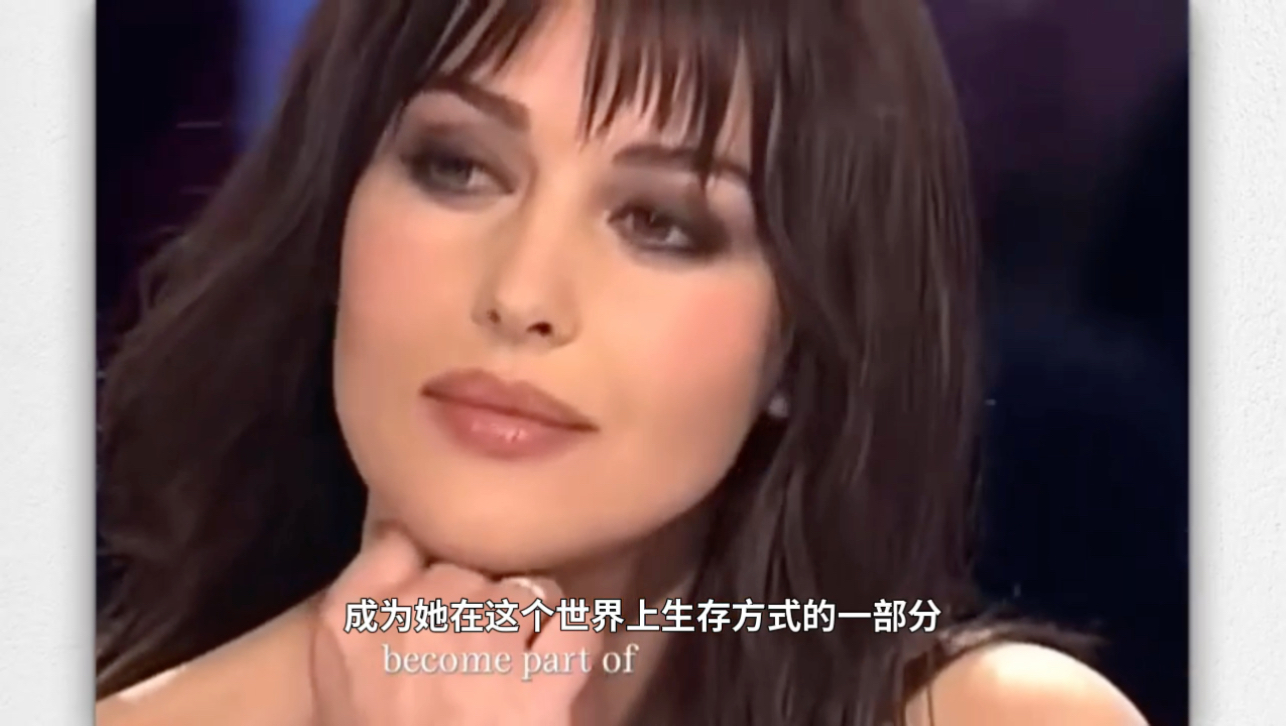
字幕摘录
| 时间 | 英文 | 中文 |
|---|---|---|
| 0:00 | Why do we remember certain women? | 为什么我们记得某些女人? |
| 0:02 | Not just notice them. | 不只是注意到他们。 |
| 0:03 | Remember them. | 记住他们。 |
| 0:05 | Because there is a | 因为有一个 |
| 0:06 | difference. | 差别。 |
| 0:06 | A woman can be beautiful and still be forgettable. | 女人可以美丽 仍然可以忘记 |
| 0:10 | She can be successful and still leave | 她可以成功,还可以离开 |
| 0:13 | no lasting impression. | 没有持久的印象。 |
| 0:15 | And then there are women who seem to stay in your mind long after the | 然后有些女人似乎在你的脑海中呆了很久 |
| 0:19 | conversation ends. | 对话结束。 |
展开字幕全文(294 条)
| 序号 | 英文 | 中文 |
|---|---|---|
| 1 | Why do we remember certain women? | 为什么我们记得某些女人? |
| 2 | Not just notice them. | 不只是注意到他们。 |
| 3 | Remember them. | 记住他们。 |
| 4 | Because there is a | 因为有一个 |
| 5 | difference. | 差别。 |
| 6 | A woman can be beautiful and still be forgettable. | 女人可以美丽 仍然可以忘记 |
| 7 | She can be successful and still leave | 她可以成功,还可以离开 |
| 8 | no lasting impression. | 没有持久的印象。 |
| 9 | And then there are women who seem to stay in your mind long after the | 然后有些女人似乎在你的脑海中呆了很久 |
| 10 | conversation ends. | 对话结束。 |
| 11 | What is it about them? | 他们怎么了? |
| 12 | For a long time, people have tried to explain this | 很久以来 人们一直试图解释 |
| 13 | personality, beauty, confidence, or charm. | 个性、美貌、自信或魅力 |
| 14 | But neuroscience gives us a more interesting answer. | 但神经科学给了我们一个更有趣的答案. |
| 15 | The brain does not remember a woman simply because she is impressive. | 大脑不记住一个女人 只是因为她令人印象深刻。 |
| 16 | It remembers the | 它记得 |
| 17 | women who create a strong impression, a feeling, a curiosity, a sense that there is something about | 给人留下强烈的印象、感觉、好奇心、感觉 |
| 18 | her that feels different. | 她的感觉不一样 |
| 19 | And the fascinating part is that being unforgettable has very little to do | 令人着迷的部分是 难忘的无所事事 |
| 20 | with becoming more perfect. | 越来越完美了 |
| 21 | In fact, some of the things women are taught to do to become more | 事实上,有些事情是 教女人做更多的 |
| 22 | admired can actually make them less memorable. | 佩服可以让他们更难忘 |
| 23 | Because the brain is not drawn to perfection. | 因为大脑不是完美的 |
| 24 | It is drawn to what feels real, distinct, and meaningful. | 它被引向真实、独特和有意义的感觉。 |
| 25 | So what is the neuroscience behind | 所以,什么是神经科学背后 |
| 26 | an unforgettable woman? | 一个难忘的女人? |
| 27 | And what can we learn from the women who leave a lasting impression? | 我们能从留下持久印象的妇女那里学到什么? |
| 28 | Before someone can become unforgettable, they first have to become recognizable. | 在某人无法忘却之前,他们首先必须变得可以辨认. |
| 29 | The brain does | 大脑有 |
| 30 | not remember every person it encounters. | 不记得每个遇到过的人。 |
| 31 | It cannot. | 它不会。 |
| 32 | Every day, we are exposed to countless faces, | 我们每天都面对无数的面孔 |
| 33 | voices, conversations, and experiences. | 声音、对话和经验。 |
| 34 | If we stored every detail, memory would become | 如果我们存储每个细节,记忆就会变成 |
| 35 | impossible to manage. | 无法管理。 |
| 36 | So the brain looks for patterns. | 所以大脑寻找规律。 |
| 37 | It tries to answer a simple question. | 它试图回答一个简单的问题。 |
| 38 | What makes this person different? | 是什么使这个人不同? |
| 39 | This is why identity matters. | 这就是为什么身份很重要。 |
| 40 | An unforgettable woman is not | 难忘的女人不是 |
| 41 | necessarily the woman who stands out the most. | 一定是最突出的女人 |
| 42 | She is the woman who feels the most defined. | 她就是那个感觉最清晰的女人 |
| 43 | There is a difference. | 是有区别的。 |
| 44 | Standing out can be temporary. | 站出来可能是暂时的。 |
| 45 | Anyone can create attention for | 任何人都可以引起关注 |
| 46 | a moment. | 一会儿 |
| 47 | But having a strong identity creates something deeper. | 但是,拥有强烈的特性 会产生更深层次的东西。 |
| 48 | It gives people a clear | 给人们一个清晰 |
| 49 | impression of who you are. | 印象你是谁。 |
| 50 | The brain likes clarity. | 大脑喜欢清晰。 |
| 51 | When someone has a strong sense of self, | 当有人有强烈的自我意识时, |
| 52 | their personality becomes easier to recognize and remember. | 他们的个性更容易识别和记住 |
| 53 | Because there is consistency | 因为有一致性 |
| 54 | between the way they think, speak, and move through the world. | 他们的思想,说话, 和移动的世界。 |
| 55 | They are not constantly trying on | 他们没有不断尝试 |
| 56 | different versions of themselves depending on who is watching. | 不同版本的自己 取决于谁在看。 |
| 57 | They have things they | 他们有东西 |
| 58 | genuinely care about. | 真正关心。 |
| 59 | They have opinions they have actually thought about. | 他们有他们真正考虑过的意见。 |
| 60 | They have interests | 他们有利益 |
| 61 | that exist even when nobody is watching. | 即使没有人在看 也存在 |
| 62 | And this is where many people misunderstand | 这是很多人误解的地方 |
| 63 | memorability. | 回忆力。 |
| 64 | They think being unforgettable means becoming more impressive. | 他们认为难忘意味着更加令人印象深刻. |
| 65 | But the brain | 但大脑 |
| 66 | does not hold on to people simply because they seem impressive. | 并不是仅仅因为人们看起来令人印象深刻而束缚他们。 |
| 67 | It holds on to people who feel | 它坚持的人 谁感觉 |
| 68 | distinct. | 与众不同 |
| 69 | A woman with a strong identity creates a stronger mental image because there is something | 一个性格坚强的女人 创造出更强烈的精神形象 因为有东西 |
| 70 | specific about her. | 具体关于她的。 |
| 71 | Not a carefully designed persona, not a performance, a person. | 不是精心设计的人,不是表演,是个人。 |
| 72 | This is why | 这就是为什么 |
| 73 | self-knowledge is one of the most underrated forms of confidence. | 自我知识是最受低估的信任形式之一。 |
| 74 | When you understand yourself, | 当你了解自己时 |
| 75 | you stop sending mixed signals. | 你停止发送混合信号。 |
| 76 | You no longer spend all your energy adjusting to what you think | 你不再把精力都花在自己的想法上 |
| 77 | people want to see. | 人们想看。 |
| 78 | Instead, your personality becomes clearer and clarity is memorable. | 相反,你的个性变得更加清晰,清晰是难忘的. |
| 79 | But | 不过 |
| 80 | identity alone is not enough. | 仅凭身份是不够的。 |
| 81 | A person can be unique and still not leave a lasting impression | 一个人是独一无二的,仍然不能留下持久的印象 |
| 82 | because the brain does not only remember what makes someone different, it remembers what makes | 因为大脑不仅记得 是什么使某人不同, 它记得什么使 |
| 83 | someone interesting. | 一个有趣的人。 |
| 84 | And that brings us to the next chapter of the neuroscience behind an | 这让我们来到神经科学的下一章 |
| 85 | unforgettable woman, curiosity. | 难忘的女人,好奇心 |
| 86 | There is a reason certain people become more interesting the longer | 某些人越长越有趣 |
| 87 | you know them. | 你认识他们。 |
| 88 | It is because the brain is constantly trying to complete the picture. | 这是因为大脑不断试图完成画面。 |
| 89 | When we meet someone, we create an initial understanding of who they are. | 当我们遇到某个人时,我们创建了对他们是谁的初步理解. |
| 90 | But when there | 但当那里 |
| 91 | are still things we do not know, curiosity keeps our attention alive. | 好奇心让我们的注意力永存 |
| 92 | Psychologists call this the | 心理学家称之为 |
| 93 | information gap, the space between what we know and what we want to understand. | 信息差距,我们所了解的和我们想要了解的之间的空间。 |
| 94 | And this is where | 这里 |
| 95 | many women misunderstand what it means to be intriguing. | 许多妇女误解了吸引人的意义。 |
| 96 | Being intriguing is not about being | 吸引人不是要成为 |
| 97 | unavailable. | 无. |
| 98 | It is not about hiding your personality, creating distance, or making people | 这不是隐藏你的个性,创造距离,或制造人 |
| 99 | work to understand you. | 工作来理解你。 |
| 100 | That creates uncertainty. | 这造成了不确定性。 |
| 101 | And uncertainty is not the same as fascination. | 而不确定性与迷性不同. |
| 102 | True curiosity comes from depth. | 真正的好奇心来自深度。 |
| 103 | It comes from realizing there is more to a person than what | 它来自意识到 一个人比什么还要多 |
| 104 | appears at first glance. | 初观中出现。 |
| 105 | An unforgettable woman has a world inside her that continues beyond the | 一个难忘的女人 内心有一个世界 继续超越 |
| 106 | someone meets her. | 有人遇见了她。 |
| 107 | She has interests she has explored, ideas she has questioned, things she | 她有她探索过的兴趣, 想法,她质疑的东西 |
| 108 | has learned simply because she was curious. | 只是因为她好奇才学会的 |
| 109 | Her personality is not built only from how others see | 她的个性不只靠别人的眼光 |
| 110 | | |
| 111 | It is built from her relationship with the world. | 它是建立在她与世界的关系之上的。 |
| 112 | And this changes the way she communicates. | 这改变了她的交流方式。 |
| 113 | When a woman has a rich inner world, she naturally brings more into conversations. | 当一个女人有一个丰富的内心世界, 她自然会带来更多的对话。 |
| 114 | She makes | 她会做 |
| 115 | connections between ideas. | 想法之间的联系。 |
| 116 | She has perspectives shaped by what she has experienced, not just what | 她的视角是由她的经历塑造的, 不仅仅是 |
| 117 | she has consumed. | 她已经消费。 |
| 118 | The brain responds to this because it creates discovery. | 大脑对此作出反应,因为它创造了发现. |
| 119 | There is always | 总是有 |
| 120 | something new to understand. | 新的东西来理解。 |
| 121 | This is why trying to seem interesting often has the opposite effect. | 这就是为什么试图看起来有趣 往往有相反的效果。 |
| 122 | The brain is very good at noticing when someone is performing. | 大脑很擅长注意别人的表演 |
| 123 | A carefully created image can | 仔细创建的图像可以 |
| 124 | capture attention, but it rarely creates lasting fascination. | 吸引注意力,但它很少产生持久的迷。 |
| 125 | Because fascination comes from | 因为迷从 |
| 126 | substance. | 实质内容。 |
| 127 | The most memorable women are not trying to make people wonder who they are. | 最令人难忘的女人并不是想让人们怀疑自己是谁. |
| 128 | They have | 他们有 |
| 129 | spent enough time developing themselves that people naturally become curious. | 花了足够的时间来发展自己 人们自然会变得好奇 |
| 130 | And perhaps the most | 也许最 |
| 131 | important part is that this curiosity is not created by constantly adding more. | 重要的部分是,这种好奇心不是通过不断增加来创造的. |
| 132 | It begins with | 开始是 |
| 133 | paying closer attention to ideas, to experiences, to the world around you. | 更加关注思想,经验,关注周围的世界. |
| 134 | Because the woman who is | 因为那个女人 |
| 135 | genuinely fascinated by life becomes fascinating herself. | 真正着迷于生活 变得迷人自己。 |
| 136 | But curiosity only explains why someone | 但好奇心只能解释为什么有人 |
| 137 | catches our attention. | 引起我们的注意。 |
| 138 | The reason someone truly stays in our memory is something deeper. | 一个人真正留在我们记忆中的原因 更深层。 |
| 139 | Emotion. | 情绪。 |
| 140 | Because the brain may notice a person because they are interesting, but it remembers them because of | 因为大脑可能注意到一个人 因为他们很有趣,但它记得他们 因为 |
| 141 | how they make us feel. | 他们给我们的感觉 |
| 142 | The brain does not store every experience equally. | 大脑不能平等地储存每一个经验。 |
| 143 | Some moments disappear | 有些瞬间消失了 |
| 144 | almost instantly. | 几乎瞬间。 |
| 145 | Others remain for years. | 其他人则留了好几年。 |
| 146 | The difference is often emotional significance. | 区别往往是情感意义. |
| 147 | When something matters to us emotionally, the brain gives it priority. | 当一些对我们有感情意义的事情, 大脑赋予它优先。 |
| 148 | This is partly because | 这部分是因为 |
| 149 | of the relationship between two important areas of the brain. | 大脑两个重要领域之间的关系。 |
| 150 | The amygdala, which helps process | 帮助过程的阿米格达拉 |
| 151 | emotional significance, and the hippocampus, which helps form memories. | 情感意义 和帮助形成记忆的河马 |
| 152 | Together they help the brain | 他们一起帮助大脑 |
| 153 | decide which moments are worth holding onto. | 决定哪些时刻值得坚持 |
| 154 | This is why we often remember how someone made us feel | 这就是为什么我们经常记得 有人让我们的感受 |
| 155 | long after we forget the details of the interaction. | 很久之后,我们忘记了互动的细节。 |
| 156 | The brain is not simply recording information. | 大脑不仅仅是记录信息。 |
| 157 | It is deciding what deserves to be kept. | 它正在决定应该保留什么。 |
| 158 | And this changes the way we understand unforgettable | 这改变了我们理解难忘的方式 |
| 159 | people. | 人们 |
| 160 | Their impact is not only about what they say or how they appear. | 它们的影响不仅在于它们所说的话或它们的出现方式。 |
| 161 | It is about the emotional | 是关于情感的 |
| 162 | response associated with them. | 与之相关的反应。 |
| 163 | A conversation where someone felt genuinely understood. | 谈话中有人真正明白 |
| 164 | A moment | 一会儿 |
| 165 | where someone felt inspired. | 在那里有人感到灵感。 |
| 166 | An interaction that created a sense of connection. | 一种产生连接感的相互作用. |
| 167 | These experiences | 这些经历 |
| 168 | become stronger memories because emotion acts like a marker, telling the brain, pay attention to this. | 成为更强烈的记忆 因为情感就像一个标记 告诉大脑 注意这一点 |
| 169 | This is also why trying too hard to impress people often fails. | 这也是为什么太努力去打动人们常常失败的原因. |
| 170 | Impression alone is not the same as | 光是印象并不一样 |
| 171 | significance. | 意义。 |
| 172 | The brain does not form strong memories around everything that looks impressive. | 大脑并没有围绕看起来令人印象深刻的一切形成强烈的记忆. |
| 173 | It forms stronger memories around experiences that feel meaningful. | 它围绕着感觉有意义的经验形成更强烈的记忆. |
| 174 | An unforgettable woman | 一个难忘的女人 |
| 175 | understands this. | 理解这一点。 |
| 176 | Not because she is trying to create a certain effect, but because she knows | 不是因为她想创造某种效果 而是因为她知道 |
| 177 | connection is built through the quality of an interaction. | 连接是通过互动的质量建立起来的。 |
| 178 | The brain remembers experiences, | 大脑会记住经验 |
| 179 | not performances. | 不是表现。 |
| 180 | But emotion is only one part of social memory. | 但情感只是社会记忆的一部分. |
| 181 | Because before we even decide how | 因为在我们决定怎么做之前 |
| 182 | we feel about someone, our brain is constantly reading another person's signals. | 我们的大脑在不断读取别人的信号 |
| 183 | Their expressions, | 他们的表达, |
| 184 | their voice, their reactions. | 他们的声音,他们的反应。 |
| 185 | And this leads to another important part of the neuroscience behind | 这导致了神经科学的另一个重要部分 |
| 186 | unforgettable women. | 难忘的女人。 |
| 187 | Social perception. | 社会观念. |
| 188 | Before we consciously decide what we think about someone, | 在有意识地决定我们对某人的看法之前 |
| 189 | the brain is already collecting information. | 大脑已经在收集信息了 |
| 190 | Humans are social beings. | 人类是社会生物. |
| 191 | For thousands of | 数千人 |
| 192 | years our survival depended on quickly understanding the people around us. | 我们的生存取决于我们周围的人的迅速理解。 |
| 193 | Are they safe? | 他们安全吗? |
| 194 | Are they | 难道他们 |
| 195 | trustworthy? | 值得信赖? |
| 196 | Are they confident? | 他们有信心吗? |
| 197 | Are they paying attention? | 他们注意了吗? |
| 198 | The brain developed systems that allow | 大脑开发了系统 允许 |
| 199 | us to constantly read social cues. | 我们不断阅读社交提示。 |
| 200 | Tone of voice, facial expressions, body language, | 声音、面部表情、身体语言 |
| 201 | the way someone responds. | 人们的反应方式。 |
| 202 | These small signals create an overall impression before we even | 这些小的信号 造成一个总体印象 之前我们甚至 |
| 203 | fully realize it. | 充分意识到这一点。 |
| 204 | This is why presence is such a powerful quality. | 这就是为什么存在如此强大。 |
| 205 | Presence is not simply being | 存在并不仅仅是 |
| 206 | noticed. | 发现 |
| 207 | It is the experience of being fully engaged in an interaction. | 这是充分参与互动的经验。 |
| 208 | When someone is distracted, | 当有人分心的时候 |
| 209 | uncomfortable, or overly focused on how they are being perceived, those signals can be picked up | 或过于关注如何看待这些信号, |
| 210 | by others. | 被别人。 |
| 211 | But when someone is genuinely attentive, the brain receives different information. | 但当某人真正关注时,大脑会得到不同的信息. |
| 212 | The | 那个 |
| 213 | interaction feels more rewarding, more natural, more connected. | 互动更有意义、更自然、更紧密的联系。 |
| 214 | This is partly because humans are | 这部分是因为人类 |
| 215 | highly responsive to emotional cues. | 对情感暗示非常敏感 |
| 216 | We unconsciously adjust to the emotional states of people around us, | 我们无意识地适应周围人的情绪状态, |
| 217 | a process often referred to as emotional contagion. | 通常被称为情感传染的过程。 |
| 218 | Someone who is calm, engaged, | 一个人谁冷静,订婚, |
| 219 | and emotionally regulated can influence the atmosphere of an interaction. | 情绪调节可以影响互动的气氛。 |
| 220 | Not because they | 不是因为他们 |
| 221 | are controlling the room, because the brain is constantly responding to the signals around it. | 控制着房间 因为大脑不断响应周围的信号 |
| 222 | This explains why some people feel memorable even when they are not trying to be the center | 这解释了为什么有些人觉得难忘 即使他们不想成为中心 |
| 223 | of attention. | 请注意。 |
| 224 | Their impact is not created by taking up more space. | 其影响不是通过占用更多的空间产生的。 |
| 225 | It is created by the quality of the | 它是由质量 |
| 226 | signals they send. | 他们发出的信号。 |
| 227 | And this is important because many women are taught to focus on appearance when | 这一点很重要,因为许多妇女都学会注重外表 |
| 228 | thinking about how they are perceived. | 思考如何看待他们。 |
| 229 | But the brain is processing far more than appearance. | 但是大脑的处理远不止于外表。 |
| 230 | It is responding to patterns of behavior, how someone listens, how someone reacts, how someone | 这是对行为规律的反应, 一个人如何倾听, 一个人如何反应,一个人如何 |
| 231 | makes an interaction feel. | 产生一种互动的感觉。 |
| 232 | An unforgettable woman is not someone who is constantly thinking about | 难忘的女人不是 一直在想着 |
| 233 | how she appears to others. | 她怎么在别人面前出现。 |
| 234 | She is someone who is genuinely present in the moment she is living. | 她是一个真正的存在 在她活着的时刻。 |
| 235 | She is someone whose internal state is reflected naturally in the way she interacts with the world. | 她的内在状态自然地反映在她与世界的互动方式上。 |
| 236 | And there is one final piece that explains why some people become more fascinating over time. | 还有一个最后的作品 解释了为什么有些人会越来越迷人。 |
| 237 | The brain itself is not fixed. | 大脑本身没有固定. |
| 238 | It changes through experience, which means the qualities that make | 它通过经验而改变, 也就是说,它具有 |
| 239 | someone memorable are not simply personality traits someone is born with. | 难忘的人不只是个性特质 而是天生的 |
| 240 | They can be developed. | 它们可以开发。 |
| 241 | This brings us to neuroplasticity. | 这给我们带来了神经弹性。 |
| 242 | One of the most fascinating things about the brain is that it | 大脑中最令人着迷的一件事就是 |
| 243 | isn't fixed. | 没有固定。 |
| 244 | It changes based on what you repeatedly do. | 它根据你一再做的事而改变。 |
| 245 | This is called neuroplasticity, | 这叫做神经弹性 |
| 246 | the brain's ability to create and strengthen connections through learning, attention, | 大脑的能力 通过学习,关注,创造和加强连接, |
| 247 | and experience. | 经验。 |
| 248 | And this means something important. | 这很重要 |
| 249 | The qualities that make a woman | 女性的素质 |
| 250 | unforgettable are not just personality traits she is born with. | 难忘不仅仅是她出生的个性特征。 |
| 251 | They are qualities that can be | 这些品质可以 |
| 252 | developed. | 已开发。 |
| 253 | A woman who wants to become more memorable has to understand that the brain | 女人想变得更难忘 必须明白大脑 |
| 254 | becomes shaped by what she consistently gives her attention to. | 被她一直关注的所塑造 |
| 255 | If she spends years only consuming | 如果她只花几年时间 |
| 256 | what everyone else is interested in, repeating the same ideas and avoiding experiences outside | 其他人都感兴趣的 重复同样的想法 并避免在外体验 |
| 257 | her comfort zone, her perspective stays limited. | 她的舒适地带, 她的观点仍然有限。 |
| 258 | But when she reads, explores, learns new skills, | 但当她读,探索,学习新的技能, |
| 259 | meets different people, and allows herself to be curious, she gives her brain more material to work | 遇到不同的人,让自己好奇, 她给她的大脑更多的材料工作 |
| 260 | with. | 带。 |
| 261 | She develops more thoughts, more stories, more connections between ideas. | 她发展出更多的思想,更多的故事,更多的思想之间的联系. |
| 262 | And that naturally | 这自然 |
| 263 | changes the way she communicates. | 改变她的沟通方式 |
| 264 | This is why some women are captivating in conversation. | 这就是为什么有些女人喜欢聊天 |
| 265 | It is not because they are trying to sound intelligent. | 这并不是因为他们试图听起来聪明。 |
| 266 | It is because they have spent | 那是因为他们花了 |
| 267 | years building a mind filled with things they genuinely care about. | 多年的心灵 充满了他们真正关心的事物 |
| 268 | Neuroplasticity also | 神经弹性 |
| 269 | explains why emotional presence can improve. | 解释为什么情感存在可以改善。 |
| 270 | With repetition, the brain can strengthen the pathways | 通过重复,大脑可以加强路径 |
| 271 | involved in what we practice. | 参与我们的做法。 |
| 272 | A woman who practices listening becomes someone who makes others feel | 一个女人练习听 变成一个让人感觉 |
| 273 | truly heard. | 听说了 |
| 274 | A woman who practices self-awareness becomes better at understanding her own reactions. | 自我认识的妇女更能理解自己的反应。 |
| 275 | A woman who stays curious becomes someone who sees more, notices more, and brings more into | 好奇的女人会变成一个 看得更清楚、更注意、更吸引人的人 |
| 276 | every conversation. | 每一次谈话 |
| 277 | Over time, these repeated choices become part of how she moves through | 随着时间的推移,这些反复的选择 成为她如何通过 |
| 278 | the world. | 这个世界。 |
| 279 | And this is where everything comes together. | 於此一切众生聚落. |
| 280 | The women we remember are not remembered | 我们记得的那些女人都不记得了 |
| 281 | because they were perfect. | 因为他们是完美的。 |
| 282 | They are remembered because over time, they developed qualities the | 他们被记住,因为随着时间的推移, 他们发展了品质 |
| 283 | brain naturally holds onto. | 大脑自然地坚守。 |
| 284 | A clear sense of who they are. | 明识其身. |
| 285 | A curiosity that makes us want to know | 好奇心让我们想知道 |
| 286 | more. | 再来 |
| 287 | An emotional presence that makes an interaction feel meaningful. | 情感的存在使互动感觉有意义. |
| 288 | A way of moving | 移动的方式 |
| 289 | through the world that feels uniquely theirs. | 在他们独特的世界里 |
| 290 | The brain does not remember a woman because she tried | 大脑不记得一个女人 因为她试过 |
| 291 | to be unforgettable. | 让人难忘 |
| 292 | It remembers her because there was something real, distinct, and meaningful | 它记得她 因为有些东西是真实的, 与众不同和有意义的 |
| 293 | about the experience of knowing her. | 关于认识她的经验 |
| 294 | And that is the neuroscience behind an unforgettable woman. | 这就是一个难忘的女人背后的神经科学。 |
该视频共有字幕 294 条。解锁更多字幕为会员功能,请移动到 价格