如何将外语学得和母语一样流利|TED演讲
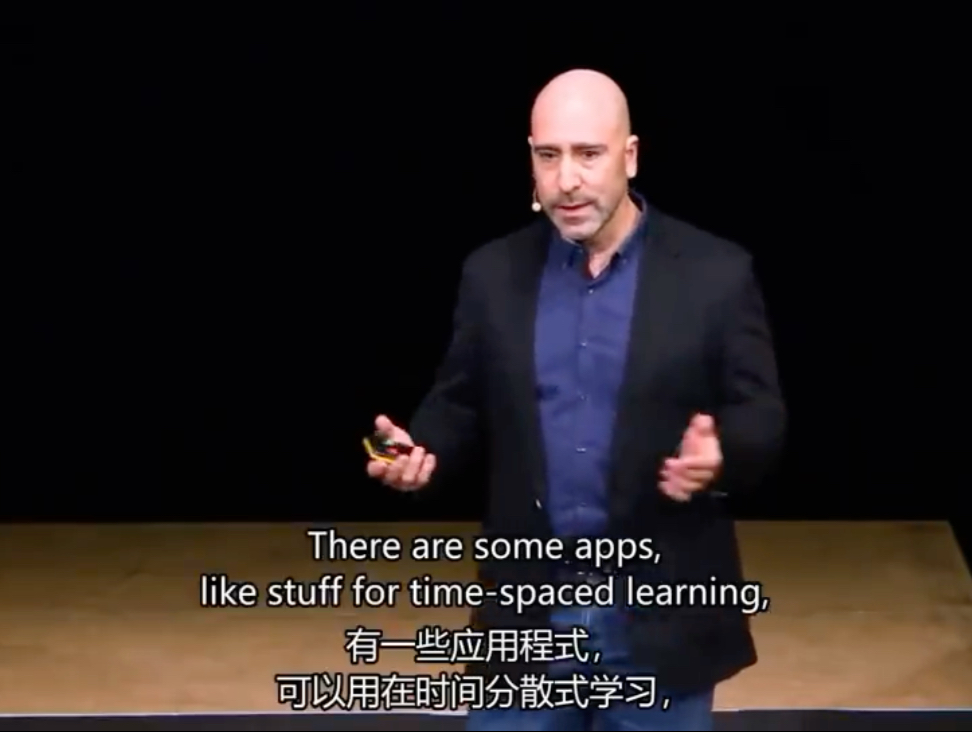
字幕摘录
| 时间 | 英文 | 中文 |
|---|---|---|
| 0:00 | My story starts in Moscow. | 我的故事从莫斯科开始 |
| 0:03 | I was 15 years old. | 我当时15岁 |
| 0:05 | My best friend and I, we were part of a group of Westerners visiting the Soviet Union. | 我最好的朋友和我, 我们是一群西方人 访问苏联的一部分。 |
| 0:10 | This was in 1987, a few years before the fall of the communist regime. | 这是在1987年,即共产主义政权垮台前的几年. |
| 0:19 | We were given an official tour guide who was assigned to us and the tour would start in the morning | 我们得到了一个正式的导游 被指派给我们, 和巡演将在早上开始 |
| 0:24 | and we were checked into our hotel rooms for the night. | 晚上我们被检查进旅馆房间 |
| 0:28 | My friend said to me, | 我的朋友对我说, |
| 0:30 | let's go outside and look at the city. | 我们出去看看这座城市 |
| 0:33 | I thought it was a great idea, dumb idea. | 我认为这是一个好主意,愚蠢的想法。 |
| 0:36 | So we grabbed our coats and we snuck out past security and into the street. | 于是我们抓起外套 偷偷溜出安全区 进入街上 |
展开字幕全文(254 条)
| 序号 | 英文 | 中文 |
|---|---|---|
| 1 | My story starts in Moscow. | 我的故事从莫斯科开始 |
| 2 | I was 15 years old. | 我当时15岁 |
| 3 | My best friend and I, we were part of a group of Westerners visiting the Soviet Union. | 我最好的朋友和我, 我们是一群西方人 访问苏联的一部分。 |
| 4 | This was in 1987, a few years before the fall of the communist regime. | 这是在1987年,即共产主义政权垮台前的几年. |
| 5 | We were given an official tour guide who was assigned to us and the tour would start in the morning | 我们得到了一个正式的导游 被指派给我们, 和巡演将在早上开始 |
| 6 | and we were checked into our hotel rooms for the night. | 晚上我们被检查进旅馆房间 |
| 7 | My friend said to me, | 我的朋友对我说, |
| 8 | let's go outside and look at the city. | 我们出去看看这座城市 |
| 9 | I thought it was a great idea, dumb idea. | 我认为这是一个好主意,愚蠢的想法。 |
| 10 | So we grabbed our coats and we snuck out past security and into the street. | 于是我们抓起外套 偷偷溜出安全区 进入街上 |
| 11 | We found the entrance to the metro. | 我们找到了地铁的入口 |
| 12 | The Moscow Underground's transportation system is the deepest one in the world. | 莫斯科地下交通系统是世界上最深的. |
| 13 | The ride down the escalator took a full minute. | 从扶梯下来的车 花了整整一分钟。 |
| 14 | Once we were down there, my friend headed right to an open train and I pulled him back. | 当我们在下面时,我的朋友 正赶往一辆开着的火车上, 我把他拉回来。 |
| 15 | I said, wait, | 我说,等等, |
| 16 | let's write down the name of the station so we can find our way back. | 我们把车站的名字写下来 这样我们才能找到回去的路 |
| 17 | So I had a notepad and I took a notepad and I wrote down the letters of the station and | 所以我有一张纸条,我拿了一张纸条,我写下了车站的信, |
| 18 | we hopped on the train and went some train hopping and that was fun because | 我们跳上火车,去 火车购物,这很有趣,因为 |
| 19 | well, actually it was weird. | 嗯,其实这很奇怪。 |
| 20 | There were a lot of people, | 那儿有很多人,他们... |
| 21 | they probably all coming home from work and | 他们可能都下班回家 |
| 22 | they were all dressed in brown and gray clothes and it looked very very different from what we were used to at home. | 他们都穿着棕色和灰色的衣服 看起来和我们家里的习惯非常不同 |
| 23 | But the stations were lovely. | 但车站很可爱 |
| 24 | There were stations with | 有车站 |
| 25 | statues, with paintings on the wall and glass displays and it was really like museums. | 雕像,墙上有绘画 和玻璃展示, 它真的像博物馆。 |
| 26 | We would never have expected that and everything was perfectly clean. | 我们绝对不会料到 一切都很干净 |
| 27 | Well, | 那个 |
| 28 | what was weird though is that the people, nobody seemed to speak and everyone seemed to be looking at us and it kind of weirded | 奇怪的是,人们,没有人说话,每个人都看着我们,这有点奇怪 |
| 29 | us out. | 我们出去。 |
| 30 | So after about 20-30 minutes, we had enough and we wanted to go home. | 大约20到30分钟后, 我们喝够了,我们想回家。 |
| 31 | I showed my note to someone and they directed me over there and then over there | 我把我的纸条给别人看 他们指示我在那里 然后在那里 |
| 32 | I showed my note to another person and they directed us to the other way and then a third person directed us sideways. | 我把我的纸条给另一个人看 他们指引我们到另一条路 然后一个第三人指导我们侧面。 |
| 33 | That was a little confusing. | 这有点让人困惑 |
| 34 | Oh, then I saw it over the stairs, the sign. | 哦,然后我看到它在楼梯,标志。 |
| 35 | Turned out I had written down the Russian word for exit. | 原来我写了俄语词 出口。 |
| 36 | So we headed upstairs and we | 所以我们上楼去 |
| 37 | we found a taxi that was great and told the driver, you know, into this hotel | 我们找到一辆很棒的出租车 告诉司机,你知道的,进这家酒店 |
| 38 | and then he was willing to take us and I remember sitting next to the driver | 然后他愿意带我们走 我记得坐在司机旁边 |
| 39 | handing him 50 rubles and he looked at me and he said, | 给他50卢布 他看着我说 |
| 40 | No, dollar. | 不,钱。 |
| 41 | 50 dollars, that was like, I don't know, 20 times that amount or something. | 50美元,那就像,我不知道, 20倍的金额什么的。 |
| 42 | That was not an option for us. | 这对我们来说不是一个选择。 |
| 43 | So we had to get out of the taxi and he drove away, leaving us standing there. | 所以我们不得不下车 他开车离开,让我们站在那里。 |
| 44 | It was a cold night and you know, everything was strange for us and we were teenagers and | 这是一个寒冷的夜晚,你知道, 一切都很奇怪,我们是青少年 |
| 45 | we were pretty nervous, didn't know what to do. | 我们很紧张,不知道该怎么办 |
| 46 | Well, we started walking. | 我们开始走路了 |
| 47 | We walked to the end of the block. | 我们走到了街区的尽头 |
| 48 | We turned the corner and | 我们转弯了 |
| 49 | 200 yards in front of us, the interist hotel. | 前面200码, 中间酒店。 |
| 50 | Well, this experience affected me in two ways. | 嗯,这种经历影响了我两个方面。 |
| 51 | The first is that any time after this trip that I hear would hear anyone speak Russian, I would just cringe. | 第一,这次旅行之后,我听到有人会说俄语,我只会哭。 |
| 52 | And the second one is that it taught me the importance of understanding the local language when you're traveling and | 第二,它教会了我在旅行时理解当地语言的重要性 |
| 53 | it actually led to me learning another four languages fluently over the following years. | 事实上,这让我在接下来的几年里 学会了另外四种语言。 |
| 54 | Now, before I go on, I'd like to know in the audience, can we have a little bit of light maybe in the audience? | 现在,在我继续之前,我想在观众中知道, 我们能有一点点光 也许在观众中? |
| 55 | Just like to know who's | 只是想知道是谁 |
| 56 | by show of hands who is not a native English speaker. | 由非英语母语的举手决定。 |
| 57 | That must be 99%. | 这一定是99%。 |
| 58 | Anyone who doesn't speak English, stand up. | 不说英语的人请站起来 |
| 59 | All right, so I can assume all of you have, you know, gone through the process of learning a language. | 好吧,所以我可以假设,你们都经历了学习一种语言的过程。 |
| 60 | Anybody who speaks three or more languages? | 有人会说三种或三种以上语言吗? |
| 61 | Wow, that is maybe 70%. | 哇,这也许是70%。 |
| 62 | Four or more languages, anyone? | 4种或更多语言,有人吗? |
| 63 | That's still quite a bit. | 那还是有点 |
| 64 | Anyone speak five or more languages? | 有人会说五种或五种以上语言吗? |
| 65 | Wow, come see me in during the break. | 哇 休息时来看我 |
| 66 | All right, well, to me learning a language is, for me, | 好吧,对我来说,学习一种语言,对我来说, |
| 67 | it's like a deck of playing cards lying face down on the table. | 这就像一个打牌的甲板 躺在桌子上的脸。 |
| 68 | As you start learning and understanding, | 当你开始学习和理解, |
| 69 | the cards start opening up for you. | 牌开始为你打开。 |
| 70 | Now, there's no standard way of classifying this, | 现在,没有标准的分类方法, |
| 71 | but as you learn, you reach certain milestones and | 但随着你的学习, 你达到了某些里程碑, |
| 72 | the first one would be when about 25% of the cards are turned up, you reach like a basic level. | 第一个是当25%的牌出现的时候, 你达到一个基本水平。 |
| 73 | At this level, | 在这一层面, |
| 74 | you have a base vocabulary, some grammar, and you're able to have maybe very simple conversations and communicate a little bit and | 你有一个基础词汇,一些语法, 你可以有 可能非常简单的谈话和沟通一点点, |
| 75 | your study goes on | 你继续学习 |
| 76 | until you reach this magical point of fluency, what we call being fluent in a language. | 直到你达到这个神奇的流利点 我们称之为流利的语言 |
| 77 | Now, | 现在, |
| 78 | what does this mean? | 这是什么意思? |
| 79 | Being fluent in a language, it means that you've turned up more than 50% of the cards in the deck and | 流利的语言,意味着你已经出现了50%以上的牌 在甲板和 |
| 80 | that is the point where you have, | 这就是你拥有的地方 |
| 81 | where the language becomes part of your subconscious so that even if you don't use it anymore for ten years or longer, | 语言成为你潜意识的一部分 即使你十年或更长时间不再使用 |
| 82 | you will not forget it. | 你不会忘记的 |
| 83 | You can go get back into it within a very, very short time. | 你可以在很短的时间内回去 |
| 84 | So this is, | 这就是, |
| 85 | this is, | 这是, |
| 86 | a level where you're comfortable thinking in the language and | 在语言中你自在的思考水平 |
| 87 | comfortable communicating in the language. | 用语言交流很舒服 |
| 88 | Now, some people go on and, you know, reach like a mastery level. | 现在,有些人继续,你知道, 达到像一个熟练的水平。 |
| 89 | By that time, | 那时 |
| 90 | you know classic literature in the other language and have maybe an in-depth knowledge of specialized fields. | 你懂其他语言的经典文学,也许对专业领域有深入的了解。 |
| 91 | That's often the point taken in academia. | 这经常是学术界的观点。 |
| 92 | For me, when I learned my first foreign language, I had a head-to-head start | 对我来说,当我学会了第一门外语, 我有一个头对头开始 |
| 93 | because, well, I was born to a German-speaking mother | 因为我是德语母亲的 |
| 94 | and an American father. | 一个美国父亲 |
| 95 | Now, when I was a baby, I didn't really understand that what my parents were speaking to me were two separate languages. | 现在,当我还是个孩子的时候, 我并不真正理解我父母对我说的话 是两种不同的语言。 |
| 96 | But by the time I was two years old, I had figured it all out. | 但到了两岁的时候,我已经想通了一切. |
| 97 | Women speak only German. | 女人只说德语 |
| 98 | Men only speak English. | 男人只说英语。 |
| 99 | Imagine the fun my parents had when they introduced me to couples. | 想象一下我父母给我介绍情侣时的乐趣 |
| 100 | Well, being a bilingual was actually pretty helpful in learning my first language. | 嗯,作为一个双语 实际上对学习我的第一语言很有帮助。 |
| 101 | Definitely helped. | 当然有帮助。 |
| 102 | If you're, | 如果你是的话 |
| 103 | but it also gave me something else. | 但也给了我其他东西 |
| 104 | It gave me two identities and the ability to switch between them. | 它给了我两个身份 和他们之间交换的能力。 |
| 105 | When you're a native speaker of more than one language, | 当你是一个母语 不止一种语言, |
| 106 | then your, | 礛琌 |
| 107 | your personality, your humor, | 你的个性 你的幽默 |
| 108 | your value system, they change as you switch languages. | 当您切换语言时,它们会改变。 |
| 109 | This can have huge advantages. | 这有巨大的优势。 |
| 110 | I mean, some studies have shown an increased problem-solving ability | 我的意思是,有些研究显示 解决问题的能力提高了 |
| 111 | or even a higher resistance to Alzheimer's disease. | 甚至对老年痴呆症的抵抗力更高 |
| 112 | But what I'm most interested in is that it's actually given me a lot of social benefits. | 但我最感兴趣的是 它实际上给了我很多社会福利。 |
| 113 | When you're a native speaker, | 当你是本地人时 |
| 114 | then you feel at home among native speakers, | 然后,你们就感觉自己是在家里说土话的, |
| 115 | in a culture, | 在文化中, |
| 116 | and also native speakers accept you as one of theirs. | 当地人也同意你为他们的教胞。 |
| 117 | Now, is this only relevant to native speakers? | 现在,这是否只与讲母语的人有关? |
| 118 | And that's the big question. | 然此大问. |
| 119 | But wouldn't it be cool if a person learning a foreign language could actually | 学外语的人真的可以的话 是不是很酷? |
| 120 | develop another identity and | 开发另一个身份 |
| 121 | actually enjoy the social benefits of a native speaker | 实际享受母语的社会福利 |
| 122 | that go beyond communication skills? | 这超出了沟通能力? |
| 123 | Well, that's what happened to me. | 嗯,这就是发生在我身上。 |
| 124 | I was able to do that. | 我做到了这一点。 |
| 125 | And I want to show you from my experience how I think this can be achieved. | 我想从我的经验中告诉你,我认为这可以实现。 |
| 126 | So if we say this green area here is the level of the native speaker, | 所以,如果我们说这里的绿地是 当地演讲者的水平, |
| 127 | the first thing to note is that on your way to reaching fluency, | 首先要注意的是 在你到达流畅的路上 |
| 128 | there is not really any shortcut. | 没有任何捷径。 |
| 129 | There are some methods that you can use, such as the Pareto Principle, | 有些方法你可以使用,例如帕雷托原理, |
| 130 | where you identify the 20% of the most effective material to study. | 在其中,您确定20%的 最有效的研究材料。 |
| 131 | There are some apps for time-spaced learning that increase vocabulary retention. | 有一些用于时空学习的应用程序可以增加词汇保留. |
| 132 | They save a little time. | 他们节省了一点时间。 |
| 133 | But in the end, there's no way around working with the material, | 但归根结底,没有办法 工作的材料, |
| 134 | practicing it until you reach the fluency level. | 练习直到达到流畅水平. |
| 135 | But the second thing to note is that going from fluency to mastery | 但第二件事是 从流利到掌握 |
| 136 | is a much slower process, and it requires proportionally more effort. | 这是一个缓慢得多的进程,需要按比例作出更大的努力。 |
| 137 | And that's why most people, they just stop at fluency. | 这就是为什么大多数人, 他们只是停留在流利。 |
| 138 | They know how to speak English, good enough. | 他们知道怎么说英语,足够好。 |
| 139 | And they don't even attempt to venture on, and I can understand it. | 他们甚至不尝试冒险, 我能理解。 |
| 140 | But the good news is to get the benefits of a native speaker at a native speaker level, | 但好消息是,在讲母语的一级获得讲母语者的好处, |
| 141 | you don't have to go through mastery in the academic sense. | 在学术意义上你不必经过掌握. |
| 142 | In fact, you can skip this step altogether. | 事实上,你可以跳过这一步。 |
| 143 | So if you think about it, there are many native speakers | 所以,如果你考虑一下,有很多本地人说 |
| 144 | who do not have an in-depth knowledge of specialized fields or sophisticated vocabulary. | 他们对专门领域或复杂的词汇没有深入的了解。 |
| 145 | So that's not really what is required. | 所以这不是真正需要的。 |
| 146 | So how do you do it, what is required? | 那么,你怎么做,有什么需要吗? |
| 147 | Well, I want to give you three areas to focus on | 好吧,我想给你三个领域 专注于 |
| 148 | when you're learning and interacting with native speakers. | 当你学习和互动 与母语。 |
| 149 | The first is work on eliminating your accent. | 首先是消除你的口音 |
| 150 | I'm aware I said eliminating. | 我知道我说的是消灭 |
| 151 | It should be at least minimizing it. | 它至少应该尽可能减少。 |
| 152 | This is, in my opinion, the most overlooked aspect of language learning today. | 我认为,这是今天语言学习中最被忽视的方面。 |
| 153 | But it's also the most important one to reach what I call native speaker level or speaker-like level. | 但它也是达到我所说的母语或类似演讲者级别最重要的一个。 |
| 154 | If you communicate without an accent or almost without an accent, | 如果你没有口音或几乎没有口音 |
| 155 | this changes how natives behave towards you unconsciously. | 这改变了原住民对你的无意识行为。 |
| 156 | And it also gives you an ability to adapt to a new self-image. | 这也给了你适应新的自我形象的能力. |
| 157 | The best way that I have found, the best exercise I have found to improve your pronunciation | 最好的方法,我找到最好的练习 来改善你的读音 |
| 158 | is what I call the perfect sentence technique. | 我称之为完美的句子技巧 |
| 159 | What you do is you find a native speaker to help you, | 你所做的就是找一个本地人来帮你 |
| 160 | and you take a book in a foreign language, you open it at a random page, | 你拿一本外国语的书 随便打开一页 |
| 161 | and you read the first sentence. | 你读了第一句 |
| 162 | Then you ask the native speaker to rate you on obvious accent, slight accent, no accent. | 然后你要求母语者以明显的口音,轻微的口音,没有口音来评价你. |
| 163 | Then the native speaker will read this sentence back to you. | 然后本地人会把这句话读给你听 |
| 164 | You have to listen carefully, and then you repeat. | 你必须仔细听,然后你重复。 |
| 165 | And you repeat this process over and over until the native speaker tells you | 你一遍又一遍地重复这个过程 直到当地人告诉你 |
| 166 | that he can no longer hear an accent when you read the sentence. | 当你读到句子时 他再也听不到口音了 |
| 167 | Now, I realize it can take a very long time even just to get one sentence right. | 现在,我意识到它可能需要很长的时间 即使只是得到一个句子正确。 |
| 168 | But I promise you, if you are persistent and if you patiently work on this, | 但我向你保证 如果你坚持不懈 如果你耐心地研究 |
| 169 | you will be amazed what happens to your accent. | 你会惊讶你的口音会怎样 |
| 170 | The second area to focus on is using verbs and expressions that locals use. | 第二个重点领域是使用当地人使用的动词和表达方式. |
| 171 | Now, we all know the situation that vocabulary can be region-specific, | 现在,我们都知道,词汇可以是区域特有的, |
| 172 | like in the US you stand in line and the UK you queue. | 就像在美国 你排队 英国你排队 |
| 173 | That's all good, but sometimes the spoken word is so different, | 这很好,但有时候 口语词是如此不同, |
| 174 | the speech is so different from what you get in textbooks, | 演讲和你从教科书里得到的不一样 |
| 175 | that the books are almost useless if you want to converse with natives. | 如果你想跟本地人交谈 书就几乎没用了 |
| 176 | I want to give you an example. | 我想举个例子 |
| 177 | In the French language, there are words like le travail, which is my work. | 在法语中,有"le travail"这样的词,这是我的作品. |
| 178 | A French person talking to his friend would probably say mon boulot, | 一个法国人和他的朋友说话 可能会说"花花公子" |
| 179 | which is a completely different word. | 这是一个完全不同的词。 |
| 180 | The same for the clothes, les vêtements, but you will hear les fringues. | 衣服也一样,但你会听到的 |
| 181 | Or money is l'argent, but people say le fric, les sous, or many other expressions for this. | 或者说钱是借钱的 但人们会说"Fric"、"les sous" 或其他许多表达 |
| 182 | So, obviously I'm only scratching the surface here, | 所以,很明显,我只抓 表面在这里, |
| 183 | but here you actually have to learn all of these words and expressions one by one. | 但在这里你必须逐个学习所有这些字和表达。 |
| 184 | And, of course, you have to interact with natives to do that. | 当然,你必须和本地人互动才能做到这一点。 |
| 185 | But after you reach a critical mass that you are comfortable with, | 但当你到达一个临界质量 你感到舒适, |
| 186 | it will actually be easier when you encounter something new, | 当你遇到新事物时,其实会更容易 |
| 187 | you will just pick it up in one go, like native speakers would, | 你会在一次中捡起它, 像本地人会说, |
| 188 | who hear words or expressions they didn't know before. | 他们听到他们以前不知道的言语。 |
| 189 | The third area to work on is adopting cultural traits. | 第三个工作领域是采用文化特征。 |
| 190 | What do I mean by that? | 这是什么意思? |
| 191 | So, let me ask you, what does this gesture mean to you? | 那么,让我问你,这个姿态对你意味着什么? |
| 192 | Any Italians here? | 有意大利人吗? |
| 193 | Okay, now, depending on what culture you're from, this could mean something rude, | 好吧,现在,取决于你来自什么文化, 这可能意味着一些无礼, |
| 194 | or it could just mean something incredulous, like why did you do that? | 或者可能只是意思 一些不可信, 像为什么你这样做? |
| 195 | Or how could you? | 或者你怎么能这样? |
| 196 | Or it could just be signaling food, give me food. | 或者它可能只是信号食物, 给我食物。 |
| 197 | Interesting, in the Middle East, this is just a standard way of signaling, please wait. | 有趣的是,在中东,这只是一个标准的信号方式,请等一下。 |
| 198 | So, these kind of traits you have to internalize, and sometimes they're hard to spot, | 所以,这种特质 你必须内化, 有时很难发现, |
| 199 | and it takes a lot of active listening. | 这需要很多积极的倾听。 |
| 200 | I want to give you a few more examples. | 我想再举几个例子。 |
| 201 | Imagine I'm with three of my friends, an American, a German, and a Frenchman. | 想象我和三个朋友在一起 一个美国人 一个德国人 一个法国人 |
| 202 | And we're walking, and maybe the American bumps his head, | 我们在走 也许美国人撞了他的头 |
| 203 | and his initial reaction might be, ouch. | 而他最初的反应可能是, 痛。 |
| 204 | That's how you say it in English. | 这就是你用英语说的。 |
| 205 | But the German that gets elbowed in the crowd, he would say, ouch. | 但是在人群中被肘部的德国人, 他会说, 痛。 |
| 206 | And the French person, he might step on a nail and say, ouch. | 而那个法国人,他可能会踩到钉子,然后说: |
| 207 | So this, of course, in your target language, this is something you have to observe | 所以,当然,用你的目标语言, 这是你必须观察的东西 |
| 208 | and also internalize, and it has to become part of you. | 并成为你的一部分。 |
| 209 | If, again, I'm with these three friends, and I sit with them, and let's say I serve them tea, | 如果,再次,我与这三位朋友, 我与他们坐在一起, 并说,我侍奉他们茶, |
| 210 | and I ask the American, would you like a biscuit with your tea? | 我问美国佬,要来杯饼干吗? |
| 211 | And if he answers in the affirmative, he might say, uh-huh. | 如果他回答肯定的话,他可能会说,嗯,嗯。 |
| 212 | And I can ask the German, do you know what tea this is? | 我可以问德国人 你知道这是什么茶吗? |
| 213 | And he'll say, mm-hmm. | 他会说,嗯,嗯。 |
| 214 | And then, yeah, and I ask the Frenchman, do you like this? | 然后,是的,我问法国人, 你喜欢这个吗? |
| 215 | And he'll say, mm-hmm. | 他会说,嗯,嗯。 |
| 216 | So you notice these differences, they really require active listening. | 所以,你注意到这些差异, 他们真的需要积极的倾听。 |
| 217 | So all of these three things that I told you, which is pronunciation and colloquial speech | 所以,所有这三件事,我告诉你, 这是发音和口语 |
| 218 | and adopting these cultural traits, they all require that you interact with natives as much as possible. | 他们都要求尽可能多地与原住民互动。 |
| 219 | Ideally, you should fully immerse yourself in the culture. | 理想的是,你应该完全沉浸在文化中。 |
| 220 | Now, if you have the chance to live abroad for a while, that would be great. | 如果你有机会在国外住一段时间 那就太好了 |
| 221 | Or maybe live among natives in your hometown. | 或者住在家乡的原住民中 |
| 222 | Perhaps just have a romantic relationship. | 也许只是有一个浪漫的关系。 |
| 223 | Or even just spend time with coworkers. | 甚至只是和同事相处 |
| 224 | Romantic relationships, I could do a whole talk about that. | 浪漫恋情,我可以做一个完整的谈论。 |
| 225 | That works really well for these things. | 这对于这些东西是很好的。 |
| 226 | But, yeah, so this will be different for everybody, of course. | 但是,是的,所以这将是不同的 每个人,当然。 |
| 227 | But even when you're not around natives, your learning must not stop. | 但即使你不在本地人身边,你的学习也绝不能停止. |
| 228 | Because what you can do, you can watch TV shows and films. | 因为能做的事,可以看电视剧和电影. |
| 229 | You can mimic the characters. | 你可以模仿角色。 |
| 230 | You can write down anything that you haven't heard of before and practice that. | 你可以写下你之前没听过的 并且练习 |
| 231 | I also want to encourage you to learn the lyrics of songs. | 我也想鼓励你们学习歌词. |
| 232 | Songs are really great because they tell stories and they not only help your pronunciation when you sing them, | 歌曲真的很棒,因为它们讲故事 不仅有助于你的发音 当你唱它们, |
| 233 | but they also, if they're emotional, they can anchor these expressions into your active vocabulary. | 但他们,如果他们是情绪化的, 他们可以把这些表达 固定在你的活跃词汇。 |
| 234 | And it's like speaking all day and really using these expressions unconsciously. | 这就像一整天的演讲, 并真正地使用这些表达无意识。 |
| 235 | It's a great way. | 妙法无边. |
| 236 | So music, definitely. | 所以音乐,肯定。 |
| 237 | The other thing you need to move towards native speaker status is the right mindset. | 另外一件事,你需要向母语地位迈进,这就是正确的心态。 |
| 238 | And a belief that if you sound like a native, express yourself like a native, talk like a native, and act like a native, | 相信如果你听起来像本地人, 表达自己像本地人, 说话像本地人, |
| 239 | you will actually achieve a native-like level. | 您将实际达到类似本地水平。 |
| 240 | So if I could only leave you with one thing today, it would be work on your pronunciation. | 所以如果我今天能给你留点事的话, 那就是你的发音。 |
| 241 | Because pronunciation helps any stage of the learning process, even in the very beginning. | 因为发音有助于学习过程的任何阶段,甚至在最初阶段. |
| 242 | It will speed up everything. | 它会加速一切。 |
| 243 | And it also is the key to reaching a native speaker level or almost native speaker status. | 这也是达到母语或几乎母语地位的关键。 |
| 244 | So before I go, I'd like to tell you how I was able to overcome my fear of the Russian language. | 所以在走之前,我想告诉你我是如何克服对俄语的恐惧的. |
| 245 | It was a very, very elegant solution. | 这是一个非常非常优雅的解决方案。 |
| 246 | I married a Russian girl. | 我娶了一个俄罗斯女孩 |
| 247 | And I now have little kids in my home that speak Russian to me every day. | 我家里每天都有孩子会说俄语 |
| 248 | So I want to thank you. | 所以我想谢谢你。 |
| 249 | And before I go, I just want to wish you much success with your language studies. | 在我走之前,我只想祝你在语言研究方面取得成功。 |
| 250 | Thank you very much. | 谢谢 |
| 251 | It's a pleasure to present in front of you today. | 今当面呈请. |
| 252 | I wish you a lot of success with your studies. | 我祝愿你学习成功。 |
| 253 | Thank you for listening. | 谢谢你的聆听 |
| 254 | Good luck to you all, and thank you. | 祝你们好运,谢谢你们 |
该视频共有字幕 254 条。解锁更多字幕为会员功能,请移动到 价格