卡尔•荣格:真正的生命从40岁才开始
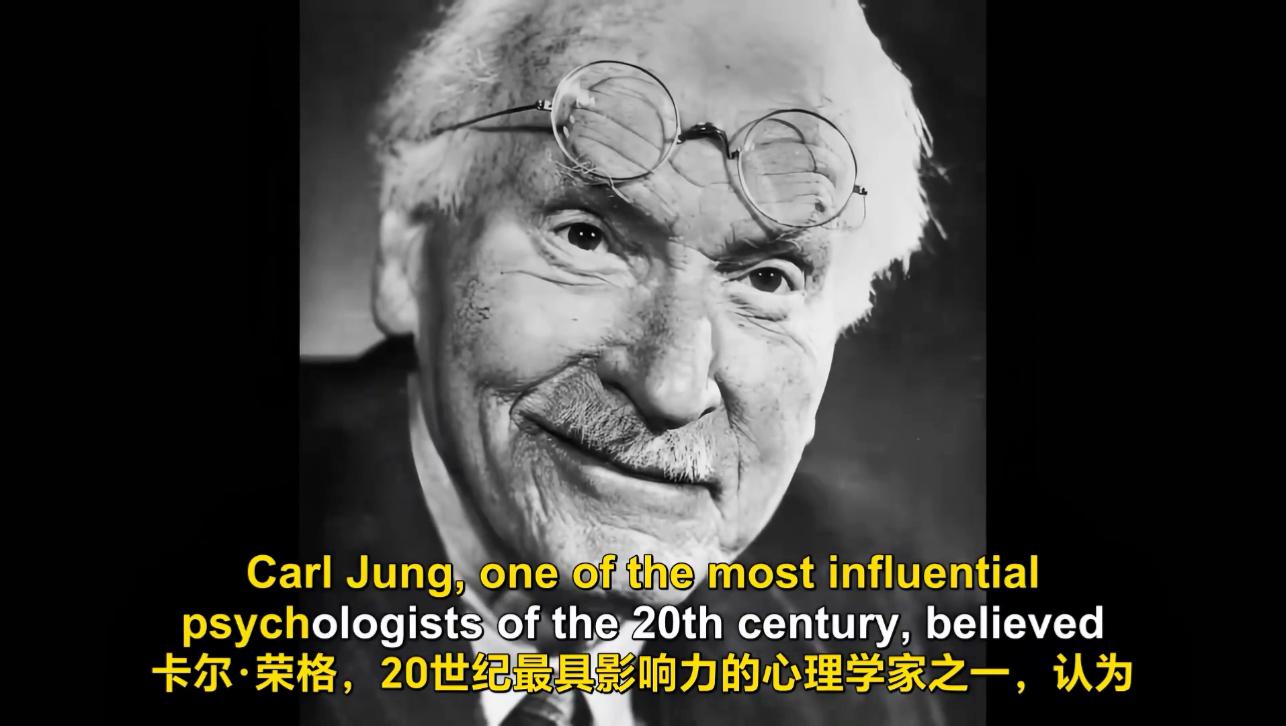
字幕摘录
| 时间 | 英文 | 中文 |
|---|---|---|
| 0:00 | Life doesn't truly begin until we've done the groundwork. | 生命不是真正开始 直到我们完成了基础。 |
| 0:03 | Carl Jung, one of the most influential psychologists of the 20th century, | 卡尔·郑,20世纪最有影响力的心理学家之一, |
| 0:07 | believed that our journey through the first few decades of life is not the main story, | 相信我们在生命的前几十年的旅程 不是主要的故事, |
| 0:12 | but merely preparation. | 只是准备而已 |
| 0:13 | Life really does begin at 40. | 生活确实从40岁开始。 |
| 0:15 | He said, | 他说, |
| 0:16 | Up until then, you are just doing research. | 在那之前,你只是在调查 |
| 0:19 | It's a bold claim, one that challenges how | 这是一个大胆的主张, 一个挑战如何 |
| 0:21 | most people view aging. | 大部分人看老化。 |
| 0:23 | We're taught to fear growing older, to see midlife as a period of decline, | 我们被教导害怕变老 将中年视为衰落时期 |
展开字幕全文(211 条)
| 序号 | 英文 | 中文 |
|---|---|---|
| 1 | Life doesn't truly begin until we've done the groundwork. | 生命不是真正开始 直到我们完成了基础。 |
| 2 | Carl Jung, one of the most influential psychologists of the 20th century, | 卡尔·郑,20世纪最有影响力的心理学家之一, |
| 3 | believed that our journey through the first few decades of life is not the main story, | 相信我们在生命的前几十年的旅程 不是主要的故事, |
| 4 | but merely preparation. | 只是准备而已 |
| 5 | Life really does begin at 40. | 生活确实从40岁开始。 |
| 6 | He said, | 他说, |
| 7 | Up until then, you are just doing research. | 在那之前,你只是在调查 |
| 8 | It's a bold claim, one that challenges how | 这是一个大胆的主张, 一个挑战如何 |
| 9 | most people view aging. | 大部分人看老化。 |
| 10 | We're taught to fear growing older, to see midlife as a period of decline, | 我们被教导害怕变老 将中年视为衰落时期 |
| 11 | chaos, or crisis. | 混乱或危机。 |
| 12 | Popular culture is filled with cliches about the so-called midlife crisis, | 流行文化充满了关于所谓中年危机的陈词滥调, |
| 13 | a time of existential dread, rash decisions, and desperate attempts to cling to youth. | 一个生存的恐惧 鲁莽的决定 和绝望的尝试 紧紧抓住青年。 |
| 14 | But Jung offers a radically different perspective. | 但郑提供了完全不同的观点。 |
| 15 | What if this stage of life | 如果生命的这个阶段 |
| 16 | isn't a crisis at all, but an awakening? | 不是危机,而是觉醒? |
| 17 | What if it's not an end, but a new beginning? | 如果不是结束 而是新的开始呢? |
| 18 | To understand this, we need to look at what the first 40 years of life represent. | 为了理解这一点,我们需要看看生命的前40年意味着什么。 |
| 19 | Think of those years as a phase of exploration, a time when we gather experiences, build identities, | 将那些年视为探索的阶段, 也就是我们收集经验,建立身份的时期, |
| 20 | and learn how the world works. | 和学习世界如何运作。 |
| 21 | It's a time of rapid growth, where we absorb ideas and values | 这是一个快速增长的时代, 我们吸收思想和价值观 |
| 22 | from the people and culture around us. | 我们周围的人和文化 |
| 23 | But it's also a time of searching. | 但同时也是寻找的时候. |
| 24 | Who am I? | 我是谁? |
| 25 | What should | 什么应该 |
| 26 | I do with my life? | 我做我的生活吗? |
| 27 | What will make me happy? | 什么会让我高兴? |
| 28 | These questions drive us in our youth, yet the answers | 这些问题驱使着我们青春,然而答案 |
| 29 | we find often feel incomplete. | 我们经常觉得不完全 |
| 30 | In those early decades, we're trying to make sense of life | 在最初的几十年里, 我们试图让生活的意义 |
| 31 | while still figuring out who we are. | 还在想我们是谁 |
| 32 | We build careers, relationships, and families, but often | 我们建立事业、关系和家庭,但往往 |
| 33 | with a focus on external success and societal approval. | 重点是外部的成功和社会认可。 |
| 34 | We're learning, striving, and sometimes | 我们学习,努力,有时 |
| 35 | failing. | 失败。 |
| 36 | And all of it shapes us. | 所有这一切都塑造了我们。 |
| 37 | Yet as Jung suggests, all of this is preparation. | 然而,正如郑所建议,这一切都是准备的。 |
| 38 | It's | 这是 |
| 39 | research. | 调查。 |
| 40 | It's laying the groundwork for something more profound. | 这为更深刻的东西奠定了基础. |
| 41 | By the time we approach 40, | 当我们接近40, |
| 42 | we begin to sense that the old ways of living no longer satisfy us, the priorities that once | 我们开始意识到 旧的生活方式 不再满足我们 |
| 43 | seemed so urgent, climbing the career ladder, fitting in, meeting expectations, start to lose | 似乎如此急迫,爬上职业阶梯, 适应,满足期望,开始输掉 |
| 44 | their grip. | 他们的握手。 |
| 45 | We realize that much of what we've been doing was shaped by others' definitions of | 我们意识到我们所做的大部分事情 是由其他人定义的 |
| 46 | success and happiness. | 成功和快乐。 |
| 47 | And that realization, though unsettling, is also liberating. | 这种认识虽然令人不安,但也是解放的。 |
| 48 | It's the | 这是 |
| 49 | beginning of a new phase, one Jung called individuation, a process of becoming whole, | 开始一个新的阶段,一个郑叫 分化,一个过程 变得完整, |
| 50 | of living life on our terms. | 根据我们的条件生活 |
| 51 | This shift is not sudden. | 这种转变不是突然的。 |
| 52 | It doesn't happen overnight. | 它不会发生一夜。 |
| 53 | It's gradual, often beginning with small, quiet questions. | 这是渐进的,往往从小而安静的问题开始. |
| 54 | Is this all there is? | 就这些吗? |
| 55 | Am I living the | 我活着 |
| 56 | life I truly want? | 我真的想过的生活? |
| 57 | These questions might emerge during moments of reflection, a career milestone, | 这些问题可能会在思考的时刻出现,这是一个职业生涯的里程碑, |
| 58 | a significant birthday, or even just a quiet evening alone. | 重要生日,甚至只是一个安静的夜晚 |
| 59 | But once they appear, they don't | 但一旦他们出现,他们就不会 |
| 60 | go away. | 走开。 |
| 61 | They grow louder, demanding answers. | 他们越来越大声,要求答案。 |
| 62 | And those answers require us to confront ourselves | 这些答案要求我们面对自己 |
| 63 | in ways we never have before. | 以我们从未有过的方式 |
| 64 | The world may see this as a midlife crisis. | 世界可能认为这是中年危机。 |
| 65 | It's easy to label | 很容易标注 |
| 66 | these moments of questioning and change as a breakdown. | 询问和改变的瞬间 |
| 67 | But Jung invites us to reframe | 但是郑哥请我们重构 |
| 68 | the experience. | 经验。 |
| 69 | What if this is not a crisis at all? | 如果这不是一场危机呢? |
| 70 | What if it's an opportunity? | 如果这是一个机会呢? |
| 71 | What if this | 如果这个 |
| 72 | stage of life, with all its challenges, doubts, and shifts, is exactly what we need to become | 人生的阶段,充满挑战、怀疑和变化,正是我们需要成为的 |
| 73 | the person we were always meant to be? | 我们注定要成为的人? |
| 74 | Midlife, as Jung saw it, is not the beginning of the end. | 中年,如郑所见,非始末也. |
| 75 | It's the beginning of something far more real, meaningful, and authentic. | 这是更真实,更有意义,更真实的东西的开始. |
| 76 | To fully appreciate | 完全感谢 |
| 77 | Jung's perspective, it's helpful to consider how he viewed the first half of life. | 郑的视角,考虑他如何看待上半生很有帮助. |
| 78 | During this stage, | 在这一阶段, |
| 79 | we are focused on building what he called the persona, the outward identity we present to the | 我们专注于建设他所谓的人格, 外向身份,我们呈现给 |
| 80 | world. | 这个世界 |
| 81 | This persona is influenced by our upbringing, culture, and social expectations. | 这个人物受到我们的培养、文化和社会期望的影响。 |
| 82 | It's the version | 这是版本 |
| 83 | of ourselves that seeks approval, fits in, and succeeds in the eyes of others. | 寻求他人的认可、认同和成功 |
| 84 | It's a necessary | 这是必要的 |
| 85 | phase. | 阶段。 |
| 86 | Without it, we wouldn't learn how to navigate society or establish the foundations | 没有它,我们就不会学会 如何导航社会或建立基础 |
| 87 | of adulthood. | 成年时 |
| 88 | But the persona is not the whole self. | 但人不是整个自我。 |
| 89 | It's a mask, a role we play. | 这是一个面具,我们扮演的角色。 |
| 90 | And while it | 趁着它 |
| 91 | serves its purpose, it's only one part of who we are. | 为了达到它的目的 它只是我们的一部分 |
| 92 | The problem arises when we become too attached | 问题就发生在我们太牵挂的时候 |
| 93 | to it, mistaking it for our true self. | 把它当成我们真正的自我 |
| 94 | By the time we reach midlife, the cracks in the persona begin | 到了中年 人体内的裂缝就开始了 |
| 95 | to show. | 来显示。 |
| 96 | The roles we've been playing, the successful professional, the devoted parent, | 我们一直扮演的角色, 成功的专业人士, 忠诚的父母, |
| 97 | the dutiful partner, start to feel restrictive. | 忠诚的伴侣,开始感到有限制。 |
| 98 | We begin to sense that there's more to us than | 我们开始觉得我们比 |
| 99 | the image we've been projecting. | 我们一直在投射的图像。 |
| 100 | And this is where the real work begins. | 这就是真正的工作开始的地方。 |
| 101 | Jung called this process | 阿正叫这个过程 |
| 102 | of moving beyond the persona, individuation. | 超越人性 分裂 |
| 103 | Individuation is about integrating all parts of | 分化是指整合所有部分 |
| 104 | ourselves. | 我们自己 |
| 105 | Not just the socially acceptable ones, but also the hidden shadowy aspects we've ignored | 不仅是社会接受的 也包括我们忽略的隐蔽的 |
| 106 | or suppressed. | 或被压制。 |
| 107 | The shadow, as Jung described it, contains everything we've rejected about ourselves, | 正如郑所描述的 影子包含了我们对自己的一切拒绝 |
| 108 | our fears, insecurities, and unfulfilled desires. | 我们的恐惧、不安全和未实现的欲望。 |
| 109 | Facing the shadow can be uncomfortable, | 面对阴影会很不舒服的 |
| 110 | even painful, but it's essential for growth. | 甚至是痛苦,但它对成长至关重要。 |
| 111 | Only by acknowledging and accepting these parts | 只有承认和接受这些部分 |
| 112 | of ourselves can we become whole. | 我们能变得完整。 |
| 113 | At midlife, the process of individuation takes on new urgency. | 中年时,分化过程有了新的紧迫感. |
| 114 | The questions we face are no longer about external achievements, but about inner fulfillment. | 我们面临的问题不再是外部成就,而是内部成就。 |
| 115 | What truly matters to me? | 我到底有什么关系? |
| 116 | What do I want to leave behind? | 我要离开什么? |
| 117 | What kind of life do I want to create? | 我想创造什么样的生活? |
| 118 | These are deeply personal questions, and the answers can't be found in the expectations of others. | 这些是深刻的个人问题,答案无法从别人的期望中找到. |
| 119 | They require us to turn inward, to listen to our own inner voice. | 他们要求我们向内转,倾听我们自己的内心声音。 |
| 120 | This inward turn is often | 这个内向的转弯经常是 |
| 121 | accompanied by a shift in priorities. | 伴随着优先事项的转变。 |
| 122 | In our youth, we are driven by ambition, competition, | 在我们的年轻时代, 我们被野心,竞争, |
| 123 | and the desire to prove ourselves. | 以及想要证明自己 |
| 124 | We chase after success, recognition, and material rewards. | 我们追逐成功 承认和物质回报 |
| 125 | But at midlife, these pursuits lose their appeal. | 但是在中年,这些追求失去了他们的吸引力. |
| 126 | We begin to value different things, | 我们开始重视不同的事物, |
| 127 | authenticity, connection, meaning. | 真实性,联系,意义. |
| 128 | Life becomes less about doing and more about being. | 生活变得更少 关于做和更多关于存在。 |
| 129 | It's no | 没有 |
| 130 | longer about proving our worth, but about living in alignment with our true selves. | 更需要证明我们的价值 但需要与我们真正的自己保持一致 |
| 131 | Psychologists and researchers have found that this shift is supported by changes in the brain. | 心理学家和研究人员发现这种转变得到了大脑变化的支持. |
| 132 | Neuroscientific studies show that as we age, the brain's emotional centers become more balanced. | 神经科学研究表明,随着我们的老化,大脑的情感中心变得更加平衡. |
| 133 | We become less reactive and more reflective. | 我们变得不那么被动和反省。 |
| 134 | We are better able to regulate our emotions | 我们更能调节我们的情绪 |
| 135 | and approach life's challenges with a sense of calm and perspective. | 以冷静和有远见的眼光看待生活的挑战。 |
| 136 | This emotional maturity | 这种感情成熟 |
| 137 | allows us to make decisions based on our values rather than our fears. | 使我们能够根据我们的价值观而不是恐惧作出决定。 |
| 138 | We stop living on autopilot | 我们不再靠自动驾驶生活 |
| 139 | and start living with intention. | 并开始有意图的生活。 |
| 140 | This doesn't mean that midlife is without its challenges. | 这并不意味着中年没有挑战。 |
| 141 | On the contrary, it can be a time of profound upheaval. | 相反,它可能是一个深刻动荡的时期。 |
| 142 | The process of questioning and | 讯问过程和 |
| 143 | redefining ourselves often involves letting go of old identities, relationships, and goals. | 重新定义我们自己往往涉及放弃旧的身份、关系和目标。 |
| 144 | This can feel like a loss, and it's easy to see why some people experience it as a crisis. | 这可以感觉是一种损失,很容易看出为什么有些人会把它当作危机来体验. |
| 145 | But as | 不过 |
| 146 | Brene Brown points out, what we call a midlife crisis is often an unraveling. | Brenne Brown指出,我们所说的中年危机常常是崩溃的。 |
| 147 | It's a time when | 这时候 |
| 148 | we are challenged to let go of who we think we're supposed to be and embrace who we truly are. | 我们被挑战 放弃我们认为应该成为的人 拥抱真正的我们 |
| 149 | This unraveling can be messy. | 这种破解可能很混乱。 |
| 150 | It might involve difficult conversations, major life changes, | 它可能涉及到困难的对话, 重大的生活变化, |
| 151 | or periods of uncertainty. | 或不确定时期。 |
| 152 | But it's also a time of incredible growth. | 但亦是不可思议增长之时. |
| 153 | Victor Frankl,精神病医生 | |
| 154 | and Holocaust survivor, wrote that the primary drive in human life is the will to meaning. | 大屠杀幸存者写道,人类生活的主要动力是实现意义的意愿。 |
| 155 | At midlife, this drive becomes more urgent. | 中年时,这个驱动器变得更加迫切. |
| 156 | We are no longer content to live according to | 我们不再满足于生活 |
| 157 | someone else's script. | 别人的剧本。 |
| 158 | We want a life that feels significant, even if it looks different from what | 我们想要一个感觉重要的生活, 即使它看起来不同什么 |
| 159 | we once imagined. | 我们曾经想象。 |
| 160 | For many, this means confronting fears that have held them back. | 对许多人来说,这意味着要对付阻碍他们的恐惧。 |
| 161 | The fear of | 恐惧 |
| 162 | judgment, the fear of failure, the fear of stepping into the unknown, these fears can be | 审判, 害怕失败, 害怕踏入未知的, 这些恐惧可能是 |
| 163 | paralyzing. | 瘫痪。 |
| 164 | But midlife offers an opportunity to face them head on. | 但中年提供了一个面对他们的机会。 |
| 165 | It's a chance to rewrite the | 这是一个重写的机会 |
| 166 | story of our lives, to let go of what no longer serves us, and embrace what truly matters. | 放弃那些不再为我们服务的东西 拥抱真正重要的事物 |
| 167 | Abraham Maslow, a pioneer in humanistic psychology, described this process as | 人文心理学的先驱亚伯拉罕·马斯洛(Abraham Maslow)形容这个过程是: |
| 168 | It's the drive to realize our full potential, to become the best version of ourselves. | 它是实现我们全部潜力的动力, 成为我们最好的版本。 |
| 169 | At midlife, self-actualization takes on a new depth. | 中年时,自我实现进入新的深度. |
| 170 | It's no longer about achieving external | 这已经不是实现外部 |
| 171 | success, but about finding inner fulfillment. | 成功,但关于寻找内在满足。 |
| 172 | It's about living a life that feels authentic | 而是过着真实的生活 |
| 173 | and meaningful. | 和有意义的。 |
| 174 | This process is not easy, but it is rewarding. | 这一进程并非易事,但是有益的。 |
| 175 | Studies show that people in their | 研究表明,人们在他们的 |
| 176 | and beyond often report higher levels of life satisfaction than those in their 20s and 30s. | 超过20岁和30岁的人的满意程度。 |
| 177 | They feel more connected to themselves and others. | 他们觉得自己和别人的关系更密切。 |
| 178 | They are less concerned with what others think, | 他们不太关心别人的想法, |
| 179 | and more focused on what brings them joy and purpose. | 更专注于什么给他们带来欢乐和目的。 |
| 180 | This is the gift of midlife, the freedom | 这是中年的礼物,自由 |
| 181 | to live on our terms. | 以我们的条件生活 |
| 182 | Jung believed that this freedom comes from embracing the full complexity | Jung相信这种自由 来自于对复杂事物的拥抱 |
| 183 | of who we are. | 我们是谁。 |
| 184 | It's about integrating the light and the dark, the successes and the failures, | 而是融合光明和黑暗 成功和失败 |
| 185 | dreams and disappointments. | 梦想和失望 |
| 186 | It's about accepting ourselves completely, even the parts we find | 这是关于完全接受自己, 甚至我们发现的部分 |
| 187 | difficult to face. | 很难面对 |
| 188 | The most terrifying thing is to accept oneself completely, Jung said. | 郑说,最可怕的是完全接受自己 |
| 189 | But it is | 但这是 |
| 190 | also the most liberating. | 还有最自由的 |
| 191 | Midlife is not a time to despair over what we've lost. | 中年不是对我们失去的东西绝望的时候。 |
| 192 | It's a time to | 是时候了 |
| 193 | celebrate what we've gained. | 庆祝我们的收获 |
| 194 | Wisdom. | 智慧报. |
| 195 | Clarity. | 明说. |
| 196 | Resilience. | 复原力。 |
| 197 | It's a time to build a life that | 是时候过上 |
| 198 | reflects our true selves. | 反映我们真正的自我 |
| 199 | A life that feels real and whole. | 一种感觉真实而完整的生活. |
| 200 | It's a time to stop researching and | 是时候停止研究了 |
| 201 | start living. | 开始生活。 |
| 202 | In this sense, midlife is not the beginning of the end. | 在这个意义上,中年不是结束的开始. |
| 203 | It's the beginning of | 这是开始 |
| 204 | something far more profound. | 更深刻的东西。 |
| 205 | It's a turning point. | 转法轮. |
| 206 | A chance to step into the life we were meant to | 踏入人生的机会 |
| 207 | live. | 活着 |
| 208 | And while the journey may be challenging, it is also deeply rewarding. | 虽然旅程可能具有挑战性,但也非常有益。 |
| 209 | Life really does | 生活确实如此 |
| 210 | begin at 40. | 从40开始。 |
| 211 | Not because we have all the answers, but because we finally start asking the right | 不是因为我们都有答案 而是因为我们终于开始问对了 |
该视频共有字幕 211 条。解锁更多字幕为会员功能,请移动到 价格