为什么一些女性看起来毫不费力就很自信|神经科学
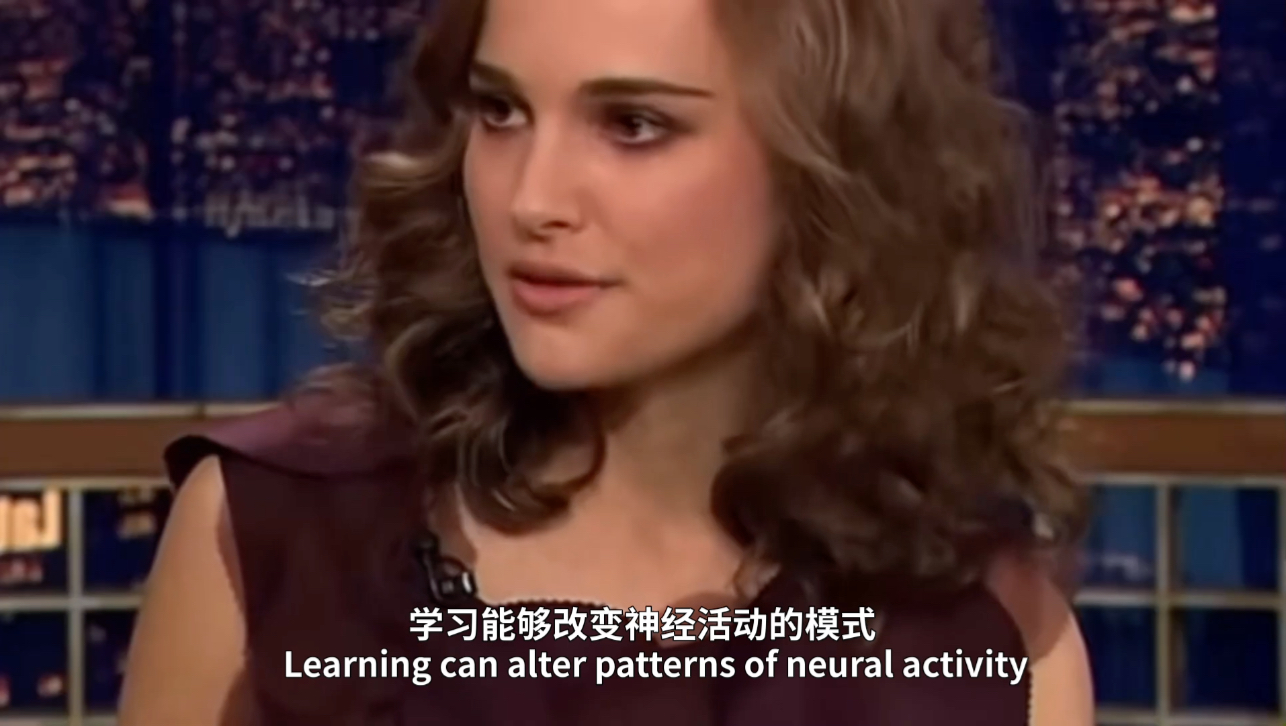
字幕摘录
| 时间 | 英文 | 中文 |
|---|---|---|
| 0:00 | We often think of confidence as a personality trait. | 我们常常把信心看作是个性特征。 |
| 0:03 | Some people seem naturally self-assured. | 有些人看起来很自信 |
| 0:05 | They speak without hesitation, make decisions easily, and seem completely comfortable being | 他们毫不犹豫地说话,轻而易举地做决定,似乎完全自在 |
| 0:11 | seen, while others constantly second-guess themselves. | 别人总是自以为是 |
| 0:14 | But beneath that difference is | 但在这个差别之下 |
| 0:16 | something much more interesting. | 更有趣的东西 |
| 0:17 | Your brain. | 你的大脑。 |
| 0:18 | Confidence isn't controlled by one single part | 自信不是由一个部分控制的 |
| 0:21 | of the brain. | 大脑。 |
| 0:22 | It's influenced by a complex interaction between learning, memory, emotion, | 它受到学习,记忆,情感, |
展开字幕全文(274 条)
| 序号 | 英文 | 中文 |
|---|---|---|
| 1 | We often think of confidence as a personality trait. | 我们常常把信心看作是个性特征。 |
| 2 | Some people seem naturally self-assured. | 有些人看起来很自信 |
| 3 | They speak without hesitation, make decisions easily, and seem completely comfortable being | 他们毫不犹豫地说话,轻而易举地做决定,似乎完全自在 |
| 4 | seen, while others constantly second-guess themselves. | 别人总是自以为是 |
| 5 | But beneath that difference is | 但在这个差别之下 |
| 6 | something much more interesting. | 更有趣的东西 |
| 7 | Your brain. | 你的大脑。 |
| 8 | Confidence isn't controlled by one single part | 自信不是由一个部分控制的 |
| 9 | of the brain. | 大脑。 |
| 10 | It's influenced by a complex interaction between learning, memory, emotion, | 它受到学习,记忆,情感, |
| 11 | attention, decision-making, and the predictions your brain makes about what you're capable of. | 注意,决策, 和预测你的大脑 让你有能力。 |
| 12 | And because your brain learns from experience, those predictions aren't necessarily permanent. | 因为你的大脑从经验中吸取教训, 这些预测并不一定是永久性的。 |
| 13 | They can change. | 他们可以改变。 |
| 14 | That's what we're going to explore in this video. | 这就是我们要在本视频中探索的内容. |
| 15 | We'll look at what confidence | 我们看看什么是自信 |
| 16 | actually is from a psychological and neurological perspective, how your brain builds an internal | 从心理和神经的角度来看 你的大脑是如何构建一个内脏的 |
| 17 | model of your abilities, why some experiences strengthen confidence while others reinforce | 你的能力模式, 为什么有些经验加强信心 而另一些经验则加强信心 |
| 18 | and what happens when your expectations don't match reality. | 以及当你的期望 不符合现实时会发生什么。 |
| 19 | We'll also explore neuroplasticity, | 我们还会探索神经弹性 |
| 20 | the role of prediction and learning, why taking action can gradually change your expectations, | 预测和学习的作用, 为什么采取行动可以逐渐改变你的期望, |
| 21 | and why you can still feel nervous while becoming more confident. | 以及为什么你仍然可以感到紧张 同时变得更加自信。 |
| 22 | And most importantly, | 而最重要的是, |
| 23 | we'll look at what it really means to rewire your brain for confidence, what neuroscience | 我们来研究一下 重新连接你的大脑对信心的真正意义 以及神经科学 |
| 24 | actually supports, what popular advice gets wrong, and how repeated experiences can shape the way | 实际支持,什么是流行的建议 得到错误,如何重复的经验 能够塑造的方式 |
| 25 | you respond to uncertainty. | 你对不确定性的反应。 |
| 26 | And understanding how that happens could change the way you understand | 了解这会发生什么 改变你理解的方式 |
| 27 | confidence itself. | 自信本身。 。 。 |
| 28 | We tend to think of confidence as something you either have or you don't. | 我们往往将自信视为你拥有或没有的东西。 |
| 29 | But psychology gives us a more useful way of looking at it. | 但是心理学给了我们一个更有用的方法来看待它. |
| 30 | One important concept is | 一个重要的概念是: |
| 31 | self-efficacy. | 自我效能。 |
| 32 | Self-efficacy is your belief that you can successfully perform a particular action | 自我效能是指你认为你能够成功完成某项行动 |
| 33 | or deal with a particular situation. | 或处理特定情况。 |
| 34 | And that's different from self-esteem. | 这和自尊是不一样的 |
| 35 | Self-esteem is more | 自尊更强 |
| 36 | about how you evaluate yourself. | 关于你如何评价自己。 |
| 37 | Self-efficacy is more specific. | 自性更具体. |
| 38 | It asks, can I handle this? | 它问,我能处理吗? |
| 39 | You can feel nervous and still have strong self-efficacy. | 你可以感到紧张 并且仍然有强大的自我效能。 |
| 40 | So confidence isn't simply the | 所以信心不仅仅是 |
| 41 | absence of anxiety. | 没有焦虑。 |
| 42 | And it isn't the same thing as feeling good about yourself every moment of the | 它不是同样的事情 感觉好自己的每一刻 |
| 43 | day. | 日报. |
| 44 | One important part of confidence is what you expect yourself to be able to do in a particular | 信心的一个重要部分是,你期望自己能在某个特定领域做到什么。 |
| 45 | situation. | 情况 |
| 46 | Imagine two women walking into the same interview. | 想象两个女人走进同一个面试。 |
| 47 | They have similar qualifications. | 他们具有类似的资格。 |
| 48 | They prepared for roughly the same amount of time. | 他们准备的时间大致相同。 |
| 49 | The questions are identical. | 问题是一样的。 |
| 50 | But one thinks, I can't predict exactly what they'll ask, but I trust myself to respond. | 但有人认为,我无法准确预测他们会问什么, 但我相信自己会回答。 |
| 51 | The other thinks, what if they realize I'm not actually as capable as they think? | 其他人想,如果他们意识到 我实际上没有他们想象的那么有能力呢? |
| 52 | The external situation is the same. | 外部情况也一样。 |
| 53 | Their internal expectations are different. | 他们的内部期望不同. |
| 54 | And those expectations can influence behavior. | 这些期望可以影响行为。 |
| 55 | The woman who expects herself to cope may be more | 期待自己应付的女人可能更多 |
| 56 | know and answer. | 认识并回答。 |
| 57 | The woman who expects herself to fail may hesitate, monitor herself more closely, | 希望自己失败的女人可能犹豫不决 更密切地监视自己 |
| 58 | or avoid opportunities altogether. | 或完全避免机会。 |
| 59 | That doesn't mean confidence guarantees success. | 这并不意味着信心保证成功。 |
| 60 | It doesn't. | 它没有。 |
| 61 | A confident person can make a terrible decision. | 自信的人可以做出一个可怕的决定. |
| 62 | An anxious person can perform brilliantly. | 焦急的人能出色地表现 |
| 63 | Confidence is not a guarantee of an outcome. | 信任不是结果的保证。 |
| 64 | It's part of the mental framework you bring | 这是你带来的精神框架的一部分 |
| 65 | into the situation. | 进入局势。 |
| 66 | And that framework doesn't appear from nowhere. | 而这个框架并没有从任何地方出现。 |
| 67 | It develops through | 它通过 |
| 68 | experience. | 经验 |
| 69 | Which leads to a more interesting question. | 这导致一个更有趣的问题。 |
| 70 | Where does your brain get its idea of | 你的大脑在哪里得到它的想法 |
| 71 | who you are? | 你是谁? |
| 72 | Your brain doesn't approach every new situation with a blank page. | 你的大脑不会用空白的一页 接近每一个新情况 |
| 73 | It carries | 它携带 |
| 74 | information forward. | 信息转发。 |
| 75 | Your successes. | 你的成绩。 |
| 76 | Your failures. | 你的失败。 |
| 77 | The situations you've avoided. | 你所避免的情况。 |
| 78 | And the moments when you discovered you were more capable than you expected. | 而当你发现你的能力比你预期的还要强。 |
| 79 | Together, | 一起来, |
| 80 | these experiences can contribute to something psychologists call your self-concept. | 这些经验有助于心理学家所谓的自我观念 |
| 81 | The beliefs | 信仰 |
| 82 | and mental representations you have about yourself. | 还有你对自己的精神表现 |
| 83 | And that self-concept can influence | 这种自我观念可以影响 |
| 84 | what you expect to happen next. | 接下来会发生什么? |
| 85 | If you've repeatedly experienced yourself as someone | 如果你再三体验自己成为一个人 |
| 86 | who can solve problems, you may approach an unfamiliar problem thinking, I'll probably figure | 谁能解决问题, 你可能会遇到一个陌生的问题思考, 我可能会想 |
| 87 | this out. | 这个出去。 |
| 88 | But if you've repeatedly experienced yourself as someone who gets things wrong, | 但是如果你再三体验自己是个错误的人 |
| 89 | gets criticized, or isn't listened to, you may approach the same situation expecting difficulty. | 你可能会遇到同样的困难 |
| 90 | Neither prediction is necessarily a perfect description of reality. | 两种预测都不一定是对现实的完美描述。 |
| 91 | They're models. | 他们是模特 |
| 92 | And | 还有 |
| 93 | neuroplasticity becomes relevant. | 神经弹性变得相关. |
| 94 | Your brain isn't a static machine. | 你的大脑不是静态机器 |
| 95 | Learning and experience | 学习和经验 |
| 96 | can change patterns of neural activity and influence the brain systems involved in perception, | 能够改变神经活动模式 影响感知中的大脑系统 |
| 97 | emotion, attention, and behavior. | 情感、注意力和行为 |
| 98 | But neuroplasticity is often misunderstood. | 但神经弹性经常被误解. |
| 99 | It doesn't | 没有 |
| 100 | mean that saying, I am confident, a hundred times will magically transform your brain. | 意思是,说,我有信心, 一百次会神奇地改变你的大脑。 |
| 101 | Neuroplasticity isn't magic. | 神经弹性不是魔法 |
| 102 | The brain changes through learning and learning is shaped by | 大脑通过学习和学习而改变 |
| 103 | Think about public speaking. | 想想公开演讲吧 |
| 104 | The first time you stand in front of a room, your attention may | 你第一次站在一个房间前 你可能会注意到 |
| 105 | become intensely focused on yourself, your voice, your hands, your posture. | 专注在自己、声音、手和姿势上 |
| 106 | But imagine you do it | 但想象一下你这样做 |
| 107 | again and again and again. | 一次又一次的 |
| 108 | The fifth presentation might still make you nervous. | 第五场表演可能会让你紧张 |
| 109 | But now you know | 但现在你知道了 |
| 110 | what it feels like to begin. | 开始的感觉 |
| 111 | The situation hasn't necessarily changed. | 情况未必改变. |
| 112 | Your experience of yourself | 你对自己的经验 |
| 113 | within that situation has. | 在那种情况下 |
| 114 | And sometimes the most important learning doesn't come from success. | 而有时最重要的学习并不来自成功. |
| 115 | It comes from an imperfect outcome that you survive. | 它来自一个不完美的结果 你生存。 |
| 116 | And you learn that failure can be | 你学会失败可能是 |
| 117 | information rather than a final judgment. | 信息而不是最后判决。 |
| 118 | And that's important because confidence doesn't | 这一点很重要,因为自信没有 |
| 119 | require certainty about the future. | 需要对未来的把握。 |
| 120 | It can grow from trust in your ability to respond to it. | 它可以从对你的应对能力的信任中成长. |
| 121 | But there's a problem. | 但有一个问题。 |
| 122 | Knowing you're capable doesn't automatically make you act like it. | 知道自己有能力并不自动让你的行为像它。 |
| 123 | And that's where the confidence action loop begins. | 这就是信心动作循环开始的地方. |
| 124 | Confidence can influence action. | 信心可以影响行动。 |
| 125 | But action | 但行动 |
| 126 | can also influence confidence. | 也可以影响信心。 |
| 127 | Before you do something unfamiliar, your brain generates | 在你做一些不熟悉的事之前 你的大脑会产生 |
| 128 | expectations about what is likely to happen. | 对可能发生的事情的期望。 |
| 129 | Those expectations can influence whether you act at all. | 这些期望可以影响你是否采取行动。 |
| 130 | But once you act, something changes. | 但一旦你采取行动, 事情就会改变。 |
| 131 | You get feedback from reality. | 你从现实中得到反馈 |
| 132 | Maybe you expected the | 也许你会想到 |
| 133 | presentation to be unbearable. | 无法忍受的演示文稿。 |
| 134 | You got through it. | 你熬过了 |
| 135 | Or perhaps you did make a mistake. | 或许你犯了个错误 |
| 136 | But the | 不过 |
| 137 | consequences were much smaller than you imagined. | 后果比你想象的要小得多 |
| 138 | Now you have something you didn't have before. | 现在你有以前没有的东西了 |
| 139 | New information. | 新资料. |
| 140 | This is where the concept of prediction error becomes important. | 这就是预测错误的概念变得重要的地方. |
| 141 | In learning | 学习 |
| 142 | and decision making, prediction error refers broadly to the difference between what was | 与决策,预测误差泛指什么是区别 |
| 143 | expected and what actually happened. | 以及实际发生的事 |
| 144 | You predicted one outcome. | 你预言了一个结果。 |
| 145 | Reality produced another. | 现实产生了另一个。 |
| 146 | That | 那个 |
| 147 | mismatch can contribute to learning. | 不匹配可促进学习。 |
| 148 | One experience may not completely change your expectations. | 一次经历可能不会完全改变你的期望。 |
| 149 | But | 不过 |
| 150 | repeated experiences can gradually shift them. | 重复的经验可以逐渐改变它们。 |
| 151 | You approach the next situation with slightly | 你接近下一个情况 稍稍 |
| 152 | different expectations. | 不同的期望。 |
| 153 | Because it feels more manageable. | 因为它感觉更容易管理。 |
| 154 | You're more willing to act. | 你更愿意行动 |
| 155 | Acting | 演员 |
| 156 | gives you another opportunity to learn. | 给你另一个学习的机会。 |
| 157 | And the new experience gives you more information. | 新的经验给你更多的信息。 |
| 158 | The loop | 循环 |
| 159 | continues. | 继续。 |
| 160 | But the opposite can happen too. | 但相反的情况也可能发生。 |
| 161 | If you repeatedly avoid situations because you expect | 如果你因为期待而一再避免出现情况 |
| 162 | yourself to fail, you receive less evidence that contradicts the prediction. | 自己失败,你得到的证据更少 与预测相矛盾。 |
| 163 | The prediction remains | 预言依旧 |
| 164 | largely untested. | 基本上没有经过测试。 |
| 165 | This is one reason. | 这是一个原因。 |
| 166 | Waiting until you feel confident before acting can become | 等到你自信起来 才能演戏 |
| 167 | a trap. | 一个陷阱。 |
| 168 | That doesn't mean forcing yourself into situations that overwhelm you. | 这并不意味着强迫自己 陷入困扰你的处境。 |
| 169 | Good learning | 学得好 |
| 170 | doesn't require throwing yourself into the deepest possible end. | 也不需要把自己丢进最深的尽头 |
| 171 | A challenge can be meaningful | 挑战可能是有意义的 |
| 172 | without being overwhelming. | 而不是被压倒。 |
| 173 | But even when reality gives you evidence of competence, | 但即使现实给了你能力的证据 |
| 174 | self-doubt can still find a way to speak. | 自我怀疑还是能找到说话的方法 |
| 175 | So why does that happen? | 为什么会这样? |
| 176 | You can succeed 10 times and | 你可以成功10次,而且... |
| 177 | still be terrified of the 11th. | 仍然害怕11号 |
| 178 | You can receive praise and still believe you're not good enough. | 你可以得到赞美,仍然相信你不够好。 |
| 179 | Why? | 为什么? |
| 180 | Because your brain doesn't simply collect evidence. | 因为你的大脑不能简单地收集证据 |
| 181 | It also determines what receives your | 也决定了你们得到什么 |
| 182 | attention. | 注意点 |
| 183 | Attention matters. | 注意事项 |
| 184 | Emotion matters. | 情绪很重要。 |
| 185 | Memory matters. | 记忆很重要。 |
| 186 | And so do the expectations you | 你的期望也一样 |
| 187 | bring into an experience. | 带来一个经验。 |
| 188 | Imagine you've given 10 presentations. | 想象一下你做了10个演讲 |
| 189 | Nine went reasonably well. | 9个进展顺利 |
| 190 | During one presentation, your voice shook. | 在一次演讲中,你的声音震撼。 |
| 191 | Three days later, which presentation are you replaying? | 三天后,你要重播哪个节目? |
| 192 | It may be the one that felt embarrassing. | 这可能是一个感到尴尬。 |
| 193 | But because emotionally significant experiences can | 但因为情感上的重要经历可以 |
| 194 | capture attention and sometimes become especially memorable, this can create an incomplete internal | 捕捉注意力,有时变得特别难忘 这会造成一个不完整的内部 |
| 195 | record. | 记录。 |
| 196 | Not because your brain is deliberately lying to you, but because what you attend to, | 不是因为你的大脑故意骗你 而是因为你所关心的 |
| 197 | emotionally respond to, and remember can shape the evidence you later use to interpret yourself. | 情绪反应,记住可以塑造你后来用来解释自己的证据. |
| 198 | There's another distinction that can be surprisingly powerful. | 还有另一种区别,可以令人惊讶的强大. |
| 199 | A thought is not the | 一个想法不是 |
| 200 | same thing as a fact. | 跟事实一样 |
| 201 | I might embarrass myself is a prediction. | 我可能让自己难堪 是一个预测。 |
| 202 | It isn't evidence that you will. | 这不是证据 你会。 |
| 203 | You don't have to fight every negative thought. | 你不必跟每个消极的想法作斗争 |
| 204 | Instead, learn to identify what the thought | 相反,学习识别什么是 |
| 205 | actually is. | 其实是的 |
| 206 | A prediction. | 预言 |
| 207 | That creates psychological distance. | 这造成了心理上的距离。 |
| 208 | And distance gives you a choice. | 距离给你一个选择。 |
| 209 | You can ask, what evidence do I actually have? | 你可以问我有什么证据? |
| 210 | What did I predict would happen? | 我预测会发生什么? |
| 211 | What happened | 发生了什么事 |
| 212 | instead? | 相反? |
| 213 | What did I handle better than I expected? | 我处理的比预期的好? |
| 214 | These questions don't require you to tell yourself | 这些问题不需要你告诉自己 |
| 215 | that everything is wonderful. | 一切都是美妙的。 (笑声) |
| 216 | They simply help you examine the evidence more completely. | 他们只是帮你更彻底地审查证据 |
| 217 | And once you | 一旦你 |
| 218 | can examine your predictions, you can begin deliberately testing them. | 可以检查你的预测, 你可以开始刻意测试。 |
| 219 | So how do you actually | 所以,你实际上如何 |
| 220 | give yourself better evidence? | 给自己更好的证据? |
| 221 | Rewire your brain is a powerful phrase, but it's also one of the most | 重排你的大脑是一个强大的短语,但它也是最 |
| 222 | misunderstood. | 误会了 |
| 223 | When we use the phrase rewire your brain in this video, we're using it as shorthand | 当我们用这个短语 重新连接你的大脑 在这个视频,我们用它作为短手 |
| 224 | for learning and experience driven changes in how you think, feel, and behave. | 以学习和经验为动力 改变你的想法、感受和行为 |
| 225 | We're not talking | 我们不谈了 |
| 226 | about consciously rebuilding individual neural connections. | 关于自觉重建个体神经连接. |
| 227 | Neuroplasticity isn't magic. | 神经弹性不是魔法 |
| 228 | It is | 没错 |
| 229 | instant. | 马上 |
| 230 | And it doesn't mean you can consciously control every aspect of your brain simply by | 这并不意味着你可以自觉地控制你的大脑的每一个方面, |
| 231 | thinking differently. | 思维不同。 |
| 232 | What it does mean is that the brain is capable of changing with learning | 它意味着大脑能够随着学习而改变 |
| 233 | and experience. | 经验。 |
| 234 | Repeated practice can produce changes in neural activity and over time contribute | 重复练习可导致神经活动的变化,并随着时间的推移作出贡献。 |
| 235 | to changes in the brain structure and function. | 大脑结构和功能的变化。 |
| 236 | Repeated exposure can make situations more | 反复接触会使情况变得更加复杂 |
| 237 | familiar. | 熟悉点 |
| 238 | Learning can alter patterns of neural activity and the way different brain systems | 学习可以改变神经活动的规律和不同大脑系统的方式 |
| 239 | interact. | 互动。 |
| 240 | And behaviors that once required enormous conscious effort can become more | 曾经需要巨大的自觉努力的行为 可能会变得更加严重 |
| 241 | automatic with practice. | 自动与练习。 |
| 242 | Think about learning to drive. | 考虑学习驾驶。 |
| 243 | At first, every action requires conscious | 一开始,每个行动都需要有意识 |
| 244 | attention, mirrors, pedals, steering, traffic, signs, other cars. | 注意 镜子 踏板 方向盘 交通 标志 其它车辆 |
| 245 | Eventually, much of the process | 最终,大部分过程 |
| 246 | becomes more automatic. | 更自动。 |
| 247 | Your brain has learned the task. | 你的大脑学到了这个任务 |
| 248 | Confidence can develop through a somewhat | 信心可以通过某种方式发展 |
| 249 | similar process. | 类似过程。 |
| 250 | The transformation isn't necessarily one dramatic moment. | 转变并不一定是一个戏剧性的时刻。 |
| 251 | It's the | 这是 |
| 252 | brain one connection at a time. | 大脑一次连接。 |
| 253 | You're participating in the learning processes through | 你通过学习过程 |
| 254 | which your brain adapts to experience. | 你的大脑适应经验 |
| 255 | And there's an important limitation. | 并有重要的限制. |
| 256 | Learning is | 学习是 |
| 257 | often specific. | 经常具体。 |
| 258 | Becoming better at one task doesn't automatically make you better at everything else. | 完成一项任务会更好 也不会自动让你在其他一切方面更好 |
| 259 | The skills and expectations you develop can depend heavily on the situations in which you | 你所培养的技能和期望可以在很大程度上取决于你所处的环境 |
| 260 | practice them. | 练习 |
| 261 | So the goal isn't to control your brain perfectly. | 所以目标不是完全控制你的大脑。 |
| 262 | It's to participate in its | 它参与它的 |
| 263 | capacity to learn. | 学习能力。 |
| 264 | And that means the most useful form of rewiring is often surprisingly ordinary. | 这意味着最有用的复线形式往往是令人惊讶的普通. |
| 265 | You give yourself new experiences, you learn from them, and you repeat the process. | 你给自己新的经验,从中学习,然后重复这个过程. |
| 266 | But the goal | 但目标 |
| 267 | isn't to convince yourself that nothing bad can happen. | 并不是要说服自己 任何坏事都不会发生 |
| 268 | That would be unrealistic. | 这样做是不现实的。 |
| 269 | The goal is to | 目标是 |
| 270 | build a more flexible prediction. | 建立更灵活的预测。 |
| 271 | That is a much more durable form of confidence. | 这是一种更持久的信任形式。 |
| 272 | Because the | 因为 |
| 273 | strongest form of confidence isn't certainty about the future. | 最强的信心形式 并不是对未来的把握 |
| 274 | It's trust in your ability to respond | 这是对你回应能力的信任 |
该视频共有字幕 274 条。解锁更多字幕为会员功能,请移动到 价格