我们为什么会背痛 | 理疗专家Amy Selinger 讲述
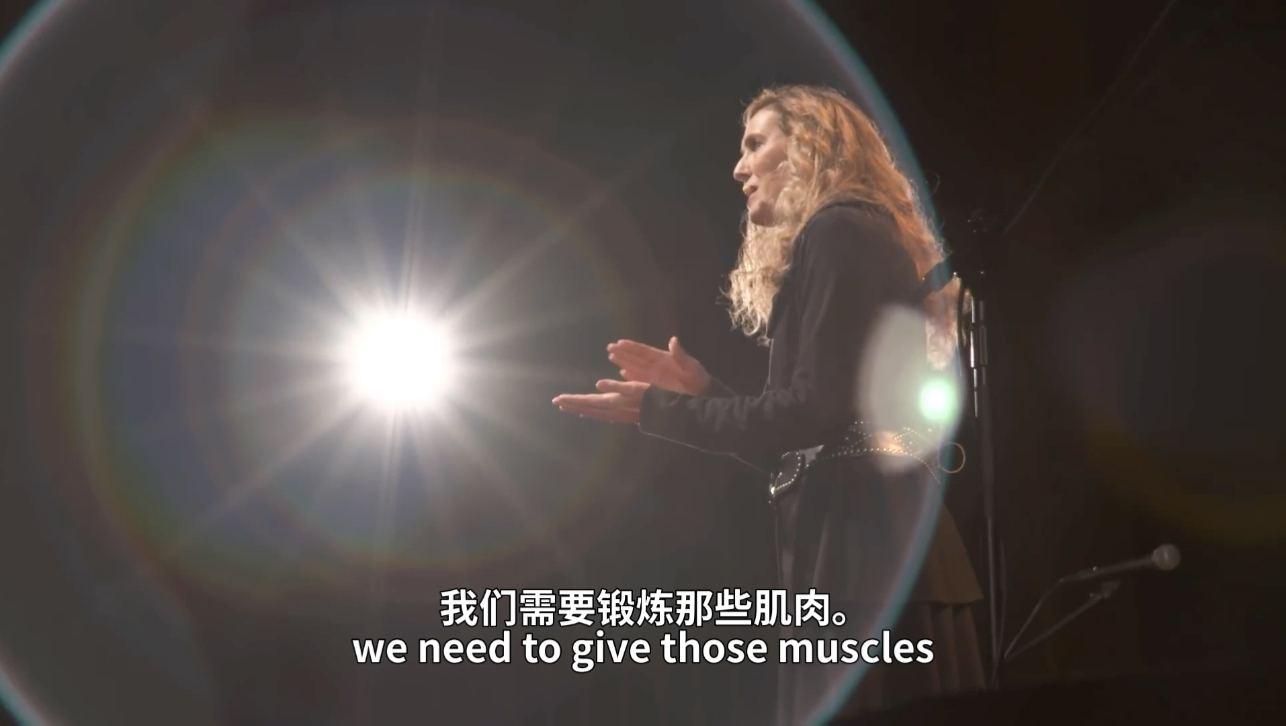
字幕摘录
| 时间 | 英文 | 中文 |
|---|---|---|
| 0:18 | I'm going to begin by asking you a question. | 我先问你个问题 |
| 0:22 | How many of you have experienced back pain? | 你们有多少人经历过背痛? |
| 0:28 | I'm going to talk about why so many of us have back pain. | 我要谈谈为什么这么多人背痛 |
| 0:34 | We begin our process of muscle development even before we are born. | 我们甚至在出生前就开始了肌肉发展的过程。 |
| 0:40 | And in a baby just a few weeks old, | 在几周大的婴儿里, |
| 0:44 | you can already see that abdominal muscle activity | 您已经看到腹肌活动 |
| 0:47 | accompanies head, arm, and leg movements. | 伴有头,臂,腿的动作. |
| 0:51 | And that muscle training is what will allow the baby to roll, | 肌肉训练会让宝宝滚动 |
| 0:56 | then sit, and crawl, and stand, and walk. | 然后坐着 爬着 站着 走路 |
| 1:03 | And soon, the child will squat, | 很快,孩子会蹲下, |
展开字幕全文(254 条)
| 序号 | 英文 | 中文 |
|---|---|---|
| 1 | I'm going to begin by asking you a question. | 我先问你个问题 |
| 2 | How many of you have experienced back pain? | 你们有多少人经历过背痛? |
| 3 | I'm going to talk about why so many of us have back pain. | 我要谈谈为什么这么多人背痛 |
| 4 | We begin our process of muscle development even before we are born. | 我们甚至在出生前就开始了肌肉发展的过程。 |
| 5 | And in a baby just a few weeks old, | 在几周大的婴儿里, |
| 6 | you can already see that abdominal muscle activity | 您已经看到腹肌活动 |
| 7 | accompanies head, arm, and leg movements. | 伴有头,臂,腿的动作. |
| 8 | And that muscle training is what will allow the baby to roll, | 肌肉训练会让宝宝滚动 |
| 9 | then sit, and crawl, and stand, and walk. | 然后坐着 爬着 站着 走路 |
| 10 | And soon, the child will squat, | 很快,孩子会蹲下, |
| 11 | and for quite some time will squat | 并会蹲下一段时间 |
| 12 | whenever he or she wants something on the ground | 只要他或她想要的东西在地面上 |
| 13 | or more stability to play. | 或更稳定 |
| 14 | This muscular training gets us off to a great start. | 肌肉训练让我们有一个伟大的开端。 |
| 15 | Despite a fair amount of sitting, | 虽然坐得相当多 |
| 16 | in car seats, and carriers, high chairs, and strollers, | 坐在汽车座椅上,还有载体,高椅和婴儿车, |
| 17 | because in between, children are still running, and jumping, | 因为中间 孩子们还在跑 跳 |
| 18 | reaching, and squatting. | 伸手而上,蹲卧而下. |
| 19 | And then, we take these amazing little bodies and put them in school. | 然后,我们把这些惊人的小身体 放在学校里。 |
| 20 | I don't know about the chairs you had in school, | 我不知道你在学校的椅子 |
| 21 | but in mine, it was nearly impossible not to slump. | 但在我的身上,几乎不可能不堕落。 |
| 22 | Possibly like the one-size-fits-all chairs you're sitting in now. | 可能就像你现在坐在椅子上一样 |
| 23 | Even if not slumping, | 即使没有堕落, |
| 24 | children sit for hours every day while they're growing. | 孩子们每天在长大的时候坐上几个小时 |
| 25 | The muscles in a shortened position are adapting to being short, | 肌肉在缩短位置 适应短。 |
| 26 | acting stronger, and reacting more quickly than other muscles, | 表现得比其他肌肉更强 反应更快 |
| 27 | while muscles in a lengthened position are adapting to being long, | 肌肉在变长的姿势 适应长。 |
| 28 | acting weaker, and reacting more slowly. | 行动较弱 反应较慢 |
| 29 | So children's muscles are already training to be imbalanced. | 所以孩子们的肌肉已经被训练成不平衡。 |
| 30 | Sitting also alters our flexibility. | 坐着也改变了我们的灵活性。 |
| 31 | We become more flexible in our spine, | 我们的脊椎变得更加灵活 |
| 32 | and less flexible in our legs. | 我们的腿不太灵活 |
| 33 | As a result, children begin bending over from the waist | 结果,孩子们从腰部开始弯曲 |
| 34 | rather than squatting to pick things up, | 而不是蹲下捡东西, |
| 35 | and this only increases as they get older. | 这只会随着年龄的增长而增加。 |
| 36 | And that is a shame, | 这太可惜了, |
| 37 | because squatting is very good for us. | 因为蹲下对我们有好处 |
| 38 | In fact, squatting helps maintain the flexibility and strength of our legs | 事实上,蹲下有助于保持腿部的灵活性和强度 |
| 39 | and pelvic floor, | 和骨盆地板, |
| 40 | the muscles at the base of our spine that support our pelvic organs. | 我们脊椎底部的肌肉 支撑着骨盆器官 |
| 41 | So this change from squatting to bending over and chair sitting | 所以从蹲下到弯腰坐椅子 |
| 42 | may lead not only to back pain, | 不仅会导致背痛, |
| 43 | but ultimately to balance dysfunction, joint degeneration, | 但最终平衡功能失调 联合退化 |
| 44 | and pelvic floor disorders. | 还有骨盆底部紊乱 |
| 45 | As we move from childhood to adulthood, | 当我们从童年到成年 |
| 46 | we become stronger in the muscles that are already strong, | 已经很强壮的肌肉会变得更强壮 |
| 47 | better in the actions we are already good at. | 更好的行动,我们已经 擅长。 |
| 48 | Instead of the variety of movements we had as young children, | 而不是我们小时候的各种各样的运动 |
| 49 | we become adults who repeat movements. | 我们成为成人 重复运动。 |
| 50 | How many of you get out of bed on the same side every morning? | 你们中有多少人每天早上在同一边下床? |
| 51 | We may step into our clothes with the same leg first, | 我们可以先用同一条腿踩进我们的衣服 |
| 52 | reach into our closets with the same arm, | 手伸进我们的衣柜 |
| 53 | even exercise can be repetitive. | 甚至运动也可能是重复的。 |
| 54 | We live in a modern society, | 我们生活在现代社会 |
| 55 | but we each respond differently to modern conveniences. | 但我们都对现代的便利有不同的反应 |
| 56 | Our height, shape, and proportions | 我们的身高、形状和比例 |
| 57 | cause us to interact uniquely with our environment | 使我们与我们的环境有独特的互动 |
| 58 | and to adapt to activities and traumas we've experienced, | 适应我们所经历的活动和创伤, |
| 59 | so that some of us develop a healthy movement system, | 这样我们中有些人就形成了一个健康的运动系统, |
| 60 | while the rest of us develop a painful one. | 而我们其他人却发展出一个痛苦的。 |
| 61 | In fact, at least 80% of us will develop back pain | 事实上,至少我们80%的人会出现背痛 |
| 62 | at some point in our adult lives. | 在我们成年人生活中的某个时候 |
| 63 | And while chronic back pain is challenging to measure, | 虽然慢性背痛难以衡量 |
| 64 | at least 10% of us will have back pain | 至少10%的人会背痛 |
| 65 | that lasts for three months or longer. | 持续三个月或更长的时间 |
| 66 | If you are an adult who has pain, | 如果你是一个有痛苦的成年人, |
| 67 | can you stretch your stiff muscles? | 你能伸伸肌肉吗? |
| 68 | Can you strengthen your weak muscles | 你能增强你的弱肌肉吗? |
| 69 | if you already have muscle imbalance? | 如果你已经有肌肉失衡? |
| 70 | These are interesting questions, | 这些都是有趣的问题, |
| 71 | because muscles are like springs. | 因为肌肉就像泉水 |
| 72 | And like these springs, | 就像这些泉水一样 |
| 73 | it is much easier to stretch what is already flexible. | 伸展已经灵活的东西要容易得多。 |
| 74 | And in a similar way, | 同样地, |
| 75 | it is much easier to strengthen what is already strong. | 增强已经强大的力量就容易得多。 |
| 76 | I became interested in back pain | 我开始对背痛感兴趣 |
| 77 | because my back pain started when I was 19. | 因为我的背痛始于我19岁时。 |
| 78 | I was an avid runner, | 我是一个活泼的跑者, |
| 79 | and over a period of time where I thought, | 在一段时间里,我想, |
| 80 | surely this slight back pain will subside, | 这种轻微的背痛肯定会缓解的 |
| 81 | it began to take longer and longer to prepare to run | 开始需要更长的时间来准备运行 |
| 82 | and to stretch out after running. | 跑完就伸展出来 |
| 83 | Eventually, the only time I didn't have back pain | 最后,我唯一一次没有背痛 |
| 84 | was when I was running. | 我当时在跑步 |
| 85 | And finally, my back pain really escalated, | 最后,我的背痛真的升级了, |
| 86 | and I had to stop running. | 我不得不停止运行。 |
| 87 | Unfortunately, my back pain didn't stop. | 不幸的是,我的背痛没有停止。 |
| 88 | I went to physical therapy school, | 我上物理治疗学校 |
| 89 | where we practiced our techniques on one another | 我们互相练习技巧的地方 |
| 90 | as we were learning. | 当我们在学习。 |
| 91 | So many back pain techniques later, | 后背疼痛技术太多了, |
| 92 | I did not feel better. | 我没有感觉更好。 |
| 93 | So I graduated with a degree in physical therapy | 所以我从物理治疗专业毕业 |
| 94 | and the feeling I had little to offer my patients | 和感觉 我没有什么可以为我的病人 |
| 95 | with back pain. | 背部疼痛的伤痕 |
| 96 | Then, research from Shirley Sarman demonstrated | 然后,雪莉·萨曼的研究表明 |
| 97 | that people develop specific patterns of movement | * 人们形成具体的行动模式 |
| 98 | from their muscle imbalances | 因为他们的肌肉失衡 |
| 99 | and the interactions of their bodies | 及其机构的互动 |
| 100 | with their daily activities. | 他们的日常活动。 |
| 101 | Paul Hodges和Carolyn Richardson的研究 | |
| 102 | looked at arm and leg movements | 看着手臂和腿动向 |
| 103 | to see which muscles turned on first, | 看哪个肌肉先打开 |
| 104 | and found in people with back pain, | 发现在背痛的人身上, |
| 105 | they turn on their more powerful arm and leg muscles first, | 他们先打开更强大的手臂和腿部肌肉, |
| 106 | where people who do not have back pain | 没有背痛的人 |
| 107 | turn on their transversus abdominis, | 打开他们的对腹, |
| 108 | one of our core abdominal muscles first. | 我们的核心腹肌之一先。 |
| 109 | These research findings really resonated with me. | 这些研究的发现真的给我带来了共鸣。 |
| 110 | I realized that I had caused strain to my spine | 我意识到我给脊椎造成了压力 |
| 111 | through the patterns of movement I had developed | 通过移动模式 我发展了 |
| 112 | to allow my long limbs and tall frame | 允许我长的四肢和高高的画框 |
| 113 | to interact with my environment. | 与我的环境互动。 |
| 114 | I gave myself an evaluation | 我给了自己一个评价 |
| 115 | and implemented an exercise program based on the research. | 并实施了基于研究的练习方案。 |
| 116 | And in three weeks, | 三个礼拜后, |
| 117 | I was running again after seven years of back pain. | 我背痛七年后又跑来跑去 |
| 118 | Even the healthiest, most athletic individuals | 即使是最健康,最运动的人 |
| 119 | can develop patterns of movement | 可以发展运动模式 |
| 120 | that put their bodies in jeopardy. | 使他们的身体处于危险之中。 |
| 121 | For instance, a 31-year-old who made me promise | 举例来说,一个31岁 向我保证过 |
| 122 | to describe him as a punker scientist nerdy person | 形容他是一个朋克科学家 书呆子 |
| 123 | came in with severe back pain | 背部疼痛严重 |
| 124 | just six weeks before he was supposed to participate | 就在他应该参加前六个星期 |
| 125 | 在铁人Triathlon。 | |
| 126 | Eight weeks before the Ironman, he strained his back, | 在铁人前八个星期 他的背很紧 |
| 127 | and by the time he arrived, | 当他到达的时候, |
| 128 | was having difficulty standing, let alone training. | 站立有困难 更别说训练了 |
| 129 | His evaluation revealed that his strong hip flexor muscles | 他的评价显示他的臀部有弹性 |
| 130 | had overpowered his weak core abdominal muscles. | 他的心脏腹部肌肉疲软 |
| 131 | The dozens of sit-ups he did every day | 他每天都坐着坐着 |
| 132 | gave him quite a six-pack, | 给了他相当的六包, |
| 133 | but did not help him strengthen his abdominal muscles | 但没有帮助他加强腹部肌肉 |
| 134 | so that they would protect and stabilize his spine. | 这样他们就能保护和稳定他的脊椎 |
| 135 | So that's where we started. | 这就是我们开始的地方。 |
| 136 | The exercises I gave him were gentle coordination movements, | 我给他的练习是温柔的协调运动 |
| 137 | really, designed to help him get back in touch | 真的,是为了帮助他恢复联系 |
| 138 | with his core abdominal muscles, | 与他的心脏腹肌, |
| 139 | to strengthen them so they could participate with, | 以加强他们,以便他们能够参与, |
| 140 | rather than be overpowered by his stronger leg muscles. | 而不是被他强壮的腿部肌肉所压倒 |
| 141 | The result was that he was able to finish the Ironman | 结果是他完成了铁人 |
| 142 | with one of his best times ever without pain. | 与他最好的时光 永远没有痛苦。 |
| 143 | As our stories illustrate, | 正如我们的故事所说明的, |
| 144 | it is really important how we use our muscles, | 我们如何使用肌肉是非常重要的 |
| 145 | but strengthening weak muscles | 但加强弱肌肉 |
| 146 | is really challenging, athlete or not, | 无论运动员与否,都是挑战性的 |
| 147 | because our brains are in great communication | 因为我们的大脑有很好的交流 |
| 148 | with our strong muscles, | 以我们强大的肌肉, |
| 149 | and not in great communication with our weak muscles. | 而不是和我们弱小的肌肉沟通 |
| 150 | So most exercises will help our strong muscles get stronger, | 所以大多数锻炼会帮助我们强大的肌肉变得更强壮, |
| 151 | or at best, help our weak and strong muscles | 或最多帮助我们弱小的肌肉 |
| 152 | get stronger together. | 一起变得更强壮 |
| 153 | To really strengthen our weak muscles, | 要真正加强我们的弱肌肉, |
| 154 | we need to give those muscles exercises | 我们需要给那些肌肉锻炼 |
| 155 | that are gentle and precise enough | 温柔而精确 |
| 156 | that they can communicate with our brain | 他们可以和我们的大脑交流 |
| 157 | and do the movement we're asking them to do | 并做我们要求他们做的运动 |
| 158 | without being overpowered by their stronger counterparts. | 而不是被更强大的对手所压倒 |
| 159 | Before we talk more about how we do that, | 在谈论我们怎么做之前 |
| 160 | let's clarify what the core is. | 让我们澄清核心是什么 |
| 161 | We have core muscles throughout our body. | 我们全身都有核心肌肉 |
| 162 | In fact, every joint has precise core stabilizing muscles. | 事实上,每个关节都有精确的核心稳定肌肉. |
| 163 | Our abdominal core muscles protect and stabilize our spine. | 我们的腹部核心肌肉保护并稳定了我们的脊椎. |
| 164 | Having a six-pack, like my patient, | 和我病人一样有六包 |
| 165 | does not mean you have a strong abdominal core. | 这并不意味着你有一个强壮的腹部核。 |
| 166 | The six-pack, which is called rectus abdominis, | 这六包, 叫做矩形腹肌, |
| 167 | is a narrow band of muscles | 是一个狭窄的肌肉带 |
| 168 | from our ribs to our pubic bones. | 从肋骨到阴道骨 |
| 169 | The core abdominal muscles include rectus abdominis, | 核心腹肌包括直肠腹肌, |
| 170 | but also include the much broader oblique | 包括更宽广的斜体 |
| 171 | and transversus abdominis muscles. | 与腹肌相对 |
| 172 | They all function together to narrow our waist and ribs, | 他们都一起工作 缩小我们的腰和肋骨, |
| 173 | like a corset, and to stabilize our spine | 像胸围,稳定我们的脊椎 |
| 174 | through their circumferential attachments | 透过他们的依附 |
| 175 | to the ribs above, the pelvis below, | 上面的肋骨,下面的骨盆, |
| 176 | and to fascia, a kind of connective tissue, | 和Fascia,一种连接组织, |
| 177 | in the front and in the back. | 前后间. |
| 178 | Some people use intra-abdominal pressure, | 有些人使用腹内压力, |
| 179 | thinking they're using their core abdominal muscles, | 以为他们用的是核心腹肌, |
| 180 | but being able to make your belly firm | 却能使你的腹部坚固 |
| 181 | doesn't mean you have a strong core. | 不代表你有一个强大的核心。 |
| 182 | We use that firm outward pressure every day, | 我们每天都用那个公司的压力 |
| 183 | all day, in fact. | 事实上是一整天 |
| 184 | It helps us produce sounds, | 它帮助我们产生声音, |
| 185 | like the ones I'm making with my voice. | 就像我用我的声音做的一样 |
| 186 | It is the pressure behind a cough, | 这是咳嗽后的压力, |
| 187 | and I'm pretty sure you've felt it stiff | 我敢肯定,你已经感觉到它僵硬 |
| 188 | in your midsection when you lift. | 在你的中段 当你抬起。 |
| 189 | But if you use that firm outward pressure | 但如果你用那间律所的外压力 |
| 190 | to brace your spine, | 来支撑你的脊椎, |
| 191 | without also using your abdominal muscles | 也没有用你的腹肌 |
| 192 | to narrow and stabilize your spine, | 缩小和稳定你的脊椎, |
| 193 | you might not be protecting your spine from injury. | 你可能不会保护你的脊椎不受伤害 |
| 194 | Because we have each had our own unique interaction | 因为我们每个人都有自己独特的互动 |
| 195 | with our environment, | 我们的环境, |
| 196 | we might each need our own individual exercise program, | 我们也许每个人都需要自己的个人锻炼计划, |
| 197 | but there is an exercise where most can begin, | 但也有一个运动 大部分可以开始, |
| 198 | and that is to activate or turn on | 启动或打开 |
| 199 | our core abdominal muscles, | 我们的核心腹肌, |
| 200 | which, along with our pelvic floor, | 与我们的骨盆地板, |
| 201 | are the core of our whole body. | 是我们整个身体的核心 |
| 202 | We begin with a big belly breath. | 我们从大肚子呼吸开始 |
| 203 | When we lengthen our abdominal muscles, | 当我们延长我们的腹肌, |
| 204 | we send a message right from our abdominal muscles to our brain | 我们从腹部肌肉向大脑发出一个信息 |
| 205 | to say, | 说, |
| 206 | hey, pay attention to me. | 嘿,听我说。 |
| 207 | And when we exhale, | 当我们呼气时, |
| 208 | with a little bit of resistance, | 与一点点的抵抗, |
| 209 | like this, or this, | 像这样,或这样, |
| 210 | our abdominal muscles automatically turn on | 我们的腹肌会自动打开 |
| 211 | because they know how to help us exhale against a little resistance. | 因为他们知道如何帮助我们 呼气对抗一点点抵抗。 |
| 212 | So when we turn our abdominal muscles on | 当我们打开腹肌 |
| 213 | using techniques they already know, | 使用他们已经知道的技术, |
| 214 | it lets our brain be aware of their other functions, | 它让我们的大脑意识到他们的其他功能, |
| 215 | one of which is to stabilize our spine. | 其中之一是稳定我们的脊椎。 |
| 216 | Would you like to try it? | 你想试试吗? |
| 217 | If you can, please stand. | 如果你可以,请站起来。 |
| 218 | It helps to place your hands on your torso | 手放在躯干上有帮助 |
| 219 | so your thumbs feel your ribs | 你的拇指会感觉到你的肋骨 |
| 220 | and your fingertips feel your belly. | 你的指尖会感觉到你的肚子 |
| 221 | Very slowly, take a big belly breath. | 慢慢来,大肚子呼吸 |
| 222 | Notice how your ribs and belly expand. | 注意你的肋骨和肚皮扩张 |
| 223 | Very quietly, notice how your ribs and belly narrow. | 非常安静,注意到你的肋骨和肚皮有多窄。 |
| 224 | Continue that narrowing if you can, | 继续缩小,如果可以的话, |
| 225 | and when you're finished and you relax your abdominal muscles, | 当你完成 放松你的腹肌, |
| 226 | if you felt your ribs and belly expand again, | 如果你觉得你的肋骨和肚皮再次膨胀 |
| 227 | congratulations, you just did an abdominal contraction. | 恭喜你刚刚腹部收缩了 |
| 228 | Feel free to try it again or to have a seat. | 随意再试一次或坐. |
| 229 | I'd like to leave you with three suggestions. | I三劝请. |
| 230 | First, engage your core. | 首先,启动核心 |
| 231 | Practice that core abdominal muscle activation exercise ten times a day. | 练练核心腹肌激活运动 一天十次. |
| 232 | That's just three minutes | 就三分钟 |
| 233 | to reintroduce your brain and your abdominal muscles to one another. | 让你的大脑和腹部的肌肉重生 |
| 234 | Second, increase your activity. | 第二,增加你的活动。 |
| 235 | Walk. | 走开 |
| 236 | Take the stairs. | 上楼梯。 |
| 237 | If you can, squat to reach low surfaces | 如果你可以的话,蹲下到达低表面 |
| 238 | rather than bending over from your waist. | 而不是从腰部弯曲。 |
| 239 | You can even practice squatting | 你甚至可以练习蹲下 |
| 240 | every time you sit down and stand up from your chair. | 每次你坐下,从椅子上站起来。 |
| 241 | Third, vary your movements. | 第三,改变你的动作。 |
| 242 | If you have to sit, and this is especially true for children, | 如果你必须坐下, 这对孩子来说尤其如此, |
| 243 | take standing breaks, | 站着休息, |
| 244 | 20 seconds every 20 minutes or one minute an hour. | 每20分钟20秒或每小时1分钟. |
| 245 | If your arms are in a fixed position, | 如果你的手臂处于固定位置, |
| 246 | reach overhead or out to the side. | 到达高处或侧面。 |
| 247 | And if you really want to challenge, | 如果你真的想挑战 |
| 248 | begin to think of all of the movements that you repeat every day | 开始想起你每天重复的所有动作 |
| 249 | and think about what you could vary. | 想想你能改变什么 |
| 250 | You could begin by sleeping on the other side of your bed tonight, | 你可以从今晚睡在床的另一边开始 |
| 251 | and tomorrow, when you get up, | 明天你起来的时候 |
| 252 | you'll have a whole new perspective | 你会有一个全新的视角 |
| 253 | on all the movements you're making over the day. | 你一天来的所有动作 |
| 254 | Thank you. | 谢谢 |
该视频共有字幕 254 条。解锁更多字幕为会员功能,请移动到 价格