为什么你需要读难懂的书|Ryan Topping 博士拆解注
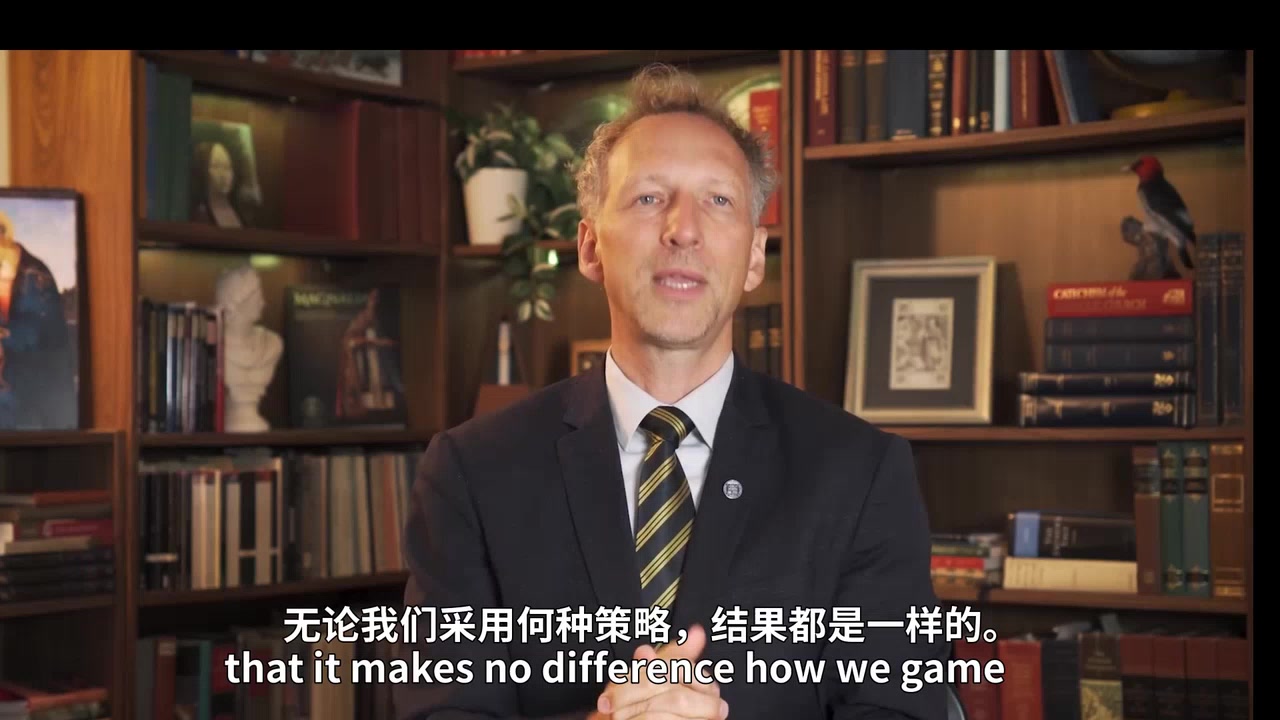
字幕摘录
| 时间 | 英文 | 中文 |
|---|---|---|
| 0:00 | Audiobooks, podcasts, and YouTube have opened up a world of information, but not the sort | 音频书、播客和YouTube都开启了一个信息世界, |
| 0:05 | of insight that comes from deep reading. | 深思熟虑 |
| 0:07 | Drawing on neuroscience and decades in the classroom, I'm going to explain why you should | 利用神经科学和课堂上几十年的时间, 我要解释为什么你应该 |
| 0:12 | read hard books, at least some of the time, and the four tactical skills that will rebuild | 阅读硬书,至少一些时间, 和四种战术技能 重建 |
| 0:16 | your focus. | 专注 |
| 0:26 | Now, we're living through a crisis of attention. | 现在,我们正经历一场关注危机。 |
| 0:28 | In 2015, a widely cited Microsoft report revealed that the average digital consumer's attention | 2015年,一份被广泛引用的微软报告披露,平均数字消费者的注意力 |
| 0:34 | span had dropped to just eight seconds. | 间距降到了8秒 |
| 0:35 | That's one second shorter than a goldfish. | 这比金鱼短一秒钟 |
| 0:38 | The average high school student and college-age student now spend something like 30 to 45 | 普通高中生和大学生现在花30到45美元 |
展开字幕全文(311 条)
| 序号 | 英文 | 中文 |
|---|---|---|
| 1 | Audiobooks, podcasts, and YouTube have opened up a world of information, but not the sort | 音频书、播客和YouTube都开启了一个信息世界, |
| 2 | of insight that comes from deep reading. | 深思熟虑 |
| 3 | Drawing on neuroscience and decades in the classroom, I'm going to explain why you should | 利用神经科学和课堂上几十年的时间, 我要解释为什么你应该 |
| 4 | read hard books, at least some of the time, and the four tactical skills that will rebuild | 阅读硬书,至少一些时间, 和四种战术技能 重建 |
| 5 | your focus. | 专注 |
| 6 | Now, we're living through a crisis of attention. | 现在,我们正经历一场关注危机。 |
| 7 | In 2015, a widely cited Microsoft report revealed that the average digital consumer's attention | 2015年,一份被广泛引用的微软报告披露,平均数字消费者的注意力 |
| 8 | span had dropped to just eight seconds. | 间距降到了8秒 |
| 9 | That's one second shorter than a goldfish. | 这比金鱼短一秒钟 |
| 10 | The average high school student and college-age student now spend something like 30 to 45 | 普通高中生和大学生现在花30到45美元 |
| 11 | hours a week on screens. | 每周上几小时的屏幕 |
| 12 | That's about the same as a full-time job, while dedicating fewer than two hours a week | 这和全职工作差不多 同时每周投入不到两个小时 |
| 13 | to deep, formational reading. | 到深处, 成形的阅读。 |
| 14 | Whether or not your brain and mind is actually worse off than a fish's, numerous studies | 无论你的大脑和头脑是否比鱼更糟糕 无数次的研究 |
| 15 | point to a new reality. | 指出一个新的现实。 |
| 16 | We simply read less. | 我们只是读少。 |
| 17 | Modern technology has engineered us to think on the surface, to flick, scroll, skim through | 现代科技让我们在表面思考, 闪烁,滚动,滑走 |
| 18 | information without giving space and time to deep thinking. | 不给深思熟虑的空间和时间 |
| 19 | Reading hard books is not just a hobby anymore. | 阅读硬书不再只是爱好. |
| 20 | Deep reading is an act of intellectual rebellion, or better, an act of renewal for our eight-second | 深读是一种思想叛乱的行为, 或者更好的,是我们8秒的更新行为 |
| 21 | brains. | 大脑。 |
| 22 | One of the West's great philosophers, John Henry Newman, once observed that time is necessary | 西方的一位伟大的哲学家 约翰·亨利·纽曼曾经观察到 时间是必要的 |
| 23 | for the perfection of great ideas. | 为了完美的伟大想法。 |
| 24 | He was referring to how abstract concepts like justice or happiness or beauty can develop | 他指的是正义、幸福、美丽等抽象概念如何发展 |
| 25 | within a culture over time, but the same holds true for within our individual minds. | 但对于我们个人来说 也一样 |
| 26 | Without habitual leisure, a mind simply can't process complex ideas. | 没有习惯性的闲暇,一个心灵根本无法处理复杂的思想. |
| 27 | In 1956, Harvard psychologist George Miller showed us why, in his famous paper, The Magical, | 1956年,哈佛心理学家乔治·米勒(George Miller)在其著名的论文"魔力"(The Magical)中向我们展示了为什么, |
| 28 | number seven, plus or minus two. | 7号,加减2号 |
| 29 | By drawing on experiments in human recall, Miller showed that short-term memory appears | 通过借鉴人类记忆中的实验,米勒显示了短期记忆的出现. |
| 30 | to have a strict bottleneck. | 要有一个严格的瓶颈。 |
| 31 | This insight became the foundation for modern cognitive load theory. | 这种洞察力成为现代认知负载理论的基础. |
| 32 | One of the most important insights from this research is this. | 这个研究最重要的见解之一是这个。 |
| 33 | Once ideas move into our long-term memory, the mind has a nearly infinite capacity for | 一旦思想传入我们的长期记忆中,大脑就拥有无限的能力 |
| 34 | retention and reflection. | 保留和反思。 |
| 35 | In the short-term memory, however, we quickly reach our limits. | 然而,在短期记忆中,我们迅速达到极限。 |
| 36 | Evidently, the mind can only keep in view about four to seven items at once and loses | 很明显,大脑只能同时保持 大约四到七件物品,然后失去 |
| 37 | most information after only a few seconds. | 大多数信息只过了几秒钟。 |
| 38 | And if insights or ideas never squeeze past that narrow gate of the short-term into the | 如果真知灼见或想法 永远不能挤过短期的狭窄大门 |
| 39 | long-term memory, or they are properly organized, we have little chance of gaining much from | 长期记忆,或者它们有适当的组织, 我们几乎没有机会从中获取很多 |
| 40 | a book, idea, or a skill presented. | 书,想法,或展示的技能。 |
| 41 | The problem is, contemporary habits of intellectual consumption work against both long-term memory | 问题是 当代的智力消费习惯 与长期记忆背道而驰 |
| 42 | and deep reflection. | 深思熟虑 |
| 43 | Watching YouTube gaming, scrolling on social media, even listening to podcasts disrupt | 观看YouTube游戏,在社交媒体上滚动,甚至听播客干扰 |
| 44 | the formation of the intellectual habits that allow us to enter into the great conversations | 知识习惯的形成 使我们能够进入伟大的对话 |
| 45 | of the past and the present. | 过去和现在。 |
| 46 | And without cultivating a strong habit of attention, even meaningful, loving conversations | 而且没有培养一种强烈的注意习惯, 甚至有意义的,爱的对话 |
| 47 | within our families and among our friends becomes difficult. | 我们的家庭和朋友之间变得很困难。 |
| 48 | At the end of the video, you can pull up a toolkit that we made to help you improve your | 在视频的最后,你可以拉一个工具包 我们做了帮助你改进你的 |
| 49 | reading habits, if you like. | 阅读习惯,如果你喜欢。 |
| 50 | But for now, we're often told that it makes no difference how we gain information, aren't | 但是现在,我们经常被告知 这与我们如何获取信息没有关系,不是吗? |
| 51 | we? | 我们? |
| 52 | Whether this is through YouTube, audiobooks, or digital screens. | 无论是通过YouTube,音频书,还是数字屏幕. |
| 53 | Educators sometimes even say that as long as children are learning to read, we're equipping | 教育家有时甚至说,只要孩子在学习阅读,我们就在装备 |
| 54 | them to be productive citizens. | 他们成为有生产力的公民。 |
| 55 | But both neuroscience and philosophy suggest otherwise. | 但神经科学和哲学都暗示了相反的情况. |
| 56 | Before we turn to the four skills needed for deep reading, I'd like to name here three | 在我们开始深读需要的四种技能之前 我想在这里说三个 |
| 57 | myths about the digital mind that actually work against gaining deeper insight. | 有关数字思维的神话 与更深入的洞察力相反 |
| 58 | The first myth is the myth of sensory equivalence. | 第一个神话是感官等同的神话. |
| 59 | This myth says that we learn equally well from different media. | 这个神话说,我们同样从不同的媒体学到好东西。 |
| 60 | While it's true that our senses do serve as windows into the world, all senses are not | 虽然我们的感官确实成为了进入世界的窗口 但所有的感官并不是 |
| 61 | equal. | 等量 。 |
| 62 | Listening and reading, for example, produce measurably different effects on our minds. | 例如,倾听和阅读对我们的思想产生了显著不同的影响。 |
| 63 | And this is especially true when we're talking about trying to learn concepts that are less | 当我们在谈论 尝试学习 概念更少 |
| 64 | familiar or require more sustained attention. | 或需要更持久的关注。 |
| 65 | In 2021, a major survey of cognitive research was done on the advantages of reading over | 2021年,对认知研究进行了重大调查,研究阅读的优点 |
| 66 | listening. | 听着 |
| 67 | For simple literal recall, audio and print perform almost identically, so they found. | 对于简单的字面回忆来说,音频和打印几乎完全相同,所以他们找到了. |
| 68 | But when researchers distinguish between simple recall versus deeper understanding, the differences | 但当研究者区分 简单的召回 和更深的理解, 差异 |
| 69 | become more clear. | 变得更清晰。 |
| 70 | Reading for deep learning, that is, when you're reading to connect premises, you're evaluating | 阅读深层学习, 即当你阅读 连接房地,你正在评估 |
| 71 | the coherence of claims, or you're wrestling with dense word patterns. | 或者你正在和密集的字型摔跤 |
| 72 | Reading for deep learning shows a statistically significant advantage over listening for deep | 深入学习的阅读显示,在统计学上比深入倾听具有显著优势。 |
| 73 | learning by roughly a 10 to 15 percent jump in your analytical performance. | 学习了大约10%到15%的跳跃 在你的分析表现。 |
| 74 | When attempting high level thinking, then readers do have the short term advantage over listeners. | 在尝试高层次思考时,读者确实比听众有短期优势. |
| 75 | And that advantage only increases over time. | 这种优势只会随着时间而增加。 |
| 76 | Over the long term, educational researchers have noted what is called the Matthew effect. | 从长远来看,教育研究者注意到所谓的马修效应. |
| 77 | Apparently, this is named after the tax collector in the Bible. | 显然,这是以圣经中收税者的名字命名的. |
| 78 | The idea here is that the gap between better readers and poor readers tends to increase | 这里的想法是,更好的读者和贫穷的读者之间的差距往往增加。 |
| 79 | over time. | 随着时间的推移。 |
| 80 | And this resonates with my own experience of teaching for two decades. | 这与我20年来的教学经验相呼应。 |
| 81 | The difference between a student who habitually wrestles with hard printed text and one who | 习惯用打印的文字摔跤的学生与 |
| 82 | relies on passive consumption isn't about 15 percent. | 依赖被动消费的不等于15%。 |
| 83 | In fact, I'm not sure if we could put a number to it. | 事实上,我不确定我们能不能打个号码 |
| 84 | The real difference is more like the difference between an iceberg in the ocean and a log | 真正的区别更像是海洋中的冰山和木头的区别 |
| 85 | that is floating on top of the river. | 浮在河的顶端 |
| 86 | The iceberg has built up its substance and weighed over years. | 冰山积聚了它的物质 多年来的重量。 |
| 87 | It's very difficult to move. | 动甚难. |
| 88 | This is what happens to deep readers. | 这就是深层读者的遭遇. |
| 89 | The floating log is more like the person who only skims the top and their direction and | 漂浮的木头更像只滑动顶部和方向的人 |
| 90 | motion is going to be wherever the currents of popular culture are moving it. | 只要流行文化的潮流在移动它 运动就会成为现实 |
| 91 | Consider the physical act of reading a book. | 考虑阅读一本书的身体行为. |
| 92 | When you hold a book in your hand, you engage more of your body. | 手持书时,多接触身体. |
| 93 | You see, you smell, you touch what you're holding. | 你看,你闻,你触摸你持有的东西。 |
| 94 | And perhaps you will read that book in a favourite chair or a favourite place in a park. | 或许你会在最爱的椅子上读这本书 或者公园里最爱的地方 |
| 95 | While reading, making notes, flipping through the pages, the mind naturally constructs a | 在阅读,做笔记,翻翻页时,心灵自然构造一个 |
| 96 | physical visual geography of words in your brain. | 大脑中文字的物理视觉地理. |
| 97 | This mental map frees your working memory for a higher level engagement with what's | 这份精神地图可以释放你的工作记忆 与更高层次的接触 |
| 98 | going on. | 继续 |
| 99 | And then fast forward, weeks or years later, when you pass by that book on your shelf, | 数周或数年后 当你在书架上通过那本书 |
| 100 | you're adding yet a second layer of memory that extends the original experience of reading | 您正在添加第二层记忆, 扩展阅读的原始经验 |
| 101 | And the book becomes, you might say, literally a part of the furniture of your mind. | 这本书会成为你脑海中的一部分 |
| 102 | I'd like to point to one last insight from the science of reading. | 我想指出阅读科学的最后一点见解. |
| 103 | For years, researchers have used eye tracking technologies to watch what happens when people | 多年来,研究人员一直使用眼睛追踪技术 来观察当人们 |
| 104 | read a text. | 读取文本。 |
| 105 | And interestingly, what they found is that something like 15% of all reading consists | 有趣的是,他们发现 大约15%的阅读是 |
| 106 | in split second backward eye jumps across the text. | 横跨文字。 |
| 107 | Now, especially when you're reading something that's difficult or hard, our eyes are continually | 现在,尤其是当你读到一些 难或难的东西, 我们的眼睛是持续的 |
| 108 | rolling backwards without a thinking without even thinking about it. | 向后滚动,没有思考 甚至没有思考。 |
| 109 | These quick movements verify the syntax. | 这些快速运动验证了语法. |
| 110 | They review unfamiliar terms and they confirm the logical sequences that you're being presented | 他们审查不熟悉的术语,确认你被呈现的逻辑序列 |
| 111 | with. | 带。 |
| 112 | Watching something on YouTube like you are now or hearing it on a podcast, unfortunately | 在YouTube上看到一些像你现在这样的东西 或者在播客上听到,不幸的是 |
| 113 | disrupts these automatic micro corrections and confirmations that your mind is engaging | 破坏这些自动微修正 和确认你的心灵正在接触 |
| 114 | in. | 进去 |
| 115 | So let's accept for the moment that how to videos like audiobooks like YouTube can | 因此,让我们接受 此刻,如何视频 像YouTube这样的音频书 |
| 116 | have a place. | 有个地方 |
| 117 | And yet when it comes to engaging with the most difficult concepts, reading | 然而,当涉及到 最困难的概念,读 |
| 118 | a book is superior because it gives us a better chance at entering into deeper patterns of | 书是优越的,因为它给了我们一个更好的机会 进入更深的规律 |
| 119 | reflection and thought. | 思考和思考。 |
| 120 | But is all reading equally valuable? | 但阅读是否同样重要? |
| 121 | A second myth is that all reading is created equal. | 第二个神话是所有阅读都是平等的。 |
| 122 | And I don't think that can be true. | 我觉得这不是真的 |
| 123 | People read for all kinds of occasions and reasons | 人们阅读各种场合和原因 |
| 124 | like reading for utility, pleasure or self-improvement. | 喜欢阅读为效用,快乐或自我改进. |
| 125 | So I think we can draw another distinction here. | 因此,我认为我们可以在此作出另一个区分。 |
| 126 | In the early 20th century, a French | 20世纪初,法国人 |
| 127 | priest philosopher named A.G. Sertillange wrote a little book called On the Intellectual | 名叫A. G. Sertilange的牧师哲学家写了一本小书,叫做 知识分子 |
| 128 | Life and soon after its publication became a minor classic, one of the great guides to | 生活和出版后不久 成为小经典 伟大的向导之一 |
| 129 | learning on how to be a thoughtful human being. | 学会如何成为一个深思熟虑的人。 |
| 130 | I've assigned it myself many times to students | 我给学生分配了很多次 |
| 131 | and they've always loved it. | 他们一直很喜欢 |
| 132 | 在这项工作中,Sertillange区分了两个 | |
| 133 | basic kinds of reading. | 基本种类的阅读。 |
| 134 | One he calls informational reading and the other he calls | 一个叫读信息,另一个叫读信息 |
| 135 | formational reading. | 成形读物。 |
| 136 | Now, informational reading is the kind that most of us are engaged in | 现在,信息阅读是我们大多数人从事的 |
| 137 | most of the time, interpreting signs while driving, glancing at a newspaper or scrolling | 大部分时间,在驾驶时解释标志,在报纸上闪烁或滚动 |
| 138 | on your social media account. | 在你的社交媒体账户。 |
| 139 | These are all circumstances where we're reading not so much | 这些都是我们读的不多的情况 |
| 140 | to be moved or challenged in our thinking, but simply to get a sense of what's going | 被感动 或挑战 在我们的思想, 但只是为了 得到感知 发生了什么事 |
| 141 | on. | 继续 |
| 142 | And that's fine. | 没关系 |
| 143 | When driving, for example, it's crucial to be able to scan the | 例如,在开车时,必须能够扫描 |
| 144 | and quickly grasp from highway signs whether this is the exit you need or whether your | 并快速从高速公路标志 抓住这是你需要的出口 还是你的 |
| 145 | exit is coming up the next mile later. | 出口会在下一英里后出现 |
| 146 | So informational reading is not bad, but reading | 所以信息阅读不差,但阅读 |
| 147 | in this mode can be harmful to us if it's the only sort of reading that we regularly | 在这个模式下,如果这是我们唯一经常读到的东西, 对我们是有害的 |
| 148 | practice. | 实践。 |
| 149 | As Sertillange suggests, if that is the only kind of reading we know, we simply | 正如塞尔蒂朗格所暗示的 如果这是我们唯一知道的读物 |
| 150 | miss out a great deal on life and we end up living like men and women who see a colourful | 错过了很多生活 我们最终会像男人和女人一样生活 |
| 151 | world only in black and white. | 世界只有黑白两色 |
| 152 | The other sort of reading he calls formational reading. | 另一种叫成形读物 |
| 153 | And this is the sort of reading that we want to utilise when we wish to engage with great | 这就是我们想利用的读物 当我们希望与伟大的 |
| 154 | ideas and harder texts. | 想法和困难的文字。 |
| 155 | Reading a Dostoevsky novel, say, or a dialogue by Plato, maybe | 或者柏拉图的一段对话 |
| 156 | a physics textbook or perhaps some classical spiritual writer is going to require a different | 物理教科书 或一些古典精神作家 需要不同的 |
| 157 | quality of attention than what you need when you're scrolling through X. Sertillange was | 超乎你所需要注意的品质 |
| 158 | not the first to recognise this difference among books. | 而不是第一个认识到 不同书籍之间的差别。 |
| 159 | One of the fathers of early | 早期的父亲之一 |
| 160 | modern science, Francis Bacon, for example, wrote history gives fullness moral philosophy | 例如,现代科学,弗朗西斯·培根, 写历史赋予了充分的道德哲学 |
| 161 | strength and poetry elevation to the understanding, by which he meant that different books offer | 力量和诗歌 提升到理解, 他意味着不同的书籍提供 |
| 162 | different benefits. | 不同的好处。 |
| 163 | And before him, the Roman philosopher Seneca's advice was non multa | 在他之前,罗马哲学家塞内卡的建议是非穆尔塔 |
| 164 | sed multum, better to read not many books, but a few well. | sed multum, 最好不要读很多书, 但有一些好。 |
| 165 | So not all kinds of reading | 所以不是所有类型的阅读 |
| 166 | are equal. | 平等无边. |
| 167 | How should we read? | 我们该怎么看? |
| 168 | This leads to the third myth. | 这导致了第三个神话. |
| 169 | The third myth is that | 第三个神话是 |
| 170 | reading is a merely passive activity. | 阅读只是被动的活动。 |
| 171 | Over the years have encountered many students in | 这些年来,许多学生在 |
| 172 | high school and college who assumed that reading a book requires no more skill than does standing | 高中和大学认为读书不需要比站立还要高的技巧 |
| 173 | under a shower as if having a wash of words wash over you will somehow make you better | 洗个澡就好像洗个澡一样 洗个澡会更好 |
| 174 | or improve you. | 或改善你。 |
| 175 | Nothing can be further from the truth. | 没有什么比事实更进一步了。 |
| 176 | When I was younger, I loved riding | 我年轻时喜欢骑马 |
| 177 | motorcycles and it was a joy to sit upon all that rushing power. | 摩托车和它是一个快乐 坐在所有的急电。 |
| 178 | But without practice bikes | 但是没有练习自行车 |
| 179 | are easy to crash as I have. | 像我一样容易坠毁 |
| 180 | According to Aristotle, learning to use your intellect | 亚里士多德说,学着运用你的智慧 |
| 181 | is like learning to ride a powerful bike. | 就像学会骑一辆强大的自行车 |
| 182 | It has power, but you need discipline to steer | 它有力量,但你要遵守纪律 |
| 183 | it well. | 不错 |
| 184 | So to move from passive to active and deep virtuous reading, I'd like to suggest | 因此,为了从被动走向积极和深入的良性阅读,我想建议 |
| 185 | you for very practical tactical skills. | 你非常实用的战术技巧 |
| 186 | Practice these and you will be on your way to building | 练习这些,你就会去建造 |
| 187 | up your habit of attention, which is helpful to us for happiness. | 提高你的关注习惯 这对我们的幸福很有帮助 |
| 188 | Here's the first read from | 这是第一个读自 |
| 189 | the outside in. | 外边 |
| 190 | The idea behind this strategy is simple, just like you would never begin baking | 这个策略的想法很简单 就像你永远不会开始烘焙 |
| 191 | bread without preparing the ingredients, pulling up pots and pans, measuring cups. | 面包不准备原料,拉起锅和锅,测量杯子。 |
| 192 | So you never | 所以你从来没有 |
| 193 | want to begin reading something hard without taking a moment to scope the terrain. | 想要开始读一些很难的东西 而不花一点时间去探索地形 |
| 194 | Reading | 阅读 |
| 195 | from the outside in means approaching the author and his or her book with the courtesy you might | 从外边走来 以礼貌接近作者及其书 |
| 196 | extend to a new friend and you need to have some patience. | 给新朋友,你需要耐心 |
| 197 | Specifically, it means you want to look | 具体来说,这意味着你想看看 |
| 198 | out for four things. | 出为四事. |
| 199 | You want to note what you can about the author's life and context reflects a | 您要注意的是,您能对作者的生平和背景进行哪些描述,这反映了 |
| 200 | little bit on the title. | 有点在标题。 |
| 201 | Note the specific genre or type of writing and then finally call to mind | 注意具体写作的流派或类型,最后提醒注意 |
| 202 | what devices or cues are likely to be used within this book. | 本书可能使用哪些设备或提示。 |
| 203 | The process does not need to be onerous | 这一过程不必繁琐 |
| 204 | and you certainly do not need to a degree to engage in this, but a few minutes of preparation | 你们不必在某种程度上参与此事,但你们应当准备几分钟, |
| 205 | can help. | 可以帮助。 |
| 206 | Before diving into the text and even as you go along reading you might want to do some | 在跳进文字之前,即使你继续阅读,你也可能想做一些 |
| 207 | exploratory work beforehand or at least pay attention to these items as you move along. | 探索性工作之前或至少注意这些项目。 |
| 208 | Let me give you an example for why this work is helpful. | 让我举一个例子说明为什么这项工作是有益的。 |
| 209 | In the year 2000 the BBC ran a survey | 2000年,英国广播公司进行了一次调查 |
| 210 | polling people's opinions as to the most influential writer of the last millennium and unsurprisingly | 人们对于上个千年最有影响力的作家的看法 |
| 211 | Shakespeare won top spot, but right behind him was Jane Austen. | 莎士比亚赢得了顶点,但就在他身后的是简·奥斯汀. |
| 212 | Austen's Pride and Prejudice | 奥斯汀的骄傲和偏见 |
| 213 | often ranks among the most popular novels of all time and this is for good reason. | 经常成为最受欢迎的小说之一 这是有原因的 |
| 214 | The story is | 故事是这样的 |
| 215 | about two young lovers finding their way to marriage and hence happiness, but the title here | 大约两个年轻的恋人 找到自己的婚姻之路 从而幸福, 但标题在这里 |
| 216 | is what gives a wonderful clue into Austen's argument and where the story is going to lead. | 给奥斯汀的争论 以及故事的走向 提供了一个奇妙的线索 |
| 217 | Now the main contribution of this book is to show how it is that true happiness in love can only be | 现在这本书的主要贡献在于 展示爱情中真正的幸福是怎样的 |
| 218 | maintained by those who have acquired genuine virtues. | 由获得真正美德的人维持。 |
| 219 | The claim here is no virtue, no genuine | 这里的主张不是美德,也不是真正的 |
| 220 | love, no genuine love, no lasting happiness. | 爱 没有真正的爱 没有永恒的幸福 |
| 221 | Each of these young lovers Miss Elizabeth Bennett and | 这些年轻的情人 伊丽莎白·贝内特小姐和 |
| 222 | Mr Fitzwilliam Darcy is afflicted with a vice particularly their own that they need to overcome. | 菲兹威廉先生 达西的恶习 特别是他们自己需要克服的恶习 |
| 223 | Elizabeth is too quick with her judgments and hence she's damaged by prejudice. | Elizabeth的判断太快了 所以她受到了偏见的伤害 |
| 224 | Mr Darcy on | 达西先生 |
| 225 | and hence he's stunted by his pride. | 因此他因自尊心而发育迟缓 |
| 226 | The drama of the novel is to show how each of these two young | 小说的剧情是展示这两位年轻人 |
| 227 | people are brought together by overcoming their vices only by becoming more virtuous in the ways | 人们通过克服自己的恶行 团结在一起 只有在方式上变得更加善良 |
| 228 | that they need to are they worthy for each other's love and hence the title Pride and Prejudice. | 他们需要他们值得彼此的爱 并因此获得荣誉和偏见的称号 |
| 229 | Similarly keep an eye on the genre. | 同样要注意流派 |
| 230 | You read a biology textbook for its clear definitions | 你读了一本生物学教科书 明确的定义 |
| 231 | and illustrations but you're going to read a poem for its metaphor and allegory. | 和插图,但你会读一首诗 以它的比喻和寓意。 |
| 232 | Knowing the genre | 了解流派 |
| 233 | identifies which keys you need to unlock this or that text. | 识别需要解锁此文本或该文本的密钥。 |
| 234 | The next habit if you forget all the | 如果你忘记了所有的习惯 |
| 235 | others is probably the most helpful. | 其他人也许最有帮助 |
| 236 | It's the habit of identifying the core trinity within each | 这习惯是确定每个核心三元体 |
| 237 | text. | 语句。 |
| 238 | The question, the answer, and the steps they use to get to the answer. | 问,答,以及他们用来得到答案的步骤. |
| 239 | Now every good and great | 现在,每一个好和伟大的 |
| 240 | author is going to be answering or tackling some problem question or circulating around a theme | 作者将回答或解决某些问题,或围绕一个主题流通 |
| 241 | and so if you want to stay with the author you're going to need like a detective to find out these | 所以,如果你想和作者呆在一起, 你需要像一个侦探来发现这些 |
| 242 | three things. | 说三事. |
| 243 | What is the question, the answer, and the structure? | 什么是问题、答案和结构? |
| 244 | For almost a decade I've belonged | 近十年来我属于 |
| 245 | to a men's reading group where we tackle dense philosophical and theological essays and though | 给一个男人的阅读小组 我们处理密集的哲学和神学论文,虽然 |
| 246 | the men are all successful in the world in various ways the single hardest skill that we practice is | 男人们在世界上都以各种方式成功 我们最难掌握的技能就是 |
| 247 | identifying this core trinity. | 识别这个核心三元。 |
| 248 | What is the question? | 问题是什么? |
| 249 | What is the answer? | 这是什么答案? |
| 250 | What are the steps? | 台阶是什么? |
| 251 | Identifying this core is the difference really between being a bystander to a great conversation | 辨别这个核心 真正的区别是 作为一个伟大的谈话的旁观者 |
| 252 | and being one of the club. | 并成为俱乐部之一。 |
| 253 | Being an active participant who knows what's going on and so | 做一个积极的参与者 谁知道发生了什么,所以 |
| 254 | can contribute and one who has no idea about what's being said. | 和谁不知道正在说什么。 |
| 255 | This leads to the third tactical | 这导致第三个战术 |
| 256 | habit. | 习惯 |
| 257 | Write in the margins. | 写在边际. |
| 258 | So when you're looking for this core trinity, the question, | 所以,当你寻找这个核心三一,问题, |
| 259 | answer, and the structure, the best way to go about finding it is with a pencil in hand. | 答案 结构 找到它的最佳方法 就是手持铅笔 |
| 260 | There's no strict formula for how to do this. | 如何是法无严法. |
| 261 | As you practice you're going to come up with your | 当你练习的时候 你会想出你的 |
| 262 | own systems but the basic idea is that you want to draw attention somehow to what is most important | 自己的系统,但基本的想法 是,你想要 吸引人们注意 最重要的是 |
| 263 | so that you can recall it later and understand it at the time. | 以便你以后能记得它,并在当时能理解它。 |
| 264 | So for example you might underline | 所以,举例来说,你可以强调 |
| 265 | keywords, you might circle a conclusion, you might put brackets around sentences you know are | 关键词,你可能会 包围一个结论, 你可能把括号 在句子,你知道是 |
| 266 | important or even draw little pictures and people have been doing this sort of thing for centuries | 重要甚至小画 人们已经做了这种事情 |
| 267 | in the west. | 在西边 |
| 268 | Medieval monastic copyists for example sometimes would write comments in the margin | 例如,中世纪的修道院复制家有时会在边框中写评论 |
| 269 | telling you what they thought about this or that passage. | 告诉你他们对这个或那个段落的想法 |
| 270 | That's called marginalia. | 这就是所谓的边缘。 |
| 271 | During the renaissance something called florelegia became popular. | 在复兴时期,被称为弗洛雷利吉亚(Florelegia)的事物开始流行. |
| 272 | These are little | 这些小 |
| 273 | notebooks where readers would write down long passages that they've been reading in their books | 笔记本上的读者会写下他们在书里读过的长篇小说 |
| 274 | so that they could come back to it later and recall what they had read. | 以便他们将来复返于《古兰经》,而记念他们所诵的经典。 |
| 275 | And in the 18th century | 在18世纪 |
| 276 | those who published books often would publish in the columns a short little summary so that readers | 那些出版书籍的人经常在栏目中发表一个简短的总结,以便读者 |
| 277 | could keep abreast with the argument it was as it was moving along. | 可以跟上当时的争论 |
| 278 | Another technique is to write a | 另一种方法是写一个 |
| 279 | word or phrase at the top or bottom of the page to help you recognize what's happening. | 在页面的顶端或底端用词或短语帮助您识别正在发生的事情。 |
| 280 | For very | 对于非常 |
| 281 | difficult books you can even make quick logical summaries at the back noting the key quotations | 困难的书,你甚至可以在后面 快速的逻辑总结 注意关键引用 |
| 282 | there for you to return to later. | 在那里,你回来以后。 |
| 283 | The point is deep reading is active reading. | 要点是深读是主动读. |
| 284 | This leads to the | 这导致 |
| 285 | great books those written by Confucius or Augustine or Shakespeare were meant to be read aloud and | 孔子、奥古斯丁、莎士比亚写的书 都是为了大声读 |
| 286 | discussed and sometimes performed with friends. | 讨论,有时与朋友一起表演. |
| 287 | I know I'm constantly surprised at the sorts of | 我知道我一直很惊讶 |
| 288 | wonderful and original insights that come to people in conversation simply through the act | 精彩而独创的洞察力 人们在谈话中 仅仅通过行动 |
| 289 | of talking about something that you've been able to spend some time reading together. | 谈论一些你能够一起阅读的东西 |
| 290 | And if you're | 狦琌 |
| 291 | not in this habit yet of belonging to reading groups join one get friends together read your | 不是这个习惯,而是属于阅读组 加入一个得到朋友一起读你的 |
| 292 | favorite book or your favorite essay by Lewis or text of scripture and then bribe them with the | 刘易斯最喜欢的书 或你最喜欢的散文 或经文,然后贿赂他们 |
| 293 | promise of gourmet coffee or perhaps a bottle of wine. | 答应喝杯咖啡或一瓶酒 |
| 294 | I'd like to end with a practical challenge | 我最后想说一个实际的挑战 |
| 295 | not so much about reading but about reclaiming control of our waking hours. | 不是说看书 而是要重新控制我们醒来的时间 |
| 296 | Our days are divided | 我们的日子是分开的 |
| 297 | into three segments of eight hours we all need eight hours to sleep eight to work and that leaves | 进入三段八小时 我们都需要八小时的睡眠 8小时工作,然后离开 |
| 298 | eight hours for the rest of time for a life of play conversation music crafts prayer exercise | 8小时的余下时间 玩乐对话的生活 音乐手工艺祈祷活动 |
| 299 | and also the life of reading. | 以及读书的寿命。 |
| 300 | Practice the four techniques for improving your deep reading. | 修习四种修行修行深识. |
| 301 | Consider committing five to ten minutes for formational reading every day and watch your | 考虑花5到10分钟 每天做成形阅读 看着你 |
| 302 | life and service to others improve. | 生活和对他人的服务得到改善。 |
| 303 | And if you want to try to implement some of the techniques | 如果你想尝试实施一些技术 |
| 304 | I discussed we made an attractive little handout for you that you can use and find | и弧筁и倒暗Τ届 hand т |
| 305 | under the resources section in this video. | 本录像的资源部分。 |
| 306 | Thanks for listening and happy reading. | 谢谢你的聆听和愉快的阅读。 |
| 307 | Thanks for watching | 谢谢你看 |
| 308 | If you're ready to turn these insights into action to strengthen your faith and build up | 如果你愿意把这些洞察力化为行动 来增强你的信仰和建立 |
| 309 | 你们的本地社区会加入我们 在Gregorythegreat。 | |
| 310 | upcoming conferences and camps and a community of fellow builders join our mailing list at | 即将到来的会议和营地,以及一个同事的建造者社区加入我们的邮件列表 |
| 311 | Gregorythe great. 下次见 |
该视频共有字幕 311 条。解锁更多字幕为会员功能,请移动到 价格