人性本恶吗?|诺奖科学家顶级辩论
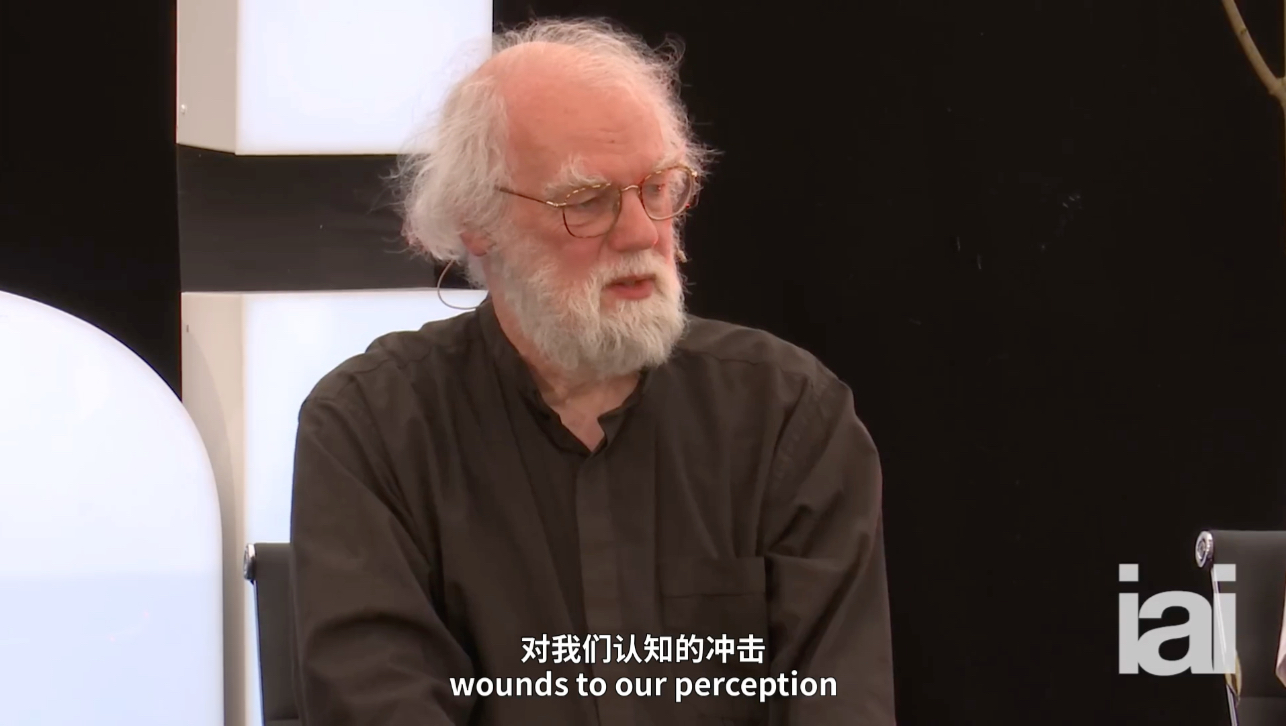
字幕摘录
| 时间 | 英文 | 中文 |
|---|---|---|
| 0:00 | I'll throw to you. | 我会扔给你。 |
| 0:01 | Should we give up on the idea of humans being | 如果我们放弃人类的思想 |
| 0:04 | either inherently good or evil? | 要么天生好要么邪恶? |
| 0:07 | Yes. | 对 |
| 0:09 | Well, there we go. | 好了,我们走了。 |
| 0:12 | You are saying this as a Christian. | 你这么说是基督徒 |
| 0:15 | We'll get there, we'll get there, sorry. | 我们会去的,我们会去的,对不起。 |
| 0:18 | This is the pitch, this is just the pitch. | 这是投球,这只是投球。 |
| 0:20 | I'm saying we should give up on the idea | 我是说我们应该放弃这个想法 |
| 0:22 | that human beings are essentially good or essentially evil | 人类本质上是善良或邪恶 |
展开字幕全文(110 条)
| 序号 | 英文 | 中文 |
|---|---|---|
| 1 | I'll throw to you. | 我会扔给你。 |
| 2 | Should we give up on the idea of humans being | 如果我们放弃人类的思想 |
| 3 | either inherently good or evil? | 要么天生好要么邪恶? |
| 4 | Yes. | 对 |
| 5 | Well, there we go. | 好了,我们走了。 |
| 6 | You are saying this as a Christian. | 你这么说是基督徒 |
| 7 | We'll get there, we'll get there, sorry. | 我们会去的,我们会去的,对不起。 |
| 8 | This is the pitch, this is just the pitch. | 这是投球,这只是投球。 |
| 9 | I'm saying we should give up on the idea | 我是说我们应该放弃这个想法 |
| 10 | that human beings are essentially good or essentially evil | 人类本质上是善良或邪恶 |
| 11 | because I can't give any sense to that question, | 因为我无法理解这个问题, |
| 12 | to be honest. | 老实说 |
| 13 | Human beings are damaged, changeable, vulnerable, | 人类受到破坏、易变、易变 |
| 14 | capable, incapable, | 有能力,无力, |
| 15 | where along that spectrum we place ourselves or anyone else | 在那段时间里,我们把自己或其他人安置在一起 |
| 16 | is one of the biggest cultural and ethical issues | 是最大的文化和伦理问题之一 |
| 17 | we could possibly be concerned with. | 我们可能很担心 |
| 18 | But we're always reaching for apparently simple answers | 但是我们总是在寻找显然很简单的答案 |
| 19 | to questions about human nature, | 关于人性的问题, |
| 20 | which almost any available answer is going to be | 这几乎是所有可用的答案 |
| 21 | not just unhelpful with, but possibly destructive. | 不仅无济于事,而且可能具有破坏性。 |
| 22 | So the short answer is, | 所以,简短的答案是, |
| 23 | no, we should not think of human beings | 不,我们不应该想到人类 |
| 24 | as essentially this or that. | 基本上就是这个还是那个 |
| 25 | We shouldn't give up on the categories of good and evil, | 我们不应该放弃善恶的类别 |
| 26 | more on that later. | 晚点再说 |
| 27 | We should think what it might be | 我们应该想一想 |
| 28 | to look at ourselves and one another | 看着自己和彼此 |
| 29 | as, well, sites, places | 以及地点和地点 |
| 30 | where very different things unfold. | 在那里,非常不同的东西 展开。 |
| 31 | I totally agree. | 我完全同意你的观点。 |
| 32 | Culture is contingent, socially, and so on and so on. | 文化是有条件的,社会性的,等等的. |
| 33 | But you have to presuppose | 但你必须预先假定 |
| 34 | that this is always against a background | 总是在背景之下 |
| 35 | of a certain fundamental disorientation loss | 某种基本失明损失 |
| 36 | which defines human species. | 它定义了人类 |
| 37 | So no good without evil. | 故无善无恶. |
| 38 | And I think if you think you can have good | 我想如果你觉得你可以有好 |
| 39 | without evil potential, | 没有邪恶的可能性, |
| 40 | you end up doing real evil. | 你最终会做真正的邪恶。 |
| 41 | What you brought out, this is absolutely crucial | 这绝对是关键 |
| 42 | that no Nazi killers and so on, | 没有纳粹杀手等等, |
| 43 | they are not this demoniac romantic evil. | 他们不是恶魔般的浪漫邪恶 |
| 44 | No, they are guys who simply think | 不,他们只是认为 |
| 45 | they are doing the greatest self-sacrificed good | 他们正在做最大的自我牺牲 |
| 46 | for their own narrow group and so on and so on. | 为了他们自己的狭小群体等等 |
| 47 | Yes, I'm thinking about the way in which | 是的,我在想怎样才能 |
| 48 | in the fourth, early fifth century, | 在第四,五世纪初, |
| 49 | St. Augustine talks about the problem | 圣奥古斯丁谈到问题 |
| 50 | of the origin of evil. | 邪恶的根源。 |
| 51 | And I think he would be insisting precisely | 我想他会坚持到底 |
| 52 | that there is no such thing as evil. | 没有什么是邪恶的。 |
| 53 | Evil is not the name of something | 邪恶不是某物的名字 |
| 54 | or some person or anything. | 或者某个人什么的 |
| 55 | So be very, very careful about giving it | 所以,要非常非常小心地给予它 |
| 56 | that kind of substance that a bush might try to give him. | 那种物质 灌木丛可能试图给他。 |
| 57 | Out there is something evil. | 外面有邪恶的东西 |
| 58 | Augustine says we're talking about a whole range | 奥古斯丁说我们说的是整个范围 |
| 59 | of incapacities, disasters, wounds to our perception, | 能力不足、灾难、感知的创伤 |
| 60 | our habit, our interrelationship. | 我们的习惯,我们的相互关系。 |
| 61 | That's where the language belongs. | 语言应在此. |
| 62 | I cannot restrain from, again, referring to St. Augustine, | 我无法克制,再次提及圣奥古斯丁, |
| 63 | which who wrote a wonderful text. | 他写了一个美妙的文字。 |
| 64 | I hope you know it, The Noopties and Cochvistentia, | 我希望你知道, 诺普提斯和科奇维斯顿蒂亚, |
| 65 | which is wonderful. | 这是美妙的。 |
| 66 | His point is precisely that sexuality is not evil, | 他的观点就是性不是邪恶的 |
| 67 | but a wonderful theory, a divine punishment for evil, | 但一个奇妙的理论, 一个神圣的惩罚邪恶, |
| 68 | which is to be like God to know too much. | 这就像上帝知道太多。 |
| 69 | Because Augustine said that eating the apple | 因为奥古斯丁说吃苹果 |
| 70 | means you get to know too much, | 意思是你知道的太多了, |
| 71 | you want to be like God controlling. | 你想成为上帝的控制。 |
| 72 | And then he gets a wonderful theory, | 然后他得到了一个美妙的理论, |
| 73 | making some obscure Buddhist references or to India, sorry, | 或印度,对不起, |
| 74 | that he said that there are even yogas in India | 他说印度甚至还有瑜伽 |
| 75 | who can even stop the heart beating. | 甚至能阻止心脏跳动 |
| 76 | But one thing you can never control | 但有件事你永远无法控制 |
| 77 | is erection of penis. | 勃起的阴茎。 |
| 78 | That's why erection and sexuality is a sign | 这就是为什么勃起和性欲是标志 |
| 79 | like you think you are master. | 像你认为你是主人。 |
| 80 | No, sorry, even your penis, you cannot control it. | 不,对不起,甚至你的阴茎, 你无法控制它。 |
| 81 | So I love this crazy, but let me go on to more serious stuff. | 所以我喜欢这种疯狂,但让我继续 更严肃的事情。 |
| 82 | I agree with what you said about this social nature of evil, | 我同意你所说的邪恶的社会性质 |
| 83 | and I'm not afraid to use the word. | 我不怕用这个词 |
| 84 | Yeah, yeah, we should understand, | 是的 是的 我们应该明白 |
| 85 | look from within what we dismiss as evil, | 你看看我们所否认的罪恶, |
| 86 | but please don't go into that multicultural bullshit, | 但请不要进入 多文化的废话, |
| 87 | for me at least, which says an enemy, evil enemy, | 至少对我来说 说着敌人 邪恶的敌人 |
| 88 | is just somebody whom we were not ready to listen to, | 只是一个我们没有准备好听的人, |
| 89 | to understand. | 来理解 |
| 90 | Now, thanks, if you read Hitler, | 现在,谢谢,如果你读希特勒, |
| 91 | you will not discover a human side there or whatever. | 你在那里不会发现人类的一面 |
| 92 | You will be even more horrified. | 你会更恐怖的 |
| 93 | That is to say, evil, we humans are masters | 这就是说,邪恶,我们人类是主人 |
| 94 | in justifying horrible acts by constructing a narrative | 为恐怖行径辩护 构建一个叙事 |
| 95 | which makes them acceptable. | 这使得他们可以接受。 |
| 96 | Stalinists were masters indeed, and others. | 斯大林主义者确实是大师,和其他人。 |
| 97 | Here, I would like to return to Hannah Arendt, | 在这里,我想回到汉娜·阿伦特, |
| 98 | who mentioned you, in a crucial text, early one, I think. | 他提到你, 在一个关键的文本, 我认为,早期。 |
| 99 | She draws a wonderful difference between SA, | 她给SA画了一个美妙的区别 |
| 100 | the early Nazi tax, and SS. | 早期的纳粹税,和党卫队。 |
| 101 | She said SA, those who were perched in 34, | 她说,SA,那些被困在34。 |
| 102 | were vulgar, brutal evil, | 粗俗残暴的邪恶 |
| 103 | raping, beating, and so on. | 强奸,殴打等. |
| 104 | With SS, you get something much more horrifying. | 对党卫队来说,你得到的东西更可怕。 |
| 105 | You get this cold, impersonal, bureaucratic evil. | 你得到这个冷酷,不个人,官僚主义的邪恶。 |
| 106 | To continue watching this video, | 为了继续观看这段视频, |
| 107 | click the link in the top left or in the description below, | 单击左上方或以下描述中的链接, |
| 108 | or visit iai.tv for more debates and talks | 或访问iai.tv 以进行更多的辩论和会谈 |
| 109 | from the world's leading thinkers | 从世界主要思想家 |
| 110 | on today's biggest ideas. | 关于今天最大的想法。 |
该视频共有字幕 110 条。解锁更多字幕为会员功能,请移动到 价格