如何变得擅长甚至享受small talk |哈佛商学院
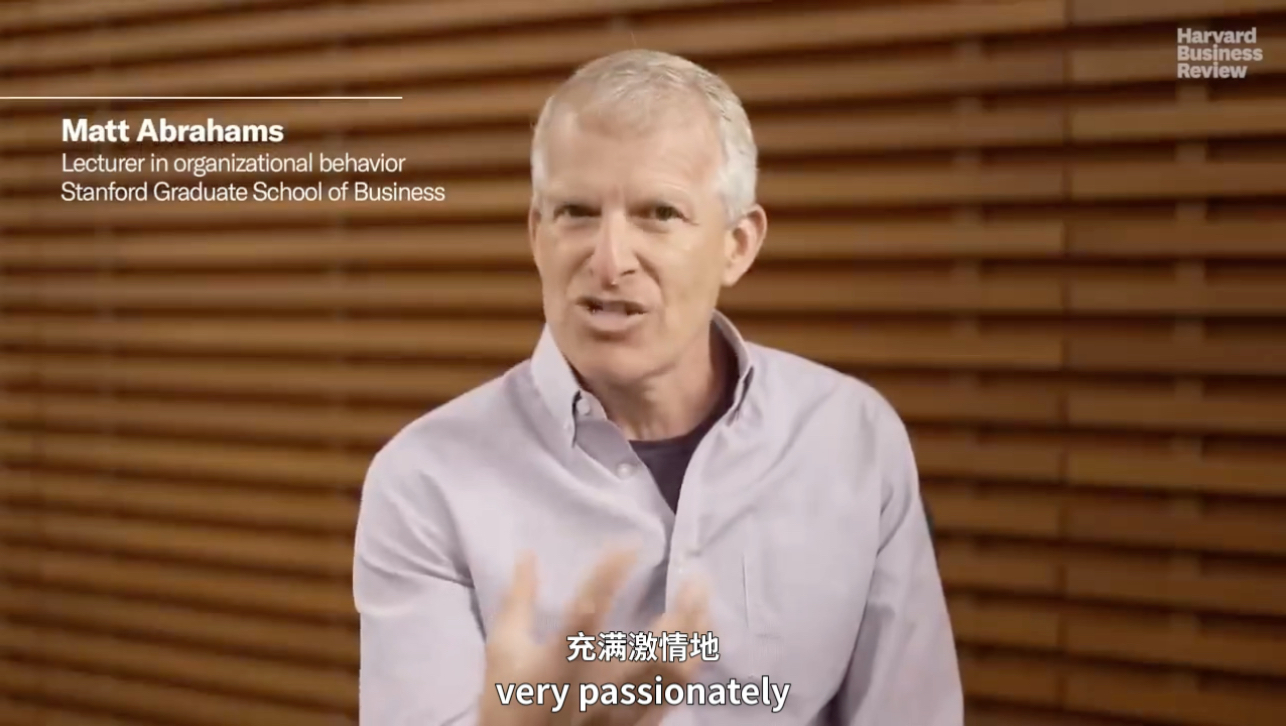
字幕摘录
| 时间 | 英文 | 中文 |
|---|---|---|
| 0:00 | Small talk, I think, is actually a misnomer. | 我认为,小说其实是错的。 |
| 0:02 | We refer to small talk as any chit chat | 我们把闲聊称为闲聊 |
| 0:05 | or just conversation that we don't put a lot of import on. | 或只是谈话,我们不 投入很多进口。 |
| 0:08 | When in fact, small talk is a wonderful way | 其实,小谈是绝妙的办法 |
| 0:11 | of connecting, bonding, learning, growing. | 连结 结 学习 成长 |
| 0:15 | What makes it so challenging is the fact | 是什么使它如此挑战 是事实 |
| 0:18 | that we can't have a script. | 我们不能有剧本。 |
| 0:20 | We have to just go with what's happening in the moment. | 我们必须照现在的情况去做。 |
| 0:23 | We often think that it is a test for us. | 我们经常认为这是对我们的考验。 |
| 0:27 | It's like a tennis match where I've got | 这就像网球比赛 我得到了 |
展开字幕全文(245 条)
| 序号 | 英文 | 中文 |
|---|---|---|
| 1 | Small talk, I think, is actually a misnomer. | 我认为,小说其实是错的。 |
| 2 | We refer to small talk as any chit chat | 我们把闲聊称为闲聊 |
| 3 | or just conversation that we don't put a lot of import on. | 或只是谈话,我们不 投入很多进口。 |
| 4 | When in fact, small talk is a wonderful way | 其实,小谈是绝妙的办法 |
| 5 | of connecting, bonding, learning, growing. | 连结 结 学习 成长 |
| 6 | What makes it so challenging is the fact | 是什么使它如此挑战 是事实 |
| 7 | that we can't have a script. | 我们不能有剧本。 |
| 8 | We have to just go with what's happening in the moment. | 我们必须照现在的情况去做。 |
| 9 | We often think that it is a test for us. | 我们经常认为这是对我们的考验。 |
| 10 | It's like a tennis match where I've got | 这就像网球比赛 我得到了 |
| 11 | to lob something over to the person | 把东西扔到人身上 |
| 12 | or people I'm talking to, and I hope it lands and goes well. | 或人,我说话, 我希望它着陆 并进展良好。 |
| 13 | I think a better way to look at small talk | 我觉得更适合看小说 |
| 14 | is like that game of hacky sack, | 就像那个黑麻袋游戏, |
| 15 | that little bean bag where everybody's trying | 那个小豆包 大家都在努力 |
| 16 | to keep it up all at the same time | 保持这一切同时 |
| 17 | and never have it hit the ground. | 永远不要落地 |
| 18 | If you envision your job as collaborating | 如果你认为你的工作是合作 |
| 19 | with others to keep the conversation moving, | 和别人继续谈话 |
| 20 | rather than a hot potato tennis match | 而不是热土豆网球比赛 |
| 21 | where I just need to get it back to the other person, | 在那里,我只需要把它 回到另一个人, |
| 22 | it can really change, one, how it flows, | 它真的可以改变,一,如何流动, |
| 23 | and two, the experience from your perspective. | 第二,从你的角度讲经验 |
| 24 | All of a sudden, it's something that's enjoyable | 突然间,这是一件令人愉快的事 |
| 25 | rather than something that's scary. | 而不是可怕的东西。 |
| 26 | When you first get into a small talk situation, | 当你第一次遇到一个小话题时 |
| 27 | I think we need to establish appropriate goals. | 我认为我们需要确定适当的目标。 |
| 28 | Rachel Greenwald, a matchmaker and an academic, | 瑞秋・格林瓦尔德,一个媒人和学者, |
| 29 | has this wonderful saying, | 有这个美妙的说, |
| 30 | your goal is to be interested, not interesting. | 你的目标是感兴趣,而不是有趣。 |
| 31 | A lot of us go into these situations thinking | 我们很多人都这样想 |
| 32 | that we need to be really fascinating, | 我们需要真正迷人, |
| 33 | engaging, and interesting. | 和有趣。 |
| 34 | When in fact, we just need to be present | 其实我们只需要在场 |
| 35 | and be interested in the conversation that's happening. | 并对正在发生的谈话感兴趣。 |
| 36 | It also helps reduce the anxiety many of us feel. | 这也有助于减轻我们许多人的焦虑。 |
| 37 | We feel like we are being judged, | 我们觉得自己被审判了 |
| 38 | and the reality is, you are being judged. | 而现实是,你正在被审判。 |
| 39 | You can reduce the intensity of that spotlight we feel | 你可以降低我们感受的聚光灯的强度 |
| 40 | by putting your attention on the other. | 把注意力放在另一边 |
| 41 | Many of us have this desire, | 我们很多人都有这种愿望, |
| 42 | as soon as something spontaneous happens | 只要有事情发生 |
| 43 | and we have to respond to do it as quickly as possible. | 我们必须尽快作出反应。 |
| 44 | We have this sense that speed to respond | 我们有一种反应速度的感觉 |
| 45 | in somehow is associated with competence. | 与能力有关 |
| 46 | But really, what reflects best on your competence | 但其实,什么是最好的反映 你的能力 |
| 47 | is an appropriate response, | 是一种适当的反应, |
| 48 | and appropriateness can take a little bit of time. | 适当性需要一点时间 |
| 49 | We have all said something we didn't mean to say | 我们都说了些我们不想说的 |
| 50 | because it wasn't clear, it wasn't appropriate. | 因为它不明确,这是不恰当的。 |
| 51 | Pausing helps reduce that likelihood. | 暂停有助于减少这种可能性。 |
| 52 | So here are some things you can do | 所以这里有些事情你可以做 |
| 53 | to help slow yourself down. | 帮助自己慢下来。 |
| 54 | Paraphrasing is wonderful. | 赞叹妙法. |
| 55 | Why? | 为什么? |
| 56 | Not just because you are repeating the gist | 不只是因为你重复了重点 |
| 57 | of what somebody said to make sure | 有人说,确保 |
| 58 | you're clearly going to respond to what's asked | 你显然要对要求做出回应 |
| 59 | or what's needed, but paraphrasing forces you | 或需要什么, 但解释强迫你 |
| 60 | to slow down and listen more carefully. | 慢慢来,仔细听 |
| 61 | Paraphrase isn't what a five-year-old does | 句子不是五岁小孩做的 |
| 62 | who parrots back what you've said. | 谁是鹦鹉回你说的话。 |
| 63 | It's a distillation of what the other person said, | 这是对另一个人说的提炼 |
| 64 | and when you paraphrase it, you do several things. | 当你解释它的时候,你会做一些事情。 |
| 65 | One, you validate the other person | 第一,你验证另一个人 |
| 66 | because you're saying, I heard you. | 因为你在说,我听到了 |
| 67 | You're not necessarily agreeing. | 你不一定同意我的话 |
| 68 | Paraphrasing doesn't mean agreement. | 诠释不代表同意. |
| 69 | It just means this is what I heard, | 我听到的就是这个 |
| 70 | and it validates the content. | 它证实了内容。 |
| 71 | So you validate the person with the content. | 所以你用内容来验证这个人 |
| 72 | The person can say, no, no, no, no. | 此人能说不. |
| 73 | What I really meant was this. | 我真正的意思是这个。 |
| 74 | So it helps with fidelity. | 因此,它有助于忠诚。 |
| 75 | Most of us listen just enough to get the gist | 我们大多数人都听得够清楚 |
| 76 | of what somebody's saying, and then we immediately | 然后我们立刻 |
| 77 | start judging, rehearsing, and responding. | 开始判断、排练和回应 |
| 78 | When I paraphrase, I have to listen super intently. | 当我解释时,我必须认真听 |
| 79 | I have to listen to understand what's the bottom line | 我要听清楚底线是什么 |
| 80 | of what you're saying. | 你说的话 |
| 81 | That slows me down, and by slowing my own thoughts down, | 这让我慢下来, 通过减慢我自己的想法, |
| 82 | and then paraphrasing them, I buy myself some time | 说到他们,我花点时间 |
| 83 | to really think. | 来思考 |
| 84 | There's always something to say. | 总有说法. |
| 85 | You can always ask a question. | 你总能问个问题 |
| 86 | My mother-in-law was amazing at small talk. | 我岳母在小谈时很惊讶 |
| 87 | She had a black belt in small talk, | 她有一个黑带 在小谈话, |
| 88 | and her superpower was a simple phrase. | 她的超能力是一个简单的短语。 |
| 89 | She would pause for a moment, | 她会暂停一会儿 |
| 90 | and she would say, tell me more. | 她会说, 告诉我更多。 |
| 91 | If you are ever in a situation of communication, | 如果你处于沟通状态 |
| 92 | conversation, where you don't know what to say, | 谈话,你不知道该说什么 |
| 93 | most of the time, you could simply say, tell me more, | 大部分时间,你可以简单地说, 告诉我更多, |
| 94 | or give me some more detail, | 或者给我一些细节 |
| 95 | or what did you mean about that point? | 或者你是什么意思 关于这一点? |
| 96 | And just by giving the person an opportunity to speak again, | 只要让那个人有机会再说话 |
| 97 | that gives you time to find what you might want to say | 让你有时间 找到你想说的话 |
| 98 | and to connect to it. | 并连接到它。 |
| 99 | Tell me more. | 告诉我更多。 |
| 100 | When you say, tell me more, you have to act inquisitively. | 当你说,告诉我更多, 你必须采取 好奇的行为。 |
| 101 | If you just say, tell me more, it's not, | 如果你只是说, 告诉我更多,它不是, |
| 102 | but if you say, tell me, yeah, tell me more, | 但是如果你说, 告诉我,是的, 告诉我更多, |
| 103 | you know, tell me more about that, yeah. | 你知道,告诉我更多 关于这一点,是的。 |
| 104 | Mistakes are normal and natural in communication. | 错误是正常的,在沟通中是自然的. |
| 105 | We make them all the time. | 我们经常做 |
| 106 | Spontaneous communication is about connection, | 自发的沟通是连接, |
| 107 | not perfection. | 并非完美无缺 |
| 108 | You know, in film and TV, | 你知道,在电影和电视, |
| 109 | directors will ask their actors to have multiple takes. | 导演会要求他们的演员有多种选择。 |
| 110 | A take is just another shot at doing the same thing. | 拍片只是做同样的事情的又一镜头. |
| 111 | So an actor might say something in one way very passionately, | 所以一个演员可能会以一种非常热情的方式说一些话, |
| 112 | or they might say it in another way, being more curious. | 或者他们会用另一种方式说 更好奇 |
| 113 | Those are all different takes. | 这些都是不同的需要。 |
| 114 | So I'd like people to reframe a mistake as a missed take. | 所以我希望人们重新定义一个错误 是一个错过的镜头。 |
| 115 | What you did wasn't wrong. | 你所做的并不错 |
| 116 | There might be another way to do it, | 也许还有别的办法 |
| 117 | and we can try it again. | 我们可以再试一次 |
| 118 | Many of us, when we feel very uncomfortable | 很多人,当我们觉得很不舒服的时候 |
| 119 | in spontaneous speaking situations, we go on too long. | 在自发地说话的情况下,我们继续的时间太长了。 |
| 120 | We're discovering what we're thinking as we're thinking it. | 我们发现了我们的想法 |
| 121 | So we just take people on the journey | 我们只是带人去旅行 |
| 122 | of our thought process as we're speaking, | 我们的思想过程 当我们说话, |
| 123 | and we keep going on and on and on. | 我们不停地继续 |
| 124 | It's almost a defensive technique, | 这几乎是一种防御技术, |
| 125 | where if I just throw out a lot of stuff, | 如果我扔了很多东西, |
| 126 | that maybe something will stick, | 也许有东西会粘住, |
| 127 | and people will think, oh, that person's smart, | 人们会认为, 哦,那个人很聪明, |
| 128 | or they know what they're talking about. | 或者他们知道自己在说什么 |
| 129 | Concision is almost always better in communication. | 切口几乎总是更好的沟通。 |
| 130 | My mother has this wonderful saying. | 我妈妈说得真好 |
| 131 | I know she didn't create it, but it's tell me the time, | 我知道她不是创造的,但它告诉我的时间, |
| 132 | don't build me the clock. | 别帮我建钟 |
| 133 | Many of us are clock builders | 我们很多人都是钟表制造者 |
| 134 | in these spontaneous speaking situations, | 在这些自发地说话的情况下, |
| 135 | and we have to remind ourselves when we start speaking, | 我们必须提醒自己 当我们开始说话, |
| 136 | just tell the time. | 只要告诉时间。 |
| 137 | I know the irony that I'm talking about concision, | 我知道我说的是切口的讽刺 |
| 138 | and I was not concise in that answer. | 答案并不简单 |
| 139 | One of the best ways to be concise and clear | 简洁明了的最佳方法之一 |
| 140 | is to leverage structure. | 是利用结构。 |
| 141 | Structure is not a listing of ideas, it's not bullet points. | 结构不是思想列表,也不是弹点. |
| 142 | Structure is a logical connection of your points. | 结构是您点的逻辑连接 。 |
| 143 | It's like a recipe or a map. | 如食谱或地图. |
| 144 | Now this sounds ironic, right? | 这听起来很讽刺,对吧? |
| 145 | We're talking about being spontaneous, | 我们说的是自发 |
| 146 | and here I am saying structure is the key to spontaneity. | 我在这里说结构是自发性的关键。 |
| 147 | But we see this in our life in many other facets. | 但我们在生活中从很多其它方面看到这一点。 |
| 148 | If you enjoy jazz music, | 如果你喜欢爵士乐 |
| 149 | jazz music isn't just random playing. | 爵士乐不只是随机演奏 |
| 150 | Jazz music follows particular structures, | 爵士乐遵循特定的结构, |
| 151 | chord progressions, connections of notes, | 和弦 音符的连接 |
| 152 | so we can leverage structure | 这样我们就能利用结构 |
| 153 | to help our communication be tighter and clearer. | 帮助我们的沟通更加清晰 |
| 154 | One of my favorite structures of all time, | 我最爱的建筑之一 |
| 155 | because it's so useful in so many different situations, | 因为这样对很多不同的情况都有用 |
| 156 | is three simple questions. | 是三个简单的问题。 |
| 157 | What, so what, now what? | 现在怎么办? |
| 158 | The what is your idea, your product, | 你的想法,你的产品, |
| 159 | your service, your belief. | 你的服务 你的信念 |
| 160 | The so what is why is it important to the person | 所以为什么对人很重要 |
| 161 | or people you're talking to? | 还是你在跟别人说话? |
| 162 | And then now what is what comes next? | 然后接下来怎么办? |
| 163 | Maybe I'm going to show you something, | 也许我会给你看样东西, |
| 164 | take your questions, set up another appointment. | 回答你的问题 安排另一个约会 |
| 165 | When it comes to small talk, this is a magical tool. | 说到小说,这是一个神奇的工具。 |
| 166 | Imagine you're at a corporate mixer, | 想象你在公司搅拌机, |
| 167 | and you're going in and there are people in the company | 你要进去,公司里有人 |
| 168 | that you have not yet met. | 你们还没有见过面。 |
| 169 | So if I'm engaging you in conversation, | 所以,如果我约你谈话, |
| 170 | I could say, hey, what brings you here? | 我可以说,嘿,什么风把你吹来了? |
| 171 | That's the what. | 就是这样 |
| 172 | When you answer, I could say, oh, why is that important? | 当你回答,我可以说, 哦,为什么这很重要? |
| 173 | Or why do you find that interesting? | 或者你为什么觉得有趣? |
| 174 | That's the so what. | 这就是什么。 |
| 175 | And then after that, I can ask a question like, | 之后,我可以问一个问题, |
| 176 | oh, so what more are you going to do? | 哦,那你还要做什么? |
| 177 | Or what are you going to do next? | 或者你接下来要做什么? |
| 178 | Or do you want to join me and go over here? | 还是你愿意和我一起过去? |
| 179 | So I've got the now what is a question. | 所以我现在有问题了 |
| 180 | As with anything that you're trying to learn, | 和你想学的一样 |
| 181 | you have to practice it. | 你必须练习。 |
| 182 | When you read something or listen to a podcast, | 当你读到什么 或者听播客, |
| 183 | pause it, stop your reading, think, what was it about? | 暂停,停止你的阅读,思考,它是什么? |
| 184 | Why is it important to me and how can I use it? | 为什么对我很重要,我怎样才能使用它? |
| 185 | By drilling it, it becomes more natural. | 通过钻孔,它变得更自然. |
| 186 | When we're in small talk situations, | 当我们在小谈时 |
| 187 | we often initiate with trite, very common phrases. | 我们经常用很老套的句子开始 |
| 188 | How are you? | 你好吗? |
| 189 | What brings you here? | 什么风把你吹来了? |
| 190 | What do you do? | 你们是做什么的? |
| 191 | These are simple reflexive ways to get started, | 这些都是简单的反射方式 开始, |
| 192 | but they actually don't take you very far. | 但实际上他们不会带你走远。 |
| 193 | I am a big fan of initiating through questions, | 我非常喜欢提出问题 |
| 194 | but through questions that connect to the particular context | 但通过与特定背景有关的问题 |
| 195 | and environment that I'm in. | 和我在的环境。 |
| 196 | Just the other day, I was in a situation for small talk | 前几天,我遇到一个小问题 |
| 197 | and the very first thing I did, | 我所做的第一件事, |
| 198 | I came up to somebody I didn't know and I said, | 我找了个不认识的人 我说 |
| 199 | this is amazing to me. | 这对我来说是惊人的。 |
| 200 | There are more people in this room wearing blue shirts | 这房间里有更多人穿蓝衬衫 |
| 201 | than I think I've seen in a long time. | 比我想象的久远。 |
| 202 | And the person said, you know what, you're right. | 那个人说,你知道,你是对的。 |
| 203 | That's really interesting. | 这真的很有趣。 |
| 204 | And all of a sudden the conversation was off and running. | 突然间,谈话就中断了 |
| 205 | All I did was notice something in the environment. | 我所做的就是在环境中发现一些东西。 |
| 206 | Initiating with something that piques somebody's curiosity, | 开始一些让人好奇的东西 |
| 207 | something that might be highlighting, | 可能是在强调的东西, |
| 208 | something that's not known or commonly discussed | 有些事情是未知的 或者没有经常讨论的 |
| 209 | {\fn黑体\fs22\bord1\shad0\3aHBE\4aH00\fscx67\fscy66\2cHFFFFFF\3cH808080}现在真的可以请人来 | |
| 210 | versus hi, how are you? | 嗨,你好吗? |
| 211 | And they say, fine. | 他们说,很好。 |
| 212 | Well, now I'm back to where I started | 现在我回到我开始的地方了 |
| 213 | and it's even more awkward, right? | 更尴尬,对吧? |
| 214 | Perhaps more challenging than initiating small talk | 也许比开始小谈更具挑战性 |
| 215 | is getting out of small talk. | 正在摆脱小说。 |
| 216 | Many of us rely on biology. | 我们许多人都依赖生物学。 |
| 217 | Oh, I'm thirsty, I'm gonna go get a drink, | 哦,我渴了, 我要去喝一杯, |
| 218 | I'm hungry, or I need to go to the bathroom. | 我饿了,或者我得去洗手间。 |
| 219 | Biology is not necessarily the best exit | 生物学不一定是最好的出口 |
| 220 | for these circumstances. | 在这种情况下。 |
| 221 | 我喜欢从Rachel Greenwald那里学到的方法 | |
| 222 | it's called the white flag approach. | 这被称为"白旗接近". |
| 223 | If you know anything about auto racing | 如果你对赛车了解多少 |
| 224 | prior to the last lap, the final lap, | 在最后一圈,最后一圈之前, |
| 225 | they wave a white flag to signal to all the drivers | 他们挥着白旗 向所有司机发出信号 |
| 226 | that the race is ending. | 比赛即将结束 |
| 227 | As you're drawing near to the end of the conversation, | 当你接近谈话结束时, |
| 228 | either because you need to leave or you want to leave | 要么因为你需要离开 要么你想离开 |
| 229 | or the conversation has sort of run its course, | 或谈话已经进行到一定程度, |
| 230 | you signal that. | 你发出信号 |
| 231 | You say, I need to go in a moment, | 你说,我需要马上走 |
| 232 | but, and this is where you ask one last question, | 但是,这就是你问的最后一个问题, |
| 233 | provide one less bit of feedback, | 少一点反馈, |
| 234 | so you continue the conversation on for a little bit. | 所以,你继续说话 一点点。 |
| 235 | So it might sound something like this. | 所以这听起来可能是这样的。 |
| 236 | I need to get going | 我该走了 |
| 237 | because there's some friends over there I need to meet, | 因为那里有一些朋友 我需要见见, |
| 238 | but before I go, I want to know just a little bit more | 但是在走之前,我想多知道一点 |
| 239 | about that trip you were telling me about to Hawaii. | 关于那次你告诉我要去夏威夷的旅行 |
| 240 | And together, you can draw the conversation to an end | 一起把对话引到最后 |
| 241 | rather than you abruptly saying, | 而不是你们妄言: |
| 242 | oh, I need to go to the bathroom, | 哦,我要上厕所, |
| 243 | or wow, that looks like good food over there. | 或者哇,这看起来像好食物在那里。 |
| 244 | It's just a much better, cleaner way | 这只是一个更好,更干净的方法 |
| 245 | to end a small talk conversation. | 结束一个小谈话。 |
该视频共有字幕 245 条。解锁更多字幕为会员功能,请移动到 价格