孟加拉国:混沌理论 | 世界上最危险的道路
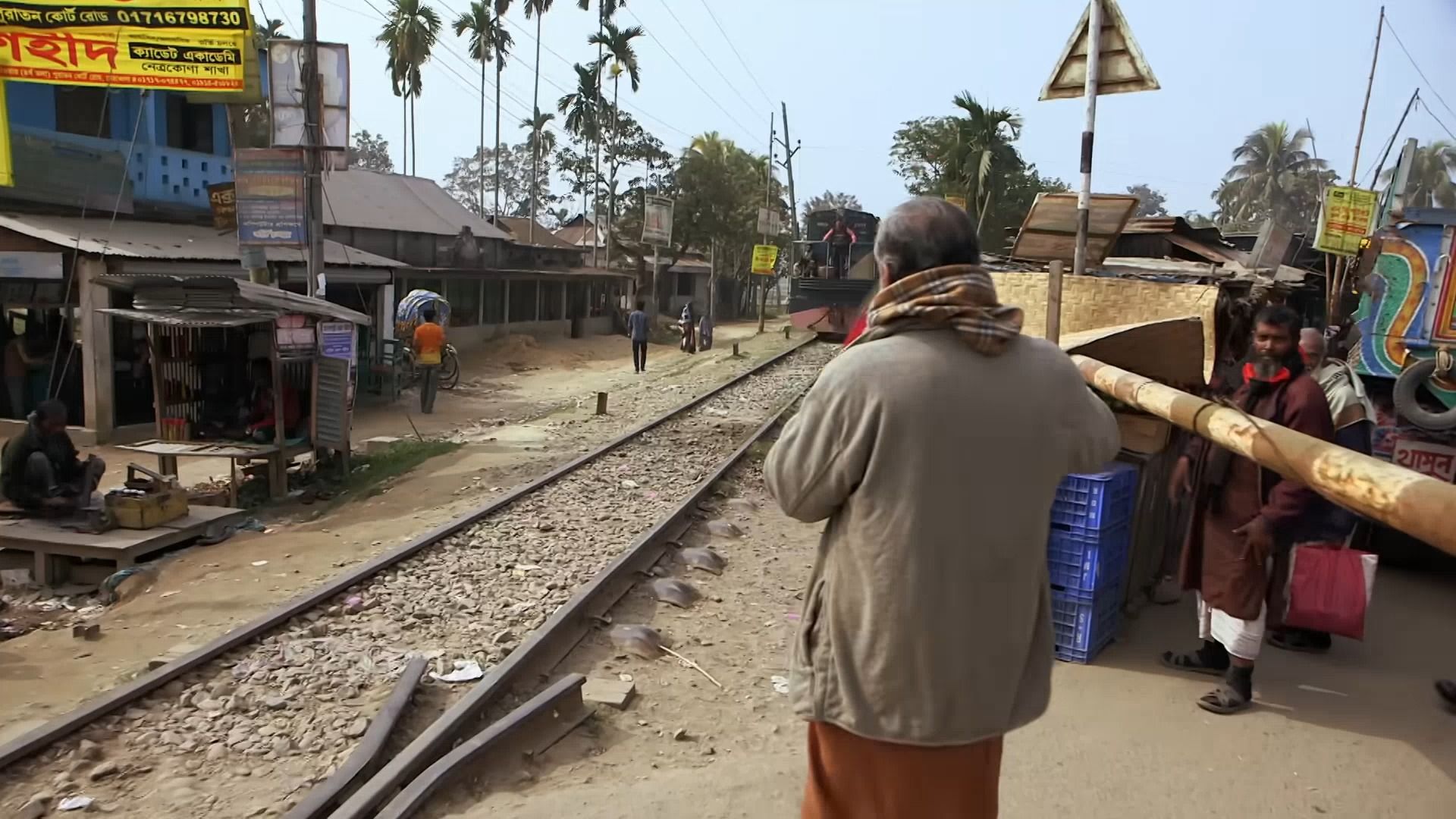
字幕摘录
| 时间 | 英文 | 中文 |
|---|---|---|
| 0:54 | Cocon goes through this daily ritual in the early morning, seven days a week. | 可可在每天清晨,每周七天都要经历这个仪式. |
| 1:00 | I look after my rickshaw. | 我照顾我的人力车。 |
| 1:02 | It's my work tool. | 这是我的工作工具。 |
| 1:03 | If it's not properly maintained, I'm a bad worker. | 如果它没有得到妥善维护,我是一个坏工人。 |
| 1:06 | It's what feeds me. | 供养我者. |
| 1:11 | His old rickshaw weighs 90 kilos, but according to Cocon, riding it isn't the most tiring | 他的老人力车重90公斤 但据Cocon说 骑它不是最累的 |
| 1:16 | aspect. | 方面。 |
| 1:25 | Getting around the streets of Dakar, the capital, means the rickshaw driver needs nerves of | 绕行首都达喀尔的街道 意味着人力车司机需要神经 |
| 1:30 | steel. | 钢铁 |
| 1:35 | Hey, move along a bit. | 嘿,走过来一点。 |
展开字幕全文(723 条)
| 序号 | 英文 | 中文 |
|---|---|---|
| 1 | Cocon goes through this daily ritual in the early morning, seven days a week. | 可可在每天清晨,每周七天都要经历这个仪式. |
| 2 | I look after my rickshaw. | 我照顾我的人力车。 |
| 3 | It's my work tool. | 这是我的工作工具。 |
| 4 | If it's not properly maintained, I'm a bad worker. | 如果它没有得到妥善维护,我是一个坏工人。 |
| 5 | It's what feeds me. | 供养我者. |
| 6 | His old rickshaw weighs 90 kilos, but according to Cocon, riding it isn't the most tiring | 他的老人力车重90公斤 但据Cocon说 骑它不是最累的 |
| 7 | aspect. | 方面。 |
| 8 | Getting around the streets of Dakar, the capital, means the rickshaw driver needs nerves of | 绕行首都达喀尔的街道 意味着人力车司机需要神经 |
| 9 | steel. | 钢铁 |
| 10 | Hey, move along a bit. | 嘿,走过来一点。 |
| 11 | In the streets of Dakar, there are millions of cars. | 在达喀尔的街道上,有数百万辆汽车. |
| 12 | You need a sharp brain to react quickly. | 你需要一个锋利的大脑来迅速反应. |
| 13 | You must take one step ahead to avoid accidents. | 你必须提前一步避免事故发生 |
| 14 | Be careful. | 小心点 |
| 15 | Crossing the city is not the easiest for passengers either. | 过城对乘客来说也不简单. |
| 16 | 15 million people live here. | 这里住着一千五百万人 |
| 17 | 43,000 inhabitants per square kilometer, the heaviest concentration of humanity on | 每平方公里43 000名居民,人类最集中的 |
| 18 | the planet. | 这个星球 |
| 19 | Look, there's a traffic jam down there. | 那边有堵车 |
| 20 | I'm going to take a detour to get by. | 我要绕道过去 |
| 21 | In Dakar, you must never ever let yourself get stuck, or you'll suffer the consequences | 在达喀尔,你永远不能让自己被困住 否则你会受苦 |
| 22 | immediately. | 马上 |
| 23 | The capital's become too small for its population. | 首都人口已经太少了 |
| 24 | The street can no longer handle the volume of traffic. | 街道已经无法应付流量. |
| 25 | It's not unusual to be stuck between four and six hours, bumper to bumper. | 被卡在4到6个小时之间,保险杠到保险杠上并不罕见. |
| 26 | Cocon and his clients soon find themselves trapped. | Cocon和他的客户很快发现自己被困住了. |
| 27 | In a rickshaw, you know when you leave, but you'll never know when you'll arrive. | 在人力车里,你知道你何时离开,但你永远不知道你何时到达. |
| 28 | Most of the time, I leave hours in advance to avoid arriving late for work. | 大多数时候,我都会提前几小时离开,以避免上班迟到。 |
| 29 | You never know what you'll come across, a big traffic jam or even a small one. | 你永远不知道你会遇到什么, 一个大的交通堵塞甚至一个小的。 |
| 30 | How can you live like this without ever being sure? | 你怎么可以这样活 从来没有确定? |
| 31 | Come on, get out of my way. | 快点,让开 |
| 32 | Cocon spends five hours a day, seven days a week on his rickshaw without protest. | 可可每天花5小时,每周7天在他的人力车上没有抗议. |
| 33 | He cannot afford to complain. | 他不能抱怨。 |
| 34 | He pedals for three euros a day. | 他每天踩3欧元 |
| 35 | It's enough to survive on. | 它足以生存下来。 |
| 36 | This is the worst job in the world. | 这是世界上最糟糕的工作。 |
| 37 | Transporting passengers and their baggage by cycling. | 通过自行车运送旅客及其行李. |
| 38 | It's work that animals should be doing. | 这是动物应该做的。 |
| 39 | If you want to work, you have to accept the good and especially the bad. | 如果你想工作,必须接受好人,特别是坏人. |
| 40 | His troubles are by no means over. | 他的烦恼是没有结束的。 |
| 41 | In a few days, a massive wave of six million people will descend on Dhaka | 几天后,六百万人的大规模浪潮 将降临达卡 |
| 42 | and invade the streets of the city. | 并侵入城内街道. |
| 43 | Every year, the capital, Bangladesh, plays host to Ijema, | 每年,首都孟加拉都会扮演伊杰马的东道主 |
| 44 | the largest Muslim pilgrimage in the world after Mecca. | 是麦加之后 世界上最大的穆斯林朝圣 |
| 45 | But the country's infrastructure is very run down | 但是国家的基础设施已经很破旧了 |
| 46 | and not able to properly handle the millions of pilgrims. | 无法妥善处理数百万朝圣者 |
| 47 | The trains are taken by storm. | 列车被暴风雨掠走. |
| 48 | Move! | 让开! |
| 49 | Come on, get out of it. | 来吧,离开它。 |
| 50 | The greatest risk comes from when we go under bridges. | 最大的风险来自我们下桥的时候。 |
| 51 | You have to be really careful. | 你一定要小心点 |
| 52 | Bangladesh is one of the poorest countries in the world. | 孟加拉国是世界上最贫穷的国家之一。 |
| 53 | One child in eight is forced to work to help his family. | 八分之一的儿童被迫工作以帮助家人。 |
| 54 | You need to be cunning to earn a potato, | 你要狡猾才能赚到土豆 |
| 55 | crafty to catch a fish | 巧妙的钓鱼 |
| 56 | and be ready to suffer to find some gold. | 并准备好受苦 寻找一些黄金。 |
| 57 | Far from the chaos of Dhaka, a handful of men | 远离达卡的混乱,一小撮人 |
| 58 | are preparing for a difficult journey. | 正在准备一个艰难的旅程。 |
| 59 | Safiq, the imam of the village of Mungonj, | 萨菲克 蒙贡杰村的伊玛目 |
| 60 | is accompanying his congregation on the Ijema pilgrimage. | 陪着他的信徒们去伊杰马朝圣 |
| 61 | 90% of the country is Muslim, | 全国90%的人是穆斯林, |
| 62 | and a train has been especially hired for the event. | 并特别为这次活动雇用了火车。 |
| 63 | It's the final moments of calm before the chaos begins. | 这是混乱开始前的最后平静时刻. |
| 64 | Food supplies, pots, pans, blankets, | 食物供应,锅,锅,毯子, |
| 65 | the group has enough to keep them going for five days. | 这个小组有足够的时间让他们持续五天 |
| 66 | One hour before departure, Safiq, the imam, | 出发前一小时 萨菲克 伊玛目 |
| 67 | checks that nothing has been forgotten. | 检查有没有忘记什么。 |
| 68 | Take care, you need to tighten that up properly | 小心点,你需要把绳子收紧 |
| 69 | We need to bring everything with us for the Ijema pilgrimage, | 我们需要把一切带给我们 来伊杰玛朝圣, |
| 70 | water, oil, fruits, everything that we can. | 水 油 水果 我们能做的 |
| 71 | We're trying to bring as much food as possible | 我们尽量多带食物 |
| 72 | because once we're in Dhaka, in the pilgrimage, | 因为一旦我们在达卡朝圣 |
| 73 | there are so many people that it's difficult to get to the shops | 有这么多人 很难去商店 |
| 74 | and it's almost impossible to move around. | 几乎无法移动。 |
| 75 | The majority of pilgrims are very poor. | 大多数朝圣者非常贫穷. |
| 76 | Many have saved each penny for two or three months | 很多人每分钱存了两三个月 |
| 77 | to be able to make the journey. | 能够完成旅程。 |
| 78 | It's a real sacrifice. | 实为祭祀. |
| 79 | Is everything loaded? | 都装好了吗? |
| 80 | Let's bring what's left on board, come on. | 带上船上剩下的东西 来吧 |
| 81 | We know the trip will be very hard, | 我们知道这次旅行会很艰难 |
| 82 | especially today with this train. | 特别是今天的火车 |
| 83 | There will be so many people, | 会有这么多人 |
| 84 | this will not be a normal journey, | 这不是一个正常的旅程, |
| 85 | especially for those that won't have a seat. | 特别是那些没有座位的人 |
| 86 | Safiq can smile, he reserved their places months earlier. | Safiq可以微笑, 他几个月前就保留了他们的位置。 |
| 87 | As for the rest, it's a matter of first come, first served. | 至于其余的,是先来后来,先服. |
| 88 | Move along, this is my place. | 走吧,这是我的地方。 |
| 89 | Have you found your seat? | 你找到座位了吗? |
| 90 | Well, sit down. | 好吧,坐下来。 |
| 91 | You, come here. | 你 过来 |
| 92 | Seat number six is free. | 六号座位是免费的。 |
| 93 | This looks good. | 这看起来不错。 |
| 94 | I think there will be plenty of people this year. | 我想今年会有很多人 |
| 95 | Well, you'll just have to sit wherever you can find a place. | 好吧,你只需要坐 无论你能找到的地方。 |
| 96 | Is this the train for the pilgrimage? | 这是去朝圣的火车吗? |
| 97 | Is this the one? | 是这个吗? |
| 98 | Hundreds of people have crowded onto the platform. | 数百人挤在平台上 |
| 99 | It's a race for the last seats available. | 这是为最后的座位而设的比赛. |
| 100 | And to get one, it's each man for himself. | 而欲得一者,各为己有. |
| 101 | I was very lucky to get a seat in this packed train. | 我很幸运能坐上这辆满载的火车 |
| 102 | Well, so many people will have to stand for the whole journey. | 那么,这么多的人 将不得不站在整个旅程。 |
| 103 | For some, that means six hours. | 对有些人来说,这意味着六个小时。 |
| 104 | Despite the crush, | 虽然很迷恋 |
| 105 | the joy of being part of the pilgrimage lifts everyone's spirits. | 参加朝圣的喜悦 唤起每个人的精神 |
| 106 | Salam alaikum, my uncle. | 我叔叔,再见 |
| 107 | And have a great pilgrimage. | 并有伟大的朝圣。 |
| 108 | To everybody's surprise, the train leaves on time, | 令大家惊讶的是 火车准时开走 |
| 109 | which catches some under wear. | 捕捉到一些磨损。 |
| 110 | Is this carriage 27? | 这是27号车吗? |
| 111 | These are fish for my mistress. | 这些是我的情妇的鱼 |
| 112 | Do you want to climb in? | 你想爬进来吗? |
| 113 | You can't. | 你不能这么做。 |
| 114 | It's too late. | 太迟了 |
| 115 | Takkar is only 200 kilometres away. | 塔卡尔离这里只有200公里 |
| 116 | But in Bangladesh, no-one can guarantee what time the train will arrive, | 但在孟加拉国 没人能保证火车什么时候到 |
| 117 | as the journey holds plenty of surprises. | 因为旅途充满惊喜 |
| 118 | Oh, that's a good start. | 哦,这是一个很好的开始。 |
| 119 | I'm happy. | 我很高兴 |
| 120 | The train stops at about 15 stations, | 火车停在15个车站 |
| 121 | but that's not including any unexpected stops. | 但这不包括任何意外的停留 |
| 122 | Safiq, the imam, is praying with Doha, a member of his community. | 伊玛目萨菲克正在和他所在社区的成员多哈祈祷. |
| 123 | It's Doha's third pilgrimage. | 是多哈第三次朝圣. |
| 124 | Well, now it's fine. | 现在没事了 |
| 125 | We're at the start of the trip and there are still some places, | 我们在旅行的开始 还有一些地方 |
| 126 | but the further we go, the more people there will be | 但我们走得越远 就会有更多的人 |
| 127 | and the more crowded the train will become. | 火车会越挤 |
| 128 | All Bangladeshis dream of going on Ichema, | 所有孟加拉人都梦想着去Ichema, |
| 129 | but the journey is so hard, | 但旅途很艰难, |
| 130 | but for the old and the sick, it's impossible. | 但是对于老人和病人来说 这是不可能的 |
| 131 | Even rich people give up because of the difficulties. | 即使是富人也因为困难而放弃. |
| 132 | The trains are uncomfortable and drafty | 火车很不方便,很精致 |
| 133 | and date from the British colonial period. | 从英国殖民时期开始 |
| 134 | They've hardly been modernised since. | 从那时起,它们几乎没有现代化。 |
| 135 | These trains have been used since 1917. | 这些列车从1917年开始使用. |
| 136 | Of course, the country has developed. | 当然,国家已经发展起来。 |
| 137 | There used to be steam engines | 曾经有蒸汽机 |
| 138 | and then diesel locomotives like this one, | 然后是这种柴油机车 |
| 139 | but the carriages have not changed at all. | 但马车完全没变 |
| 140 | One day, they announced that we would have new, | 有一天,他们宣布 我们将会有新的, |
| 141 | more modern express trains. | 更现代的特快列车. |
| 142 | The people went mad with joy. | 人民欣然发狂. |
| 143 | Everyone said, | 每个人都说, |
| 144 | we'd be able to get to our destinations far more quickly. | 我们可以更快地到达目的地 |
| 145 | It'll be fantastic. | 会很棒的 |
| 146 | The seats will be much more comfortable. | 座位会更舒适 |
| 147 | But when we saw the new trains, we were so disappointed. | 但当我们看到新列车时,我们非常失望. |
| 148 | They're as bad as they ever were, | 他们和以前一样坏 |
| 149 | except now they're even more expensive. | 但现在更贵 |
| 150 | It's best to have brought your own food for the journey, | 最好自己带食物来旅行 |
| 151 | as getting to the restaurant car is quite a challenge. | 开进餐厅的车是个挑战 |
| 152 | But tormented by hunger, | 却为饥渴所折磨, |
| 153 | Doha decides to try it. | 多哈决定尝试。 |
| 154 | Move your leg, please. | 请移开你的腿。 |
| 155 | To get something to eat, you need to push. | 要吃东西,就得推 |
| 156 | Can you move up? | 你能往上走吗? |
| 157 | Oh, what a mess. | 哦,真是一团糟。 |
| 158 | See what we have to go through? | 看到我们要经历什么吗? |
| 159 | Excuse me. | 对不起。 |
| 160 | Nobody complains, though, | 不过没人抱怨 |
| 161 | because going by road in Bangladesh is far more dangerous. | 在孟加拉国, |
| 162 | Oh, my God. | 须菩提. |
| 163 | In Bangladesh, you have to ride on top of each other | 在孟加拉,你必须骑在对方之上 |
| 164 | to get to where you want. | 到达你想要的地方。 |
| 165 | Sometimes people even sit in the toilets. | 有时人们甚至坐在厕所里. |
| 166 | If you need to urinate, you just have to dirty your clothes. | 如果你需要小便, 你只需要弄脏你的衣服。 |
| 167 | The unexpected stop provides Doha with some relief. | 意想不到的停站为多哈提供了一些缓解. |
| 168 | This is good, | 这是很好的, |
| 169 | as I don't want to go to the restaurant car anymore. | 因为我不想再去餐厅了 |
| 170 | There's no way through. | 无路可通. |
| 171 | Right, I'm going back to my seat. | 对,我要回座位上去 |
| 172 | The thousands of pilgrims, however, | 然而,成千上万的朝圣者, |
| 173 | are a godsend to the young sellers of vegetable snacks | 献给卖菜的年轻人 |
| 174 | waiting on the platform. | 等待在平台上。 |
| 175 | Most are orphans. | 多数是孤儿。 |
| 176 | Some have been working from as young as five years old. | 有些人从5岁起就开始工作。 |
| 177 | Hot samosas. | 热萨摩诃萨. |
| 178 | Five takkas each. | 各设五塔. |
| 179 | How many do you like? | 你喜欢几个? |
| 180 | My name's Atikul. | 我叫阿提库尔 |
| 181 | My father's a rickshaw driver. | 父亲是人力车司机. |
| 182 | My mother's dead. | 我妈妈死了 |
| 183 | I have two young brothers and a sister. | 我有两个弟弟和一个妹妹 |
| 184 | The tide of passengers is unending, | 乘客潮流无止境 |
| 185 | and getting on board a carriage is now almost impossible. | 现在几乎不可能上马车了 |
| 186 | The overspill finds its way onto the carriage roof. | 溢出物在车厢屋顶上找到它。 |
| 187 | The roof is barely two metres wide and slightly rounded, | 屋顶只有两米宽 略微圆形 |
| 188 | not to mention slippery. | 更别提滑头了 |
| 189 | Woe betide those who doze off as the jolting of the train | 哀哉,那些把酒弄得像火车一样 |
| 190 | can hurl them over the side. | 可以把它们扔到一边 |
| 191 | Well, usually you're not allowed to climb on the roof. | 通常不允许你爬屋顶 |
| 192 | We do it as there's no more room below. | 我们这么做是因为下面没有地方了 |
| 193 | The greatest danger is going under bridges. | 最大的危险是在桥下 |
| 194 | You have to be very careful then. | 那你必须非常小心 |
| 195 | Get down, get down. | 下来,下来。 |
| 196 | My wife died a few days ago. | 我老婆几天前就去世了 我妻子已经去世了 |
| 197 | She wasn't paying attention and was hit by a bridge. | 她没注意,被桥撞了 |
| 198 | She was killed outright. | 她被彻底杀害了。 |
| 199 | Just how many passengers are killed every year is unknown, | 每年有多少乘客被杀死是未知的 |
| 200 | but even the most experienced can be caught by surprise. | 但即使是经验最丰富的人 也会被惊喜所吸引 |
| 201 | Sit down. | 请坐 |
| 202 | The young salesmen earn a living | 年轻推销员赚钱 |
| 203 | by risking their own lives every day. | 每天冒着生命危险 |
| 204 | Asham has been dodging death since the age of ten. | 阿沙姆从十岁开始躲过死亡. |
| 205 | I'm not an amateur. | 我不是一个业余。 |
| 206 | I hang on tight. | 我坚持住。 |
| 207 | The first time I climbed on top, I was petrified. | 我第一次爬到顶部时就吓坏了 |
| 208 | I couldn't get down and I cried. | 我不能下来,我哭了。 |
| 209 | A man came and carried me on his shoulders. | 有个男人把我抱在肩膀上 |
| 210 | And from then on, I practiced getting on and off. | 从那时起,我练习上下游。 |
| 211 | Now I've taken to the roof like a fish to water. | 现在,我像一条鱼到水里去 |
| 212 | See how I walk? | 看见我走路的样子了吗? |
| 213 | It's OK, no need to move. | 没关系,不用动了 |
| 214 | I can get by, no problem. | 我可以通过,没问题。 |
| 215 | I can get to one wagon to another too, see? | 我也可以去另一辆马车,明白吗? |
| 216 | Those that are just starting are scared. | 那些刚刚开始的人很害怕 |
| 217 | You mustn't think about it too much. | 你不要考虑太多 |
| 218 | If you stop to think, you're dead. | 如果你停止思考,你已经死了。 |
| 219 | You mustn't think of your parents or wife | 你不该想到你父母和妻子 |
| 220 | who'll cry if you're killed. | 如果你被杀了,谁会哭? |
| 221 | If fear wins, then you're dead. | 如果恐惧获胜,那么你就死定了。 |
| 222 | I live over there, so I need to go now. | 我住那边,所以我得走了。 |
| 223 | Bye. | 再见。 |
| 224 | He leaps off the train, | 他跳下火车, |
| 225 | which is going at about 30km an hour. | 时速约30公里 |
| 226 | There's still a long way to go, | 还有很长的路要走 |
| 227 | although no-one's quite sure when | 虽然没有人很确定什么时候 |
| 228 | the train will arrive in the capital. | 火车会到达首都 |
| 229 | In Dhaka, the life expectancy of rickshaw drivers | 在达卡,人力车司机的预期寿命 |
| 230 | and others who pull carts through the streets | 以及那些在街上拉车的人 |
| 231 | seldom extends beyond 40 years of age. | 很少超过40岁。 |
| 232 | Accidents, pollution. | 事故,污染. |
| 233 | And physical wear and tear take a heavy toll. | 而身体磨损则造成沉重损失. |
| 234 | After three hours, Kokon can pedal no longer. | 三小时后,Kokon可以不再踩踏. |
| 235 | He rests at the back of the rickshaw garage | 他躺在车库后面 |
| 236 | for free in exchange for some basic guard duties. | 免费交换一些基本警卫职责。 |
| 237 | I sleep in this corner. | 我睡在这个角落。 |
| 238 | This is my blanket. | 这是我的毯子。 |
| 239 | mosquito蚊网. | |
| 240 | And my clothes. | 还有我的衣服 |
| 241 | The money I save on rent I send home. | 我存的钱,我寄回家。 |
| 242 | I have a wife and two children to feed. | 我有一妻二子供养. |
| 243 | Of course, this work is very difficult. | 当然,这项工作非常困难。 |
| 244 | I'm still better than having to force | 我还是比强迫强 |
| 245 | this sort of misery on my family. | 这种痛苦对我的家人。 |
| 246 | Poor people like me who live with their family | 像我这样的可怜的人 和家人住在一起 |
| 247 | are suffering very much. | 正在遭受极大的痛苦。 |
| 248 | Misery leads to family ruin. | 不幸导致家庭毁灭。 |
| 249 | Come, I'll show you the slums. | 来,我带你去看看贫民窟 |
| 250 | Then you'll understand. | 那你会明白的 |
| 251 | In Bangladesh, there are millions of people | 在孟加拉国,有数百万人 |
| 252 | who don't even have a roof over their heads. | 他们甚至连屋顶都没有 |
| 253 | Thousands of rickshaw drivers live | 数以千计的人力车司机活着 |
| 254 | in the slums or in the streets. | 在贫民窟或街道。 |
| 255 | I don't want to. | 我不想这样 |
| 256 | I refuse. | 我拒绝。 |
| 257 | I'd rather not live with my family. | 宁与眷属同住. |
| 258 | Those that earn enough can afford a home | 挣得足够钱的人可以买得起房子 |
| 259 | for their families. | 他们的家人。 |
| 260 | The others live like rats. | 彼诸众生如鼠. |
| 261 | I refuse to make my family suffer through that. | 我拒绝让我的家人受苦 |
| 262 | Cocon sacrifices means his two children | 可可牺牲意味着他的两个孩子 |
| 263 | can attend school. | 可以上学。 |
| 264 | They're lucky, as education rarely comes | 他们很幸运,因为教育很少来 |
| 265 | from the slums. | 从贫民窟。 |
| 266 | It's resourcefulness that has to be found | 必须找到的是机智 |
| 267 | at an early age. | 年幼时 |
| 268 | This small band has become skilled | 这个小乐队已经很熟练了 |
| 269 | at stealing vegetables from the market. | 在市场上偷蔬菜。 |
| 270 | Three and a half million people are crammed | 三百五十万人挤满了 |
| 271 | into Dhaka's numerous shanty towns. | 进入达卡的众多棚户区 |
| 272 | In his slave-like existence, | 在他的奴隶般的存在, |
| 273 | Cocon allows himself the small luxury | 可可允许自己拥有小奢侈品 |
| 274 | of telephoning his family in their village. | 传讯他的家人 在他们的村庄。 |
| 275 | He sees them just once every two months. | 他每两个月只见一次 |
| 276 | Give me the phone, please. | 请把电话给我 |
| 277 | How are you and the kids? | 你和孩子们好吗? |
| 278 | They'll be home in a few days, | 他们几天后会回家的 |
| 279 | Friday or Saturday. | 礼拜五或周六 |
| 280 | As soon as my daughter's old enough to marry, | 我女儿一长大就结婚 |
| 281 | 便弃rick车. | |
| 282 | I'll open a small shop. | 我会开个小店 |
| 283 | Otherwise, my daughter's life will be ruined. | 否则,我女儿的生活就会被毁掉. |
| 284 | No one wants a rickshaw driver as a father-in-law. | 没人想让人力车司机当岳父 |
| 285 | It's too miserable. | 太悲惨了 |
| 286 | It's embarrassing. | 难堪. |
| 287 | And in the meanwhile, | 同时, |
| 288 | in order to pay for my daughter's dowry, | 为了支付我女儿的嫁妆, |
| 289 | I have to keep peddling. | 我不得不继续兜售。 |
| 290 | Without a dowry, Cocon has no hope | 没有嫁妆,可可就没有希望了 |
| 291 | of marrying off his daughter, | 嫁给他的女儿, |
| 292 | especially as, traditionally, | 特别是因为,传统上, |
| 293 | it's paid in gold. | 以黄金支付. |
| 294 | The goldsmith's neighbourhood is Tanti Bazar | 金匠的邻居是坦蒂巴扎 |
| 295 | in the old part of Dhaka. | 在达卡的老地方。 |
| 296 | Not much has changed here | 这里变化不大 |
| 297 | since the 18th century. | 从18世纪开始 |
| 298 | 3,000 people work here, | 3000人在这里工作, |
| 299 | melting and fashioning gold. | 融化和形成黄金。 |
| 300 | The workshops close | 研讨会闭幕 |
| 301 | when the Muadzin makes the day's last call | 当穆阿津人最后呼唤时 |
| 302 | to prayers. | 祈祷 |
| 303 | Three shadows slip discreetly | 三个暗影悄悄溜走 |
| 304 | through the streets of the gold district | 穿过黄金区的街道 |
| 305 | at about nine in the evening. | 晚上九点左右 |
| 306 | Give me the stick. | 把棍子给我 |
| 307 | Once a month, Ghazi | 一个月一次,加齐 |
| 308 | and his two employees search | 和他的两个员工搜索 |
| 309 | through the sewers. | 穿过下水道 |
| 310 | These are the waste waters | 这些是废水 |
| 311 | from the goldsmiths. | 从金匠。 |
| 312 | The workshops are just behind | 工场就在后面 |
| 313 | and their pipes empty out here. | 和他们的管道在这里空空。 |
| 314 | Thousands of litres of human waste | 数千升人类废物 |
| 315 | end up down the opening | 最终落幕 |
| 316 | to the sewer. | 下水道。 |
| 317 | When they work the gold, | 当他们工作黄金, |
| 318 | there's always some dust that flies off | 总是有尘埃飞扬 |
| 319 | and when they go to the toilet, | 当他们去厕所的时候, |
| 320 | it goes down into the sewers. | 它会进入下水道 |
| 321 | Now, if we can collect that gold dust, | 现在,如果我们能收集到金粉 |
| 322 | it will earn us enough to eat. | 它会让我们有足够的食物。 |
| 323 | Should we empty all the water? | 我们要把水都清空吗? |
| 324 | Of course. | 当然 |
| 325 | It's a process | 这是一个过程 |
| 326 | that will take all night. | 这需要一整夜。 |
| 327 | If we worked in the day, | 如果我们在白天工作, |
| 328 | people would complain | 人们会抱怨 |
| 329 | because of the smell. | 因为有气味 |
| 330 | The smell doesn't bother me anymore. | 闻已不烦恼. |
| 331 | Gold has to be earned | 一定要赚到黄金 |
| 332 | and to find it means diving down. | 找到它意味着潜下去。 |
| 333 | Specks of gold are mixed | 黄金是混合的 |
| 334 | with human excrement. | 与人类粪便。 |
| 335 | Now, I'll squash down | 现在,我会压垮 |
| 336 | all the mud in one pile | 所有的泥浆都堆在一起 |
| 337 | below my feet | 我脚下 |
| 338 | and once it's packed together, | 一旦它被包装在一起, |
| 339 | I'll put it in the bucket. | 我会把它放在桶里。 |
| 340 | For the first few years, | 头几年 |
| 341 | Shahalom感到恶心。 | |
| 342 | But now, no longer even complains. | 但现在,甚至不再抱怨。 |
| 343 | I do this because it's all I know. | 我这么做是因为我只知道这些 |
| 344 | Unfortunately, it's all I can do. | 不幸的是,这是我所能做的。 |
| 345 | But at least I can eat. | 但至少我可以吃饭。 |
| 346 | With the crisis, however, | 然而,在危机中, |
| 347 | less gold jewellery is being produced | 黄金珠宝产量减少 |
| 348 | and there's far less gold dust | 更少的金尘 |
| 349 | in the sewers. | 在下水道。 |
| 350 | In the past, there were more | 过去,还有更多 |
| 351 | of us prospectors. | 我们的探矿者。 |
| 352 | There were at least 150 people | 至少有150个人 |
| 353 | but with less money to be made, | 但用更少的钱赚, |
| 354 | they've given up. | 他们放弃了 |
| 355 | Nowadays, there's maybe about 50 of us. | 现在,我们大概有50个人 |
| 356 | The water's cold this time of year. | 今时水冷. |
| 357 | I first rinse off in freezing water | 我先在冷水里冲洗 |
| 358 | and then finish my work | 然后完成我的工作,然后结束我的工作 |
| 359 | and then take a hot shower. | 然后洗个热水澡 |
| 360 | Ten hours work to fill two buckets | 10小时的工作,填满两桶 |
| 361 | with mud, which then needs to be sifted. | 和泥土, 然后需要筛。 |
| 362 | Now, I'm filtering this | 现在,我过滤这个 |
| 363 | to remove any lighter earth. | 清除任何较轻的地球。 |
| 364 | All that'll be left | 剩下的东西 |
| 365 | is the heavier substances. | 是更重的物质。 |
| 366 | Ghazi是个淘金者 | |
| 367 | for 30 years. | 30年来 |
| 368 | He first plunged into the sewers at age 14. | 他14岁时第一次跌入下水道. |
| 369 | I learnt from the experts. | 我从专家那里学到的 |
| 370 | I didn't like it at the start. | 我一开始不喜欢 |
| 371 | Digging around in all this shit, | 到处挖东西 |
| 372 | I thought it was dirty. | 以为五脏. |
| 373 | It upset me. | 这让我很不安。 |
| 374 | But they slowly persuaded me | 但是他们慢慢说服了我 |
| 375 | and after a few months, my shame disappeared | 几个月后,我的耻辱消失了 |
| 376 | and I got used to this work. | 我习惯了这个工作。 |
| 377 | I still can't see any gold | 我还是看不到金子 |
| 378 | but I feel there is some. | 但我觉得有些 |
| 379 | There's one more stage. | 还有一个舞台。 |
| 380 | It's a delicate operation | 这是一个微妙的行动 |
| 381 | {\fn黑体\fs22\bord1\shad0\3aHBE\4aH00\fscx67\fscy66\2cHFFFFFF\3cH808080}现在还不确定金子是否足够 | |
| 382 | to pay all three of them. | 付他们三个钱 |
| 383 | Four hours and a dozen stops | 四小时十几站 |
| 384 | into the journey. | 进入旅程。 |
| 385 | The train which is transporting Safiq, | 运送萨菲克的火车 |
| 386 | the imam, and his pilgrims | 伊玛目和他的朝圣者 |
| 387 | is making slow progress | 进展缓慢 |
| 388 | towards Dhaka. | 朝达卡方向 |
| 389 | The old locomotive doesn't date back | 旧机车不能追溯到现在 |
| 390 | to colonial times like the carriages | 像马车这样的殖民时代 |
| 391 | but it's hardly modern either. | 但它也几乎不现代。 |
| 392 | Mohammed, the driver, | 驾驶员穆罕默德 |
| 393 | is focused. | 专注。 |
| 394 | In Bangladesh, the railways aren't protected | 在孟加拉,铁路没有保护 |
| 395 | and people have the habit | 和人们的习惯 |
| 396 | of using them as a road. | 用它们作为道路。 |
| 397 | Look at those people on the rails. | 看看那些人在栏杆上。 |
| 398 | They can cause accidents. | 他们可以造成意外。 |
| 399 | I'm blowing the horn | 我在吹号角 |
| 400 | to make them move off. | 让他们离开 |
| 401 | Despite the crowds, Mohammed pushes | 尽管人群众多,穆罕默德还是推 |
| 402 | the old diesel engine to the limit | 旧柴油机到极限 |
| 403 | and the monster manages | 和怪物管理 |
| 404 | 60 kilometres now | 现在60公里 |
| 405 | almost blindly. | 几乎是盲目的。 |
| 406 | I can't see much through these dirty windows. | 从这些肮脏的窗户我看不到什么 |
| 407 | It's a problem as I can't even see the signals. | 这是一个问题,因为我甚至看不到信号。 |
| 408 | And there used to be | 曾经有 |
| 409 | windscreen wipers | 挡风玻璃 |
| 410 | but they've been removed. | 但他们被带走了 |
| 411 | And a speedometer would be good too | 速度计也好 |
| 412 | but we don't have one. | 但我们没有 |
| 413 | And an emergency brake | 还有紧急刹车 |
| 414 | would be helpful | 会有帮助的 |
| 415 | but we don't have that either. | 但我们也没有 |
| 416 | If someone crosses in front | 如果有人越过前面 |
| 417 | what can I do? | 我能怎么办? |
| 418 | If I suddenly brake, | 如果我突然刹车 |
| 419 | the carriages will tip over and thousands will die. | 马车会倾斜 成千上万的人会死 |
| 420 | So I just carry on. | 所以我继续 |
| 421 | I don't brake. | 我不刹车。 |
| 422 | I've never had an accident, thank God. | 我从来没有发生意外,感谢上帝。 |
| 423 | Not one accident in a 30-year career. | 在30年的职业生涯中没有一次意外. |
| 424 | Nevertheless, danger is never far away | 尽管如此,危险从不远 |
| 425 | on the train. | 在火车上。 |
| 426 | For some, it's even exciting. | 对有些人来说,这甚至令人兴奋。 |
| 427 | Fearless street kids | 无畏街头孩子 |
| 428 | have even made it their playground. | 甚至把这里当作他们的游乐场。 |
| 429 | They call themselves | 他们自称 |
| 430 | the train kings. | 火车之王 |
| 431 | We've nothing else to do today. | 我们今天没别的事可做 |
| 432 | We fall around | 我们掉下去 |
| 433 | being stupid. | 这么蠢 |
| 434 | My parents don't want me to climb | 我爸妈不想我爬上去 |
| 435 | on top of the train | 在火车上 |
| 436 | saying I should look for a job selling tea instead. | 说我要找份卖茶的工作 |
| 437 | But I don't want to. | 但我不想这么做 |
| 438 | Up here, we're free. | 在这里,我们自由了。 |
| 439 | But we know that if we fall off | 但我们知道 如果我们掉下来 |
| 440 | no one will look after us. | 没有人会照顾我们。 |
| 441 | That's just how it is. | 就是这样 |
| 442 | If I fall, the dogs will eat me next to the track. | 如果我摔倒了,狗会把我吃掉 |
| 443 | Yeah, you'll end up as dog food, alright. | 是啊,你最后会成为狗的食物,好吧。 |
| 444 | That black smoke | 那个黑烟 |
| 445 | is quite toxic. | 相当有毒 |
| 446 | It's not good for your health. | 这对身体不好 |
| 447 | Despite the dangers and the smoke, | 尽管有危险和烟雾, |
| 448 | I quite like travelling on the express. | 我很喜欢乘坐快车 |
| 449 | It's a good way to make the trip. | 以妙法成就诸行. |
| 450 | The express is a good train. | 捷运是好火车. |
| 451 | In Dhaka, Ghazi, | 在达卡,加齐, |
| 452 | the gold prospector, will finally find out | 淘金者终于知道 |
| 453 | how many grams of precious metal | 贵金属几克 |
| 454 | he's recovered from the bottom of the sewers. | 他从下水道底部恢复过来了 |
| 455 | Blow! | 吹吧! 吹吧! 吹吧! Blow! |
| 456 | Hard! | 难! |
| 457 | Of all the mud collected overnight, | 在一夜之间收集的泥浆中 |
| 458 | only a handful remains. | 只有几具残骸 |
| 459 | Like an alchemist, | 就像炼金术师 |
| 460 | Ghazi uses a powerful acid | 加齐用强酸 |
| 461 | to extract the gold. | 来提取黄金。 |
| 462 | You see, the acid will dissolve the other metals. | 酸会溶解其他金属 |
| 463 | The fumes from the acid affect their lungs | 酸的烟雾影响他们的肺 |
| 464 | and attacks the skin and eyes. | 攻击皮肤和眼睛。 |
| 465 | But they don't seem to realise it. | 但他们似乎没有意识到这一点。 |
| 466 | It's very bad for the body. | 身体甚恶. |
| 467 | And for the lungs, it can give you asthma. | 对于肺,它会给你哮喘。 |
| 468 | To separate the gold from the mud, | 把金子和泥土分开 |
| 469 | Ghazi使用汞, | |
| 470 | a very toxic substance. | 一种剧毒物质 |
| 471 | The gold's stuck to the mercury now. | 黄金卡在水银上了 |
| 472 | Heated to 400 degrees centigrade, | 加热到400摄氏度, |
| 473 | the metal gives off toxic vapours, | 金属释放出有毒的蒸汽, |
| 474 | worse than acid. | 比酸还严重 |
| 475 | It attacks the workers' kidneys and brains. | 它攻击工人的肾和大脑。 |
| 476 | Once evaporated, | 一旦蒸发, |
| 477 | what remains is a pure gold nugget. | 剩下的是纯金块 |
| 478 | There's less than a gram here. | 这里不到一克 |
| 479 | It should fetch 15 euros. | 它应该得到15欧元。 |
| 480 | 15 euros, a paltry sum | 15欧元,一笔小钱 |
| 481 | extracted from the bottom of the sewers | 从下水道底部提取 |
| 482 | of Dhaka. | 达卡 |
| 483 | At one time, I was living | 有一次,我还活着 |
| 484 | quite well off the gold. | 相当好 黄金。 |
| 485 | Now, that's all in the past. | 现在,这一切都过去。 |
| 486 | It's getting worse | 越来越糟了 |
| 487 | day by day. | 日复一日,无日不至. |
| 488 | I should have stopped. | 我本该停下来的 |
| 489 | I made the wrong choice | 我做错了选择 |
| 490 | and it saddens me. | 它让我难过。 |
| 491 | The gold cycle is endless. | 金轮无尽. |
| 492 | The three men will sell | 三个人会卖掉的 |
| 493 | the gold back to the shop | 黄金回到店里 |
| 494 | from which it escaped. | 它从那里逃走了。 |
| 495 | Here's the nugget. | 这是小金币。 |
| 496 | It's broken. | 已断. |
| 497 | I squashed it to make sure | 我压扁它是为了确定 |
| 498 | it was pure gold, | 那是纯金的, |
| 499 | not base metal. | 不是贱金属。 |
| 500 | Wait! | 单单 |
| 501 | How much will you give me? | 你要给我多少钱? |
| 502 | 11 euros. | 11欧元。 |
| 503 | I've made 11 euros. | 我赚了11欧元 |
| 504 | We'll divide it between the three of us. | 分为三门. |
| 505 | 11 euros, | 11欧元 |
| 506 | four less than he'd hoped for. | 比他期望的要少四个 |
| 507 | After a night down the sewers, | 下水道过一晚后 |
| 508 | Ghazi's workday is far from finished. | 加齐的工作日远未结束. |
| 509 | When he returns to the room where he lives | 当他回到他住的房间 |
| 510 | with his wife and three children, | 带着他的妻子和三个孩子, |
| 511 | the tiny home becomes a workshop. | 小小的家变成一个车间。 |
| 512 | We do this every night with my wife and children. | 我们每晚都和我妻子和孩子一起做这个 |
| 513 | We work until 11 at night. | 我们工作到晚上11点 |
| 514 | We make 400 of them | 我们制造了400个 |
| 515 | for the equivalent of 2 euros 40. | 相当于2欧元40美元。 |
| 516 | If my husband had been able to have a better education, | 如果我丈夫能有更好的教育, |
| 517 | he might have been able to open a grocery store | 他可能开了一家杂货店 |
| 518 | or some kind of shop. | 或某种商店。 |
| 519 | That's why we sacrifice everything, | 这就是为什么我们牺牲一切, |
| 520 | to educate our children. | 教育我们的孩子。 |
| 521 | My husband and I are uncultured, | 我和我丈夫没有文化 |
| 522 | but I dream that nobody will be able | 但我梦想没有人能 |
| 523 | to say the same about children | 对孩子说同样的话 |
| 524 | and that they're never ashamed like we are. | 他们从不象我们一样羞愧 |
| 525 | Many children don't go to school. | 许多孩子不上学. |
| 526 | I'm very lucky my parents send me. | 我很幸运我的父母送我。 |
| 527 | My dream is to become a businessman. | 我梦想成为一名商人。 |
| 528 | I'll travel abroad and bring my parents with me. | 我将出国旅行,带我的父母一起走. |
| 529 | It's different in other countries. | 彼诸国不同. |
| 530 | It美'. | |
| 531 | There wasn't enough money for her sister | 她妹妹的钱不够 |
| 532 | to continue school. | 继续上学。 |
| 533 | She now works with her parents | 她现在和父母一起工作 |
| 534 | to be able to pay for her younger brothers. | 能够支付她的弟弟。 |
| 535 | Dhaka is not far away now for the pilgrims. | 达卡对朝圣者来说并不遥远。 |
| 536 | At every stop, the train is literally assaulted. | 每站火车都遭到攻击 |
| 537 | The stationmaster is overwhelmed. | 站长已经不知所措了 |
| 538 | All those without tickets need to buy one | 没有票的人都要买一张 |
| 539 | as quickly as possible. | 尽快 |
| 540 | Either at the ticket office or from the inspectors. | 要么在售票处 要么从检查人员那里 |
| 541 | Controlling such large numbers is impossible | 控制这么多是不可能的 |
| 542 | and the only practical measure | 唯一的实际措施 |
| 543 | is to prevent accidents. | 是为了防止事故发生 |
| 544 | All those on the roof, please remain seated. | 所有在屋顶上的人, 请保持座位。 |
| 545 | Move up, there's still room. | 向上移动,还有空间。 |
| 546 | It's war. | 这是战争。 |
| 547 | As soon as the train arrives, | 火车一到 |
| 548 | it's under attack. | 它受到了攻击。 |
| 549 | It will fall off. | 会掉下来的 |
| 550 | Get out of the way. | 让开 |
| 551 | It's risky climbing up here | 爬上来很危险的 |
| 552 | and you're pushing us to take our places. | 你逼我们取代我们的位置 |
| 553 | Move up. | 向上移动。 |
| 554 | I'm here now and I'm not moving. | 我现在在这里,我不动。 |
| 555 | Well, climb down then if you're scared. | 好吧,爬下来,如果你害怕。 |
| 556 | Stop arguing. | 别吵了 |
| 557 | But he's taken my friend's place. | 但他取代了我的朋友的位置。 |
| 558 | There's too many people. | 众生多. |
| 559 | It's packed. | 已经打包好了 |
| 560 | I'll try my luck elsewhere. | 我会尝试我的运气其他地方。 |
| 561 | Some know how to make hard cash | 有人知道怎么赚钱 |
| 562 | from all this chaos. | 从所有这些混乱。 |
| 563 | A few smart operators rent out their ladders. | 少数智能运营商将梯子出租. |
| 564 | 20 takkas to climb up. | 20塔卡爬上去. |
| 565 | Hoi, you need to pay to climb up here. | 豪伊,你必须付钱才能爬上来 |
| 566 | For six people, 30 takkas. | 为六人,三十塔卡. |
| 567 | Business isn't good. | 生意不顺. |
| 568 | People try to sneak up. | 人们试图偷偷摸摸的。 |
| 569 | You, if you want to get up, it's 10 takkas. | 你,如果你想起床, 这是10塔卡。 |
| 570 | But you charge us money and there's no room. | 但你要我们收钱,没有空间 |
| 571 | Give me my money back. | 把钱还给我 |
| 572 | Me too. | 我也一样。 |
| 573 | The train is about to leave. | 列车即将出发. |
| 574 | And the police intervene. | 警察也介入了 |
| 575 | The cops are here. | 警察来了 |
| 576 | Let's go. | 我们走吧。 |
| 577 | Quick. | 快点 |
| 578 | Go away. | 走开 |
| 579 | No problem. | 没问题 |
| 580 | It's all under control. | 皆受持处. |
| 581 | You'd think it was chaos, but really, | 你会认为这是混乱的,但真的, |
| 582 | people are disciplined. | 人们受到纪律处分。 |
| 583 | Look around. | 看看周围。 |
| 584 | 水, water水. | |
| 585 | I'll try and go as far as I can, | 我会尽力而为 |
| 586 | hanging on like this. | 像这样坚持下去 |
| 587 | We'll all have to die one day. | 一日皆得灭. |
| 588 | I'll leave it up to Allah. | 由阿拉决定 |
| 589 | Hang on. | 坚持住。 |
| 590 | Go on, make some room for me, please. | 请给我一些空间 |
| 591 | Far from this confusion, | 远离这种困惑, |
| 592 | there are those | 有这些 |
| 593 | struggling to maintain an honorable life | 努力保持光荣的生活 |
| 594 | and stop their children | 阻止他们的孩子 |
| 595 | ending up in the slums. | 最终在贫民窟。 |
| 596 | This is the Sundaban | 这是善达班 |
| 597 | in the south of the country, | 在该国南部, |
| 598 | where the River Ganges flows | 恒河流经的地方 |
| 599 | into the Gulf of Bengal. | 进入孟加拉湾 |
| 600 | It's the largest mangrove forest in the world. | 它是世界上最大的红树林. |
| 601 | At low tide, the silence is broken | 在低潮时,沉默被打破 |
| 602 | by some strange cries. | 由一些奇怪的哭声。 |
| 603 | They're made by these tame otters. | 它们是由这些驯服水獭制造的. |
| 604 | They're not pets, | 他们不是宠物, |
| 605 | but working animals. | 但工作动物。 |
| 606 | It's a lot easier to fish with them. | 和他们一起捕鱼容易得多. |
| 607 | They dive down to the roots, you see. | 他们潜到根部,你看。 |
| 608 | They drive the fish into the nets. | 他们把鱼赶进网里 |
| 609 | Go on, hunt. | 继续打猎 |
| 610 | Using otters to fish | 用水獭钓鱼 |
| 611 | goes back many centuries. | 追溯到许多世纪 |
| 612 | Like his forefathers, | 像他的祖先一样, |
| 613 | Kumar trained his four animals himself. | 库马尔亲自训练了四只动物. |
| 614 | Go, hunt, | 去打猎吧 |
| 615 | dive. | 潜水 |
| 616 | We live with them, | 我们和他们一起生活 |
| 617 | so we understand each other. | 所以我们了解对方。 |
| 618 | You see, as soon as I move the stick, | 你看,一旦我移动棍子, |
| 619 | they dive. | 他们潜水。 |
| 620 | Go on, hunt. | 继续打猎 |
| 621 | We taught them this language | 我们教他们这种语言 |
| 622 | when they were tiny. | 当他们很小。 |
| 623 | The movements of our feet | 脚的移动 |
| 624 | and our hands are a language | 我们的手是一种语言 |
| 625 | that they understand now. | 他们现在明白了。 |
| 626 | I need to move a lot | 我经常要搬家 |
| 627 | so that they work properly. | 让他们正常工作 |
| 628 | But the nets draw in few fish. | 但渔网吸引的鱼很少。 |
| 629 | Every passing year, | 每过一年 |
| 630 | there are less fish | 鱼少了 |
| 631 | in the waters of the mangrove. | 在红树林里 |
| 632 | Pollution and overpopulation | 污染和人口过多 |
| 633 | are the main causes. | 这是主要的原因。 |
| 634 | With 160 million inhabitants, | 有1.6亿居民 |
| 635 | Bangladesh is one of the world's | 孟加拉国是世界上 |
| 636 | most densely populated nations. | 人口最稠密的国家。 |
| 637 | In the old days, | 古今时. |
| 638 | these waters were teeming with fish. | 这些水充满了鱼 |
| 639 | These days, there are far less. | 这些日子,有远少。 |
| 640 | It's because so many people | 因为这么多人 |
| 641 | live here now. | 现在住在这里。 |
| 642 | They rely on fishing to feed themselves. | 他们依靠捕鱼养活自己. |
| 643 | Fishing is exhausting, | 钓鱼累死了 |
| 644 | yet Kumar pushes his men | 但库马推他的部下 |
| 645 | and animals to the limit. | 和动物到极限。 |
| 646 | There are more fish | 还有鱼呢 |
| 647 | at the end of low tide, | 在低潮结束时, |
| 648 | and then it's a real race. | 然后是真正的种族。 |
| 649 | Unfortunately for the fishermen, | 对渔民来说很不幸 |
| 650 | there's no miraculous catch. | 没有神奇的捕捉。 |
| 651 | Come on, it's finished now. | 来吧,它结束了。 |
| 652 | All the money we earn | 我们赚的钱 |
| 653 | every month we bring home. | 我们每个月都会带回家 |
| 654 | We buy rice, lentils | 我们买大米,扁豆 |
| 655 | and everything we need. | 和我们需要的一切。 |
| 656 | And we return here to make some more money | 我们回来赚点钱 |
| 657 | and so on and so forth. | 诸如来等. |
| 658 | They know it's time to eat. | 他们知道该吃东西了 |
| 659 | That's why they're so upset. | 故心烦恼. |
| 660 | The voraciousness of the otters | 水獭的贪婪 |
| 661 | is a problem for the fishermen. | 对渔民来说是个问题 |
| 662 | The four of them devour between | 他们四人吞噬之间 |
| 663 | three and five kilos of fish a day. | 一天三五公斤鱼 |
| 664 | It's almost half the catch. | 这几乎是一半的捕获量。 |
| 665 | Sometimes if we don't find enough fish, | 有时候如果我们找不到足够的鱼 |
| 666 | we need to buy some for the otters. | 我们需要买一些给水獭。 |
| 667 | If we don't feed them, they get weak | 如果我们不喂它们,它们就会变得软弱 |
| 668 | and won't fish anymore. | 再也不会钓鱼了 |
| 669 | So we go to the market and buy fish. | 所以我们去市场买鱼 |
| 670 | We lose money. | 我们输了钱。 |
| 671 | It's okay. | 没关系。 |
| 672 | Can I light up the stove? | 我可以点起炉子吗? |
| 673 | Tonight, Kumar and his men | 今晚,库马尔和他的手下 |
| 674 | will not eat as well as the otters. | 不会像水獭一样吃 |
| 675 | We're eight and we'll share two fish. | 我们八岁了,我们分享两条鱼 |
| 676 | And they're not big ones either. | 而且他们也不是大。 |
| 677 | But that's all we caught. | 但我们只抓到这些 |
| 678 | This tough, uncomfortable life | 这艰难,不舒服的生活 |
| 679 | is not one they think their children | 不是他们认为他们的孩子 |
| 680 | will want to follow. | 将会想跟随。 |
| 681 | They're almost certainly the last | 他们几乎肯定 最后一个 |
| 682 | otter fishermen of Bangladesh. | 孟加拉国水獭渔民. |
| 683 | The horn blasts finally announce | 号角爆炸终于宣布 |
| 684 | the arrival in Dakar. | 到达达喀尔。 |
| 685 | A relief for some, | 给一些人解脱 |
| 686 | agony for others. | 其他人的痛苦。 |
| 687 | You have to block your ears the whole time. | 你必须一直堵住耳朵 |
| 688 | These fog horns can make you deaf. | 这些雾角可以让你耳聋. |
| 689 | Some pilgrims say | 有些朝圣者说 |
| 690 | the pilgrims spent all eight hours | 朝圣者花了八小时 |
| 691 | {\fn黑体\fs22\bord1\shad0\3aHBE\4aH00\fscx67\fscy66\2cHFFFFFF\3cH808080}这段旅程是站着的 | |
| 692 | Others squeezed on top of others. | 其他人挤在别人的上面。 |
| 693 | Even the lucky ones | 即使是幸运的 |
| 694 | such as Safiq and Doha | 例如萨菲克和多哈 |
| 695 | are at the end of their tether. | 是在他们的绳索的尽头。 |
| 696 | I'm exhausted, very tired. | 我累坏了,很累,我有点累 |
| 697 | But I'm happy | 但我很高兴 |
| 698 | because we're close to Dakar. | 因为我们离达喀尔很近 |
| 699 | This hard journey will soon be over. | 这个艰难的旅程很快结束。 |
| 700 | I'm so happy. | 我很高兴。 |
| 701 | God be praised. | 赞美上帝 |
| 702 | We'll walk in the footsteps of Allah. | 我们将沿着阿拉的脚步走. |
| 703 | Get the baggage. | 把行李拿来 |
| 704 | Hurry up. | 快点 |
| 705 | The hardest thing now for the imam | 对伊玛目来说最难的 |
| 706 | is not to lose his congregation | 是不会失去他的会众 |
| 707 | in the crowds. | 众中. |
| 708 | Go that way | 走那边 |
| 709 | and follow the crowds. | 而随众生. |
| 710 | A tide of humanity, | 人类的潮流 |
| 711 | millions of people converge | 数百万人聚集在一起 |
| 712 | on the prayer sites. | 在礼拜场所。 |
| 713 | Safiq and his group will camp out | 萨菲克和他的人会露营 |
| 714 | and pray and meditate for three days. | 并祈祷和冥想三天。 |
| 715 | The location is not | 地点不是 |
| 716 | a holy Islamic site, | 伊斯兰圣地, |
| 717 | but every year scholars from around the world | 但每年来自世界各地的学者 |
| 718 | come to spread the good word. | 来播扬善言. |
| 719 | For the six million Muslim faithful | 为六百万穆斯林信徒 |
| 720 | following these teachings gives | 遵循这些教义 |
| 721 | a sense to their lives. | 他们的生活感。 |
| 722 | In Bangladesh, | 在孟加拉国 |
| 723 | a life often made up of sacrifice. | 生命往往由牺牲组成。 |
该视频共有字幕 723 条。解锁更多字幕为会员功能,请移动到 价格