【可理解输入】三年把女友教到完全流利:他只用了这三个方法
共 3 集
剧集目录
| 集 | 标题 | 时长 |
|---|---|---|
| P1 | 【可理解输入】三年把女友教到完全流利:他只用了这三个方法 双 | 15:52 |
| P2 | 【可理解输入】三年把女友教到完全流利:他只用了这三个方法 英 | 15:52 |
| P3 | 【可理解输入】三年把女友教到完全流利:他只用了这三个方法 原 | 15:52 |
P1 · 【可理解输入】三年把女友教到完全流利:他只用了这三个方法 p01 双语字幕版 (P1)
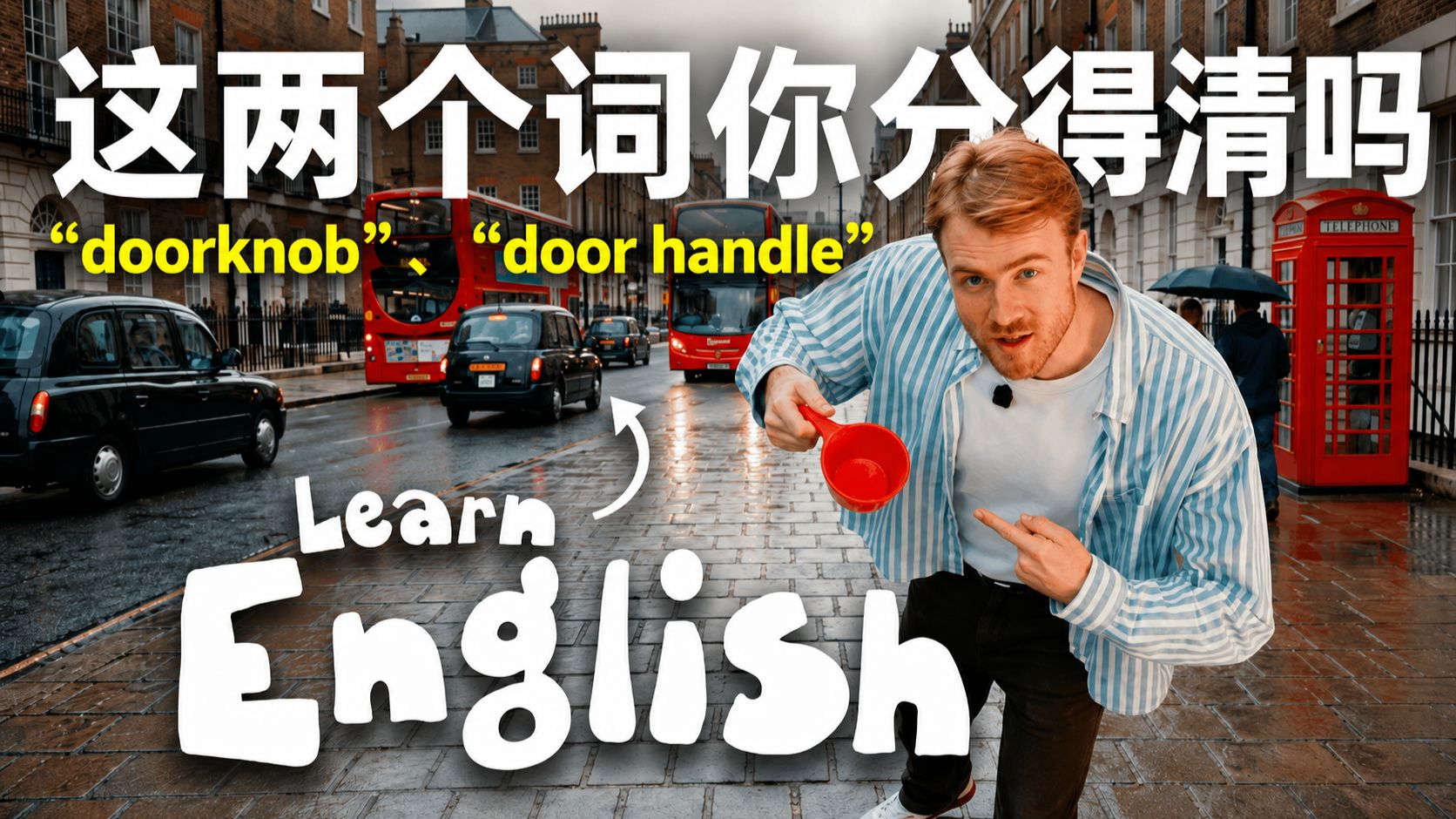
字幕摘录
| 时间 | 英文 | 中文 |
|---|---|---|
| 0:00 | Three years ago, when I met Chang, her English wasn't that good. | 三年前,我遇到张时 她的英语没那么好 |
| 0:06 | Hey! | 糑 |
| 0:08 | But now, she's fluent. Her English is top notch. | 但是现在,她流利。 她的英语是顶尖的。 |
| 0:13 | Aww. | 哦,对了。 |
| 0:14 | So how did she go from not that good to very, very good? | 那么她是怎么从不这么好变成非常,非常好的? |
| 0:23 | You might think the answer is because she's been dating me, but it's not. | 你可能会认为答案是 她一直在和我约会,但它不是。 |
| 0:28 | Today, I'll share with you the three tips I shared with Chang, which helped her reach full fluency in English. | 今天,我与你分享我与张分享的三条小说,这三条小说帮助她完全通晓英语. |
| 0:37 | But first... | 不过首先... |
| 0:48 | Coffee. | 来杯咖啡吧 |
| 0:49 | This is a water tank, and this is a water dispenser. | 这是水箱,这是水箱。 |
展开字幕全文(177 条)
| 序号 | 英文 | 中文 |
|---|---|---|
| 1 | Three years ago, when I met Chang, her English wasn't that good. | 三年前,我遇到张时 她的英语没那么好 |
| 2 | Hey! | 糑 |
| 3 | But now, she's fluent. Her English is top notch. | 但是现在,她流利。 她的英语是顶尖的。 |
| 4 | Aww. | 哦,对了。 |
| 5 | So how did she go from not that good to very, very good? | 那么她是怎么从不这么好变成非常,非常好的? |
| 6 | You might think the answer is because she's been dating me, but it's not. | 你可能会认为答案是 她一直在和我约会,但它不是。 |
| 7 | Today, I'll share with you the three tips I shared with Chang, which helped her reach full fluency in English. | 今天,我与你分享我与张分享的三条小说,这三条小说帮助她完全通晓英语. |
| 8 | But first... | 不过首先... |
| 9 | Coffee. | 来杯咖啡吧 |
| 10 | This is a water tank, and this is a water dispenser. | 这是水箱,这是水箱。 |
| 11 | I am filling up the water tank from the water dispenser. | 我从水箱里装水箱 |
| 12 | I am attaching the water tank to the coffee machine. | 我把水箱放在咖啡机上 |
| 13 | I am taking the coffee pod and putting it in the coffee machine. | 我要把咖啡舱放进咖啡机里 |
| 14 | I am pressing the button, and the coffee is coming out of the machine into the mug. | 我按下按钮, 咖啡从机器出来 进入杯子。 |
| 15 | I have just made a coffee, and that is the first tip to reach full fluency. | 我刚煮了杯咖啡,这是第一个完全流利的提示。 |
| 16 | What? Coffee? | 你说什么? 咖啡吗? |
| 17 | No. | 没有 |
| 18 | Your home is your English zone. | 你的家是你的英语区。 |
| 19 | What do I mean by that? | 这是什么意思? |
| 20 | Well, everything in your home has a name, like this mug. | 你家里的一切都有名字 就像这个杯子 |
| 21 | This is the mug, and this is the handle. | 这是杯子,这是把手。 |
| 22 | Can you repeat? | 你能再说一遍吗? |
| 23 | Mug. | 穆格,你说什么? |
| 24 | Handle. | 处理 |
| 25 | Good. | 不错 |
| 26 | The idea behind this game is that you learn the name for everything in your house. | 这个游戏背后的想法是,你学会了自己家里所有东西的名字. |
| 27 | Treat your house like a dictionary. | 把房子当成字典 |
| 28 | Treat it like an English playground. | 把它当成英国游乐场 |
| 29 | And it's very important to remember that everything in your house has a name. | 且须记汝家一切有名. |
| 30 | And it's very important to speak out loud. | 大声说出来很重要 |
| 31 | To speak out loud the name of things, like this is a carton of oat milk. | 大声地说出这些东西的名字, 就像这是一盒燕麦牛奶。 |
| 32 | There might be some new words that surprise you, like door handle versus door knob. | 也许有些新词让你吃惊 比如门把手和门把手 |
| 33 | I bet you didn't know the difference between these two. | 我敢打赌,你不知道 这两者之间的区别。 |
| 34 | And if you did, you're a genius. | 如果你这样做,你是一个天才。 |
| 35 | A door knob is circular, it's round, and you twist it to open the door. | 门把手是圆形的,是圆形的,你把它扭起来打开门。 |
| 36 | A door handle is rectangular, and you push it down to open the door. | 一个门把手是长方形的,你推下去打开门. |
| 37 | And pull it up to lock the door. | 然后拉起来锁上门 |
| 38 | I'm locking the door with a key. | 我用钥匙锁门 |
| 39 | Wait, we need to be inside. | 等等 我们得进去 |
| 40 | So let's unlock this door and go back inside. | 所以,让我们打开这扇门 回到里面去。 |
| 41 | But what if you don't know the name for something? | 但是,如果你不知道 名字的东西? |
| 42 | Either you watch my videos, or you can simply use a tool like ChatGPT or Gemini. | 要么你看我的视频, 要么你可以简单地使用一个工具 像ChatGPT或双子座。 |
| 43 | You take a picture of that thing and ask, what is this called in English? | 你拍下那东西 然后问,这叫什么英文? |
| 44 | What is this called in English? | 这在英语里叫什么? |
| 45 | Ah, a cushion. | 啊,一个垫子。 |
| 46 | This is a cushion. | 这是一个缓冲。 |
| 47 | So now you have the name of it, you can make simple sentences. | 所以,现在你有它的名字, 你可以做简单的句子。 |
| 48 | And these questions might help. | 这些问题也许有帮助。 |
| 49 | Okay, let's see. | 好吧,让我看看。 |
| 50 | The cushion is red. | 衬垫是红色的。 |
| 51 | It's in the shape of a love heart. | 以爱心为体. |
| 52 | It has long arms, so it looks like a real creature. | 它的手臂很长,所以看起来像一个真正的生物。 |
| 53 | It's made of cotton, and it's very comfy and soft. | 由棉花制成,十分舒适柔软. |
| 54 | I like to use this cushion to support my head when I take a nap on the sofa. | 我喜欢用这个垫子支撑我的头 当我在沙发上睡觉。 |
| 55 | It's really comfy. | 这真的很舒服。 |
| 56 | You can do this exercise anytime at home. | 你可以随时在家练习 |
| 57 | When you cook, I am frying an egg in the frying pan. | 当你做饭时,我在煎锅里煎蛋 |
| 58 | When you take a shower, I'm standing under the shower head, about to take a shower. | 当你洗澡时,我站在淋浴头下面,要洗澡了。 |
| 59 | Or when you do the chores, I am vacuuming the floor. | 或者当你做家务时,我正在清理地板。 |
| 60 | Or in the UK, we say hoovering. I'm hoovering. | 或在英国,我们说胡佛。 我在胡思乱想 |
| 61 | And even when you listen to music, you can ask yourself, what instruments can I hear? | 即使你听音乐,你也可以问自己,我能听到什么乐器? |
| 62 | How does this music make me feel? | 这音乐让我感觉如何? |
| 63 | This is a beautiful piano piece by the composer, Austin Farwell. | 这是作曲家奥斯汀·法威尔的一部美丽的钢琴作品. |
| 64 | When I listen to music like this, it makes me feel relaxed, at ease, and peaceful. | 当我听到这样的音乐, 它让我感觉放松, 放松,和平。 |
| 65 | And you see what I did there? | 你看到我做了什么了吗? |
| 66 | I am using my home as my English zone. | 我用我的家做我的英语区。 |
| 67 | I'm learning new vocabulary from the things around me. | 我从周围的东西学到新的词汇 |
| 68 | And then I'm making simple sentences with those words. | 然后我用这些话做简单的句子。 |
| 69 | The key is to speak out loud. | 关键是大声说话 |
| 70 | If you have the problem that you can understand, but you can't speak, | 如果你有你能理解的问题 但你不能说话 |
| 71 | then the likelihood is it's because you haven't practiced speaking out loud enough. | 可能是因为你没有大声说话 |
| 72 | Now, speaking is just muscle memory, like going to the gym. | 现在,说话只是肌肉记忆, 就像去健身房。 |
| 73 | The more you do it, the more your muscles remember the actions. | 你做的越多,你的肌肉就越记得动作. |
| 74 | So the more you move your mouth and tongue to form the words, the faster those words come out. | 所以,越动你的嘴和舌头来形成词,这些词就越快出来. |
| 75 | By the way, this is a soft toy. | 顺便说一句,这是一个软玩具。 |
| 76 | This is an electric piano. | 这是电动钢琴 |
| 77 | And this is a plant in a plant pot. | 这是植物锅里的植物 |
| 78 | You can also practice speaking out loud with a fun and simple game. | 也可以用一个有趣的简单的游戏来练习大声说话. |
| 79 | It's called the word association game. | 它被称为词性关联游戏. |
| 80 | Let's take this bell as our starting word. | 让我们把这个铃声当作我们的开始 |
| 81 | I'm going to make associations. | 我要成立社团。 |
| 82 | So, bell, ring, wedding, celebration, champagne, wine, bubbles, | 铃声 戒指 婚礼 庆祝 香槟 酒 泡泡 |
| 83 | 水,pu,雨,山,天,蓝, blah, blah. | |
| 84 | You get the idea. I'm making associations in a chain. | 你得到这个想法。 我在连锁店里制造社团 |
| 85 | This game is going to really build your spontaneous speaking | 这个游戏将真正构建您的自发演讲 |
| 86 | and help you feel less anxious and more confident when you speak. | 并且帮助你感到少 焦虑和信心 当你说话。 |
| 87 | Plus, it's fun. | 况此乐乎. |
| 88 | I'll dive deeper into this game in a future episode. | 我将在未来的一集中潜入这个游戏的深度. |
| 89 | But for now, let's go downstairs and I'm going to show you my favorite British shows. | 但是现在,我们下楼, 我要给你看我最喜欢的英国节目。 |
| 90 | For anyone wondering, that is a swinging chair. | 对于任何想知道, 这是一个摇摆椅。 |
| 91 | This is a remote. | 这是一个遥控器。 |
| 92 | It has buttons on it. | 上面有按钮 |
| 93 | When I press the power button, it turns on the TV, which links to my second tip. | 当我按下电源按钮, 它打开电视, 它链接到我的第二个提示。 |
| 94 | Watch what you love, but slightly above your level and without subtitles. | 看你喜欢什么,但略高于你的水平,没有字幕。 |
| 95 | When learning any language, input is really important. | 在学习任何语言时,输入是非常重要的。 |
| 96 | As you all know, in my videos, I teach English using visuals and context. | 你们都知道,在我的视频中,我用视觉和背景来教授英语. |
| 97 | This is called the comprehensible input method, | 这叫做可理解输入法, |
| 98 | where you understand not all of the language, but you get the gist. | 在那里你不懂所有的语言, 但你得到的焦点。 |
| 99 | You get the idea because of the visuals and the context. | 你得到这个想法是因为视觉和背景。 |
| 100 | So it's less based on forced memorization, | 因此,它较少基于强制纪念, |
| 101 | but more on getting the overall picture through natural context. | 但更多的是了解自然背景的总体情况。 |
| 102 | I would recommend you to watch English videos without the subtitles, | 我建议你看没有字幕的英语视频 |
| 103 | while still understanding 70 to 80 percent. Why? | 但仍然理解70%到80%。 为什么? |
| 104 | Well, when you watch a video with the subtitles, you tend to fixate on the subtitles. | 当你看到带字幕的视频时 你往往会固定在字幕上 |
| 105 | You read the subtitles and you don't watch the video and listen to the English being used. | 你读字幕,却不看视频,听英语被使用. |
| 106 | So without the subtitles, you're training your brain to link the sounds that you hear with the visual meaning, the context. | 所以,没有字幕,你正在训练你的大脑 将你听到的声音与视觉意义,背景联系起来。 |
| 107 | Now, this is a much stronger hook in your brain because our visual memory is very strong. | 现在,这是你大脑中更坚固的钩子, 因为我们的视觉记忆非常坚固。 |
| 108 | So watching without subtitles, understanding about 70 to 80 percent. | 所以没有字幕的观看, 理解大约70%到80%。 |
| 109 | Now I'm going to share with you some of my favorite British TV shows so you can practice this at home. | 现在我要和你们分享一些我最喜欢的英国电视节目, 这样你们就可以在家里练习。 |
| 110 | If you're a beginner, I would recommend three different things. | 如果你是初学者 我会推荐三件事 |
| 111 | First, Peppa Pig. | 首先,佩帕猪。 |
| 112 | Second, Bluey. | 第二,布鲁伊。 |
| 113 | And third, the movie Finding Nemo. | 第三,电影《寻找尼莫》。 |
| 114 | All of these are children's shows and children's movies. | 所有这些都是儿童节目和儿童电影. |
| 115 | However, they are fantastic for improving your English from beginner to intermediate, | 然而,它们对于你的英语从初学者到中间的改进来说是惊人的, |
| 116 | because the stories are simple and the episodes are short. | 因为故事很简单 故事很短 |
| 117 | If you're intermediate, try sitcoms like Friends. | 如果你是中间人,就像朋友一样试试喜剧. |
| 118 | I used Friends in the past to learn French and it worked. | 过去我用朋友来学法语,结果成功了。 |
| 119 | Red, Blue, Black, Blue, Black. | 红,蓝,黑,蓝,黑 |
| 120 | You can also try Ted Ed. | 你也可以试试Ted Ed |
| 121 | Ted Ed videos are shorter than the TED Talks and they have more visuals, so it's easier for you to understand. | Ted Ed的视频比TED会谈短, 并且有较多的视觉,所以你更容易理解。 |
| 122 | If you love documentaries, then I would recommend David Attenborough. | 如果你喜欢纪录片 那我推荐大卫·阿滕伯勒 |
| 123 | So David Attenborough is loved by English people and by British people. | 因此大卫·阿滕伯勒受到英国人和英国人的喜爱. |
| 124 | He is a national treasure, and his documentaries are all about the Earth, animals, humans, | 他是国家宝藏 他的纪录片都是关于地球 动物和人类的 |
| 125 | and they are wonderful for practicing English because he speaks very slowly, very clearly, | 而且他们很擅长练习英语 因为他说话非常慢,非常清楚, |
| 126 | and you hear the same words repeating again and again. | 你听到同样的话重复一遍又一遍。 |
| 127 | The two Attenborough documentaries I would recommend for you are Planet Earth, which I think is on Netflix, | 我推荐给你们的两部Attenborough纪录片 是地球星球, 我认为它是在Netflix, |
| 128 | and the new one, Kingdom. | 和新的,王国。 |
| 129 | Other than that, just search David Attenborough documentaries and you'll find a lot of good content there. | 除此以外,只要搜索David Attenborough的纪录片 你会发现很多好的内容在那里。 |
| 130 | And if you're advanced, the world is your oyster, my friend. | 如果你进步了,世界是你的牡蛎,我的朋友。 |
| 131 | The TV is your oyster. You can watch literally anything. | 电视是你的牡蛎。 你可以看任何东西 |
| 132 | My favorite comedy show is a show called Peep Show, and this is a British comedy, classic British humor. | 我最喜欢的喜剧节目是名为"偷窥秀"的节目,这是一部英国喜剧,经典的英国幽默剧. |
| 133 | It's British humor at its peak. | 这是英国的幽默 在它的高峰。 |
| 134 | Peep Show is hilarious, and if you're advanced, it's going to be wonderful to understand more about British culture, | 偷窥 表演很搞笑 如果你进步了 了解更多英国文化会很棒 |
| 135 | the way that British people think. | 英国人的想法 |
| 136 | 在Peep Show上,你也可以观看其他喜剧,如"办公室"(The Office)或"内幕"(The Induders). | |
| 137 | The Inbetweeners has a lot of slang words that you could learn from. | 居间人有很多俗语,你可以学习。 |
| 138 | Again, if you're advanced, any input is good input, so the more you watch, the more you listen, the more you improve. | 再说一遍,如果你是进步的,任何输入都是好的输入,所以你越看,越听,越改进. |
| 139 | Just repeat, repeat, repeat. | 只要重复,重复,重复。 |
| 140 | After watching these films or videos, you can ask yourself these three questions, which will help your speaking. | 在看完这些电影或视频后,你可以问自己这三个问题,这可以帮助你说话. |
| 141 | What did I just watch? What was it about? And did I like it or not? | 我刚刚看了什么? 是关于什么的? 我是否喜欢? |
| 142 | If you want to watch English videos, which show you how English is used in everyday life, | 如果你想看英语视频, 它显示如何使用英语 在日常生活中, |
| 143 | like feeding animals at the farm, shopping in the supermarket, and exercising in the gym. | 比如在农场喂养动物,在超市购物,在健身房锻炼. |
| 144 | So, we have trained our eyes to watch, we've trained our ears to listen, and we've trained our mouths to speak. | 因此,我们训练眼睛看,训练耳朵听,训练嘴说话. |
| 145 | Now it's time to train our brains to think in English. | 现在是时候训练我们的大脑 思考英语。 |
| 146 | Most of you at home, I imagine, think in the language that you use the most, your mother tongue. | 你们大多数在家里,我想,用你们最常用的语言,即你的母语来思考. |
| 147 | But we want to train our brains to think in English. | 但我们想训练我们的大脑 思考英语。 |
| 148 | Now, what's a practical and simple way to do this? | 现在,什么是实用而简单的方法做到这一点? |
| 149 | Well, maybe when you're on your way to work or in a public space where you can't speak, | 好吧,也许当你去上班的路上 或者在一个公共空间里,你不能说话, |
| 150 | you can think, what if I think my thoughts in English? | 如果我用英语思考呢? |
| 151 | What if I think about the world around me in English? | 如果我用英语思考周围的世界呢? |
| 152 | What would that sound like? | 听起来怎么样? |
| 153 | In the beginning, this will take some conscious efforts. | 一开始,这将需要作出一些有意识的努力。 |
| 154 | It will be a little bit difficult, just like any habit. | 这将是有点困难, 就像任何习惯。 |
| 155 | It requires you to be conscious about doing it, be aware and just do it. | 它需要你清醒地做, 清醒地做。 |
| 156 | Very soon, it will become subconscious. It will become natural. | 很快就会变成潜意识 它会变得自然。 |
| 157 | I'm going to show you an example. | 举个例子 |
| 158 | Hmm, I should probably wash the dishes right now. I can't really be bothered, but might as well. | 嗯,我也许应该 洗盘子现在。 我没什么麻烦的,但也许吧 |
| 159 | Right, I'm going to take the scourer. Yep, pumps on washing up liquid on that scourer. | 好吧,我要去 扫荡器。 对,在冲洗机上洗液 |
| 160 | Hmm, turn on the tap. | 打开水龙头 |
| 161 | I'm not really sure how I feel about washing dishes. | 我不太清楚我洗碗的感觉 |
| 162 | I mean, on the one hand, it's quite satisfying seeing those soapy suds. | 一方面,看到这些肥皂泥很满意 |
| 163 | Hmm, lovely soapy suds. | 嗯,可爱的肥皂糖。 |
| 164 | But on the other hand, it's a bit like slave labor. Yes. | 但另一方面,这有点像奴隶劳动. 对 |
| 165 | Rinsing off those soapy suds. Yes. | 擦掉肥皂泥 对 |
| 166 | Chopsticks or drumsticks? | 筷子还是鼓棒? |
| 167 | Do I want to wash the rest of those things up? Nah, leave that to Chang. | 我要把这些东西洗干净吗? 不,留给张。 |
| 168 | So, to recap the entire video. | 所以,来回顾整个视频。 |
| 169 | One, your home is your English zone. | 第一,你的家是你的英语区。 |
| 170 | Use your house and objects around you to practice speaking out loud. | 利用你的房子和周围的东西 练习大声说话 |
| 171 | Two, watch what you love without subtitles and make sure you understand most of the content, around 70 to 80%. | 二,注意你喜欢的没有字幕的东西,确保你理解大部分内容,约70%到80%. |
| 172 | And three, train your brain to think in English. | 第三,训练你的大脑 思考英语。 |
| 173 | Now, the key take-home message is that immersion is the number one way to become fluent in any language. | 现在,带回家的关键信息是,浸润是任何语言流利的第一方法。 |
| 174 | You need to immerse yourself. You need to consume as much as possible and speak as much as possible. | 你需要沉浸自己。 你要尽量消费,尽量说话 |
| 175 | And you will get better. | 你会好起来的 |
| 176 | Thank you so much for watching. I hope you learned a lot in this video. | 谢谢你的观看 我希望你在这段视频里学到了很多 |
| 177 | And I will see you next week. | 下周见 |
该视频共有字幕 178 条。解锁更多字幕为会员功能,请移动到 价格
P2 · 【可理解输入】三年把女友教到完全流利:他只用了这三个方法 p02 英文字幕版 (P2)
字幕摘录
| 时间 | 英文 | 中文 |
|---|---|---|
| 0:00 | Three years ago, when I met Chang, her English wasn't that good. | 三年前,我遇到张时 她的英语没那么好 |
| 0:06 | Hey! | 糑 |
| 0:08 | But now, she's fluent. Her English is top notch. | 但是现在,她流利。 她的英语是顶尖的。 |
| 0:13 | Aww. | 哦,对了。 |
| 0:14 | So how did she go from not that good to very, very good? | 那么她是怎么从不这么好变成非常,非常好的? |
| 0:23 | You might think the answer is because she's been dating me, but it's not. | 你可能会认为答案是 她一直在和我约会,但它不是。 |
| 0:28 | Today, I'll share with you the three tips I shared with Chang, which helped her reach full fluency in English. | 今天,我与你分享我与张分享的三条小说,这三条小说帮助她完全通晓英语. |
| 0:37 | But first... | 不过首先... |
| 0:48 | Coffee. | 来杯咖啡吧 |
| 0:49 | This is a water tank, and this is a water dispenser. | 这是水箱,这是水箱。 |
展开字幕全文(177 条)
| 序号 | 英文 | 中文 |
|---|---|---|
| 1 | Three years ago, when I met Chang, her English wasn't that good. | 三年前,我遇到张时 她的英语没那么好 |
| 2 | Hey! | 糑 |
| 3 | But now, she's fluent. Her English is top notch. | 但是现在,她流利。 她的英语是顶尖的。 |
| 4 | Aww. | 哦,对了。 |
| 5 | So how did she go from not that good to very, very good? | 那么她是怎么从不这么好变成非常,非常好的? |
| 6 | You might think the answer is because she's been dating me, but it's not. | 你可能会认为答案是 她一直在和我约会,但它不是。 |
| 7 | Today, I'll share with you the three tips I shared with Chang, which helped her reach full fluency in English. | 今天,我与你分享我与张分享的三条小说,这三条小说帮助她完全通晓英语. |
| 8 | But first... | 不过首先... |
| 9 | Coffee. | 来杯咖啡吧 |
| 10 | This is a water tank, and this is a water dispenser. | 这是水箱,这是水箱。 |
| 11 | I am filling up the water tank from the water dispenser. | 我从水箱里装水箱 |
| 12 | I am attaching the water tank to the coffee machine. | 我把水箱放在咖啡机上 |
| 13 | I am taking the coffee pod and putting it in the coffee machine. | 我要把咖啡舱放进咖啡机里 |
| 14 | I am pressing the button, and the coffee is coming out of the machine into the mug. | 我按下按钮, 咖啡从机器出来 进入杯子。 |
| 15 | I have just made a coffee, and that is the first tip to reach full fluency. | 我刚煮了杯咖啡,这是第一个完全流利的提示。 |
| 16 | What? Coffee? | 你说什么? 咖啡吗? |
| 17 | No. | 没有 |
| 18 | Your home is your English zone. | 你的家是你的英语区。 |
| 19 | What do I mean by that? | 这是什么意思? |
| 20 | Well, everything in your home has a name, like this mug. | 你家里的一切都有名字 就像这个杯子 |
| 21 | This is the mug, and this is the handle. | 这是杯子,这是把手。 |
| 22 | Can you repeat? | 你能再说一遍吗? |
| 23 | Mug. | 穆格,你说什么? |
| 24 | Handle. | 处理 |
| 25 | Good. | 不错 |
| 26 | The idea behind this game is that you learn the name for everything in your house. | 这个游戏背后的想法是,你学会了自己家里所有东西的名字. |
| 27 | Treat your house like a dictionary. | 把房子当成字典 |
| 28 | Treat it like an English playground. | 把它当成英国游乐场 |
| 29 | And it's very important to remember that everything in your house has a name. | 且须记汝家一切有名. |
| 30 | And it's very important to speak out loud. | 大声说出来很重要 |
| 31 | To speak out loud the name of things, like this is a carton of oat milk. | 大声地说出这些东西的名字, 就像这是一盒燕麦牛奶。 |
| 32 | There might be some new words that surprise you, like door handle versus door knob. | 也许有些新词让你吃惊 比如门把手和门把手 |
| 33 | I bet you didn't know the difference between these two. | 我敢打赌,你不知道 这两者之间的区别。 |
| 34 | And if you did, you're a genius. | 如果你这样做,你是一个天才。 |
| 35 | A door knob is circular, it's round, and you twist it to open the door. | 门把手是圆形的,是圆形的,你把它扭起来打开门。 |
| 36 | A door handle is rectangular, and you push it down to open the door. | 一个门把手是长方形的,你推下去打开门. |
| 37 | And pull it up to lock the door. | 然后拉起来锁上门 |
| 38 | I'm locking the door with a key. | 我用钥匙锁门 |
| 39 | Wait, we need to be inside. | 等等 我们得进去 |
| 40 | So let's unlock this door and go back inside. | 所以,让我们打开这扇门 回到里面去。 |
| 41 | But what if you don't know the name for something? | 但是,如果你不知道 名字的东西? |
| 42 | Either you watch my videos, or you can simply use a tool like ChatGPT or Gemini. | 要么你看我的视频, 要么你可以简单地使用一个工具 像ChatGPT或双子座。 |
| 43 | You take a picture of that thing and ask, what is this called in English? | 你拍下那东西 然后问,这叫什么英文? |
| 44 | What is this called in English? | 这在英语里叫什么? |
| 45 | Ah, a cushion. | 啊,一个垫子。 |
| 46 | This is a cushion. | 这是一个缓冲。 |
| 47 | So now you have the name of it, you can make simple sentences. | 所以,现在你有它的名字, 你可以做简单的句子。 |
| 48 | And these questions might help. | 这些问题也许有帮助。 |
| 49 | Okay, let's see. | 好吧,让我看看。 |
| 50 | The cushion is red. | 衬垫是红色的。 |
| 51 | It's in the shape of a love heart. | 以爱心为体. |
| 52 | It has long arms, so it looks like a real creature. | 它的手臂很长,所以看起来像一个真正的生物。 |
| 53 | It's made of cotton, and it's very comfy and soft. | 由棉花制成,十分舒适柔软. |
| 54 | I like to use this cushion to support my head when I take a nap on the sofa. | 我喜欢用这个垫子支撑我的头 当我在沙发上睡觉。 |
| 55 | It's really comfy. | 这真的很舒服。 |
| 56 | You can do this exercise anytime at home. | 你可以随时在家练习 |
| 57 | When you cook, I am frying an egg in the frying pan. | 当你做饭时,我在煎锅里煎蛋 |
| 58 | When you take a shower, I'm standing under the shower head, about to take a shower. | 当你洗澡时,我站在淋浴头下面,要洗澡了。 |
| 59 | Or when you do the chores, I am vacuuming the floor. | 或者当你做家务时,我正在清理地板。 |
| 60 | Or in the UK, we say hoovering. I'm hoovering. | 或在英国,我们说胡佛。 我在胡思乱想 |
| 61 | And even when you listen to music, you can ask yourself, what instruments can I hear? | 即使你听音乐,你也可以问自己,我能听到什么乐器? |
| 62 | How does this music make me feel? | 这音乐让我感觉如何? |
| 63 | This is a beautiful piano piece by the composer, Austin Farwell. | 这是作曲家奥斯汀·法威尔的一部美丽的钢琴作品. |
| 64 | When I listen to music like this, it makes me feel relaxed, at ease, and peaceful. | 当我听到这样的音乐, 它让我感觉放松, 放松,和平。 |
| 65 | And you see what I did there? | 你看到我做了什么了吗? |
| 66 | I am using my home as my English zone. | 我用我的家做我的英语区。 |
| 67 | I'm learning new vocabulary from the things around me. | 我从周围的东西学到新的词汇 |
| 68 | And then I'm making simple sentences with those words. | 然后我用这些话做简单的句子。 |
| 69 | The key is to speak out loud. | 关键是大声说话 |
| 70 | If you have the problem that you can understand, but you can't speak, | 如果你有你能理解的问题 但你不能说话 |
| 71 | then the likelihood is it's because you haven't practiced speaking out loud enough. | 可能是因为你没有大声说话 |
| 72 | Now, speaking is just muscle memory, like going to the gym. | 现在,说话只是肌肉记忆, 就像去健身房。 |
| 73 | The more you do it, the more your muscles remember the actions. | 你做的越多,你的肌肉就越记得动作. |
| 74 | So the more you move your mouth and tongue to form the words, the faster those words come out. | 所以,越动你的嘴和舌头来形成词,这些词就越快出来. |
| 75 | By the way, this is a soft toy. | 顺便说一句,这是一个软玩具。 |
| 76 | This is an electric piano. | 这是电动钢琴 |
| 77 | And this is a plant in a plant pot. | 这是植物锅里的植物 |
| 78 | You can also practice speaking out loud with a fun and simple game. | 也可以用一个有趣的简单的游戏来练习大声说话. |
| 79 | It's called the word association game. | 它被称为词性关联游戏. |
| 80 | Let's take this bell as our starting word. | 让我们把这个铃声当作我们的开始 |
| 81 | I'm going to make associations. | 我要成立社团。 |
| 82 | So, bell, ring, wedding, celebration, champagne, wine, bubbles, | 铃声 戒指 婚礼 庆祝 香槟 酒 泡泡 |
| 83 | 水,pu,雨,山,天,蓝, blah, blah. | |
| 84 | You get the idea. I'm making associations in a chain. | 你得到这个想法。 我在连锁店里制造社团 |
| 85 | This game is going to really build your spontaneous speaking | 这个游戏将真正构建您的自发演讲 |
| 86 | and help you feel less anxious and more confident when you speak. | 并且帮助你感到少 焦虑和信心 当你说话。 |
| 87 | Plus, it's fun. | 况此乐乎. |
| 88 | I'll dive deeper into this game in a future episode. | 我将在未来的一集中潜入这个游戏的深度. |
| 89 | But for now, let's go downstairs and I'm going to show you my favorite British shows. | 但是现在,我们下楼, 我要给你看我最喜欢的英国节目。 |
| 90 | For anyone wondering, that is a swinging chair. | 对于任何想知道, 这是一个摇摆椅。 |
| 91 | This is a remote. | 这是一个遥控器。 |
| 92 | It has buttons on it. | 上面有按钮 |
| 93 | When I press the power button, it turns on the TV, which links to my second tip. | 当我按下电源按钮, 它打开电视, 它链接到我的第二个提示。 |
| 94 | Watch what you love, but slightly above your level and without subtitles. | 看你喜欢什么,但略高于你的水平,没有字幕。 |
| 95 | When learning any language, input is really important. | 在学习任何语言时,输入是非常重要的。 |
| 96 | As you all know, in my videos, I teach English using visuals and context. | 你们都知道,在我的视频中,我用视觉和背景来教授英语. |
| 97 | This is called the comprehensible input method, | 这叫做可理解输入法, |
| 98 | where you understand not all of the language, but you get the gist. | 在那里你不懂所有的语言, 但你得到的焦点。 |
| 99 | You get the idea because of the visuals and the context. | 你得到这个想法是因为视觉和背景。 |
| 100 | So it's less based on forced memorization, | 因此,它较少基于强制纪念, |
| 101 | but more on getting the overall picture through natural context. | 但更多的是了解自然背景的总体情况。 |
| 102 | I would recommend you to watch English videos without the subtitles, | 我建议你看没有字幕的英语视频 |
| 103 | while still understanding 70 to 80 percent. Why? | 但仍然理解70%到80%。 为什么? |
| 104 | Well, when you watch a video with the subtitles, you tend to fixate on the subtitles. | 当你看到带字幕的视频时 你往往会固定在字幕上 |
| 105 | You read the subtitles and you don't watch the video and listen to the English being used. | 你读字幕,却不看视频,听英语被使用. |
| 106 | So without the subtitles, you're training your brain to link the sounds that you hear with the visual meaning, the context. | 所以,没有字幕,你正在训练你的大脑 将你听到的声音与视觉意义,背景联系起来。 |
| 107 | Now, this is a much stronger hook in your brain because our visual memory is very strong. | 现在,这是你大脑中更坚固的钩子, 因为我们的视觉记忆非常坚固。 |
| 108 | So watching without subtitles, understanding about 70 to 80 percent. | 所以没有字幕的观看, 理解大约70%到80%。 |
| 109 | Now I'm going to share with you some of my favorite British TV shows so you can practice this at home. | 现在我要和你们分享一些我最喜欢的英国电视节目, 这样你们就可以在家里练习。 |
| 110 | If you're a beginner, I would recommend three different things. | 如果你是初学者 我会推荐三件事 |
| 111 | First, Peppa Pig. | 首先,佩帕猪。 |
| 112 | Second, Bluey. | 第二,布鲁伊。 |
| 113 | And third, the movie Finding Nemo. | 第三,电影《寻找尼莫》。 |
| 114 | All of these are children's shows and children's movies. | 所有这些都是儿童节目和儿童电影. |
| 115 | However, they are fantastic for improving your English from beginner to intermediate, | 然而,它们对于你的英语从初学者到中间的改进来说是惊人的, |
| 116 | because the stories are simple and the episodes are short. | 因为故事很简单 故事很短 |
| 117 | If you're intermediate, try sitcoms like Friends. | 如果你是中间人,就像朋友一样试试喜剧. |
| 118 | I used Friends in the past to learn French and it worked. | 过去我用朋友来学法语,结果成功了。 |
| 119 | Red, Blue, Black, Blue, Black. | 红,蓝,黑,蓝,黑 |
| 120 | You can also try Ted Ed. | 你也可以试试Ted Ed |
| 121 | Ted Ed videos are shorter than the TED Talks and they have more visuals, so it's easier for you to understand. | Ted Ed的视频比TED会谈短, 并且有较多的视觉,所以你更容易理解。 |
| 122 | If you love documentaries, then I would recommend David Attenborough. | 如果你喜欢纪录片 那我推荐大卫·阿滕伯勒 |
| 123 | So David Attenborough is loved by English people and by British people. | 因此大卫·阿滕伯勒受到英国人和英国人的喜爱. |
| 124 | He is a national treasure, and his documentaries are all about the Earth, animals, humans, | 他是国家宝藏 他的纪录片都是关于地球 动物和人类的 |
| 125 | and they are wonderful for practicing English because he speaks very slowly, very clearly, | 而且他们很擅长练习英语 因为他说话非常慢,非常清楚, |
| 126 | and you hear the same words repeating again and again. | 你听到同样的话重复一遍又一遍。 |
| 127 | The two Attenborough documentaries I would recommend for you are Planet Earth, which I think is on Netflix, | 我推荐给你们的两部Attenborough纪录片 是地球星球, 我认为它是在Netflix, |
| 128 | and the new one, Kingdom. | 和新的,王国。 |
| 129 | Other than that, just search David Attenborough documentaries and you'll find a lot of good content there. | 除此以外,只要搜索David Attenborough的纪录片 你会发现很多好的内容在那里。 |
| 130 | And if you're advanced, the world is your oyster, my friend. | 如果你进步了,世界是你的牡蛎,我的朋友。 |
| 131 | The TV is your oyster. You can watch literally anything. | 电视是你的牡蛎。 你可以看任何东西 |
| 132 | My favorite comedy show is a show called Peep Show, and this is a British comedy, classic British humor. | 我最喜欢的喜剧节目是名为"偷窥秀"的节目,这是一部英国喜剧,经典的英国幽默剧. |
| 133 | It's British humor at its peak. | 这是英国的幽默 在它的高峰。 |
| 134 | Peep Show is hilarious, and if you're advanced, it's going to be wonderful to understand more about British culture, | 偷窥 表演很搞笑 如果你进步了 了解更多英国文化会很棒 |
| 135 | the way that British people think. | 英国人的想法 |
| 136 | 在Peep Show上,你也可以观看其他喜剧,如"办公室"(The Office)或"内幕"(The Induders). | |
| 137 | The Inbetweeners has a lot of slang words that you could learn from. | 居间人有很多俗语,你可以学习。 |
| 138 | Again, if you're advanced, any input is good input, so the more you watch, the more you listen, the more you improve. | 再说一遍,如果你是进步的,任何输入都是好的输入,所以你越看,越听,越改进. |
| 139 | Just repeat, repeat, repeat. | 只要重复,重复,重复。 |
| 140 | After watching these films or videos, you can ask yourself these three questions, which will help your speaking. | 在看完这些电影或视频后,你可以问自己这三个问题,这可以帮助你说话. |
| 141 | What did I just watch? What was it about? And did I like it or not? | 我刚刚看了什么? 是关于什么的? 我是否喜欢? |
| 142 | If you want to watch English videos, which show you how English is used in everyday life, | 如果你想看英语视频, 它显示如何使用英语 在日常生活中, |
| 143 | like feeding animals at the farm, shopping in the supermarket, and exercising in the gym. | 比如在农场喂养动物,在超市购物,在健身房锻炼. |
| 144 | So, we have trained our eyes to watch, we've trained our ears to listen, and we've trained our mouths to speak. | 因此,我们训练眼睛看,训练耳朵听,训练嘴说话. |
| 145 | Now it's time to train our brains to think in English. | 现在是时候训练我们的大脑 思考英语。 |
| 146 | Most of you at home, I imagine, think in the language that you use the most, your mother tongue. | 你们大多数在家里,我想,用你们最常用的语言,即你的母语来思考. |
| 147 | But we want to train our brains to think in English. | 但我们想训练我们的大脑 思考英语。 |
| 148 | Now, what's a practical and simple way to do this? | 现在,什么是实用而简单的方法做到这一点? |
| 149 | Well, maybe when you're on your way to work or in a public space where you can't speak, | 好吧,也许当你去上班的路上 或者在一个公共空间里,你不能说话, |
| 150 | you can think, what if I think my thoughts in English? | 如果我用英语思考呢? |
| 151 | What if I think about the world around me in English? | 如果我用英语思考周围的世界呢? |
| 152 | What would that sound like? | 听起来怎么样? |
| 153 | In the beginning, this will take some conscious efforts. | 一开始,这将需要作出一些有意识的努力。 |
| 154 | It will be a little bit difficult, just like any habit. | 这将是有点困难, 就像任何习惯。 |
| 155 | It requires you to be conscious about doing it, be aware and just do it. | 它需要你清醒地做, 清醒地做。 |
| 156 | Very soon, it will become subconscious. It will become natural. | 很快就会变成潜意识 它会变得自然。 |
| 157 | I'm going to show you an example. | 举个例子 |
| 158 | Hmm, I should probably wash the dishes right now. I can't really be bothered, but might as well. | 嗯,我也许应该 洗盘子现在。 我没什么麻烦的,但也许吧 |
| 159 | Right, I'm going to take the scourer. Yep, pumps on washing up liquid on that scourer. | 好吧,我要去 扫荡器。 对,在冲洗机上洗液 |
| 160 | Hmm, turn on the tap. | 打开水龙头 |
| 161 | I'm not really sure how I feel about washing dishes. | 我不太清楚我洗碗的感觉 |
| 162 | I mean, on the one hand, it's quite satisfying seeing those soapy suds. | 一方面,看到这些肥皂泥很满意 |
| 163 | Hmm, lovely soapy suds. | 嗯,可爱的肥皂糖。 |
| 164 | But on the other hand, it's a bit like slave labor. Yes. | 但另一方面,这有点像奴隶劳动. 对 |
| 165 | Rinsing off those soapy suds. Yes. | 擦掉肥皂泥 对 |
| 166 | Chopsticks or drumsticks? | 筷子还是鼓棒? |
| 167 | Do I want to wash the rest of those things up? Nah, leave that to Chang. | 我要把这些东西洗干净吗? 不,留给张。 |
| 168 | So, to recap the entire video. | 所以,来回顾整个视频。 |
| 169 | One, your home is your English zone. | 第一,你的家是你的英语区。 |
| 170 | Use your house and objects around you to practice speaking out loud. | 利用你的房子和周围的东西 练习大声说话 |
| 171 | Two, watch what you love without subtitles and make sure you understand most of the content, around 70 to 80%. | 二,注意你喜欢的没有字幕的东西,确保你理解大部分内容,约70%到80%. |
| 172 | And three, train your brain to think in English. | 第三,训练你的大脑 思考英语。 |
| 173 | Now, the key take-home message is that immersion is the number one way to become fluent in any language. | 现在,带回家的关键信息是,浸润是任何语言流利的第一方法。 |
| 174 | You need to immerse yourself. You need to consume as much as possible and speak as much as possible. | 你需要沉浸自己。 你要尽量消费,尽量说话 |
| 175 | And you will get better. | 你会好起来的 |
| 176 | Thank you so much for watching. I hope you learned a lot in this video. | 谢谢你的观看 我希望你在这段视频里学到了很多 |
| 177 | And I will see you next week. | 下周见 |
该视频共有字幕 178 条。解锁更多字幕为会员功能,请移动到 价格
P3 · 【可理解输入】三年把女友教到完全流利:他只用了这三个方法 p03 原声无字幕 (P3)
字幕摘录
| 时间 | 英文 | 中文 |
|---|---|---|
| 0:00 | Three years ago, when I met Chang, her English wasn't that good. | 三年前,我遇到张时 她的英语没那么好 |
| 0:06 | Hey! | 糑 |
| 0:08 | But now, she's fluent. Her English is top notch. | 但是现在,她流利。 她的英语是顶尖的。 |
| 0:13 | Aww. | 哦,对了。 |
| 0:14 | So how did she go from not that good to very, very good? | 那么她是怎么从不这么好变成非常,非常好的? |
| 0:23 | You might think the answer is because she's been dating me, but it's not. | 你可能会认为答案是 她一直在和我约会,但它不是。 |
| 0:28 | Today, I'll share with you the three tips I shared with Chang, which helped her reach full fluency in English. | 今天,我与你分享我与张分享的三条小说,这三条小说帮助她完全通晓英语. |
| 0:37 | But first... | 不过首先... |
| 0:48 | Coffee. | 来杯咖啡吧 |
| 0:49 | This is a water tank, and this is a water dispenser. | 这是水箱,这是水箱。 |
展开字幕全文(186 条)
| 序号 | 英文 | 中文 |
|---|---|---|
| 1 | Three years ago, when I met Chang, her English wasn't that good. | 三年前,我遇到张时 她的英语没那么好 |
| 2 | Hey! | 糑 |
| 3 | But now, she's fluent. Her English is top notch. | 但是现在,她流利。 她的英语是顶尖的。 |
| 4 | Aww. | 哦,对了。 |
| 5 | So how did she go from not that good to very, very good? | 那么她是怎么从不这么好变成非常,非常好的? |
| 6 | You might think the answer is because she's been dating me, but it's not. | 你可能会认为答案是 她一直在和我约会,但它不是。 |
| 7 | Today, I'll share with you the three tips I shared with Chang, which helped her reach full fluency in English. | 今天,我与你分享我与张分享的三条小说,这三条小说帮助她完全通晓英语. |
| 8 | But first... | 不过首先... |
| 9 | Coffee. | 来杯咖啡吧 |
| 10 | This is a water tank, and this is a water dispenser. | 这是水箱,这是水箱。 |
| 11 | I am filling up the water tank from the water dispenser. | 我从水箱里装水箱 |
| 12 | I am attaching the water tank to the coffee machine. | 我把水箱放在咖啡机上 |
| 13 | I am taking the coffee pod and putting it in the coffee machine. | 我要把咖啡舱放进咖啡机里 |
| 14 | I am pressing the button, and the coffee is coming out of the machine into the mug. | 我按下按钮, 咖啡从机器出来 进入杯子。 |
| 15 | I have just made a coffee, and that is the first tip to reach full fluency. | 我刚煮了杯咖啡,这是第一个完全流利的提示。 |
| 16 | What? Coffee? | 你说什么? 咖啡吗? |
| 17 | No. | 没有 |
| 18 | Your home is your English zone. | 你的家是你的英语区。 |
| 19 | What do I mean by that? | 这是什么意思? |
| 20 | Well, everything in your home has a name, like this mug. | 你家里的一切都有名字 就像这个杯子 |
| 21 | This is the mug, and this is the handle. | 这是杯子,这是把手。 |
| 22 | Can you repeat? | 你能再说一遍吗? |
| 23 | Mug. | 穆格,你说什么? |
| 24 | Handle. | 处理 |
| 25 | Good. | 不错 |
| 26 | The idea behind this game is that you learn the name for everything in your house. | 这个游戏背后的想法是,你学会了自己家里所有东西的名字. |
| 27 | Treat your house like a dictionary. | 把房子当成字典 |
| 28 | Treat it like an English playground. | 把它当成英国游乐场 |
| 29 | And it's very important to remember that everything in your house has a name. | 且须记汝家一切有名. |
| 30 | And it's very important to speak out loud. | 大声说出来很重要 |
| 31 | To speak out loud the name of things, like this is a carton of oat milk. | 大声地说出这些东西的名字, 就像这是一盒燕麦牛奶。 |
| 32 | There might be some new words that surprise you, like door handle versus door knob. | 也许有些新词让你吃惊 比如门把手和门把手 |
| 33 | I bet you didn't know the difference between these two. | 我敢打赌,你不知道 这两者之间的区别。 |
| 34 | And if you did, you're a genius. | 如果你这样做,你是一个天才。 |
| 35 | A door knob is circular, it's round, and you twist it to open the door. | 门把手是圆形的,是圆形的,你把它扭起来打开门。 |
| 36 | A door handle is rectangular, and you push it down to open the door. | 一个门把手是长方形的,你推下去打开门. |
| 37 | And pull it up to lock the door. | 然后拉起来锁上门 |
| 38 | I'm locking the door with a key. | 我用钥匙锁门 |
| 39 | Wait, we need to be inside. | 等等 我们得进去 |
| 40 | So let's unlock this door and go back inside. | 所以,让我们打开这扇门 回到里面去。 |
| 41 | But what if you don't know the name for something? | 但是,如果你不知道 名字的东西? |
| 42 | Either you watch my videos, or you can simply use a tool like ChatGPT or Gemini. | 要么你看我的视频, 要么你可以简单地使用一个工具 像ChatGPT或双子座。 |
| 43 | You take a picture of that thing and ask, what is this called in English? | 你拍下那东西 然后问,这叫什么英文? |
| 44 | What is this called in English? | 这在英语里叫什么? |
| 45 | Ah, a cushion. | 啊,一个垫子。 |
| 46 | This is a cushion. | 这是一个缓冲。 |
| 47 | So now you have the name of it, you can make simple sentences. | 所以,现在你有它的名字, 你可以做简单的句子。 |
| 48 | And these questions might help. | 这些问题也许有帮助。 |
| 49 | Okay, let's see. | 好吧,让我看看。 |
| 50 | The cushion is red. | 衬垫是红色的。 |
| 51 | It's in the shape of a love heart. | 以爱心为体. |
| 52 | It has long arms, so it looks like a real creature. | 它的手臂很长,所以看起来像一个真正的生物。 |
| 53 | It's made of cotton, and it's very comfy and soft. | 由棉花制成,十分舒适柔软. |
| 54 | I like to use this cushion to support my head when I take a nap on the sofa. | 我喜欢用这个垫子支撑我的头 当我在沙发上睡觉。 |
| 55 | It's really comfy. | 这真的很舒服。 |
| 56 | You can do this exercise anytime at home. | 你可以随时在家练习 |
| 57 | When you cook, I am frying an egg in the frying pan. | 当你做饭时,我在煎锅里煎蛋 |
| 58 | When you take a shower, I'm standing under the shower head, about to take a shower. | 当你洗澡时,我站在淋浴头下面,要洗澡了。 |
| 59 | Or when you do the chores, I am vacuuming the floor. | 或者当你做家务时,我正在清理地板。 |
| 60 | Or in the UK, we say hoovering. I'm hoovering. | 或在英国,我们说胡佛。 我在胡思乱想 |
| 61 | And even when you listen to music, you can ask yourself, what instruments can I hear? | 即使你听音乐,你也可以问自己,我能听到什么乐器? |
| 62 | How does this music make me feel? | 这音乐让我感觉如何? |
| 63 | This is a beautiful piano piece by the composer, Austin Farwell. | 这是作曲家奥斯汀·法威尔的一部美丽的钢琴作品. |
| 64 | When I listen to music like this, it makes me feel relaxed, at ease, and peaceful. | 当我听到这样的音乐, 它让我感觉放松, 放松,和平。 |
| 65 | And you see what I did there? | 你看到我做了什么了吗? |
| 66 | I am using my home as my English zone. | 我用我的家做我的英语区。 |
| 67 | I'm learning new vocabulary from the things around me. | 我从周围的东西学到新的词汇 |
| 68 | And then I'm making simple sentences with those words. | 然后我用这些话做简单的句子。 |
| 69 | The key is to speak out loud. | 关键是大声说话 |
| 70 | If you have the problem that you can understand, but you can't speak, | 如果你有你能理解的问题 但你不能说话 |
| 71 | then the likelihood is it's because you haven't practiced speaking out loud enough. | 可能是因为你没有大声说话 |
| 72 | Now, speaking is just muscle memory, like going to the gym. | 现在,说话只是肌肉记忆, 就像去健身房。 |
| 73 | The more you do it, the more your muscles remember the actions. | 你做的越多,你的肌肉就越记得动作. |
| 74 | So the more you move your mouth and tongue to form the words, the faster those words come out. | 所以,越动你的嘴和舌头来形成词,这些词就越快出来. |
| 75 | By the way, this is a soft toy. | 顺便说一句,这是一个软玩具。 |
| 76 | This is an electric piano. | 这是电动钢琴 |
| 77 | And this is a plant in a plant pot. | 这是植物锅里的植物 |
| 78 | You can also practice speaking out loud with a fun and simple game. | 也可以用一个有趣的简单的游戏来练习大声说话. |
| 79 | It's called the word association game. | 它被称为词性关联游戏. |
| 80 | Let's take this bell as our starting word. | 让我们把这个铃声当作我们的开始 |
| 81 | I'm going to make associations. | 我要成立社团。 |
| 82 | So, bell, ring, wedding, celebration, champagne, wine, bubbles, | 铃声 戒指 婚礼 庆祝 香槟 酒 泡泡 |
| 83 | 水,pu,雨,山,天,蓝, blah, blah. | |
| 84 | You get the idea. I'm making associations in a chain. | 你得到这个想法。 我在连锁店里制造社团 |
| 85 | This game is going to really build your spontaneous speaking | 这个游戏将真正构建您的自发演讲 |
| 86 | and help you feel less anxious and more confident when you speak. | 并且帮助你感到少 焦虑和信心 当你说话。 |
| 87 | Plus, it's fun. | 况此乐乎. |
| 88 | I'll dive deeper into this game in a future episode. | 我将在未来的一集中潜入这个游戏的深度. |
| 89 | But for now, let's go downstairs and I'm going to show you my favorite British shows. | 但是现在,我们下楼, 我要给你看我最喜欢的英国节目。 |
| 90 | For anyone wondering, that is a swinging chair. | 对于任何想知道, 这是一个摇摆椅。 |
| 91 | This is a remote. | 这是一个遥控器。 |
| 92 | It has buttons on it. | 上面有按钮 |
| 93 | When I press the power button, it turns on the TV, which links to my second tip. | 当我按下电源按钮, 它打开电视, 它链接到我的第二个提示。 |
| 94 | Watch what you love, but slightly above your level and without subtitles. | 看你喜欢什么,但略高于你的水平,没有字幕。 |
| 95 | When learning any language, input is really important. | 在学习任何语言时,输入是非常重要的。 |
| 96 | As you all know, in my videos, I teach English using visuals and context. | 你们都知道,在我的视频中,我用视觉和背景来教授英语. |
| 97 | This is called the comprehensible input method, | 这叫做可理解输入法, |
| 98 | where you understand not all of the language, but you get the gist. | 在那里你不懂所有的语言, 但你得到的焦点。 |
| 99 | You get the idea because of the visuals and the context. | 你得到这个想法是因为视觉和背景。 |
| 100 | So it's less based on forced memorization, | 因此,它较少基于强制纪念, |
| 101 | but more on getting the overall picture through natural context. | 但更多的是了解自然背景的总体情况。 |
| 102 | I would recommend you to watch English videos without the subtitles, | 我建议你看没有字幕的英语视频 |
| 103 | while still understanding 70 to 80 percent. Why? | 但仍然理解70%到80%。 为什么? |
| 104 | Well, when you watch a video with the subtitles, you tend to fixate on the subtitles. | 当你看到带字幕的视频时 你往往会固定在字幕上 |
| 105 | You read the subtitles and you don't watch the video and listen to the English being used. | 你读字幕,却不看视频,听英语被使用. |
| 106 | So without the subtitles, you're training your brain to link the sounds that you hear with the visual meaning, the context. | 所以,没有字幕,你正在训练你的大脑 将你听到的声音与视觉意义,背景联系起来。 |
| 107 | Now, this is a much stronger hook in your brain because our visual memory is very strong. | 现在,这是你大脑中更坚固的钩子, 因为我们的视觉记忆非常坚固。 |
| 108 | So watching without subtitles, understanding about 70 to 80 percent. | 所以没有字幕的观看, 理解大约70%到80%。 |
| 109 | Now I'm going to share with you some of my favorite British TV shows so you can practice this at home. | 现在我要和你们分享一些我最喜欢的英国电视节目, 这样你们就可以在家里练习。 |
| 110 | If you're a beginner, I would recommend three different things. | 如果你是初学者 我会推荐三件事 |
| 111 | First, Peppa Pig. | 首先,佩帕猪。 |
| 112 | Second, Bluey. | 第二,布鲁伊。 |
| 113 | And third, the movie Finding Nemo. | 第三,电影《寻找尼莫》。 |
| 114 | All of these are children's shows and children's movies. | 所有这些都是儿童节目和儿童电影. |
| 115 | However, they are fantastic for improving your English from beginner to intermediate, | 然而,它们对于你的英语从初学者到中间的改进来说是惊人的, |
| 116 | because the stories are simple and the episodes are short. | 因为故事很简单 故事很短 |
| 117 | If you're intermediate, try sitcoms like Friends. | 如果你是中间人,就像朋友一样试试喜剧. |
| 118 | I used Friends in the past to learn French and it worked. | 过去我用朋友来学法语,结果成功了。 |
| 119 | Red, Blue, Black, Blue, Black. | 红,蓝,黑,蓝,黑 |
| 120 | You can also try Ted Ed. | 你也可以试试Ted Ed |
| 121 | Ted Ed videos are shorter than the TED Talks and they have more visuals, so it's easier for you to understand. | Ted Ed的视频比TED会谈短, 并且有较多的视觉,所以你更容易理解。 |
| 122 | If you love documentaries, then I would recommend David Attenborough. | 如果你喜欢纪录片 那我推荐大卫·阿滕伯勒 |
| 123 | So David Attenborough is loved by English people and by British people. | 因此大卫·阿滕伯勒受到英国人和英国人的喜爱. |
| 124 | He is a national treasure, and his documentaries are all about the Earth, animals, humans, | 他是国家宝藏 他的纪录片都是关于地球 动物和人类的 |
| 125 | and they are wonderful for practicing English because he speaks very slowly, very clearly, | 而且他们很擅长练习英语 因为他说话非常慢,非常清楚, |
| 126 | and you hear the same words repeating again and again. | 你听到同样的话重复一遍又一遍。 |
| 127 | The two Attenborough documentaries I would recommend for you are Planet Earth, which I think is on Netflix, | 我推荐给你们的两部Attenborough纪录片 是地球星球, 我认为它是在Netflix, |
| 128 | and the new one, Kingdom. | 和新的,王国。 |
| 129 | Other than that, just search David Attenborough documentaries and you'll find a lot of good content there. | 除此以外,只要搜索David Attenborough的纪录片 你会发现很多好的内容在那里。 |
| 130 | And if you're advanced, the world is your oyster, my friend. | 如果你进步了,世界是你的牡蛎,我的朋友。 |
| 131 | The TV is your oyster. You can watch literally anything. | 电视是你的牡蛎。 你可以看任何东西 |
| 132 | My favorite comedy show is a show called Peep Show, and this is a British comedy, classic British humor. | 我最喜欢的喜剧节目是名为"偷窥秀"的节目,这是一部英国喜剧,经典的英国幽默剧. |
| 133 | It's British humor at its peak. | 这是英国的幽默 在它的高峰。 |
| 134 | Peep Show is hilarious, and if you're advanced, it's going to be wonderful to understand more about British culture, | 偷窥 表演很搞笑 如果你进步了 了解更多英国文化会很棒 |
| 135 | the way that British people think. | 英国人的想法 |
| 136 | 在Peep Show上,你也可以观看其他喜剧,如"办公室"(The Office)或"内幕"(The Induders). | |
| 137 | The Inbetweeners has a lot of slang words that you could learn from. | 居间人有很多俗语,你可以学习。 |
| 138 | Again, if you're advanced, any input is good input, so the more you watch, the more you listen, the more you improve. | 再说一遍,如果你是进步的,任何输入都是好的输入,所以你越看,越听,越改进. |
| 139 | Just repeat, repeat, repeat. | 只要重复,重复,重复。 |
| 140 | After watching these films or videos, you can ask yourself these three questions, which will help your speaking. | 在看完这些电影或视频后,你可以问自己这三个问题,这可以帮助你说话. |
| 141 | What did I just watch? What was it about? And did I like it or not? | 我刚刚看了什么? 是关于什么的? 我是否喜欢? |
| 142 | If you want to watch English videos, which show you how English is used in everyday life, | 如果你想看英语视频, 它显示如何使用英语 在日常生活中, |
| 143 | like feeding animals at the farm, shopping in the supermarket, and exercising in the gym. | 比如在农场喂养动物,在超市购物,在健身房锻炼. |
| 144 | So, we have trained our eyes to watch, we've trained our ears to listen, and we've trained our mouths to speak. | 因此,我们训练眼睛看,训练耳朵听,训练嘴说话. |
| 145 | Now it's time to train our brains to think in English. | 现在是时候训练我们的大脑 思考英语。 |
| 146 | Most of you at home, I imagine, think in the language that you use the most, your mother tongue. | 你们大多数在家里,我想,用你们最常用的语言,即你的母语来思考. |
| 147 | But we want to train our brains to think in English. | 但我们想训练我们的大脑 思考英语。 |
| 148 | Now, what's a practical and simple way to do this? | 现在,什么是实用而简单的方法做到这一点? |
| 149 | Well, maybe when you're on your way to work or in a public space where you can't speak, | 好吧,也许当你去上班的路上 或者在一个公共空间里,你不能说话, |
| 150 | you can think, what if I think my thoughts in English? | 如果我用英语思考呢? |
| 151 | What if I think about the world around me in English? | 如果我用英语思考周围的世界呢? |
| 152 | What would that sound like? | 听起来怎么样? |
| 153 | Now, in the beginning, this will take some conscious efforts. | 现在,在一开始,这将需要一些有意识的努力。 |
| 154 | It will be a little bit difficult, just like any habit. | 这将是有点困难, 就像任何习惯。 |
| 155 | It requires you to be conscious about doing it, be aware and just do it. | 它需要你清醒地做, 清醒地做。 |
| 156 | Very soon, it will become subconscious. | 很快就会变成潜意识 |
| 157 | It will become natural. | 它会变得自然。 |
| 158 | I'm going to show you an example. | 举个例子 |
| 159 | Hmm, I should probably wash the dishes right now. | 嗯,我也许应该 洗盘子现在。 |
| 160 | I can't really be bothered, but might as well. | 我没什么麻烦的,但也许吧 |
| 161 | Right, I'm going to take the scourer. | 好吧,我要去 扫荡器。 |
| 162 | Yep, pumps on washing up liquid on that scourer. | 对,在冲洗机上洗液 |
| 163 | Hmm, turn on the tap. | 打开水龙头 |
| 164 | I'm not really sure how I feel about washing dishes. | 我不太清楚我洗碗的感觉 |
| 165 | I mean, on the one hand, it's quite satisfying seeing those soapy suds. | 一方面,看到这些肥皂泥很满意 |
| 166 | Hmm, lovely soapy suds. | 嗯,可爱的肥皂糖。 |
| 167 | But on the other hand, it's a bit like slave labor. | 但另一方面,这有点像奴隶劳动. |
| 168 | Yes. | 对 |
| 169 | Rinsing off those soapy suds. | 擦掉肥皂泥 |
| 170 | Yes. | 对 |
| 171 | Chopsticks or drumsticks? | 筷子还是鼓棒? |
| 172 | Do I want to wash the rest of those things up? | 我要把这些东西洗干净吗? |
| 173 | Nah, leave that to Chang. | 不,留给张。 |
| 174 | So, to recap the entire video. | 所以,来回顾整个视频。 |
| 175 | One, your home is your English zone. | 第一,你的家是你的英语区。 |
| 176 | Use your house and objects around you to practice speaking out loud. | 利用你的房子和周围的东西 练习大声说话 |
| 177 | Two, watch what you love without subtitles | 二,注意你爱的东西,没有字幕 |
| 178 | and make sure you understand most of the content, around 70 to 80%. | 确保你理解大部分内容 大约70%到80% |
| 179 | And three, train your brain to think in English. | 第三,训练你的大脑 思考英语。 |
| 180 | Now, the key take-home message is that immersion is the number one way | 现在,关键是带回家的信息是 浸泡是第一 |
| 181 | to become fluent in any language. | 变得流利 任何语言。 |
| 182 | You need to immerse yourself. | 你需要浸透自己。 |
| 183 | You need to consume as much as possible and speak as much as possible. | 你要尽量消费,尽量说话 |
| 184 | And you will get better. | 你会好起来的 |
| 185 | Thank you so much for watching. | 谢谢你的观看 |
| 186 | I hope you learned a lot in this video and I will see you next week. | 我希望你在这段视频中学到很多东西,下周见。 |
该视频共有字幕 187 条。解锁更多字幕为会员功能,请移动到 价格