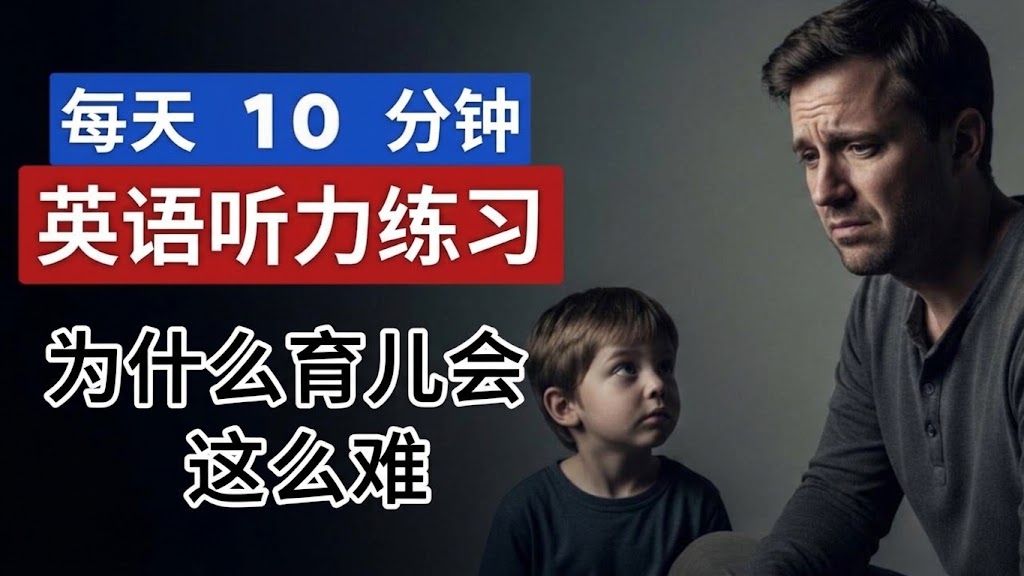
为什么育儿会这么难 | 英语短文|英文听力练习|Why Pa
字幕摘录
| 时间 | 英文 | 中文 |
|---|---|---|
| 0:00 | Parenting feels challenging, not because parents are failing, | 做父母有挑战性 不是因为父母失败 |
| 0:04 | but because children experience emotions in intense and complicated ways. | 但因为孩子们的情绪 以紧张和复杂的方式。 |
| 0:10 | Children rarely feel just one emotion at a time. | 孩子们很少一次感到只有一种情感 |
| 0:14 | What looks like anger may actually include jealousy, sadness, insecurity, or even guilt. | 看起来的愤怒可能实际上包括嫉妒,悲伤,不安全,甚至内疚. |
| 0:21 | For example, when one child is sick and receiving extra attention, | 例如,当一个孩子生病并受到额外照顾时, |
| 0:26 | another child may feel left out and emotionally conflicted. | 另一个孩子可能觉得被排斥在外 情绪上有冲突 |
| 0:30 | Because they don't know how to explain these feelings, children release them through behavior. | 因为他们不知道如何解释这些感情,孩子们通过行为释放他们. |
| 0:36 | Children don't say, I feel sad and a little jealous. | 孩子们不说,我感到悲伤和有点嫉妒。 |
| 0:39 | Instead, they may create chaos, interrupt rest time, | 相反,他们可能制造混乱, 中断休息时间, |
| 0:43 | or act in ways that test every adult's patience. | 或以考验每个成年人耐心的方式行事。 |
展开字幕全文(121 条)
| 序号 | 英文 | 中文 |
|---|---|---|
| 1 | Parenting feels challenging, not because parents are failing, | 做父母有挑战性 不是因为父母失败 |
| 2 | but because children experience emotions in intense and complicated ways. | 但因为孩子们的情绪 以紧张和复杂的方式。 |
| 3 | Children rarely feel just one emotion at a time. | 孩子们很少一次感到只有一种情感 |
| 4 | What looks like anger may actually include jealousy, sadness, insecurity, or even guilt. | 看起来的愤怒可能实际上包括嫉妒,悲伤,不安全,甚至内疚. |
| 5 | For example, when one child is sick and receiving extra attention, | 例如,当一个孩子生病并受到额外照顾时, |
| 6 | another child may feel left out and emotionally conflicted. | 另一个孩子可能觉得被排斥在外 情绪上有冲突 |
| 7 | Because they don't know how to explain these feelings, children release them through behavior. | 因为他们不知道如何解释这些感情,孩子们通过行为释放他们. |
| 8 | Children don't say, I feel sad and a little jealous. | 孩子们不说,我感到悲伤和有点嫉妒。 |
| 9 | Instead, they may create chaos, interrupt rest time, | 相反,他们可能制造混乱, 中断休息时间, |
| 10 | or act in ways that test every adult's patience. | 或以考验每个成年人耐心的方式行事。 |
| 11 | Naturally, this leaves parents feeling angry, exhausted, and impatient. | 这自然会让父母感到愤怒、疲惫和不耐烦。 |
| 12 | When adults react emotionally, children often feel scared or ashamed. | 当成人情绪反应时,儿童往往感到害怕或羞愧. |
| 13 | Those new feelings then lead to even more difficult behavior, creating a cycle. | 这些新的感觉导致更困难的行为,创造了循环. |
| 14 | At this point, many parents wonder, how do I break this cycle? | 此时,许多家长都怀疑,我怎样才能打破这个循环? |
| 15 | The solution is simple in theory, but hard in practice. | 解决办法在理论上是简单的,但在实践上却是艰难的. |
| 16 | The key is understanding the feelings beneath the behavior. | 关键是理解行为下的感受 |
| 17 | Once you understand what your child is feeling, their behavior starts to make sense. | 一旦你明白你孩子的感受 他们的行为就会变得有意义 |
| 18 | Young children simply don't have the language to describe their emotions. | 幼儿根本就没有语言来形容自己的情绪. |
| 19 | They show you what they're feeling through what they do. | 他们告诉你,他们是什么感觉 通过他们做什么。 |
| 20 | The real challenge for parents is learning how to read those signals. | 父母面临的真正挑战是学习如何阅读这些信号。 |
| 21 | We can't control how children feel, but we can control how we respond. | 我们无法控制孩子的感受,但我们可以控制我们的反应方式. |
| 22 | Instead of focusing only on stopping behavior, we can address the emotions behind it. | 与其只关注停止行为,不如解决背后的情绪. |
| 23 | When parents acknowledge a child's frustration, anger, or sadness, children feel understood. | 当父母承认孩子的挫折感,愤怒感,或者悲伤感时,孩子们会感到理解. |
| 24 | Even if they can't get what they want right away, emotional connection still provides safety. | 即使他们不能马上得到他们想要的东西,情感联系仍然提供安全. |
| 25 | Helping children identify their emotions is essential to their development. | 帮助儿童辨别他们的情绪是他们发展的关键。 |
| 26 | First, it helps them build healthy inner narratives about themselves. | 首先,它有助于他们建立健康的内心自我叙事. |
| 27 | Second, it strengthens the bond between parent and child. | 第二,加强父母与子女之间的联系。 |
| 28 | When children feel understood, they can handle limits without feeling rejected. | 当儿童感到理解时,他们可以处理限制而不感到被拒绝。 |
| 29 | Finally, behavior often improves on its own. | 最后,行为往往会自行改善. |
| 30 | When children recognize their feelings, and know you see them too, | 当孩子们意识到他们的感受, 知道你也看到了他们, |
| 31 | they no longer need to act out to be heard. | 他们不再需要行动起来 才能被听到。 |
| 32 | For young children, emotions arrive suddenly and with great intensity. | 对于年幼的孩子来说,情绪突然和强烈地降临. |
| 33 | Their brains are still developing, and the parts responsible for impulse control and | 他们的大脑仍在发展, 和负责冲动控制的部分, |
| 34 | self-regulation are not fully formed. | 自我约束没有完全形成。 |
| 35 | This means they are not misbehaving on purpose. | 这意味着他们不是故意的。 |
| 36 | They genuinely don't know how to handle what they're feeling. | 他们真的不知道 如何处理他们的感受。 |
| 37 | When emotions become overwhelming, reasoning temporarily shuts down. | 当情绪变得压倒一切时,推理暂时关闭. |
| 38 | That's why logic rarely works during emotional outbursts. | 这就是为什么逻辑在情绪爆发时很少起作用. |
| 39 | Before children can calm themselves, they rely on their parents' calm. | 在孩子能够平静下来之前,他们依赖于父母的冷静. |
| 40 | When you respond in a steady and gentle way, children begin to feel safe. | 当你以稳健和温柔的方式回应时,孩子们开始感到安全. |
| 41 | This feeling is uncomfortable, but it won't destroy me. | 这种感觉很不舒服,但不会毁了我. |
| 42 | That message helps them learn emotional resilience. | 这一信息有助于他们学习情绪恢复能力。 |
| 43 | Through repeated experiences of being understood, | 通过反复被理解的经验, |
| 44 | children slowly learn how to regulate themselves. | 儿童慢慢地学会如何调节自己。 |
| 45 | This doesn't happen overnight. | 这种事不会一夜之间发生的 |
| 46 | It's a gradual process. | 这是一个渐进的过程。 |
| 47 | Understanding emotions does not mean allowing harmful behavior. | 理解情感并不意味着允许有害的行为. |
| 48 | Parents can, and should, set clear boundaries. | 父母可以而且应该规定明确的界限。 |
| 49 | The difference lies in whether you are rejecting the child or guiding them. | 区别在于你是否拒绝或引导孩子。 |
| 50 | You can accept the emotion while rejecting the behavior. | 你可以在拒绝行为的同时接受情感. |
| 51 | When children feel respected, they are more willing to accept limits. | 当儿童感到受到尊重时,他们更愿意接受限制。 |
| 52 | No parent stays calm all the time. | 没有父母总是保持冷静。 |
| 53 | You will feel tired, frustrated, and overwhelmed. | 你会感到疲惫、沮丧和不堪重负 |
| 54 | What matters is not perfection, | 重要的是不完美, |
| 55 | but returning again and again to understanding and connection. | 但一次又一次地回到理解和联系。 |
| 56 | Each time you try to see your child's feelings, | 每次你试图看到你孩子的感受, |
| 57 | you are building a foundation for their future. | 你们正在为他们的未来奠定基础。 |
| 58 | Over time, children learn to use words instead of actions to express themselves. | 随着时间的推移,儿童学会用文字而不是行动来表达自己。 |
| 59 | And you may find that parenting becomes less about managing problems | 你可能会发现 养育子女 越来越少 管理问题 |
| 60 | and more about growing together. | 更多关于一起成长。 |
| 61 | Parenting feels challenging, not because parents are failing, | 做父母有挑战性 不是因为父母失败 |
| 62 | but because children experience emotions in intense and complicated ways. | 但因为孩子们的情绪 以紧张和复杂的方式。 |
| 63 | Children rarely feel just one emotion at a time. | 孩子们很少一次感到只有一种情感 |
| 64 | What looks like anger may actually include jealousy, sadness, insecurity, or even guilt. | 看起来的愤怒可能实际上包括嫉妒,悲伤,不安全,甚至内疚. |
| 65 | For example, when one child is sick and receiving extra attention, | 例如,当一个孩子生病并受到额外照顾时, |
| 66 | another child may feel left out and emotionally conflicted. | 另一个孩子可能觉得被排斥在外 情绪上有冲突 |
| 67 | Because they don't know how to explain these feelings, | 因为他们不知道如何解释这些感情 |
| 68 | children release them through behavior. | 孩子们通过行为释放他们。 |
| 69 | Children don't say, I feel sad and a little jealous. | 孩子们不说,我感到悲伤和有点嫉妒。 |
| 70 | Instead, they may create chaos, interrupt rest time, | 相反,他们可能制造混乱, 中断休息时间, |
| 71 | or act in ways that test every adult's patience. | 或以考验每个成年人耐心的方式行事。 |
| 72 | Naturally, this leaves parents feeling angry, exhausted, and impatient. | 这自然会让父母感到愤怒、疲惫和不耐烦。 |
| 73 | When adults react emotionally, children often feel scared or ashamed. | 当成人情绪反应时,儿童往往感到害怕或羞愧. |
| 74 | Those new feelings then lead to even more difficult behavior, creating a cycle. | 这些新的感觉导致更困难的行为,创造了循环. |
| 75 | At this point, many parents wonder, how do I break this cycle? | 此时,许多家长都怀疑,我怎样才能打破这个循环? |
| 76 | The solution is simple in theory, but hard in practice. | 解决办法在理论上是简单的,但在实践上却是艰难的. |
| 77 | The key is understanding the feelings beneath the behavior. | 关键是理解行为下的感受 |
| 78 | Once you understand what your child is feeling, their behavior starts to make sense. | 一旦你明白你孩子的感受 他们的行为就会变得有意义 |
| 79 | Young children simply don't have the language to describe their emotions. | 幼儿根本就没有语言来形容自己的情绪. |
| 80 | They show you what they're feeling through what they do. | 他们告诉你,他们是什么感觉 通过他们做什么。 |
| 81 | The real challenge for parents is learning how to read those signals. | 父母面临的真正挑战是学习如何阅读这些信号。 |
| 82 | We can't control how children feel, but we can control how we respond. | 我们无法控制孩子的感受,但我们可以控制我们的反应方式. |
| 83 | Instead of focusing only on stopping behavior, we can address the emotions behind it. | 与其只关注停止行为,不如解决背后的情绪. |
| 84 | When parents acknowledge a child's frustration, anger, or sadness, | 当父母承认孩子的挫折、愤怒或悲伤 |
| 85 | children feel understood. | 孩子们都明白 |
| 86 | Even if they can't get what they want right away, emotional connection still provides safety. | 即使他们不能马上得到他们想要的东西,情感联系仍然提供安全. |
| 87 | Helping children identify their emotions is essential to their development. | 帮助儿童辨别他们的情绪是他们发展的关键。 |
| 88 | First, it helps them build healthy inner narratives about themselves. | 首先,它有助于他们建立健康的内心自我叙事. |
| 89 | Second, it strengthens the bond between parent and child. | 第二,加强父母与子女之间的联系。 |
| 90 | When children feel understood, they can handle limits without feeling rejected. | 当儿童感到理解时,他们可以处理限制而不感到被拒绝。 |
| 91 | Finally, behavior often improves on its own. | 最后,行为往往会自行改善. |
| 92 | When children recognize their feelings, and know you see them too, | 当孩子们意识到他们的感受, 知道你也看到了他们, |
| 93 | they no longer need to act out to be heard. | 他们不再需要行动起来 才能被听到。 |
| 94 | For young children, emotions arrive suddenly and with great intensity. | 对于年幼的孩子来说,情绪突然和强烈地降临. |
| 95 | Their brains are still developing, and the parts responsible for impulse control and self-regulation | 他们的大脑还在发展, 和负责冲动控制和自我调节的部分 |
| 96 | are not fully formed. | 未完全形成。 |
| 97 | This means they are not misbehaving on purpose. | 这意味着他们不是故意的。 |
| 98 | They genuinely don't know how to handle what they're feeling. | 他们真的不知道 如何处理他们的感受。 |
| 99 | When emotions become overwhelming, reasoning temporarily shuts down. | 当情绪变得压倒一切时,推理暂时关闭. |
| 100 | That's why logic rarely works during emotional outbursts. | 这就是为什么逻辑在情绪爆发时很少起作用. |
| 101 | Before children can calm themselves, they rely on their parents' calm. | 在孩子能够平静下来之前,他们依赖于父母的冷静. |
| 102 | When you respond in a steady and gentle way, children begin to feel safe. | 当你以稳健和温柔的方式回应时,孩子们开始感到安全. |
| 103 | This feeling is uncomfortable, but it won't destroy me. | 这种感觉很不舒服,但不会毁了我. |
| 104 | That message helps them learn emotional resilience. | 这一信息有助于他们学习情绪恢复能力。 |
| 105 | Through repeated experiences of being understood, | 通过反复被理解的经验, |
| 106 | children slowly learn how to regulate themselves. | 儿童慢慢地学会如何调节自己。 |
| 107 | This doesn't happen overnight. | 这种事不会一夜之间发生的 |
| 108 | It's a gradual process. | 这是一个渐进的过程。 |
| 109 | Understanding emotions does not mean allowing harmful behavior. | 理解情感并不意味着允许有害的行为. |
| 110 | Parents can, and should, set clear boundaries. | 父母可以而且应该规定明确的界限。 |
| 111 | The difference lies in whether you are rejecting the child or guiding them. | 区别在于你是否拒绝或引导孩子。 |
| 112 | You can accept the emotion while rejecting the behavior. | 你可以在拒绝行为的同时接受情感. |
| 113 | When children feel respected, they are more willing to accept limits. | 当儿童感到受到尊重时,他们更愿意接受限制。 |
| 114 | No parent stays calm all the time. | 没有父母总是保持冷静。 |
| 115 | You will feel tired, frustrated, and overwhelmed. | 你会感到疲惫、沮丧和不堪重负 |
| 116 | What matters is not perfection, but returning again and again to understanding and connection. | 重要的是不是完美,而是一次又一次地回到理解和联系。 |
| 117 | Each time you try to see your child's feelings, | 每次你试图看到你孩子的感受, |
| 118 | you are building a foundation for their future. | 你们正在为他们的未来奠定基础。 |
| 119 | Over time, children learn to use words instead of actions to express themselves. | 随着时间的推移,儿童学会用文字而不是行动来表达自己。 |
| 120 | And you may find that parenting becomes less about managing problems | 你可能会发现 养育子女 越来越少 管理问题 |
| 121 | and more about growing together. | 更多关于一起成长。 |
该视频共有字幕 121 条。解锁更多字幕为会员功能,请移动到 价格