【英语思维】学会用英语思考 · 告别脑内翻译
共 2 集
剧集目录
| 集 | 标题 | 时长 |
|---|---|---|
| P1 | 【英语思维】学会用英语思考 · 告别脑内翻译 中英字幕 | 6:30 |
| P2 | 【英语思维】学会用英语思考 · 告别脑内翻译 无字幕 | 6:30 |
P1 · 【英语思维】学会用英语思考 · 告别脑内翻译 p01 中英字幕 (P1)
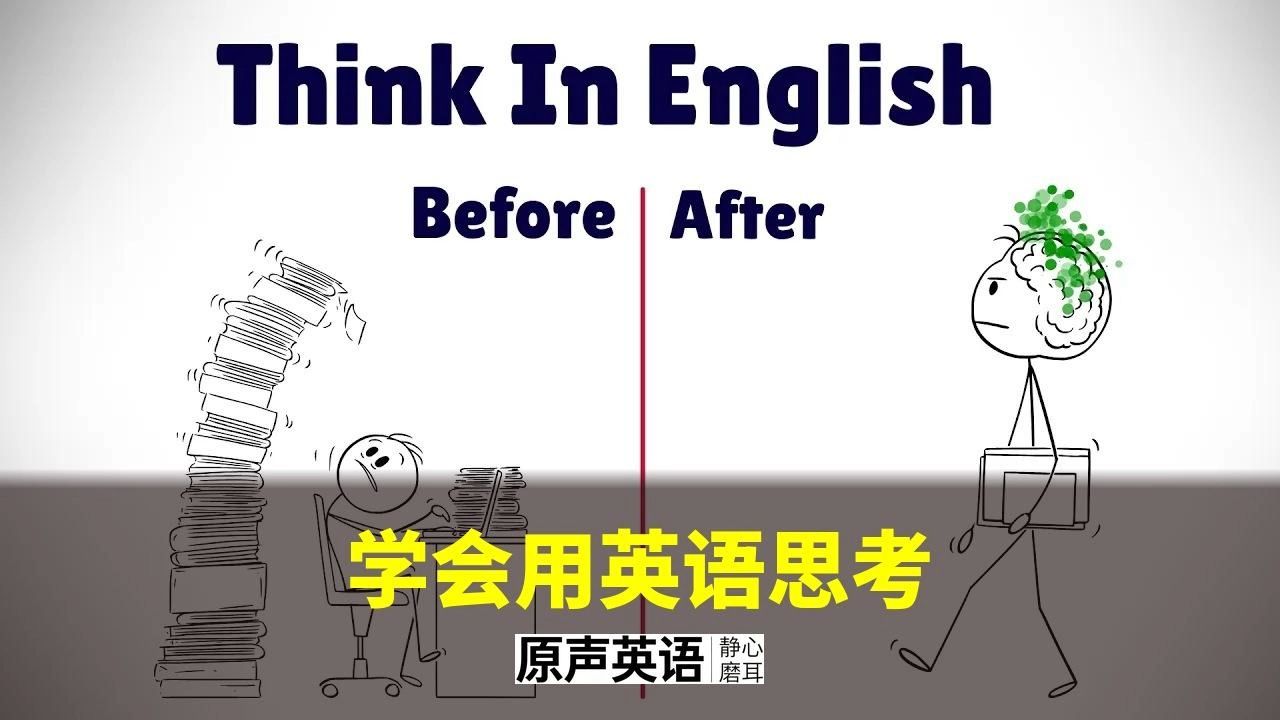
字幕摘录
| 时间 | 英文 | 中文 |
|---|---|---|
| 0:00 | In this video, I will show you five simple daily exercises that can slowly help you improve | 在这段录像里,我每天给你们看五个简单的练习 慢慢地帮助你改进 |
| 0:05 | your English naturally. | 你的英语自然。 |
| 0:07 | These exercises are easy to follow, they do not require perfect grammar, and if you practice | 这些练习是容易遵循的,不需要完美的语法,如果你练习 |
| 0:12 | them every day, you will slowly notice that English starts coming into your mind more | 每天,你都会慢慢注意到, 英语开始进入你的思想 |
| 0:16 | automatically. | 自动。 |
| 0:17 | So stay with me until the end, because the last exercise is simple, powerful, and something | 所以,留在我身边直到结束, 因为最后的锻炼是简单的,强大的, 和一些东西 |
| 0:22 | most learners never try. | 大部分的学习者从来不尝试。 |
| 0:24 | Let's begin with the first exercise. | 从初修习起. |
| 0:26 | Exercise number one is called, name everything around you. | 第一次演习叫"你周围的一切" |
| 0:30 | Right now, look around your room and notice the things near you. | 现在,看看你的房间 注意你身边的东西 |
展开字幕全文(111 条)
| 序号 | 英文 | 中文 |
|---|---|---|
| 1 | In this video, I will show you five simple daily exercises that can slowly help you improve | 在这段录像里,我每天给你们看五个简单的练习 慢慢地帮助你改进 |
| 2 | your English naturally. | 你的英语自然。 |
| 3 | These exercises are easy to follow, they do not require perfect grammar, and if you practice | 这些练习是容易遵循的,不需要完美的语法,如果你练习 |
| 4 | them every day, you will slowly notice that English starts coming into your mind more | 每天,你都会慢慢注意到, 英语开始进入你的思想 |
| 5 | automatically. | 自动。 |
| 6 | So stay with me until the end, because the last exercise is simple, powerful, and something | 所以,留在我身边直到结束, 因为最后的锻炼是简单的,强大的, 和一些东西 |
| 7 | most learners never try. | 大部分的学习者从来不尝试。 |
| 8 | Let's begin with the first exercise. | 从初修习起. |
| 9 | Exercise number one is called, name everything around you. | 第一次演习叫"你周围的一切" |
| 10 | Right now, look around your room and notice the things near you. | 现在,看看你的房间 注意你身边的东西 |
| 11 | Maybe you see a phone, a chair, a bottle, a fan, a window, or a bag. | 也许你看到电话,椅子,瓶子,扇子,窗子,或者袋子。 |
| 12 | Now say those words directly in English without translating them in your head. | 现在用英语直接说这些话 而不在你的脑海里翻译 |
| 13 | After that, start making small natural sentences. | 后开始作小自然句. |
| 14 | You can say things like, my phone is on the table, or the window is open today. | 你可以说一些事情,比如,我的电话在桌子上, 或者今天窗户是打开的。 |
| 15 | The goal is not to speak perfect English. | 目标不是说完美的英语。 |
| 16 | The goal is to make your brain react to real objects using English immediately. | 目标是让你的大脑立即用英语对真实物体作出反应. |
| 17 | You can also do this outside while walking. | 你也可以在外边散步 |
| 18 | Look at the road, the trees, the cars, the shops, and describe them in simple English. | 看道路,树木,汽车,商店,用简单的英语描述. |
| 19 | At first, your brain may still try to translate everything, and that is completely normal, | 一开始,你的大脑可能仍然尝试 翻译一切, 这是完全正常的, |
| 20 | but if you continue doing this every day, your brain slowly becomes faster at understanding | 但是如果你继续每天做, 你的大脑慢慢地变得更快理解 |
| 21 | English directly. | 英语直接。 |
| 22 | Now let's move to exercise number two. | 现在,我们开始二号运动。 |
| 23 | This exercise is one of the best ways to improve speaking confidence, and it is called, talk | 这项工作是提高发言信心的最好方法之一,人们称之为,谈话 |
| 24 | to yourself in English. | 用英语给自己 |
| 25 | Yes, it may feel a little strange at first, but it works incredibly well because there | 是的,它可能感觉有点奇怪 一开始,但它的工作令人难以置信 因为那里 |
| 26 | is no pressure when you are alone. | 你一个人的时候没有压力 |
| 27 | You do not feel embarrassed, you do not worry about mistakes, and because of that, your | 你并不觉得尴尬,你不用担心错误, 正因为如此,你 |
| 28 | brain feels relaxed enough to practice naturally. | 大脑感觉放松到可以自然练习 |
| 29 | When you wake up in the morning, try describing your actions in English. | 当你早上醒来时,尝试用英语描述你的行为. |
| 30 | You can say, | 你可以说, |
| 31 | While making tea or coffee, you can say, | 在泡茶或咖啡的时候 你可以说 |
| 32 | When you are walking outside, describe what you see around you. | 当你走出去时 描述你周围的景象 |
| 33 | At the beginning, your sentences may feel small and simple, and that is perfectly fine. | 在开头,你的句子可能会觉得小而简单,这完全可以. |
| 34 | Simple English spoken daily is much more powerful than advanced English that you never use. | 简单的英语语言日报比你从未使用过的高级英语要强大得多. |
| 35 | Now let's talk about exercise number three, which is extremely powerful for memory and fluency. | 现在让我们来谈谈三号运动,它对于记忆和流利来说是极其强大的. |
| 36 | This exercise is called, use pictures instead of translation. | 这个练习叫做,使用图片而不是翻译. |
| 37 | Whenever you learn a new English word, stop connecting it to your language. | 每当你学到一个新的英文单词,就停止连接到自己的语言. |
| 38 | Instead, connect it to a picture, action, or feeling. | 相反,把它与图片,动作,或感觉联系起来. |
| 39 | For example, if you learn the word hungry, do not immediately think about the meaning | 例如,如果你学会了饥饿这个词, 不要立即思考意义 |
| 40 | in your own language. | 用自己的语言 |
| 41 | Instead, imagine yourself looking at delicious food after a long day. | 相反,想象自己在漫长的一天里 看着美味的食物。 |
| 42 | If you learn the word angry, picture someone shouting with an upset face. | 如果你学会了愤怒这个词, 想象一下有人用心烦恼的脸喊叫。 |
| 43 | If you learn the word run, imagine a person running quickly on a road. | 如果你学会了这个单词运行,想象一个人在路上快速运行. |
| 44 | Your brain understands images much faster than translations. | 你的大脑比翻译更能理解图像 |
| 45 | That is why visual learning is so powerful. | 这就是为什么视觉学习如此强大。 |
| 46 | So from today, whenever you learn a new word, create a small image or scene in your mind. | 所以从今天开始,每当你学到一个新词, 就会在你的脑海中创造一个小形象或场景。 |
| 47 | This habit will slowly train your brain to understand English directly. | 这种习惯会慢慢地训练你的大脑直接理解英语. |
| 48 | Now let's move to exercise number four. | 现在,让我们开始第四号运动。 |
| 49 | This exercise can seriously improve your speaking speed, and it is called, | 这个练习可以大大提高你的演讲速度, 它叫做, |
| 50 | listen and repeat immediately. | 听着,立即重复。 |
| 51 | Choose easy English audio from YouTube videos, podcasts, interviews, or short movie clips. | 从YouTube视频、播客、采访或短片中选择轻松的英语音频。 |
| 52 | Listen carefully to one sentence, then pause the audio and repeat the sentence immediately. | 仔细听一句,然后暂停音频,立即重复句子. |
| 53 | Try to copy the pronunciation, speed, and emotion as closely as possible. | 尽量把发音,速度,情绪复制得近一些. |
| 54 | For example, if the speaker says, I don't know what happened, | 例如,如果演讲者说, 我不知道发生了什么, |
| 55 | pause the video and repeat the same sentence naturally. | 暂停录像,自然重复同样的句子。 |
| 56 | The reason this exercise works so well is because it trains your brain to react quickly | 因为它训练你的大脑 快速反应 |
| 57 | without spending too much time translating. | 不用花太多时间翻译 |
| 58 | You are teaching your mouth and your brain to work together automatically. | 你教你的嘴和你的大脑 自动工作。 |
| 59 | But here is something very important. | 但这里有件很重要的事 |
| 60 | Do not practice with content that is too difficult. | 不要用太困难的内容练习。 |
| 61 | Many learners watch fast movies with advanced vocabulary, | 许多学习者都用先进的词汇观看快速电影, |
| 62 | understand almost nothing, and then feel disappointed. | 几乎什么都不懂,然后觉得失望。 |
| 63 | Instead, start with easy English that you can understand comfortably. | 相反,从轻松的英语开始,你可以轻松地理解. |
| 64 | Easy practice builds confidence, and confidence helps you stay consistent. | 轻松的练习可以建立信心,信心可以帮助你保持一致. |
| 65 | And consistency is what truly changes your English over time. | 而一致性正是随着时间推移而真正改变你的英语。 |
| 66 | Now let's talk about the final exercise. | 现在谈谈最后的练习 |
| 67 | And honestly, this one can completely change the way you think in English. | 老实说,这个可以完全改变你用英语思考的方式。 |
| 68 | Exercise number five is called, live small moments in English. | 5号锻炼被称作,用英语直播小瞬间. |
| 69 | This exercise means choosing small parts of your day where you think only in English. | 这个练习意味着选择你一天中只有英语思想的小部分. |
| 70 | For example, while brushing your teeth, try describing your actions in English. | 例如,在刷牙时,尝试用英语描述你的行为. |
| 71 | While eating food, think about the taste, smell, and texture in English. | 在吃食物的时候,考虑一下英语的味道,嗅觉和纹理. |
| 72 | When you are outside, quietly describe the people, buildings, weather, and sounds around you. | 当你在外面,悄悄地描述 人们,建筑物,天气, 和周围的声音。 |
| 73 | You might say things like, | 你可能会说, |
| 74 | The sky looks beautiful today. | 天空今天看起来很美 |
| 75 | Or, That man is wearing a blue jacket. | 或者 那个男人穿着蓝色外套 |
| 76 | At first, your brain may feel tired because it is learning a completely new habit. | 起初,你的大脑可能感到疲惫,因为它正在学习一种全新的习惯。 |
| 77 | But after some time, something amazing begins to happen. | 但过了一段时间, 惊人的事情开始发生。 |
| 78 | You no longer need to translate every sentence before speaking. | 说话之前你不需要翻译每一句 |
| 79 | And that is the moment when your fluency truly starts growing. | 而此时,你的流利 真正开始增长。 |
| 80 | Many learners believe they must first master grammar or memorize thousands of words. | 许多学习者认为,他们必须首先掌握语法或记住数千个字。 |
| 81 | But that mindset only delays progress. | 但这种心态只会拖延进展。 |
| 82 | Thinking in English is not the final result of fluency. | 用英语思考不是流利的最终结果. |
| 83 | It is the path that leads to fluency. | 它是通往流利的道路。 |
| 84 | The more you practice simple English every day, | 你每天练习英语越简单 |
| 85 | the more natural the language becomes inside your mind. | 语言越自然 进入你的大脑。 |
| 86 | And your brain works exactly like a muscle. | 你的大脑就像肌肉一样 |
| 87 | If you practice translation every day, your brain becomes faster at translating. | 如果你每天练习翻译,你的大脑在翻译上会变快. |
| 88 | But if you practice direct English thinking every day, | 但如果你每天练英语直接思考 |
| 89 | your brain becomes faster at thinking in English naturally. | 你的大脑自然地会用英语思考 |
| 90 | So build the habit that actually helps you speak fluently. | 所以,建立习惯 真正帮助你说话流利。 |
| 91 | Even if your English is simple. | 即使你的英语很简单 |
| 92 | Even if you make mistakes sometimes. | 即使你有时候犯错 |
| 93 | Keep practicing anyway. | 继续练习吧 |
| 94 | Because every small sentence is helping your brain become more comfortable with English. | 因为每个小句子都会帮助你的大脑对英语更加舒适. |
| 95 | So starting today, practice these five exercises daily. | 所以从今天开始,每天练习这五个练习。 |
| 96 | Name the things around you. | 说出你身边的东西 |
| 97 | Talk to yourself in English. | 用英语和自己说话。 |
| 98 | Use pictures instead of translation. | 使用图片代替翻译 。 |
| 99 | Listen and repeat simple English audio. | 听和重复简单的英语音频. |
| 100 | And finally, live small moments of your day completely in English. | 最后,你今天的小片刻 完全用英语。 |
| 101 | Do not expect instant results after one day, because language learning takes time. | 一天后不要期待即时结果,因为语言学习需要时间。 |
| 102 | But if you stay consistent, one day you will suddenly notice something incredible. | 但如果你保持一致 有一天你会突然发现一些不可思议的事 |
| 103 | You answered a question in English without translating first. | 你用英语回答一个问题,没有先翻译。 |
| 104 | And that moment feels amazing, | 那一刻感觉棒极了 |
| 105 | because you finally realize that English is becoming natural for you. | 因为你终于意识到 英语对你越来越自然了 |
| 106 | If you enjoyed this video, write in the comments. | 如果你喜欢这段视频,请写在评论中。 |
| 107 | I will think in English from today. | 我从今天开始用英语思考。 |
| 108 | And also tell me which exercise you want to try first. | 告诉我你想先试哪一次 |
| 109 | Don't forget to like the video, subscribe to the channel, | 别忘了喜欢这视频 订阅频道 |
| 110 | and continue practicing your English every single day. | 每天继续练习英语 |
| 111 | Because fluency is built slowly through small daily habits. | 因为流利是通过小的日常习惯慢慢地建立起来的. |
该视频共有字幕 111 条。解锁更多字幕为会员功能,请移动到 价格
P2 · 【英语思维】学会用英语思考 · 告别脑内翻译 p02 无字幕 (P2)
字幕摘录
| 时间 | 英文 | 中文 |
|---|---|---|
| 0:00 | In this video, I will show you five simple daily exercises that can slowly help you improve | 在这段录像里,我每天给你们看五个简单的练习 慢慢地帮助你改进 |
| 0:05 | your English naturally. | 你的英语自然。 |
| 0:07 | These exercises are easy to follow. | 这些练习很容易进行。 |
| 0:09 | They do not require perfect grammar. | 他们不需要完美的语法。 |
| 0:11 | And if you practice them every day, you will slowly notice that English starts coming into | 如果你每天练习,你会慢慢注意到英语开始出现 |
| 0:15 | your mind more automatically. | 你的头脑更自动。 |
| 0:17 | So stay with me until the end, because the last exercise is simple, powerful, and something | 所以,留在我身边直到结束, 因为最后的锻炼是简单的,强大的, 和一些东西 |
| 0:22 | most learners never try. | 大部分的学习者从来不尝试。 |
| 0:24 | Let's begin with the first exercise. | 从初修习起. |
| 0:26 | Exercise number one is called, name everything around you. | 第一次演习叫"你周围的一切" |
展开字幕全文(112 条)
| 序号 | 英文 | 中文 |
|---|---|---|
| 1 | In this video, I will show you five simple daily exercises that can slowly help you improve | 在这段录像里,我每天给你们看五个简单的练习 慢慢地帮助你改进 |
| 2 | your English naturally. | 你的英语自然。 |
| 3 | These exercises are easy to follow. | 这些练习很容易进行。 |
| 4 | They do not require perfect grammar. | 他们不需要完美的语法。 |
| 5 | And if you practice them every day, you will slowly notice that English starts coming into | 如果你每天练习,你会慢慢注意到英语开始出现 |
| 6 | your mind more automatically. | 你的头脑更自动。 |
| 7 | So stay with me until the end, because the last exercise is simple, powerful, and something | 所以,留在我身边直到结束, 因为最后的锻炼是简单的,强大的, 和一些东西 |
| 8 | most learners never try. | 大部分的学习者从来不尝试。 |
| 9 | Let's begin with the first exercise. | 从初修习起. |
| 10 | Exercise number one is called, name everything around you. | 第一次演习叫"你周围的一切" |
| 11 | Right now, look around your room and notice the things near you. | 现在,看看你的房间 注意你身边的东西 |
| 12 | Maybe you see a phone, a chair, a bottle, a fan, a window, or a bag. | 也许你看到电话,椅子,瓶子,扇子,窗子,或者袋子。 |
| 13 | Now say those words directly in English without translating them in your head. | 现在用英语直接说这些话 而不在你的脑海里翻译 |
| 14 | After that, start making small natural sentences. | 后开始作小自然句. |
| 15 | You can say things like, my phone is on the table, or the window is open today. | 你可以说一些事情,比如,我的电话在桌子上, 或者今天窗户是打开的。 |
| 16 | The goal is not to speak perfect English. | 目标不是说完美的英语。 |
| 17 | The goal is to make your brain react to real objects using English immediately. | 目标是让你的大脑立即用英语对真实物体作出反应. |
| 18 | You can also do this outside while walking. | 你也可以在外边散步 |
| 19 | Look at the road, the trees, the cars, the shops, and describe them in simple English. | 看道路,树木,汽车,商店,用简单的英语描述. |
| 20 | At first, your brain may still try to translate everything, and that is completely normal. | 一开始,你的大脑可能仍然尝试翻译一切, 这是完全正常的。 |
| 21 | But if you continue doing this every day, your brain slowly becomes faster at understanding | 但是如果你继续每天做, 你的大脑慢慢地变得更快理解 |
| 22 | English directly. | 英语直接。 |
| 23 | Now let's move to exercise number two. | 现在,我们开始二号运动。 |
| 24 | This exercise is one of the best ways to improve speaking confidence. | 这项工作是提高发言信心的最佳途径之一。 |
| 25 | And it is called, talk to yourself in English. | 叫做"用英语和自己说话" |
| 26 | Yes, it may feel a little strange at first, but it works incredibly well because there | 是的,它可能感觉有点奇怪 一开始,但它的工作令人难以置信 因为那里 |
| 27 | is no pressure when you are alone. | 你一个人的时候没有压力 |
| 28 | You do not feel embarrassed. | 你不觉得尴尬。 |
| 29 | You do not worry about mistakes. | 你不用担心错误。 |
| 30 | And because of that, your brain feels relaxed enough to practice naturally. | 由于这个原因,你的大脑感到放松到可以自然练习. |
| 31 | When you wake up in the morning, try describing your actions in English. | 当你早上醒来时,尝试用英语描述你的行为. |
| 32 | You can say, I need to get out of bed, or I feel very sleepy today. | 你可以说,我需要起床, 或者我感到非常困。 |
| 33 | While making tea or coffee, you can say, the water is getting hot, or I need some sugar. | 在泡茶或咖啡的时候,你可以说, 水越来越热, 或者我需要一些糖。 |
| 34 | When you are walking outside, describe what you see around you. | 当你走出去时 描述你周围的景象 |
| 35 | At the beginning, your sentences may feel small and simple, and that is perfectly fine. | 在开头,你的句子可能会觉得小而简单,这完全可以. |
| 36 | Simple English spoken daily is much more powerful than advanced English that you never use. | 简单的英语语言日报比你从未使用过的高级英语要强大得多. |
| 37 | Now let's talk about exercise number three, which is extremely powerful for memory and | 现在,让我们谈谈三号运动, 这对记忆和 |
| 38 | fluency. | 流畅. |
| 39 | This exercise is called, use pictures instead of translation. | 这个练习叫做,使用图片而不是翻译. |
| 40 | Whenever you learn a new English word, stop connecting it to your language. | 每当你学到一个新的英文单词,就停止连接到自己的语言. |
| 41 | Instead, connect it to a picture, action, or feeling. | 相反,把它与图片,动作,或感觉联系起来. |
| 42 | For example, if you learn the word, hungry, do not immediately think about the meaning | 例如,如果你学会这个词,饥饿, 不要立刻思考意义 |
| 43 | in your own language. | 用自己的语言 |
| 44 | Instead, imagine yourself looking at delicious food after a long day. | 相反,想象自己在漫长的一天里 看着美味的食物。 |
| 45 | If you learn the word, angry, picture someone shouting with an upset face. | 如果你学会了这个词,愤怒, 想象有人用一个沮丧的脸喊叫。 |
| 46 | If you learn the word, run, imagine a person running quickly on a road. | 如果你知道这个词,跑, 想象一个人快速跑在路上。 |
| 47 | Your brain understands images much faster than translations. | 你的大脑比翻译更能理解图像 |
| 48 | That is why visual learning is so powerful. | 这就是为什么视觉学习如此强大。 |
| 49 | So from today, whenever you learn a new word, create a small image or scene in your mind. | 所以从今天开始,每当你学到一个新词, 就会在你的脑海中创造一个小形象或场景。 |
| 50 | This habit will slowly train your brain to understand English directly. | 这种习惯会慢慢地训练你的大脑直接理解英语. |
| 51 | Now let's move to exercise number four. | 现在,让我们开始第四号运动。 |
| 52 | This exercise can seriously improve your speaking speed, and it is called, listen and repeat | 这个练习可以大大提高你的演讲速度, 它叫做,听和重复 |
| 53 | immediately. | 马上 |
| 54 | Choose easy English audio from YouTube videos, podcasts, interviews, or short movie clips. | 从YouTube视频、播客、采访或短片中选择轻松的英语音频。 |
| 55 | Listen carefully to one sentence, then pause the audio and repeat the sentence immediately. | 仔细听一句,然后暂停音频,立即重复句子. |
| 56 | Try to copy the pronunciation, speed, and emotion as closely as possible. | 尽量把发音,速度,情绪复制得近一些. |
| 57 | For example, if the speaker says, I don't know what happened, pause the video and repeat | 例如,如果演讲者说,我不知道发生了什么, 暂停视频和重复 |
| 58 | the same sentence naturally. | 同样的句子自然。 |
| 59 | The reason this exercise works so well is because it trains your brain to react quickly | 因为它训练你的大脑 快速反应 |
| 60 | in English without spending too much time translating. | 在英语中,没有花太多时间翻译。 |
| 61 | You are teaching your mouth and your brain to work together automatically. | 你教你的嘴和你的大脑 自动工作。 |
| 62 | But here is something very important. | 但这里有件很重要的事 |
| 63 | Do not practice with content that is too difficult. | 不要用太困难的内容练习。 |
| 64 | Many learners watch fast movies with advanced vocabulary, understand almost nothing, and | 许多学习者用先进的词汇观看快速电影,几乎什么都不懂, |
| 65 | then feel disappointed. | 然后觉得失望。 |
| 66 | Instead, start with easy English that you can understand comfortably. | 相反,从轻松的英语开始,你可以轻松地理解. |
| 67 | Easy practice builds confidence, and confidence helps you stay consistent. | 轻松的练习可以建立信心,信心可以帮助你保持一致. |
| 68 | And consistency is what truly changes your English over time. | 而一致性正是随着时间推移而真正改变你的英语。 |
| 69 | Now let's talk about the final exercise. | 现在谈谈最后的练习 |
| 70 | And honestly, this one can completely change the way you think in English. | 老实说,这个可以完全改变你用英语思考的方式。 |
| 71 | 5号运动被称为英语Live Small Moments. | |
| 72 | This exercise means choosing small parts of your day where you think only in English. | 这个练习意味着选择你一天中只有英语思想的小部分. |
| 73 | For example, while brushing your teeth, try describing your actions in English. | 例如,在刷牙时,尝试用英语描述你的行为. |
| 74 | While eating food, think about the taste, smell, and texture in English. | 在吃食物的时候,考虑一下英语的味道,嗅觉和纹理. |
| 75 | When you are outside, quietly describe the people, buildings, weather, and sounds around you. | 当你在外面,悄悄地描述 人们,建筑物,天气, 和周围的声音。 |
| 76 | You might say things like, | 你可能会说, |
| 77 | The sky looks beautiful today. | 天空今天看起来很美 |
| 78 | Or, That man is wearing a blue jacket. | 或者 那个男人穿着蓝色外套 |
| 79 | At first, your brain may feel tired because it is learning a completely new habit. | 起初,你的大脑可能感到疲惫,因为它正在学习一种全新的习惯。 |
| 80 | But after some time, something amazing begins to happen. | 但过了一段时间, 惊人的事情开始发生。 |
| 81 | You no longer need to translate every sentence before speaking. | 说话之前你不需要翻译每一句 |
| 82 | And that is the moment when your fluency truly starts growing. | 而此时,你的流利 真正开始增长。 |
| 83 | Many learners believe they must first master grammar or memorize thousands of words, | 许多学习者认为他们必须先掌握语法或者记住上千个字, |
| 84 | but that mindset only delays progress. | 但这种心态只会拖延进展。 |
| 85 | Thinking in English is not the final result of fluency. | 用英语思考不是流利的最终结果. |
| 86 | It is the path that leads to fluency. | 它是通往流利的道路。 |
| 87 | The more you practice simple English every day, | 你每天练习英语越简单 |
| 88 | the more natural the language becomes inside your mind. | 语言越自然 进入你的大脑。 |
| 89 | And your brain works exactly like a muscle. | 你的大脑就像肌肉一样 |
| 90 | If you practice translation every day, your brain becomes faster at translating. | 如果你每天练习翻译,你的大脑在翻译上会变快. |
| 91 | But if you practice direct English thinking every day, | 但如果你每天练英语直接思考 |
| 92 | your brain becomes faster at thinking in English naturally. | 你的大脑自然地会用英语思考 |
| 93 | So build the habit that actually helps you speak fluently. | 所以,建立习惯 真正帮助你说话流利。 |
| 94 | Even if your English is simple, even if you make mistakes sometimes, | 即使你的英语很简单 即使你有时候犯错 |
| 95 | keep practicing anyway. | 继续练习吧 |
| 96 | Because every small sentence is helping your brain become more comfortable with English. | 因为每个小句子都会帮助你的大脑对英语更加舒适. |
| 97 | So starting today, practice these five exercises daily. | 所以从今天开始,每天练习这五个练习。 |
| 98 | Name the things around you. | 说出你身边的东西 |
| 99 | Talk to yourself in English. | 用英语和自己说话。 |
| 100 | Use pictures instead of translation. | 使用图片代替翻译 。 |
| 101 | Listen and repeat simple English audio. | 听和重复简单的英语音频. |
| 102 | And finally, live small moments of your day completely in English. | 最后,你今天的小片刻 完全用英语。 |
| 103 | Do not expect instant results after one day because language learning takes time. | 由于语言学习需要时间,在一天后不要期望立即得到结果。 |
| 104 | But if you stay consistent, one day you will suddenly notice something incredible. | 但如果你保持一致 有一天你会突然发现一些不可思议的事 |
| 105 | You answered a question in English without translating first. | 你用英语回答一个问题,没有先翻译。 |
| 106 | And that moment feels amazing because you finally realize that English is becoming natural for you. | 那一刻感觉棒极了,因为你终于意识到,英语正变得自然。 |
| 107 | If you enjoyed this video, write in the comments. | 如果你喜欢这段视频,请写在评论中。 |
| 108 | I will think in English from today. | 我从今天开始用英语思考。 |
| 109 | And also, tell me which exercise you want to try first. | 还有,告诉我你想先试哪一次 |
| 110 | Don't forget to like the video, subscribe to the channel, | 别忘了喜欢这视频 订阅频道 |
| 111 | and continue practicing your English every single day | 继续每天练习英语 |
| 112 | because fluency is built slowly through small daily habits. | 因为流利通过小的日常习惯慢慢地建立起来. |
该视频共有字幕 112 条。解锁更多字幕为会员功能,请移动到 价格