【英语方法】快速提升英语发音 · 8个简单技巧
共 3 集
剧集目录
| 集 | 标题 | 时长 |
|---|---|---|
| P1 | 【英语方法】快速提升英语发音 · 8个简单技巧 中英字幕 | 12:13 |
| P2 | 【英语方法】快速提升英语发音 · 8个简单技巧 英文字幕 | 12:13 |
| P3 | 【英语方法】快速提升英语发音 · 8个简单技巧 无字幕 | 12:13 |
P1 · 【英语方法】快速提升英语发音 · 8个简单技巧 p01 中英字幕 (P1)
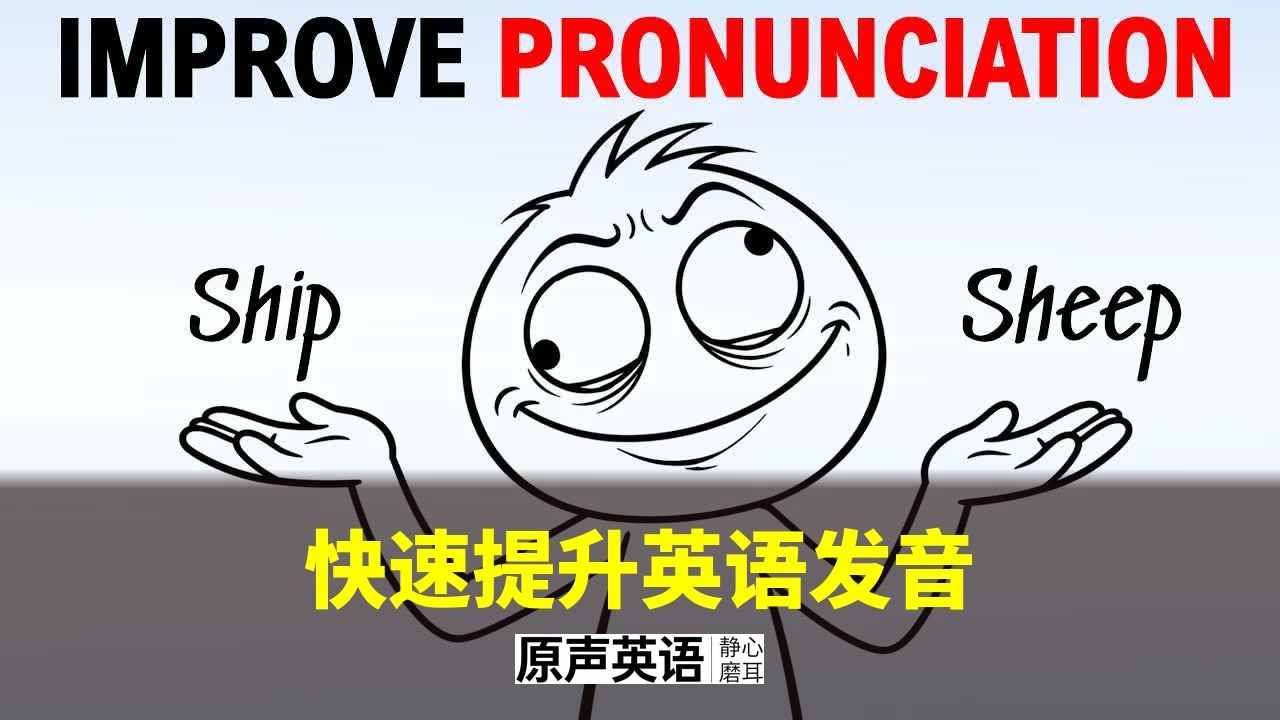
字幕摘录
| 时间 | 英文 | 中文 |
|---|---|---|
| 0:00 | Have you ever learned an English word, recognized it when reading, and understood it when listening, | 你曾学过一个英文词, 在阅读时认识它, 在听的时候理解它, |
| 0:05 | but when you tried to say it, something sounded wrong? | 但当你试图说出来, 听起来有什么不对劲? |
| 0:09 | Maybe people asked you to repeat yourself. | 也许有人要你再说一遍 |
| 0:11 | Maybe you understood English perfectly, but when you spoke, your pronunciation made you | 也许你完全懂英语 但当你说话时 你的发音让你 |
| 0:16 | feel less confident. | 感觉不太自信 |
| 0:18 | And perhaps you've tried to fix the problem by watching pronunciation videos, repeating | 也许你试图通过看发音视频 重复来解决这个问题 |
| 0:22 | difficult words, or practicing English for hours. | 很难说,或练习英语几个小时。 |
| 0:26 | But somehow, your pronunciation still doesn't sound natural. | 但不知何故 你的发音还是不自然 |
| 0:30 | Here's the truth. | 这是事实 |
| 0:31 | Good pronunciation isn't about speaking like a native speaker. | 善能发音不说如土语者. |
展开字幕全文(246 条)
| 序号 | 英文 | 中文 |
|---|---|---|
| 1 | Have you ever learned an English word, recognized it when reading, and understood it when listening, | 你曾学过一个英文词, 在阅读时认识它, 在听的时候理解它, |
| 2 | but when you tried to say it, something sounded wrong? | 但当你试图说出来, 听起来有什么不对劲? |
| 3 | Maybe people asked you to repeat yourself. | 也许有人要你再说一遍 |
| 4 | Maybe you understood English perfectly, but when you spoke, your pronunciation made you | 也许你完全懂英语 但当你说话时 你的发音让你 |
| 5 | feel less confident. | 感觉不太自信 |
| 6 | And perhaps you've tried to fix the problem by watching pronunciation videos, repeating | 也许你试图通过看发音视频 重复来解决这个问题 |
| 7 | difficult words, or practicing English for hours. | 很难说,或练习英语几个小时。 |
| 8 | But somehow, your pronunciation still doesn't sound natural. | 但不知何故 你的发音还是不自然 |
| 9 | Here's the truth. | 这是事实 |
| 10 | Good pronunciation isn't about speaking like a native speaker. | 善能发音不说如土语者. |
| 11 | It's about making your English clear, natural, and easy to understand. | 这是关于让你的英语清晰,自然,容易理解。 |
| 12 | And you don't need a perfect accent to achieve that. | 你不需要一个完美的口音来达到这个目的。 |
| 13 | You need the right training method. | 你需要正确的训练方法。 |
| 14 | Today, I'll show you how to improve your English pronunciation effectively, using practical | 今天,我教你如何用实用的 |
| 15 | techniques that you can start applying immediately. | 可以立即应用的技术。 |
| 16 | Let's begin. | 让我们开始。 |
| 17 | 1. | 一、导 言 |
| 18 | Stop learning pronunciation only through reading. | 停止只通过阅读来学习发音. |
| 19 | One of the biggest mistakes English learners make is assuming that English words should | 英文学习者最大的错误之一是假设英语词应该 |
| 20 | sound the way they look. | 听起来他们的样子。 |
| 21 | Unfortunately, English doesn't work that way. | 可惜的是,英语不会那样用. |
| 22 | Look at these words, though, through, thought, thorough. | 看看这些话,虽然,通过,思考,彻底. |
| 23 | They contain similar letters, but their pronunciations are different. | 它们包含类似的字母,但其发音不同. |
| 24 | If you always learn English by looking at written words, your brain may develop the | 如果你总是通过看写字学习英语,你的大脑可能会发展出 |
| 25 | wrong pronunciation before you even start speaking. | 在你开始说话前发音不对 |
| 26 | So, what's the solution? | 那么,有什么解决办法? |
| 27 | Listen before you speak. | 说话前听. |
| 28 | Whenever you learn a new word, listen to its pronunciation first. | 凡学新语,先听其发音. |
| 29 | Use a reliable dictionary with audio. | 使用带有音频的可靠词典. |
| 30 | Listen carefully. | 仔细听好 |
| 31 | Then repeat the word out loud. | 那就大声重复一遍 |
| 32 | Pay attention to the sounds, not just the spelling. | 注意声音,不只是拼写 |
| 33 | For example, when learning the word comfortable, don't simply read the letters and guess how | 例如,在学习"舒适"这个词时,不要简单地读那些字母,猜怎么写 |
| 34 | to pronounce it. | 发音。 |
| 35 | Listen to how fluent speakers actually say it. | 听如何流利的扬声器 实际说。 |
| 36 | Then imitate the sound. | 然后模仿音声. |
| 37 | Remember, English pronunciation is a listening skill before it becomes a speaking skill. | 记住,英语发音是一种在成为说话技能之前的听力技能. |
| 38 | Master the sounds that don't exist in your native language. | 掌握你本族语言中不存在的声音 |
| 39 | Every language has its own sound system. | 每个语言都有自己的音响系统. |
| 40 | Some English sounds may be completely unfamiliar to you. | 一些英语的声音可能对你来说是完全不熟悉的. |
| 41 | For example, many learners struggle with the difference between ship and sheep. | 例如,许多学习者为船羊的区别而挣扎. |
| 42 | Others struggle with think and sink, or very and wary. | 其他人则在思考和沉没中挣扎,或者非常谨慎。 |
| 43 | These differences may seem small, but changing one sound can change the meaning of an entire | 这些差异可能看起来很小,但改变一个声音可以改变整个声音的意义。 |
| 44 | word. | 词 |
| 45 | The solution is not to practice every English sound at once. | 解决办法不是同时练习每一个英语声音. |
| 46 | Instead, identify the sounds that cause you the most trouble. | 代之以,识别那些给你带来最大麻烦的声音. |
| 47 | Let's take ship and sheep. | 我们坐船和羊 |
| 48 | In ship, the vowel is short. | 在船上,元音很短. |
| 49 | In sheep, the vowel is longer. | 在羊身上,元音更长. |
| 50 | Listen to both words. | 听两句. |
| 51 | Repeat them slowly. | 慢点重复一遍 |
| 52 | Then alternate between them. | 然后在他们中间交替 |
| 53 | Ship, sheep, ship, sheep. | 船,羊,船,绵. |
| 54 | Next, put them into sentences. | 接下来,把他们判刑。 |
| 55 | The ship is big. | 这艘船很大 |
| 56 | The sheep is white. | 羊为白. |
| 57 | This trains your ears to recognize the difference, and your mouth to produce it. | 这个训练你的耳朵 以识别区别, 你的嘴来生产它。 |
| 58 | Start with just one difficult sound each day. | 从每天一个困难的声音开始 |
| 59 | Small, focused practice is often more useful than repeating dozens of words without knowing | 小而有重点的做法往往比重复几十个字更有用 |
| 60 | what you're trying to improve. | 你试图改善。 |
| 61 | Use shadowing, but do it correctly. | 使用阴影,但做正确。 |
| 62 | One of the most effective ways to practice pronunciation is shadowing. | 实践发音的最有效的方法之一是阴影化. |
| 63 | Shadowing means listening to a speaker and repeating what they say. | 影视意味着听一个演讲者并重复他们的话. |
| 64 | Trying to imitate their pronunciation, rhythm, and intonation. | 尝试模仿他们的发音,节奏,和进化. |
| 65 | But here's the mistake many learners make. | 但这里是许多学习者所犯的错误. |
| 66 | They choose a long video, press play, and try to repeat everything at full speed. | 他们选择长视频,按下播放,并尝试以全速重复一切. |
| 67 | They quickly fall behind, miss words, and become frustrated. | 他们很快落后,错过了言语,变得沮丧. |
| 68 | That's not the best way to practice. | 这不是最好的实践方式。 |
| 69 | Instead, choose a short audio clip that you can mostly understand. | 相反,选择一个你大部分可以理解的短音频片段. |
| 70 | First, listen to the entire sentence. | 一,听完整个句子. |
| 71 | Second, listen again and notice how the speaker pronounces each phrase. | 第二,再次倾听并注意发言者如何宣布每个短语。 |
| 72 | Third, pause the audio and repeat the sentence. | 第三,暂停音频,重复句子. |
| 73 | Finally, play it again and speak along with the speaker. | 最后,再次播放,并与发言者一起发言。 |
| 74 | For example, practice this sentence. | 例如,实践这句话. |
| 75 | I didn't know you were coming. | 我不知道你会来 |
| 76 | Don't focus only on individual words. | 不要只注重个别的单词. |
| 77 | Notice how the words connect. | 注意这些单词的联系方式. |
| 78 | Pay attention to the stressed words and the speaker's rhythm. | 注意强调的文字和发言者的节奏. |
| 79 | Repeat the sentence several times until it feels more comfortable. | 多次重复句子,直到感觉更加舒适. |
| 80 | You don't need a 30-minute session. | 你不需要30分钟的治疗 |
| 81 | Even five focused minutes can be useful when you practice consistently. | 哪怕是5分钟的焦距 也可以用在练习中 |
| 82 | The goal isn't to speak faster. | 目标不是说得更快 |
| 83 | It's to reproduce the sounds more accurately. | 它是为了更准确地复制这些声音. |
| 84 | Four, stop pronouncing every word with equal stress. | 四,停止以同等压力发声每个字. |
| 85 | Here's something that many English learners overlook. | 有许多英语学习者忽略了这一点。 |
| 86 | Pronunciation isn't just about individual sounds. | 发音不光是个别的声音. |
| 87 | It's also about rhythm and stress. | 这也是关于节奏和压力. |
| 88 | In English, some words receive more emphasis than others. | 在英语中,有些单词比其他单词得到更多的强调. |
| 89 | Listen to this sentence. | 谛听此句. |
| 90 | I really want to learn English. | 我真的很想学英语 |
| 91 | Now compare it with, I really want to learn English. | 现在比较一下,我真的想学英语。 |
| 92 | The words are almost identical, | 词几乎一样, |
| 93 | but the emphasis changes what the speaker wants to highlight. | 但强调会改变发言者想要强调的内容。 |
| 94 | In natural English, important words often receive more stress, | 在自然英语中,重要的词往往会受到更大的压力, |
| 95 | while smaller grammatical words may be pronounced more weakly. | ,而较小的语法词可能更弱的发音. |
| 96 | For example, what do you want to do? | 比如,你想怎样? |
| 97 | In casual speech, you may hear something closer to, | 随便说一句,你可能会听到更接近的东西, |
| 98 | what do you want to do? | 你想怎么办? |
| 99 | The exact pronunciation varies by accent and speaking style, | 准确的发音因口音和说话风格而异, |
| 100 | but the important lesson is that natural speech doesn't always | 但重要的教训是 自然的演讲并不总是 |
| 101 | sound like a sequence of carefully separated textbook words. | 听起来像一系列精心分离的教科书词. |
| 102 | So, when you practice a sentence, | 所以,当你练习一个句子, |
| 103 | don't just copy the dictionary pronunciation of each word. | 不要只复制每个词的字典发音. |
| 104 | Listen to the sentence as a whole. | 谛听一切句义. |
| 105 | Which words are stressed? | 哪个词有压力? |
| 106 | Which sounds become weaker? | 什么声音变弱了? |
| 107 | Where does the speaker pause? | 扬声器停在哪里? |
| 108 | These details help your speech sound more natural and easier to follow. | 这些细节可以帮助你的演讲听起来更自然,更容易听懂. |
| 109 | Five, record yourself speaking English. | 五,记录自己说英语. |
| 110 | This technique may feel uncomfortable at first, | 一开始这种技术可能会觉得不舒服 |
| 111 | but it can reveal problems you don't notice while speaking. | 但它能揭示你说话时没有注意到的问题。 |
| 112 | When you speak, your brain is busy thinking about vocabulary, | 当你说话,你的大脑 忙于思考词汇, |
| 113 | grammar, and what to say next. | 语法 接下来该说什么 |
| 114 | You may believe your pronunciation is clear, | 你可能会相信你的发音很清晰 |
| 115 | simply because you know what you intended to say. | 只是因为你知道你想说什么 |
| 116 | Recording yourself allows you to listen from another perspective. | 记录自己可以让你从另一个角度聆听. |
| 117 | Here's a simple exercise. | 这是简单的练习 |
| 118 | Choose three sentences. | 选三句. |
| 119 | Read them aloud and record your voice. | 大声读出来,录下你的声音 |
| 120 | Then listen to the recording while comparing it with a reliable audio model. | 然后听录音,同时将其与可靠的音频模型进行比较. |
| 121 | Ask yourself three questions. | 自问三问. |
| 122 | First, am I pronouncing the important sounds correctly? | 首先,我发音是否正确? |
| 123 | Second, am I stressing the right words? | 第二,我是否强调正确的话? |
| 124 | Third, is my speech clear or am I rushing through the sentence? | 第三,我的发言是清楚的,还是我匆忙通过判决? |
| 125 | Choose just one problem to work on. | 选择一个问题 |
| 126 | Maybe you're dropping the final sounds of words. | 也许你放弃了最后的语气 |
| 127 | Maybe you're confusing two vowel sounds. | 也许你混淆了两个元音的声音. |
| 128 | Maybe every sentence sounds flat because your intonation never changes. | 也许每个句子听起来都很平坦 因为你的内涵永远不变 |
| 129 | Practice that one issue, record yourself again, and compare the results. | 练习一下,再记录一次,然后比较一下结果。 |
| 130 | Don't use recordings to criticize yourself. | 不要用录音来批评自己. |
| 131 | Use them to discover what to improve next. | 用它们来发现下一步要改进什么 |
| 132 | You can't fix a problem you haven't noticed, | 你不能解决一个你没注意到的问题, |
| 133 | and every recording gives you a chance to notice something new. | 每段录音都让你有机会发现一些新事物 |
| 134 | Practice complete sentences, not just individual words. | 实践完整的句子,而不仅仅是个别的单词. |
| 135 | Imagine you've mastered the pronunciation of the word comfortable. | 想象一下你已经掌握了这个词的发音舒适. |
| 136 | You can say it perfectly on its own. | 你可以自己说 |
| 137 | But when you use it in a conversation, you suddenly struggle. | 但是当你在谈话中使用它时,你突然挣扎. |
| 138 | Why? | 为什么? |
| 139 | Because pronouncing a word in isolation | 因为孤立地发表一个词 |
| 140 | is different from pronouncing it naturally inside a sentence. | 和在句子里自然地发音不同 |
| 141 | In real conversations, sounds connect, stress changes, | 在真正的对话中,声音连接,压力变化, |
| 142 | and your mouth needs to move smoothly from one word to the next. | 嘴要从一个字到另一个字 |
| 143 | That's why you should practice pronunciation at three levels. | 故应修行三关发音. |
| 144 | First, practice the individual sound. | 第一,练习个人声音. |
| 145 | Second, practice the word. | 二是练字. |
| 146 | Third, practice the word inside a sentence. | 第三,在一个句子内练习这个词. |
| 147 | For example, sound. | 譬如声闻. |
| 148 | Practice the vowel you find difficult. | 练习你发现困难的元音. |
| 149 | Word. | 语曰. |
| 150 | Comfortable. | 心安乐. |
| 151 | Sentence. | 判决。 |
| 152 | These shoes are really comfortable. | 这些鞋真的很舒服。 |
| 153 | Then create a sentence of your own. | 然后创造出你自己的句子. |
| 154 | I feel comfortable speaking English with my friends. | 我和我的朋友说英语感觉很舒服 |
| 155 | Now you've connected pronunciation with actual communication. | 现在你把发音与实际的交流联系起来了. |
| 156 | This is important because your goal isn't to pronounce a list of words perfectly. | 这很重要,因为你的目标不是完美地宣布一个单词清单。 |
| 157 | Your goal is to use those words clearly when you're speaking English in real life. | 你的目标是在现实生活中说英语时清楚使用这些词语. |
| 158 | Seven, train your mouth every day. | 七,每天训练你的嘴。 |
| 159 | Here's a simple truth. | 这里有一个简单的事实。 |
| 160 | Knowing how a sound should be pronounced | 知道该如何发出声音 |
| 161 | doesn't automatically mean you can produce it correctly. | 并不自动意味着你可以正确生产. |
| 162 | You may understand the difference between two sounds when listening, | 你可能明白 听到两个声音的区别 |
| 163 | but your mouth may still struggle to make that distinction. | 但你的嘴可能仍然难以区分 |
| 164 | That's why pronunciation needs physical practice. | 所以发音需要物理练习. |
| 165 | Your tongue, lips, jaw, and vocal cords all contribute to the sounds you produce. | 你的舌头、嘴唇、下巴和声带 都有助于你发出的声音 |
| 166 | You need repeated practice to coordinate these movements. | 你需要反复练习来协调这些运动. |
| 167 | Think about learning to play a musical instrument. | 考虑学习演奏乐器. |
| 168 | Watching someone play the piano | 看别人弹钢琴 |
| 169 | doesn't automatically teach your fingers to play the same music. | 不自动地教手指演奏同样的音乐。 |
| 170 | You need to practice the movements yourself. | 你得自己练习运动 |
| 171 | Pronunciation works in a similar way. | 发音效果类似. |
| 172 | So, create a simple daily routine. | 所以,创建一个简单的日常。 |
| 173 | Spend two minutes listening to a short English clip. | 花两分钟听英语短片. |
| 174 | Spend three minutes repeating the sentences. | 重复三分钟 |
| 175 | Spend another two minutes recording yourself and checking one pronunciation problem. | 再花两分钟录制自己,检查一个发音问题. |
| 176 | That's just seven minutes. | 那才7分钟 |
| 177 | You can practice while getting ready in the morning, during a break, or before going to bed. | 你可以在早上、休息时或睡觉前练习 |
| 178 | The key is consistency. | 关键是一致性。 |
| 179 | Seven focused minutes every day can be more useful than one long session | 每天有七分钟的专注时间比长会更有用 |
| 180 | followed by several days without practice. | 之后几天没有练习。 |
| 181 | Don't chase a perfect accent. | 别追求完美的口音 |
| 182 | Finally, stop believing that you must sound exactly like an American, | 最后,不再相信 你的声音必须完全像 一个美国人, |
| 183 | British, or Australian speaker to speak English well. | 英国人,或澳大利亚人说英语好。 |
| 184 | There are many English accents around the world. | 世界上有许多英语口音. |
| 185 | Even native speakers pronounce certain words differently | 连本地人都说得不一样 |
| 186 | depending on their region, background, and speaking style. | 取决于他们的区域,背景, 和演讲风格。 |
| 187 | Having an accent doesn't mean your English is bad. | 口音不代表你的英语不好 |
| 188 | The real goal is intelligibility. | 真正的目标是隐秘 |
| 189 | Can people understand your words? | 人们能理解你的话吗? |
| 190 | Can you distinguish sounds that might change a word's meaning? | 你能分辨出可能改变词义的声音吗? |
| 191 | Can you speak at a comfortable pace without forcing every sentence? | 你能以舒适的速度说话而不强迫每一个句子? |
| 192 | Can you express yourself clearly? | 你能表达清楚吗? |
| 193 | These are much more useful goals than trying to erase every trace of your native accent. | 这些比试图抹去你原口音的每一个痕迹要有用得多。 |
| 194 | Choose one accent model if it helps you stay consistent, | 选择一个口音模型,如果它能帮助你保持一致, |
| 195 | but don't compare yourself with every speaker you hear. | 但不要把自己和听到的每个发言者比起来 |
| 196 | Focus on clarity first. | 先专心清净. |
| 197 | Naturalness comes with practice. | 自然随习而来. |
| 198 | And confidence grows when you stop treating every small pronunciation difference as a failure. | 当你停止把每一个小的发音差异 当作一个失败时,信心就会增强。 |
| 199 | Why does this method work? | 为什么这种方法有效? |
| 200 | So, why do these techniques help? | 为什么这些技术有帮助? |
| 201 | Because improving pronunciation requires more than memorizing phonetic symbols or watching videos. | 因为提高发音需要的不仅仅是纪念语音符号或观看视频. |
| 202 | You need to connect what you hear with what you produce. | 你得把听到的和生产出来的联系起来 |
| 203 | Listening helps you notice differences between sounds. | 倾听帮助你注意到声音之间的差异。 |
| 204 | Focused repetition gives you opportunities to practice those sounds. | 专注的重复让你有机会练习这些声音. |
| 205 | Shadowing helps you pay attention to rhythm, stress, and connected speech. | 影音帮助你关注节奏,压力,和连接的语音. |
| 206 | Recording yourself helps you identify weaknesses. | 记录自己有助于识别弱点。 |
| 207 | Regular speaking practice helps you apply everything in real communication. | 常规的言语练习可以帮助您在真正的交流中应用一切。 |
| 208 | Most importantly, each technique has a specific purpose. | 最重要的是,每种技术都有具体的目的。 |
| 209 | Instead of repeating a sentence 20 times without thinking, | 而不是重复一句话 20 次没有思考, |
| 210 | you listen carefully, identify one detail, practice it, and check whether you've improved. | 你仔细听,找出一个细节, 练习它,并检查你有没有改进。 |
| 211 | This turns pronunciation practice into a process of noticing, practicing, and adjusting. | 这使得发音练习变成了注意,练习,调整的过程. |
| 212 | You don't need to fix everything in one day. | 你不需要在一天内修复一切。 |
| 213 | You need to know what you're practicing and why. | 你得知道你在练习什么和为什么 |
| 214 | Your pronunciation can change. | 你的发音可以改变. |
| 215 | If your English pronunciation isn't where you want it to be, | 如果你的英语发音不是你想要的 |
| 216 | don't assume you're bad at languages. | 别以为你在语言上不好 |
| 217 | You may simply need a better way to practice. | 你可能需要更好的练习方式 |
| 218 | Start by listening before speaking. | 先听后说. |
| 219 | Focus on your most difficult sounds. | 专心听最难听的声音 |
| 220 | Use short shadowing exercises. | 使用短影练习. |
| 221 | Pay attention to stress and rhythm. | 注意压力和节奏. |
| 222 | Record your voice. | 录音你的声音。 |
| 223 | Practice complete sentences. | 练习完整句子. |
| 224 | And most importantly, train your mouth every day. | 最重要的是,每天训练你的嘴。 |
| 225 | Don't wait until your pronunciation is perfect before you start speaking English. | 不要等到你的发音完美后,你才开始说英语. |
| 226 | Speaking is part of the training. | 说话是训练的一部分。 |
| 227 | The more carefully you listen, practice, and adjust, | 你越仔细听,练习,调整, |
| 228 | the more opportunities you give yourself to improve. | 你给自己更多的改善机会。 |
| 229 | Remember this. | 记住这一点。 |
| 230 | You don't improve your pronunciation by wishing you sounded better. | 你不希望你听起来好点来改善你的读音。 |
| 231 | You improve it by training yourself to hear better, speak better, and repeat better. | 你通过训练自己更好地听话,更好地说话,更好地重复来改进它. |
| 232 | So, here's your challenge. | 所以,这是你的挑战。 |
| 233 | Choose one English sentence today. | 今天选择一个英文句子 。 |
| 234 | Listen to it carefully. | 仔细听 |
| 235 | Repeat it. | 复说. |
| 236 | Record yourself. | 记录你自己。 |
| 237 | Then try again. | 那就再试一次 |
| 238 | Do that tomorrow and the day after. | 明天和后天都这样 |
| 239 | Small improvements may not be obvious at first, | 一开始小的改善可能并不明显, |
| 240 | but consistent practice can make a real difference over time. | 但一贯的做法可以随着时间的推移产生真正的变化。 |
| 241 | If you found this video helpful, | 如果你发现这个视频有帮助, |
| 242 | subscribe for more practical English learning strategies. | 订阅更实用的英语学习策略. |
| 243 | And leave a comment below. | 并在下面留言。 |
| 244 | What's the biggest pronunciation problem you're struggling with right now? | 什么是最大的发音问题 你现在挣扎? |
| 245 | Let's improve our English together. | 我们一起改进英语吧 |
| 246 | See you in the next video. | 下部影片见. |
该视频共有字幕 246 条。解锁更多字幕为会员功能,请移动到 价格
P2 · 【英语方法】快速提升英语发音 · 8个简单技巧 p02 英文字幕 (P2)
字幕摘录
| 时间 | 英文 | 中文 |
|---|---|---|
| 0:00 | Have you ever learned an English word, recognized it when reading, and understood it when listening, | 你曾学过一个英文词, 在阅读时认识它, 在听的时候理解它, |
| 0:05 | but when you tried to say it, something sounded wrong? | 但当你试图说出来, 听起来有什么不对劲? |
| 0:09 | Maybe people asked you to repeat yourself. | 也许有人要你再说一遍 |
| 0:11 | Maybe you understood English perfectly, but when you spoke, your pronunciation made you | 也许你完全懂英语 但当你说话时 你的发音让你 |
| 0:16 | feel less confident. | 感觉不太自信 |
| 0:18 | And perhaps you've tried to fix the problem by watching pronunciation videos, repeating | 也许你试图通过看发音视频 重复来解决这个问题 |
| 0:22 | difficult words, or practicing English for hours. | 很难说,或练习英语几个小时。 |
| 0:26 | But somehow, your pronunciation still doesn't sound natural. | 但不知何故 你的发音还是不自然 |
| 0:30 | Here's the truth. | 这是事实 |
| 0:31 | Good pronunciation isn't about speaking like a native speaker. | 善能发音不说如土语者. |
展开字幕全文(246 条)
| 序号 | 英文 | 中文 |
|---|---|---|
| 1 | Have you ever learned an English word, recognized it when reading, and understood it when listening, | 你曾学过一个英文词, 在阅读时认识它, 在听的时候理解它, |
| 2 | but when you tried to say it, something sounded wrong? | 但当你试图说出来, 听起来有什么不对劲? |
| 3 | Maybe people asked you to repeat yourself. | 也许有人要你再说一遍 |
| 4 | Maybe you understood English perfectly, but when you spoke, your pronunciation made you | 也许你完全懂英语 但当你说话时 你的发音让你 |
| 5 | feel less confident. | 感觉不太自信 |
| 6 | And perhaps you've tried to fix the problem by watching pronunciation videos, repeating | 也许你试图通过看发音视频 重复来解决这个问题 |
| 7 | difficult words, or practicing English for hours. | 很难说,或练习英语几个小时。 |
| 8 | But somehow, your pronunciation still doesn't sound natural. | 但不知何故 你的发音还是不自然 |
| 9 | Here's the truth. | 这是事实 |
| 10 | Good pronunciation isn't about speaking like a native speaker. | 善能发音不说如土语者. |
| 11 | It's about making your English clear, natural, and easy to understand. | 这是关于让你的英语清晰,自然,容易理解。 |
| 12 | And you don't need a perfect accent to achieve that. | 你不需要一个完美的口音来达到这个目的。 |
| 13 | You need the right training method. | 你需要正确的训练方法。 |
| 14 | Today, I'll show you how to improve your English pronunciation effectively, using practical | 今天,我教你如何用实用的 |
| 15 | techniques that you can start applying immediately. | 可以立即应用的技术。 |
| 16 | Let's begin. | 让我们开始。 |
| 17 | 1. | 一、导 言 |
| 18 | Stop learning pronunciation only through reading. | 停止只通过阅读来学习发音. |
| 19 | One of the biggest mistakes English learners make is assuming that English words should | 英文学习者最大的错误之一是假设英语词应该 |
| 20 | sound the way they look. | 听起来他们的样子。 |
| 21 | Unfortunately, English doesn't work that way. | 可惜的是,英语不会那样用. |
| 22 | Look at these words, though, through, thought, thorough. | 看看这些话,虽然,通过,思考,彻底. |
| 23 | They contain similar letters, but their pronunciations are different. | 它们包含类似的字母,但其发音不同. |
| 24 | If you always learn English by looking at written words, your brain may develop the | 如果你总是通过看写字学习英语,你的大脑可能会发展出 |
| 25 | wrong pronunciation before you even start speaking. | 在你开始说话前发音不对 |
| 26 | So, what's the solution? | 那么,有什么解决办法? |
| 27 | Listen before you speak. | 说话前听. |
| 28 | Whenever you learn a new word, listen to its pronunciation first. | 凡学新语,先听其发音. |
| 29 | Use a reliable dictionary with audio. | 使用带有音频的可靠词典. |
| 30 | Listen carefully. | 仔细听好 |
| 31 | Then repeat the word out loud. | 那就大声重复一遍 |
| 32 | Pay attention to the sounds, not just the spelling. | 注意声音,不只是拼写 |
| 33 | For example, when learning the word comfortable, don't simply read the letters and guess how | 例如,在学习"舒适"这个词时,不要简单地读那些字母,猜怎么写 |
| 34 | to pronounce it. | 发音。 |
| 35 | Listen to how fluent speakers actually say it. | 听如何流利的扬声器 实际说。 |
| 36 | Then imitate the sound. | 然后模仿音声. |
| 37 | Remember, English pronunciation is a listening skill before it becomes a speaking skill. | 记住,英语发音是一种在成为说话技能之前的听力技能. |
| 38 | Master the sounds that don't exist in your native language. | 掌握你本族语言中不存在的声音 |
| 39 | Every language has its own sound system. | 每个语言都有自己的音响系统. |
| 40 | Some English sounds may be completely unfamiliar to you. | 一些英语的声音可能对你来说是完全不熟悉的. |
| 41 | For example, many learners struggle with the difference between ship and sheep. | 例如,许多学习者为船羊的区别而挣扎. |
| 42 | Others struggle with think and sink, or very and wary. | 其他人则在思考和沉没中挣扎,或者非常谨慎。 |
| 43 | These differences may seem small, but changing one sound can change the meaning of an entire | 这些差异可能看起来很小,但改变一个声音可以改变整个声音的意义。 |
| 44 | word. | 词 |
| 45 | The solution is not to practice every English sound at once. | 解决办法不是同时练习每一个英语声音. |
| 46 | Instead, identify the sounds that cause you the most trouble. | 代之以,识别那些给你带来最大麻烦的声音. |
| 47 | Let's take ship and sheep. | 我们坐船和羊 |
| 48 | In ship, the vowel is short. | 在船上,元音很短. |
| 49 | In sheep, the vowel is longer. | 在羊身上,元音更长. |
| 50 | Listen to both words. | 听两句. |
| 51 | Repeat them slowly. | 慢点重复一遍 |
| 52 | Then alternate between them. | 然后在他们中间交替 |
| 53 | Ship, sheep, ship, sheep. | 船,羊,船,绵. |
| 54 | Next, put them into sentences. | 接下来,把他们判刑。 |
| 55 | The ship is big. | 这艘船很大 |
| 56 | The sheep is white. | 羊为白. |
| 57 | This trains your ears to recognize the difference, and your mouth to produce it. | 这个训练你的耳朵 以识别区别, 你的嘴来生产它。 |
| 58 | Start with just one difficult sound each day. | 从每天一个困难的声音开始 |
| 59 | Small, focused practice is often more useful than repeating dozens of words without knowing | 小而有重点的做法往往比重复几十个字更有用 |
| 60 | what you're trying to improve. | 你试图改善。 |
| 61 | Use shadowing, but do it correctly. | 使用阴影,但做正确。 |
| 62 | One of the most effective ways to practice pronunciation is shadowing. | 实践发音的最有效的方法之一是阴影化. |
| 63 | Shadowing means listening to a speaker and repeating what they say. | 影视意味着听一个演讲者并重复他们的话. |
| 64 | Trying to imitate their pronunciation, rhythm, and intonation. | 尝试模仿他们的发音,节奏,和进化. |
| 65 | But here's the mistake many learners make. | 但这里是许多学习者所犯的错误. |
| 66 | They choose a long video, press play, and try to repeat everything at full speed. | 他们选择长视频,按下播放,并尝试以全速重复一切. |
| 67 | They quickly fall behind, miss words, and become frustrated. | 他们很快落后,错过了言语,变得沮丧. |
| 68 | That's not the best way to practice. | 这不是最好的实践方式。 |
| 69 | Instead, choose a short audio clip that you can mostly understand. | 相反,选择一个你大部分可以理解的短音频片段. |
| 70 | First, listen to the entire sentence. | 一,听完整个句子. |
| 71 | Second, listen again and notice how the speaker pronounces each phrase. | 第二,再次倾听并注意发言者如何宣布每个短语。 |
| 72 | Third, pause the audio and repeat the sentence. | 第三,暂停音频,重复句子. |
| 73 | Finally, play it again and speak along with the speaker. | 最后,再次播放,并与发言者一起发言。 |
| 74 | For example, practice this sentence. | 例如,实践这句话. |
| 75 | I didn't know you were coming. | 我不知道你会来 |
| 76 | Don't focus only on individual words. | 不要只注重个别的单词. |
| 77 | Notice how the words connect. | 注意这些单词的联系方式. |
| 78 | Pay attention to the stressed words and the speaker's rhythm. | 注意强调的文字和发言者的节奏. |
| 79 | Repeat the sentence several times until it feels more comfortable. | 多次重复句子,直到感觉更加舒适. |
| 80 | You don't need a 30-minute session. | 你不需要30分钟的治疗 |
| 81 | Even five focused minutes can be useful when you practice consistently. | 哪怕是5分钟的焦距 也可以用在练习中 |
| 82 | The goal isn't to speak faster. | 目标不是说得更快 |
| 83 | It's to reproduce the sounds more accurately. | 它是为了更准确地复制这些声音. |
| 84 | Four, stop pronouncing every word with equal stress. | 四,停止以同等压力发声每个字. |
| 85 | Here's something that many English learners overlook. | 有许多英语学习者忽略了这一点。 |
| 86 | Pronunciation isn't just about individual sounds. | 发音不光是个别的声音. |
| 87 | It's also about rhythm and stress. | 这也是关于节奏和压力. |
| 88 | In English, some words receive more emphasis than others. | 在英语中,有些单词比其他单词得到更多的强调. |
| 89 | Listen to this sentence. | 谛听此句. |
| 90 | I really want to learn English. | 我真的很想学英语 |
| 91 | Now compare it with, I really want to learn English. | 现在比较一下,我真的想学英语。 |
| 92 | The words are almost identical, | 词几乎一样, |
| 93 | but the emphasis changes what the speaker wants to highlight. | 但强调会改变发言者想要强调的内容。 |
| 94 | In natural English, important words often receive more stress, | 在自然英语中,重要的词往往会受到更大的压力, |
| 95 | while smaller grammatical words may be pronounced more weakly. | ,而较小的语法词可能更弱的发音. |
| 96 | For example, what do you want to do? | 比如,你想怎样? |
| 97 | In casual speech, you may hear something closer to, | 随便说一句,你可能会听到更接近的东西, |
| 98 | what do you want to do? | 你想怎么办? |
| 99 | The exact pronunciation varies by accent and speaking style, | 准确的发音因口音和说话风格而异, |
| 100 | but the important lesson is that natural speech doesn't always | 但重要的教训是 自然的演讲并不总是 |
| 101 | sound like a sequence of carefully separated textbook words. | 听起来像一系列精心分离的教科书词. |
| 102 | So, when you practice a sentence, | 所以,当你练习一个句子, |
| 103 | don't just copy the dictionary pronunciation of each word. | 不要只复制每个词的字典发音. |
| 104 | Listen to the sentence as a whole. | 谛听一切句义. |
| 105 | Which words are stressed? | 哪个词有压力? |
| 106 | Which sounds become weaker? | 什么声音变弱了? |
| 107 | Where does the speaker pause? | 扬声器停在哪里? |
| 108 | These details help your speech sound more natural and easier to follow. | 这些细节可以帮助你的演讲听起来更自然,更容易听懂. |
| 109 | Five, record yourself speaking English. | 五,记录自己说英语. |
| 110 | This technique may feel uncomfortable at first, | 一开始这种技术可能会觉得不舒服 |
| 111 | but it can reveal problems you don't notice while speaking. | 但它能揭示你说话时没有注意到的问题。 |
| 112 | When you speak, your brain is busy thinking about vocabulary, | 当你说话,你的大脑 忙于思考词汇, |
| 113 | grammar, and what to say next. | 语法 接下来该说什么 |
| 114 | You may believe your pronunciation is clear, | 你可能会相信你的发音很清晰 |
| 115 | simply because you know what you intended to say. | 只是因为你知道你想说什么 |
| 116 | Recording yourself allows you to listen from another perspective. | 记录自己可以让你从另一个角度聆听. |
| 117 | Here's a simple exercise. | 这是简单的练习 |
| 118 | Choose three sentences. | 选三句. |
| 119 | Read them aloud and record your voice. | 大声读出来,录下你的声音 |
| 120 | Then listen to the recording while comparing it with a reliable audio model. | 然后听录音,同时将其与可靠的音频模型进行比较. |
| 121 | Ask yourself three questions. | 自问三问. |
| 122 | First, am I pronouncing the important sounds correctly? | 首先,我发音是否正确? |
| 123 | Second, am I stressing the right words? | 第二,我是否强调正确的话? |
| 124 | Third, is my speech clear or am I rushing through the sentence? | 第三,我的发言是清楚的,还是我匆忙通过判决? |
| 125 | Choose just one problem to work on. | 选择一个问题 |
| 126 | Maybe you're dropping the final sounds of words. | 也许你放弃了最后的语气 |
| 127 | Maybe you're confusing two vowel sounds. | 也许你混淆了两个元音的声音. |
| 128 | Maybe every sentence sounds flat because your intonation never changes. | 也许每个句子听起来都很平坦 因为你的内涵永远不变 |
| 129 | Practice that one issue, record yourself again, and compare the results. | 练习一下,再记录一次,然后比较一下结果。 |
| 130 | Don't use recordings to criticize yourself. | 不要用录音来批评自己. |
| 131 | Use them to discover what to improve next. | 用它们来发现下一步要改进什么 |
| 132 | You can't fix a problem you haven't noticed, | 你不能解决一个你没注意到的问题, |
| 133 | and every recording gives you a chance to notice something new. | 每段录音都让你有机会发现一些新事物 |
| 134 | Practice complete sentences, not just individual words. | 实践完整的句子,而不仅仅是个别的单词. |
| 135 | Imagine you've mastered the pronunciation of the word comfortable. | 想象一下你已经掌握了这个词的发音舒适. |
| 136 | You can say it perfectly on its own. | 你可以自己说 |
| 137 | But when you use it in a conversation, you suddenly struggle. | 但是当你在谈话中使用它时,你突然挣扎. |
| 138 | Why? | 为什么? |
| 139 | Because pronouncing a word in isolation | 因为孤立地发表一个词 |
| 140 | is different from pronouncing it naturally inside a sentence. | 和在句子里自然地发音不同 |
| 141 | In real conversations, sounds connect, stress changes, | 在真正的对话中,声音连接,压力变化, |
| 142 | and your mouth needs to move smoothly from one word to the next. | 嘴要从一个字到另一个字 |
| 143 | That's why you should practice pronunciation at three levels. | 故应修行三关发音. |
| 144 | First, practice the individual sound. | 第一,练习个人声音. |
| 145 | Second, practice the word. | 二是练字. |
| 146 | Third, practice the word inside a sentence. | 第三,在一个句子内练习这个词. |
| 147 | For example, sound. | 譬如声闻. |
| 148 | Practice the vowel you find difficult. | 练习你发现困难的元音. |
| 149 | Word. | 语曰. |
| 150 | Comfortable. | 心安乐. |
| 151 | Sentence. | 判决。 |
| 152 | These shoes are really comfortable. | 这些鞋真的很舒服。 |
| 153 | Then create a sentence of your own. | 然后创造出你自己的句子. |
| 154 | I feel comfortable speaking English with my friends. | 我和我的朋友说英语感觉很舒服 |
| 155 | Now you've connected pronunciation with actual communication. | 现在你把发音与实际的交流联系起来了. |
| 156 | This is important because your goal isn't to pronounce a list of words perfectly. | 这很重要,因为你的目标不是完美地宣布一个单词清单。 |
| 157 | Your goal is to use those words clearly when you're speaking English in real life. | 你的目标是在现实生活中说英语时清楚使用这些词语. |
| 158 | Seven, train your mouth every day. | 七,每天训练你的嘴。 |
| 159 | Here's a simple truth. | 这里有一个简单的事实。 |
| 160 | Knowing how a sound should be pronounced | 知道该如何发出声音 |
| 161 | doesn't automatically mean you can produce it correctly. | 并不自动意味着你可以正确生产. |
| 162 | You may understand the difference between two sounds when listening, | 你可能明白 听到两个声音的区别 |
| 163 | but your mouth may still struggle to make that distinction. | 但你的嘴可能仍然难以区分 |
| 164 | That's why pronunciation needs physical practice. | 所以发音需要物理练习. |
| 165 | Your tongue, lips, jaw, and vocal cords all contribute to the sounds you produce. | 你的舌头、嘴唇、下巴和声带 都有助于你发出的声音 |
| 166 | You need repeated practice to coordinate these movements. | 你需要反复练习来协调这些运动. |
| 167 | Think about learning to play a musical instrument. | 考虑学习演奏乐器. |
| 168 | Watching someone play the piano | 看别人弹钢琴 |
| 169 | doesn't automatically teach your fingers to play the same music. | 不自动地教手指演奏同样的音乐。 |
| 170 | You need to practice the movements yourself. | 你得自己练习运动 |
| 171 | Pronunciation works in a similar way. | 发音效果类似. |
| 172 | So, create a simple daily routine. | 所以,创建一个简单的日常。 |
| 173 | Spend two minutes listening to a short English clip. | 花两分钟听英语短片. |
| 174 | Spend three minutes repeating the sentences. | 重复三分钟 |
| 175 | Spend another two minutes recording yourself and checking one pronunciation problem. | 再花两分钟录制自己,检查一个发音问题. |
| 176 | That's just seven minutes. | 那才7分钟 |
| 177 | You can practice while getting ready in the morning, during a break, or before going to bed. | 你可以在早上、休息时或睡觉前练习 |
| 178 | The key is consistency. | 关键是一致性。 |
| 179 | Seven focused minutes every day can be more useful than one long session | 每天有七分钟的专注时间比长会更有用 |
| 180 | followed by several days without practice. | 之后几天没有练习。 |
| 181 | Don't chase a perfect accent. | 别追求完美的口音 |
| 182 | Finally, stop believing that you must sound exactly like an American, | 最后,不再相信 你的声音必须完全像 一个美国人, |
| 183 | British, or Australian speaker to speak English well. | 英国人,或澳大利亚人说英语好。 |
| 184 | There are many English accents around the world. | 世界上有许多英语口音. |
| 185 | Even native speakers pronounce certain words differently | 连本地人都说得不一样 |
| 186 | depending on their region, background, and speaking style. | 取决于他们的区域,背景, 和演讲风格。 |
| 187 | Having an accent doesn't mean your English is bad. | 口音不代表你的英语不好 |
| 188 | The real goal is intelligibility. | 真正的目标是隐秘 |
| 189 | Can people understand your words? | 人们能理解你的话吗? |
| 190 | Can you distinguish sounds that might change a word's meaning? | 你能分辨出可能改变词义的声音吗? |
| 191 | Can you speak at a comfortable pace without forcing every sentence? | 你能以舒适的速度说话而不强迫每一个句子? |
| 192 | Can you express yourself clearly? | 你能表达清楚吗? |
| 193 | These are much more useful goals than trying to erase every trace of your native accent. | 这些比试图抹去你原口音的每一个痕迹要有用得多。 |
| 194 | Choose one accent model if it helps you stay consistent, | 选择一个口音模型,如果它能帮助你保持一致, |
| 195 | but don't compare yourself with every speaker you hear. | 但不要把自己和听到的每个发言者比起来 |
| 196 | Focus on clarity first. | 先专心清净. |
| 197 | Naturalness comes with practice. | 自然随习而来. |
| 198 | And confidence grows when you stop treating every small pronunciation difference as a failure. | 当你停止把每一个小的发音差异 当作一个失败时,信心就会增强。 |
| 199 | Why does this method work? | 为什么这种方法有效? |
| 200 | So, why do these techniques help? | 为什么这些技术有帮助? |
| 201 | Because improving pronunciation requires more than memorizing phonetic symbols or watching videos. | 因为提高发音需要的不仅仅是纪念语音符号或观看视频. |
| 202 | You need to connect what you hear with what you produce. | 你得把听到的和生产出来的联系起来 |
| 203 | Listening helps you notice differences between sounds. | 倾听帮助你注意到声音之间的差异。 |
| 204 | Focused repetition gives you opportunities to practice those sounds. | 专注的重复让你有机会练习这些声音. |
| 205 | Shadowing helps you pay attention to rhythm, stress, and connected speech. | 影音帮助你关注节奏,压力,和连接的语音. |
| 206 | Recording yourself helps you identify weaknesses. | 记录自己有助于识别弱点。 |
| 207 | Regular speaking practice helps you apply everything in real communication. | 常规的言语练习可以帮助您在真正的交流中应用一切。 |
| 208 | Most importantly, each technique has a specific purpose. | 最重要的是,每种技术都有具体的目的。 |
| 209 | Instead of repeating a sentence 20 times without thinking, | 而不是重复一句话 20 次没有思考, |
| 210 | you listen carefully, identify one detail, practice it, and check whether you've improved. | 你仔细听,找出一个细节, 练习它,并检查你有没有改进。 |
| 211 | This turns pronunciation practice into a process of noticing, practicing, and adjusting. | 这使得发音练习变成了注意,练习,调整的过程. |
| 212 | You don't need to fix everything in one day. | 你不需要在一天内修复一切。 |
| 213 | You need to know what you're practicing and why. | 你得知道你在练习什么和为什么 |
| 214 | Your pronunciation can change. | 你的发音可以改变. |
| 215 | If your English pronunciation isn't where you want it to be, | 如果你的英语发音不是你想要的 |
| 216 | don't assume you're bad at languages. | 别以为你在语言上不好 |
| 217 | You may simply need a better way to practice. | 你可能需要更好的练习方式 |
| 218 | Start by listening before speaking. | 先听后说. |
| 219 | Focus on your most difficult sounds. | 专心听最难听的声音 |
| 220 | Use short shadowing exercises. | 使用短影练习. |
| 221 | Pay attention to stress and rhythm. | 注意压力和节奏. |
| 222 | Record your voice. | 录音你的声音。 |
| 223 | Practice complete sentences. | 练习完整句子. |
| 224 | And most importantly, train your mouth every day. | 最重要的是,每天训练你的嘴。 |
| 225 | Don't wait until your pronunciation is perfect before you start speaking English. | 不要等到你的发音完美后,你才开始说英语. |
| 226 | Speaking is part of the training. | 说话是训练的一部分。 |
| 227 | The more carefully you listen, practice, and adjust, | 你越仔细听,练习,调整, |
| 228 | the more opportunities you give yourself to improve. | 你给自己更多的改善机会。 |
| 229 | Remember this. | 记住这一点。 |
| 230 | You don't improve your pronunciation by wishing you sounded better. | 你不希望你听起来好点来改善你的读音。 |
| 231 | You improve it by training yourself to hear better, speak better, and repeat better. | 你通过训练自己更好地听话,更好地说话,更好地重复来改进它. |
| 232 | So, here's your challenge. | 所以,这是你的挑战。 |
| 233 | Choose one English sentence today. | 今天选择一个英文句子 。 |
| 234 | Listen to it carefully. | 仔细听 |
| 235 | Repeat it. | 复说. |
| 236 | Record yourself. | 记录你自己。 |
| 237 | Then try again. | 那就再试一次 |
| 238 | Do that tomorrow and the day after. | 明天和后天都这样 |
| 239 | Small improvements may not be obvious at first, | 一开始小的改善可能并不明显, |
| 240 | but consistent practice can make a real difference over time. | 但一贯的做法可以随着时间的推移产生真正的变化。 |
| 241 | If you found this video helpful, | 如果你发现这个视频有帮助, |
| 242 | subscribe for more practical English learning strategies. | 订阅更实用的英语学习策略. |
| 243 | And leave a comment below. | 并在下面留言。 |
| 244 | What's the biggest pronunciation problem you're struggling with right now? | 什么是最大的发音问题 你现在挣扎? |
| 245 | Let's improve our English together. | 我们一起改进英语吧 |
| 246 | See you in the next video. | 下部影片见. |
该视频共有字幕 246 条。解锁更多字幕为会员功能,请移动到 价格
P3 · 【英语方法】快速提升英语发音 · 8个简单技巧 p03 无字幕 (P3)
字幕摘录
| 时间 | 英文 | 中文 |
|---|---|---|
| 0:00 | Have you ever learned an English word, recognized it when reading, and understood it when listening, | 你曾学过一个英文词, 在阅读时认识它, 在听的时候理解它, |
| 0:05 | but when you tried to say it, something sounded wrong? | 但当你试图说出来, 听起来有什么不对劲? |
| 0:09 | Maybe people asked you to repeat yourself. | 也许有人要你再说一遍 |
| 0:11 | Maybe you understood English perfectly, but when you spoke, your pronunciation made you | 也许你完全懂英语 但当你说话时 你的发音让你 |
| 0:16 | feel less confident. | 感觉不太自信 |
| 0:18 | And perhaps you've tried to fix the problem by watching pronunciation videos, repeating | 也许你试图通过看发音视频 重复来解决这个问题 |
| 0:22 | difficult words, or practicing English for hours. | 很难说,或练习英语几个小时。 |
| 0:26 | But somehow, your pronunciation still doesn't sound natural. | 但不知何故 你的发音还是不自然 |
| 0:30 | Here's the truth. | 这是事实 |
| 0:31 | Good pronunciation isn't about speaking like a native speaker. | 善能发音不说如土语者. |
展开字幕全文(246 条)
| 序号 | 英文 | 中文 |
|---|---|---|
| 1 | Have you ever learned an English word, recognized it when reading, and understood it when listening, | 你曾学过一个英文词, 在阅读时认识它, 在听的时候理解它, |
| 2 | but when you tried to say it, something sounded wrong? | 但当你试图说出来, 听起来有什么不对劲? |
| 3 | Maybe people asked you to repeat yourself. | 也许有人要你再说一遍 |
| 4 | Maybe you understood English perfectly, but when you spoke, your pronunciation made you | 也许你完全懂英语 但当你说话时 你的发音让你 |
| 5 | feel less confident. | 感觉不太自信 |
| 6 | And perhaps you've tried to fix the problem by watching pronunciation videos, repeating | 也许你试图通过看发音视频 重复来解决这个问题 |
| 7 | difficult words, or practicing English for hours. | 很难说,或练习英语几个小时。 |
| 8 | But somehow, your pronunciation still doesn't sound natural. | 但不知何故 你的发音还是不自然 |
| 9 | Here's the truth. | 这是事实 |
| 10 | Good pronunciation isn't about speaking like a native speaker. | 善能发音不说如土语者. |
| 11 | It's about making your English clear, natural, and easy to understand. | 这是关于让你的英语清晰,自然,容易理解。 |
| 12 | And you don't need a perfect accent to achieve that. | 你不需要一个完美的口音来达到这个目的。 |
| 13 | You need the right training method. | 你需要正确的训练方法。 |
| 14 | Today, I'll show you how to improve your English pronunciation effectively, using practical | 今天,我教你如何用实用的 |
| 15 | techniques that you can start applying immediately. | 可以立即应用的技术。 |
| 16 | Let's begin. | 让我们开始。 |
| 17 | 1. | 一、导 言 |
| 18 | Stop learning pronunciation only through reading. | 停止只通过阅读来学习发音. |
| 19 | One of the biggest mistakes English learners make is assuming that English words should | 英文学习者最大的错误之一是假设英语词应该 |
| 20 | sound the way they look. | 听起来他们的样子。 |
| 21 | Unfortunately, English doesn't work that way. | 可惜的是,英语不会那样用. |
| 22 | Look at these words, though, through, thought, thorough. | 看看这些话,虽然,通过,思考,彻底. |
| 23 | They contain similar letters, but their pronunciations are different. | 它们包含类似的字母,但其发音不同. |
| 24 | If you always learn English by looking at written words, your brain may develop the | 如果你总是通过看写字学习英语,你的大脑可能会发展出 |
| 25 | wrong pronunciation before you even start speaking. | 在你开始说话前发音不对 |
| 26 | So, what's the solution? | 那么,有什么解决办法? |
| 27 | Listen before you speak. | 说话前听. |
| 28 | Whenever you learn a new word, listen to its pronunciation first. | 凡学新语,先听其发音. |
| 29 | Use a reliable dictionary with audio. | 使用带有音频的可靠词典. |
| 30 | Listen carefully. | 仔细听好 |
| 31 | Then repeat the word out loud. | 那就大声重复一遍 |
| 32 | Pay attention to the sounds, not just the spelling. | 注意声音,不只是拼写 |
| 33 | For example, when learning the word comfortable, don't simply read the letters and guess how | 例如,在学习"舒适"这个词时,不要简单地读那些字母,猜怎么写 |
| 34 | to pronounce it. | 发音。 |
| 35 | Listen to how fluent speakers actually say it. | 听如何流利的扬声器 实际说。 |
| 36 | Then imitate the sound. | 然后模仿音声. |
| 37 | Remember, English pronunciation is a listening skill before it becomes a speaking skill. | 记住,英语发音是一种在成为说话技能之前的听力技能. |
| 38 | Master the sounds that don't exist in your native language. | 掌握你本族语言中不存在的声音 |
| 39 | Every language has its own sound system. | 每个语言都有自己的音响系统. |
| 40 | Some English sounds may be completely unfamiliar to you. | 一些英语的声音可能对你来说是完全不熟悉的. |
| 41 | For example, many learners struggle with the difference between ship and sheep. | 例如,许多学习者为船羊的区别而挣扎. |
| 42 | Others struggle with think and sink, or very and wary. | 其他人则在思考和沉没中挣扎,或者非常谨慎。 |
| 43 | These differences may seem small, but changing one sound can change the meaning of an entire | 这些差异可能看起来很小,但改变一个声音可以改变整个声音的意义。 |
| 44 | word. | 词 |
| 45 | The solution is not to practice every English sound at once. | 解决办法不是同时练习每一个英语声音. |
| 46 | Instead, identify the sounds that cause you the most trouble. | 代之以,识别那些给你带来最大麻烦的声音. |
| 47 | Let's take ship and sheep. | 我们坐船和羊 |
| 48 | In ship, the vowel is short. | 在船上,元音很短. |
| 49 | In sheep, the vowel is longer. | 在羊身上,元音更长. |
| 50 | Listen to both words. | 听两句. |
| 51 | Repeat them slowly. | 慢点重复一遍 |
| 52 | Then alternate between them. | 然后在他们中间交替 |
| 53 | Ship, sheep, ship, sheep. | 船,羊,船,绵. |
| 54 | Next, put them into sentences. | 接下来,把他们判刑。 |
| 55 | The ship is big. | 这艘船很大 |
| 56 | The sheep is white. | 羊为白. |
| 57 | This trains your ears to recognize the difference, and your mouth to produce it. | 这个训练你的耳朵 以识别区别, 你的嘴来生产它。 |
| 58 | Start with just one difficult sound each day. | 从每天一个困难的声音开始 |
| 59 | Small, focused practice is often more useful than repeating dozens of words without knowing | 小而有重点的做法往往比重复几十个字更有用 |
| 60 | what you're trying to improve. | 你试图改善。 |
| 61 | Use shadowing, but do it correctly. | 使用阴影,但做正确。 |
| 62 | One of the most effective ways to practice pronunciation is shadowing. | 实践发音的最有效的方法之一是阴影化. |
| 63 | Shadowing means listening to a speaker and repeating what they say, | 影视意味着听一个发言者 重复他们说的话, |
| 64 | trying to imitate their pronunciation, rhythm, and intonation. | 尝试模仿他们的发音,节奏,和内化. |
| 65 | But here's the mistake many learners make. | 但这里是许多学习者所犯的错误. |
| 66 | They choose a long video, press play, and try to repeat everything at full speed. | 他们选择长视频,按下播放,并尝试以全速重复一切. |
| 67 | They quickly fall behind, miss words, and become frustrated. | 他们很快落后,错过了言语,变得沮丧. |
| 68 | That's not the best way to practice. | 这不是最好的实践方式。 |
| 69 | Instead, choose a short audio clip that you can mostly understand. | 相反,选择一个你大部分可以理解的短音频片段. |
| 70 | First, listen to the entire sentence. | 一,听完整个句子. |
| 71 | Second, listen again and notice how the speaker pronounces each phrase. | 第二,再次倾听并注意发言者如何宣布每个短语。 |
| 72 | Third, pause the audio and repeat the sentence. | 第三,暂停音频,重复句子. |
| 73 | Finally, play it again and speak along with the speaker. | 最后,再次播放,并与发言者一起发言。 |
| 74 | For example, practice this sentence. | 例如,实践这句话. |
| 75 | I didn't know you were coming. | 我不知道你会来 |
| 76 | Don't focus only on individual words. | 不要只注重个别的单词. |
| 77 | Notice how the words connect. | 注意这些单词的联系方式. |
| 78 | Pay attention to the stressed words and the speaker's rhythm. | 注意强调的文字和发言者的节奏. |
| 79 | Repeat the sentence several times until it feels more comfortable. | 多次重复句子,直到感觉更加舒适. |
| 80 | You don't need a 30-minute session. | 你不需要30分钟的治疗 |
| 81 | Even five focused minutes can be useful when you practice consistently. | 哪怕是5分钟的焦距 也可以用在练习中 |
| 82 | The goal isn't to speak faster. | 目标不是说得更快 |
| 83 | It's to reproduce the sounds more accurately. | 它是为了更准确地复制这些声音. |
| 84 | Four, stop pronouncing every word with equal stress. | 四,停止以同等压力发声每个字. |
| 85 | Here's something that many English learners overlook. | 有许多英语学习者忽略了这一点。 |
| 86 | Pronunciation isn't just about individual sounds. | 发音不光是个别的声音. |
| 87 | It's also about rhythm and stress. | 这也是关于节奏和压力. |
| 88 | In English, some words receive more emphasis than others. | 在英语中,有些单词比其他单词得到更多的强调. |
| 89 | Listen to this sentence. | 谛听此句. |
| 90 | I really want to learn English. | 我真的很想学英语 |
| 91 | Now compare it with I really want to learn English. | 现在把它和我真的想学英语做比较。 |
| 92 | The words are almost identical, | 词几乎一样, |
| 93 | but the emphasis changes what the speaker wants to highlight. | 但强调会改变发言者想要强调的内容。 |
| 94 | In natural English, important words often receive more stress, | 在自然英语中,重要的词往往会受到更大的压力, |
| 95 | while smaller grammatical words may be pronounced more weakly. | ,而较小的语法词可能更弱的发音. |
| 96 | For example, what do you want to do? | 比如,你想怎样? |
| 97 | In casual speech, you may hear something closer to, | 随便说一句,你可能会听到更接近的东西, |
| 98 | what do you want to do? | 你想怎么办? |
| 99 | The exact pronunciation varies by accent and speaking style, | 准确的发音因口音和说话风格而异, |
| 100 | but the important lesson is that natural speech doesn't always | 但重要的教训是 自然的演讲并不总是 |
| 101 | sound like a sequence of carefully separated textbook words. | 听起来像一系列精心分离的教科书词. |
| 102 | So, when you practice a sentence, | 所以,当你练习一个句子, |
| 103 | don't just copy the dictionary pronunciation of each word. | 不要只复制每个词的字典发音. |
| 104 | Listen to the sentence as a whole. | 谛听一切句义. |
| 105 | Which words are stressed? | 哪个词有压力? |
| 106 | Which sounds become weaker? | 什么声音变弱了? |
| 107 | Where does the speaker pause? | 扬声器停在哪里? |
| 108 | These details help your speech sound more natural and easier to follow. | 这些细节可以帮助你的演讲听起来更自然,更容易听懂. |
| 109 | Five, record yourself speaking English. | 五,记录自己说英语. |
| 110 | This technique may feel uncomfortable at first, | 一开始这种技术可能会觉得不舒服 |
| 111 | but it can reveal problems you don't notice while speaking. | 但它能揭示你说话时没有注意到的问题。 |
| 112 | When you speak, your brain is busy thinking about vocabulary, | 当你说话,你的大脑 忙于思考词汇, |
| 113 | grammar, and what to say next. | 语法 接下来该说什么 |
| 114 | You may believe your pronunciation is clear, | 你可能会相信你的发音很清晰 |
| 115 | simply because you know what you intended to say. | 只是因为你知道你想说什么 |
| 116 | Recording yourself allows you to listen from another perspective. | 记录自己可以让你从另一个角度聆听. |
| 117 | Here's a simple exercise. | 这是简单的练习 |
| 118 | Choose three sentences. | 选三句. |
| 119 | Read them aloud and record your voice. | 大声读出来,录下你的声音 |
| 120 | Then listen to the recording while comparing it with a reliable audio model. | 然后听录音,同时将其与可靠的音频模型进行比较. |
| 121 | Ask yourself three questions. | 自问三问. |
| 122 | First, am I pronouncing the important sounds correctly? | 首先,我发音是否正确? |
| 123 | Second, am I stressing the right words? | 第二,我是否强调正确的话? |
| 124 | Third, is my speech clear or am I rushing through the sentence? | 第三,我的发言是清楚的,还是我匆忙通过判决? |
| 125 | Choose just one problem to work on. | 选择一个问题 |
| 126 | Maybe you're dropping the final sounds of words. | 也许你放弃了最后的语气 |
| 127 | Maybe you're confusing two vowel sounds. | 也许你混淆了两个元音的声音. |
| 128 | Maybe every sentence sounds flat because your intonation never changes. | 也许每个句子听起来都很平坦 因为你的内涵永远不变 |
| 129 | Practice that one issue, record yourself again, and compare the results. | 练习一下,再记录一次,然后比较一下结果。 |
| 130 | Don't use recordings to criticize yourself. | 不要用录音来批评自己. |
| 131 | Use them to discover what to improve next. | 用它们来发现下一步要改进什么 |
| 132 | You can't fix a problem you haven't noticed, | 你不能解决一个你没注意到的问题, |
| 133 | and every recording gives you a chance to notice something new. | 每段录音都让你有机会发现一些新事物 |
| 134 | Practice complete sentences, not just individual words. | 实践完整的句子,而不仅仅是个别的单词. |
| 135 | Imagine you've mastered the pronunciation of the word comfortable. | 想象一下你已经掌握了这个词的发音舒适. |
| 136 | You can say it perfectly on its own. | 你可以自己说 |
| 137 | But when you use it in a conversation, you suddenly struggle. | 但是当你在谈话中使用它时,你突然挣扎. |
| 138 | Why? | 为什么? |
| 139 | Because pronouncing a word in isolation | 因为孤立地发表一个词 |
| 140 | is different from pronouncing it naturally inside a sentence. | 和在句子里自然地发音不同 |
| 141 | In real conversations, sounds connect, stress changes, | 在真正的对话中,声音连接,压力变化, |
| 142 | and your mouth needs to move smoothly from one word to the next. | 嘴要从一个字到另一个字 |
| 143 | That's why you should practice pronunciation at three levels. | 故应修行三关发音. |
| 144 | First, practice the individual sound. | 第一,练习个人声音. |
| 145 | Second, practice the word. | 二是练字. |
| 146 | Third, practice the word inside a sentence. | 第三,在一个句子内练习这个词. |
| 147 | For example, sound. | 譬如声闻. |
| 148 | Practice the vowel you find difficult. | 练习你发现困难的元音. |
| 149 | Word. | 语曰. |
| 150 | Comfortable. | 心安乐. |
| 151 | Sentence. | 判决。 |
| 152 | These shoes are really comfortable. | 这些鞋真的很舒服。 |
| 153 | Then create a sentence of your own. | 然后创造出你自己的句子. |
| 154 | I feel comfortable speaking English with my friends. | 我和我的朋友说英语感觉很舒服 |
| 155 | Now you've connected pronunciation with actual communication. | 现在你把发音与实际的交流联系起来了. |
| 156 | This is important because your goal isn't to pronounce a list of words perfectly. | 这很重要,因为你的目标不是完美地宣布一个单词清单。 |
| 157 | Your goal is to use those words clearly when you're speaking English in real life. | 你的目标是在现实生活中说英语时清楚使用这些词语. |
| 158 | Seven, train your mouth every day. | 七,每天训练你的嘴。 |
| 159 | Here's a simple truth. | 这里有一个简单的事实。 |
| 160 | Knowing how a sound should be pronounced | 知道该如何发出声音 |
| 161 | doesn't automatically mean you can produce it correctly. | 并不自动意味着你可以正确生产. |
| 162 | You may understand the difference between two sounds when listening, | 你可能明白 听到两个声音的区别 |
| 163 | but your mouth may still struggle to make that distinction. | 但你的嘴可能仍然难以区分 |
| 164 | That's why pronunciation needs physical practice. | 所以发音需要物理练习. |
| 165 | Your tongue, lips, jaw, and vocal chords all contribute to the sounds you produce. | 你的舌头、嘴唇、下巴和声带 都有助于你发出的声音 |
| 166 | You need repeated practice to coordinate these movements. | 你需要反复练习来协调这些运动. |
| 167 | Think about learning to play a musical instrument. | 考虑学习演奏乐器. |
| 168 | Watching someone play the piano | 看别人弹钢琴 |
| 169 | doesn't automatically teach your fingers to play the same music. | 不自动地教手指演奏同样的音乐。 |
| 170 | You need to practice the movements yourself. | 你得自己练习运动 |
| 171 | Pronunciation works in a similar way. | 发音效果类似. |
| 172 | So, create a simple daily routine. | 所以,创建一个简单的日常。 |
| 173 | Spend two minutes listening to a short English clip. | 花两分钟听英语短片. |
| 174 | Spend three minutes repeating the sentences. | 重复三分钟 |
| 175 | Spend another two minutes recording yourself and checking one pronunciation problem. | 再花两分钟录制自己,检查一个发音问题. |
| 176 | That's just seven minutes. | 那才7分钟 |
| 177 | You can practice while getting ready in the morning, during a break, or before going to bed. | 你可以在早上、休息时或睡觉前练习 |
| 178 | The key is consistency. | 关键是一致性。 |
| 179 | Seven focused minutes every day can be more useful than one long session | 每天有七分钟的专注时间比长会更有用 |
| 180 | followed by several days without practice. | 之后几天没有练习。 |
| 181 | Don't chase a perfect accent. | 别追求完美的口音 |
| 182 | Finally, stop believing that you must sound exactly like an American, | 最后,不再相信 你的声音必须完全像 一个美国人, |
| 183 | British, or Australian speaker to speak English well. | 英国人,或澳大利亚人说英语好。 |
| 184 | There are many English accents around the world. | 世界上有许多英语口音. |
| 185 | Even native speakers pronounce certain words differently | 连本地人都说得不一样 |
| 186 | depending on their region, background, and speaking style. | 取决于他们的区域,背景, 和演讲风格。 |
| 187 | Having an accent doesn't mean your English is bad. | 口音不代表你的英语不好 |
| 188 | The real goal is intelligibility. | 真正的目标是隐秘 |
| 189 | Can people understand your words? | 人们能理解你的话吗? |
| 190 | Can you distinguish sounds that might change a word's meaning? | 你能分辨出可能改变词义的声音吗? |
| 191 | Can you speak at a comfortable pace without forcing every sentence? | 你能以舒适的速度说话而不强迫每一个句子? |
| 192 | Can you express yourself clearly? | 你能表达清楚吗? |
| 193 | These are much more useful goals than trying to erase every trace of your native accent. | 这些比试图抹去你原口音的每一个痕迹要有用得多。 |
| 194 | Choose one accent model if it helps you stay consistent, | 选择一个口音模型,如果它能帮助你保持一致, |
| 195 | but don't compare yourself with every speaker you hear. | 但不要把自己和听到的每个发言者比起来 |
| 196 | Focus on clarity first. | 先专心清净. |
| 197 | Naturalness comes with practice. | 自然随习而来. |
| 198 | And confidence grows when you stop treating every small pronunciation difference as a failure. | 当你停止把每一个小的发音差异 当作一个失败时,信心就会增强。 |
| 199 | Why does this method work? | 为什么这种方法有效? |
| 200 | So, why do these techniques help? | 为什么这些技术有帮助? |
| 201 | Because improving pronunciation requires more than memorizing phonetic symbols or watching videos. | 因为提高发音需要的不仅仅是纪念语音符号或观看视频. |
| 202 | You need to connect what you hear with what you produce. | 你得把听到的和生产出来的联系起来 |
| 203 | Listening helps you notice differences between sounds. | 倾听帮助你注意到声音之间的差异。 |
| 204 | Focused repetition gives you opportunities to practice those sounds. | 专注的重复让你有机会练习这些声音. |
| 205 | Shadowing helps you pay attention to rhythm, stress, and connected speech. | 影音帮助你关注节奏,压力,和连接的语音. |
| 206 | Recording yourself helps you identify weaknesses. | 记录自己有助于识别弱点。 |
| 207 | Regular speaking practice helps you apply everything in real communication. | 常规的言语练习可以帮助您在真正的交流中应用一切。 |
| 208 | Most importantly, each technique has a specific purpose. | 最重要的是,每种技术都有具体的目的。 |
| 209 | Instead of repeating a sentence 20 times without thinking, | 而不是重复一句话 20 次没有思考, |
| 210 | you listen carefully, identify one detail, practice it, and check whether you've improved. | 你仔细听,找出一个细节, 练习它,并检查你有没有改进。 |
| 211 | This turns pronunciation practice into a process of noticing, practicing, and adjusting. | 这使得发音练习变成了注意,练习,调整的过程. |
| 212 | You don't need to fix everything in one day. | 你不需要在一天内修复一切。 |
| 213 | You need to know what you're practicing and why. | 你得知道你在练习什么和为什么 |
| 214 | Your pronunciation can change. | 你的发音可以改变. |
| 215 | If your English pronunciation isn't where you want it to be, | 如果你的英语发音不是你想要的 |
| 216 | don't assume you're bad at languages. | 别以为你在语言上不好 |
| 217 | You may simply need a better way to practice. | 你可能需要更好的练习方式 |
| 218 | Start by listening before speaking. | 先听后说. |
| 219 | Focus on your most difficult sounds. | 专心听最难听的声音 |
| 220 | Use short shadowing exercises. | 使用短影练习. |
| 221 | Pay attention to stress and rhythm. | 注意压力和节奏. |
| 222 | Record your voice. | 录音你的声音。 |
| 223 | Practice complete sentences. | 练习完整句子. |
| 224 | And most importantly, train your mouth every day. | 最重要的是,每天训练你的嘴。 |
| 225 | Don't wait until your pronunciation is perfect before you start speaking English. | 不要等到你的发音完美后,你才开始说英语. |
| 226 | Speaking is part of the training. | 说话是训练的一部分。 |
| 227 | The more carefully you listen, practice, and adjust, | 你越仔细听,练习,调整, |
| 228 | the more opportunities you give yourself to improve. | 你给自己更多的改善机会。 |
| 229 | Remember this. | 记住这一点。 |
| 230 | You don't improve your pronunciation by wishing you sounded better. | 你不希望你听起来好点来改善你的读音。 |
| 231 | You improve it by training yourself to hear better, speak better, and repeat better. | 你通过训练自己更好地听话,更好地说话,更好地重复来改进它. |
| 232 | So, here's your challenge. | 所以,这是你的挑战。 |
| 233 | Choose one English sentence today. | 今天选择一个英文句子 。 |
| 234 | Listen to it carefully. | 仔细听 |
| 235 | Repeat it. | 复说. |
| 236 | Record yourself. | 记录你自己。 |
| 237 | Then try again. | 那就再试一次 |
| 238 | Do that tomorrow and the day after. | 明天和后天都这样 |
| 239 | Small improvements may not be obvious at first, | 一开始小的改善可能并不明显, |
| 240 | but consistent practice can make a real difference over time. | 但一贯的做法可以随着时间的推移产生真正的变化。 |
| 241 | If you found this video helpful, | 如果你发现这个视频有帮助, |
| 242 | subscribe for more practical English learning strategies. | 订阅更实用的英语学习策略. |
| 243 | And leave a comment below. | 并在下面留言。 |
| 244 | What's the biggest pronunciation problem you're struggling with right now? | 什么是最大的发音问题 你现在挣扎? |
| 245 | Let's improve our English together. | 我们一起改进英语吧 |
| 246 | See you in the next video. | 下部影片见. |
该视频共有字幕 246 条。解锁更多字幕为会员功能,请移动到 价格