【漫画学英语】母语者真实口语是怎么说的 · 教科书英语vs真
共 2 集
剧集目录
| 集 | 标题 | 时长 |
|---|---|---|
| P1 | 【漫画学英语】母语者真实口语是怎么说的 · 教科书英语vs真 | 4:37 |
| P2 | 【漫画学英语】母语者真实口语是怎么说的 · 教科书英语vs真 | 4:37 |
P1 · 【漫画学英语】母语者真实口语是怎么说的 · 教科书英语vs真实英语 p01 中英字幕 (P1)
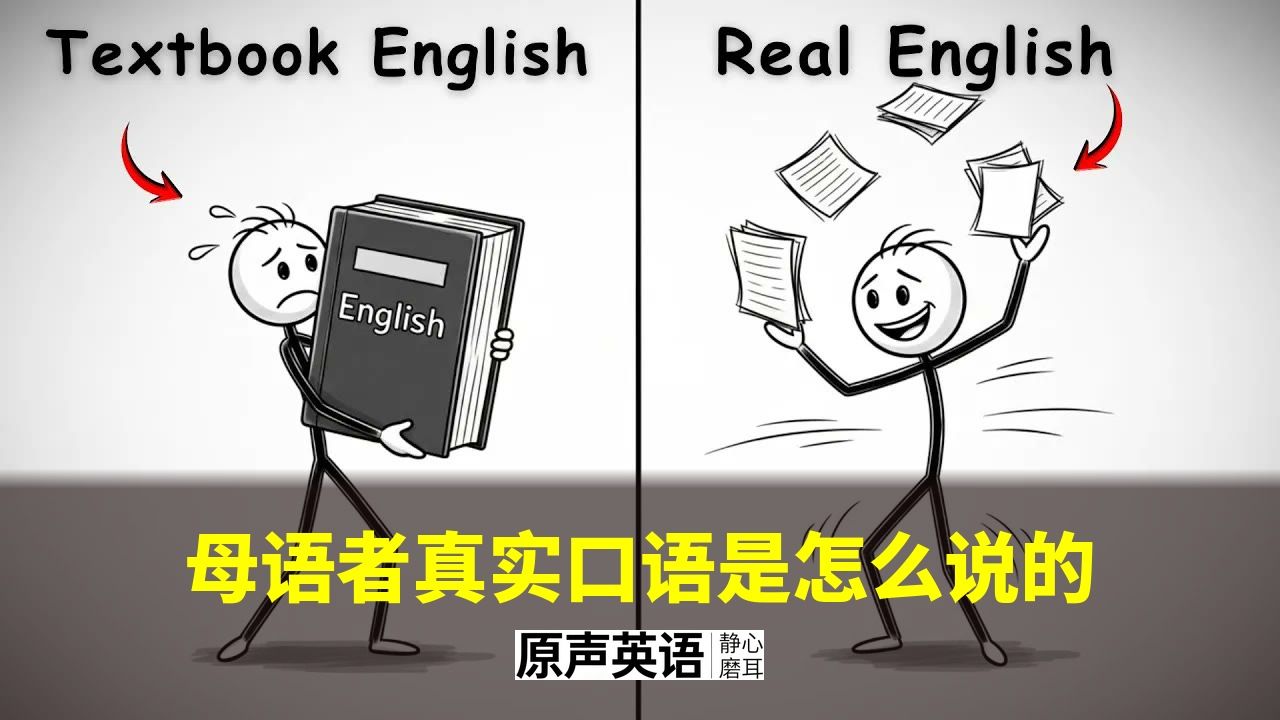
字幕摘录
| 时间 | 英文 | 中文 |
|---|---|---|
| 0:00 | I learned English from textbooks for many years. | 我从教科书学英语多年. |
| 0:02 | I memorized grammar rules, practiced perfect sentences, and learned long vocabulary lists. | 我记住了语法规则, 实践了完美的句子, 并学会了长的词汇列表。 |
| 0:08 | In my books, everything looked clear and logical. | 在我的书里,一切都看起来清晰而合乎逻辑。 |
| 0:11 | I believed that if I followed the rules and spoke correctly, people would easily understand me. | 我相信,如果我遵守规则,说话正确,人们就很容易理解我. |
| 0:17 | Then, one day, I finally spoke to a native English speaker. | 后来,有一天,我终于与一位母语英语者交谈。 |
| 0:20 | I smiled confidently and said, | 我自信地笑着说, |
| 0:22 | Good morning, how do you do? | 早上好,你好吗? |
| 0:24 | He stopped, looked at me for a second, and then replied, | 他停下来,看着我一秒钟, 然后回答, |
| 0:29 | Ah, I'm good. | 我没事 |
| 0:31 | You? | 你吗? |
展开字幕全文(122 条)
| 序号 | 英文 | 中文 |
|---|---|---|
| 1 | I learned English from textbooks for many years. | 我从教科书学英语多年. |
| 2 | I memorized grammar rules, practiced perfect sentences, and learned long vocabulary lists. | 我记住了语法规则, 实践了完美的句子, 并学会了长的词汇列表。 |
| 3 | In my books, everything looked clear and logical. | 在我的书里,一切都看起来清晰而合乎逻辑。 |
| 4 | I believed that if I followed the rules and spoke correctly, people would easily understand me. | 我相信,如果我遵守规则,说话正确,人们就很容易理解我. |
| 5 | Then, one day, I finally spoke to a native English speaker. | 后来,有一天,我终于与一位母语英语者交谈。 |
| 6 | I smiled confidently and said, | 我自信地笑着说, |
| 7 | Good morning, how do you do? | 早上好,你好吗? |
| 8 | He stopped, looked at me for a second, and then replied, | 他停下来,看着我一秒钟, 然后回答, |
| 9 | Ah, I'm good. | 我没事 |
| 10 | You? | 你吗? |
| 11 | The conversation continued, but something felt strange. | 谈话继续进行,但感觉很奇怪。 |
| 12 | I had spoken correct English, yet the moment felt awkward. | 我讲的是正确的英语,但那一刻感觉很尴尬。 |
| 13 | That experience taught me an important lesson. | 这一经历给我提供了一个重要的教训。 |
| 14 | There is a big difference between textbook English and real English. | 教科书英文和真实英文差别很大. |
| 15 | Textbook English focuses on correctness, politeness, and complete sentences. | 教科书英语侧重于正确性,礼貌性,和完整的句子. |
| 16 | Real English focuses on comfort, speed, and natural conversation. | 真正的英语专注于舒适,速度,和自然的对话. |
| 17 | Native speakers don't think about grammar when they speak. | 土著演说者说话时不考虑语法. |
| 18 | They think about getting their message across. | 他们想把信息传出去 |
| 19 | Let's start with greetings. | 我们先问候一下 |
| 20 | In textbooks, you learn formal expressions like, | 在教科书中,你学习正式的表达,比如, |
| 21 | How do you do? | 你好吗? |
| 22 | or | 或 |
| 23 | How are you this fine morning? | 你今天早上好吗? |
| 24 | These sentences are grammatically perfect, | 这些句子在语法上是完美的, |
| 25 | but in daily life, native speakers almost never use them. | 但在日常生活中,讲母语的人几乎从未使用过。 |
| 26 | Instead, they say simple things like, | 相反,他们说简单的事情, |
| 27 | Hey, hi, what's up? | 嘿,嗨,怎么样? |
| 28 | or | 或 |
| 29 | How's it going? | 怎么样? |
| 30 | These greetings are short, casual, and friendly. | 这些问候是简短的、随意的和友好的。 |
| 31 | If you use textbook greetings, people will understand you, | 如果你用教科书问候, 人们会理解你, |
| 32 | but they may think you sound too formal or unnatural. | 但他们可能认为你听起来太正式或不自然了 |
| 33 | Now think about asking for help. | 现在考虑求救 |
| 34 | Textbook English teaches sentences like, | 教科书英语教句,例如, |
| 35 | Could you please assist me with this task? | 你能帮我完成这项任务吗? |
| 36 | This sentence is correct, but it sounds very formal. | 这个句子是正确的,但听起来非常正式. |
| 37 | In real English, people usually say, | 在真正的英语,人们通常说, |
| 38 | Can you help me with this? | 你能帮我吗? |
| 39 | or | 或 |
| 40 | Hey, can you give me a hand? | 嘿,你能帮我一下吗? |
| 41 | Native speakers prefer shorter and easier sentences | 讲土著话的人更喜欢缩短句子和方便句子 |
| 42 | because they save time and feel more natural. | 因为他们节省时间 感觉更自然 |
| 43 | Agreeing with someone is another clear example. | 与某人达成一致是另一个明显的例子。 |
| 44 | Textbooks often teach, | 教科书经常教, |
| 45 | Yes, I agree with you. | 是的,我同意你的观点。 |
| 46 | While this is correct, | 虽然这是正确的, |
| 47 | native speakers rarely say it in normal conversation. | 当地人很少在正常的谈话中说. |
| 48 | Instead, they say, | 相反,他们说, |
| 49 | Exactly, yeah, yeah, totally, or for sure. | 没错,是的,是的,完全,或者肯定的。 |
| 50 | These expressions sound more relaxed and show emotion, | 这些表情听起来更轻松 并表现出情感, |
| 51 | which is important in real conversations. | 这在真正的对话中很重要。 |
| 52 | Ending a conversation also shows the difference. | 结束一个对话也显示了区别。 |
| 53 | Textbook English uses polite and complete sentences like, | 教科书英语使用礼貌和完整的句子,例如, |
| 54 | It was a pleasure speaking with you. | 很高兴跟你说话 |
| 55 | In real life, people usually say, | 在现实生活中,人们通常会说, |
| 56 | Alright, see you, | 好吧,再见, |
| 57 | Talk to you later, | 晚点再聊 |
| 58 | or | 或 |
| 59 | I gotta go. | 我必须走了。 |
| 60 | Sometimes, they even leave in the middle of a sentence. | 有时甚至会在句子中间离开. |
| 61 | This doesn't mean they are rude. | 这并不意味着他们粗鲁。 |
| 62 | It's just how real conversations work. | 真正的对话就是这样的 |
| 63 | Another thing textbooks don't prepare you for is incomplete sentences. | 教科书上还有一句你没准备好的话 就是句子不全 |
| 64 | Native speakers often don't speak in full sentences at all. | 土著演说者往往完全不说话. |
| 65 | Instead of saying, | 而不是说, |
| 66 | I do not understand what you are saying. | 我不明白你在说什么。 |
| 67 | They say, | 他们说, |
| 68 | I don't get it. | I么则不解. |
| 69 | Huh? | 是吗? |
| 70 | Or, | 或者说 |
| 71 | What do you mean? | 你说什么? |
| 72 | Real English is fast and efficient, | 真正的英语是快速和高效的, |
| 73 | especially in casual situations. | 特别是在临时情况下。 |
| 74 | Vocabulary is also very different. | 词汇也非常不同. |
| 75 | Textbooks love long formal words like, | 教科书喜欢很长的正式的词,比如, |
| 76 | Cancel, | 取消( E) |
| 77 | or | 或 |
| 78 | Discover. | 发现. |
| 79 | Real English often replaces these words with phrasal verbs. | 真英语经常用词组动词取代这些单词. |
| 80 | Instead of, | 相反, |
| 81 | I will continue working. | 我将继续工作。 |
| 82 | Native speakers say, | 当地人说, |
| 83 | I'll keep going. | 我会继续的 |
| 84 | Instead of, | 相反, |
| 85 | The meeting was cancelled. | 会议取消。 |
| 86 | They say, | 他们说, |
| 87 | They called it off. | 他们取消了 |
| 88 | Instead of, | 相反, |
| 89 | I discovered the truth. | 我发现了真相。 |
| 90 | They say, | 他们说, |
| 91 | I found out. | 我发现了 |
| 92 | Phrasal verbs are everywhere in real English. | 哲学动词以真实的英语到处出现. |
| 93 | Textbooks also make English sound very polite all the time. | 教科书也使英语听起来一直非常有礼貌. |
| 94 | But real English changes depending on the situation. | 但真实的英语变化取决于情况. |
| 95 | With friends, | 和朋友们 |
| 96 | people speak casually. | 人们随便说话。 |
| 97 | At work, | 在工作时, |
| 98 | they sound more professional. | 他们听起来更专业。 |
| 99 | With strangers, | 与陌生人, |
| 100 | they are polite but still natural. | 他们是礼貌的,但仍然是自然的。 |
| 101 | Textbooks often teach only one style, | 教科书常常只教一种风格 |
| 102 | but real English has many levels. | 但真正的英语有很多层次。 |
| 103 | So, | 这么说 |
| 104 | here is the truth. | 这是事实 |
| 105 | Textbook English helps you understand grammar and pass exams. | 教科书英语帮助您理解语法和通过考试。 |
| 106 | It gives you a strong foundation. | 它给你一个坚实的基础。 |
| 107 | But real English helps you connect with people, | 但真正的英语能帮助你与人联系, |
| 108 | make friends, | 交个朋友 |
| 109 | and feel comfortable in conversations. | 并在交谈中感到舒适。 |
| 110 | Textbook English is not wrong, | 教科书英文没有错, |
| 111 | but it is incomplete. | 但它是不完整的。 |
| 112 | If you want to sound natural, | 如果你想听起来自然, |
| 113 | listen to how native speakers really talk. | 听听本地人怎么说话 |
| 114 | Watch movies, | 看电影, |
| 115 | listen to podcasts, | 听播客说 |
| 116 | and pay attention to everyday conversations. | 注意日常谈话 |
| 117 | Learn common phrases and phrasal verbs. | 学习常用的词组和词组动词. |
| 118 | Don't be afraid to sound simple, | 不要害怕听起来简单, |
| 119 | because simple English is real English. | 因为简单的英语是真正的英语。 |
| 120 | The goal is not to speak perfect English. | 目标不是说完美的英语。 |
| 121 | The goal is to speak English that feels natural. | 目标是说自然而然的英语. |
| 122 | That is how natives really speak. | 当地人就是这样说话的 |
该视频共有字幕 122 条。解锁更多字幕为会员功能,请移动到 价格
P2 · 【漫画学英语】母语者真实口语是怎么说的 · 教科书英语vs真实英语 p02 无字幕 (P2)
字幕摘录
| 时间 | 英文 | 中文 |
|---|---|---|
| 0:00 | I learned English from textbooks for many years. | 我从教科书学英语多年. |
| 0:02 | I memorized grammar rules, practiced perfect sentences, and learned long vocabulary lists. | 我记住了语法规则, 实践了完美的句子, 并学会了长的词汇列表。 |
| 0:08 | In my books, everything looked clear and logical. | 在我的书里,一切都看起来清晰而合乎逻辑。 |
| 0:11 | I believed that if I followed the rules and spoke correctly, people would easily understand me. | 我相信,如果我遵守规则,说话正确,人们就很容易理解我. |
| 0:17 | Then, one day, I finally spoke to a native English speaker. | 后来,有一天,我终于与一位母语英语者交谈。 |
| 0:20 | I smiled confidently and said, | 我自信地笑着说, |
| 0:22 | Good morning, how do you do? | 早上好,你好吗? |
| 0:24 | He stopped, looked at me for a second, and then replied, | 他停下来,看着我一秒钟, 然后回答, |
| 0:29 | Ah, I'm good. | 我没事 |
| 0:31 | You? | 你吗? |
展开字幕全文(109 条)
| 序号 | 英文 | 中文 |
|---|---|---|
| 1 | I learned English from textbooks for many years. | 我从教科书学英语多年. |
| 2 | I memorized grammar rules, practiced perfect sentences, and learned long vocabulary lists. | 我记住了语法规则, 实践了完美的句子, 并学会了长的词汇列表。 |
| 3 | In my books, everything looked clear and logical. | 在我的书里,一切都看起来清晰而合乎逻辑。 |
| 4 | I believed that if I followed the rules and spoke correctly, people would easily understand me. | 我相信,如果我遵守规则,说话正确,人们就很容易理解我. |
| 5 | Then, one day, I finally spoke to a native English speaker. | 后来,有一天,我终于与一位母语英语者交谈。 |
| 6 | I smiled confidently and said, | 我自信地笑着说, |
| 7 | Good morning, how do you do? | 早上好,你好吗? |
| 8 | He stopped, looked at me for a second, and then replied, | 他停下来,看着我一秒钟, 然后回答, |
| 9 | Ah, I'm good. | 我没事 |
| 10 | You? | 你吗? |
| 11 | The conversation continued, but something felt strange. | 谈话继续进行,但感觉很奇怪。 |
| 12 | I had spoken correct English, yet the moment felt awkward. | 我讲的是正确的英语,但那一刻感觉很尴尬。 |
| 13 | That experience taught me an important lesson. | 这一经历给我提供了一个重要的教训。 |
| 14 | There is a big difference between textbook English and real English. | 教科书英文和真实英文差别很大. |
| 15 | Textbook English focuses on correctness, politeness, and complete sentences. | 教科书英语侧重于正确性,礼貌性,和完整的句子. |
| 16 | Real English focuses on comfort, speed, and natural conversation. | 真正的英语专注于舒适,速度,和自然的对话. |
| 17 | Native speakers don't think about grammar when they speak. | 土著演说者说话时不考虑语法. |
| 18 | They think about getting their message across. | 他们想把信息传出去 |
| 19 | Let's start with greetings. | 我们先问候一下 |
| 20 | In textbooks, you learn formal expressions like, | 在教科书中,你学习正式的表达,比如, |
| 21 | How do you do? | 你好吗? |
| 22 | or | 或 |
| 23 | How are you this fine morning? | 你今天早上好吗? |
| 24 | These sentences are grammatically perfect, | 这些句子在语法上是完美的, |
| 25 | but in daily life, native speakers almost never use them. | 但在日常生活中,讲母语的人几乎从未使用过。 |
| 26 | Instead, they say simple things like, | 相反,他们说简单的事情, |
| 27 | Hey, hi, what's up? | 嘿,嗨,怎么样? |
| 28 | or | 或 |
| 29 | How's it going? | 怎么样? |
| 30 | These greetings are short, casual, and friendly. | 这些问候是简短的、随意的和友好的。 |
| 31 | If you use textbook greetings, people will understand you, | 如果你用教科书问候, 人们会理解你, |
| 32 | but they may think you sound too formal or unnatural. | 但他们可能认为你听起来太正式或不自然了 |
| 33 | Now think about asking for help. | 现在考虑求救 |
| 34 | Textbook English teaches sentences like, | 教科书英语教句,例如, |
| 35 | Could you please assist me with this task? | 你能帮我完成这项任务吗? |
| 36 | This sentence is correct, but it sounds very formal. | 这个句子是正确的,但听起来非常正式. |
| 37 | In real English, people usually say, | 在真正的英语,人们通常说, |
| 38 | Can you help me with this? | 你能帮我吗? |
| 39 | or | 或 |
| 40 | Hey, can you give me a hand? | 嘿,你能帮我一下吗? |
| 41 | Native speakers prefer shorter and easier sentences | 讲土著话的人更喜欢缩短句子和方便句子 |
| 42 | because they save time and feel more natural. | 因为他们节省时间 感觉更自然 |
| 43 | Agreeing with someone is another clear example. | 与某人达成一致是另一个明显的例子。 |
| 44 | Textbooks often teach, | 教科书经常教, |
| 45 | Yes, I agree with you. | 是的,我同意你的观点。 |
| 46 | While this is correct, native speakers rarely say it in normal conversation. | 虽然这是正确的,但当地人很少在正常的谈话中说. |
| 47 | Instead, they say, | 相反,他们说, |
| 48 | Exactly, yeah, yeah, totally, or for sure. | 没错,是的,是的,完全,或者肯定的。 |
| 49 | These expressions sound more relaxed and show emotion, | 这些表情听起来更轻松 并表现出情感, |
| 50 | which is important in real conversations. | 这在真正的对话中很重要。 |
| 51 | Ending a conversation also shows the difference. | 结束一个对话也显示了区别。 |
| 52 | Textbook English uses polite and complete sentences like, | 教科书英语使用礼貌和完整的句子,例如, |
| 53 | It was a pleasure speaking with you. | 很高兴跟你说话 |
| 54 | In real life, people usually say, | 在现实生活中,人们通常会说, |
| 55 | Alright, see you, talk to you later, or I gotta go. | 好吧,再见,一会儿再聊,否则我得走了。 |
| 56 | Sometimes, they even leave in the middle of a sentence. | 有时甚至会在句子中间离开. |
| 57 | This doesn't mean they are rude. | 这并不意味着他们粗鲁。 |
| 58 | It's just how real conversations work. | 真正的对话就是这样的 |
| 59 | Another thing textbooks don't prepare you for is incomplete sentences. | 教科书上还有一句你没准备好的话 就是句子不全 |
| 60 | Native speakers often don't speak in full sentences at all. | 土著演说者往往完全不说话. |
| 61 | Instead of saying, | 而不是说, |
| 62 | I do not understand what you are saying. | 我不明白你在说什么。 |
| 63 | They say, | 他们说, |
| 64 | I don't get it. | I么则不解. |
| 65 | Huh? | 是吗? |
| 66 | Or, what do you mean? | 或者说,你是什么意思? |
| 67 | Real English is fast and efficient, especially in casual situations. | 真正的英语快速高效,特别是在偶然的情况下. |
| 68 | Vocabulary is also very different. | 词汇也非常不同. |
| 69 | Textbooks love long formal words like continue, cancel, or discover. | 教科书喜欢诸如继续,取消,或发现等冗长的正式词. |
| 70 | Real English often replaces these words with phrasal verbs. | 真英语经常用词组动词取代这些单词. |
| 71 | Instead of, | 相反, |
| 72 | I will continue working. | 我将继续工作。 |
| 73 | Native speakers say, | 当地人说, |
| 74 | I'll keep going. | 我会继续的 |
| 75 | Instead of, | 相反, |
| 76 | The meeting was cancelled. | 会议取消。 |
| 77 | They say, | 他们说, |
| 78 | They called it off. | 他们取消了 |
| 79 | Instead of, | 相反, |
| 80 | I discovered the truth. | 我发现了真相。 |
| 81 | They say, | 他们说, |
| 82 | I found out. | 我发现了 |
| 83 | Phrasal verbs are everywhere in real English. | 哲学动词以真实的英语到处出现. |
| 84 | Textbooks also make English sound very polite all the time. | 教科书也使英语听起来一直非常有礼貌. |
| 85 | But real English changes depending on the situation. | 但真实的英语变化取决于情况. |
| 86 | With friends, people speak casually. | 和朋友在一起 人们随便说话 |
| 87 | At work, they sound more professional. | 在工作时,他们听起来更专业. |
| 88 | With strangers, they are polite but still natural. | 对陌生人来说,他们是礼貌的,但还是自然的。 |
| 89 | Textbooks often teach only one style, | 教科书常常只教一种风格 |
| 90 | but real English has many levels. | 但真正的英语有很多层次。 |
| 91 | So, here is the truth. | 所以,这是事实。 |
| 92 | Textbook English helps you understand grammar and pass exams. | 教科书英语帮助您理解语法和通过考试。 |
| 93 | It gives you a strong foundation. | 它给你一个坚实的基础。 |
| 94 | But real English helps you connect with people, | 但真正的英语能帮助你与人联系, |
| 95 | make friends, | 交个朋友 |
| 96 | and feel comfortable in conversations. | 并在交谈中感到舒适。 |
| 97 | Textbook English is not wrong, | 教科书英文没有错, |
| 98 | but it is incomplete. | 但它是不完整的。 |
| 99 | If you want to sound natural, | 如果你想听起来自然, |
| 100 | listen to how native speakers really talk. | 听听本地人怎么说话 |
| 101 | Watch movies, | 看电影, |
| 102 | listen to podcasts, | 听播客说 |
| 103 | and pay attention to everyday conversations. | 注意日常谈话 |
| 104 | Learn common phrases and phrasal verbs. | 学习常用的词组和词组动词. |
| 105 | Don't be afraid to sound simple, | 不要害怕听起来简单, |
| 106 | because simple English is real English. | 因为简单的英语是真正的英语。 |
| 107 | The goal is not to speak perfect English. | 目标不是说完美的英语。 |
| 108 | The goal is to speak English that feels natural. | 目标是说自然而然的英语. |
| 109 | That is how natives really speak. | 当地人就是这样说话的 |
该视频共有字幕 109 条。解锁更多字幕为会员功能,请移动到 价格