西达埃及、东至日本,耶鲁大学美术馆策展人解析中国陶瓷为何能惊
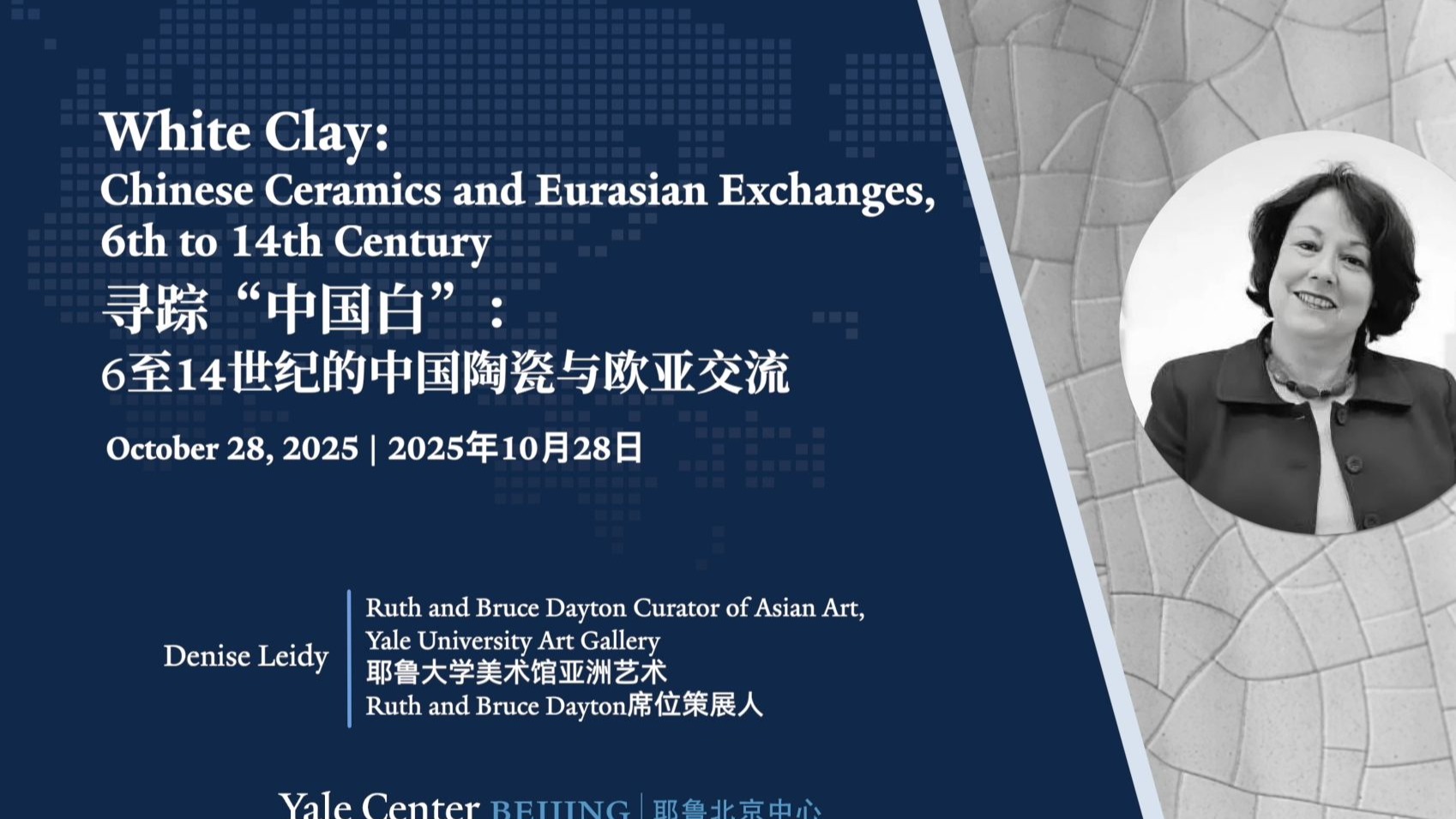
字幕摘录
| 时间 | 英文 | 中文 |
|---|---|---|
| 0:04 | Good morning for those of you guys joining us from New Haven or the East Coast | 早上好,你们这些家伙从纽黑文或东海岸加入我们 |
| 0:11 | Good evening for those of you joining us from | 晚上好,大家一起来 |
| 0:14 | Asia and I suppose it's possible that you're joining us from somewhere else. | 亚洲和我想你可能会从别的地方加入我们 |
| 0:18 | So hello to the rest of you as well | 你们也好 |
| 0:20 | My name is Devin Lau. | 我叫刘德文 |
| 0:21 | I'm the associate director for Yale Center Beijing and I am hosting our | 我是耶鲁中心北京的副主管,我主持我们 |
| 0:26 | Talk today. | 今日谈. |
| 0:28 | We're very excited to welcome back | 我们很高兴能回来 |
| 0:31 | Denise lady she is the | 丹妮丝小姐,她是 |
| 0:35 | Ruth and Bruce Dayton curator of Asian art at the Yale University art gallery | 耶鲁大学美术馆亚洲艺术的露丝和布鲁斯·代顿馆长 |
展开字幕全文(503 条)
| 序号 | 英文 | 中文 |
|---|---|---|
| 1 | Good morning for those of you guys joining us from New Haven or the East Coast | 早上好,你们这些家伙从纽黑文或东海岸加入我们 |
| 2 | Good evening for those of you joining us from | 晚上好,大家一起来 |
| 3 | Asia and I suppose it's possible that you're joining us from somewhere else. | 亚洲和我想你可能会从别的地方加入我们 |
| 4 | So hello to the rest of you as well | 你们也好 |
| 5 | My name is Devin Lau. | 我叫刘德文 |
| 6 | I'm the associate director for Yale Center Beijing and I am hosting our | 我是耶鲁中心北京的副主管,我主持我们 |
| 7 | Talk today. | 今日谈. |
| 8 | We're very excited to welcome back | 我们很高兴能回来 |
| 9 | Denise lady she is the | 丹妮丝小姐,她是 |
| 10 | Ruth and Bruce Dayton curator of Asian art at the Yale University art gallery | 耶鲁大学美术馆亚洲艺术的露丝和布鲁斯·代顿馆长 |
| 11 | She's a graduate of Columbia | 她毕业于哥伦比亚大学 |
| 12 | But she's also served as the Brooke Russell Astor curator of Asian art emerita at the Metropolitan Museum of Art | 但她还是大都会艺术博物馆 布鲁克·罗素·阿斯特尔亚洲艺术馆馆长 |
| 13 | As well as in curatorial positions at the Asia Society in New York and the Museum of Fine Arts in Boston | 在纽约亚洲学会和波士顿美术博物馆担任教务职务 |
| 14 | She's endlessly fascinated by the development and movement of technologies ideas and images within and between Asian cultures | 她对亚洲文化内部和之间 技术思想和形象的发展和移动 充满了无限的迷恋 |
| 15 | And between these centers and those in Africa Europe and the Americas | 这些中心与非洲、欧洲和美洲的中心 |
| 16 | In addition to curating exhibitions, she's also published and lectured widely exploring topics including Buddhist art | 除了主持展览,她还发表和演讲 广泛探讨包括佛教艺术在内的话题 |
| 17 | Chinese and Asian ceramics as well as East Asian lacquer. | 中国和亚洲陶瓷以及东亚漆器. |
| 18 | She's published many articles and books | 她发表了许多文章和书 |
| 19 | Spanning a lot of different topics her most recent book, of course being sell it on on the seas Chinese ceramics | 翻遍了很多不同的话题 她最近的书,当然是在海上出售的 中国陶瓷 |
| 20 | From the 9th to the 14th century, which she also was kind enough to give a talk on as well a few months ago | 从9世纪到14世纪,她也很友好 几个月前也讲了几句 |
| 21 | And so we're happy to welcome her back to talk about her latest interests and her latest | 所以,我们很高兴欢迎她回来 谈谈她的最新兴趣和最新消息 |
| 22 | Research and | 研究和 |
| 23 | That it's about white clay | 这是关于白色粘土 |
| 24 | Chinese ceramics and Eurasian exchanges and so with that I will turn things over to her. | 中国的陶瓷和欧亚的交流 如此一来,我将把事情交给她。 |
| 25 | Thank you everyone for coming | 感谢大家的光临 |
| 26 | And especially those of you that are up early in the morning including me | 特别是你们这些早上起床的人 包括我 |
| 27 | So so something fascinating happened in China in the late 6th century | 所以6世纪后期中国发生了一些令人着迷的事 |
| 28 | which is that they changed the kind of clay they they start they were using and they went from sort of a | 他们改变了他们开始使用的粘土, |
| 29 | low-fired red clay to a high-fired worth | 低火的红粘土到高火值 |
| 30 | White clay and this had a profound impact on ceramics in West Asia and in the Eastern | 白粘土对西亚和东部的陶瓷产生了深远的影响 |
| 31 | Mediterranean and so the story I'm kind of working on developing is | 地中海,所以我正在研究的故事是 |
| 32 | I think of it more as like waves going back and forth rather than things going in a straight line and it is a | 我认为它更像波浪 来回,而不是事情走在直线上 |
| 33 | Complicated story with a lot of side avenues | 复杂的故事与许多侧面通道 |
| 34 | So I'm going to give you an overview of this story and then I'm going to give you two byways and one epilogue | 所以我要给你一个故事的概述 然后给你两个旁白和一个诗句 |
| 35 | So that I can get most of the ideas and even though I can't get them in quite in a straight line | 这样我就能得到大部分的想法 尽管我无法把它们 相当直线 |
| 36 | So the first question we need to answer is why? | 所以,我们第一个需要回答的问题是为什么? |
| 37 | Why did people change the type of clay that they were using? | 为什么人们会改变他们使用的粘土类型? |
| 38 | Now most of our information about ceramics from this point time comes from two sources | 我们大部分关于陶瓷的资料 都来自两个来源 |
| 39 | one is archaeology because there has so much as many as I suspect all of you know has been | 一个是考古学,因为有这么多 我怀疑你们都知道的。 |
| 40 | excavated in China in the last 30 years and the other is the development of non-invasive testing of | 过去30年中在中国发掘的 另一种是发展非侵入性测试 |
| 41 | Materials, which is something that has happened in muti museums around the world including in Shanghai, for example | 材料,这是在包括上海在内的世界各地哑巴博物馆发生的 |
| 42 | Where we are able now without taking a sample out of an object to really understand how it was made | 我们现在可以不从物体中提取样本 真正理解它是如何制造的 |
| 43 | So we know that the white clay that popped up mysteriously | 所以我们知道,白色粘土 神秘地涌现 |
| 44 | Has a high percentage of a material called in English | 用英语调用的材料比例很高 |
| 45 | Kaelin and in Chinese galling and it's basically the primary ingredient in porcelain | Kaelin和中国的胆汁 基本上都是瓷器的主要成分 |
| 46 | So so one of the reasons for for beginning to choose this clay | 所以开始选择粘土的原因之一 |
| 47 | Clearly was that it was a more plastic clay. | 很明显,它是一个更塑料的粘土。 |
| 48 | It was a finer clay and it could be high-fired | 它是一个更精细的粘土 它可能是高火 |
| 49 | It's also true | 也一样 |
| 50 | That when you look through tombs from the like last quarter of the sixth century, which is when we begin to see white clay | 当你从6世纪的最后一个季度看墓 也就是我们开始看到白色粘土的时候 |
| 51 | a | (单位:千美元) |
| 52 | large number of | 数量 |
| 53 | Featuring white clay but not all of them it becomes clear that there seems to have been | 穿白色的粘土 但并非所有的粘土 都很明显 似乎有 |
| 54 | Some kind of taste or choice on the part of the tomb inhabitant for this material | 墓室居民对于这种材料的品味或选择 |
| 55 | So I'm showing you three things from the tomb of Zhang | 我从张公墓里给你看三件事 |
| 56 | Zhang who died in 595 and in that tomb you find | 在595年去世的张氏 在那个坟墓里你找到了 |
| 57 | Two | 两个 |
| 58 | Figures and containers the kinds of things that you would find in almost any tool | 数字和容器 那种东西你会发现 在几乎所有的工具 |
| 59 | You also find objects such as this chessboard that are very very much | 您还发现这样的物体, 比如这个棋盘, 非常多 |
| 60 | Reflective of his taste and the kinds of things that he felt he needed in his afterlife and there are significant number of | 反映他的品味和他在来世所需要的东西,并且有大量 |
| 61 | objects in this tool which really | 此工具中真的对象 |
| 62 | Suggests that he was aware of a broader world and very interested in things from other places | 暗示他知道一个更广阔的世界 并且对其他地方的东西非常感兴趣 |
| 63 | Probably the best example of this is this you're which I'm showing you on the left at the moment | 可能最好的例子是,你是我现在在左边展示的 |
| 64 | which has an elephant spout a | 它有一个大象喷出一个 |
| 65 | Dragon handle and these very I suspect non-functional lugs | 龙柄和这些我怀疑的不起作用的拉子 |
| 66 | decorating the | 装饰 |
| 67 | shoulders of the neck of the Europe | 欧洲脖子的肩膀 |
| 68 | This is unusual in Chinese ceramic history for many many reasons. | 这在中国陶瓷史上是不寻常的,原因很多. |
| 69 | First of all, it's a one-off. | 初标一义. |
| 70 | It's unique | 这是独一无二的 |
| 71 | I have been unable and I have looked to find anything else that looks like this | 我无法找到其他看起来像这样的东西 |
| 72 | Anywhere in China from the same point in time. | 中国的任何地方 从同一时间点。 |
| 73 | I've also been unable to find it elsewhere | 我也找不到别的地方 |
| 74 | The closest parallel I can find is the bronze pouring vessel, which I'm showing you on the right | 我最接近的相似之处是 青铜浇灌器 我在右边给你看 |
| 75 | Which also has an elephant spout and more or less the same bulbous shape | 也有大象的喷出 和灯泡的形状差不多 |
| 76 | That vessel is generally cataloged as Vietnamese | 该船一般被归类为越南人 |
| 77 | and dates to the 2nd or 3rd century AD so it's | 和日期到公元2世纪或3世纪 所以它是 |
| 78 | Several hundred years earlier than the piece in the tomb that we're looking at. | 比我们所看到的墓穴里的那块早几百年 |
| 79 | I have no answer for this | 我没有答案 |
| 80 | It's it's just something I don't understand | 只是有些事情我不明白罢了 |
| 81 | because either the bronze vessel is something that was found in South China and preserved in Vietnam, which is possible because in the Han | 因为青铜器是南中国发现的 在越南保存下来的 因为汉族 |
| 82 | dynasty Vietnam was under Chinese rule or | 越南曾受中国统治或 |
| 83 | There there were more of these things kicking around and he had seen one somewhere and | 还有更多的这些东西在周围踢 他看到一个地方, |
| 84 | Wanted to preserve them or I don't understand the story at all any of those options are possible | 想要保存它们,否则我完全不懂这些选择 |
| 85 | You also find in his tomb these delicate little trays | 你也在他的墓里发现了这些微妙的小托盘 |
| 86 | with round | 圆形 |
| 87 | Feet this is a new shape in Chinese ceramics | 这是中国陶瓷的新造型 |
| 88 | It is definitely a shape that was introduced from outside | 绝对是外人提出的形状 |
| 89 | It probably comes from either Saudi or from the Sasanian. | 可能来自沙特人或萨珊人. |
| 90 | So it's from the greater West Asian world | 所以它是来自大西亚世界 |
| 91 | It is something that is closer in time to the late 6th century in China | 这是中国近6世纪后期的 |
| 92 | And it is the type of thing that is found repeatedly in Chinese ceramics and metalwork | 这是中国陶瓷和金属制品中 反复发现的东西类型 |
| 93 | from the 6th to the 8th century often accompanied by a | 从6世纪到8世纪,经常伴有 |
| 94 | small cups | 小杯子( 小杯子 ) |
| 95 | Probably for serving wine and then a little | 可能因为卖葡萄酒,然后一点点 |
| 96 | Dish of some sort for serving some kind of a sweet | 喜欢吃甜食 |
| 97 | So if I'm trying to figure out and I am why white clay sort of pops up in China | 所以,如果我想弄清楚 为什么白色的粘土在中国出现 |
| 98 | one of the things to do is look for things that might have | 需要做的是寻找可能拥有的东西 |
| 99 | Inspired the taste for white clay and so I started looking around for more parallels in | 所以我开始四处寻找更多的平行物 |
| 100 | shapes and designs and the thing that I can find the most of are these small white cups | 形状和设计 以及我能找到的东西 大多数是这些小白色杯子 |
| 101 | Which are made from this beautiful very high-fired white clay in the sway and the time dynasty | 由摇摆和时空的 高火力的白色粘土制成 |
| 102 | often in sets they are made primarily in clay, but you also find them in Chinese glass and | 通常用粘土制成的,但中国的玻璃 |
| 103 | Interestingly enough they have pro | 有趣的是,他们有专业 |
| 104 | Prototypes or parallels in what we call Roman glass now | 原型或相似的罗马玻璃 |
| 105 | That's a bit of a mix nomer Roman glass | 这是一个有点混合 诺梅尔罗马玻璃 |
| 106 | Was one of the great luxuries of the ancient Eurasian world | 是古欧亚世界的奢华之一 |
| 107 | It was found in Europe. | 它在欧洲被发现. |
| 108 | It's found throughout obviously the Eastern Mediterranean | 在地中海东部发现的 |
| 109 | but it's also been found in Xinjiang in China and in | 但在中国新疆以及中国 |
| 110 | significant quantities in South Korea and it's possible that this shape | 韩国的量很大,这种形状有可能 |
| 111 | was inspired by these imported goods that came in because both the shape and the white clay sort of pop up in the | 受到这些进口商品的启发 因为形状和白色粘土 都从里面冒出来 |
| 112 | 18th-century | 18世纪 |
| 113 | and an argument for the fact that the Chinese were aware of Roman glass and looking at it is | 而中国人知道罗马的玻璃 并且看着它 |
| 114 | found in the development of Sansai | 在三赛的开发中发现 |
| 115 | About a hundred years later than the first use of white clay | 比第一次使用白粘土晚一百年 |
| 116 | Now Sansai or three-color glazes as you all know have three colors green | 现在三赛或三色玻璃 你们都知道三色绿色 |
| 117 | Amber and white the green and the amber are found as early as the Han dynasty | 琥珀和白色 绿色和琥珀早在汉朝就被发现了 |
| 118 | The white is the new color so it is the choice of white a hundred years earlier | 白色是新颜色 所以是一百年前白人的选择 |
| 119 | That makes it possible | 这样就有可能了 |
| 120 | to do the three color glazes around | 来做三个颜色的玻璃 |
| 121 | 675 AD so a hundred years after the beginning of the use of white clay and just very very quickly and I can do this | 675 AD如此百年后开始使用白色粘土 很快,我可以做到这一点 |
| 122 | Innumerable times if you look at the patterning and the surface effects that you find in Roman or West Asian glass and the surface | 如果看罗马或西亚玻璃和表面的图案和表面效果,可以计算次数 |
| 123 | effects that you find in Chinese Sansai where you can see similarities in | 在中文三赛中发现的类似效果 |
| 124 | streaking in mosaic like patterns and in | 像图案一样在马赛克和 |
| 125 | Using clay and glass to actually imitate the surface effects of semi-precious stones | 用粘土和玻璃来模仿半宝石的表面效果 |
| 126 | so | 这样 |
| 127 | My theory at the moment is that Sansai which seems to have appeared | 我当时的理论是 三斋似乎已经出现 |
| 128 | Almost miraculously like from the head of a god, right? | 几乎奇迹般的从一个神的头,对不对? |
| 129 | All of a sudden people have totally changed what they're doing with glazes and they're splashing them kind of like | 突然,人们完全改变了 他们正在做的 与玻璃,他们正在喷洒类似 |
| 130 | Jackson Pollock on the surface of clay that Sansai may have been made as a competition | 杰克逊·波洛克在粘土表面 桑赛可能是作为竞争对手制作的 |
| 131 | initially for Roman glass | 最初是罗马玻璃 |
| 132 | so | 这样 |
| 133 | We're going from the 6th to the 7th to the 8th century white is the through line and white clay is developing | 我们从6世纪到7世纪到8世纪 白色是穿过线 白色粘土正在发展 |
| 134 | It's becoming also | 也渐渐变得 |
| 135 | Moving clay in general is moving away from funerary context and becoming much more part of an elegant lifestyle | 移动粘土一般是 远离游乐环境 并成为更多的一部分 优雅的生活方式 |
| 136 | So that by the time you get to the time dynasty people are writing poems about ceramics and they're writing | 等到你到达王朝的时候 人们正在写关于陶瓷的诗 |
| 137 | Clinicership around ceramics. | 陶瓷周边临床. |
| 138 | What are the best ceramics? | 什么是最好的陶瓷产品? |
| 139 | What are the ceramics you should use for drinking tea? | 你该用什么陶瓷来喝茶? |
| 140 | What are the ceramics you should use for drinking wine? | 你该用什么陶瓷来喝酒? |
| 141 | And by the time you get to our friend Wei Tseung you can see clearly that white ceramics are part very very much part of | 等你找到我们的朋友魏辰 你就能清楚地看到 白陶瓷是其中的一部分 |
| 142 | an elegant lifestyle | 一种优雅的生活方式 |
| 143 | They're also developing so the clay which is in inherently plastic as I remembered has allowed people to make thinner and thinner | 他们也正在发展 所以泥土是内在的塑料 我记得它使人们 更薄和瘦 |
| 144 | ceramics it's also allowed people to shape ceramics | 陶瓷也允许人们塑造陶瓷 |
| 145 | with points and lobes that you need a very strong clay to make and | 需要很强的粘土才能制作 |
| 146 | So they are a technical logical | 所以,他们是技术逻辑 |
| 147 | Marvel in the sort of late ancient or early medieval world and they are traveling | 古代或中世纪早期世界的奇迹 他们正在旅行 |
| 148 | ceramics that are being made in northern China while they are not as | 在中国北方制造的陶瓷 |
| 149 | Ubiquitous as the green glazed wares that are being made in the south are moving both both across the Silk Road | 南方正在制造的绿宝石 正在穿越丝绸之路 |
| 150 | So they're moving over land and they're also moving by sea | 所以他们正在陆地上移动,他们也在海上移动 |
| 151 | They have been found as far west again in very very small numbers as far west as Egypt and | 它们又以极小的数目在西边发现,直到埃及和埃及。 |
| 152 | As far east as Japan and everywhere they go. | 远至东至日本及各地. |
| 153 | They're causing a lot of | 他们造成了很多 |
| 154 | Interests at the same time sansai | 同时利息桑赛 |
| 155 | which we think of as | 我们认为 |
| 156 | As a primarily a burial good is also found in the same context with the same things | 作为主要葬品 也在同一背景 和相同的东西 |
| 157 | And you can go from a piece of Roman glass to a Chinese ceramic with a three color glaze | 你可以从一块罗马玻璃 变成一个中国陶瓷,三色玻璃 |
| 158 | Imitating the shape of a piece of Roman glass to an Islamic dish | 把一块罗马玻璃的形状模仿成伊斯兰菜 |
| 159 | Imitating the surface effect of a sansai where you can also start looking at | 模仿桑赛的表面效果,你也可以开始看 |
| 160 | Numerous attempts in the greater West Asian world to imitate the impact of these very very rare | 在更大的西亚世界,人们多次试图模仿这些非常罕见的影响。 |
| 161 | Extremely and got elegant | 极其优雅 |
| 162 | early Chinese whitewares and to just give you one example of | 早期的中国白器 仅举个例子 |
| 163 | This in the seventh and eighth century. | 此七八世间. |
| 164 | There was a ruler the fifth Abbasid calisade | 有一位统治者 第五位阿巴西德·卡里萨德 |
| 165 | 卡利夫给Haroon al Rashid取了个名字 | |
| 166 | 2,000 Chinese ceramics from someone who was obviously trying to establish diplomatic ties with him | 有两千件中国陶瓷 是从一个显然想和他建立外交关系的人那里 |
| 167 | 20 of those pieces were Chinese whitewares, which shows how rare and valuable | 其中20件是中国的白器, 说明它是多么稀有和珍贵 |
| 168 | They were in the world at the time and they spurred the development of the technology in | 他们当时身处世界 推动科技的发展 |
| 169 | West Asia which served ultimately to redefine ceramics in the eastern Mediterranean in Europe | 最终有助于重新界定欧洲东地中海陶瓷的西亚 |
| 170 | So this is our Chinese piece that we were just looking at and since I am talking to a Yale crowd | 所以,这是我们的中国片 我们刚刚看 因为我在和耶鲁的人群说话 |
| 171 | This is my showing off. | 这是我的炫耀 |
| 172 | This is a recent gift from an alumni | 这是一位校友最近送的礼物 |
| 173 | It's an example of shingware is on view in the galleries if you want to see it | 这是在画廊里看到 闪光器的例子 如果你想看的话 |
| 174 | And if you look at the back of it, you can see that the clay itself | 如果你看它的背面, 你可以看到粘土本身 |
| 175 | In addition to the glaze is basically white and that it's a very very thin and very strong clay | 除此以外 玻璃基本是白色的 是一种非常薄和坚固的粘土 |
| 176 | it's also not surprisingly because | 这也不奇怪,因为 |
| 177 | When that you fire a ceramic and the glaze and the clay melt and they vitrify as it's called it becomes more | 当你用陶瓷、玻璃和粘土 熔化后,它们就变得越发美妙 |
| 178 | Hygienic because it's cleaner | 卫生因为干净 |
| 179 | The piece that you're looking at on your right is an example of the tin glazing that developed in the ancient world | 你右边看的那块 是古老世界中 形成的锡光的例子 |
| 180 | In an ancient Western Asian world in an attempt to imitate the appearance of Chinese ceramics | 在一个古老的西亚世界 试图模仿中国陶瓷的外表 |
| 181 | So the clay in this case is not white. | 因此本案中的粘土不是白色的. |
| 182 | It's actually a light blight light whoops | 其实是光亮的灯光 |
| 183 | light buff color | 浅黄色 |
| 184 | Which they've then covered completely | 他们已经完全覆盖 |
| 185 | with a off-white glaze that has been made thicker | 外白的光泽已经变厚了 |
| 186 | And wider by adding some combination of tin and other elements to the glaze or to the surface covering | 通过将锡和其他元素的组合加进玻璃或覆盖的表面 来扩大范围 |
| 187 | And then of course they painted it in a splash design in blue and green which imitates again to a certain | 当然,他们用蓝色和绿色的喷洒设计 把它画成一幅图,再模仿到某个人 |
| 188 | Extent this taste for white that's developing throughout the Asian world | 使整个亚洲世界的白人 尝到这种味道 |
| 189 | Over time and very very quickly | 随着时间的推移,非常快 |
| 190 | So that the tin glazing was developed in the 8th and the 9th century in the 9th and the 10th century | 因此,锡gla在8世纪和9世纪以及10世纪得到发展. |
| 191 | Islamic ceramics developed another technology, which is called luster | 伊斯兰陶瓷又开发了另一种技术,叫做"消毒器" |
| 192 | It developed first in Egypt and then went back into Iran and Iraq | 它首先在埃及发展,然后又回到伊朗和伊拉克 |
| 193 | Lust in luster you have a you you cover the ceramic with a tin glaze you paint the design on it | 粉红色的,你有一个你覆盖陶瓷 用锡色涂上设计 |
| 194 | You cover it with a transparent glaze you fire it you then | 你用透明胶片遮住它,然后开枪 |
| 195 | Repaint the design on it using metallic oxides and you fire it again | 用金属氧化物重新涂上设计,你再点火 |
| 196 | So that it has the surface effect of metal or glass | 所以它具有金属或玻璃的表面作用 |
| 197 | So this 9th or 10th century Egyptian piece actually shows us a Coptic priest | 9世纪或10世纪的埃及作品 向我们展示了一位科普特神父 |
| 198 | With a sensor or an incense burner and | 用感应器或烧香器 |
| 199 | An ankh that has been turned into a cross which is very typical of cause sort of Coptic imagery and the Iraqi | 已经变成十字架 典型的科普特影像和伊拉克人 |
| 200 | Ceramic shows you a very Sassanian | 陶瓷显示你是一个非常萨珊人 |
| 201 | Sardin figure sort of | 沙丁鱼图 排序 |
| 202 | It should remind you of the wall painting we saw in the beginning of the talk where you see a person | 应该能让你想起我们在谈话开始时看到的墙壁画 你看见一个人 |
| 203 | Seated with his legs crossed in front of him holding vessels in drinking | 坐在他面前,他的腿在喝酒时横着 |
| 204 | Generally the Iranian ones are a little bit yellower looking in their luster than the Egyptian ones | 一般来说,伊朗人比埃及人更黄一点 |
| 205 | in all cases, these are very very | 在所有情况下,这些都是非常 |
| 206 | expensive highly finished ceramics that have been decorated both on the inside and the outside and were probably | 昂贵的高成陶瓷 已经装饰 内外,可能 |
| 207 | the luxury goods of the time | 当时的奢侈品 |
| 208 | And so all of this technology which is developing in Egypt and further off where I don't have a map | 因此,所有这些技术正在埃及发展 并更远的地方我没有地图 |
| 209 | Here eventually moves into northern Africa and into southern Spain | 最终进入北非和西班牙南部 |
| 210 | Which is I'm sure many of you know had Islamic kingdoms for a very long period of time and you get | 我敢肯定,你们很多人都知道 伊斯兰王国很长一段时间 |
| 211 | Tinglay ceramics developing initially in the Cordova region and then later in Granada | 廷莱陶瓷最初在科多瓦地区开发,后来在格拉纳达开发. |
| 212 | And this is exactly the same technology that was developed in the West Asian world in | 这和西亚世界在 |
| 213 | Imitation of Chinese whitewares. | 仿制中国白器. |
| 214 | So you have a tin glaze ceramic. | 所以,你有一个锡玻璃陶瓷。 |
| 215 | It is painted with copper and magnesium | 用铜和镁涂成的 |
| 216 | so the primary colorants are green and a kind of a purplish brown and | 因此,主要色素是绿色的,是一种纯褐色的, |
| 217 | This is called in Spanish Valdes in magnesium | 这在西班牙语中叫做镁的Valdes |
| 218 | Very brun in French and something else in Italian | 法语很早熟,意大利语很早熟 |
| 219 | This becomes the European technology from the sort of 9th to the 11th century | 从9世纪到11世纪 这成为欧洲的技术 |
| 220 | As you can see we have a shared visual language as well | 如你所见,我们也有共同的视觉语言 |
| 221 | So the bottle has a procession of musicians and both the plate and the storage jar have | 所以瓶子有一群音乐家 盘子和储存罐都有 |
| 222 | Inscriptions in them that are actually written in Kufic and in Arabic | 里面写着库菲克语和阿拉伯语的描述 |
| 223 | Which tell us which offered they're usually things like they either say kingship or dominion or they offer wishes for good health | 告诉我们谁提供了他们通常的东西 他们要么说王权 要么说王权 或者说他们希望健康 |
| 224 | So this entire technology | 所以这整个技术 |
| 225 | Keeps spreading from the south of Spain all the way into other centers in Spain | 不断从西班牙南部蔓延到西班牙的其他中心 |
| 226 | to a certain extent in southern France and | 在某种程度上,法国南部 |
| 227 | Definitely into Italy and as the technology involves they also begin making lust to wear | 绝对进入意大利 随着技术的普及 他们也开始着迷于穿戴 |
| 228 | So just as an aside | 所以,只是作为一旁 |
| 229 | I'm showing you a scene from the Alhambra and Granada | 我给你们看一幕 从阿尔罕布拉和格拉纳达 |
| 230 | Which is a 12th century monument to remind you that in this part of the world in | 这是一个12世纪的纪念碑 来提醒你,在这个地区 在世界上, |
| 231 | Addition to using ceramics for eating and for ritual vessels and for display tile making is also a major | 添加陶瓷器用于饮食、仪式器皿和陈列瓷砖制作也是一项主要措施。 |
| 232 | Storyline and they're making everything the same way | 故事情节和他们做的一切都一样 |
| 233 | over time the | 随时间演变 |
| 234 | Spanish ceramic industry also begins to make | 西班牙陶瓷工业也开始制造 |
| 235 | Lust to wear and that then becomes part of the whole sort of tin glazing story in Europe | 磨损,然后成为整个欧洲 锡光故事的一部分 |
| 236 | The two two of the most | 两个最 |
| 237 | Dramatic examples of this lust to wear are what are known as the Alhambra vases | 这种情欲穿戴的戏剧性例子,被称为"阿尔罕布拉花瓶". |
| 238 | They're known as the Alhambra vases because in the 19th century. | 由于在19世纪,它们被称为阿尔罕布拉花瓶. |
| 239 | They were some of them were found in the Alhambra | 他们中的一些人是在阿尔罕布拉被发现的 |
| 240 | They were also written about by Washington Irving and his tale of the Alhambra in the 19th century when they were | 他们还被华盛顿·欧文及其19世纪阿尔罕布拉人的故事所写 |
| 241 | Discovered these became a major storyline in European ceramics and were repeated over and over again | 发现了这些 成为欧洲陶瓷界的主要故事线 被反复重复 |
| 242 | So if you visit European museums, you will see things in this shape | 所以,如果你参观欧洲博物馆, 你会看到这种形状的东西 |
| 243 | The L there are ten vases that are extant today that are known as the Alhambra vases and there are another | L有十个花瓶 现今被称为Alhambra花瓶 还有另一个 |
| 244 | handful of fragments in museums around the world that | 世界各地博物馆的几块碎片 |
| 245 | People think were were initially part of these vases | 人们以为最初是这些花瓶的一部分 |
| 246 | the shape itself | 形状本身 |
| 247 | derives from a very standard | 来源于非常标准 |
| 248 | Storage jar that was found in the Arabic and early Spanish ceramic industries | 在阿拉伯和早期西班牙陶瓷业发现的存储罐 |
| 249 | However, these are so tall they run between 48 and 55 inches | 然而,这些高得要命 它们跑在48到55英寸之间 |
| 250 | That the general consensus is that they were intended | 普遍的共识是,它们的意图是 |
| 251 | Primarily for display so that these are not functional vessels as you can see they have | 主要是用来展示的 这样它们就不会像你们所看到的那样是功能性容器 |
| 252 | Absolutely gorgeous surfaces | 非常华丽的表面 |
| 253 | with multiple complicated geometric patterns | 具有多种复杂几何图案 |
| 254 | And areas of decoration that tell different things | 和不同事物的装饰领域 |
| 255 | They also have for some bizarre reason these side wings that I can't quite figure out | 他们也有奇怪的原因 这些侧翼,我无法想通 |
| 256 | Very few of them are that stable. | 很少有这样的稳定。 |
| 257 | So they probably had stands of some sort. | 所以他们可能有某种姿势。 |
| 258 | This is clearly a later edition | 这显然是后来的版本 |
| 259 | The piece on your left, which is now in the Hermitage Museum in Russia has two | 你左边的作品 目前在俄罗斯的隐士博物馆里 有两件 |
| 260 | Kufic inscriptions on it one in the medallions up on the upper part of the body and another just below it | 上面刻着一块金字塔的铭文 上面还有另一块在下面 |
| 261 | The first group of inscriptions | 第一批铭文 |
| 262 | Basically say pleasure the second group of inscriptions say health | 基本上说快乐 第二组的铭文说健康 |
| 263 | The jar on your right which is in the in-house Alhambra is the most famous of the | 你右手边的罐子 在阿尔罕布拉的室内是其中最著名的 |
| 264 | Alhambra jars it is called the gazelle jar | 阿尔罕布拉罐子 叫做瞪羚罐子 |
| 265 | For the obvious reason that it's decorated with gazelles unlike the slightly earlier one that's in the Hermitage | 很明显的,它用瞪羚装饰 与稍早的 在隐士塔奇 |
| 266 | This one is starting to use a great deal of blue, which is the color we'll come back to for our epilogue | 这个开始使用大量的蓝色, 这就是我们将回来的颜色 我们的印象 |
| 267 | The blue is derived from cobalt again | 蓝色又来自钴 |
| 268 | beautifully | 美丽的 |
| 269 | Decorated surface and again Arabic inscriptions written in the Spanish version of the Cupid | 以西班牙版Cupid书写的装饰性表面和阿拉伯文铭文 |
| 270 | Kufic script which basically say good fortune and prosperity over and over and over again | 库菲克的剧本 基本上说好运气和繁荣 一遍又一遍 |
| 271 | so this technology develops in southern Spain and then it flows up the | 因此,这一技术在西班牙南部发展起来,然后它向上流动 |
| 272 | Mediterranean course coast to multiple Spanish centers including | 地中海航线海岸至多个西班牙中心,包括 |
| 273 | in | 内 |
| 274 | Moneyses in Valencia in Barcelona and all of these centers essentially go through the same | 在巴塞罗那的巴伦西亚的钱 和所有这些中心 基本上通过相同的 |
| 275 | Technical development that we saw in southern Spain | 我们在西班牙南部看到的技术发展 |
| 276 | so you have the the green and the blue purple of the green and the brown type of ceramic first and | 所以你有绿色和蓝色的紫色 绿色和褐色的陶瓷类型 首先, |
| 277 | Then they begin to paint with the lust to wear and you get these much more complicated surfaces | 然后他们开始画 穿戴的欲望 你得到这些 复杂得多的表面 |
| 278 | We can tell from the cross on the mast that this ship is actually probably a Portuguese now | 我们从桅杆上的十字架上看得出 这艘船现在很可能是葡萄牙人了 |
| 279 | Which is a Christian ship not a Muslim ship | 这艘是基督教船 不是穆斯林船 |
| 280 | It's shown sailing on the seas with fish underneath and these little semi circles | 它在海上航行 鱼的下面和这些小半圆 |
| 281 | along the edges can be traced back to | 沿边缘可以追溯到 |
| 282 | Iranian ceramics and glass dating from the 9th to the 10th century. | 伊朗陶瓷和玻璃可以追溯到9世纪到10世纪. |
| 283 | It is painted on a tin glaze | 画在锡的玻璃上 |
| 284 | with | 与 |
| 285 | shades of green and brown and | 绿褐色的荫影 |
| 286 | Cobalt blue and then glazed again with with a luster glaze to make it look more shiny and more metallic | 蓝色的钴,然后用光泽的光泽再次擦亮,使其看起来更加闪亮和金属化 |
| 287 | So just to give you a sense of geography | 所以,只是给你一种地理感 |
| 288 | basically this | 基本上这个 |
| 289 | Spanish technology is moving along here found multiple places in Spain less in southern France | 西班牙科技在西班牙移动,在西班牙发现多个地方 少了法国南部 |
| 290 | I spent a lot of time recently trying to | 我最近花了很多时间试图 |
| 291 | Visiting small museums trying to figure out what there was and then it moves into Italy from both the north and from the south | 参观小型博物馆 试图找出有什么 然后它从北部和南部进入意大利 |
| 292 | and one of the major centers | 和主要中心之一 |
| 293 | For the production of this type of wear is actually Tunis or Tunisia | 生产这种磨损是突尼斯或突尼斯 |
| 294 | Which as you can see is is fairly close to Sicily Sicily and to Italy itself | 如你所见,它与西西里岛和意大利相当接近 |
| 295 | so it's kind of moving right along here and | 所以它有点移动 在这里, |
| 296 | in the late 14th and early 15th century you have an | 在14世纪后期和15世纪初 你有一个 |
| 297 | Italian variant of this | 意大利语的这种变体 |
| 298 | Ceramic tradition developing so I'm showing you what's a very fun little probably drinking | 陶瓷传统在发展 所以我要告诉你什么是很有趣的... ... |
| 299 | Bessel that has this delightful little fish paint it again | 贝赛尔有这条可爱的小鱼再画一遍 |
| 300 | white tin glaze green and brown colors and a much more elaborate and slightly later dish | 白锡 绿色和棕色 一种更细腻、稍晚的菜 |
| 301 | Which again was probably intended for display. | 可能也是用来展示的 |
| 302 | It's almost two feet wide | 差不多两英尺宽 |
| 303 | So that's a little big for daily use and you can see that it's got these two little holes on the top and | 所以,这是一个有点大 日常使用,你可以看到 它有这两个小孔 在顶部 |
| 304 | If you look at the back just to remind you the clay itself is | 如果你看后面只是为了提醒你 粘土本身就是 |
| 305 | Not the kind of high-fired beautiful white clay that was coming into the world from China at this time | 不是那种高火的 美丽的白色粘土 从现在的中国传入世界 |
| 306 | It's actually a red earthenware. | 其实是红土器皿. |
| 307 | It's low-fired | 这是低火 |
| 308 | Earthenware if you think your basic clay fought flower pot | 如果你认为你的基本粘土 与花盆搏斗 |
| 309 | That's what earthenware is and again it has been made to look like completely different material | 土器就是这个,它又被制作成完全不同的材料 |
| 310 | by covering it with a tin glaze and | 用锡胶覆盖它, |
| 311 | Then painting it in shades of brown and green in this case | 然后用棕色和绿色的遮荫画出来 |
| 312 | The story is a very sort of 15th century European story of a courtier riding a horse in the in a kind of | 这个故事是15世纪的欧洲故事 说一个侍从骑着马 在某种程度上 |
| 313 | Floral floral background. | 花卉植物背景. |
| 314 | That's not very clear where it's supposed to be | 这不太清楚 它应该在哪里 |
| 315 | and he's got two letters coming out of his mouth one is a T and one is an E and | 他嘴里有两个字母 一个是T,一个是E |
| 316 | People have speculated that essentially what's going on is that he's saying | 人们猜测, 本质上,这是发生了什么 他说 |
| 317 | I love you te amo and this was some kind of a gift from one person to another | 我爱你,这是别人送的礼物 |
| 318 | Possible don't know | 也许不知道 |
| 319 | So just to remind you again, it's moving along the Mediterranean. | 所以为了再次提醒你,它沿着地中海移动。 |
| 320 | It's very very much a Mediterranean story | 这是一个非常 地中海的故事 |
| 321 | And we're going to go back to Italy and we're going to be sort of right underneath montelupo in pisa | 然后我们回到意大利 回到比萨的寺庙里 |
| 322 | Of leaning tower of fame | 倾斜的名塔 |
| 323 | And we're going to talk about one of our byways. | 我们来谈谈一条路 |
| 324 | So | 这么说 |
| 325 | Italy | 意大利 |
| 326 | In the 13th from in the 11th to the 14th century was not the Italy we know today, right? | 从11世纪到14世纪的13世纪 并不是我们今天所认识的意大利 对吧? |
| 327 | It was not a unified nation. | 这不是一个统一的国家。 |
| 328 | It actually became a country after the united states. | 它实际上成为了美国之后的国家. |
| 329 | It was a series of | 这是一系列 |
| 330 | civic and mercantile centers | 民间和商贸中心 |
| 331 | Which were often in competition with each other | 经常互相竞争 |
| 332 | One of those centers was pisa | 其中一个中心是比萨 |
| 333 | Which became a major mercantile force in european trade or in eastern in mediterranean trade | 成为欧洲贸易或东亚贸易的主要商贸力量 |
| 334 | It's probably more accurate in the 11th century and as a result because of all the money that was coming into the city | 可能是11世纪的准确性 也因为那些钱流入城市 |
| 335 | Began to build churches | 开始建造教堂 |
| 336 | Now these peasant churches, this is remember before the tin glazed | 现在这些农民教会, 这是在锡光之前的记忆 |
| 337 | islamic | 伊斯兰 |
| 338 | tin glazed italian | 锡色意大利色 |
| 339 | Industry is it has really begun to develop these peas and churches are fascinating. | 工业是它真正开始 开发这些豌豆 和教堂是迷人的。 |
| 340 | We're going to look at | 我们要看看 |
| 341 | Two 11th century ones, but we could look at 13th and 14th century ones as well because they did something very unusual | 两个11世纪, 但我们可以看看13和14世纪, 因为他们做了一些非常不寻常的事情 |
| 342 | They are by and large made from a yellow limestone | 基本上都是用黄石灰岩做的 |
| 343 | that was | 这是 |
| 344 | found in the area | 发现于该区 |
| 345 | However, they enhanced this yellow limestone | 然而,他们强化了这个黄石灰岩 |
| 346 | By repurposing roman columns and other marble pieces of roman architecture | 通过重新使用罗马柱和其他大理石块的罗马建筑 |
| 347 | Which they called spoilia | 他们称之为战利品 |
| 348 | And then they further enhanced the surface | 然后,它们进一步增强表面 |
| 349 | of these ceramics by sticking ceramics | 通过粘贴陶瓷 来创造这些陶瓷 |
| 350 | imported ceramics | 进口陶瓷 |
| 351 | On the walls in different locations. | 在不同地点的墙上。 |
| 352 | So just to look very closely there is still an imported islamic ceramic in this niche | 所以,只要仔细看看,这里仍然有 进口的异质陶瓷 |
| 353 | There is not one here | 这里没有 |
| 354 | There is one here | 这里有一个 |
| 355 | There is not one here | 这里没有 |
| 356 | There is not one here. | 这里没有 |
| 357 | There is not one here | 这里没有 |
| 358 | So this church which by the way was closed clearly when I visited it | 顺便说一句,这个教堂在我参观时被关闭了 |
| 359 | And also has roman architectural things inside apparently is called san zeno. | 里面还有罗马建筑学的东西 叫做San Zeno |
| 360 | It's an early 11th century church | 这是11世纪早期的教堂 |
| 361 | and all of the ceramics | 和所有的陶瓷 |
| 362 | That have been found there are thought to have been made in tinesia | 已经发现,有 被认为是在锡尼西亚制造的 |
| 363 | So basically these are all imported ceramics and in the 11th early 11th century | 所以基本上都是进口陶瓷 在11世纪初 |
| 364 | Most of the ceramics that were found in italy | 在意大利发现的大多数陶瓷 |
| 365 | Seemed to have been coming in from morocco and tinesia and only to a small extent from southern spain | 似乎是从摩洛科和锡尼西亚来的 并且只是从南斯潘省来的 |
| 366 | by the late 11th century | 11世纪后期 |
| 367 | different church | 不同教会 |
| 368 | San sisto | 圣西斯图 |
| 369 | You're finding more of these | 你发现更多的这些 |
| 370 | Ceramic vessels used to decorate the churches themselves | 用来装饰教堂的陶器 |
| 371 | And they're coming from more places. | 他们来自更多地方。 |
| 372 | So san sisto was concentrated in 1087 | 所以桑·西斯托集中在1087年 |
| 373 | Again, we've got | 再一次,我们得到了 |
| 374 | Our yellow limestone our roman columns | 我们的黄石灰岩 我们的罗马柱 |
| 375 | And for some bizarre reason | 不知为什么 |
| 376 | These imported ceramics stuck all the way along the upper facade of the church | 这些进口的陶瓷一直粘在教堂的上方 |
| 377 | So you can see in this case there they seem to have been placed more deliberately | 所以,你可以看到,在这个案件中,他们似乎 更故意地放置 |
| 378 | They seem to have been less random and they're definitely coming from a broader part of the world | 他们似乎不太随意 而且他们肯定来自更广阔的世界 |
| 379 | So you see them not only along the surface here | 所以,你看到他们 不仅沿着这里的表面 |
| 380 | But they're in all they were originally in all of these niches along the side of the church. | 但他们在所有的 他们最初 在所有这些优势 沿着教堂的一侧。 |
| 381 | You can see that there was still | 你可以看到还有 |
| 382 | To here | 到这里 |
| 383 | Uh this ceramics in san sisto come from egypt tinesia morocco and southern spain | 桑西斯托的陶瓷产品 来自于摩洛科和南斯宾 |
| 384 | The question that I spent i've spent most of the summer thinking about is why do this? | 我花在夏天的大部分时间都在想 为什么要这么做? |
| 385 | Obviously there were ceramics coming up in in enough | 显然有陶瓷 进来足够的 |
| 386 | Numbers that they were widely available and a church could get their hand on them | 数字,他们被广泛提供 一个教会可以得到他们的手 |
| 387 | And I think by the late 11th century | 我想到了11世纪后期 |
| 388 | Plan to put these ceramics on the surface | 计划把这些陶瓷放在表面 |
| 389 | Um, one of the things that people who study these | 研究这些的东西之一 |
| 390 | This phenomenon which is known as peccini in italian suggest is that it was about | 这种在意大利语中被称为peccini的现象表明,这是关于 |
| 391 | polymateriality and wanting to have | 多物质性和希望拥有 |
| 392 | a a kind of different surface effect so that between the yellow limestone and the white marble and the | 一种不同的表面效应 这样在黄石灰岩和白色大理石之间 |
| 393 | Ceramics that were stuck towards the tops of all the churches it looked more lively | 陶瓷被卡在所有教堂的顶部 它看起来更活泼 |
| 394 | I have to say | 我必须说 |
| 395 | I'm not entirely convinced | 我还没完全相信 |
| 396 | But partially that may be because when I was there it was raining | 但部分原因可能是 当我在那里下雨 |
| 397 | So they didn't they didn't look all that colorful and if you didn't know that they were there | 所以,他们没有 他们看起来没有那么多彩 如果你不知道他们在那里 |
| 398 | And start to look up for them | 开始寻找他们 |
| 399 | Um, it was it was very difficult to be sure exactly | 嗯,这是非常困难 确定准确 |
| 400 | What you were seeing. | 你刚才看到的 |
| 401 | I don't know that they necessarily keep catch your eye if you're walking down on ground level | 我不知道如果你在地面上走下去 他们一定盯着你 |
| 402 | But they did this extensively particularly in pisa from the 11th to the 14th century | 但从11世纪到14世纪 他们做的特别广泛 |
| 403 | And they did it with more and more ceramics imported from more and more parts of the world | 他们用越来越多的陶瓷 从世界上越来越多的地方进口 |
| 404 | so | 这样 |
| 405 | since the 1970s | 自1970年代以来 |
| 406 | They have begun to take these ceramics off these churches | 他们开始把这些陶瓷从教堂里拿走 |
| 407 | And preserve them in a small museum in a convent in pisa where they are basically | 在比萨修道院的一个小博物馆里保存 它们基本上就是 |
| 408 | In rooms with early renaissance paintings, so they have nothing to do with each other | 在有早期复兴画的房间里,所以它们彼此无关 |
| 409 | This particular group is all from sicily | 这个特殊群体都是西西里人 |
| 410 | They have studied them | 他们研究过 |
| 411 | The discovery and rediscovery of these bacini in the italian churches has helped people learn more about the tunisian ceramic industry | 在意大利教堂发现和重新发现这些巴西尼 有助于人们更多地了解突尼斯的陶瓷工业 |
| 412 | Which is something that we knew nothing about | 我们对此一无所知 |
| 413 | and over time | 随时间演变 |
| 414 | Italy becomes the center for these tin glazed wares | 意大利成为了这些锡粉制品的中心 |
| 415 | Which begin to look very very different | 开始变得非常不同 |
| 416 | um, so | 嗯,这样 |
| 417 | If you've heard the term my alaka my alaka means a tin glazed european ceramic | 如果你听说过这个术语 我的alaka 我的alaka的意思是 锡光泽的欧洲陶瓷 |
| 418 | Comes from the isla technology comes from the islamic world the taste to a right comes from early china | 产自黄岩科技 产自黄岩世界 品味从早期瓷器到右边 |
| 419 | um, and the reason that we use the italian word | 还有我们用意大利语这个词的原因 |
| 420 | to | 改为: |
| 421 | Discuss this kind of ceramics in european ceramics as opposed to the spanish one is because over time italy overtook | 讨论欧洲陶瓷中的这种陶瓷 而不是西班牙的陶瓷 是因为随着时间的推移 它已经超过 |
| 422 | this ceramic industry and became the center for my alaka, although | 这个陶瓷工业 成为了我阿拉卡的中心,虽然 |
| 423 | potters today who are studio potters who are interested in making ceramics as | 今天的陶器工是工作室陶器工 他们有兴趣制作陶器 |
| 424 | individual art works of art rather than as um | 个人艺术作品,而不是作为 um |
| 425 | things for | 东西 |
| 426 | distribution, um | 分发,嗯 |
| 427 | Also sometimes revert to tin glazing as an aesthetic choice. | 有时还回到锡的玻璃上作为美学的选择. |
| 428 | So that's our byway number one | 这就是我们的第一路 |
| 429 | Our byway number two has to do with the development of medicine in eurasia | 我们的二号路与欧亚医药的发展有关 |
| 430 | in the 11th 12 13th and 14th centuries | 13和14世纪 |
| 431 | and one of the things that we | 和其中一件事,我们 |
| 432 | When we study global trade, we don't always pay attention to is what was traveling with ceramics | 当我们研究全球贸易时,我们并不总是关注 陶瓷的行走 |
| 433 | So clay and to a lesser extent textiles are what allow us to see trade patterns | 因此,粘土,在较小程度上,纺织品 使我们可以看到贸易模式 |
| 434 | They're they allow us to see how things are moving back and forth | 他们让我们看到事情的回转 |
| 435 | Along the world, but also of course there were lots of aromatics and spices and and | 全世界当然也有很多芳香和香料 |
| 436 | Medicinally herbs for example rosemary comes into italy at this point in time that were being | 药用草药,例如迷迭香 此时进入意大利 |
| 437 | Becoming more and more available at the same time that public as well as court pharmacies were becoming more known | 随着公共药店和法院药店越来越为人所知,越来越多的人可以使用 |
| 438 | So i'm showing you a 15th century painting | 所以我给你看一幅15世纪的画 |
| 439 | Of a pharmacy that's in a an illustrated medical treatise | 在一个药店 在一个图解的医学治疗 |
| 440 | That was commissioned by a jewish merchant for a catholic convent which shows the pharmacy with ceramic jars | 这是犹太商人委托的 一个天主教修道院 向药店展示陶瓷罐 |
| 441 | and a 16th century turkish painting also with ceramic jars and in fact | 16世纪土耳其的绘画 还有陶瓷罐 |
| 442 | the the | 联合国 |
| 443 | Blending between sort of the the spread of these pharmaceuticals | 这些药物的传播之间 |
| 444 | And the spread of ceramics is very very tight because you needed jars to keep things in | 陶瓷的传播非常紧密 因为你需要罐子来保存东西 |
| 445 | I suspect | 我估计 |
| 446 | Um that some of the jars that we're looking at in the turkish painting are in fact chinese, by the way | 顺便说一句,我们在土耳其画里看到的罐子 其实是中国的 |
| 447 | um, and they developed certain shapes | 嗯,他们发展出某些形状 |
| 448 | specifically for | 特别针对 |
| 449 | Pharmacies and to hold items so one of those shapes which is known as a pharmacy jar or an alburello | 药店和收藏这些形状的药 叫做药罐或白兰地 |
| 450 | In italian was probably first found in the islamic world | 在意大利语里 很可能最早发现于伊斯兰世界 |
| 451 | then trans | 然后转 |
| 452 | Ported to spain and then transported from spain to italy and if you look at this 15th century spanish piece | 移植到西班牙,然后从西班牙运往意大利 如果你看看这个15世纪的西班牙人 |
| 453 | And this 15th century italian piece you can see that they're both painted with ivory | 15世纪的意大利文作品 你可以看到它们都用象牙画过 |
| 454 | And ivy was a medicinal herb | 常春藤是药草 |
| 455 | At this point in time should also notice that the spanish piece uses luster | 此时此刻,应该注意的是,西班牙的作品使用色素 |
| 456 | Whereas the italian piece does not because they have not gotten to it yet in italy | 虽然意大利文的作品不是因为他们还没有在意大利得到它 |
| 457 | And interestingly enough and just to show you how ubiquitous this all was | 有趣的是 足够让你知道这一切是多么无处不在 |
| 458 | this pharmacy jar shape which probably developed because | 这个药罐形状 可能是因为 |
| 459 | the um | 那个... |
| 460 | Sort of indentation in the middle made it easier to pick up | 中间的凹陷 更容易接 |
| 461 | And dispense from became sort of an icon in religious imagery as well | 也成为宗教形象中的圣像 |
| 462 | So this is a famous 15th century | 所以这是15世纪著名的 |
| 463 | Altarpiece it's called the portinary altarpiece | 门牌是门牌祭坛 |
| 464 | It was commissioned by a merchant for a church in florence | 是一家商家委托在佛罗伦萨建教堂的 |
| 465 | And if you look at a detail of it, you can see again that we've got our pharmacy jar | 如果你仔细看看,你可以再次看到 我们的药罐 |
| 466 | Exactly the same pharmacy jar with the ivy | 和常春藤一样的药罐 |
| 467 | As well as a related piece of glass holding flowers that are symbolic of the story | 以及相关的玻璃片 拿着象征故事的花 |
| 468 | Which is the visitation of the shepherds to the newly born christ child | 这是牧羊人拜访 刚出生的基督孩子 |
| 469 | And this is the reason why even in spanish and italian pharmacies today | 这就是为什么今天的西班牙和意大利药店 |
| 470 | You will still find lots of ceramic pots | 你还会找到很多陶瓷罐 |
| 471 | This is actually the pharmacy | 这其实是药店 |
| 472 | At santa maria novella in florence which builds itself as the earliest italian pharmacy in the world | 在佛罗伦萨的Santa maria 小说中 建立自己 作为世界上最早的意大利药店 |
| 473 | Um | 垛 |
| 474 | Which has wonderful body lotions, um, and which is still using ceramic pots and is the church for which | 它有很棒的身体乳液,嗯, 它仍在使用陶瓷壶,是教堂的 |
| 475 | The portinary altarpiece was painted. | 手执祭坛被画. |
| 476 | Okay, so that's our second by way | 好吧,这是我们的第二个 |
| 477 | Now for our epilogue and I am taking you back to china | 现在,为了我们的故事,我带你回中国 |
| 478 | So the other thing developed that develops and I would argue again that it comes for the taste for white | 所以另外一件事情发展了起来, 我再说一遍,它是来品尝白色的 |
| 479 | That emerged in the late sixth century | 这发生在6世纪后期 |
| 480 | Is the addition of cobalt blue to the palette of chinese ceramics? | 在中国陶瓷的调色板中加入钴蓝色是么? |
| 481 | And you find it first in sancai. | 你首先在圣凯找到的 |
| 482 | So first in the three color glazes which become the four color glazes | 因此,首先在三色玻璃 成为四色玻璃 |
| 483 | You also find it used as a glaze and you find it used as a pigment | 你也会发现它被用做胶水,你也会发现它被用做颜料 |
| 484 | And obviously once you've got a white surface | 很明显,一旦你有一个白色的表面 |
| 485 | It's very very easy to use that surface as a canvas or a palette and to put lots of colors on it | 很容易把表面当作帆布或调色板 上面涂很多颜色 |
| 486 | so blue and white which is the sort of | 蓝色和白色是那种 |
| 487 | Late 15th and 16th century global ceramic story that we're not going to get to | 15世纪后期和16世纪全球陶瓷故事 我们不会去 |
| 488 | Um emerges in china | 在中国出现 |
| 489 | late 8th early 9th century | 8世纪初 |
| 490 | Is immediately copied in the islamic world again as a result of the development of this tin glazing | 被立即复制到炎热的世界中 由于这个锡的光辉发展 |
| 491 | Which was a response to imported chinese ceramics | 这是对进口中国陶瓷的一种反应 |
| 492 | and the use of cobalt | 和钴的使用 |
| 493 | Continues in the islamic world and in european ceramics 9th 10th 11th 12th century and then begins to flourish in the 15th century | 持续在伊斯兰世界和欧洲陶瓷界 第九 10 11 12 世纪,然后在 15 世纪开始繁荣 |
| 494 | The missing piece | 不见了一块 |
| 495 | Is what happens in china? | 在瓷器里会发生什么? |
| 496 | Because we definitely have blue and white in the late time | 因为我们有蓝色和白色 在晚期 |
| 497 | And it disappears until the 14th century in the u.n | 它消失到14世纪 |
| 498 | And then it takes over the entire chinese ceramic industry in the 15th and 16th centuries | 然后它接管了15世纪和16世纪整个中国陶瓷工业 |
| 499 | But why there's no evidence for blue and white in china? | 但为何瓷器里没有蓝白两色的证据?. |
| 500 | from the 10th to the 14th century | 从10世纪到14世纪 |
| 501 | Is a is a problem that occupies my mind | 是个困扰我的问题 |
| 502 | all the time | 总是 |
| 503 | So thank you very much for your attention | 非常感谢你的关注 |
该视频共有字幕 504 条。解锁更多字幕为会员功能,请移动到 价格