耶鲁与牛津教授浅谈外国人都感兴趣的“国潮”物质文化
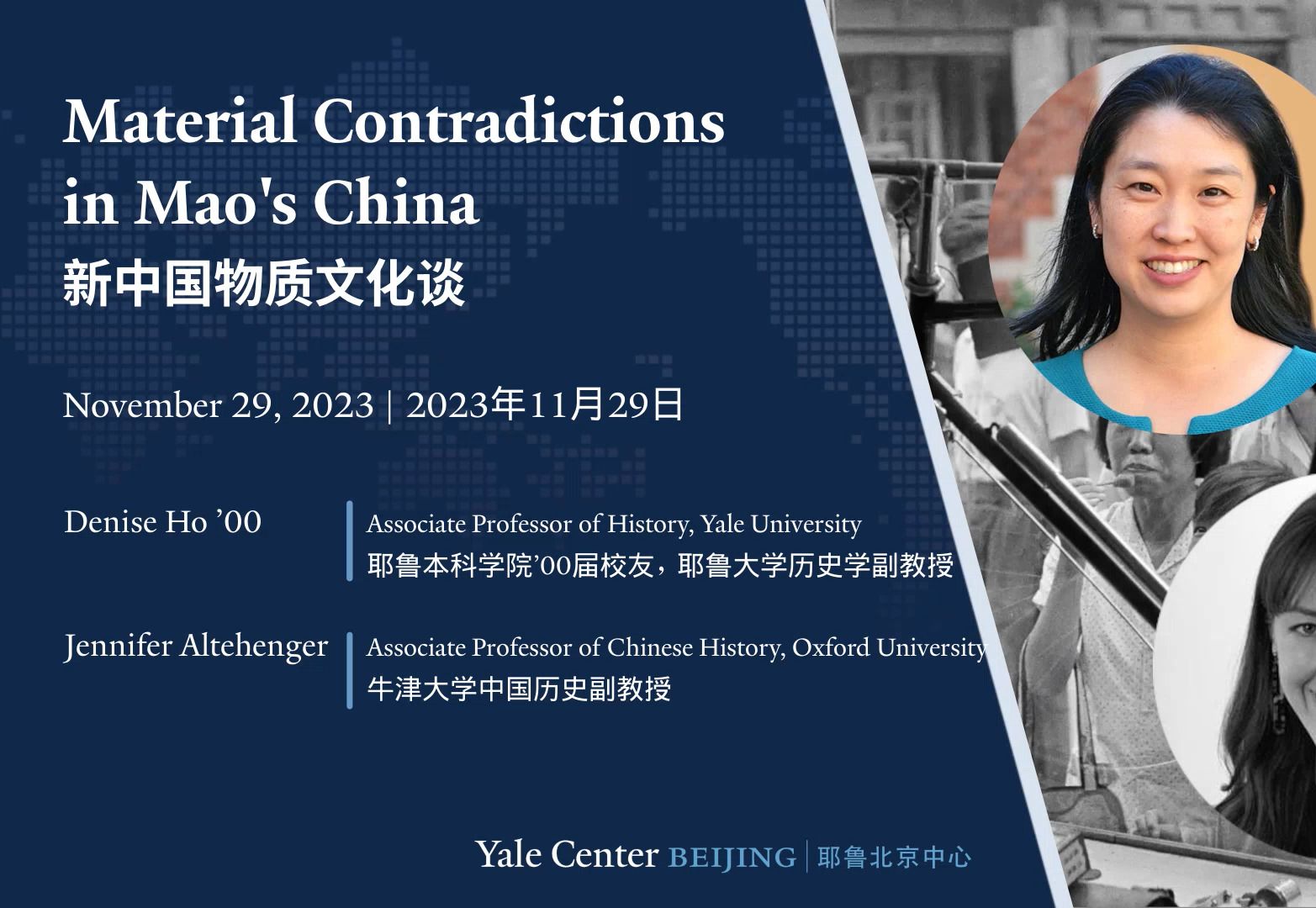
字幕摘录
| 时间 | 英文 | 中文 |
|---|---|---|
| 0:04 | Good evening, everyone, and good morning and good afternoon to Denise and Jennifer. | 大家晚上好,早上好,下午好 丹妮丝和珍妮佛 |
| 0:10 | Welcome to the Yale Center Beijing, which is Yale University's only university-wide | 欢迎来到耶鲁中心 北京是耶鲁大学唯一的大学 |
| 0:16 | center outside of its U.S. campus, representing its 15 schools. | 中心位于美国校园外,代表其15所学校. |
| 0:22 | For those of you who are new to this space, we were founded in 2014, and we host activities | 对于你们这些新人来说,我们成立于2014年,我们主办活动 |
| 0:30 | such as these almost every two to three days. | 例如,几乎每两三天一次。 |
| 0:34 | And tonight, we're very delighted to again | 今晚,我们很高兴再次 |
| 0:37 | collaborate with the Royal Asiatic Society of Beijing on probably, you know, one of our | 与北京皇家亚运会合作 可能,你知道,我们的一个 |
| 0:51 | Oxford professors, no less. | 牛津的教授们,同样。 |
| 0:55 | Denise was actually a classmate from Yale College. | 丹妮丝其实是耶鲁学院的同学. |
| 1:01 | We were contemporaries, and we went to each other's dorms and dining halls. | 我们当时是同龄人,我们去了对方的宿舍和餐厅. |
展开字幕全文(1197 条)
| 序号 | 英文 | 中文 |
|---|---|---|
| 1 | Good evening, everyone, and good morning and good afternoon to Denise and Jennifer. | 大家晚上好,早上好,下午好 丹妮丝和珍妮佛 |
| 2 | Welcome to the Yale Center Beijing, which is Yale University's only university-wide | 欢迎来到耶鲁中心 北京是耶鲁大学唯一的大学 |
| 3 | center outside of its U.S. campus, representing its 15 schools. | 中心位于美国校园外,代表其15所学校. |
| 4 | For those of you who are new to this space, we were founded in 2014, and we host activities | 对于你们这些新人来说,我们成立于2014年,我们主办活动 |
| 5 | such as these almost every two to three days. | 例如,几乎每两三天一次。 |
| 6 | And tonight, we're very delighted to again | 今晚,我们很高兴再次 |
| 7 | collaborate with the Royal Asiatic Society of Beijing on probably, you know, one of our | 与北京皇家亚运会合作 可能,你知道,我们的一个 |
| 8 | Oxford professors, no less. | 牛津的教授们,同样。 |
| 9 | Denise was actually a classmate from Yale College. | 丹妮丝其实是耶鲁学院的同学. |
| 10 | We were contemporaries, and we went to each other's dorms and dining halls. | 我们当时是同龄人,我们去了对方的宿舍和餐厅. |
| 11 | So I'm | ┮и琌 |
| 12 | particularly grateful to have her around because she is also sick, but has agreed to soldier on. | 特别感激有她身边 因为她也生病了, 但已经同意士兵。 |
| 13 | And I'm also very grateful for Jennifer for joining from the U.K. and Xingxing Ni, | 我也非常感谢詹妮弗从英国和新尼加入 |
| 14 | our moderator, joining here in Beijing. | 我们的主持人 来到北京 |
| 15 | So today's talk is about an edited volume by | 所以今天的谈话是关于 编辑的一卷由 |
| 16 | Denise and Jennifer on material contradictions in Mao's China. | 丹妮丝和詹妮弗谈毛泽东中国的物质矛盾. |
| 17 | I think the very powerful title | 我觉得这个名字很有威力 |
| 18 | really speaks for itself. | 说得很清楚 |
| 19 | Jennifer Altahanger is the Associate Professor of Chinese History and | 詹妮弗·阿尔塔汉格是中国历史与历史副教授 |
| 20 | Jessica Rawson Fellow in Modern Asian History at the University of Oxford and Merton College. | 牛津大学和默顿学院的杰西卡·罗森现代亚洲历史研究员. |
| 21 | Her research focuses on the history of the People's Republic of China. | 她的研究重点是中华人民共和国历史. |
| 22 | In addition to being | 除了现在 |
| 23 | the co-editor of The Namesake of Today's Event, she is also the editor of the online resource | 她也是在线资源编辑 |
| 24 | The Mao Era in Objects, which I would highly recommend to all of you if you have time to browse | 如果有时间浏览的话,我强烈推荐你们 |
| 25 | on the web at some point. | 在网络上的某个时候。 |
| 26 | She is the author of Legal Lessons, Popularizing Laws in the People's | 她是法律课的作者,在人民中普及法律 |
| 27 | Republic of China, 1949 to 1989, and supported by the Arts and Humanities Research Council | 中华民国,1949年至1989年,获文艺人文研究会支持. |
| 28 | and the Alevar Humay Trust. | 还有阿莱瓦尔·胡迈信托公司 |
| 29 | She is currently working on a book entitled The Matter of Design, | 她目前正在编写一本书,题为《设计问题》, |
| 30 | Furnishing Socialist China. | 怒斥社会主义中国. |
| 31 | Thanks very much for joining our event online, and I hope to be able | 非常感谢你加入我们的网络活动 我希望能够 |
| 32 | to welcome you in person at some point in the future. | 在未来某个时候欢迎你 |
| 33 | Denise Ho is the Associate Professor of | 丹妮丝 何 is为副教授 |
| 34 | 20th Century Chinese History at Yale University. | 耶鲁大学20世纪中国历史. |
| 35 | She is a historian of modern China with a | 她是现代中国的历史学家 |
| 36 | particular focus on social and cultural history. | 特别强调社会和文化历史。 |
| 37 | Besides being the co-editor of material contradictions | 除了作为物质矛盾的共同编辑者 |
| 38 | in Mao's China, she is also the author of Curating Revolution, Politics on Display in Mao's China. | 在毛泽东的中国,她也是"责难革命","毛泽东的中国的展示政治"的作者. |
| 39 | She's currently completing her second book, entitled Cross-Border Relations, a Grassroots | 她目前正在完成她的第二本书,题为“跨界关系,草根” |
| 40 | History of Hong Kong and China. | 中国香港史. |
| 41 | We're also very pleased to welcome Ching Ching Ni to Yale Center, | 我们也很高兴欢迎清清妮来到耶鲁中心 |
| 42 | Beijing. | 北京报. |
| 43 | Is this your first time? | 这是你的第一次吗? |
| 44 | No, I'm so glad, but this is your first time as a moderator, | 不,我很高兴 但这是你第一次担任主持人 |
| 45 | and we're very honored. | 我们非常荣幸 |
| 46 | Ching Ching Ni is Editor-in-Chief of the New York Times Chinese | 程晴妮任"纽约时报"中文总编辑 |
| 47 | Language website and the Xi Lifestyle magazine. | 语言网站与习近平生活风格杂志. |
| 48 | She began her career as the Shanghai Bureau Chief | 她开始担任上海分局局长 |
| 49 | and Beijing Correspondent for the LA Times. | 以及"洛杉矶时报"的北京记者. |
| 50 | She branched briefly into academia, serving as | 她短暂进入学术界,担任 |
| 51 | Associate Dean and Professor at the Journalism School at Shantou University. | 山图大学新闻学院副院长兼教授. |
| 52 | And so tonight's | 所以今晚我们... |
| 53 | event will go as follows. | 活动如下。 |
| 54 | Melinda will say a few words about the genesis of tonight's event and | 梅琳达会说几句话 关于今晚事件的起源和 |
| 55 | the Mao's Mango we have here, a bit of a story. | 毛泽东的芒果,我们这里有一个小故事。 |
| 56 | Ching Ching will say a few words and then | 晴晴会说几句话,然后 |
| 57 | our speakers will go through their much-anticipated presentation. | 我们的发言者将宣读他们期待已久的发言。 |
| 58 | Thank you so much. | 非常感谢 |
| 59 | Actually, I'm going to speak very, very briefly because the creation story | 其实,我要说非常,非常简短 因为创作故事 |
| 60 | behind the talk is actually going to be told by Denise in her presentation, so I'm not going to | 谈话的幕后 丹妮丝在她的演讲中会说 所以我不会 |
| 61 | go through with that. | 说吧 |
| 62 | I'm just going to say one thing about this mango. | 我只想说一件事 关于这芒果。 |
| 63 | Today I was wrapping it | 今天我把它包起来 |
| 64 | up to bring it over here to the Yale Center, and the mango doesn't travel very much or very well. | 上面把它带到耶鲁中心, 芒果不经常或很好旅行。 |
| 65 | It's very fragile. | 它非常脆弱。 |
| 66 | I actually think it's made out of wax, but it's been around since the 60s, | 其实我觉得它是用蜡做的 但从60年代开始 |
| 67 | and I was hit by the epiphany of it all. | 我被这一切的启示击中了 |
| 68 | Here I was wrapping it lovingly with bubble wrap, | 我在这里用泡泡包装它 |
| 69 | and then I pulled out the monograph about the mango written by our dear friend | 然后我拿出了我们亲爱的朋友写的芒果的专著 |
| 70 | Elfriede Merck, an art historian who did a whole study of the cult of the mango. | 埃尔弗里德·默克(Elfriede Merck),一位艺术史学家,对芒果的邪教进行了全面的研究. |
| 71 | She called it the | 她称之为 |
| 72 | sanctification of the mango, and then it struck me, you know, what am I doing wrapping this so | 芒果的圣洁化, 然后它袭击了我,你知道,我在做什么 包这个这样 |
| 73 | lovingly and with such care? | 慈爱和如此小心? |
| 74 | I mean, it's a freaking mango, and then that's not even a real one. | 我的意思是,这是一个该死的芒果, 然后那甚至不是一个真正的。 |
| 75 | It's a | 这是一个 |
| 76 | process. | 进程。 |
| 77 | What made me treat this with cult-like | 是什么让我对待这个像邪教 |
| 78 | attention and reverie is exactly what this talk is going to be about, because a very ordinary thing | 注意和敬重正是这次谈话的主旨 因为一件很普通的事 |
| 79 | in normal times, I mean, even when it's on the menu of a Thai restaurant, I don't order it, | 在平时,我的意思是, 即使它在泰国餐厅的菜单上, 我不订购它, |
| 80 | and yet there I was treating it like, I mean, it took me half an hour to wrap this thing, | 但我却把它当做 我花了半个小时才把它包起来 |
| 81 | because in Mao's time, small everyday things took on great larger-than-life significance, | 因为毛泽东的时代 日常的小事情 具有比生命更大的意义 |
| 82 | and that's why we're all fascinated to listen to our speaker and moderator. | 这就是为什么我们都迷上 听我们的演讲者和主持人。 |
| 83 | Thank you very much, | 非常感谢 |
| 84 | and I'm so glad the mango has finally been revived after so many decades, | 我很高兴芒果在几十年后终于复活了 |
| 85 | to be back in the limelight even briefly. | 甚至短暂地回到焦点 |
| 86 | Over to you, Ching Ching. | 交给你了,清正 |
| 87 | Thank you, Melinda. | 谢谢你 梅琳达 |
| 88 | Well, thank you all for coming on this blistering day. | 感谢你们今天光临 |
| 89 | It's so cold, | 这么冷 |
| 90 | but I know that just seeing this mango is worth your trip, so I do hope that if you want to look | 但我知道只要看到这芒果就值得你旅行 所以我希望你想看看 |
| 91 | at it up close, you can come up afterwards, because I see cracks on the mango, and I couldn't | 靠近它,你以后可以上来 因为我看到芒果上的裂缝,我不能 |
| 92 | believe that this mango was real when Melinda told me about it, but I did a little bit of research, | 相信这个芒果是真的 当梅林达告诉我它, 但我做了一点研究, |
| 93 | and I hope that Denise will tell us more about it, but apparently when it was first given to the | 我希望Denise能告诉我们更多关于它的事 但显然当它第一次被交给 |
| 94 | workers, most of the workers were from northern China, and they had never seen or tasted a mango | 工人,工人大多来自中国北部 他们从未见过或尝过芒果 |
| 95 | before, and I can attest to that, because my father told me that the soldiers from the north, | 之前,我可以证明这一点, 因为我的父亲告诉我,来自北方的士兵, |
| 96 | when they saw a banana for the first time, they didn't know what it was, and they just bit into | 当他们第一次看到香蕉时, 他们不知道它是什么, 他们只是咬进 |
| 97 | banana with the peel on, and you can imagine what they would do with a mango, and I read somewhere | 香蕉和皮,你可以想象 他们会做什么 用芒果,我读到的地方 |
| 98 | that when the mango started to rot, the farmers or the workers boiled it in a big pot, and each | 当芒果开始腐烂时, 农民或工人用大锅煮了它, |
| 99 | had a spoonful, and they drank it. | 喝了一个勺子,他们喝了它。 |
| 100 | It's like communion, you know, and it's like they each | 这就像圣餐,你知道, 这就像他们每个人 |
| 101 | a piece of mouth in them. | 嘴里有一块 |
| 102 | It's kind of creepy, but that was how it was that this fruit became | 有点令人毛骨悚然 但果实就是这样变成的 |
| 103 | a sacred object, so that's what I read, so I hope to turn it over to you, Denise. | 圣物,所以这就是我读的 所以我希望把它交给你,丹尼丝。 |
| 104 | I can't think of | 我无法想象 |
| 105 | a better segue to this presentation tonight, and I hope you all think of good questions to ask, | 希望大家能想出个好问题 |
| 106 | because I have some questions, but I'll save it for later, so thank you so much, Denise and Jennifer. | 因为我有些问题, 但我会留待以后, 所以非常感谢你,丹尼斯和珍妮弗。 |
| 107 | The floor is yours. | 地板归你了 |
| 108 | I wanted to start by thanking the Yale Center of Beijing and | 我想首先感谢耶鲁大学北京中心 |
| 109 | the Royal Asiatic Society for organizing this wonderful event, to Carol for hosting, to Jingjing | 皇家亚运会举办这次盛会, 卡罗尔主办,静静主办 |
| 110 | for moderating, and to Alan and Melinda for really sparking the idea of this collaboration. | 以及艾伦和梅林达 真正激发了这种合作的想法 |
| 111 | I'm delighted to have the chance to introduce our book to you today, Material Contradictions | 很高兴今天有机会向大家介绍我们的书 《物质矛盾》 |
| 112 | in Mount China. | 在中国山。 |
| 113 | Before I talk about the mango and maybe what's not the mango, | 在我谈论芒果之前 也许不是芒果 |
| 114 | I wanted to start by posing this question, and can I have the next slide, please? | 我想首先提出这个问题, 能给我下一张幻灯片吗? |
| 115 | I'd like to start by asking this question to introduce the project, which is how do we usually | 首先我要问这个问题 来介绍这个项目 这就是我们通常如何 |
| 116 | think, or what do we usually think of when we imagine material culture in the Mao years? | 或者,当我们想象毛时代的物质文化时,我们通常会怎么想呢? |
| 117 | Any ideas or suggestions from the audience? | 观众有什么想法或建议吗? |
| 118 | Melinda has gotten us started by talking about how | 梅林达让我们开始 谈论如何 |
| 119 | something small, clocks... | 小东西,钟... |
| 120 | Portraits of Mao himself? | 毛泽东本人的肖像? |
| 121 | Okay, Mao was a figure, perhaps even a cult figure. | 好吧,毛泽东是一个人物, 甚至一个邪教人物。 |
| 122 | What else? | 还有什么? |
| 123 | I think museum culture, so like objects and like, kind of, if we think about like | 我认为博物馆文化, 所以像物品和喜欢, 那种,如果我们考虑 |
| 124 | the National Museum and the People's Museum, kind of objects from like peasants, landlords of that | 国家博物馆和人民博物馆 像是农民、房东 |
| 125 | era, you know, bloody shirts, things like that. | 时代,你知道,血腥的衬衫, 类似的东西。 |
| 126 | Fantastic. | 厉害 |
| 127 | So we have, I think just in that one | 所以我们有,我想就在那个 |
| 128 | comment, we have a whole lot to unpack. | 评论,我们有很多东西要收拾 |
| 129 | We have objects that are associated with particular classes, | 我们有与特定阶级有关的物品, |
| 130 | landlords, peasants, workers, so objects can be imbued with class. | 地主,农民,工人,所以物品可以与阶级混为一谈. |
| 131 | We have Mao-related objects, so | 我们有和毛泽东有关的物品 所以 |
| 132 | things related to iconography. | 和图画有关的东西 |
| 133 | And then interesting, it's interesting that you brought up | 有意思的是,你提起来 |
| 134 | museums because what we often think of when we think of the material culture of the Mao era | 博物馆,因为当想到毛泽东时代的物质文化时,我们经常想到的东西 |
| 135 | is the kind of thing that is most often the propaganda object that is most often exhibited | 最常被展示出来的宣传品 |
| 136 | in museums, like the big character poster or propaganda posters, Mao badges and things like | 在博物馆,像大人物海报或宣传海报,毛徽章之类的 |
| 137 | this. | 这个 |
| 138 | So if we start with Chairman Mao Mango, let's advance to the next two slides, please. | 所以,如果先从毛文果主席开始,请先到下两张幻灯片. |
| 139 | Let's start by talking about the propaganda object and then I think that will help us lead into | 我们先谈谈宣传对象 然后我想这能帮助我们进入 |
| 140 | going beyond the propaganda object. | 超越宣传对象。 |
| 141 | So as Melinda and Qingqing were telling you, | 就像梅林达和青青告诉你的 |
| 142 | here we have, you have a real replica in front of you at the Yale Center of Beijing. | 在这里,你有一个真正的复制品 在你们面前 在北京耶鲁中心。 |
| 143 | This was, it originated from a state gift from Pakistan to Chairman Mao, which he then re-gifted | 这是从巴基斯坦送给毛主席的 国家赠品,然后他又给毛主席 |
| 144 | to a group of workers and this mango was then, some of the original mangoes were preserved | 对一群工人来说 那时这只芒果 保留了一些原始芒果 |
| 145 | and then the replicas were made and given out as awards, as you see here in this 1968 | 然后复制品被制作出来作为奖品 1968年你在这里看到 |
| 146 | photograph with PLA soldiers. | 与解放军士兵合影。 |
| 147 | If you advance to the next slide, you'll see an example of | 如果你进入下一个幻灯片,你会看到一个实例: |
| 148 | not just the reproduction of the mango, but the admiration, the adulation of the mango. | 不仅是芒果的复制,还有对芒果的钦佩,标注. |
| 149 | And then in the following slide, you'll see, may I have the next slide please? | 然后在下面的幻灯片,你会看到, 我可以有下一个幻灯片,请? |
| 150 | You'll see the | 你会看到 |
| 151 | ways in which the mango, the previous one, was reproduced. | 之前的芒果被复制的方式 |
| 152 | So there you have a mango as part of | 因此,你有一个芒果作为的一部分 |
| 153 | a float in the National Day Parade and on the right, here's an example of mangoes as part of | 在"国庆游行"和"右边"中,这里有一个芒果的例子,作为其中的一部分 |
| 154 | fabric, you know, the fabric that's used in everyday life here, I believe a quilt cover and | 织物,你知道,这些织物 用来在这里的日常生活, 我相信一个被子封面和 |
| 155 | these images are all courtesy of Alfreda Merck from her research on Mao's mango. | 这些图像都是阿尔弗雷德·默克(Alfreda Merck)从她对毛泽东芒果的研究中得到的礼遇. |
| 156 | So when we first | 所以,当我们第一次 |
| 157 | think about material culture from the Mao era, sometimes it's these objects that come to mind, | 想想毛泽东时代的物质文化, 有时想到的就是这些物体, |
| 158 | these exactly, these sorts of things that you see in museums. | 这些就是博物馆里看到的 |
| 159 | One of the projects or one of the main | 项目之一或主要项目之一 |
| 160 | aims of our edited volume is to look beyond these propaganda objects. | 我们的编辑本的目的是要超越这些宣传对象。 |
| 161 | Of course, we do have those | 当然,我们有这些 |
| 162 | items in our book, but to look beyond those things to see what was the fabric of everyday life | 我们书中的内容,但是要超越那些东西,看看什么是日常生活的结构 |
| 163 | in Mao's China. | 在毛泽东的中国。 |
| 164 | How was it experienced by everyday people? | 日间人是怎么经历的? |
| 165 | And just because, you know, | 因为,你知道, |
| 166 | one of our stereotypes is that this era was a time of great scarcity and indeed it was, | 我们的陈规定型观念之一是,这个时代是一个极为匮乏的时代,事实上, |
| 167 | but just because there was scarcity doesn't mean that material goods didn't matter to ordinary | 但是,只是因为有 稀缺并不意味着 物质商品不重要到普通 |
| 168 | people. | 人们 |
| 169 | So we were really interested in what else is there beyond the propaganda object. | 因此,我们真正感兴趣的是,除了宣传对象之外,还有什么。 |
| 170 | So if we advance to the next slide, one of the goals that Jenna and I had when we first started | 所以,如果我们推进到下一张幻灯片, 其中一个目标 Jenna和我 我们刚开始的时候 |
| 171 | talking about this project almost a decade ago was to create a network of scholars who were all | 大约十年前讨论这个项目 是要建立一个学者网络 他们都是 |
| 172 | interested in studying this material culture and materials in the Mao period. | 有兴趣在毛泽东时期研究这种物质文化和材料. |
| 173 | And here's a photograph | 这张照片 |
| 174 | of a group of us at one of our first conferences in New Haven. | 我们在纽黑文举行的首批会议之一 |
| 175 | And now Jenna's going to tell us a | 现在珍娜要告诉我们 |
| 176 | little bit more about those conferences and then her website, the Mao era and objects. | 关于那些会议 还有她的网站 毛时代和物品 |
| 177 | Thank you, Denise. | 谢谢你,丹妮丝。 |
| 178 | I hope everybody can hear me clearly and I wanted to add my thanks to everyone | 我希望每个人都能清楚听到我 我想向大家表示感谢 |
| 179 | for having us and for organising this wonderful event. | 感谢我们的到来 还有组织这次精彩的活动 |
| 180 | So as Denise just said, and this is one of | 所以,正如Denise刚才所说, 这是其中之一 |
| 181 | the photos from a Yale conference in 2018, we were extremely fortunate, and we like to sort of | 2018年耶鲁会议的照片, 我们非常幸运, 我们喜欢排序 |
| 182 | point this out because it is so central to making a network, we were extremely fortunate to have the | 指出这一点,因为它是如此的核心 做一个网络,我们非常幸运有 |
| 183 | support of many institutions, including the British Academy, the Yale Macmillan Centre, the Yale | 支持许多机构,包括英国学院、耶鲁麦克米兰中心、耶鲁大学 |
| 184 | Council for East Asian Studies, the Arts and Humanities Research Council to set up this | 东亚研究理事会、艺术与人文研究理事会设立 |
| 185 | network across a series of conferences. | 一系列会议的网络。 |
| 186 | And that's an extraordinary thing if you're actually able not | 如果你真的做不到,这是很不寻常的事 |
| 187 | just to meet once, but multiple times and really see your work develop. | 仅仅见面一次, 但多次,真的看到你的工作发展。 |
| 188 | So we met, next slide please, | 所以,我们见过,下一张幻灯片, |
| 189 | we met in London, this started in late 2016, then we met in Hong Kong in the summer of 2018, | 我们在伦敦相遇,这开始于2016年末, 然后2018年夏天在香港相遇, |
| 190 | in New Haven at Yale in autumn 2018 from where these pictures come of object handling sessions | 2018年秋在耶鲁的纽黑文, 这些图片来自对象处理会话 |
| 191 | that we organised as part of the conference, and again in London in spring 2019 where this book, | 2019年春天在伦敦 这本书 |
| 192 | where the chapters had really come together and we were very much workshopping what this edited | 在那些章节真正聚集在一起的地方 我们非常努力地研究这些编辑 |
| 193 | volume would be. | 音量将是。 |
| 194 | So if sometimes edited volumes are sort of editors who have an idea and they | 所以,如果有时编辑的卷 是那种编辑 谁有一个想法,他们 |
| 195 | solicit chapters, in this case it was really a group of people who were collectively working | 要求章节,在这种情况下, 真的是一群人 集体工作 |
| 196 | to see how their various case studies could come together. | 以了解他们的各种案例研究如何汇聚在一起。 |
| 197 | Now our hope was that this network of | 现在,我们希望这个网络 |
| 198 | colleagues interested in socialist Chinese material culture would not just lead to the | 关心社会主义中国物质文化的同事们,不仅会导致 |
| 199 | edited volume we are talking about today and we'll talk a lot more about in a minute, | 我们今天讨论的编辑卷 一会儿再谈更多 |
| 200 | but that it would also help inspire and nourish us as a result of our individual | 但是,它也会帮助激励和滋养我们 因为我们的个人 |
| 201 | book projects and larger article projects. | 书籍项目和更大的文章项目。 |
| 202 | So everybody who was in the volume was also | 所以,每个人 谁在音量也是 |
| 203 | doing something larger on this topic besides. | 做一些更大的问题。 |
| 204 | We also wanted to do more than write and edit books, | 我们还想做的不仅仅是写和编辑书籍, |
| 205 | they do take up a lot of time but we wanted to do something that took us beyond the classic work | 他们确实需要很多时间 但我们想做一些 超越经典工作的东西 |
| 206 | of academics and so there were two things, there were several things we did but two in particular, | 有两件事 我们做了几件事 但其中两件事 |
| 207 | so for instance the conference in Hong Kong in the summer of 2018 was co-organised and | 例如,2018年夏季在香港举行的会议是共同组织的, |
| 208 | hosted by the curator team at Hong Kong's new M plus museum. | 由香港新M+博物馆馆长团队主办. |
| 209 | This was actually when the museum | 这其实是博物馆的时候 |
| 210 | was still in planning, now it's opened its doors and there's some wonderful work on visual and | 还在计划中,现在它打开了门 并且有一些精彩的视觉作品 |
| 211 | material culture and during that workshop we talked a lot with curators about new approaches | 在研讨会期间,我们与馆长们讨论了很多新办法 |
| 212 | in the study of Chinese visual and material culture, about how to curate collections, | 研究中国视觉和物质文化, 如何整理收藏, |
| 213 | what one might collect and how to tell the often very complex story of different objects and how | 收集什么 以及如何讲述 不同物体的复杂故事 |
| 214 | we go from different levels from sort of individual experiences of object to larger societal, | 我们从不同的层次 从个人经历对象到更大的社会, |
| 215 | long-term historical developments where objects can tell us something not just about individuals | 长期的历史发展 物体可以告诉我们 不只是关于个人的东西 |
| 216 | but also at large. | 但也无处不在 |
| 217 | If I could have the next slide please, thank you. | 请给我下一张幻灯片 谢谢 |
| 218 | Another example that Denise | 丹妮丝的另一个例子 |
| 219 | mentioned of our work beyond editing books and writing books and articles was a website, | 提到我们除了编辑书籍、撰写书籍和文章之外的工作是一个网站, |
| 220 | Mao era and objects which we created and edited with the help of King's College London's digital | 在国王学院伦敦数字学院的帮助下 我们创作和编辑的毛时代和物品 |
| 221 | humanities team. | 人文团队. |
| 222 | Now the website introduces the history of post-49 China through 24 objects, | 现在网站通过24个物体介绍49后中国的历史, |
| 223 | now some of these were famous objects of the era and each of this, so this is sort of a mosaic and | 现在有些是时代的著名物品 每一个都这样 所以这有点像马赛克 |
| 224 | you can click on things and go through the various object biographies, some of these were famous | 你可以点击一些东西,通过各种对象的传记, 有些是著名的 |
| 225 | objects of the era like wristwatches, Denise wrote an entry on big character posters, | 戴妮丝在大人物海报上写了一个条目 |
| 226 | other objects were perhaps less talked about but they were a firm part of people's everyday lives, | 其他的物体也许谈得比较少 但是它们是人们日常生活中坚定的一部分 |
| 227 | for instance handloom cloth, stools and chairs or diaries and then there are also some objects so | 例如手织布、凳子、椅子或日记 还有一些东西 |
| 228 | it's pretty eclectic, there are some objects we might not even think of as objects at first like | 有一些东西我们一开始可能不认为是物体 |
| 229 | bricks, money or documentary films that were however very much part of material culture of the | 砖块、金钱或纪录片,尽管这些片子在很大程度上是人类物质文化的一部分。 |
| 230 | time. | 时间。 |
| 231 | Now each of these object biographies was written by a specialist who knows the object | 现在每个这些物品的传记都是由一位知道物品的专家写的 |
| 232 | stories very well and it is accompanied by a set of primary sources that visitors can study | 故事非常精彩,并伴有一系列主要来源可供参观者学习 |
| 233 | themselves, so in other words we like to think of the website and it looks so elegant now, | 所以换句话说,我们喜欢想到网站 现在看起来如此优雅, |
| 234 | everybody did an enormous amount of design but it was so much work, it's really nice to see it | 每个人都做了大量的设计,但是它 这么多的工作,它真的很高兴看到它 |
| 235 | together. | 一起来 |
| 236 | In other words the website for us was meant to be a mini exhibition, an edited volume | 换句话说,我们的网站本来是小型展览,编辑的一卷 |
| 237 | and a teaching resource combined and we really hope that it will appeal to a lot of visitors | 和教学资源加在一起,我们真的希望它能吸引到很多游客 |
| 238 | who can just browse these different objects and trajectories. | 他们可以浏览这些不同的物体和轨迹。 |
| 239 | So in many ways our conversation | 所以在许多方面,我们的对话 |
| 240 | today and it's really exciting to be here is a continuation of this network and we hope this | 今天在这里非常令人兴奋 是这个网络的延续 我们希望 |
| 241 | material proves interesting to you and please do reach out to us if you're interested in any | 材料证明你很有趣 请联系我们 如果你有兴趣的话 |
| 242 | of the aspects I talked about. | 我谈论的方面。 |
| 243 | Now if I could have the next slide please, | 现在,如果我可以有 下一个幻灯片,请, |
| 244 | Denise will now introduce the various chapters, thank you. | Denise现在介绍各章 谢谢 |
| 245 | Thank you so much, so I'm just going | 非常感谢,我要走了 |
| 246 | to go through, we have 10 chapters in the volume and I wanted to flag each of them for your | 我们的书里有十章 我想给每个章子上标注 |
| 247 | attention. | 注意点 |
| 248 | We'll wrap up the talk by each of us introducing ours in more detail but just to give | 我们会把大家的谈话结束 更详细地介绍我们的演讲 但只是为了给 |
| 249 | you a sense of the scope of the chapters and what we were hoping to do. | 你对各章的范畴 以及我们所希望的 |
| 250 | Let me introduce each | 让我介绍一下 |
| 251 | of them in turn, if I could have the next slide please. | 请给我下一张幻灯片 |
| 252 | The first chapter is called Bamboo Objects | 第一章叫做竹子物体 |
| 253 | and Socialist Construction, Jen will tell you more about it at the end of the talk but I just | 和社会主义建设,仁会告诉你更多 在谈话结束时,但我只是 |
| 254 | wanted to flag for you what I found most striking about this chapter was these do-it-yourself | 我想为你标出 我发现最引人注目的 本章是 这些做它 -你自己 |
| 255 | handbooks you see here portrayed on the right which showed people how to make their own things | 在这里你看到的手册 描绘在右边 向人们展示如何制作自己的东西 |
| 256 | bamboo toys and they really represent a society where everybody was making do and one way to do | 竹子玩具,它们代表着一个社会 每个人都在做和一种方法 |
| 257 | this was to become a maker yourself. | 这是要成为一个制造者自己。 |
| 258 | The next chapter is entitled The Brick and it's by an | 下一章的题目是"砖块",它是一个 |
| 259 | architectural historian at Hong Kong University, Cole Roscombe and this chapter studies mud or | 香港大学的建筑史学家 Cole Roscombe 和本章研究泥土或 |
| 260 | clay bricks as the most basic and local building block of Chinese architecture and one of the | 粘土砖是中国建筑中最基本的局部构件,也是中国建筑中最原始的建筑之一. |
| 261 | questions that Cole asks in this chapter is how is the brick conceived of as a revolutionary object | Cole在本章中提出的问题是 如何将砖块视为革命目标 |
| 262 | and one of the things I found most fascinating about this piece is the way in which the brick | 我发现最吸引人的东西之一 就是砖块的方式 |
| 263 | not unlike bamboo in Jen's chapter is also something that requires expertise and has different | 和Jen章里的竹子一样 也是需要专业技术的 |
| 264 | degrees of technology and so in more than one way this vision of the brick like other things in | 科技程度,所以不止一种方式 这种砖像其他东西的视觉 |
| 265 | China outpaced the reality. | 中国的速度超过了现实。 |
| 266 | The brick making still required experts and the Chinese were not | 做砖块还需要专家,中国人没有 |
| 267 | readily available able to incorporate for example soviet technology so the brick was at once | 现成的苏维埃技术, |
| 268 | something we look at and we think of it as something very simple but in reality the manufacturing | 我们看的东西,我们认为这是一件非常简单的事情 但实际上,制造 |
| 269 | could be quite complicated. | 可能会很复杂 |
| 270 | The next chapter if I could see the next slide is by Christine Ho | 接下来的一章,如果我能看到 下一张幻灯片是 由Kristine Ho |
| 271 | an art historian at UMass Amherst and her chapter studies the central academy of craft and design | 在Umass Amherst的艺术史学家 她的章节研究中央工艺和设计学院 |
| 272 | including the designers themselves and their design publications and her question in her | 包括设计师本人及其设计出版物以及她的问题 |
| 273 | chapter is what was design supposed to look like in socialist China and the answer she provides us | 章子是设计在社会主义中国的模样 她给我们的答案 |
| 274 | is that socialist design was based on folk handicrafts and this spoke handicraft legacy | 社会主义的设计是建立在 民间手工艺品之上的 这讲的是手工艺遗产 |
| 275 | was incorporated into light industrial goods. | 被并入轻工业品。 |
| 276 | One of the primary sources that she draws upon is | 她利用的一个主要资料来源是: |
| 277 | depicted here in this slide the design magazine of the central academy of craft and design which | 在此幻灯片中描绘了中央工艺和设计学院的设计杂志。 |
| 278 | was entitled Zhang Shi decoration and if you look at this iconic cover for example you'll see that | 张士杰的装饰品,如果你看看这个标志性的封面 比如说,你会看到 |
| 279 | it incorporates folk style drawings of the dragon and Han dynasty brick symbols for clothing, | 它吸收了龙和汉朝砖雕的民间风格图案作为服装, |
| 280 | food, a bowl, a house, and a wheel. | 食物,碗,房子,还有轮子 |
| 281 | So this chapter is really about taking folk art and | 所以,这个章节 真的是关于拿民间艺术和 |
| 282 | historic tradition and incorporating them for everyday design. | 历史传统,并将其纳入日常设计。 |
| 283 | The next chapter chapter four | 下一章第四章 |
| 284 | um if you advance the slide thank you is called dance props in the rural imaginary and this is | 嗯,如果你推进了幻灯片,谢谢 你被称为舞蹈道具 在农村想象中,这是 |
| 285 | by the scholar of dance and ethnographer Emily Wilcox at the College of William and Mary | 威廉和玛丽学院的舞蹈和民族学家Emily Wilcox |
| 286 | and Emily is herself a dancer and ethnographer of Chinese dance and I believe she's actually | Emily本人是中国舞蹈的舞蹈家和民族学家 我相信她其实是 |
| 287 | in China now on a book tour of her of her book revolutionary bodies. | 现在在中国 她的书 革命身体的书游。 |
| 288 | In this chapter she studies | 在本章,她学习 |
| 289 | how dancers in the Mao era used dance props like fans scarves baskets buckets and she argues that | 毛泽东时代的舞者如何使用舞蹈道具 像粉丝的手巾桶 她认为 |
| 290 | these objects were an extension of the dancer's body and also mediators for example between the | 这些物体是舞者身体的延伸,也是例如男女代表之间的调解人。 |
| 291 | cities where the dancers came from and the countryside um I Wilcox opens her chapter if | 舞者来自的城市和乡村 我威尔科克斯打开她的篇章,如果 |
| 292 | have the chance to read it with an ethnographic moment where she describes Chinese dancers asked | {\fn华文仿宋\fs16\1cHD1D1D1}有机会用一个民族学的瞬间读出来 {\fn华文仿宋\fs16\1cHD1D1D1}她描述的是中国舞者 |
| 293 | to do an impromptu performance but they actually are not able to do it because they don't have the | 做即兴表演 但他们实际上不能做 因为他们没有 |
| 294 | props and she uses this as a way of telling us exactly how central props are to the performance | 道具 她用这个来告诉我们 中央道具对表演的作用 |
| 295 | {\fn黑体\fs22\bord1\shad0\3aHBE\4aH00\fscx67\fscy66\2cHFFFFFF\3cH808080}但当威尔科克斯向我们 展示她的篇章时 {\fn黑体\fs22\bord1\shad0\3aHBE\4aH00\fscx67\fscy66\2cHFFFFFF\3cH808080}我却不能公平 | |
| 296 | actually brought a fan and demonstrated um and it's really just kind of um dazzled the audience | 其实带了个粉丝来展示 嗯,它真的有点... ... |
| 297 | with how important um props are to performance. | 和如何重要 um道具的性能。 |
| 298 | Speaking of performance the next chapter, chapter | 说到表演 下一章 章 |
| 299 | five is called Mobile Projectionists and the Things They Carried by Jie Li a scholar of Chinese | 五人叫移动投影师 以及中国学者李杰 |
| 300 | studies and cinema and media at Harvard who is has just come out with a new book on Chinese film | 哈佛大学的研究、电影和媒体 刚刚出版的中国电影新书 |
| 301 | and the watching of film and this chapter Mobile Projectionists and the Things They Carried | 观看电影和本章 移动投影师和他们所携带的东西 |
| 302 | examines the expansive network of film showings that crisscross China in the Mao era so we think | 研究了毛泽东时代 横跨中国的电影的广博网络 |
| 303 | of cinema as an urban phenomenon but in fact in the Mao period these people known as film | 但事实上在毛泽东时期 这些人被称为电影 |
| 304 | projectionists as you see in the image here traveled around the country on foot sometimes | 你从图像中看到的投影者有时徒步走遍全国 |
| 305 | in very difficult conditions and they carried all of the material they needed to um to show films | 在非常困难的条件下,他们带着所有他们需要的材料 来展示电影 |
| 306 | from the projectors from the film to electric generators to the clappers the bamboo clappers | 从投影机从胶片到发电机 到拍竹片 |
| 307 | you see here and so they did more than just show the films they also brought them to life | 你看这里,所以他们做的不只是 展示电影 他们也带给他们的生命 |
| 308 | as performers themselves. | 以表演者发誓, |
| 309 | One of the things that Jie argues in her chapter is that film was both | 吉在她的篇章中认为 电影是两部 |
| 310 | a physical and spirit medium one which conveyed new ways of seeing to mass audiences. | 一个物理和精神介质, 传达了新的方式 看到大众观众。 |
| 311 | It gets | 它会得到 |
| 312 | channeled through the physical infrastructure of the film screening and the ability of cinema to | 通过电影放映的有形基础设施和电影院的能力提供 |
| 313 | bring things to life. | 带东西给生命。 |
| 314 | The next chapter chapter six is my chapter and so I'm actually going to wait | 接下来的第六章是我的章节 所以我要等 |
| 315 | and introduce this to you in the next section it's called Outside Objects and Material Propaganda | 并在下一节中向大家介绍这个 叫做外物和材料宣传 |
| 316 | and I'll tell you what that means more in a moment. | 我马上告诉你这意味着什么 |
| 317 | Chapter seven the next slide please | 第七章 请下一张幻灯片 |
| 318 | 纽约大学中国研究学者Laurence Coderre 著 | |
| 319 | and this chapter addresses the question of how plenty was portrayed in China's Mao era. | 本章论述中国毛时代如何描绘丰产的问题. |
| 320 | We think | 我们觉得 |
| 321 | this period as one of austerity in which the ordinary person had very little frugality was | 这段时期的紧缩 普通人几乎没有节俭 |
| 322 | a virtue but what Coderre shows in her chapter is that the reality was much more complicated | 但Coderre在她的篇章中显示 现实要复杂得多 |
| 323 | party propaganda she argues from theoretical texts to films portray what Coderre calls | 她主张从理论文本到电影 来描述Coderre所说的 |
| 324 | productivist plenty. | 大量生产主义者。 |
| 325 | According to this logic socialism would actually produce plenty | 根据这个逻辑,社会主义实际上会产生很多 |
| 326 | frugal living and scarcity were only a stepping stone to this future plenty. | 节俭的生活和匮乏只是通往未来财富的垫脚石。 |
| 327 | Chapter eight is called Nationalizing Food Provision in Beijing and it's by a historian | 第八章是北京的"国家化食品供给" 历史学家说 |
| 328 | of 20th century China at the University of Washington in Seattle Madeleine Dong Yue and | 在西雅图的华盛顿大学 |
| 329 | this chapter focuses on Beijing's food industry in the 1950s and it takes us its case study | 本章主要介绍1950年代北京的食品工业,并介绍其案例研究 |
| 330 | a pickle company and a hot pot restaurant. | 泡菜公司和热锅餐厅 |
| 331 | So this is really fascinating because it's at | 这真的很有趣,因为它在 |
| 332 | once a food history and it's also an economic history. | 曾经是食物史 也是经济史 |
| 333 | Dong studies what happens to traditional | 董学究传统 |
| 334 | food establishments during what's called socialist transformation which took place in 1956-57 | 1956-57年发生的所谓社会主义改造期间的食品单位 |
| 335 | the political campaign to nationalize private industry and incorporate it into the socialist | 将私营企业国有化并将其纳入社会主义的政治运动 |
| 336 | economy and what's really fascinating is how Dong shows how shifts in economic incentives | 经济,真正令人着迷的是 东是如何展现经济激励的转变 |
| 337 | transformed the taste of traditional Beijing foods. | 改变了传统北京菜的味道. |
| 338 | The next chapter, chapter nine | 下一章 第九章 |
| 339 | by Jacob Eifert a historian a social historian at the University of Chicago is called One Country | 芝加哥大学的一位社会历史学家 名叫"一个国家" |
| 340 | Two Material Cultures and in this chapter Eifert suggests that we think of two distinct material | 两种物质文化,在本章Eifert中,我们设想两种不同的材料 |
| 341 | cultures in Mao era China the urban and the rural in contrast to cities where we can imagine people | 在毛泽东时代的中国 城市和农村 与我们想象中的城市形成对比 |
| 342 | having and using things like bicycles and watches in the countryside people had actually very few | 在农村拥有和使用自行车和手表的人实际上很少 |
| 343 | commodities using oral histories of Shanxi Eifert shows how peasants navigated this world and how | 利用山西艾菲尔特的口述历史 来展示农民如何渡过这个世界 |
| 344 | they produced essentials like cotton and what's at stake here is how very different the socialist | 他们生产了棉花等必需品 这里的利害关系是 社会主义者的差别有多大 |
| 345 | experience looked like in the countryside and which is where the vast majority of Chinese people | 经验看起来像在农村 而那里是绝大多数的中国人 |
| 346 | lived until very recently and I think when he presented his research to us in the group | 一直生活到最近 我想当他向我们介绍他的研究 |
| 347 | for many of us even though we've been studying China for years and perhaps decades it really hit | 虽然我们研究了中国好几年,也许几十年,但中国确实受到冲击 |
| 348 | home to us really how very different life was in the countryside one example that particularly | 乡下的生活是多么不同 特别是 |
| 349 | stands out is the idea of oil being so very scarce that it was dripped onto finished meals | 显而易见的是,石油非常稀少,以至于被滴在了成品饭上 |
| 350 | with an eye dropper because every drop of oil was so precious. | 因为每滴油都这么珍贵 |
| 351 | The final chapter of the book | 书的最后一章 |
| 352 | chapter 10 if I could have the next slide is called The Makings of China's Cold War Motor City | 第十章 如果我能下一张幻灯片 叫做"中国冷战汽车城的制作" |
| 353 | this is by Koval Masekins a historian of modern China at the Naval Postgraduate School in California | 这是加州海军研究生院 现代中国历史学家科瓦尔·马塞金斯写的 |
| 354 | and in this chapter Masekins studies the second auto works as a project of China's third front | 在本章中,Masekins研究第二辆汽车是中国第三战线的一个项目 |
| 355 | a campaign to relocate industrial centers into China's interior. | 将工业中心迁移到中国内陆 |
| 356 | The upshot of this project | 这个项目的高潮 |
| 357 | was to build urban centers of production in the countryside. | 在农村建设城市生产中心。 |
| 358 | The second auto works was a city | 第二个汽车工程是城市 |
| 359 | built from the ground up and his research shows how third front workers dealt with everyday | 他的研究表明,第三线工人每天如何应对 |
| 360 | material conditions of scarcity and how the project as a whole may do with scarce resources | 缺乏物质条件和整个项目如何利用稀缺资源 |
| 361 | and so this is perhaps in a segue into thinking about contradictions in this book here in the | 所以这或许是在 沉思 这本书中的矛盾 |
| 362 | contradictions were between city and countryside plenty and scarcity and Jen is going to tell you | 城市和农村之间的矛盾 充斥着资源 珍会告诉你 |
| 363 | a little bit more about the title of the book and why we chose to call it material contradictions. | 关于书名和我们为什么选择把它称为物质矛盾的多一点. |
| 364 | Thank you could I have the next slide please thank you so during our conferences it became | 谢谢,请给我下一张幻灯片 谢谢,所以在我们的会议期间 |
| 365 | increasingly clear and this is the beauty of having many meetings and really talking about | 越来越清楚,这就是 有很多会议 和真正谈论 |
| 366 | the research one is trying to write up so it became increasingly clear that there was one big | 研究者试图写作 所以越来越清楚的是,有一个大 |
| 367 | theme across all the chapters and that was that theme of contradictions as embodied in as | 所有各章的主题,也就是以下列形式体现的矛盾主题: |
| 368 | experienced through material culture and we began to call these types of contradictions | 我们开始称之为这种矛盾 |
| 369 | material contradictions because they all somehow were connected to this material dimension. | 物质上的矛盾 因为它们都与这个物质层面有关 |
| 370 | Now the idea of contradictions is of course central to modern philosophy and it was central | 矛盾的思想当然是现代哲学的核心,也是核心 |
| 371 | Mao Zedong thought so in 1937 of the year the second Sino-Japanese war broke out Mao Zedong | 1937年,第二次中日战争爆发,毛泽东以为是. |
| 372 | famously wrote an essay entitled On Contradictions known Mao Don and in this one in this essay he | 著名地写了一篇题为"关于矛盾的"的散文 众所周知的毛顿和在这篇散文中 |
| 373 | outlined what he called materialist dialectics and called for the study of things and their | 他概述了他所称的唯物主义辩证法,并呼吁研究事物及其 |
| 374 | relationships from atoms to social classes so for Mao contradictions were necessary for development | 从原子到社会阶级的关系 因为毛泽东矛盾是发展的必要条件 |
| 375 | they were really key. | 他们真的是关键。 |
| 376 | Objects and material culture had a role to play in this quest for | 物体和物质文化在追求 |
| 377 | revolutionary social transformation but on the other hand as Denise just described we were also | 革命性的社会变革,但另一方面,正如Denise刚才描述的那样,我们也是 |
| 378 | seeing the very real experienced contradictions of people's material life so we were wondering | 看到人们物质生活中真实的矛盾 所以我们在想 |
| 379 | sort of between this level of philosophy and political writings and the level of everyday | 那种介于哲学和政治著作水平 和日常水平之间 |
| 380 | material life what's the story here how can we connect the two and so this became the focus of | 物质生活是什么故事 在这里,我们如何连接 两者,因此这成为焦点 |
| 381 | all of our chapters and all these different chapters ask in their different ways how over | 我们所有的章节 和所有这些不同的章节 以不同的方式问如何结束 |
| 382 | the three decades of the Mao era material lives changed objects were made and unmade how tensions | 三十年来的毛泽东时代 物质生活发生了改变 事物是如何被改变的 紧张是如何形成的 |
| 383 | in everyday life materialized how objects made and mediated relationships and how people | 在日常生活中实现物体如何形成和调解关系以及人如何形成 |
| 384 | conceived of themselves and their role in a new China Xinzhongguo in material terms. | 在新的中国新忠国中他们自己和作用的构想,从物质上讲。 |
| 385 | Now as with every edited volume we considered several lineups of the chapters but the one we | 现在和每本编辑过的书一样,我们考虑了各章的几行,但是我们 |
| 386 | selected and this was actually a good amount of fun but the one we selected in the end best | 被选中,这其实是一个很好玩的乐趣 但最终我们选择的最好 |
| 387 | reflected three what we thought three sets of contradictions which we have on the slide here | 反映了我们所认为的三组矛盾, |
| 388 | or if you want three perspectives on contradictions. | 或者你想从三个角度看待矛盾 |
| 389 | So the first one is from materials | 所以第一个是从材料上 |
| 390 | to objects and this encompasses the three this includes the first three chapters of the volume | 到对象,这包含这三章,包括卷的前三章 |
| 391 | the chapters on my chapter on bamboo objects Cole Roskam's chapter on the brick and Denise | 关于竹子的章节 科尔罗斯卡姆的章节 关于砖块和丹妮丝 |
| 392 | sorry Christine Ho's chapter on design and handicraft and these all ask how different people | 对不起,克莉丝汀 何某某关于设计与手工业的章节 都问道: |
| 393 | and groups try to make materials productive by turning them into objects so the contradictions | 和团体试图通过将它们变成物体来制造材料 从而产生矛盾 |
| 394 | here were between industry and handicraft between local and centralized production | 工业与手工业之间 地方与集中生产之间 |
| 395 | between this question of how to make for the masses and how to retain that local knowledge | 如何为大众创造和如何保留当地知识 |
| 396 | of making by hand. | 手动制造。 |
| 397 | The chapters also asked how different materials can symbolize both socialist | 这些章节还问,不同的材料如何象征社会主义 |
| 398 | progress on the one hand and a lack of economic development on the other. | 一方面是进步,另一方面是经济发展不足。 |
| 399 | Now the second set of | 现在第二套 |
| 400 | objects as revolved around objects of mediators here we focused on the role that learning by | 围绕调解人目标的目标,我们集中研究了通过 |
| 401 | as Denise already alluded to that learning by doing played in the Mao era in other words the | 丹妮丝已经提到过 在毛泽东时代 边学边学 |
| 402 | idea that the revolution would be accomplished through many many small steps of combining theory | 认为革命将会通过 结合理论的许多小步骤来实现 |
| 403 | and practice and that that together would make major social transformation possible and we asked | 我们问道, |
| 404 | and while three chapters do this majorly all of our chapters have this a little bit we asked how | 三个章节主要做这个 我们所有的章节都有这个 一点点,我们问如何 |
| 405 | objects mediate and embody this message or contradict this message at different times. | 对象在不同时间调解并显示此信件或与此信件相矛盾。 |
| 406 | So here especially the chapters on mobile protectionists dancers and small packets from | 特别是流动保护主义者的舞者 和小包的章节 |
| 407 | Hong Kong to mainland China make this point extremely clear and Denise will talk about her | 香港到中国大陆说得很清楚 丹妮丝会说起她的 |
| 408 | chapter on small packets shortly and one of the dominant contradictions here was again between | 关于小数据包的章节不久,这里的主要矛盾之一再次出现在 |
| 409 | city and countryside how dance props as so dance objects used in guns that Denise mentioned earlier | 城市和乡村 舞蹈道具是怎样的 舞蹈物品 使用在枪支上 丹尼丝前面提到 |
| 410 | on as extensions of the dancers body so we very much think also about the body as part of material | 作为舞者身体的延伸, 所以我们也非常想 身体作为材料的一部分 |
| 411 | culture allowed urban dancers to portray the rural yet always somehow kept them at arm's length | 文化让城市舞者能够描绘乡村, |
| 412 | in an interesting way and that this was an embodied contradiction and then the final | 以有趣的方式,这是 一个内在的矛盾,然后最后 |
| 413 | and that was the contradiction between abundance and scarcity and one of the main messages Denise | 这是富足和稀缺之间的矛盾 也是丹妮丝的主要信息之一 |
| 414 | mentioned it earlier on but we wanted to reinforce it once more one of the main messages we all took | 之前提到过,但我们想再次强化它 我们所接受的主要信息之一 |
| 415 | away from this project was that a shortage a lack of objects did not equal a lack of material | 与该项目不同的是,缺乏物品并不等于缺乏材料 |
| 416 | culture the things people had mattered and their story is worth telling so abundance and scarcity | 他们的故事值得讲述 如此丰富和匮乏 |
| 417 | terms people used to express their lived experience in there across the many many sources | 在许多来源中,人们用来表达自己生活经历的术语 |
| 418 | we have of the Mao era and they were used to explain their material lives at the same time | 我们有毛时代,他们用来 解释他们的物质生活同时 |
| 419 | abundance and scarcity were also terms in these binaries were also terms state media used to | 这些二进制中的丰富性和稀缺性也是国家媒体用来 |
| 420 | explain the historical path of progression towards communism so there was a famous to you a famous | 解释走向共产主义的历史道路 这样你们就有名气 |
| 421 | at the time called hard work and frugal living and it was meant to bring about this was the idea | 那时人们称之为勤奋和节俭的生活, 其目的是实现这个想法 |
| 422 | that by living purposefully with scarcity being frugal working hard this would bring about | 通过有目的地生活在稀缺 勤奋工作,这将带来 |
| 423 | revolutionary transformation and it would bring china onto the road and eventually to | 革命性改造,它会带 瓷器上路,并最终 |
| 424 | making communist utopia a reality yet at the same time as the years went on it actually made | 使共产主义乌托邦成为现实 却与往年同时发生 |
| 425 | people wonder whether this utopia would ever become reality now the chapters in this section | 人们想知道这个乌托邦是否会变成现实 现在这个章节 |
| 426 | on the discourse of plenty on the food scape of beijing on rural material culture and on | 富人关于美食风景的论述 |
| 427 | industrial construction of the artworks all explore how this push and pull between abundance | 艺术作品的工业建设 都探索了如何推动和拉动富庶之间 |
| 428 | and scarcity shaped political discourse on the one hand and people's daily material lives | 人民日常物质生活 |
| 429 | that is what they ate how they lived how they worked on the other hand if i could have the | 这就是他们吃 如何生活 他们是如何工作的 另一方面,如果我可以得到 |
| 430 | please we will now introduce briefly our own chapters in case studies and denise will start | 请我们现在在个案研究中 简要地介绍一下我们自己的章节 并开始讨论 |
| 431 | with hers great thank you so much for that jen i wanted to start by asking a question since i | 非常感谢你,珍妮... ...我想先问一个问题,因为我 |
| 432 | heard some american accents in the audience what do you think of when you when you think of a care | 在观众中听到一些美国口音 当你想到关心时,你会怎么想? |
| 433 | package what comes to mind or a parcel in british english a care package or a parcel i think | 包裹什么 想到或包裹 英国英语 一个护理包 或包裹 我想 |
| 434 | speaking as a recent college student you know i think of parents sending you know | 以最近大学生的身份发言 我想父母会派你来 |
| 435 | bits to of things that remind them of home to like their sons to their daughters | 有些事让他们想起家 喜欢儿子和女儿 |
| 436 | to their children in college i think of maybe more in official terms i think of like | 对他们的孩子来说,在大学里 我想也许更多的 官方方面,我想 |
| 437 | un usaid missions like dropping dropping things into like development areas | 没有我们援助的任务 就像把东西扔进发展领域 |
| 438 | yeah fantastic okay so that that comment brings up a number of a number of issues one is this | 好极了,这样的话,这个评论 提出了很多问题之一就是 |
| 439 | distance between family members the expression of familial care and then you also have you brought | 家庭成员之间的距离 家庭照顾的表达 然后你也带来了 |
| 440 | this dropping of relief packages so perhaps something that might be government or ngo | 或许是政府或恩戈政府 |
| 441 | sponsored that speaks to a gradient between a place that has has products or has consumer goods | 赞助者在拥有产品或消费品的地方之间表示梯度 |
| 442 | in a place that does not any other any other things that come to mind when others hear the | 在一个没有任何其他东西的地方 当别人听到 |
| 443 | word a care package or a special parcel um i think when i was in the state and my parents | 说一个护理包或一个特别包裹 嗯,我想 当我在州和我的父母 |
| 444 | were trying to send me care packages i think they're usually something very like chinese | 我本来想送些护理包的 我觉得它们通常都跟中国人一样 |
| 445 | like traditional stuff is hard to find in the states that will be included in my care package | 像传统的东西是很难找到的 在各州 将包含在我的护理包 |
| 446 | maybe fantastic fantastic so things that remind you of home things that express care things that | 也许神奇的奇妙 让你想起 家庭的东西 表达关心的东西 |
| 447 | are not easily found in the in the place where the receiver is is reciting and that's an excellent | 很难在接收器的背诵地点找到 这是极好的 |
| 448 | segue into my chapter which examines the practice of sending care packages from hong kong into the | 将护理包从香港送到香港 |
| 449 | people's republic of china in the late 1950s and 1960s which is at the time of china's great leap | 20世纪50年代末和60年代的中国人民共和国 恰逢中国大跃进 |
| 450 | forward campaign and the subsequent famine so these packages they were two pound so-called | 前进运动和随后的饥荒 所以这些包裹是两磅所谓的 |
| 451 | small packets they contain things like food and medicine and they were sent to family and friends | 里面有食物和药品 寄给家人和朋友 |
| 452 | in china at its height some two million packages across the border each month it was actually not | 在中国高地,每月有两百万个包裹 跨越边境,其实不是 |
| 453 | very easy for me to find images of this on the left and on the right there as you see in the slide | 我很容易在左边和右边 找到这个图像,就像你在幻灯片里看到的 |
| 454 | are from a new a british news newsreel on the left is a store that specializes in sending those | 是一家专门发送这些消息的商店 |
| 455 | packages and on the right is someone sending the packages in on the hong kong post office | 包裹和右边是有人送包裹到香港邮局 |
| 456 | i actually haven't been able to identify a physical package i was in a museum in guangdong this | 其实我还没能辨认出一个物理包裹 我在广东的博物馆里 |
| 457 | summer and someone had there was a museum with a package from the republican era but it wasn't the | 夏天有人有一个博物馆 里面有共和时代的包裹 但是不是 |
| 458 | right size and wasn't from the right time so i i'm still searching if anybody in the audience has | 尺寸合适 时间不合适 所以我还在寻找观众中是否有人 |
| 459 | has a preserved package from that era so this is a enormous phenomenon that's known about | 有个从那个时代保存下来的包裹 所以这是一个巨大的现象 |
| 460 | anecdotally when i gave this talk in hong kong before the pandemic people would rush up to me | 传闻说,在流行性疾病流行之前,我用洪口语谈这个 |
| 461 | afterward and tell me about the things that their families sent to relatives in the mainland | 之后告诉我他们家寄给大陆亲戚的东西 |
| 462 | during this era when i began this research i was interested in how widespread was it how did it | 在这个时代,当我开始这个研究时, 我对它有多广泛感兴趣,它是如何做的 |
| 463 | work how did these goods circulate in china and then how were they perceived as outside objects | 这些商品是如何在瓷器中流通的,然后如何被视为外物 |
| 464 | as i described in the title of the chapter it was significant at its height we had something like | 正如我在该章标题中描述的,在它的高度上,它是重要的,我们有类似的东西 |
| 465 | two million packages a month in certain periods outside objects were prevalent enough to influence | 某些时期外物体每月200万包, 足以影响 |
| 466 | the chinese market for particular goods of course it's most prominent in urban areas and in south | 当然,中国的特定商品市场 在城市地区和南部最为突出 |
| 467 | china that places that had a lot of overseas trainees but packages were also broken up and | 有很多海外受训者但包裹的瓷器也被拆散了 |
| 468 | then mailed up to other relatives within china so you can imagine this kind of network with capillaries | 然后寄到中国其他亲戚那里 这样你就可以想象这种有卷毛的网络 |
| 469 | that spread objects into mainland china there were multiple channels where you could send things | 将物体扩散到大陆瓷器中 有多种渠道可以发送物品 |
| 470 | the hong kong post the macao post you could cross the border from hong kong into shenzhen | 红龙贴上马曹岗 你可以从红龙越界进入深圳 |
| 471 | and mail packages directly department stores specialty shops and even street hawkers people | 和邮包 直接百货商店 特色商店 甚至街头小贩的人 |
| 472 | on the street would mail packages on your behalf for a commission there were other channels | 街上会代表你寄包裹给佣金 还有其他渠道 |
| 473 | including the ability to order packages to be made up in warehouses in china or you could send | 包括能够订购在瓷器仓库中装配的包裹,或者可以发送 |
| 474 | coupons to be redeemed for goods in kind in china and in my research i was able to pin together | 在瓷器和我的研究中, 我能够拼凑在一起 |
| 475 | on both sides of the border so customs archives in china and then hong kong postal archives in | 边疆两侧的海关档案 包括中国的海关档案 |
| 476 | hong kong to show how much was sent what kinds of materials were sent and packages of course | 洪刚,要说明送了多少,送了多少材料,当然还有包裹 |
| 477 | are not the only ways in which objects go into china things are carried across the border by | 并非物品进入瓷器的唯一方式 物品被运过边境 |
| 478 | visitors including overseas chinese and sometimes these outside objects find their ways into chinese | 包括海外中国人在内的游客,有时这些外来物体会发现自己是中国人 |
| 479 | markets either because visitors are reselling them or because businesses are actually going | 市场要么是游客转售 要么是因为生意正在发展 |
| 480 | to custom stations and buying them for resale so shanghai department stores may be going to | 因此上海百货公司可能要转售 |
| 481 | customs posts in guangdong and buying things and these objects then end up in shanghai department | 在广东的海关关卡和买东西 和这些物品最后在上海省 |
| 482 | stores one of the things i suggest in my uh in my chapter is that these objects formed a kind of | 我在我的篇章中建议的东西之一是 这些物体形成了一种 |
| 483 | material propaganda one of the really interesting things about these two pound small packets | 材料宣传 真正有趣的事情之一 关于这两磅的小包 |
| 484 | is they're not allowed to include any kind of written material so you couldn't include a | 他们不允许包含任何类型的书面材料 所以你不能包含一个 |
| 485 | the only thing you could include is an inventory so the receiver would know what's sent | 你唯一能包括的就是盘点一下 以便接收者知道寄来的是什么 |
| 486 | so in some ways people have to express their feelings and concern through things rather than | 因此,在某些方面,人们不得不通过事物表达他们的感情和关切,而不是 |
| 487 | words and that's one of the main concerns of material culture history how can we understand | 语言,这是物质文化历史的主要关注之一 我们如何理解 |
| 488 | something through the object alone when we don't have any words to describe it and beyond this | 当我们没有任何文字来描述它 和它之外的东西 |
| 489 | material expression from relatives and friends the appearance of these outside commodities also act | 亲朋好友对外部商品的表象也起到了作用 |
| 490 | as a counter propaganda so against the idea that hong kong and other capitalist societies were | 作为反面宣传,反对弘功和其他资本主义社会 |
| 491 | terrible places here were necessary and sometimes critical goods like food and medicine that were | 可怕的地方是必需的,有时是关键的东西 比如食物和药品,曾经是 |
| 492 | coming from outside and let me give you a couple of examples to close this out um from the from | 从外面过来 让我举几个例子 来结束这一切 |
| 493 | the chapter i begin my essay with an incident that happens in 1962 when a train from shenzhen | 1962年深圳的火车 发生了一起事件 |
| 494 | pulls into the guangzhou station a shipment of two pound small packets is being unloaded and all | 运入广州站的两磅小货包正在卸货 |
| 495 | sudden a group of people rushes forward to try to steal them and the police fire at the crowd | 突然一群人冲过来想偷东西 警察朝人群开枪 |
| 496 | this is observed by a small packet middleman and that's how it gets recorded in the hong kong | 这被一个小包的中间人观察到了, 这就是它如何被记录在洪口 |
| 497 | intelligence file so this brings up all kinds of issues this one piece of archival evidence | 情报档案,这引起了各种各样的问题 这个档案证据 |
| 498 | people knew about small packets they were motivated to try to steal them and it was | 人们知道一些小包裹 他们的动机是试图偷它们,这是 |
| 499 | became a political issue and that's how it ends up in hong kong intelligence records | 成了一个政治问题, 事情就是这样在香港的情报记录中结束的 |
| 500 | one of the things just by way of conclusions that i found really fascinating about this research | 其中一件事只是通过结论 我发现真正迷人的 这项研究 |
| 501 | is the way in which packages could be a barometer of conditions in china so in times of scarcity and | 包件可以成为瓷器条件的晴雨表 从而在稀缺时期 |
| 502 | even famine the number of packages soared the contents also reflected this what the shortages | 即使是饥荒, 包裹的数量也猛增 内容也反映了 短缺的原因 |
| 503 | were and where they were after the famine for example the balance of the packets shifts from | 饥荒后他们在哪里,例如,这些包的平衡从 |
| 504 | food back to cotton and finally i think the phenomenon of small packets shows how people | 食物回到棉花,最后我觉得小包的现象 显示人们如何 |
| 505 | on the street knew what was happening in china sometimes when i lecture about the great leap | 在街上,我有时会说大跃进时 就知道中国发生了什么 |
| 506 | to undergraduate classes at yale and elsewhere people the students will ask you know did people | 到耶鲁和其他地方的本科班 学生会问你知道的人 |
| 507 | on the outside know and i think this small packed phenomenon shows how ordinary people did know about | 外面的人知道这个小现象 说明普通人知道 |
| 508 | privation and famine on the mainland and how they may have known even northern officials did | 大陆的贫困与饥荒, 以及他们如何知道 即使是北方官员 |
| 509 | and they responded to changes in policy in what was needed and what was allowed faster than the | 他们回应了政策变化 需要和允许的比 |
| 510 | hong kong postal officials or even the government did so i think this is really speaks to what i'm | 香港邮政官员,甚至政府都这么做了 我觉得这真的能说明我是什么 |
| 511 | interested in which is how grassroots society experienced political change i think now it's | 关心的是基层社会是如何经历政治变革的,我想现在是 |
| 512 | jen will tell you about her chapter thank you denise so as in denise denise's case and as in | Jen会告诉你她的篇章 谢谢你的赞美 在Denise的案子里 |
| 513 | the case of many of our contributors my chapter was sort of part of a bigger project i was developing | 我们的很多贡献者... ...我的分会是... ...一个更大的项目的一部分... |
| 514 | at the time and a segue into thinking about the history of furniture and everyday life and i was | 当时我开始思考家具和日常生活的历史 |
| 515 | lots of interesting materials that i was trying to sort of make sense of and bamboo was one of them | 很多有趣的材料,我试图 排序与合理 竹子是其中之一 |
| 516 | and i'm sure we are all in the interest of time i'm not going to ask who actually has bamboo | 我确信我们都是为时间着想 我不会问到底谁有竹子 |
| 517 | objects at home but i suspect many of us do and i'm sure we're all very familiar with the world | 家里的物体 但我怀疑我们很多人都这样做 我相信我们都非常熟悉这个世界 |
| 518 | of bamboo objects in china and i think it's fair to say that bamboo really is everywhere | 说竹子真的无处不在 |
| 519 | in architecture in construction in fine arts in applied arts in food culture | 食品文化应用艺术中的美术建筑 |
| 520 | and of course also in everyday objects of use so think bamboo chairs bamboo stools other kinds | 当然,在日常用品中也一样 所以认为竹椅竹凳 其他种类 |
| 521 | of furniture made of bamboo baskets steamers chopsticks is an entire world entirely made | 用竹篮做成的家具 蒸汽机 筷子 是一个完全世界 |
| 522 | of bamboo it is an incredibly versatile material but it is particularly these everyday bamboo | 竹子是超多功能的材料 特别是这些日常的竹子 |
| 523 | objects that interested me most i could find them in lots of different posters and photos and | 我从很多不同的海报和照片中找到最感兴趣的东西 |
| 524 | memoirs in lots of different archival materials of the era talking about bamboo very much as | 回忆录在很多不同档案资料中 谈论竹子的时代,就像 |
| 525 | sort of a material next to wood and wood is famously a material in great shortage during | 木头和木头旁边的某种材料 著名的是,在木材和木头旁边的某种材料 |
| 526 | the people's republic of china because wood is needed for all these major industrial projects | 由于所有这些重大工业项目都需要木材, |
| 527 | and so bamboo is this material that often gets presented as the local material the versatile | 所以竹子是这种材料 经常被呈现为当地的材料 多功能 |
| 528 | the material that might actually be able to do much much more even than it already is doing at | 甚至可能比它已经做的更多 |
| 529 | the time so in other words the sources suggested very clearly that these kinds of bamboo objects | 换句话说 来源非常明确地表明 这些竹子物体 |
| 530 | were important on only two chinese history sort of in the long term and they'd been around well | 从长远来看,只有两条中国历史很重要,而且它们一直很好 |
| 531 | before the foundation of the people's republic of china but they were also important somehow to the | 在中国人民共和国成立之前, |
| 532 | so much like other objects these bamboo objects of you seem to tell stories of scarcity and | 像其他物体一样 这些竹子物体你似乎 讲述了稀缺的故事 |
| 533 | abundance which we mentioned multiple times already but there was also something to the | 我们多次提到富足的问题,但也有一些 |
| 534 | material of bamboo itself all the publications the images the reports i was looking at put | 竹子本身的材质 所有出版物 我所看到的报告的图像 |
| 535 | enormous weight on the importance of doing things with bamboo on making with bamboo of transforming | 对用竹子做事情的重要性 有着巨大的影响力 |
| 536 | the material and bamboo into bamboo objects in other words it wasn't so much just the object so | 材料和竹子变成竹子 换句话说,它不是那么简单 |
| 537 | this is not a matter of advertising the objects but very much the entire media world is all about | 这不是广告对象的问题 但整个媒体世界都是如此 |
| 538 | how working with bamboo should become part of revolutionary transformation and that aspect i | 与竹子合作应该如何成为革命性变革的一部分,这一方面 I |
| 539 | found very interesting so in my chapter i look at three different examples of bamboo as a promise | 很有趣,所以在我的章节里 我观察三个不同的竹子例子 作为承诺 |
| 540 | as a material promise of revolutionary transformation and i've given you three different | 作为革命变革的物质承诺 我给了你三个不同的 |
| 541 | images here and i'll talk you through them shortly so the first is the story of a | 图像在这里,我会告诉你 通过它们很快,所以第一个是故事 一个 |
| 542 | revolutionary model Zhang Shuiquan from Hubei province who was a rural bamboo artisan born in | 革命模范 湖北省张水泉 农村竹匠出身 |
| 543 | 1892 so this is a picture from a booklet telling his story as a model to the story on the left | 1892年,这张照片从一本小册子上 讲述他的故事,作为模特到左边的故事 |
| 544 | hand side where he talks to apprentices and is educating apprentices after 1949 | 1949年后他和学徒谈话并教育学徒的手边 |
| 545 | and what made Zhang extraordinary and important to the Chinese Communist Party's project of trying | 何以让张超凡出众,对中共的试办计划很重要 |
| 546 | to make bamboo working with bamboo part of revolutionary work was that he had managed | 使竹子与竹子一起工作 成为革命工作的一部分 他已经管理了 |
| 547 | before 1949 to make affordable exquisite bamboo furniture of the style of the design and of the | 1949年以前,制造出设计风格和 |
| 548 | quality and durability usually reserved for the rich in other words working with the material he | 质量和耐久性通常保留给富人,换句话说,用他的材料工作 |
| 549 | the potential of bamboo to be both beautiful and available to the masses and so this becomes a | 竹子既美丽又可供大众使用的潜力 所以这变成了一种 |
| 550 | major part of the story told about Zhang Shuiquan as well as of his objects and this then becomes a | 大部分关于张水泉的故事 以及他的物品 |
| 551 | model commune in the mid 1950s he died in 1962 so quite soon after 1949 fairly soon after 1949 | 20世纪50年代中期的模范公社 他于1962年去世 1949年之后不久 |
| 552 | now the second example i look at in my chapter is that of the Fuzhou bamboo craft experimental | 现在,我在本章中看到的第二个例子是福州竹制工艺实验 |
| 553 | factory a factory set up in 1958 in Fuzhou and it closed in 1969 it was established by | 1958年在福州设立工厂,1969年关闭,由福建建厂公司成立. |
| 554 | a group of artisans to experiment with ways to turn cheap bamboo into durable attractive furniture | 一群工匠尝试如何把廉价的竹子变成耐用的有吸引力的家具 |
| 555 | for mass production in fact they actually end up exhibiting in Beijing and making bamboo furniture | 事实上,它们最终会在北京展出 并制作竹家具 |
| 556 | for Zhongnanhai in 1960 as well so they become quite well known even if they're only actually in | 1960年的"中南海报" 也因此他们变得相当知名 即便他们实际上 |
| 557 | producing for 11 years and they have this and this is for historians of design of interest | 11年来,他们有这个 这个是历史学家 设计的兴趣 |
| 558 | they try to pioneer what they call revolutionary methods and in many ways they are revolutionary | 他们试图开拓他们所谓的革命方法,在许多方面他们都是革命者 |
| 559 | of collective design work of bringing people who make plans for objects together with the artisans | 集体设计工作,将那些为物体制定计划的人与工匠们结合起来 |
| 560 | together with the material experts in a collective form of design work from the start of the material | 与材料专家一起,从材料开始以集体形式进行设计工作 |
| 561 | to the finished product and then my third example is the one that Denise mentioned | 我第三个例子是丹尼丝提到的 |
| 562 | when she briefly touched on my chapter early on which is that of do-it-yourself guides for bamboo | 刚才她简短地提到我的一章 章子上写着"竹子自导自演" |
| 563 | work which were published widely across China during the Mao era and you have two examples here | 毛泽东时代在中国各地广泛出版的作品 这里有两个例子 |
| 564 | to the right of the picture of Zhang Shuiquan one from a 1970 i think it's 1972 leaflet | 从1970年的张水泉的照片右转 我想是1972年的传单 |
| 565 | {\fn黑体\fs22\bord1\shad0\3aHBE\4aH00\fscx67\fscy66\2cHFFFFFF\3cH808080}还有我发现有趣的是 {\fn黑体\fs22\bord1\shad0\3aHBE\4aH00\fscx67\fscy66\2cHFFFFFF\3cH808080}我对竹子很感兴趣 | |
| 566 | these materials is that they explained how to do work with bamboo how to make objects of use out | 这些材料是,他们解释 如何与竹子一起工作 如何制造使用对象 |
| 567 | of bamboo how to care for bamboo forests trying to explain to people that bamboo was very much | 如何照顾竹林 试图向人们解释 竹子是非常 |
| 568 | they shouldn't see it as something distant but very much something part of their lives and something | 他们不应该把它看成遥远的东西 但很多时候他们生活的一部分 |
| 569 | they should be looking after a resource to look after and the idea was that people could make | 他们应该照顾 资源来照顾, 想法是 人们可以做 |
| 570 | their own objects though in the end very often and that's an interesting contradiction here | 他们自己的物品,虽然最后经常出现,这在这里是一个有趣的矛盾 |
| 571 | they presume far too much prior knowledge for the average lay person so there's a contradiction here | 他们认为对普通的外行来说 知识太早了 所以这里有矛盾 |
| 572 | between expert knowledge being made accessible disseminated to the wider population and this | 将专家知识传播到广大民众之间,以及 |
| 573 | question what kind of skills do you actually need to make things so one of the arguments i | 想知道你到底需要什么样的技能 才能把事情做成这样 |
| 574 | tried to make is that the material bamboo was clearly local it was chinese but in itself it | 试图制造的是,物质的竹子 显然是局部的 它是中国的,但是它本身 |
| 575 | not necessarily socialist we often think about i think actually socialist what makes an object | 不一定是社会主义 我们经常思考什么是社会主义的东西 |
| 576 | socialist versus you know an object produced in a capitalist country and in this case what came out | 社会主义与你知道一个 资本主义国家制造的物体 以及在这个案例中 |
| 577 | quite clearly is that it was objects made of bamboo not just the material but the objects made of it | 很明显,它不是用竹子做的 而是用竹子做的 |
| 578 | that were supposed to embody socialism so that means they mediated the message so object is | 也就是说他们调解了信息 所以目标就是 |
| 579 | um that they existed only because of the ingenuity of common people using local materials to create | 他们的存在只是因为 普通人有智慧 使用本地材料创造 |
| 580 | objects that the wider population could enjoy and in this way i think bamboo was what i call | 更广大的人可以享受的物体 我认为竹子就是我所说的 |
| 581 | a hinge material bamboo objects became hinge objects because they embodied revolutionary | a 支链材料竹物体成为支链物体,因为它们是革命性的 |
| 582 | material and revolutionary potential and people's existing talents that with the help of the party | 在党的帮助下,物质和革命潜力以及人民的现有才能 |
| 583 | new china could be unlocked to turn bamboo into material that could serve the people in a socialist | 新的瓷器可以解锁 将竹子变成为社会主义人民服务的材料 |
| 584 | future so they link past and present in these very particular ways yet and this brings me to | 未来,所以它们以这些特别的方式 将过去和现在联系起来 |
| 585 | the conclusion at all times there was a push and pull between bamboo's promise of plenty | 在竹子的丰产承诺之间 一直有推力和拉力 |
| 586 | and the fact that it was the material to fall back on in times of hardship and that that remained | 而在困难时期 物质会倒塌 而这仍然是 |
| 587 | throughout the entire era and that was a contradiction that was never resolved | 整个时代的矛盾从未解决 |
| 588 | um so with that if we could have the last slide please | 嗯,这样的话,如果我们可以 有最后一个幻灯片,请 |
| 589 | um and say thank you very much and we very much look forward to your questions | 嗯,说非常谢谢你 我们非常期待你的问题 |
| 590 | okay thank you so much denise and jennifer um so thank you for that i i feel very much like | 好吧,谢谢你这么多 denise和Jennifer 嗯,所以谢谢你,我感觉非常喜欢 |
| 591 | this was a trip down memory lane because i feel like i'm a product of the mal era | 这是一次在记忆道上的旅行 因为我觉得自己是恶性时代的产物 |
| 592 | and i'm almost as old as the mango here unbelievably so um and i um because i was | 我几乎和芒果一样老了 难以置信的,所以嗯... ... |
| 593 | born in the middle of the culture revolution and everything that you talked about i feel like i | 出生在文化革命的中间 和你谈论的一切 |
| 594 | could really relate to and it was starting to remind me of my childhood of deprivation | 这让我想起我曾经被剥夺的童年 |
| 595 | because back in the day is true and it's hard to believe that china was once so poor because today | 因为从前是真实的 很难相信瓷器曾经如此贫瘠 因为今天 |
| 596 | seem to have everything and once upon a time when i was growing up in china all the clothes | 似乎什么都有 曾经我从小在瓷器里长大 所有的衣服 |
| 597 | that we wore were handmade and and we i don't think we ever wore something from the store and | 我们穿的是手工的 而且我们不认为我们曾经穿的东西 从商店和 |
| 598 | maybe once a year we bought something from the store and and that so when we were leaving china | 也许一年一次 我们从店里买了东西 所以当我们离开瓷器时 |
| 599 | in 1979 we had to go to the friendship store and buy outfits that was presentable for the flight | 1979年,我们不得不去友情店 买衣服,这些衣服适合飞行 |
| 600 | we've never taken an airplane obviously before and the friendship store as you know is another | 我们以前没坐过飞机 友谊店也是 |
| 601 | relic of the mal era it's like literally across the street still right and back in the day it you | 邪恶时代的遗迹 就像是街对面的字面 仍然对面 回到从前 |
| 602 | needed a special currency in order to buy anything from the friendship store and ordinary people | 需要特别的货币才能从友谊店和普通人那里买到任何东西 |
| 603 | couldn't shop there and we could shop there because we were leaving we had passports to travel | 不能在那里购物 我们可以在那里购物 因为我们要离开 我们有护照可以旅行 |
| 604 | and i remember the things that we bought or material that we had never touched before like | 我记得我们买的东西 或者我们从未碰过的材料 |
| 605 | down jackets that we felt like was made of plastic but it's you know it's the down material shiny | 下夹克,我们感觉像 塑料做的,但你知道 这是下 材料闪亮 |
| 606 | material and everything that we were made out of cotton and so we we really did not look like | 物质和我们用棉花做成的一切 所以我们真的不像 |
| 607 | и谋眔и》狝 overseas иぃ稱 | |
| 608 | like country bumpkins from communist china but of course when we got on the plane whatever we were | 就像共产党瓷器上的乡巴佬 但当然当我们上飞机时 |
| 609 | couldn't hide the fact that we were communist bumpkins because we threw up the whole time | 不能隐瞒我们是共产主义者的事实 因为我们一直呕吐 |
| 610 | because we never been on a plane before and it was disgusting but you know you couldn't hide you | 因为我们以前从没上过飞机,很恶心,但你知道你不能隐藏你 |
| 611 | couldn't dress your way out of that but anyway so back then i remember that my mother had to have a | 无法为你穿好衣服 但后来我记得我母亲必须有一个 |
| 612 | special outfit made and she had to go to the special store where they had a tailor to make | 特制服装,她不得不去 特殊商店,在那里他们 有裁缝做 |
| 613 | a two-piece suit because she thought that you needed to wear that in america and she's never | 一件两件西装 因为她认为你需要穿 在美国,她从来没有 |
| 614 | worn something like that before and i recently um heard from listening to hong hwang's podcast | 我最近听到洪焕播客的声音 |
| 615 | that there is a special store that did that and she had her clothes made from that store in order | 有个特别的店做了这个 她从那家店里做了衣服 |
| 616 | for her to to travel to study in the united states when she was young i never had one made for me my | 她年轻时去美国留学 我从未为我做过 |
| 617 | mother had this one made for her i don't think she ever wore it um but i've seen it in her closet | 妈妈给她做了这个 我想她从没穿过 但我在衣柜里见过 |
| 618 | and it always looked too big and too ugly for me i've never seen her wear it because in america | 它总是看起来太大 太丑陋对我来说 我从来没有见过她穿它,因为在美国 |
| 619 | she always liked to wear mini skirts and colorful things that she didn't get to wear in china but | 她总是喜欢穿迷你裙 和彩色的东西 她没有穿在瓷器,但 |
| 620 | anyway so today in honor of this event and of this mango i'm wearing my mother's jacket from the mal | 今天为了纪念这件事 还有芒果 我穿着我妈妈的外套 |
| 621 | era so yeah isn't that amazing it's a hongdu and i'm i didn't even know a hongdu is so special | 所以,是啊,是不是惊人 这是一个红杜,我什至不知道 红杜是如此特殊 |
| 622 | until i heard it from hong hwang and um so anyway i'm older than my mother was then | 直到我从洪焕那里听到,嗯... 所以无论如何,我比我妈大了,那时 |
| 623 | but history has a way of catching up to you so anyway um i tell that story as a way um to say | 但历史有办法追上你 所以反正... ...我讲这个故事... |
| 624 | thank you for this trip down memory lane and making the everyday object matter again | 感谢您这次在记忆中旅行 使日常物品再次重要 |
| 625 | i haven't thought about those years many many years and i didn't know these little things | 我很久没考虑过这些年了 也不知道这些小事 |
| 626 | mattered but it is so true that that sometimes when you can't say it in words the things themselves | 但确实如此 有时候当你不能用言语 来表达事物本身 |
| 627 | have meaning and so thank you for um sharing that with us so i wanted to ask my first question for | 所以谢谢你和我们分享这些 所以我想问第一个问题 |
| 628 | denise and jennifer both of you is do you have a personal connection to this material and um | 你们有个人联系吗? |
| 629 | and what led you to this particular subject matter um because i loved your pack small package story | 是什么让你想到这个特别的主题 因为我喜欢你的小包小故事 |
| 630 | and i wonder how you came across that uh material and if your family or someone you knew ever sent | 我想知道你是怎么发现的 呃 材料,如果你的家人或你认识的人 曾经派遣 |
| 631 | something because what surprised me about that story is how that was even allowed um i know that | 因为我对那个故事感到惊讶的是 如何允许... 我知道 |
| 632 | my relatives when they tried to send letters to china it wasn't allowed for many many years | 我亲戚想给中国寄信 好多年都不允许 |
| 633 | and i'm kind of surprised that the borders were so porous that you are allowed to uh send packages | 我有点惊讶 边界有漏洞 让你可以发包裹 |
| 634 | thank you denise it's great thank you so much for that question um so your question is do i have a | 谢谢你的问候 非常感谢你 那么你的问题是 我有一个 |
| 635 | personal connection to the to the research and the answer is yes um so my my parents are both | 个人与研究的联系 答案是肯定的 所以我的父母都是 |
| 636 | born in hong kong my my dad was born in 1948 my mom was born in 1951 and my dad has a story of | 出生于香港 我父亲出生于1948年 我妈妈出生于1951年 我爸爸有个故事 |
| 637 | first time he went to china was 1960 so this is the height of the great leap famine he was going | 他第一次去中国是在1960年 所以这是他所经历的大饥荒的高潮 |
| 638 | back to visit his he was going with his mom and his brother um so i guess he was um 10 12 years old | 回去探望他,他正和他妈妈和弟弟一起去 所以我猜他是10岁12岁 |
| 639 | to visit his grandfather um in guangzhou and that was his first memory of going to china as the | 这是他第一次记得去中国 |
| 640 | little boy from hong kong um and he remembers that journey in particular because his mom was | 香港小男孩 他特别记得那次旅程 因为他妈妈是 |
| 641 | detained and the reason she was detained was she was carrying a jar of uh which is a lard | 她被拘留的原因是 她带着一罐 呃 这是一种猪粪 |
| 642 | so it's a jar of lard and in the jar of lard was um a bunch of sewing machine needles and so i never | 所以这是一罐猪油 在猪油罐子里 是一堆缝纫机针 所以我从来没有 |
| 643 | knew my grandmother she died before i was born and so i never got a chance to ask her what the | 她知道我奶奶在我出生前就死了 所以我没机会问她 |
| 644 | story was and i tried asking my dad but he didn't really understand he remembered the story but he | 故事是,我试图问我爸 但他并不真正理解 他记得的故事,但他 |
| 645 | didn't know anything about um about why she carried that or what she planned to do um but i | 不知道她为什么带着那东西 也不知道她打算做什么 |
| 646 | think that at that time um i think if i put my historian's hat on then um at that time there were | 那时我想如果我戴上历史学家的帽子 那那时... |
| 647 | sewing machines in china right american singer sewing machines and if you sew you know that | 缝纫机在瓷器右 美国歌手缝纫机 如果你缝合 你知道 |
| 648 | sewing machines break and the needles break and you need to replace them but this is a time when | 缝纫机断了,针也断了 你需要替换它们,但是现在 |
| 649 | all of the metal is being collected for the great leap forward and people don't have sewing machine | 所有金属都被收集起来 是为了大跃进 人们没有缝纫机 |
| 650 | needles so somehow my grandmother who was illiterate um knew that people needed sewing | 所以不知怎么的 我奶奶是文盲 嗯... 知道人们需要缝纫 |
| 651 | machines and this is something small that she could carry with her um and resell um to to make | 机器和这个小东西,她可以携带 与她的嗯,转售 um制造 |
| 652 | up make a little bit of money along the way and the other thing to know about lard is that when | 一路赚点钱 另一件关于拉氏的事情是 |
| 653 | it's cold then it it hardens right and you can't see what's inside um and so um my my | 它很冷,然后它变硬了 你看不到里面的东西,嗯,所以,嗯,我的 |
| 654 | grandmother was still my my grandmother was still my my grandmother was still my my grandmother was still my my | 外婆还是我的外婆 我的外婆还是我的外婆 |
| 655 | dropped and searched because she had this object on her. | 因为她身上有这个东西 才掉下来搜身 |
| 656 | And I think it was a particularly strong memory for my dad. | 我认为这对我爸爸来说是一个特别强烈的记忆。 |
| 657 | This is his first encounter with China | 这是他第一次与中国见面 |
| 658 | and his first encounter with a Chinese state. | 他第一次遇到一个中国国家 |
| 659 | And for me as a historian, | 作为一个历史学家, |
| 660 | I think it shows how kind of this very personal story | 我想这说明这个故事有多私人化 |
| 661 | and this larger economic condition | 以及这一更大的经济状况 |
| 662 | can come together in one jar, right? | 一起来一个罐子,对不对? |
| 663 | You have a need for sewing machine needles | 需要缝纫机针头 |
| 664 | during the Great Leap Forward. | 在大跃进时期 |
| 665 | You can't have American imports into China. | 你不能让美国进口到中国 |
| 666 | And somehow this person knows that she could bring this in. | 不知何故,这个人知道 她可以带来这个。 |
| 667 | And then what was going to happen to the lard, | 然后会发生什么 猪肉, |
| 668 | I think it would properly be consumed. | 我认为它应该被消耗掉 |
| 669 | And you were allowed to bring in items | 你被允许携带物品 |
| 670 | for your own personal consumption, | 你个人消费, |
| 671 | including food and grain. | 包括粮食和谷物。 |
| 672 | Because one of the problems, | 因为其中一个问题 |
| 673 | as you may know from this period, | 如你所知 从这一时期, |
| 674 | is that China is under a ration system | 是中国实行配给制 |
| 675 | and you need ration coupons to buy, | 你需要购买配给券 |
| 676 | to salt and oil and grain. | 至盐、油、谷。 |
| 677 | And so if you have visitors, there were exceptions. | 所以,如果你有访客, 有例外。 |
| 678 | So visitors could apply to get special ration coupons. | 因此访客可以申请获得特殊的配给券. |
| 679 | But if you're going to visit your family, | 但如果你要去探亲 |
| 680 | you needed, they need to be able to provide food for you. | 你需要,他们需要 能够为你提供食物。 |
| 681 | So oftentimes people would carry in their own food. | 所以人们常常会带着自己的食物。 |
| 682 | So this is indeed a story of | 这确实是个故事 |
| 683 | how this personal and political and economic, | 如何是个人,政治,经济, |
| 684 | Cold War embargo all comes together in one object | 冷战禁运都集中在一个目标上 |
| 685 | that my family was carrying across the border | 我的家人背负着跨越边境 |
| 686 | from Hong Kong to China in 1960. | 1960年从香港到中国. |
| 687 | Great, Jennifer, do you have any story to share? | 太好了,珍妮弗,你有故事要分享吗? |
| 688 | Not quite at the Hong Kong border, | 不是在香港边境 |
| 689 | but in many ways, and I think this is what Denise and I | 但在许多方面, 我认为这就是 丹尼斯和我 |
| 690 | found quite fascinating. | 发现相当迷人。 |
| 691 | So I grew up in what was still divided Germany. | 所以我在当时仍然分裂的德国长大。 |
| 692 | And my mother is American | 我母亲是美国人 |
| 693 | and we certainly didn't have the money to fly to the US | 我们当然没有钱飞到美国 |
| 694 | more than I think two or three times | 比我想的多两三次 |
| 695 | before my grandmother passed away in the 1990s. | 在我祖母于1990年代去世之前 |
| 696 | And so in a way, care packages, | 所以从某种意义上说, 护理包, |
| 697 | both across the German-German border, | 都跨越德德边境 |
| 698 | as well as goods going across the German-German border, | 以及穿越德德边境的货物, |
| 699 | as well as care packages coming out of the US, | 以及从美国来的护理包, |
| 700 | very much meant that when I grew up, | 我长大以后 |
| 701 | things came in parcels | 包裹里有东西 |
| 702 | and special things came in parcels | 和特殊的东西 包裹 |
| 703 | or were passed on to other people | 或者被传给别人 |
| 704 | and friends and relatives. | 还有朋友和亲戚 |
| 705 | And so in many ways, when I was starting to look at China | 在许多方面, 当我开始看中国时 |
| 706 | and I was starting to ask, well, where are certain things? | 我开始问,嗯, 哪里是某些东西? |
| 707 | So this is also how I came to everyday goods, | 所以,这也是为什么我来到 日常用品, |
| 708 | like furniture. | 像家具一样 |
| 709 | I found it so interesting that when it comes to the history | 我发现它是如此有趣 当它涉及到历史 |
| 710 | of West and East Germany, | 西德和东德 |
| 711 | there's an incredibly rich flourishing literature | 有一种令人难以置信的丰富 繁荣的文学 |
| 712 | on its material culture, | 关于其物质文化, |
| 713 | expecting that, yes, even if it was a state socialist country, | 期待,是的,即使它是一个国家社会主义国家, |
| 714 | it was kind of still in the West. | 它有点在西方。 |
| 715 | And hence, slowly after these questions | 因此,在这些问题之后慢慢地 |
| 716 | were asked for Western Europe, | 他们要求西欧, |
| 717 | or what we call Western Europe, | 或者我们所说的西欧, |
| 718 | which in many ways is a Cold War construct, | 这在很多方面是 冷战构造, |
| 719 | the next question then was what happened in Eastern Europe | 接下来的问题是东欧发生了什么 |
| 720 | and the Soviet Union. | 和苏联。 |
| 721 | And I was fascinated that these questions | 我着迷于这些问题 |
| 722 | seldom extended to China and East Asia and Southeast Asia, | 很少扩大到中国、东亚和东南亚, |
| 723 | all of which are countries with enormous experience | 所有这些国家都有丰富的经验 |
| 724 | of being governed by a communist party, | 被共产主义政党统治, |
| 725 | of trying to build a socialist society. | 努力建设一个社会主义社会。 |
| 726 | And in many ways, and this is an important part of the story | 在很多方面,这是故事的重要部分 |
| 727 | of trying to be sovereign, self-sufficient, | 想成为自主的、自足的, |
| 728 | socialist societies, decolonized socialist societies. | 社会主义社会,社会主义社会的非殖民化. |
| 729 | And that voice was missing | 那个声音不见了 |
| 730 | and it was largely drowned in the, | 它几乎被淹死, |
| 731 | well, people didn't have much, China was poor, | 人们没有太多,中国很穷 |
| 732 | so we don't need to tell the story. | 所以我们不需要讲这个故事。 |
| 733 | And I think this is where the personal connection for me | 我觉得这就是我的个人联系 |
| 734 | of having seen life across borders, it just struck me, | 看到生命跨越国界, 它刚刚袭击了我, |
| 735 | why would one set of countries get to tell that story | 为什么一群国家会说出这个故事 |
| 736 | and not another? | 而不是另一个? |
| 737 | Great, I hope you're all thinking of questions. | 太好了,我希望你们都在想问题 |
| 738 | I have a few more. | 我还有些 |
| 739 | One thing I'm curious about is what was the most difficult | 我好奇的是 最困难的是什么 |
| 740 | thing about doing this kind of research since, | 关于做这种研究,因为, |
| 741 | it seems like everyday objects are also rather sensitive | 好像日常物品也相当敏感 |
| 742 | in terms of that time period, Denise and both of you. | 就这段时间而言 丹妮丝和你们两个 |
| 743 | Denise, I'm happy to start this. | 丹妮丝,我很高兴开始 |
| 744 | Sure, go ahead. | 当然,去吧。 |
| 745 | Actually, of course, some topics very much are sensitive | 其实,当然,有些话题很敏感 |
| 746 | in some time periods, but in terms of looking | 在某些时期,但从寻找 |
| 747 | at everyday objects, the story of material culture | 在日常物品, 物质文化的故事 |
| 748 | during this historical period, | 在这个历史时期, |
| 749 | I found enormous amounts of materials. | 我发现大量的材料。 |
| 750 | I was able to talk to a lot of people | 我和很多人谈过了 |
| 751 | and it didn't seem quite as sensitive, at least in my case, | 但至少就我而言 似乎没有那么敏感 |
| 752 | Denise's might have been different. | 丹妮丝可能不一样 |
| 753 | I worked in the Fujian Provincial Archives. | 曾在福建省档案馆工作. |
| 754 | I worked in other archives and this material, | 我在其他档案室工作过 还有这些材料 |
| 755 | and this was not, it wasn't the archivists actually were, | 这不是,不是档案员实际上是, |
| 756 | they were actually really interested | 他们其实真的很感兴趣 |
| 757 | in the sort of things I was finding | 那种我发现的东西 |
| 758 | and in the stories I was hoping to tell | 在故事中,我想告诉 |
| 759 | because they said, well, this is a huge part, | 因为他们说,嗯, 这是一个巨大的部分, |
| 760 | as you said, Tintin, this is a huge part of our experience | 正如你说的 丁丁 这是我们经验的一大部分 |
| 761 | of the way we grew up and these things mattered so much | 我们成长的方式 和这些事情如此重要 |
| 762 | to us, it is nice to see them being also discussed | 对我们来说,很高兴看到他们也得到讨论 |
| 763 | (原始内容存档于2018-09-21). by histors. | |
| 764 | And I think there's actually a really growing field | 并且我认为,实际上 有一个真正的增长的领域 |
| 765 | of material culture and design studies | 材料文化和设计研究 |
| 766 | and studies of everyday objects, such as for instance, | 研究日常物品,例如, |
| 767 | there's a wonderful museum by Shen Yu, | 有沈雨的博物馆 |
| 768 | Professor Shen Yu and Shanghai, | 沈雨和上海教授 |
| 769 | the Shanghai Industrial Design Museum and many others | 上海工业设计博物馆等 |
| 770 | that are starting to show the objects | 开始显示对象 |
| 771 | and tell this history through the objects | 然后通过对象来描述历史 |
| 772 | as opposed to the more perhaps more standard historical | 而不是比较标准的历史 |
| 773 | narratives that have dominated so far. | 至今一直占主导地位的叙述。 |
| 774 | Denise has a question. | 丹妮丝有个问题 |
| 775 | I have not given this talk in China yet, | 我还没有在华演讲 |
| 776 | so I'm not sure how it might be received. | 所以我不知道怎么收到这个信 |
| 777 | I do think, I think there are different ways | 我觉得有不同的方式 |
| 778 | to slice this question. | 要切开这个问题。 |
| 779 | One of them is to think about how politically sensitive | 其中之一是思考政治敏感性 |
| 780 | these objects were in their time. | 这些物体是在其时代。 |
| 781 | And I think that the answer you had asked this | 我想你问的答案 |
| 782 | in your initial remarks, Jingjing was, | 在你最初的评论中,静静是, |
| 783 | how was this even allowed? | 怎么会这样? |
| 784 | And I think it was allowed in the margins. | 我认为它是允许在边缘。 |
| 785 | So this phenomenon of outside optics going to China | 所以这种外光学到中国的现象 |
| 786 | was allowed because in most periods, | 被允许,因为在大多数情况下, |
| 787 | the Chinese state was interested in cultivating ties | 中华民国曾有意培养关系 |
| 788 | with overseas Chinese. | 与海外华人. |
| 789 | You wanted to show that relatives in China | 你想给中国的亲戚看 |
| 790 | were being taken care of, that they were flourishing. | 正在被照顾, 他们正在繁荣。 |
| 791 | So even though sometimes you look at the documents | 所以,尽管有时你看看文件 |
| 792 | and they say there's a package struggle, | 他们说有 一揽子斗争, |
| 793 | but we still need to take care of people | 但我们还是需要照顾人 |
| 794 | with overseas Chinese relatives. | 与海外华侨亲属. |
| 795 | So there is the overseas, | 因此,有海外, |
| 796 | there's kind of the United Front perspective | 有种联合阵线的观点 |
| 797 | of cultivating ties with overseas Chinese. | 与海外华人建立联系 |
| 798 | And there's also just the sheer economic necessity | 还有纯粹的经济需要 |
| 799 | of needing these objects. | 需要这些物体。 |
| 800 | If you look at, for example, the customs gazetteer | 以海关地名录为例 |
| 801 | from the 1990s, which describes things coming in and out | 从1990年代开始,它描述的东西进出 |
| 802 | of China over time, in certain periods | 中国历经一段时间 |
| 803 | when pharmaceuticals were scarce, | 当药品短缺的时候, |
| 804 | they were not being manufactured in China, | 在中国不是制造的 |
| 805 | customs officials did look the other way. | 海关官员的确视而不见。 |
| 806 | And Philip Tai in his book on smuggling | 菲利普・泰在他的书 关于走私 |
| 807 | shows how the Chinese leaders, | 向中国领导人展示 |
| 808 | including people like Zhou Enlai, | 包括周恩来这样的人 |
| 809 | would encourage the smuggling of certain objects | 将鼓励走私某些物品; |
| 810 | that were needed in industrial production, | 工业生产需要, |
| 811 | like tungsten for cutting for blades | 像是砍刀用的钨 |
| 812 | that you need in manufacturing. | 在制造业你需要的。 |
| 813 | So this kind of hard ideological limit | 所以这种思想上的硬限制 |
| 814 | that we think of as the border | 我们把边界视为 |
| 815 | does have its porosity. | 确实有它的孔隙。 |
| 816 | Now, of course, when you get to periods | 现在,当然,当你到达时 |
| 817 | like the Cultural Revolution, for example, | 比如说文化大革命 |
| 818 | these things can go out the window. | 这些东西可以从窗户出去 |
| 819 | And if you look at Hong Kong newspapers in this period, | 如果你在这个时期看香港的报纸 |
| 820 | you might see reports that say things like, | 你可能会看到报道说, |
| 821 | people are telling their relatives not to send them packages | 人们告诉亲戚不要寄包裹 |
| 822 | so that they won't get in trouble with the authorities. | 以免他们惹上当局的麻烦 |
| 823 | So I think there's an ebb and flow of these packages, | 所以,我认为有 ebb和流这些包, |
| 824 | which is precisely what made it interesting to me | 这正是让我感兴趣的 |
| 825 | as a historian, because I think they can serve | 作为一个历史学家, 因为我认为他们可以服务 |
| 826 | as a best barometer for not only economic conditions | 作为最佳气压计 不仅是经济条件 |
| 827 | in China, but political conditions in China as well. | 在中国,但中国的政治条件也是如此。 |
| 828 | In the course of doing my research, | 在我的研究过程中 |
| 829 | I don't think I ran into huge problems, | 我不认为我遇到了大问题, |
| 830 | but a lot of the material that I'm looking at | 但我看到的很多材料 |
| 831 | is in Hong Kong. | 是在香港。 。 。 |
| 832 | In some ways, looking at customs, excuse me, | 在某些方面,看看海关,对不起 |
| 833 | customs documents or postal documents | 海关文件或邮政文件 |
| 834 | may seem actually very boring. | 可能看起来很无聊 |
| 835 | But one of the wonderful things about material culture, | 但关于物质文化的美妙之处之一 |
| 836 | I think, is that you can take these | 我想,这是你可以拿这些 |
| 837 | seemingly ordinary and quotidian objects | 看上去很普通和典型的物体 |
| 838 | and tease out intensely personal and intimate | 和挑逗 强烈的个人和亲密 |
| 839 | and also political stories as well. | 还有政治故事 |
| 840 | Great, so one of the chapters that fascinated me | 好极了,让我着迷的章节之一 |
| 841 | was about the Cold War Motor City. | 是关于冷战时期的汽车城 |
| 842 | And it reminded me of the movie, Oppenheimer. | 这让我想起了这部电影 奥本海默 |
| 843 | I don't know if you all have seen it. | 我不知道你们有没有看过 |
| 844 | So there's this movie where they built the Los Alamos, right? | 所以有一部电影 他们建造洛斯阿拉莫斯,对不对? |
| 845 | And then, but the first thing they did | 然后,但他们做的第一件事 |
| 846 | was to build schools and homes | 是建造学校和住宅 |
| 847 | and make sure the wives and the families all could live there | 确保妻子和家人都在那里生活 |
| 848 | so that the scientists could stay there. | 以便科学家可以呆在那里。 |
| 849 | And in this piece, in this chapter, | 在这部作品中 在本章中 |
| 850 | is the extreme opposite. | 绝对相反。 |
| 851 | They're like, build the factory first, | 他们喜欢,先建造工厂, |
| 852 | build housing later. | 晚点再建住房 |
| 853 | And so all these scientists, or not scientists, | 所以所有这些科学家,或者不是科学家, |
| 854 | workers came and they didn't even have a place to sleep. | 工人来了,他们甚至没有地方睡觉。 |
| 855 | And so there was no food, there was nothing, | 所以没有食物,什么都没有 |
| 856 | there was like a desert, and they had to build | 那里就像沙漠 他们不得不建造 |
| 857 | what it's like, tens of thousands of trucks. | 怎么样,几万辆卡车。 |
| 858 | They didn't have the technology. | 他们没有技术 |
| 859 | And then there was a picture that you shared | 还有一张你分享的照片 |
| 860 | from that chapter where the workers are using hammers | 工人们使用锤子的那一章 |
| 861 | to build trucks. | 建造卡车。 |
| 862 | Anyway, they didn't have the technology or the means. | 无论如何,他们没有技术或手段。 |
| 863 | So can you talk a little bit about that piece | 所以,你可以谈一点点 关于这个作品 |
| 864 | and how that talks about, that represents as an example | 和如何谈论, 这是一个例子 |
| 865 | of the contradictions of that period of insecurity. | 与那个不安全时期的矛盾。 |
| 866 | And then, and yet, it's so blatantly obvious | 然后,然而,它是如此明显 |
| 867 | that they have seemed to show no concern for the workers. | 他们似乎不关心工人。 |
| 868 | I don't know, either of you who? | 我不知道,你们是谁? |
| 869 | I think we're trying to coordinate, | 我想我们正在努力协调 |
| 870 | and it turns out to be a little difficult to coordinate | 结果很难协调 |
| 871 | who says what in the Q&A process. | 谁说在QQA过程中。 |
| 872 | But I can maybe start, if you like, Denise. | 但我可以开始,如果你喜欢,丹尼丝。 |
| 873 | And I think we were quite excited to get this chapter. | 我想我们很兴奋地得到了这个章节。 |
| 874 | Cavell Masegans is also the author of a book | 卡维尔·马塞根斯也是一本书的作者 |
| 875 | on the Third Front in China, which is a, | 在中国第三战线,这是一个, |
| 876 | which was a major, sort of a major project | 这是一个重大的项目 |
| 877 | to industrialize part of China's inland provinces. | 实现中国部分内陆省份产业化. |
| 878 | Many of you will have heard about it. | 你们中的许多人将听说这件事。 |
| 879 | It was kept very secret during the Cultural Revolution | 文化大革命期间一直保密 |
| 880 | even after, but now it's much better known. | 即使在之后,但现在它更 众所周知。 |
| 881 | And so I think in part, this project came out | 所以我想,部分地,这个项目出来了 |
| 882 | of Cavell's other research where he engages also | 卡维尔的其他研究中他也参与了 |
| 883 | with what the author of Building for Oil, | 以油楼的作者, |
| 884 | which is wholly has written about, | 这部经是彻头彻尾的, |
| 885 | namely this idea of industrialization | 即这种工业化思想 |
| 886 | without urbanization. | 没有城市化。 |
| 887 | And it really was quite telling, | 这真的很说明问题 |
| 888 | because you do have in the 1950s, | 因为你在20世纪50年代确实有 |
| 889 | if you look at other industrial projects, | 如果你看看其他工业项目, |
| 890 | you do have the classic setup | 你有经典的设定 |
| 891 | of making housing next to the factory. | 在工厂旁边建造住房。 |
| 892 | But something in the case of the motor city | 但对于汽车城来说 |
| 893 | that Cavell talks about, this had been inverted. | 卡维尔说的,这是颠倒的 |
| 894 | And the emphasis was on getting actual production running, | 重点是实际生产 |
| 895 | and then making, doing everyday life. | 然后制造, 做日常生活。 |
| 896 | Also as a way, well, it was presented | 作为方法,它被提出 |
| 897 | as a way of showing revolutionary fervor. | 以示革命热情 |
| 898 | So I think this is very much a specific historical moment | 所以我觉得这是一个非常特殊的历史时刻 |
| 899 | when what had happened during the 1950s, | 1950年代发生的事 |
| 900 | which was much more the kind of construction process | 更像是建造过程 |
| 901 | that we might be familiar with, | 也许我们熟悉, |
| 902 | had actually been inverted to the point of saying, | 其实是颠倒到说 |
| 903 | actually people can make their own huts. | 实际上人们可以自己做小屋 |
| 904 | They can do without most things | 他们可以做很多事情 |
| 905 | because they have this revolutionary fervor | 因为他们有革命性的热情 |
| 906 | to create transformation out of very, very little. | 创造出很小的转变 |
| 907 | If I could add onto that for a moment, | 如果我能再补充一下, |
| 908 | I think two other threads are worth pulling out from this. | 我觉得还有两条线值得抽出来 |
| 909 | One of them is about the militarization of everyday life | 其中之一就是日常生活的军事化 |
| 910 | in Chinese society, in the Mao period. | 在中国社会,毛泽东时期. |
| 911 | So that this, I think the ethos | 所以,我认为,这种特质 |
| 912 | of the Cold War motor city workers, | 冷战时期的汽车城市工人, |
| 913 | the third front workers was really | 第三个前卫是真正的 |
| 914 | to make this extreme sacrifice | 来作出这种极端的牺牲 |
| 915 | in order to build the factory, | 为了建造工厂, |
| 916 | to build the urban out of the rural. | 以建设城市出农村. |
| 917 | And then the other thread that I think is worth pulling on | 然后另一条线 我认为值得拉 |
| 918 | is thinking about the legacy of all of this, | 考虑这一切的遗产, |
| 919 | which is something we haven't had a chance to talk about. | 这是我们没有机会谈的事 |
| 920 | The third front soldiers are then after the Mao period, | 第三个前锋在毛时期之后 |
| 921 | they're some of the people | 他们是一些人 |
| 922 | who go and build the city of Shenzhen | 谁去建设深圳市 |
| 923 | out of almost nothing as well. | 几乎一无所有 |
| 924 | This is something that the historian Taomo Zhou | 这是历史学家周涛友的作品 |
| 925 | has written about third front soldiers | 已经写了第三个前锋士兵 |
| 926 | then go to Shenzhen and build a city there, | 然后去深圳建个城市 |
| 927 | bringing with them that spirit of sacrifice and struggle | 带给他们牺牲和斗争的精神 |
| 928 | and building your own housing and living on very little | 建造自己的住房,生活于极少数 |
| 929 | in order to create the urban miracles | 为了创造城市奇迹 |
| 930 | of China's reform era. | 中国改革时代大事记. |
| 931 | Okay, I have one or maybe two more questions | 好吧,我还有一个或两个问题 |
| 932 | so you all think of your questions, | 所以你们都考虑一下自己的问题 |
| 933 | but I have to ask about food and what happened | 但我要问食物和发生了什么事 |
| 934 | to the restaurants and the businesses that they destroyed. | 他们摧毁的餐馆和企业。 |
| 935 | In the book you mentioned two, | 在你提到的书中,两, |
| 936 | one is Liu Biju and one is Donglai Shui. | 一是刘双儒,一是东来水. |
| 937 | And these are two very local and famous brands | 这是两个非常本地和著名的品牌 |
| 938 | for Chinese Beijing residents. | 为中国北京居民服务. |
| 939 | And how do they, can you just tell the audience | 他们怎么跟观众说? |
| 940 | a little bit more about how they destroyed the restaurant | 更多关于他们如何摧毁餐厅的 |
| 941 | and because of the supply chain issues | 和因为供应链问题 |
| 942 | and then how they destroyed the preserved vegetables. | 然后他们怎样毁坏了保存下来的蔬菜。 |
| 943 | And I guess my question is how, | 我想我的问题是如何 |
| 944 | these are the two names that we are familiar with, | 这是我们熟悉的两个名字, |
| 945 | but many, many, many traditions were destroyed, | 但许多,许多,许多传统被摧毁, |
| 946 | restaurants were destroyed. | 餐馆被毁。 |
| 947 | Like when I was growing up, there were no restaurants. | 就像我长大的时候 没有餐馆 |
| 948 | They just make your own food and there are no restaurants. | 他们只是做你自己的食物,没有餐馆。 |
| 949 | And so, but there's a long tradition of food | 所以,但有一个很长的传统的食物 |
| 950 | obviously in China. | 很明显在中国 |
| 951 | And then I always wondered how did the Chinese people | 我总是在想中国人是怎么做到的 |
| 952 | pick it back up after like 20 years of, | 20年后再捡回来 |
| 953 | destroying like a whole generation of memories | 摧毁像一代人的记忆 |
| 954 | about how to make something so detailed | 如何让事情如此详细 |
| 955 | and like preserved vegetables or the, | 喜欢保存的蔬菜, |
| 956 | whatever the sauce they used for the lamb. | 不管他们用什么调味料做羊肉 |
| 957 | But so can you say more about how that was destroyed | 但是,你可以多说 如何摧毁 |
| 958 | and how that contradicts with the idea | 和如何与这个想法相矛盾 |
| 959 | that socialism is supposed to improve people's lives? | 社会主义应该改善人们的生活? |
| 960 | Whereas in fact, not only are they starving, | 事实上,他们不仅在挨饿, |
| 961 | they lost all their traditions as well. | 他们也失去了所有的传统。 |
| 962 | Thank you. | 谢谢 |
| 963 | Thank you so much for that. | 非常感谢 |
| 964 | Jen, I can start. | 珍,我可以开始。 |
| 965 | So it's really fascinating. | 所以这真的很有趣。 |
| 966 | You're talking about Madeleine Dong's chapter | 你说的是马德琳·董的篇章 |
| 967 | on nationalizing these restaurants | 将餐厅国有化 |
| 968 | and food companies in Beijing in the 1950s. | 以及1950年代北京的食品公司. |
| 969 | One of the things that she shows is, | 她展示的其中一件事是, |
| 970 | one of the things she engages with | 她参与其中的一件事 |
| 971 | and one of the things that historians | 和历史学家的一件事 |
| 972 | are really interested in is what happens to craft | 真正感兴趣的是 如何发生在工艺 |
| 973 | if we think about food manufacture | 如果我们想到食品制造 |
| 974 | and these traditional crafts, | 和这些传统工艺, |
| 975 | of manufacture during the socialist period | 社会主义时期的制造 |
| 976 | when the imperative is to produce, | 当必须产生, |
| 977 | to produce more, to produce more cheaply. | 生产更多,生产更廉价。 |
| 978 | And sadly, she shows the ways in which the incentives | 可悲的是,她展示了激励的方式 |
| 979 | work against the preservation of craft. | 从事反对保护船只的工作。 |
| 980 | So for example, certain kinds of vegetables | 比如说,某些种类的蔬菜 |
| 981 | that grow the fastest are the ones | 成长最快的是那些 |
| 982 | that farmers are incentivized to grow, | 激励农民成长, |
| 983 | like leafy vegetables, for example, | 譬如叶子般的蔬菜, |
| 984 | whereas eggplant and certain kinds of garlic | 而茄子和某种蒜类 |
| 985 | that take longer, people just don't wanna grow them anymore | 这需要更长的时间, 人们只是不想再种植他们 |
| 986 | because they're not incentivized to do so. | 因为他们没有这样做的动力。 |
| 987 | The other thing she goes in to explore | 还有一件事她去探索 |
| 988 | is the structure of the factory or the workshop. | 是工厂或车间的结构。 |
| 989 | So if artisans and ordinary workers are paid the same, | 所以如果工匠和普通工人得到同样的报酬, |
| 990 | nobody wants to become the chief artisan anymore | 现在没人想当首席工匠了 |
| 991 | because there's no incentive to do so, | 因为没有动力这样做, |
| 992 | or there's a certain kind of pickle | 或有一种腌菜 |
| 993 | that needs to be stirred for 24 hours a day, | 需要一天24小时 |
| 994 | and nobody wants to stir those pickles for 24 hours a day | 一天24小时都没人想搅泡菜 |
| 995 | if there's a limited number of working hours. | 如果工作时间有限的话。 |
| 996 | So one of the things she explores is to show | 所以她探索的一件事就是展示 |
| 997 | how the economic incentives turn into | 经济激励机制如何转化为 |
| 998 | a not very good tasting product in the end. | 一种不好的品尝 最终。 |
| 999 | And so when people are wondering, | 所以当人们想知道, |
| 1000 | why doesn't it taste the same? | 为什么味道不一样? |
| 1001 | It's actually because of socialist transformation. | 这实际上是社会主义改造的结果. |
| 1002 | Thanks, Denise. | 谢谢,丹妮丝 |
| 1003 | What I might add to this, | 我还可以补充一点 |
| 1004 | and Madeleine's chapter really made me think about, | 玛德琳的章节让我想起 |
| 1005 | and this is also partly my students | 这也是我的学生 |
| 1006 | who are making me think about this, | 谁让我想到这一点, |
| 1007 | the global history of food in the 20th century | 二十世纪全球粮食史 |
| 1008 | and the whole world. | 和整个世界。 |
| 1009 | So our chapter, this chapter is very much about, | 因此,我们的章节, 本章是非常关于, |
| 1010 | of course, China, but if we think about | 当然,中国,但如果我们考虑 |
| 1011 | the mid-century globally, | 中世纪全球, |
| 1012 | and that includes places like the US, | 包括美国这样的地方 |
| 1013 | it includes places like Europe, | 包括欧洲等地 |
| 1014 | there's this drive to try and standardize food, | 有这个驱动 尝试和标准化的食物, |
| 1015 | much like trying to standardize just about everything | 就像把一切标准化一样 |
| 1016 | as a way of making it available to a broader set of people, | 作为向更广泛的人民提供这一工具的一种方式, |
| 1017 | creating food stability, | 创造粮食, |
| 1018 | trying to ensure that a growing population, | 试图确保人口的增长, |
| 1019 | and this is, of course, the era of huge worries | 这当然是大烦恼的时代 |
| 1020 | about population growth globally, | 关于全球人口增长, |
| 1021 | trying to ensure that a population is fed. | 试图确保人口得到食物。 |
| 1022 | If we think in the US, | 如果我们在美国思考 |
| 1023 | this starts to be the moment of things like Monsanto, | 这开始像孟山都一样 |
| 1024 | grain standardizations. | 谷物标准化。 |
| 1025 | It is exactly what Denise talked about, | 这正是丹妮丝说的 |
| 1026 | certain kinds of garlics no longer get planted, | 某些种类的大蒜 不再被种植, |
| 1027 | while in Europe, certain kinds of apples | 在欧洲, 某些种类的苹果 |
| 1028 | no longer get planted, | 不再被栽赃 |
| 1029 | so we actually get very specific, | 因此,我们得到了非常具体, |
| 1030 | standardized kinds of apples and food products | 苹果和食品的标准化种类 |
| 1031 | in an attempt to feed a very large group | 试图喂养一个非常大的群体 |
| 1032 | of a very large world population. | 人口众多 |
| 1033 | And so my question is a little bit, | 所以我的问题有点小 |
| 1034 | and I find it's fascinating | 我觉得很迷人 |
| 1035 | that this chapter addresses this in some ways. | 本章以某些方式述及这一点。 |
| 1036 | What about the story in China is particularly socialist? | 中国的故事特别社会主义呢? |
| 1037 | What about it is about socialist transformations | 社会主义改造怎么办? |
| 1038 | and the logic of this domestic kind of economic planning? | 以及这种国内经济规划的逻辑? |
| 1039 | And what about it is also a process of food modernization | 那又怎么样 也是食品现代化的过程 |
| 1040 | and food standardization that then in many ways leads? | 和食品标准化 在许多方面导致? |
| 1041 | And I remember reading this chapter | 我记得我读过这一章 |
| 1042 | and then having my mother-in-law, | 然后有了我的岳母, |
| 1043 | who lives in a suburban village in Southwest Germany, | 住在德国西南部的一个郊区村庄 |
| 1044 | tell me when I was telling her about the chapter, | 告诉我,当我告诉她关于一章, |
| 1045 | she said, oh, but we had that as well here | 她说,哦,但是我们这里也有 |
| 1046 | because things no longer taste the way they did | 因为事情不再像他们那样 |
| 1047 | when I was a child. | 当我还是个孩子。 |
| 1048 | You can no longer get all of these things. | 你再也得不到这些东西了 |
| 1049 | We once had much cleaner food, | 我们曾经有过很多干净的食物, |
| 1050 | we've had food with fewer additives. | 我们的食物添加剂较少 |
| 1051 | So I thought, well, it's really, really interesting | 所以我想,嗯,这是真的,真的很有趣 |
| 1052 | how the China historians see this sort of | 中国历史学家如何看待 |
| 1053 | within the context of socialist transformation, | 在社会主义改造的背景下, |
| 1054 | but it is also part of this much larger story | 但它也是这个大故事的一部分 |
| 1055 | of post-war food standardization. | 战后粮食标准化。 |
| 1056 | Okay, my last question is, | 好吧,我最后一个问题是, |
| 1057 | I asked you before when we first met, | 我们第一次见面之前我问你 |
| 1058 | why should we care about this subject matter now, right? | 为什么我们现在要关心这个主题? |
| 1059 | Because if you remember, | 因为如果你记得 |
| 1060 | we just passed the singles day, | 我们刚刚过了单身一天, |
| 1061 | the largest shopping day in China | 中国最大的购物日 |
| 1062 | and where the whole country is shopping | 整个国家都在购物 |
| 1063 | and you seem to be able to buy anything and everything. | 你似乎可以买任何东西和一切。 |
| 1064 | And for the young people in the audience, right? | 还有观众中的年轻人,对吧? |
| 1065 | They can't even remember the day | 他们甚至不记得那天 |
| 1066 | when China didn't have everything | 当中国没有一切的时候 |
| 1067 | that they could possibly want as long as you have money. | 只要你们有钱 他们就可能想要 |
| 1068 | So why should we care about the past | 我们为什么要关心过去 |
| 1069 | and what can we learn from the past? | 我们能从过去学到什么? |
| 1070 | Because like also the other thing is that | 因为还有一件事是 |
| 1071 | China now makes everything | 现在中国做一切 |
| 1072 | that everyone else wears in the world. | 世界上每个人都穿。 |
| 1073 | We're the factory of the world. | 我们是世界的工厂 |
| 1074 | And despite all the supply chain shifts | 尽管供应链有变化 |
| 1075 | and all the tensions, | 和所有的紧张, |
| 1076 | we are still making everything for the world. | 我们仍在为世界创造一切。 |
| 1077 | And that is like unimaginable | 这就像难以想象 |
| 1078 | in the period that you were studying. | 在你学习期间。 |
| 1079 | So why should we care? | 那么我们为什么要在乎呢? |
| 1080 | Why should the young people in particular care? | 年轻人为什么要特别关心? |
| 1081 | Denise, I might give a first couple of ideas. | 丹妮丝,我或许会先考虑一下 |
| 1082 | Sure, go ahead. | 当然,去吧。 |
| 1083 | So one of the interesting things I think | 所以我觉得有趣的事情之一 |
| 1084 | historians of the Mao era are starting to show | 毛泽东时代的历史学家们开始显现 |
| 1085 | and Denise's example of Taomo Joe's work | 和丹妮丝的例子 陶莫乔的作品 |
| 1086 | about the continuation between the third front workers | 关于第三战线工人之间的延续 |
| 1087 | who worked during the Cultural Revolution | 文化大革命期间工作过的人 |
| 1088 | and set up these factories | 并建立了这些工厂 |
| 1089 | and then go to Shenzhen and set up cities, | 然后去深圳建立城市 |
| 1090 | is that there is so much more continuity | 如此多的连续性 |
| 1091 | across from the Mao era into the post Mao era. | 从毛时代到后毛时代 |
| 1092 | Like there had been a lot of continuity | 好像有很多连续性 |
| 1093 | from the Republican and wartime era | 从共和和战争时期开始 |
| 1094 | into the 1950s and 1960s, | 进入1950年代和1960年代, |
| 1095 | continuities and breaks. | 续与断. |
| 1096 | And so perhaps at the most general level, | 所以也许在最一般的层面上 |
| 1097 | knowing the past is always important | 知道过去总是重要的 |
| 1098 | for understanding the present | 理解现在 |
| 1099 | because there are a lot of things, | 因为有很多事情, |
| 1100 | even in a country of plenty, | 即使在一个富裕的国家, |
| 1101 | there are a lot of things, habits, | 有很多东西,习惯, |
| 1102 | ways of working in everyday, | 每天工作的方式, |
| 1103 | ways of treating objects perhaps | 处理物体的方法也许 |
| 1104 | where the chapters in our volumes | 书中各章 |
| 1105 | may help to explain why things are done the way they are | 或许可以帮助解释为什么事情会这样 |
| 1106 | and why things mean what they mean | 和为什么事情的意义 他们的意思 |
| 1107 | and how we may have inherited practices | 以及我们如何继承惯例 |
| 1108 | we didn't even know we inherited. | 我们甚至不知道 我们继承。 |
| 1109 | They just become sort of customary and naturalized | 他们只是变得习惯和归化 |
| 1110 | and yet they had historical moments | 但他们有历史时刻 |
| 1111 | where they first appeared. | 他们第一次出现的地方 |
| 1112 | And the other bit that I find most interesting, | 还有一点我觉得很有趣 |
| 1113 | so I've also have done some work | 所以我也做了点工作 |
| 1114 | on the 1980s and early 1990s | 1980年代和1990年代初 |
| 1115 | and at least for some time in the early 1980s, | 至少在1980年代初的一段时间里 |
| 1116 | the material changes that were coming after 1978 | 1978年以后发生的物质变化 |
| 1117 | were actually interpreted by many people | 其实是被很多人解读的 |
| 1118 | as finally a delivery of that socialist promise. | 终于实现了社会主义的诺言 |
| 1119 | So it wasn't so much, | 所以没那么多 |
| 1120 | it was the end of the cultural revolution | 这是文化大革命的结束 |
| 1121 | but it wasn't necessarily for people the end of socialism | 但不一定是社会主义的终结 |
| 1122 | and it was very much about building something now | 而现在建造的东西 |
| 1123 | that had very long been talked about, | 已经谈论了很久, |
| 1124 | trying to make finally something happen. | 试图让事情终于发生了。 |
| 1125 | So I think the story of the 80s and 90s | 所以我认为80年代和90年代的故事 |
| 1126 | seeing that material plenty also in the larger | 看到那些物质的丰富 同时也在更大的 |
| 1127 | sort of across a longer arc | 有点过了更长的弧度 |
| 1128 | of talking about what material plenty might look like | 谈论什么材料 丰富的可能看起来像 |
| 1129 | is in my opinion really important. | 我认为这很重要 |
| 1130 | Denise, did you wanna add? | 丹妮丝,你想加吗? |
| 1131 | Yes, thank you so much for that question. | 是的,非常感谢你的问题。 |
| 1132 | Two thoughts, one of them echoes what Jen just said | 两个想法,其中一个回响了仁刚说的话 |
| 1133 | about thinking about a longer arc | 考虑一个更长的弧 |
| 1134 | of modern Chinese history and continuities. | 中国现代历史与延续. |
| 1135 | I think one of the things we really want readers | 我想我们真正想要读者的东西之一 |
| 1136 | to come away with from this volume | 离开这卷 |
| 1137 | is this idea that it's not the 1980s | 这个想法不是1980年代 |
| 1138 | that bring a revival or a new phenomenon of consumer culture | 带来消费者文化复兴或新现象 |
| 1139 | or even a revival of consumer culture | 甚至是消费者文化的复兴 |
| 1140 | from the Republican era, the time before 1949 | 1949年以前的共和时代 |
| 1141 | but that you have this continuous story of change, | 但你有一个持续的故事 变化, |
| 1142 | of consumption, of using material goods | 消费、使用物质商品 |
| 1143 | and of making meaning from material goods | 从物质货物中产生意义 |
| 1144 | and consumer products and that these matter | 消费者产品,以及这些 |
| 1145 | to ordinary people and ordinary Chinese lives. | 对普通人和普通中国人的生活。 |
| 1146 | I think that's one of the many takeaways from the book. | 我想这是书上很多外卖之一 |
| 1147 | And the second thing that I wanted to conclude with | 还有第二件事我想说 |
| 1148 | is a story that we actually started the volume with. | 这是一个故事 我们实际上开始的音量。 |
| 1149 | So in the introduction to the volume, | 所以在卷子的介绍中 |
| 1150 | we talk about some materials that I found | 我们谈了一些我发现的材料 |
| 1151 | in the Stanford University has an archive | 斯坦福大学有档案 |
| 1152 | called the Hoover Institution Archive | 名为胡佛机构档案 |
| 1153 | and there's a collection within that | 里面还有收藏 |
| 1154 | called Contemporary Chinese Political Movements. | 被称为当代中国政治运动. |
| 1155 | And I happened to find quite randomly a file | 我碰巧偶然找到一个文件 |
| 1156 | that had a collection of divorce papers. | 里面有一堆离婚文件 |
| 1157 | And so this is kind of a very poignant and intimate thing | 所以,这是一种 非常孔雀和亲密的东西 |
| 1158 | to find maybe three to five pages of the divorce papers | 寻找三至五页的离婚文件 |
| 1159 | of an ordinary worker or two workers, | 普通工人或两名工人, |
| 1160 | a man and a woman in Tianjin who had five children. | 天津一男一女育有五个孩子. |
| 1161 | And the papers primarily consisted of their household goods | 报纸主要是家庭用品 |
| 1162 | and how they were going to divide them. | 以及他们怎样分道扬镳。 |
| 1163 | And it was very, very ordinary things | 非常非常,非常普通的东西 |
| 1164 | like clothes hanging pole or metal wash basins, | 衣服挂着柱子或金属洗涤盆, |
| 1165 | a table, a walk, and you have these inventory things, | 一个桌子,一个散步, 你有这些库存的东西, |
| 1166 | one side what goes to the man | 一边是男人 |
| 1167 | and one side what goes to the woman. | 一边是女人 |
| 1168 | And I think we were able to decipher | 我想我们可以破译 |
| 1169 | from those divorce documents kind of the story | 从离婚文件 类似的故事 |
| 1170 | of how this life, this family comes together | 如何这个生活,这个家庭在一起 |
| 1171 | and then how it comes apart. | 然后它是如何分开的。 |
| 1172 | And even very intimate details like the fact | 甚至非常亲密的细节 类似事实 |
| 1173 | that the wife keeps a larger walk and the larger beds. | 妻子走得更远 床也更宽 |
| 1174 | So it means that the children who are still at school age | 意思是那些还学龄的孩子 |
| 1175 | are living with a mother. | 和一个母亲住在一起 |
| 1176 | And then it turns out that at the end of the story | 结果发现故事最后 |
| 1177 | that there isn't enough housing | 没有足够的住房 |
| 1178 | because housing is so scarce | 因为住房太少了 |
| 1179 | that even though they're divorced, | 即使他们离婚了 |
| 1180 | they're living in the same place | 他们住在同一个地方 |
| 1181 | with these divided objects. | 与这些分隔对象。 |
| 1182 | And so what I'd love readers to come away with | 所以我希望读者能带着 |
| 1183 | is this sense that from these small stories | 从这些小故事中 |
| 1184 | and seemingly insignificant or trivial details | 似乎微不足道或微不足道的细节 |
| 1185 | from these small material objects, | 从这些小物质物体, |
| 1186 | you can really tell the story of an entire family | 你真的可以讲一个全家的故事 |
| 1187 | and of an entire nation. | 和整个民族。 |
| 1188 | Well, thank you so much. | 非常感谢 |
| 1189 | I think we're out of time, we're way over, | 我觉得我们没有时间了,我们已经过去了 |
| 1190 | but thank you for an amazing presentation. | 谢谢你的精彩介绍 |
| 1191 | I learned so much from all of you, | 我从你们身上学到了这么多 |
| 1192 | the presenters, as well as the questions from the audience. | 以及观众的提问 |
| 1193 | So I think Alan has some announcements to make | 所以我觉得艾伦有些事情要宣布 |
| 1194 | and I wanna thank Denise and Jennifer | 我想感谢丹妮丝和珍妮弗 |
| 1195 | for staying up so early in your morning to join us. | 这么早就醒过来加入我们 |
| 1196 | Thank you so much. | 非常感谢 |
| 1197 | ["Pomp and Circumstance"] | ["庞普和情境"] |
该视频共有字幕 1199 条。解锁更多字幕为会员功能,请移动到 价格